


See original post wildlife-reporter.com
Europe’s biggest wild cat, the Lynx, is weighing anywhere between 30 Kg (the Eurasian Lynx) and 9 Kg (the Iberian Lynx) and up to 70 cm height. It is considered a national animal in the Republic of Macedonia and is displayed on the reverse of the 5 dinars coin. It is also the national animal of Romania.
The Lynx is native to European, Central Asian, and Siberian forests. While its conservation status has been classified as “least concern”, populations of Eurasian lynx have been reduced or extirpated from Western Europe, where it is now being reintroduced. Lynx in Britain were wiped out in the 17th century, but currently, the efforts of conservation groups have intensified, to persuade locals and government to re-introduce the lynx in the wild, to naturally curb the numbers of deer and hares.
In Spain starting 2004, a government survey showed just two isolated breeding populations of Iberian lynx in southern Spain, totaling about 100 lynxes. Since then, through massive effort and protection, the population has increased today to count over 400 individuals! However, this effort must continue, to assure this sub-specie survives!
The Lynx is a strict carnivore, consuming about one or two kilograms of meat every day. It feeds on a wide range of animals from white-tailed deer, reindeer, roe deer, small red deer, and chamois, to smaller, more usual prey: snowshoe hares, fish, foxes, squirrels, mice, turkeys and other birds.
The Lynx was reintroduced in Switzerland for the first one in 1971 in the canton of Obwalden.
It then progressively spread to other cantons among which the Ticino. The last historical observations in Switzerland date back to the beginning of 1900 in the
area of the Simplon Pass. His disappearance was determined by deforestation and by the reduction of its natural prey.
Here you may see the endangered species’ link, reported from the National Geographic this is going to make you think about the involvement of man causing extinction of animals but also plants!
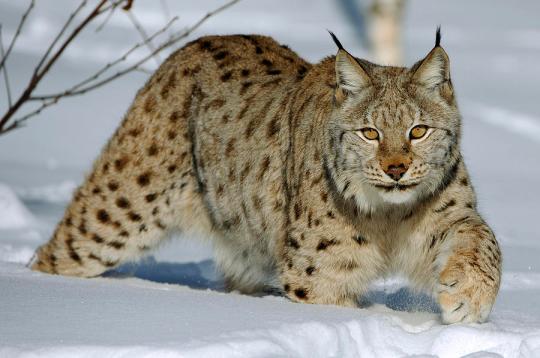
Il più grande gatto selvatico d’Europa, la Lince, pesa tra i 30 Kg (la lince eurasiatica) e 9 kg (la lince iberica) e fino a 70 cm di altezza. È considerato un animale nazionale nella Repubblica di Macedonia ed è esposto sul retro della moneta da 5 dinari. È anche l’animale nazionale della Romania.
La lince è originaria delle foreste europee, dell’Asia centrale e della Siberia. Mentre il suo stato di conservazione è stato classificato come “di minore preoccupazione”, le popolazioni di lince eurasiatica sono state ridotte o estirpate dall’Europa occidentale, dove viene ora reintrodotta. La lince in Gran Bretagna fu spazzata via nel XVII secolo, ma attualmente gli sforzi dei gruppi di conservazione si sono intensificati, per convincere la gente del posto e il governo a reintrodurre la lince in natura, per frenare naturalmente il numero di cervi e lepri.
In Spagna, a partire dal 2004, un’indagine governativa ha mostrato solo due popolazioni riproduttive isolate di lince iberica nel sud della Spagna, per un totale di circa 100 linci. Da allora, grazie a enormi sforzi e protezione, oggi la popolazione è aumentata fino a contare oltre 400 individui! Tuttavia questo sforzo deve continuare, per assicurare che questa sub-specie sopravviva!
La lince è un strettamente carnivoro e consuma circa uno o due chili di carne al giorno. Si nutre di una vasta gamma di animali: cervi dalla coda bianca, renne, caprioli, piccoli cervi rossi e camosci, a prede più piccole e più comuni quali le lepri (americane snowshoe hares), pesci, volpi, scoiattoli, topi, tacchini e altri uccelli.
La lince è un carnivoro della famiglia dei Felidi ed è stata reintrodotta in Svizzera per la prima volta nel 1971 nel Canton Obvaldo.
Si è poi progressivamente diffusa in altri Cantoni fra i quali il Ticino. Le ultime osservazioni storiche in Svizzera risalgono all’inizio del 1900 nella zona del Passo del Sempione. La sua scomparsa è stata determinata dal disboscamento e dalla riduzione delle sue prede naturali.
Qui puoi vedere il link delle specie animali in via di estinzione, riportato dal National Geographic. Questo ti farà riflettere sul coinvolgimento dell’uomo che causa l’estinzione non solo degli animali ma anche delle piante!


Do not be fooled by the appearance… the last picture is Tommy, our “domestic lynx” of ca. 10 kg
Non lasciatevi ingannare dall’aspetto… l’ultima foto è ritratto Tommy, la nostra “lince domestica” di ca. 10 kg
 Claudine Giovannoni
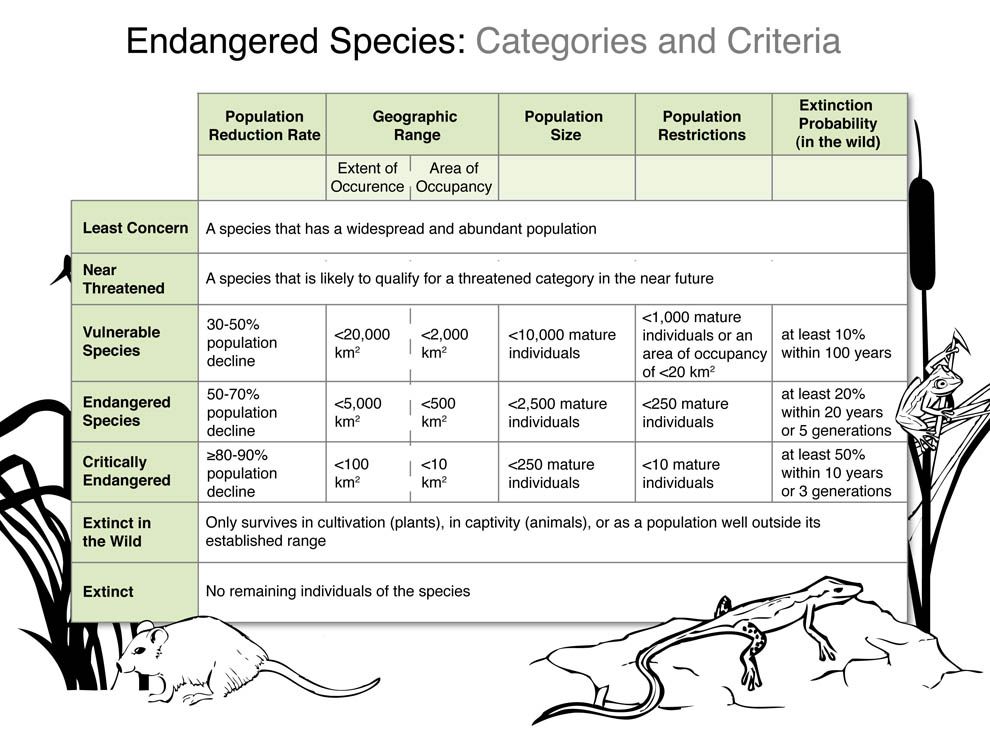
Such beautiful creatures (as is Tommy!). Humans must stop the destruction of wildlife and plant!
One day, I guess they will have to… for reasons I prefer not to think about.
Hugs and have a lovely week :-)c
bellissimo animale dallo sguardo vivo e penetrante. Un grosso gatto e il tuo tommy non sfigurerebbe in mezzo a loro.
Una felice nuova settimana
Grazie, un abbraccio e serena settimana anche a te!!! :-)c
un abbraccio
What a beautiful creature, we all need to do what we can to ensure the survival of this magnificent species, and others. Oooooohhhhhh, Tommy is just stunning!!! I want him!xxx
They are beautiful cats! I hope one day to be able to see them into the freedom of the woods. Next June Emanuelle’s godfather is planning to go to Cape North… And up there in Scandinavia I know there are living as well the lynxs!!!! I shall accompany him 🙂 Hugs and love :-)c
Eles são magníficos. 🙂
In 2016 in Finland, the amount of Lynxes is estimated to be 2355–2 495.