
We usually plan trips far from home, to places we haven’t traveled to yet or even to places we loved so much that remained close to our hearts.
I realize that even the place where I live hides beauties that we sometimes don’t even dream of rediscovering.
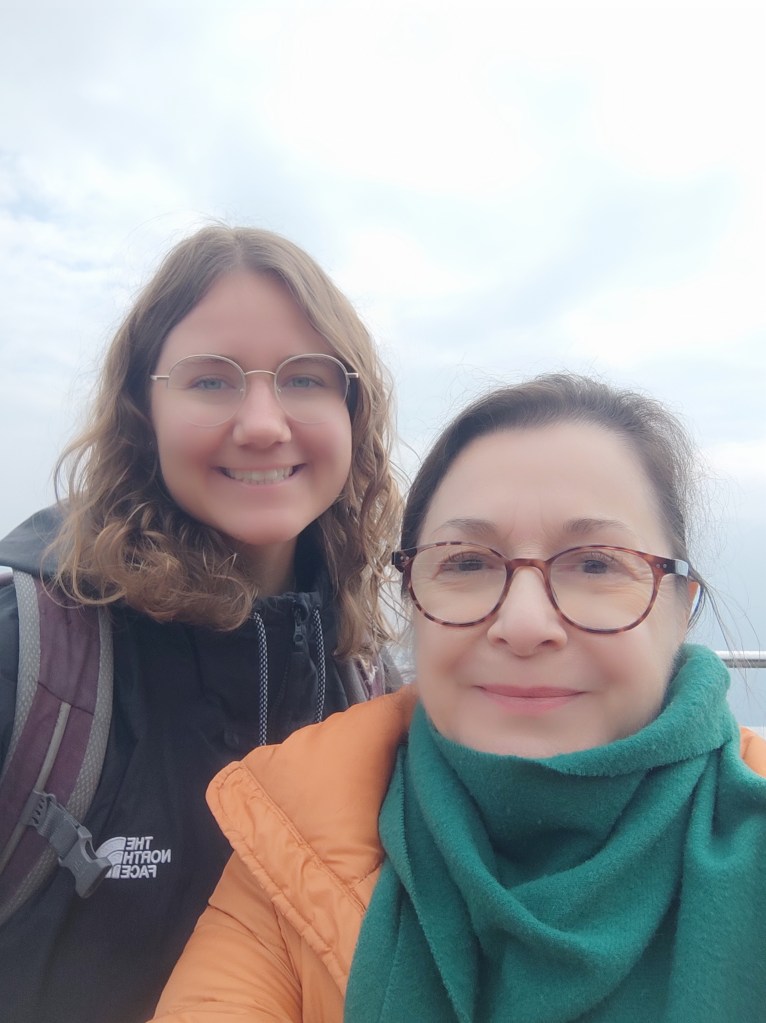
A young woman with whom I shared the Atlantic crossing last year on the CPWF ship (the Jean Paul DeJoria) gave me a pleasant surprise by coming to visit me for a few days.
We looked back with great nostalgia on the moments spent on the ship, the great work we all did, and the utopian wish to save all forms of marine life.
It has been 11 months since I set foot on the gangway that led from the Royal Naval Dockyard Bermudas inside the JPD.
The experience was memorable, unforgettable. Unique and sometimes scary too.
I believe that each of us can somehow draw on our past for such strong emotions that they give us fuel, especially when dreams come true!
Svenja and I relived certain crucial moments, some funny, others sad… while I showed her little glimpses of my canton of Ticino. It was really lovely to have her with us here!
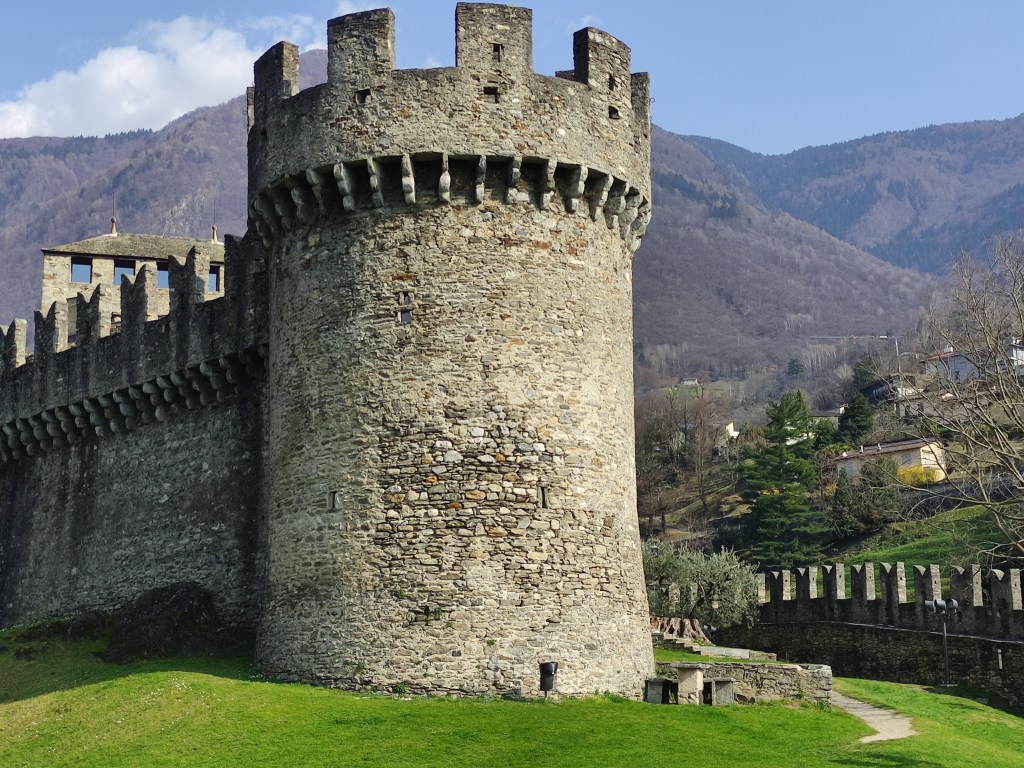
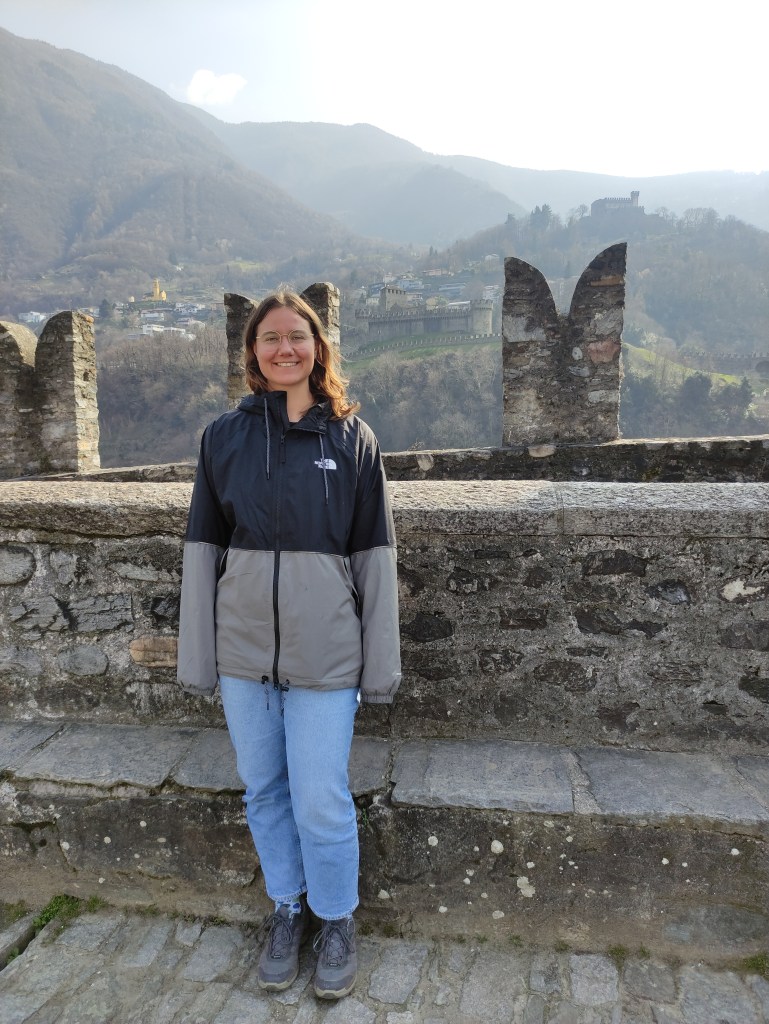
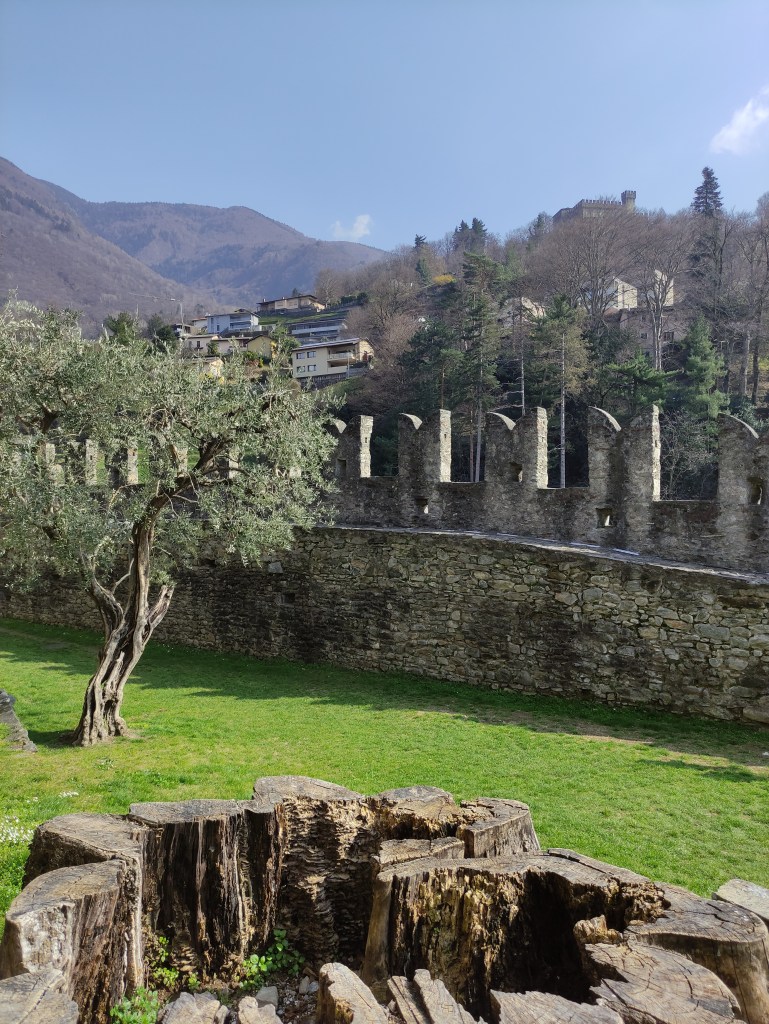
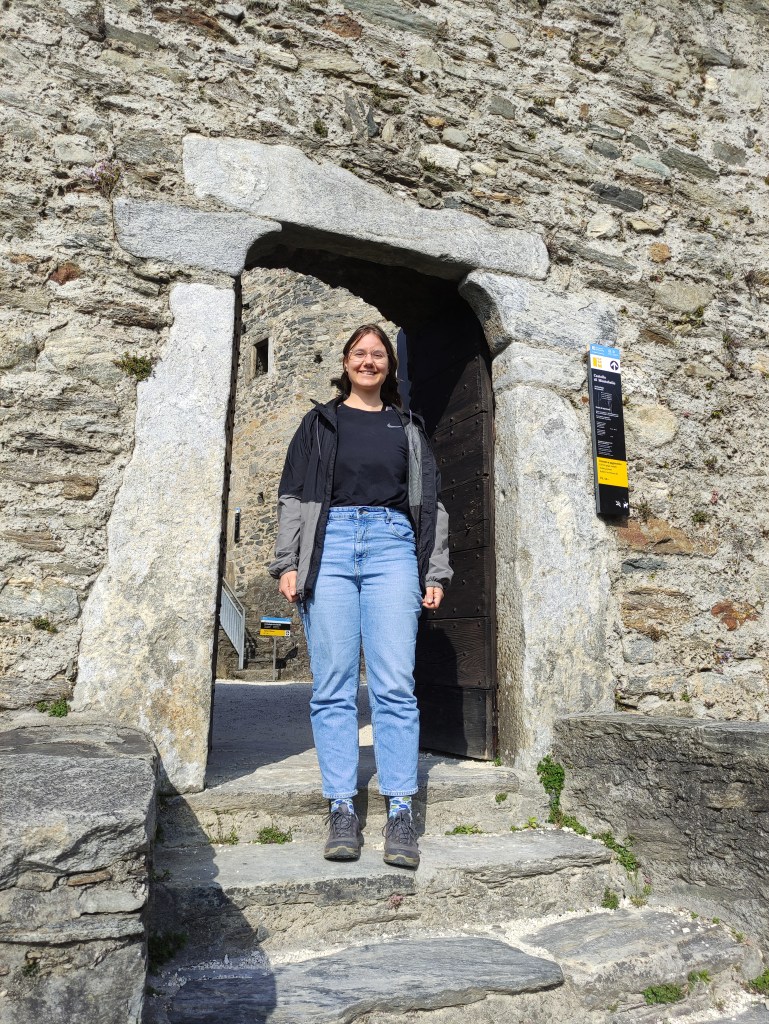
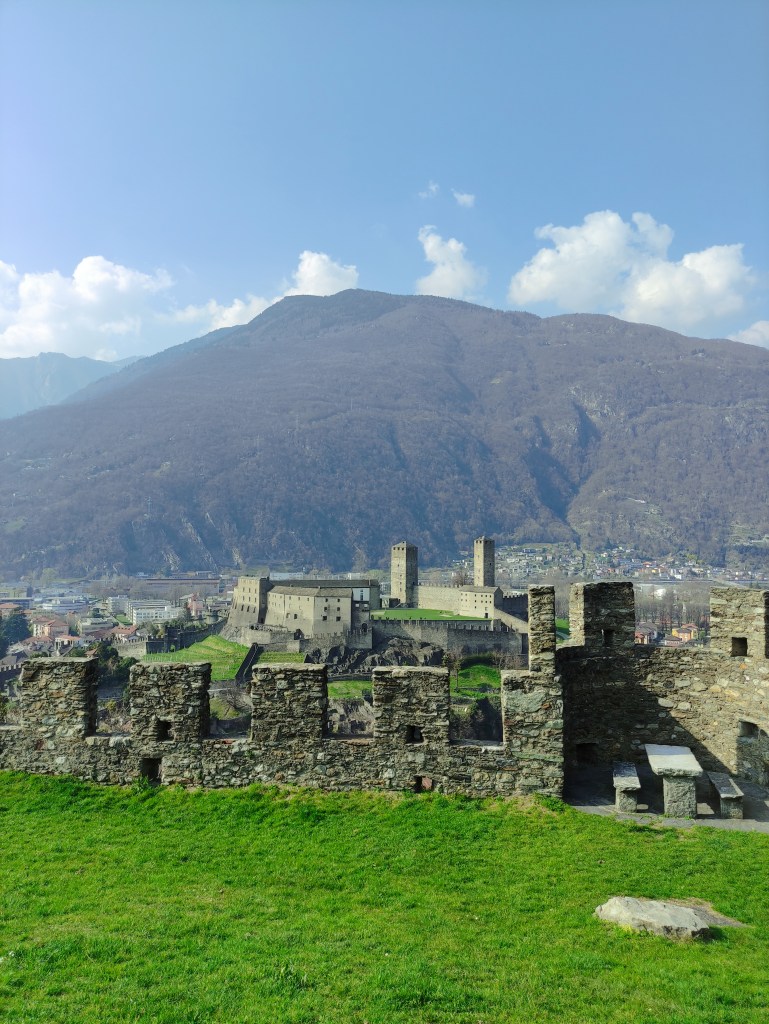
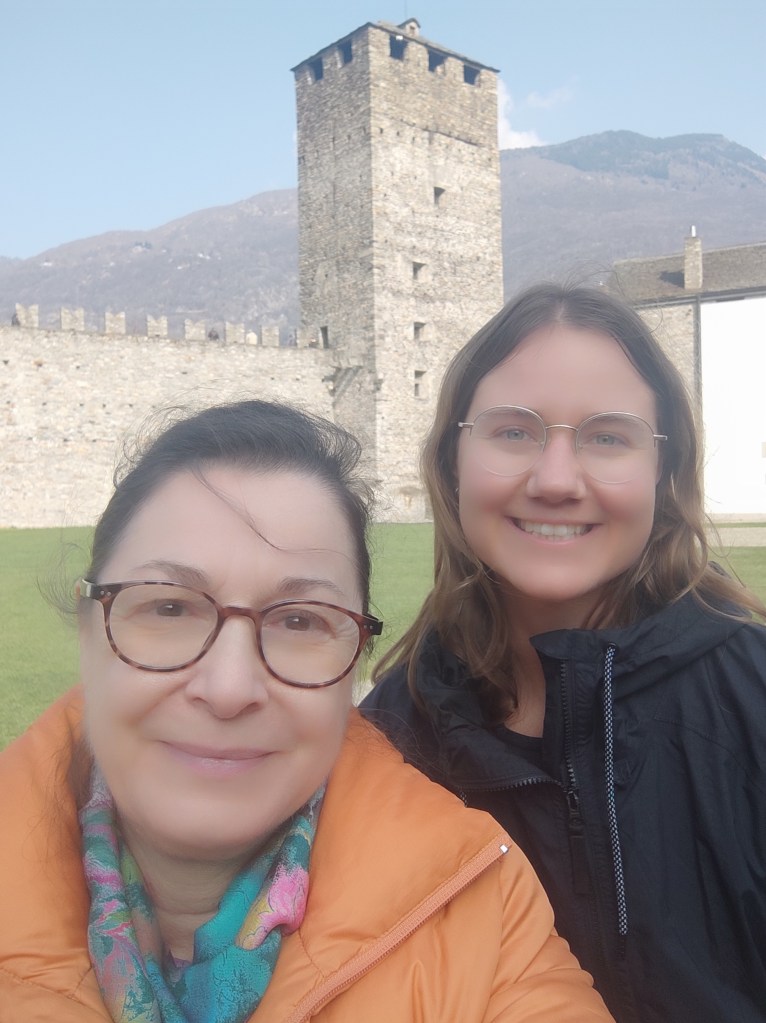
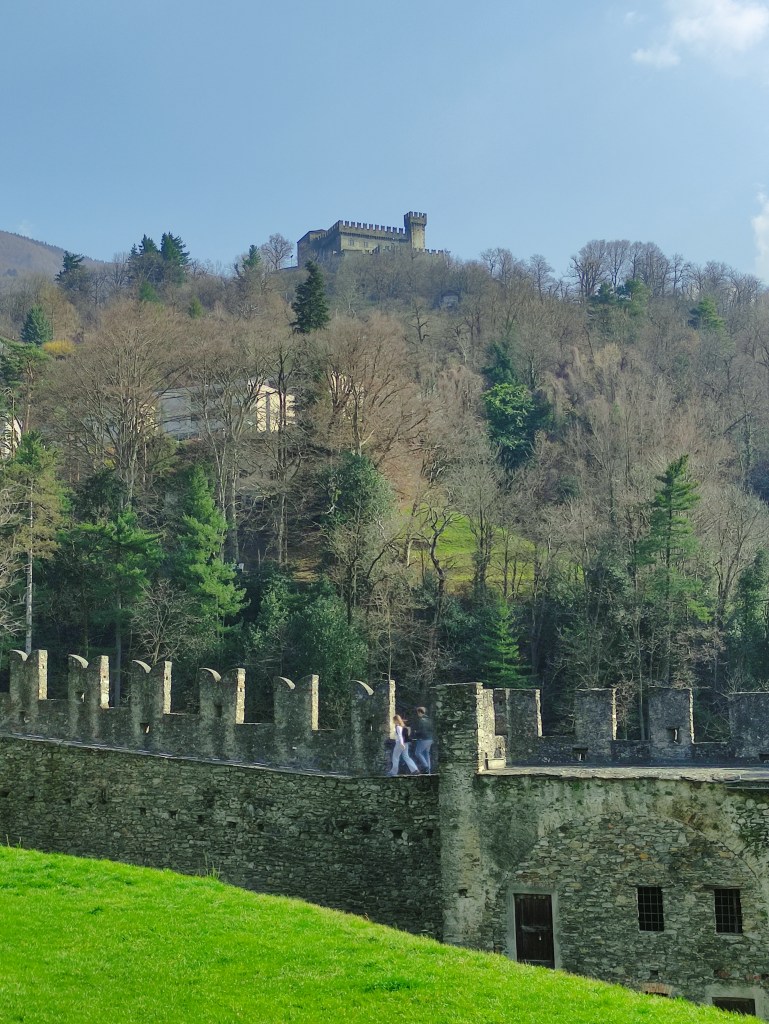
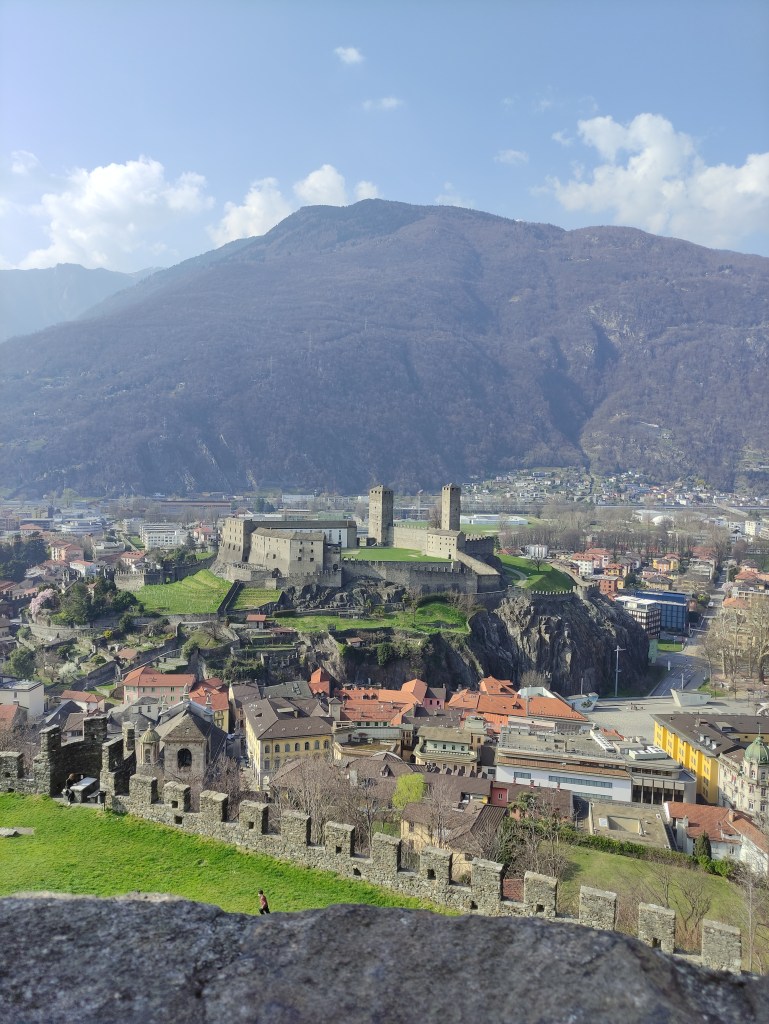
The Bellinzona Fortress is one of the most impressive examples of medieval fortified architecture in the entire Alpine region. Consisting of three castles, Castel Grande, Castello di Montebello, and Castello di Sasso Corbaro, imposing ramparts and the walls of the village, it has been a UNESCO World Heritage Site since 2000. The first fortification dates back to the 6th century. The second, Castello di Montebello, dates back to the 13th century. The Castello di Sasso Corbaro, it was built in the 15th century.
It is also the only example of medieval military architecture of this type in Europe.
For those who have the time and inclination, it is possible to visit the castles by following a 3 km walking route that takes you from the first one to the last, perched on the hill above the town, in about an hour. We followed the route by car, although not without some difficulty in finding our way… unfortunately, this is one of my weak points.
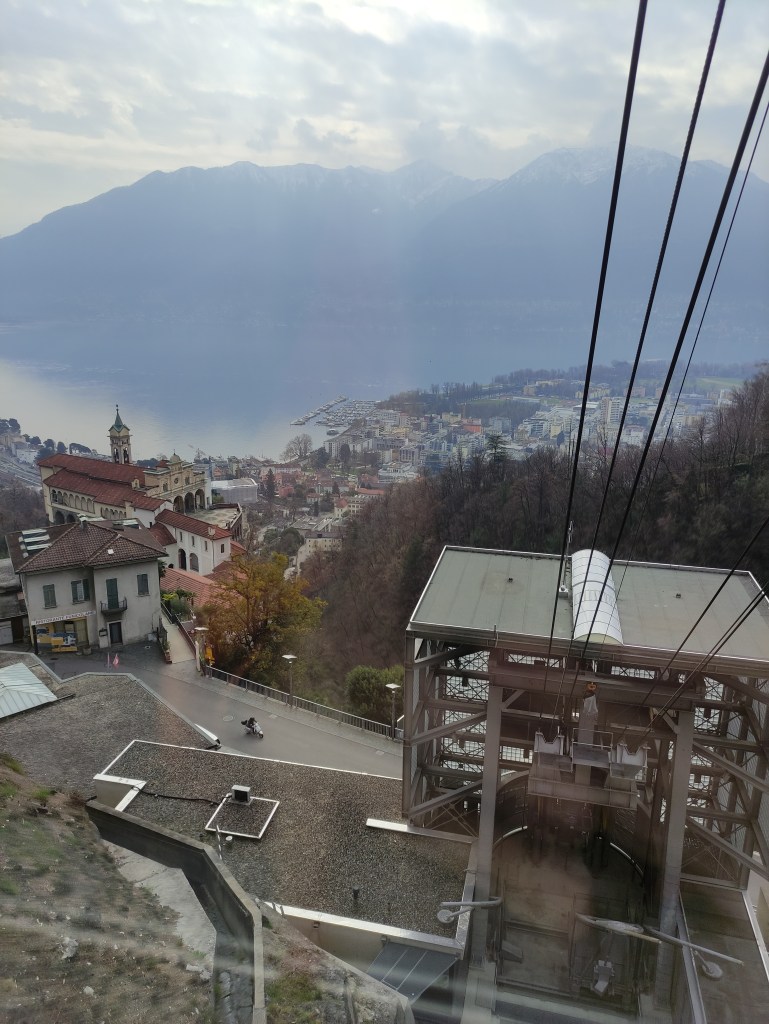
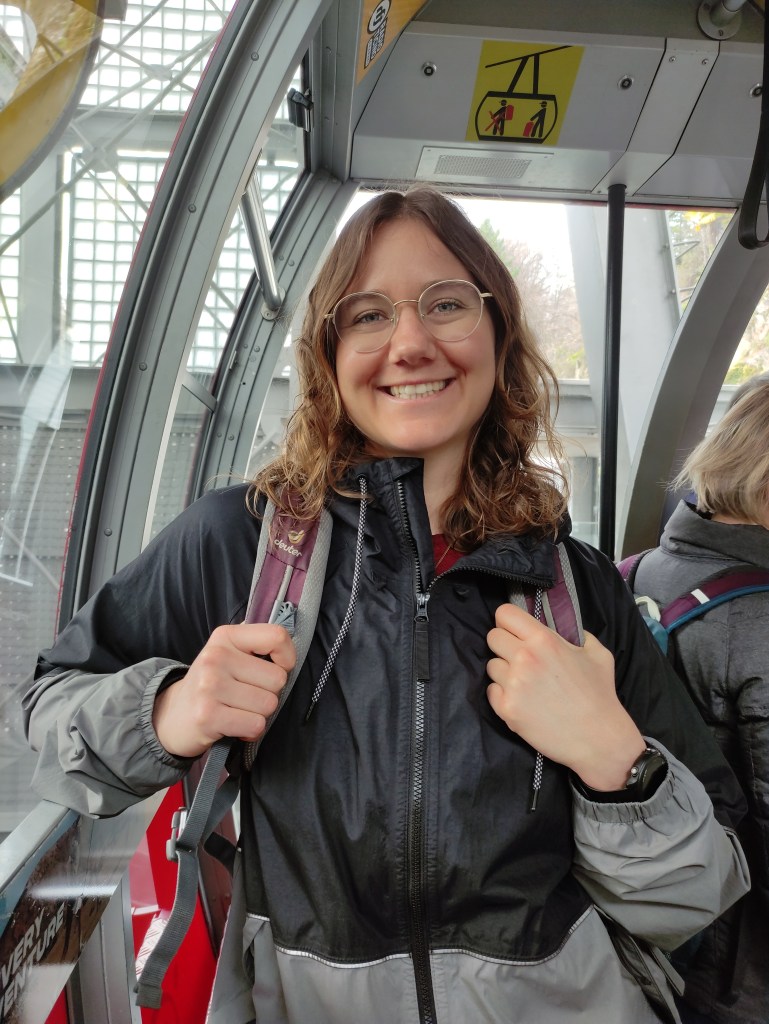
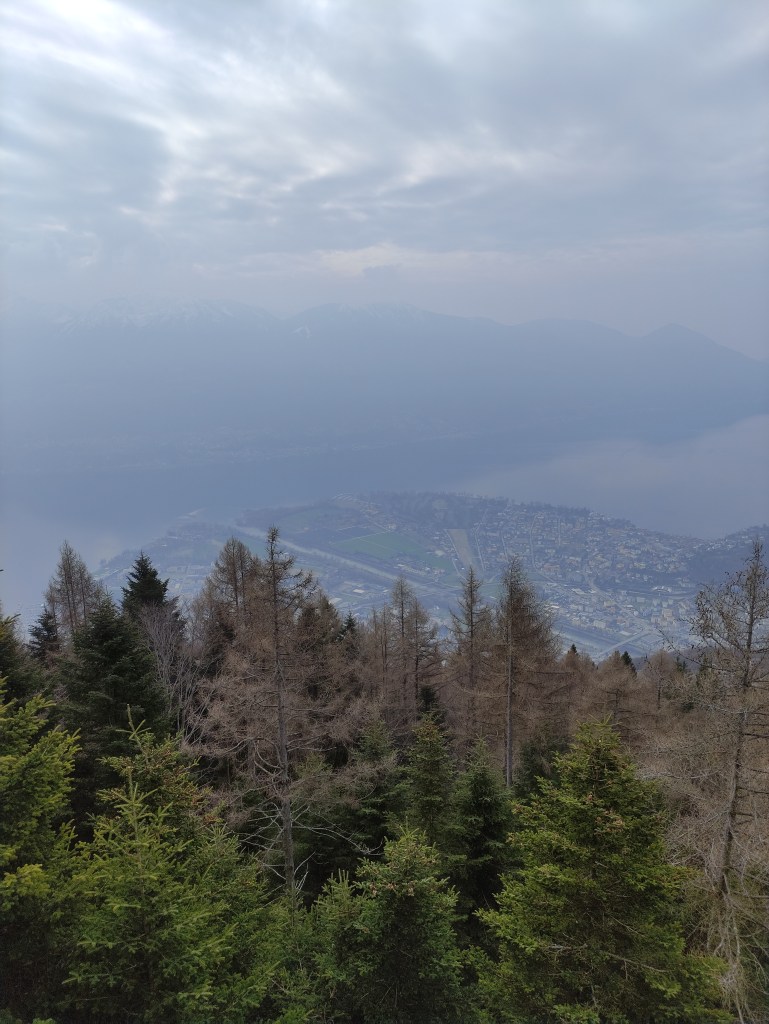
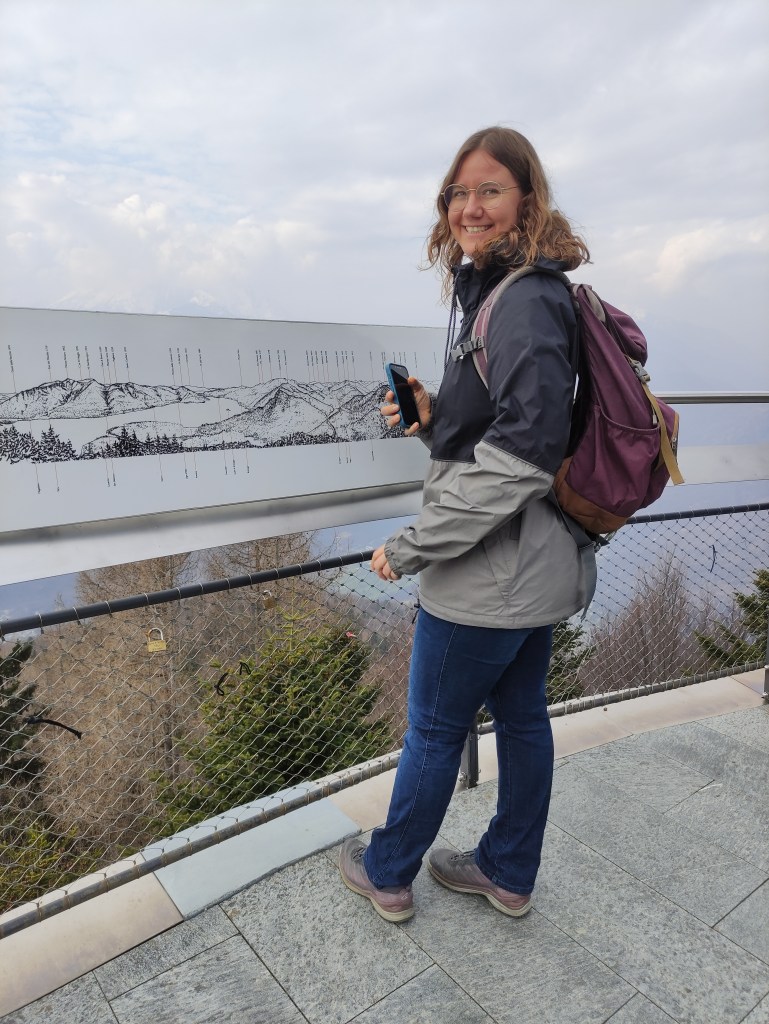
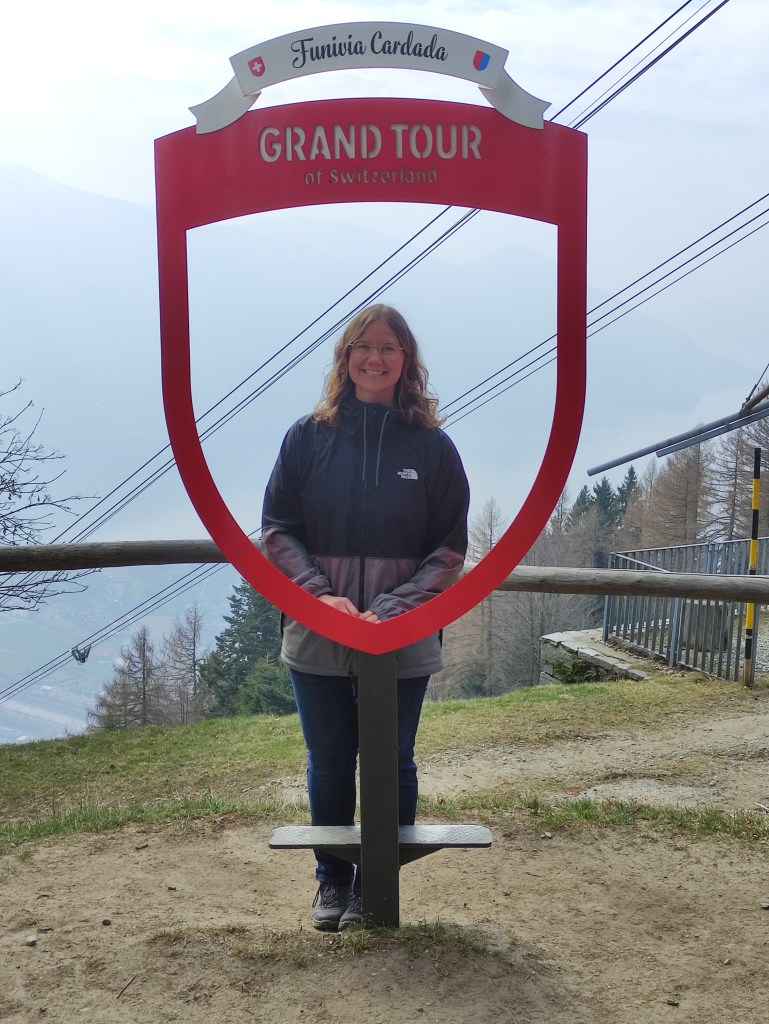
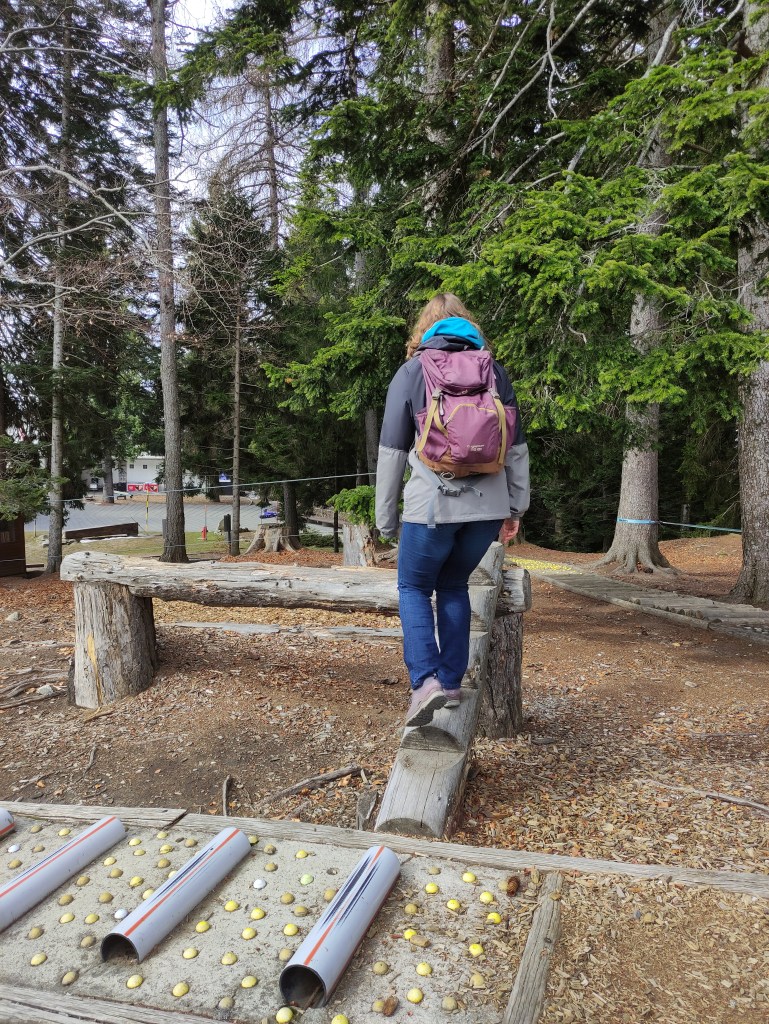
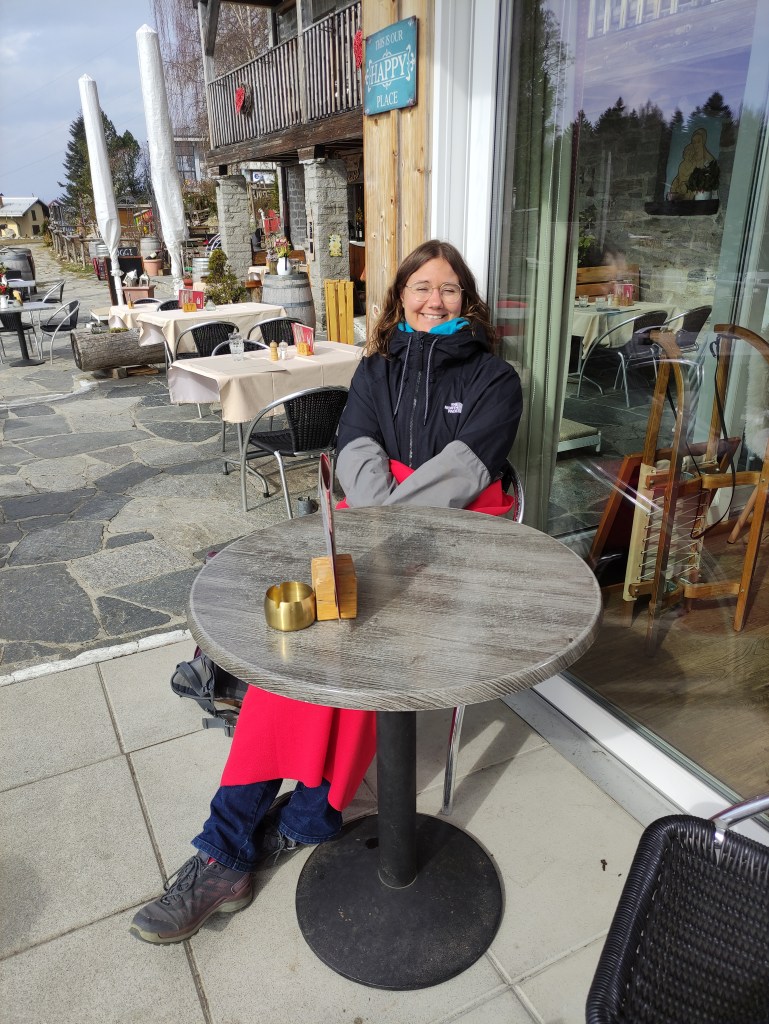
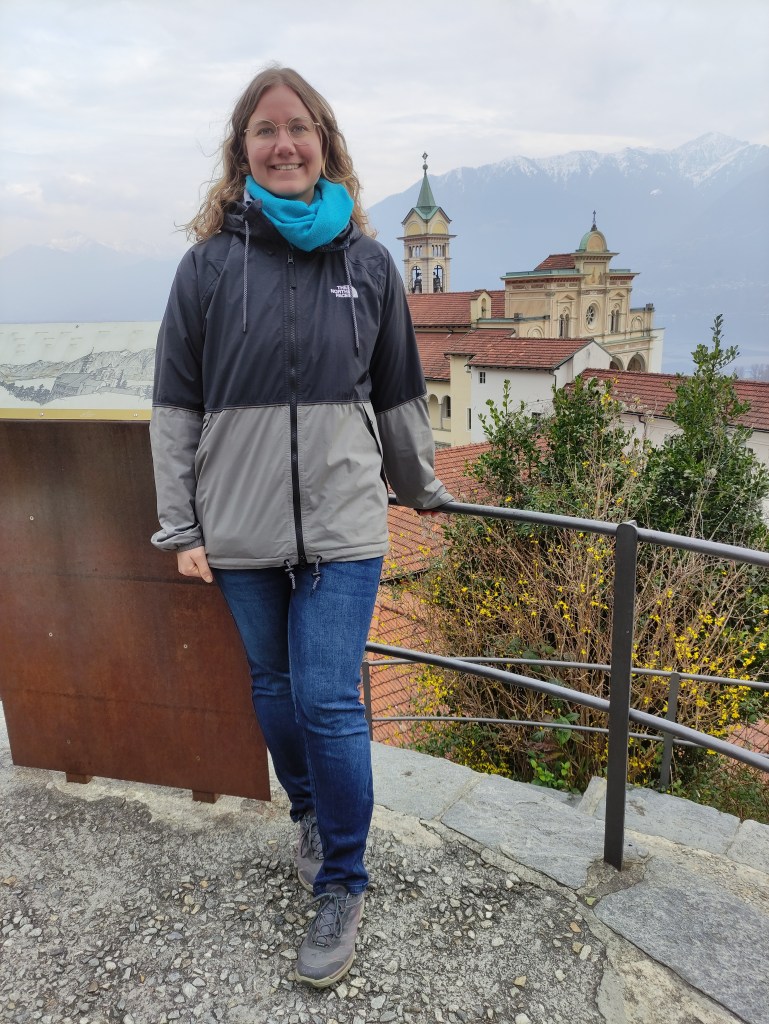
Would you ever have thought that in Ticino, above Locarno, you could visit an easily accessible viewpoint from which you can admire both the lowest point (Lake Maggiore) and the highest point (the Dufour peak of Monte Rosa) in Switzerland? The red cable car takes just a few minutes to climb from Orselina to Cardada (1340 m above sea level), followed by a two-seater chairlift to Cimetta (1670 m above sea level). This oasis of peace and nature offers a breathtaking 360-degree view of Lake Maggiore and the surrounding mountains and valleys. This panorama can be admired both from the panoramic promontory of Cardada and from the geological observatory of Cimetta.
Unfortunately, the weather was not on our side. The summer view is truly sensational, but in winter and spring, a light mist often prevents you from enjoying a clear view.
Back down in Orselina, a visit to the Sanctuary of Madonna del Sasso is a must.
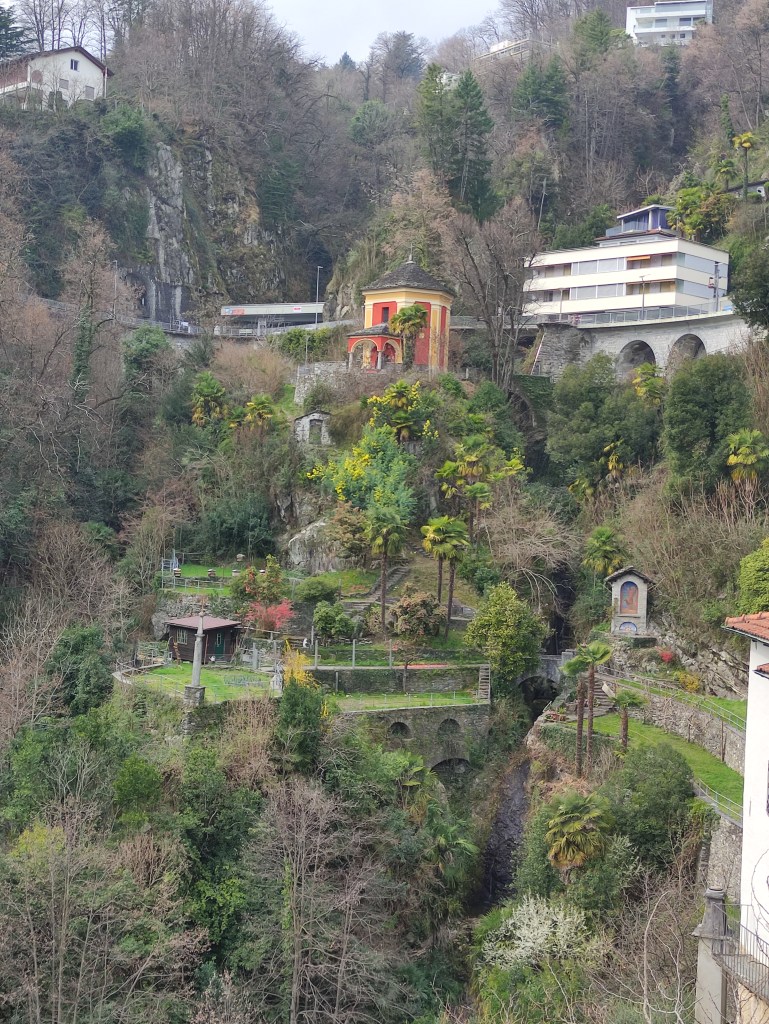
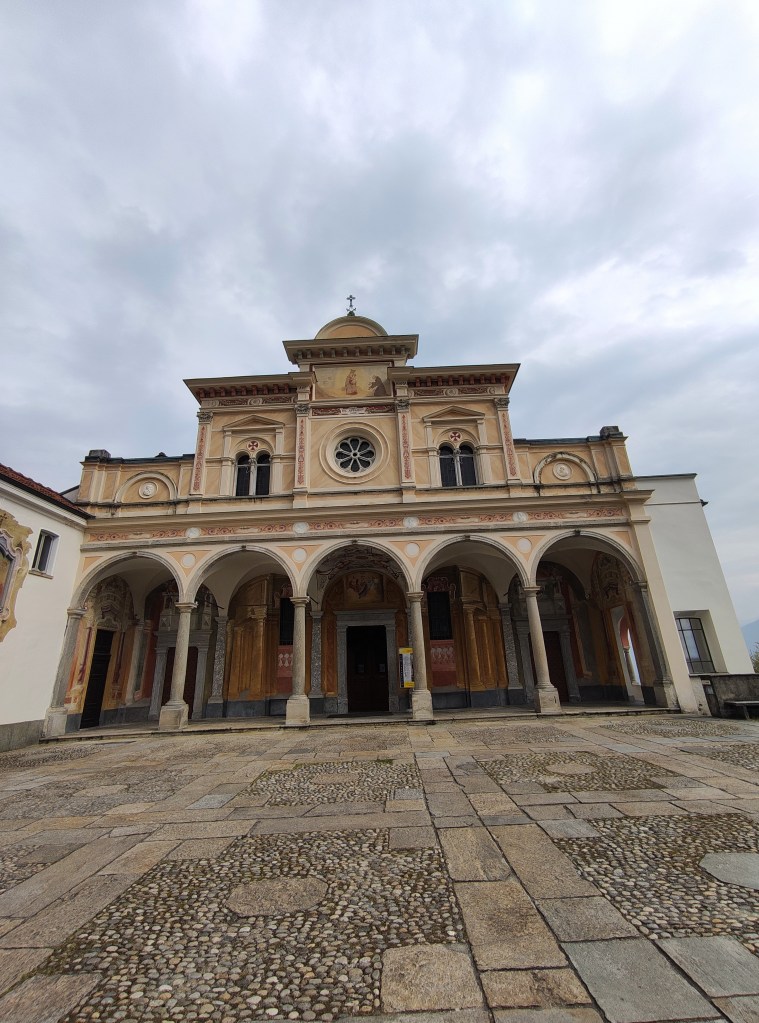
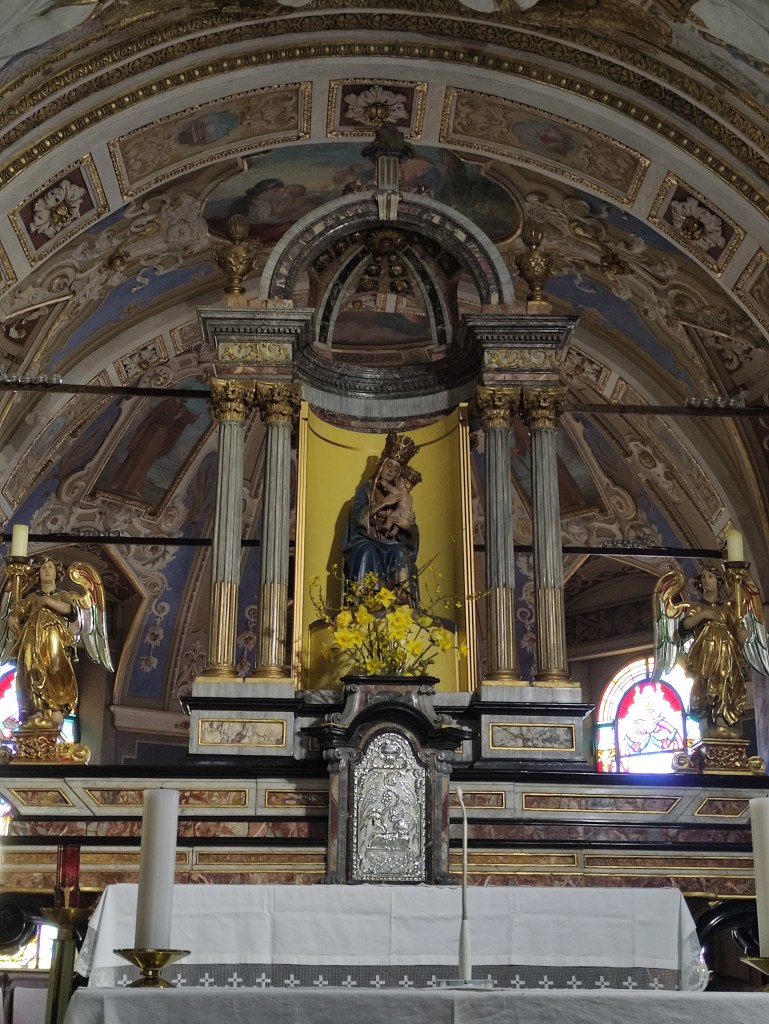
The Sacred Mount of Madonna del Sasso in Orselina is one of the most important historical and religious sites in the canton of Ticino. Tradition has it that Fra’ Bartolomeo d’Ivrea, a Franciscan friar from the convent of Locarno, wanted to build a place of worship on the “Sasso” (rock) of Locarno following an apparition of the Virgin Mary in 1480. Today, consisting of the Church of the Annunciation at the foot of the mountain, the Way of the Cross, and the Sanctuary of Madonna del Sasso, the Sacred Mountain represents a heritage of art, history, and spirituality.
Perched on a spectacular rocky outcrop, the Sanctuary of the Madonna del Sasso, a pilgrimage church overlooking Locarno, is preceded by a large square from which you can see the deep and wild valley. Next to the church, a portico offers a fantastic view of Locarno, the lake, and the surrounding mountains.
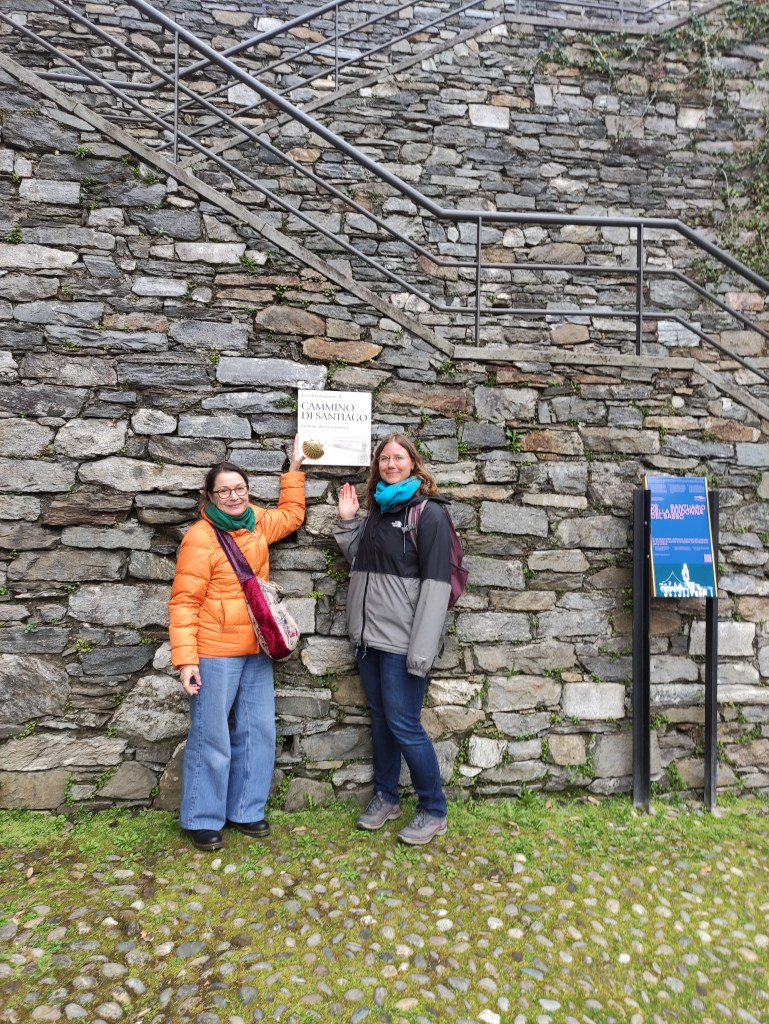
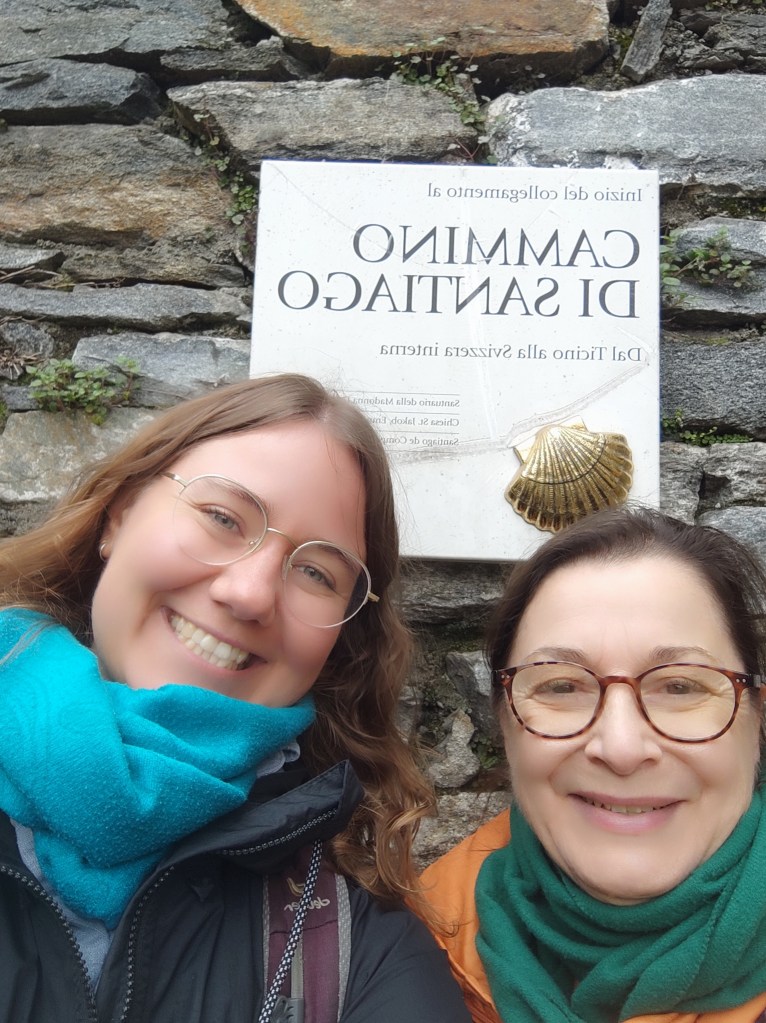
The Compostela stamp from the parish of San Nicolao di Besso in Lugano marks the start of the Camino de Santiago through Switzerland. It is almost an “initiatory” journey that forces you to remove all masks. The connection from Ticino to the Camino de Santiago in Switzerland, which starts from Madonna del Sasso, has been marked with signs depicting the shell of Santiago and a yellow arrow on a blue background by the association “Amici del cammino di Santiago” (Friends of the Camino de Santiago). I don’t deny that the idea is there, although I would modestly be happy to start from León or Burgos, which would be 500 km to walk, in stages… This is also already planned in my to-do-list!
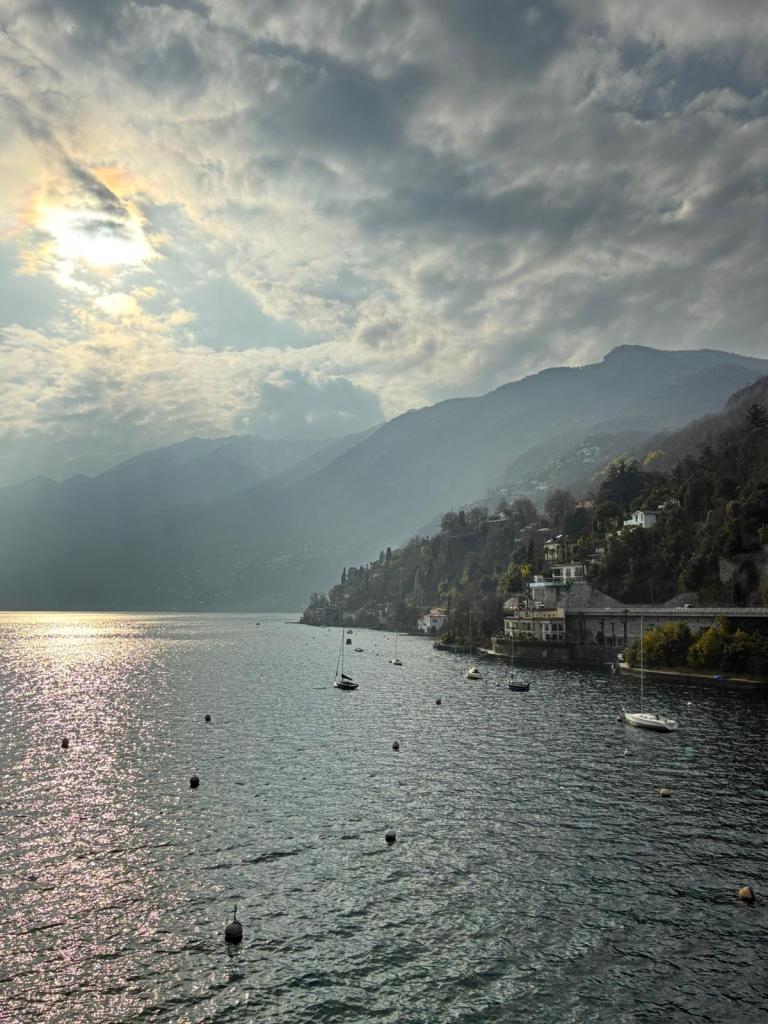
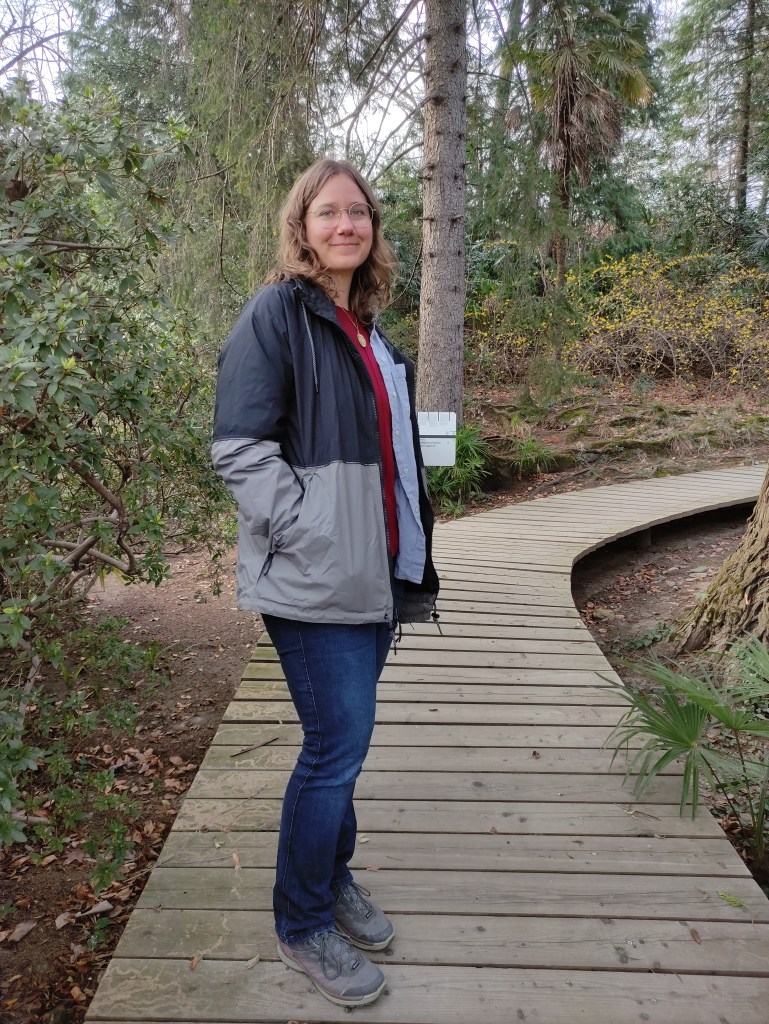
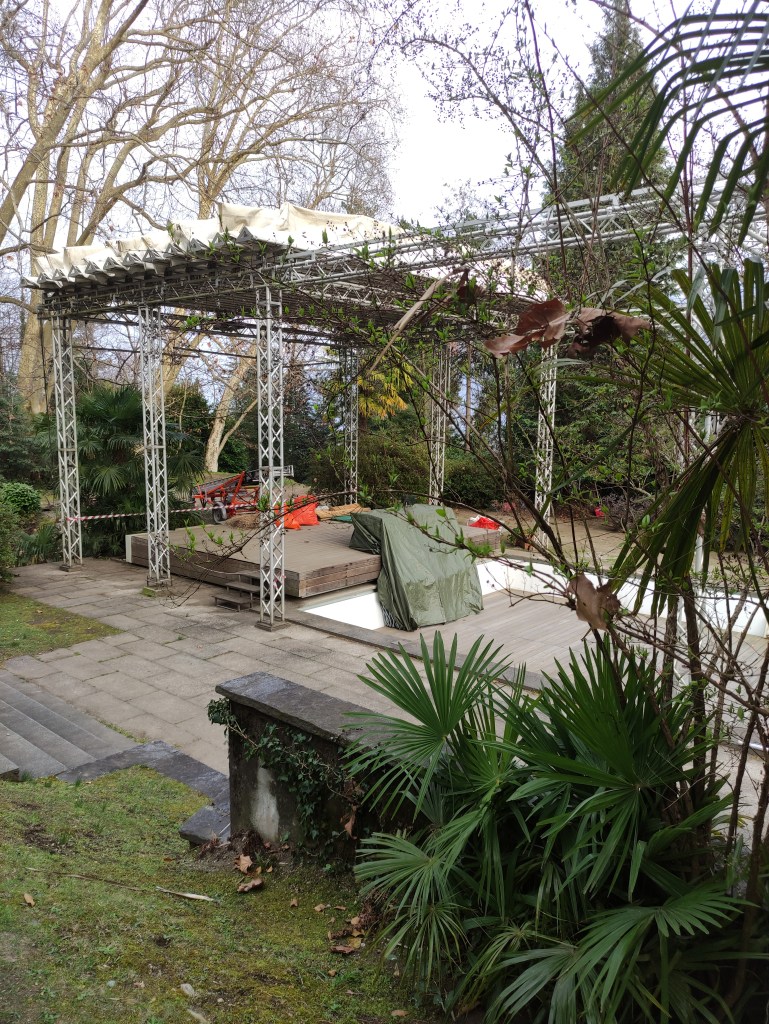
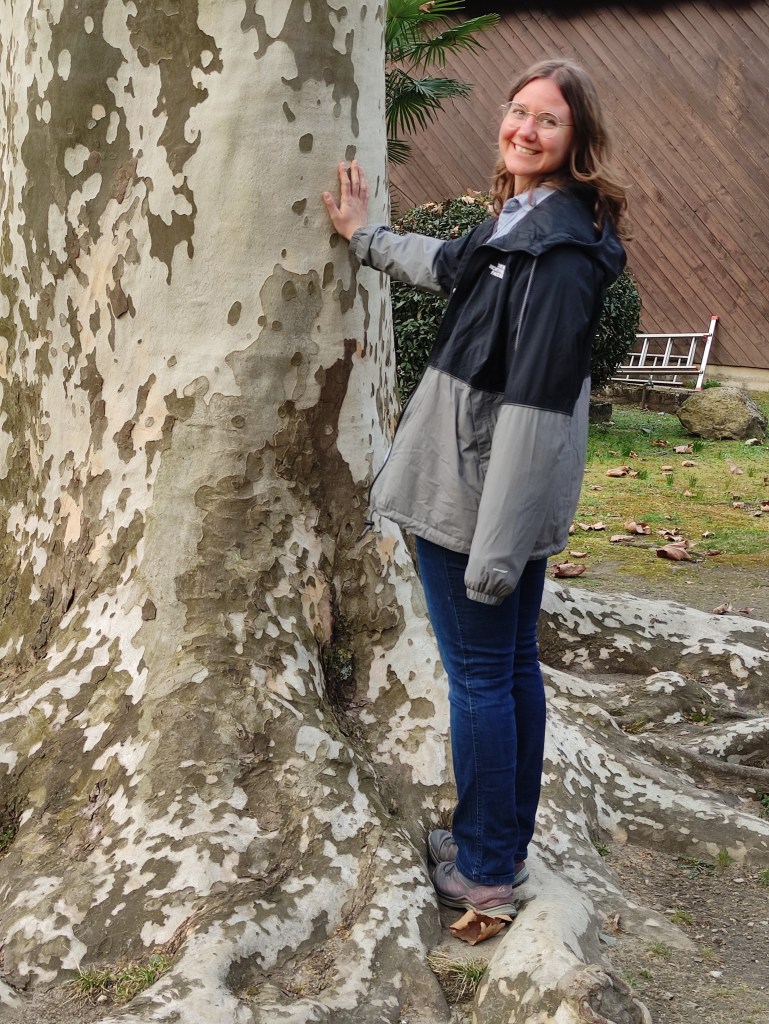
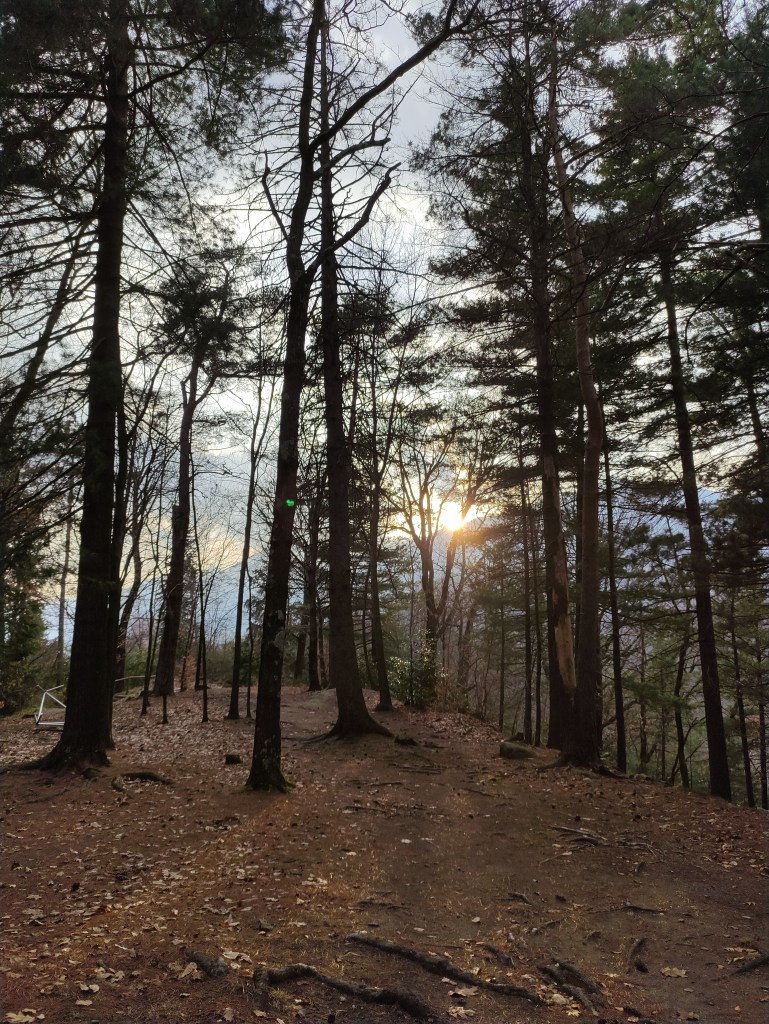
The Monte Verità stands on the hills overlooking Ascona and Lake Maggiore, and has always been a magnetic hub for ideas, trends, experimentation, and historical figures.
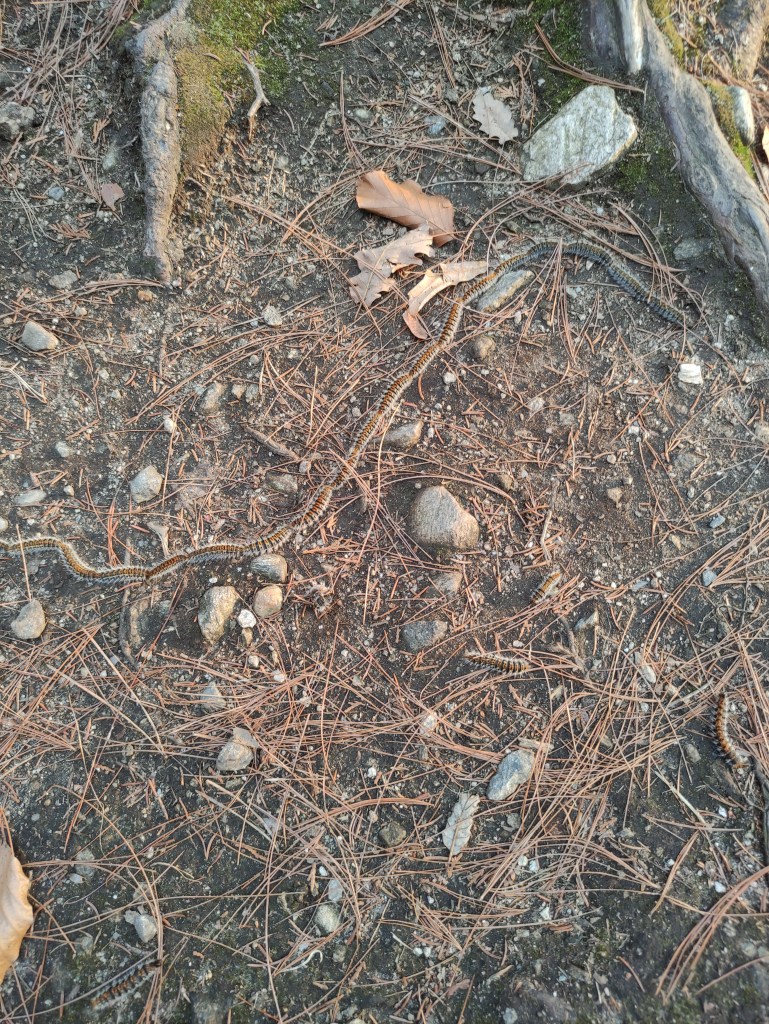
The alternative, vegetarian colony of the early 20th century marked the birth of the Monte Verità myth, with the presence of artists, anarchists, philosophers, and thinkers, as well as illustrious guests such as Hermann Hesse. After a brief period in the early 1920s, during which a group of expressionist artists created a small art center, the hill in Ascona was purchased by German banker and art collector Baron Eduard von der Heydt. Monte Verità then became a modern hotel complex that welcomed leading figures from the worlds of art, politics, and culture. We both walked in the surrounding park, while passages from my latest novel, which is set in Ascona and on Monte Verità, came back to my mind. We also stumbled upon a processionary caterpillar “column.” These insidious, somewhat petty insects pose a silent—and often underestimated—threat to trees, animals, and even people. Their stinging hairs can cause allergic reactions, some of which can be severe.
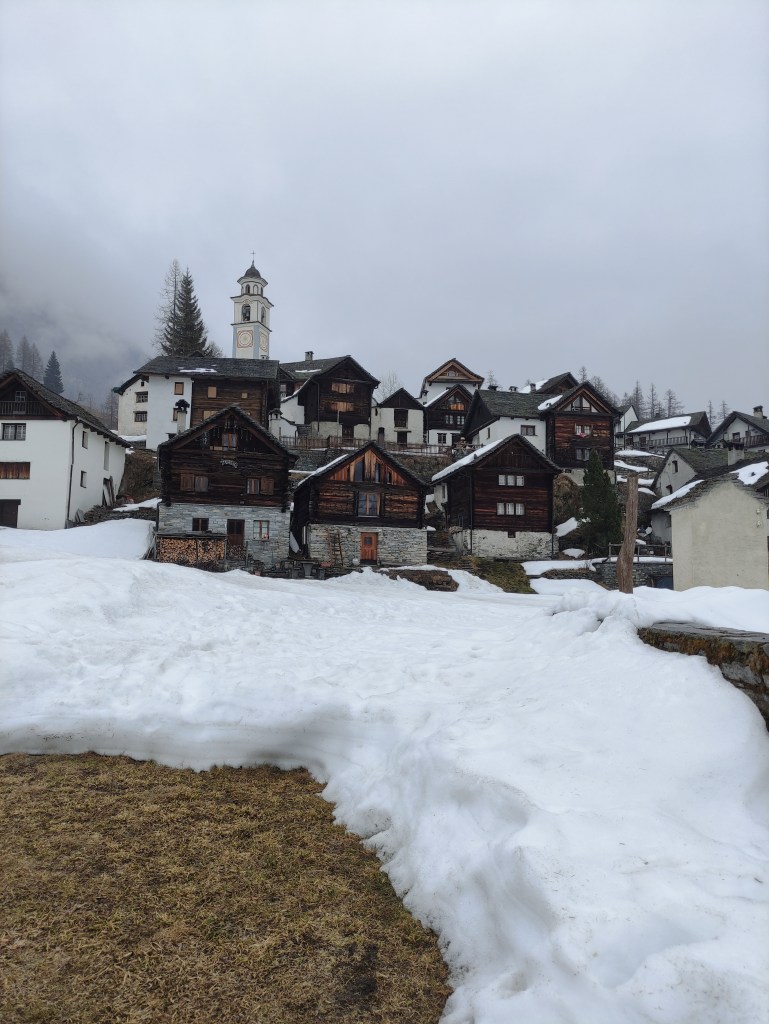
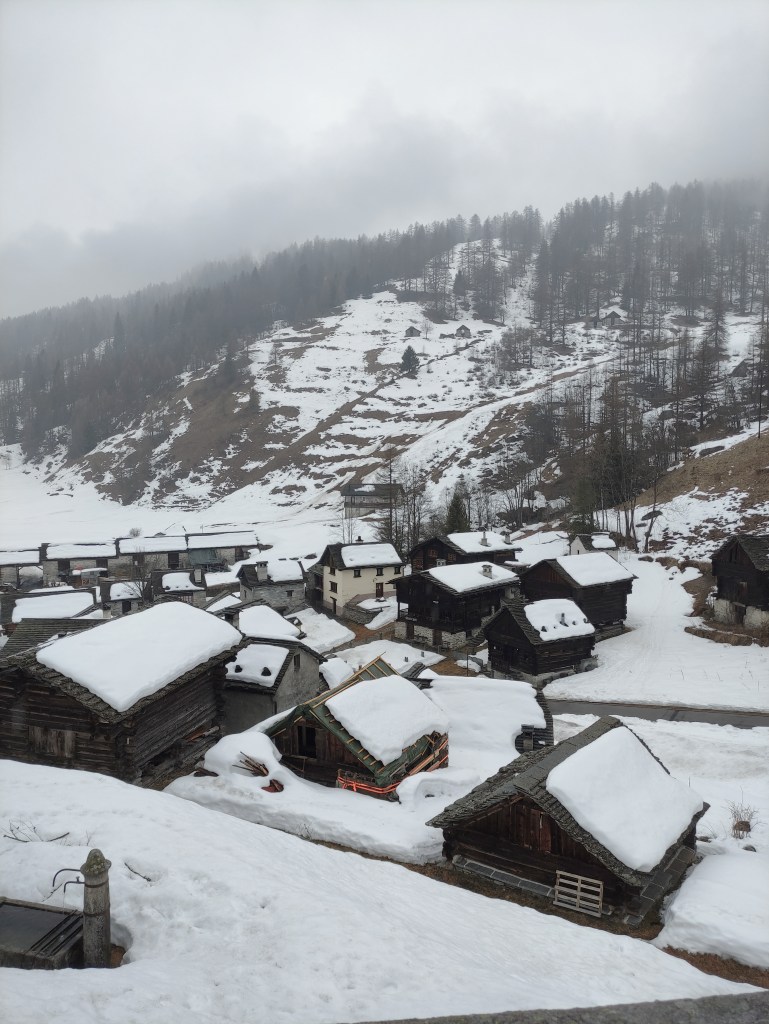
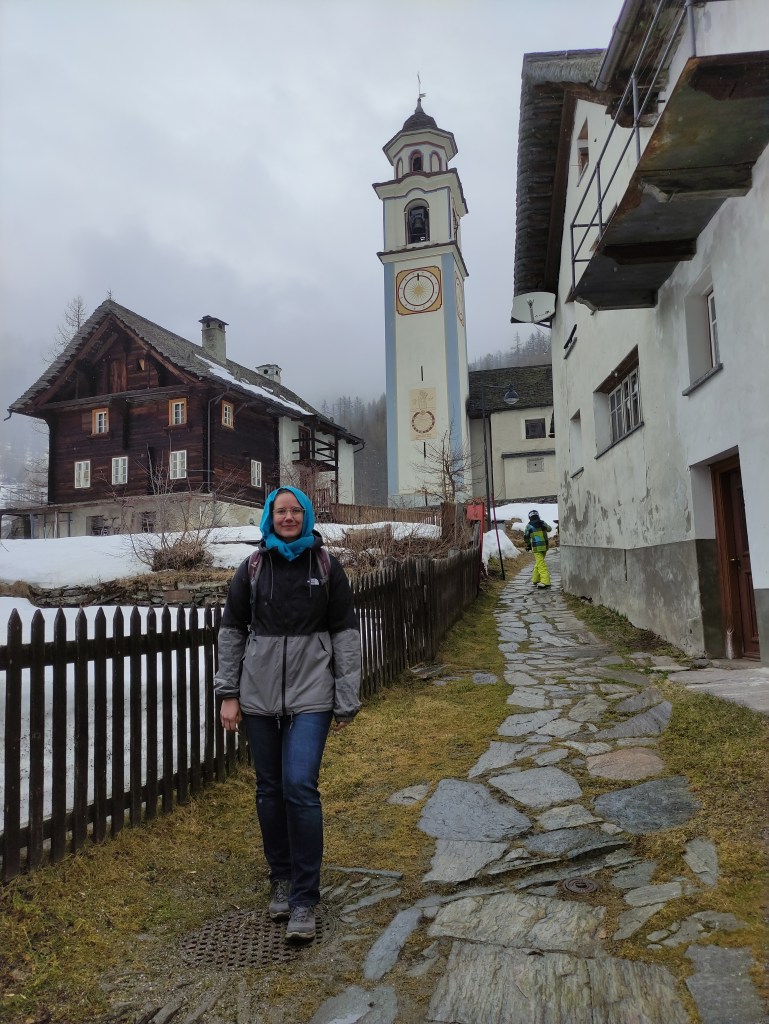
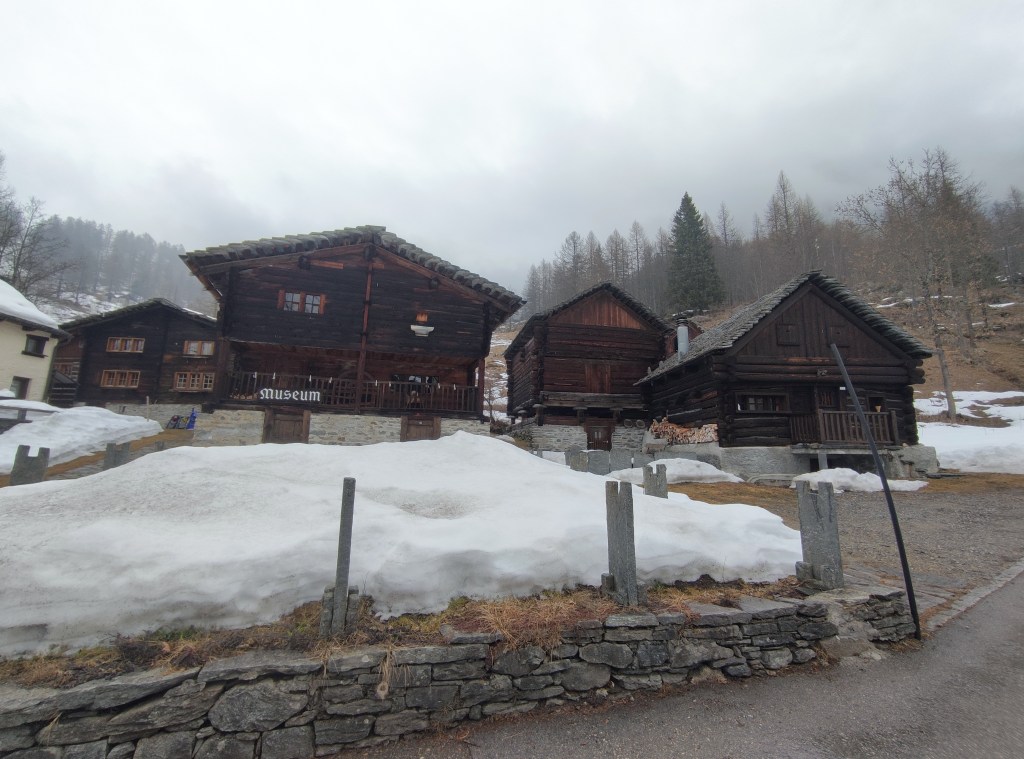
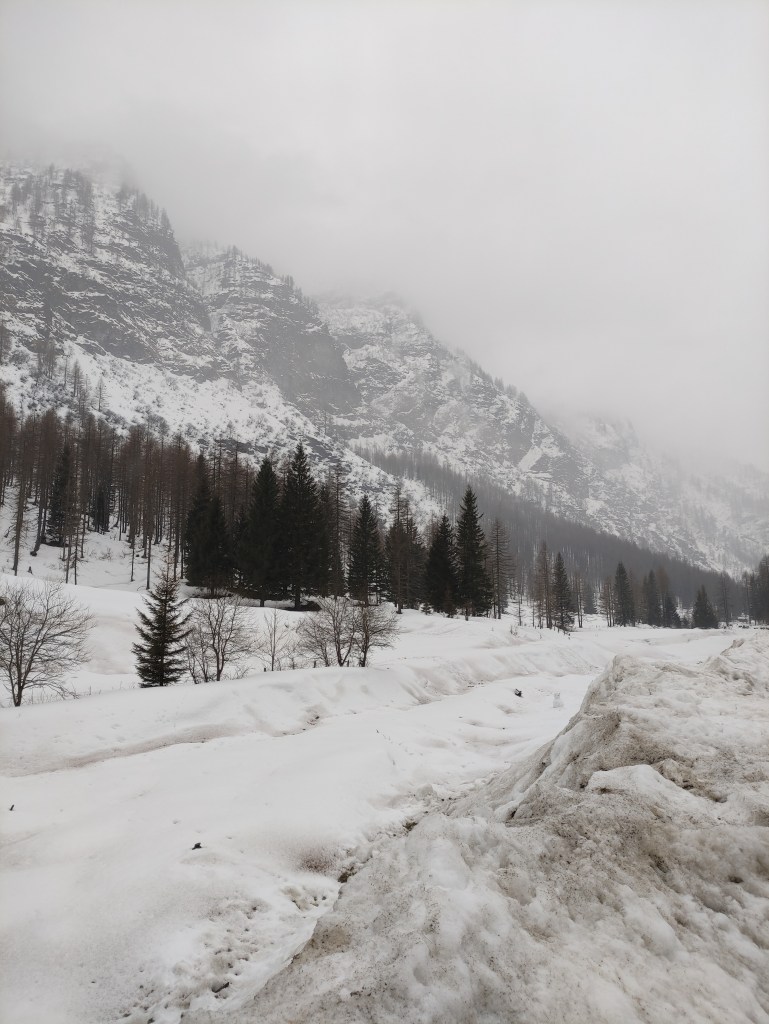
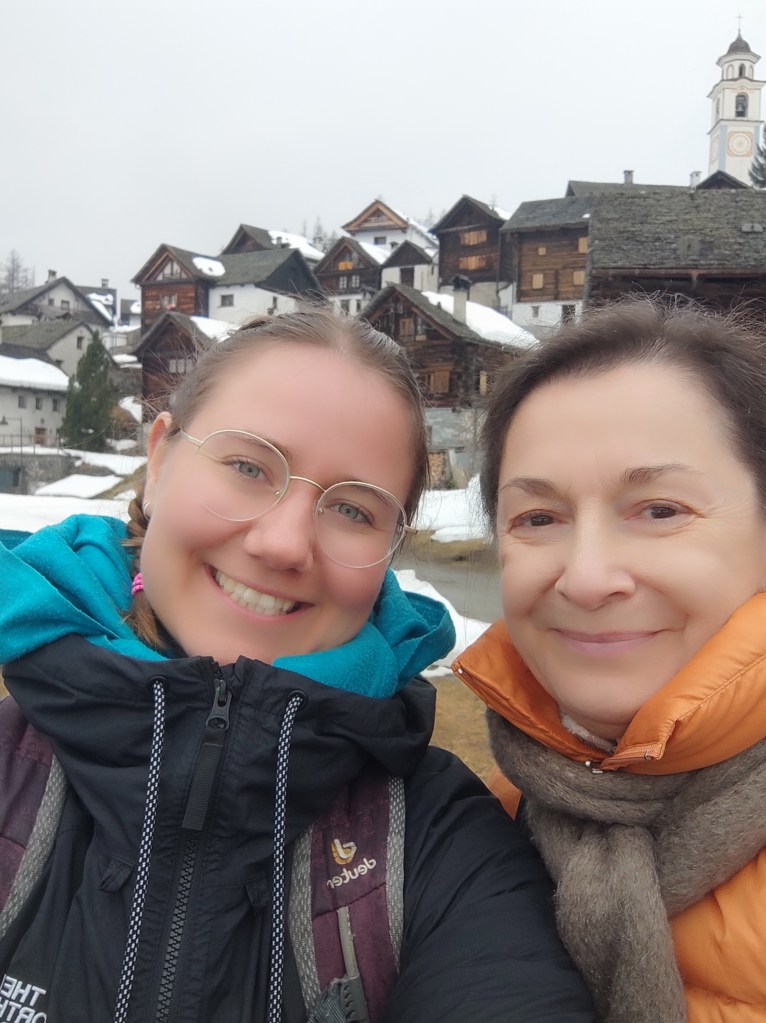
A trip to the Maggia Valley was definitely a must. Since the weather was a bit cloudy, I didn’t take Svenja to Fusio; instead, at the last minute, I turned toward Bosco Gurin. This small village, located at 1,506 meters above sea level, is a popular vacation destination, especially in the winter since usually there is snow.
Its history dates back to the 13th century, when the first Walser settlers, coming from the west, sought a new home here. In the natural valley basin of Bosco, they found the ideal spot to found their village. The people of Bosco Gurin (web-cam)have preserved their traditions and language over the centuries, so that even today, “Ggurijnartitsch” is spoken by the villagers in everyday life.
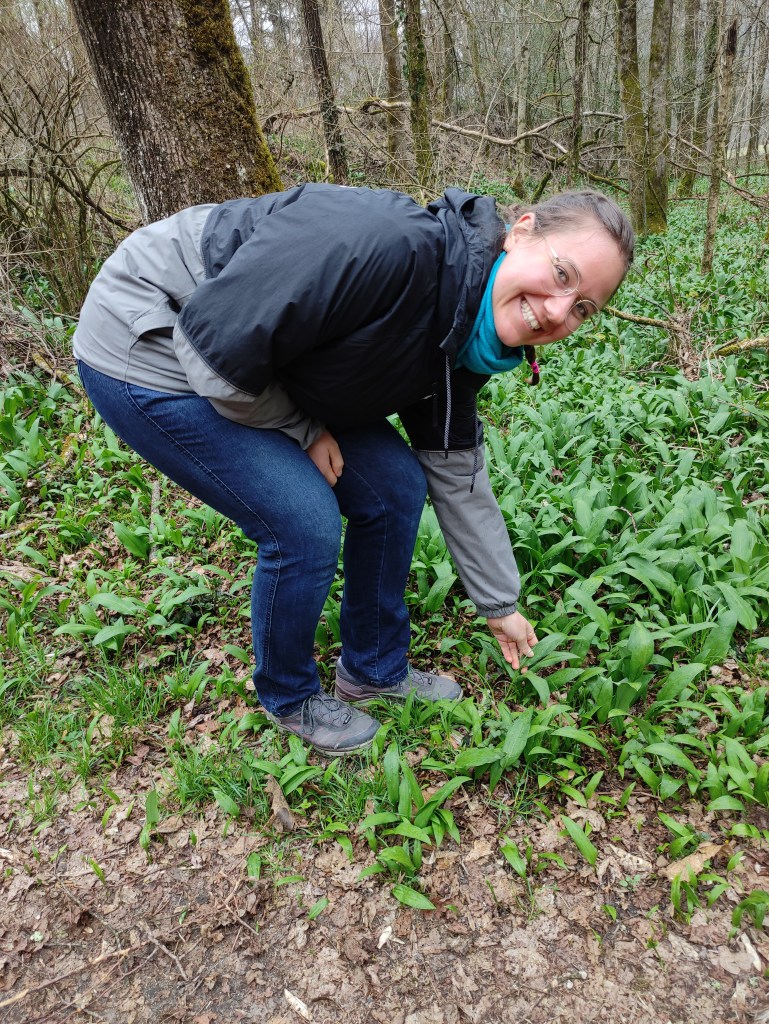
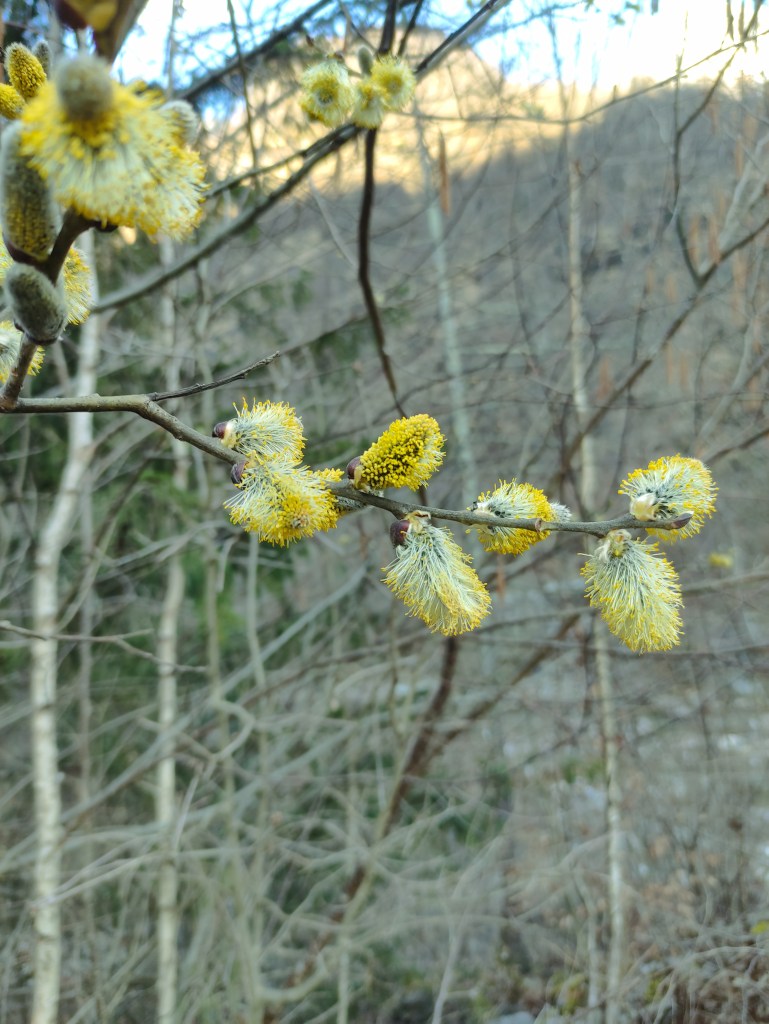
And as if by chance, up there I ran into an acquaintance I hadn’t seen in years, making this experience even more enjoyable! On the way back, we stopped to pick some wild garlic leaves, which I used to make pesto for both of us with extra-virgin olive oil, pine nuts, and almonds.
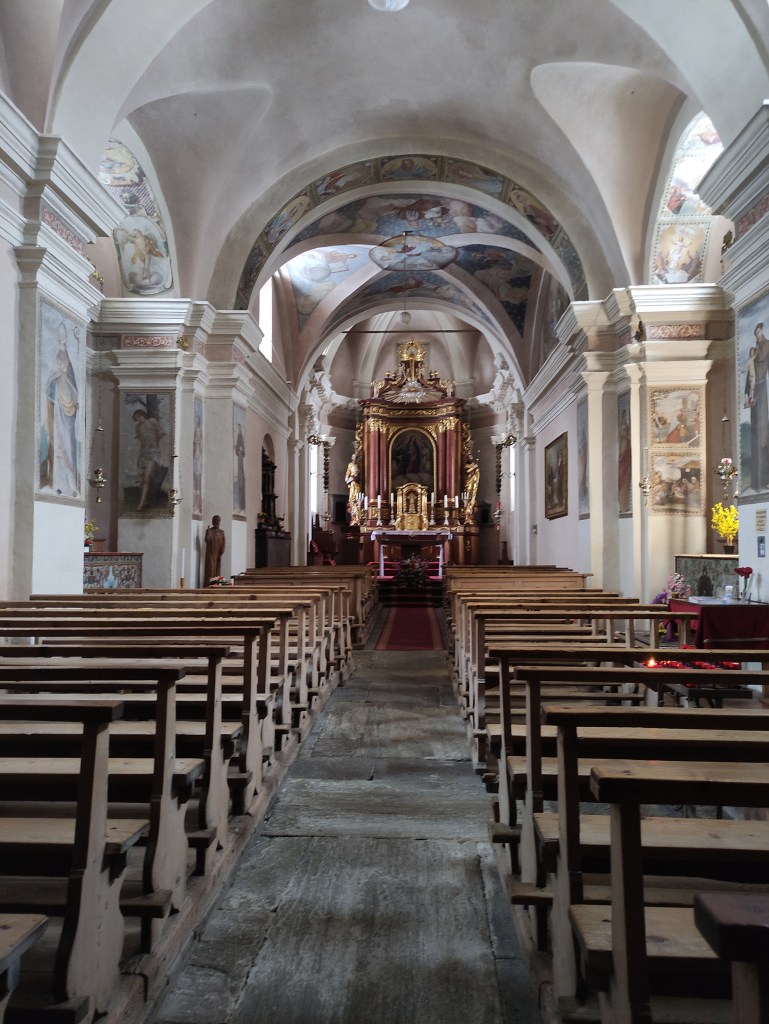
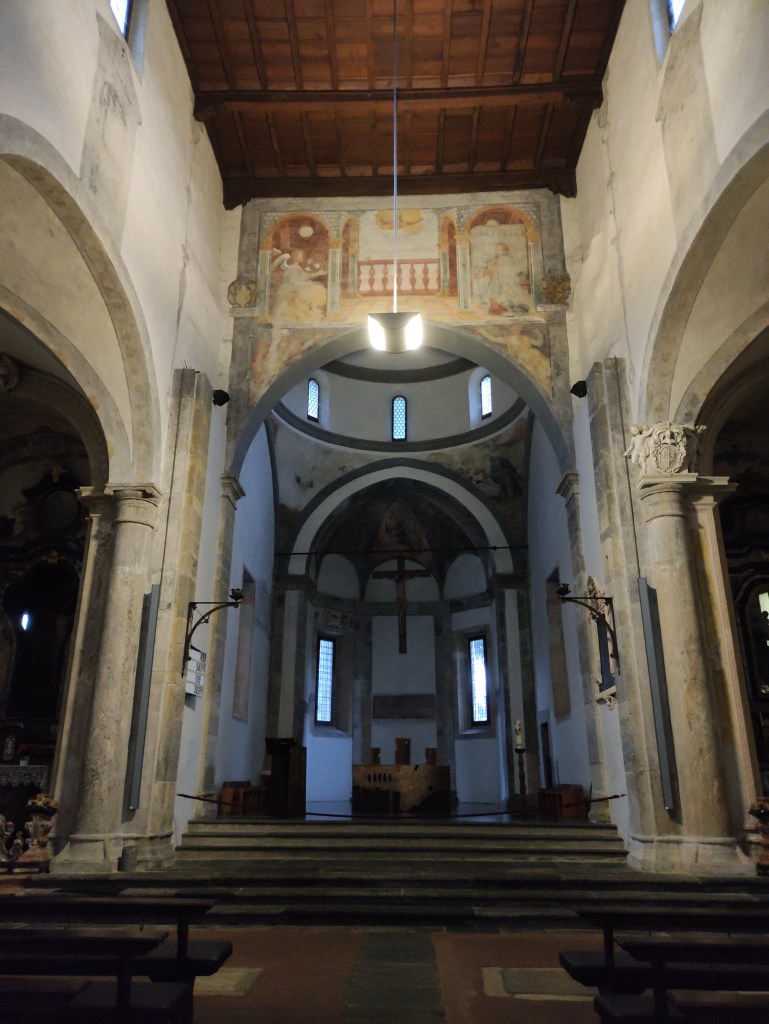
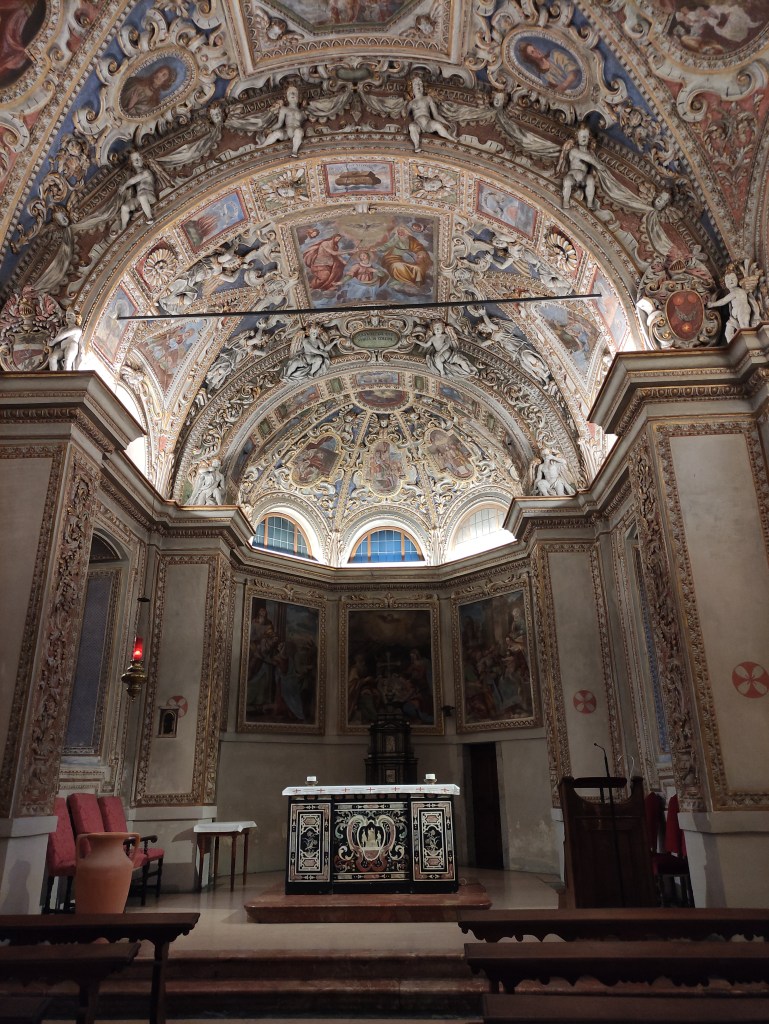
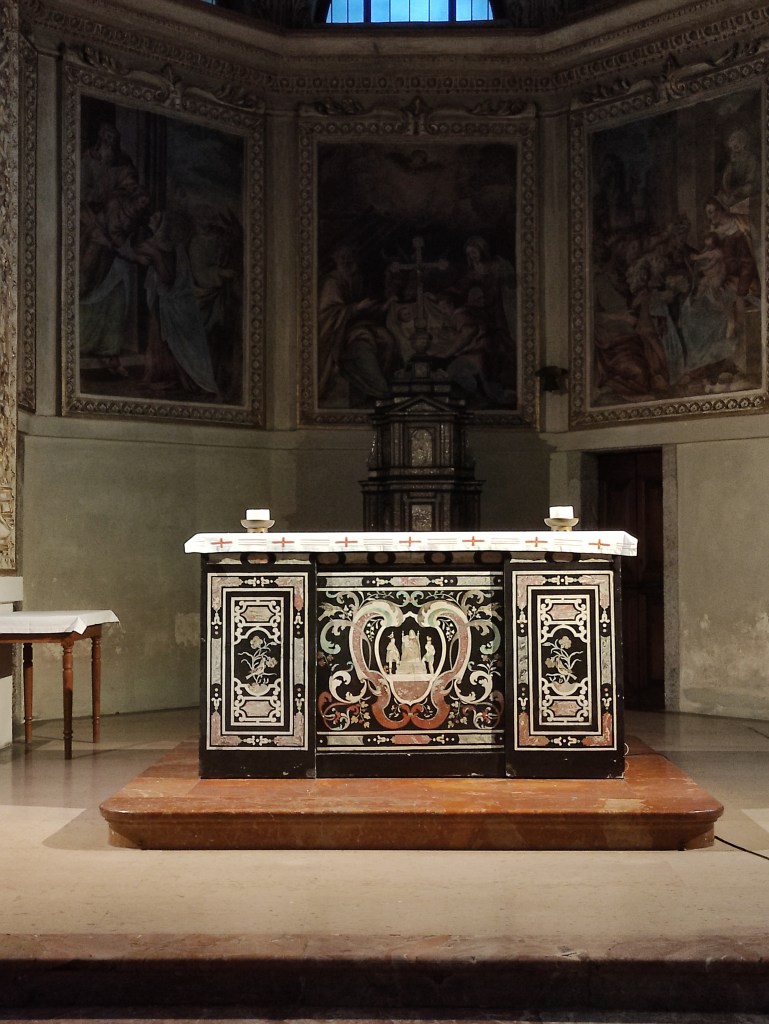
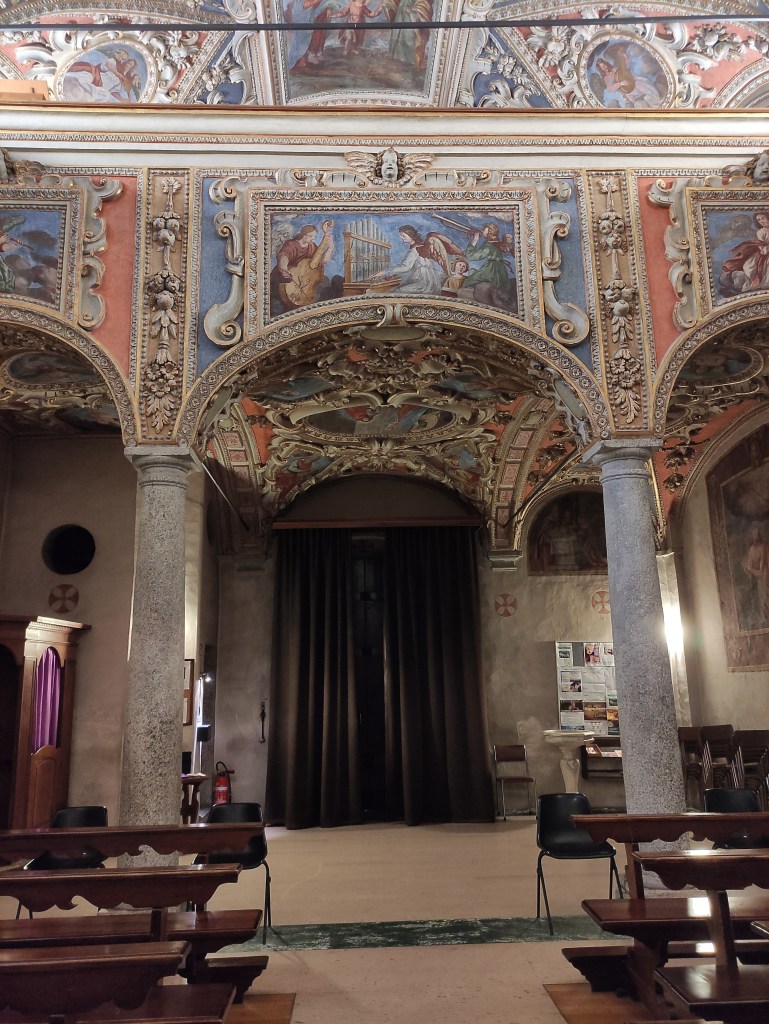
Once we got back to Locarno, I showed my friend a couple of other interesting churches: Sant’Antonio Abate (1353), San Francesco (1230), and Santa Maria Assunta (1600).
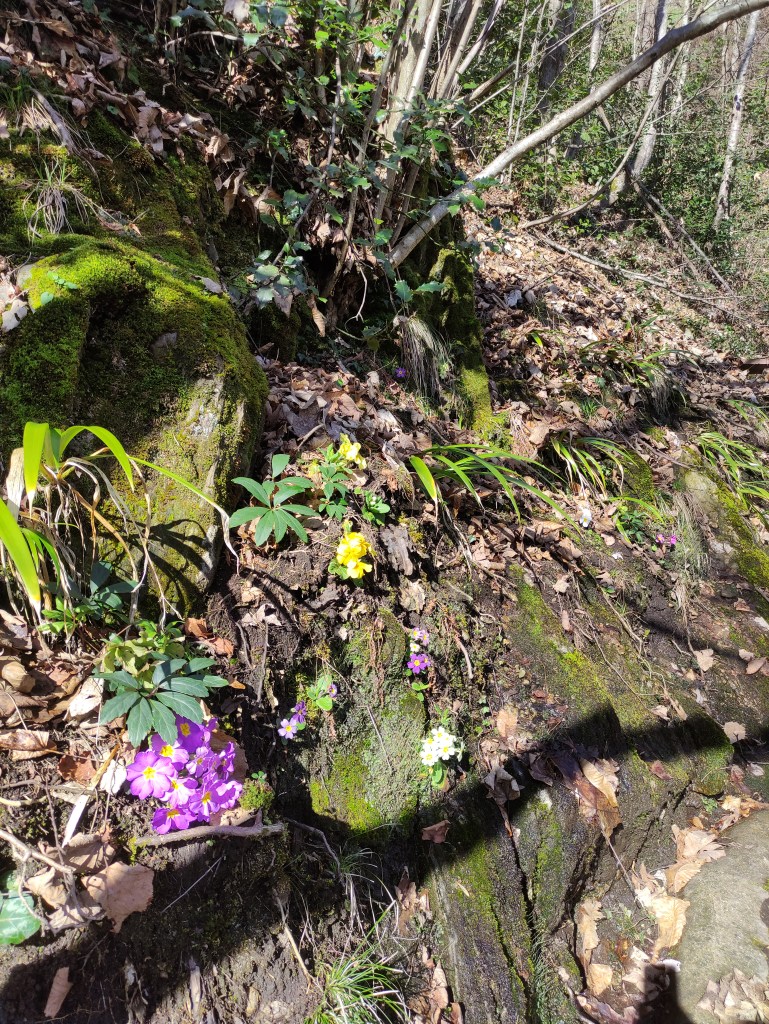
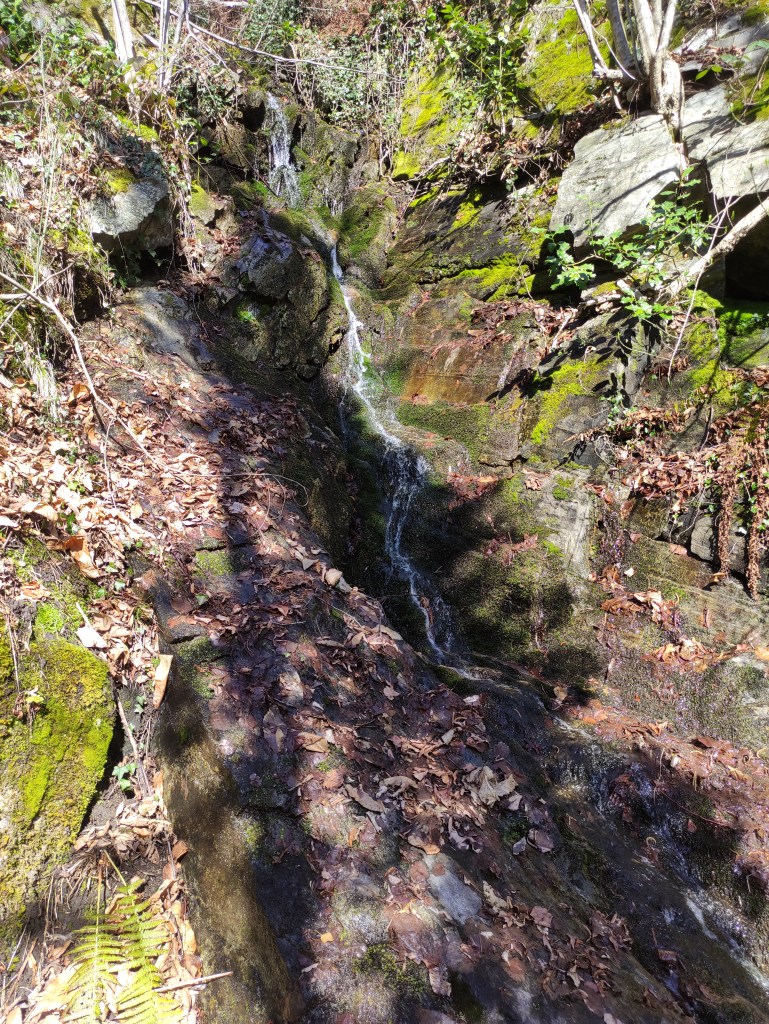
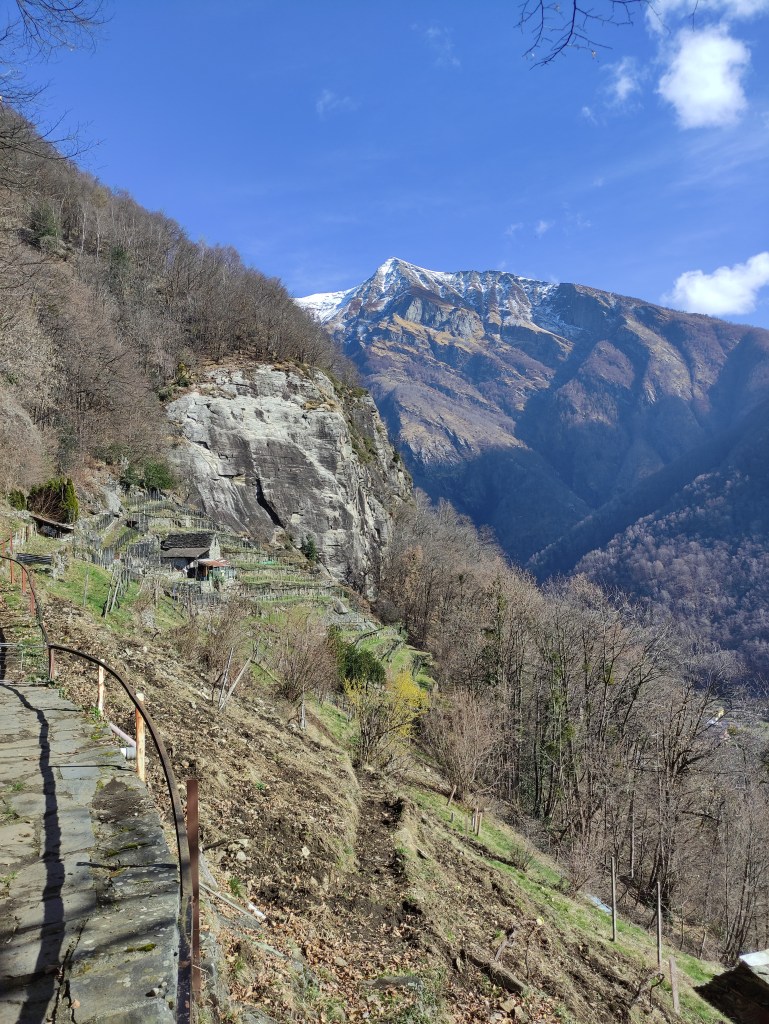
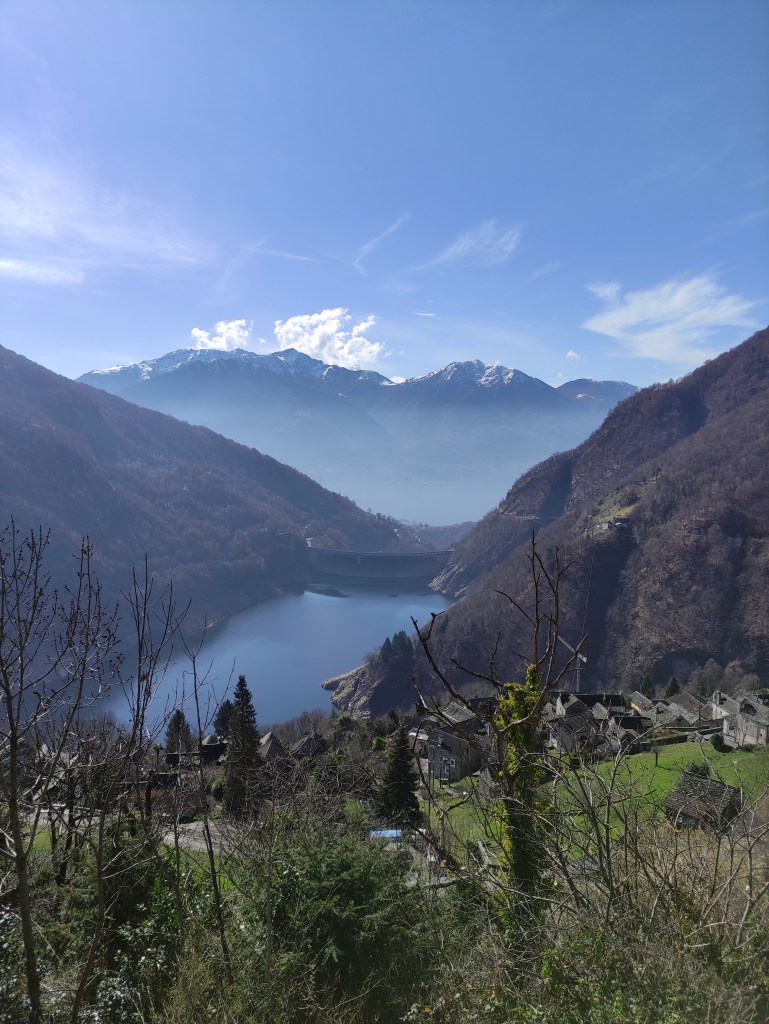
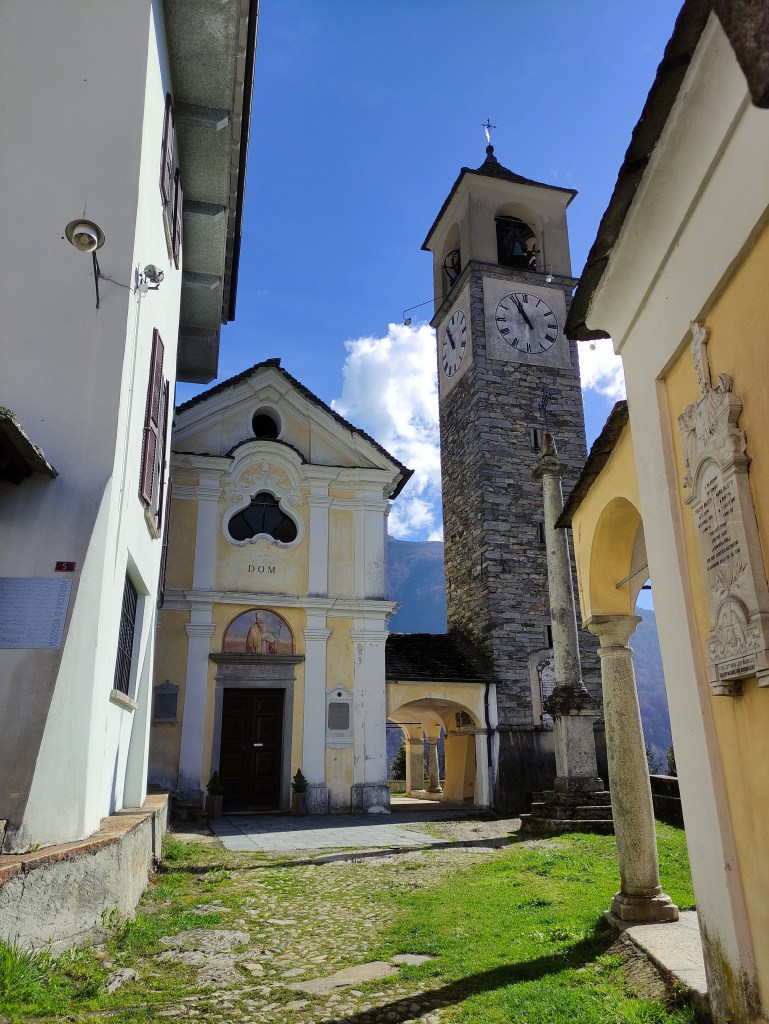
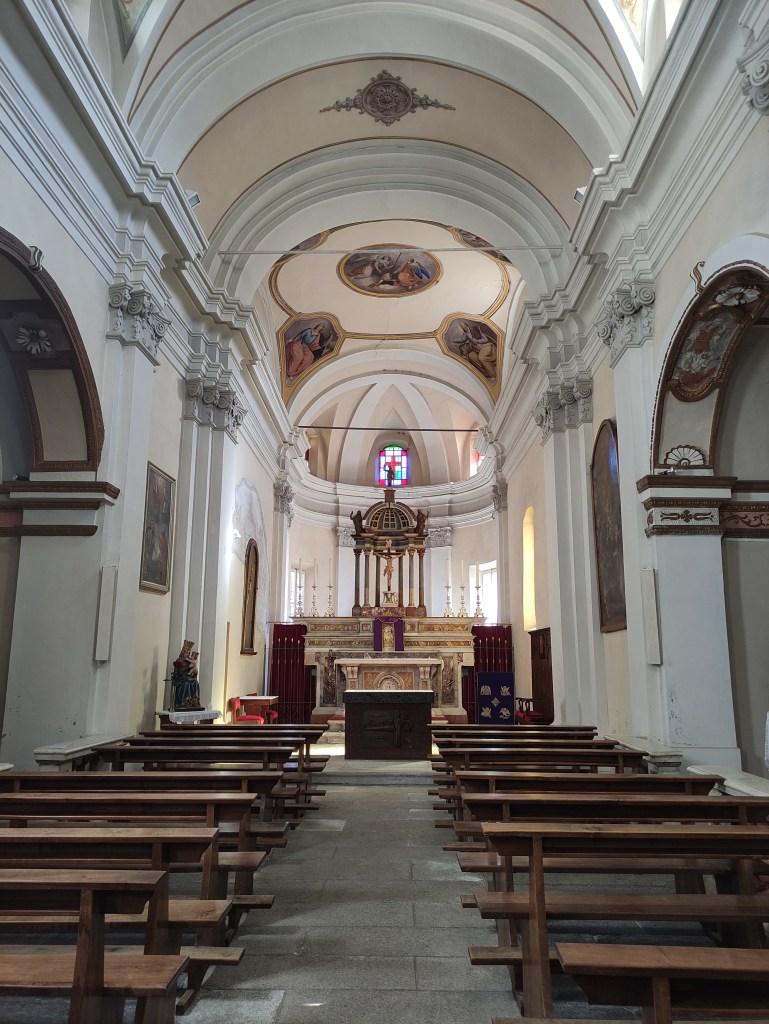
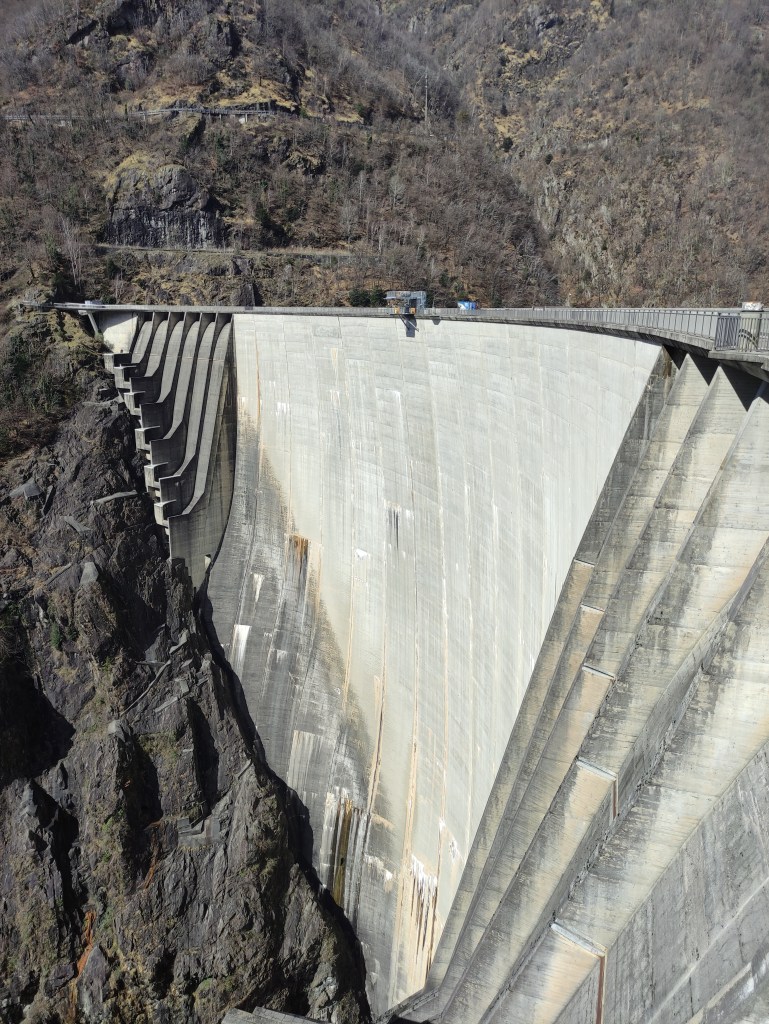
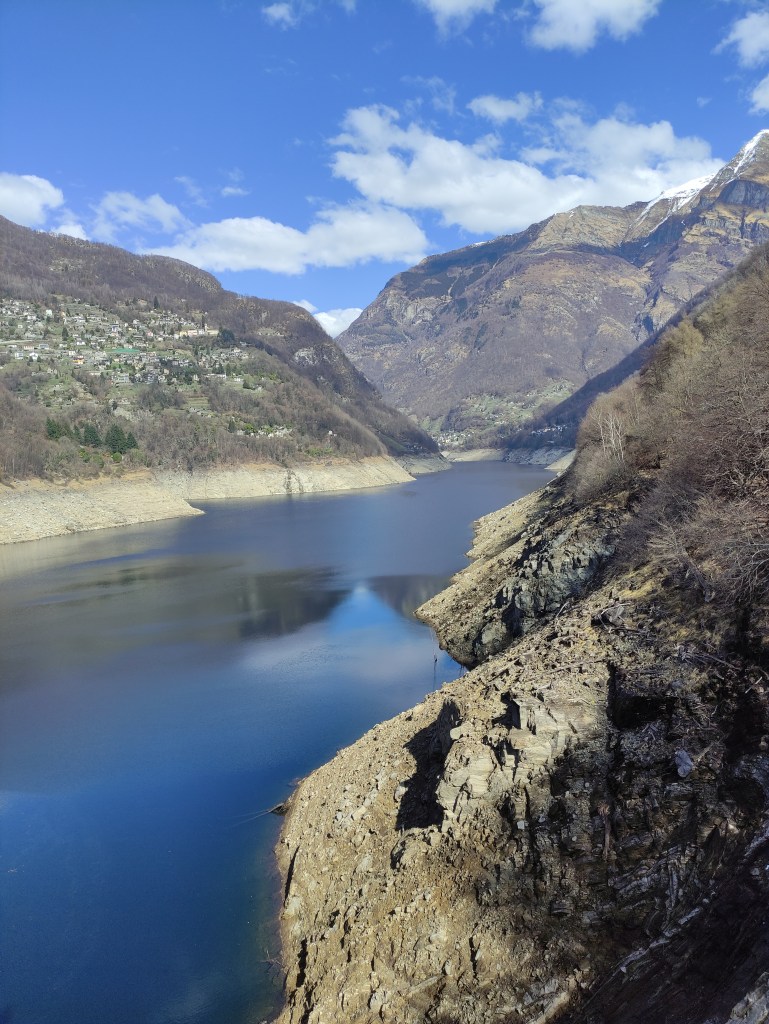
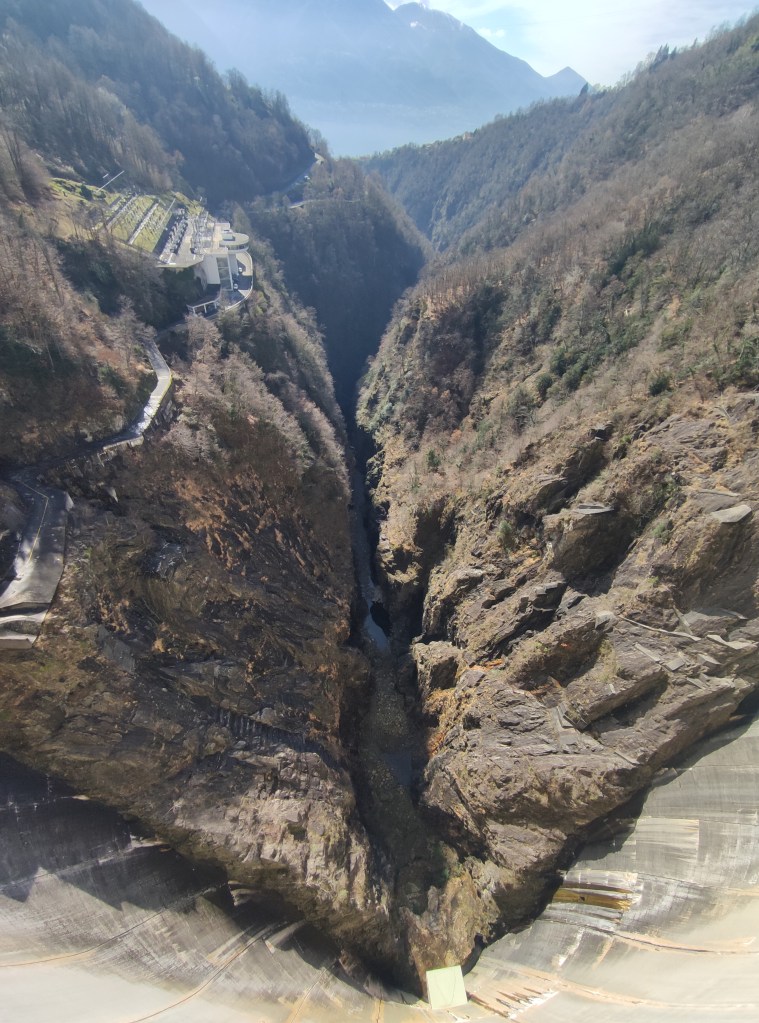
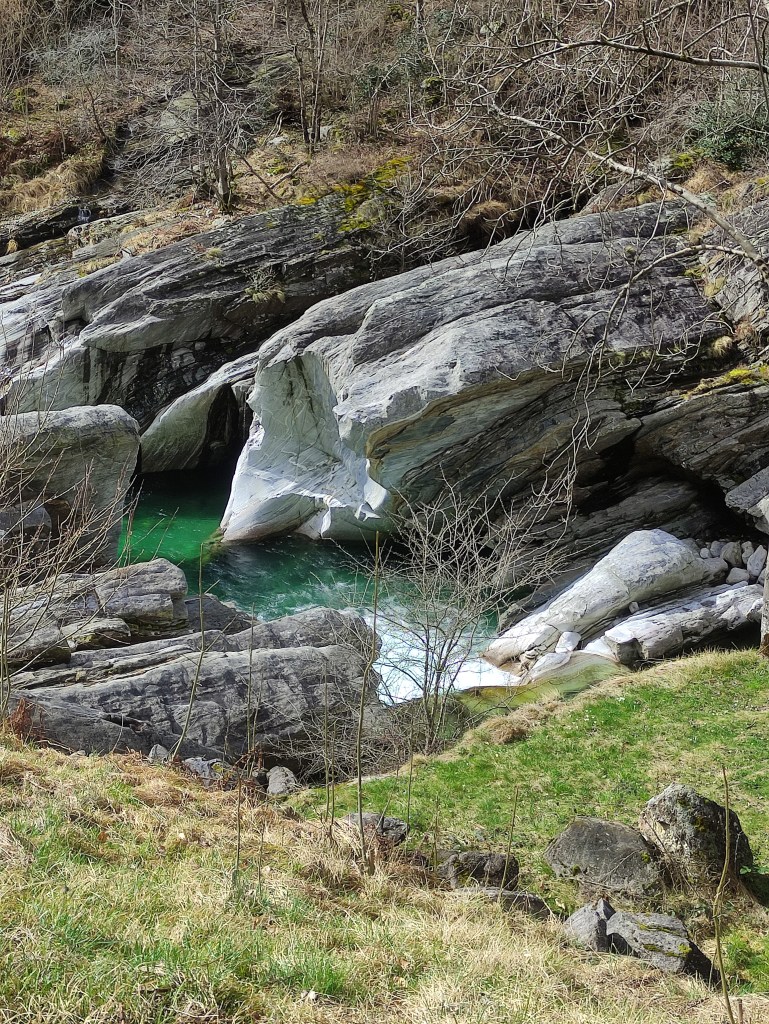
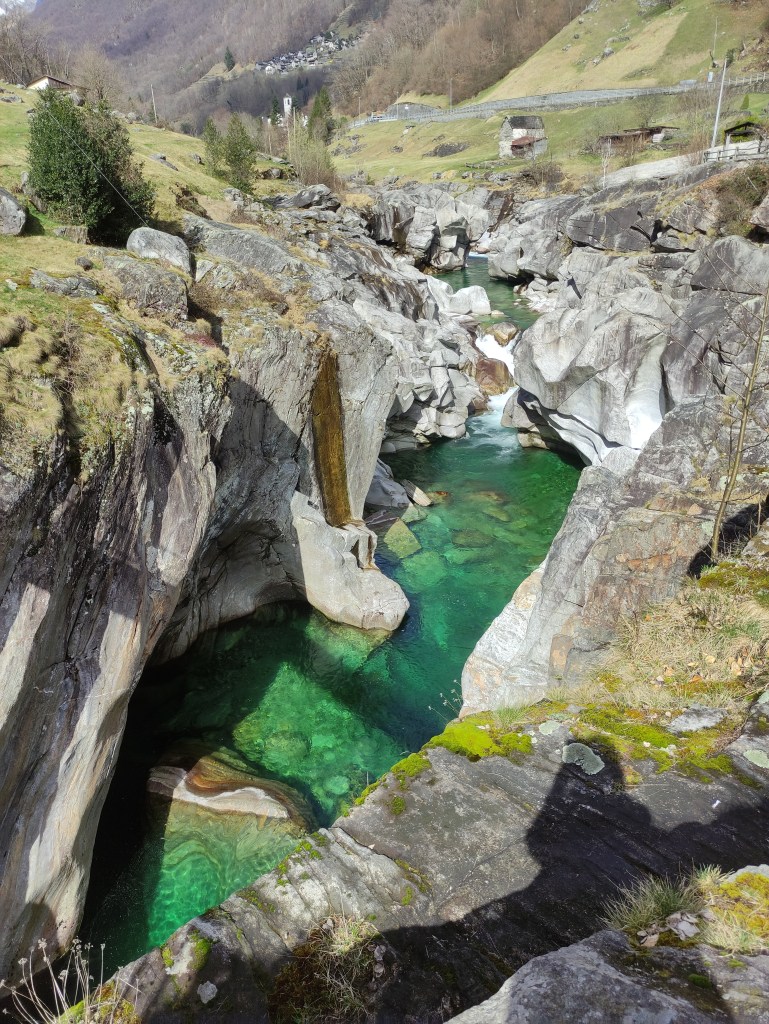
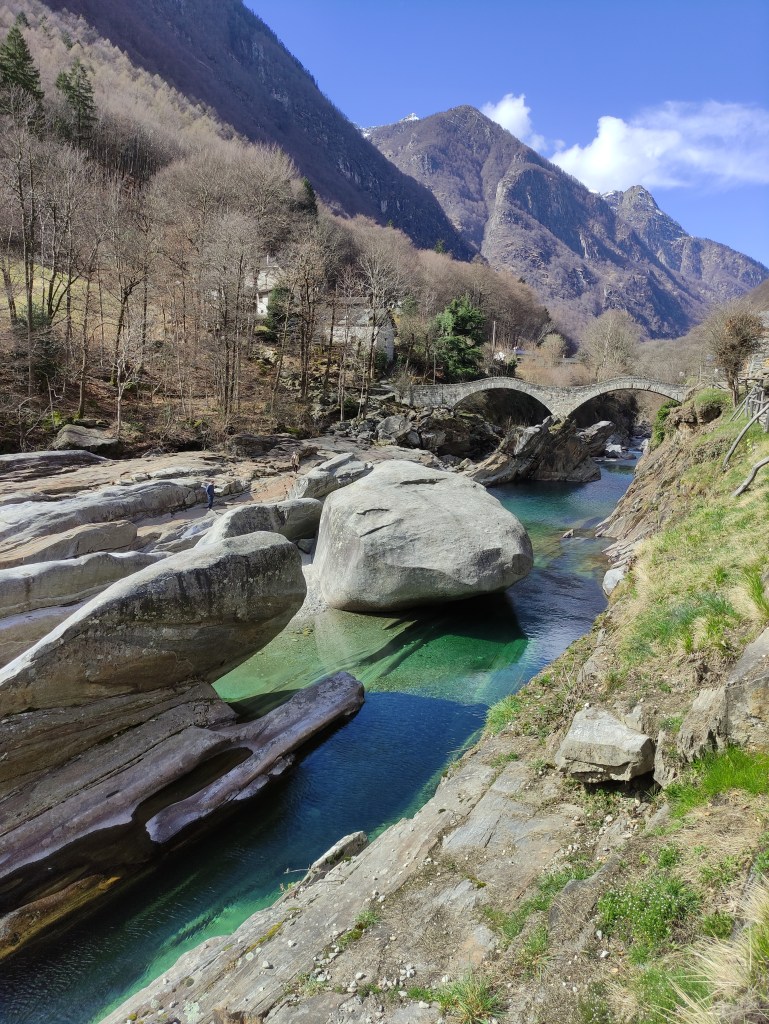
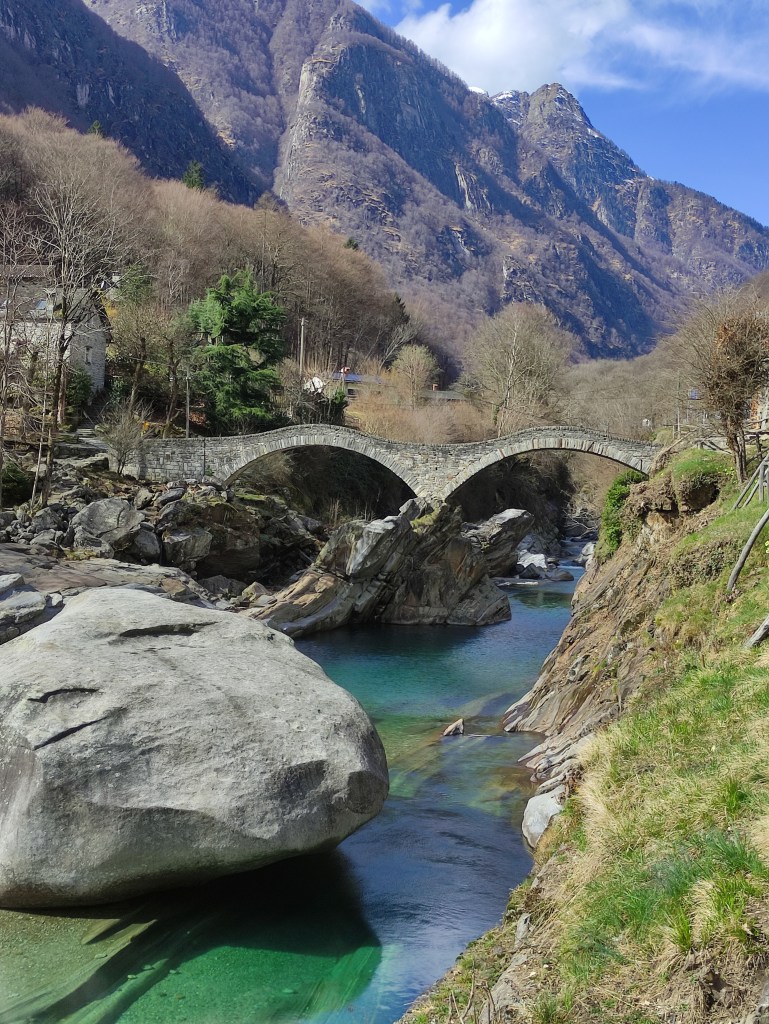
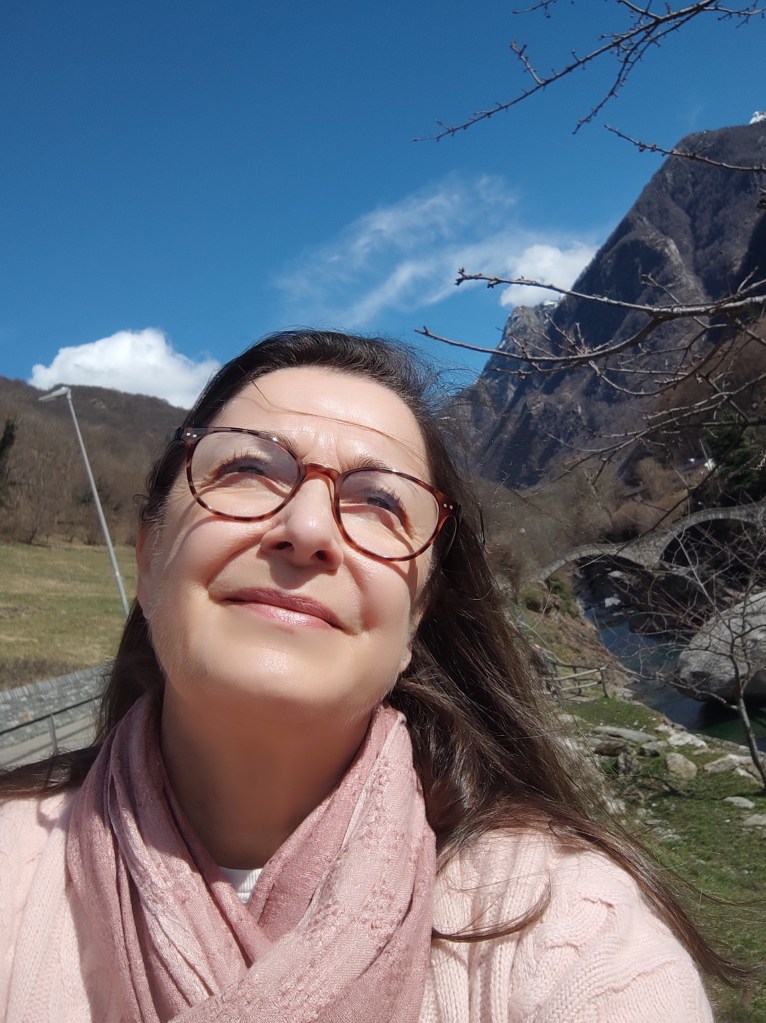
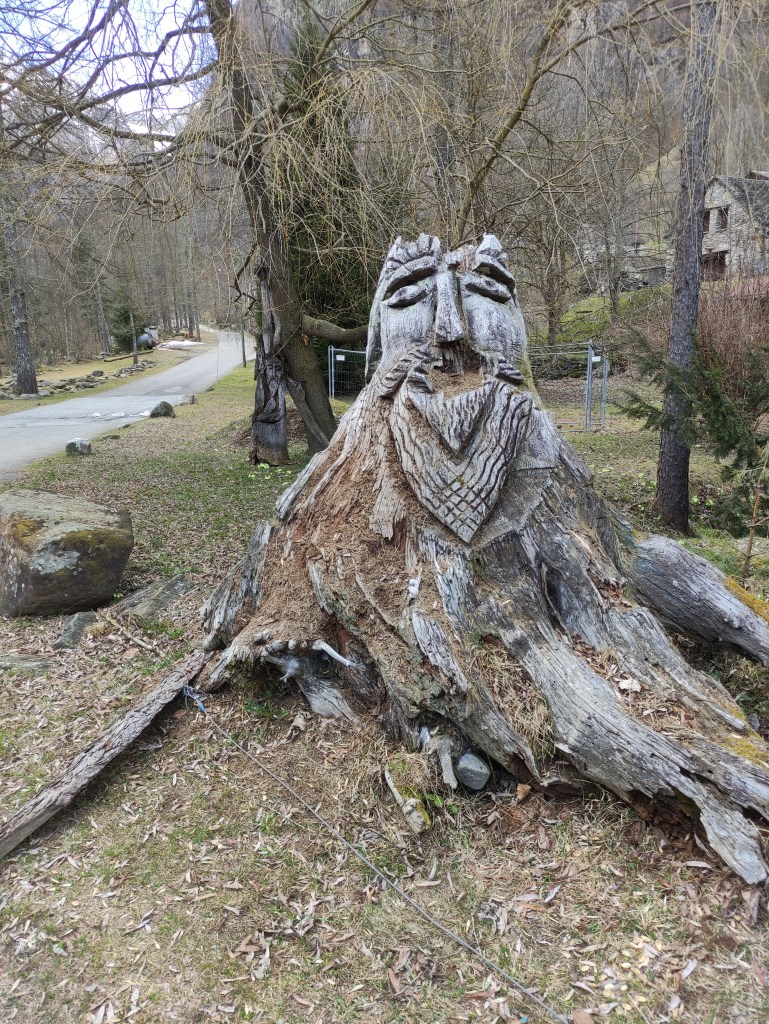
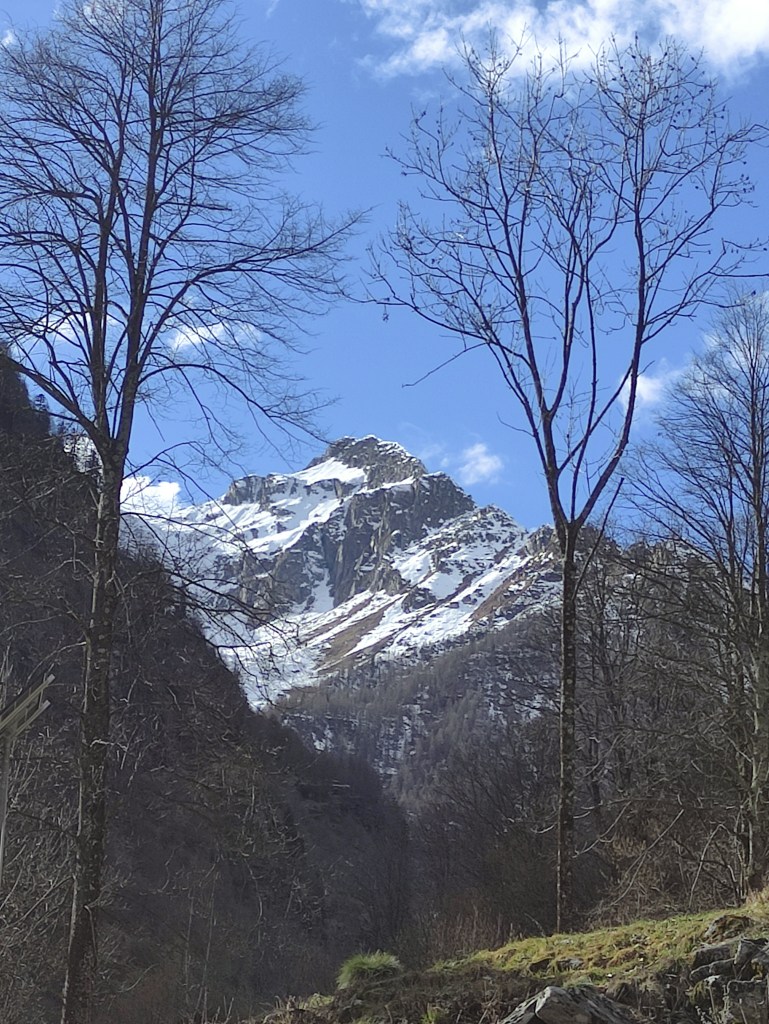
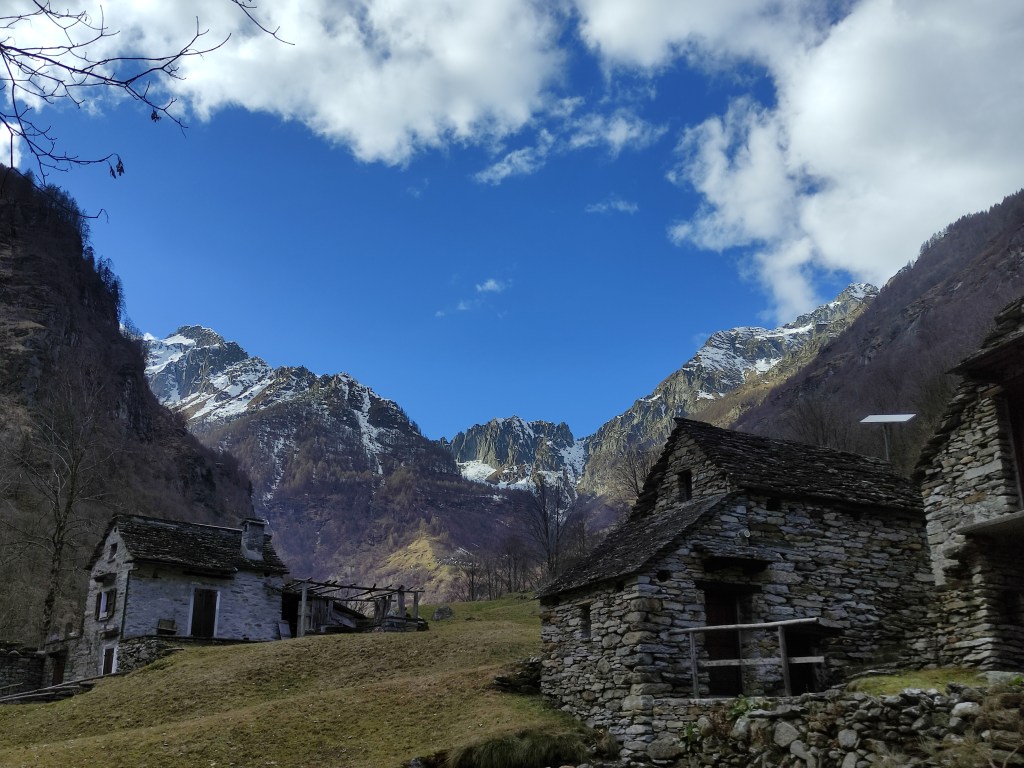
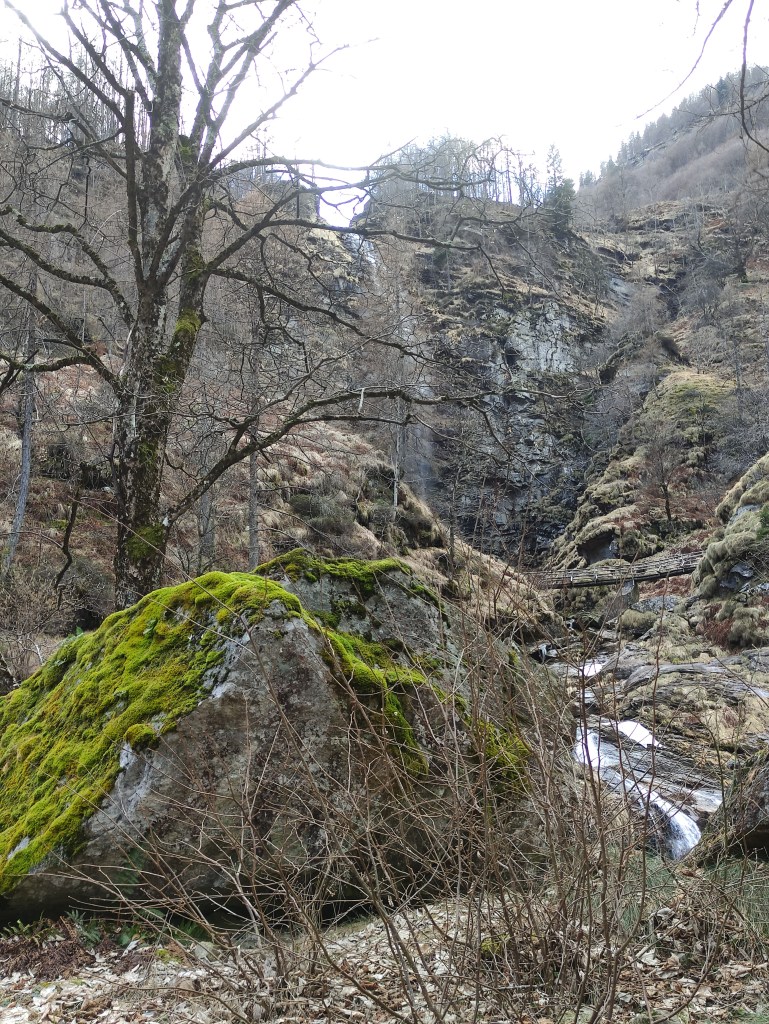
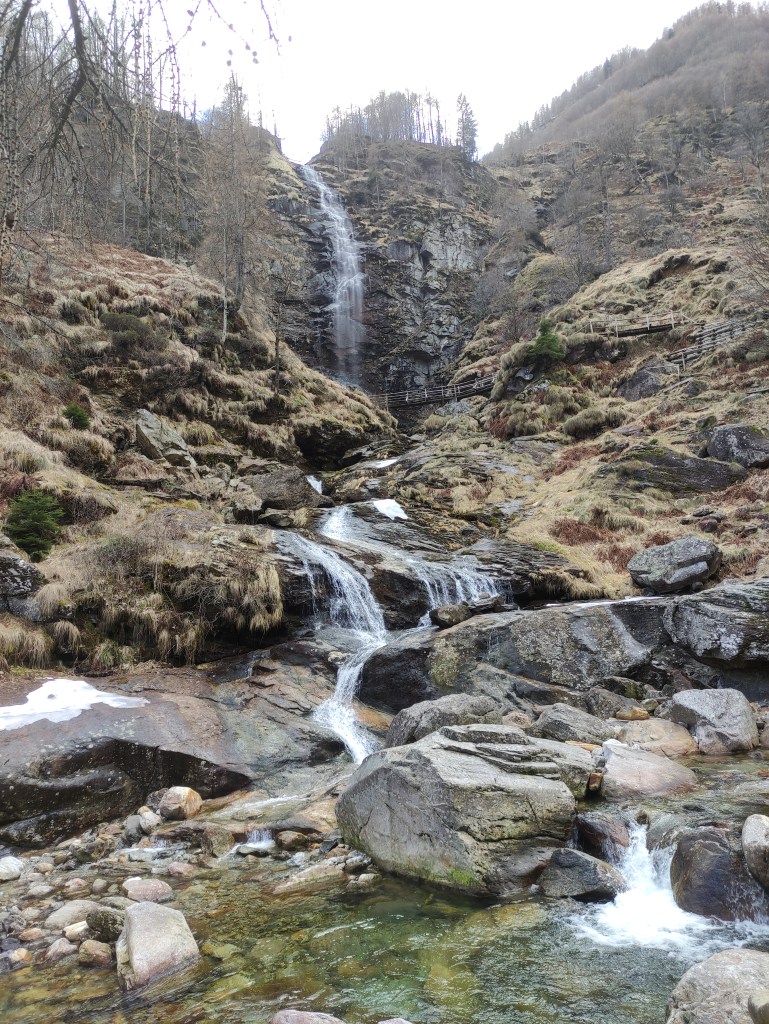
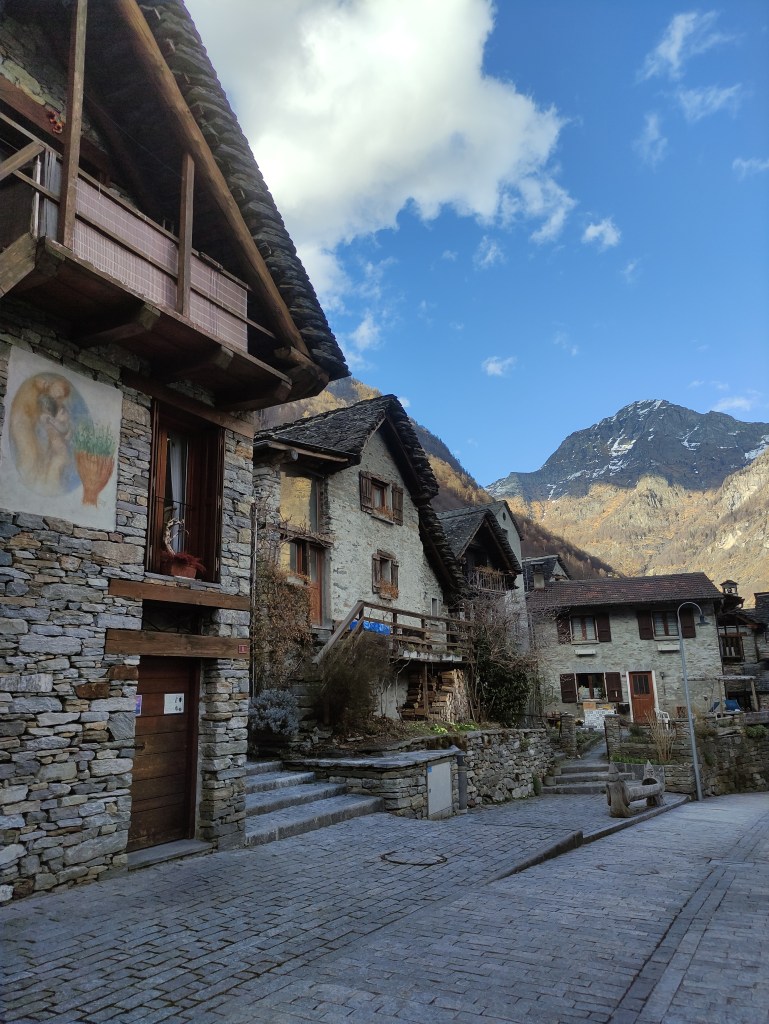
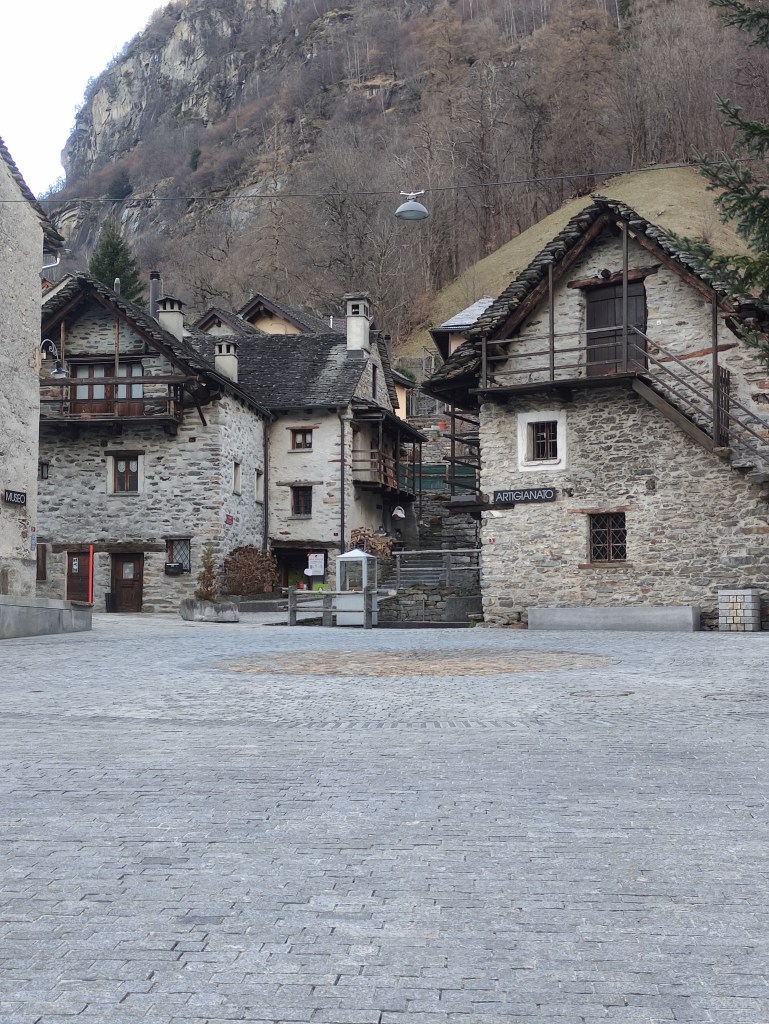
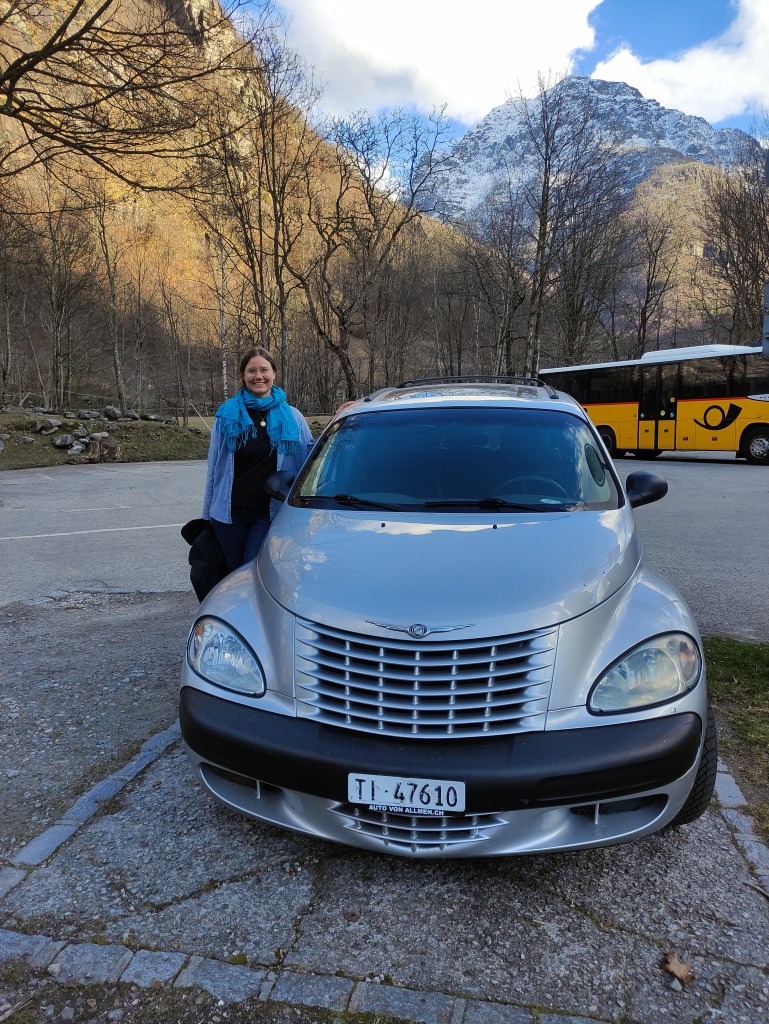
From home, we first took the road leading to Mergoscia, on the left side of the Verzasca Valley.
This valley is another destination much loved by tourists. In recent years, and especially since the post-COVID lockdown, summer tourism has increased exponentially. On its right bank, the crystal-clear, emerald-green waters resemble those of the Maldives, which is why the valley is also called “the Maldives of Switzerland.”
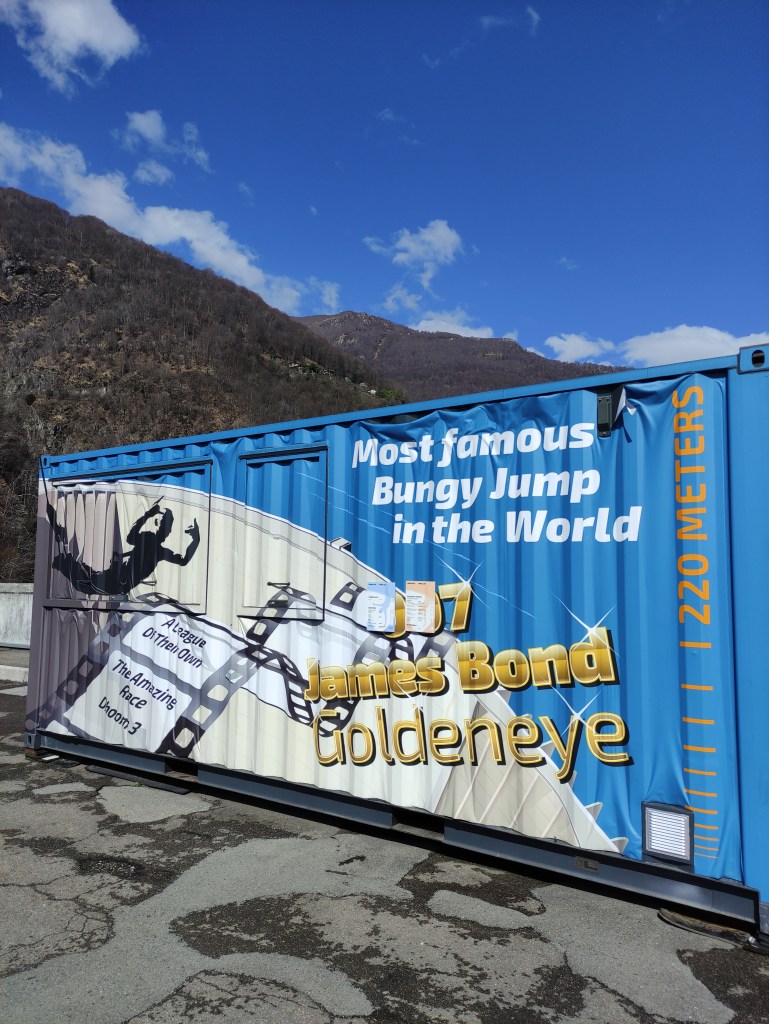
Also known for its large artificial dam, featured in a scene from the movie “GoldenEye 007,” you can go bungee jumping here.
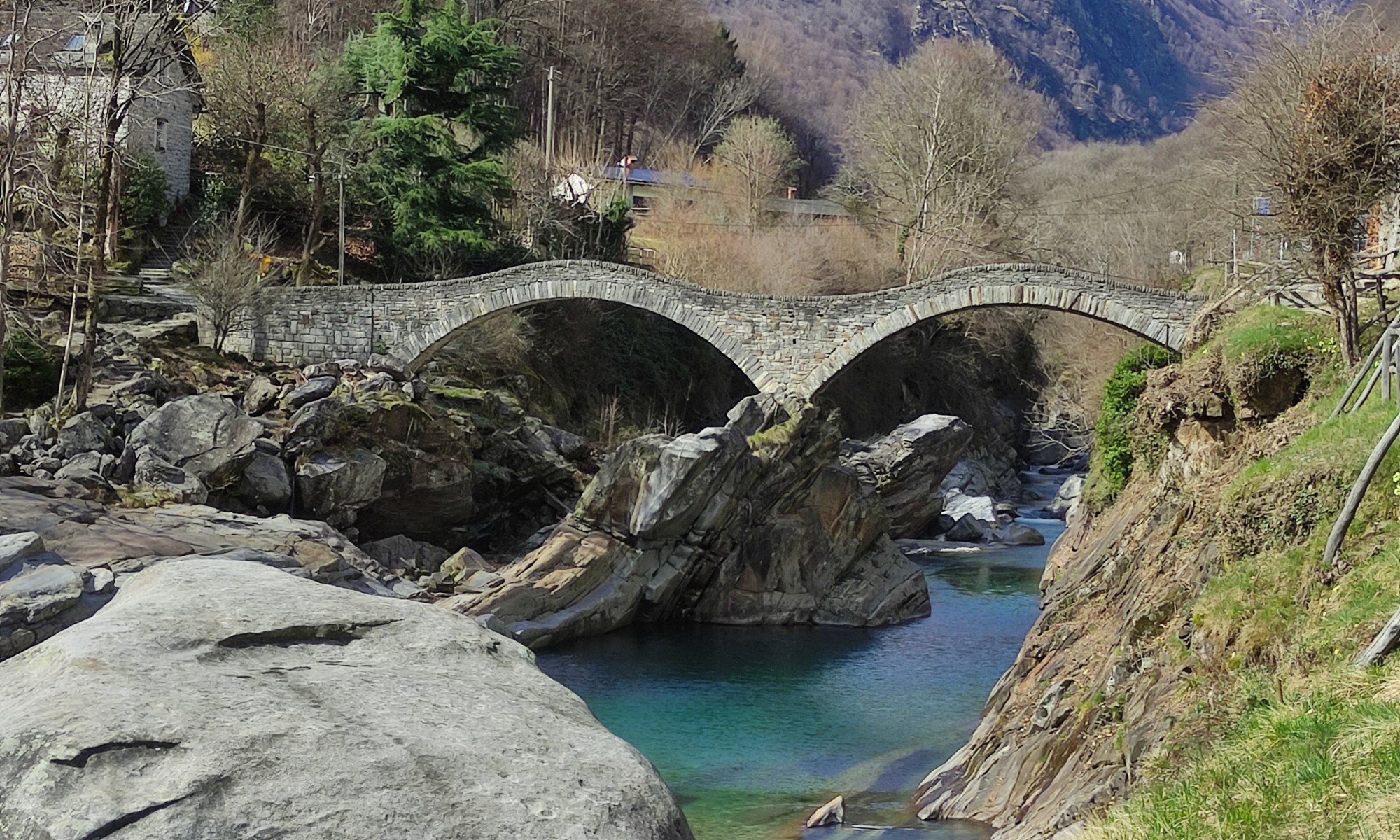
Don’t miss a walk to the Ponte dei Salti (dating back to the 17th century and partially restored) in Lavertezzo, or a visit to its little church perched on a promontory. As with the Ponte Brolla area at the fork between the Maggia Valley and the Centovalli, there are far too many swimmers here in the summer. The river, however, hides dangers, and sometimes the Rega air rescue service must intervene with helicopters to transport the unfortunate victims—who tried their hand at cliff jumps or diving into whirlpools—to the hospital.
We then continued on to Sonogno, the last village in the valley, taking a long walk to see the Froda waterfall.
As in the canton’s other valleys, there are countless hiking trails.
Svenja spent an entire day hiking the Collina Alta above Brione s/Minusio and Orselina, covering 20 km to the summit of Cima della Trósa and reaching an elevation of 1,870 meters above sea level.
Unfortunately, time flew by, and it was time for Svenja to pack her bags again.
For me, it was a pleasant opportunity to relive stories from our JPD adventure and revisit places I don’t usually visit on my own.
 Claudine Giovannoni
Una visita improvvisa ma piacevole ti ha permesso di girare per i punti più belli del tuo cantone, come testimoniato dalle meravigliose fotografie che hai pubblicato.
È vero che spesso cerchiamo mete esotiche per visitare dei paradisi terrestri , quando invece a portata di gamba e di strada li abbiamo sotto gli occhi tutti i giorni.
Un abbraccio forte Claudine
Al momento, le mete “esotiche” sono diventate scenari di guerra! Di certo meglio restare in Svizzera…
Una tristezza che ti scivola dentro e lascia un solco profondo. Come se non bastasse il cambiamento climatico a causa antropica… l’uomo è la minaccia per tutti gli ecosistemi e si finirà col far saltare all’aria anche il pianeta.
Un abbraccio, caro amico :-)c
Una disanima amara ma purtroppo vicino alla realtà. Vedo nero per i nostri figli e nipoti.
Ricambio l’abbraccio con forza.
Ticino is beautiful, I was there a few years ago and have wonderful memories. Your photos are beautiful 👍👍👍😉😒😊🤗👌👏👏👏
Grazie Max… hai ragione, alcune memorie sono ancorate nel cuore! E grazie a quelle riusciamo a far fronte anche alle cose brutte che, purtroppo, accadono. Un abbraccio :-)c