
There are special places—yes, indeed—that stand out from the rest for just as many different reasons. I’d heard about Cornwall years ago, yet I’d never thought of visiting it, preferring places thousands of miles away.
A couple of months ago, I started watching the TV series Poldark on Netflix purely by chance. I was captivated by the natural scenery, by the ocean relentlessly crashing against the coast… so I mentioned it to my family, and we decided to visit.
From Zurich, in just under two hours, we arrived in Newquay, where our journey began.
Driving on the left isn’t easy for those who usually drive on the right—even if the driver is sitting on the left.
What was a real challenge, however, was navigating extremely narrow roads where the hedges on either side brushed against the side-view mirrors. To pass oncoming cars, we sometimes had to back up for several dozen meters. That was the adventure!
The narrow roads wind through the countryside, and you literally pass through veritable “walls” formed by tall hedges; sometimes the canopy is crowned by towering plants through which you catch glimpses of the sky at intervals.
There are no guardrails, railings, or stonewalls; everything is covered with various types of plants or flowering bushes. Without a GPS, it’s easy to get lost—and by “lost,” I mean literally being unable to find a way out.
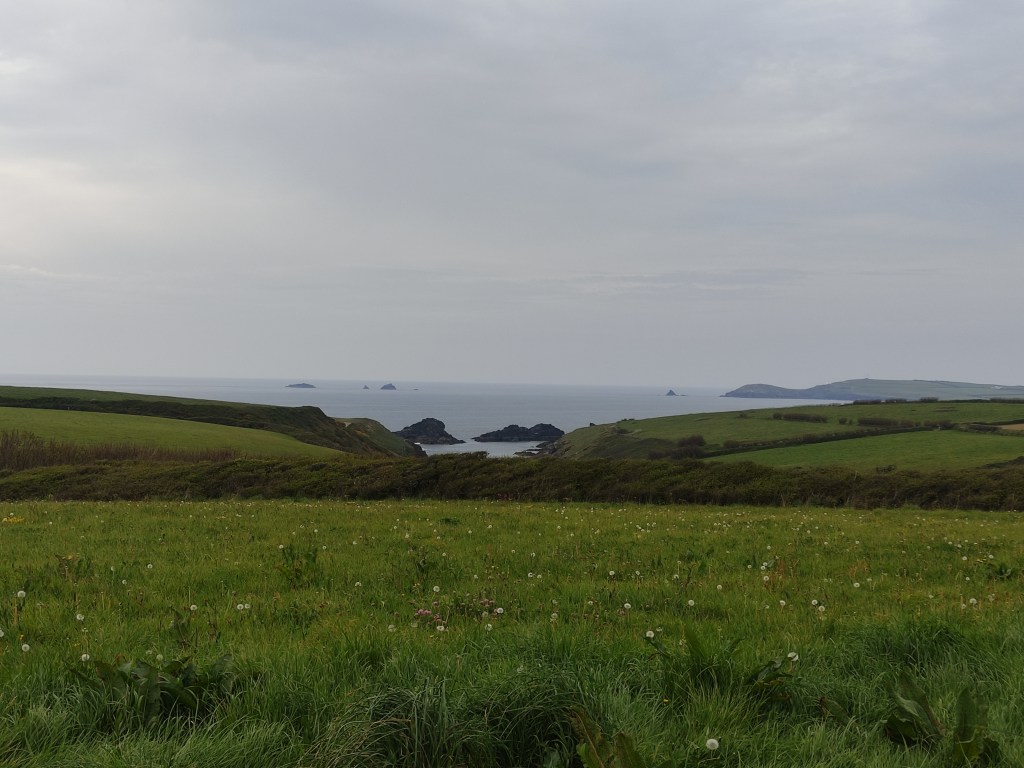
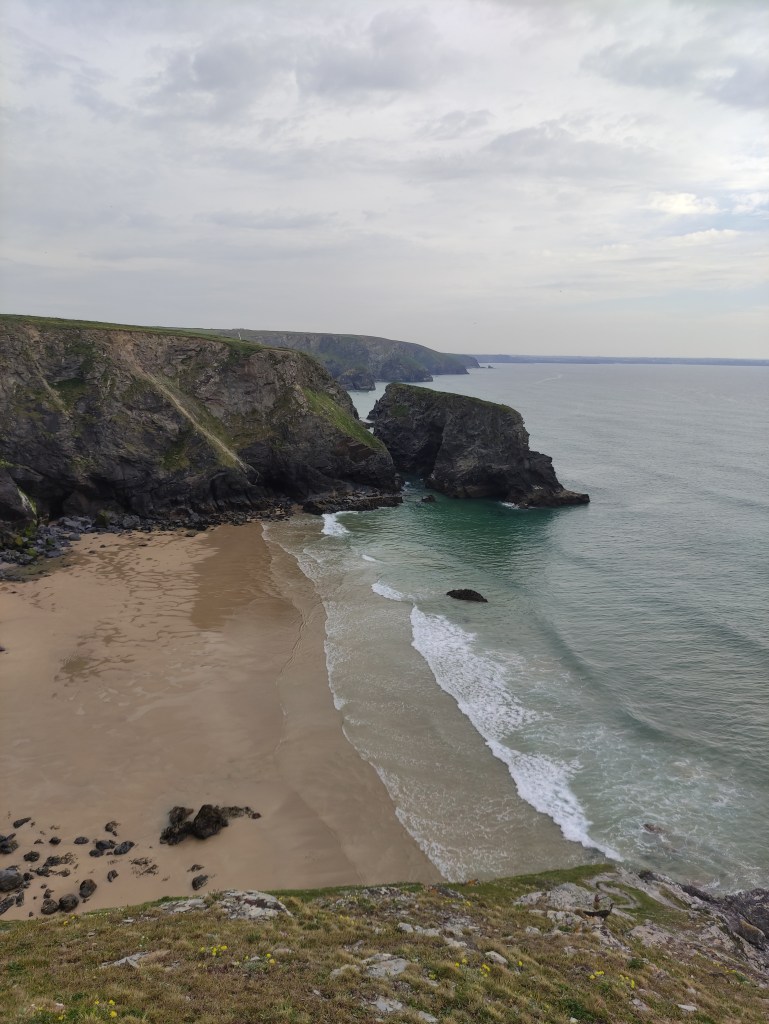
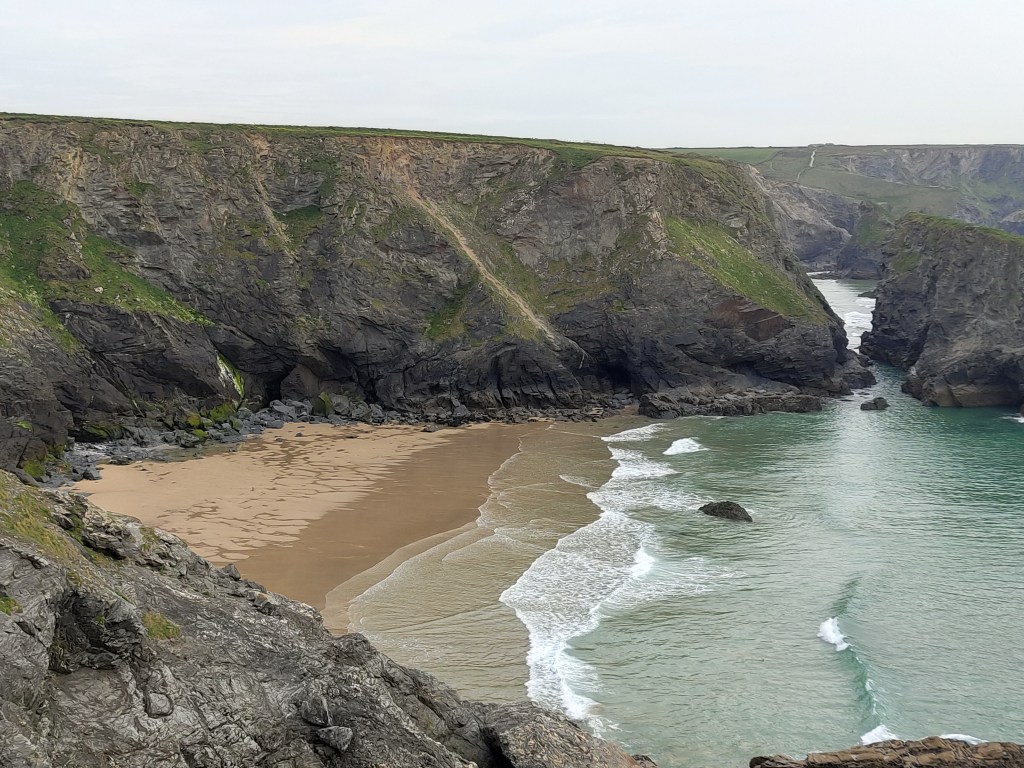
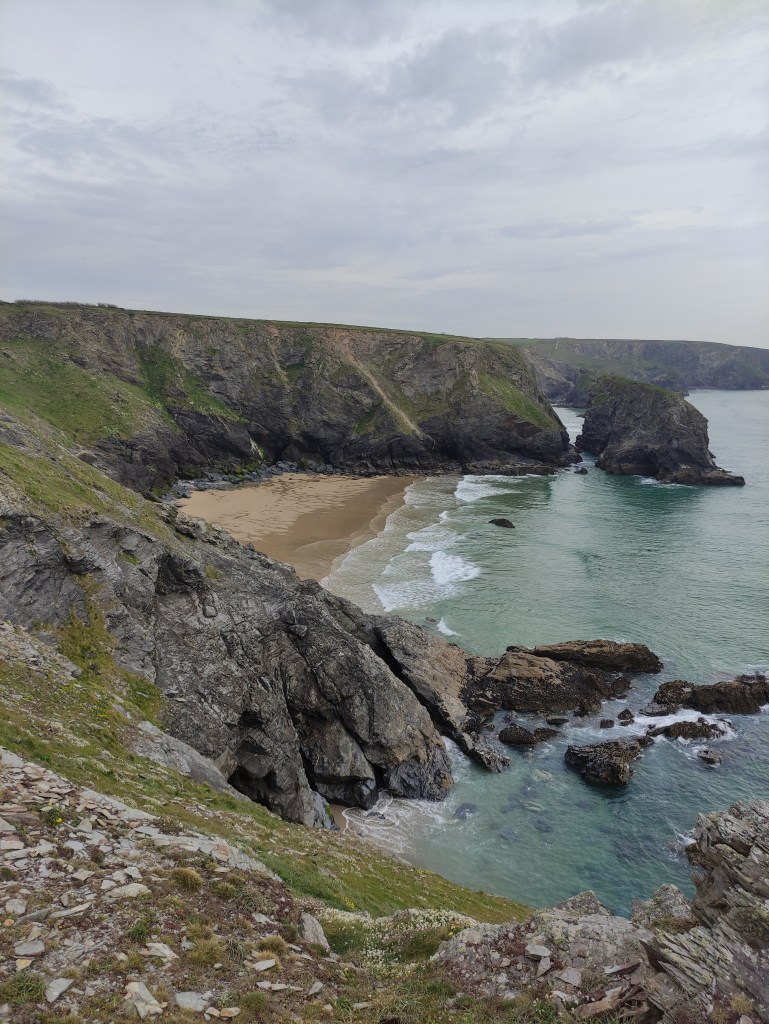
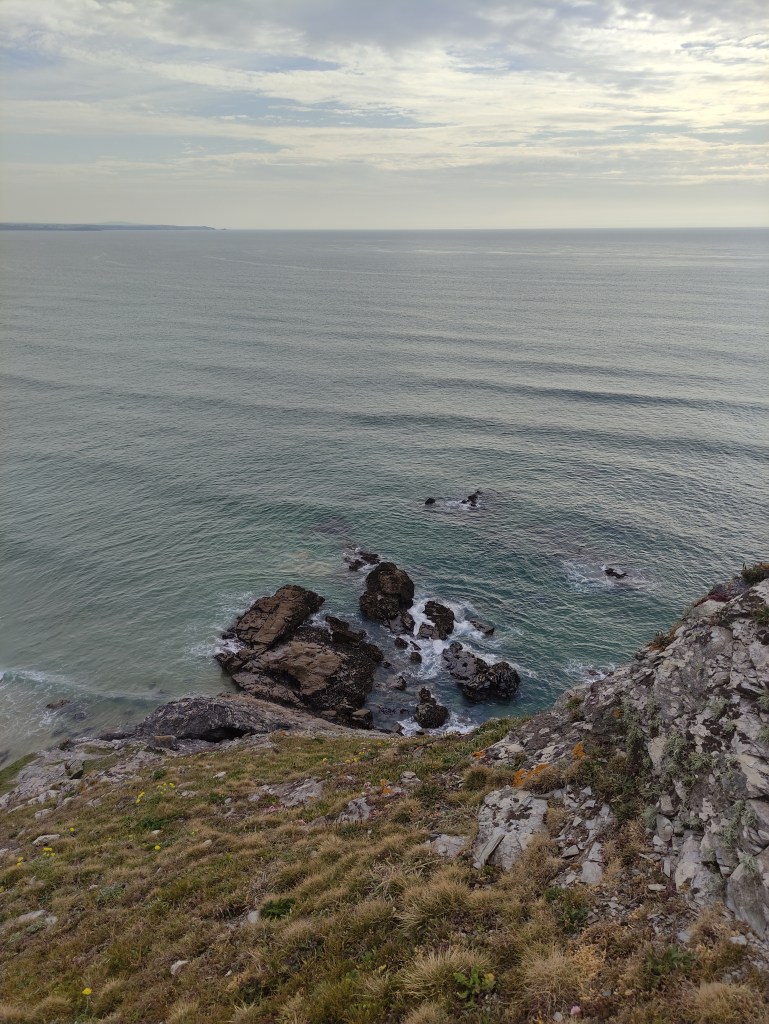
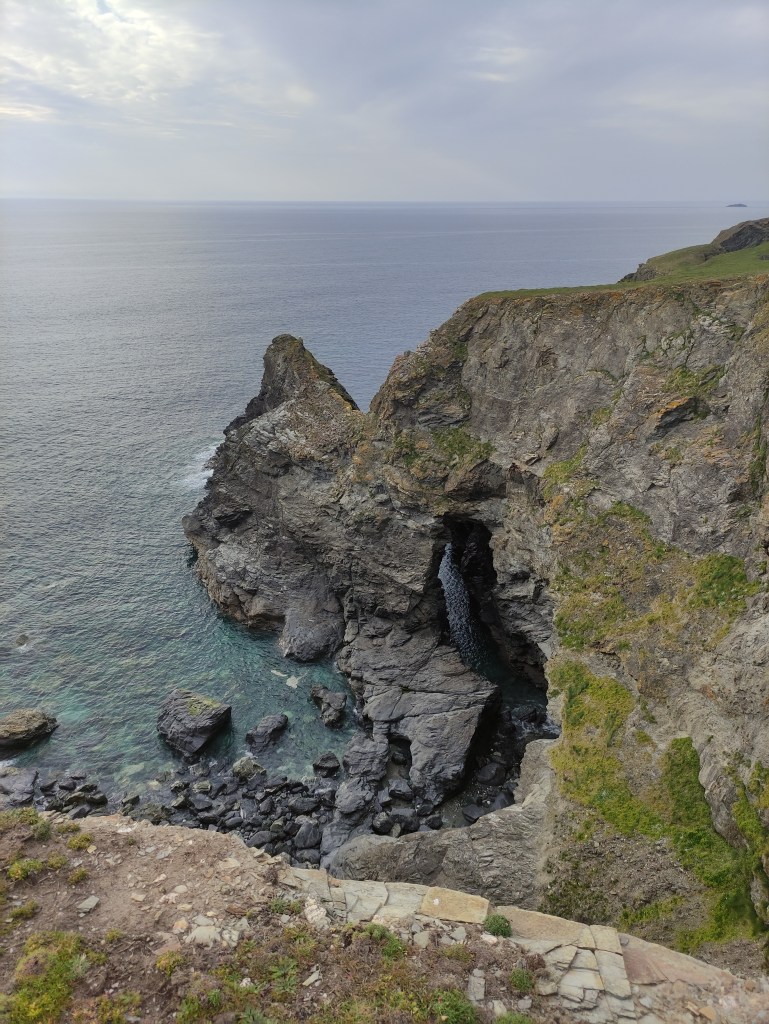
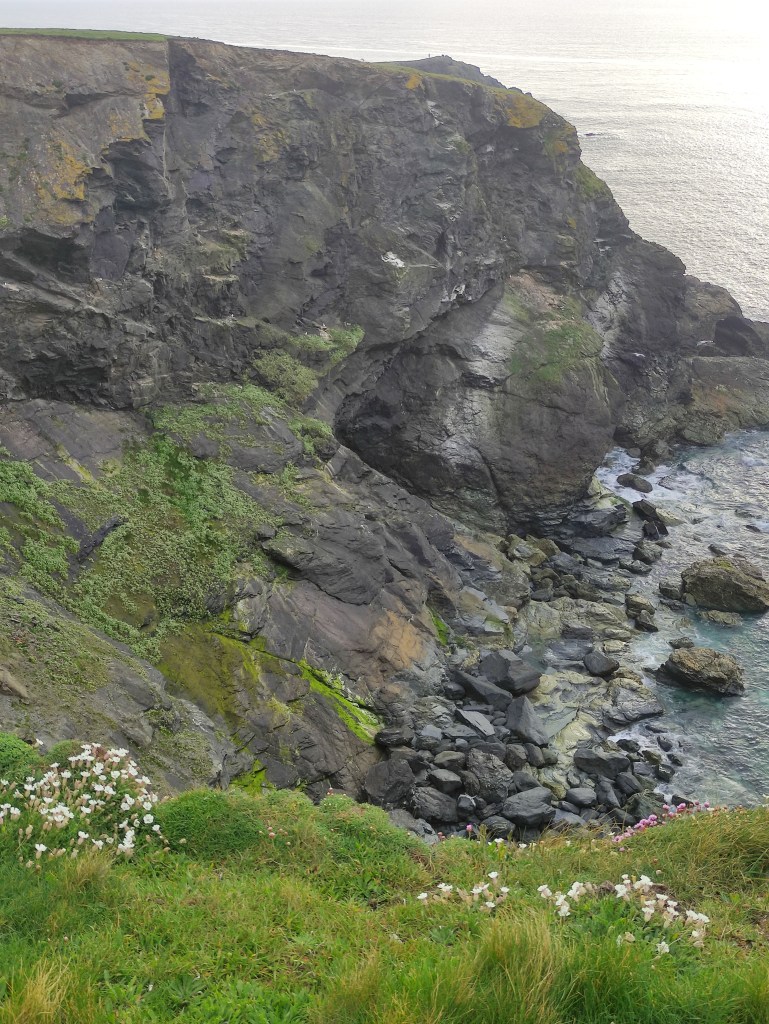
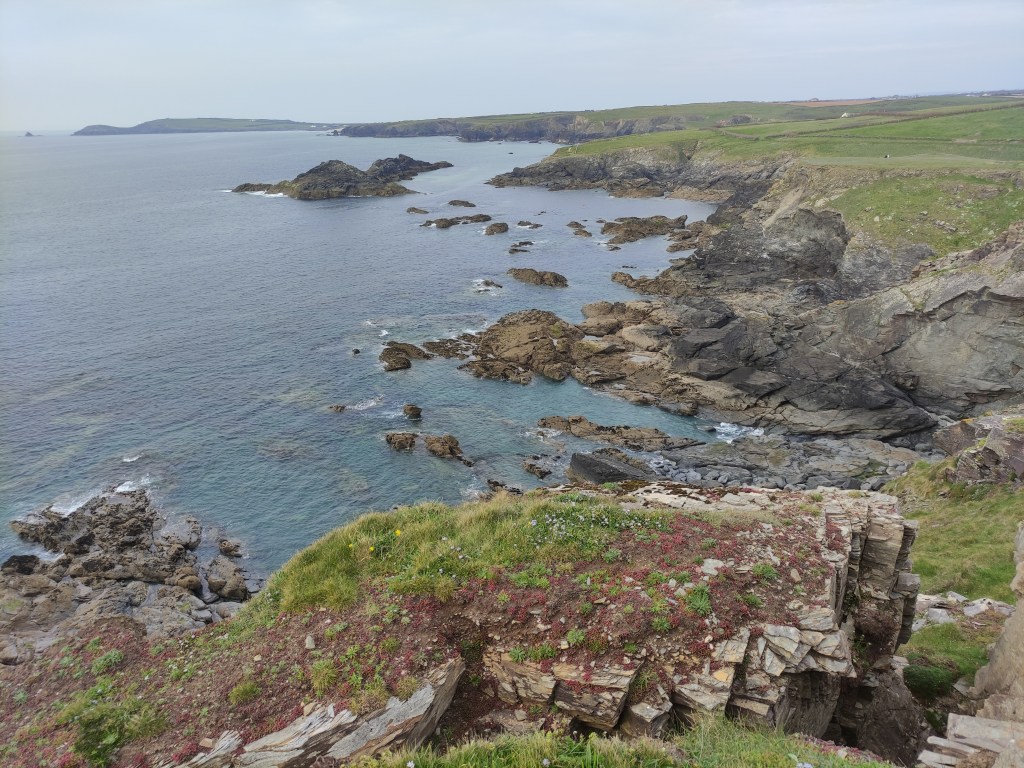
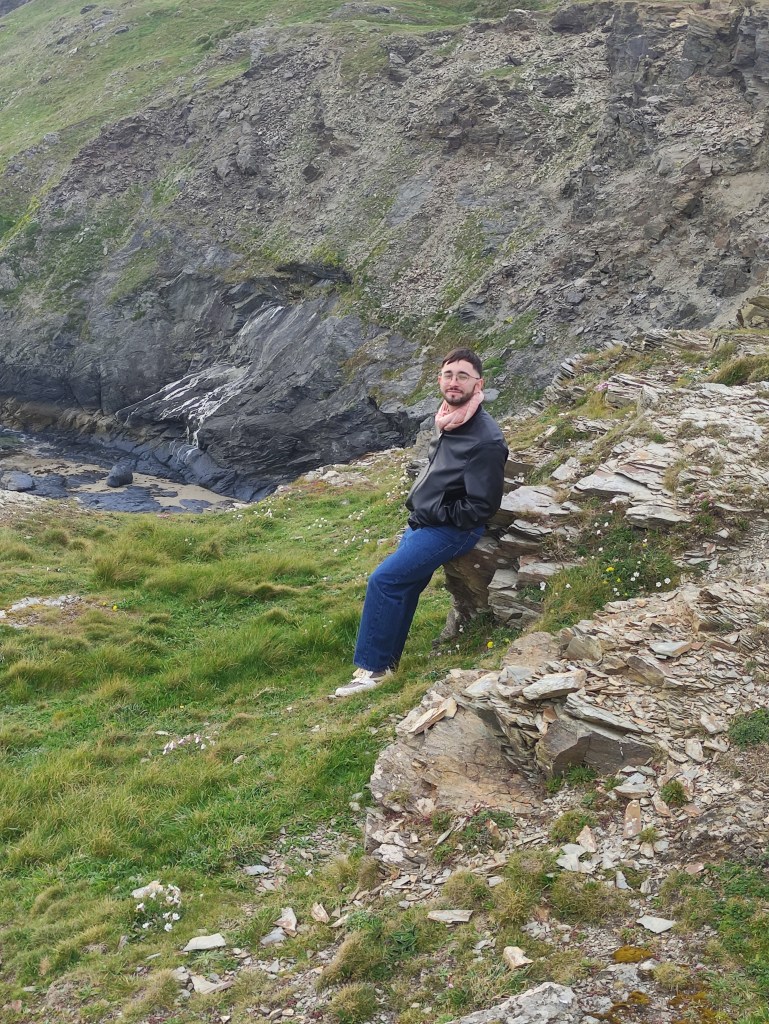
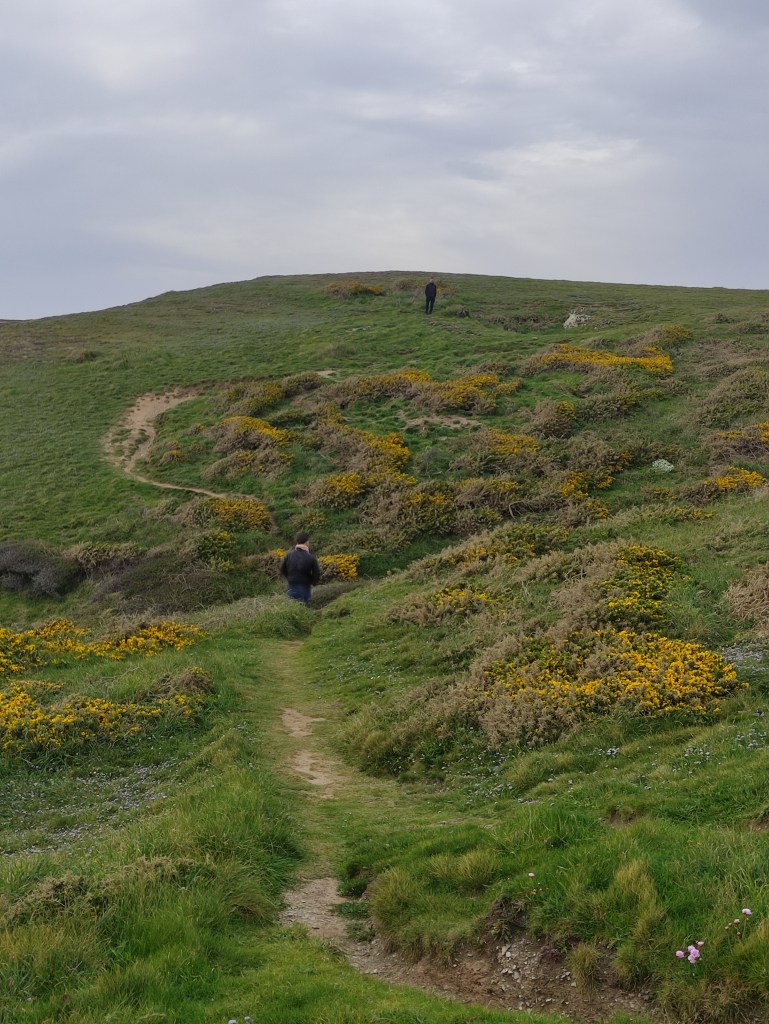
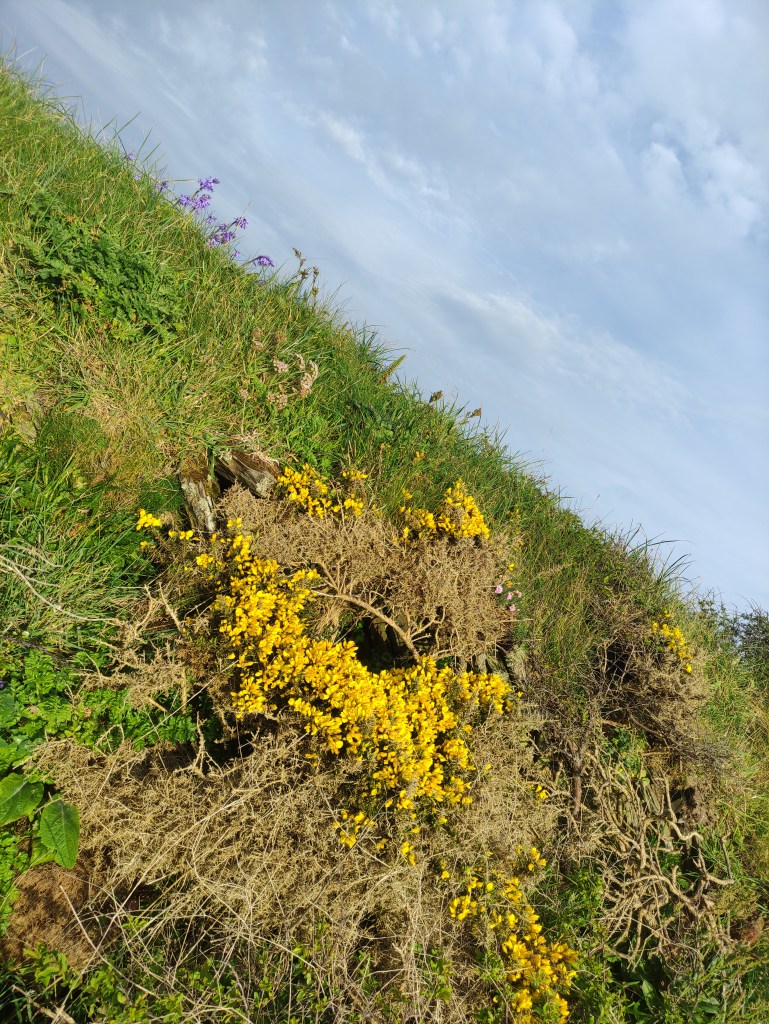
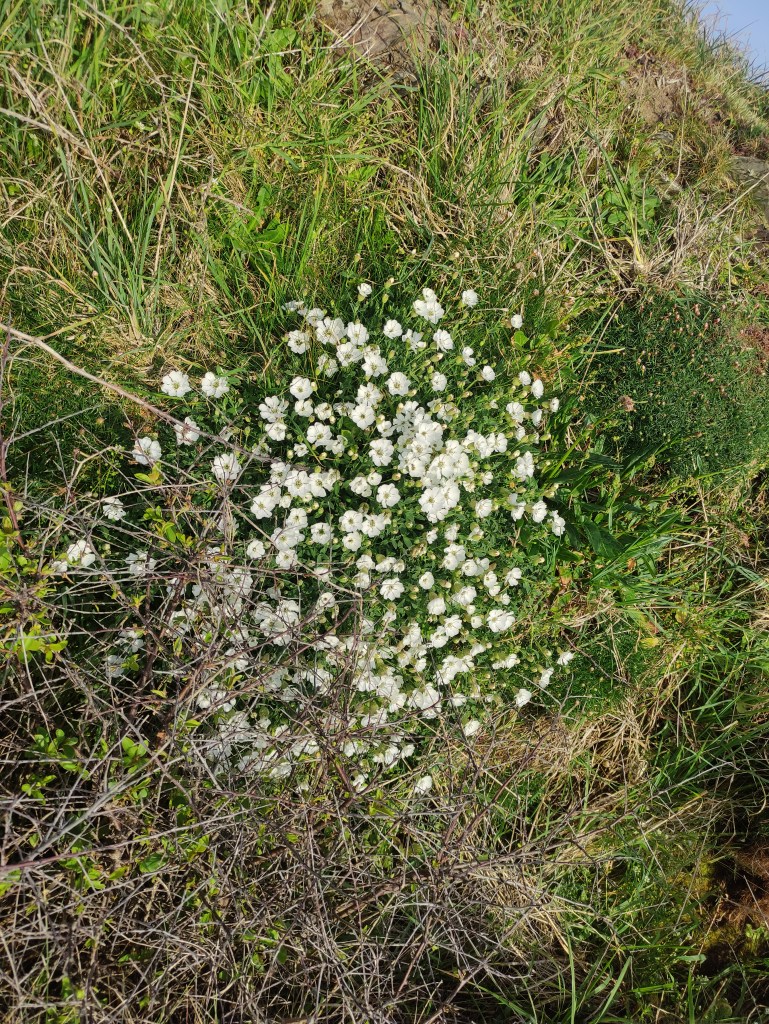
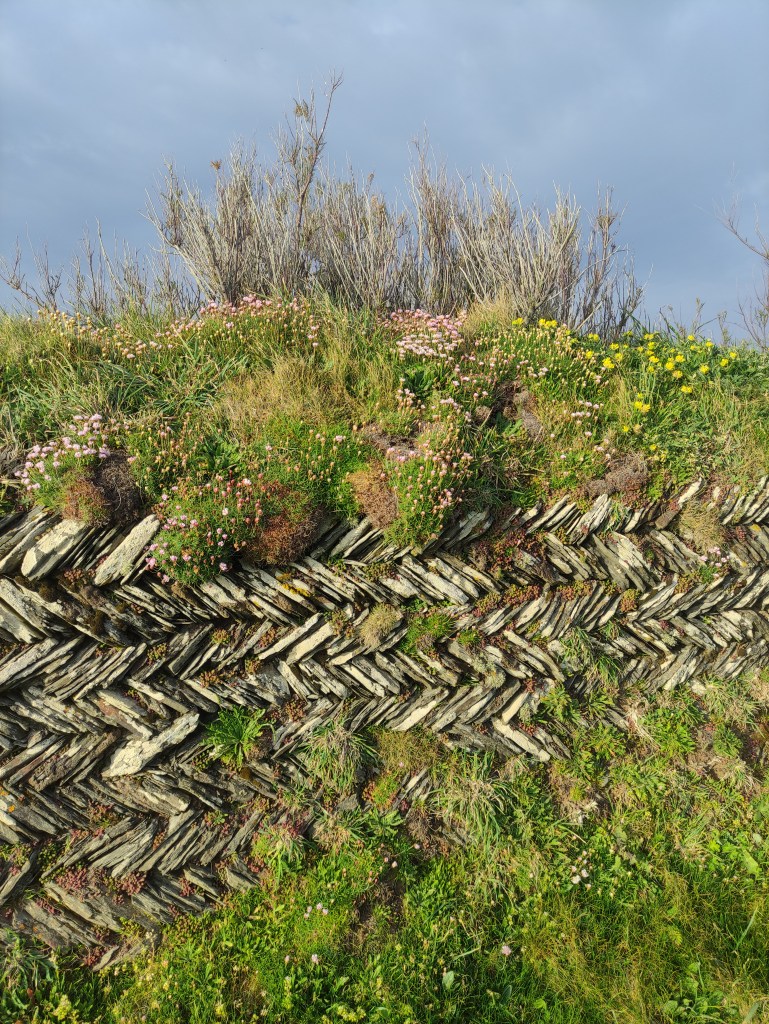
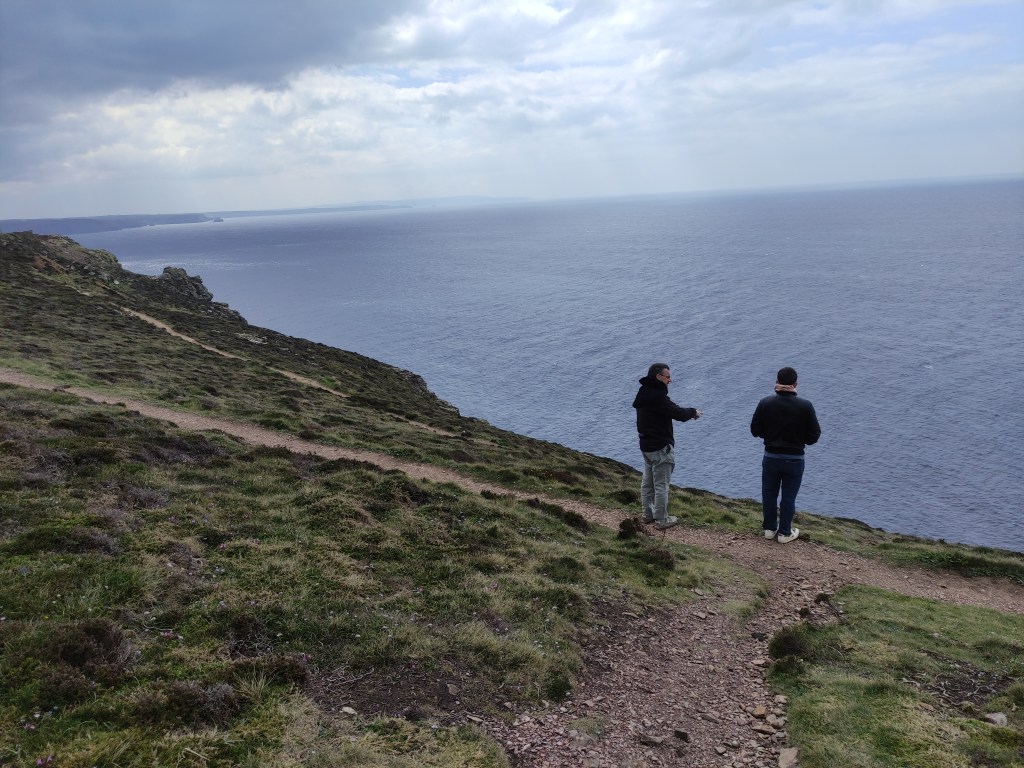
Stunning coastal scenery then you couldn’t do much better than Park Head which we reached after watching Bedruthan steps from far above (the pedestrian path down the cliff to the beach is temporarily closed due to rockfalls).
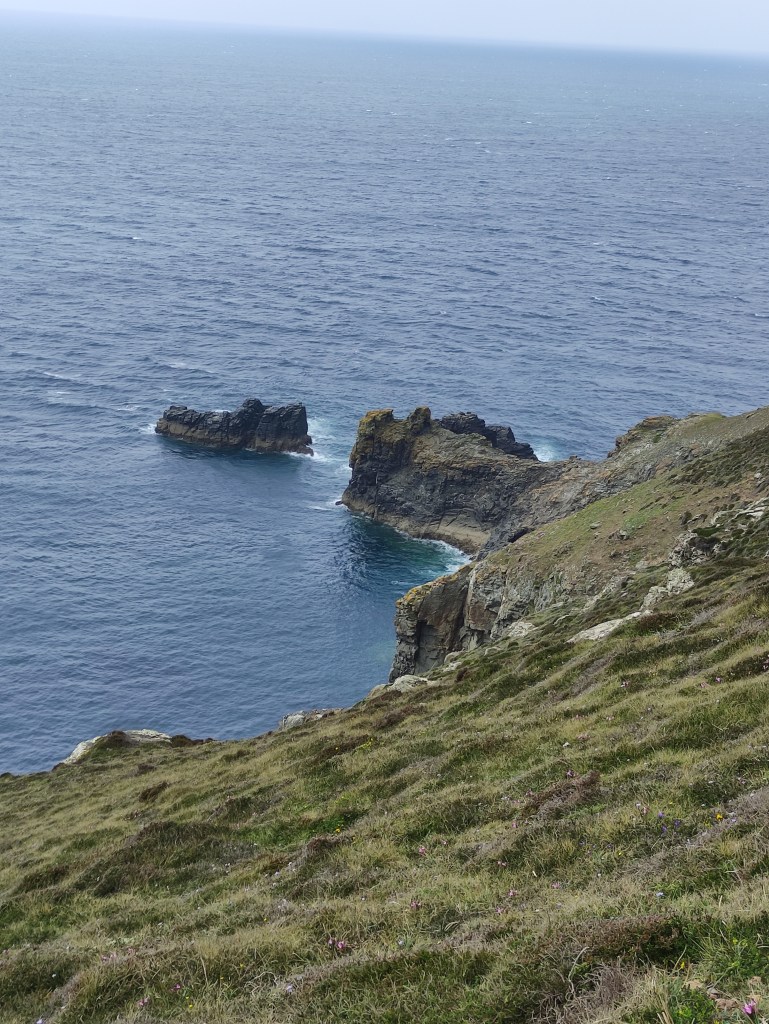
The dramatic sheer cliffs here have the iconic sea stacks of Bedruthan Steps as a backdrop making for some of the best clifftop views in Cornwall.
Legend has it that the enormous sea stacks that lead across the beach here, towards Pentire Point, were put here by the giant Bedruthan and used as stepping stones.
Whether this (or some kind of geological phenomena) is how they got here or not they certainly make a stunning view.
Park Head and Porthocothan Bay are just few miles away and here we were impressed by the force of the ocean against the stacks, blowed strongly with the majestic wind from the Atlantic.
The first night we stayed at The Swan Hotel in Wadebridge, a really old construction which (my thoughts) needed some renovations.
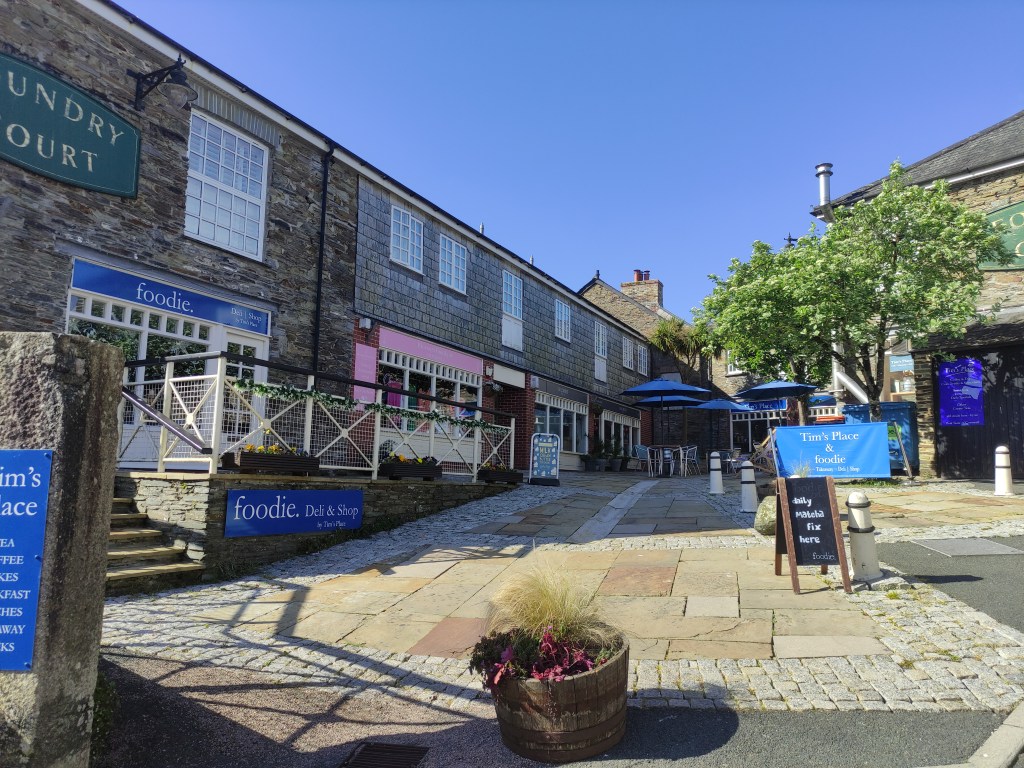
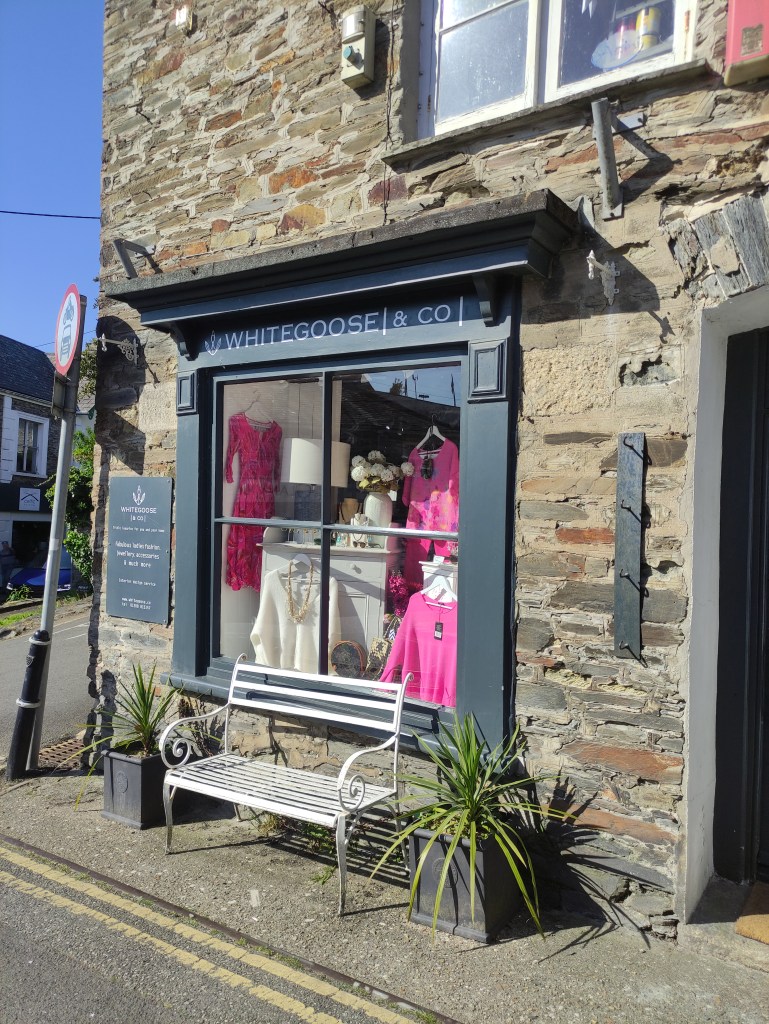
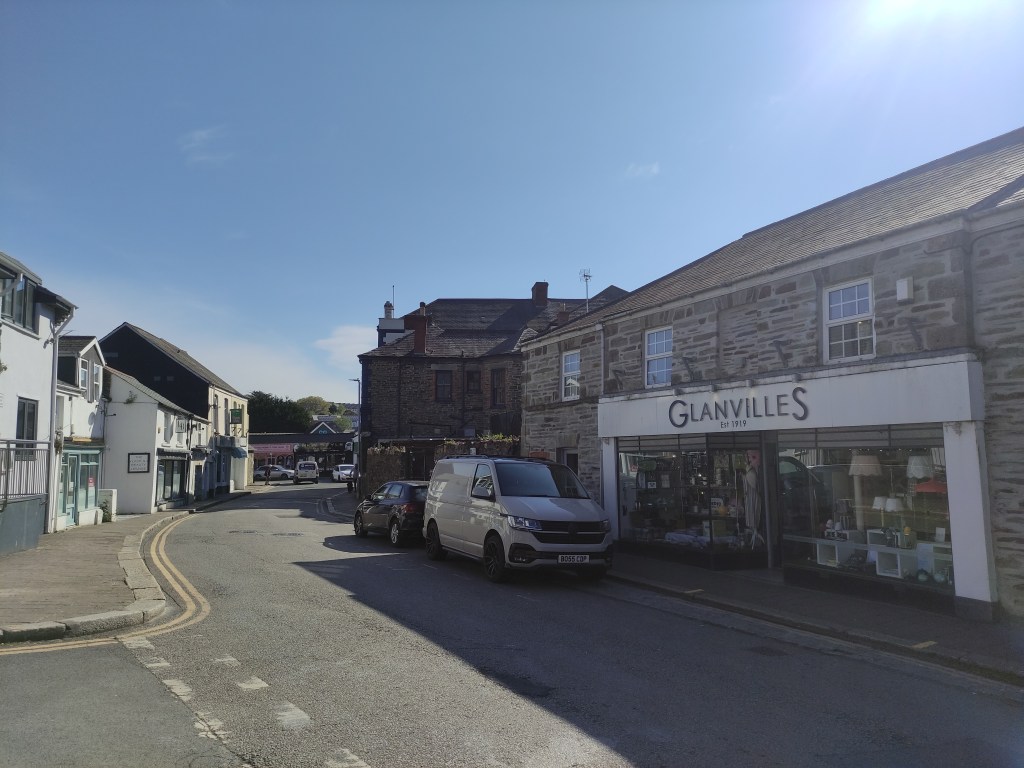
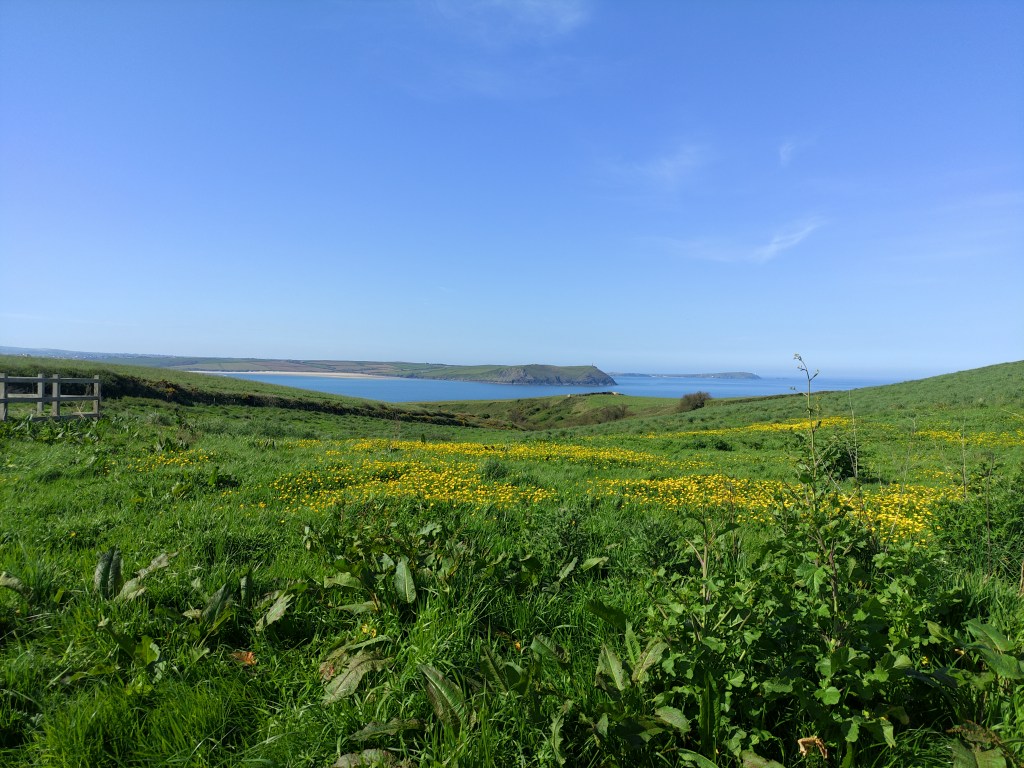
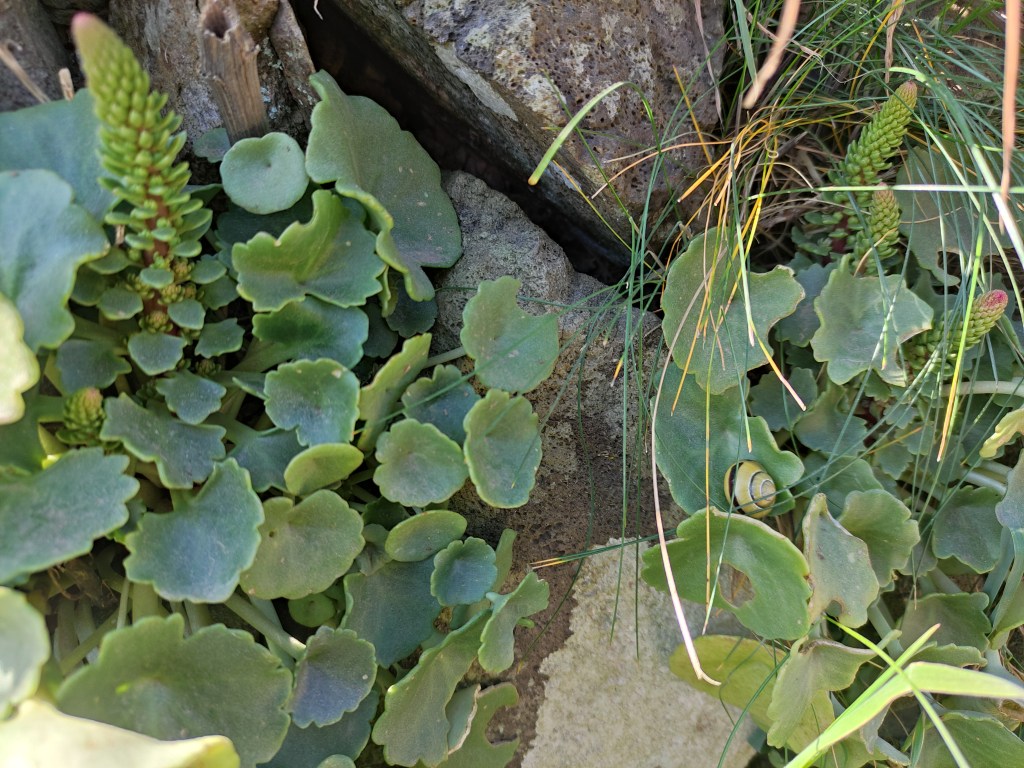
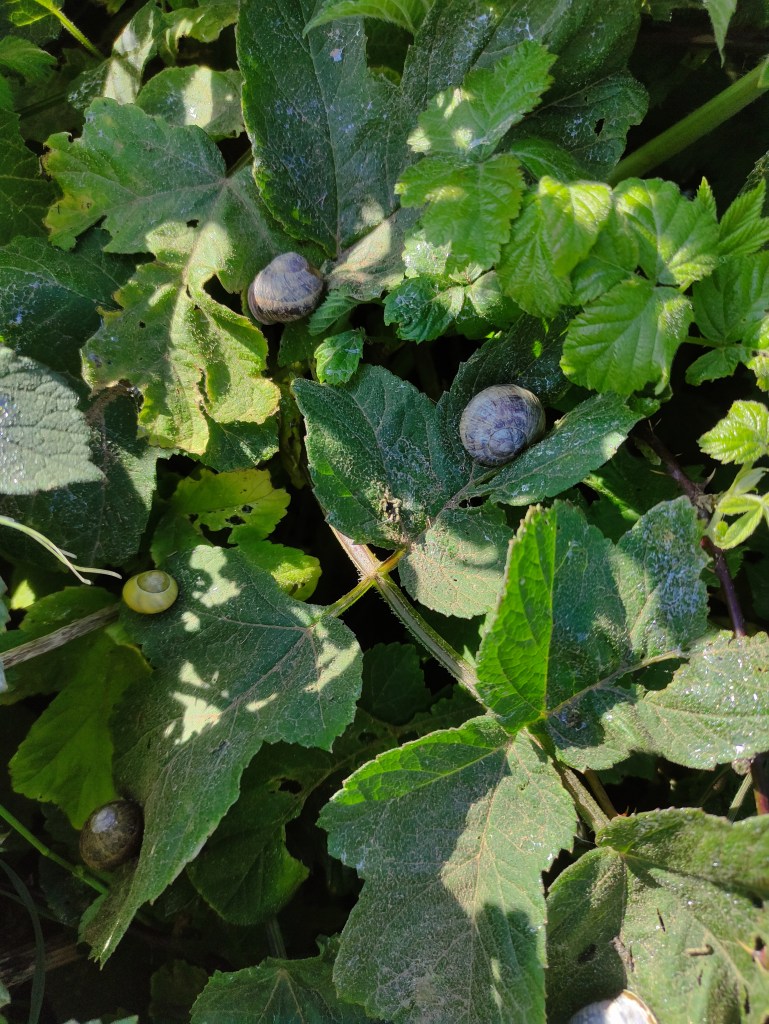
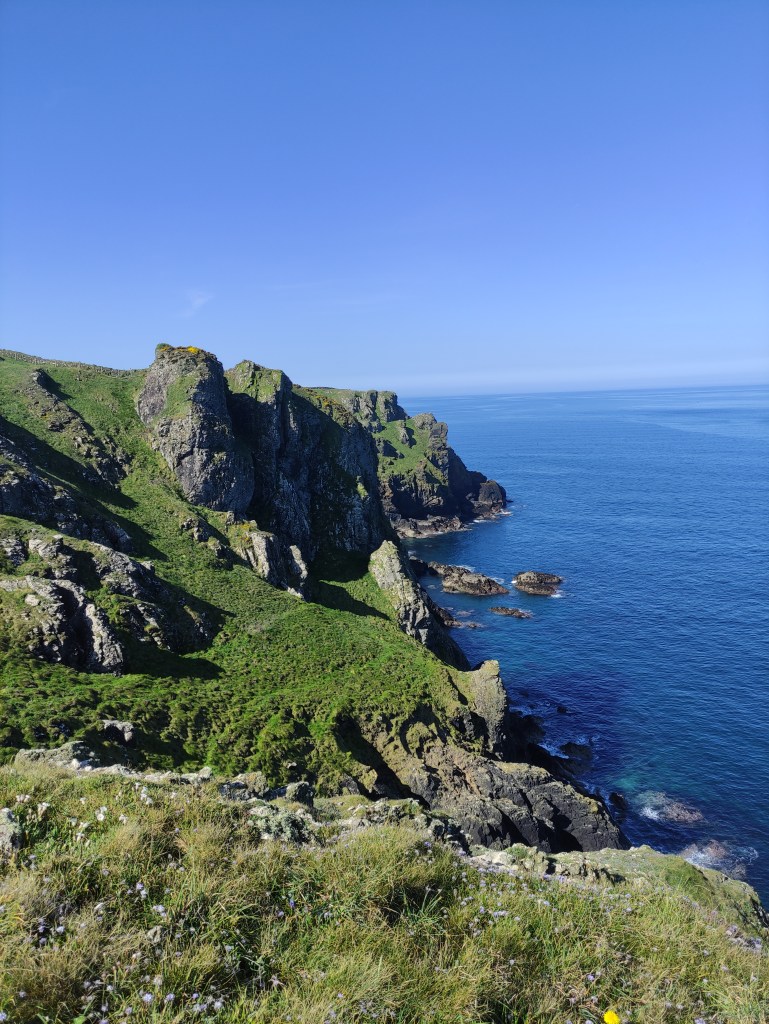
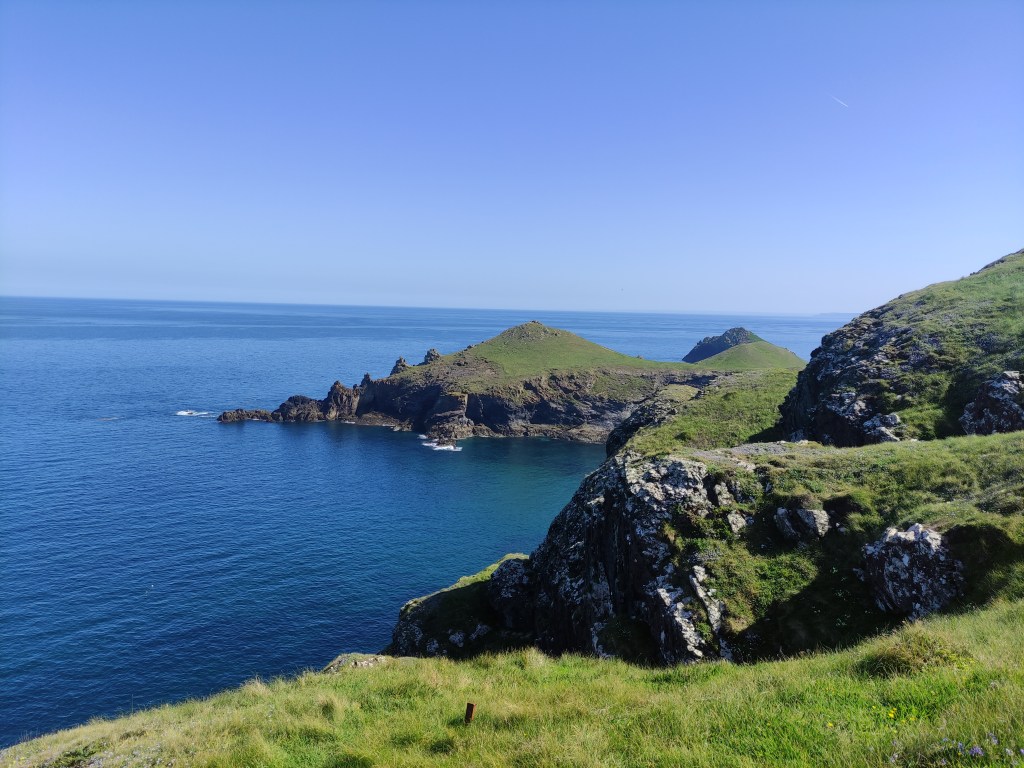
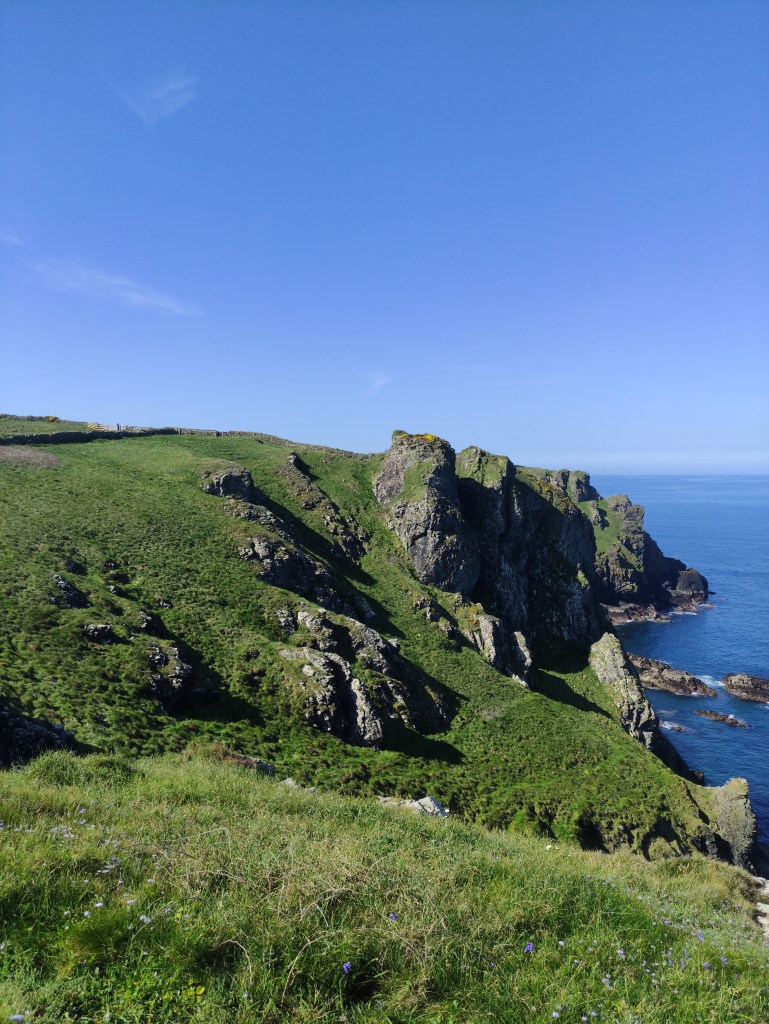
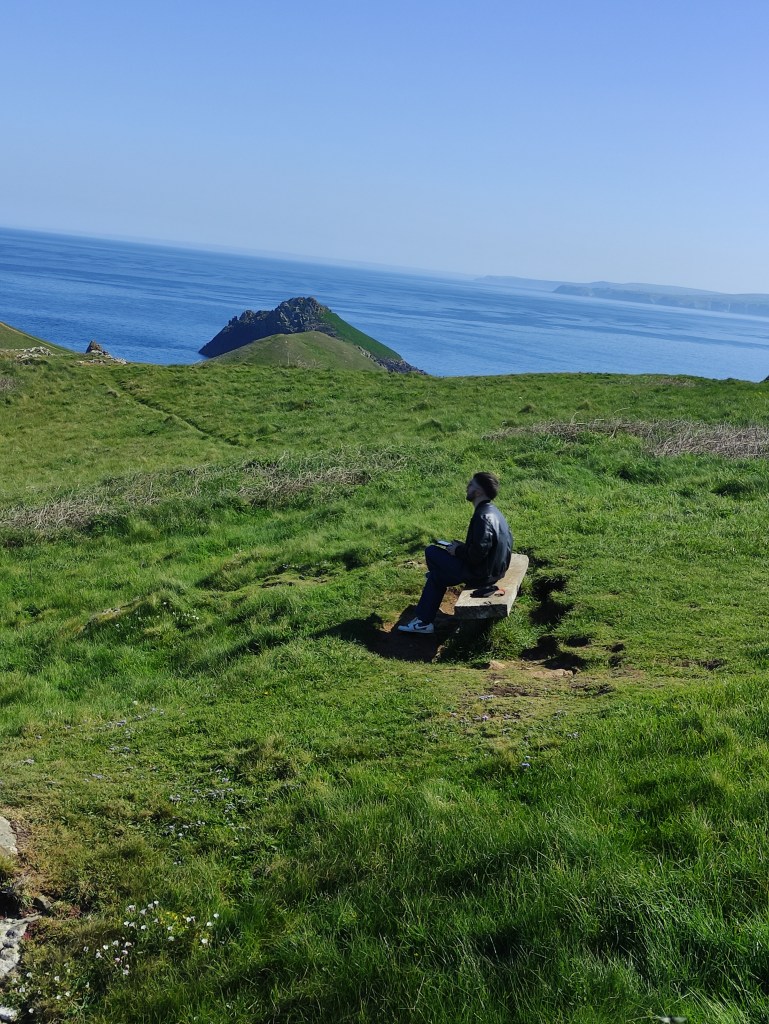
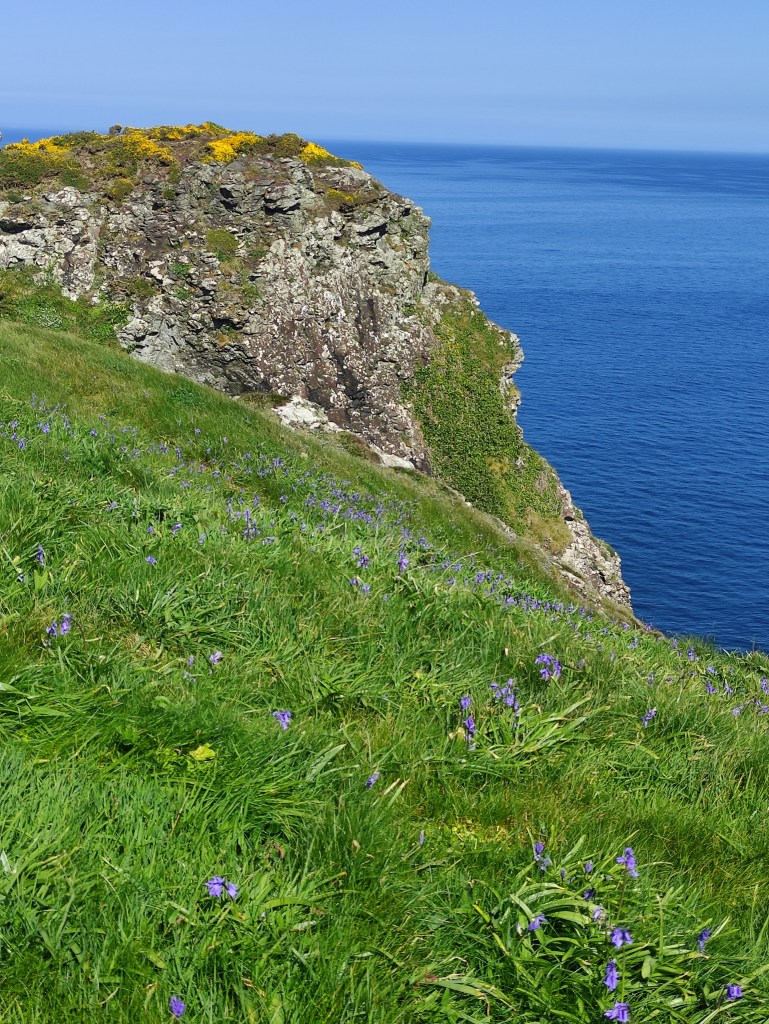
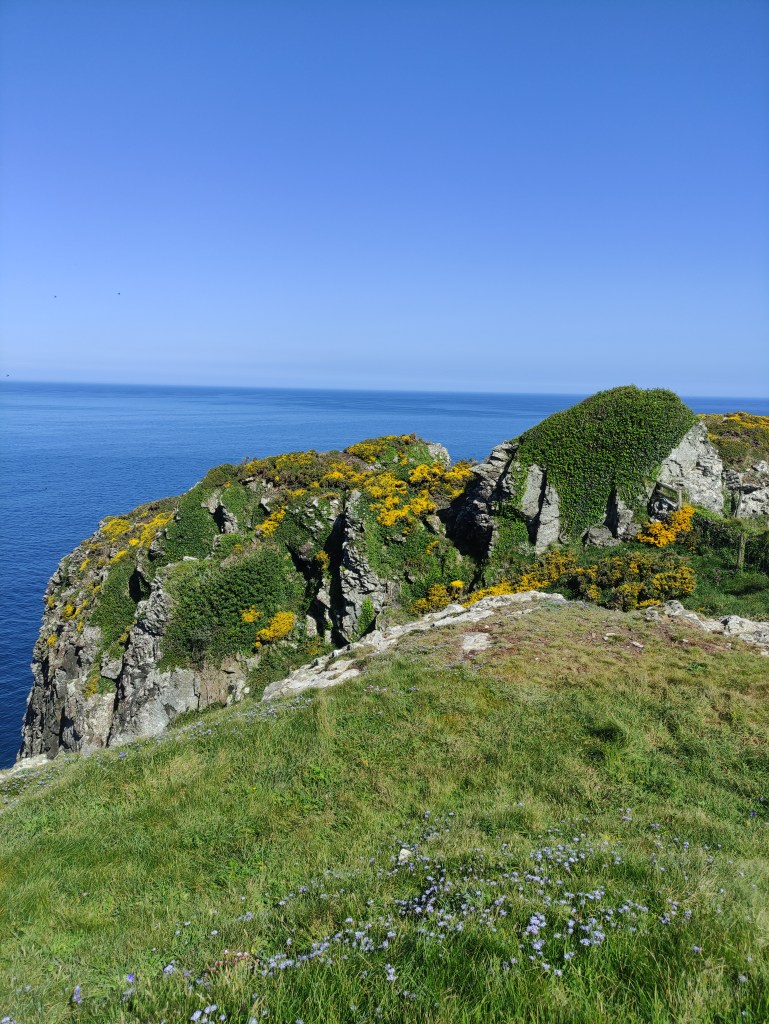
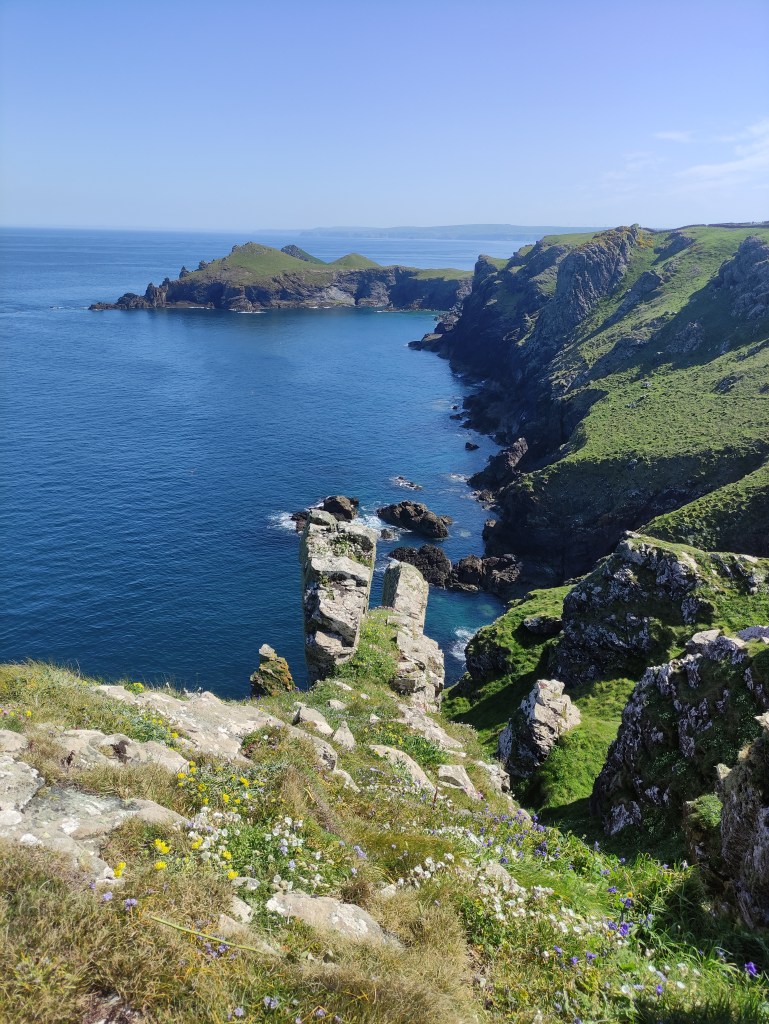
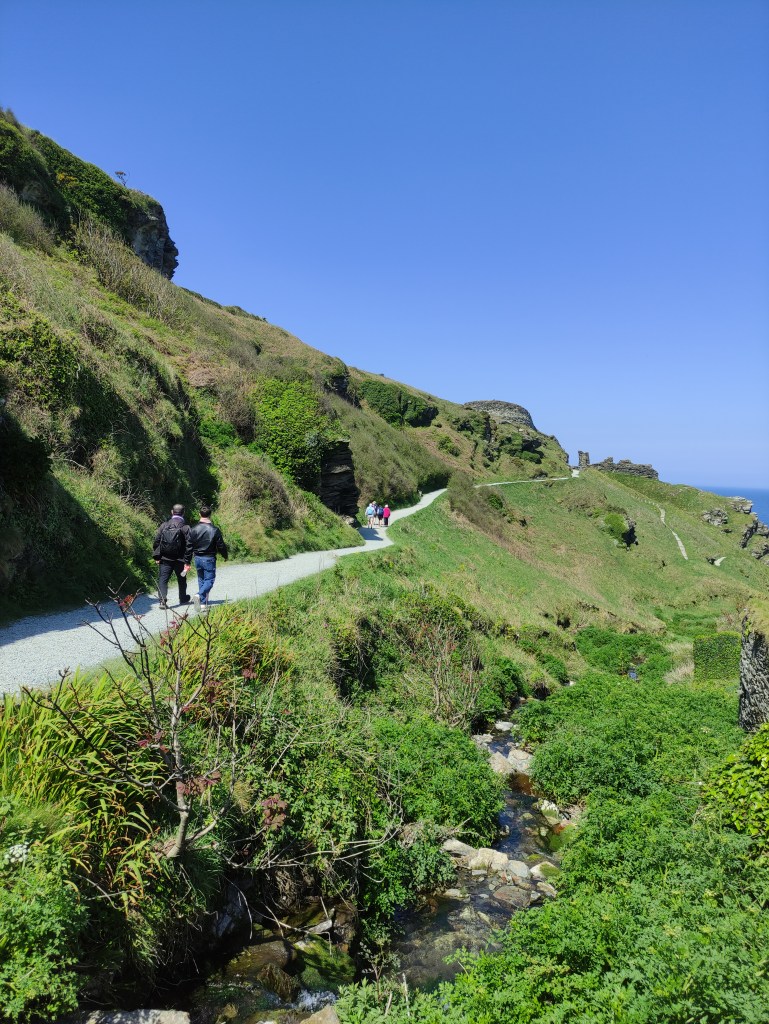
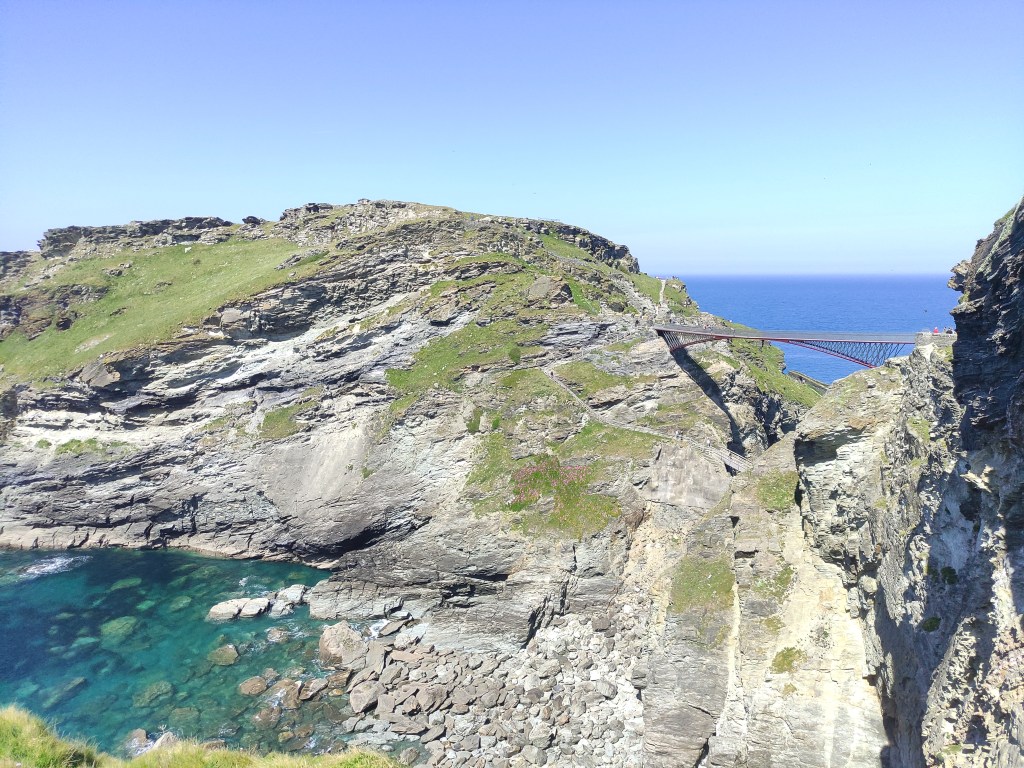
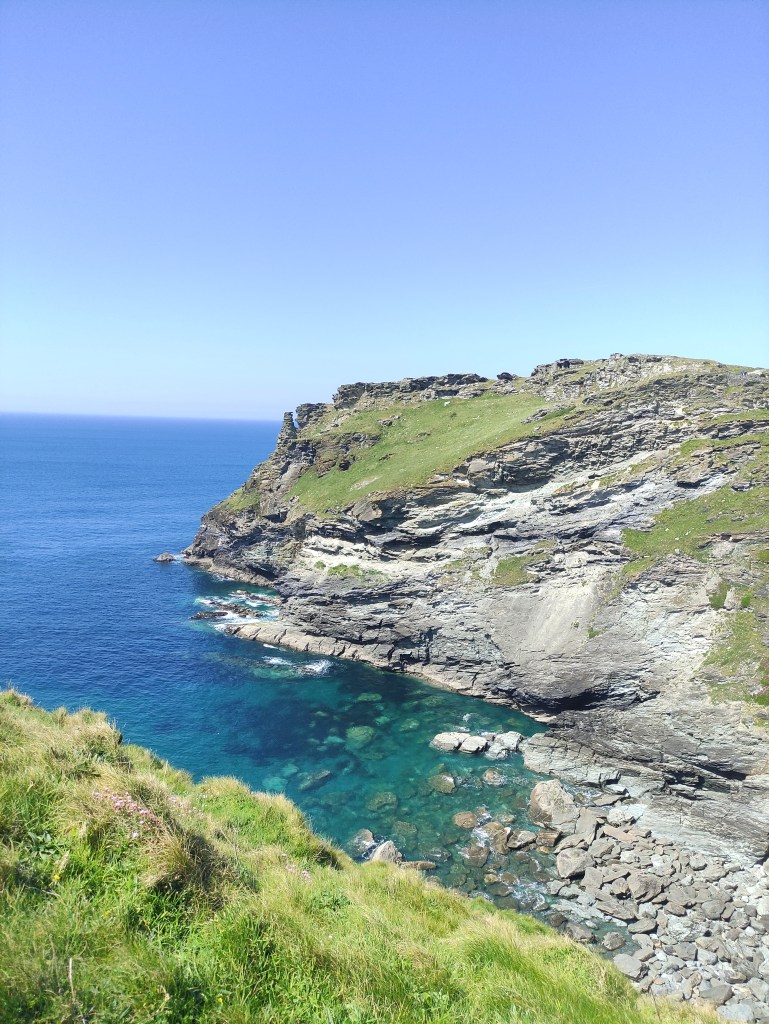
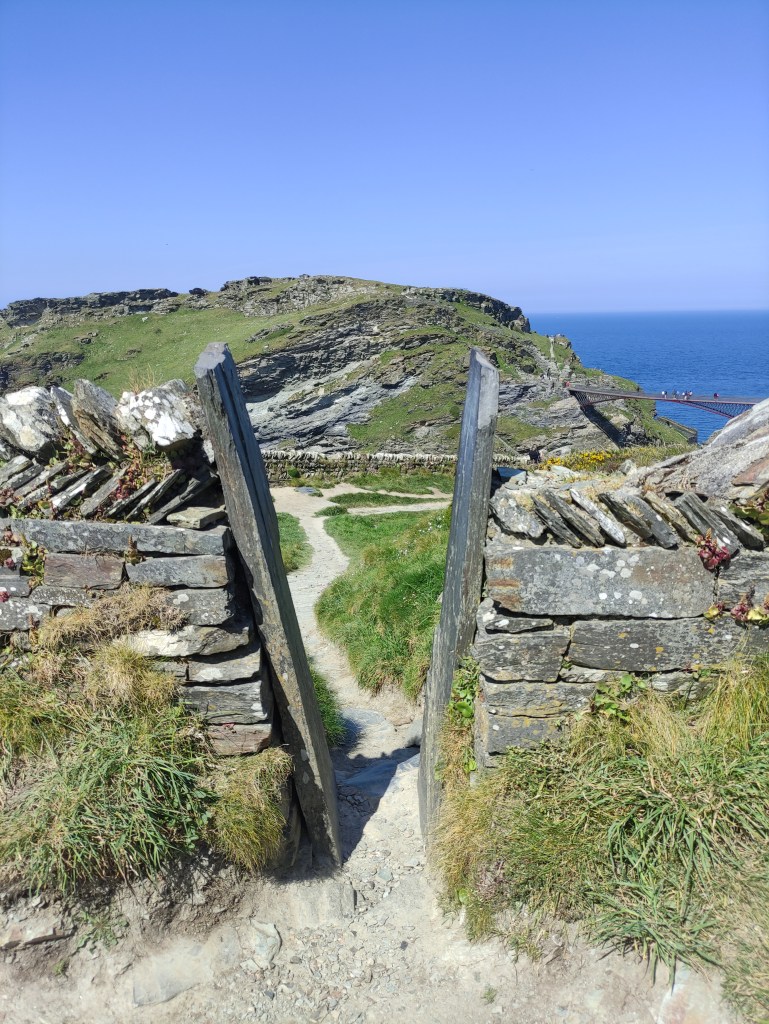
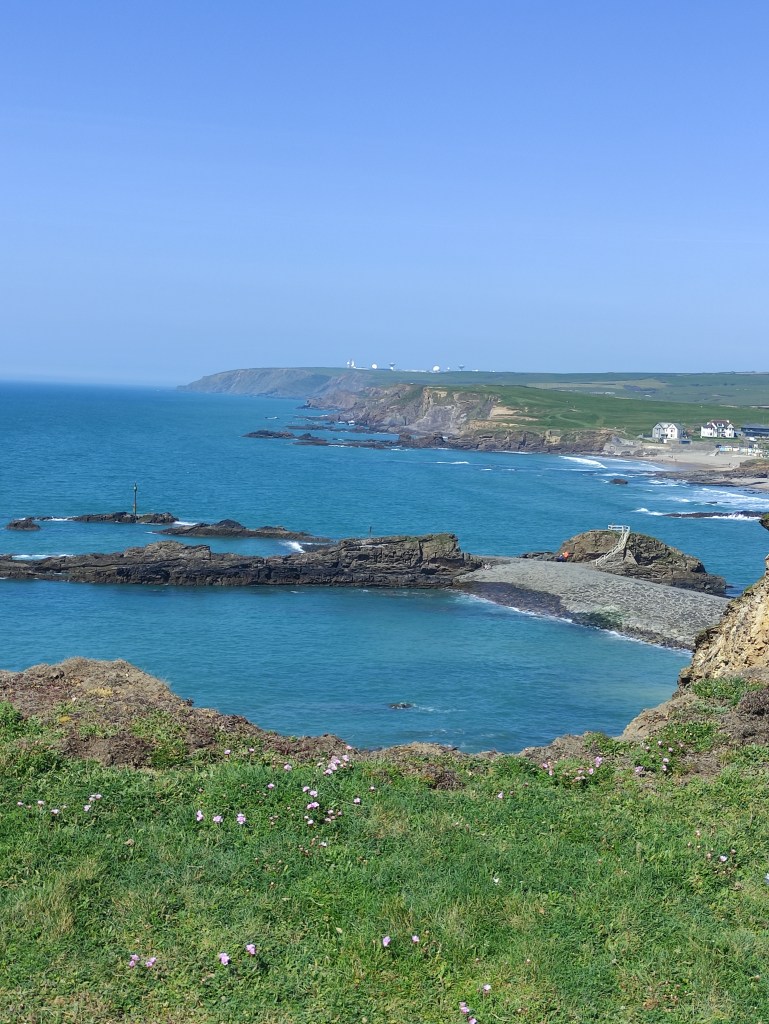
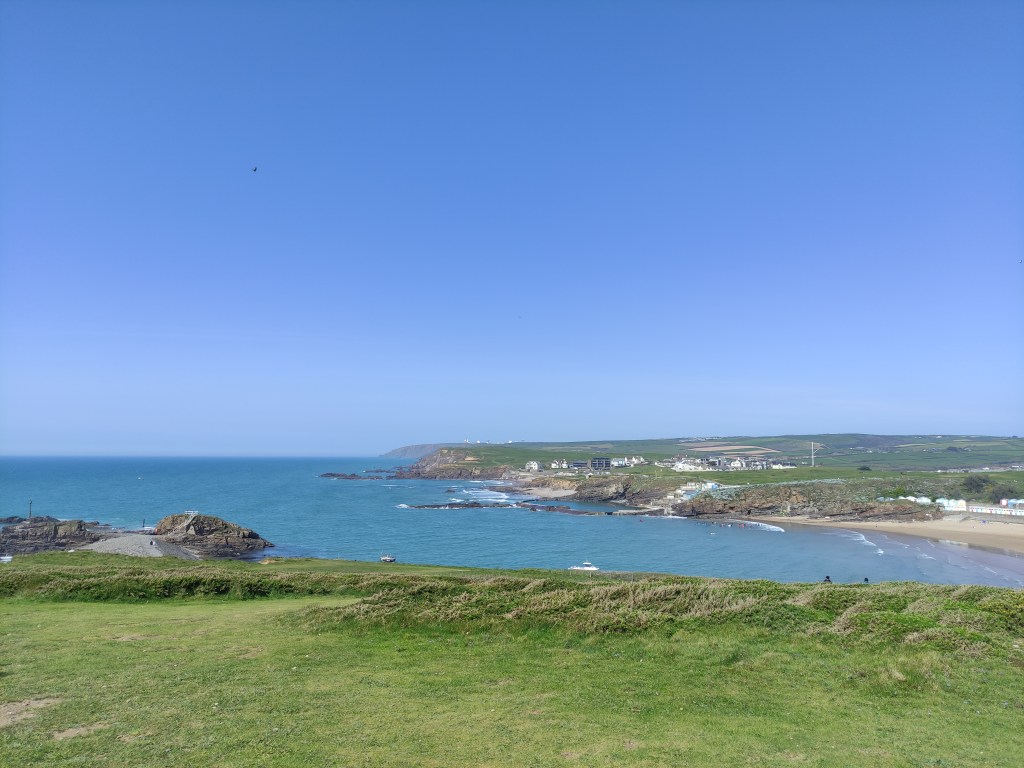
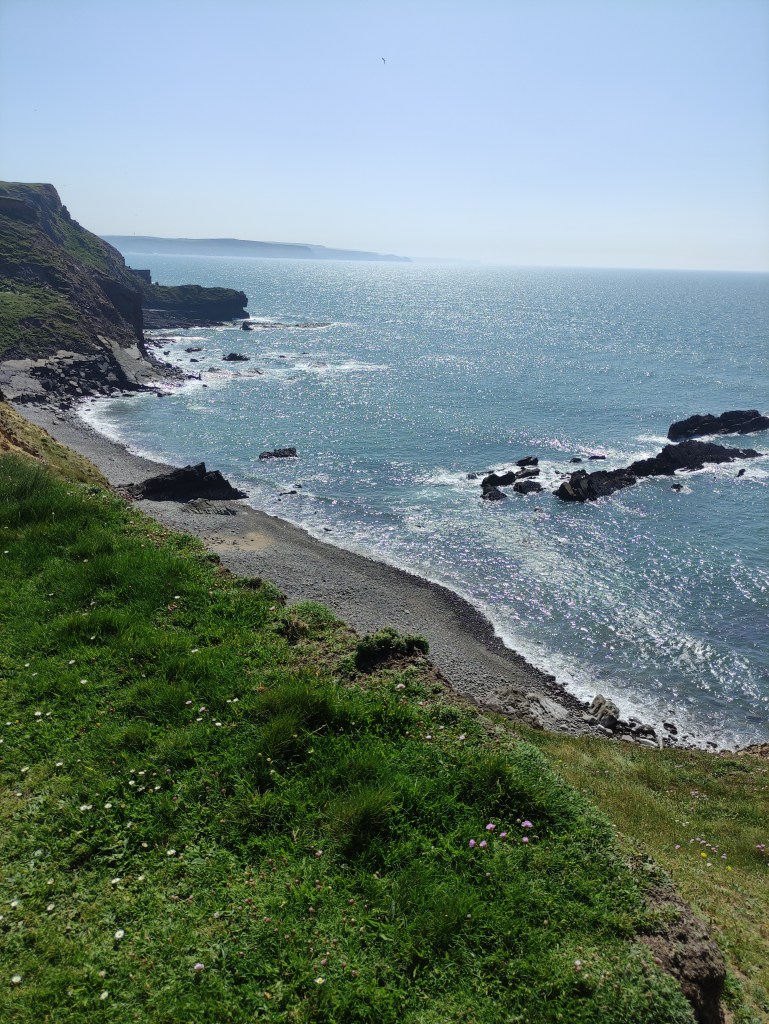
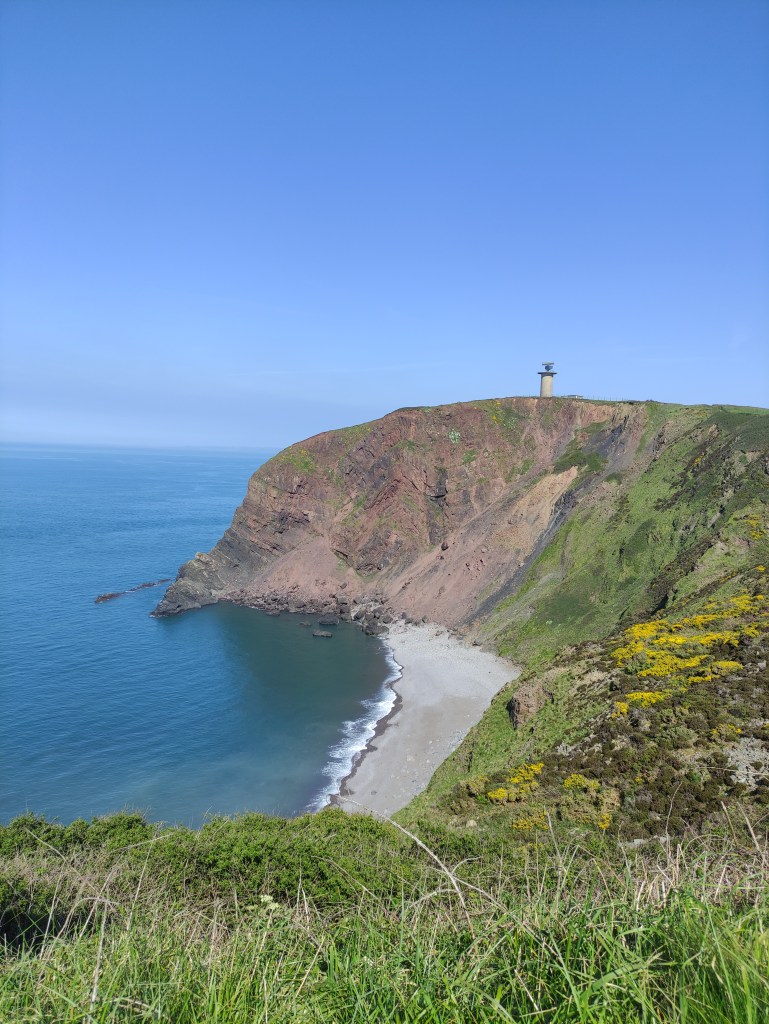
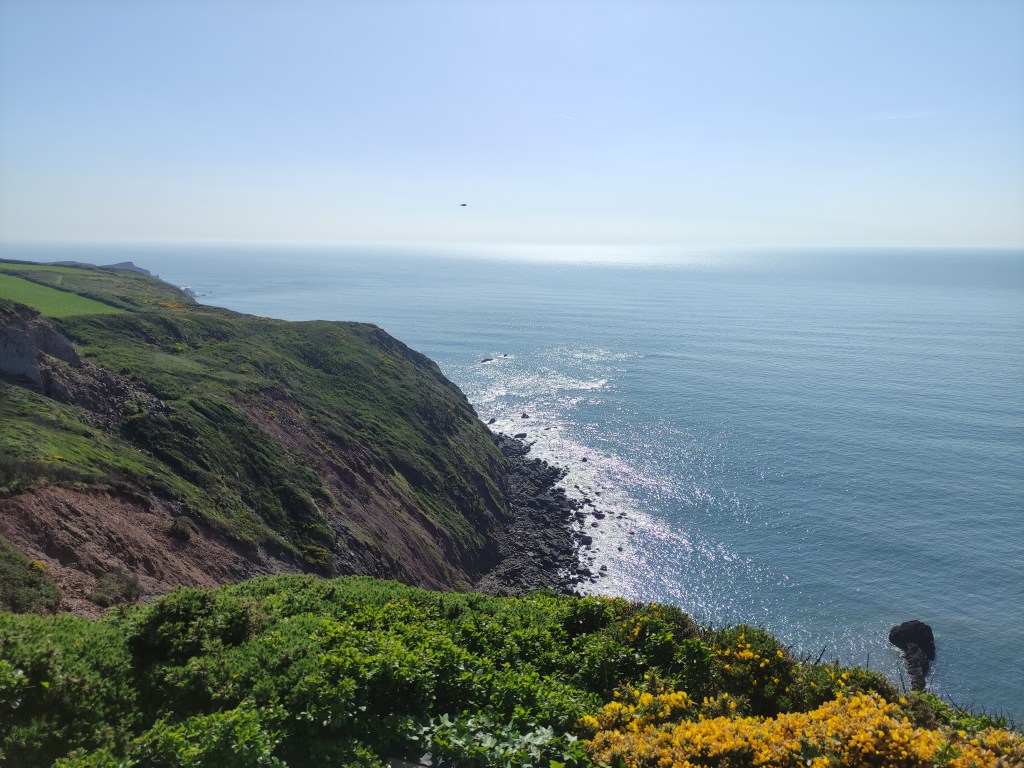
After a long walk of several kilometers, we reached the spectacular Pentire Point and the Rumps. On the left, on clear days, this stretch of the South West Coast Path offers a view south toward Stepper Point and Podstow Bay, while to the right lies Port Quin Bay and Tintagel Castle to the north. During the 5th to 7th centuries, Tintagel was a mighty island fortress where Cornish rulers once walked and legends began to take root. Stories of its past glory echoed through the ages, and by the 12th century, Geoffrey of Monmouth wrote that this was the place where King Arthur was conceived. The castle’s atmospheric ruins stand partly on the mainland and partly on the island. In medieval times, the two halves were connected by a bridge. At low tide, you can enjoy the small sandy beach and explore the atmospheric Merlin’s Cave. Of the castle, only a few foundations and some slightly higher piles of stones are visible. Some parts are covered in grass and moss, and it’s not worth paying the 18.- CHF entrance fee per person. Since the tide was high, we couldn’t access the cave below, but personally I would have given up considering the steep cliff we’d have to descend and then climb back up.
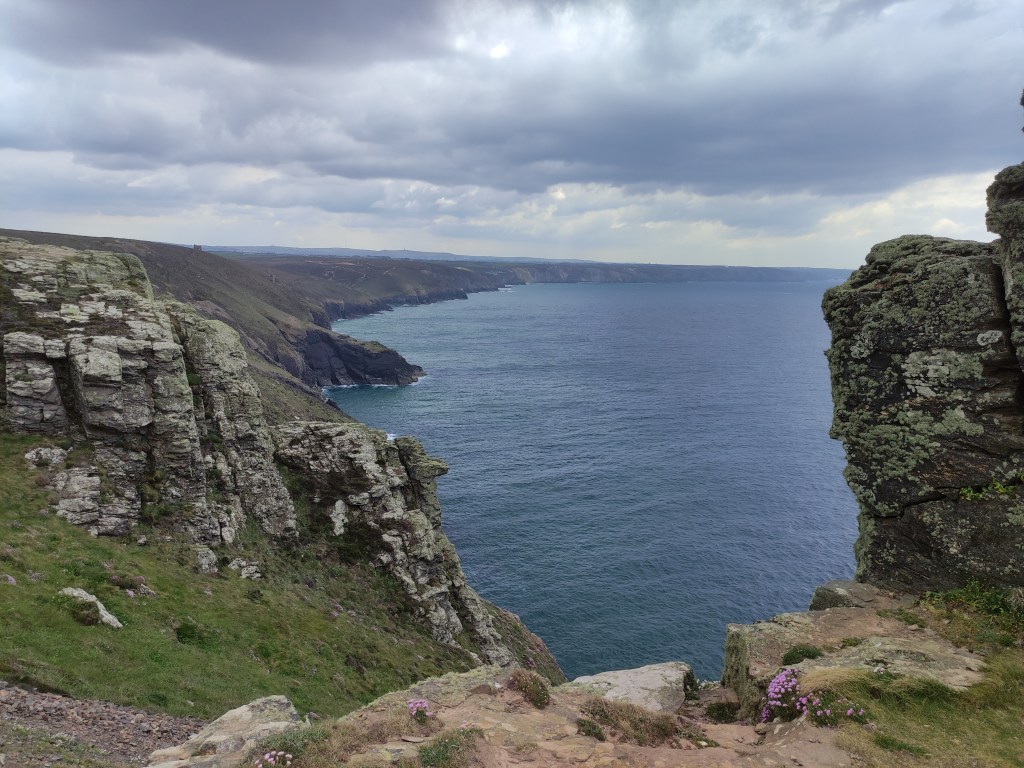
The view stretches out over the vastness of the ocean. The strips of land and cliffs follow one another in their typical gradations until they turn a light gray, almost ethereal color.
With a little luck, you might spot gray seals and peregrine falcons along this stretch of Cornwall’s northern coast.
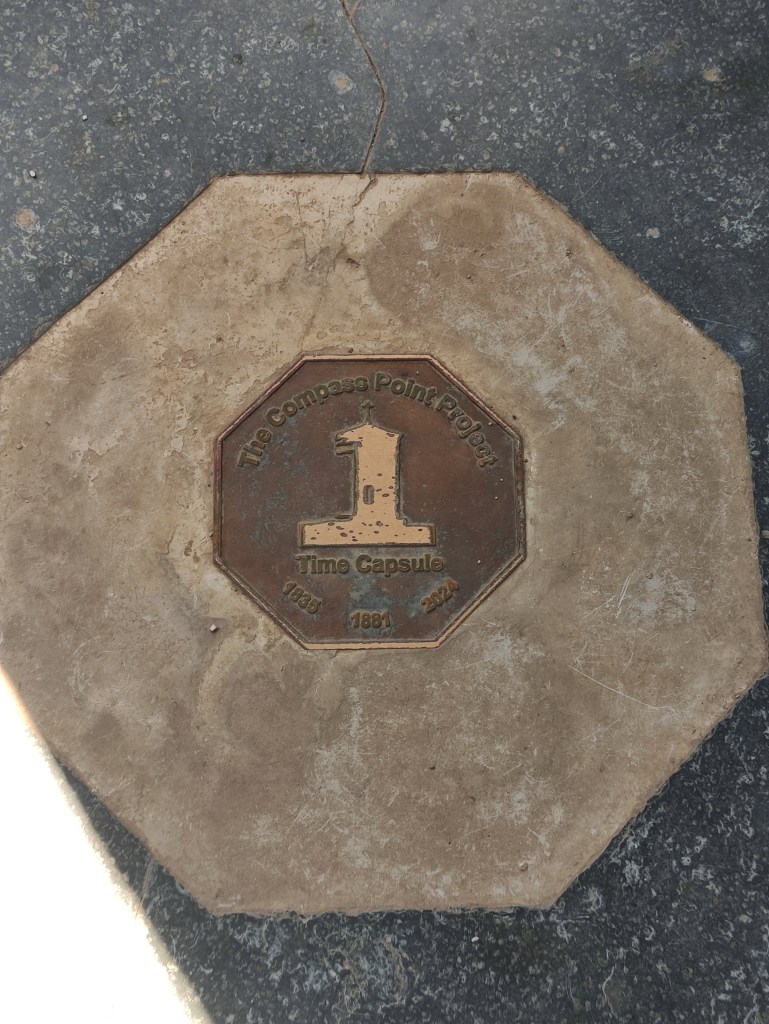
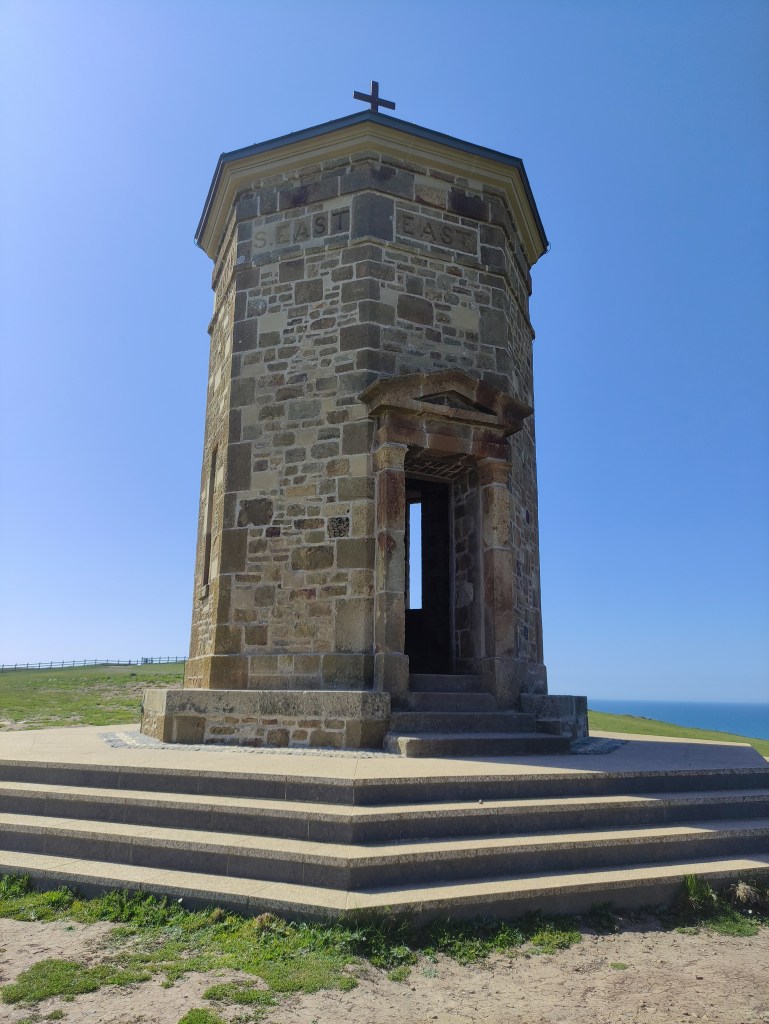
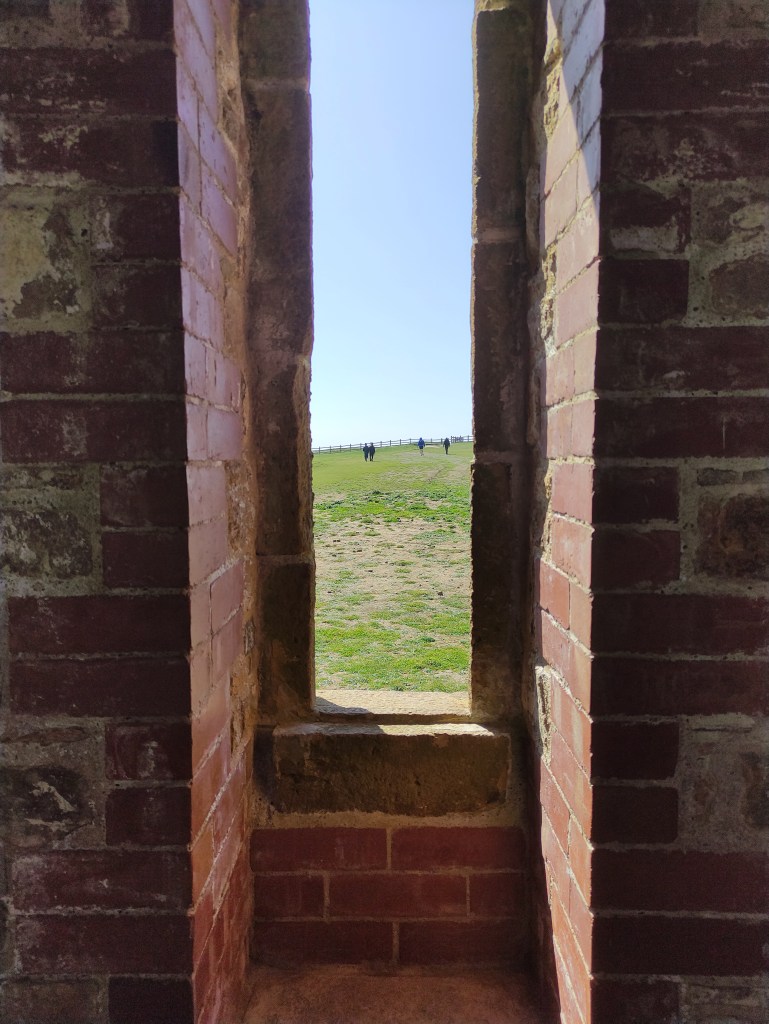
We got back in the car and drove up to Compass Point and its Storm Tower, near Bude. The Storm Tower is an octagonal lookout tower modeled after the Tower of the Winds in Athens, Greece. It is known locally as the “Pepperpot”. The tower was built in 1834 on the instructions of Sir Thomas Dyke Acland as a place from which coastguards could observe ships on the adjacent Atlantic Ocean. Due to coastal erosion, the tower’s location has been moved twice over the years.
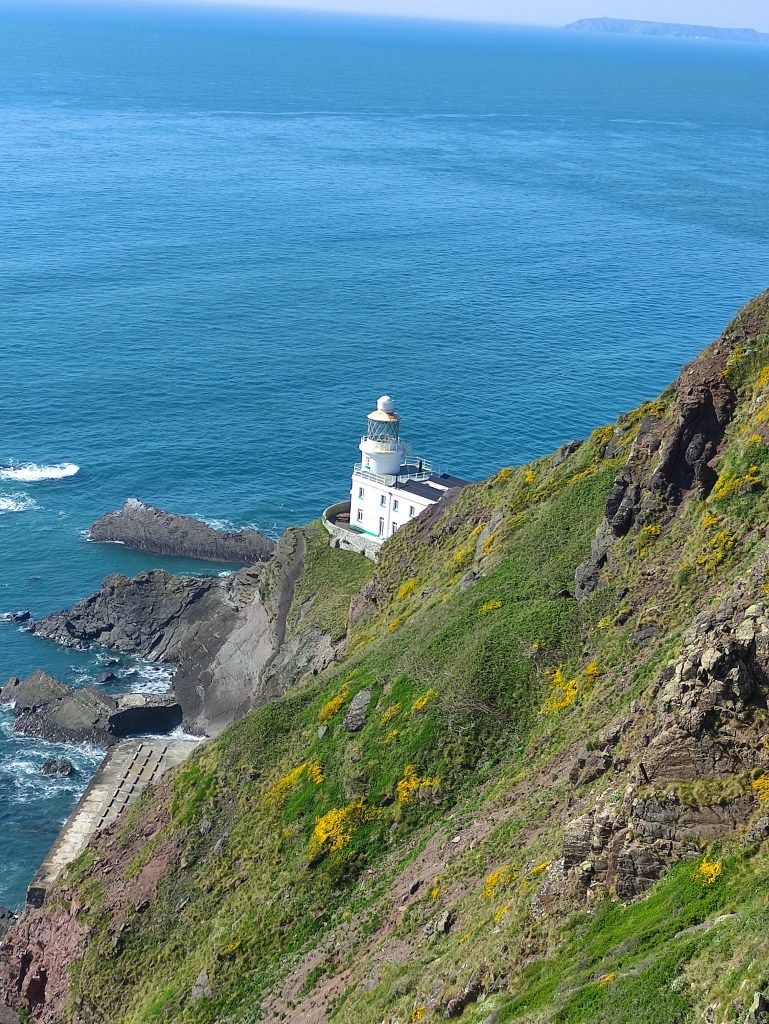
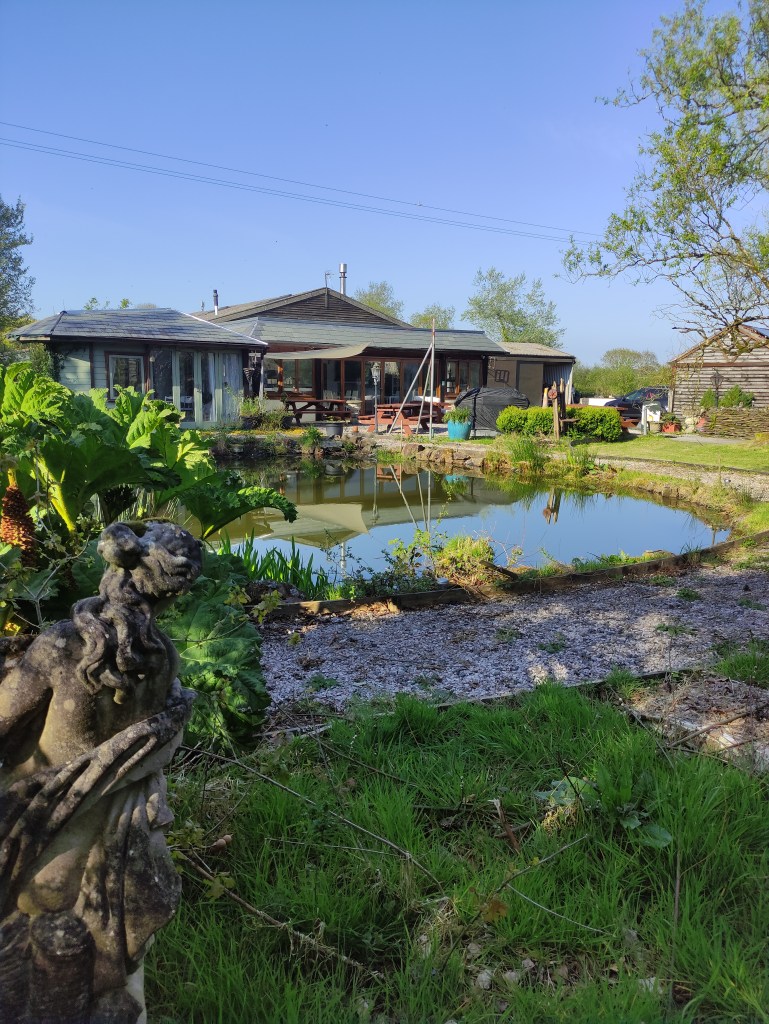
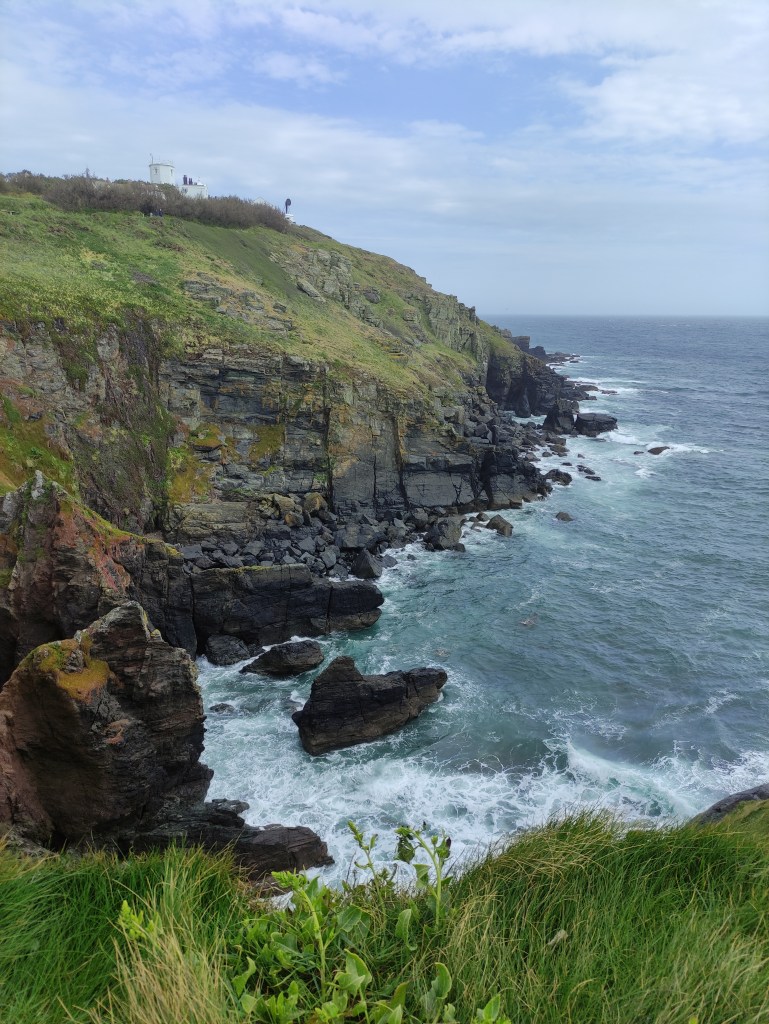
Further north, Hartland Lighthouse (located in Devonshire) was our final destination. Under the direction of Trinity House’s Engineer-in-Chief Sir James Douglass, the Hartland Lighthouse was built on a large rock at the tip of the headland. The lighthouse was threatened by the undermining action of the sea to such an extent that rock had to be broken from the cliff face behind the lighthouse to fall onto the beach and form a barrier against the waves. Unfortunately, this procedure had to be repeated at frequent intervals, as the deposits were washed away whenever a northwesterly gale coincided with a high spring tide. Eventually, it became necessary to construct a permanent barrier, and a seawall 30 meters long and six meters high was built in 1925. Entry to the area is prohibited, and photos may only be taken from the promontory on the left. In Holsworthy, Devon, we spent the night at the Tamerstone Farm.
Leaving Holsworthy, we continued our journey southward along the usual back roads, which allow you to better enjoy the natural surroundings.
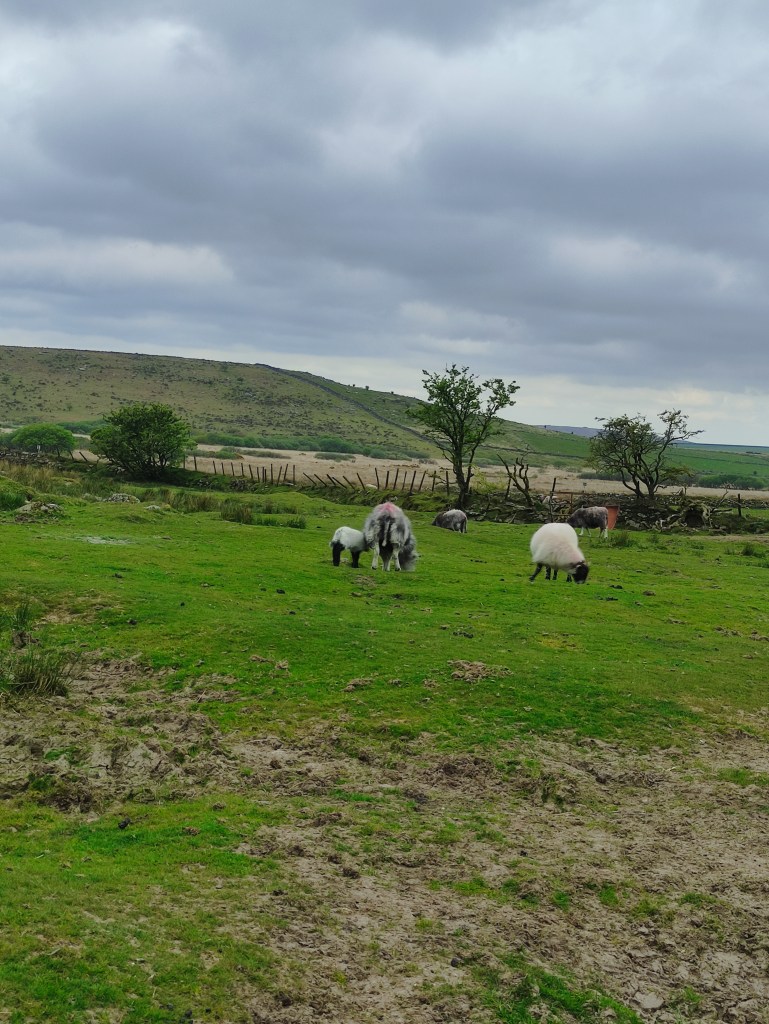
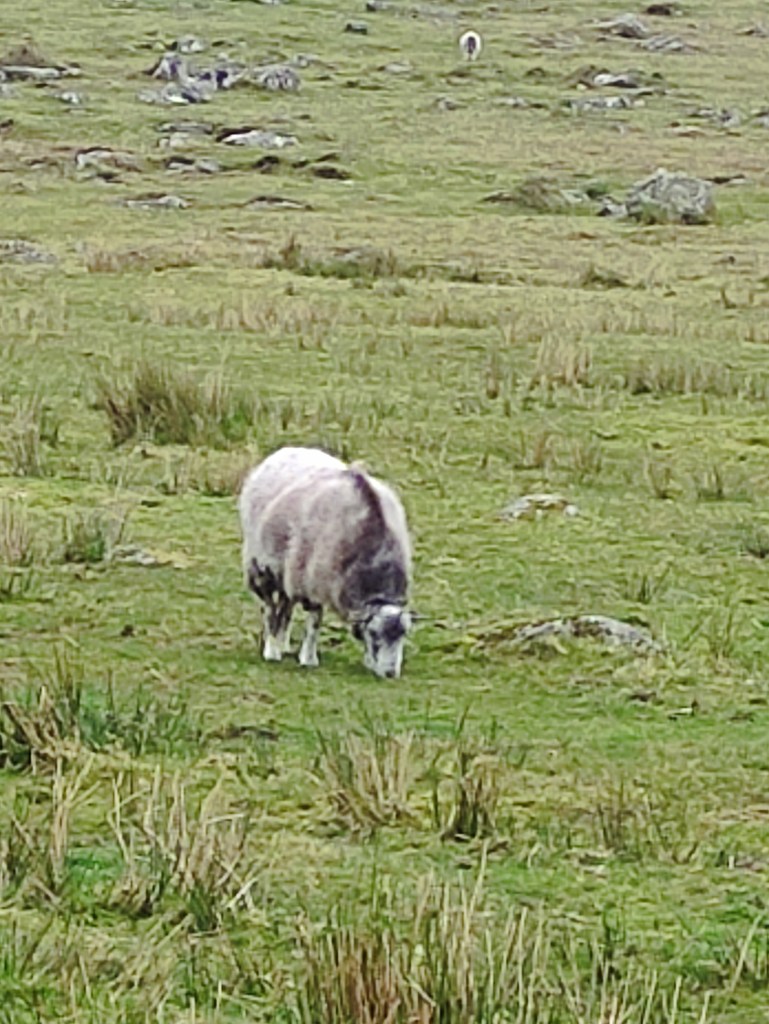
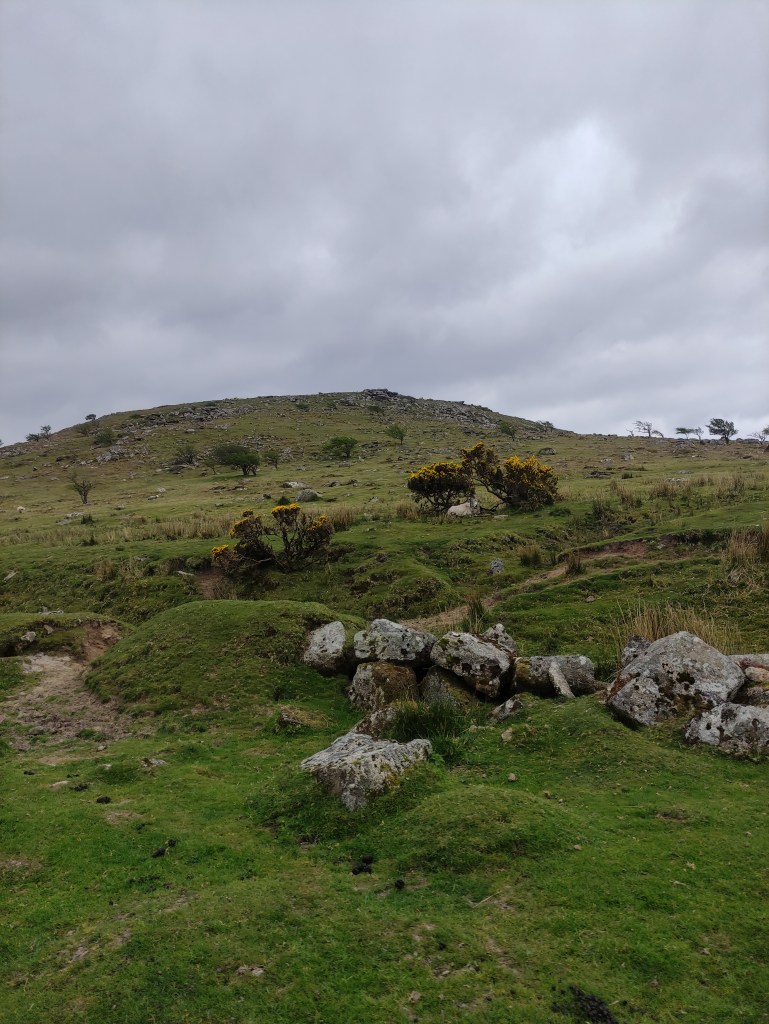
As you might expect from a wild landscape often covered in low cloud, Bodmin Moor is rich in folklore. From magical swords to people turned to stone for enjoying themselves, every inch of the moor has a story.
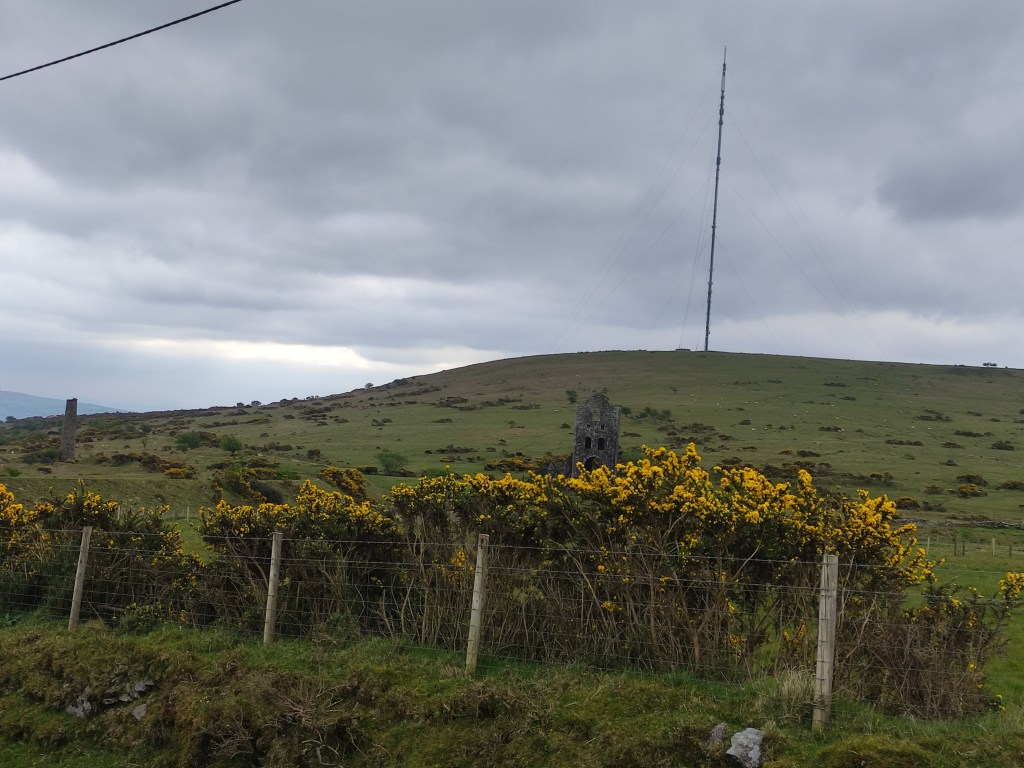
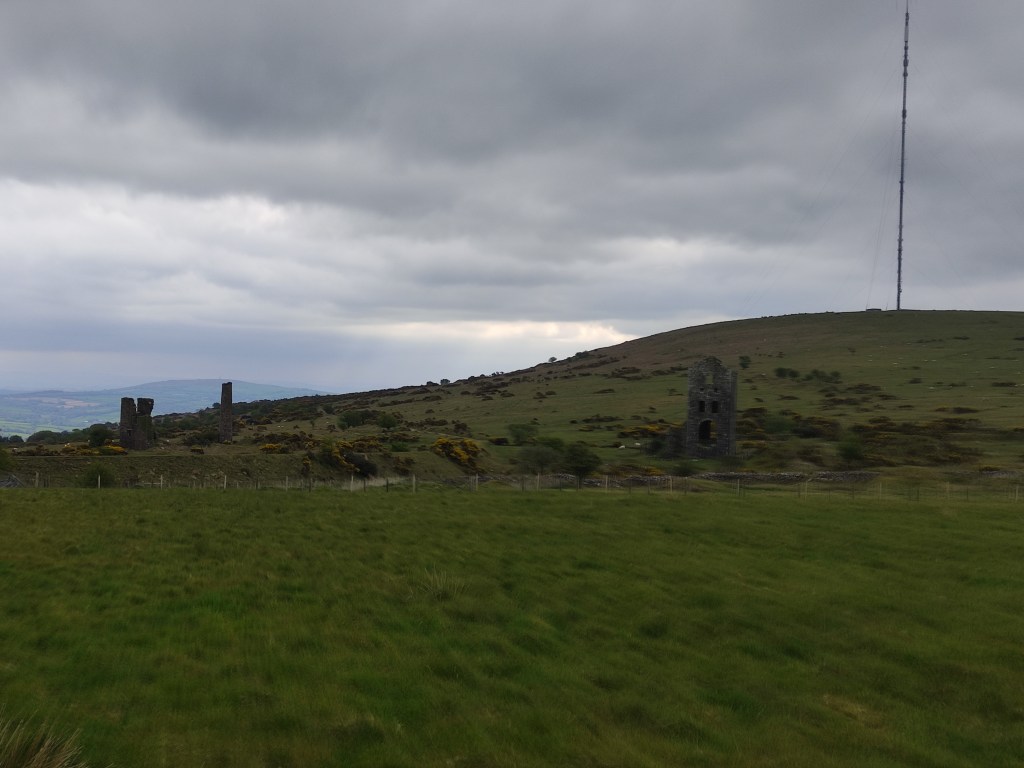
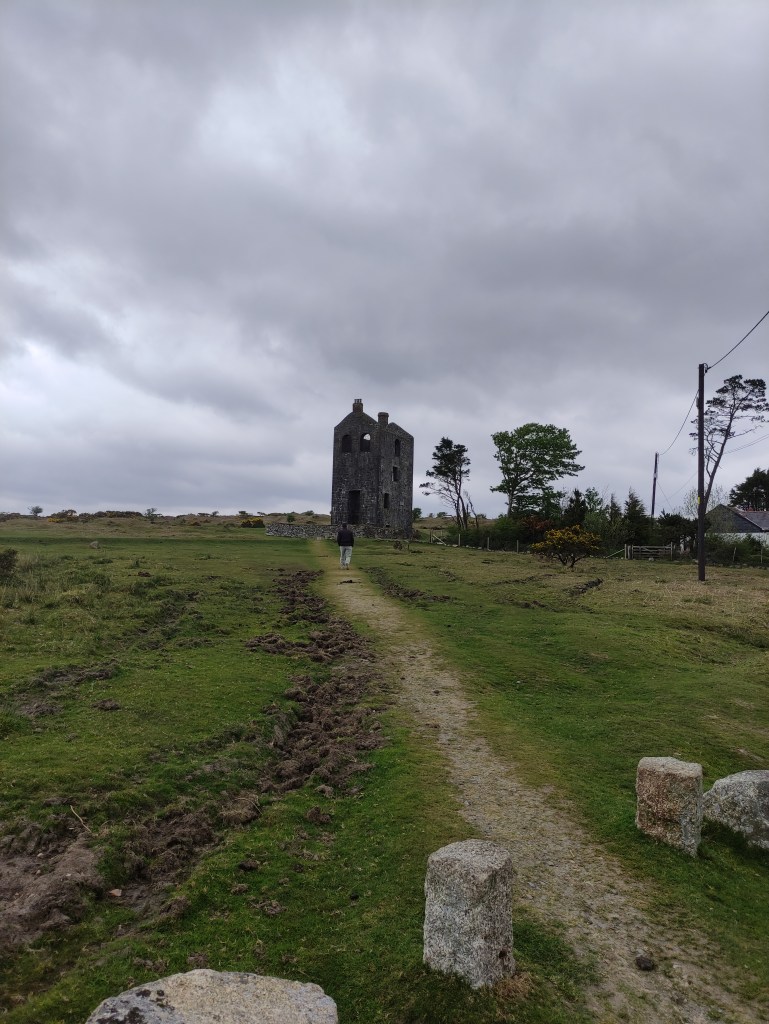
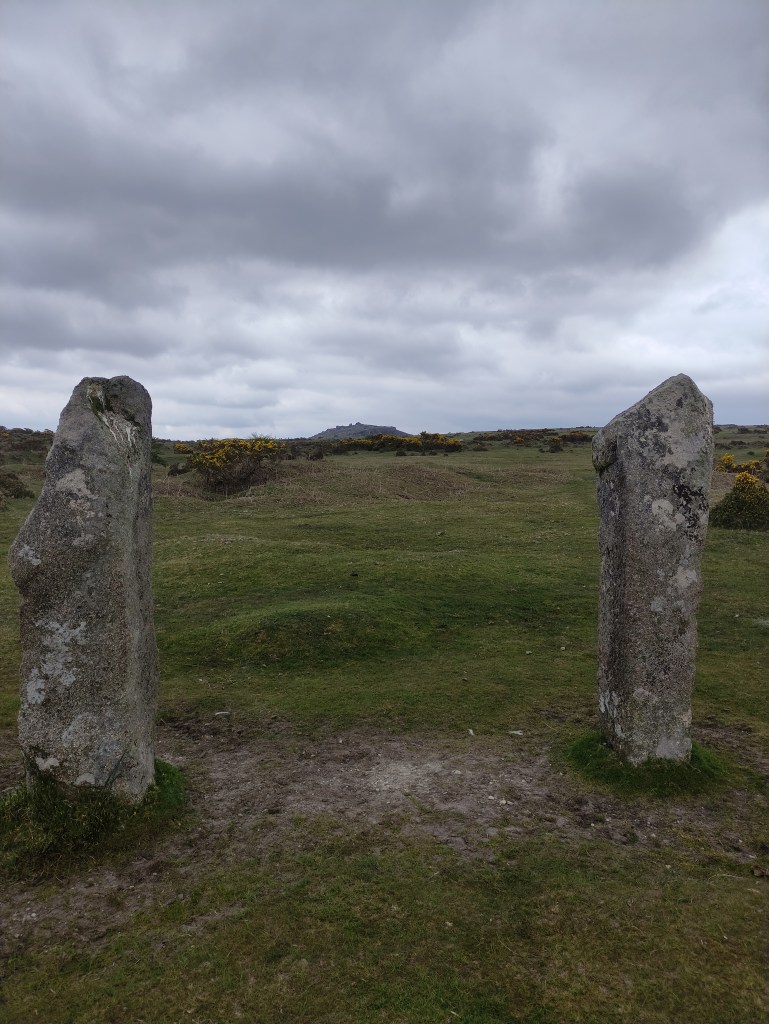
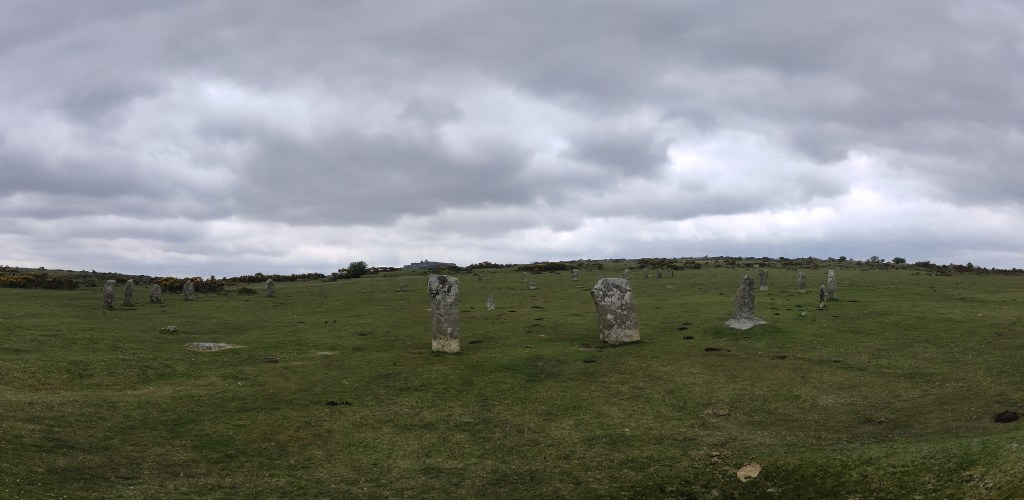
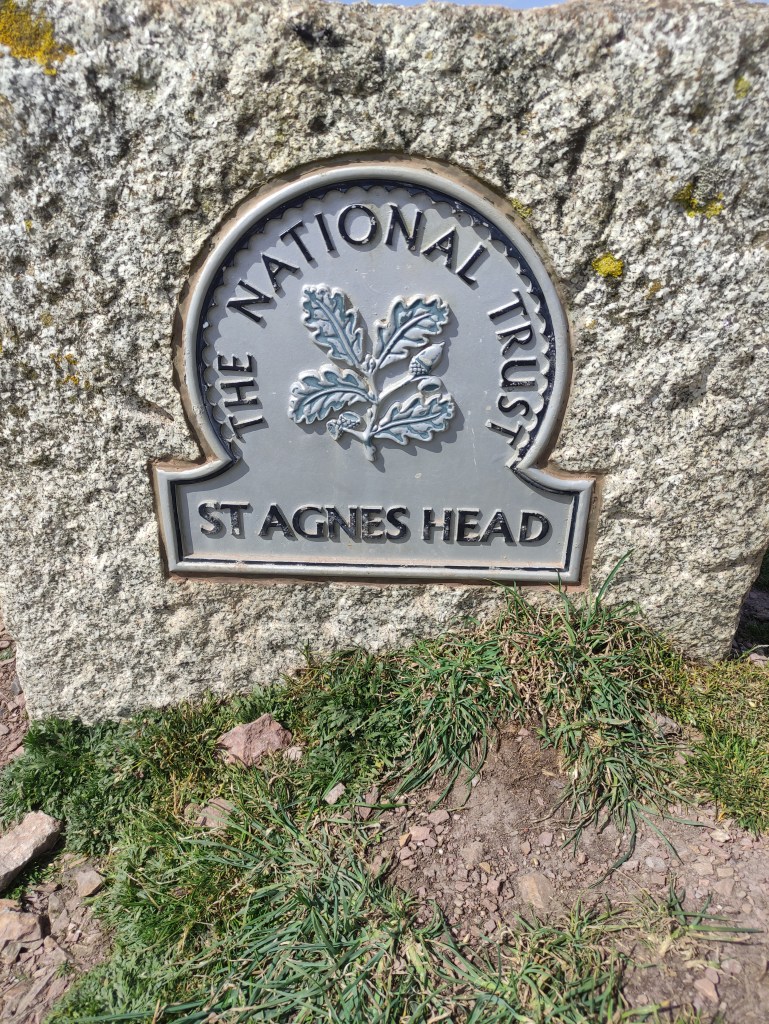
One of the mysteries of the moor, this square enclosure has puzzled historians for many years, who knows, it might date from the time of Arthur? The chances are it’s far older, possibly dating back to the Bronze Age when many of the stone circles and standing stones we find on the moor were erected. The Hurlers Stone circles at Minions, on the southern edge of the moor are said to be the remains of villagers who danced on the sabbath and were turned to stone for their sins. Nearby are two other standing stones, said to be the pipers who were playing the music for them. And higher than surrounding tors, there towers Kilmar. It consist of a complex ridge of buttresses and boulders accessed by a longer and steeper walk-in from the parking. Leaving the Bodmin Moor behind via the narrow roads we’ve now grown accustomed to, we reached St. Agnes. We didn’t stop in this picturesque village on Cornwall’s northern coast, which is rich in mining history, but continued on to Wheal Coates.
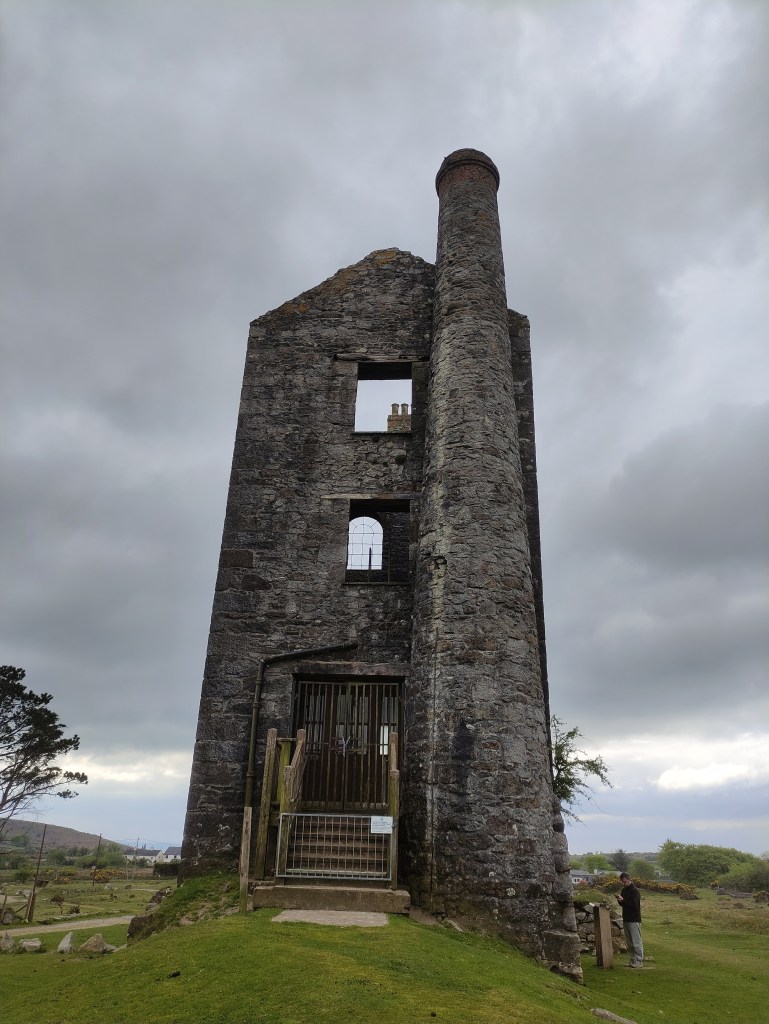
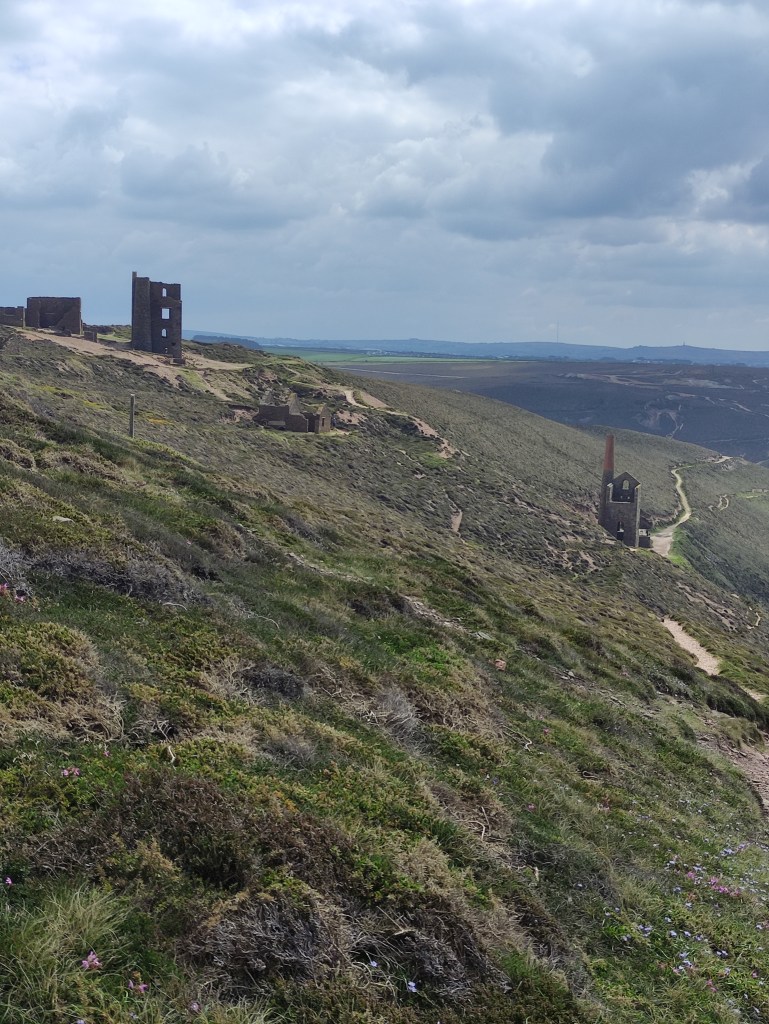
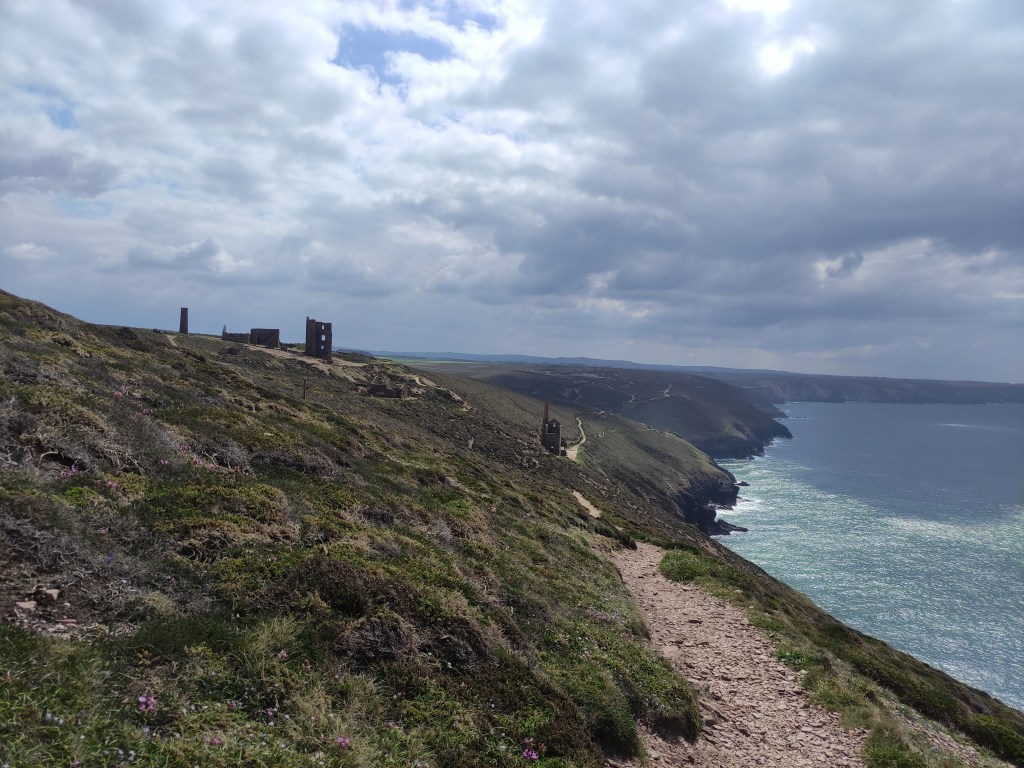
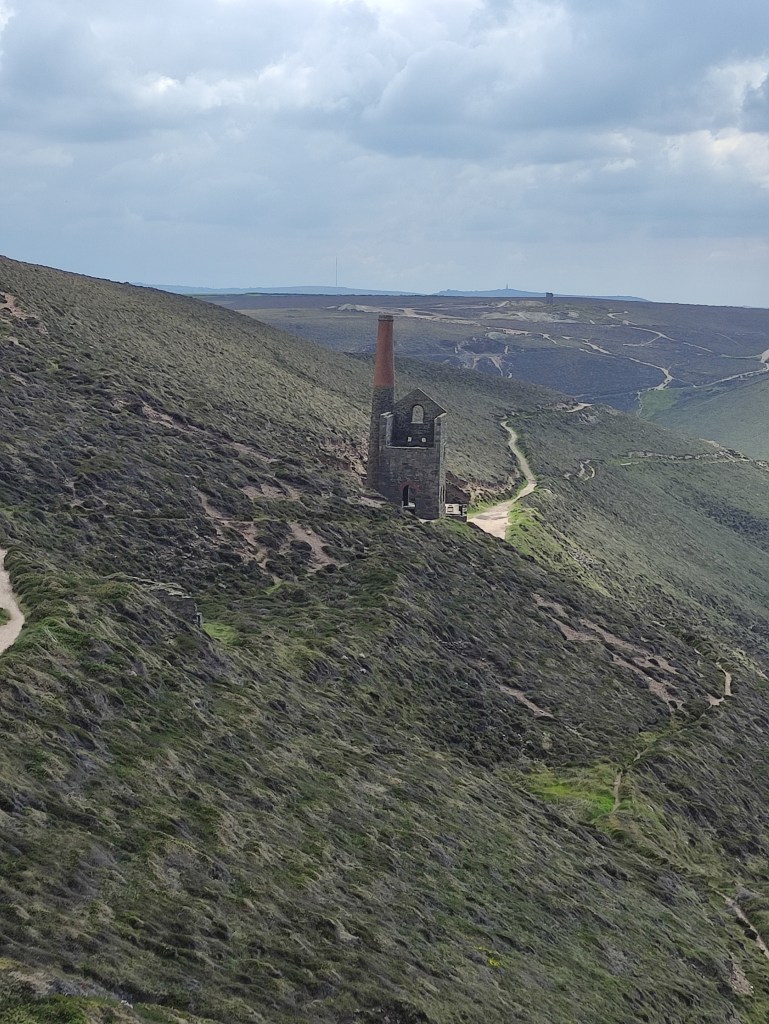
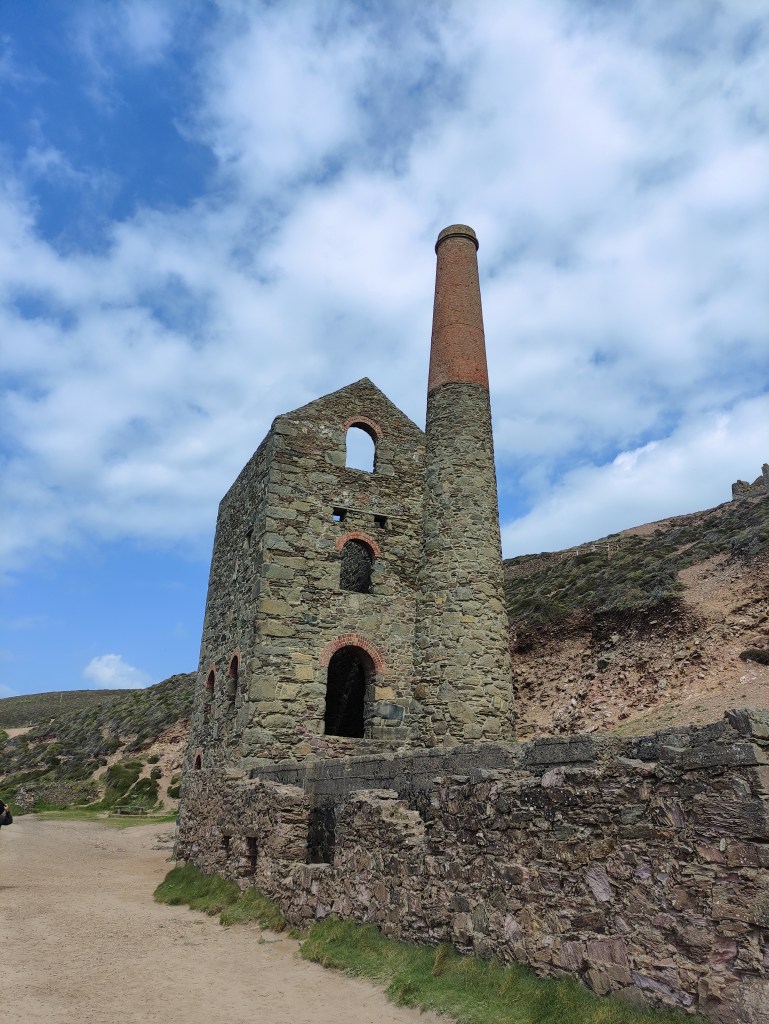
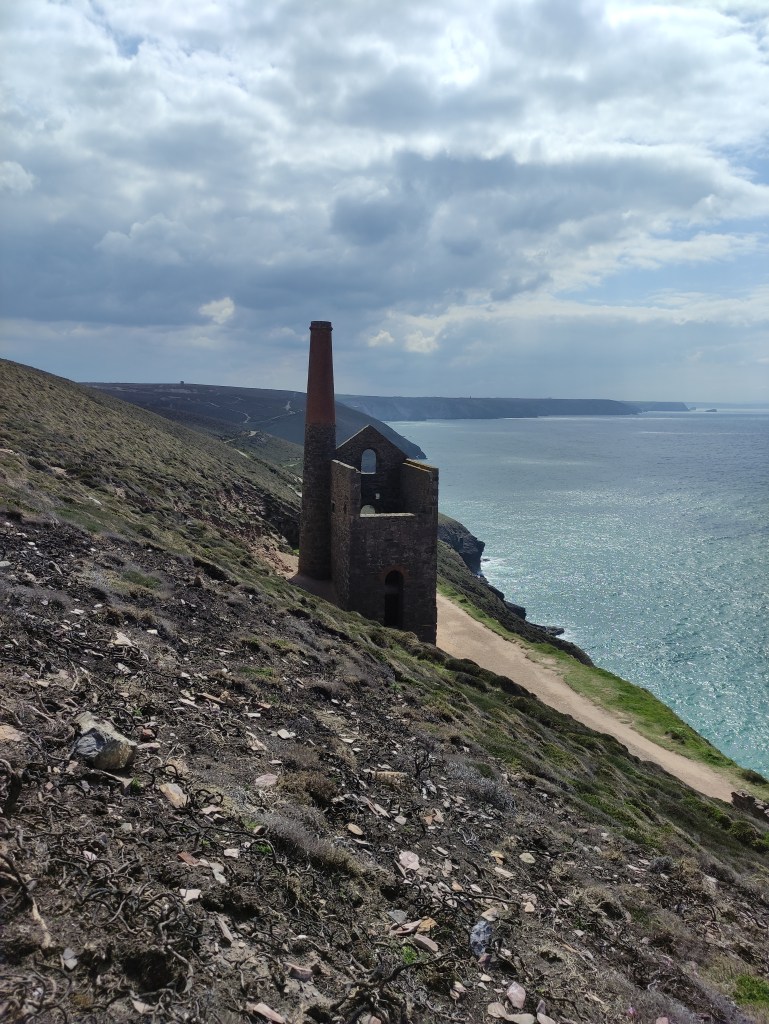
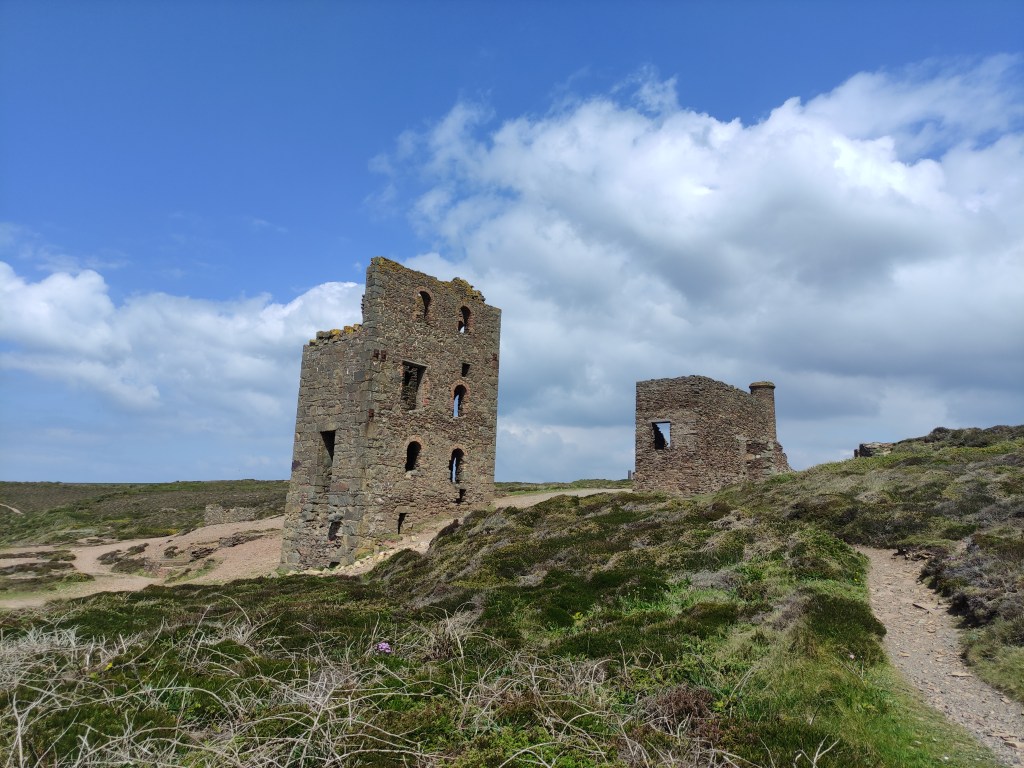
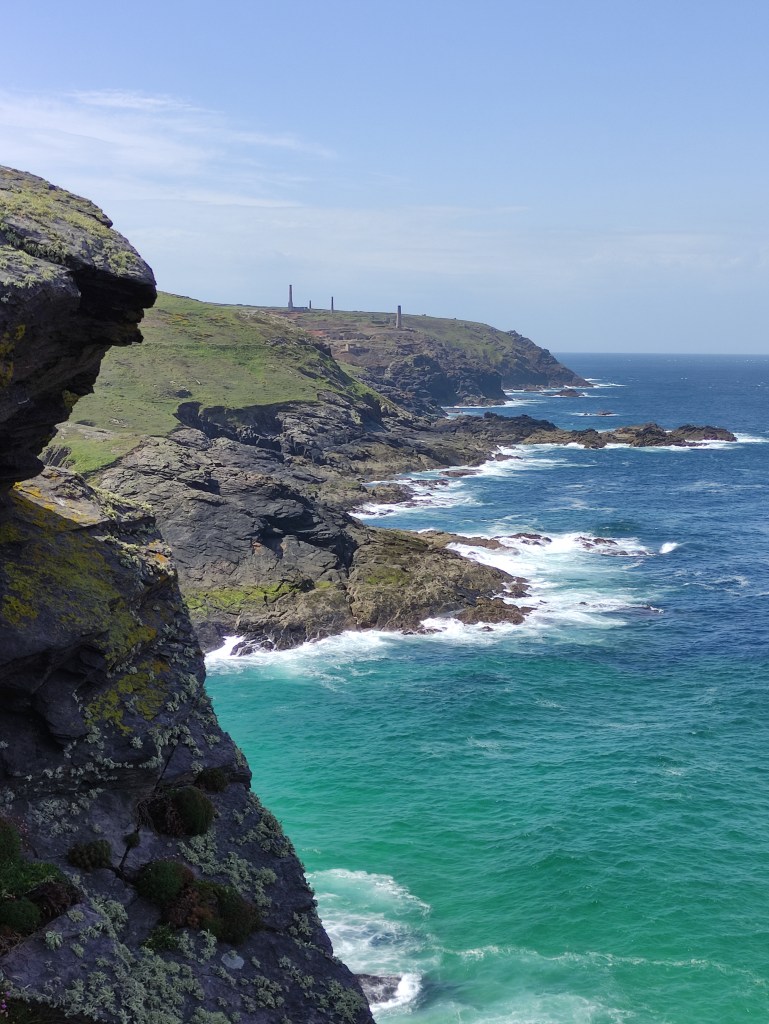
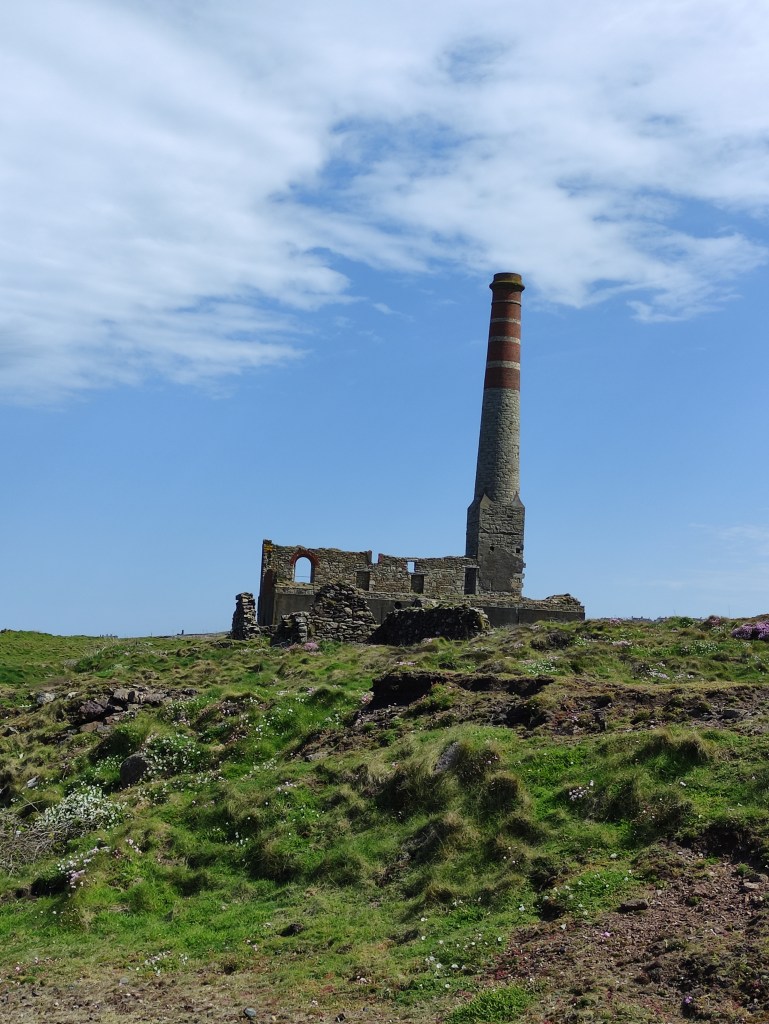
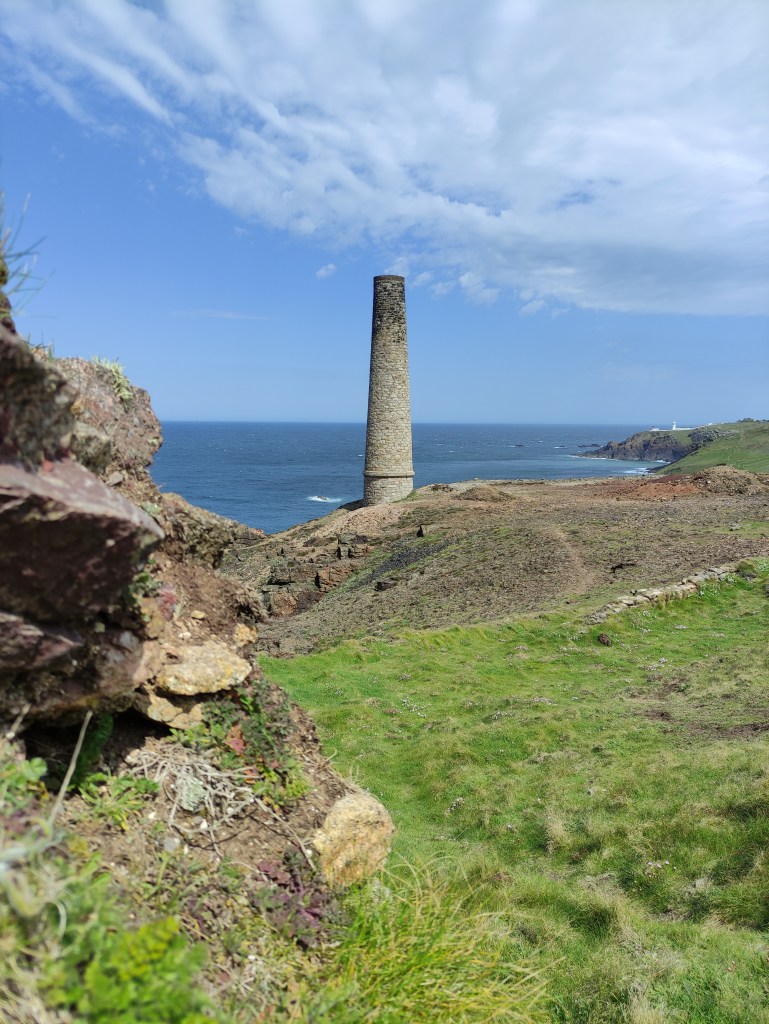
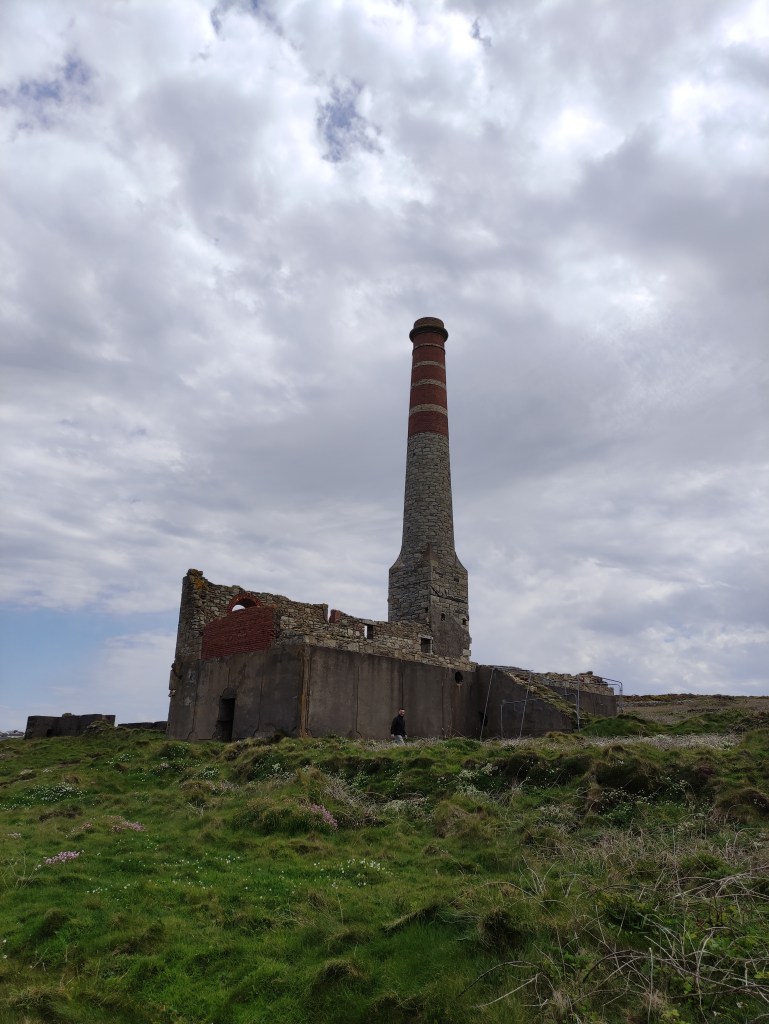
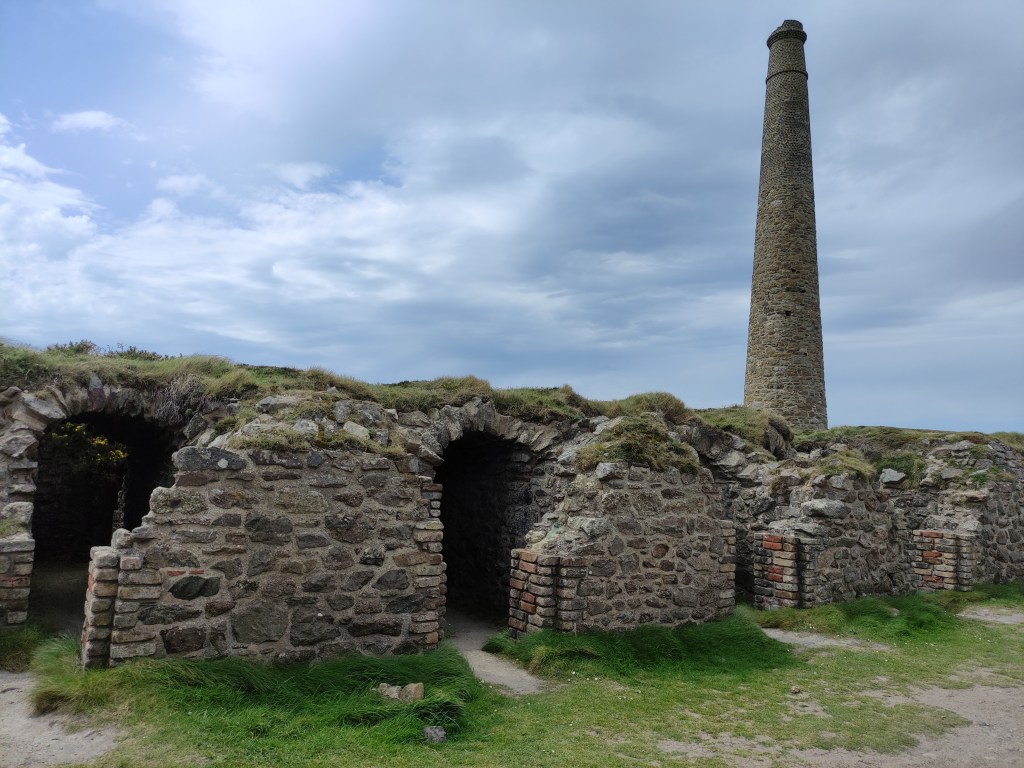
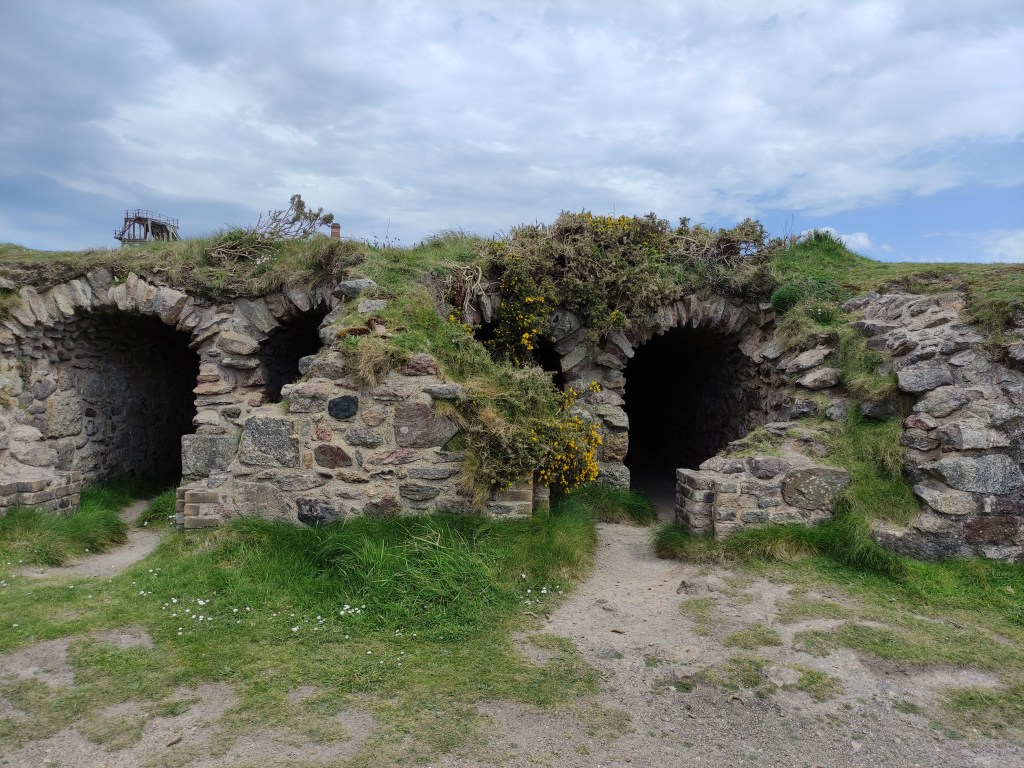
The Wheal Coates tin mine, opened in 1802 and active until 1889. The remains are well restored., you can still see the iconic engine house at Towanroath Shaft, which epitomizes the spectacular beauty of Cornwall’s northern coast and is now part of the Cornwall Mining Heritage Area.
Walk among the giants in the colorful landscape of St. Agnes, characterized by blue seas and purple and yellow moors, with sweeping views of green pastures from the top of St. Agnes Beacon. The spectacular coastline and breathtaking scenery include the beautiful Chapel Porth Beach and St. Agnes Beacon, the hill overlooking the village and the coast.
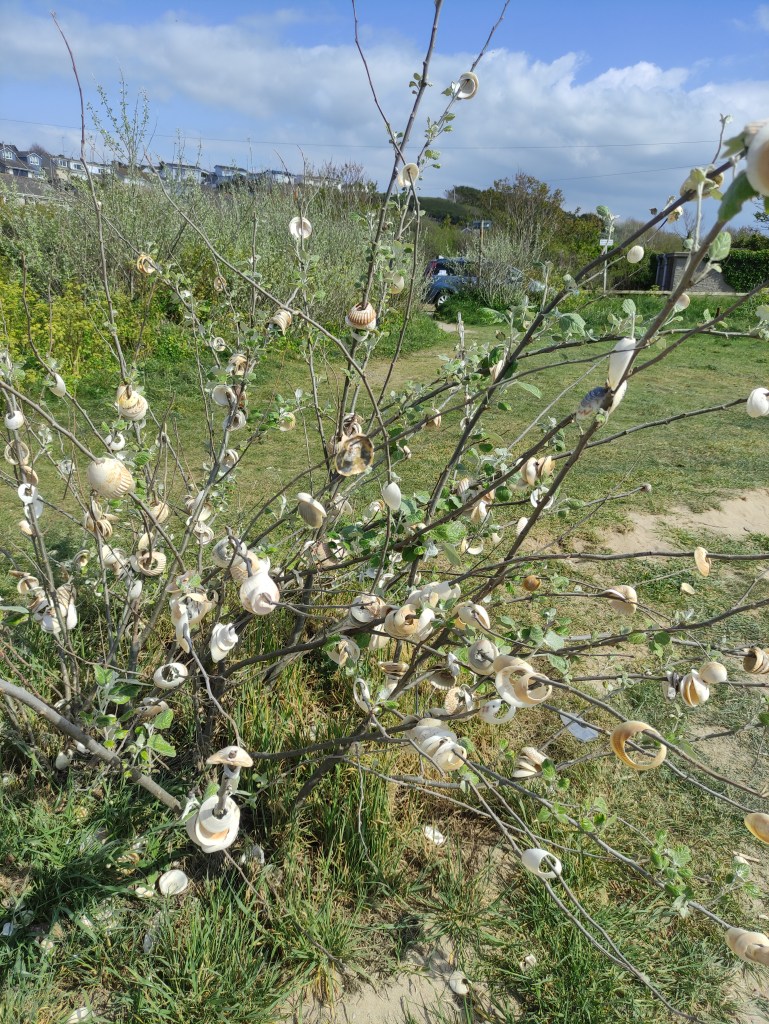
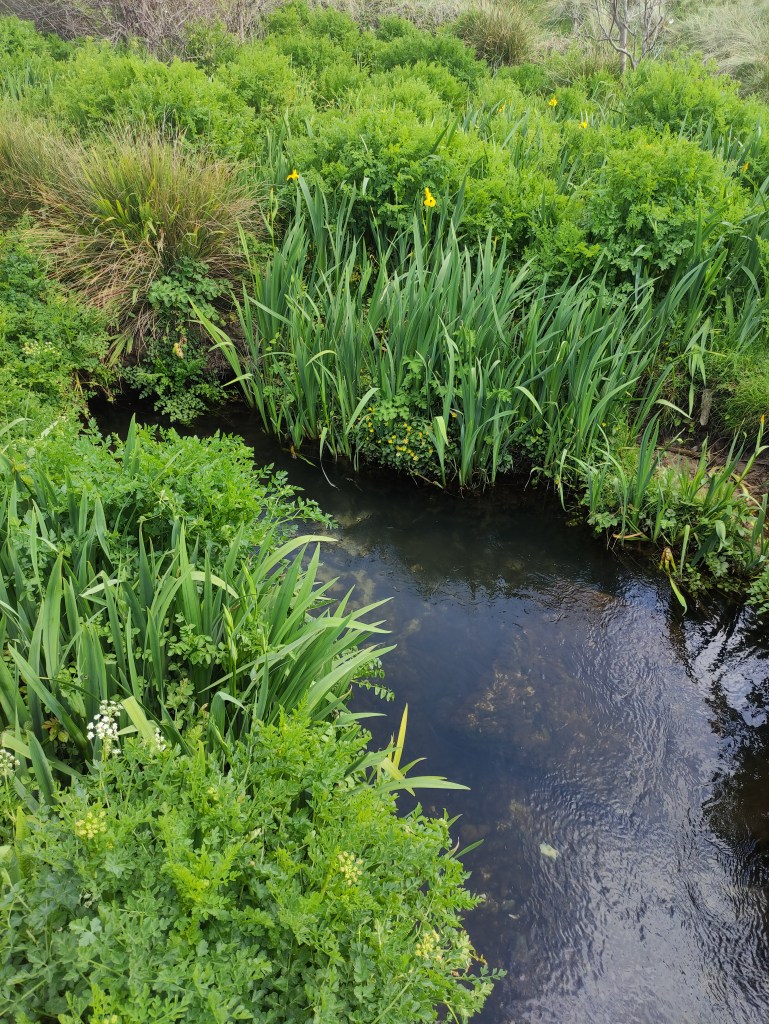
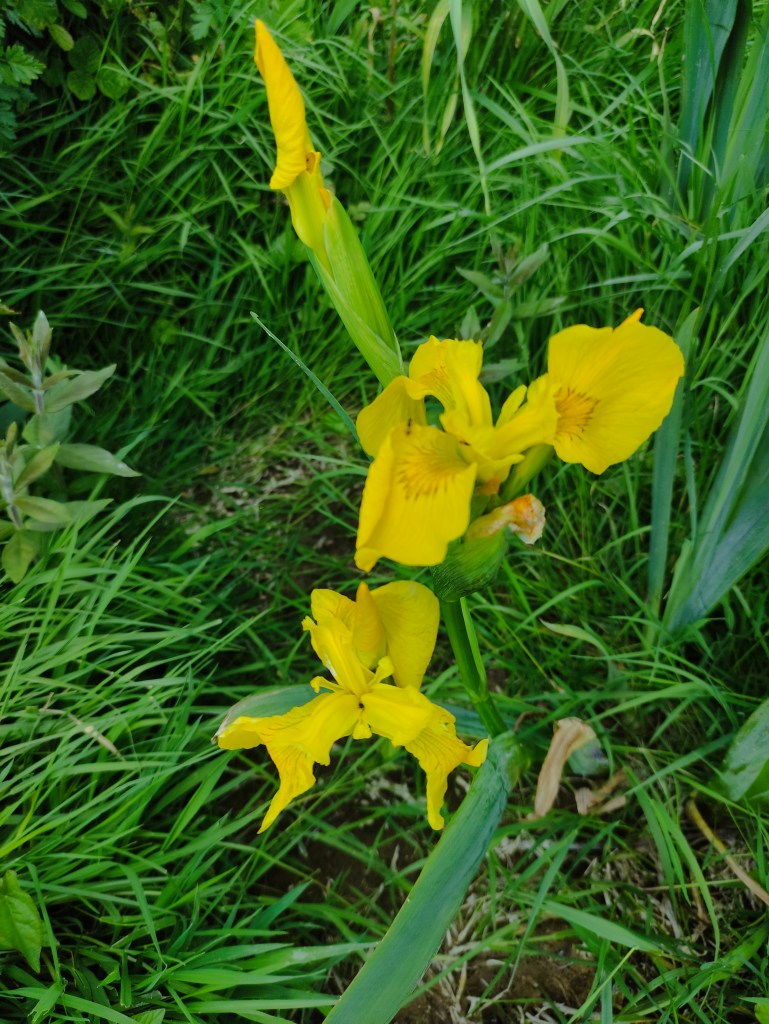
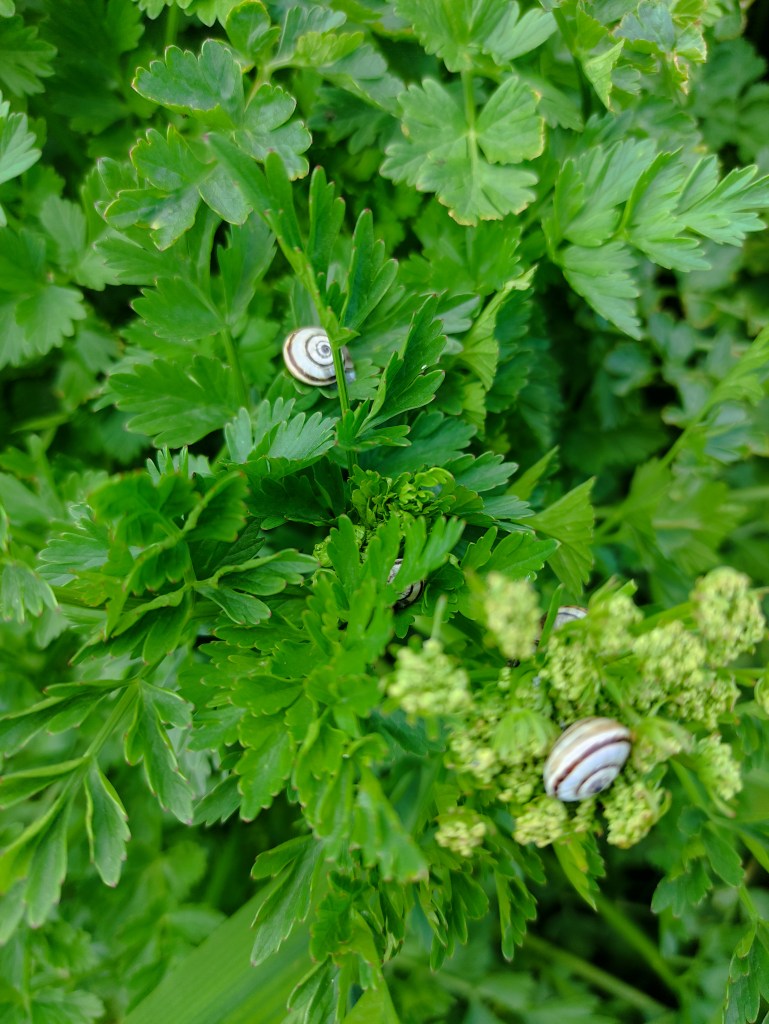
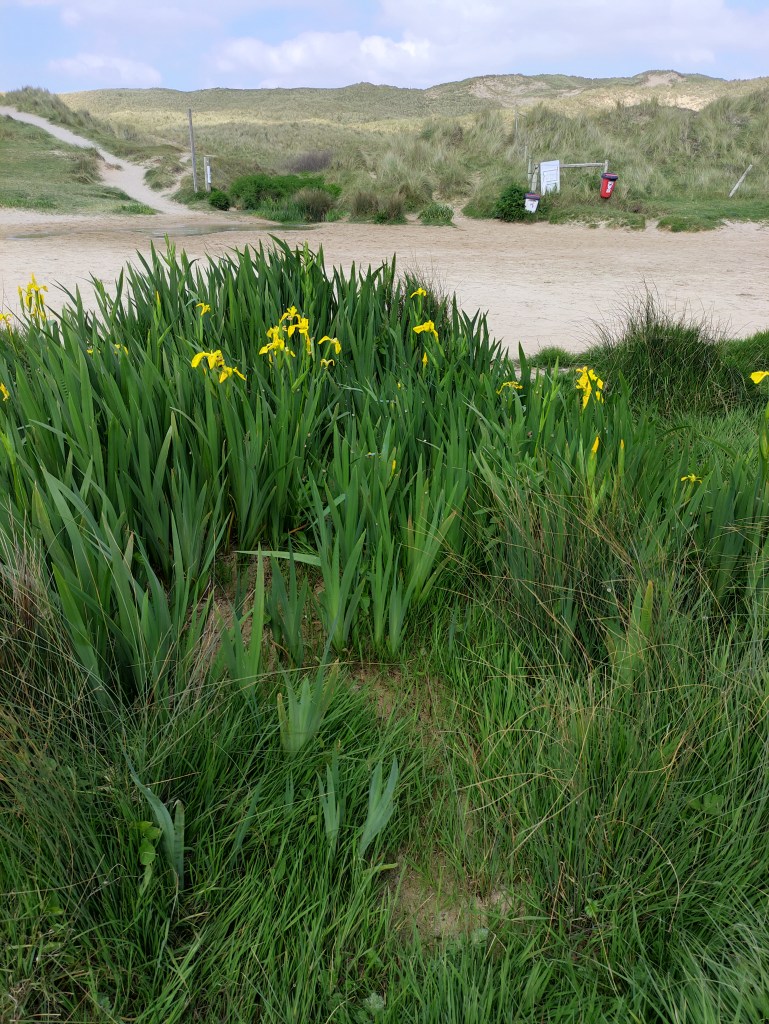
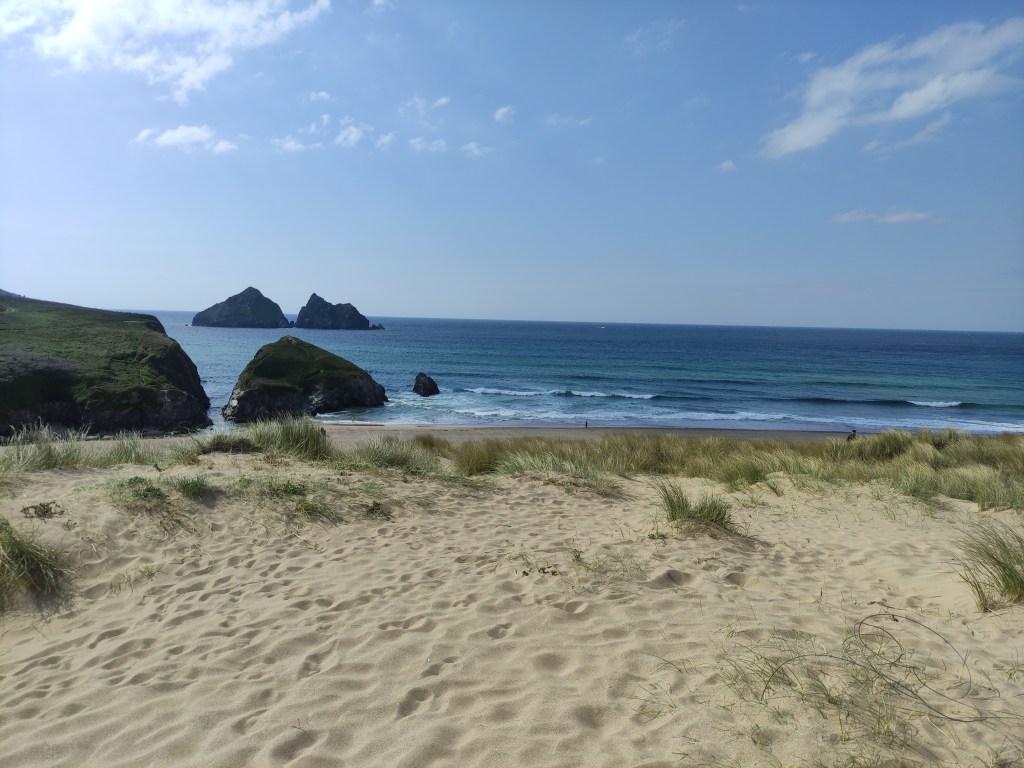
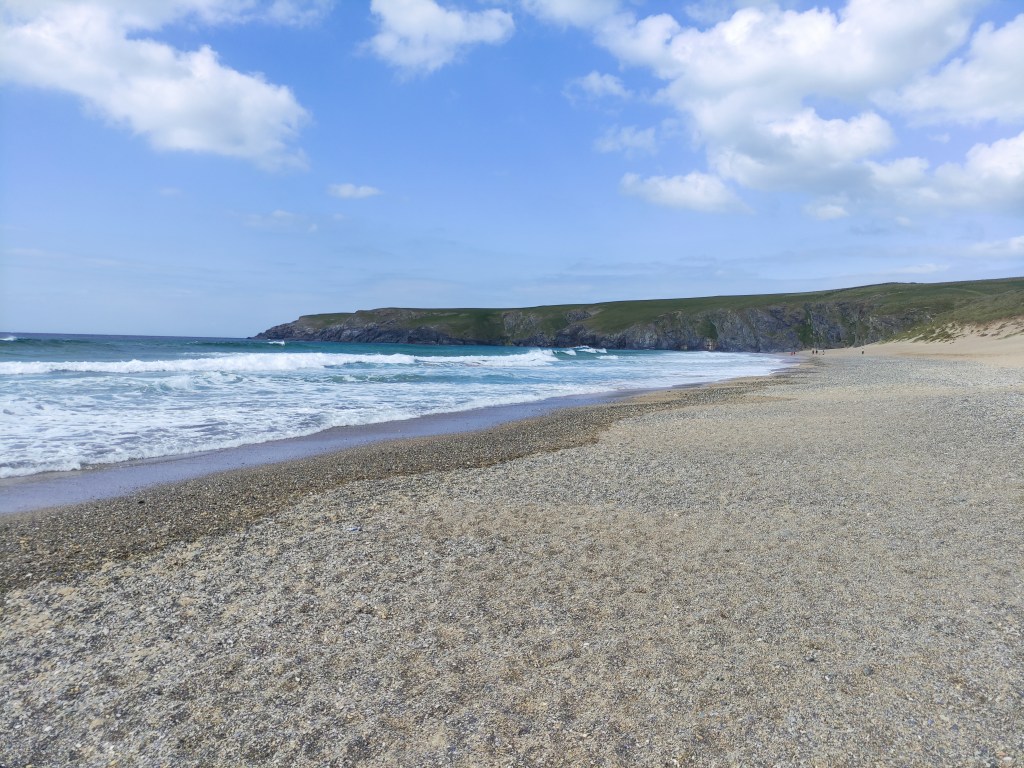
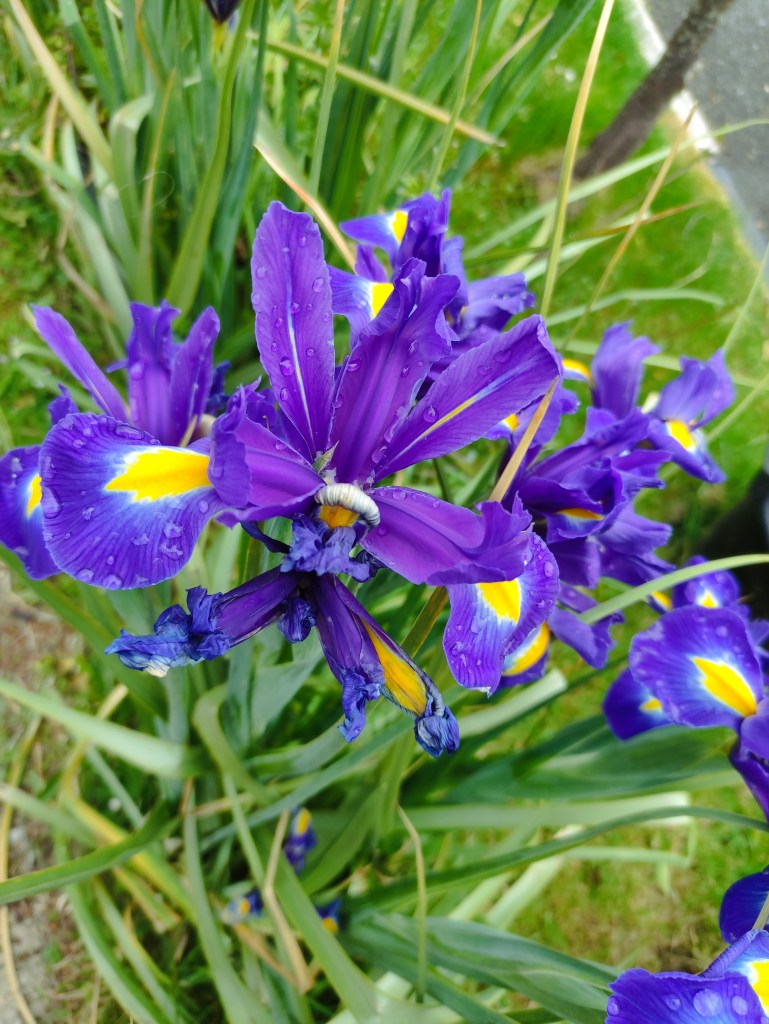
Having booked rooms at the Oceanside Hotel in Newquay, we drove up the coast to Holywell Bay. It offers a breathtaking spectacle both above and below the cliffs. The South West Coast Path leads across to the sheer cliffs, offering panoramic ocean views of Penhale Point and Kelsey Head. To reach the beach, you have to walk across the surrounding dunes, which is no easy feat. There are several clumps of grasses adapted to the salty marine environment, including some wild yellow irises. But underneath the cliffs at the north end is St. Cuthbert’s Cave, accessible only at low tide, which we didn’t visit. We had a good dinner at the Ocean Side Hotel restaurant after a long day of walking.
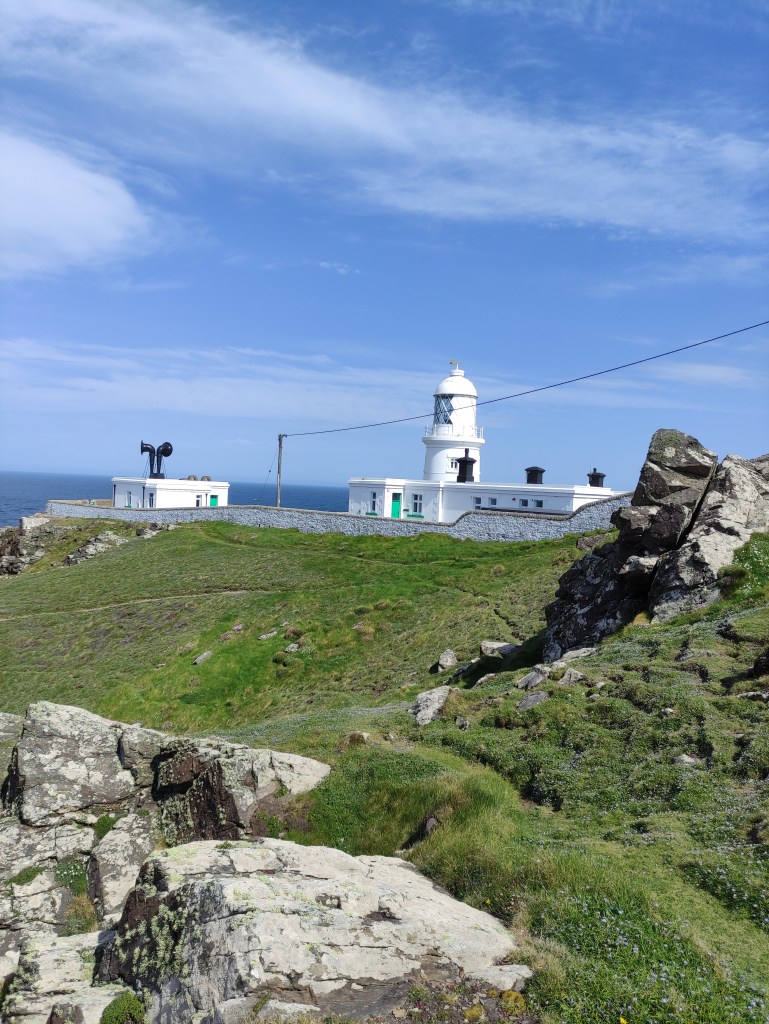
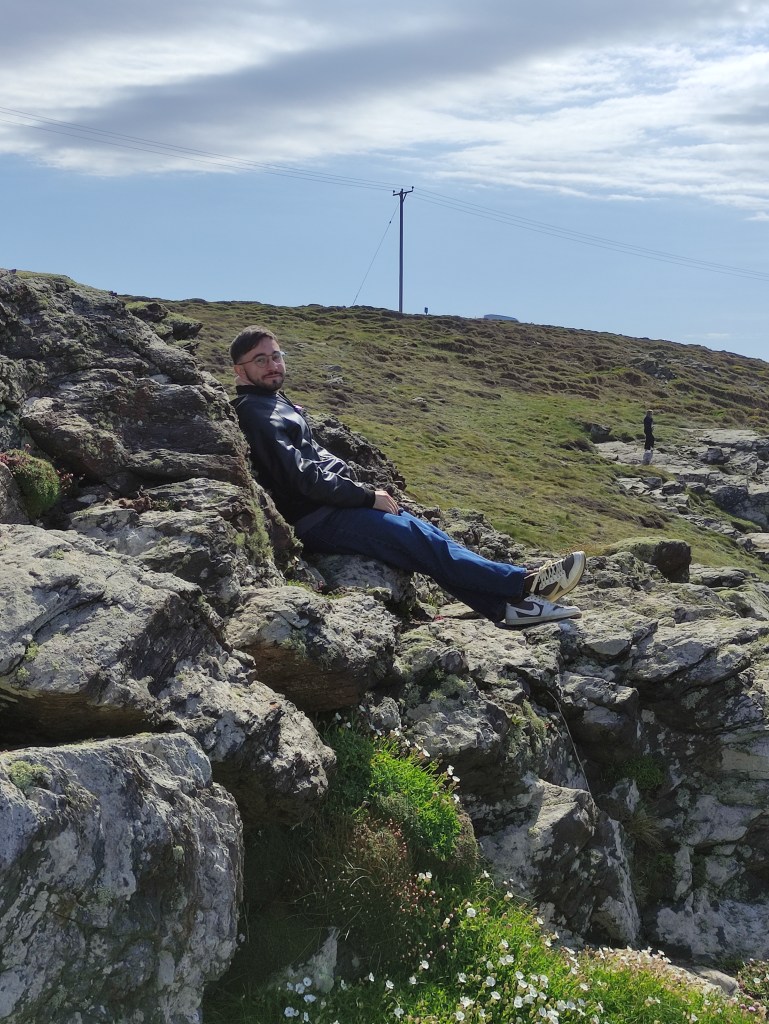
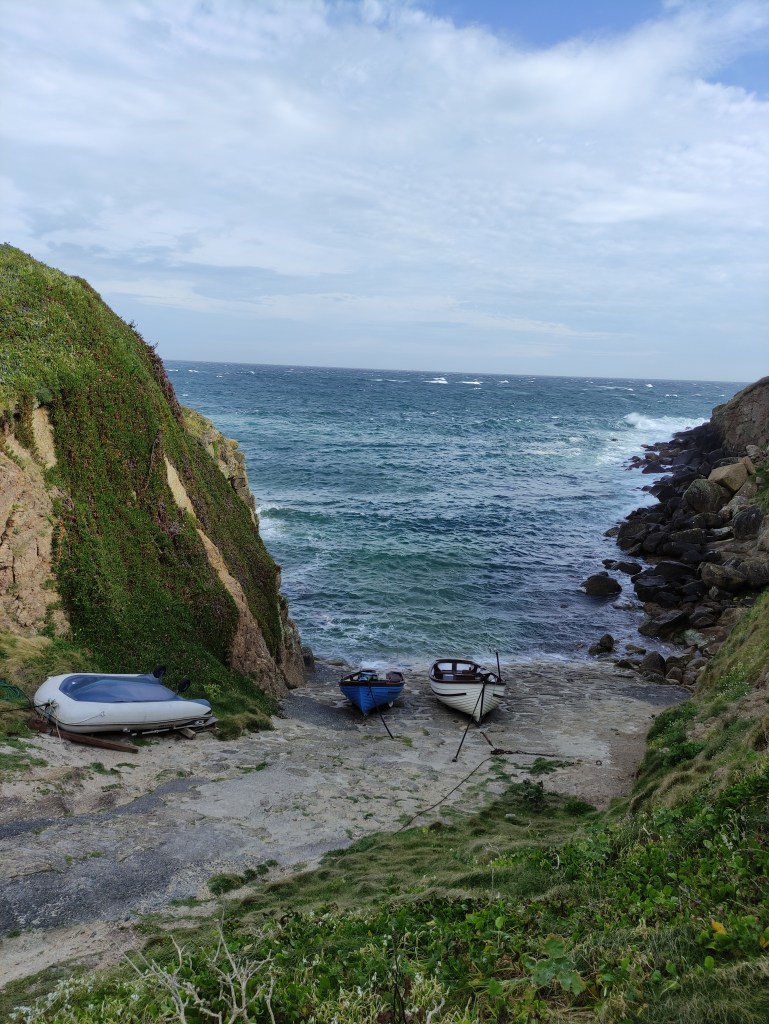
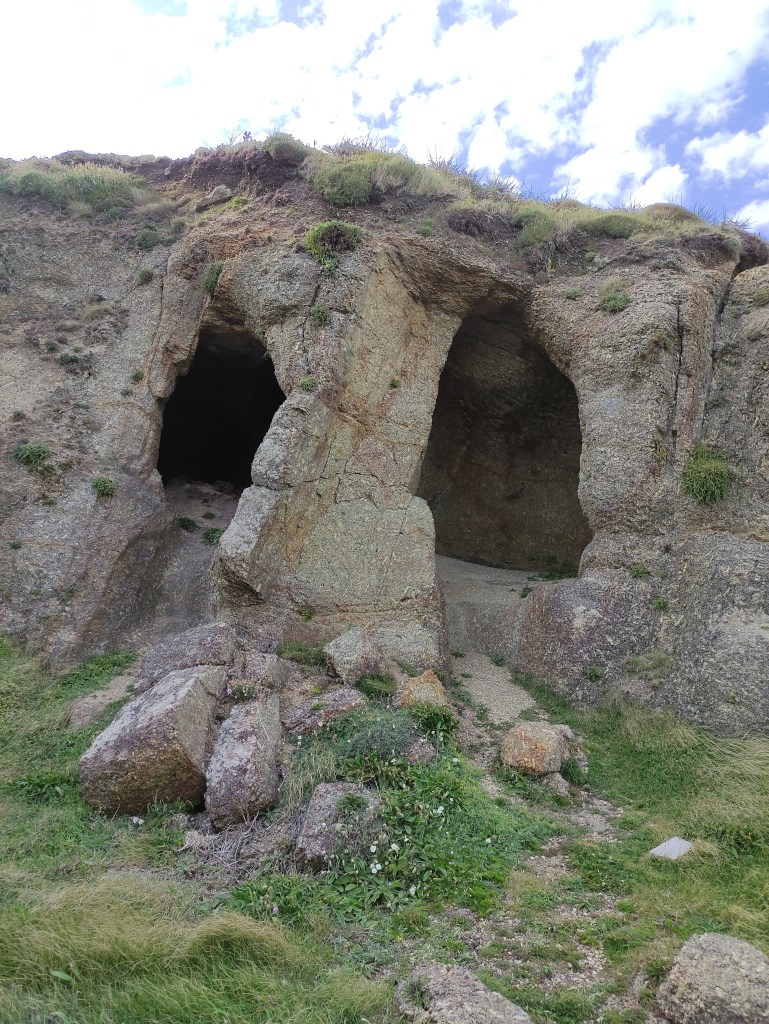
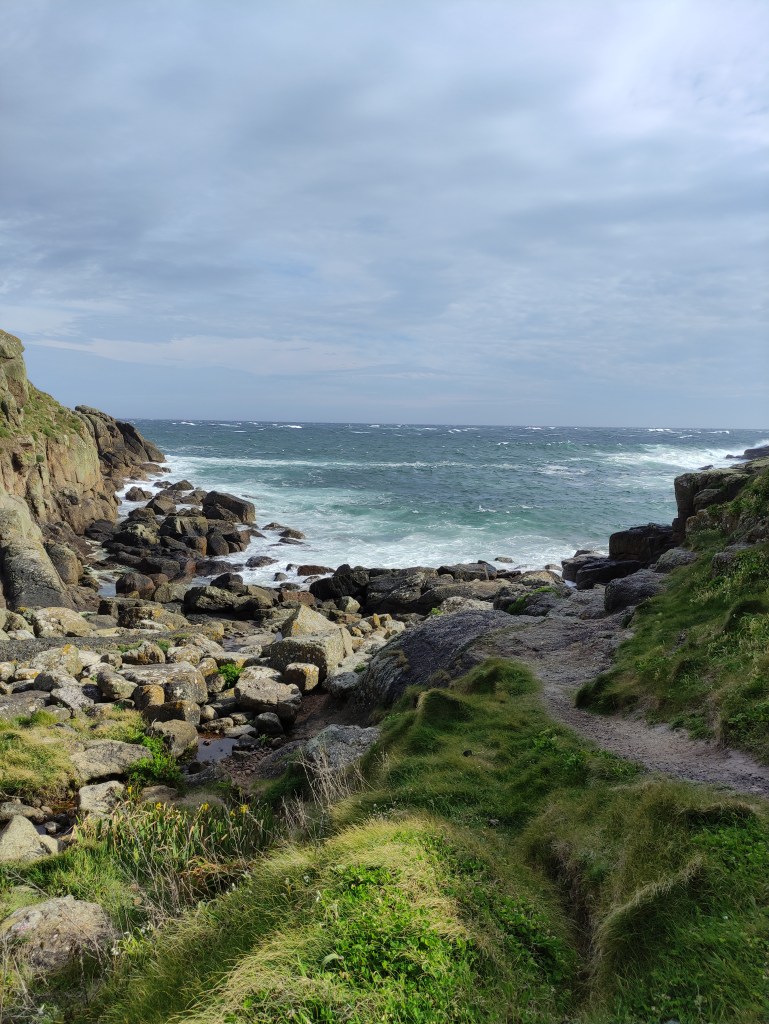
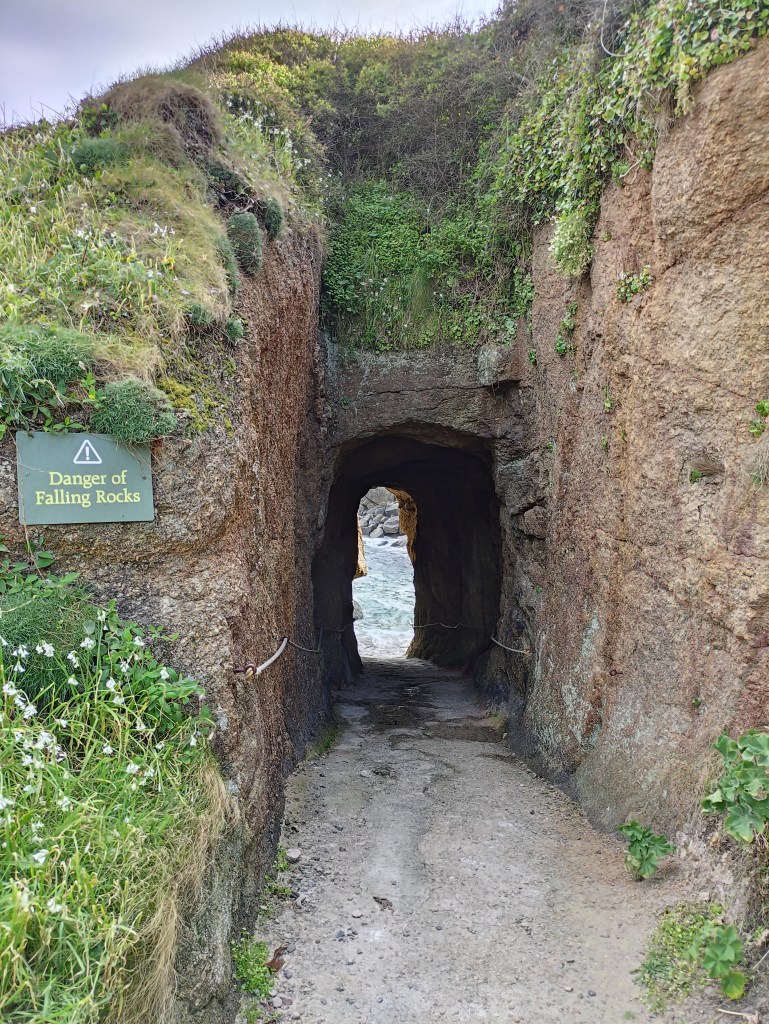
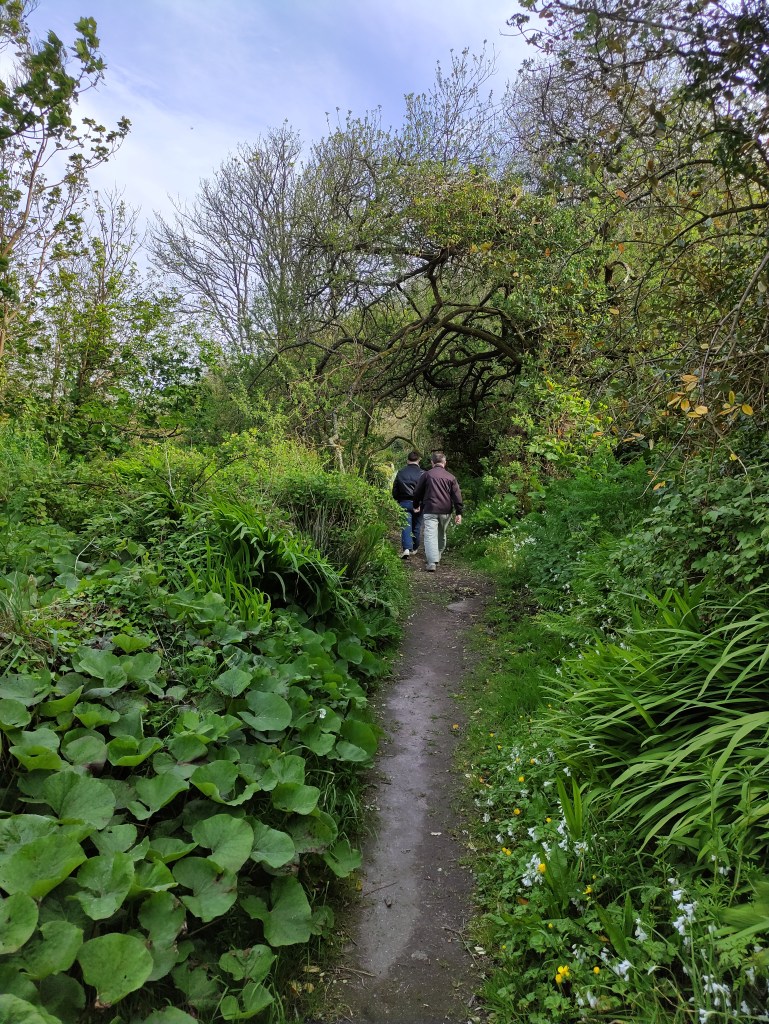
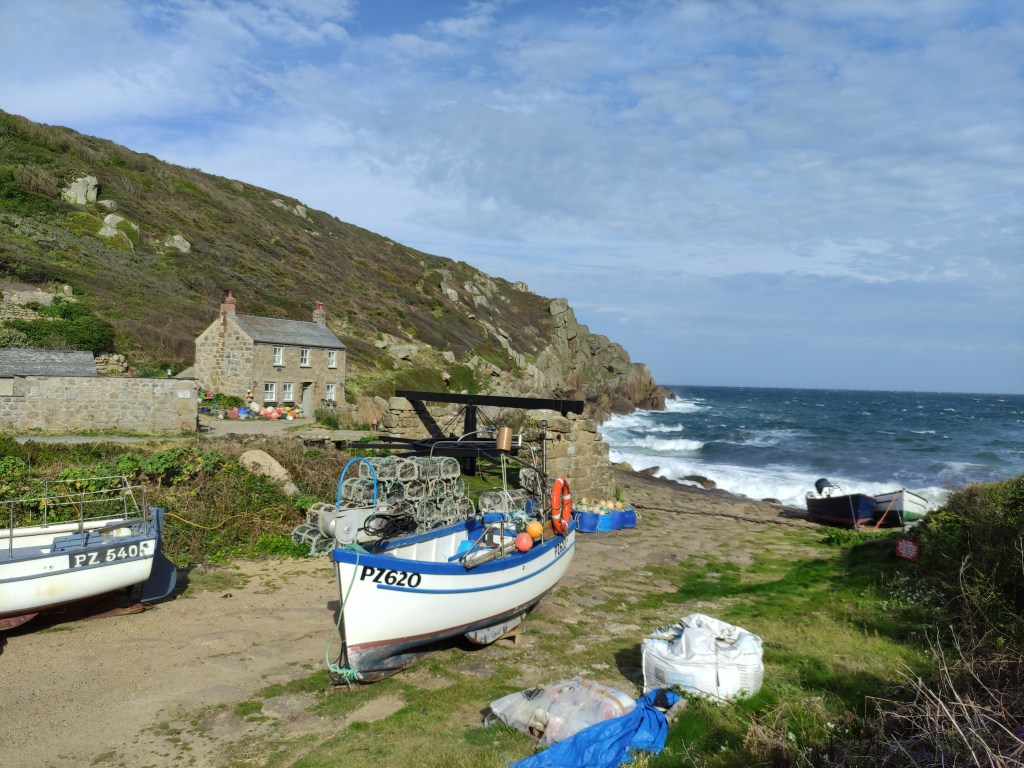
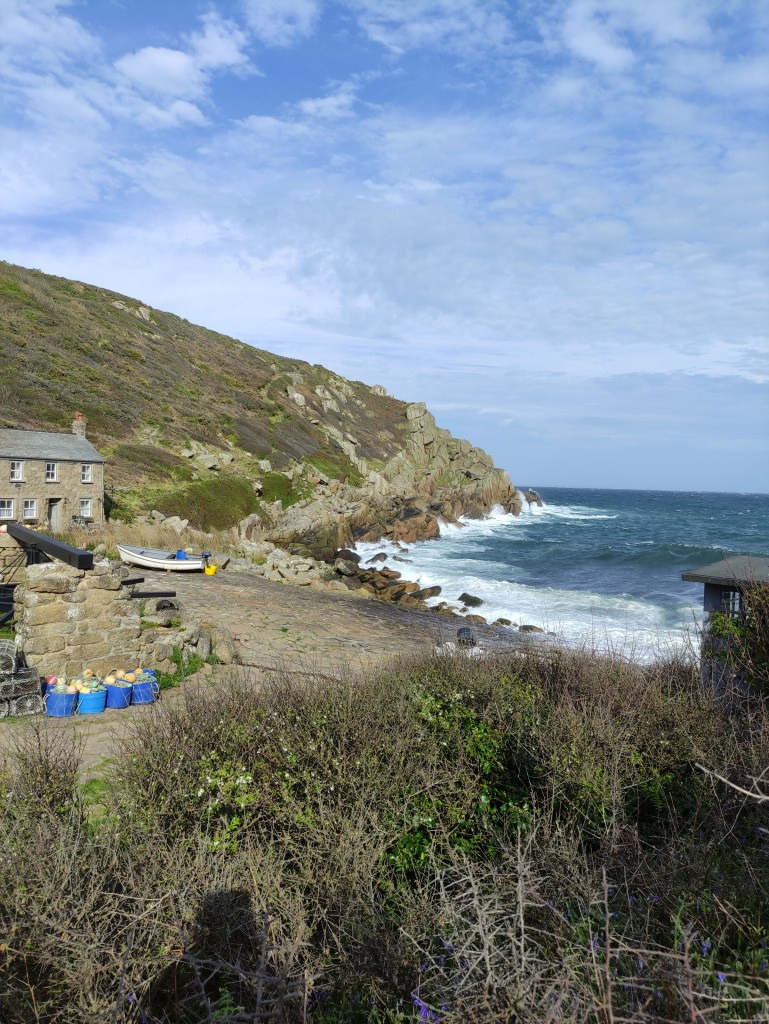
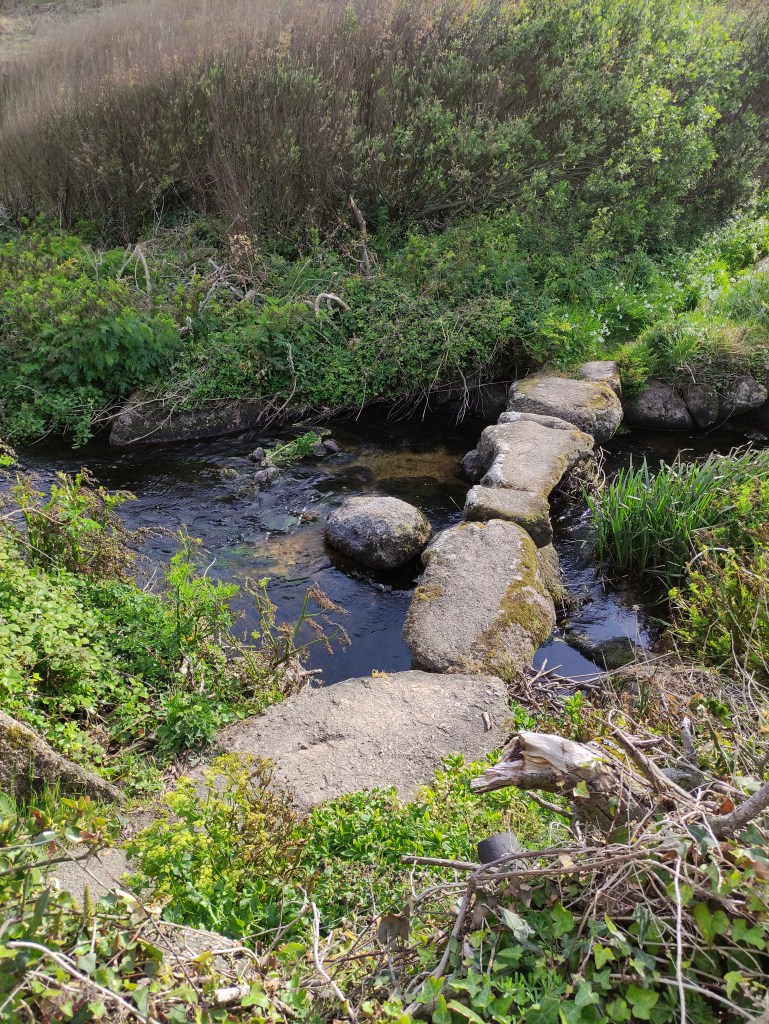
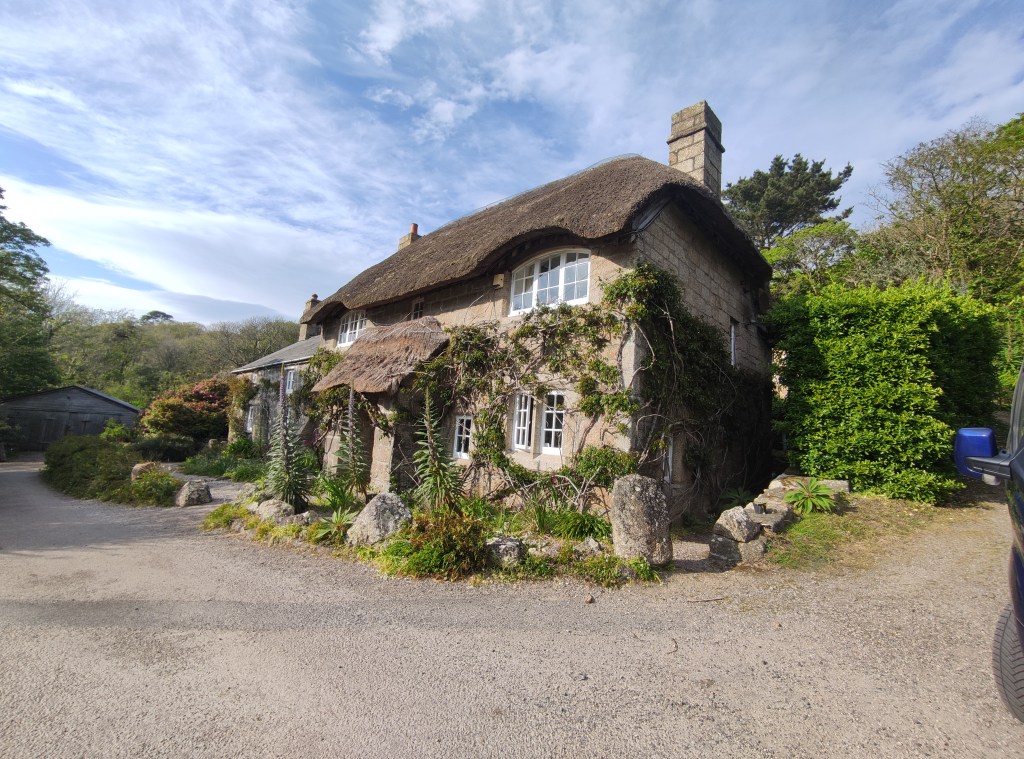
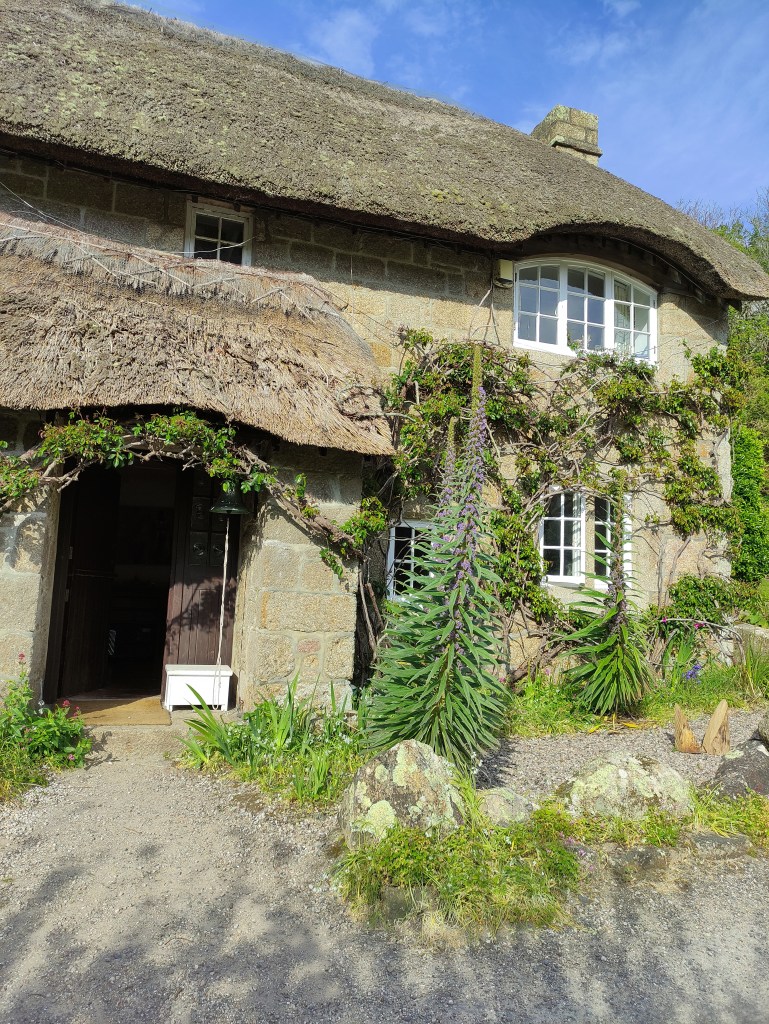
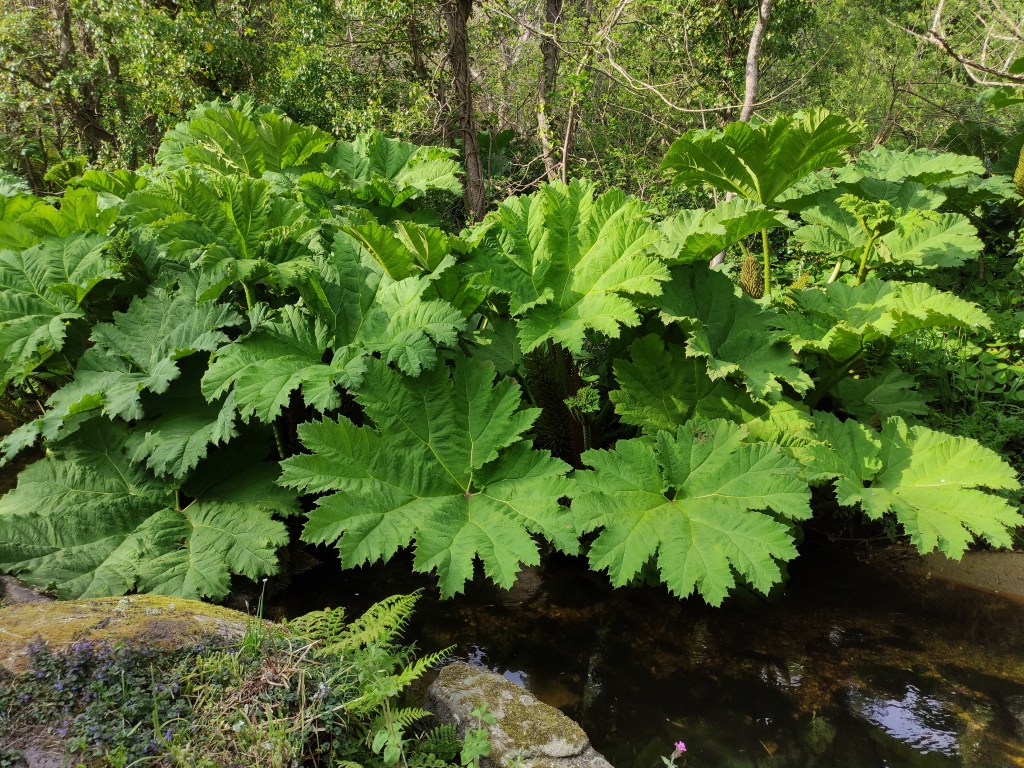
The next day, we reached Pendeen Lighthouse via the main road.
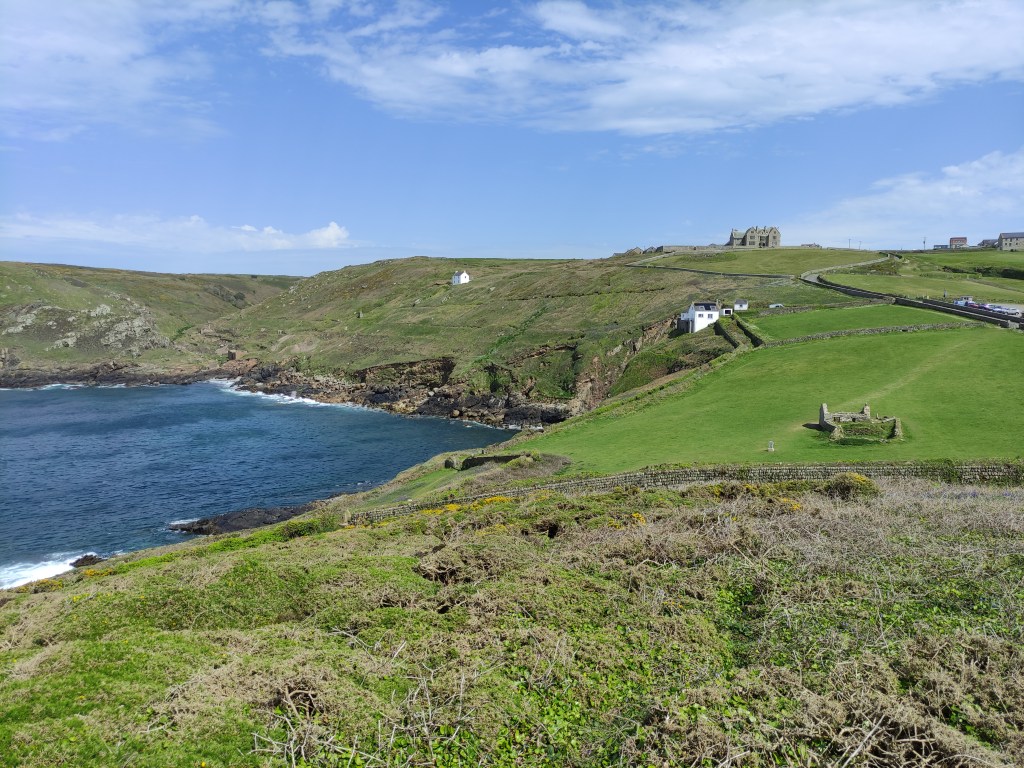
Pendeen Lighthouse came into service on October 3, 1900, to warn mariners of the treacherous coastline around the Pendeen headland.
The lighthouse was designed by Sir Thomas Matthews and constructed by Arthur Carkeek of Redruth for Trinity House—a charity incorporated by Royal Charter under Henry VIII in 1514 dedicated to safeguarding shipping and seafarers.
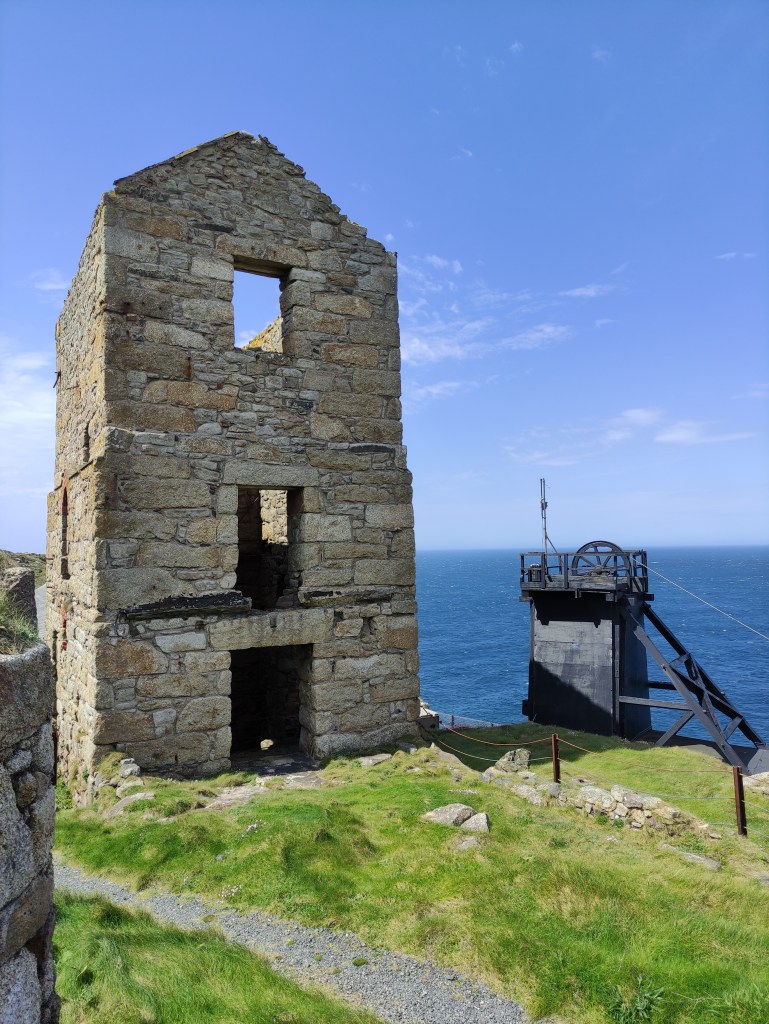
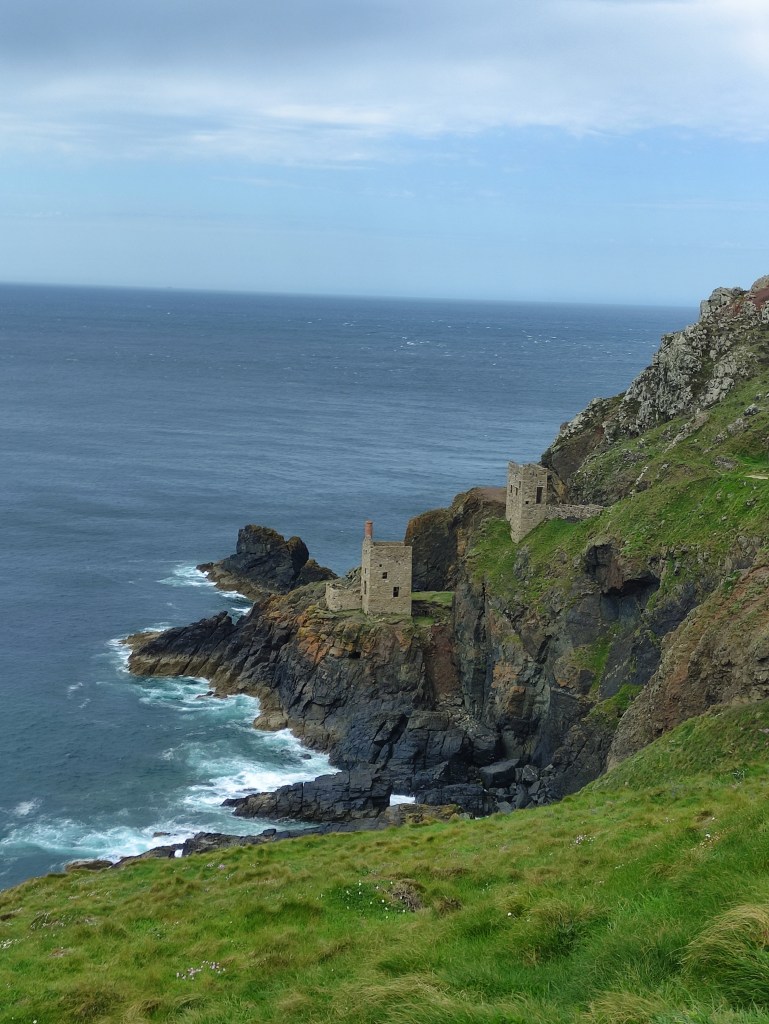
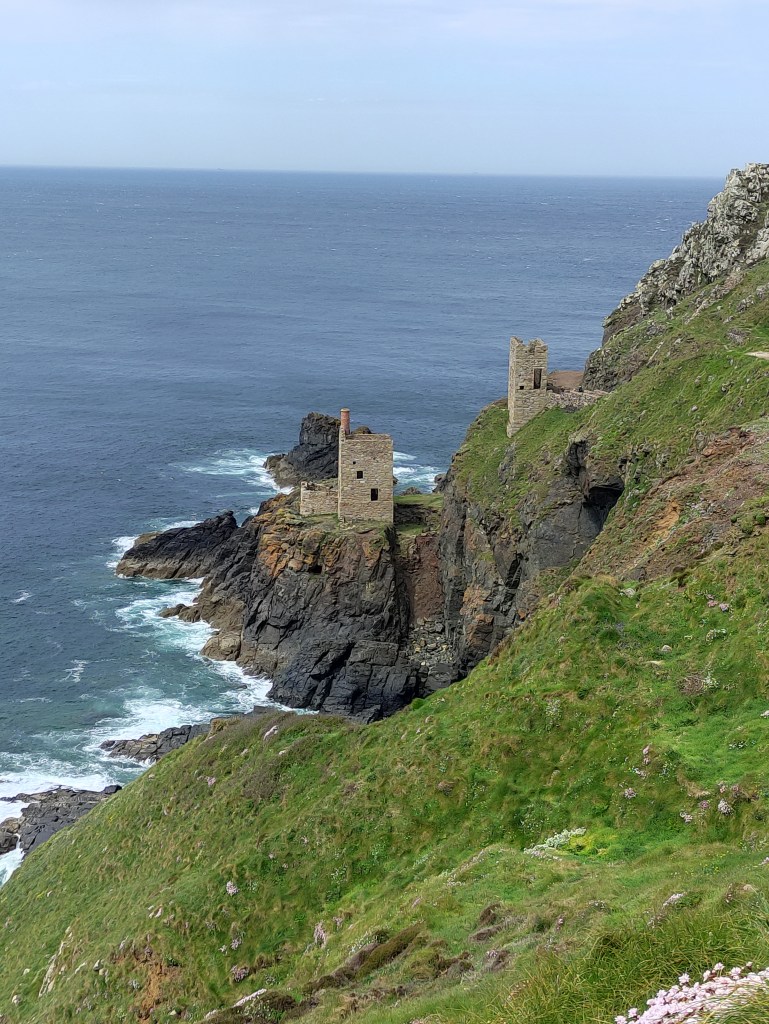
We then continued on to rediscover Cornwall’s mining past by visiting the Levant Mine, Botallack Mine, and West Wheal Owles. I had originally planned to walk along the South West Coast Path, but given the distance, we drove there instead. A landmark in Cornwall’s mining history and part of the Cornish Mining World Heritage Site, the Botallack mines in West Cornwall include Wheal Leisure (West Wheal Owles), Grambler (Wheal Crowns), and Wheal Grace. They also provide the backdrop for several gatherings along the coastal cliffs.
The St Just section of the Cornwall Mining World Heritage Site, and Botallack in particular, was the center of Cornwall’s tin industry in the 1870s, employing over 500 people. Botallack is home to what is perhaps Cornwall’s most iconic engine house, The Crowns. Perched at the foot of steep cliffs, just above sea level, are two granite engine houses. The reason for their precarious position is that the mine shaft starts here and extends over a mile beneath the often stormy Atlantic Ocean.
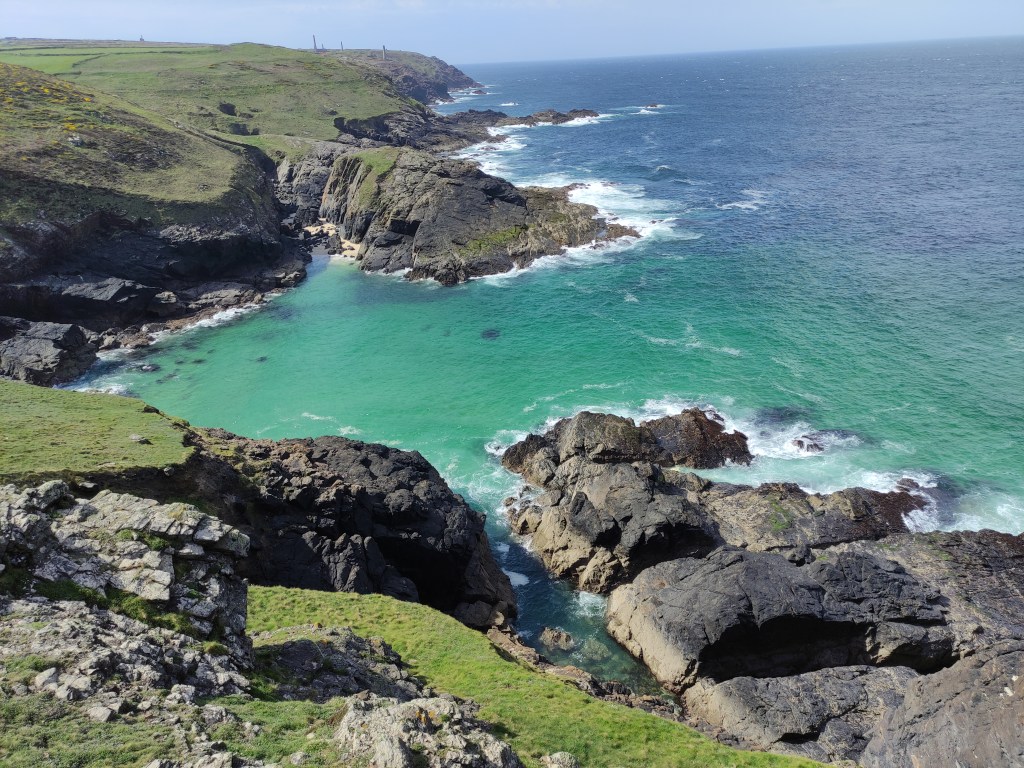
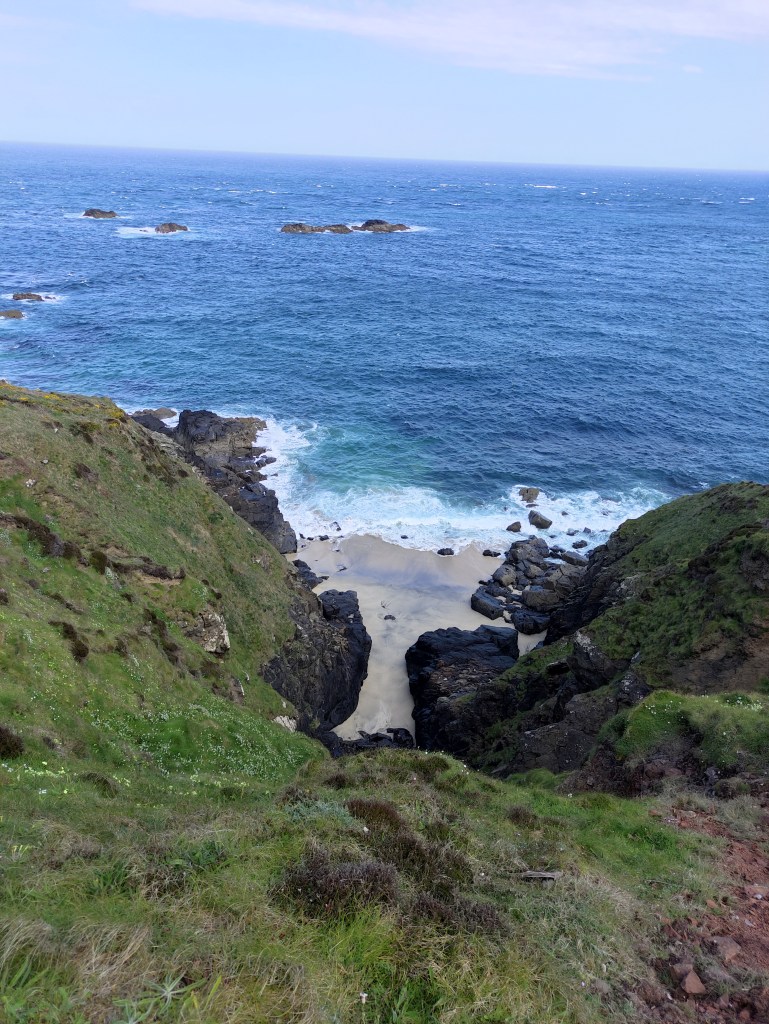
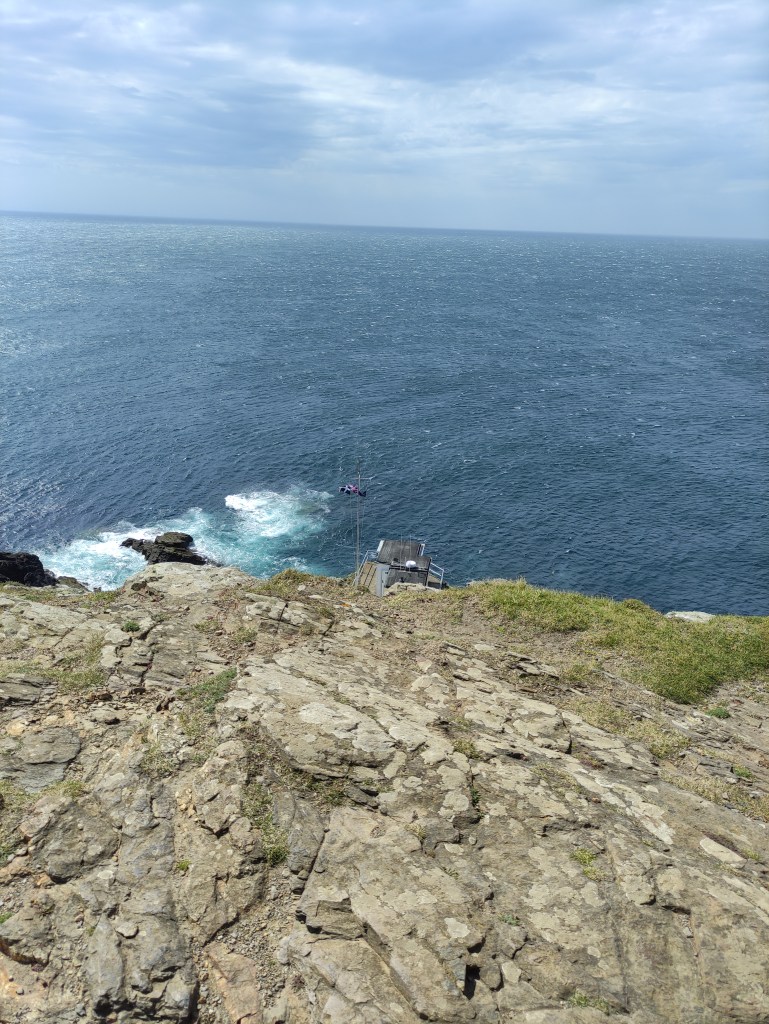
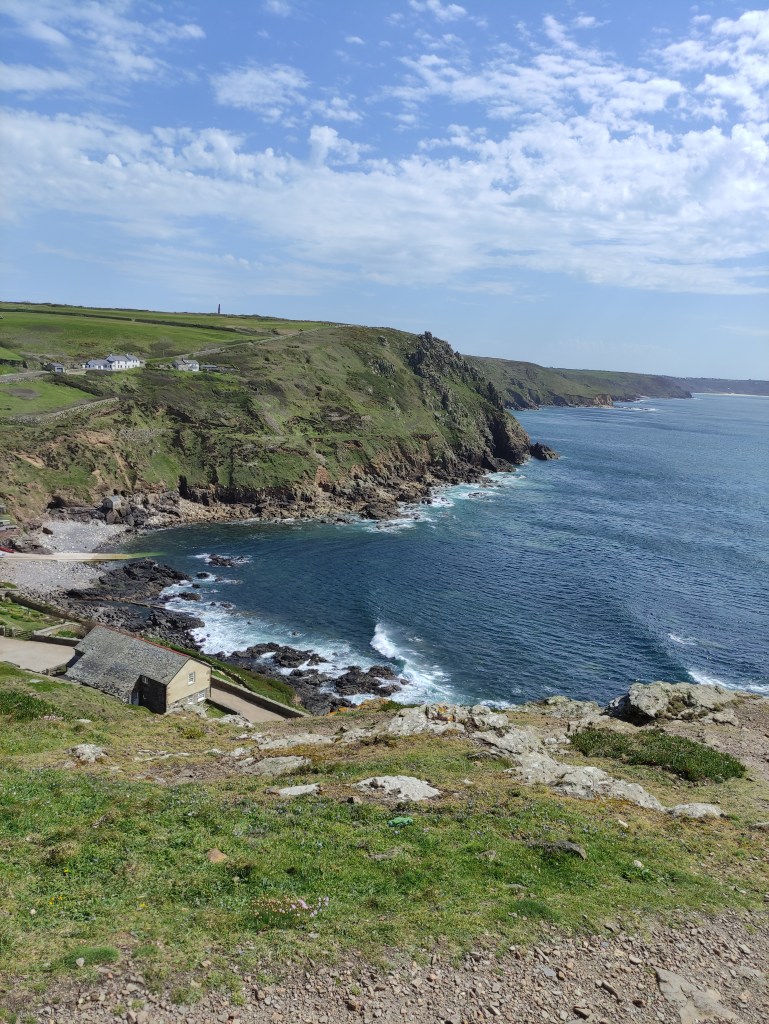
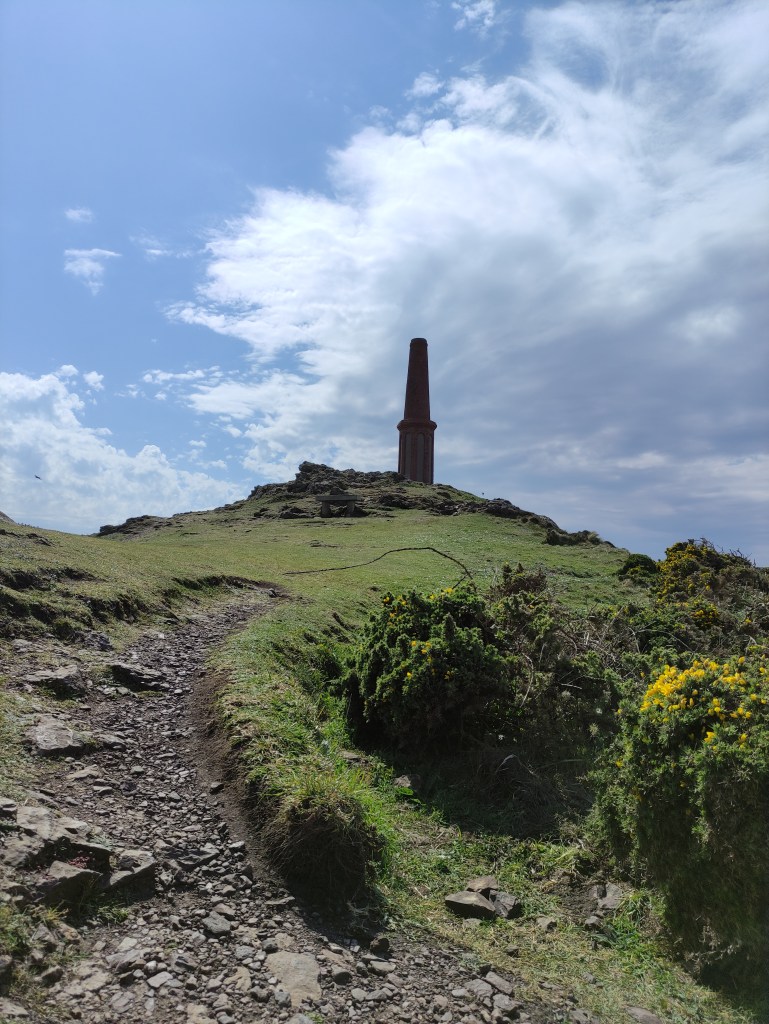
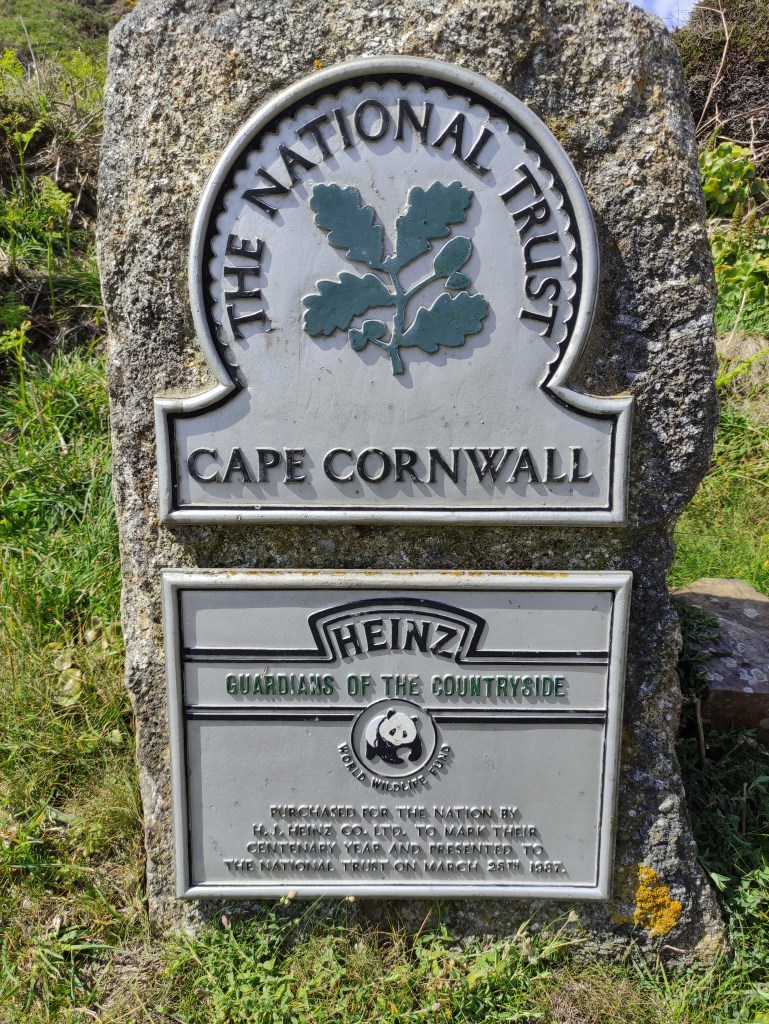
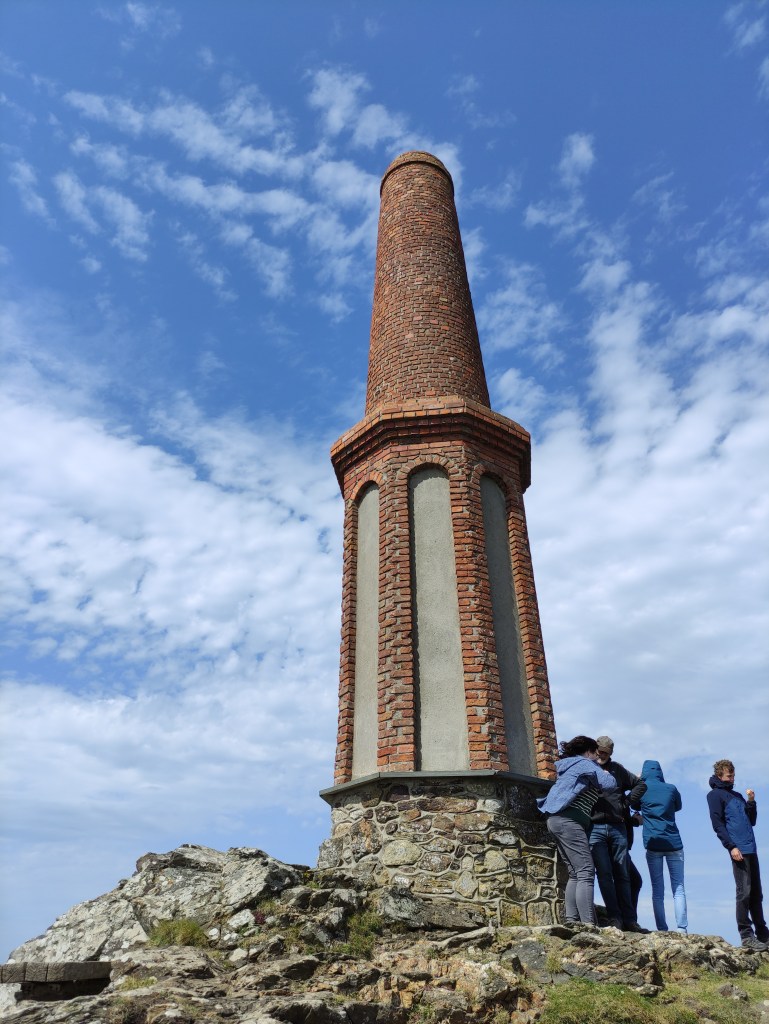
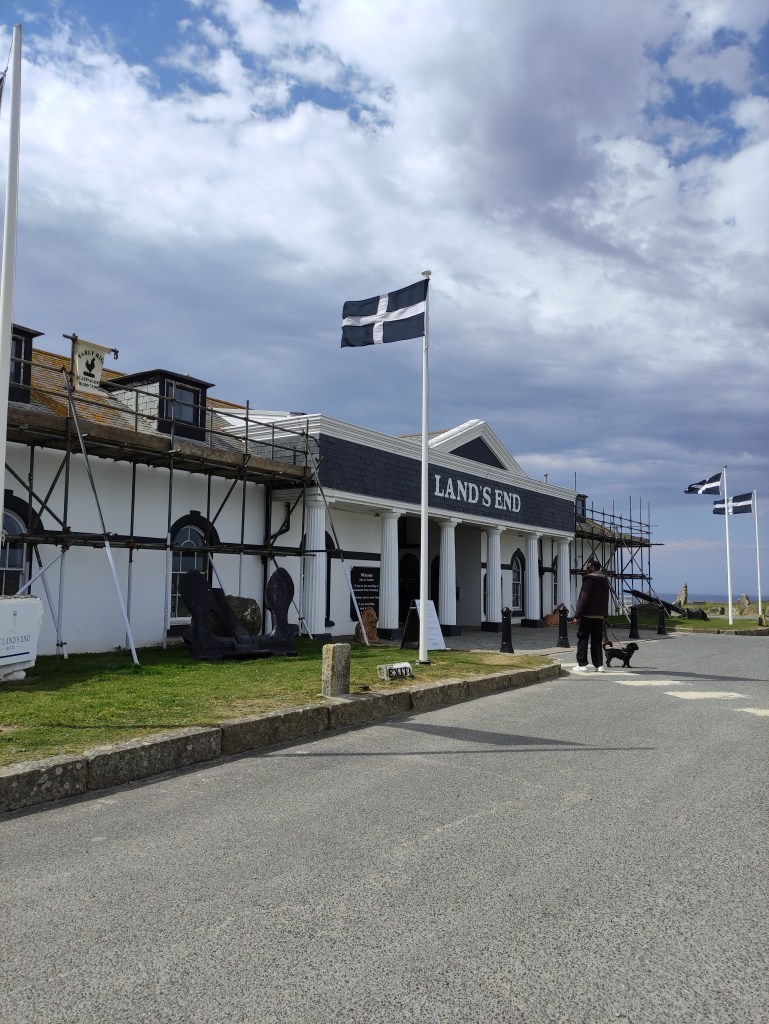
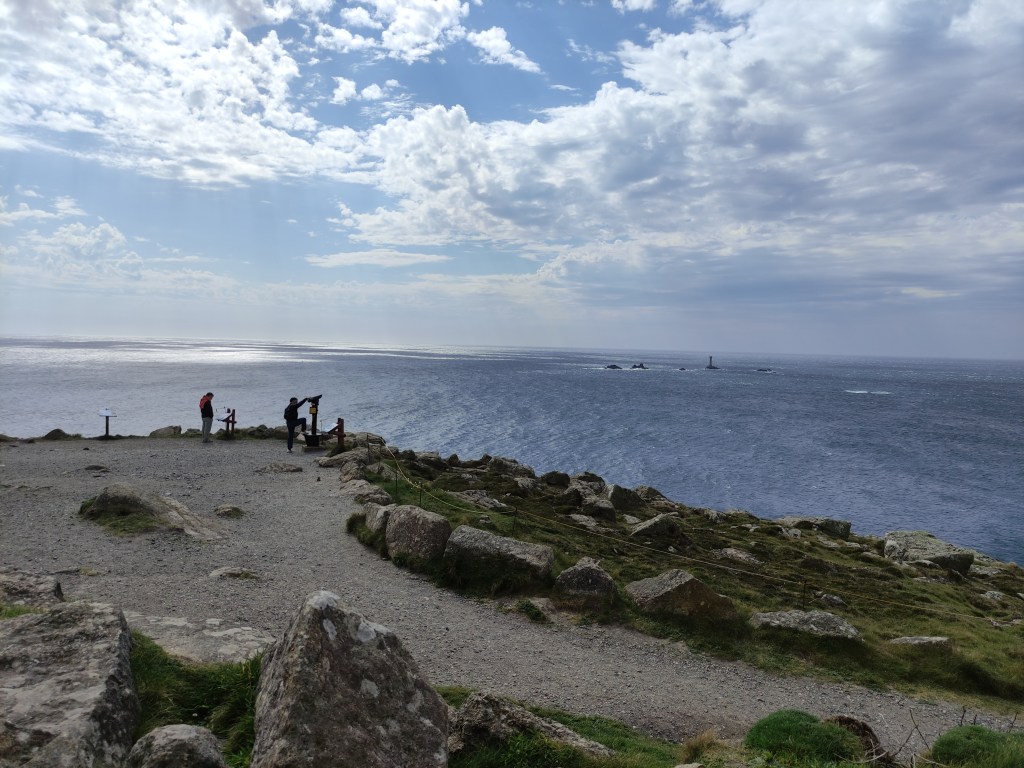
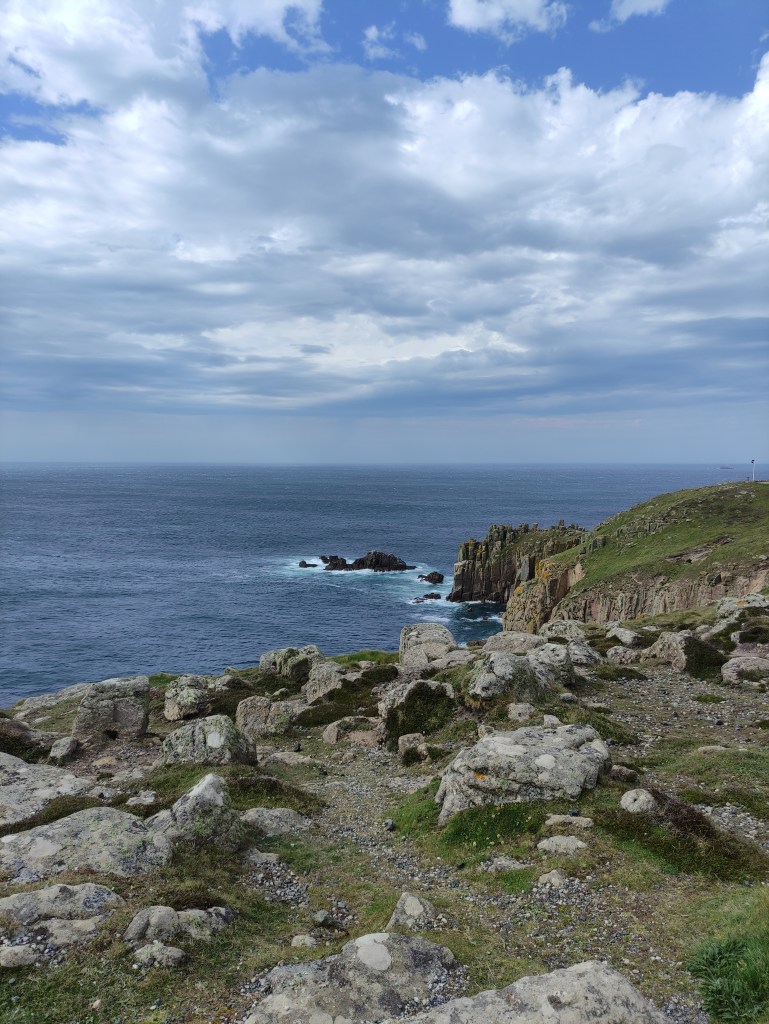
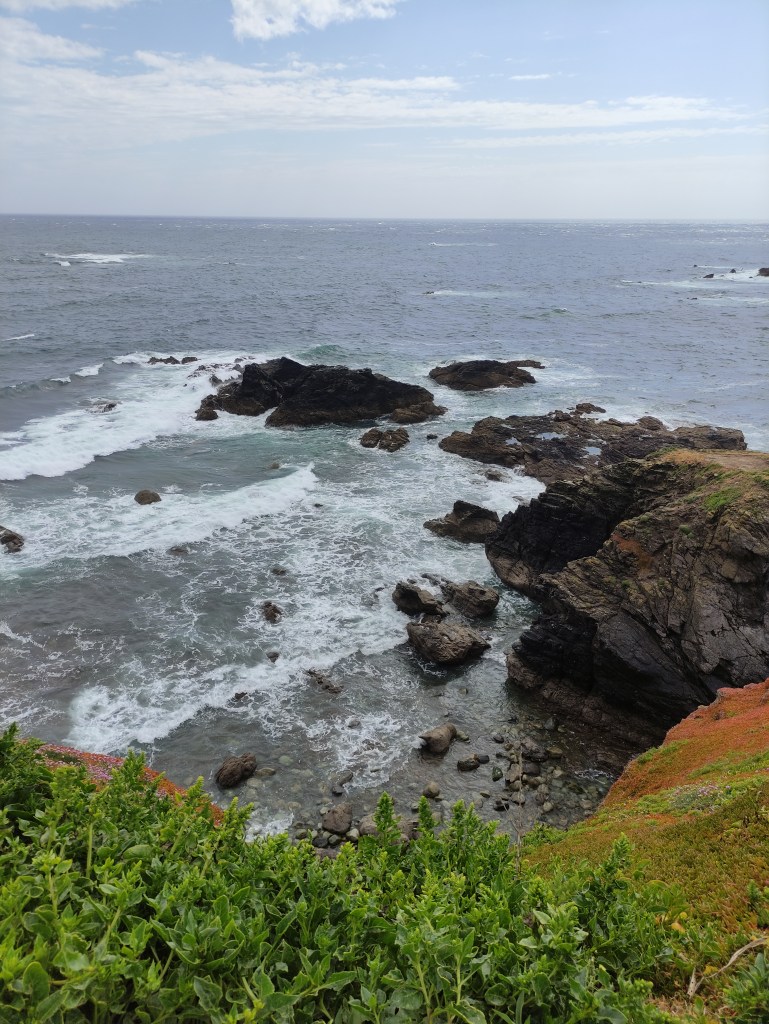
Thanks to the Netflix series Poldark, I was able to get a substantial glimpse that allowed me to empathize with the people who lived in those places. All along the coast, I was really struck by the multitude of coves, caves, and inlets (some sandy, others made up of small stones) each one more beautiful than the last! Cape Cornwall and the a sort of phallic monument, forms part of the Cornwall and Devon Mining Landscape UNESCO World Heritage Site. The last place we visited is Land’s End, which is the southernmost point of the United Kingdom. In truth, it’s more like a playground or a place to spend a Sunday having fun. Of course, the cliffs were spectacular, even though the famous “arch” wasn’t visible, perhaps eroded by the water and the passage of time. Not to go too far, we decided to stay for two night in the same place choosing the Wheal Rodney Holliday Park in Marazon.
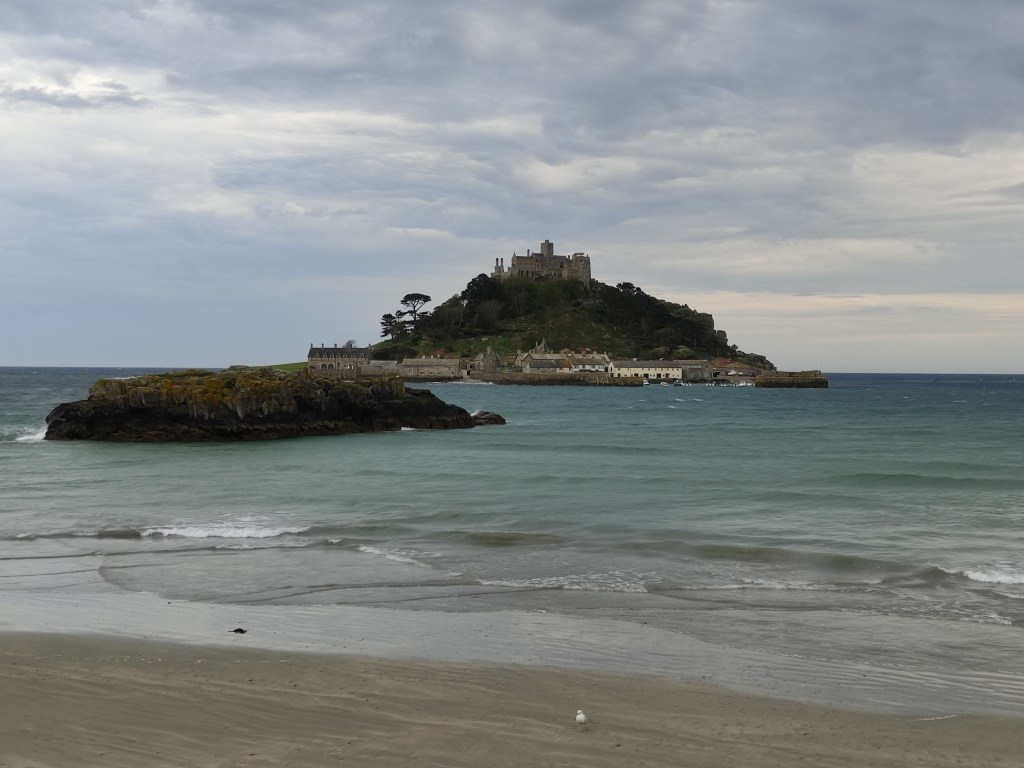
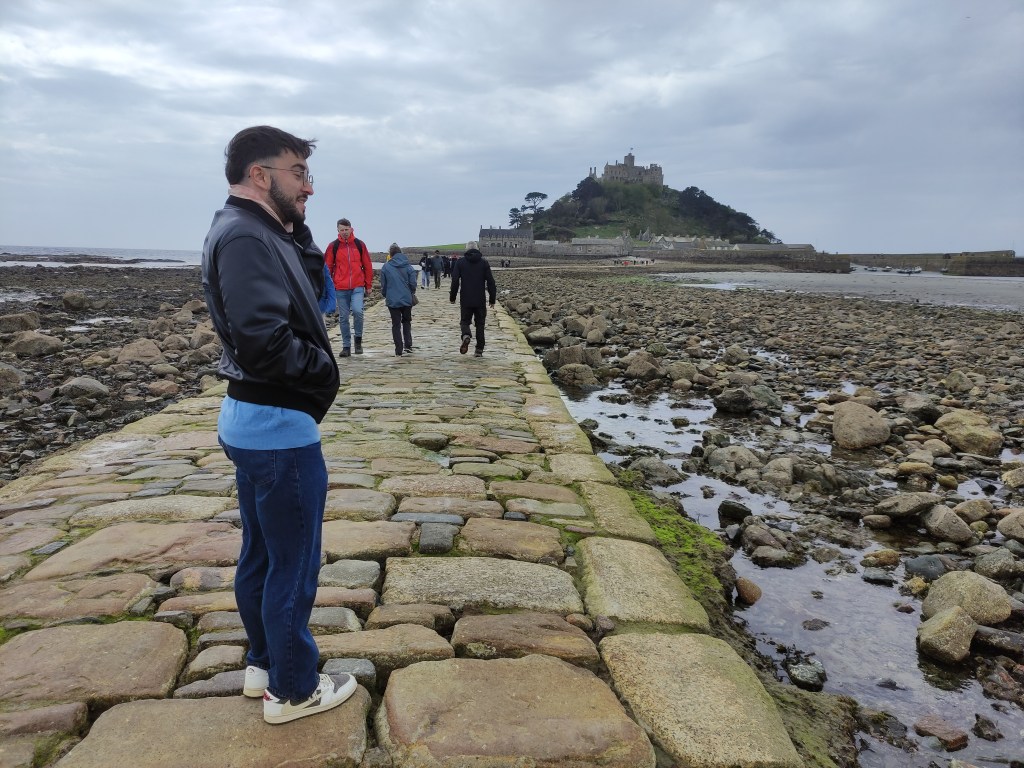
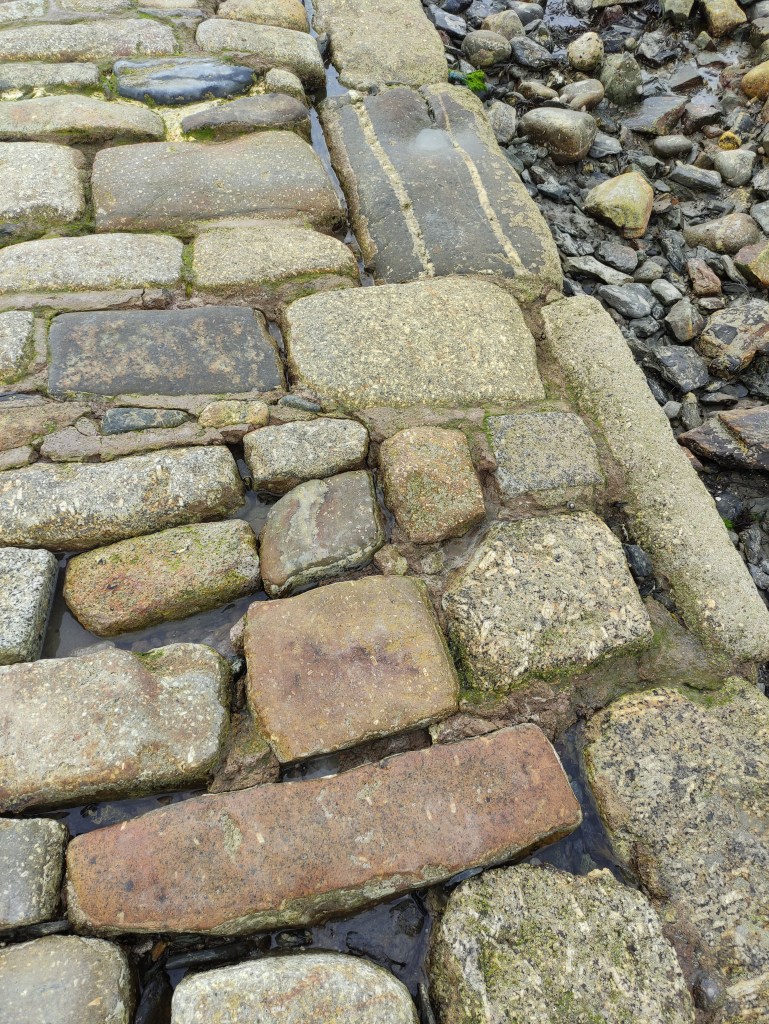
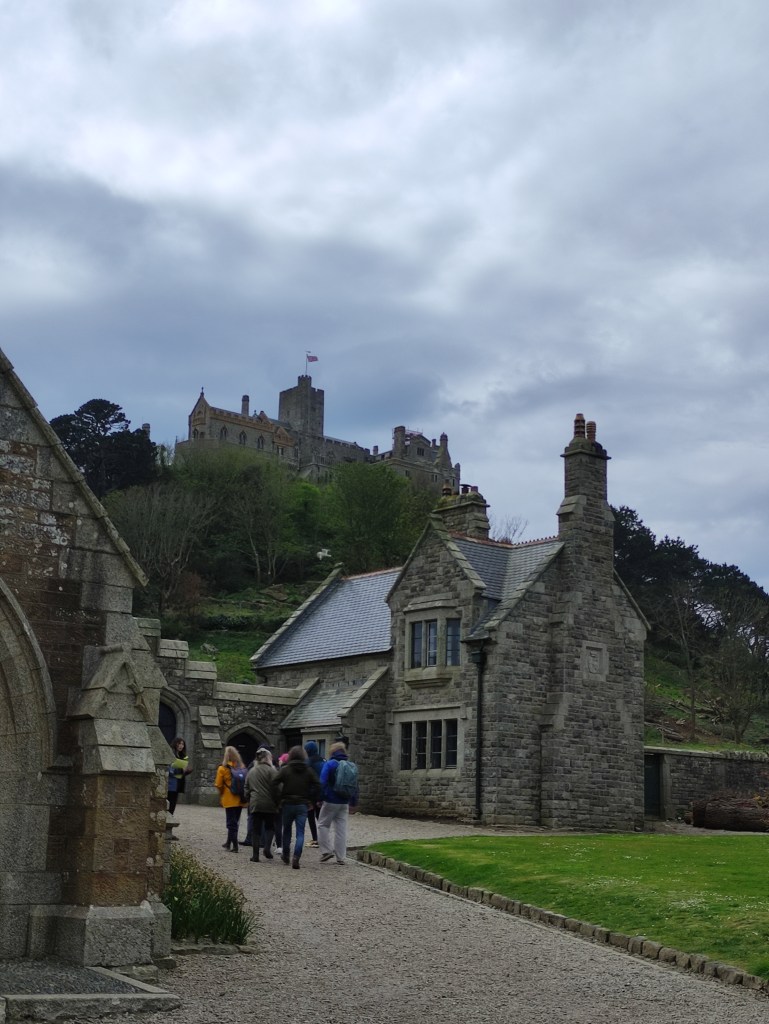
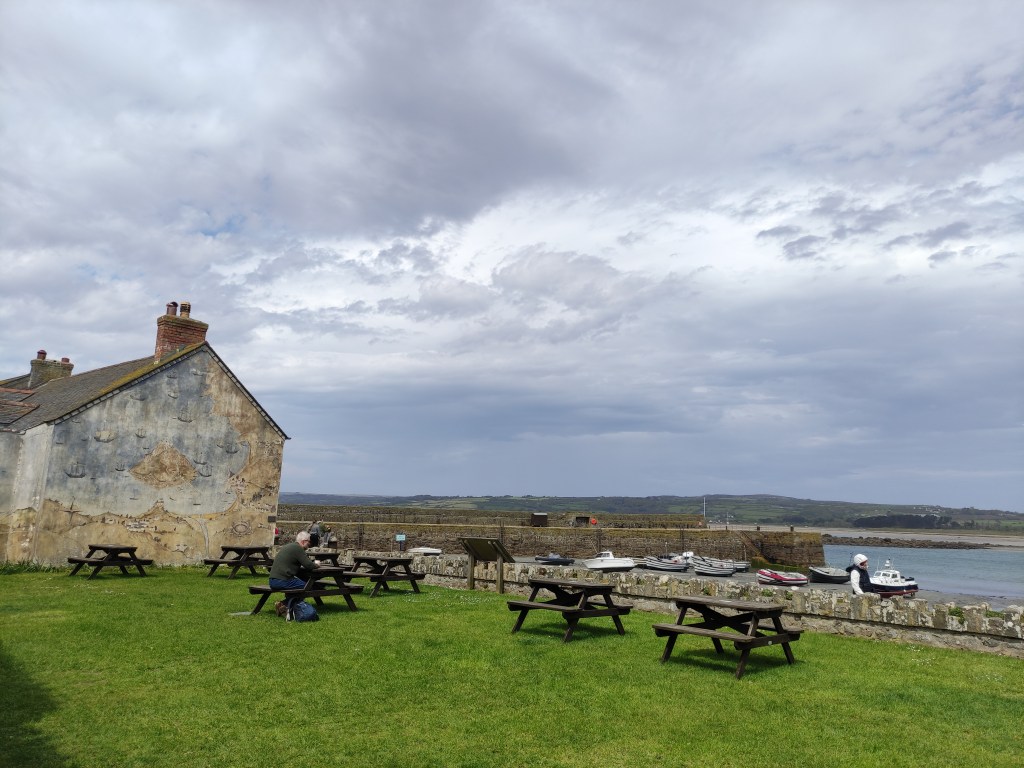
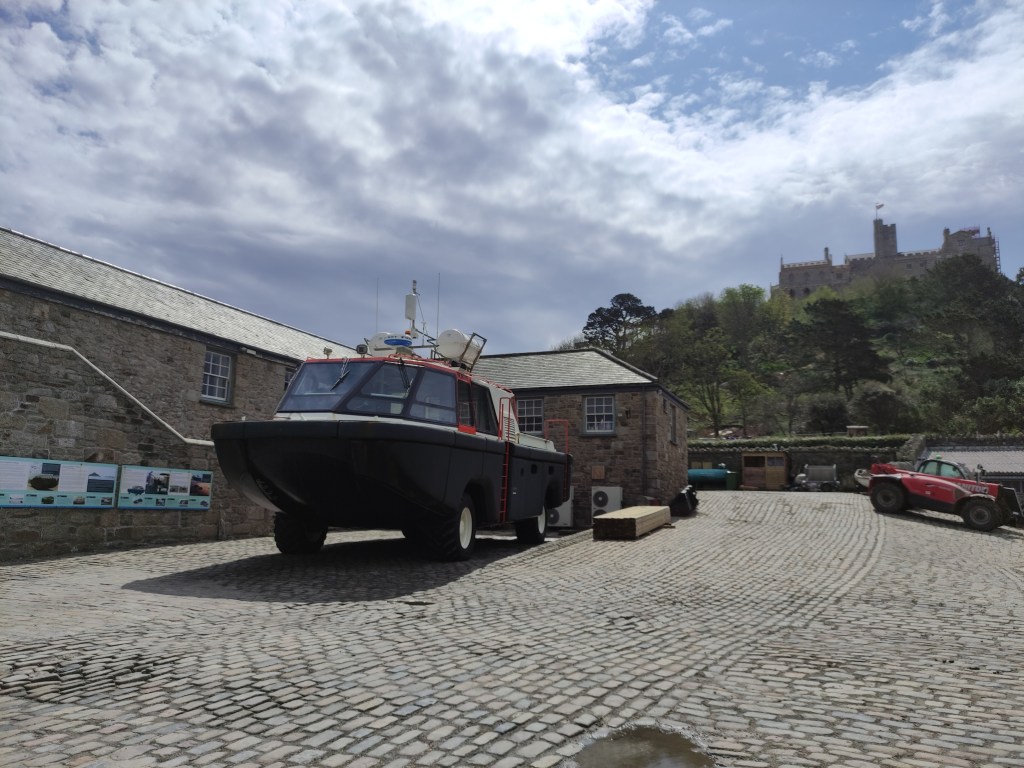
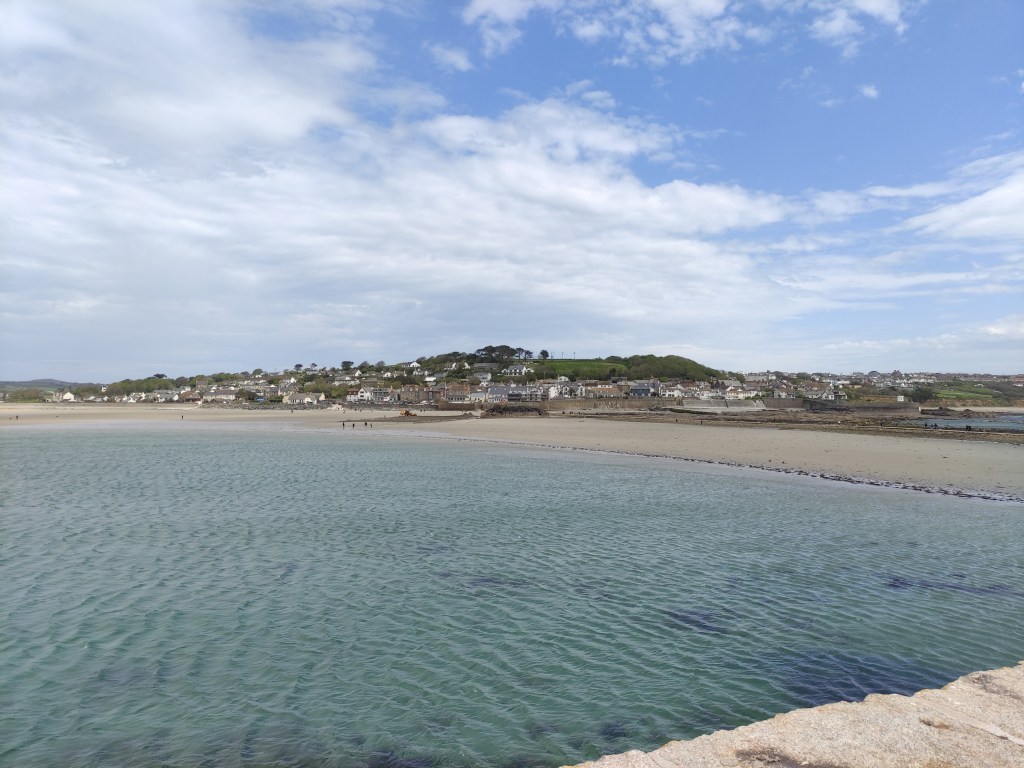
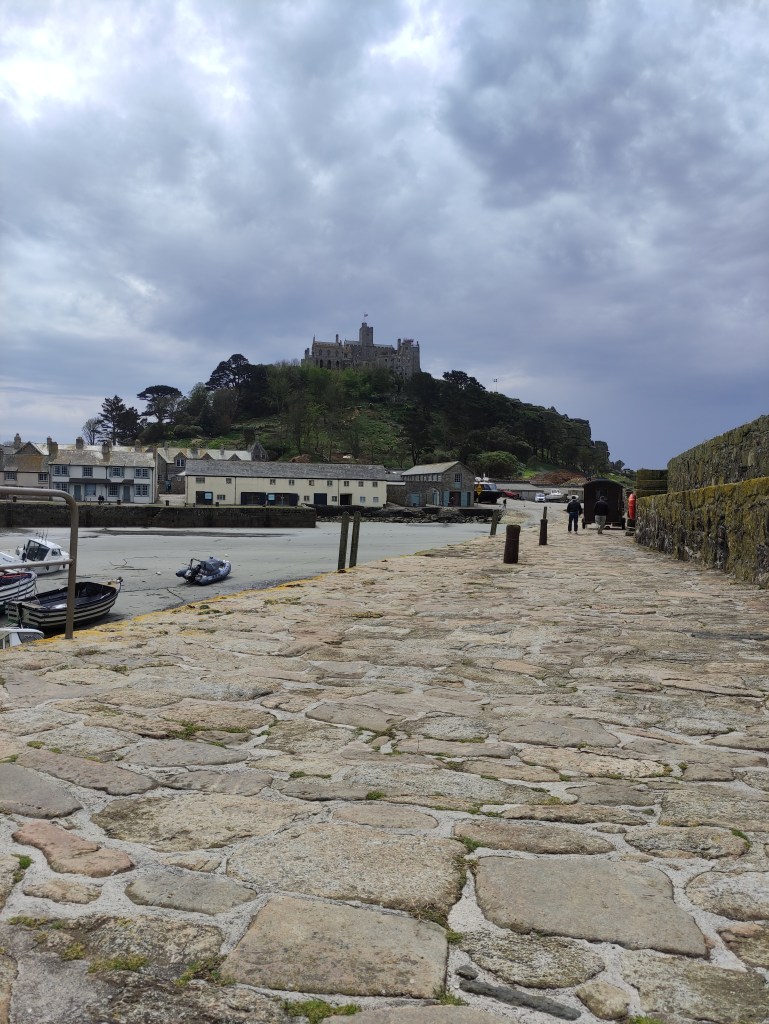
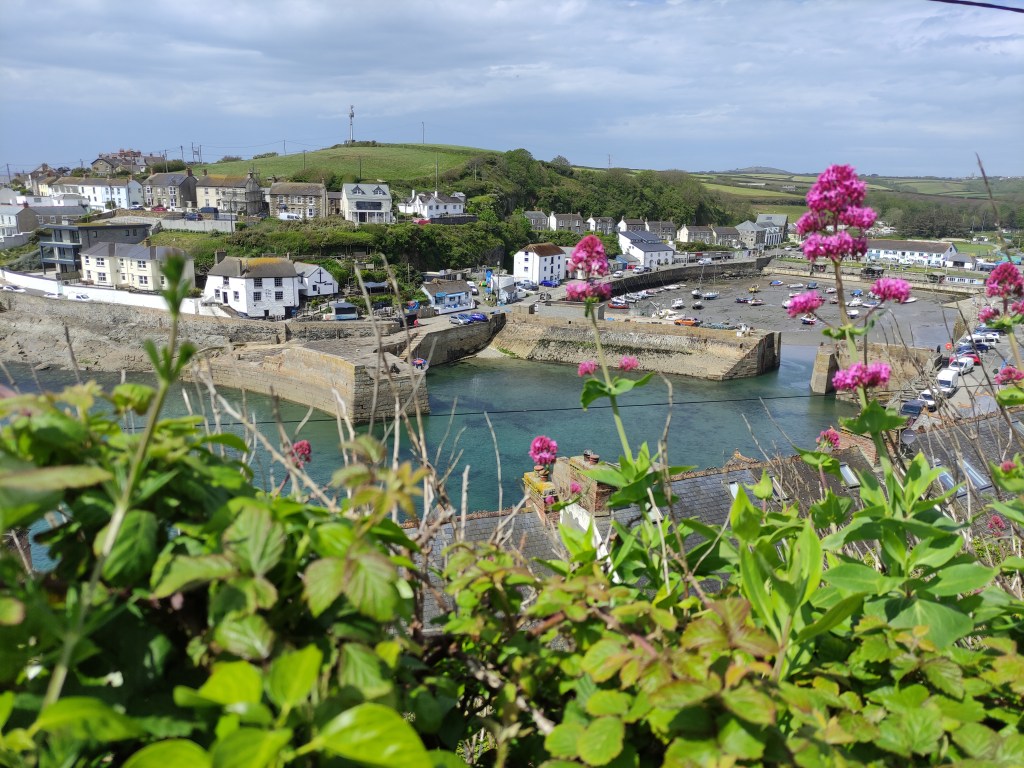
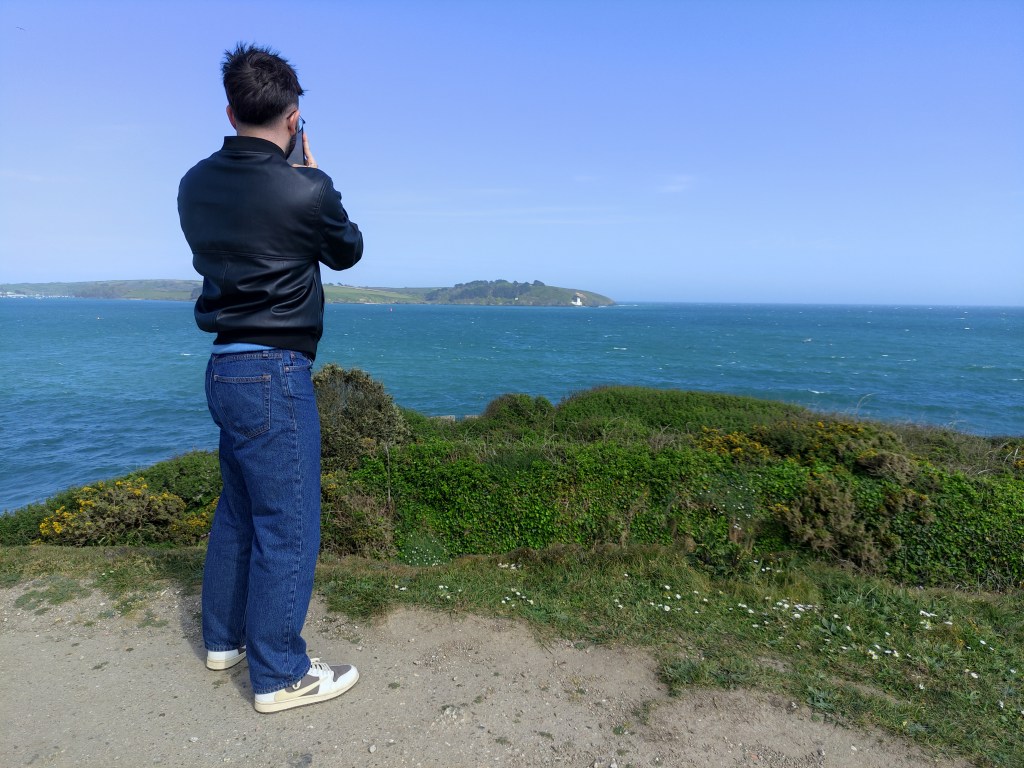
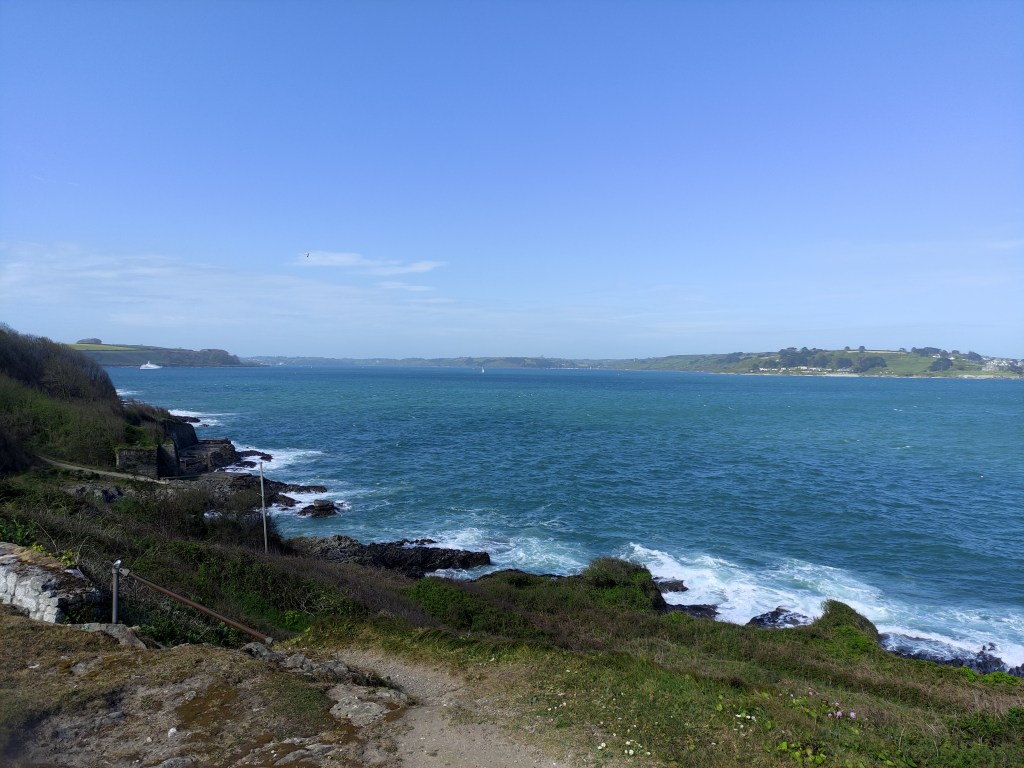
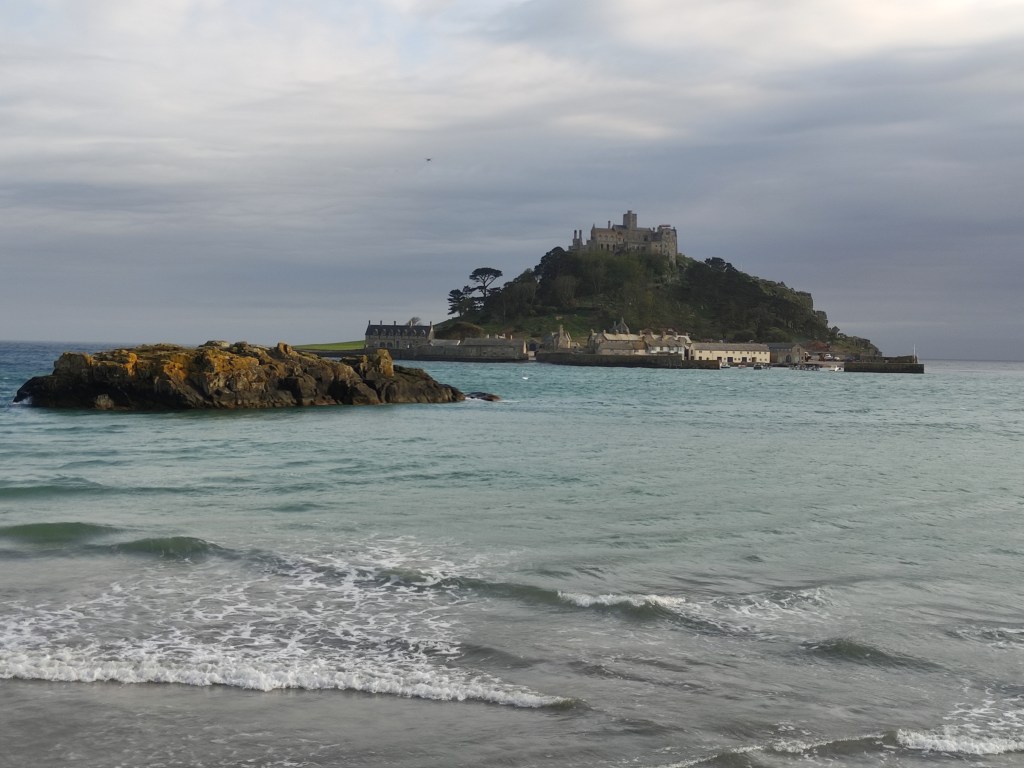
In the morning, at low tide, we were able to reach Michael’s Mount by walking along a narrow stone-paved path. The rise in water levels is caused by the gravitational pull of the Moon on the Earth, but also by winds blowing toward the coast, which cause sea levels to rise. You must therefore be careful not to find yourself trapped between the mainland and the islet as the water rises…
Legends tell of sailors who were shipwrecked after being seduced by sirens, but who were miraculously saved by the appearance of the Archangel Michael.
It is, however, a magnetic place that attracts pilgrims from all over the world. It is also said to possess a special power, thanks to the energy lines flowing beneath the island.
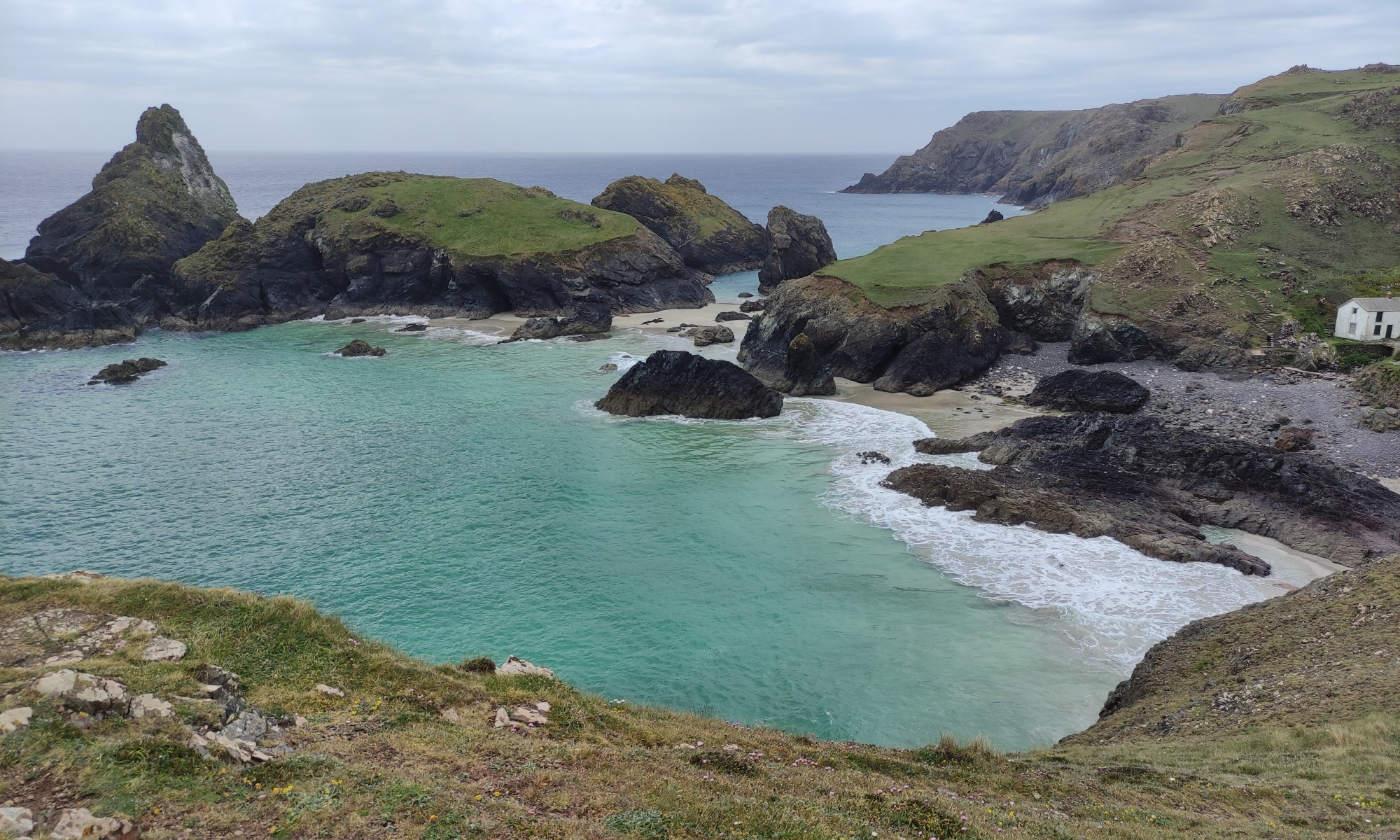
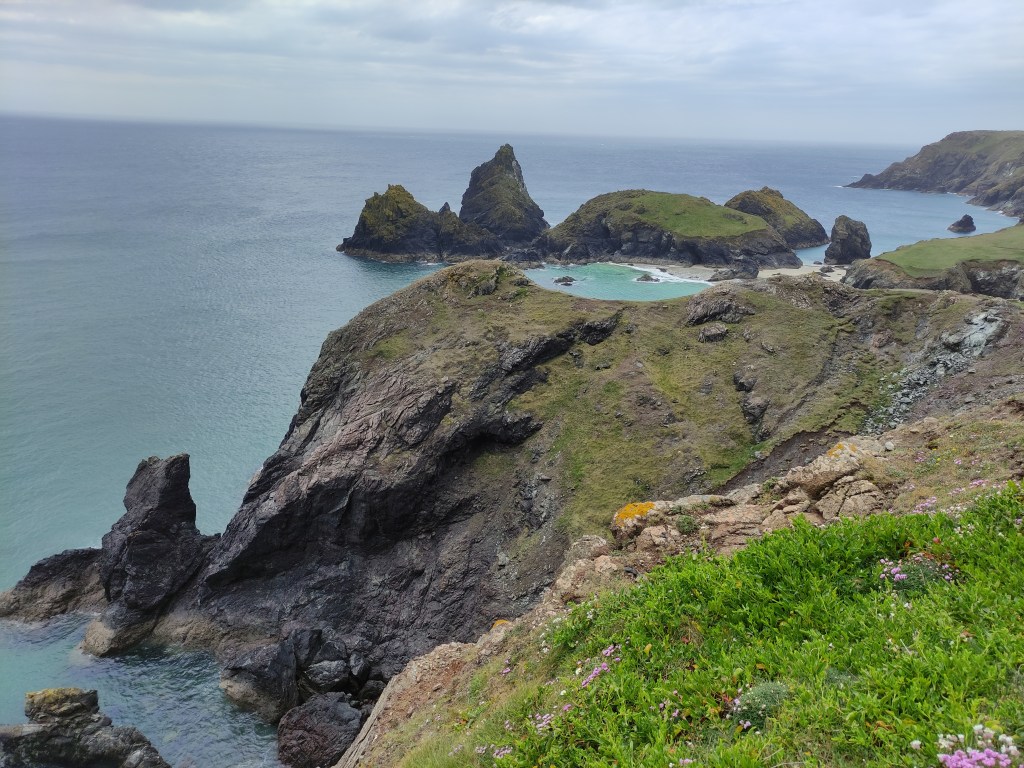
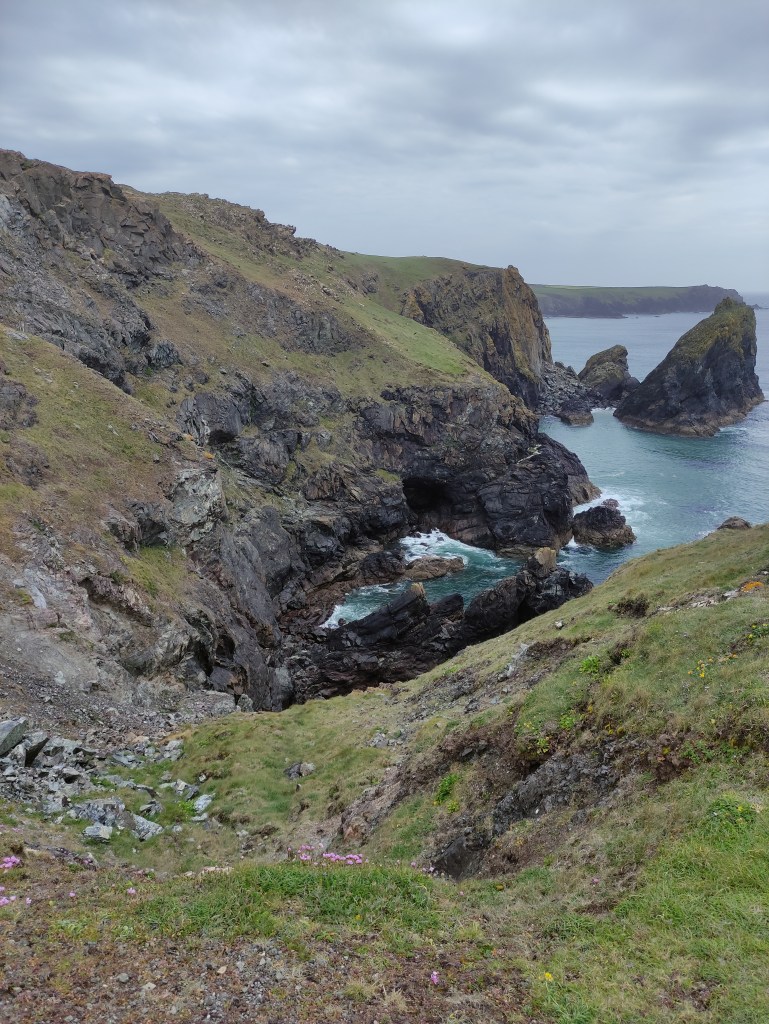
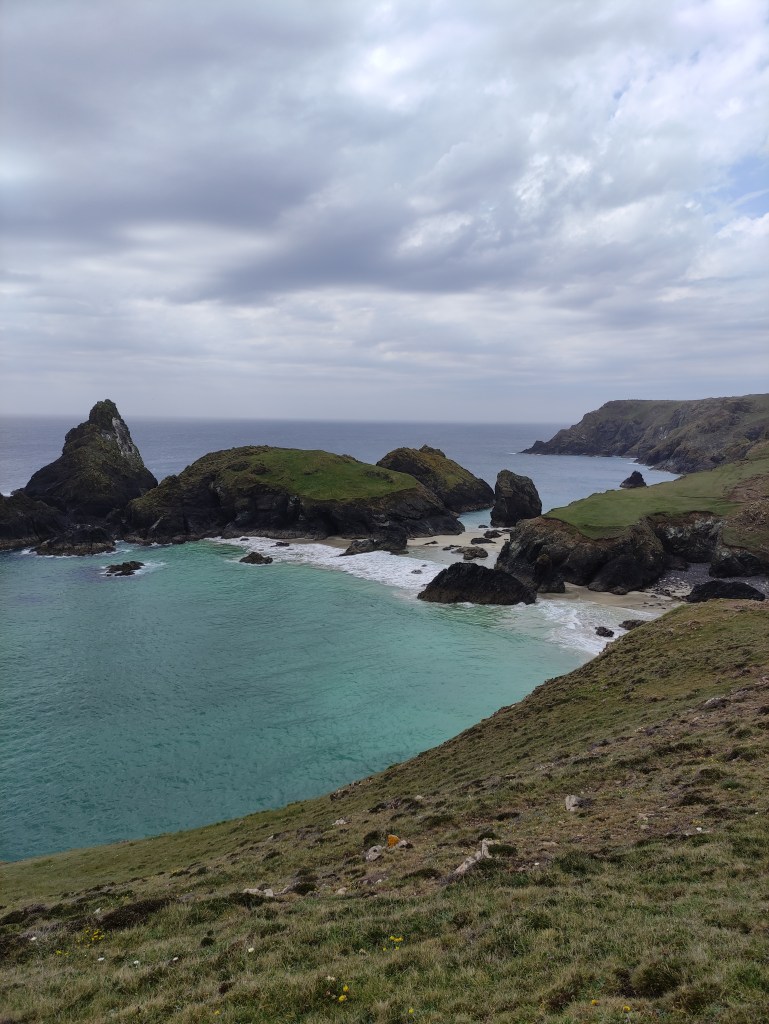
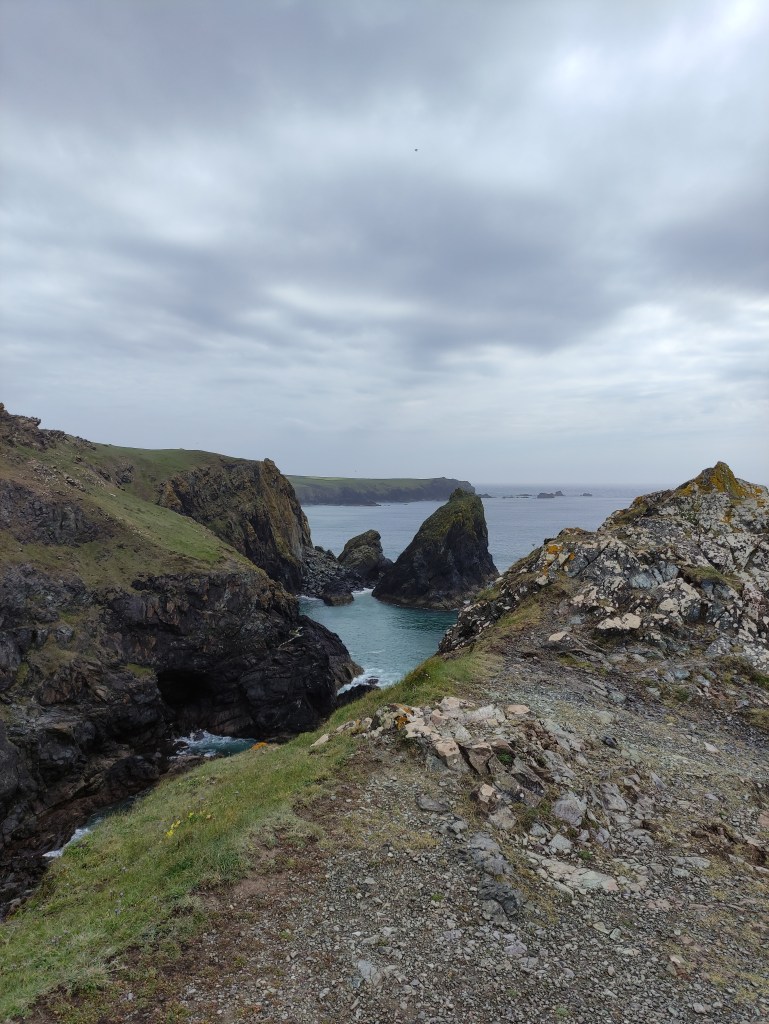
We continued our journey to Perthleven, which we photographed from above. Kynance Cove is certainly one of Cornwall’s most famous beaches, with fine white sand and turquoise water framed by serpentine rock columns. The view from above is spectacular, though leaning out over the rock is a bit risky. The force of the ocean crashing violently against the cliffs is intimidating.
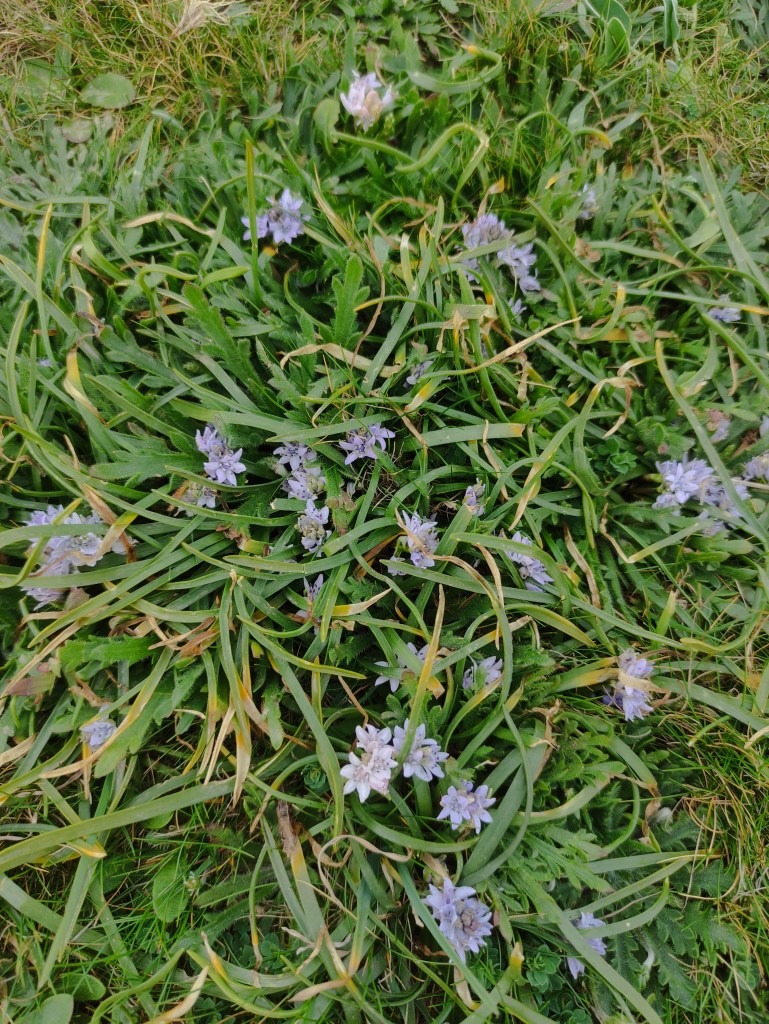
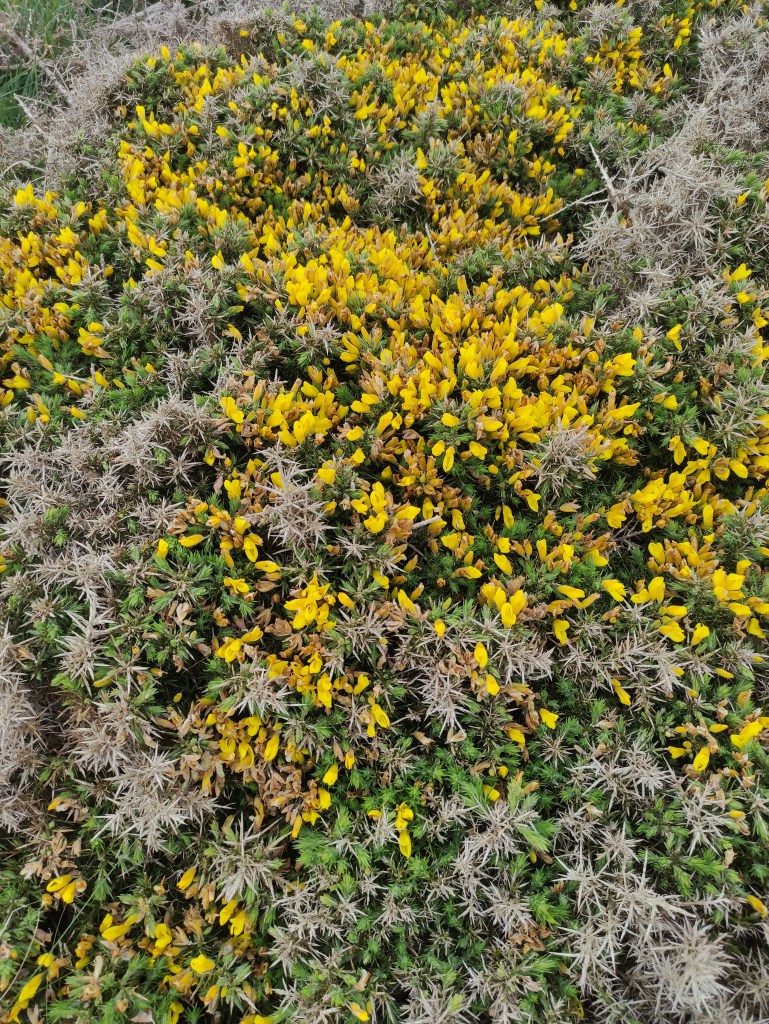
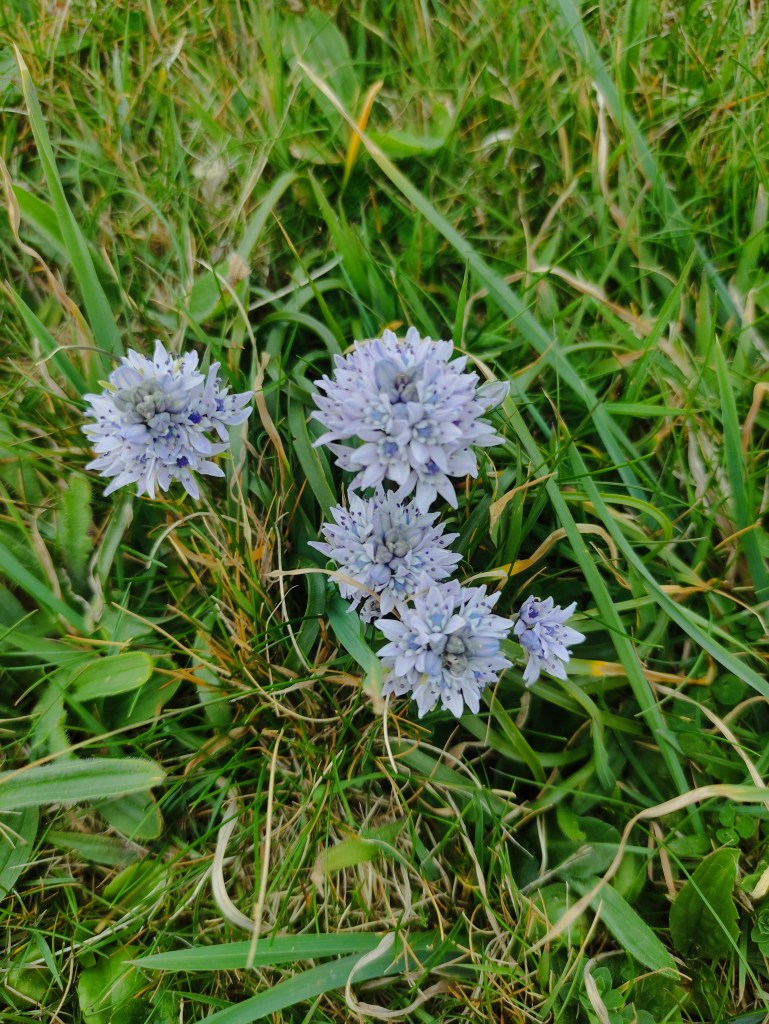
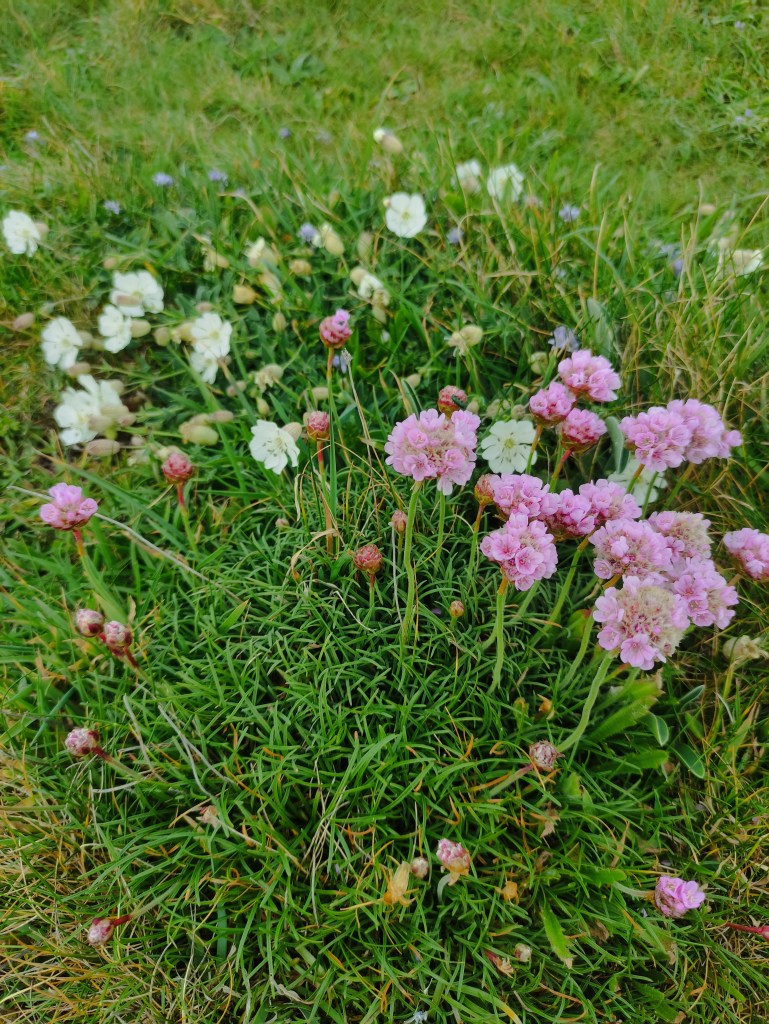
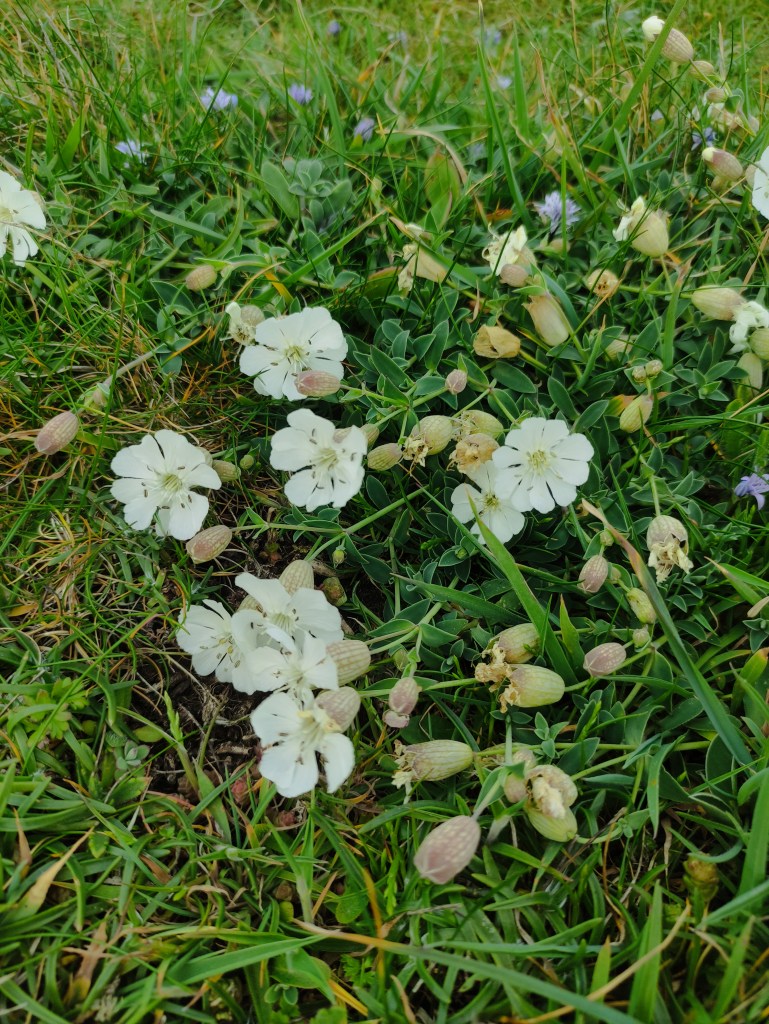
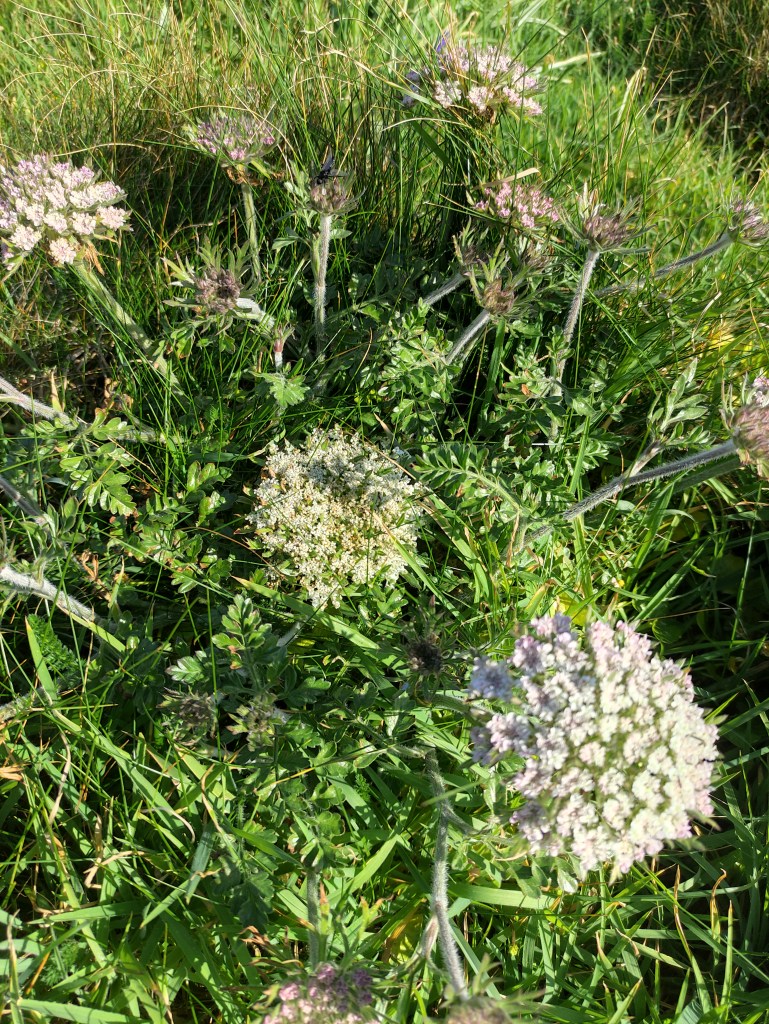
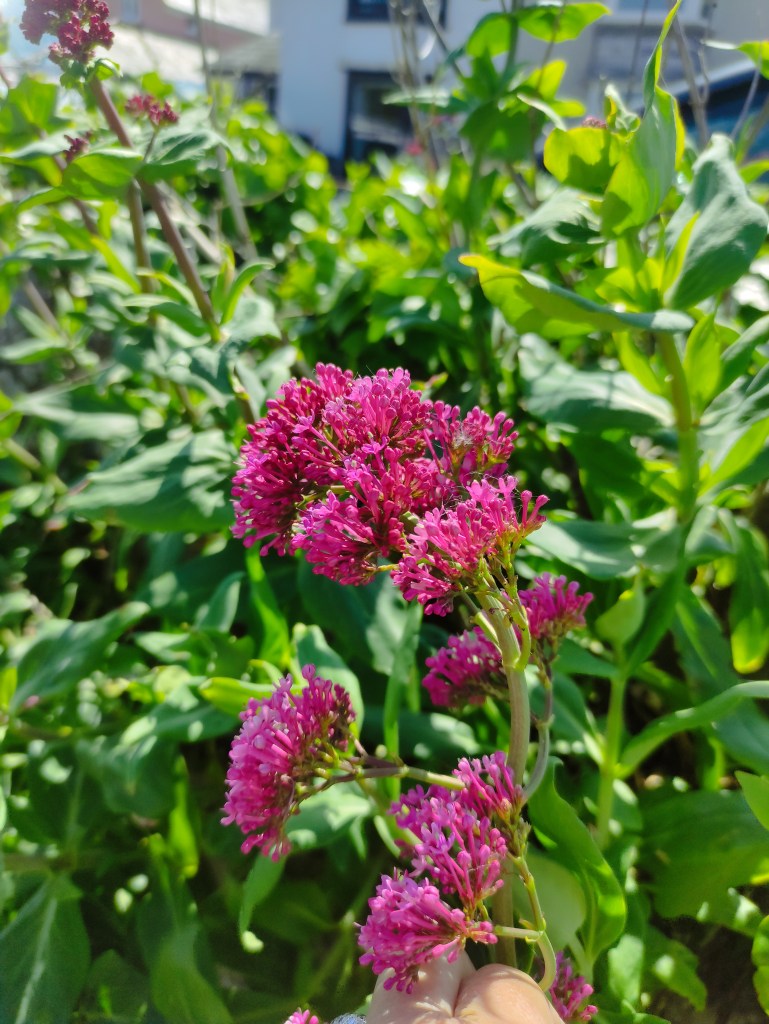
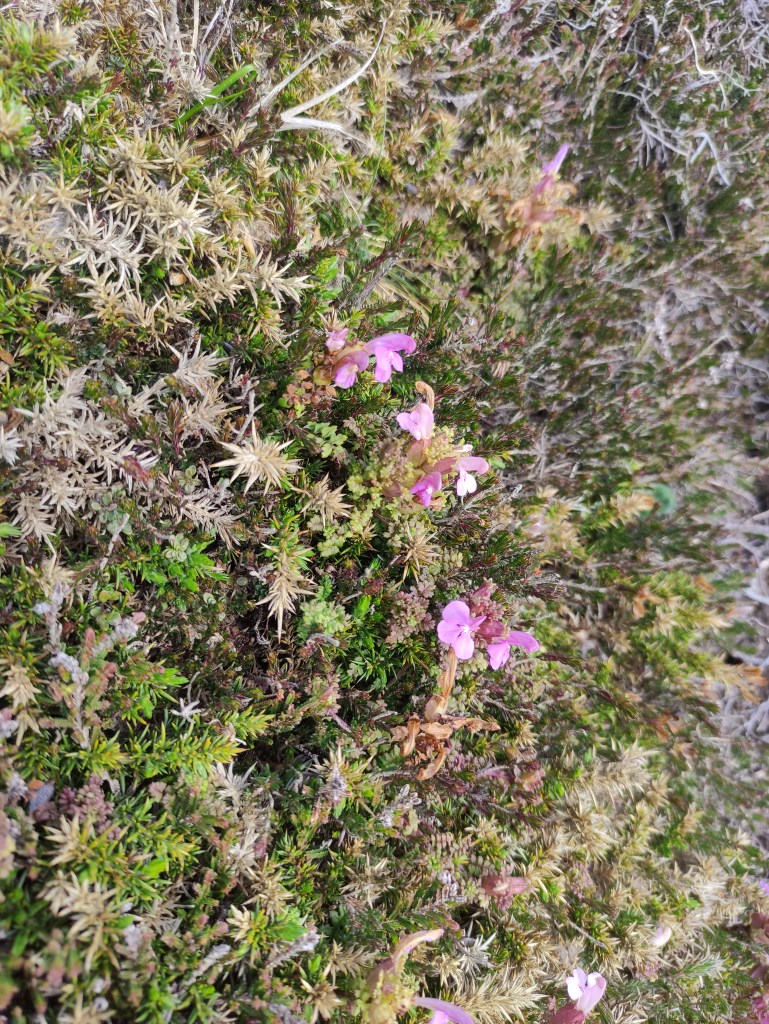
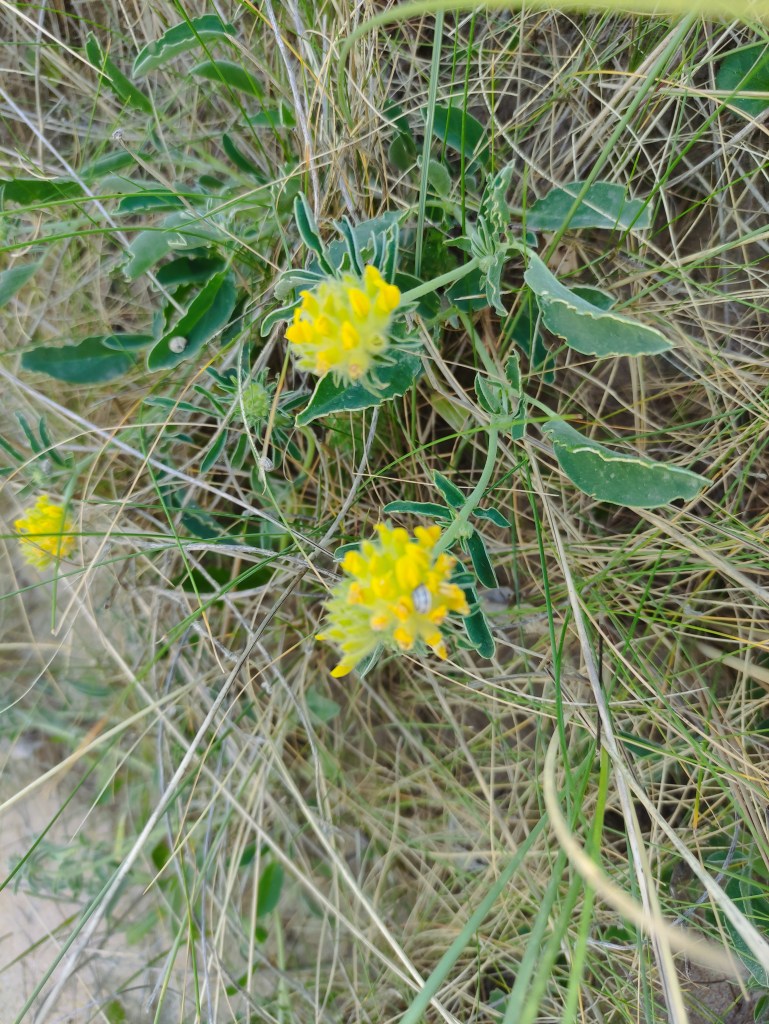
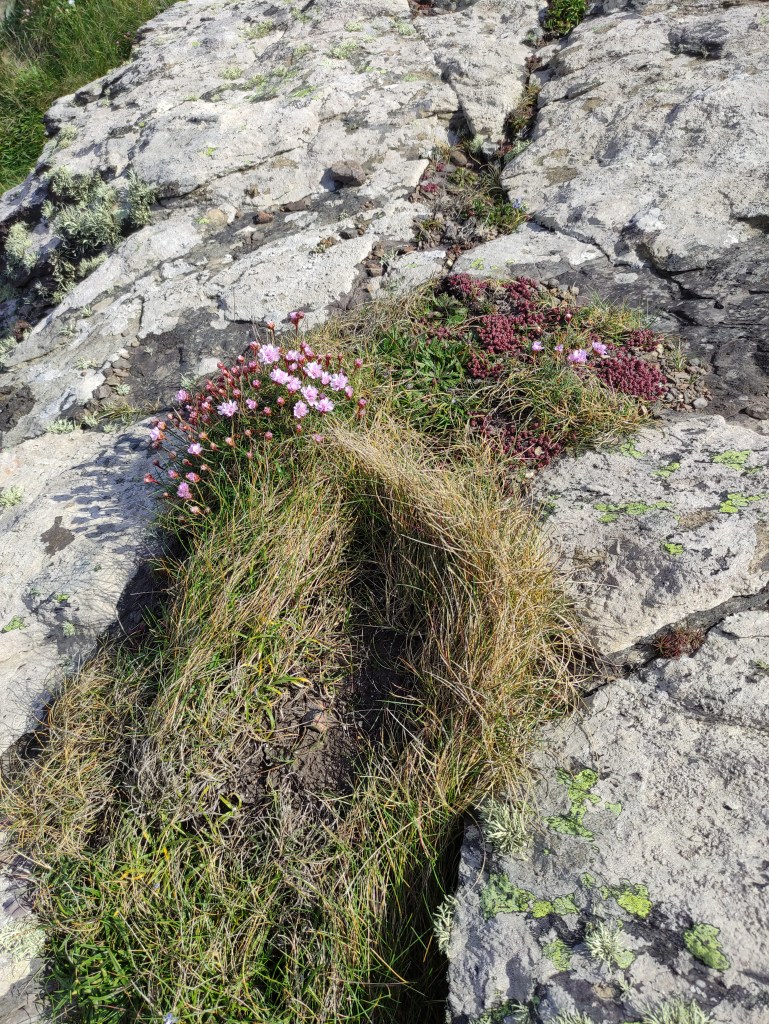
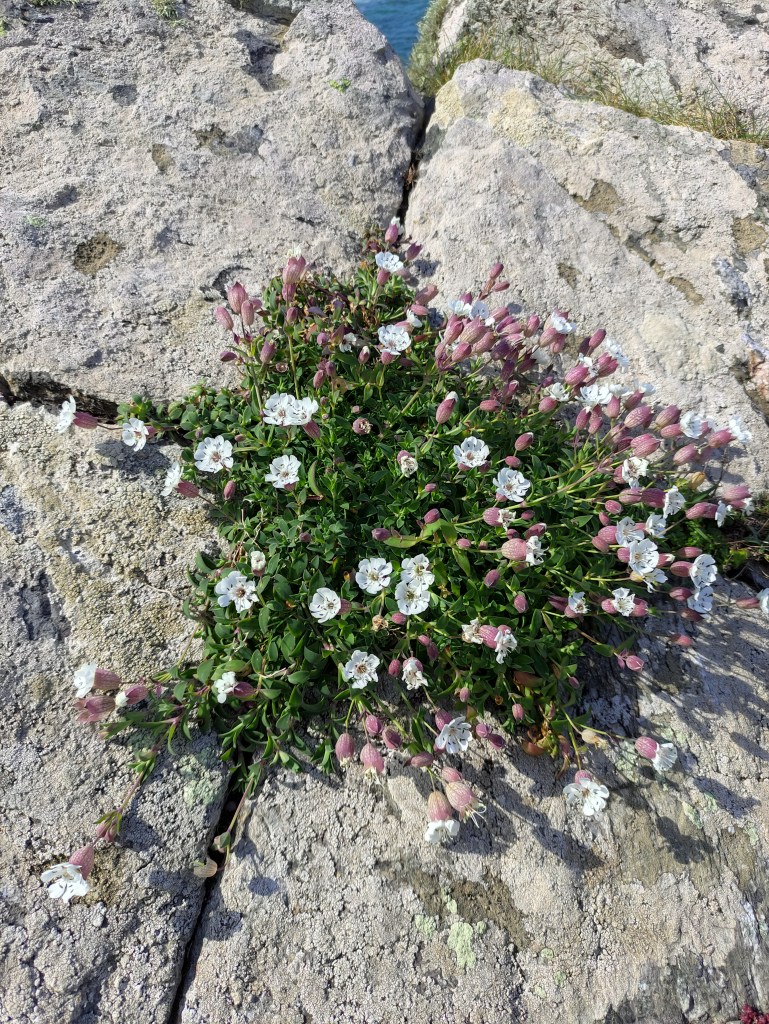
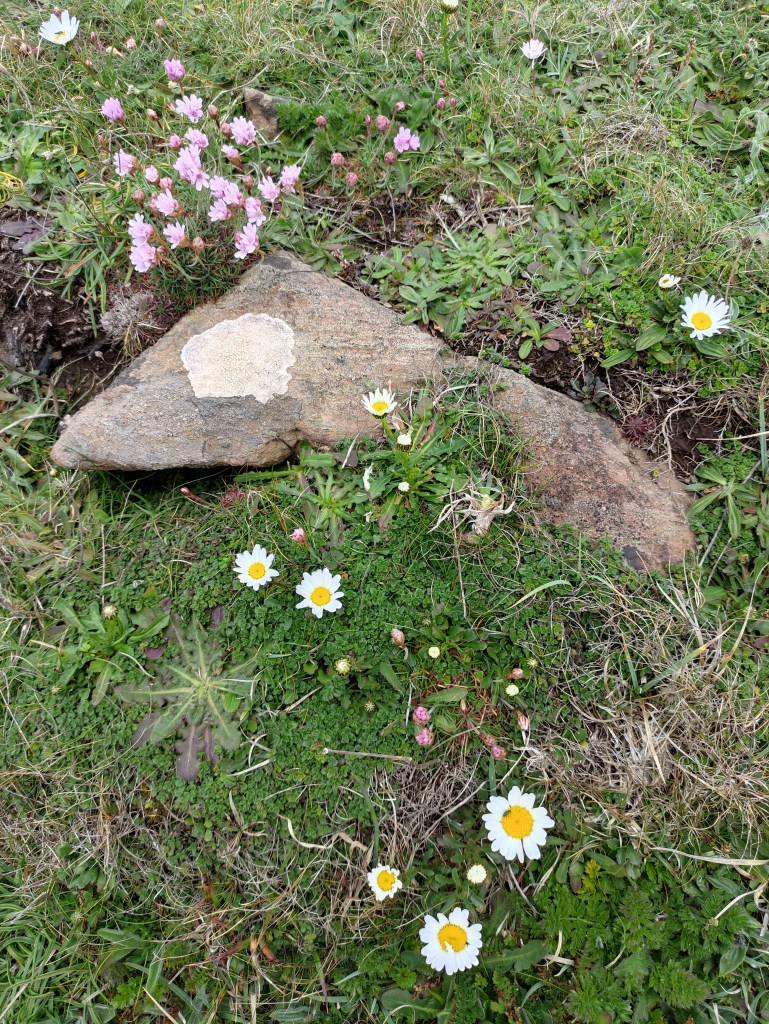
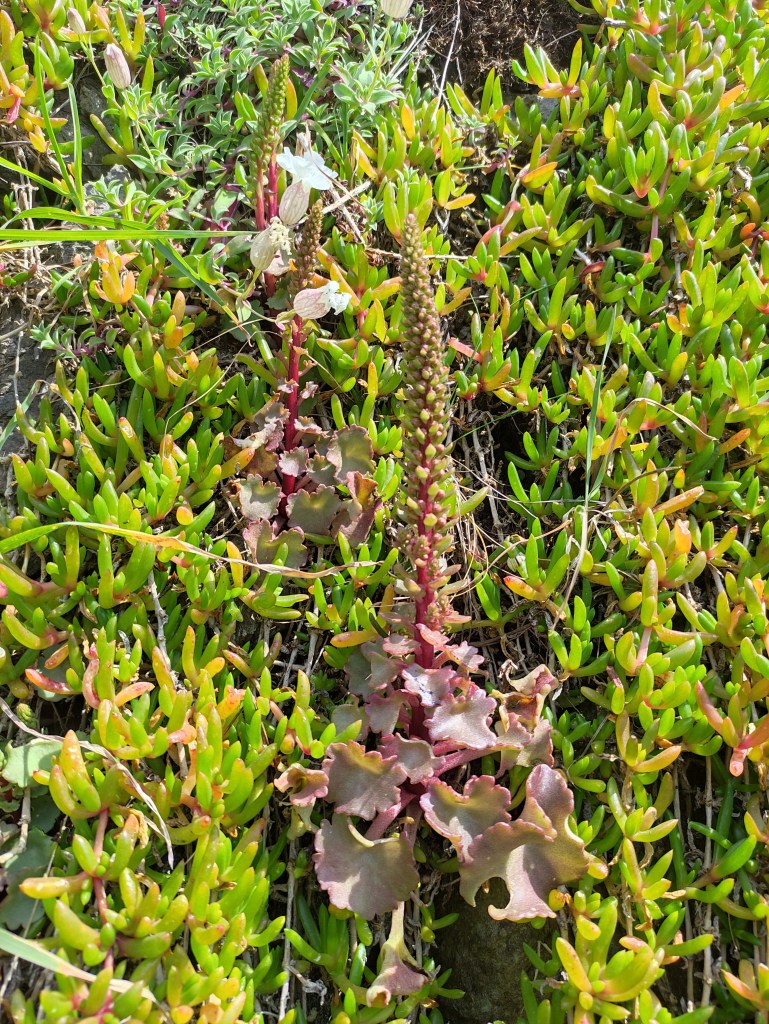
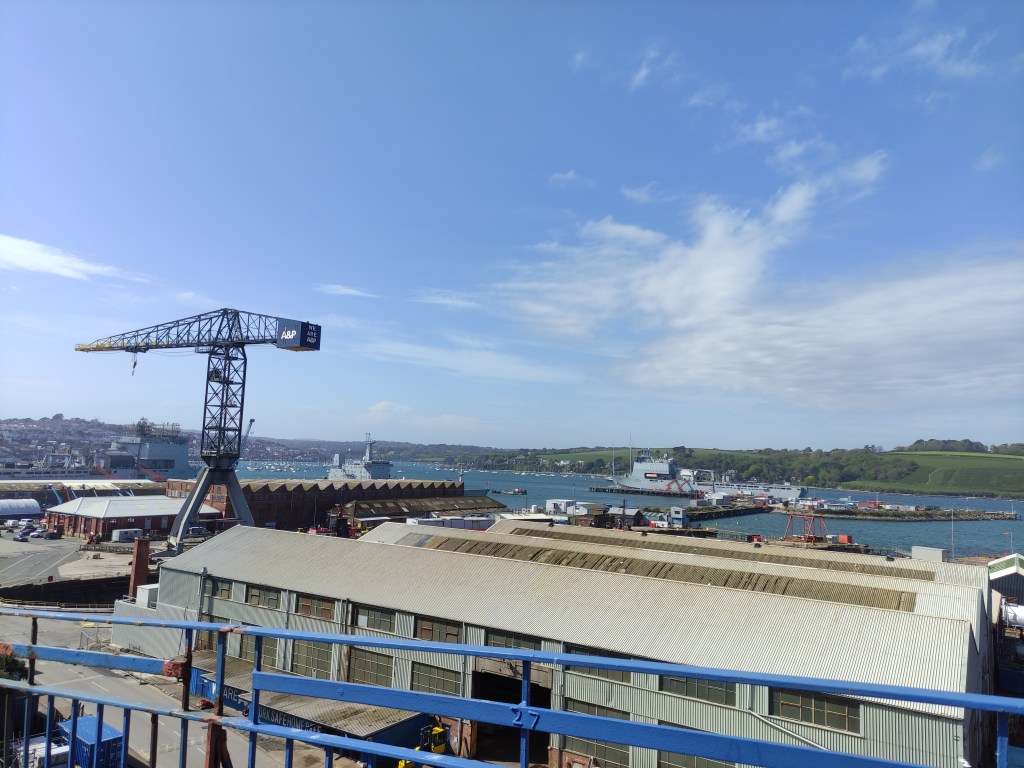
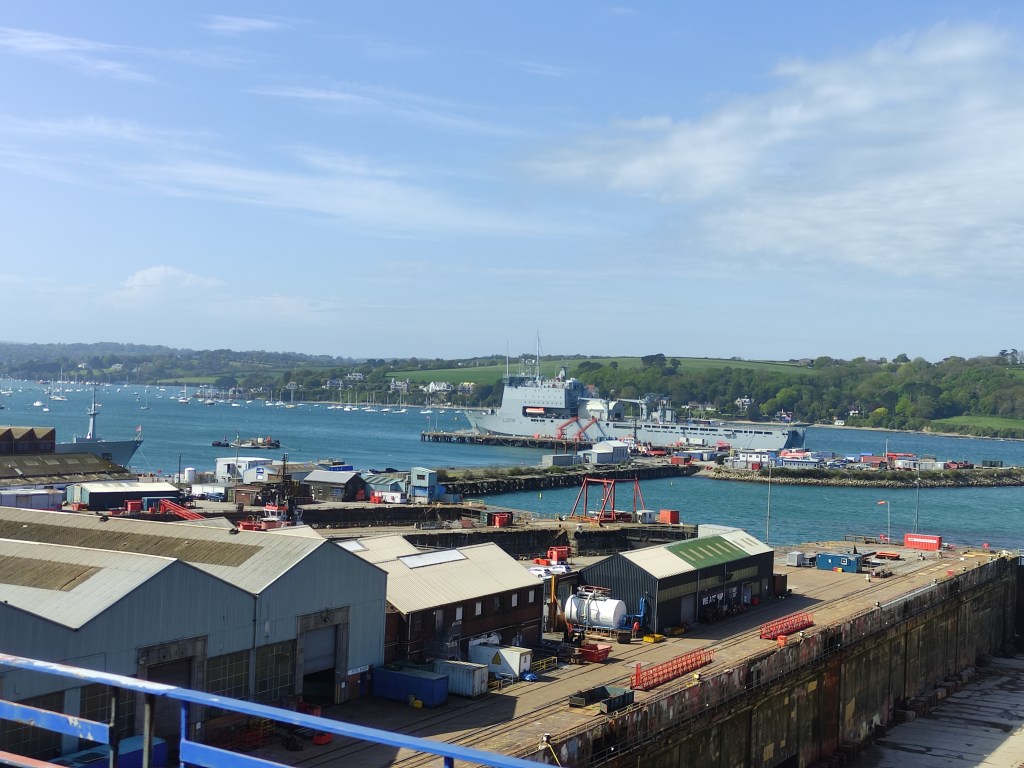
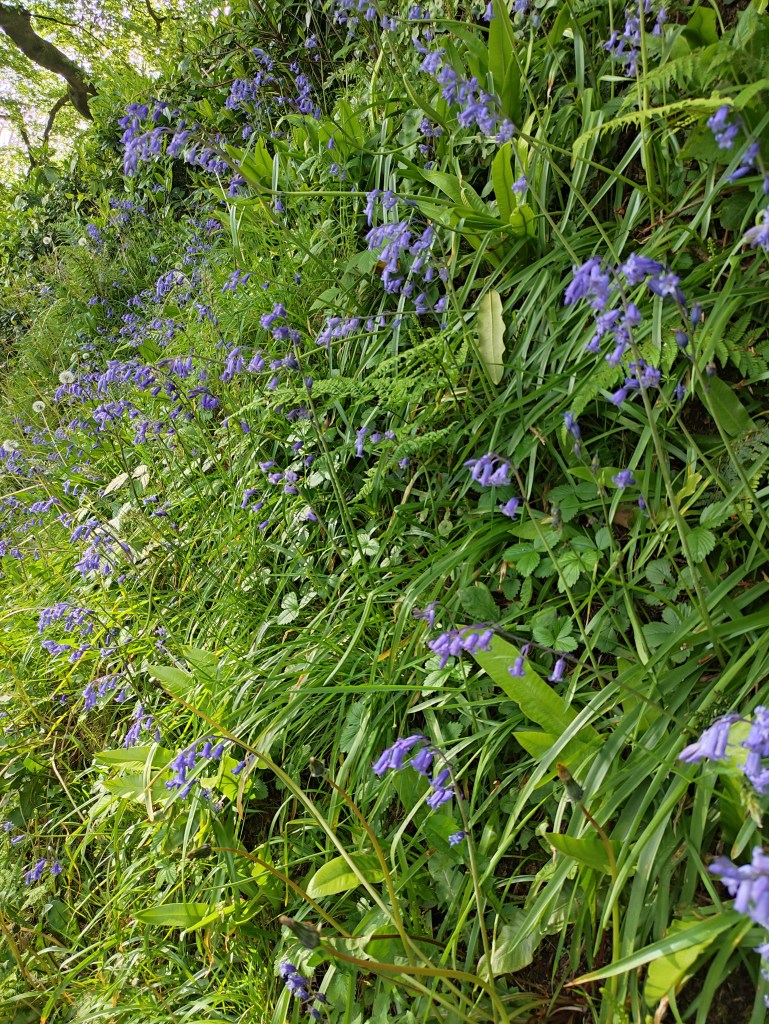
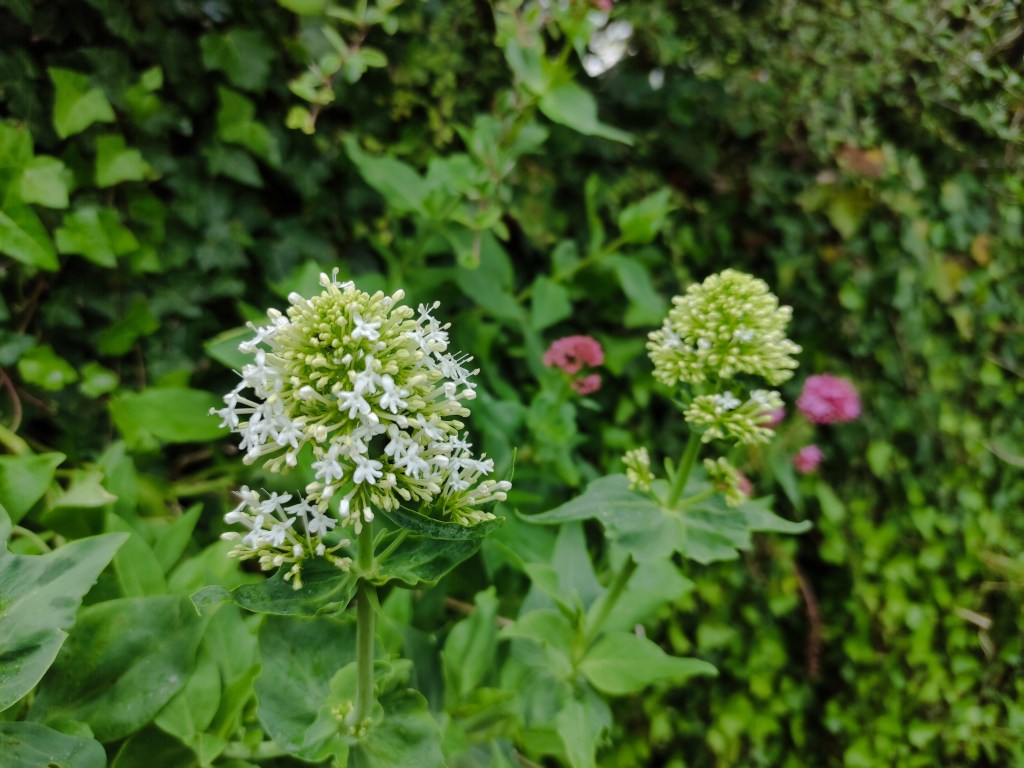
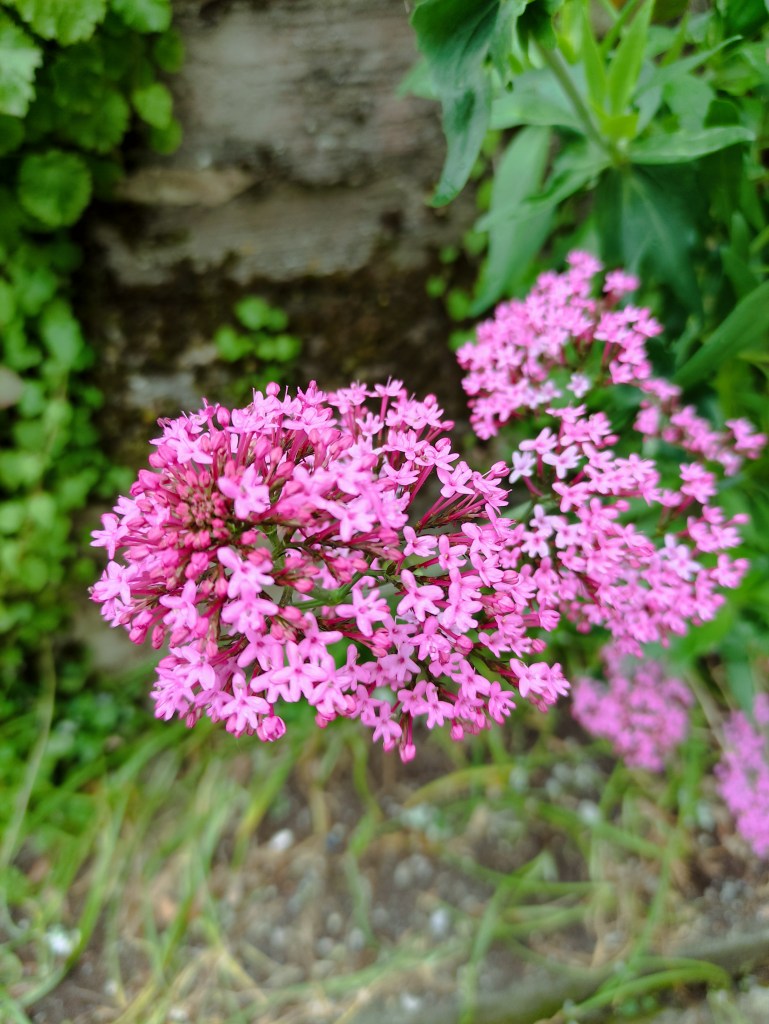
The area is rich in pastures and there are several farms; the cattle help keep the area free of brambles, creating the perfect conditions for the growth of upright and two-flowered clover, as well as wild hyacinths, dioecious silene, pink and white sea statice, and many others, some of which I haven’t been able to identify. Finally, we traveled up the east coast to Falmouth, home to one of England’s largest ports.
By the time we returned to Marazion, high tide had already covered the causeway, and St. Michael’s Mount was once again an island and to get there, you have to take a boat.
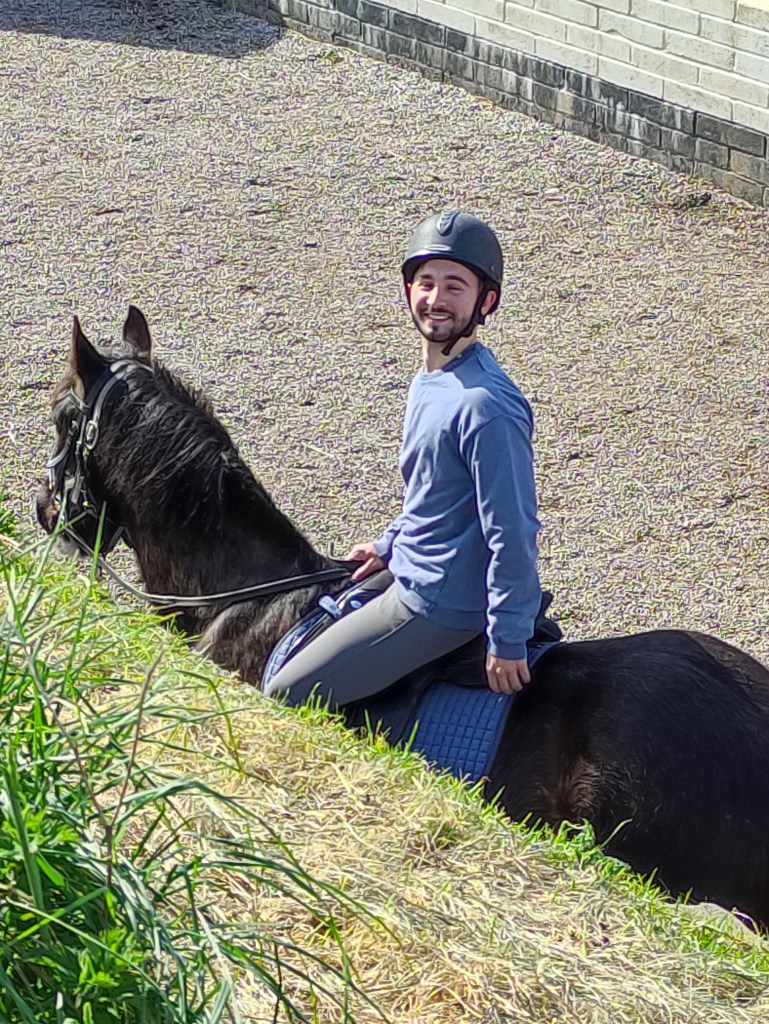
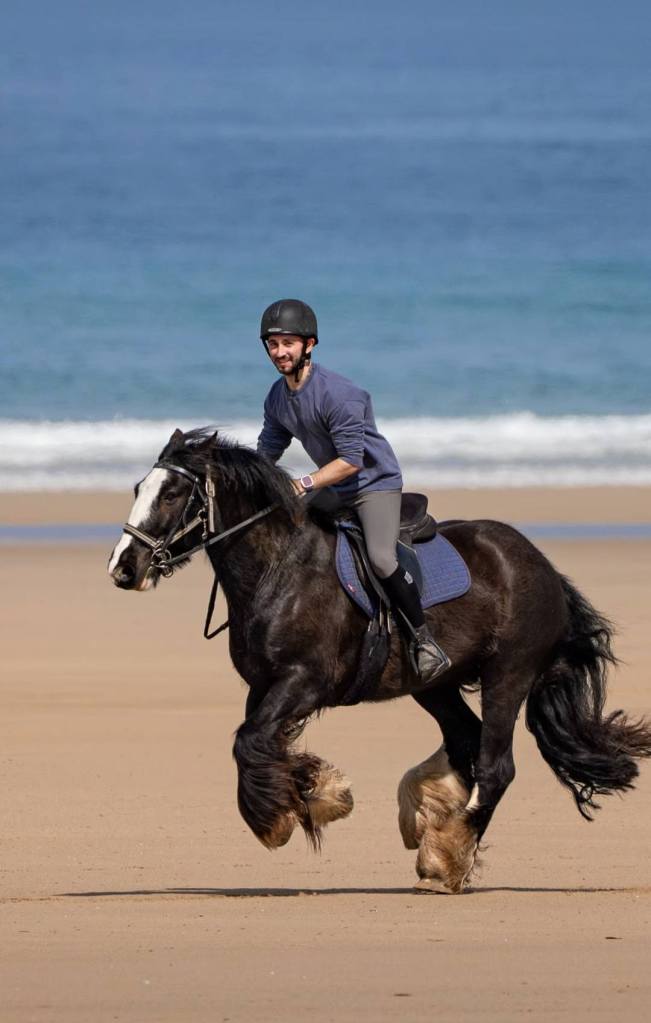
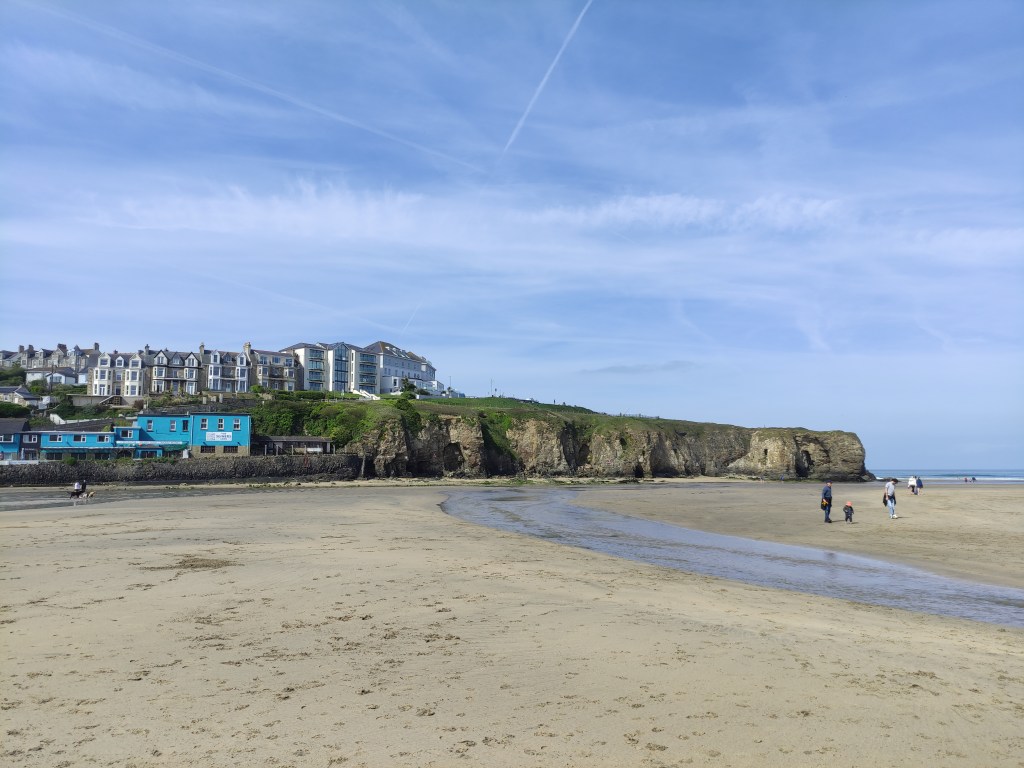
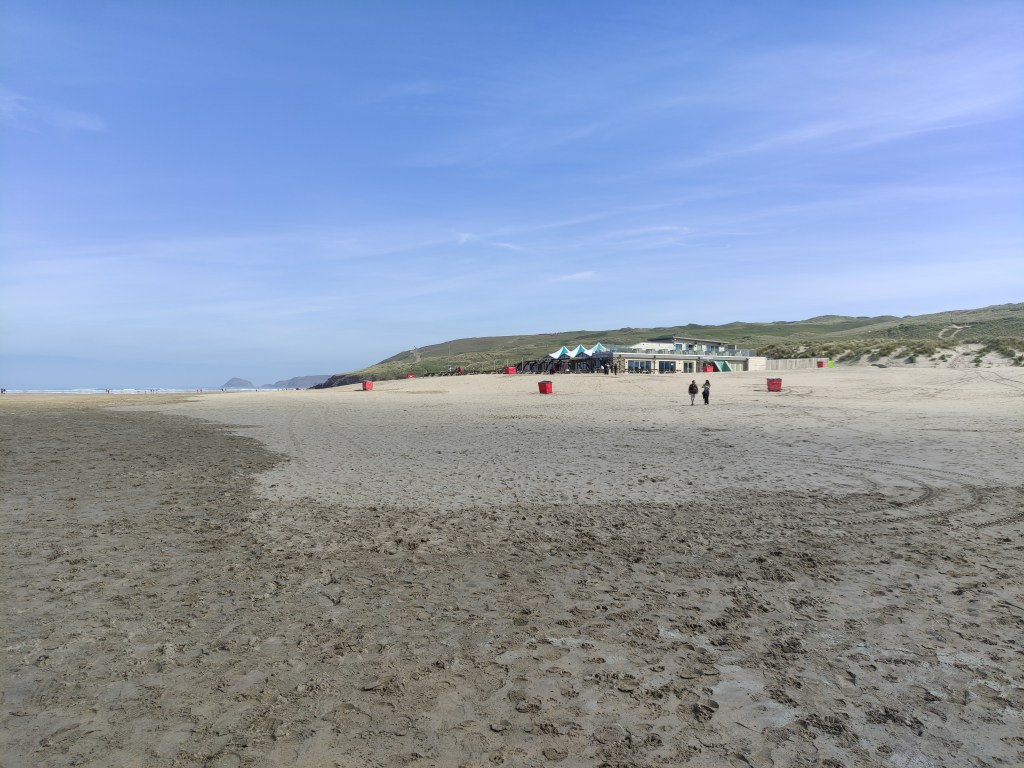
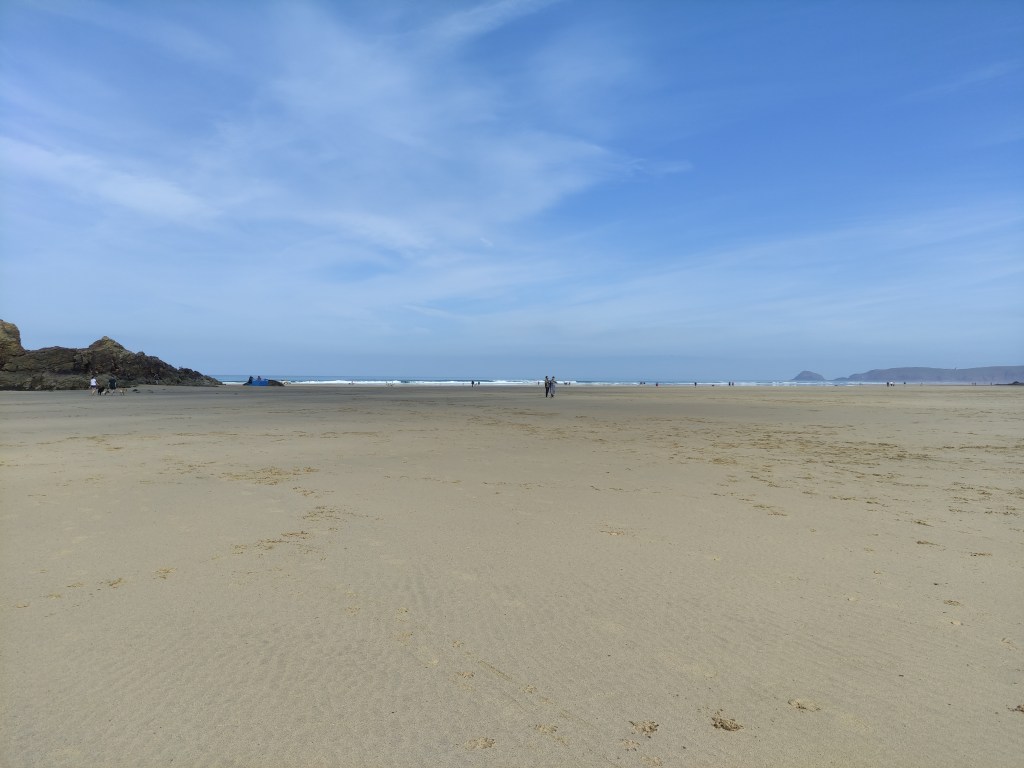
In the morning, we took our son to Reen Manor Stables, not far from the Perranporth countryside.
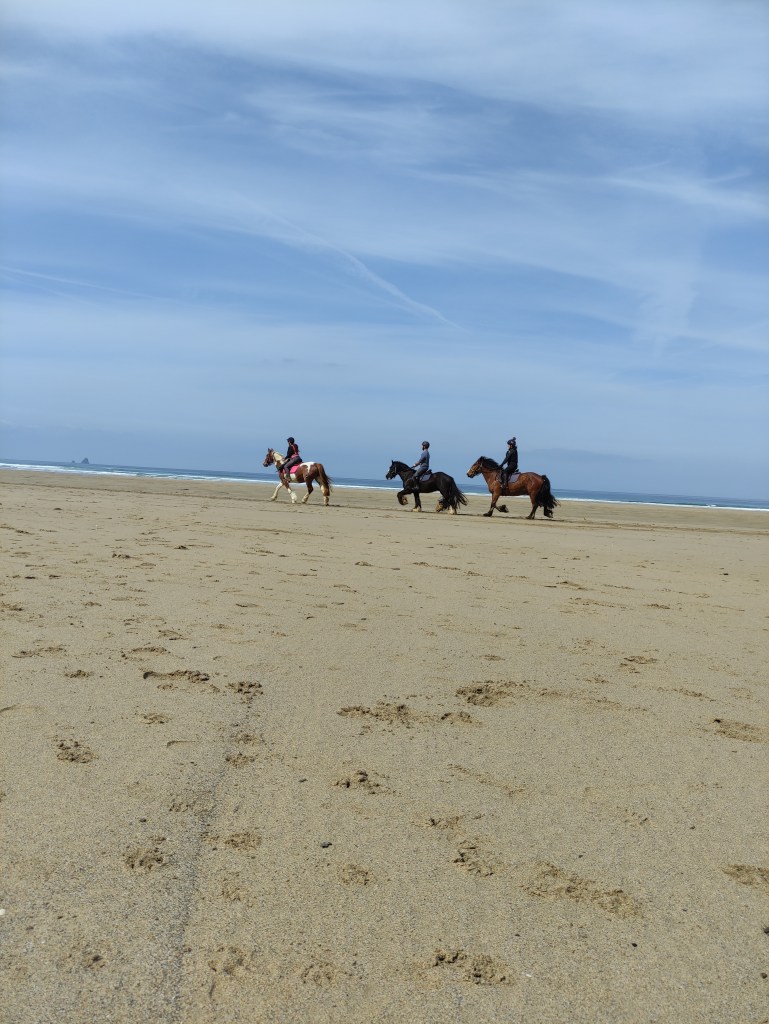
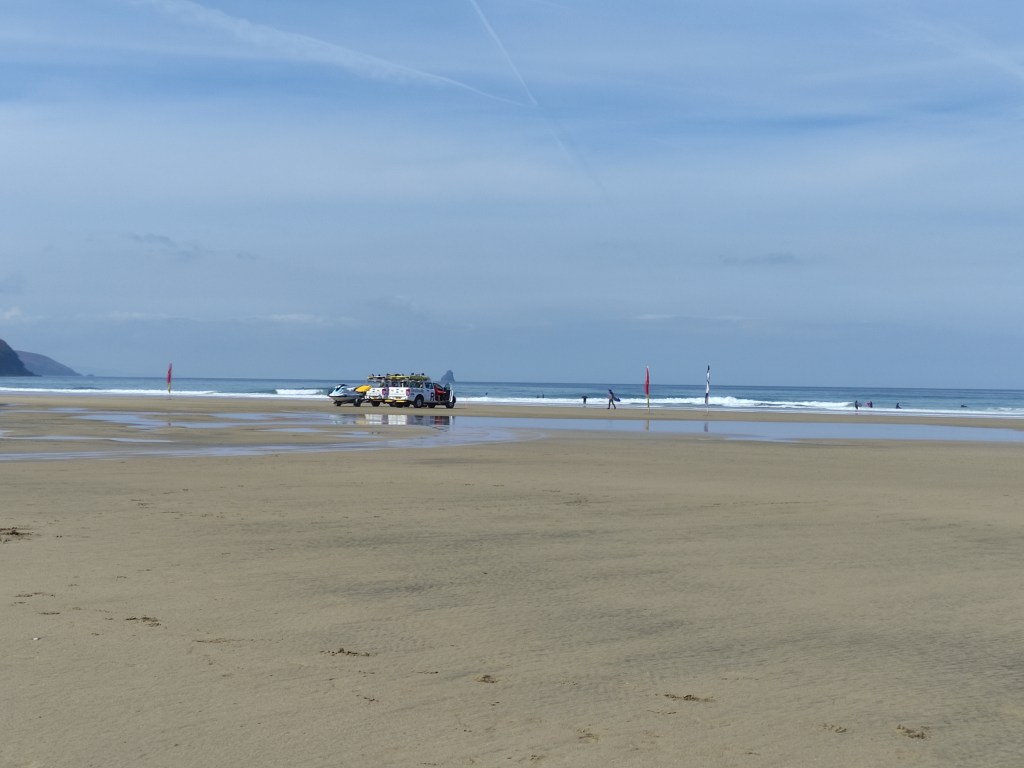
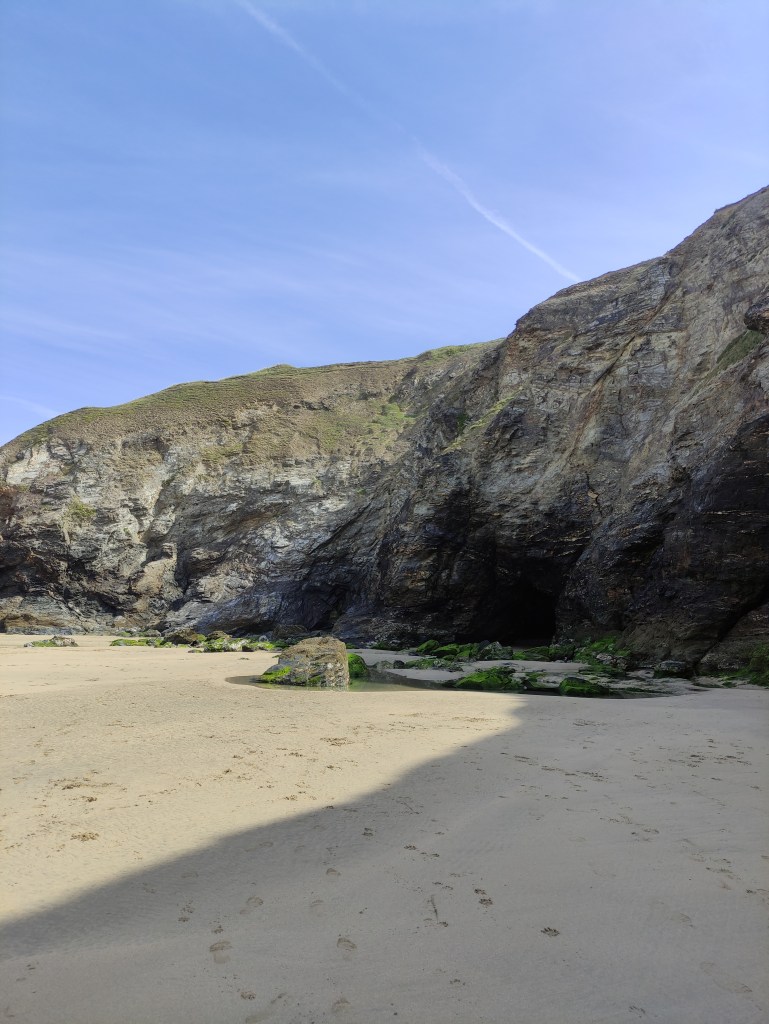
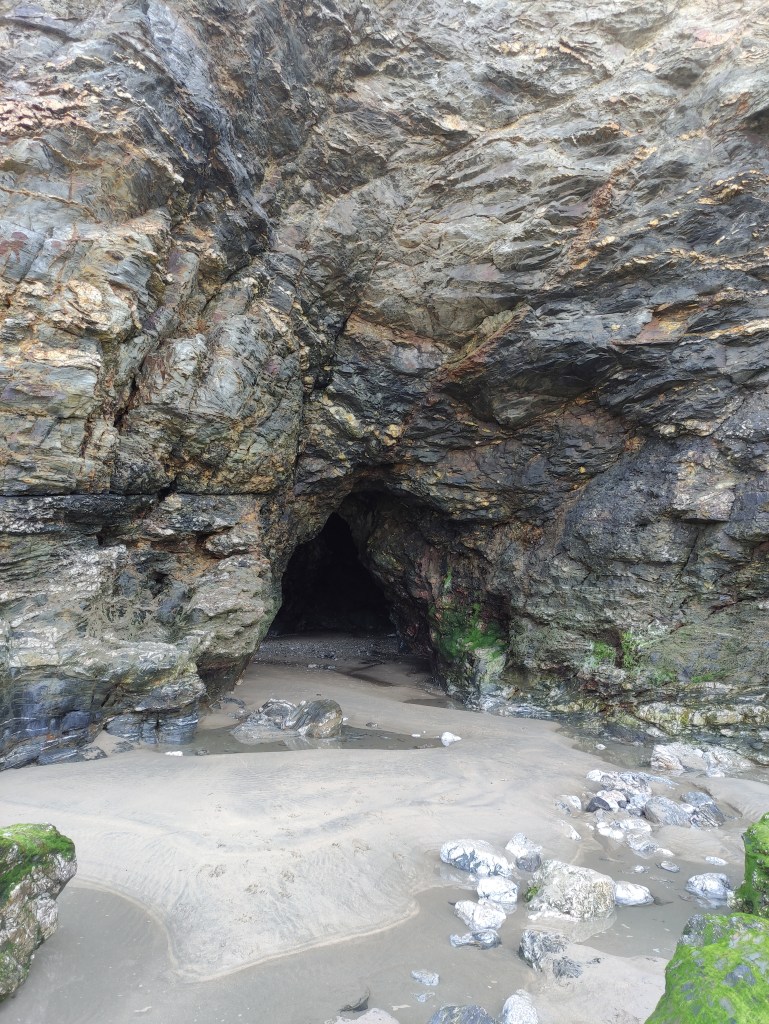
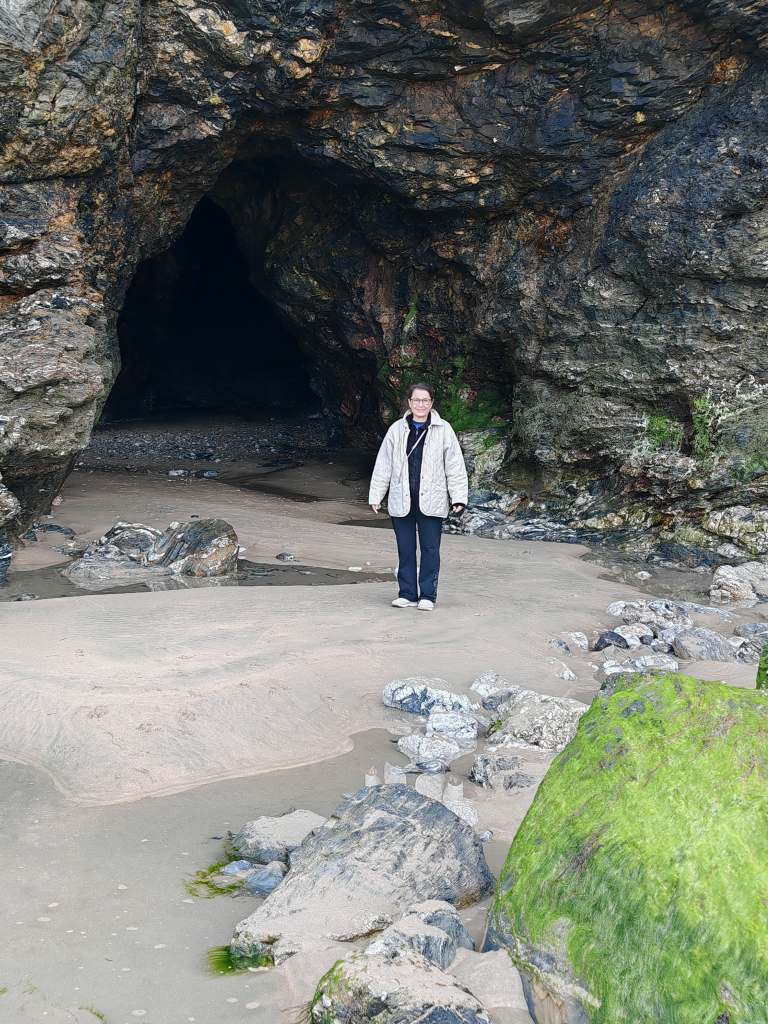
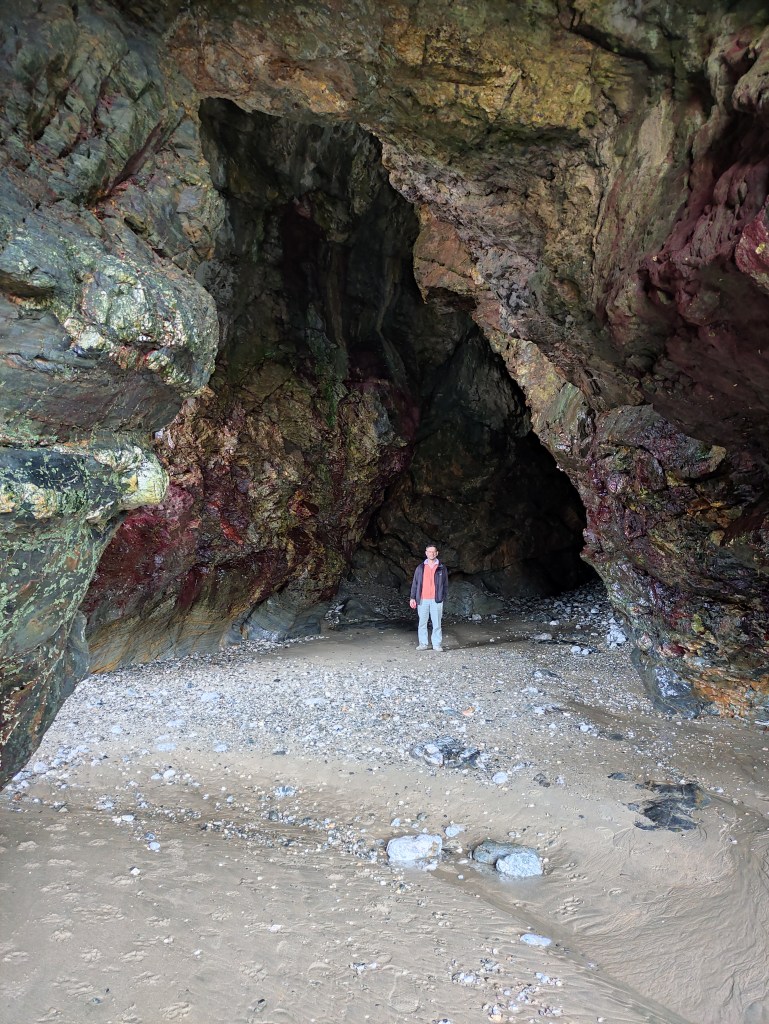
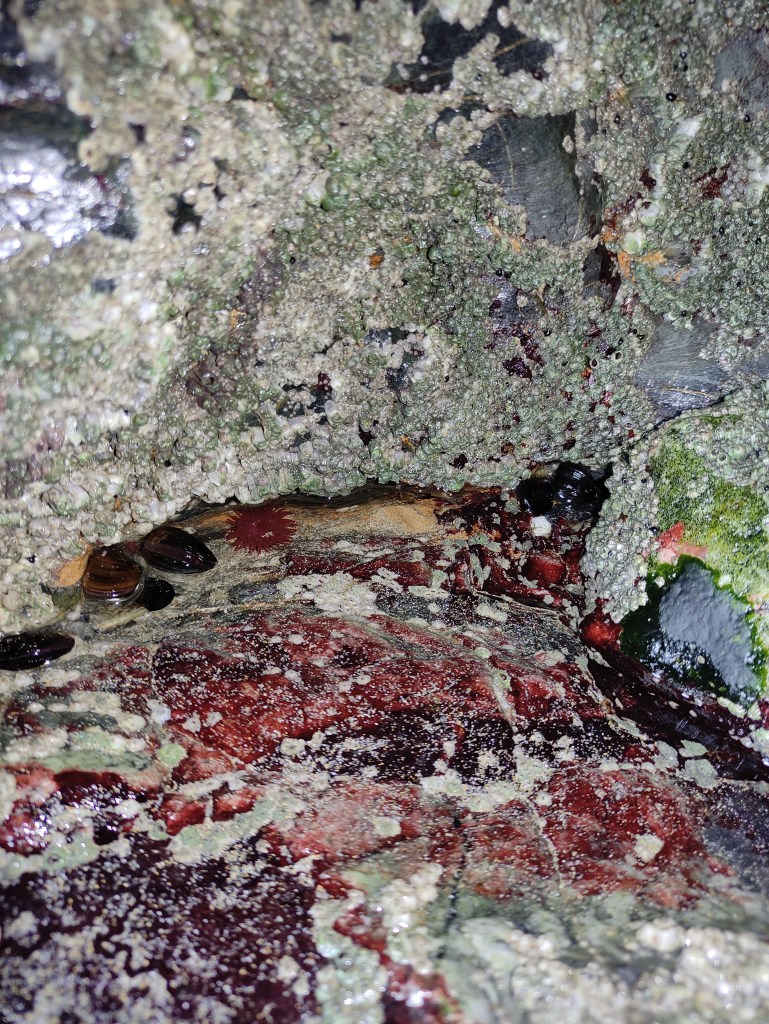
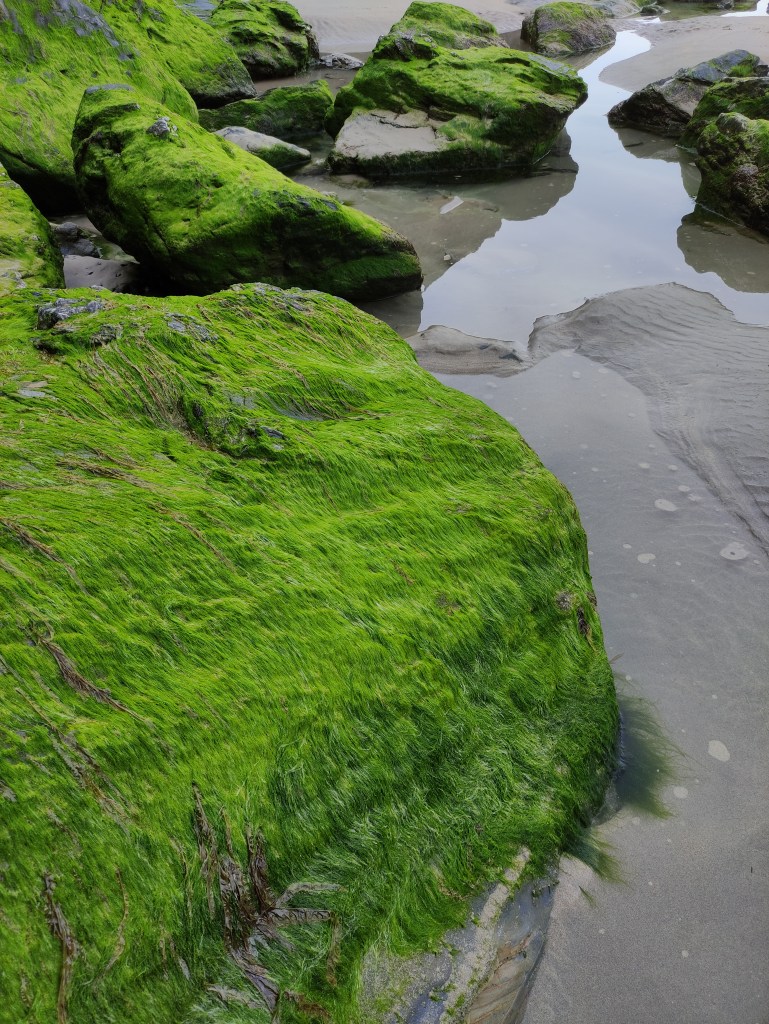
We saw him than with his horse on Perranporth Beach, where my husband and I took a long walk. The beach is immense; at this time of year, it’s almost deserted except for dogs walking their owners or crazy surfers who can’t resist the temptation to throw themselves into the ocean waves to ride them. Large caves open their mouths to those brave enough to enter—just a few meters in, as far as I’m concerned. A couple of centuries ago, they were surely ideal places to hide contraband or evade the law.
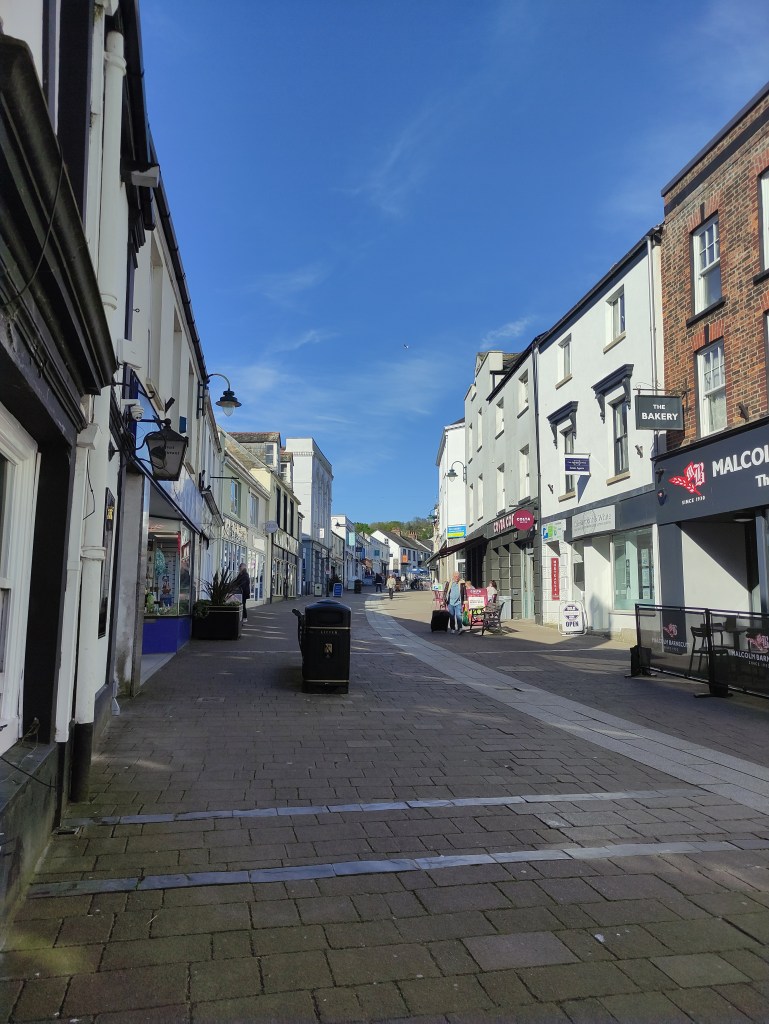
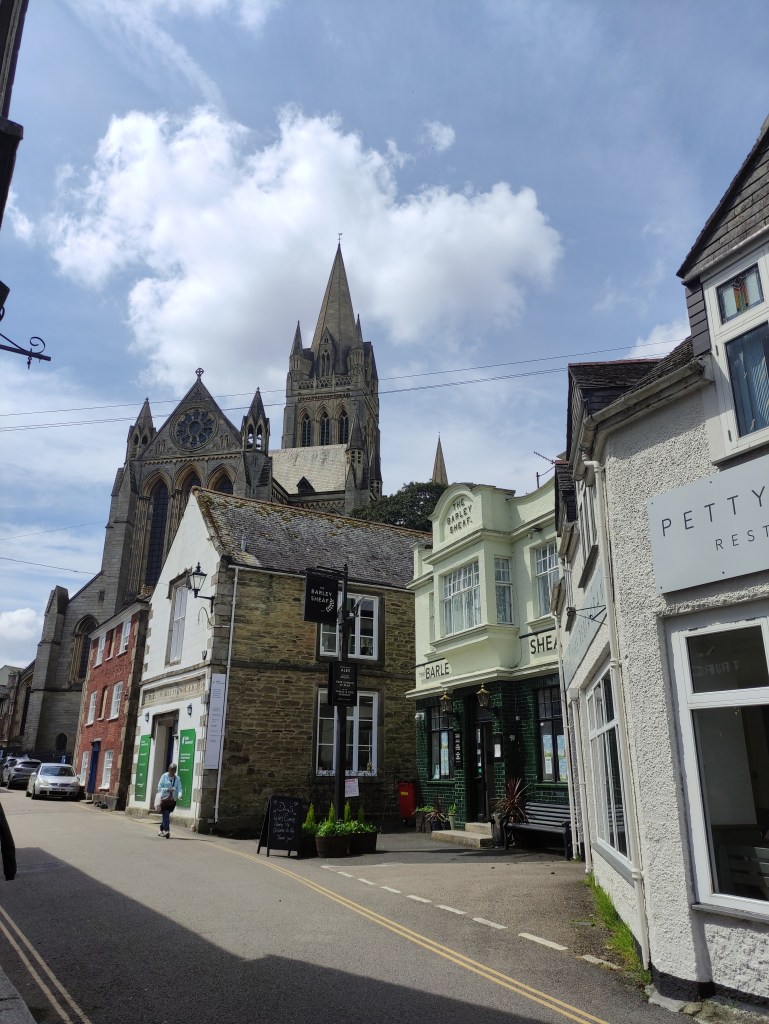
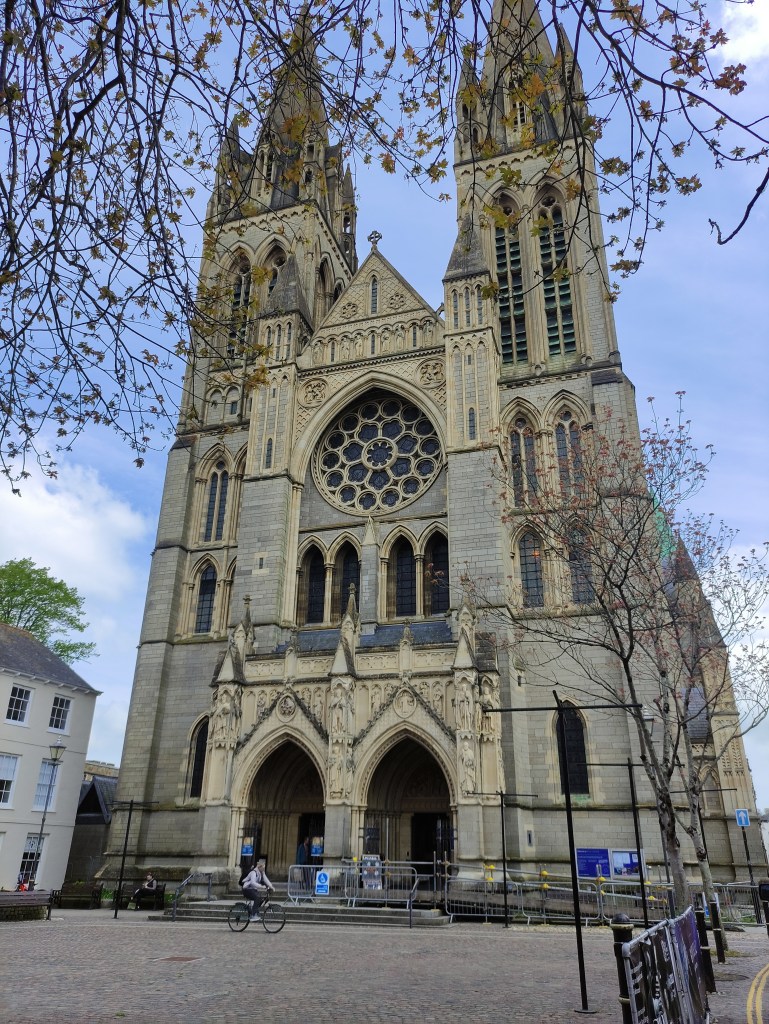
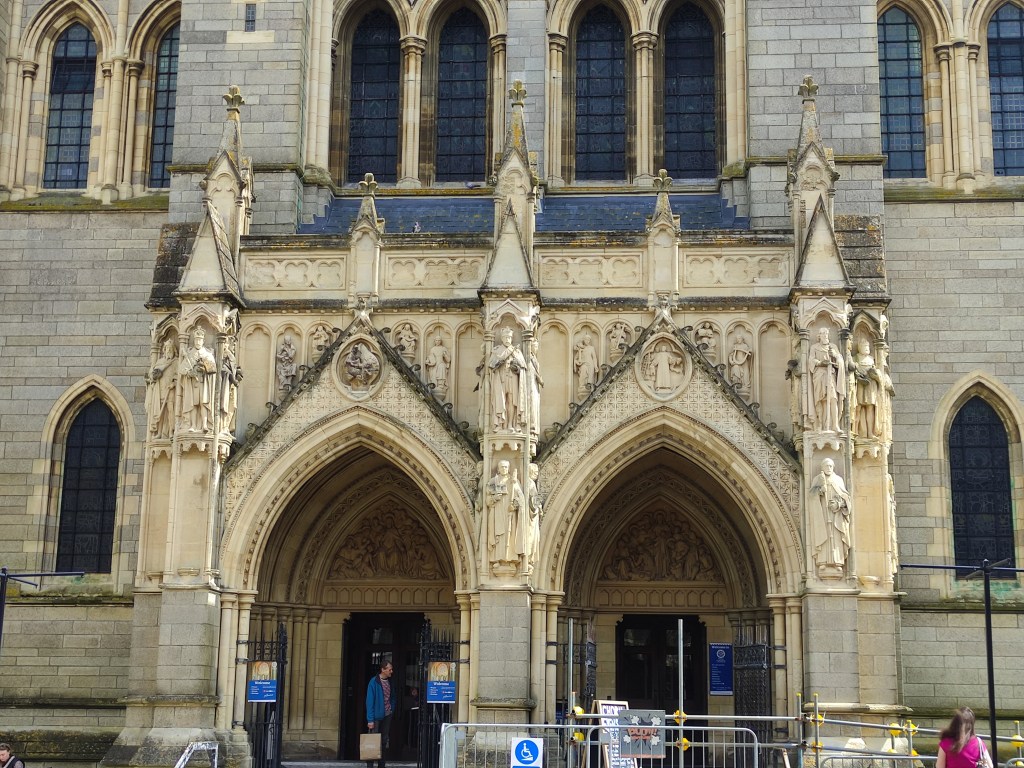
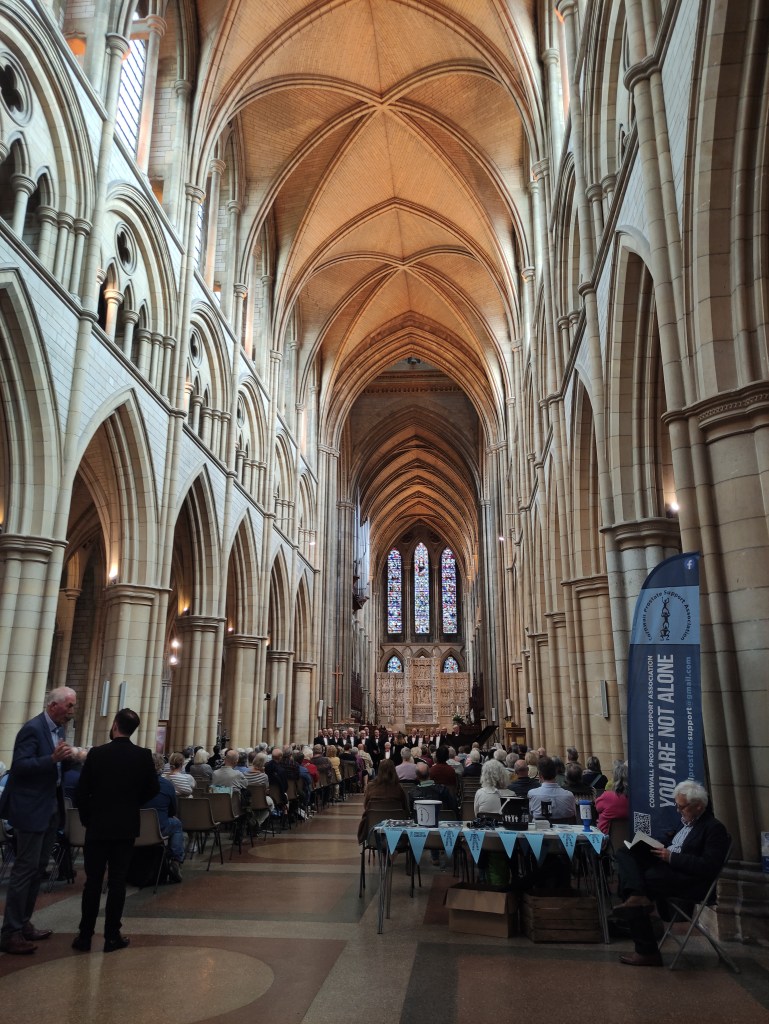
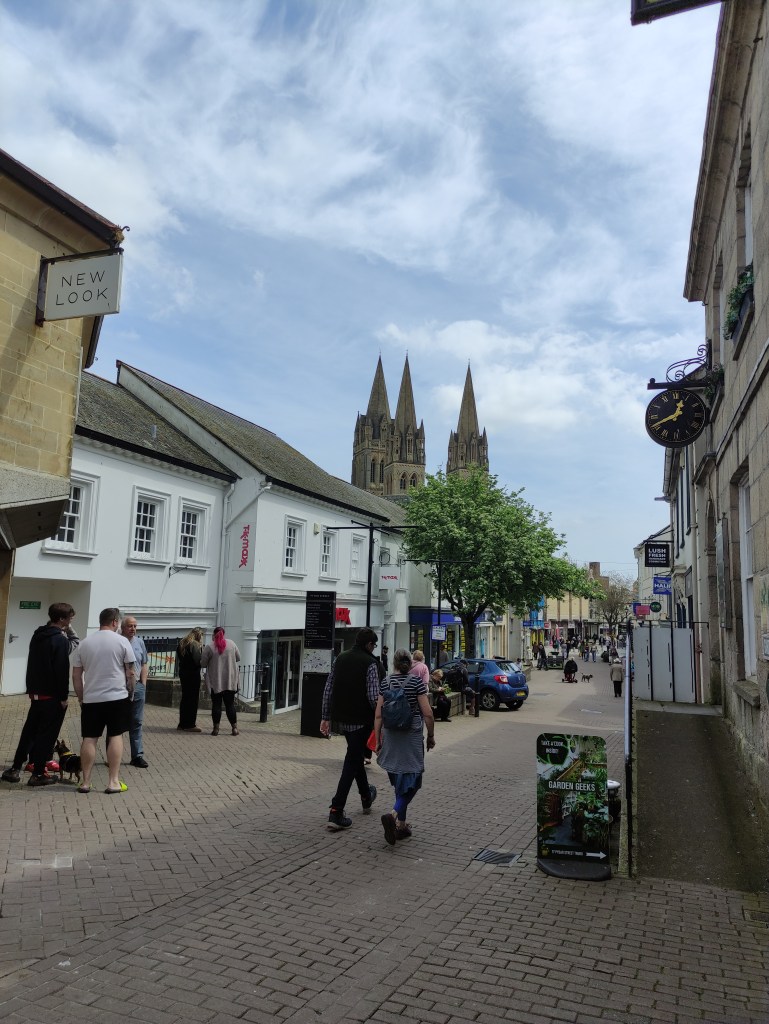
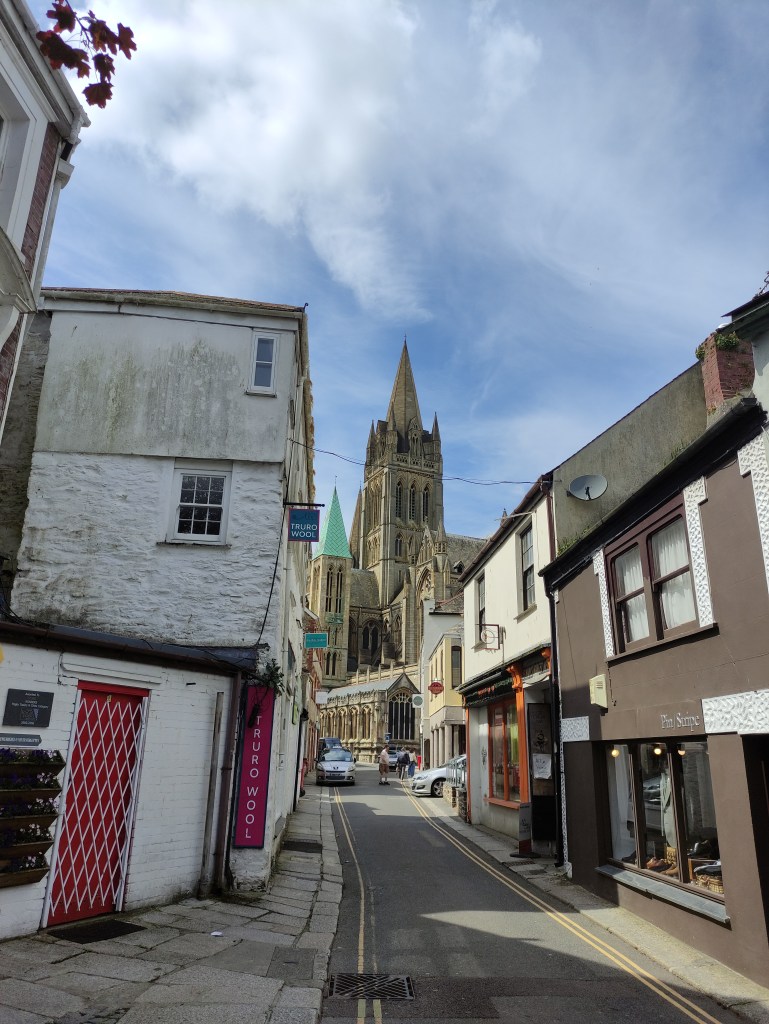
When our son returned to the stables, we waited for him and then the three of us went to visit the town of Truro. It’s a city a bit larger than the others, boasting a neo-Gothic cathedral from the early 1900s. Wandering a bit through the narrow streets, you could see the spires of the facade from everywhere.
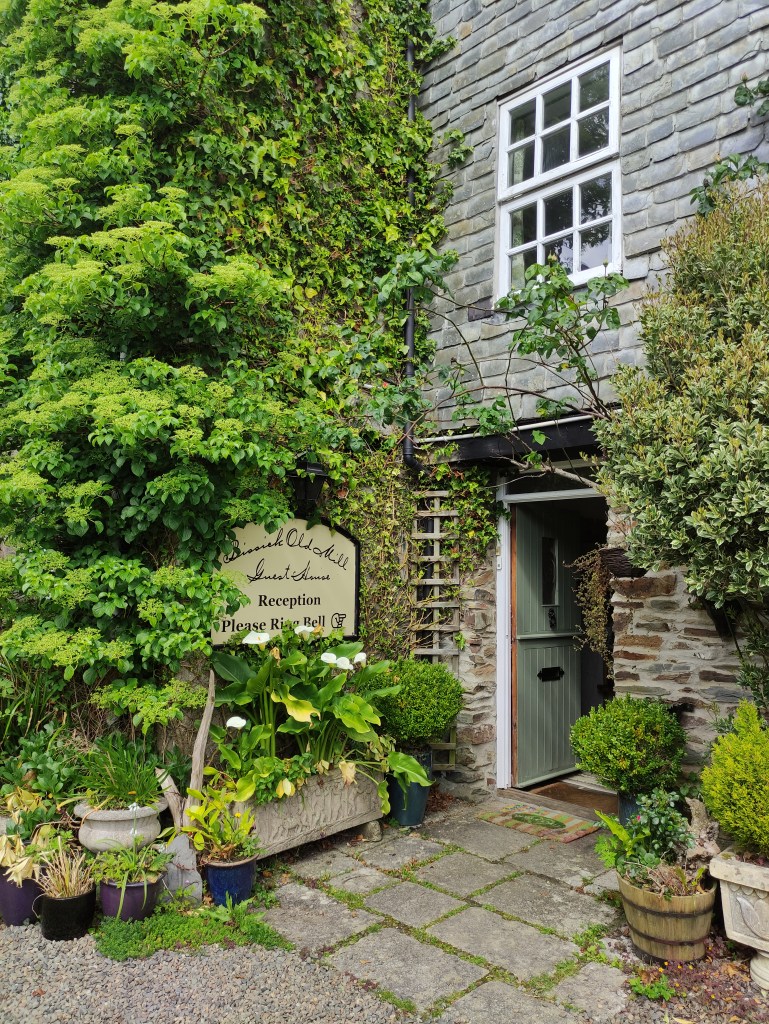
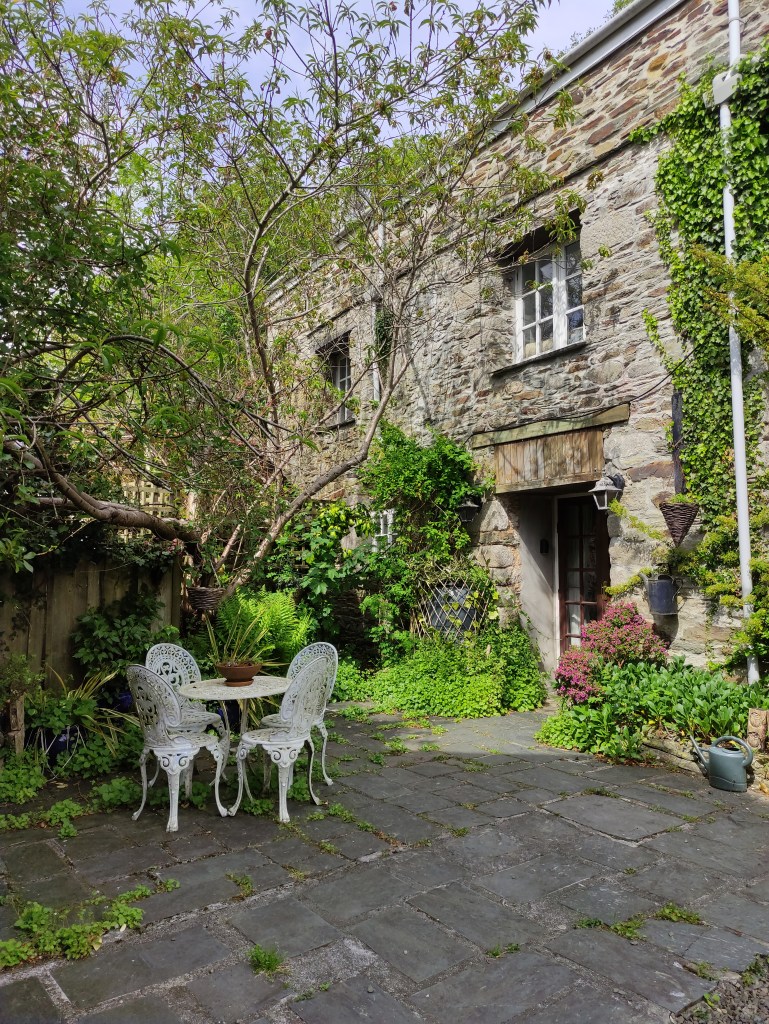
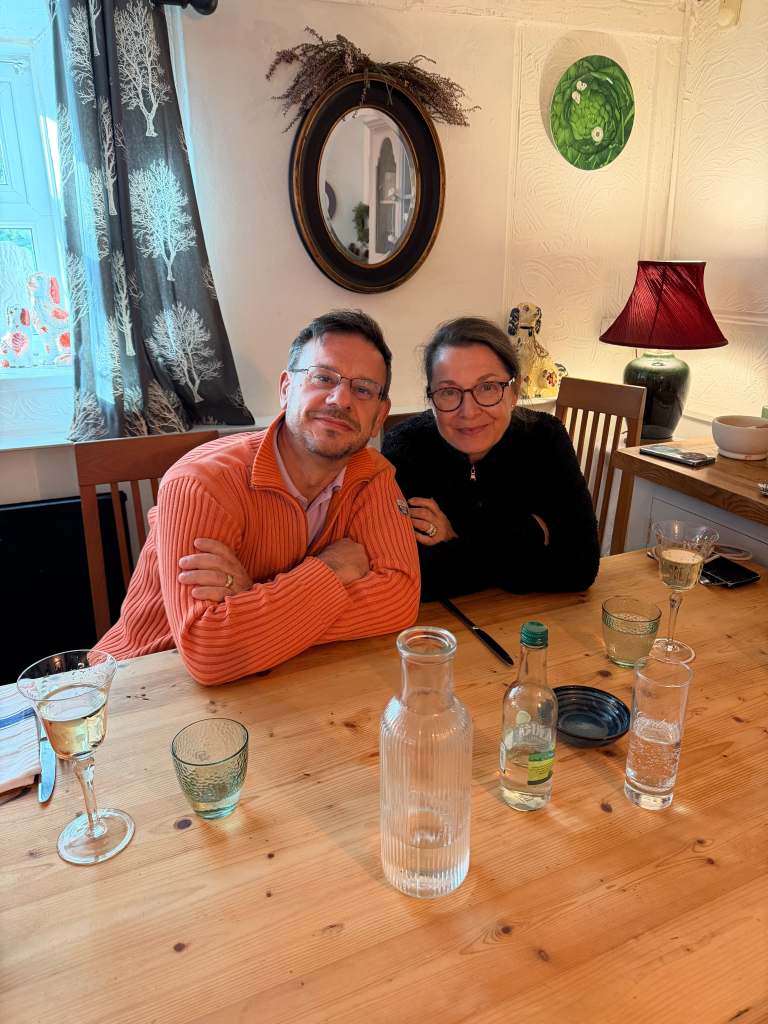
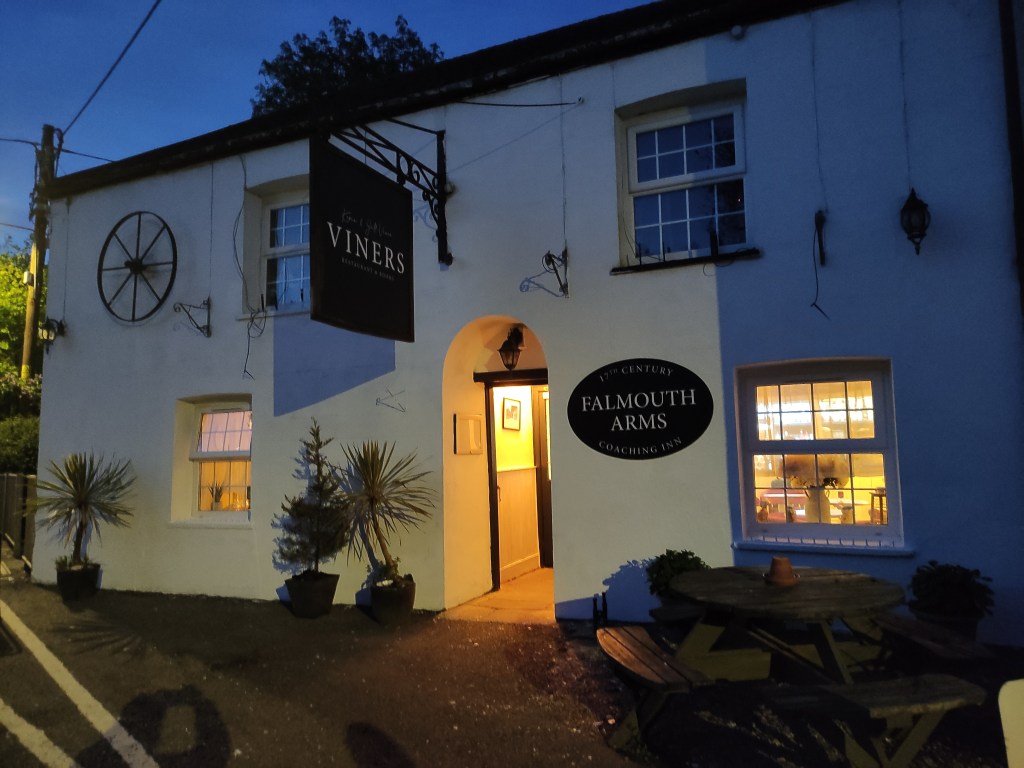
To spend the last two nights, we chose the Bissick Old Mill in Ladock, a stone building covered in climbing vines, perfectly maintained and very cozy. We discovered that it remained a working corn mill right up until the late 1960’s and has since been sympathetically renovated to maintain its character and charm whilst also providing all modern comforts. We had dinner at The Falmouth Arms located just two minutes from our Inn, and to our surprise, we discovered that Mr. Viner chef and owner of the restaurant is a multiple award winner and has even been awarded a Michelin star!
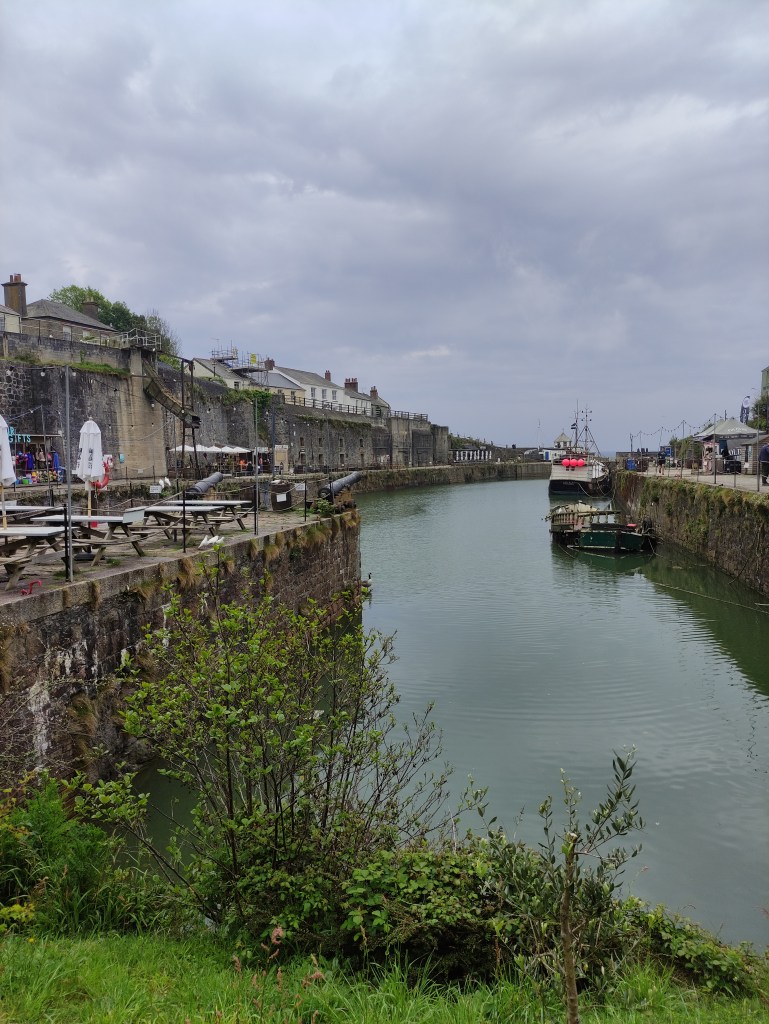
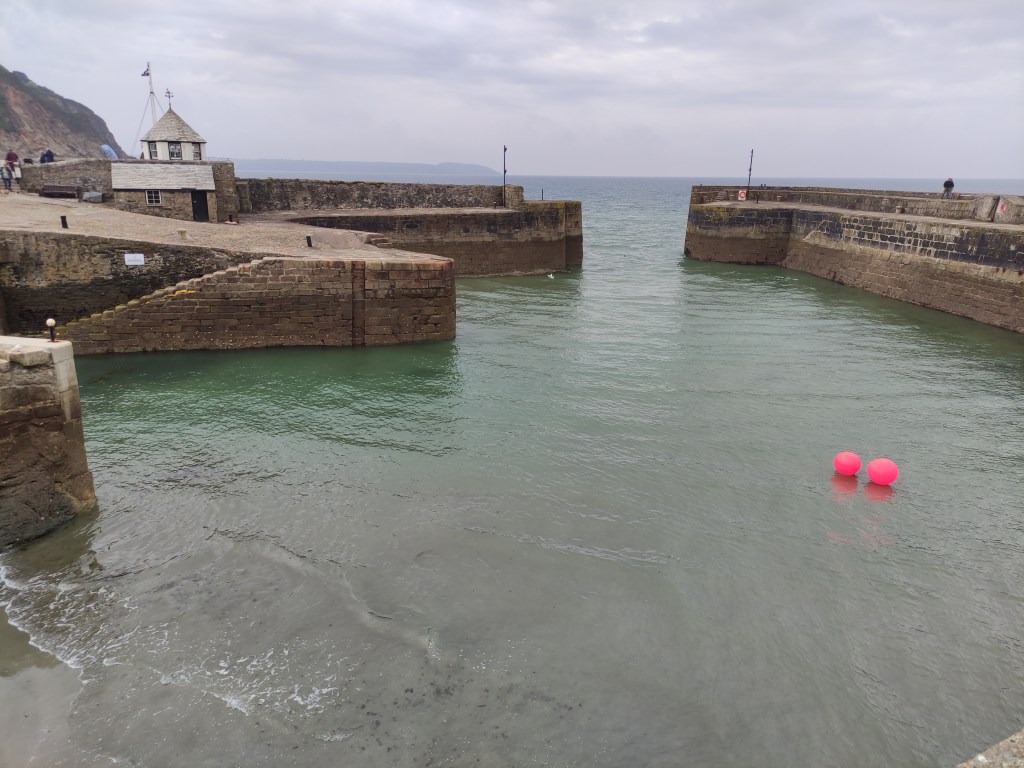
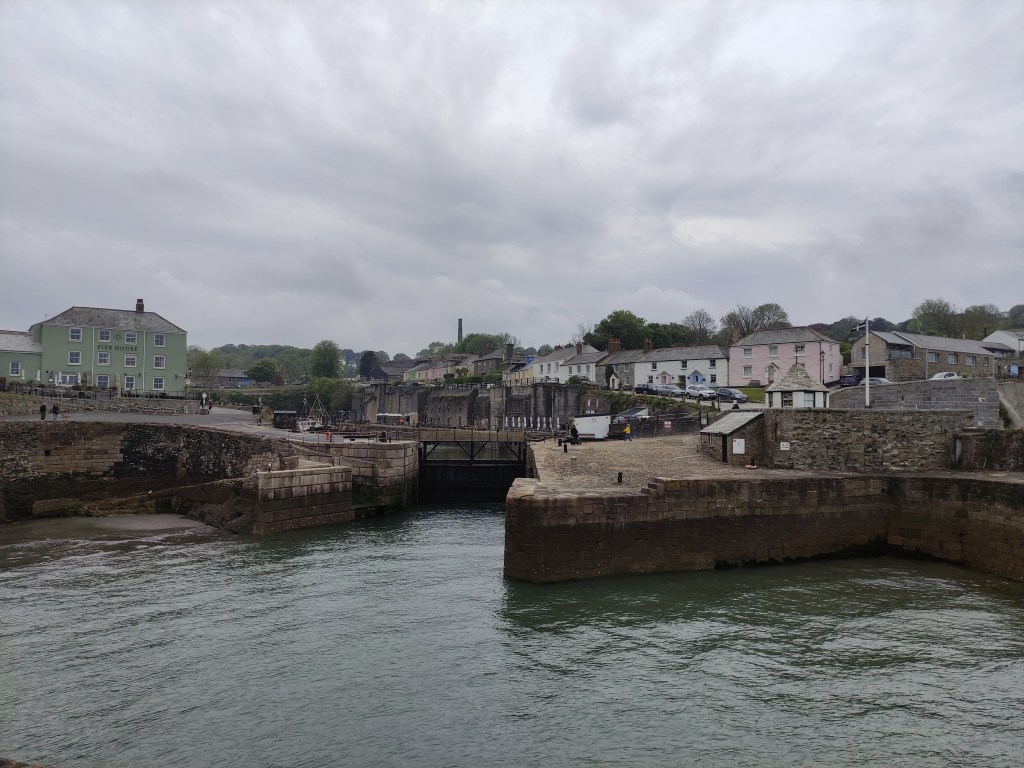
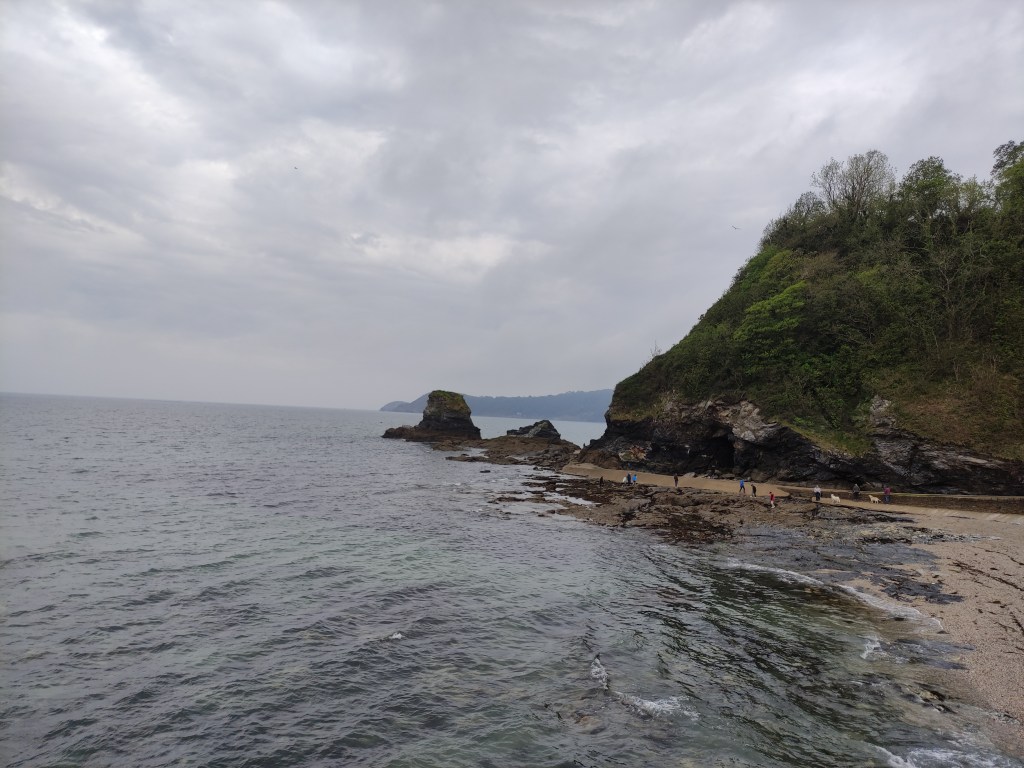
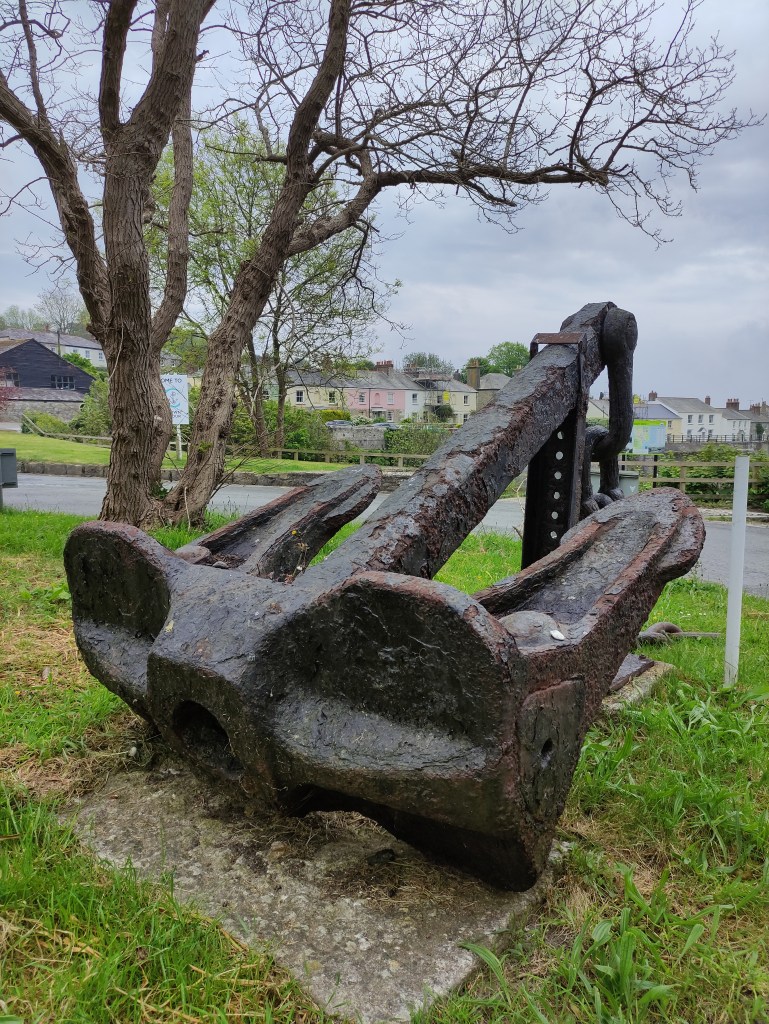
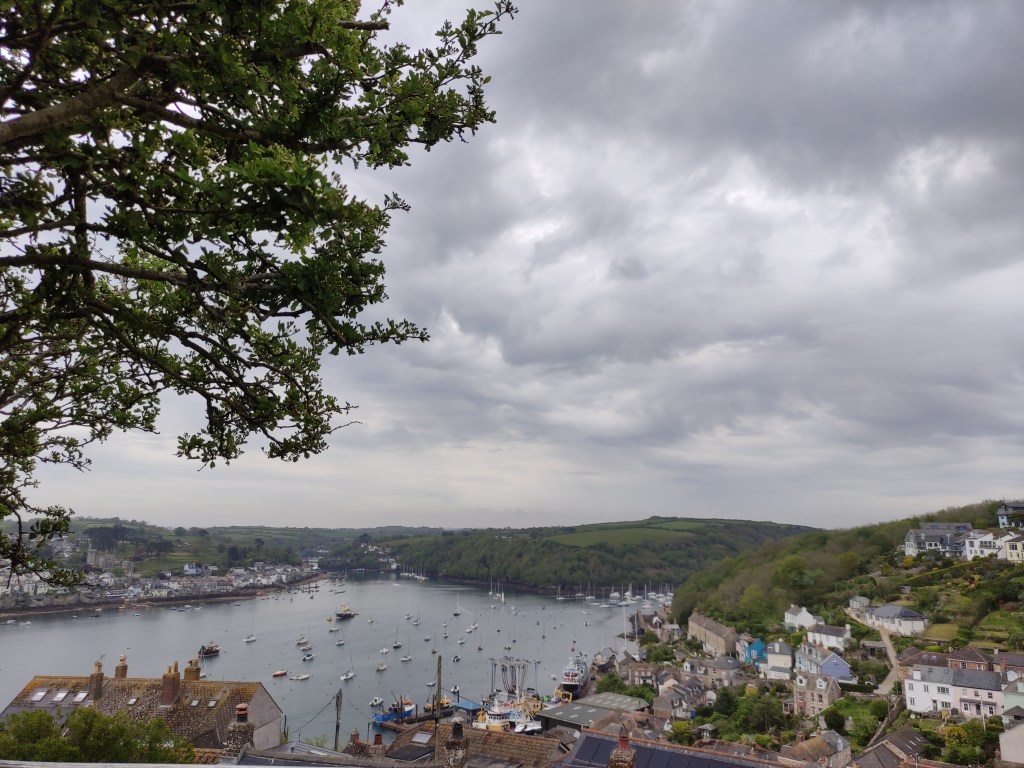
After a delicious breakfast at Bissick Old Mill, we hit the road again. Our next destination was Charlestown, also known as Port Meur.
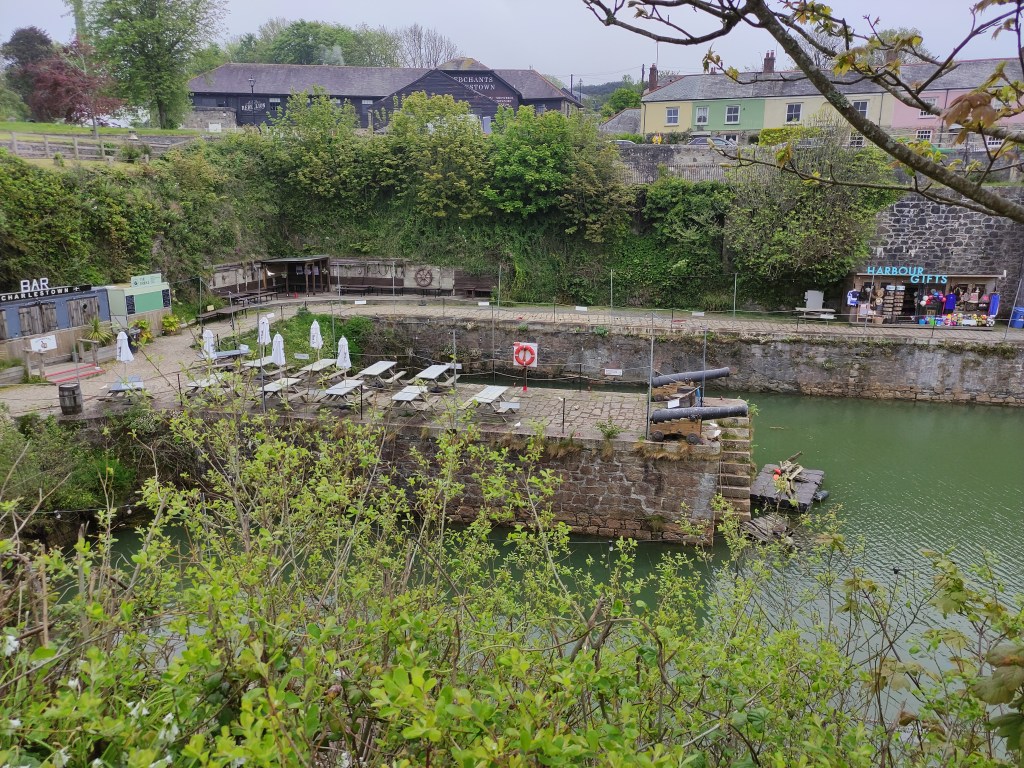
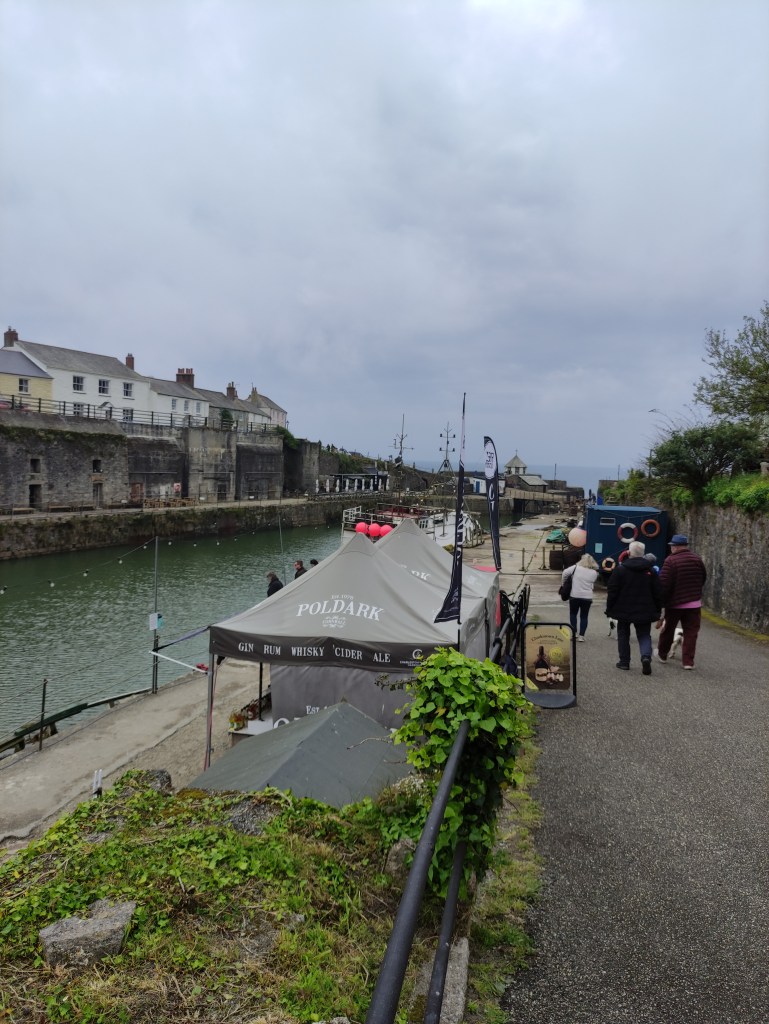
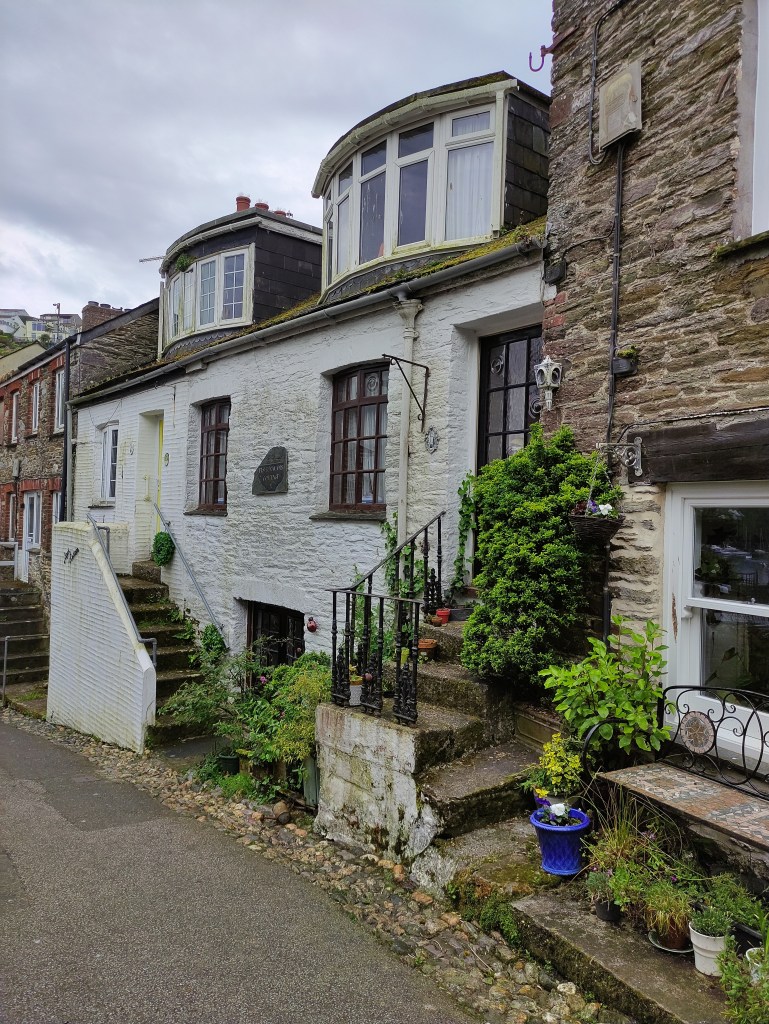
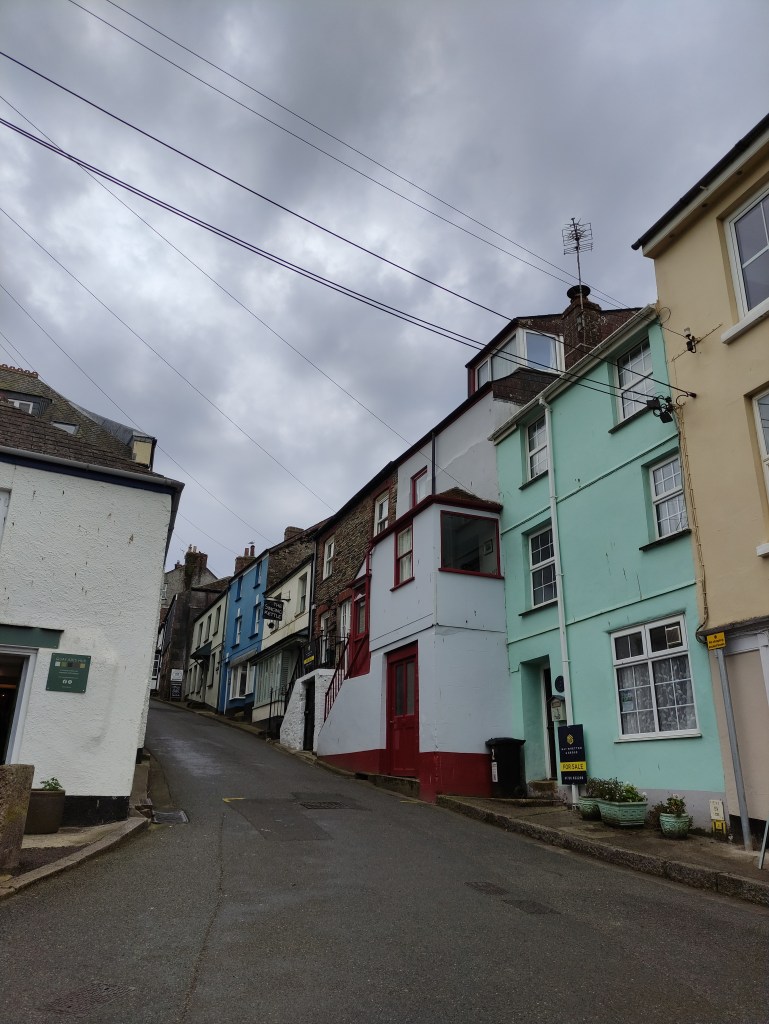
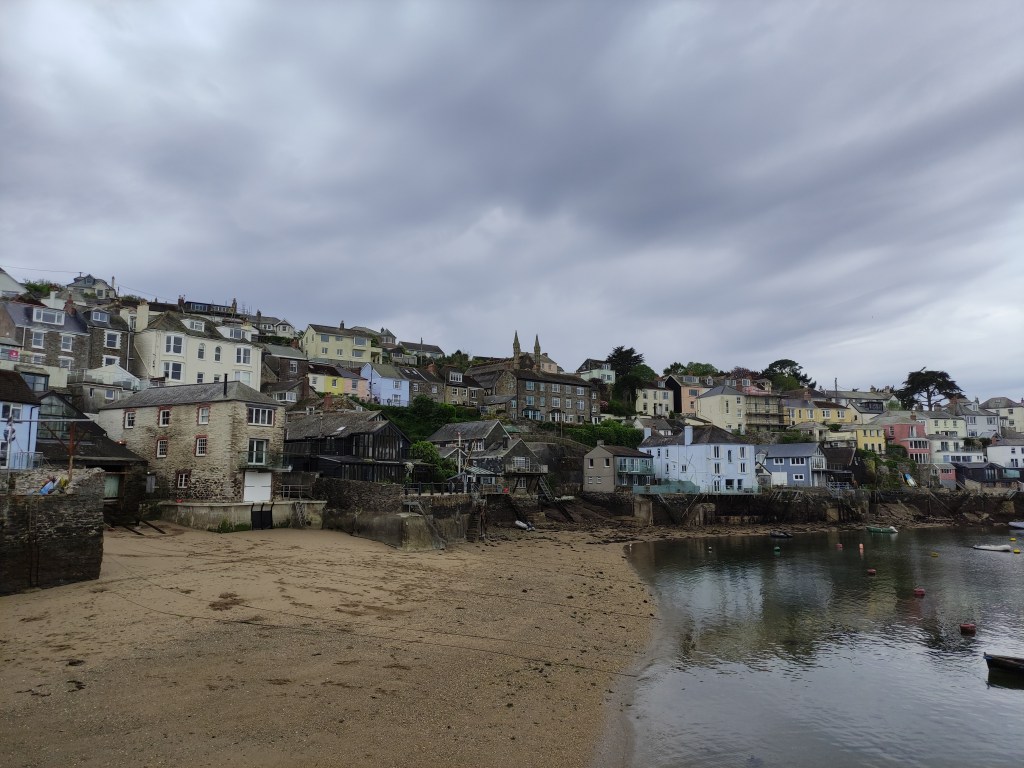
Once a thriving working port, built to export copper and china clay, Charlestown’s main industry is now serving as a film set (more than 20) and welcoming visitors who want to follow in the footsteps of sailors from the past. Beautifully preserved, the pretty pastel-colored fishermen’s cottages line the harbor, with a nice selection of places to eat, drink, and shop scattered throughout as well.
We walked around and browsed the little shops, tots of nice things, some of which are made by local artisans, but most of it is the usual “Made in China.”
The historic harbor has been home to many old “ladies of the sea” (tall ships) over the years. These days it is home to a number of vessels, the main one being the Ann of Charlestown, a topsail schooner built in Denmark in 1930. There are also a couple of Looe luggers, a Bristol Cutter, and several other historic boats. Of course, since they’re boats, this day they were not anchored in Charlestown.
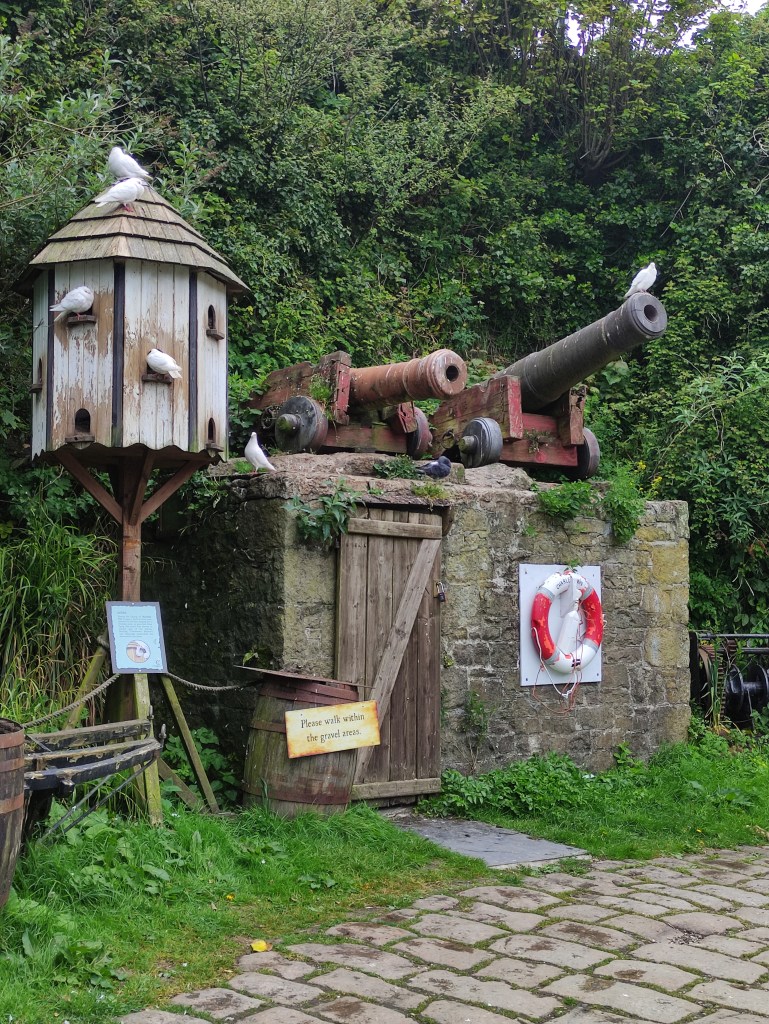
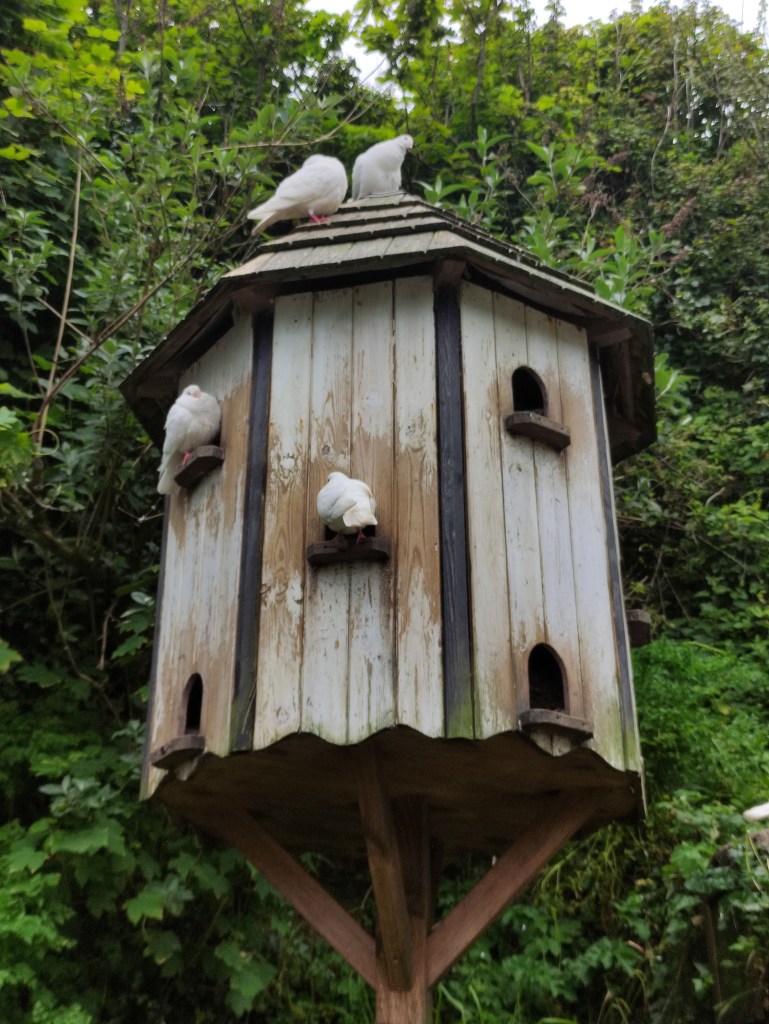
One curiosity is the “dove tower,” which was used in 1999 for the filming of a movie
starring Frances O’Connor as the grown-up Fanny Price and Harold Pinter as her uncle Sir Thomas Bertram. The producers brought 200 white doves there to feature in one of the dramatic closing sequences. Then they left them there, and a kind-hearted local woman took it upon herself to bring the doves 25 kg of grit every two weeks. Later, in Polruan, we left the car at the top of the hill in the usual tourist parking lot and walked down a narrow footpath to the village.
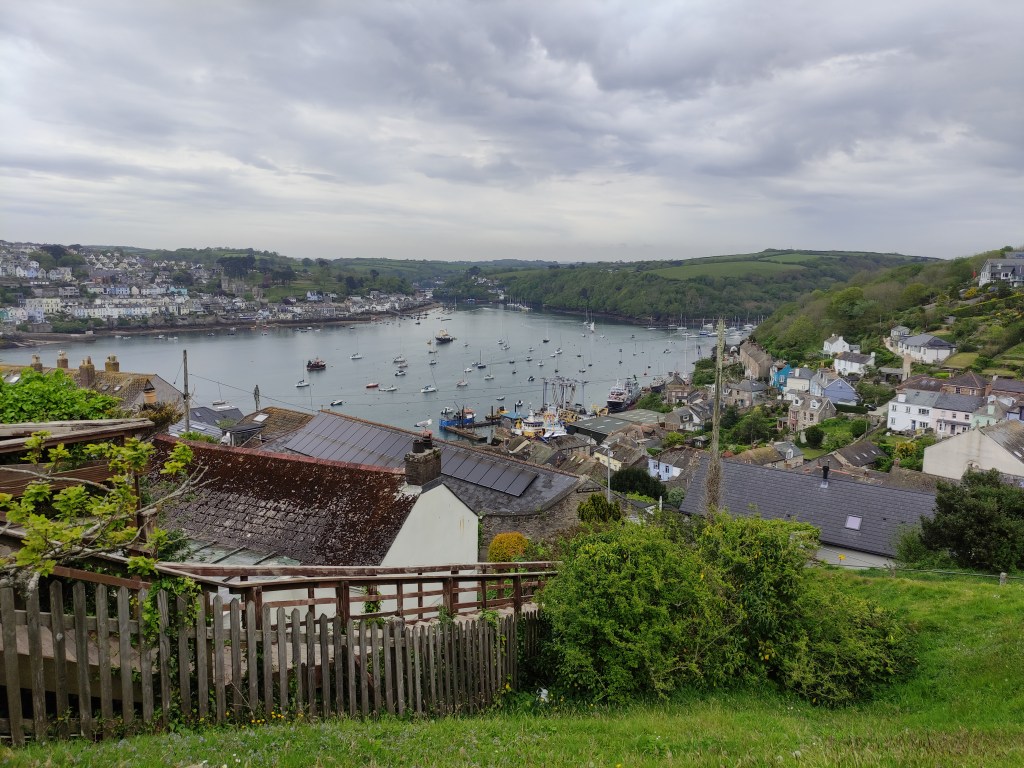
Polruan has never been a center for fishing, although it is often mistakenly called a fishing village. In the 1851 census, only four men listed their occupation as fishermen; the majority were involved in shipbuilding or were seamen. In the medieval period, Polruan produced some very large ships used in the wine trade with Bordeaux. In 1343, five Polruan ships were in the King’s service. A century later, the Edward of Polruan was accused of piracy; its size can be gauged by the number of men it carried, which were 200 men armed and ready for war. Polruan also has a blockhouse fortification built in the 14th century that guards the entrance to the River Fowey, one of a pair—its counterpart being situated on the Fowey side of the river. The Polruan blockhouse is well preserved thanks to the efforts of various enthusiastic council members and conservationists.
After a snack of scones and jam, accompanied by an excellent cappuccino, we then continued our journey toward Polperro.
Unfortunately, the light drizzle we started with had turned into a full-blown downpour. After driving around for a while looking for a parking spot closer to the center, we gave up in disappointment and set off again.
The following day was our last. Since check-in wasn’t until around 1:00 p.m., we decided to go take one last look at the ocean.
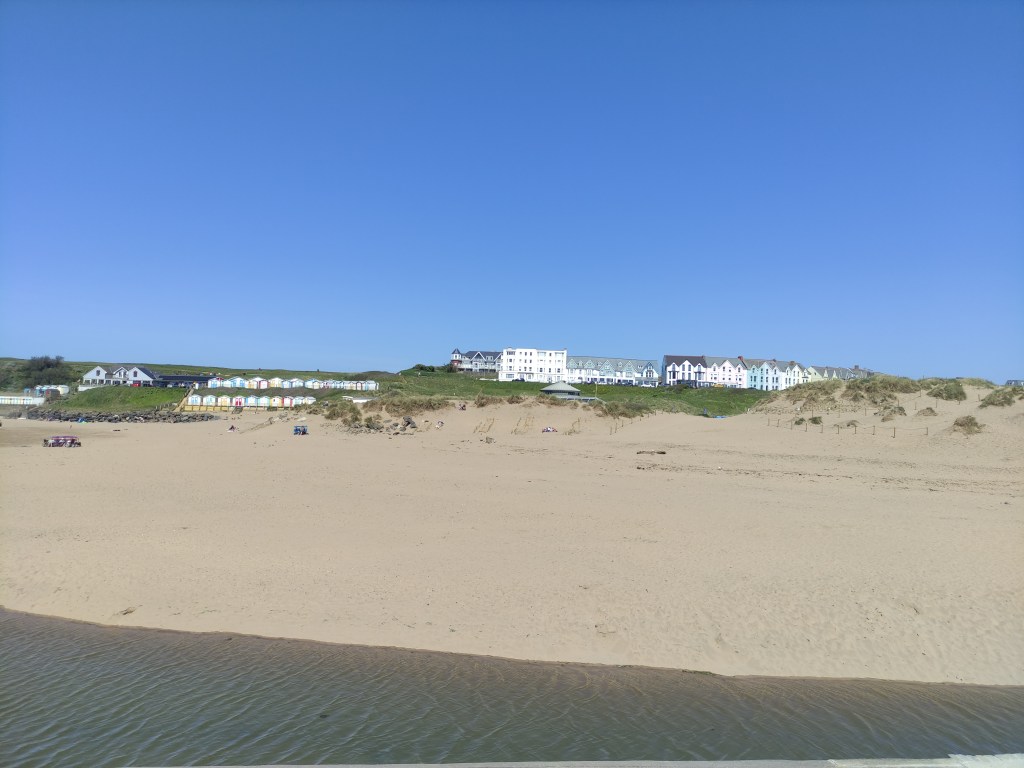
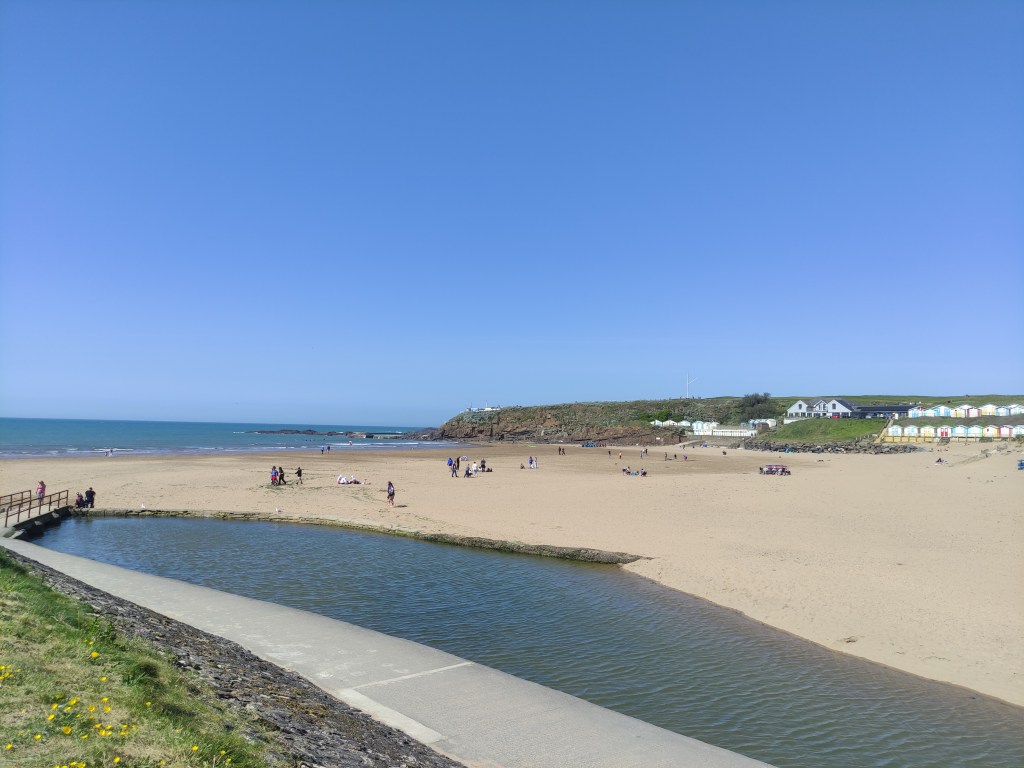
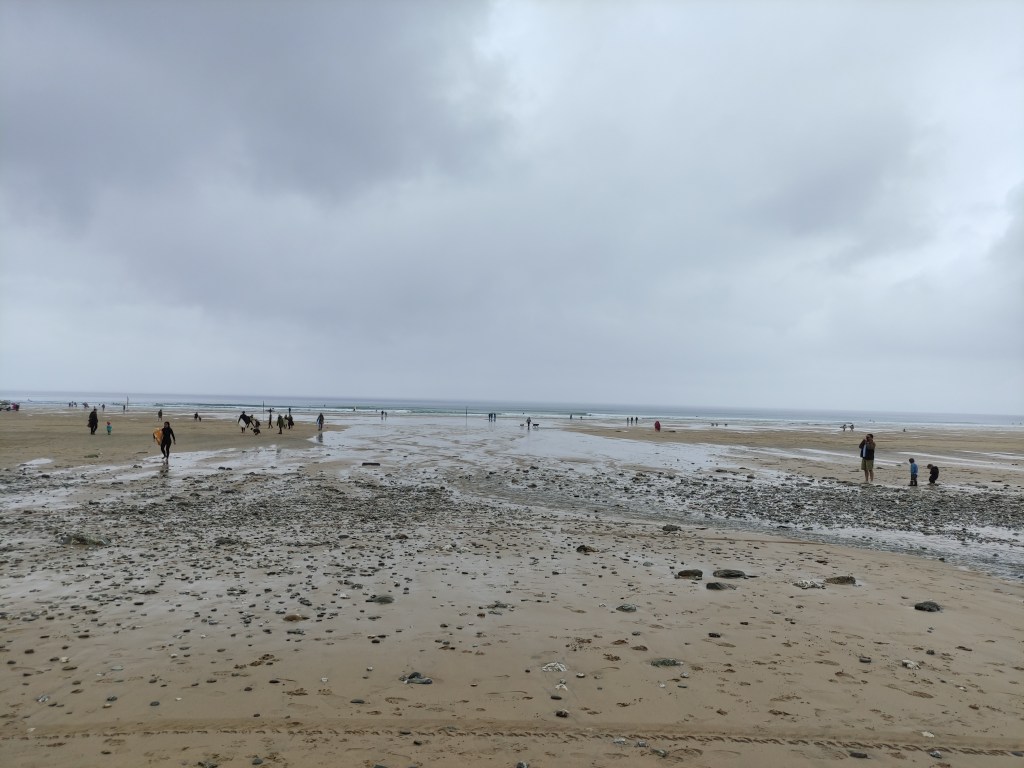
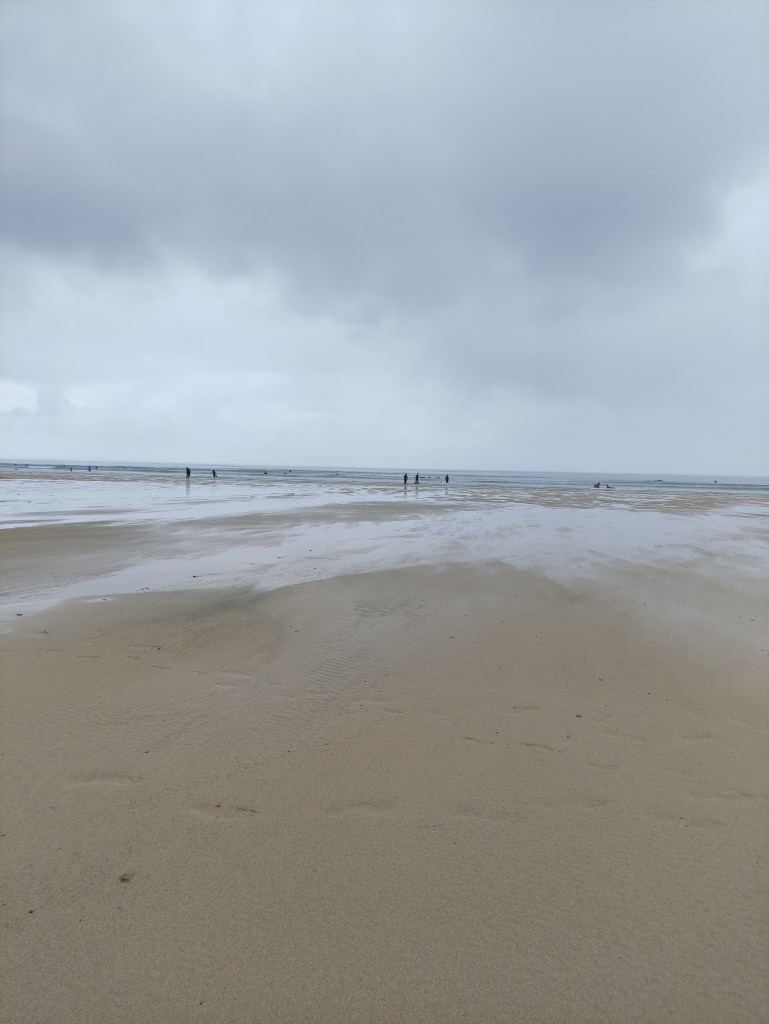
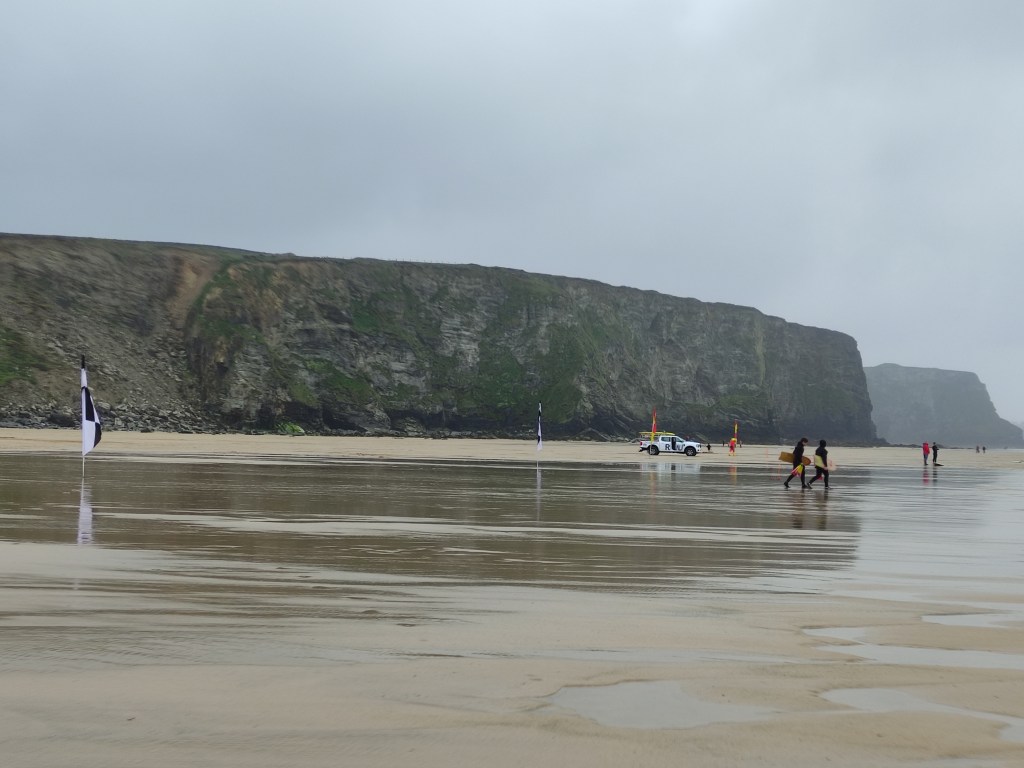
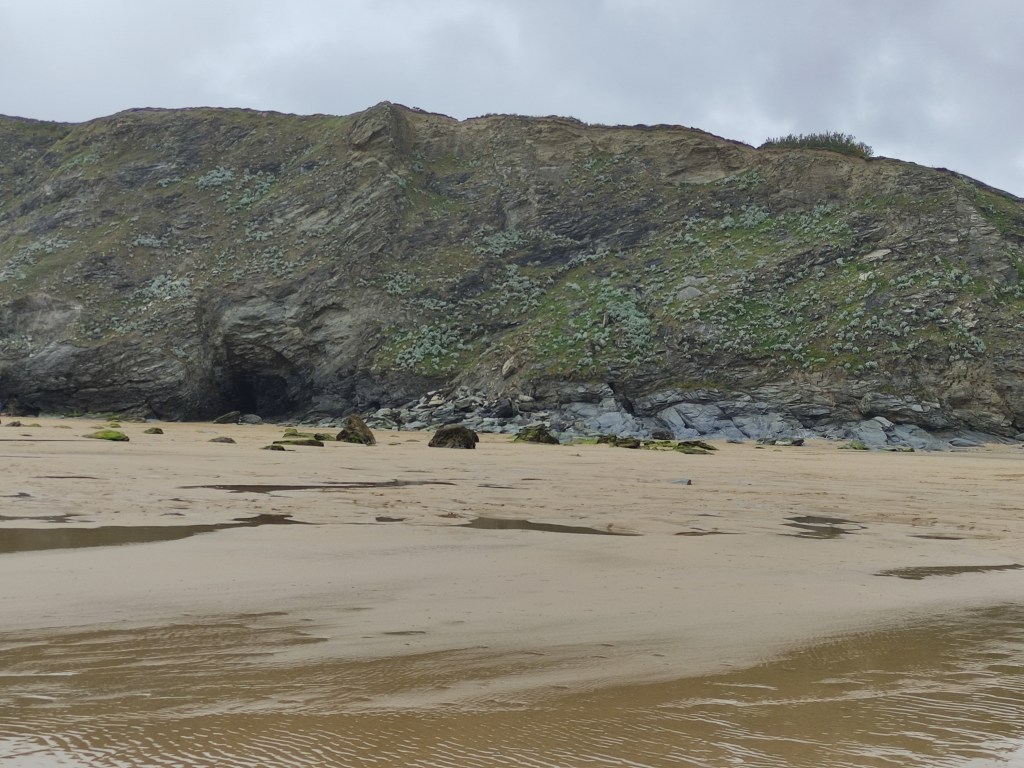
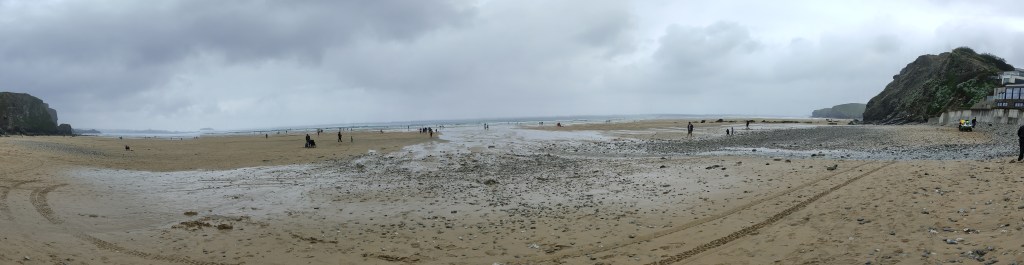
Watergate Bay is huge! Although, to be honest, many beaches in Cornwall are quite extensive…
This place is also a sort of paradise for surfers who, even though flags had been set up to mark the area where they could surf under lifeguard supervision, ventured further out to challenge the enormous waves.
All in all, it was a short but very intense vacation. I was happy to have our son with us, and I’ll admit, I was pretty jealous watching him canter along the beach… I had to give up riding back in 1998. But it makes me very happy to see that somehow (DNA?) my great passion for horses has been passed on to him.
I hope to return to Cornwall—how can I put it? A little piece of my heart stayed there!
 Claudine Giovannoni