
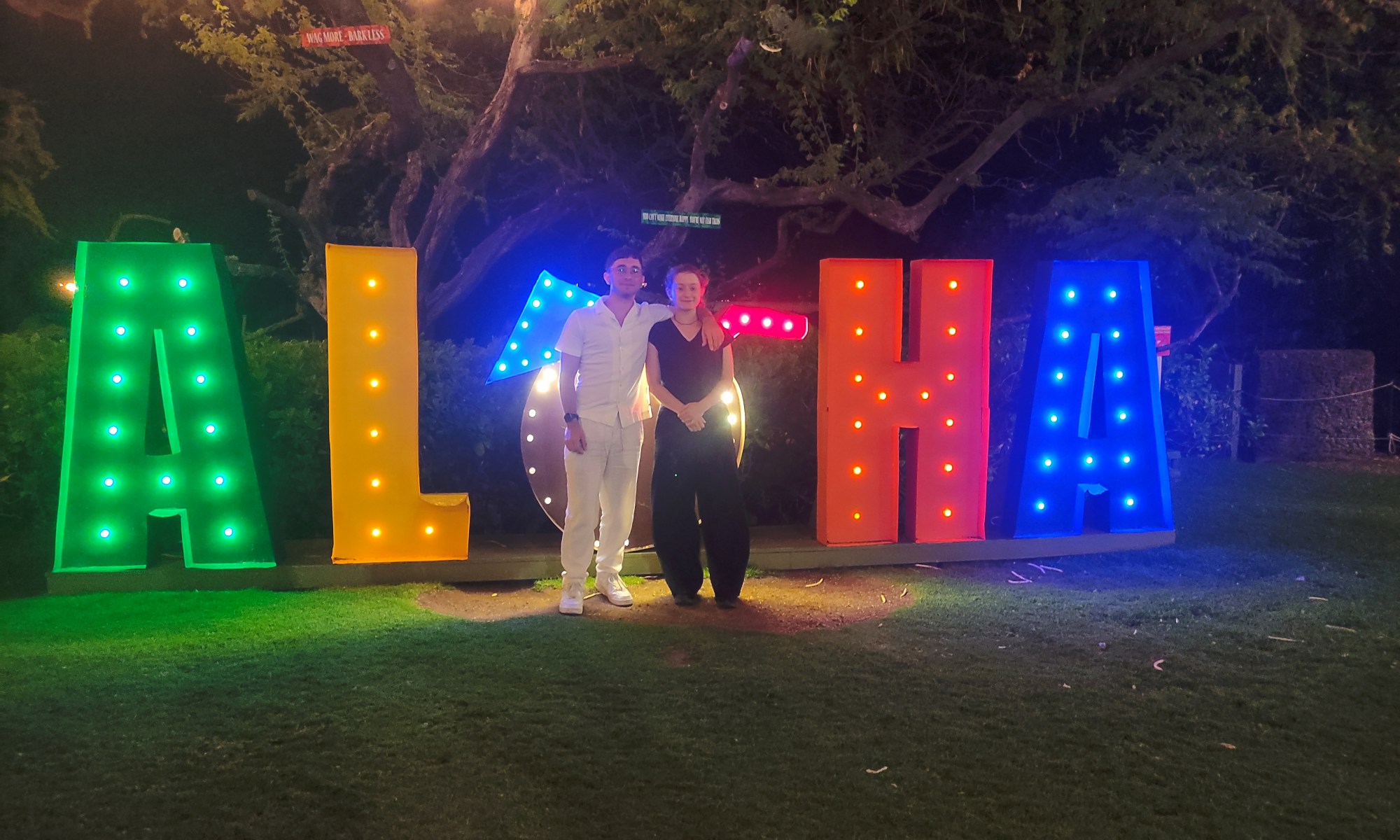
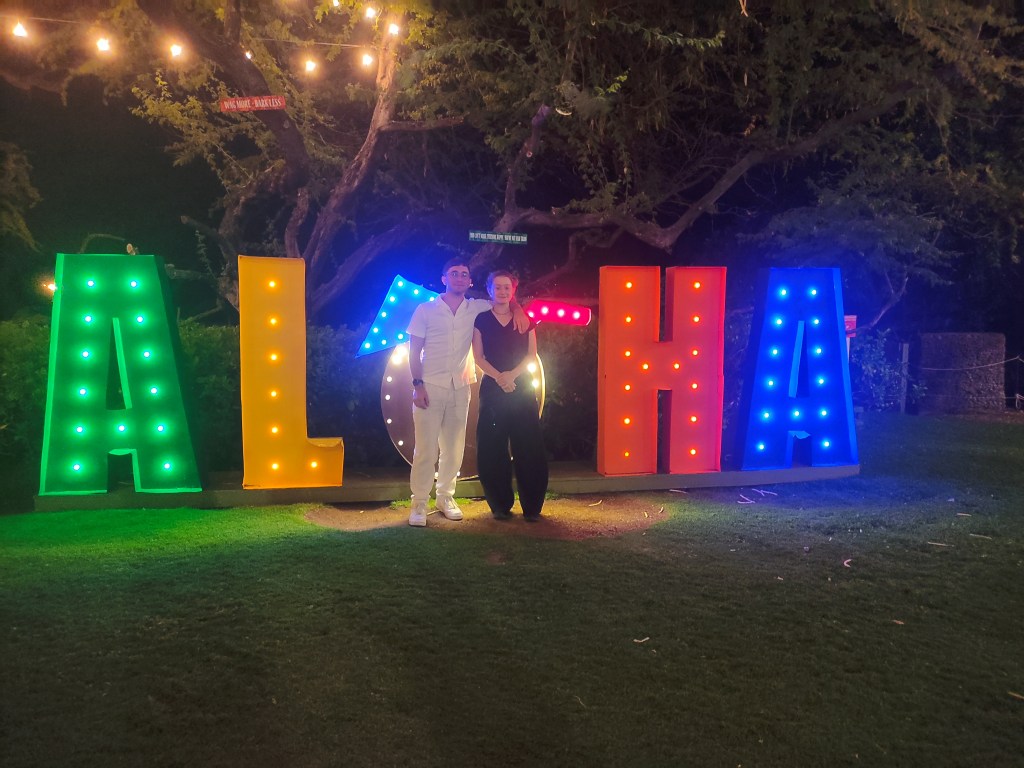
When you dream for a long time, imagining in detail what you desire so intensely… everything can become reality. Breathtaking volcanoes, lush valleys, cascading waterfalls and much more, this is the Big Island. This island is like nowhere else. It’s a unique culture and the value of its people, is what makes this place so special. Spanning over 4,028 square miles, Hawai’i is a land of extremes. Where untouched beauty stretches from active volcanoes to snow-capped peaks, green pastureland’s to vast lava deserts. Not forgetting the lush rain-forests to vibrant valleys and beaches with sand in shades of white, amber, gray and black. It is home to all but four of the world’s climate sub-zones.
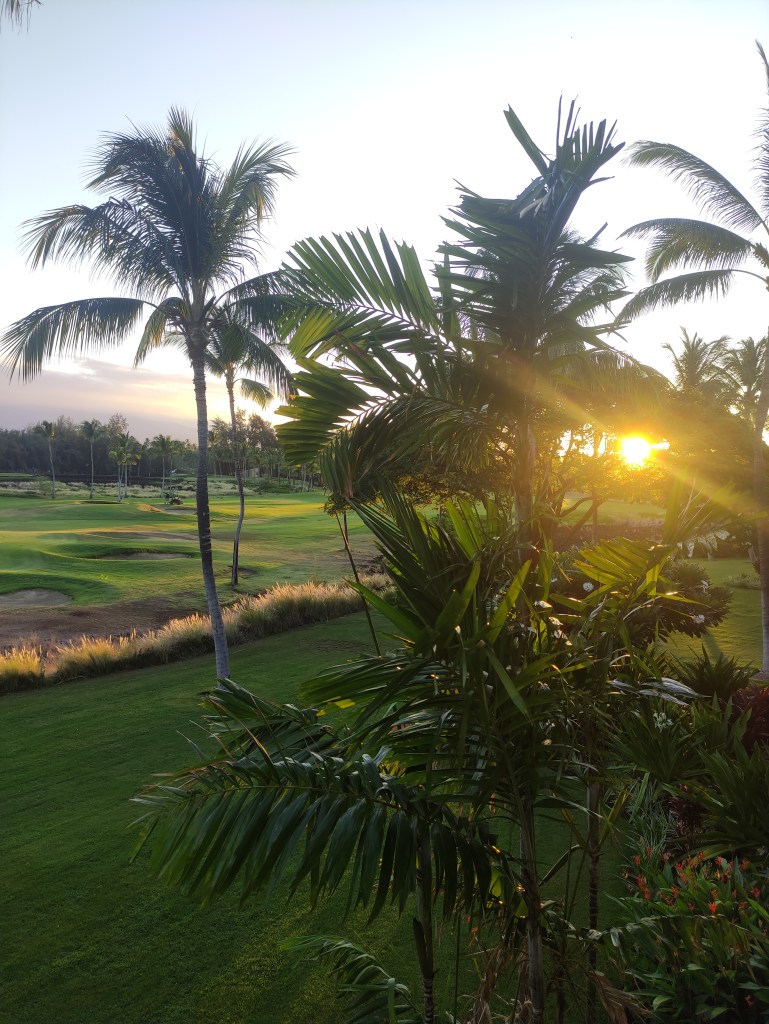
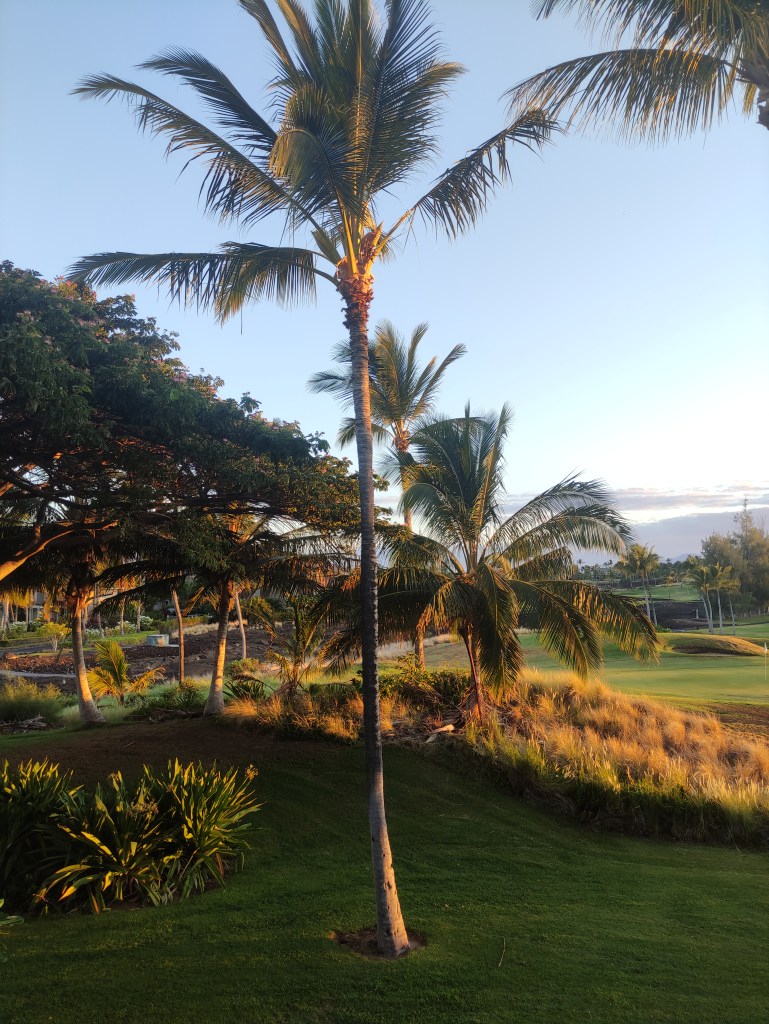
From München we flew with United Airlines, a member of the Star Alliance. Aside from the flight duration, which totaled nearly 20 hours, not including waiting times at the various airports, everything went smoothly. When we travel with family, we prefer more freedom. We rented an apartment in Waikoloa Beach Villas, which is about a twenty-minute drive from Kona Airport on the west coast of the island.


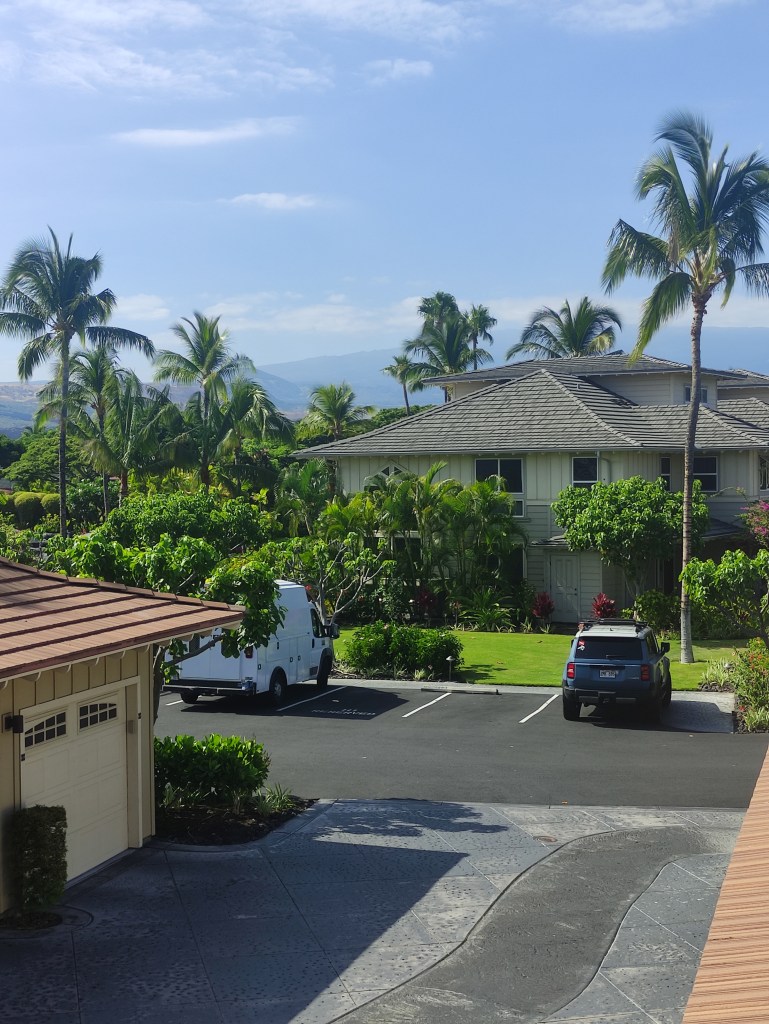


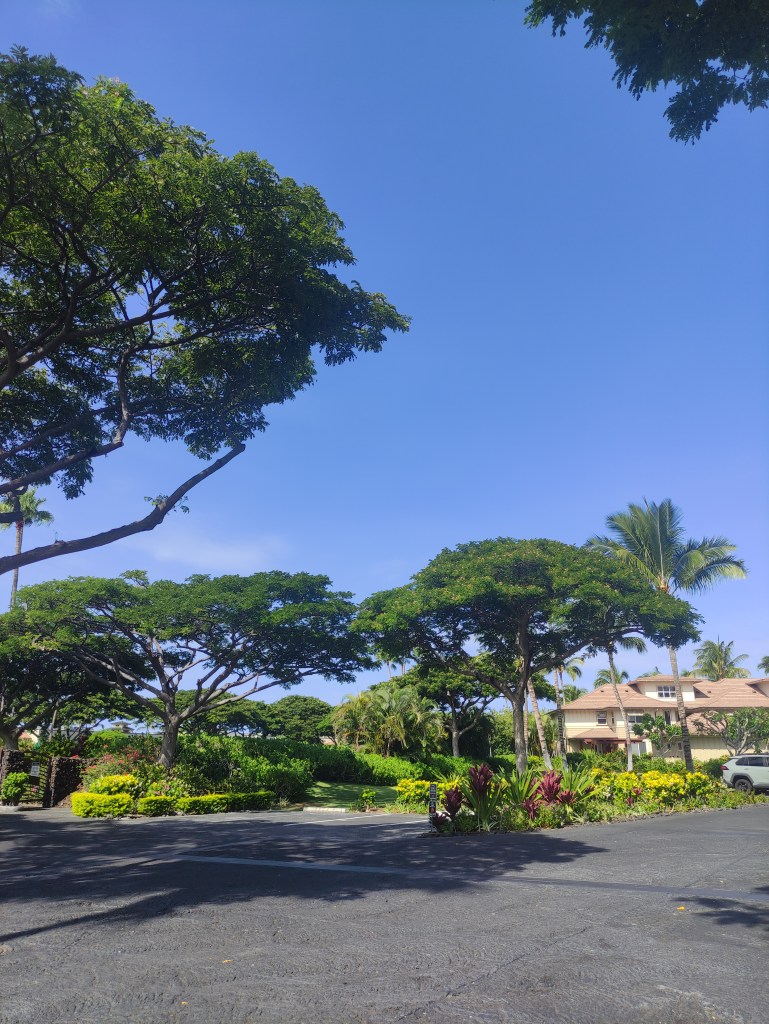

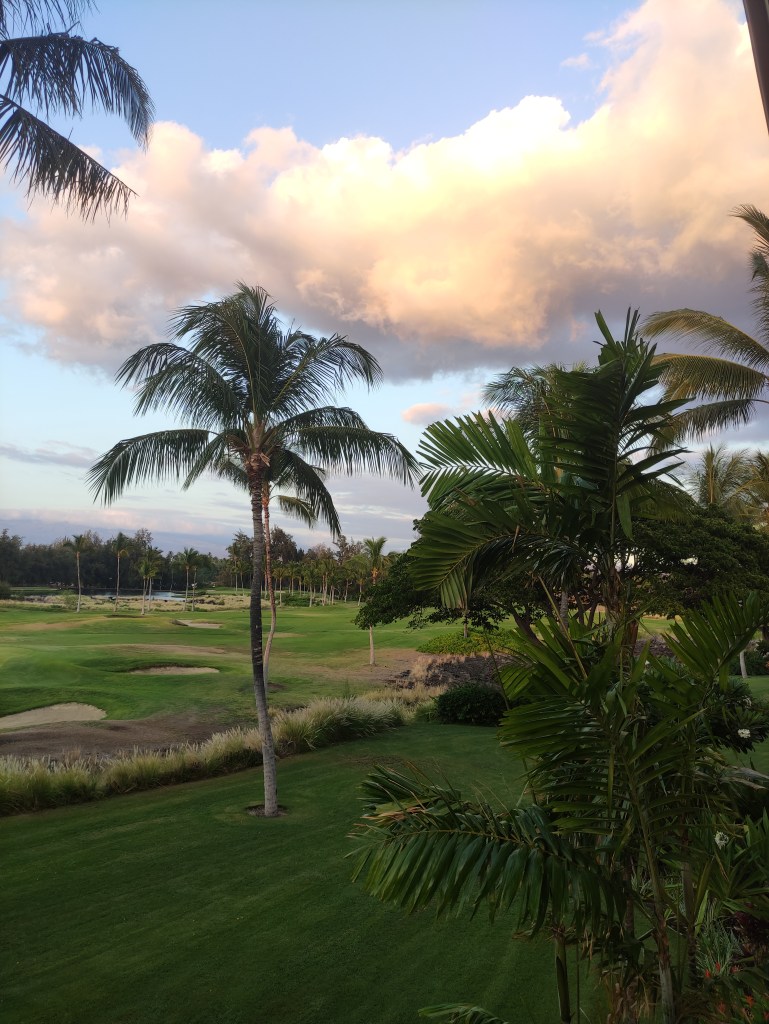
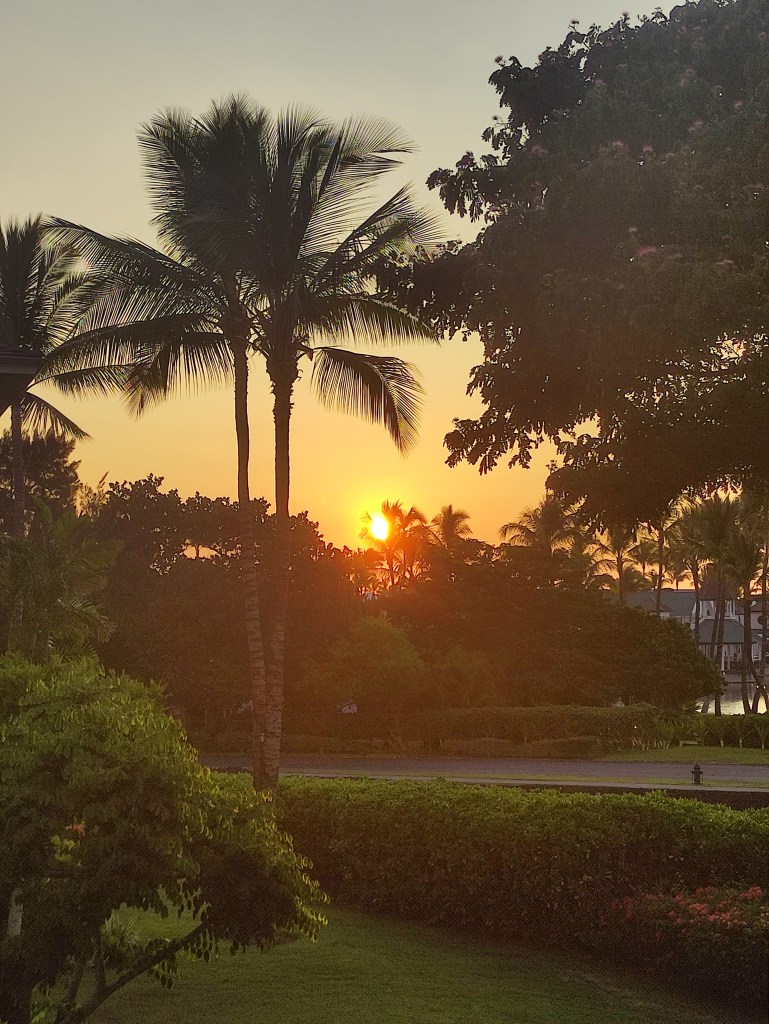
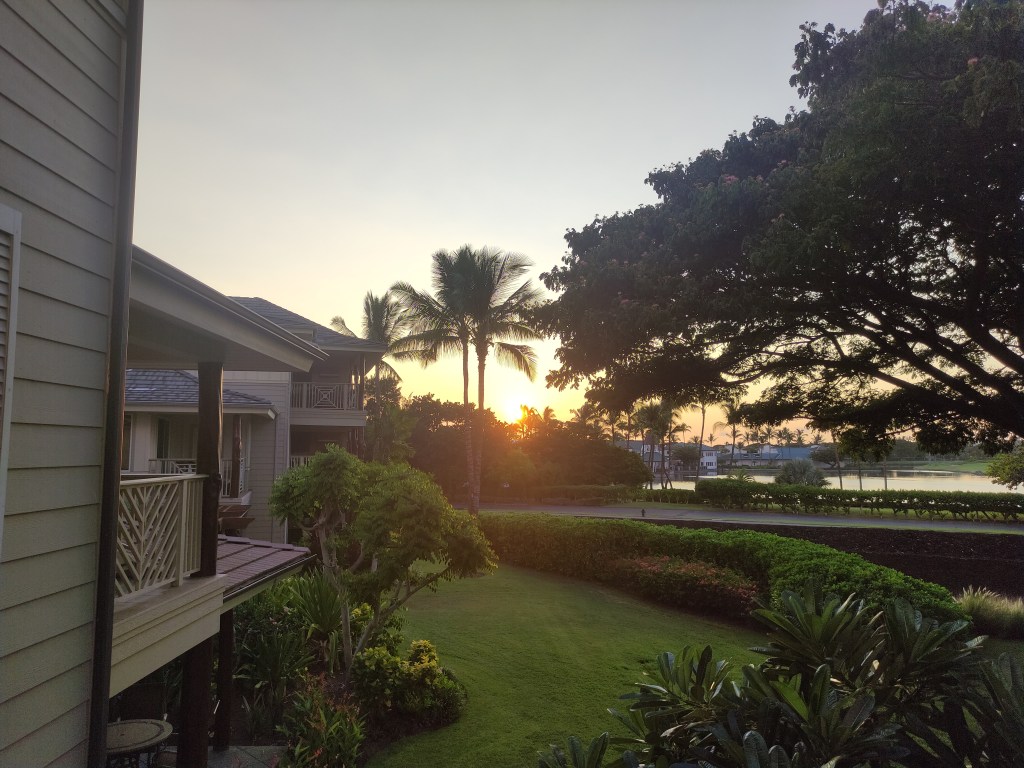
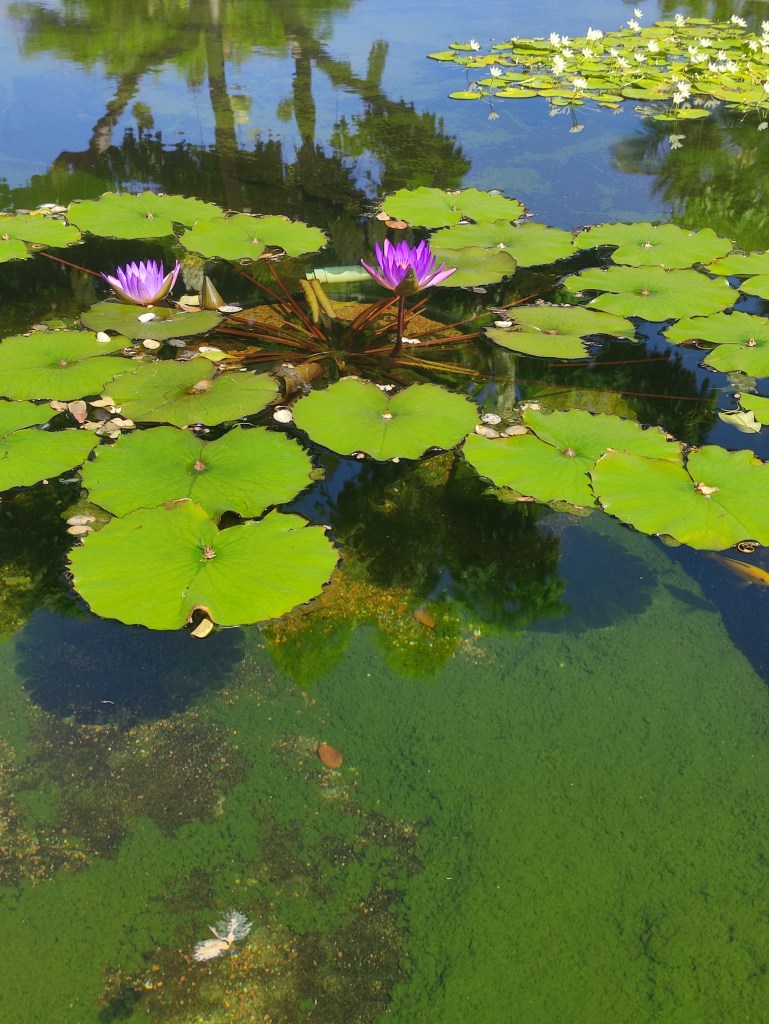

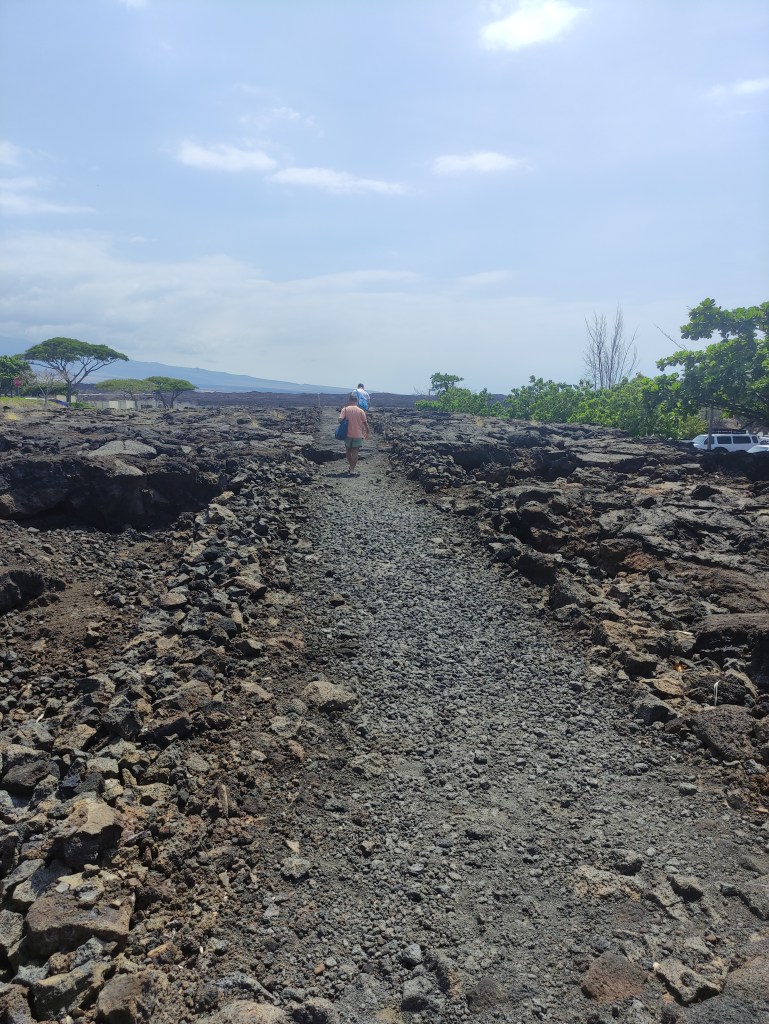
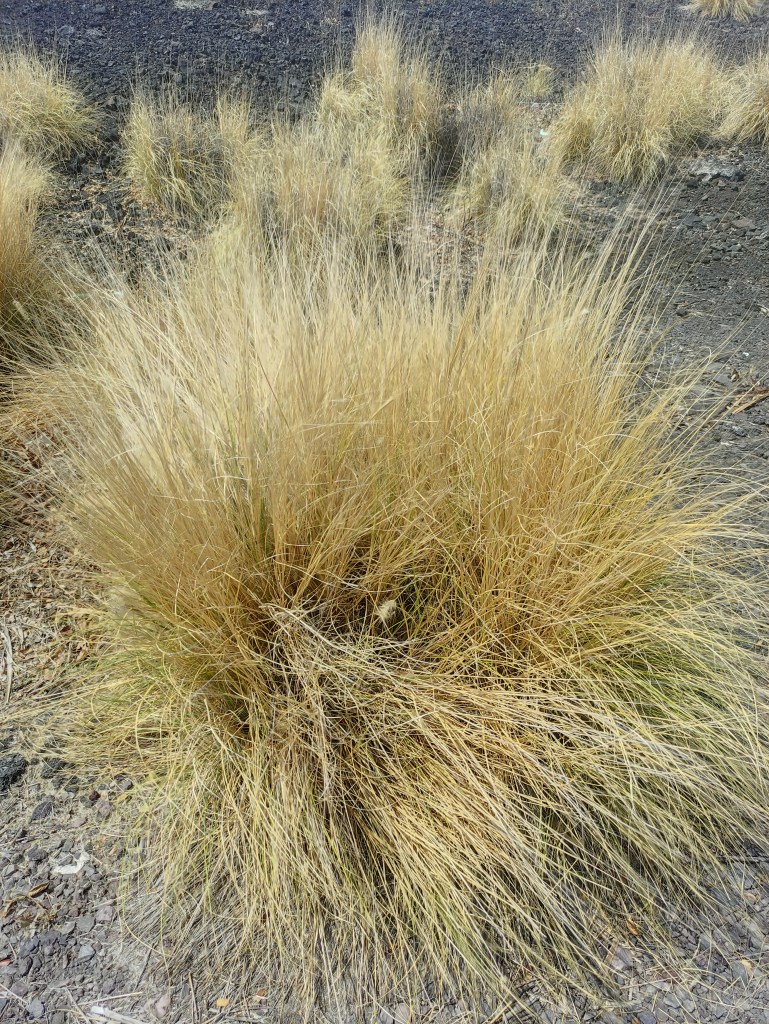
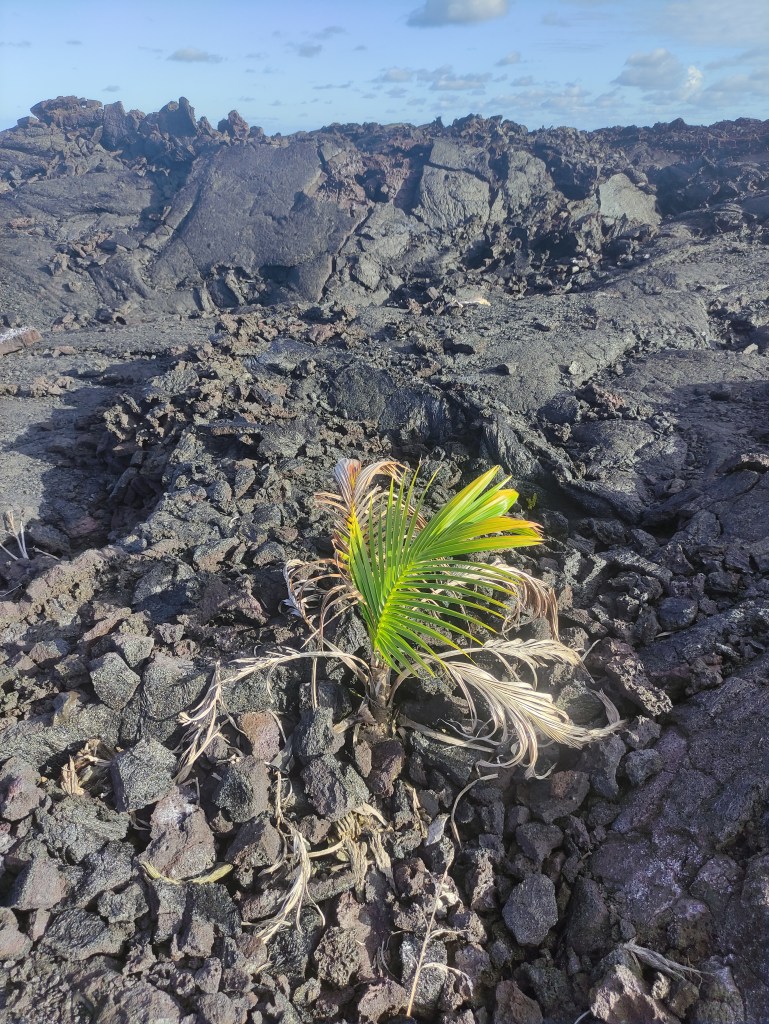
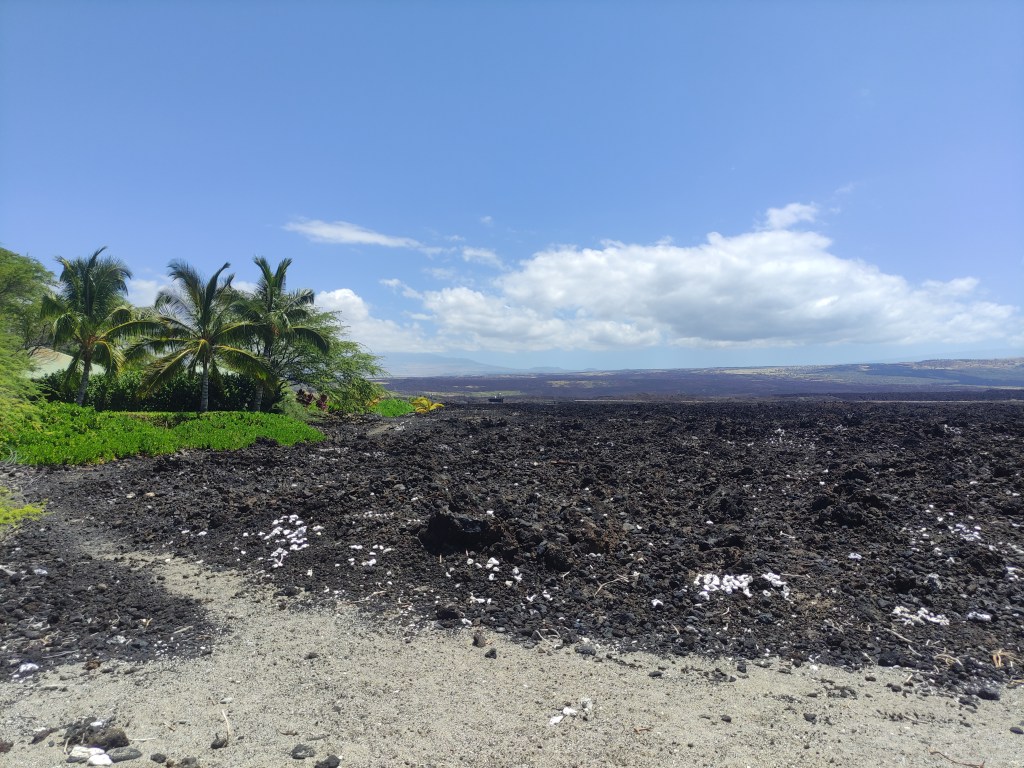
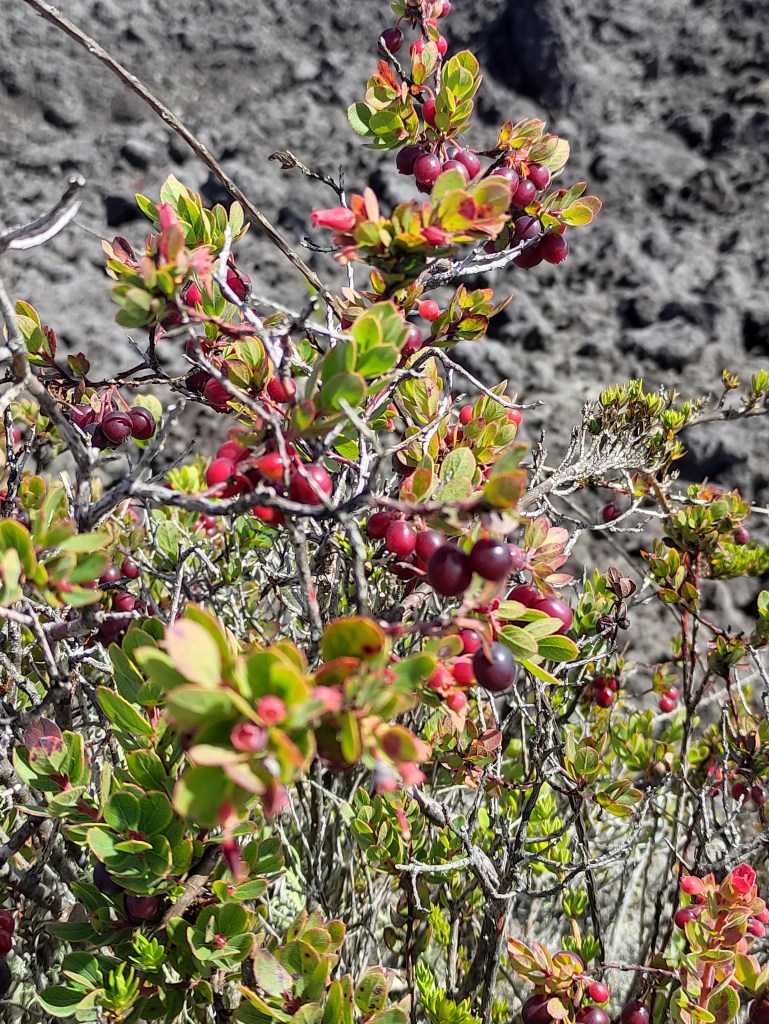
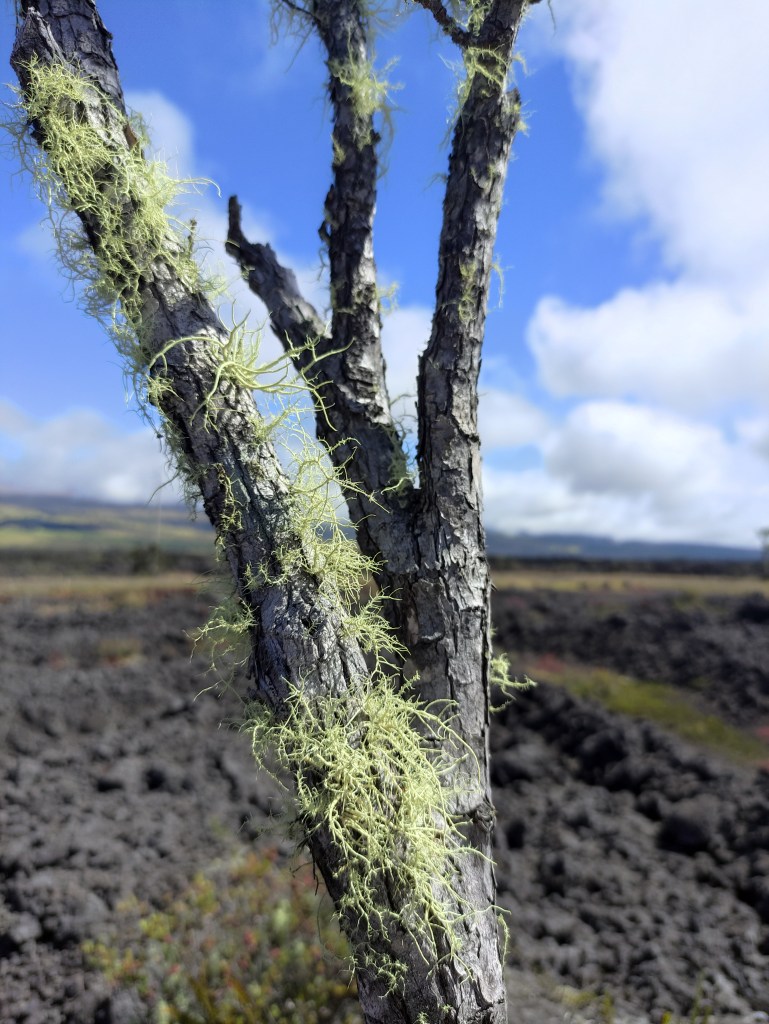
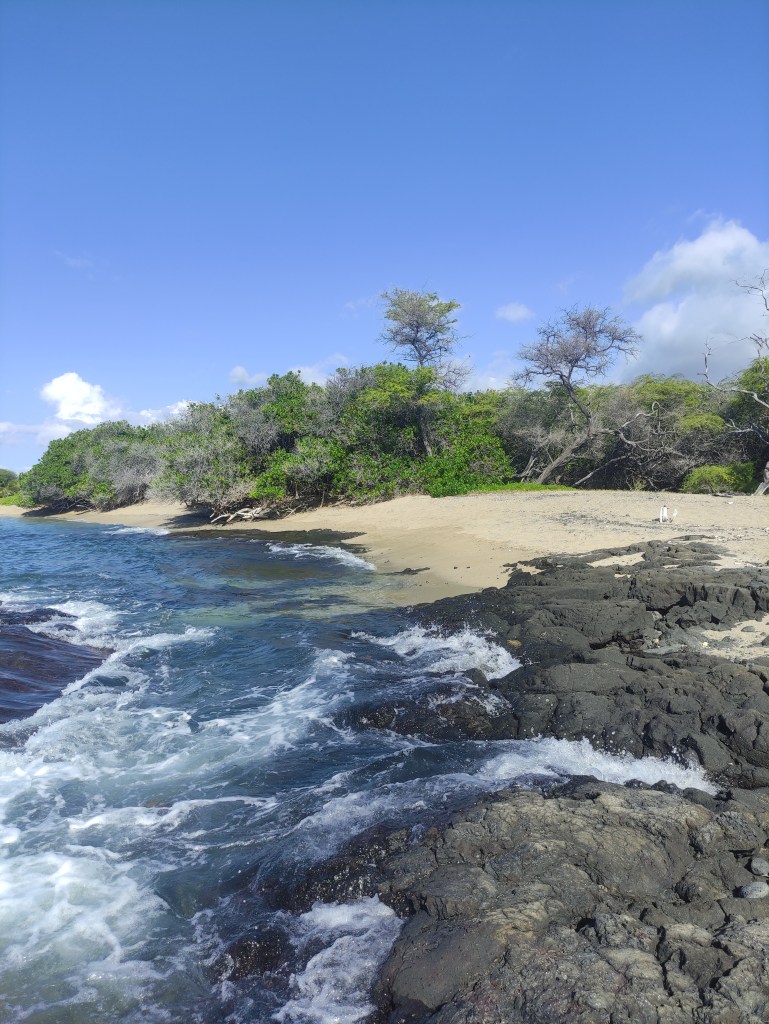
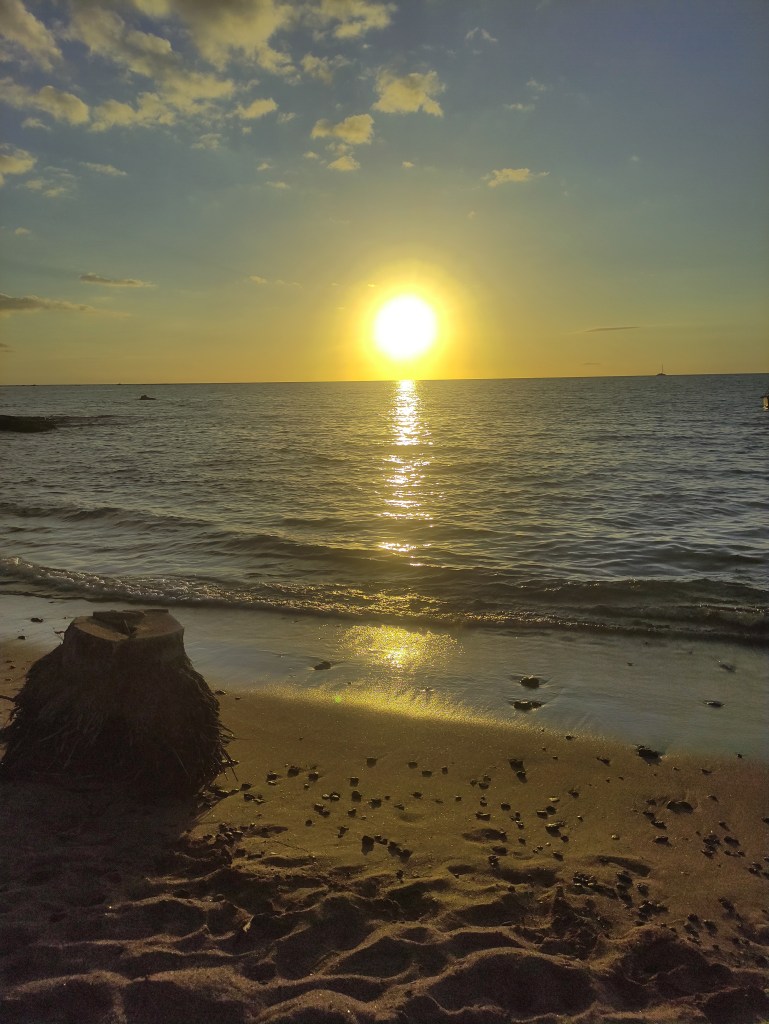
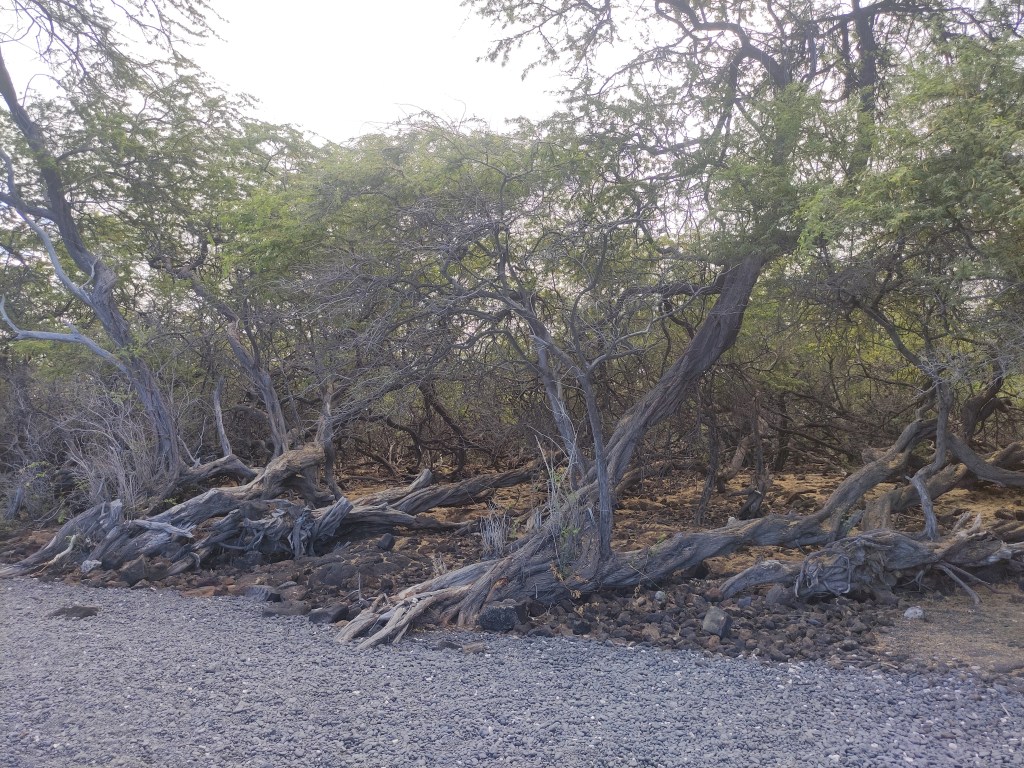
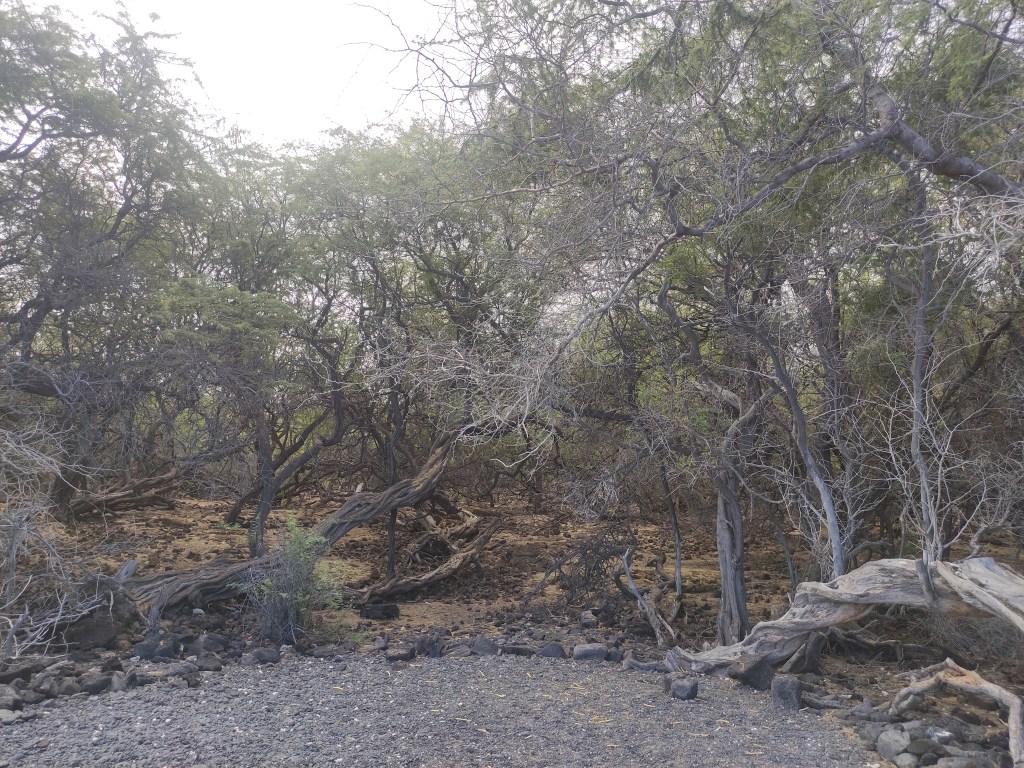
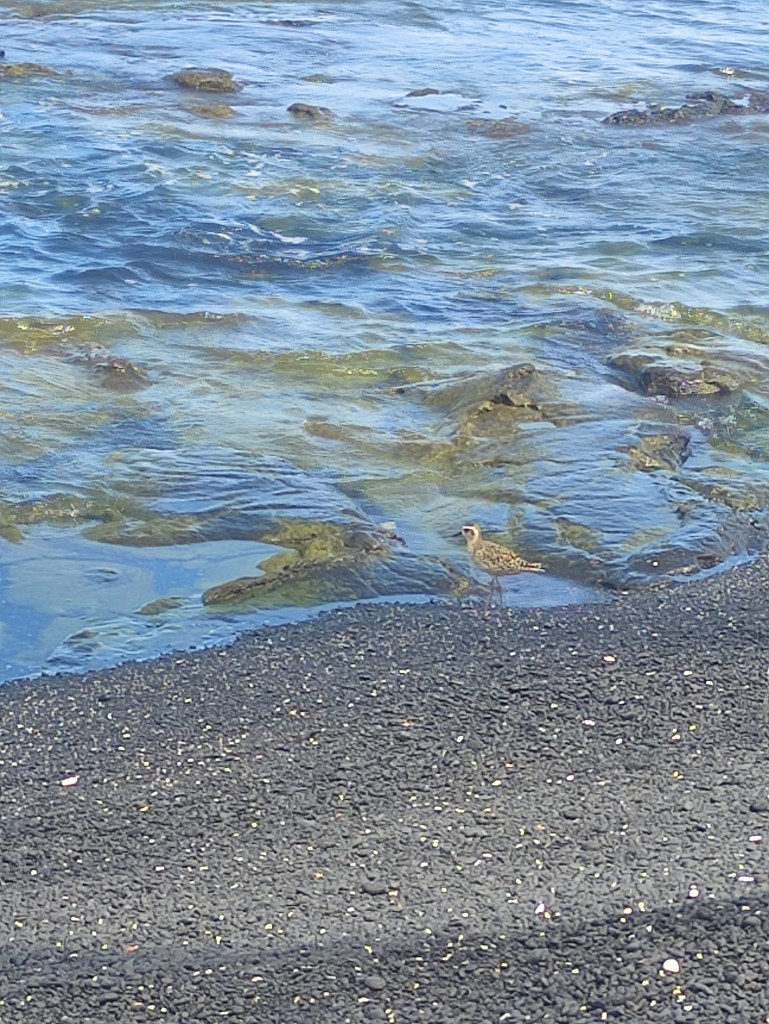
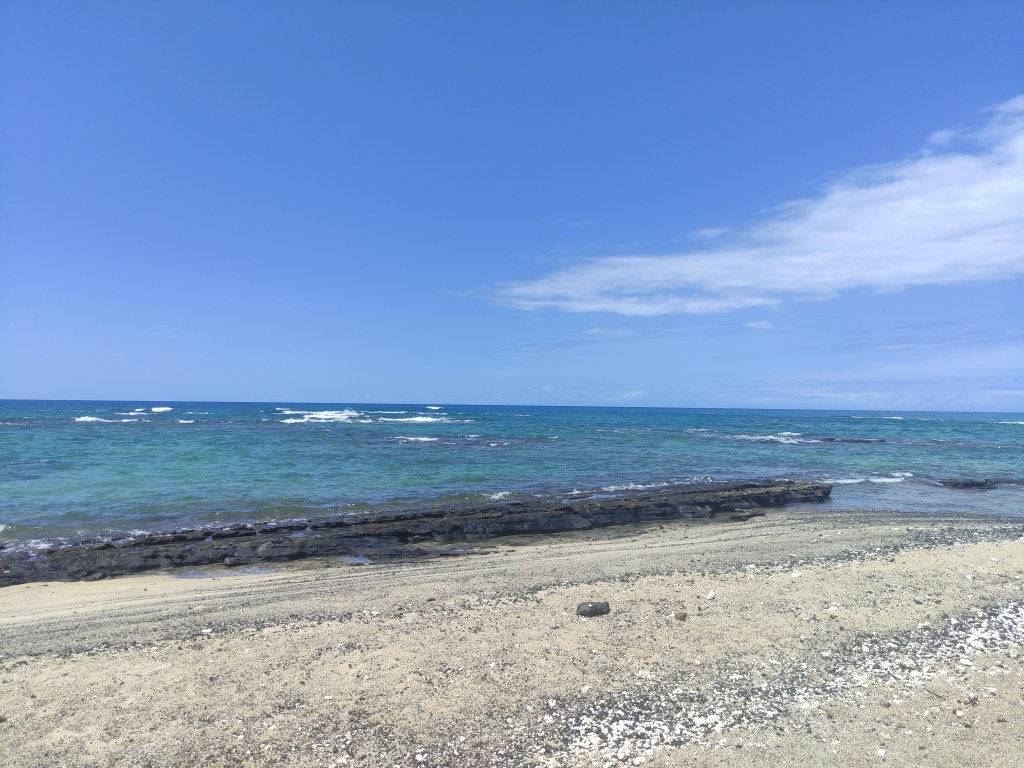
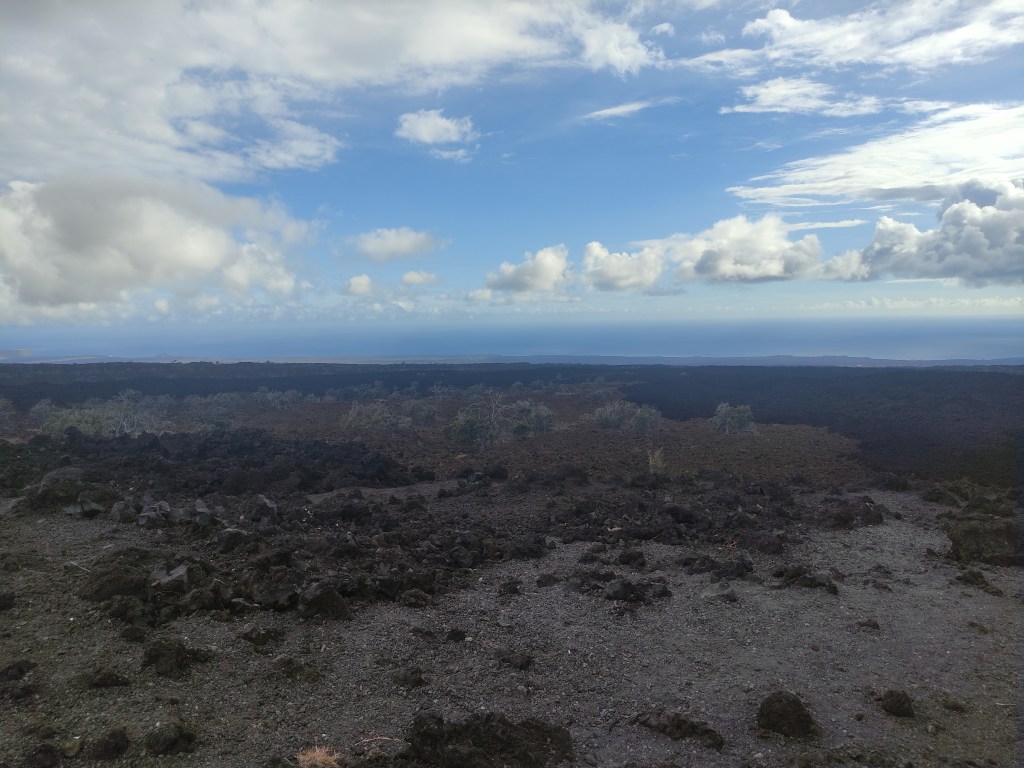
We spent the first day relaxing on the beach. The public beach of ‘Anaeho’omalu can be reached by walking along the Ku’uali’i, which partly extends right over an old lava flow. The landscape outside the resort’s perimeter is lunar. Everywhere lava rock, shades of gray and black, a few ocher-colored bushes… but this diverse beauty is mesmerizing.
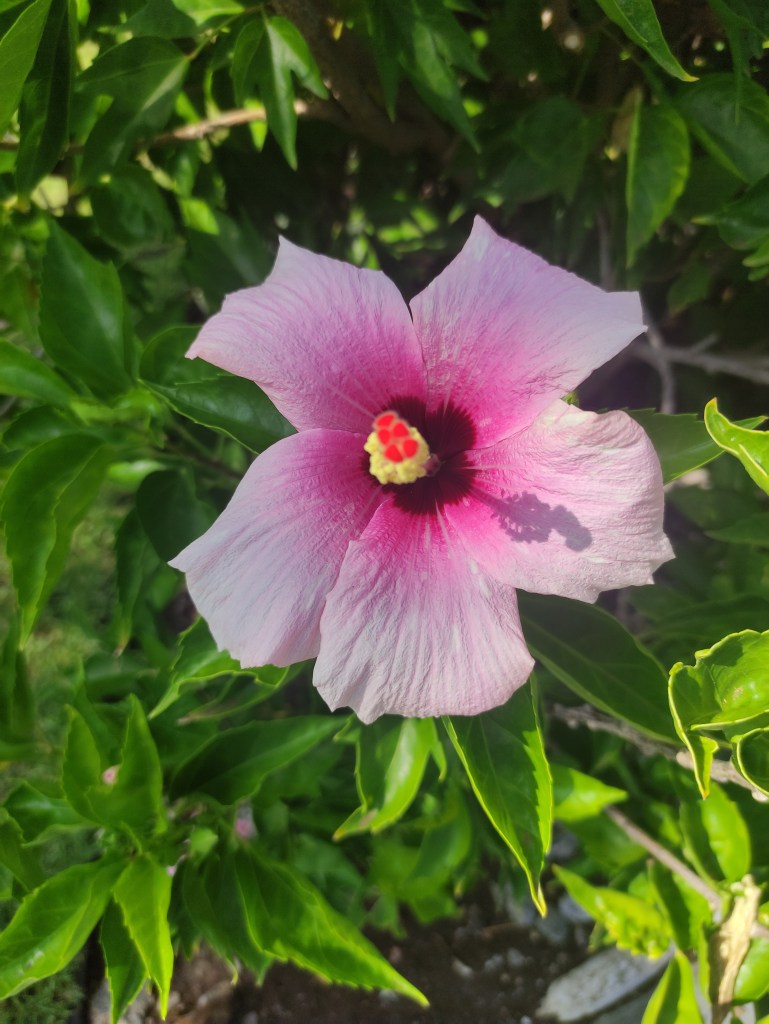
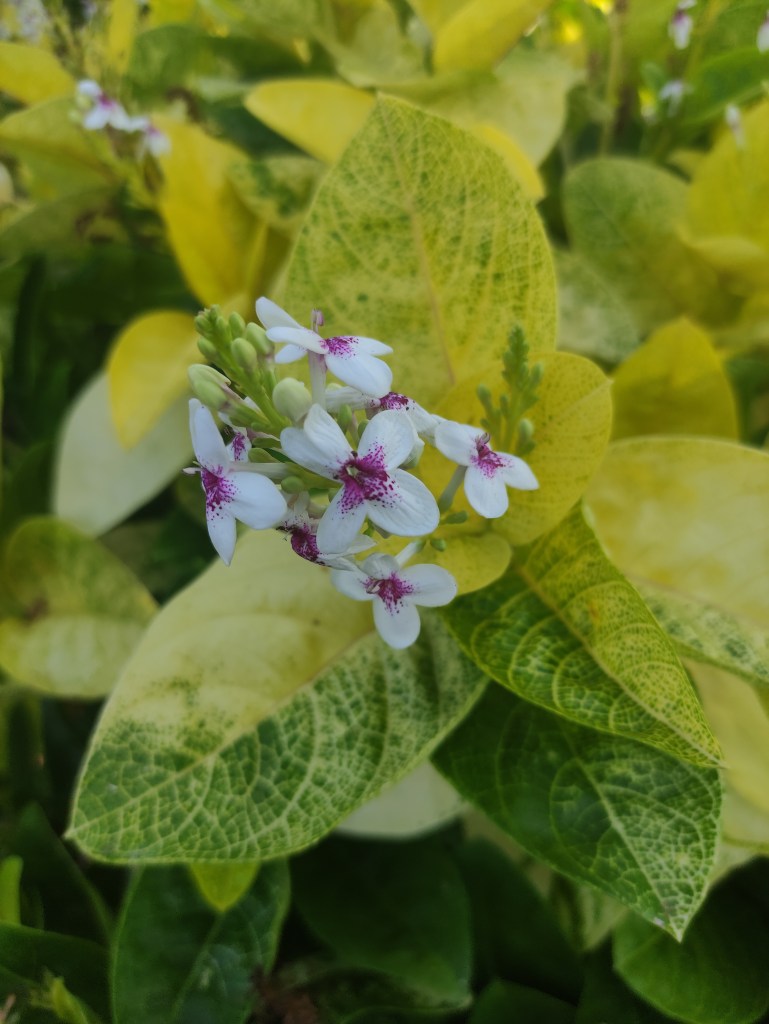
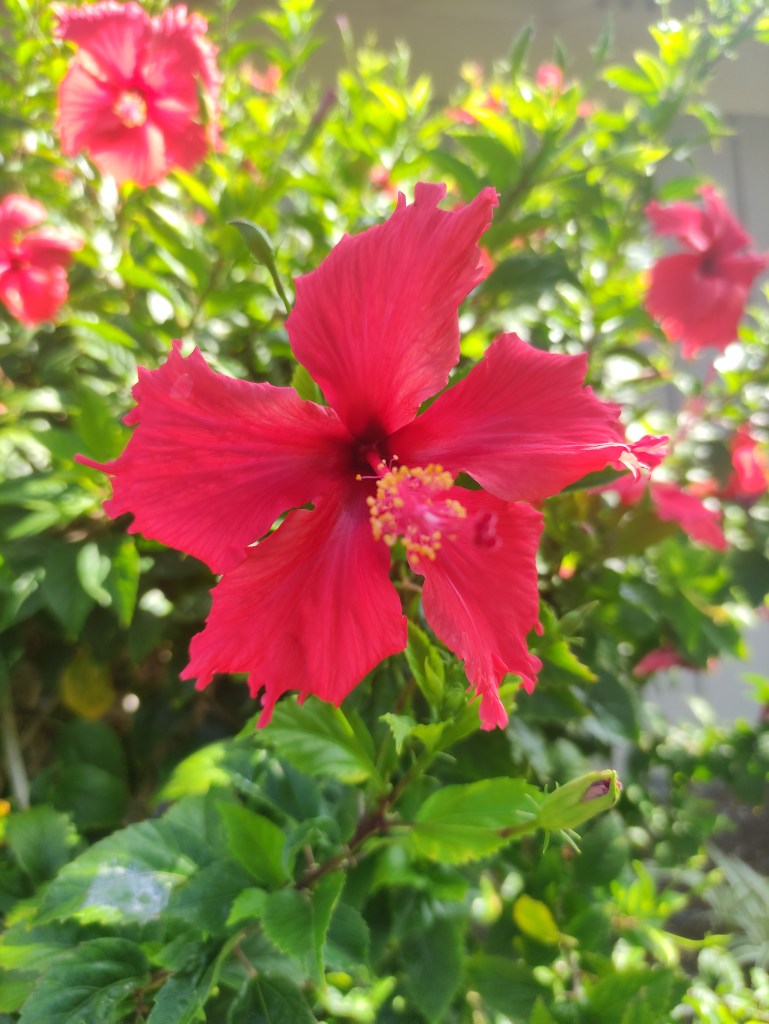
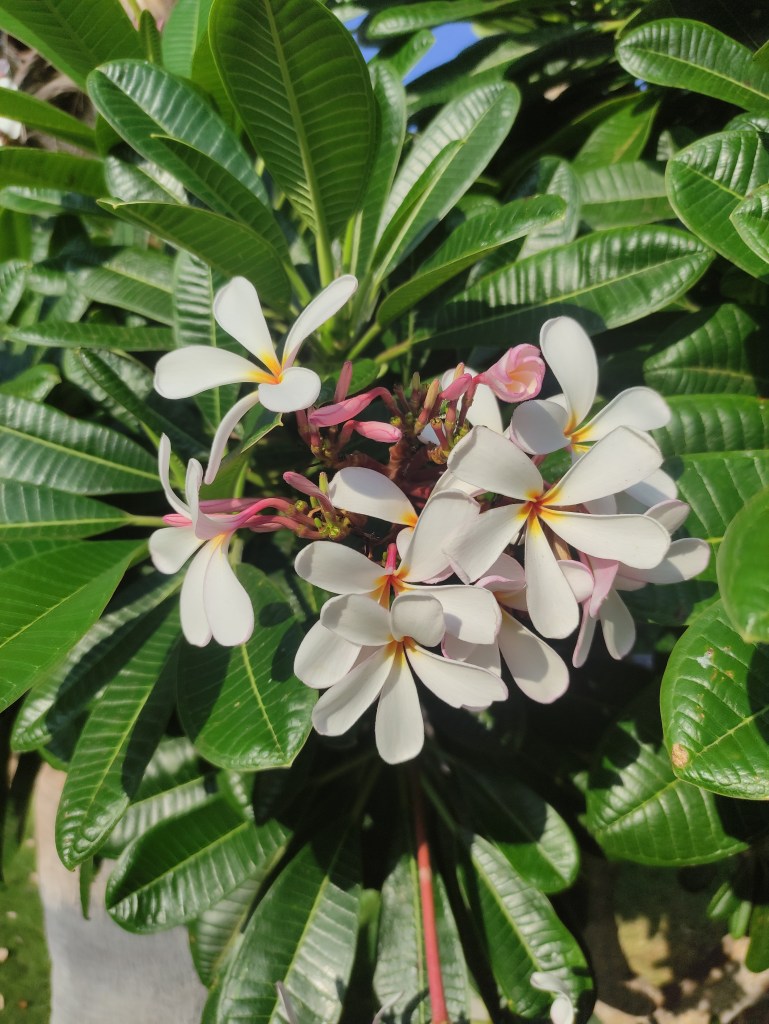
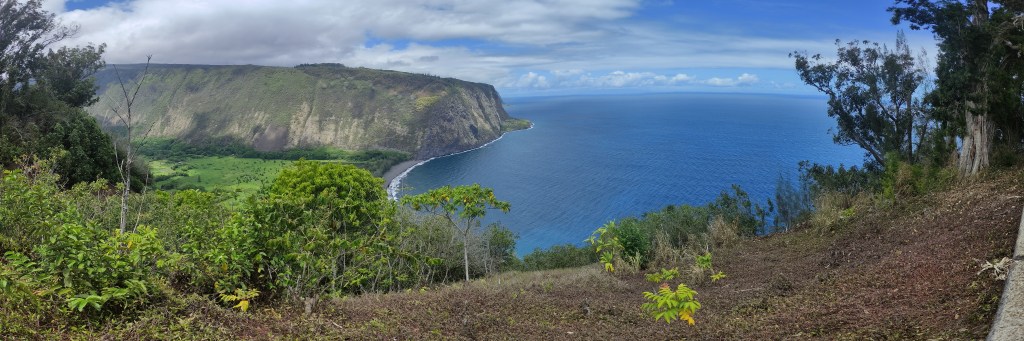
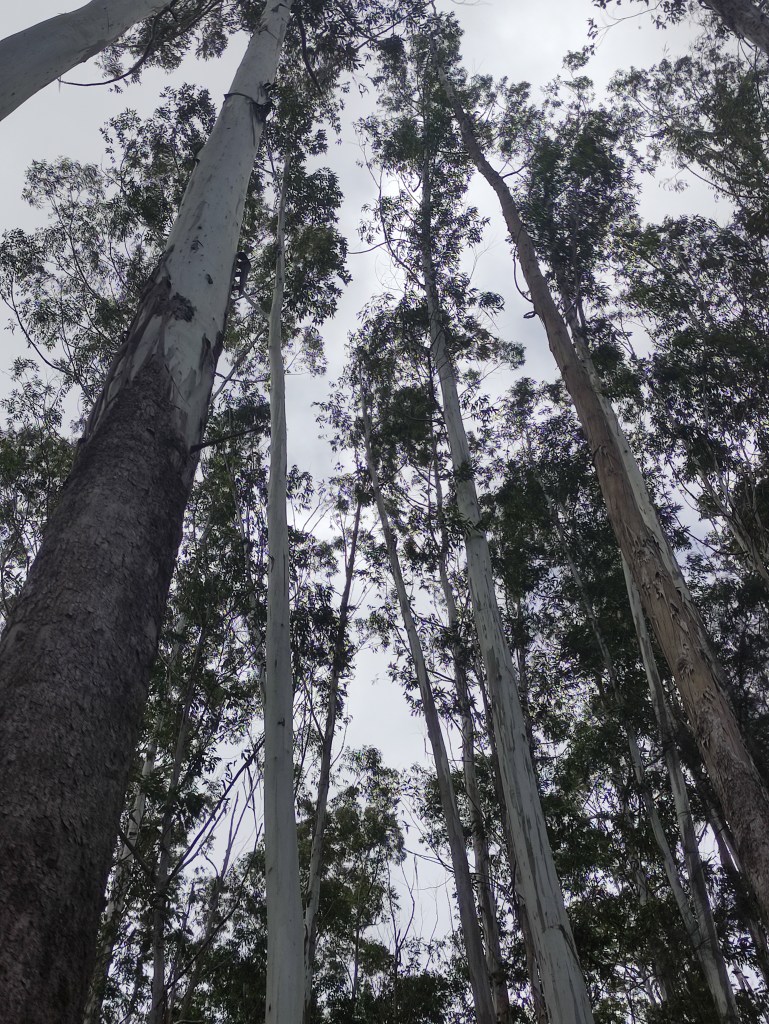
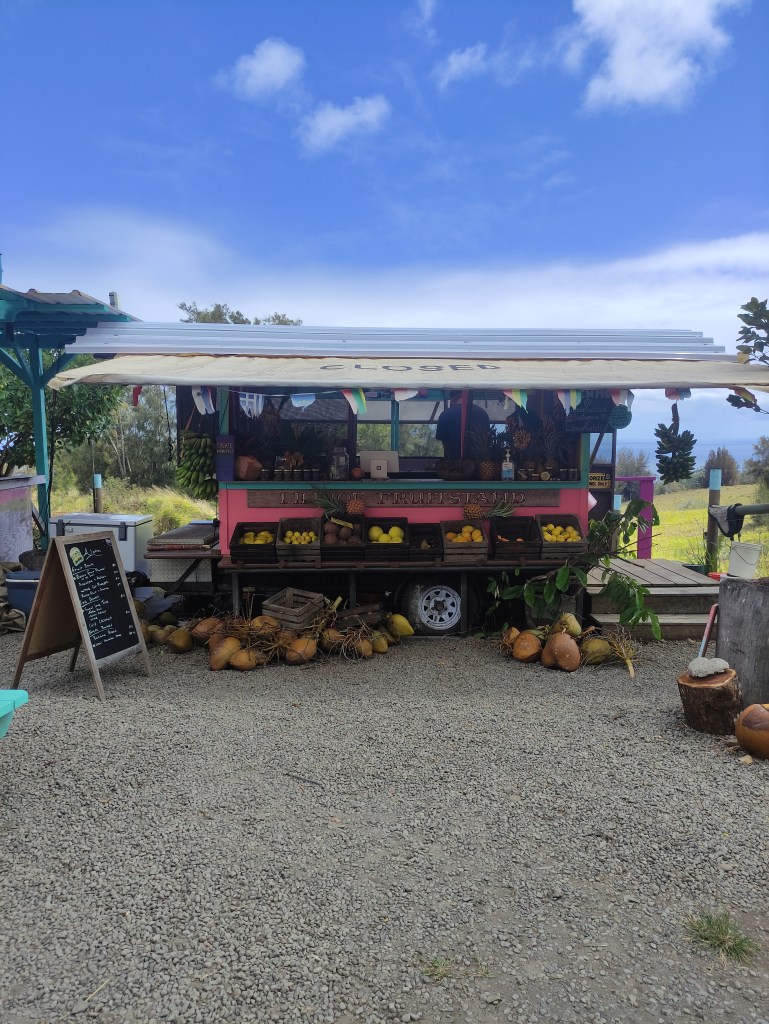
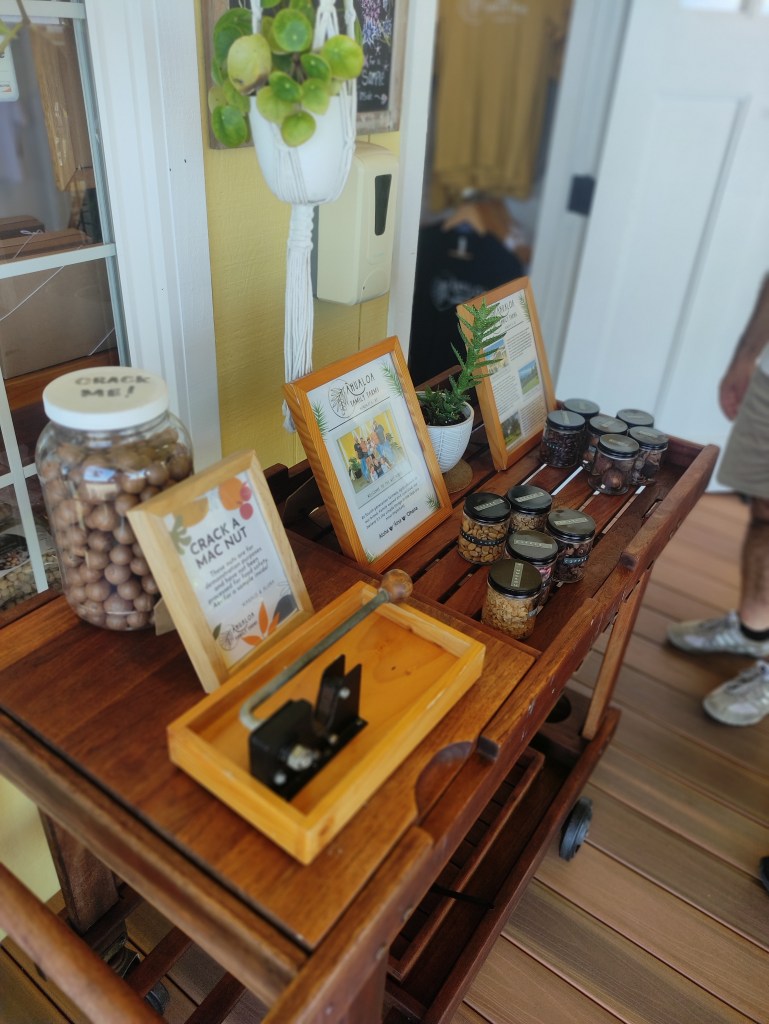
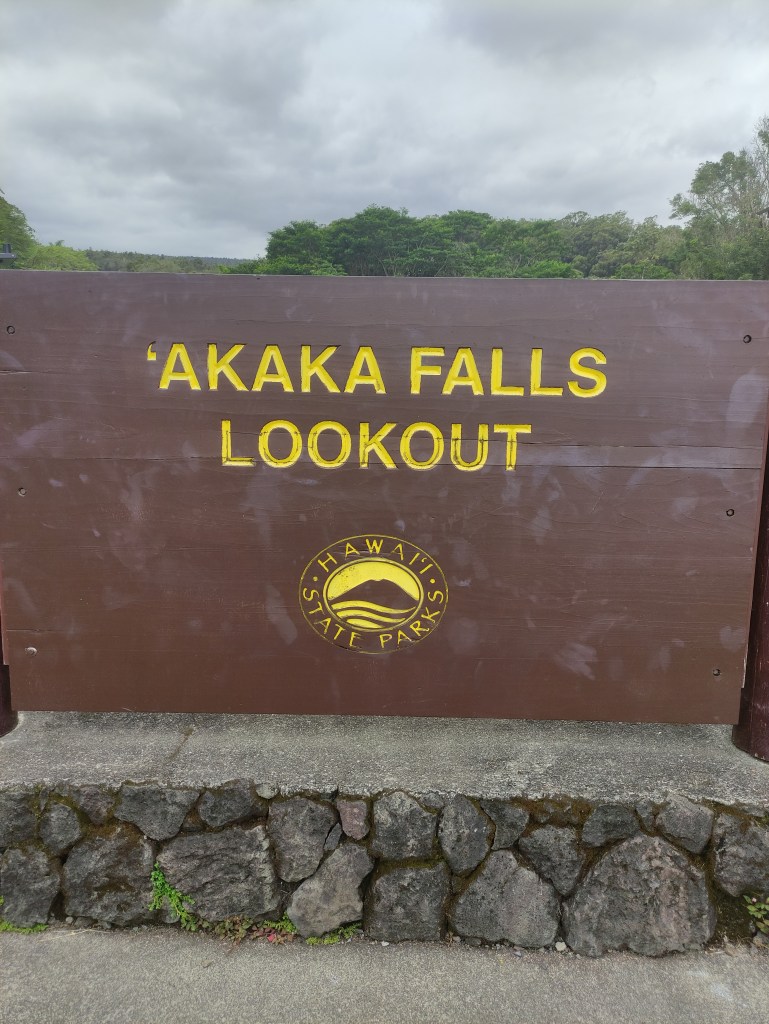
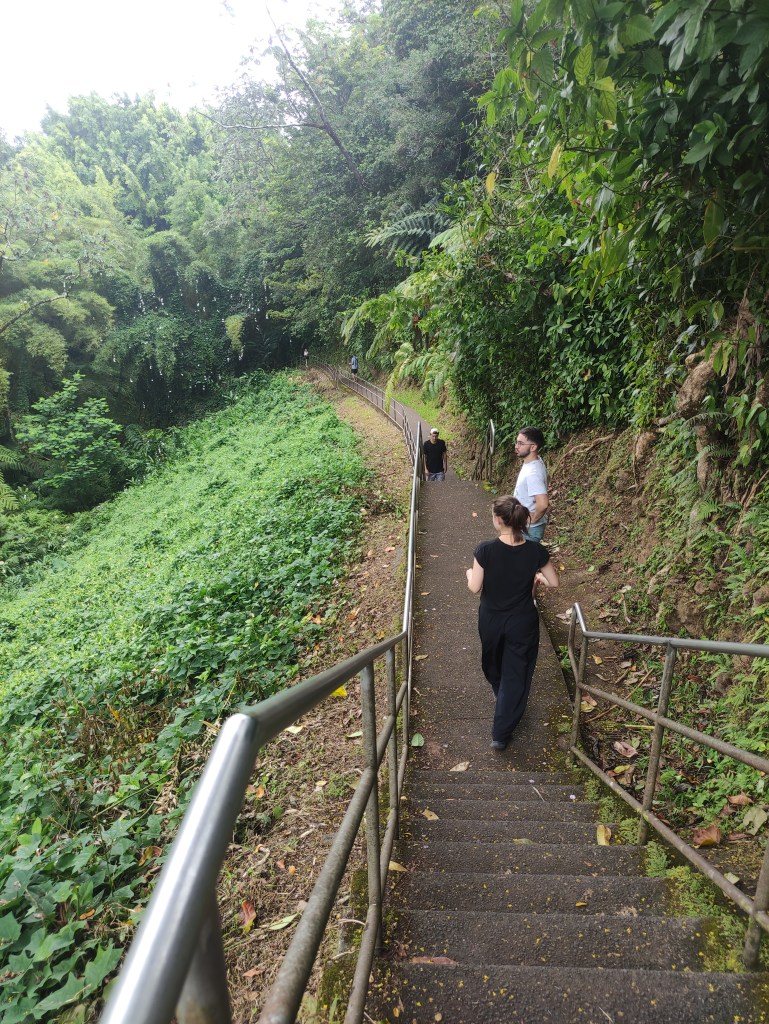
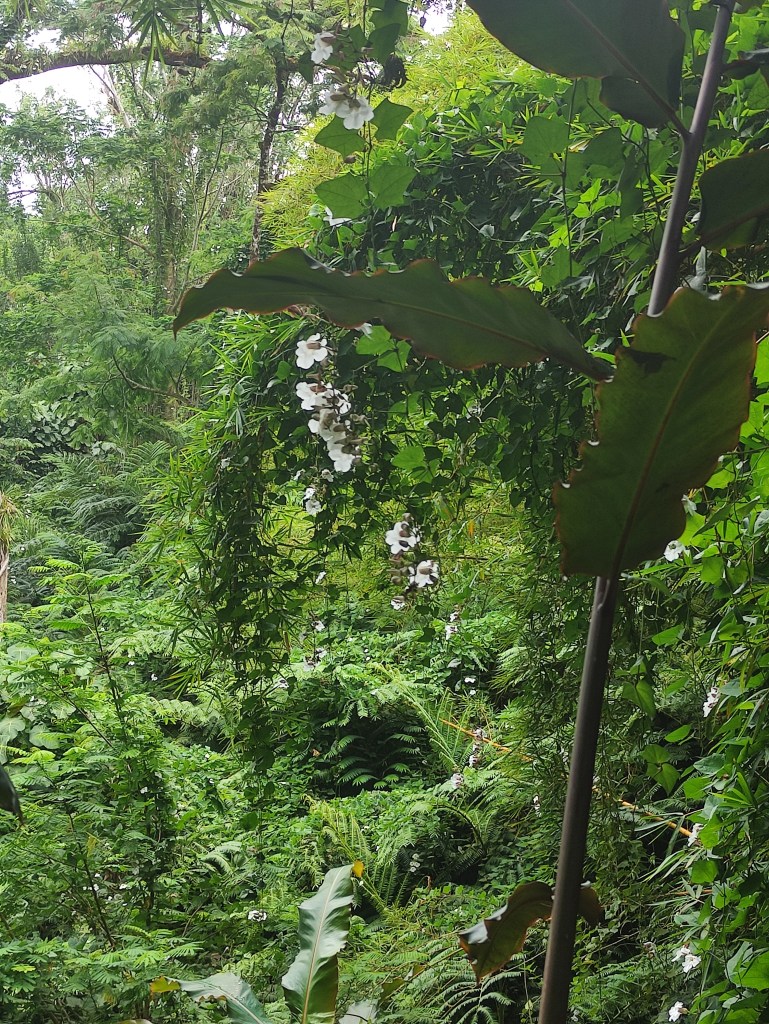
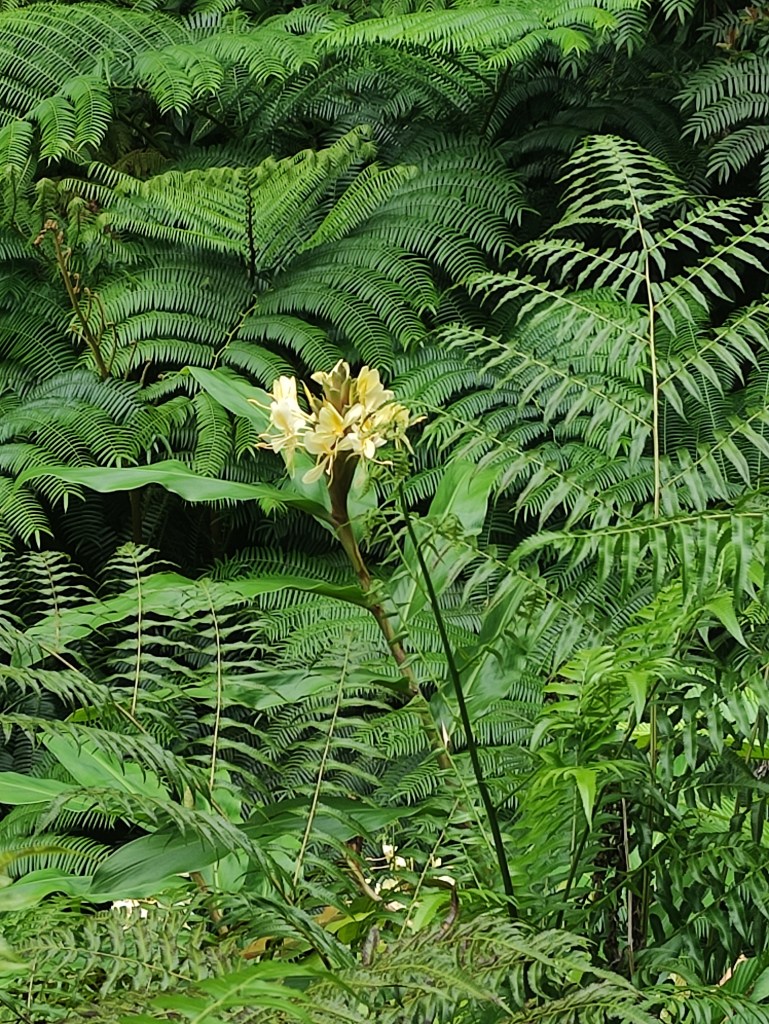
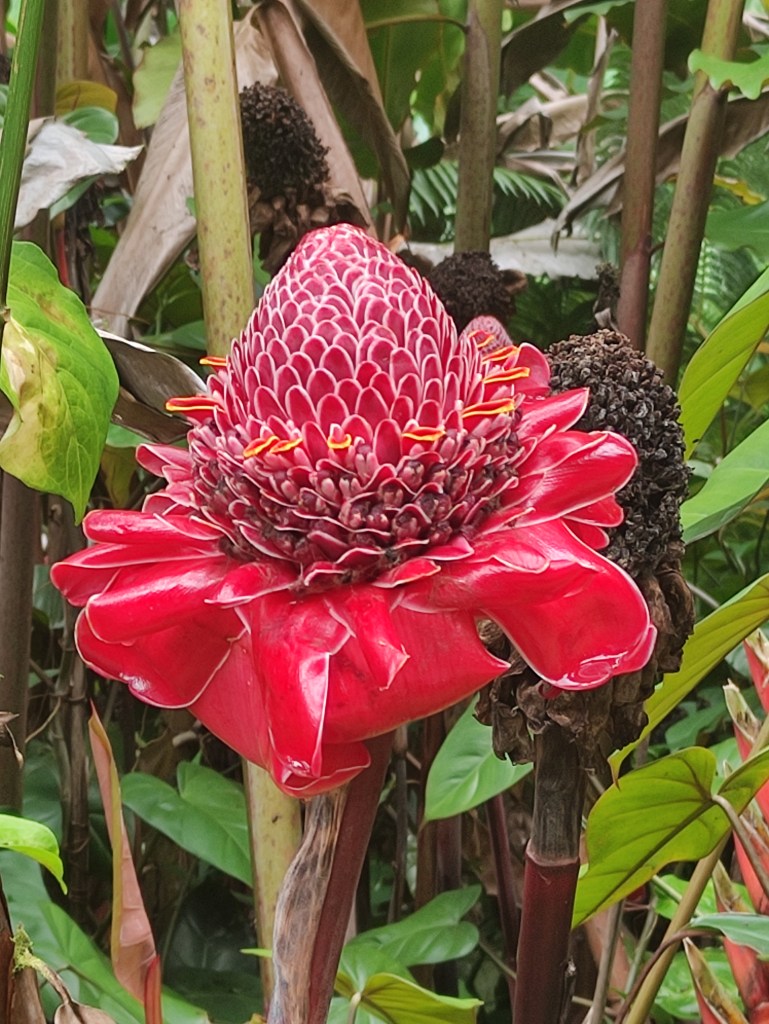
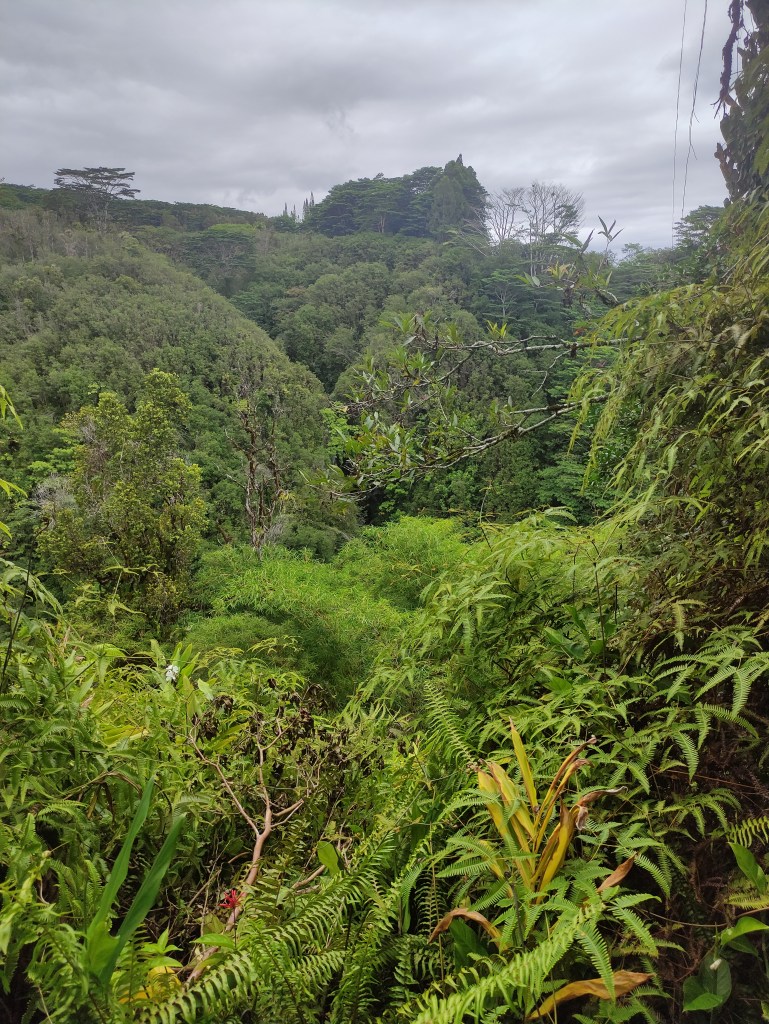
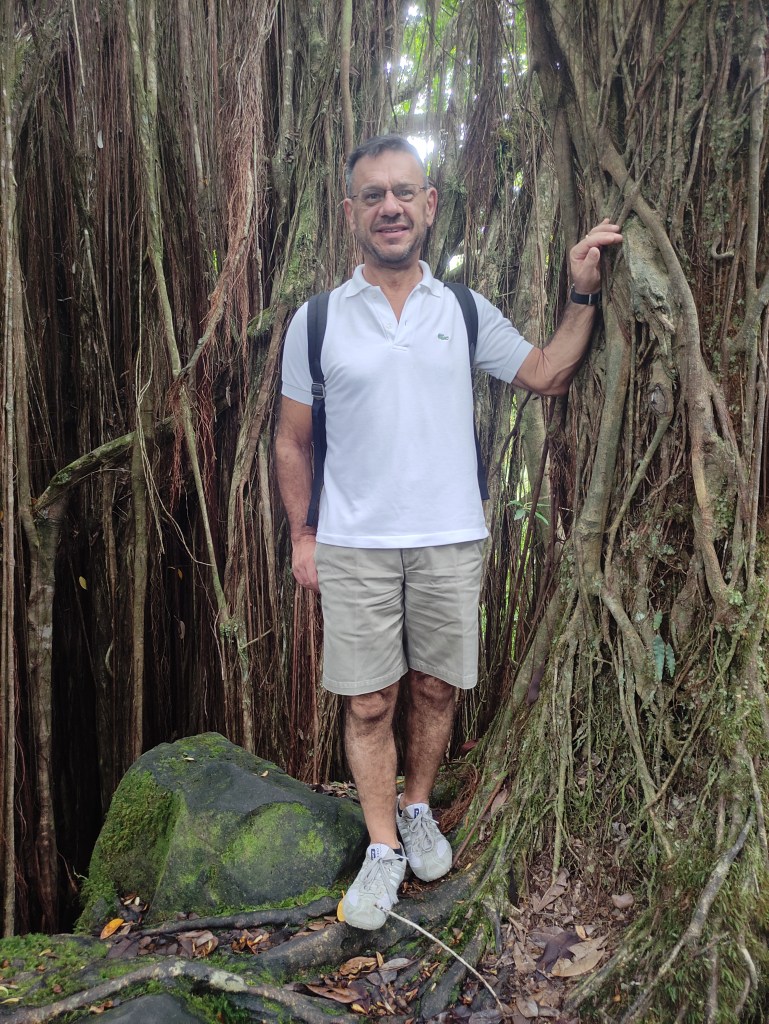
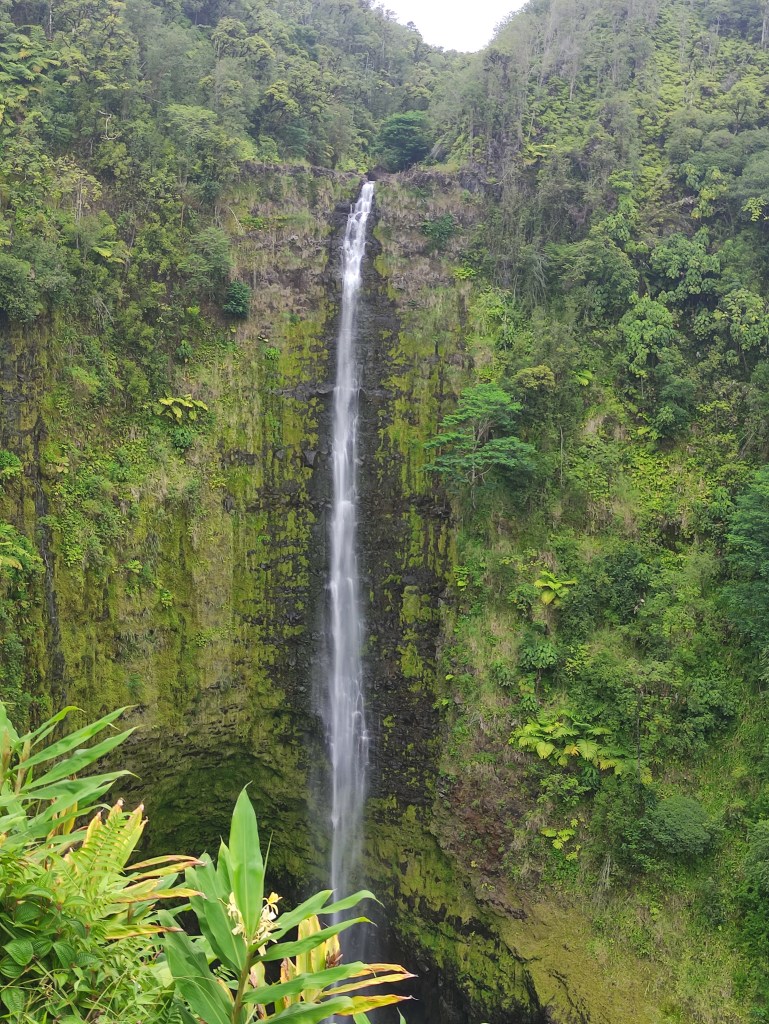
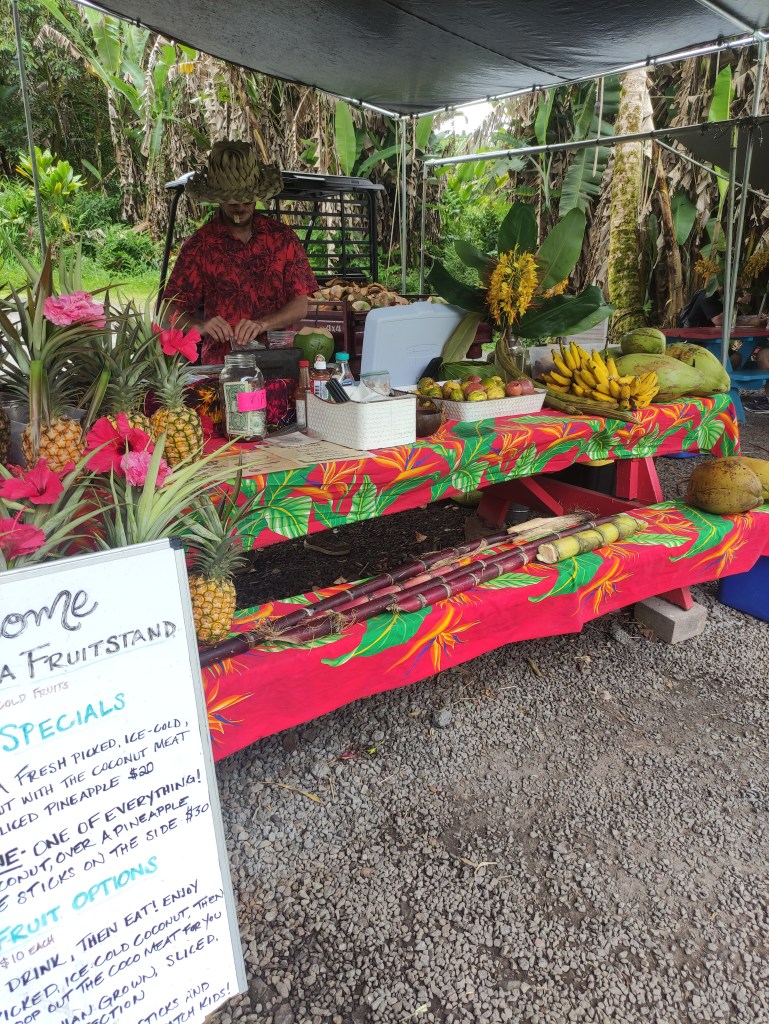
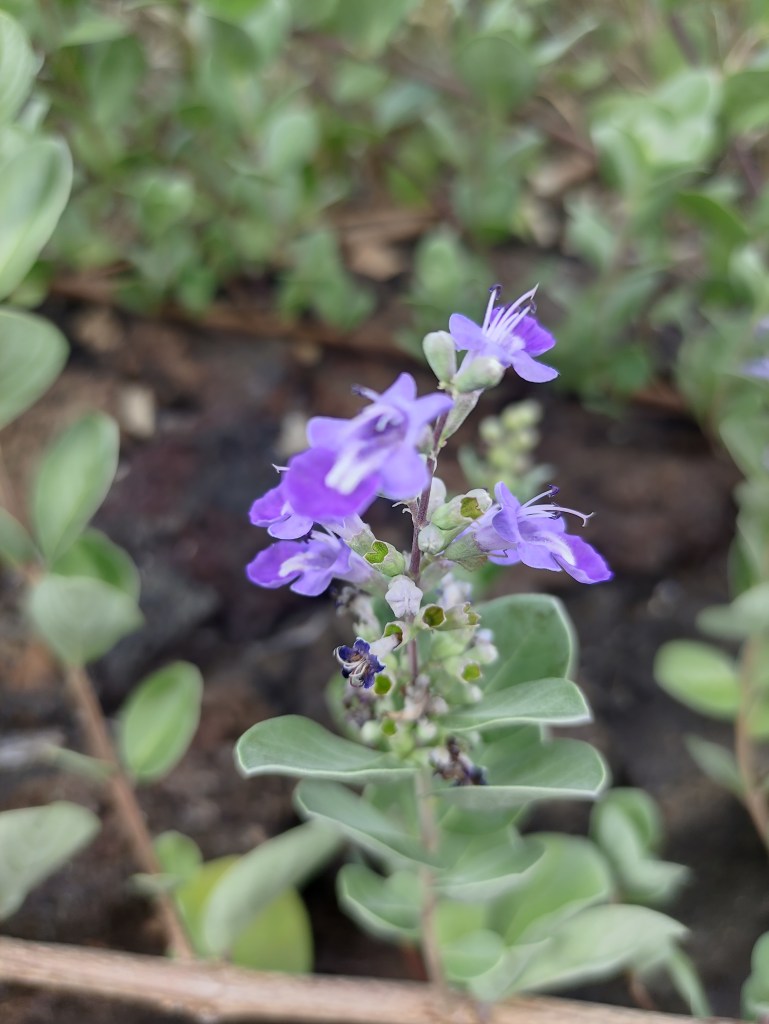
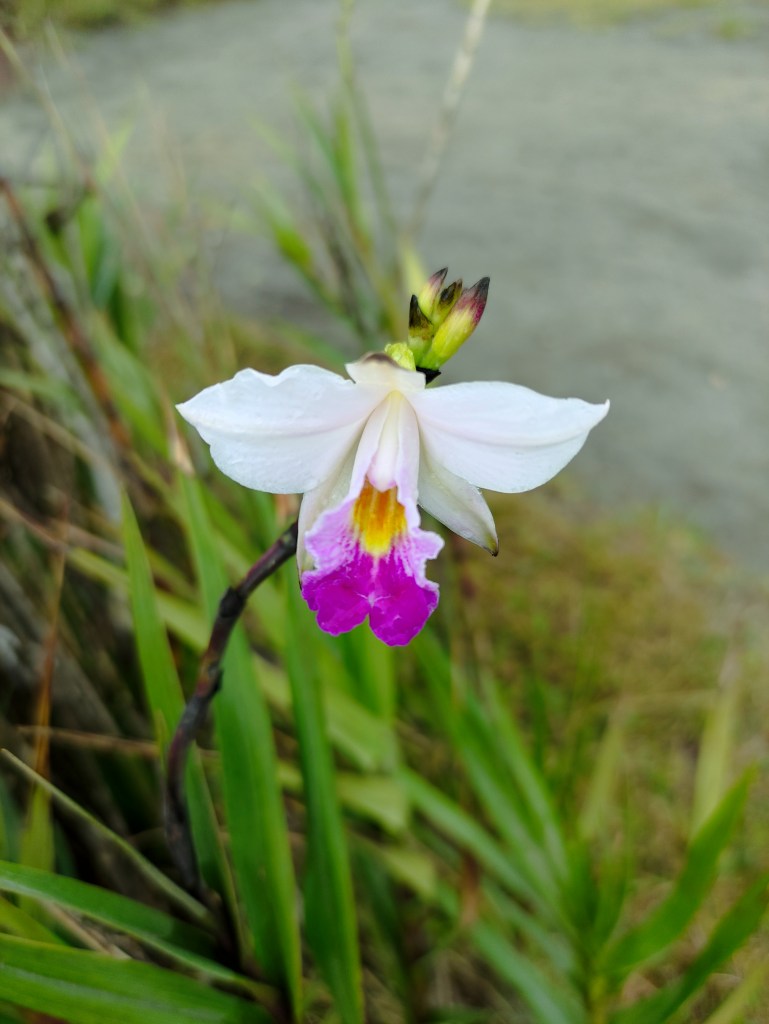
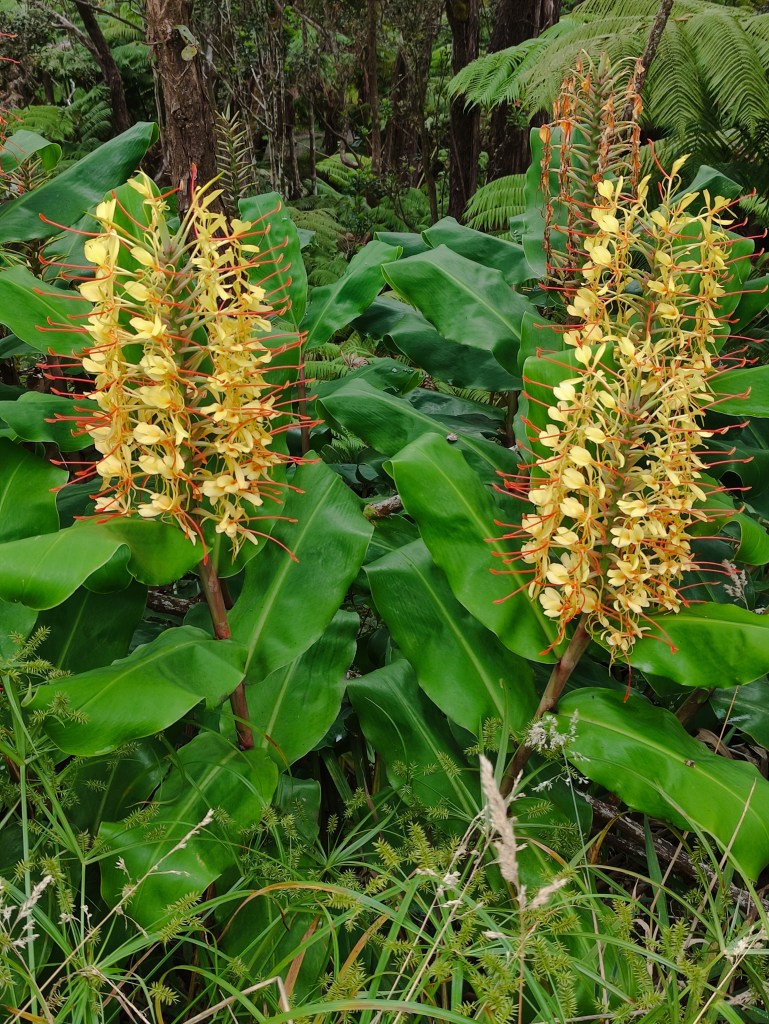
On the second day, Thursday, we took the car and headed towards Honoka’a and then to the Waipi’o Valley Lookout. The black sand beach far below can be reached by descending a steep trail. It wasn’t so much the easy descent, but the more than two-hour climb back up put us off. On the way there, we stopped at a hippie shop to buy fruit, then it was time for some macademia nuts and an excellent caffelatte at the Ahualoa Family Farm shop. This small family farm produces not only these delicious nuts but also coffee, which they sell in their cozy shop. After the coffee, which woke me up, we took a hike to Akaka Waterfall, passing through a dense tropical forest with stunning flowers!
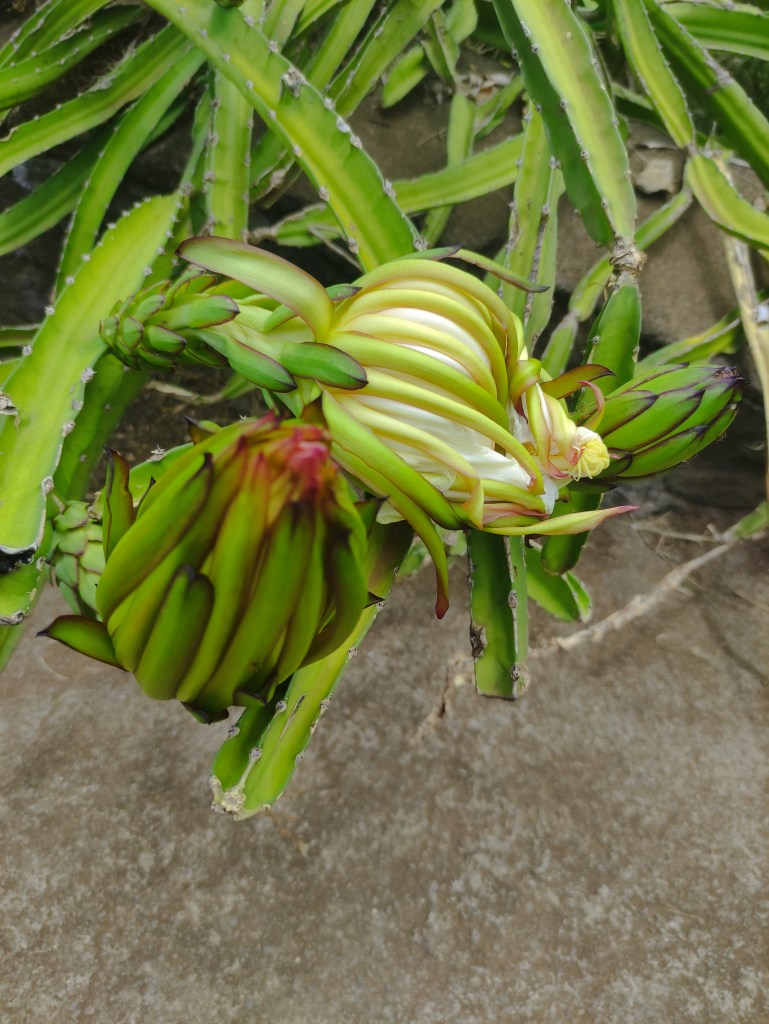
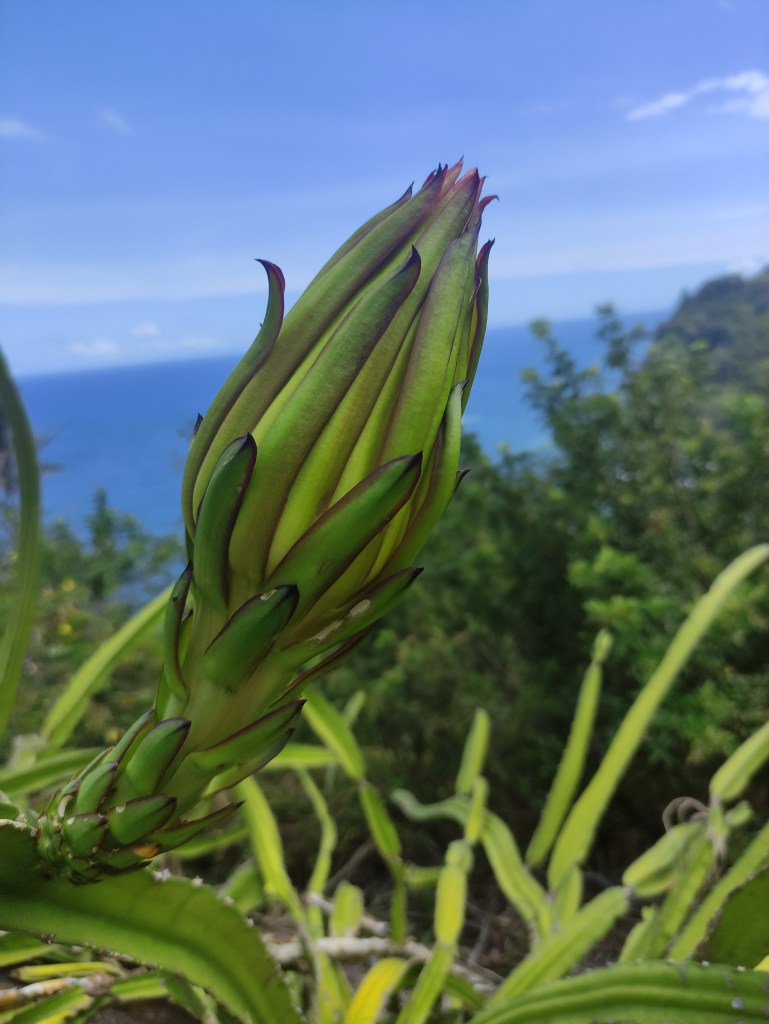
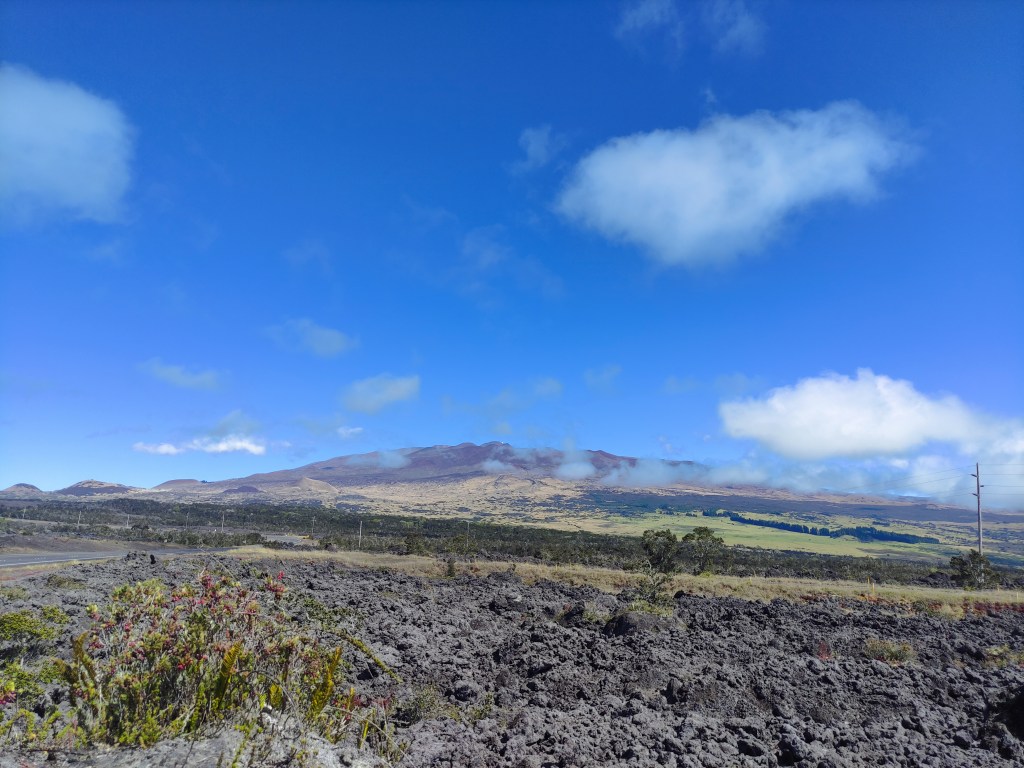
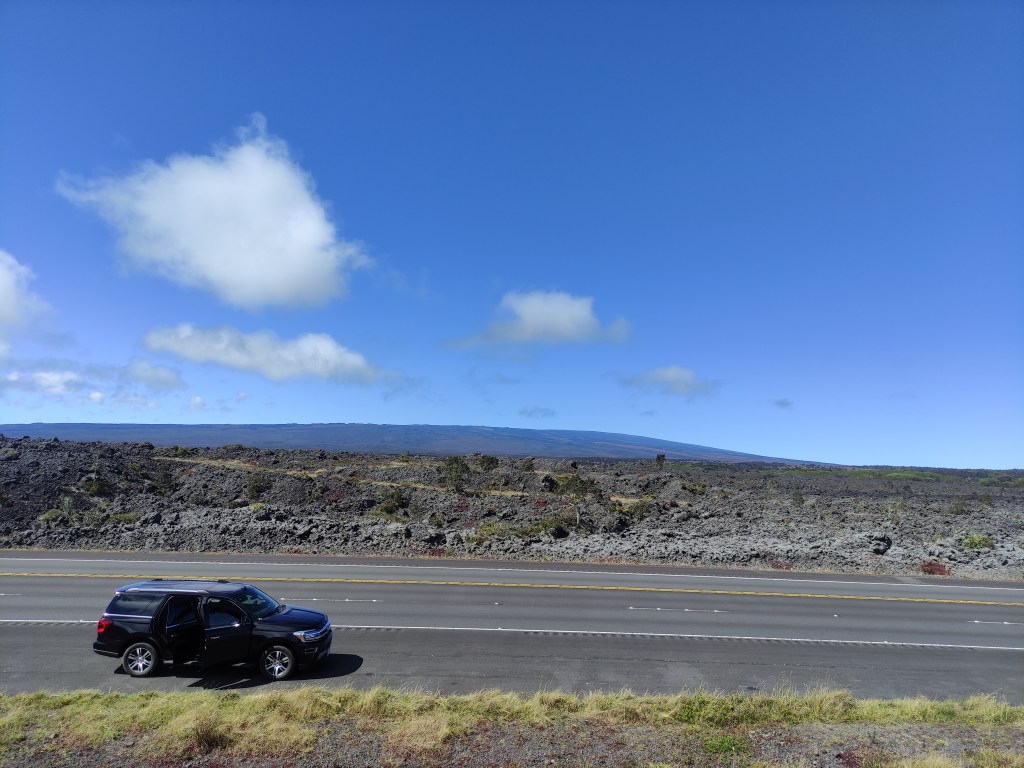
In Europe, several of these plants, which here reach extraordinary dimensions, are considered “houseplants.” In Europe, you can buy them in pots. If you’re lucky or have a green thumb, they grow well, albeit at very different sizes. But there are many other flowers like: the anthurium, strelitzia, dichorisandra, calotropis, heliconia, just to name few. I photographed a huge red protea and a rose one. These ar both as well native to South Africa. Down there, I always bought a large bouquet that would last for months. On the way along the Hamakua Coast, a taste of sugarcane was a must. We wanted to reach Cape Kumukahi and its lighthouse (accessible only on foot), but the road had become impassable long before due to a lava flow that blocked traffic. We parked the car and walked for a while, but it was already late and we didn’t want to risk having to retrace our steps after sunset. Night falls much earlier, and by 6:30 p.m. it was already pitch black. The return journey on the Saddle Road and the Daniel K. Inouye Highway is not pleasant when a thick fog mixed with rain forms between the two volcanoes Mauna Loa e Mauna Kea. This is typical of the highlands; beyond Hilo and Puna, clouds are a very common phenomenon. But driving in those conditions is quite stressful for those who aren’t used to it.


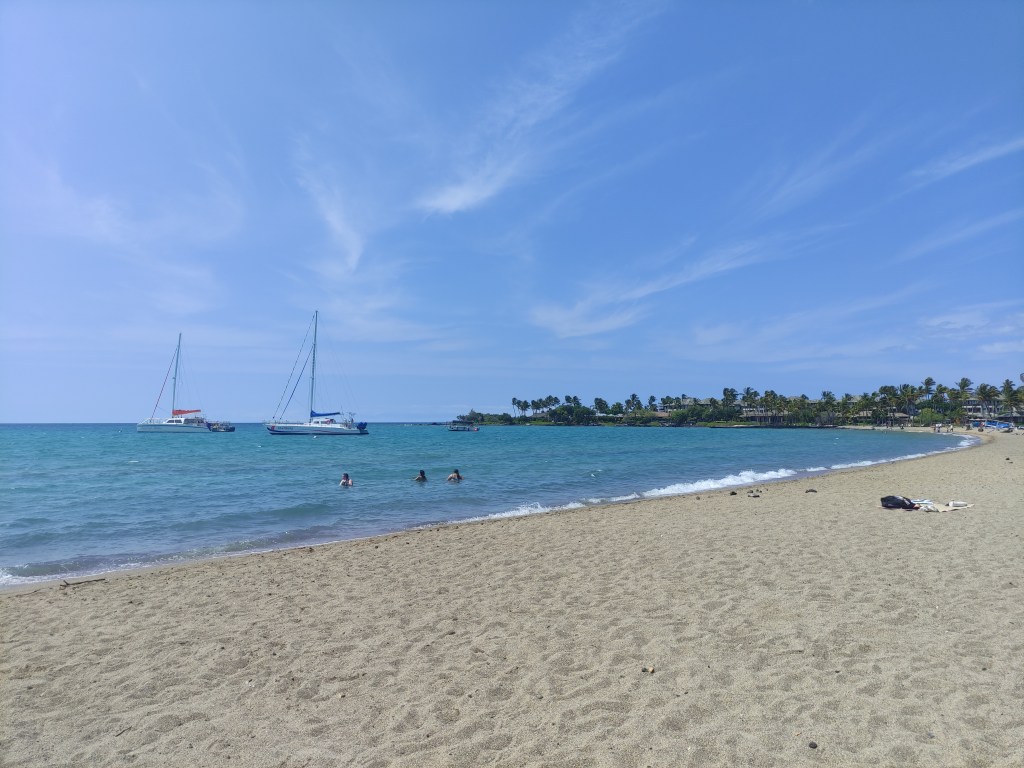
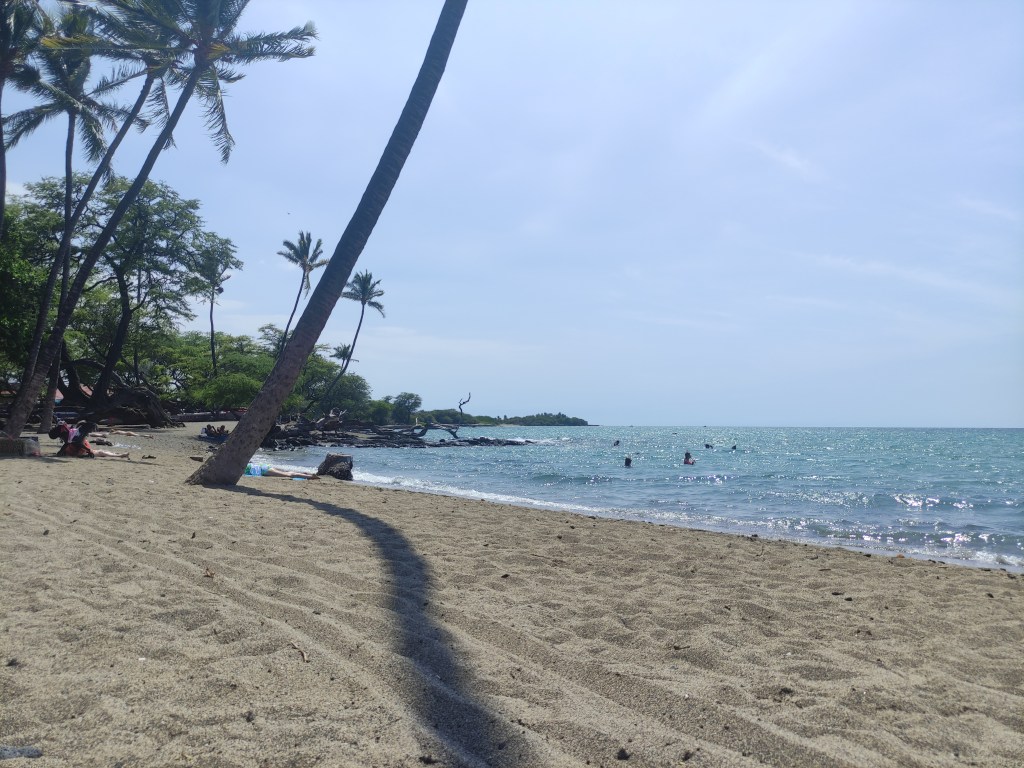













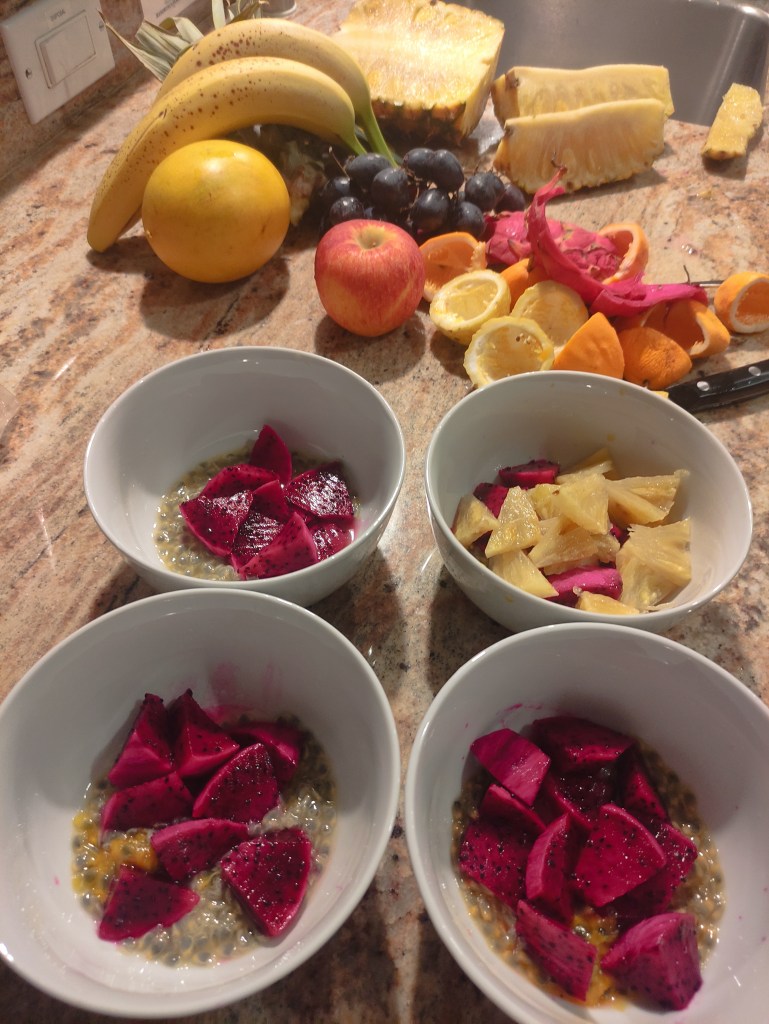
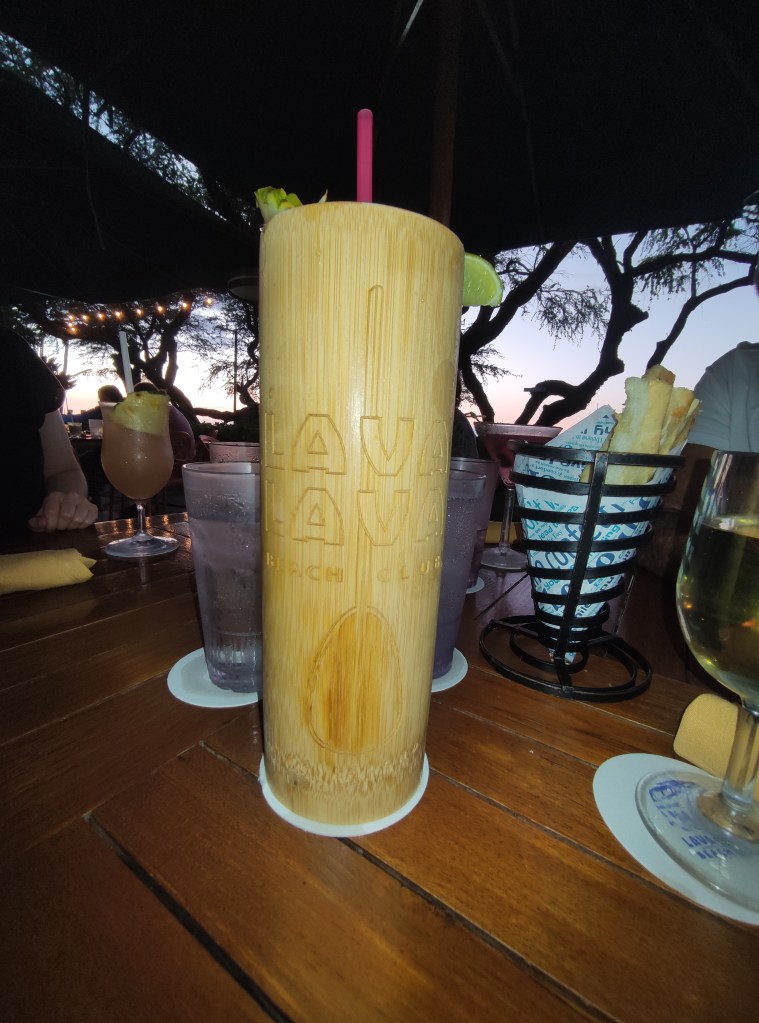
The most convenient and wonderful thing about having an apartment all to ourselves is being free to manage our “libation” individually. Only my son is omnivorous… but there isn’t shortage of delicious fruits, and a fortifying breakfast is just what you need to start the day off right. After spending a day at the beach, wandering along the coast on foot, we spent a fun-filled moment at the Lava Lava Club.
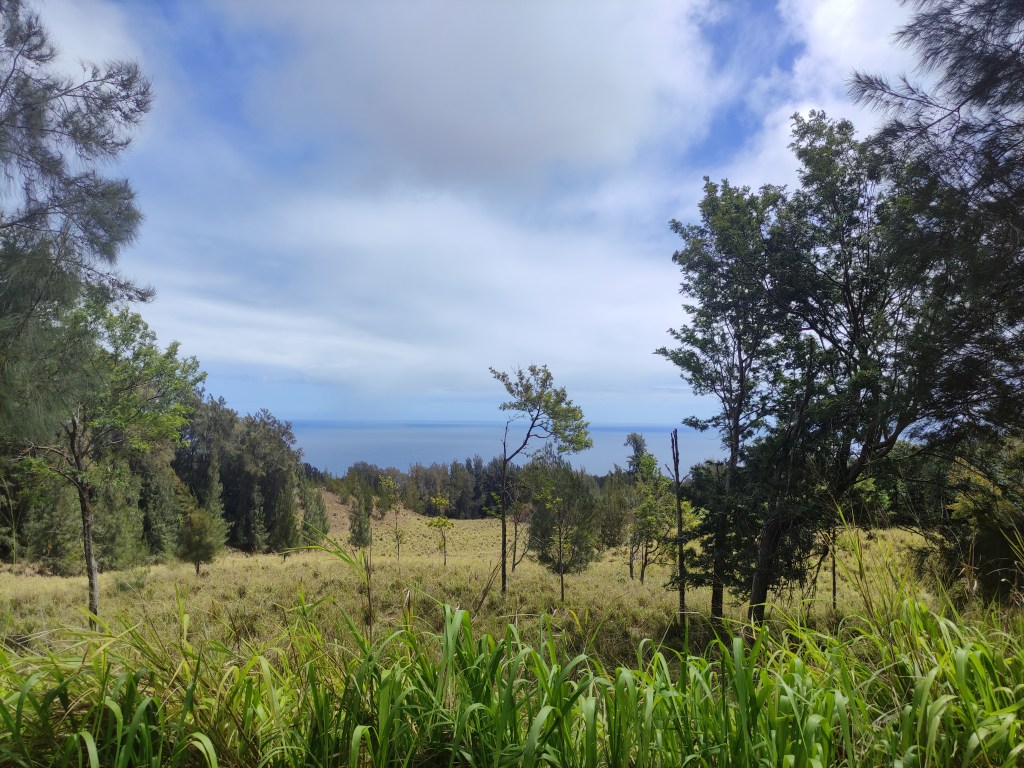
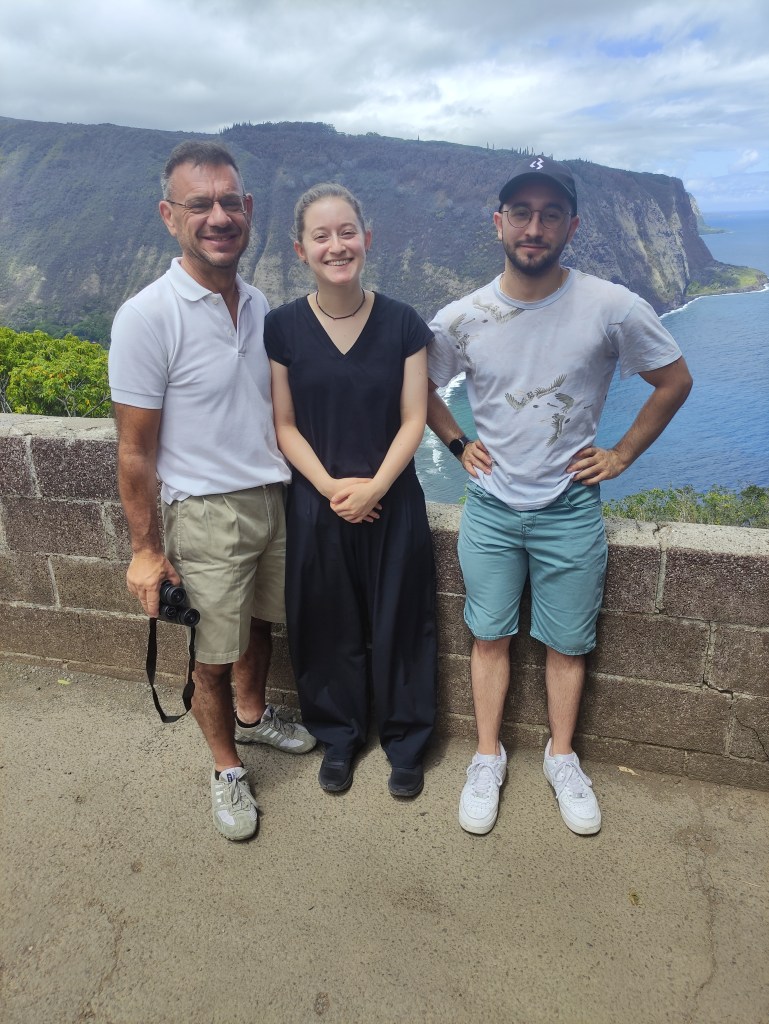
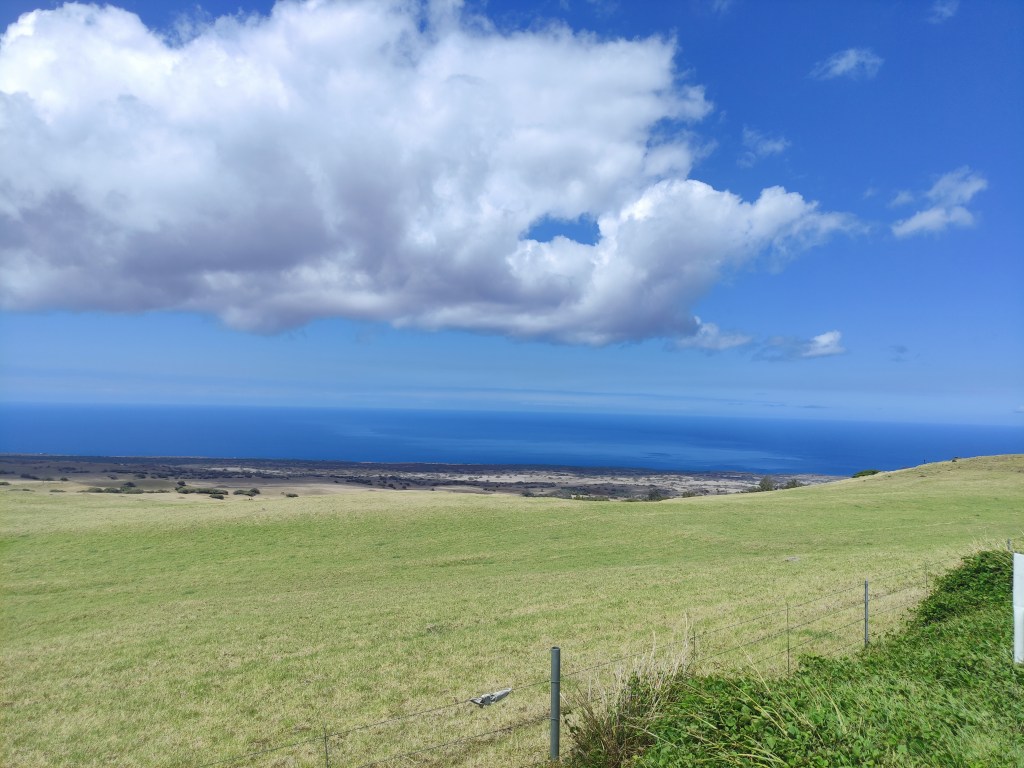
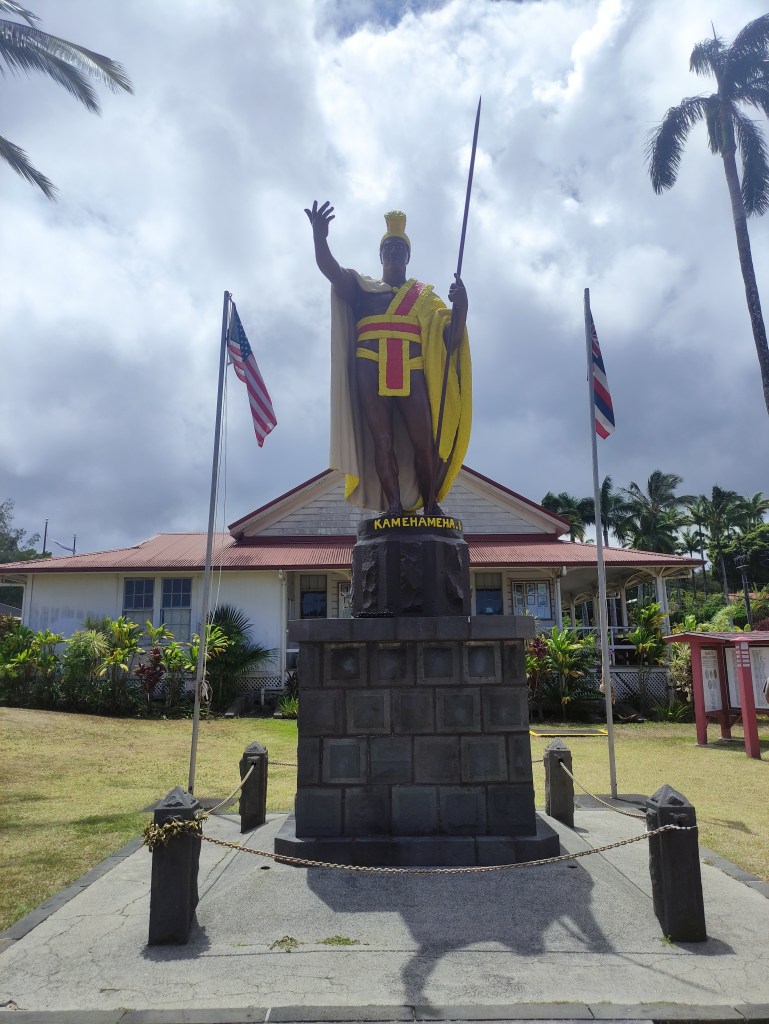
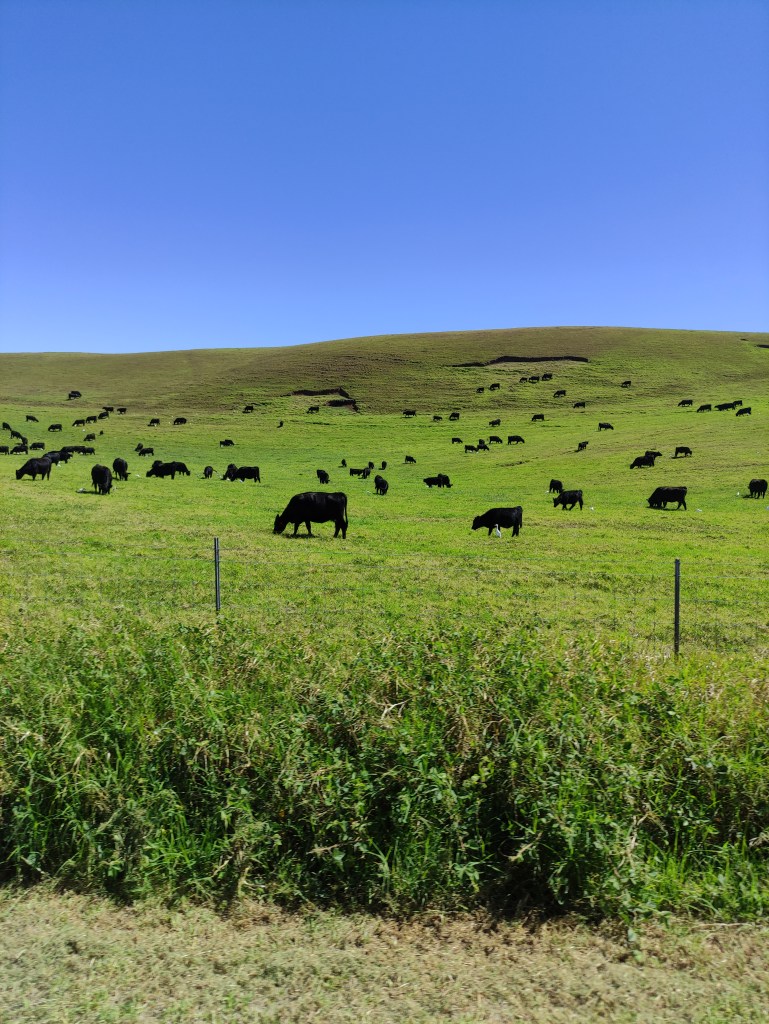
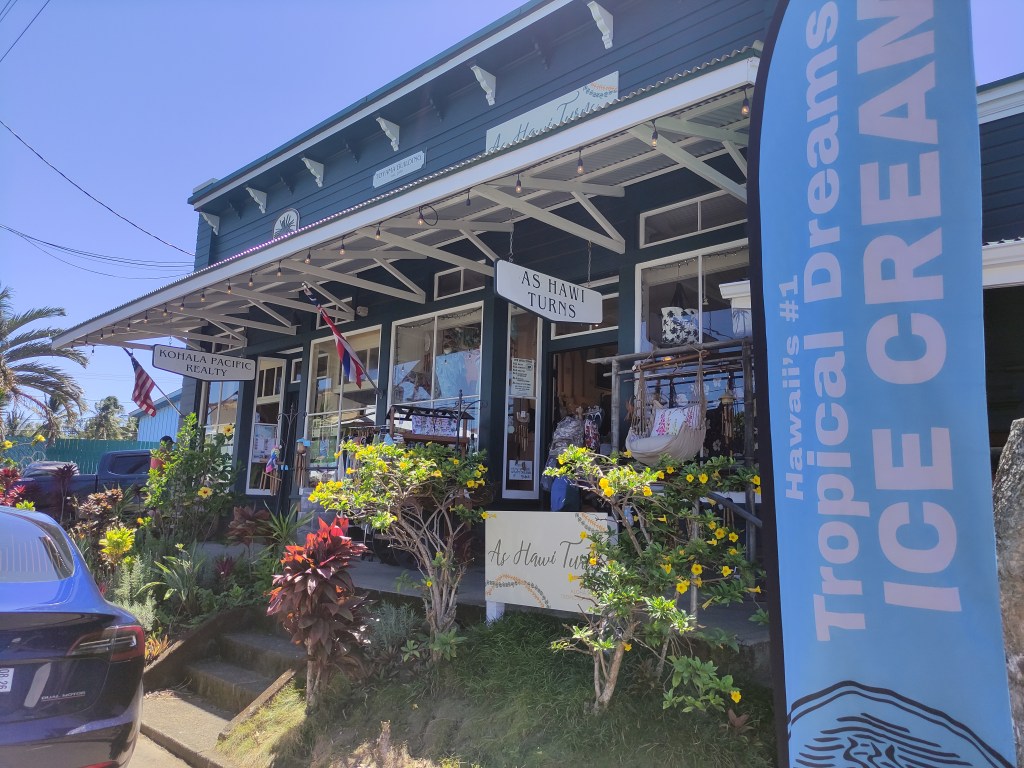
The next day, Saturday, we hiked the northwest tip around the Kohala Mountains. At Paniolo Ranch, my son made an appointment for a half-day outing on Monday morning. We went to the Pololū Valley Lookout, but again, we didn’t go down to the beach because the paths from the high plain to the beaches below are very steep. The descent was fine, but the climb back up takes hours. Kohala Volcano last erupted about 120,000 years ago and is the oldest of five volcanoes that make up the Big Island. Between 250,000 and 300,000 years ago, the Kohala volcano experienced a truly massive landslide, in which part of the volcano fell into the ocean. This landslide is responsible for the now-famous sea cliffs on the windward Kohala. Pololū Valley, Waipi’o Valley, and Waimanu Valley are the most spectacular. The entire northeastern part of the Pu’u O Umi Natural Area Reserve is very green and is crossed by about forty streams that flow from the top of Kohala volcano to the ocean. This reserve covers the west upper slopes and summits of the Kohala Mountains down to the dry coastal sea cliffs. Two rare montane bogs are found at Pu‘u O ‘Umi, along with montane wet grasslands, shrublands and forests. The reserve also contains coastal dry shrublands and grasslands, intermittent stream and montane wet cliff ecosystems, and lowland wet forests and shrublands. It’s impossible for me to describe its beauty; not even photos can do these wonders justice! In Kapaau, we saw the original statue of King Kamehameha. There are also several charming shops there where you can buy handmade souvenirs (and others made in China), as is the case almost everywhere. We had a picnic on a cliff/cliff along the Akoni Pule Highway, but the wind was so strong it was hard to keep our feet on the ground. The ceremonial sites, the Heiau (temple) , are interesting, and are still used and revered by Hawaiians today. The first, a fishing village, is the Lapakahi State Historical Site, which covers a relatively large area. The Pu’ukohala Heiau National Historic Site is home to one of the largest restored heiau in Hawaii and is part of the National Park System. On the way back, we stopped at a local market to buy fruit and vegetables.










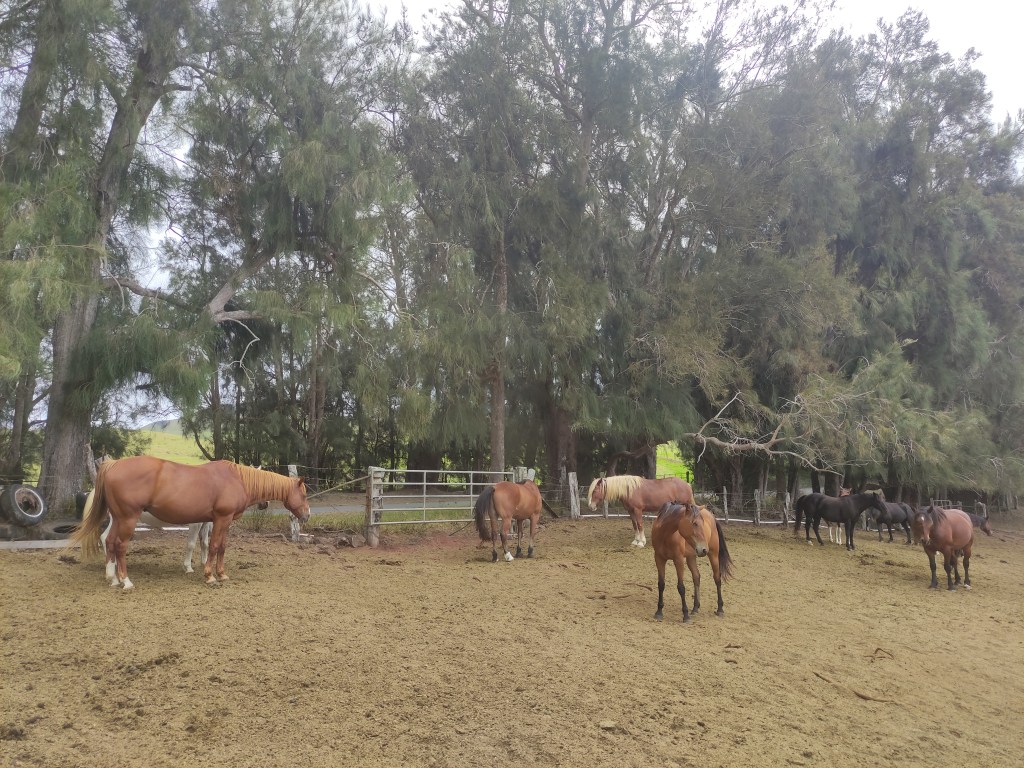




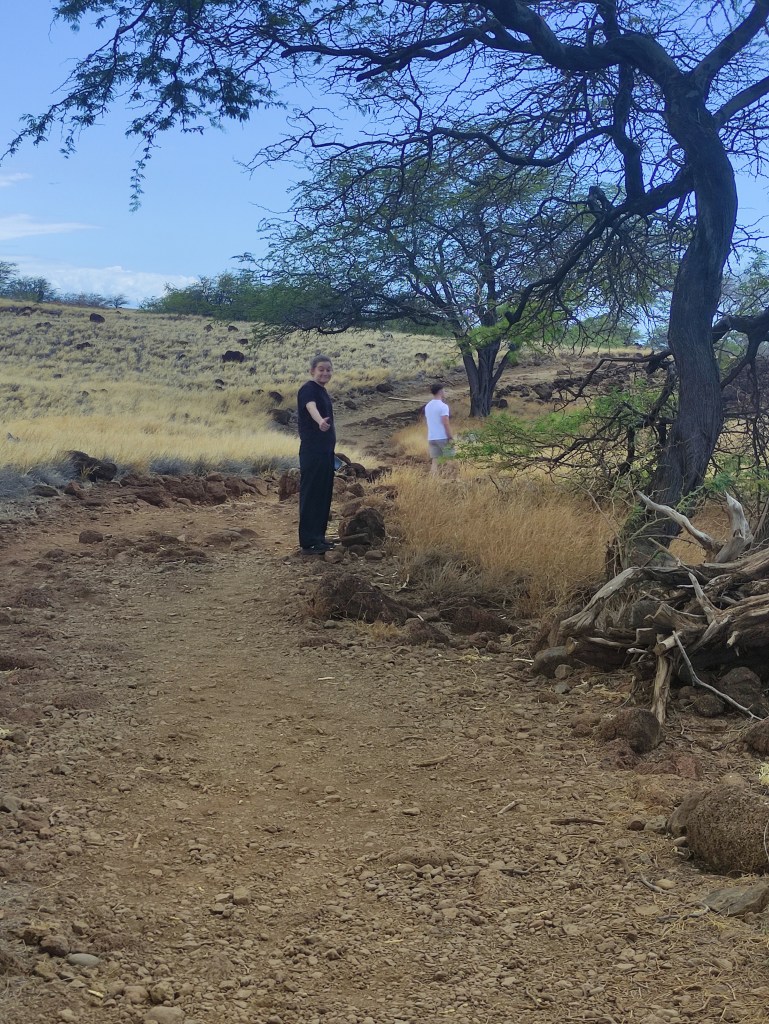


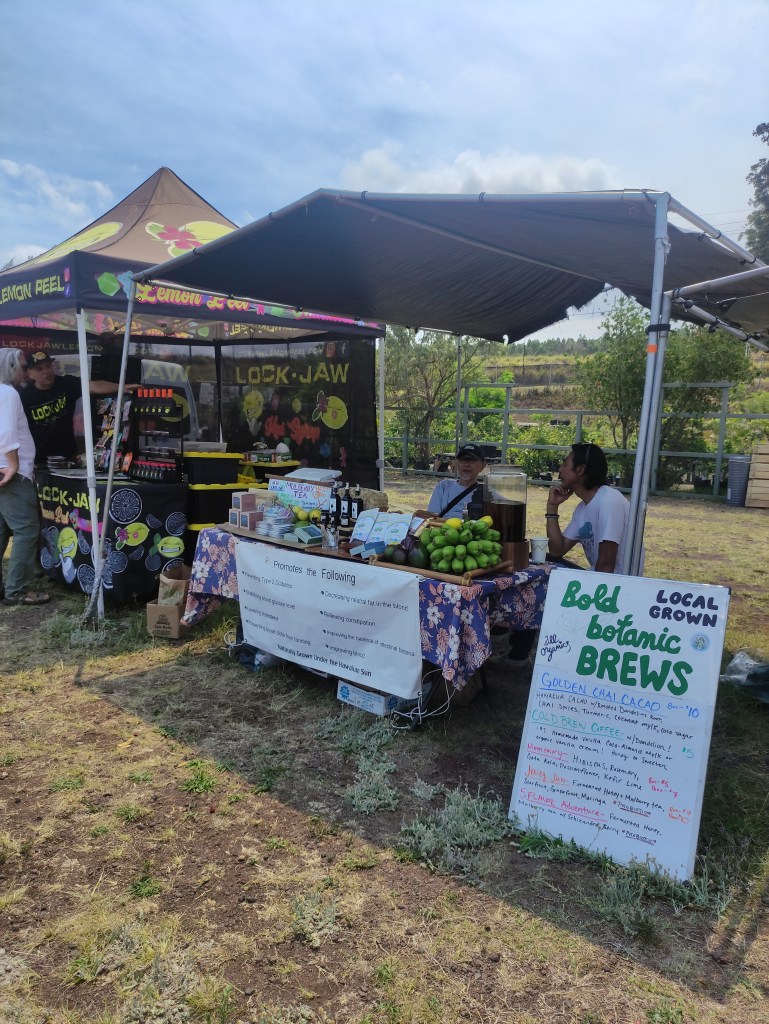
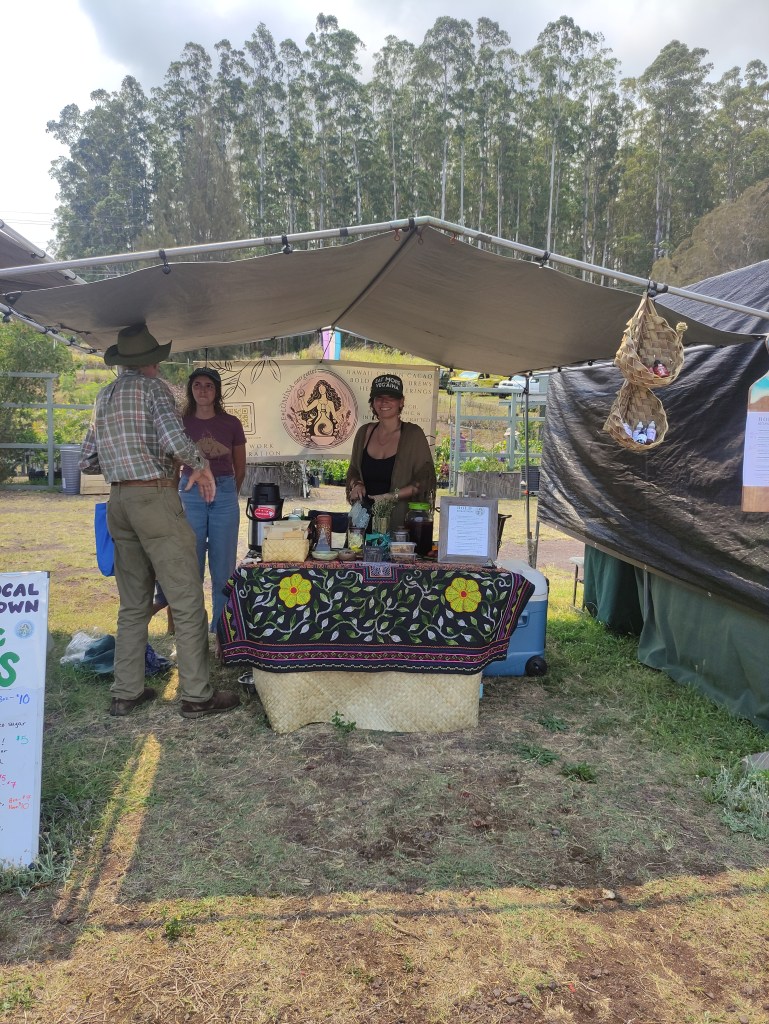


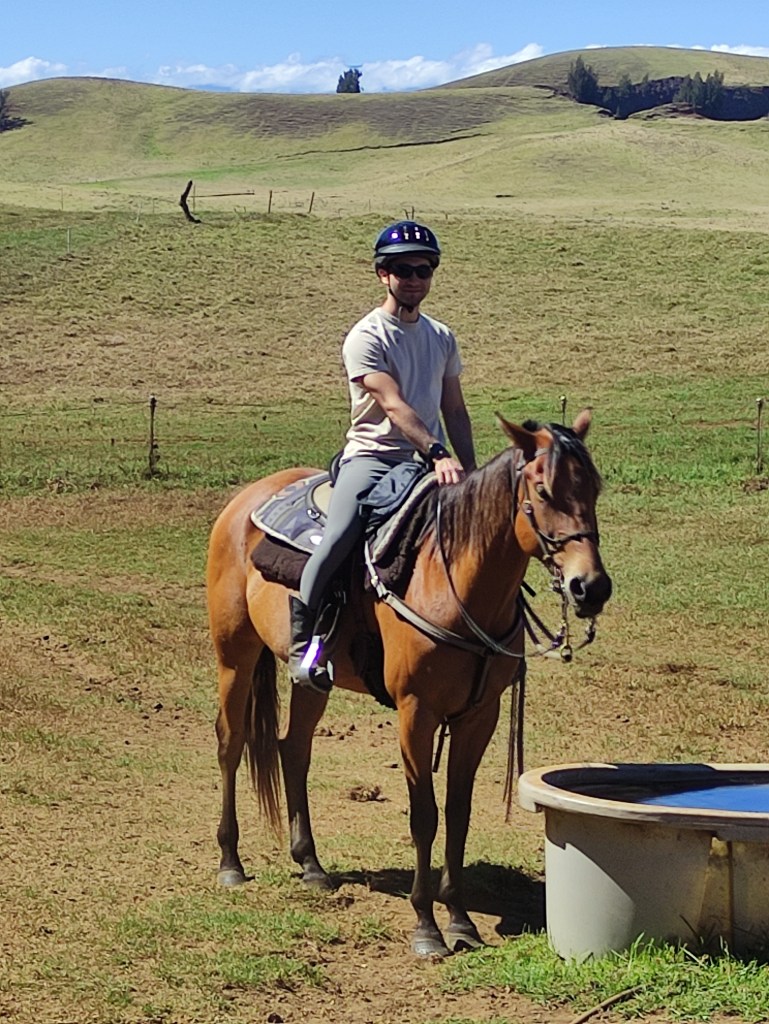
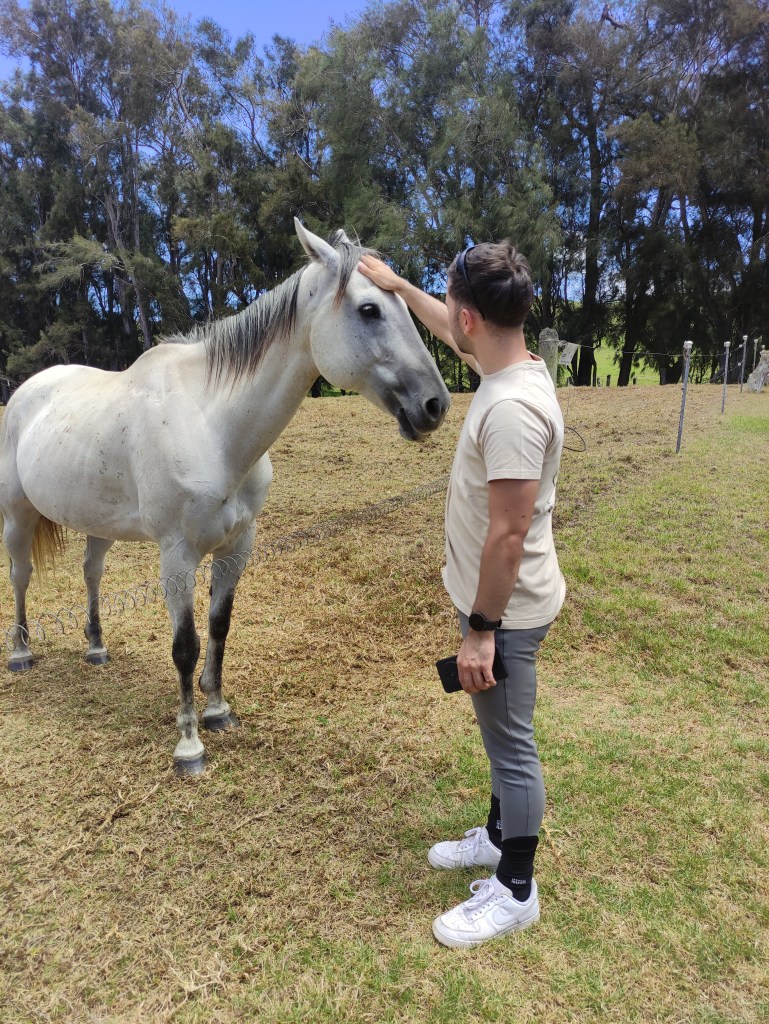
On Monday morning, we returned to Paniolo Ranch. The stables are well-maintained, and all the horses are well-groomed. I would have gladly accompanied my son, but the risk of straining my back unfortunately made me decide against it. The passions of my youth still intact, although I must unfortunately avoid horseback riding for health reasons. My husband and I returned to Hawi, wanting to visit the Heiau, which we hadn’t been able to see in the previous days. Unfortunately, the dirt roads were partly closed by gates and with signs prohibiting access. Back at the resort, we then spent part of Monday afternoon on the beach. In the early evening we watched a hula school rehearsal. Children start attending these classes as early as age 5. The traditional hula dance of Hawaii plays an important role in keeping the history, culture, and mythology alive. Each movement tells a story and connects the Native Hawaiians to their gods and their land. The hula dance began as a way to honor the gods of Hawaiian culture. The traditional costume of the hula dancers includes a lei, a skirt, and ankle bracelets of bone/teeth or local flora. Both men and women performed hula dances, though the choreography of the men’s dance was more vigorous than the fluid motions of the women’s dance.
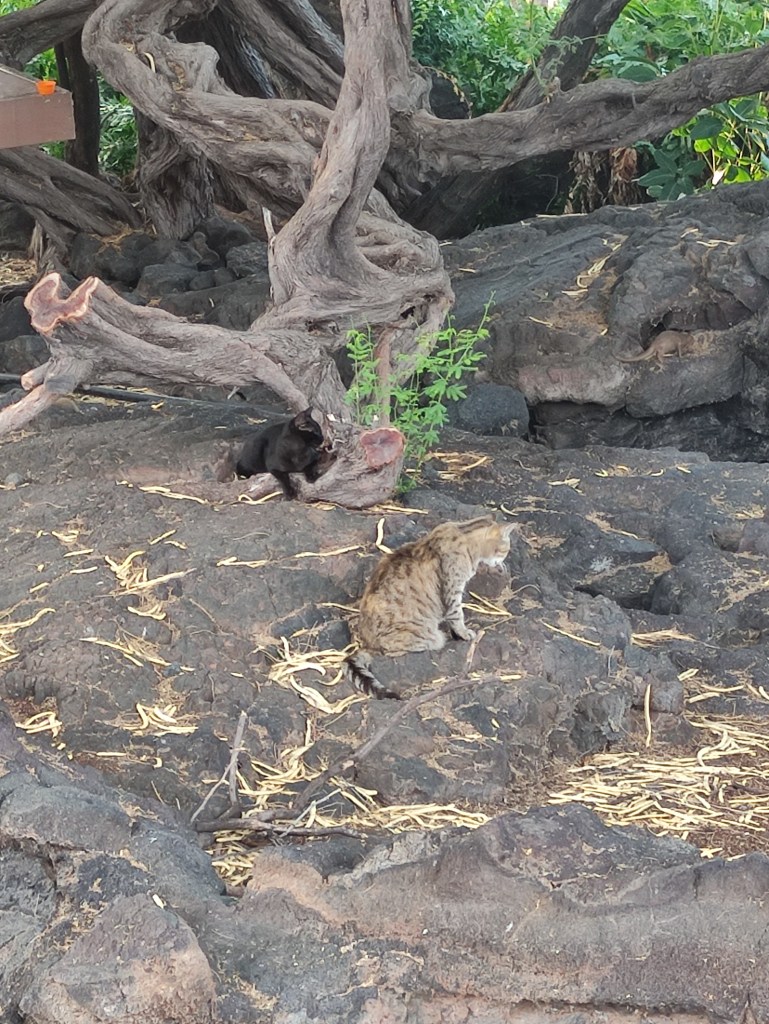
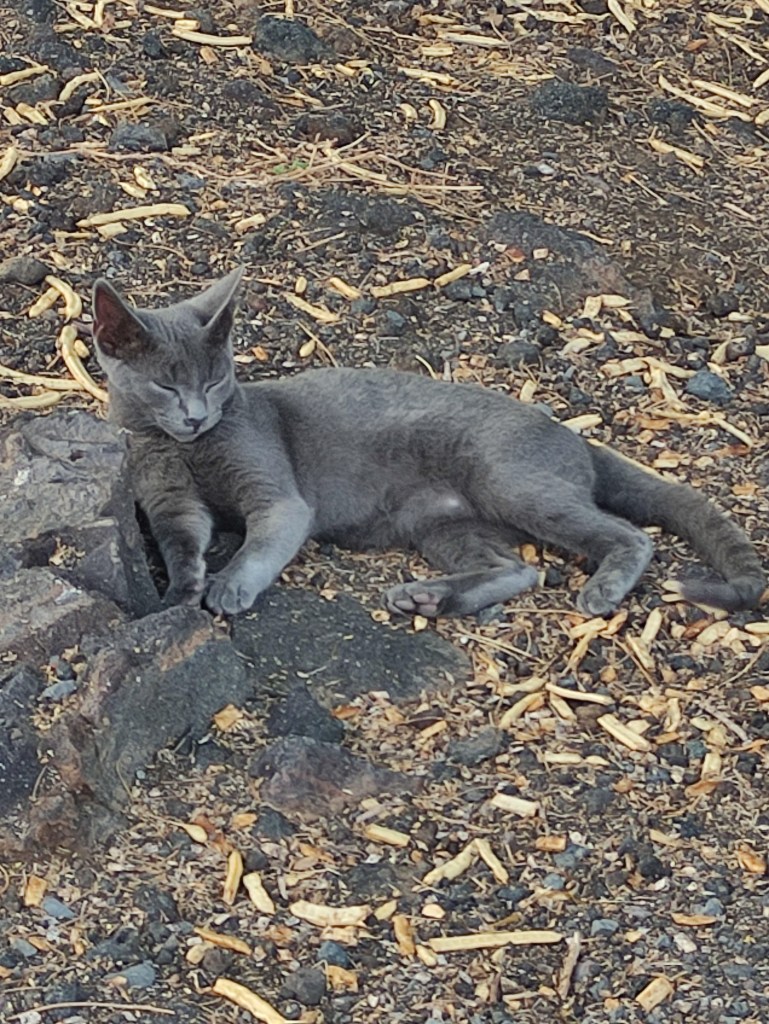
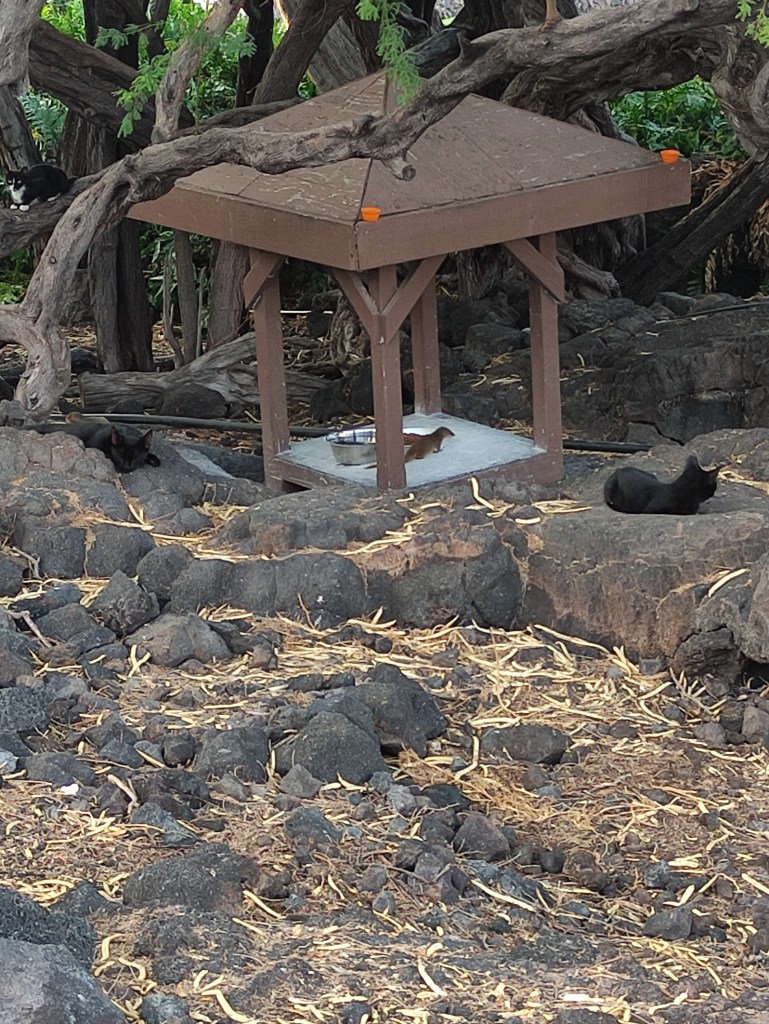
Near the beach, there’s a feline colony of about thirty cats. They’re in perfect health and well-fed: volunteers bring food and water to the kitties, while a sign informs beachgoers that feeding them is prohibited. Well, I had to resist the temptation to pet one of them…










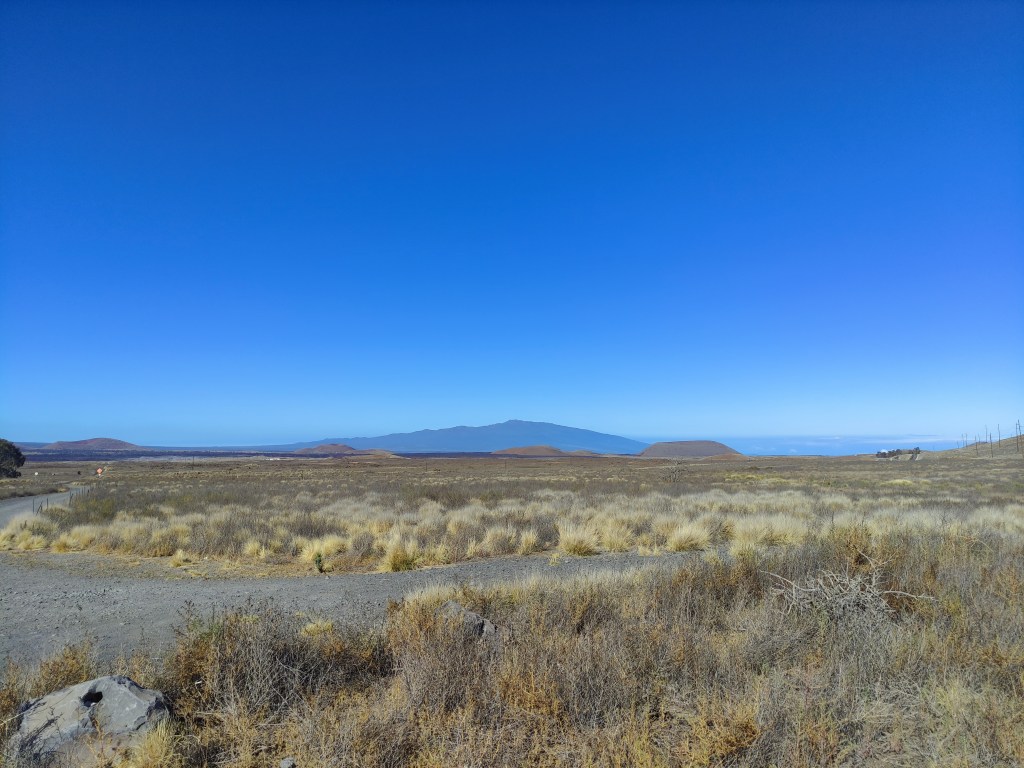
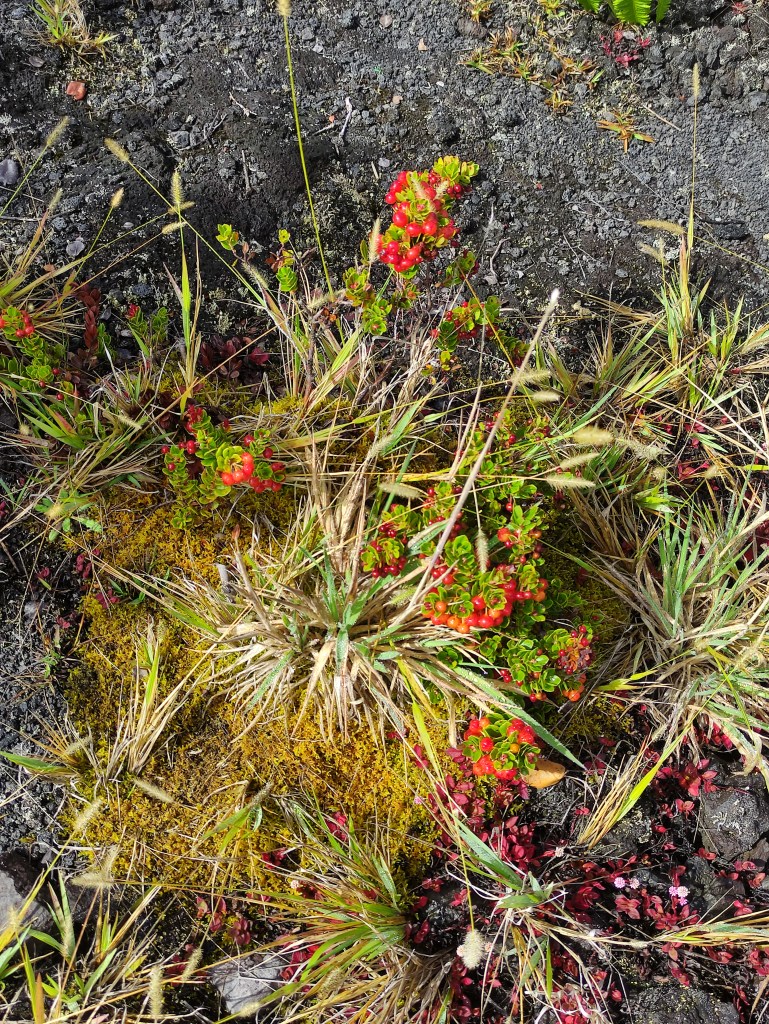
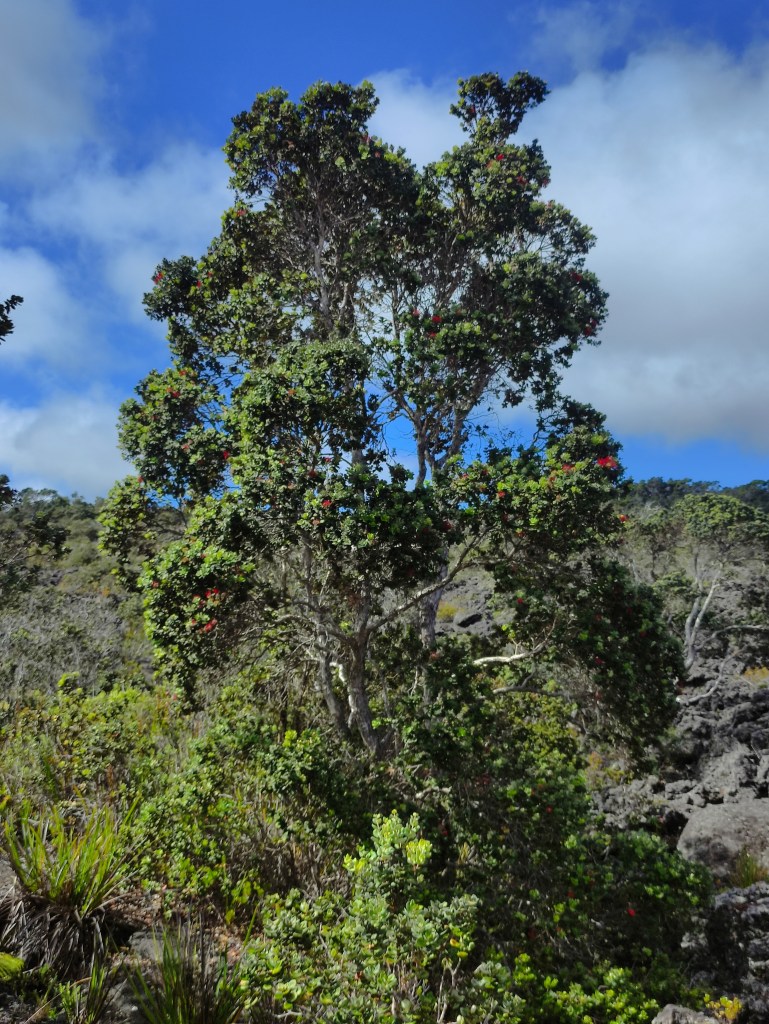
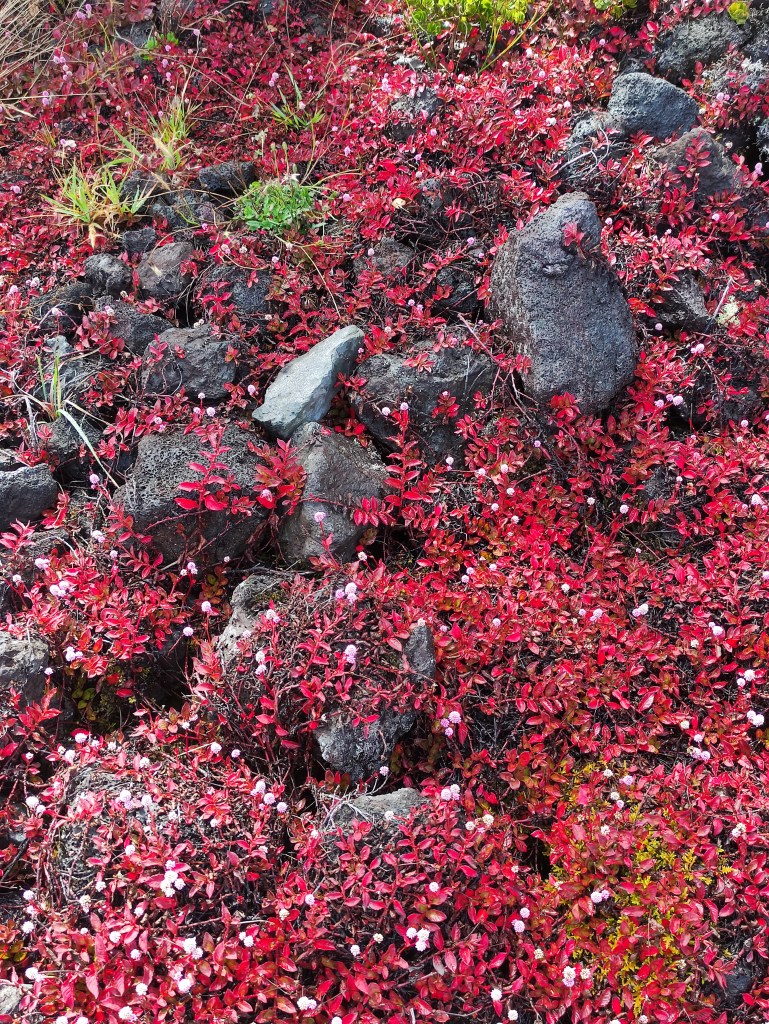
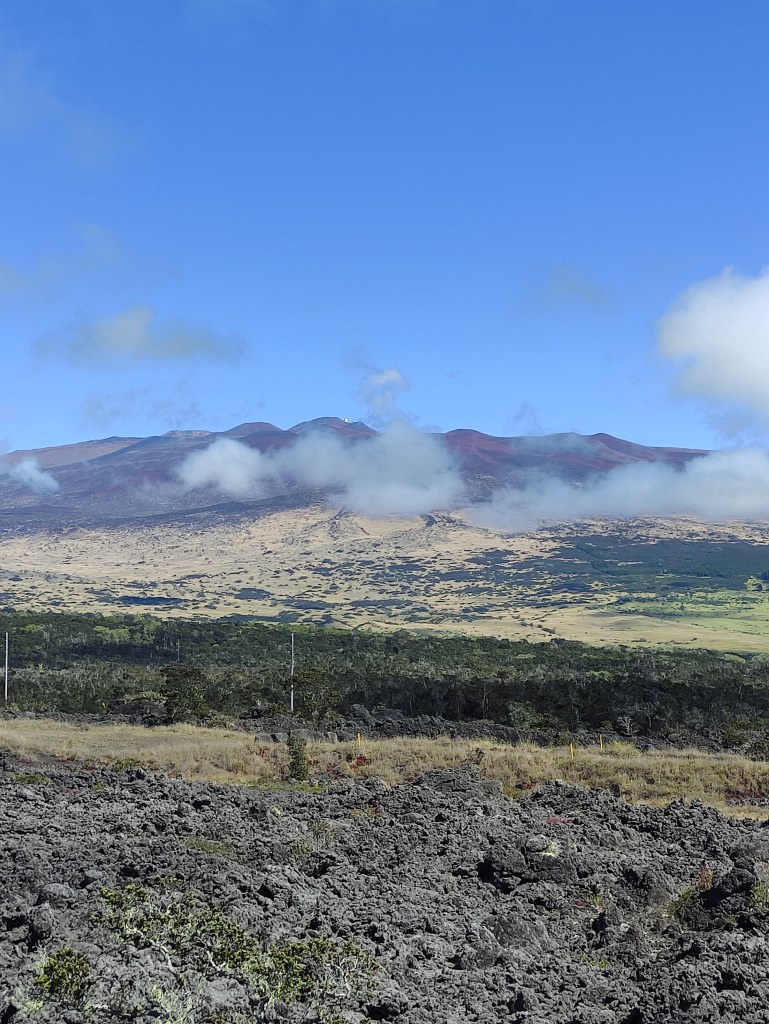
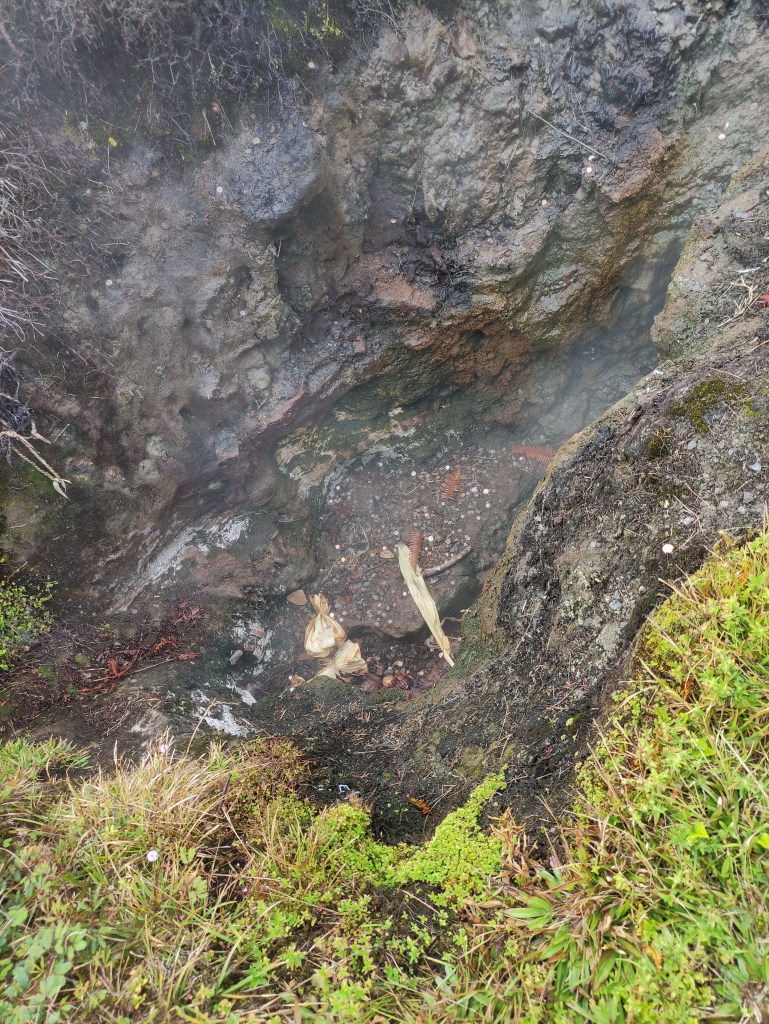
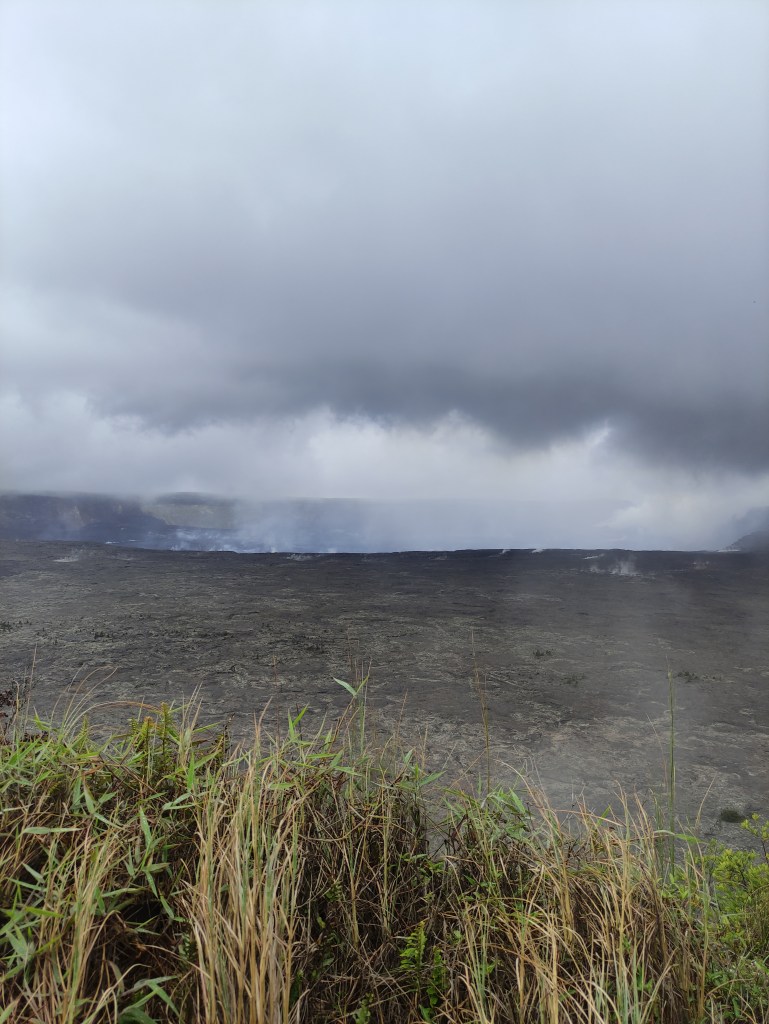
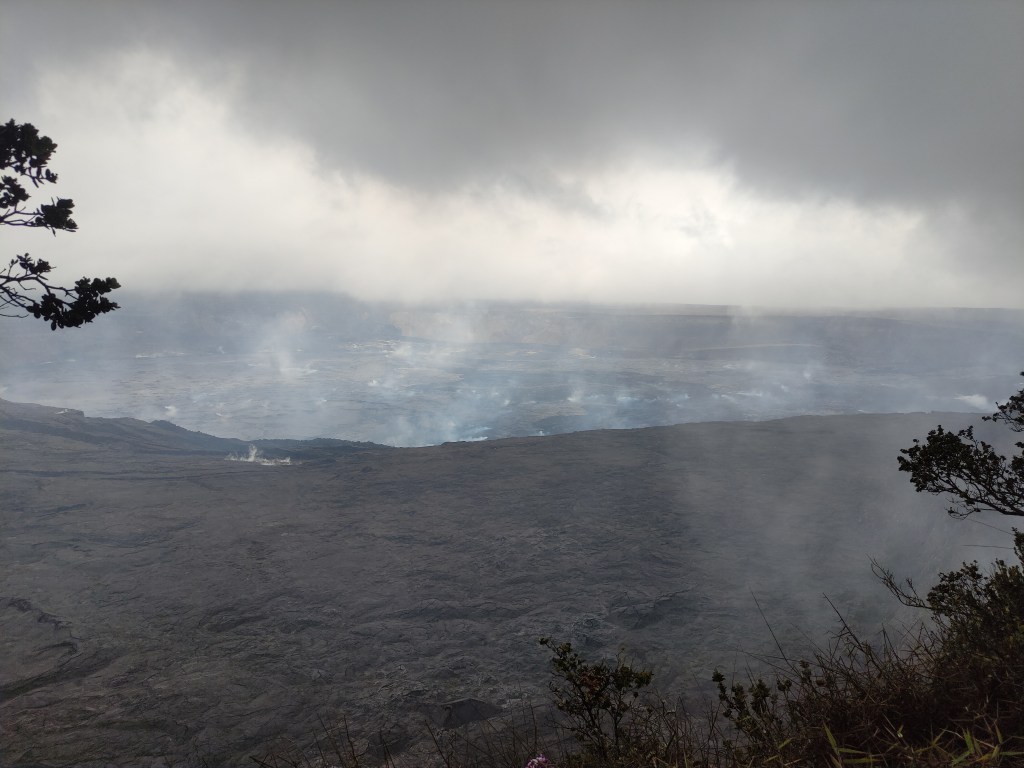
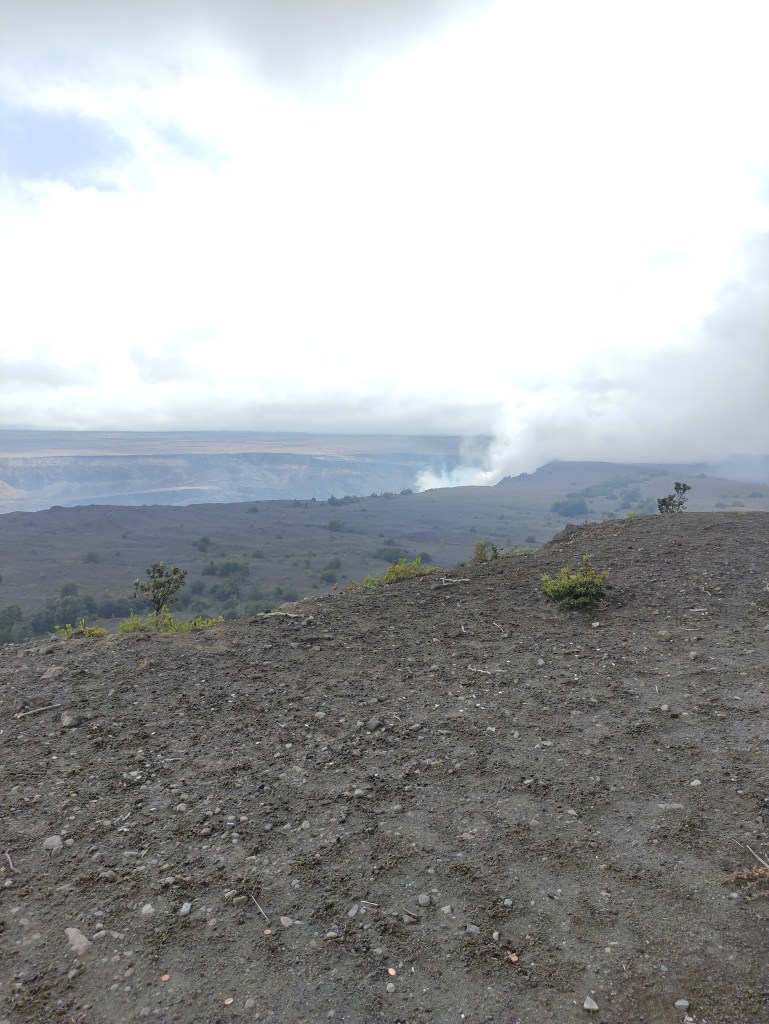
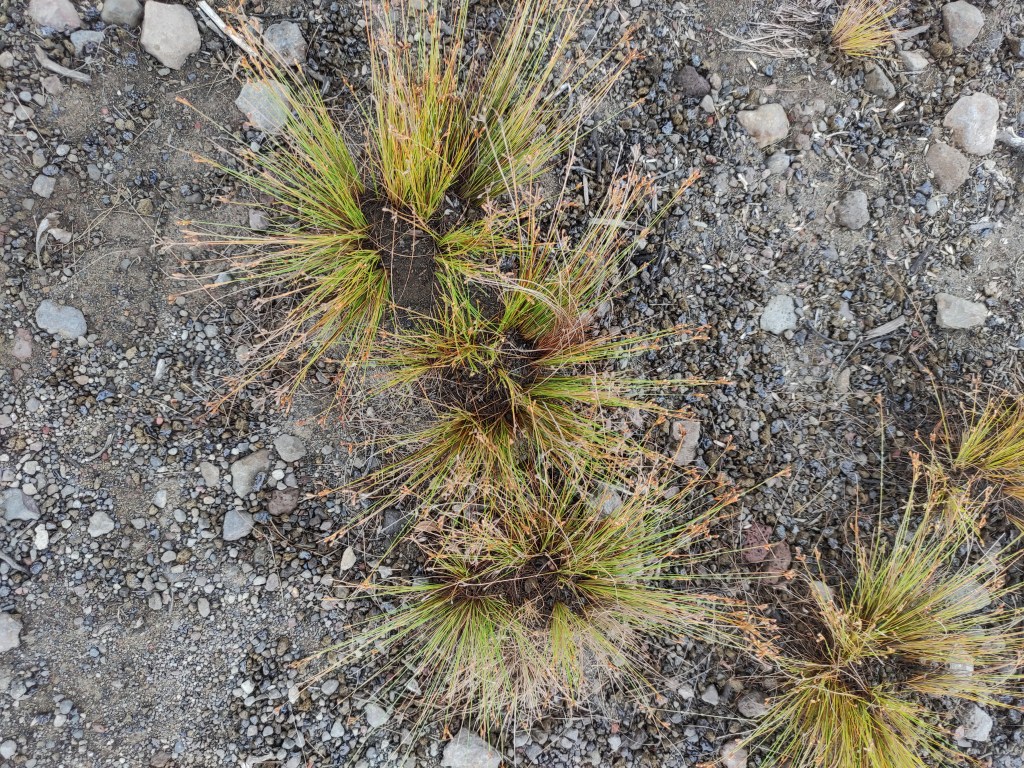
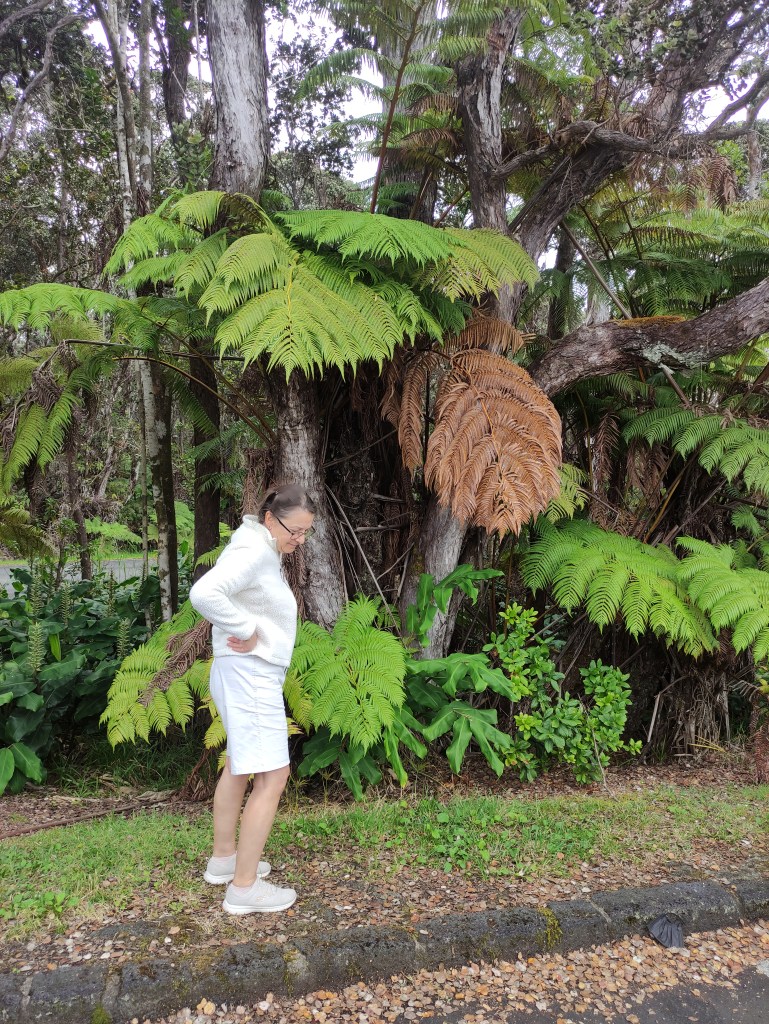
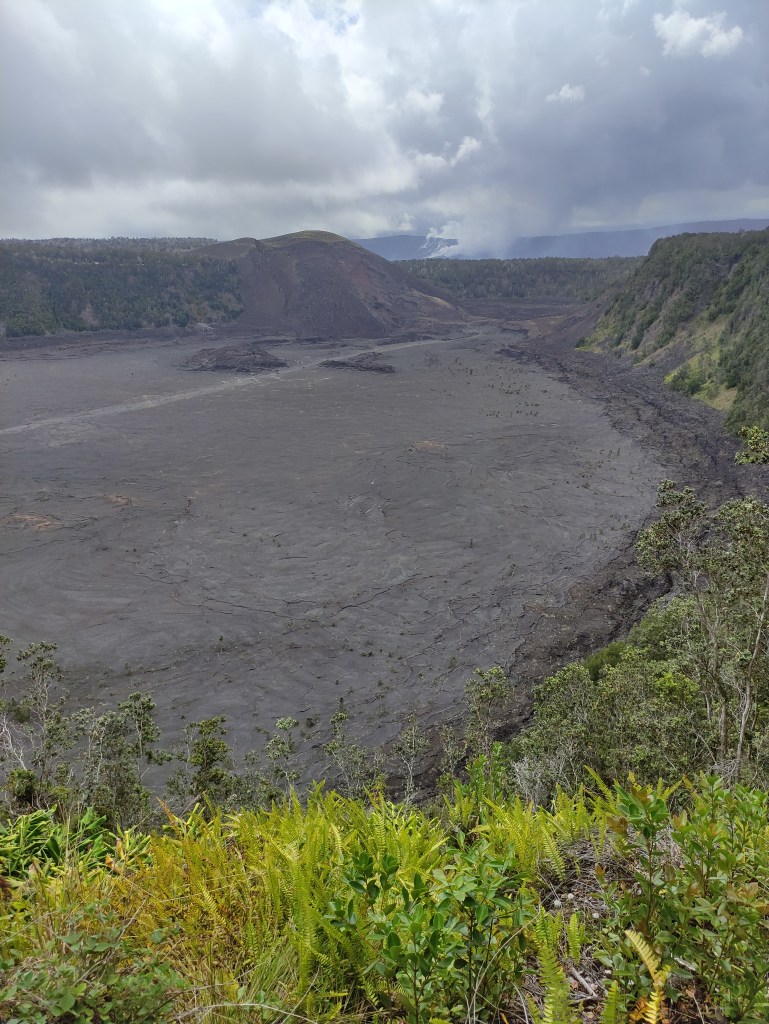
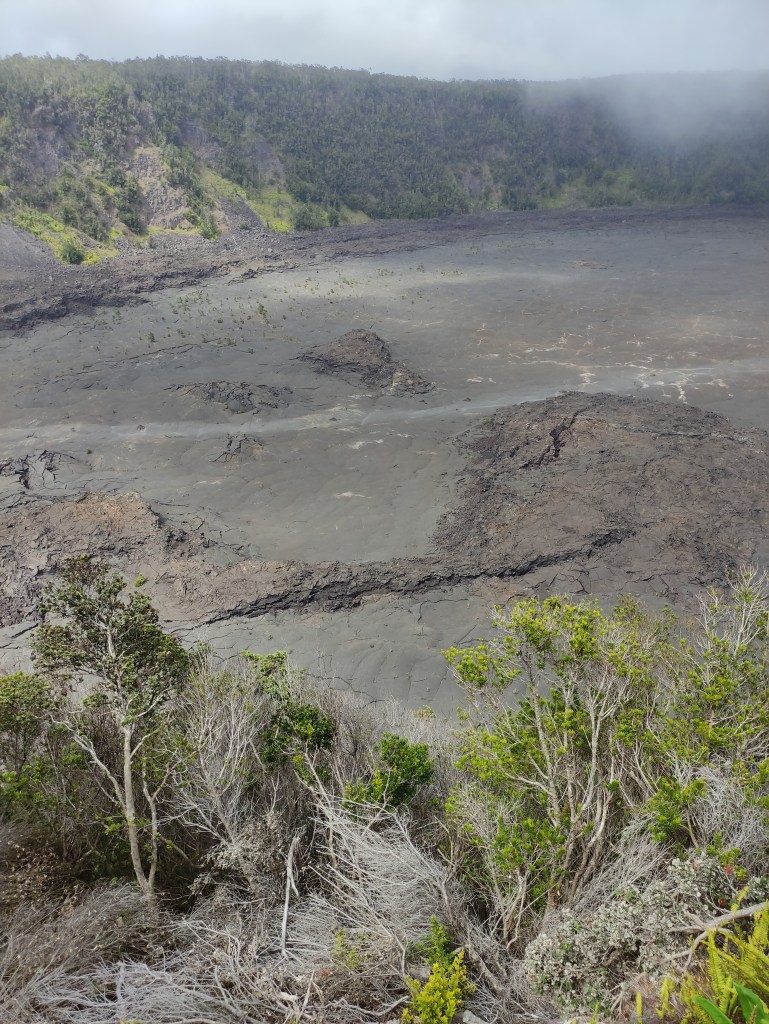
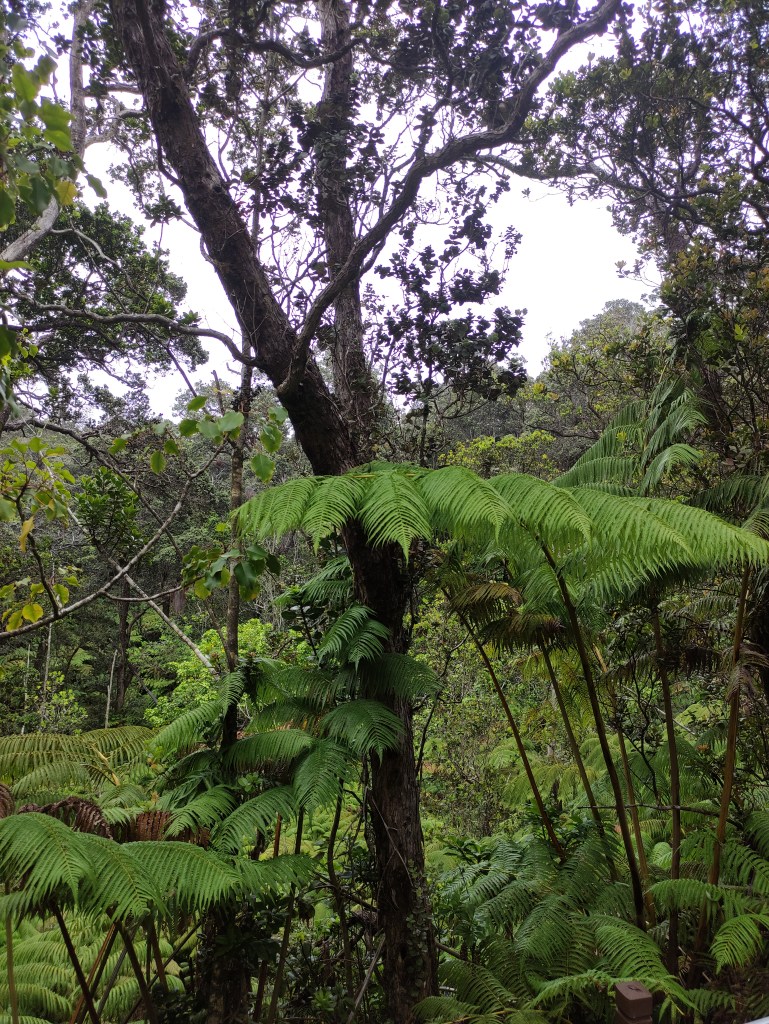
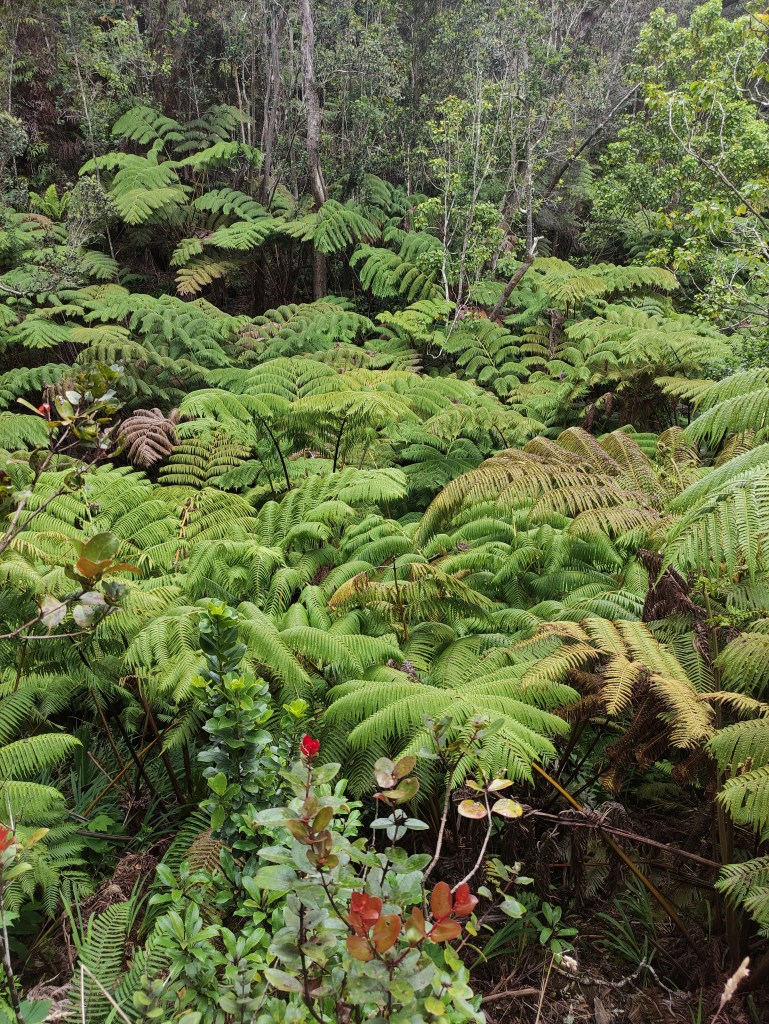
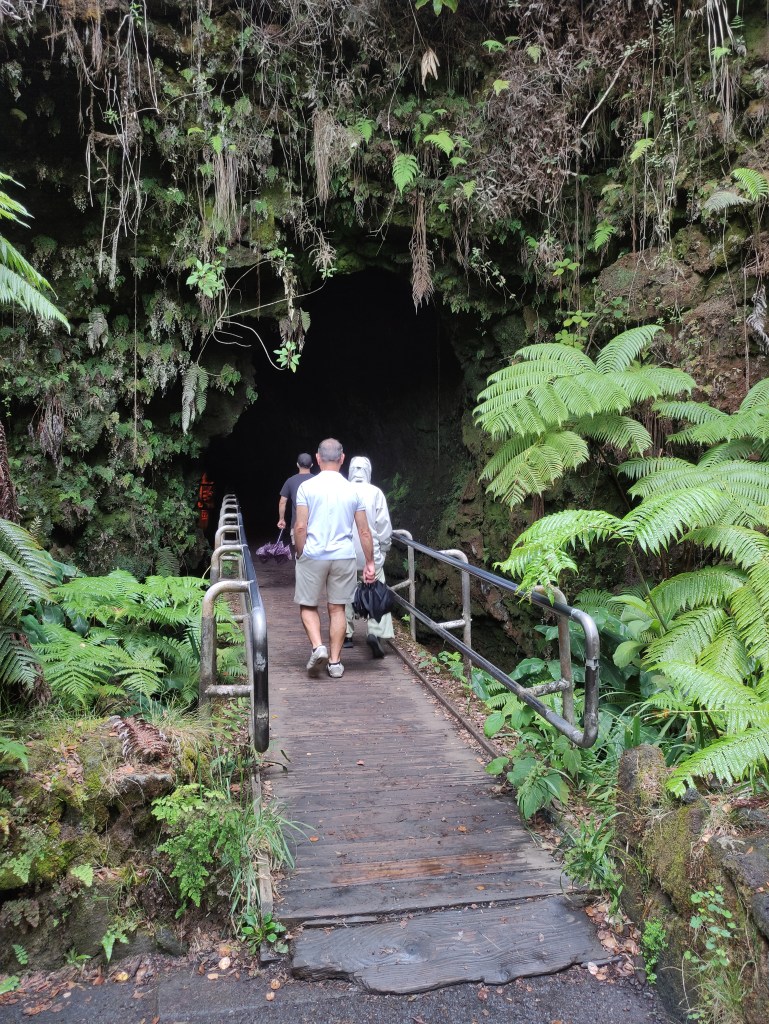
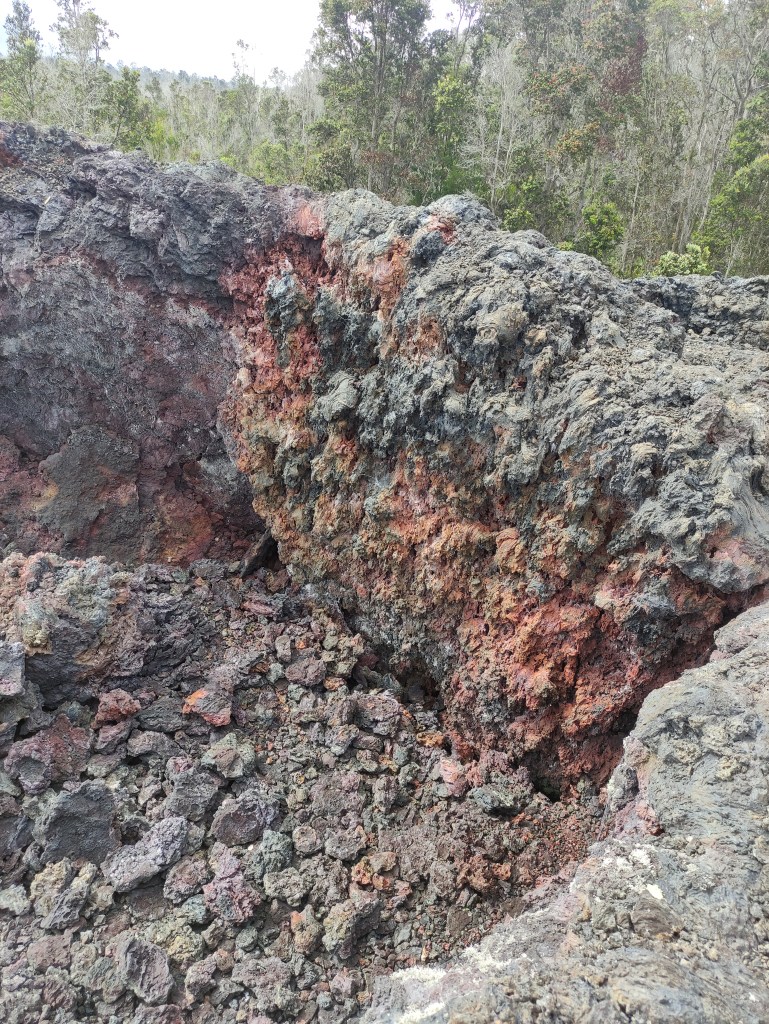
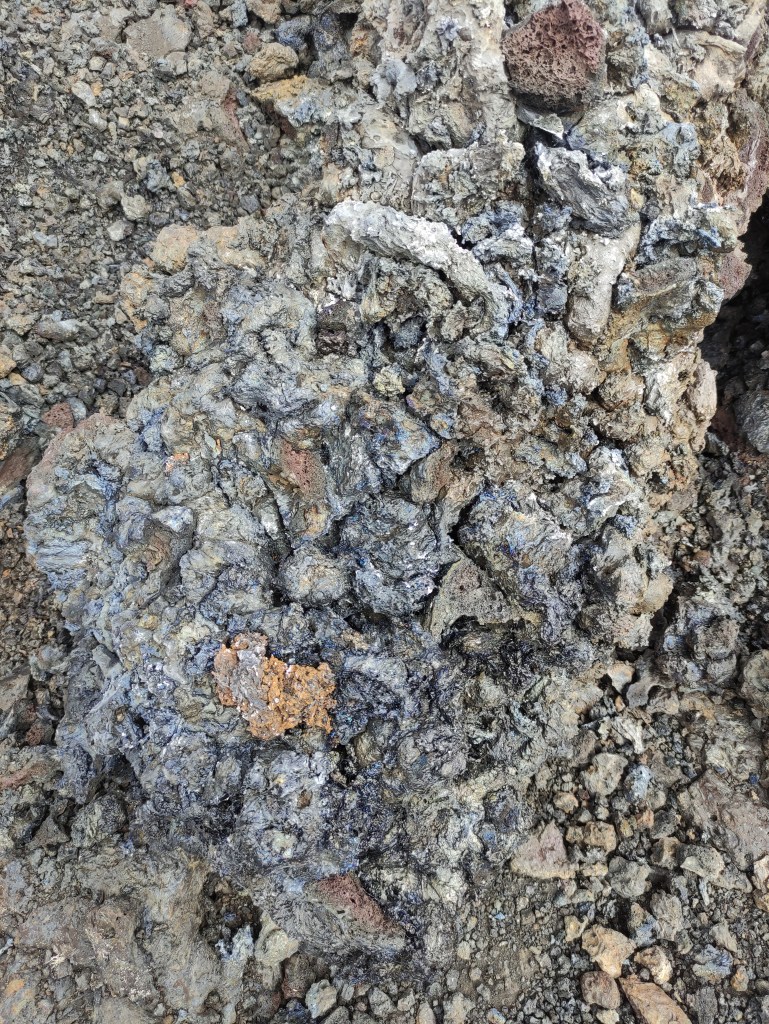
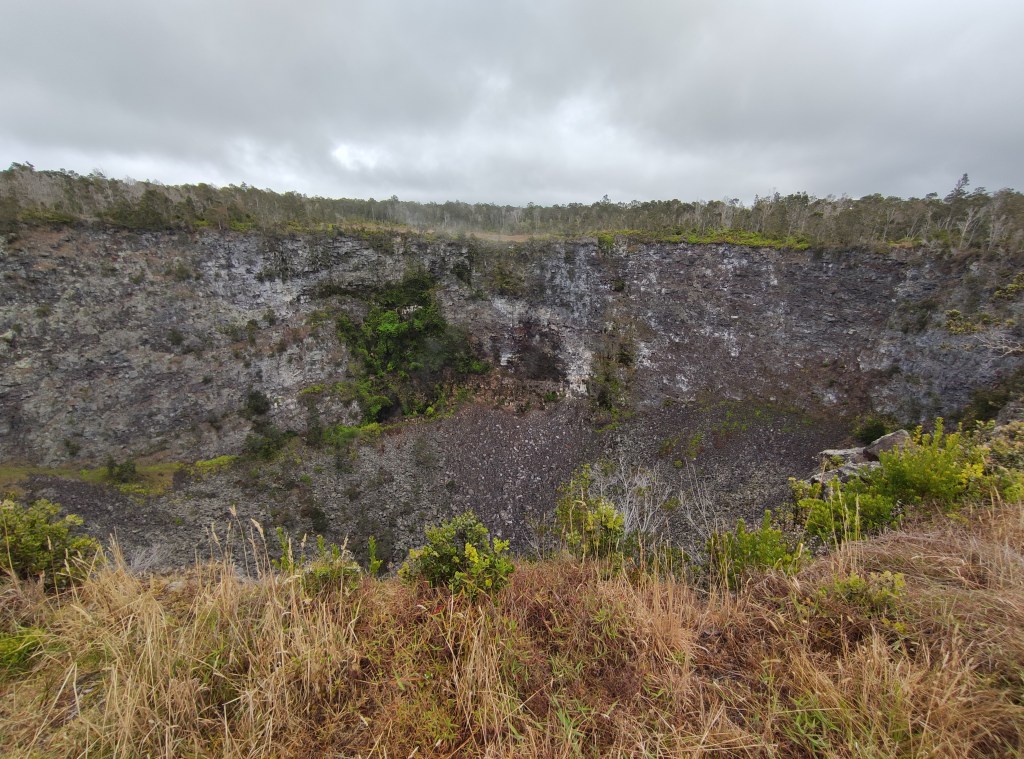
On Tuesday, September 9th, we took a volcano tour to visit fire-breathing Haleakala. For safety reasons, not all roads leading to the summits of the various volcanoes are open to tourists. The journey is very long and time-consuming. The first leg of the route leads to Waimea (north Kohala Coast). Then we turned right onto the Daniel K. Inouye Highway, crossing the old lava flow between the two volcanoes: Mauna Kea 13,679 feet and Mauna Loa 13,679 feet (the link will show you the actual situation of its activity). We continue towards Hilo to join the Saddle Road. We had already taken this route a couple of days earlier. We then turn southwest along the Hawai’i Belt Road to Hawai’i Volcanoes National Park (see the short film). In the National Park, we literally entered the Kilauea crater (slightly southeast of Mauna Loa). We listened with interest to the ranger’s explanations, which revealed that this volcano, or rather one of its craters, is very active and erupts every two weeks. This time, we wouldn’t see the eruption, which is expected in seven days. There are a multitude of hiking trails throughout the area that would certainly be worth exploring if we had more time. Once again, I found the flora of these places spectacular. Thinking of the lava flows, of the heat that the goddess Pele’s fire brought destruction everywhere, these stunning plants and flowers gave us paradoxical visions. As in earlier days, I just had to close my eyes to be transported to the pristine magic of Eden-like places on Earth. And once again, I wondered why Mankind is not capable of venerate the Planet instead of destroying it in every imaginable way. In the early afternoon, we drove the entire Chain of Crater Road (Naulu Trail) to the sea. We stopped at the Nāhuku Lava Tube, a tubular lava formation you can walk through. The surrounding flora resembles that of the Jurassic period: an indescribable wonder. We then descended to the Hōlei Sea Arch, where the trail (Kaimu-Chain of Crater Rd. / Kalapana Emergency Access Rd.) is interrupted by an old lava flow and you can’t continue further east. The return was tiring for dad, who had been driving the entire time. We had to return along the same route we had taken, once again encountering rain and fog on the plateau.






















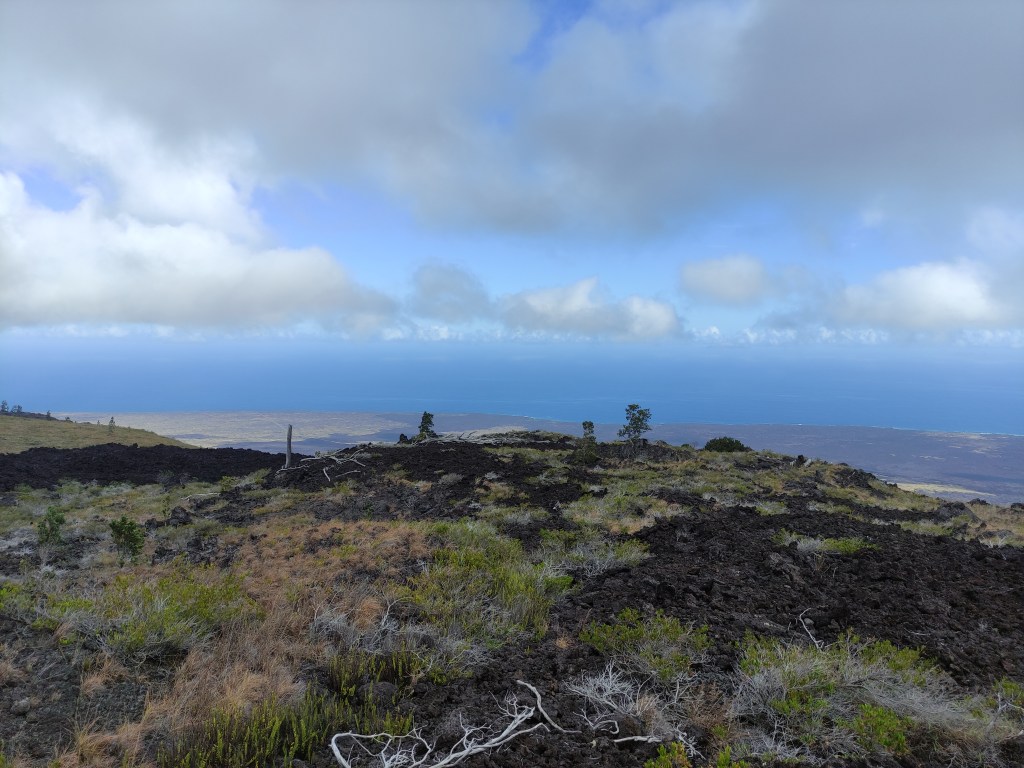
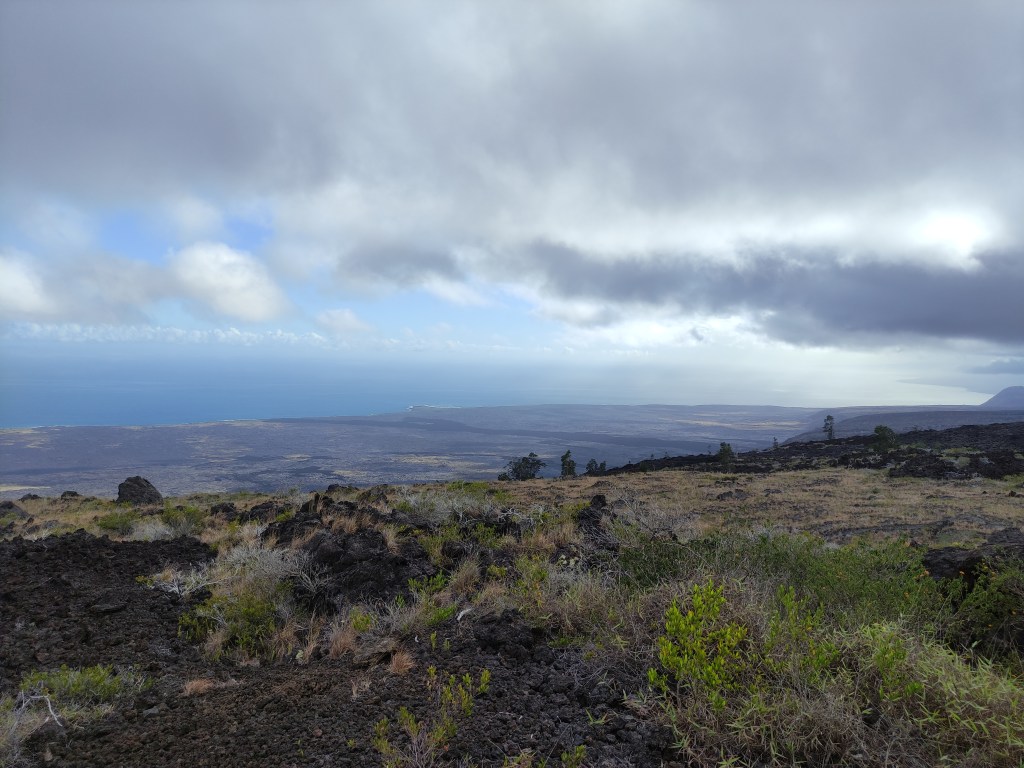
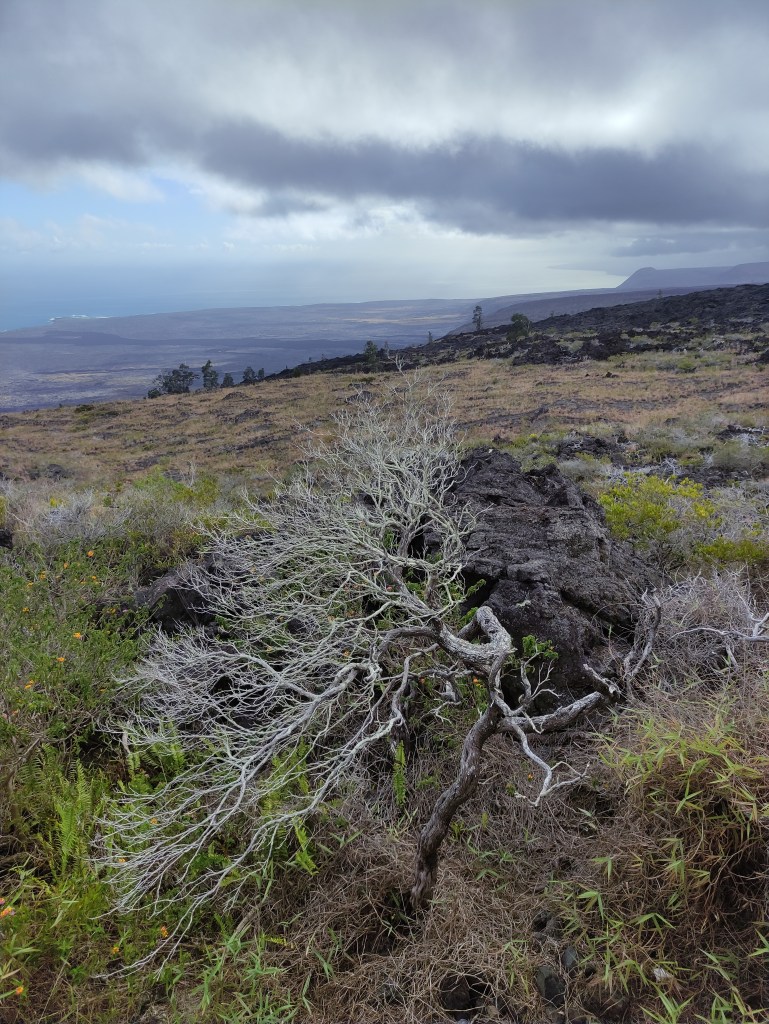

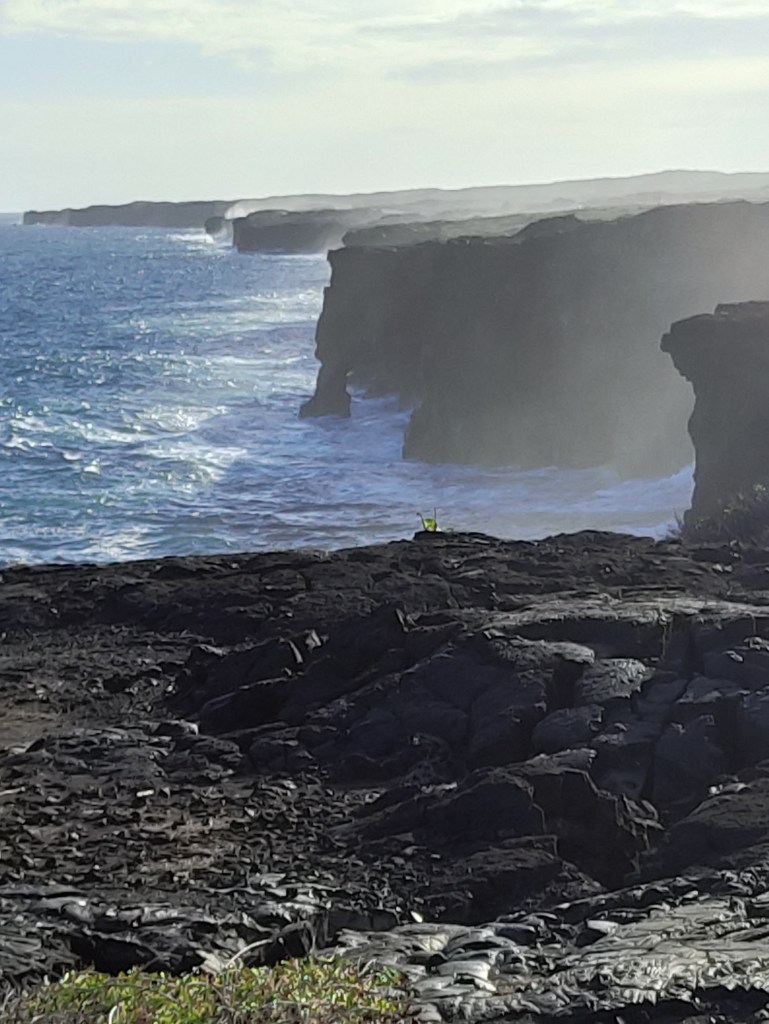


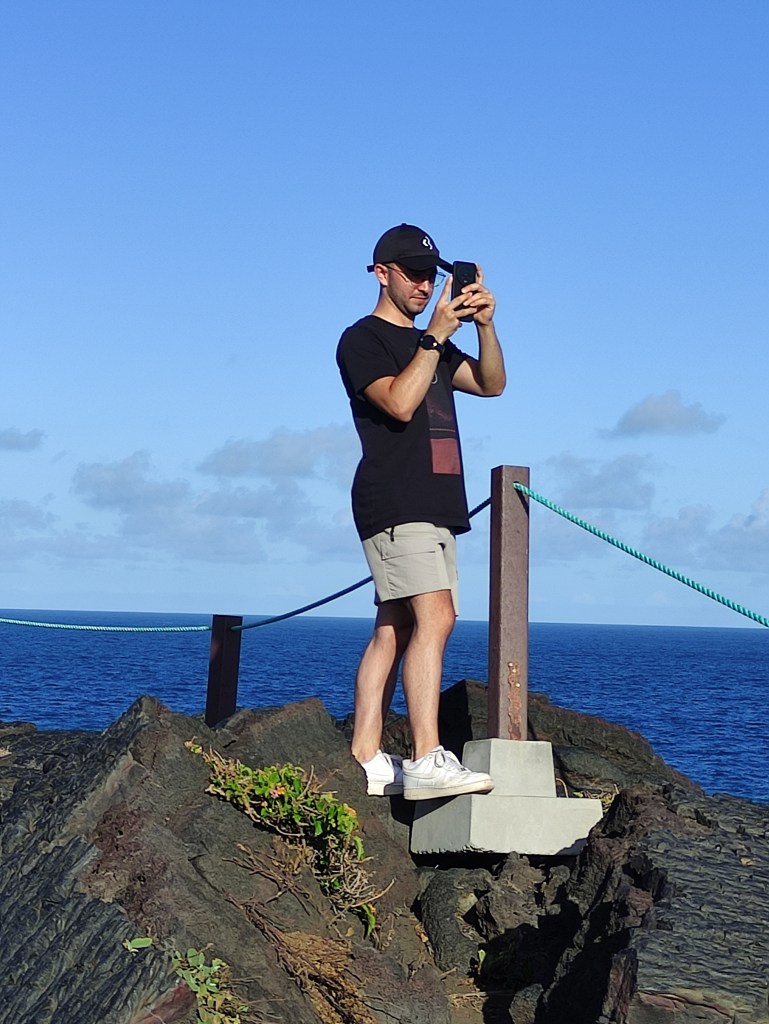

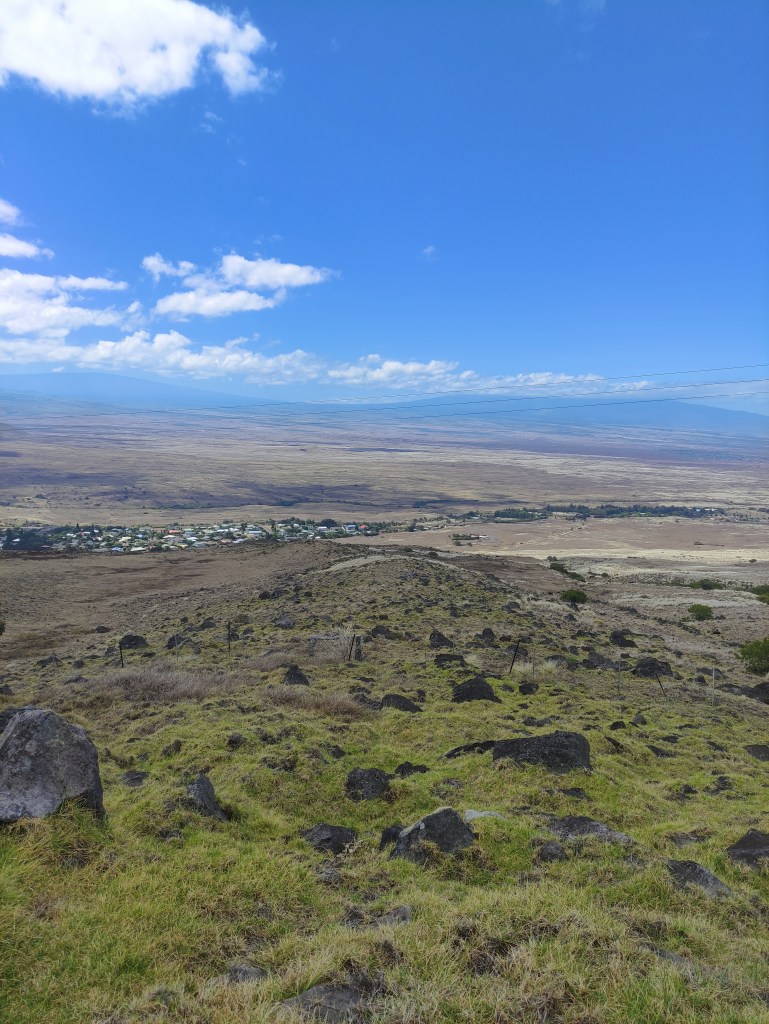
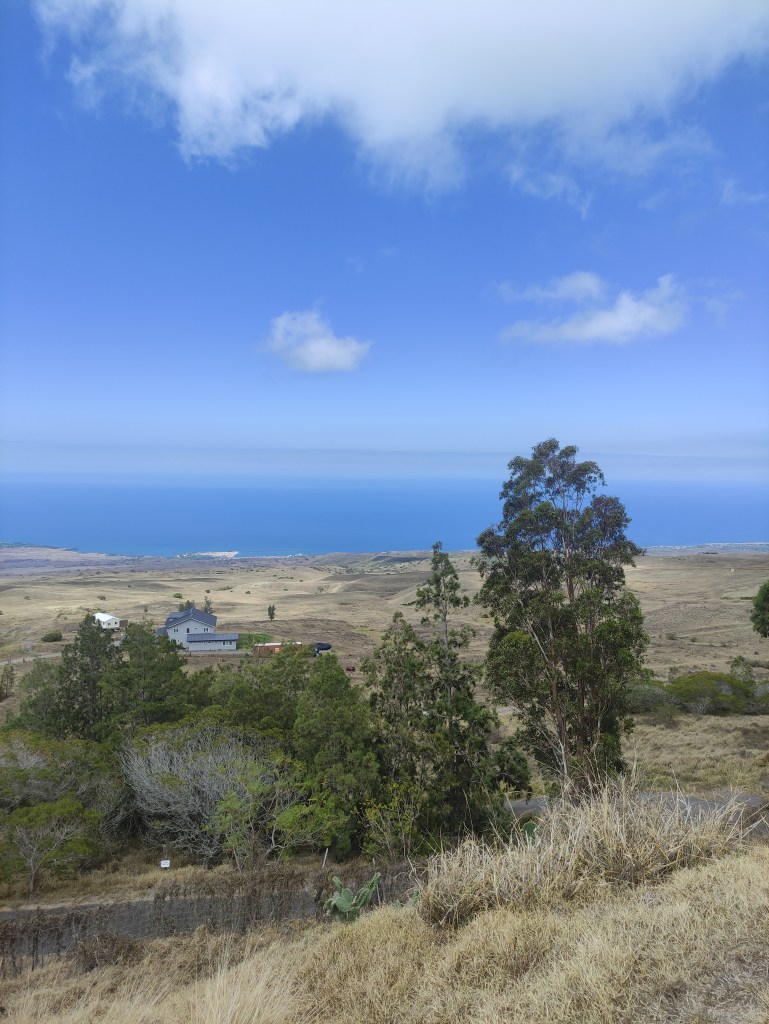
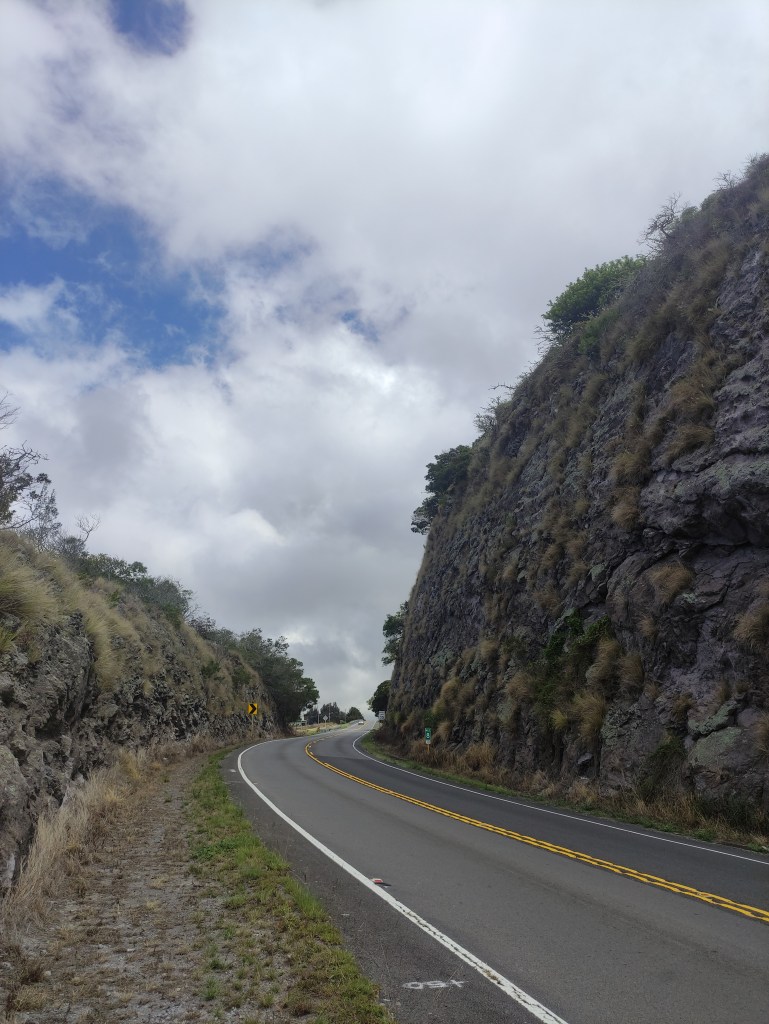
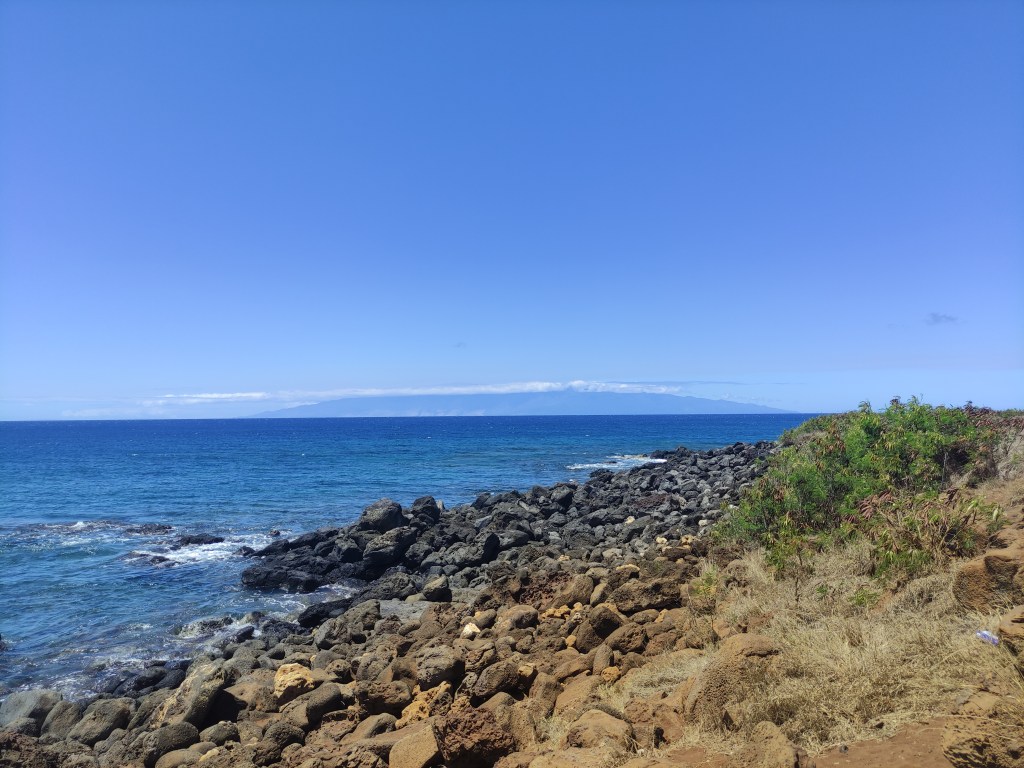
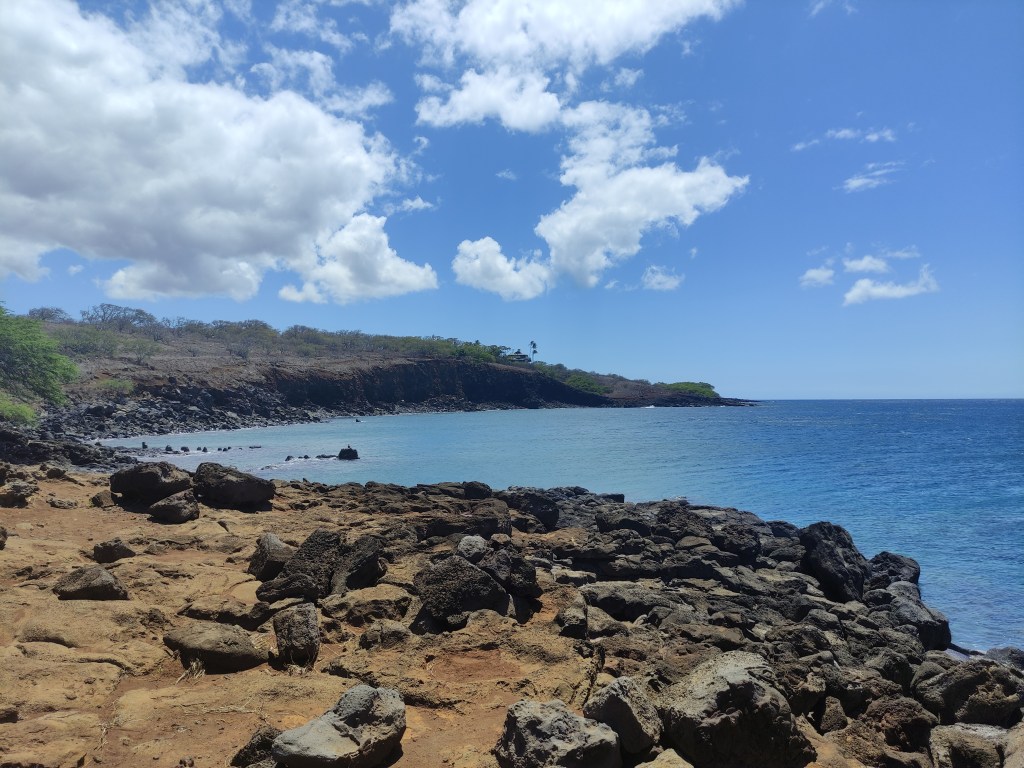
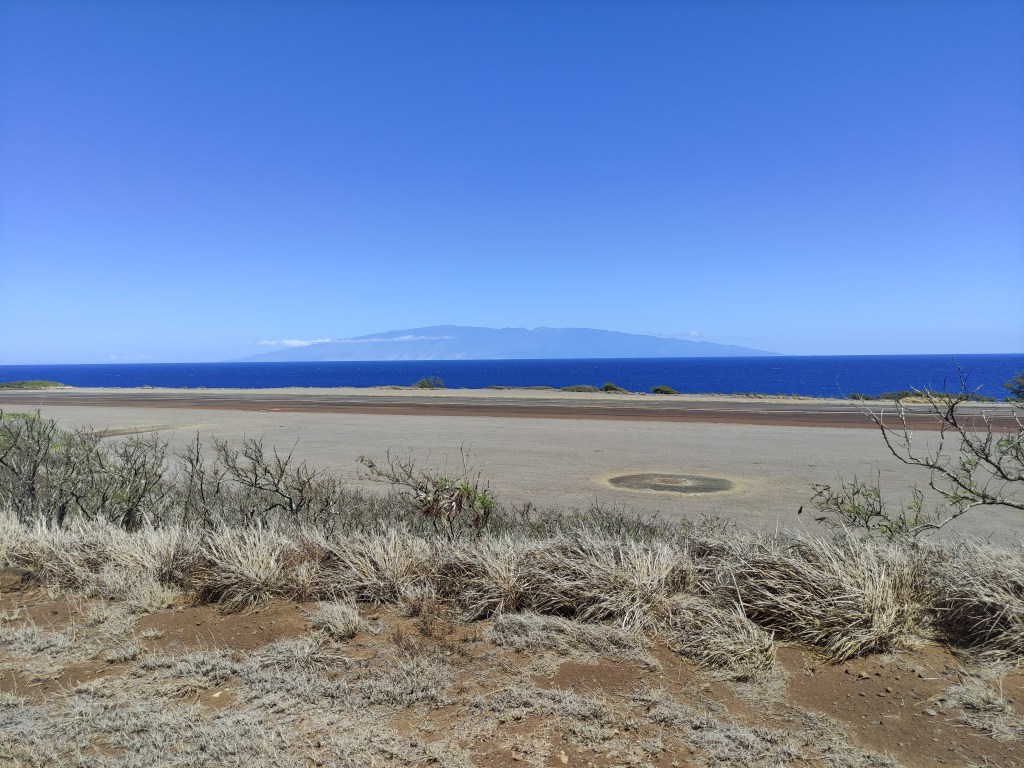
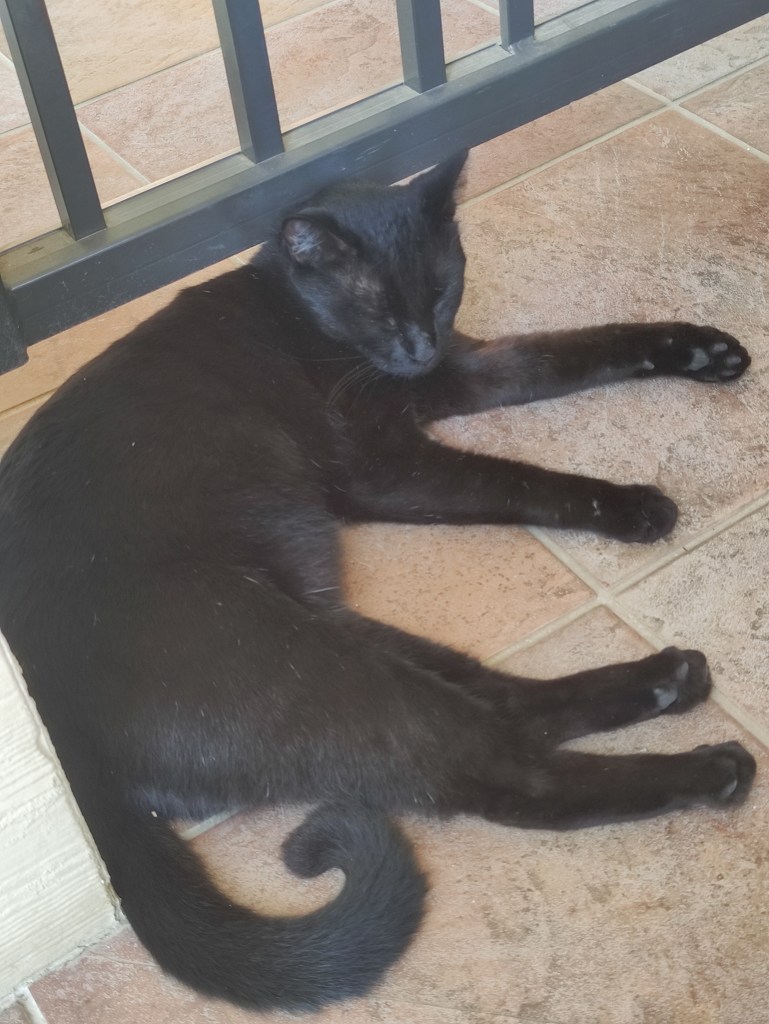
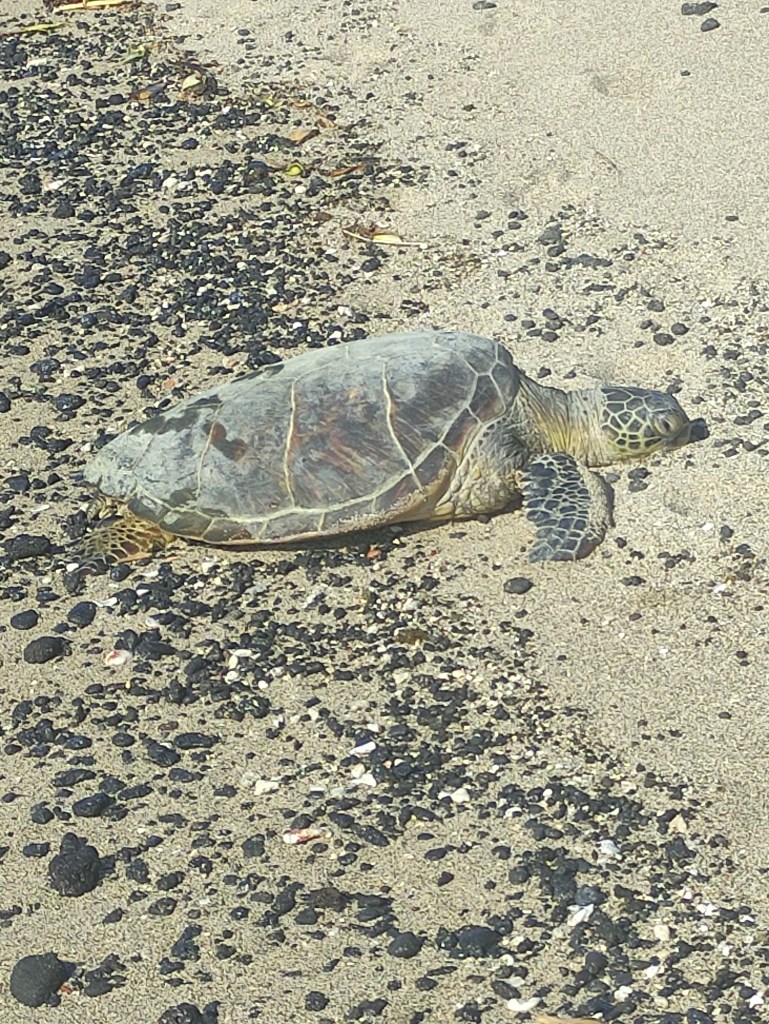
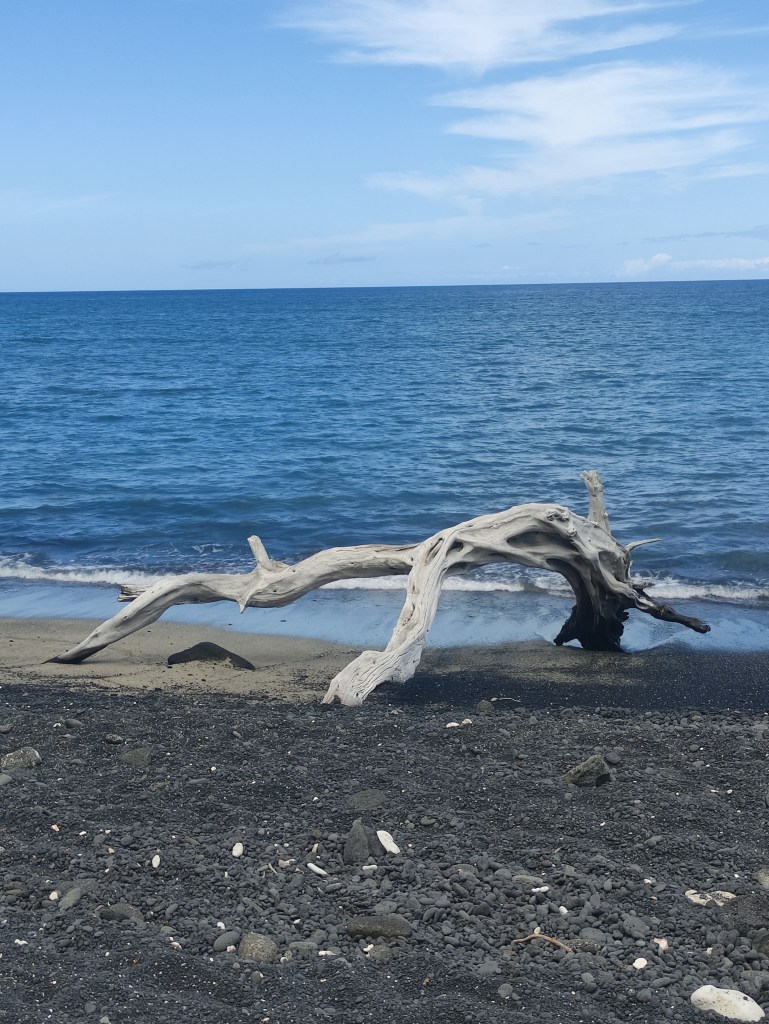
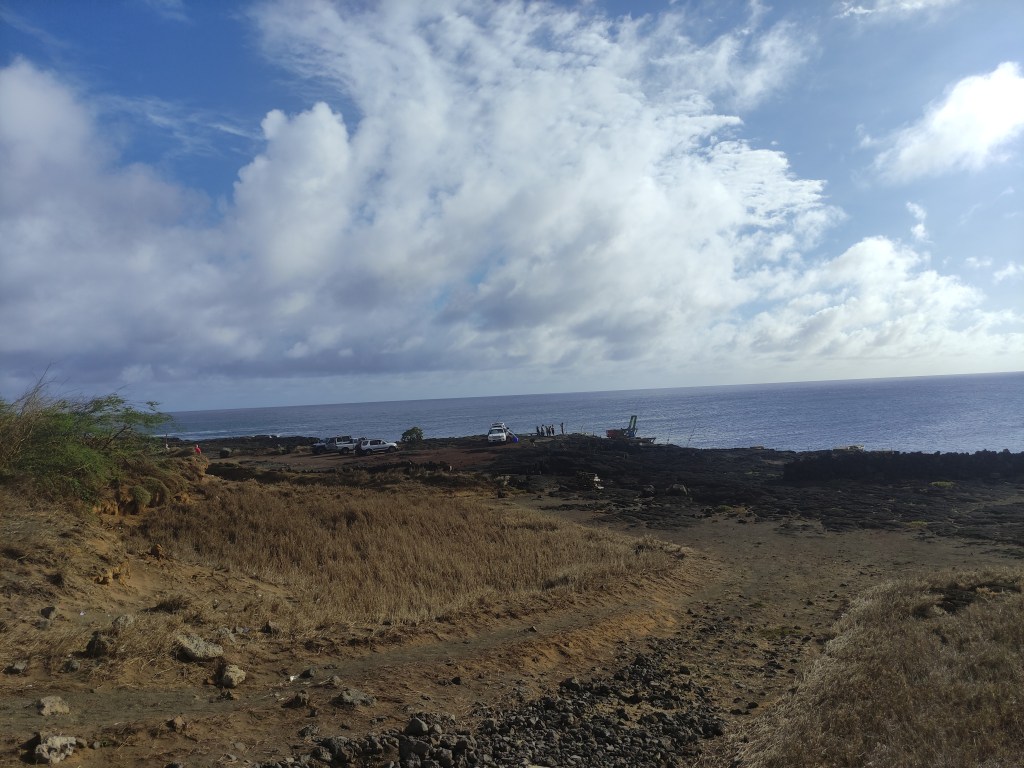
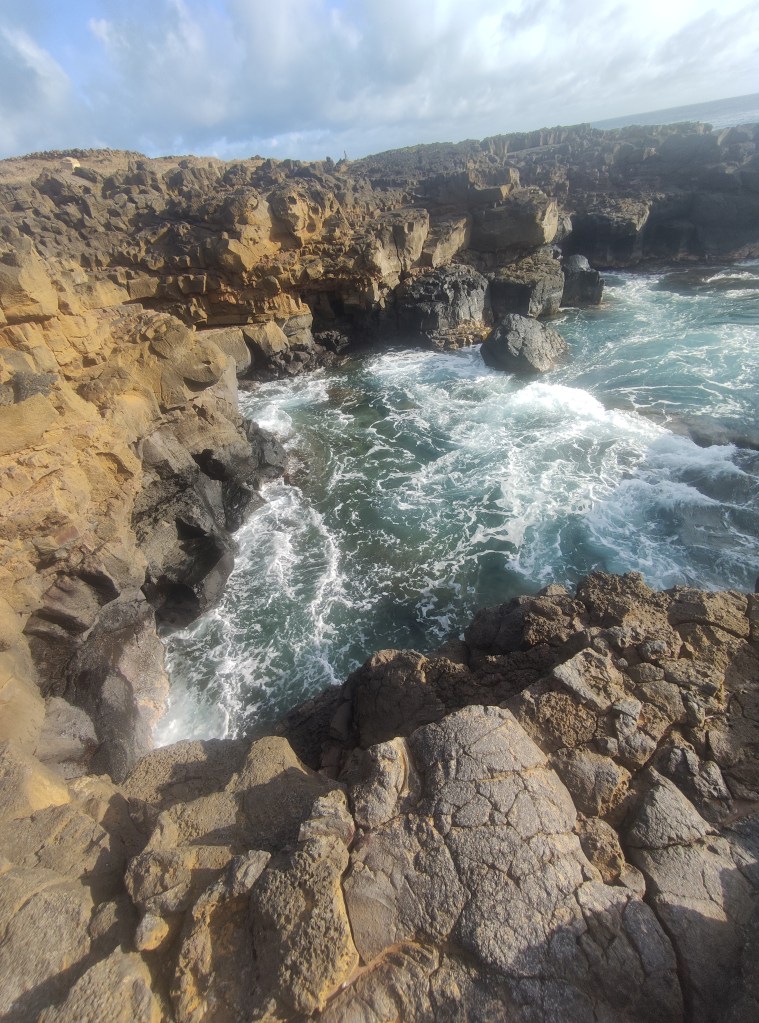
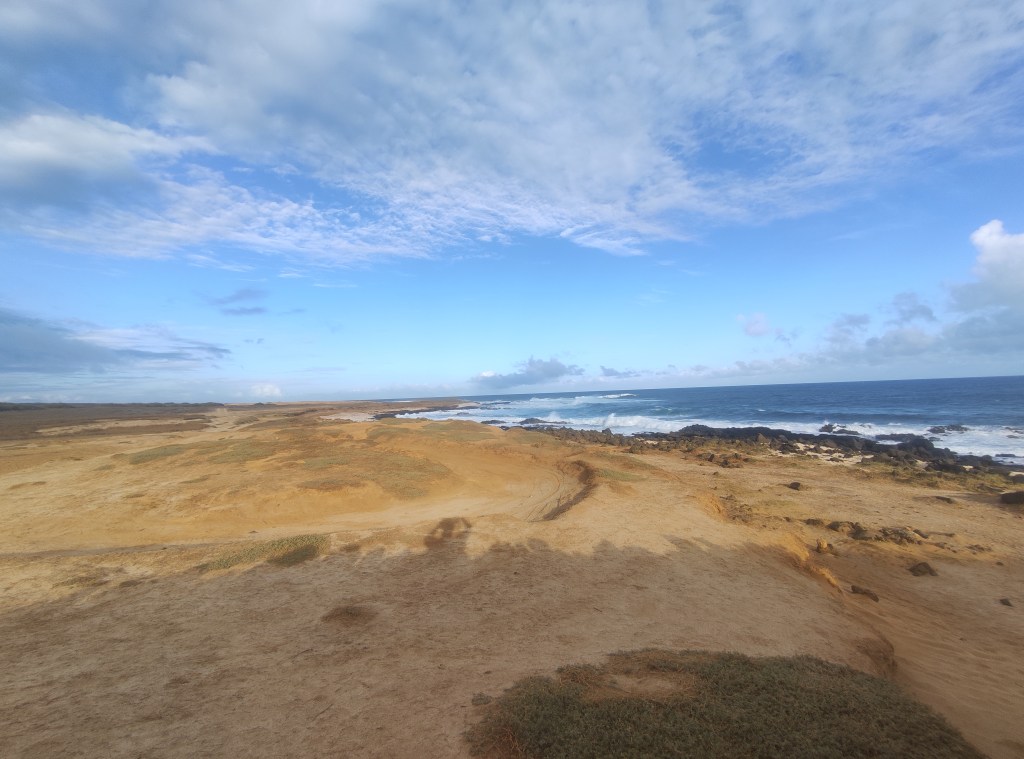
My passion for felines never leaves me, even when I’m away from home on vacation. A cat always pops up everywhere, asking for cuddles and a little attention. I believe this black cat is part of the resort: sweet and affectionate, he was always at our door. We didn’t let him in so as not to develop habits that, unlike us, are incomprehensible to those who are allergic to cats. On Wednesday, we once again enjoyed the beach. Walking along the shore, we spotted the large Hawaiian green turtles that come ashore to rest. They are strictly protected, and you should avoid approaching them, always keeping several meters away to avoid disturbing them. We also saw several in the water, searching for food. You tell they were there because their heads would occasionally pop out of the water to breathe. The next day, we headed back to the southernmost tip of the United States. Along Hawai’i Belt Rd., passing through Kailua, we stayed on the Mama’ahoa Bypassroad on the promontory and then on Napaopoo Rd., which descends the cliff toward the coast. We stopped at several scenic spots to admire the ocean and the island’s countless wild beaches. Some places were off-limits (gates and no-entry signs), the reasons for which are unclear. Several properties must have been private, and among the vegetation, we glimpsed luxurious villas directly overlooking the beach. However, based on the information, the beach itself should have been “public” and accessible. Here, as on the plateau between the two volcanoes, we saw plenty of wild goats. The route is a bit dangerous. Two cars can’t easily pass each other. But it’s worth it for the stunning views. From road to road, we finally reached S. Point Dr., which took us to our destination, Kalae Point.
Before leaving, a final farewell to the black cat who… hopefully, will still be there waiting for us when we return to the Big Island.














Aloha, a hui hou
 Claudine Giovannoni
Una bellissima vacanza! Posti incantevoli e fiori stupendi. Hai una bella famiglia!
Diamine quei gatti sembrano molto più grandi di quelli europei e hanno uno sguardo diverso. Bellissimo sia il gatto nero sia quello grigio.
Un abbraccio
Abbraccio anche a te, carissimo :-)c
😀