
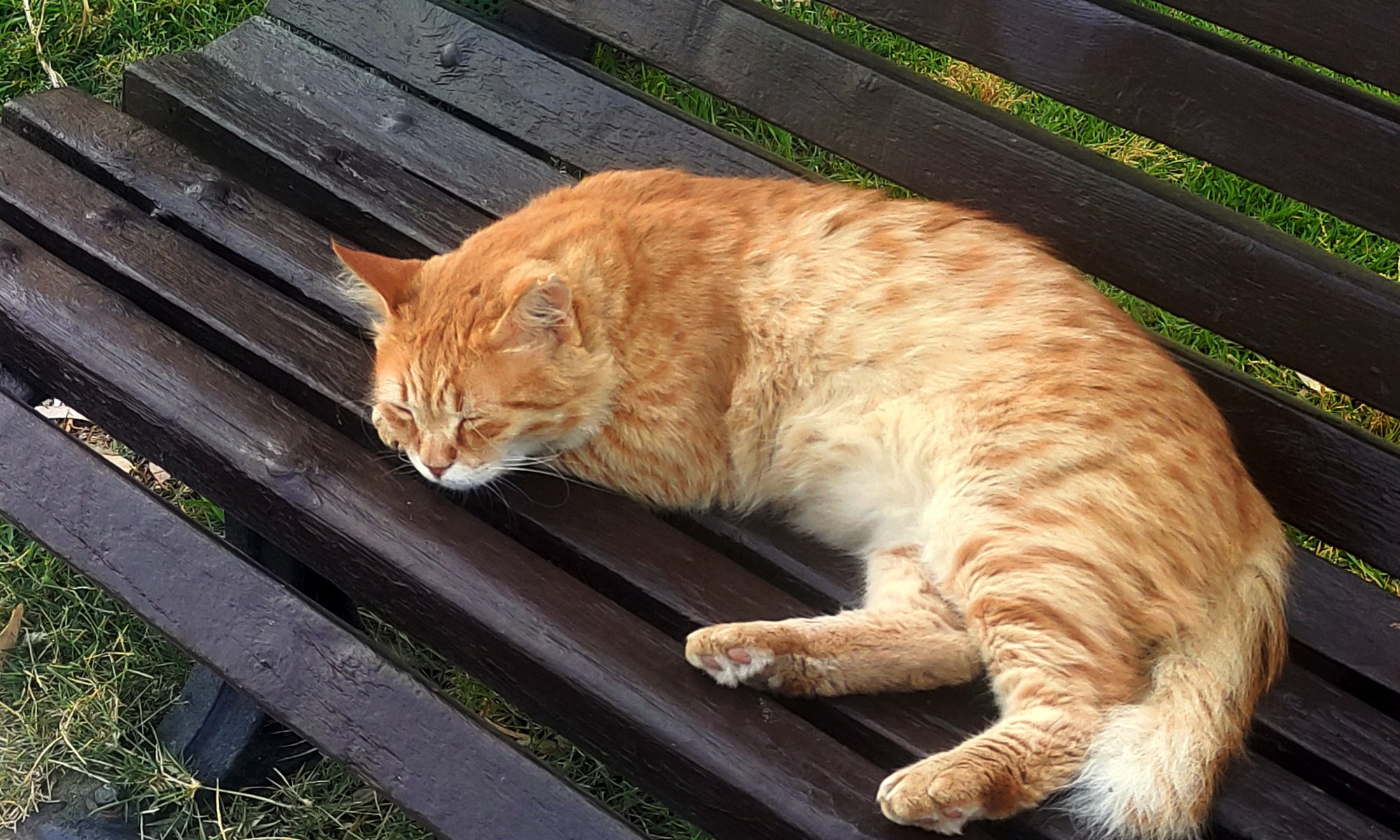
I had been there quite many years ago, but only for brief overnight stops when Swissair flew to Larnaca.
Over time, the island has undergone significant growth, and what were once small towns have become bustling, modern cities.
Larnaca was likely founded by the Mycenaeans in the 13th century B.C. and later rebuilt by the Phoenicians around 1000 B.C. following the collapse of Mycenaean civilization.
The Phoenicians were responsible for building cyclopean walls, temples, and a naval arsenal. In the following centuries, the city came under the rule of the Assyrian Empire and the Persian Empire, eventually passing into the dominion of Ptolemaic Egypt around 450 BC.
Following several earthquakes that struck the island in 76, 322, and 342, the population moved to the southern coast, expanding the port that would become the main settlement of Larnaca.
The island’s history is full of twists and turns: in 1192, it passed from Byzantine rule to English rule under Richard the Lionheart, who was on his way to the Holy Land for a crusade, and was subsequently ceded to the Frankish knight Guy of Lusignan.
With Frederick II in 1228, the Germans arrived; later, in 1424, the Mamluks of Egypt arrived, and then, in 1570, the Turkish occupation of the island began.
In 1878, the British reconquered the island, which was likely an attractive but not only tourist destination, thanks to its pleasant climate.
The island’s capital, however, is Nicosia, with its watershed moment in modern history occurring in 1974. On July 15 of that year, a coup d’état orchestrated by the Greek military junta, with the aim of annexing Cyprus to Greece, overthrew Cypriot President Makarios III. Turkey’s response was swift: on July 20, Turkish troops landed in the north of the island, occupying approximately 37% of Cypriot territory within a few weeks. Hundreds of thousands of people were forced to flee their homes: Greek Cypriots fled south, while Turkish Cypriots moved north.
And history is yet to be rewritten; even today, there are other somewhat “unstable” figures laying claim to the island: only time will tell whether it can be purchased or conquered by force.
Whatever the case may be, the island is very beautiful and has many facets. I will definitely return with my husband, partly to explore the archaeological sites—which, unfortunately, I wasn’t able to see—but also to visit other interesting places. To make that easier, I’ll obviously need to rent a car to allow for more freedom, since public transportation is available but also very crowded (especially on weekends).
Don’t forget that you can bring cats to Switzerland for adoption (see link, with the Aegean or Cyprus Airways since these allow it), but not with Wizz Air Malta, the airline I traveled with this time.
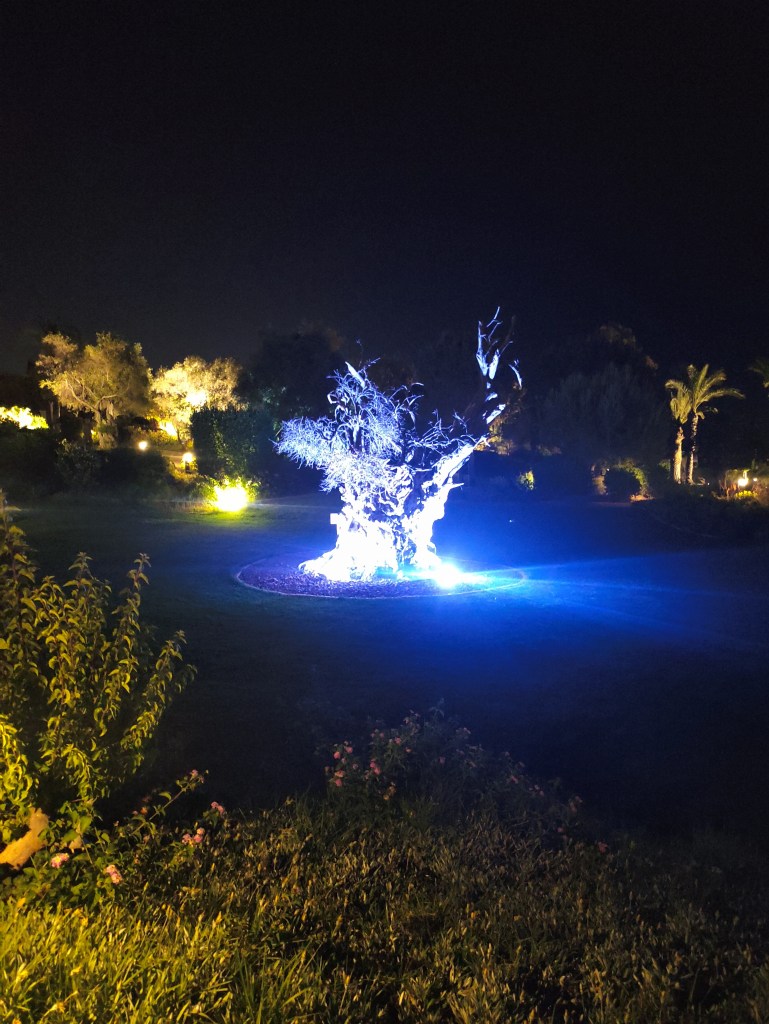
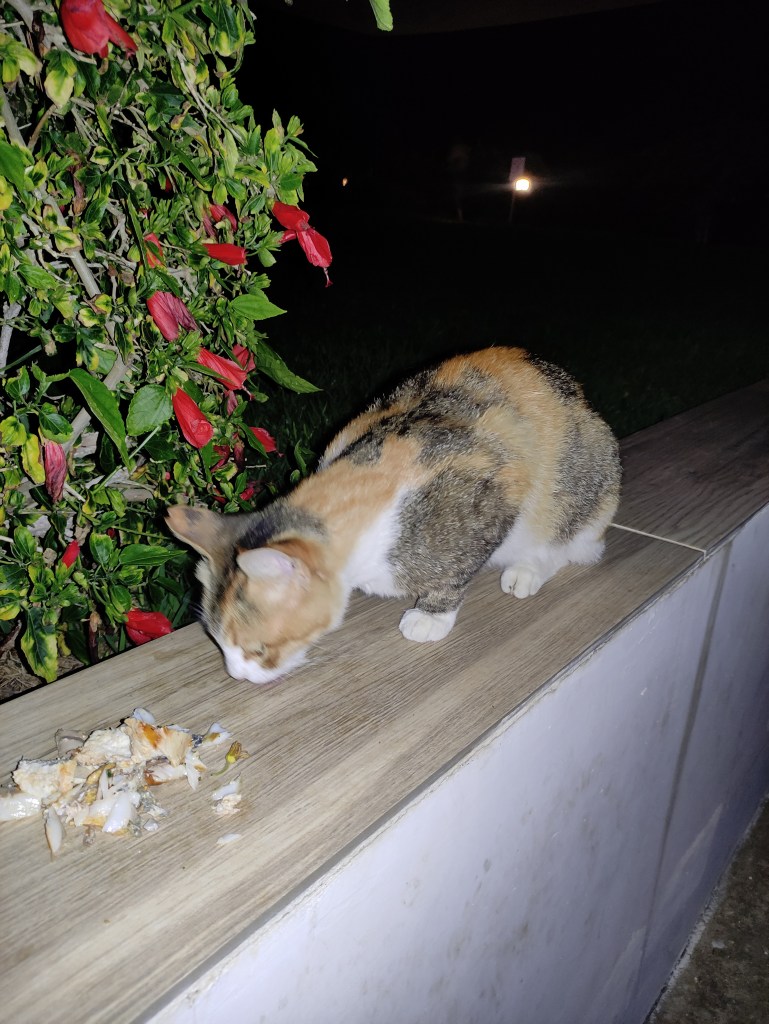
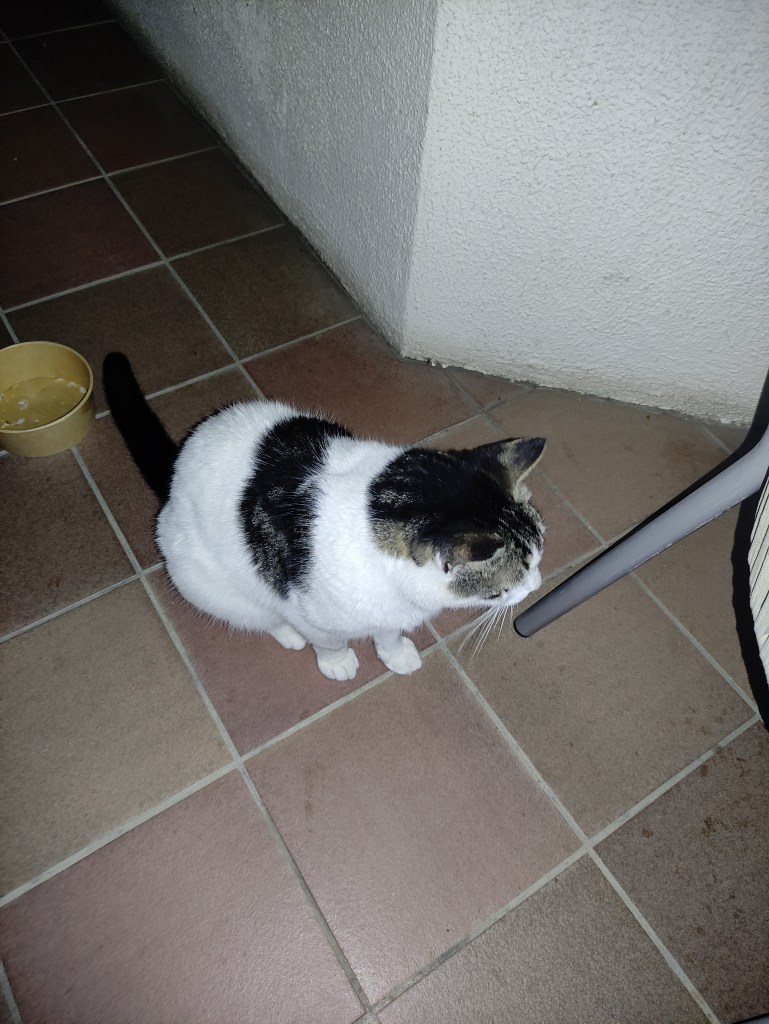
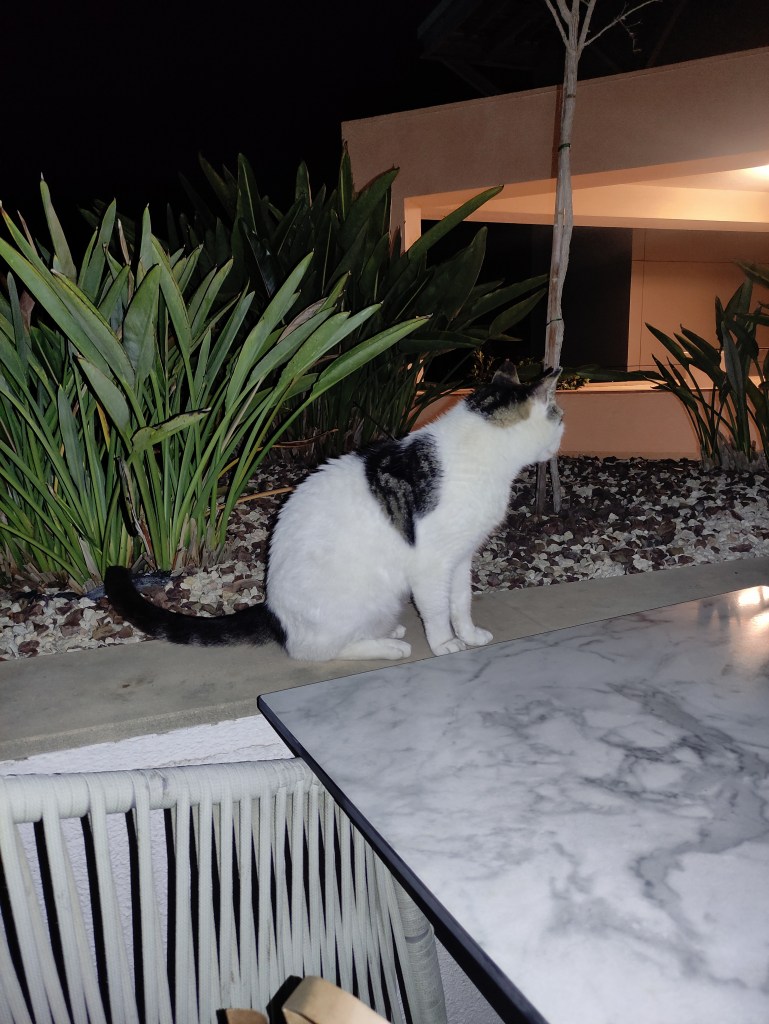
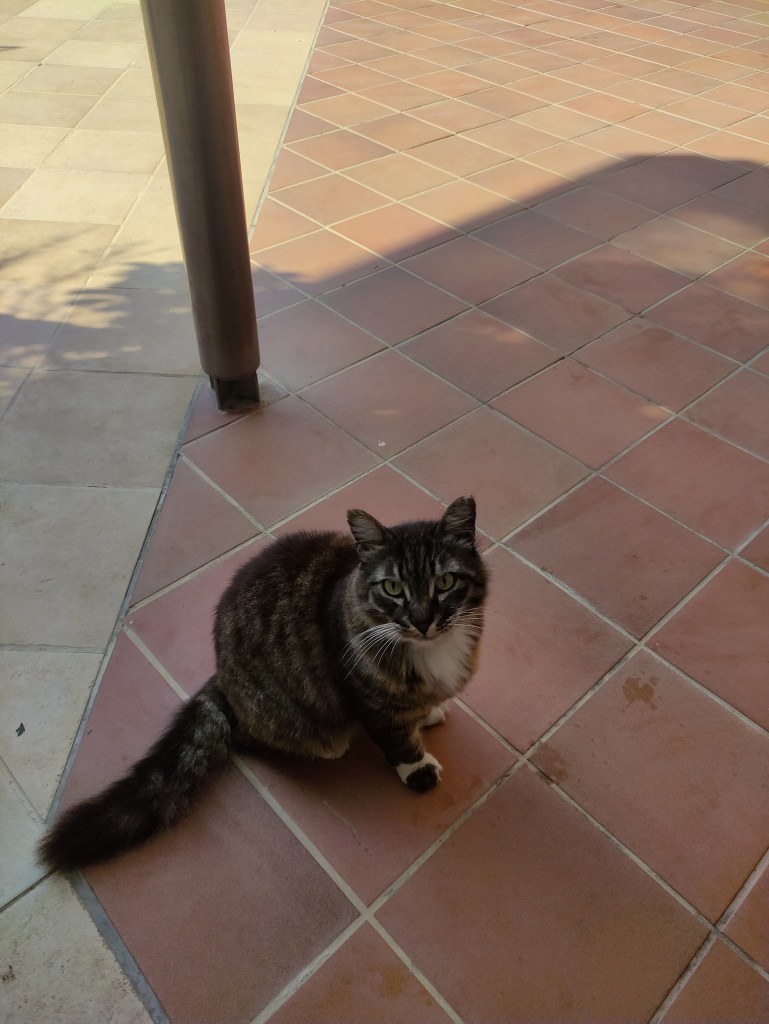
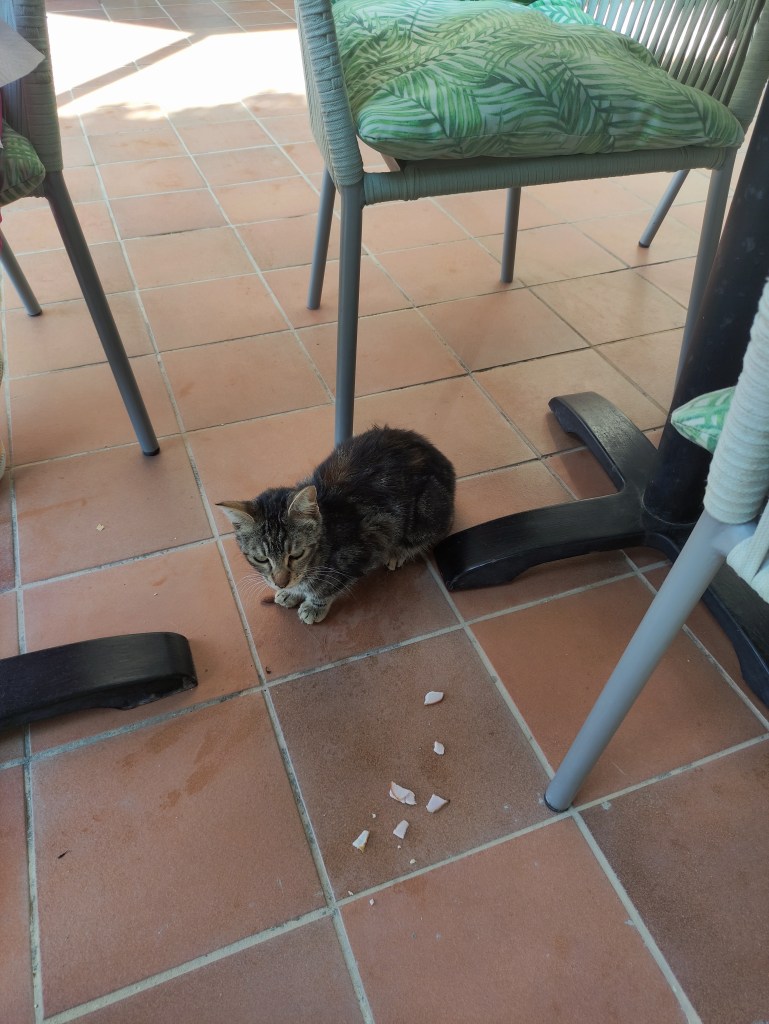
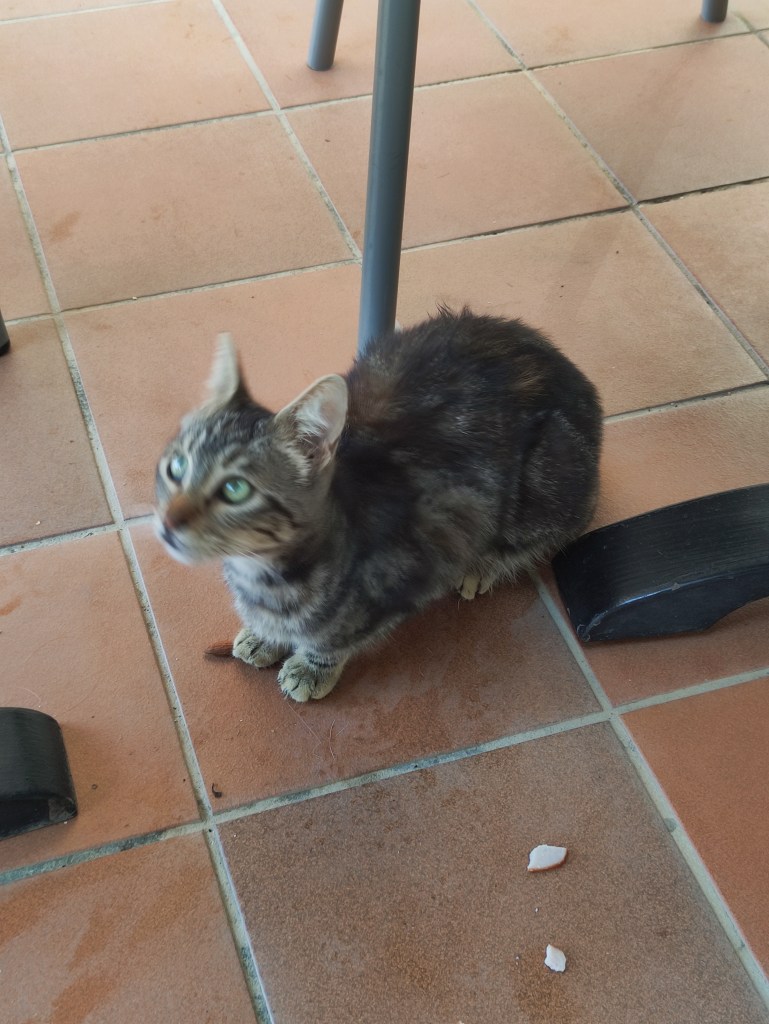
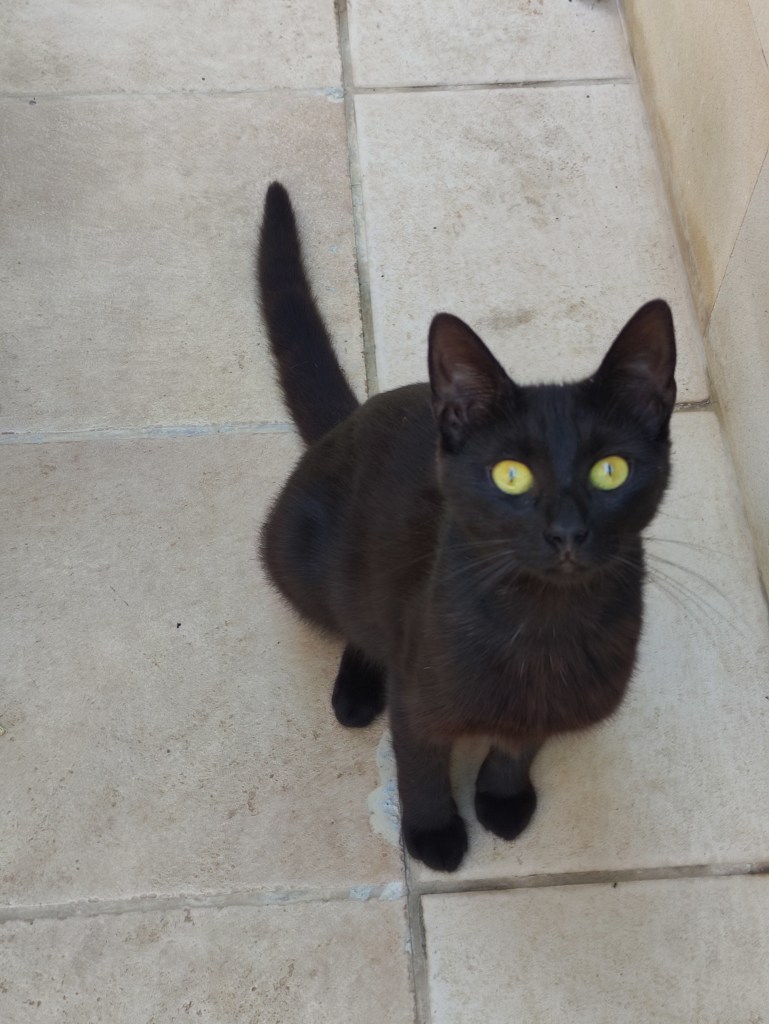
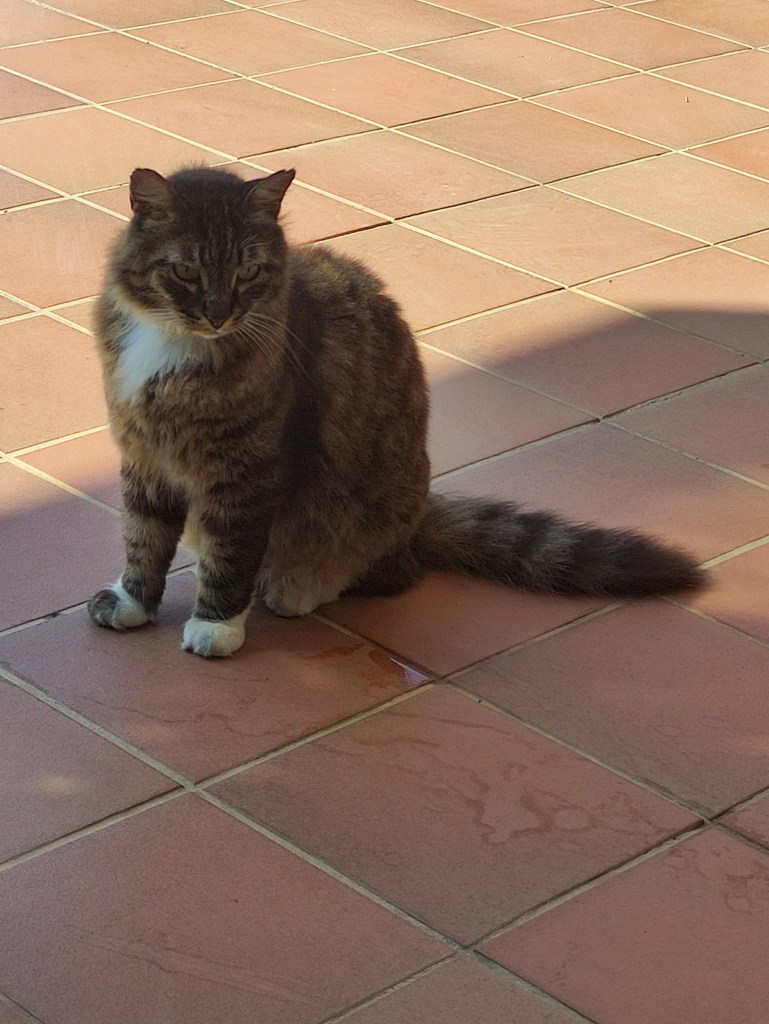
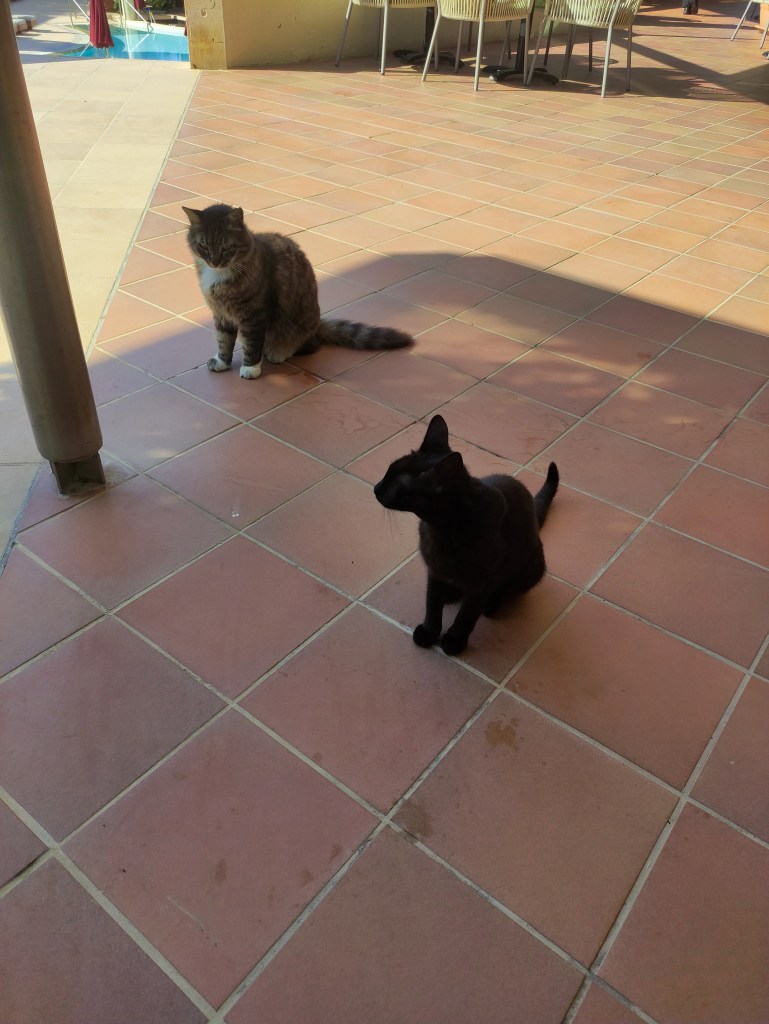
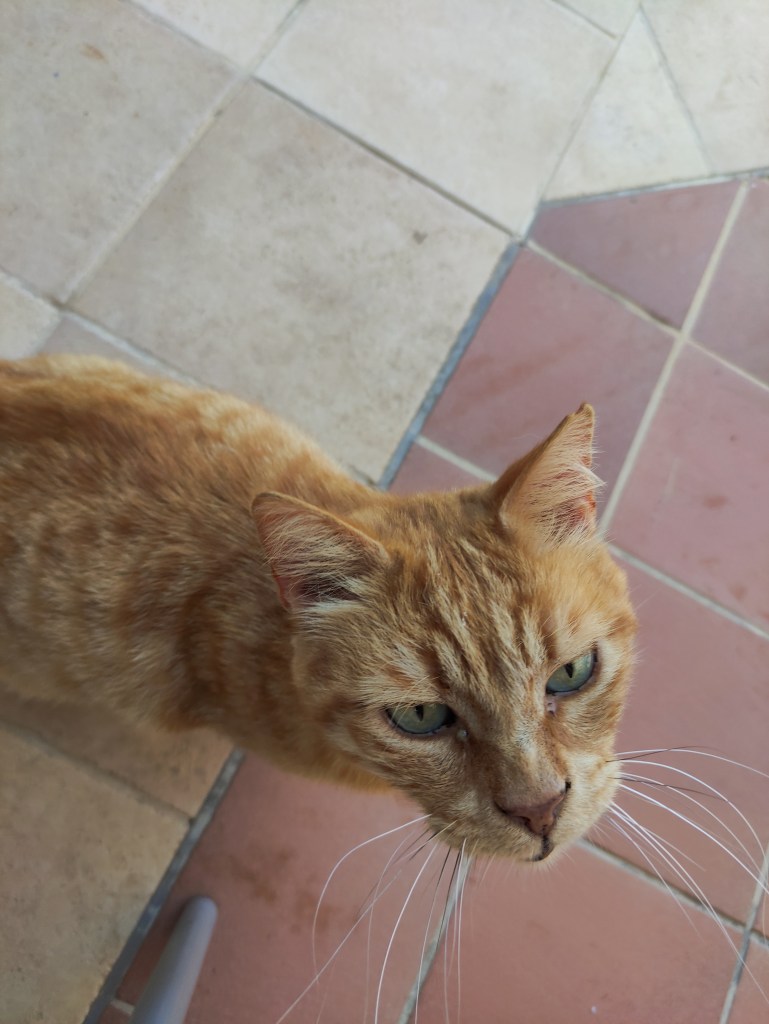
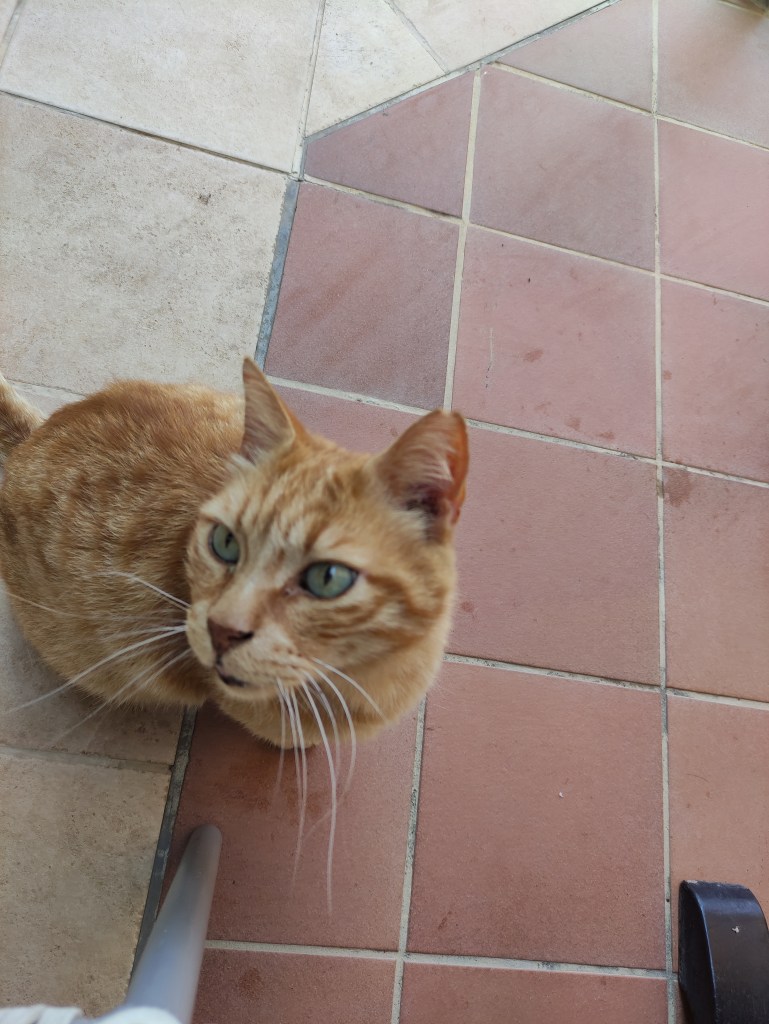
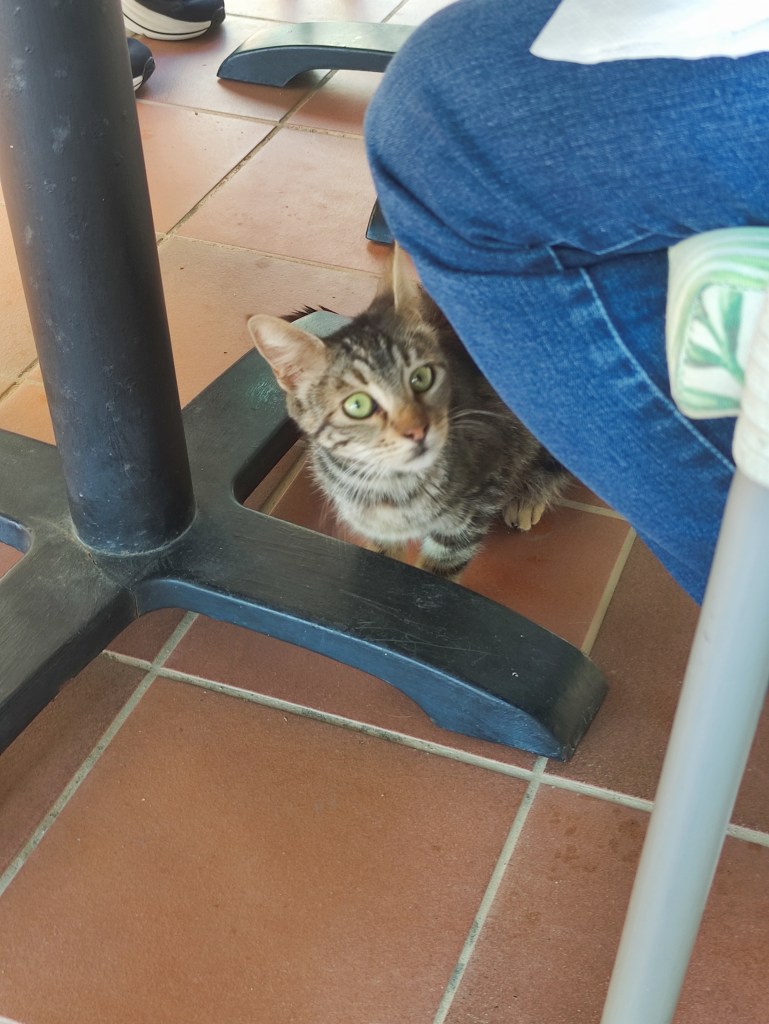
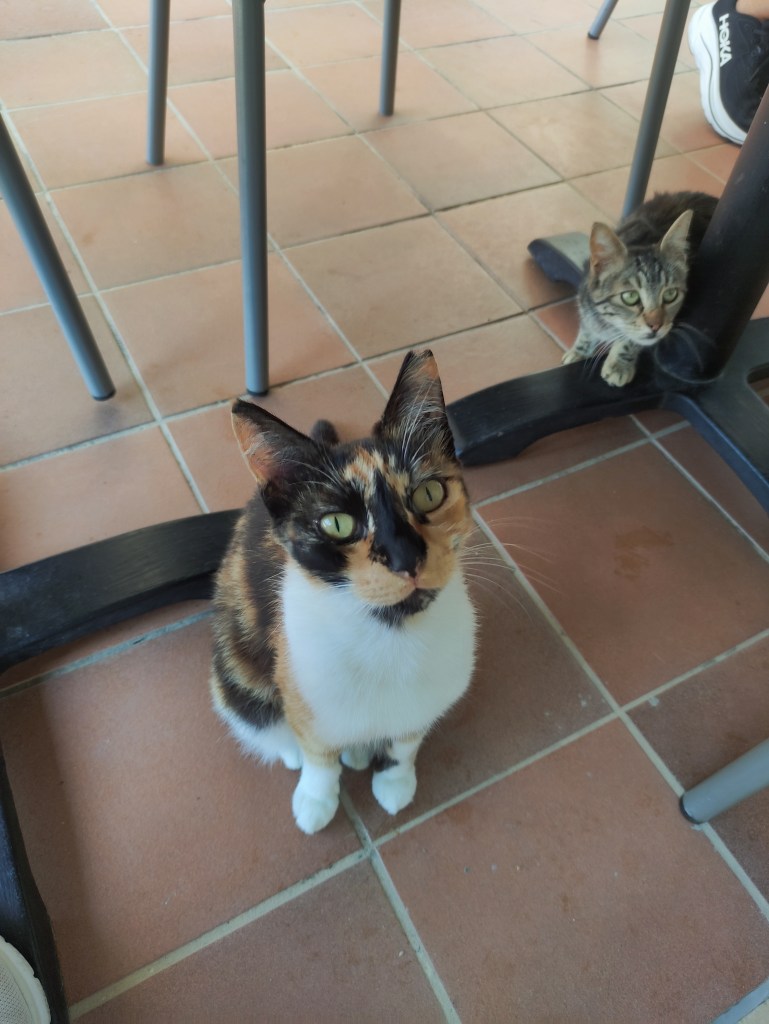
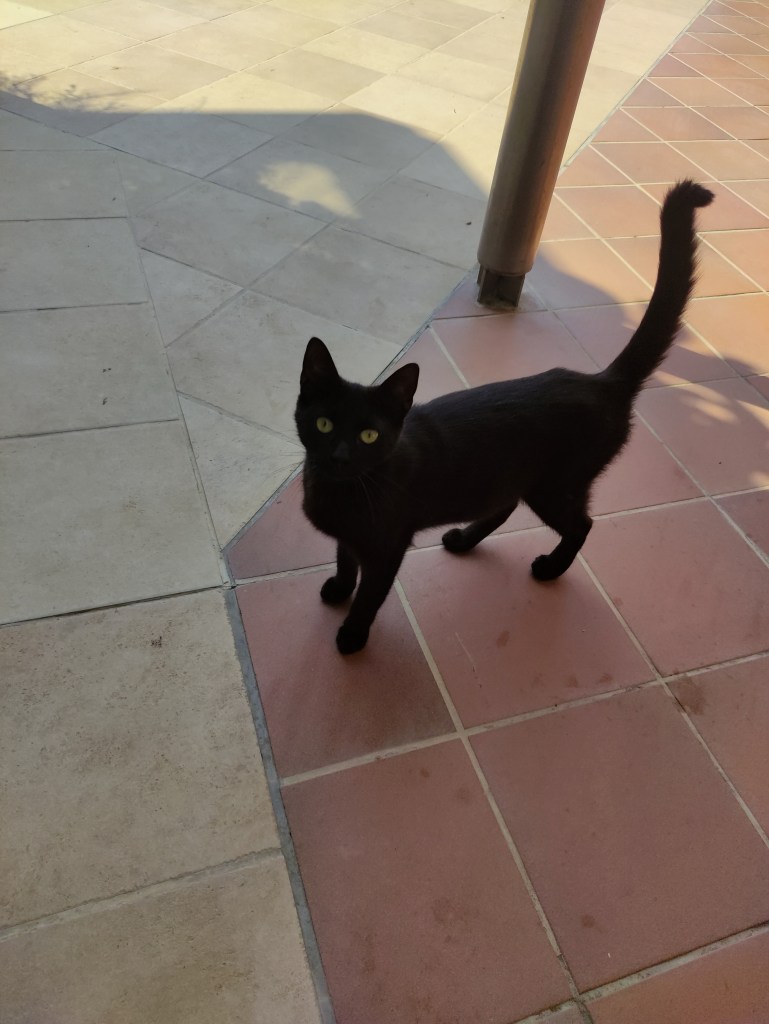
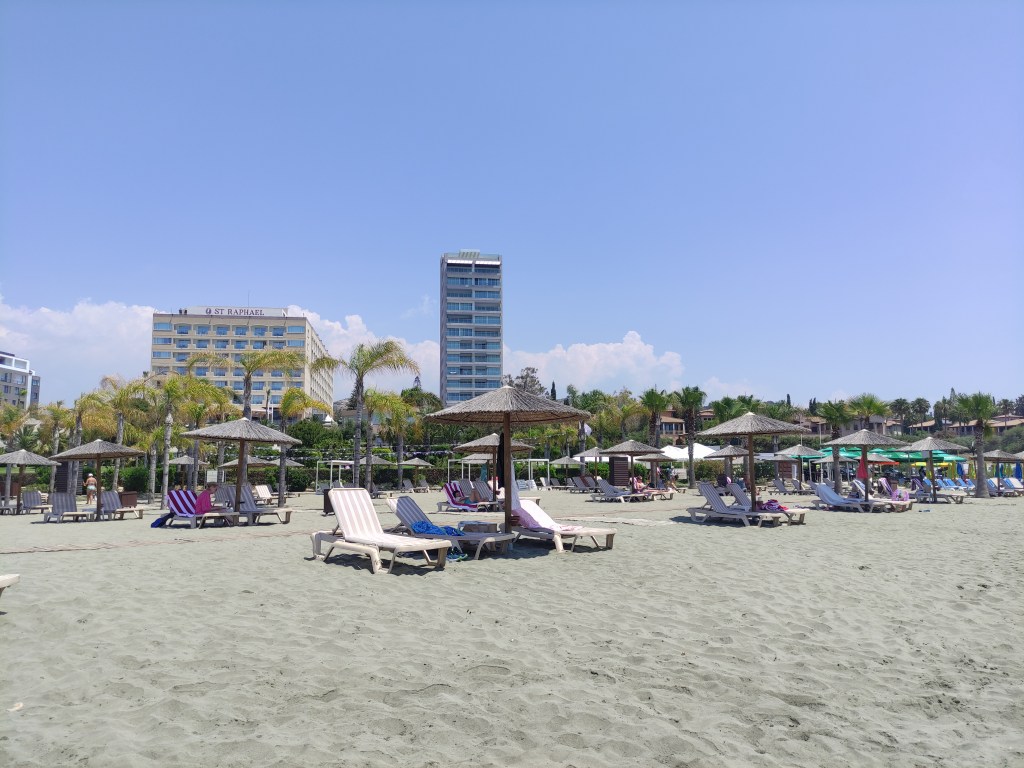
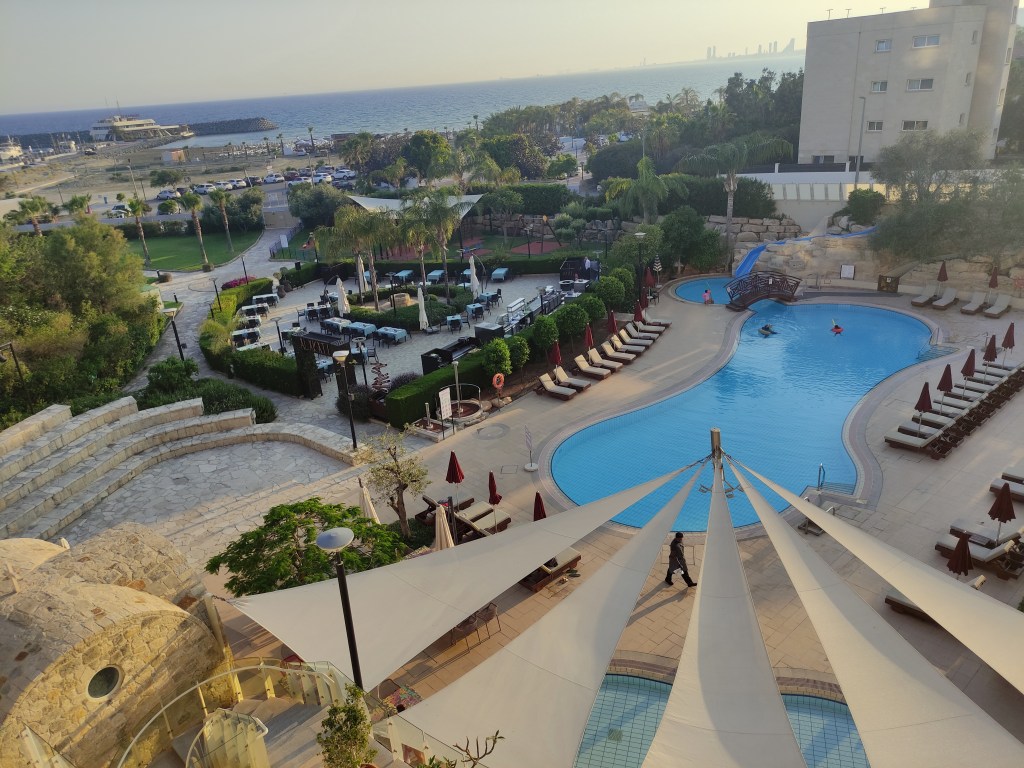
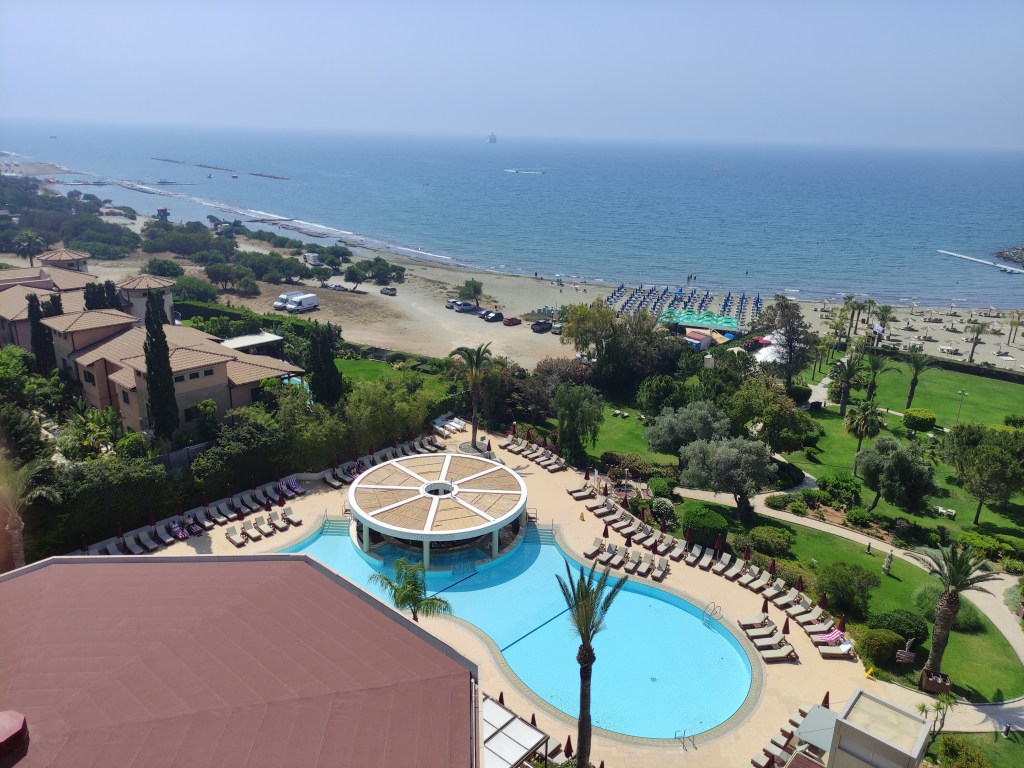
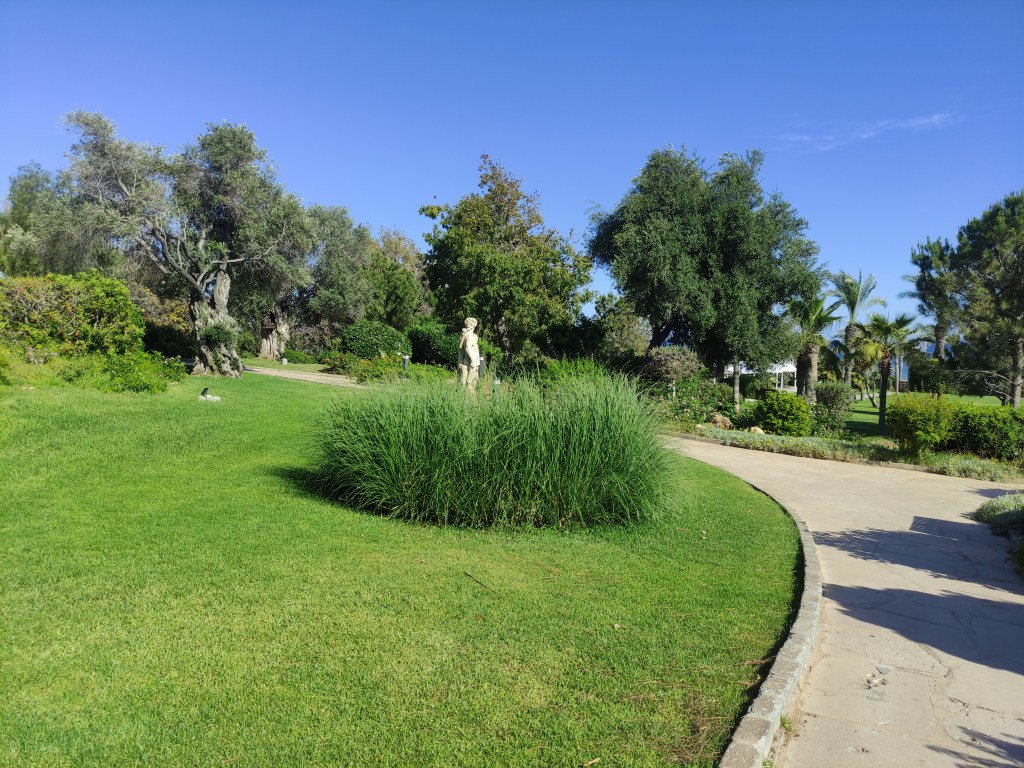
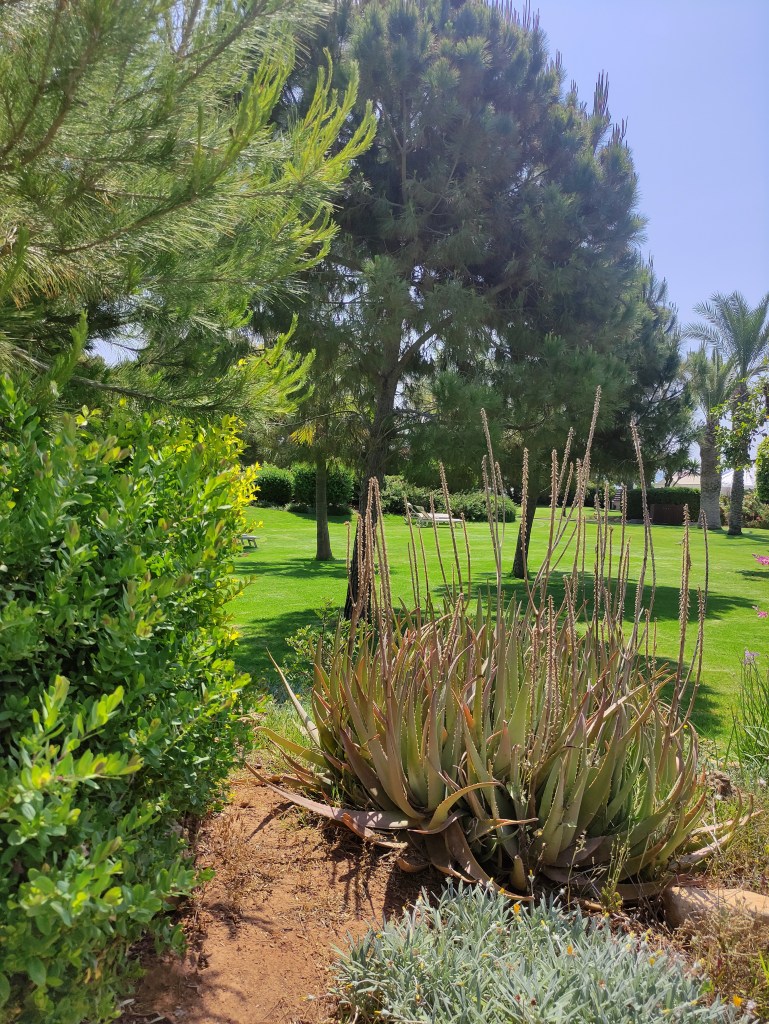
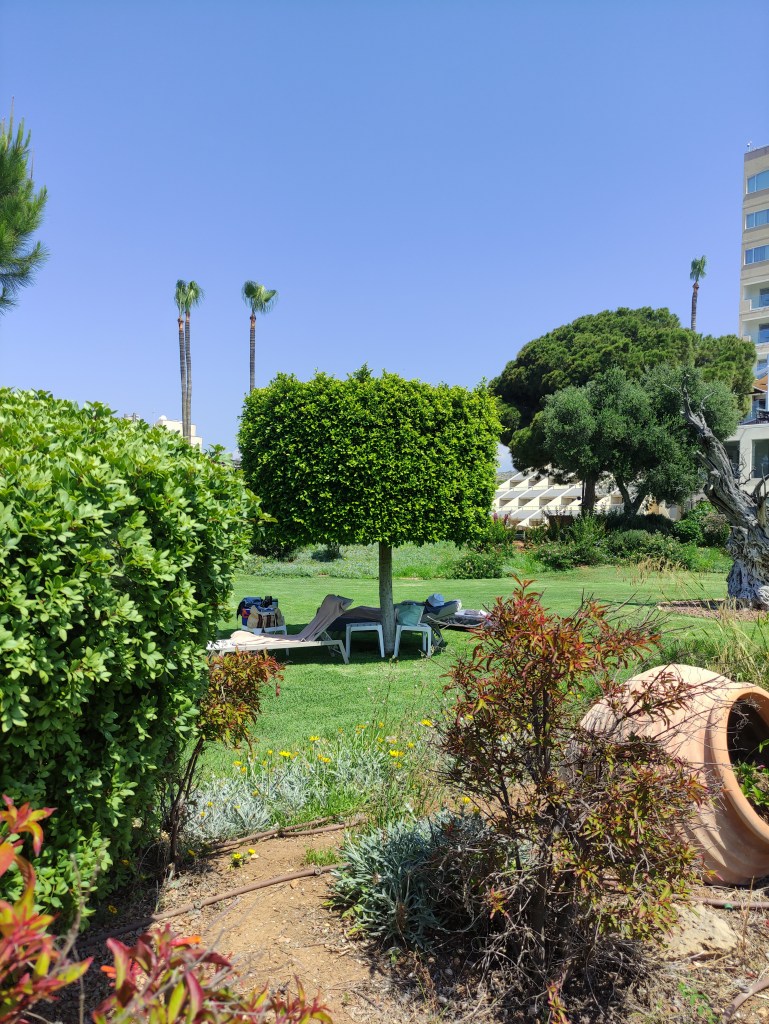
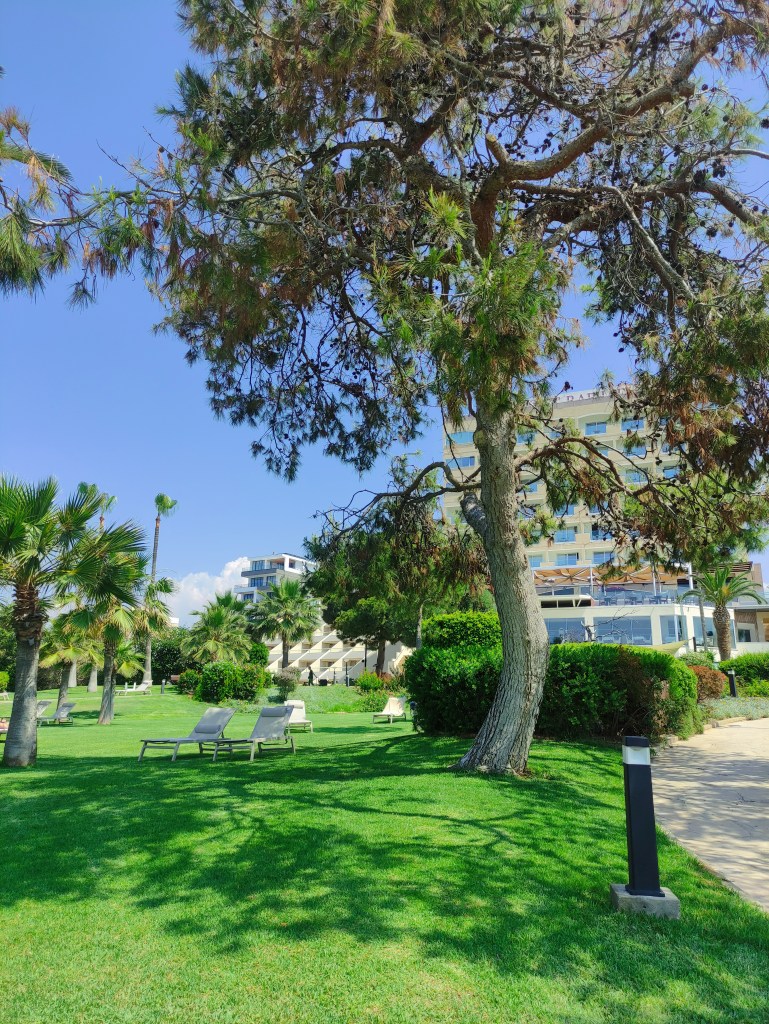
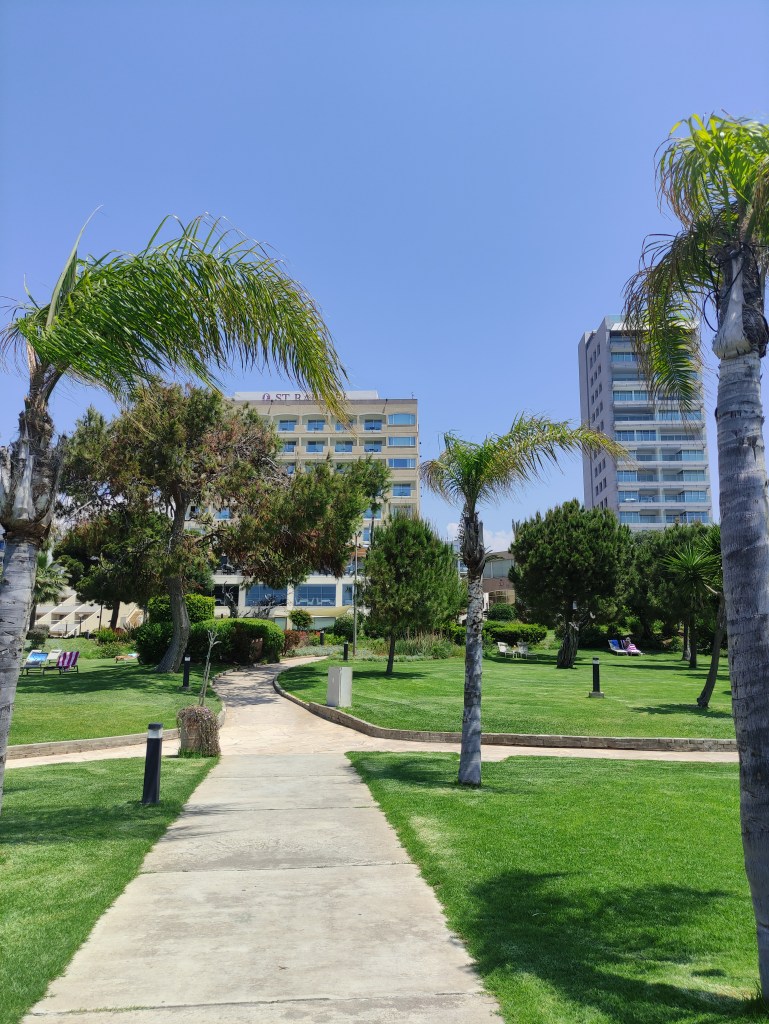
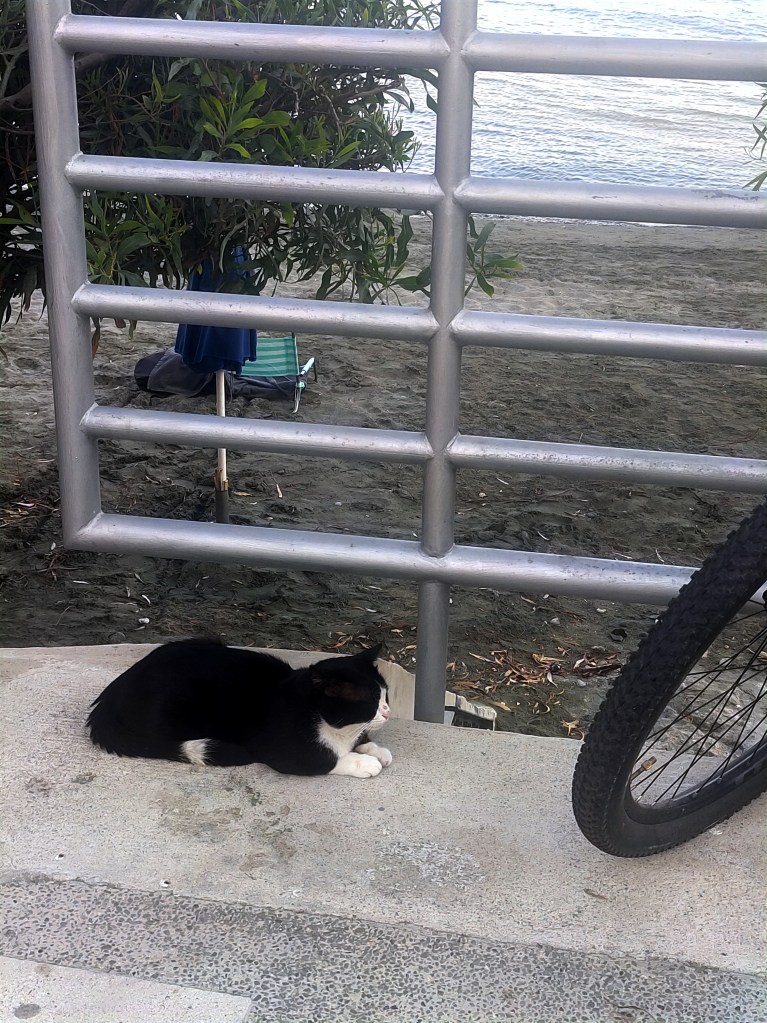
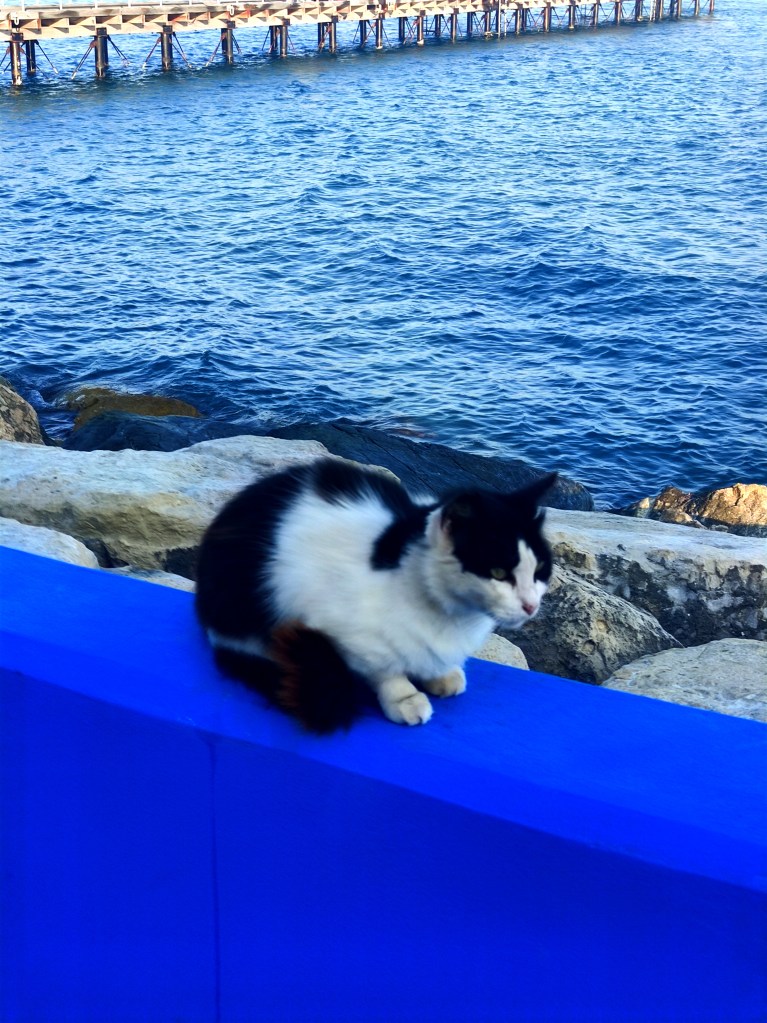
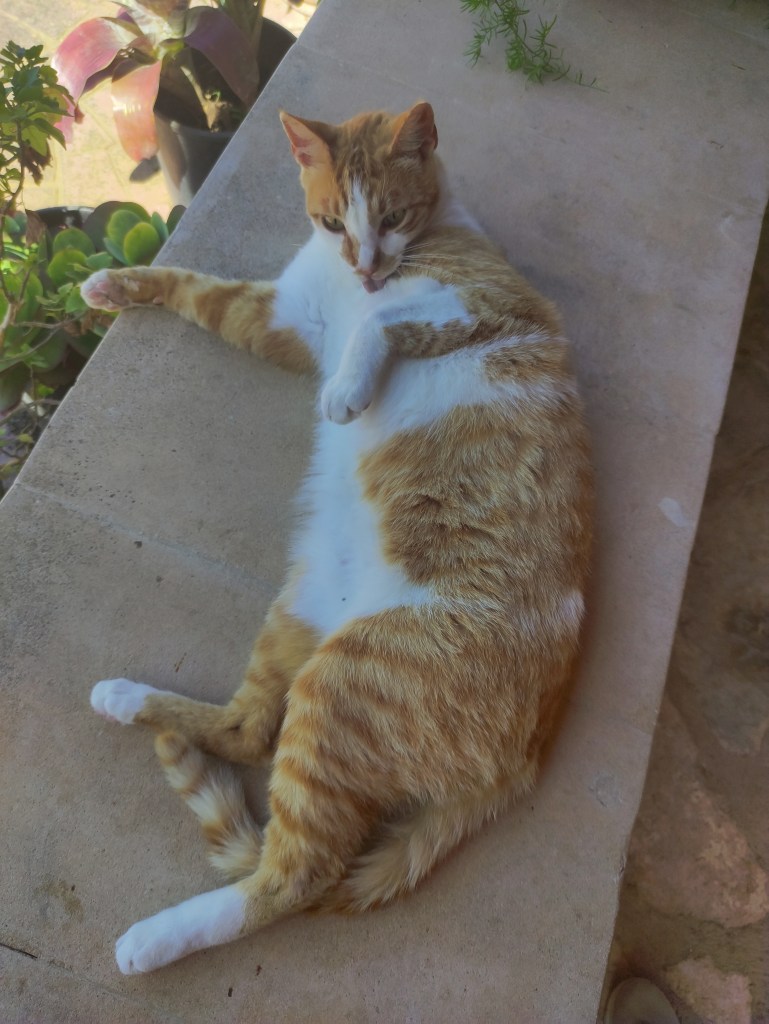
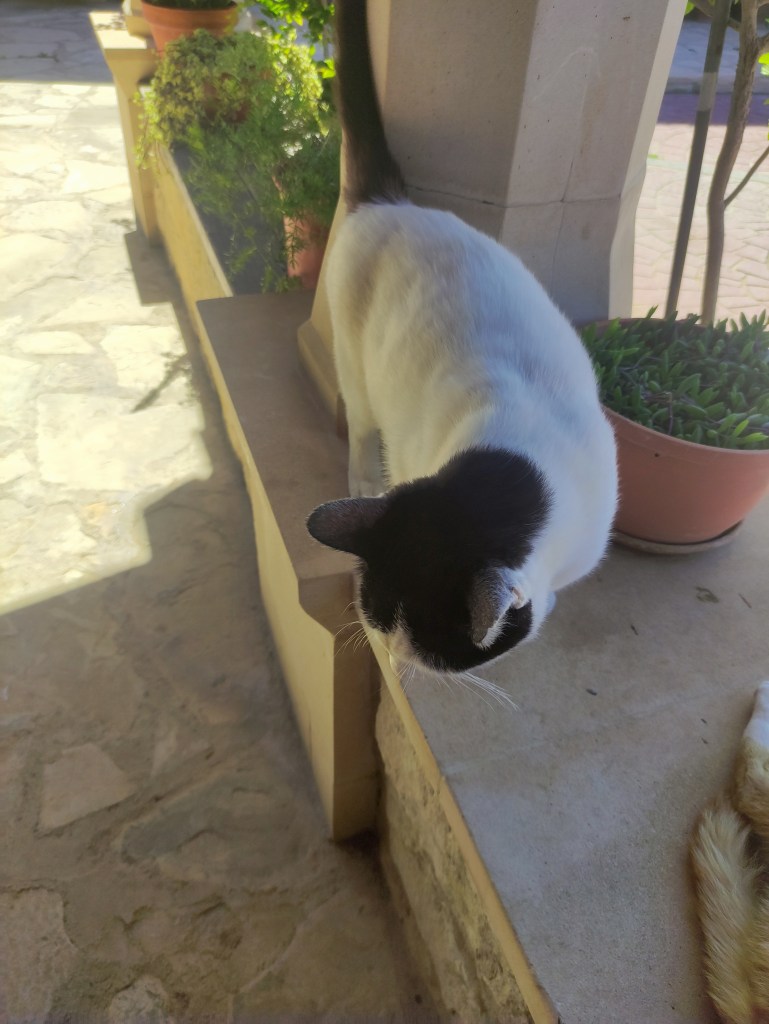
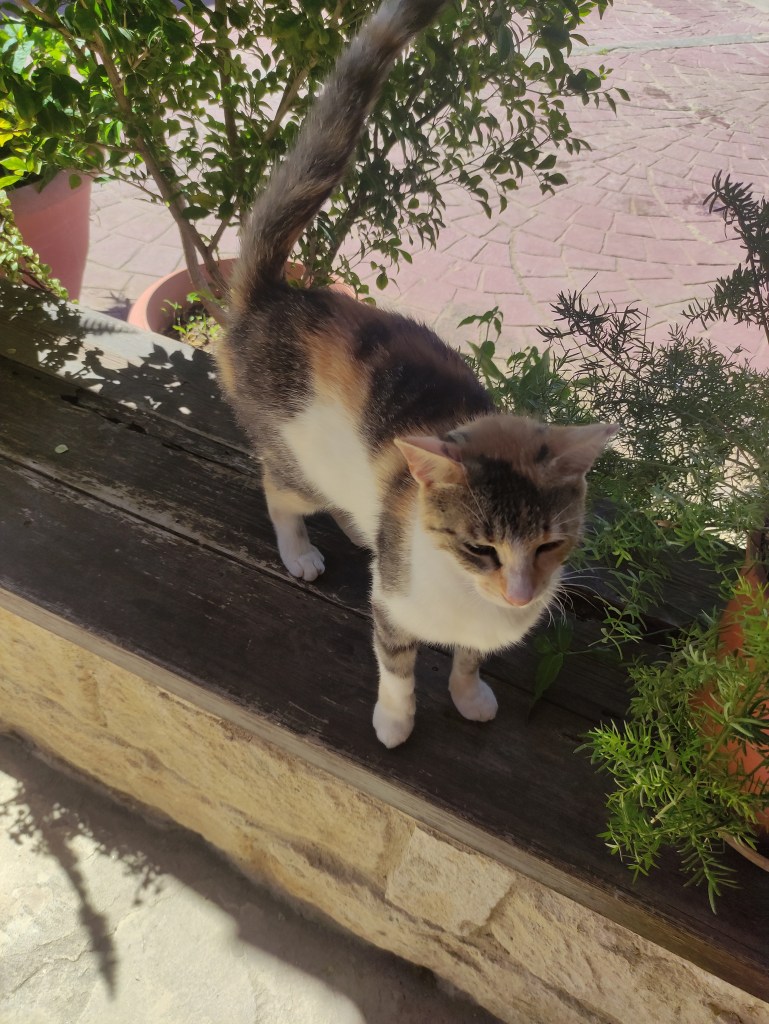
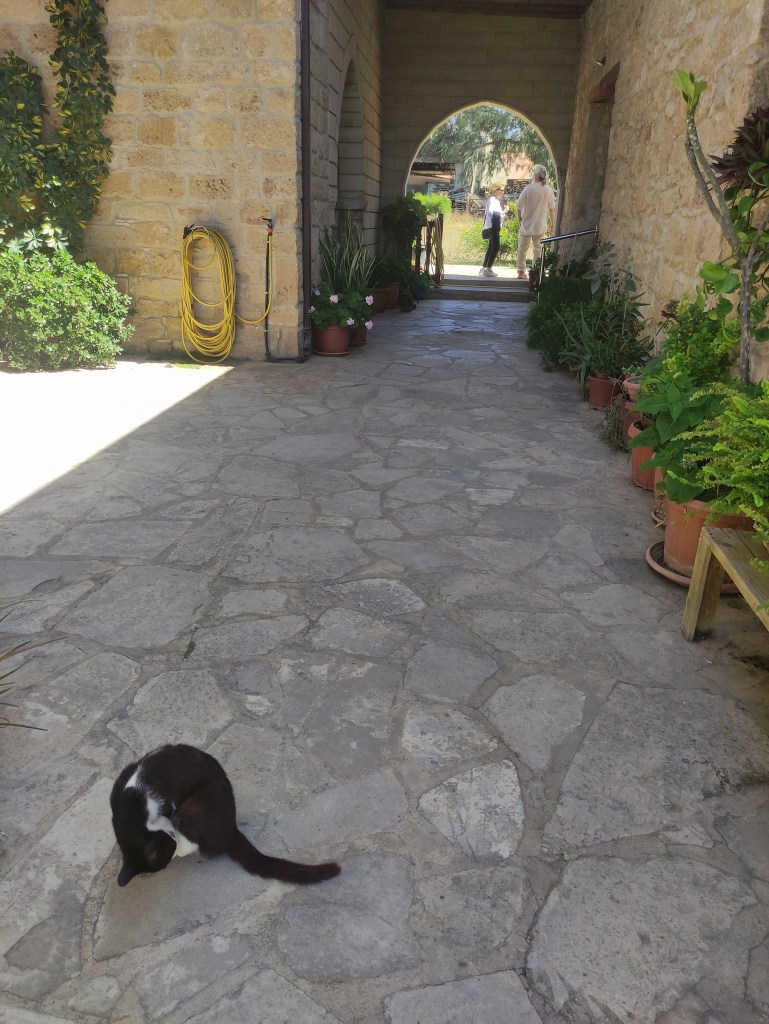
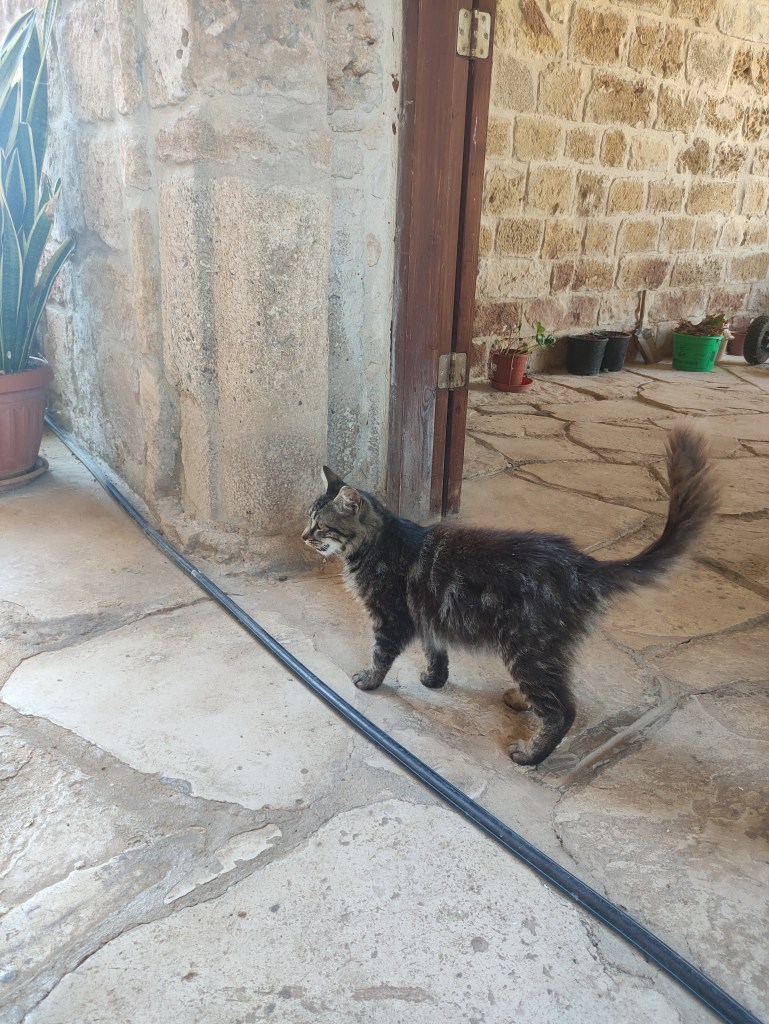
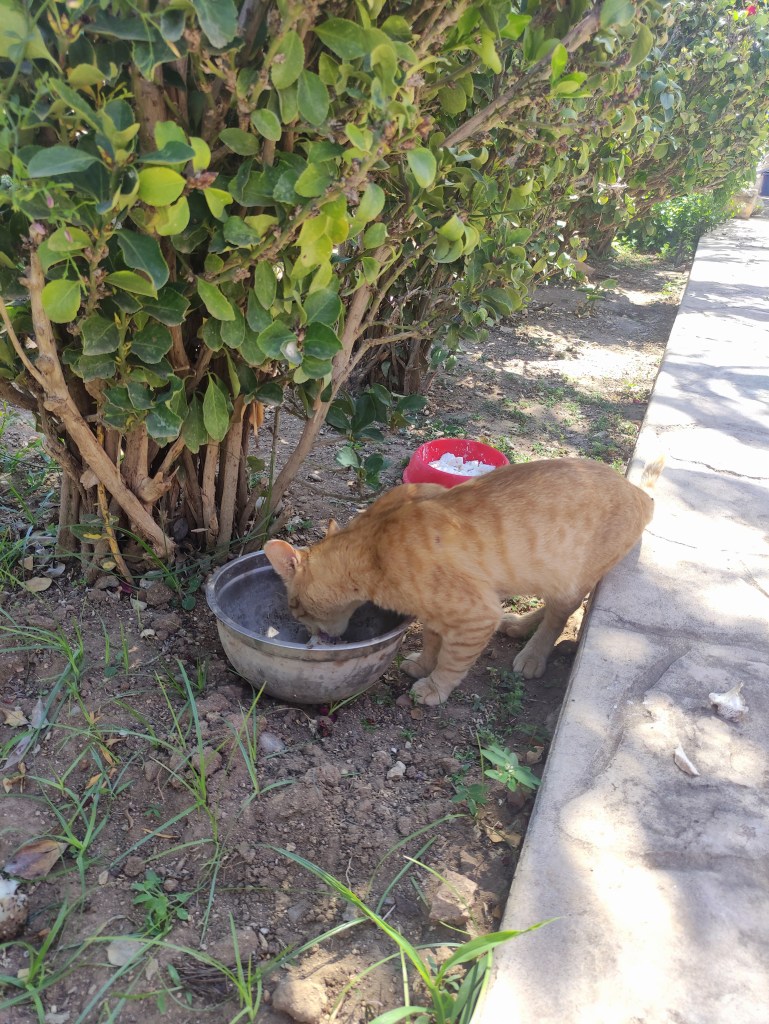
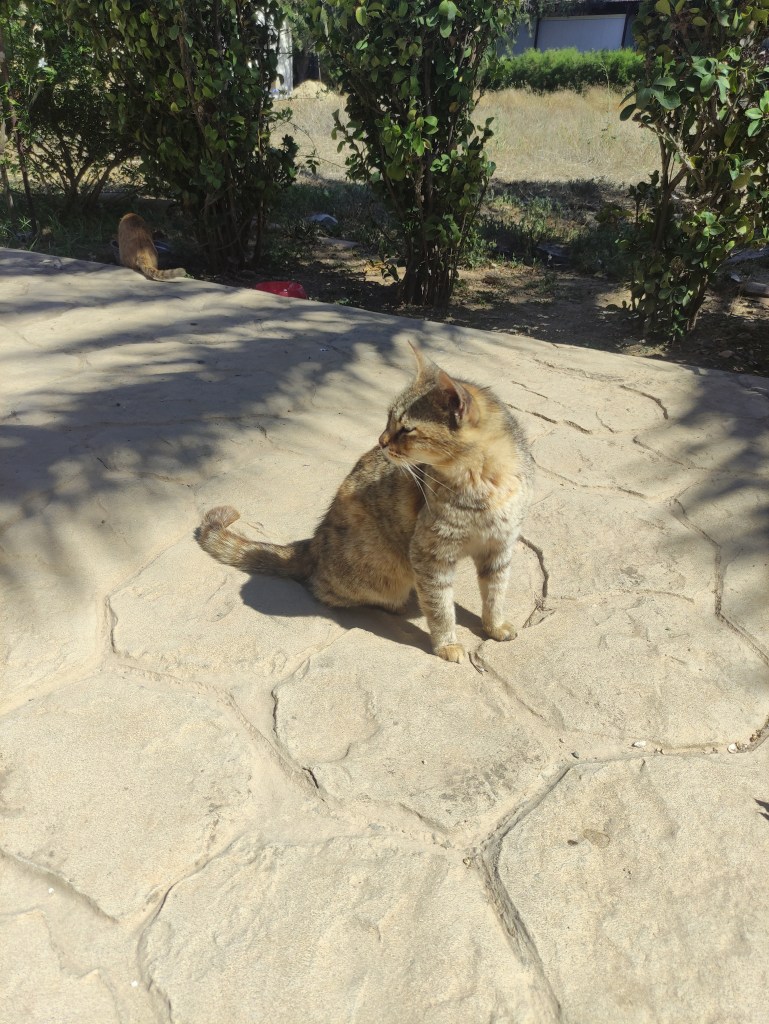
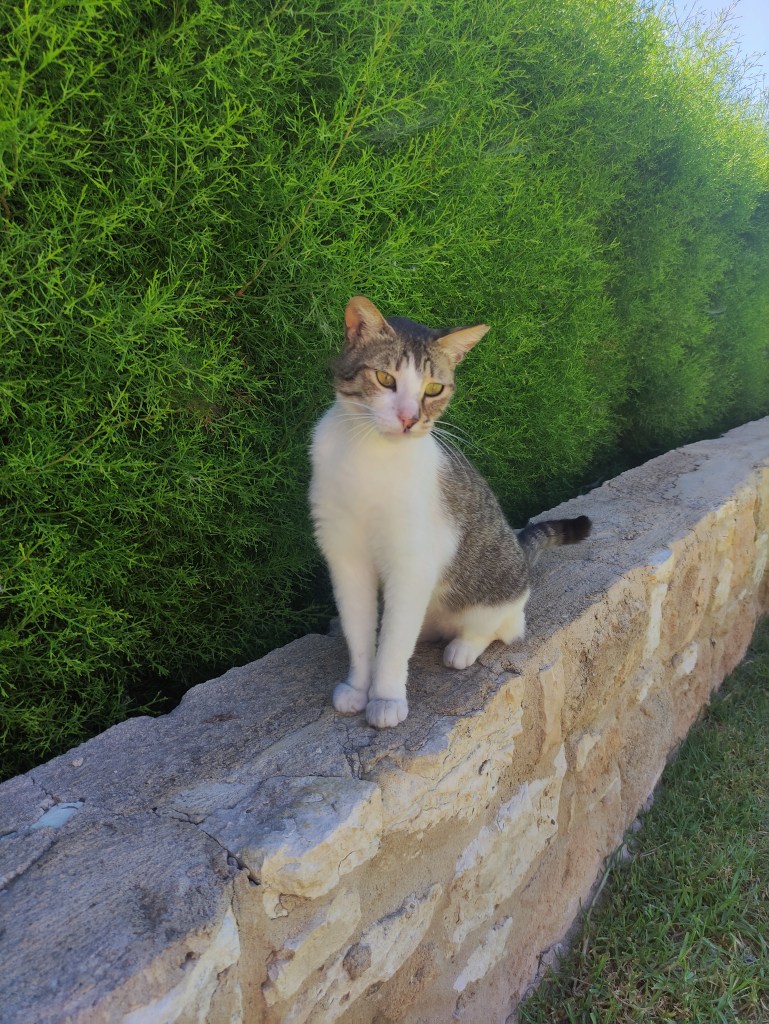
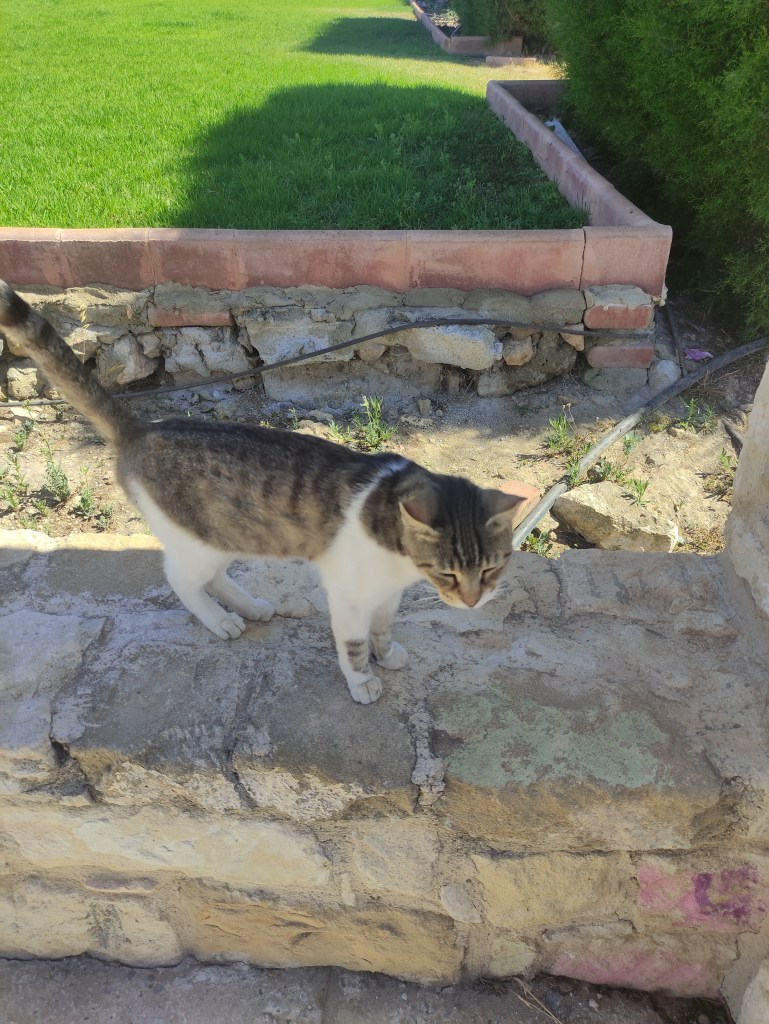
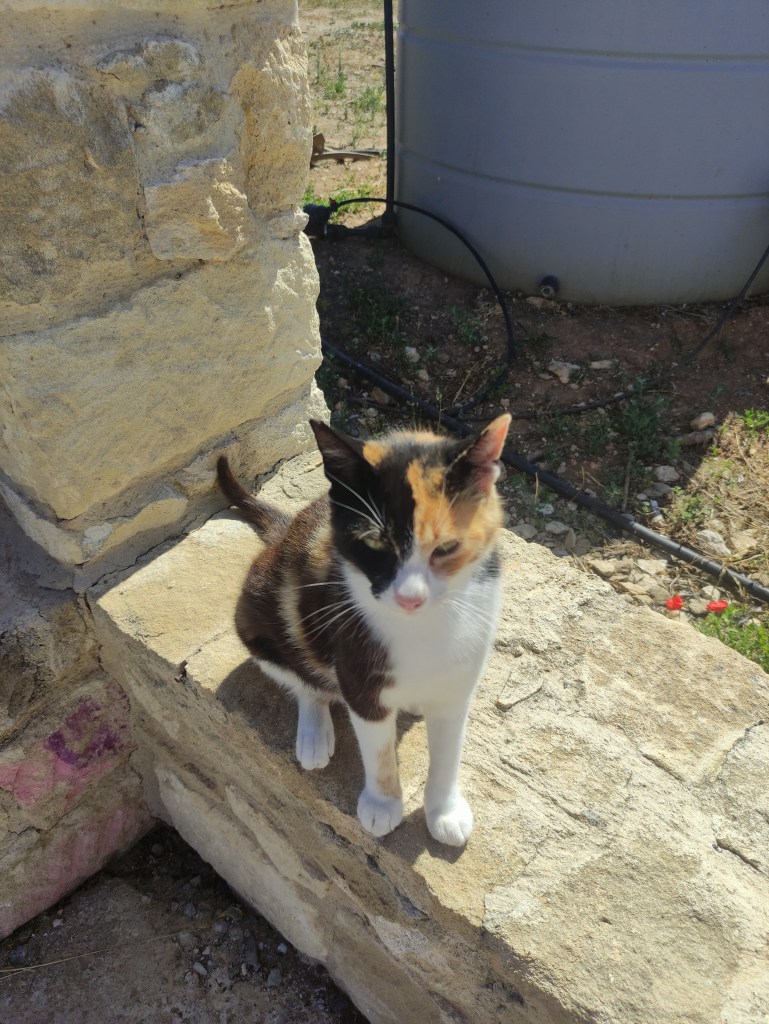
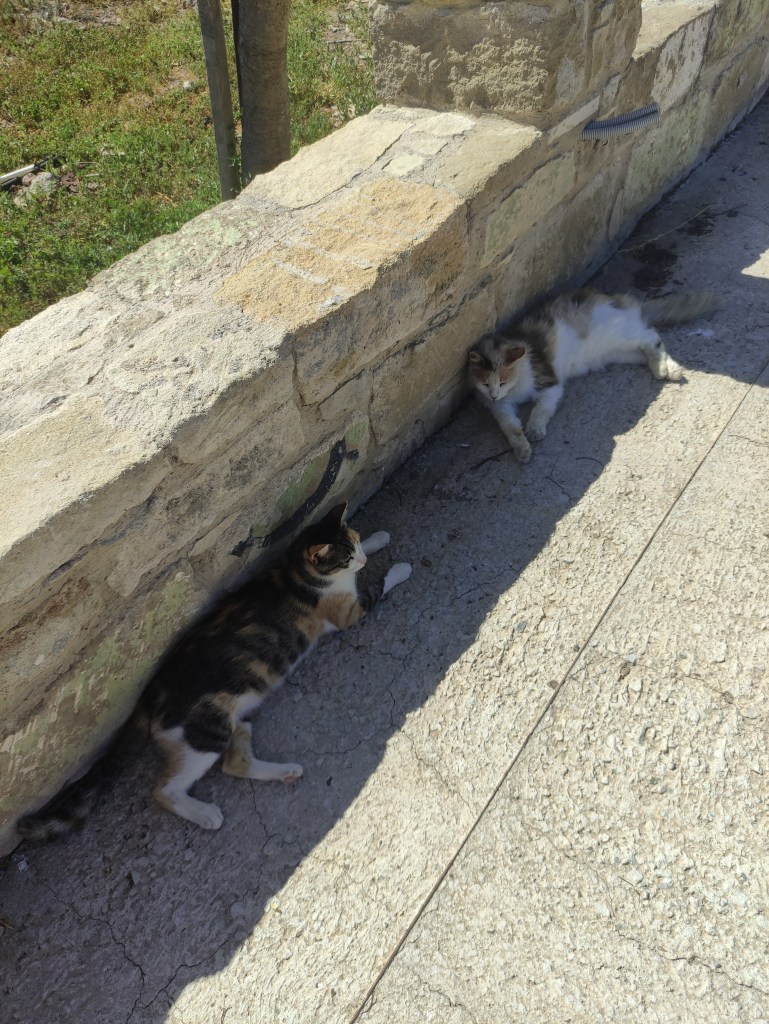
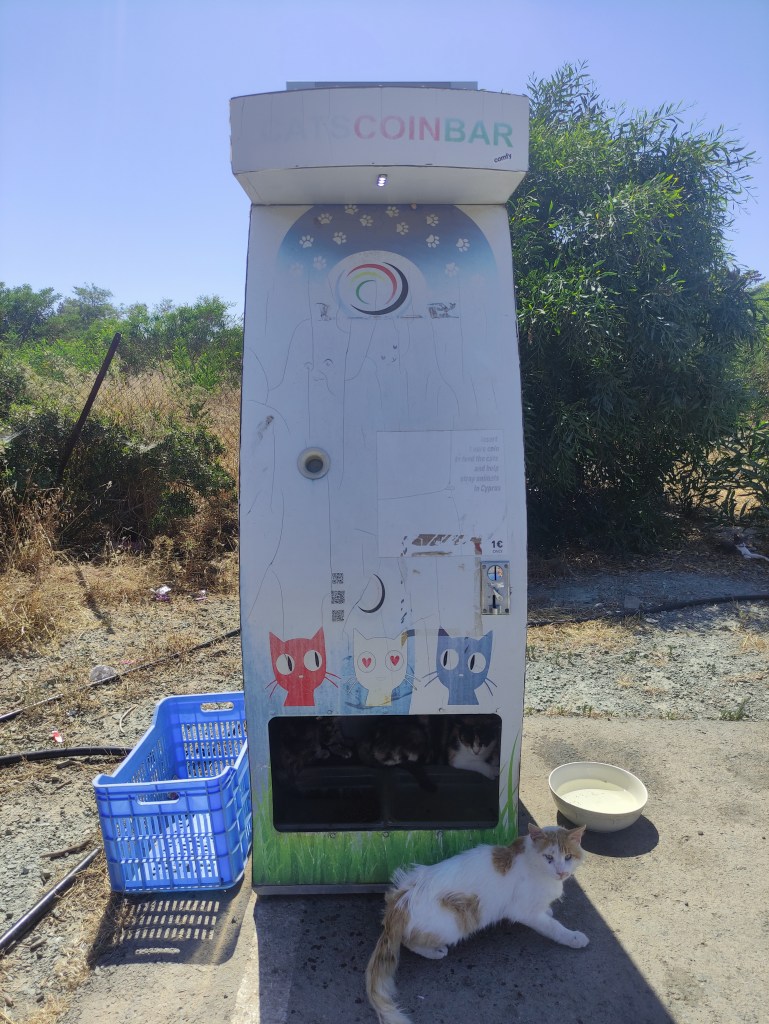
These were few of the lovely cats I found at the hotel St. Raphael
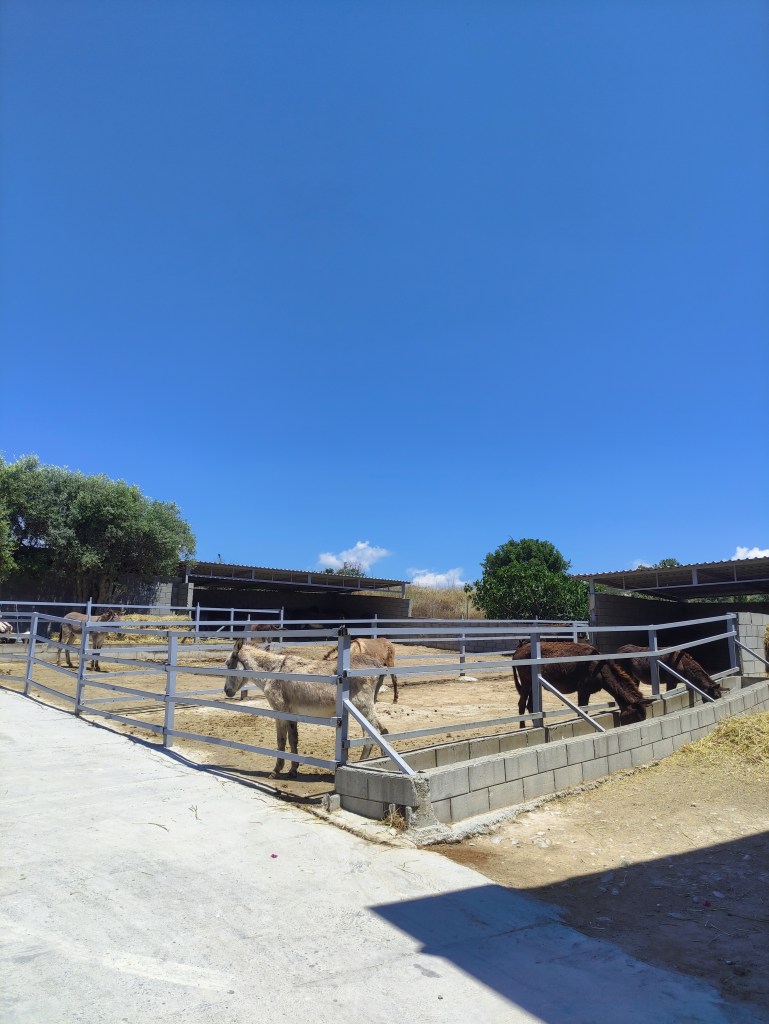
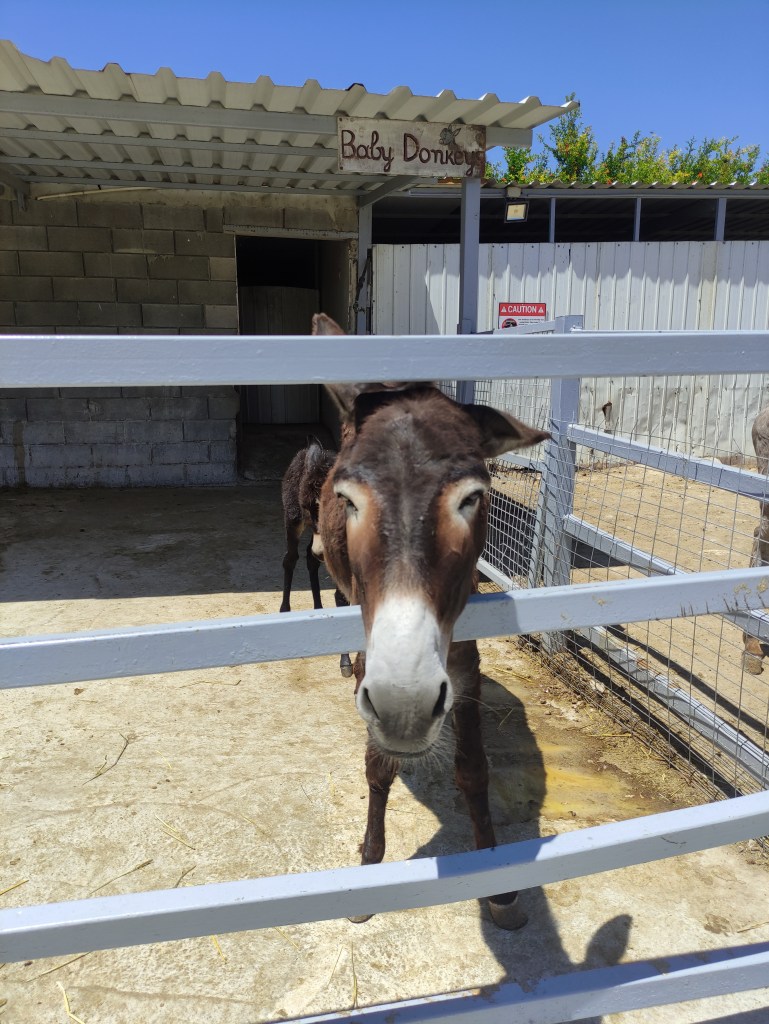
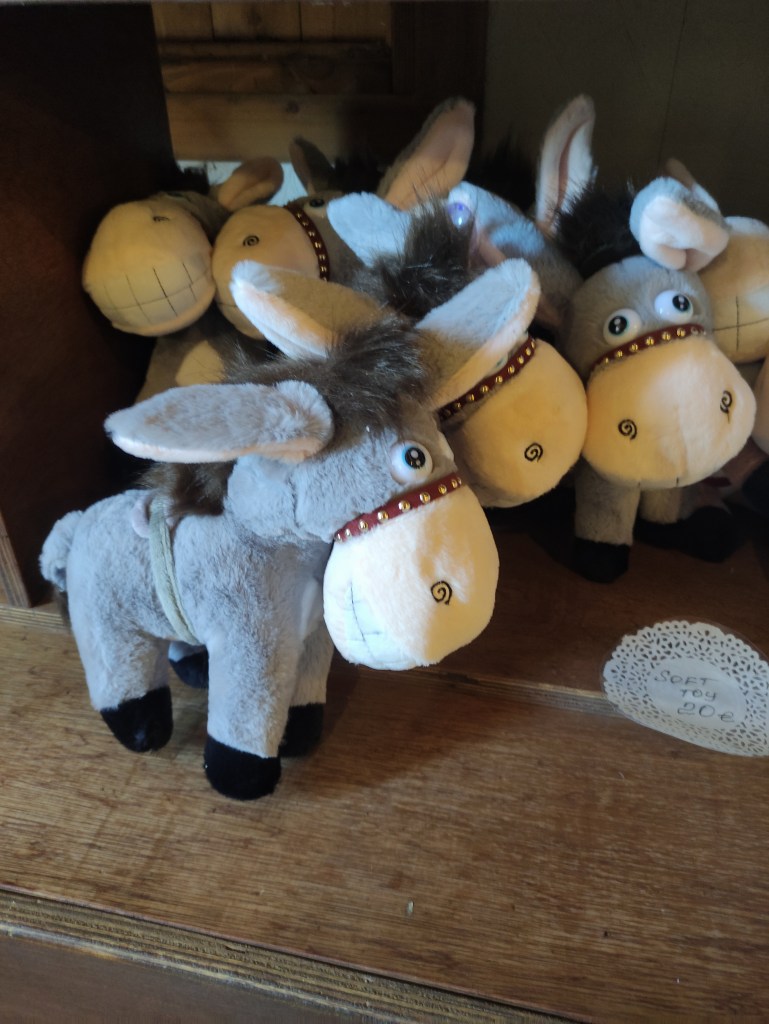
I thought I’d find something truly special at the Golden Donkeys Farm in Skarinou, based on the reviews and travel guides.
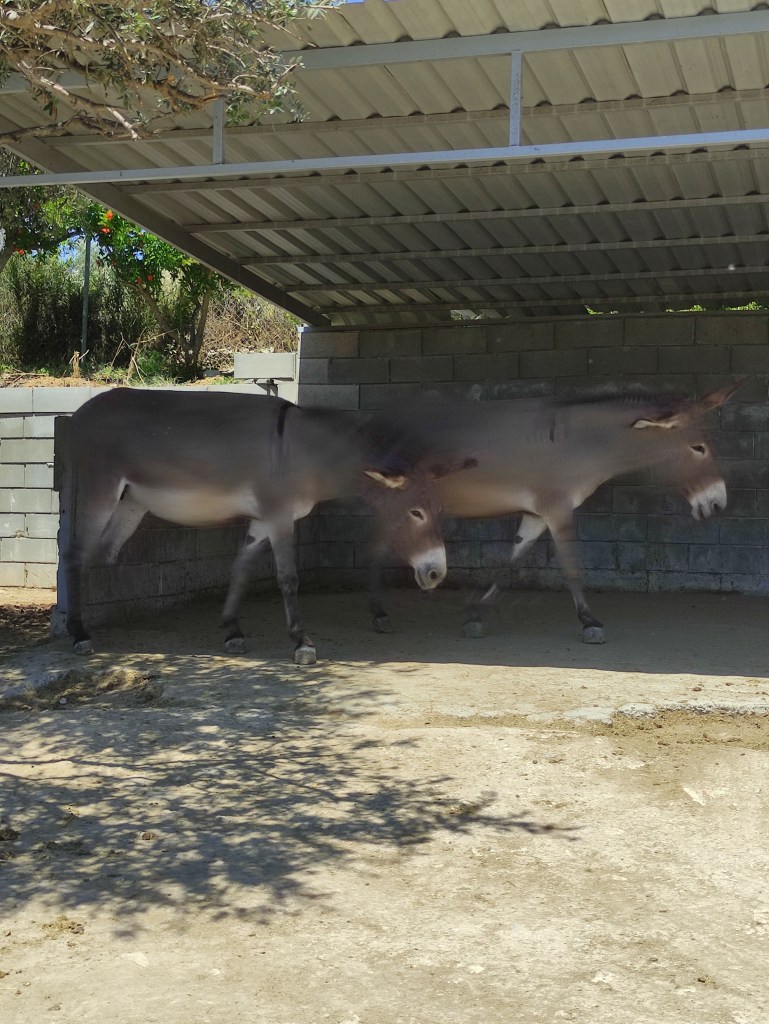
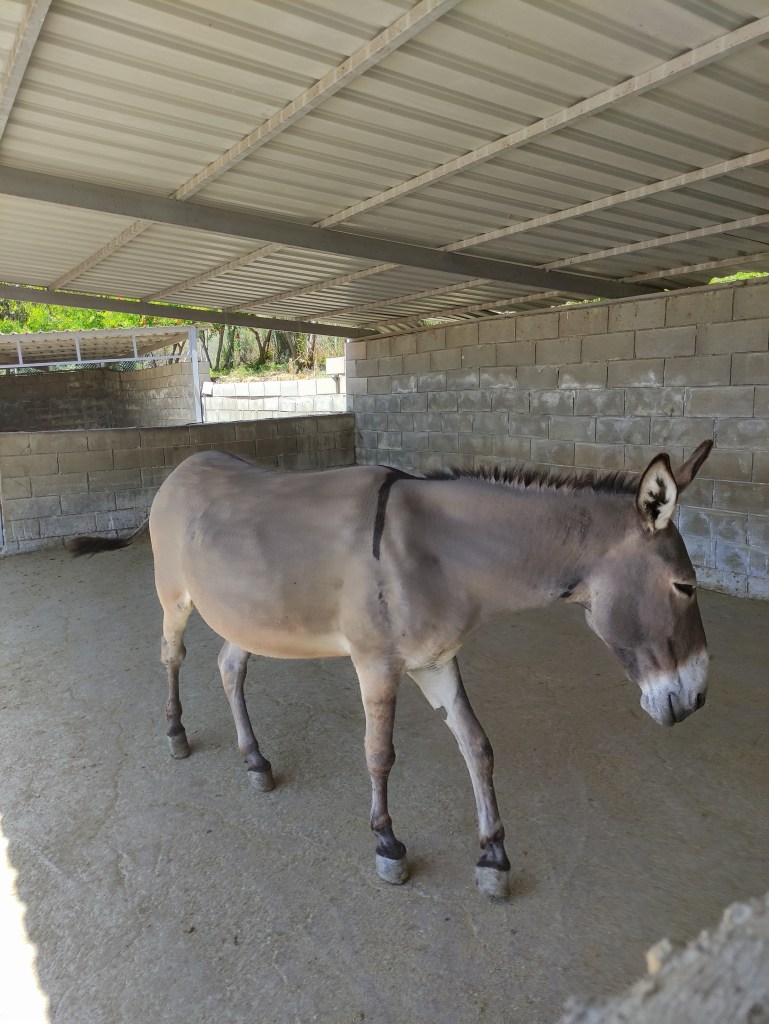
Unfortunately, it’s a rather disappointing place, 30 km from St. Raphael Marina, where there are no donkeys roaming freely in the grass. They are confined within a fenced-in area of dry, dusty land; only a concrete structure offers shelter from the sun and any rain.
Making the best of a bad situation, I took a few photos but didn’t buy any donkey milk products. Olive oil products—whether for cooking or personal care—are also available for purchase.
It advertises itself as a “park” where the donkeys are supposedly free… and there are even saddles on display for those who want to ride them.
I won’t be promoting this place, as I consider it yet another example of animal exploitation.
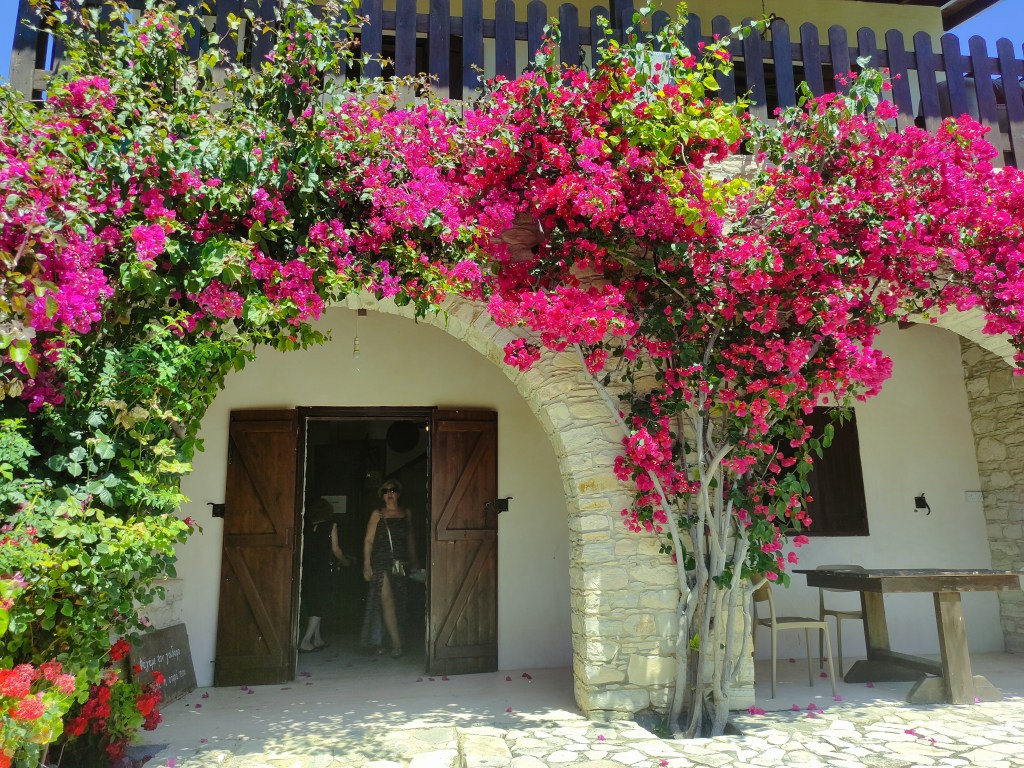
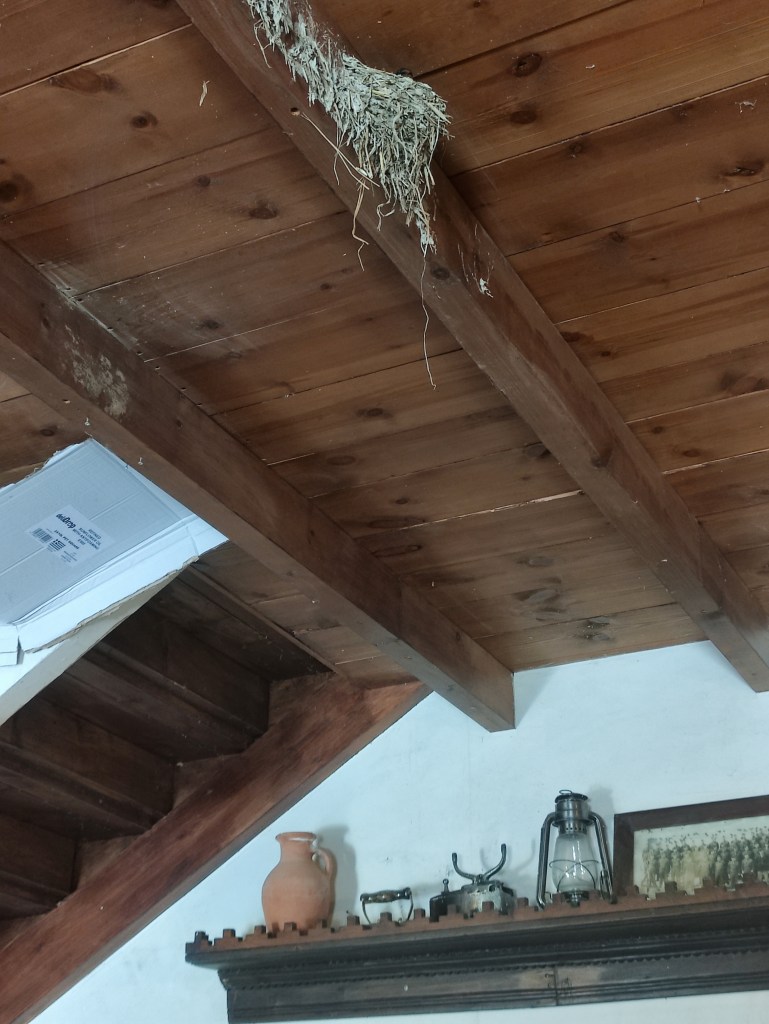
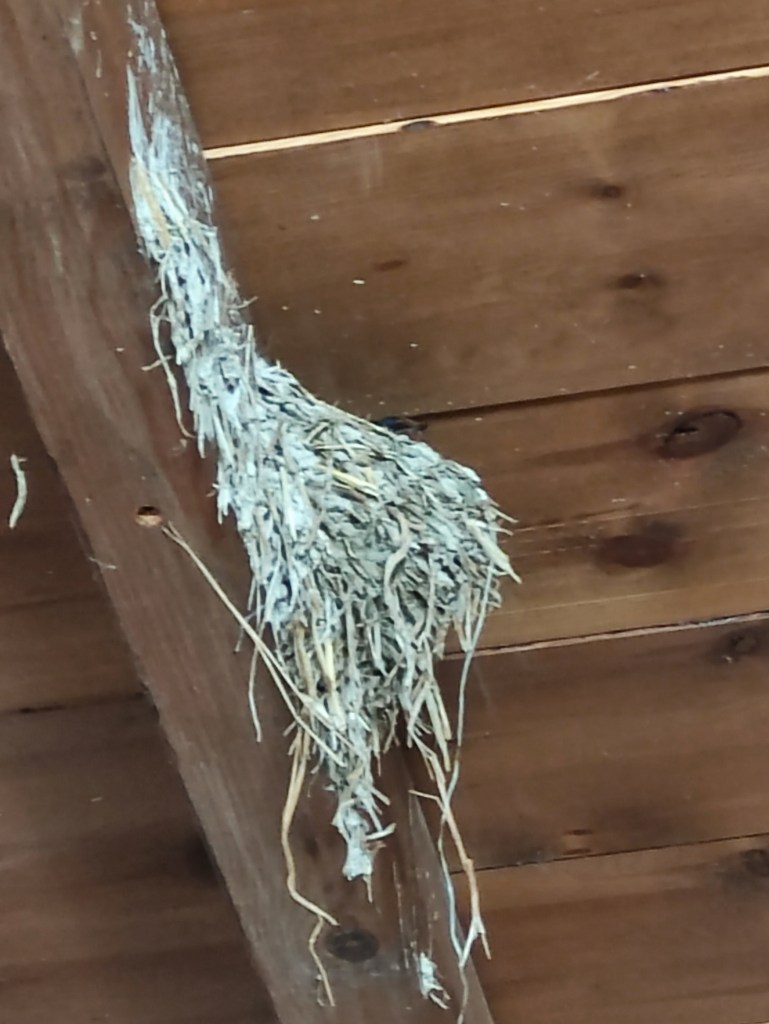
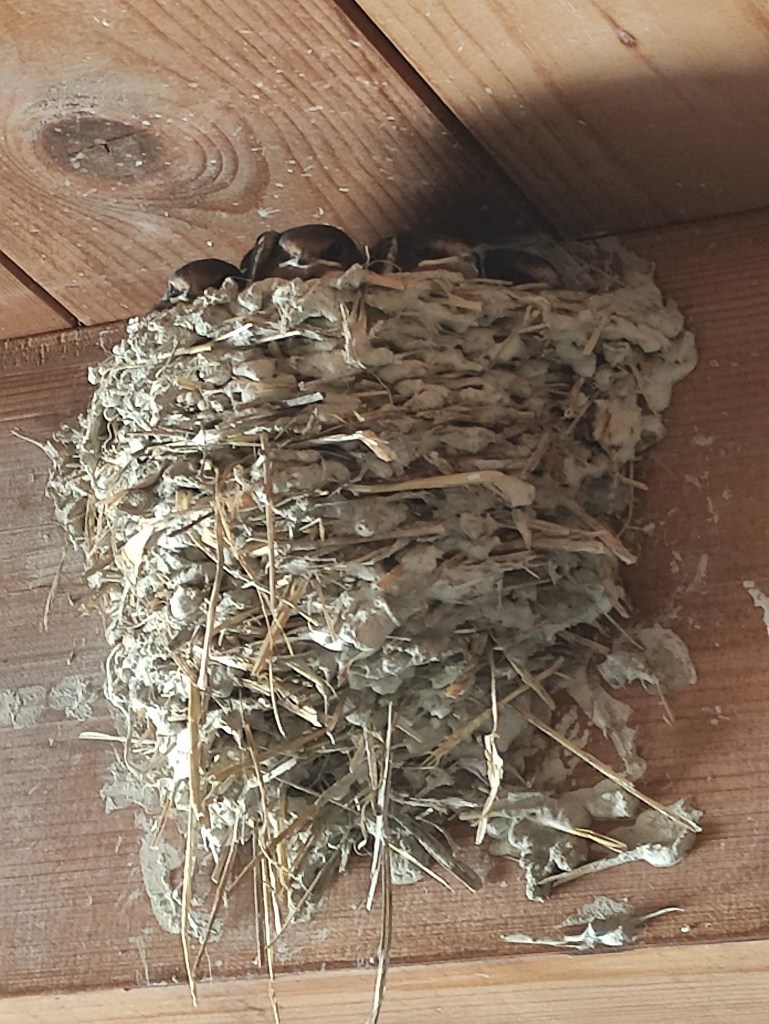
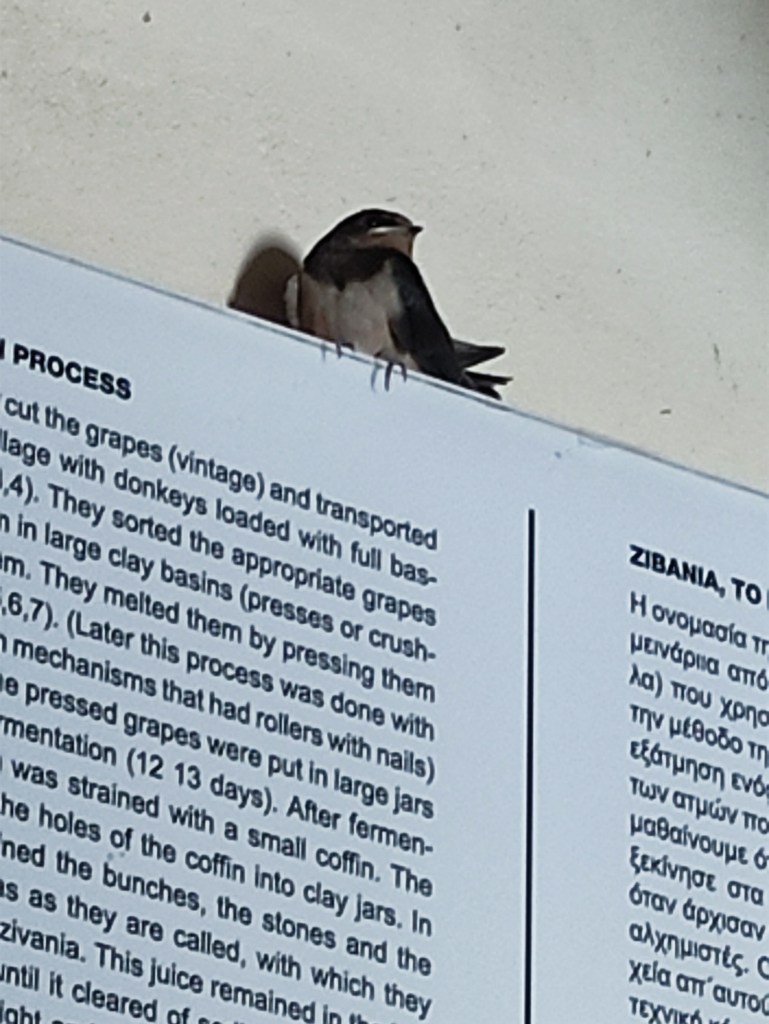
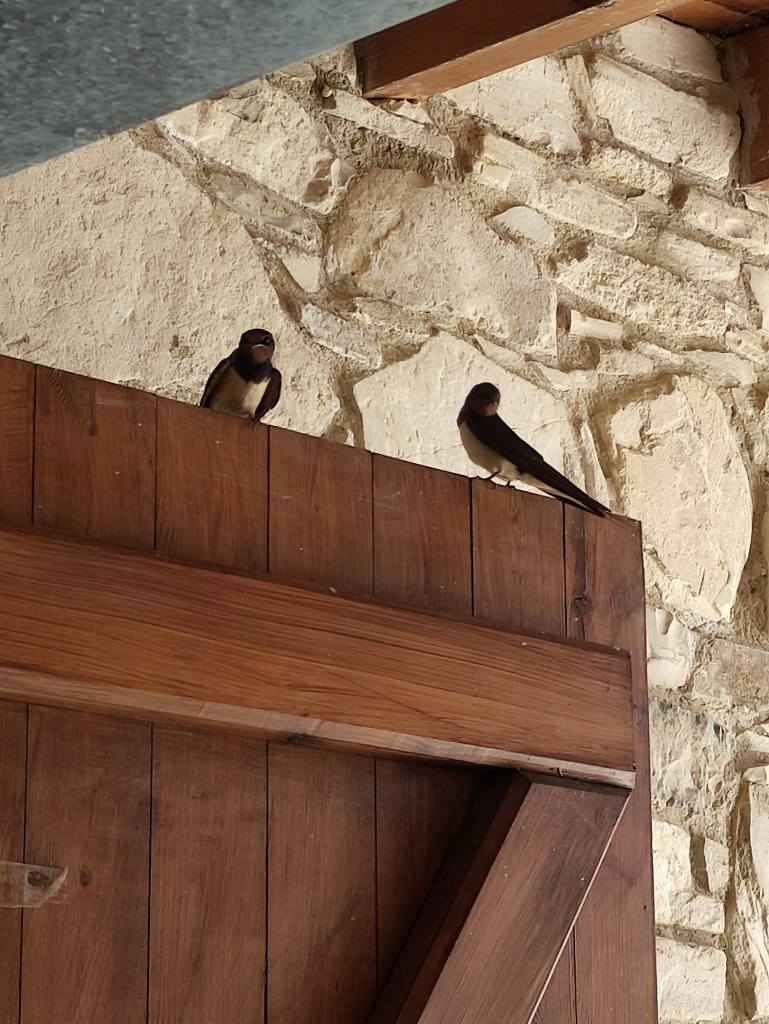
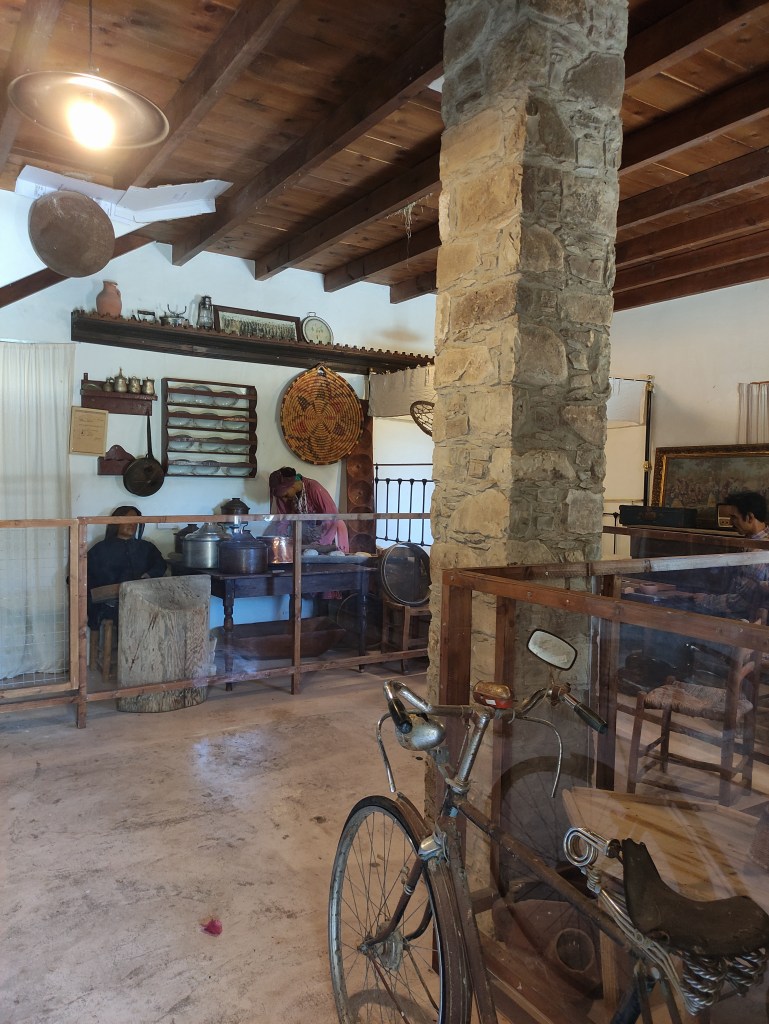
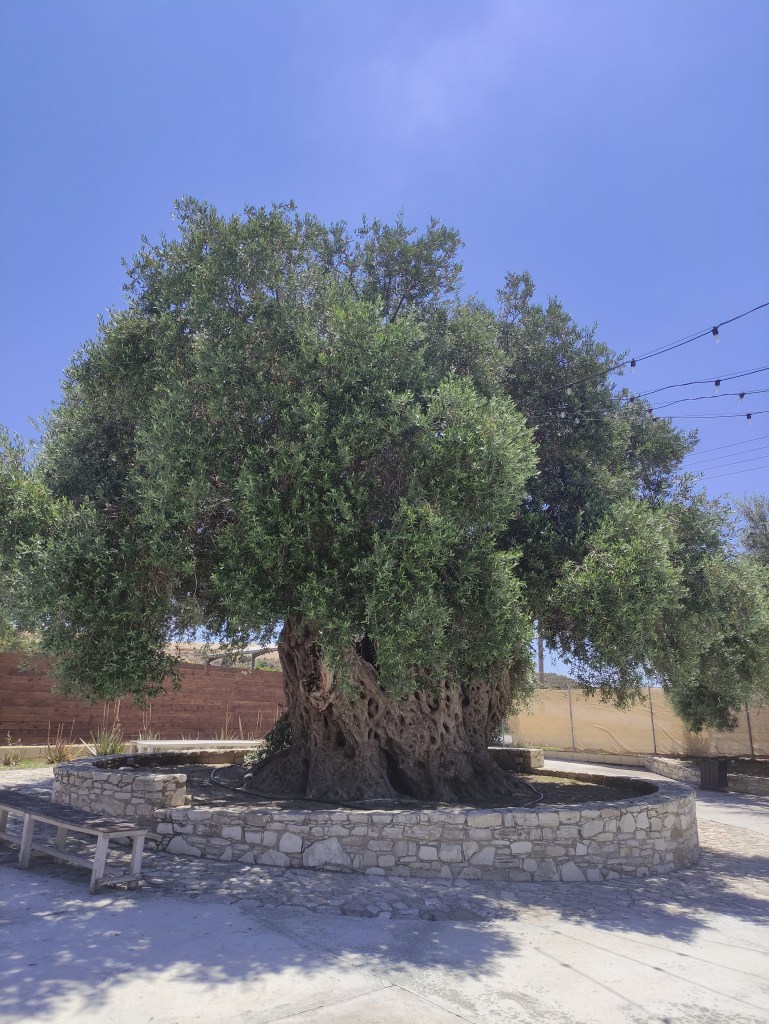
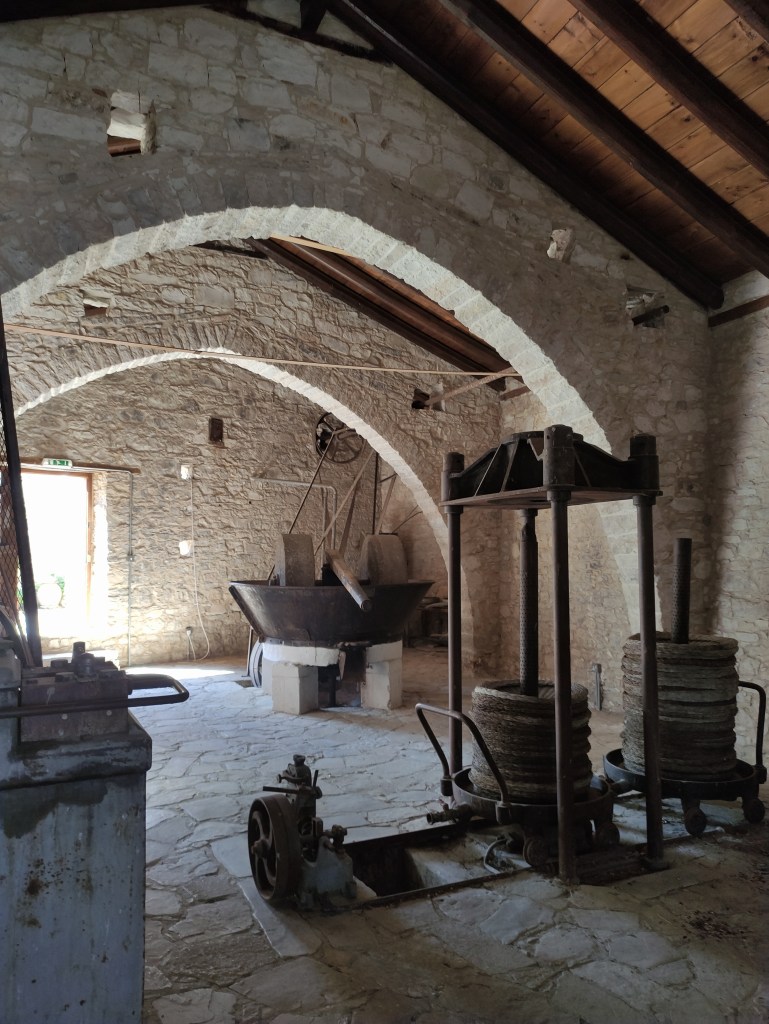
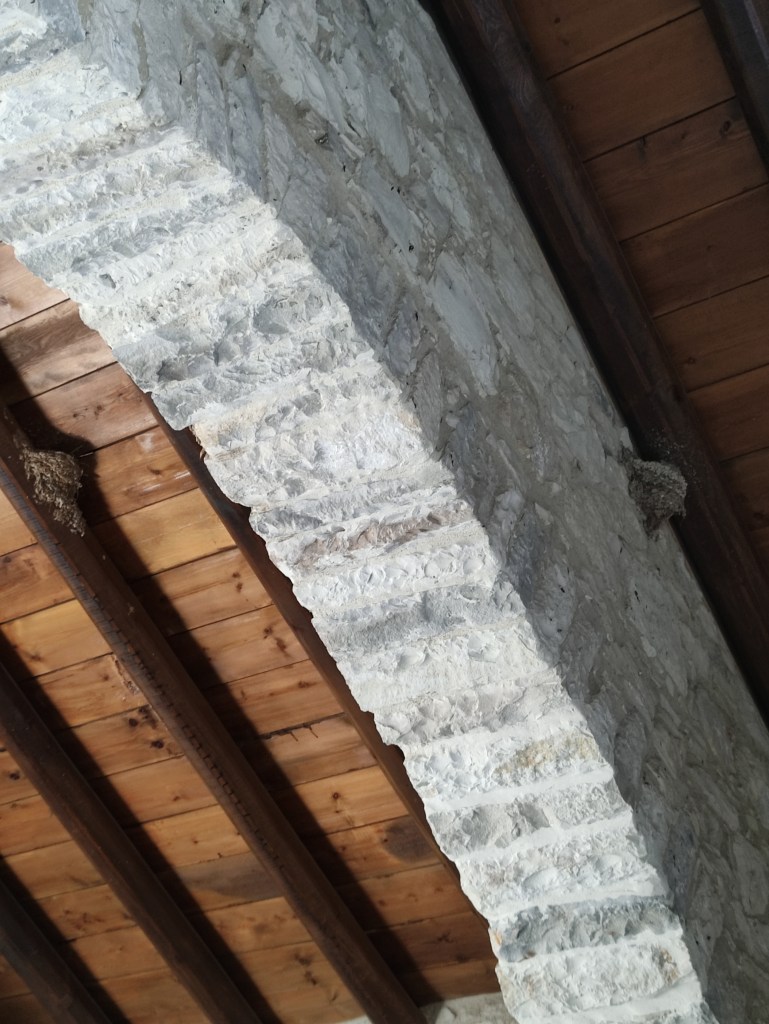
The only interesting sight is the ancient olive trees (one of which is said to be a whopping 1,500 years old). There are also swallows’ nests scattered throughout the protected areas, such as the small museum and a room recreated to look like a typical Cypriot home from 200 years ago.
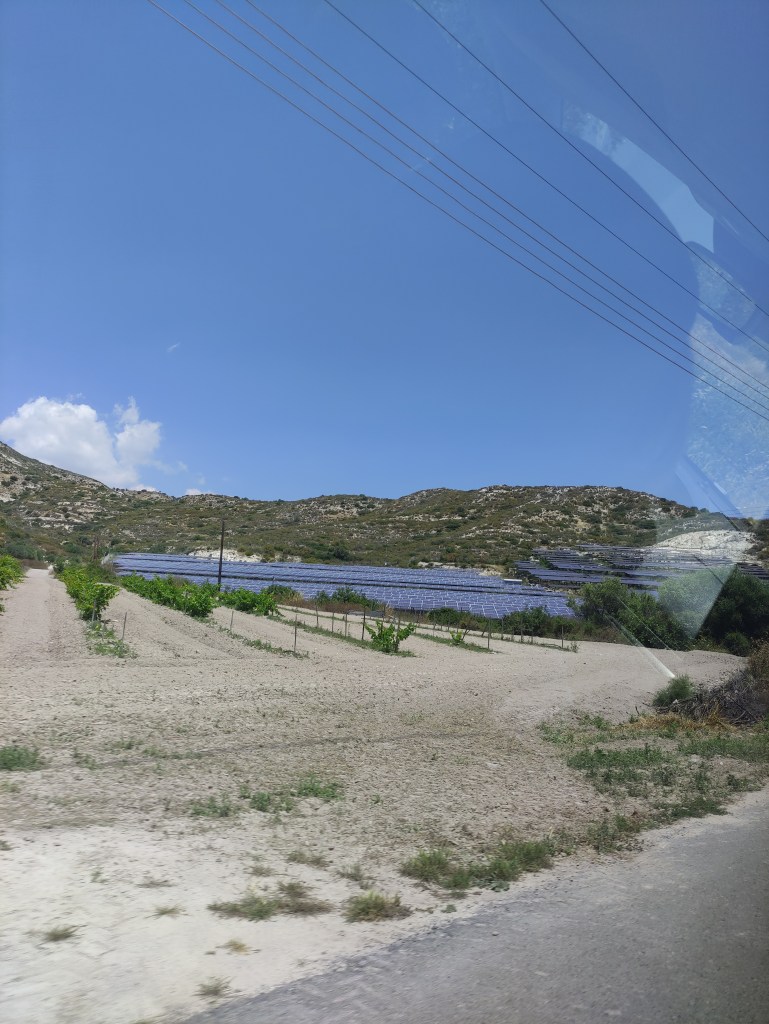
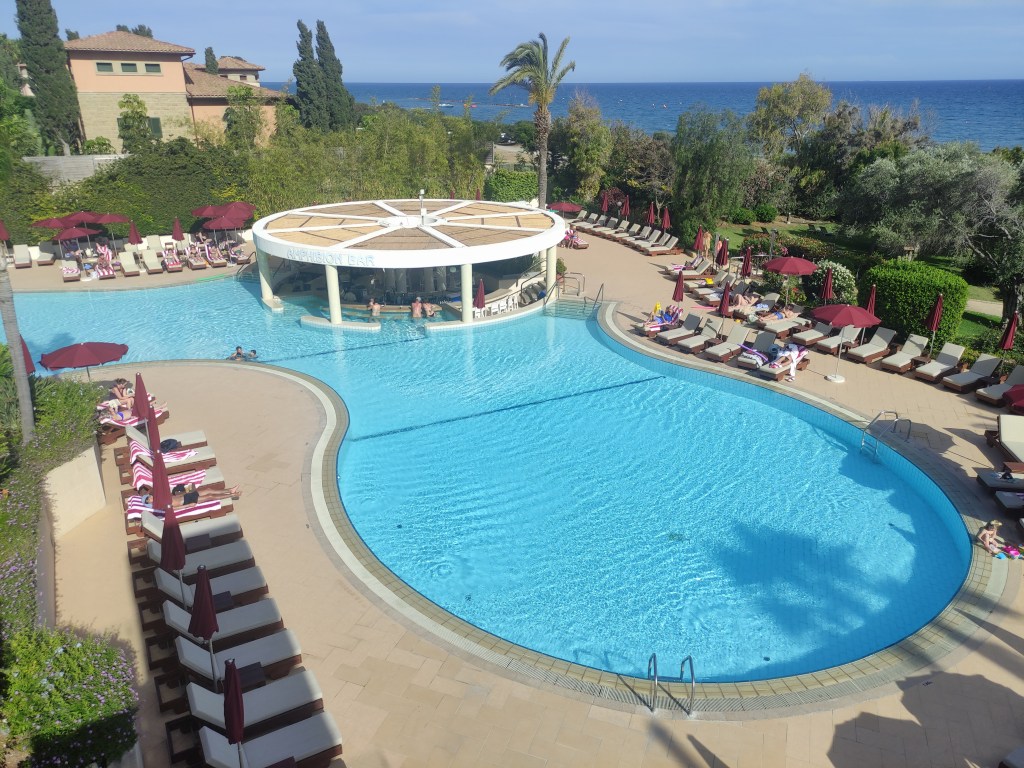
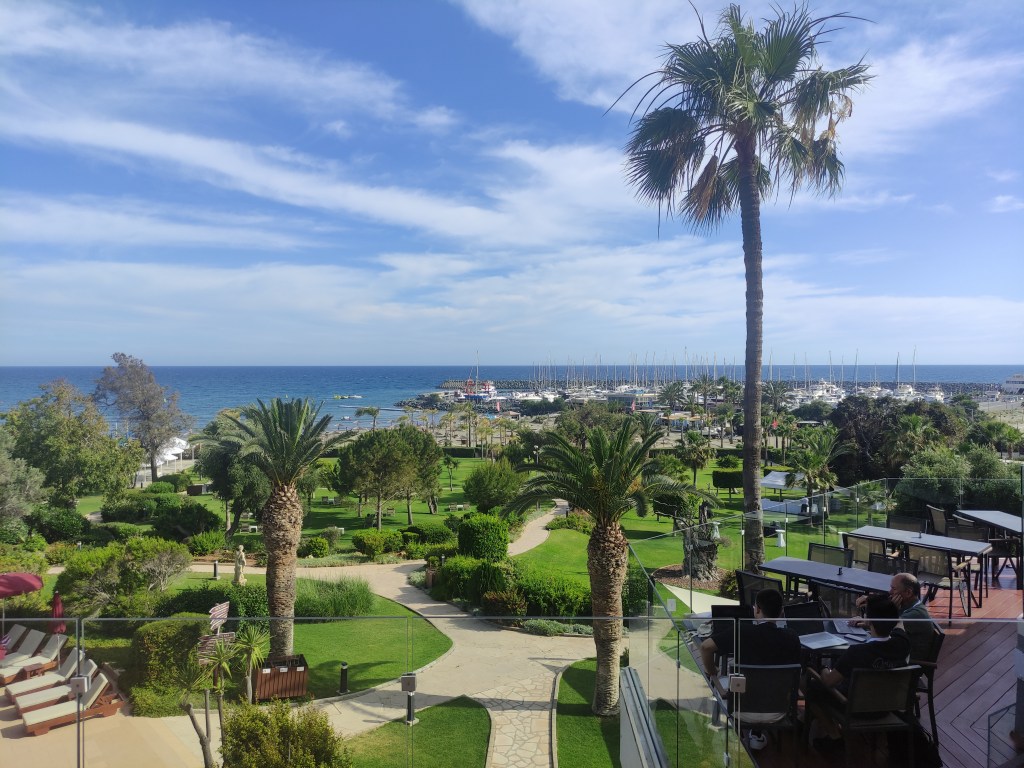
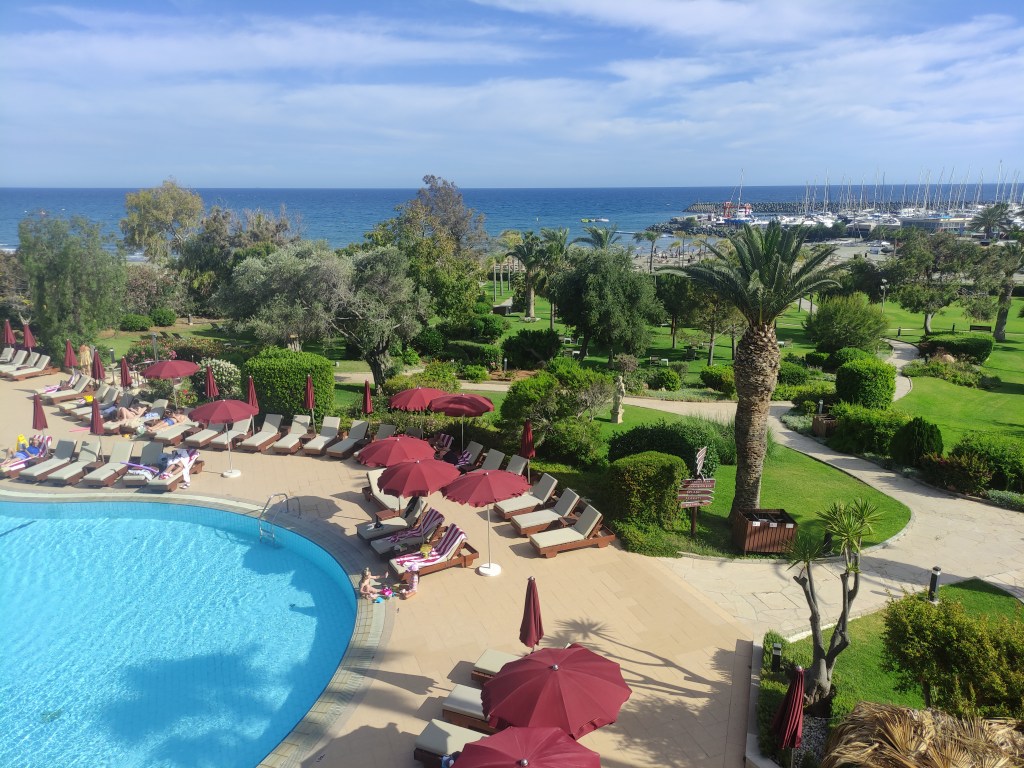
The hotel where I stayed isn’t in the city of Limassol, but it’s 15 km away—a trip that takes about 30 minutes, depending on traffic.
Public transportation is available, but depending on the schedule, buses can be packed to the brim, which often results in them skipping the stop. One Sunday in the late afternoon, three buses passed us by, and in the end, I took a taxi back to the hotel.
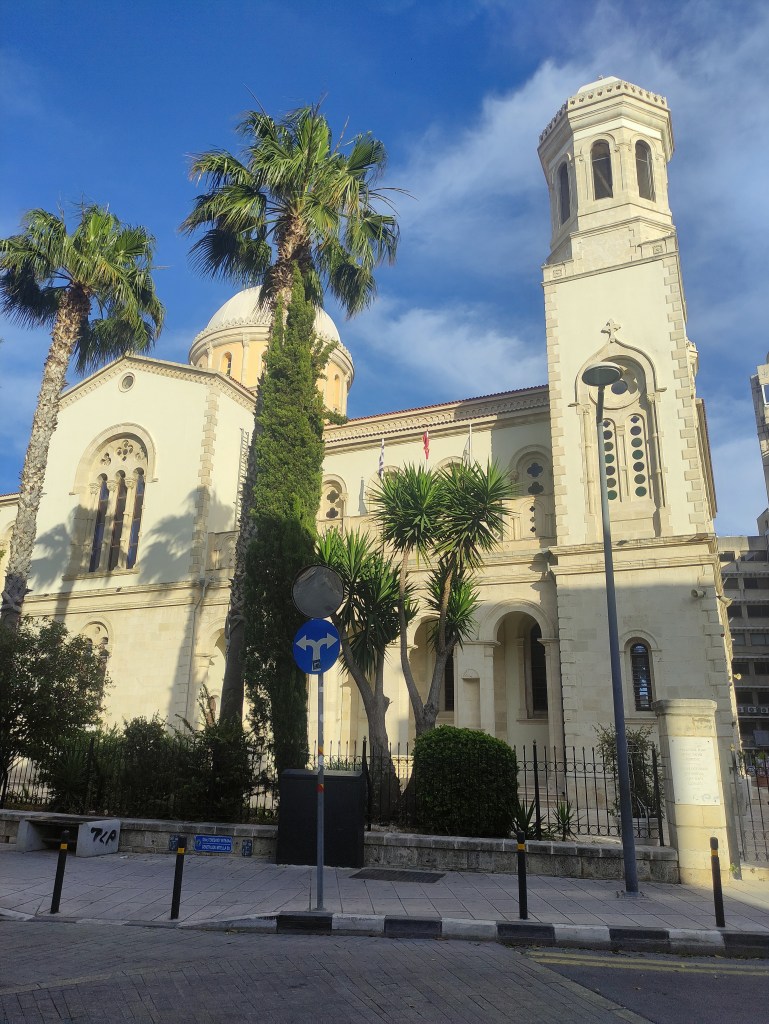
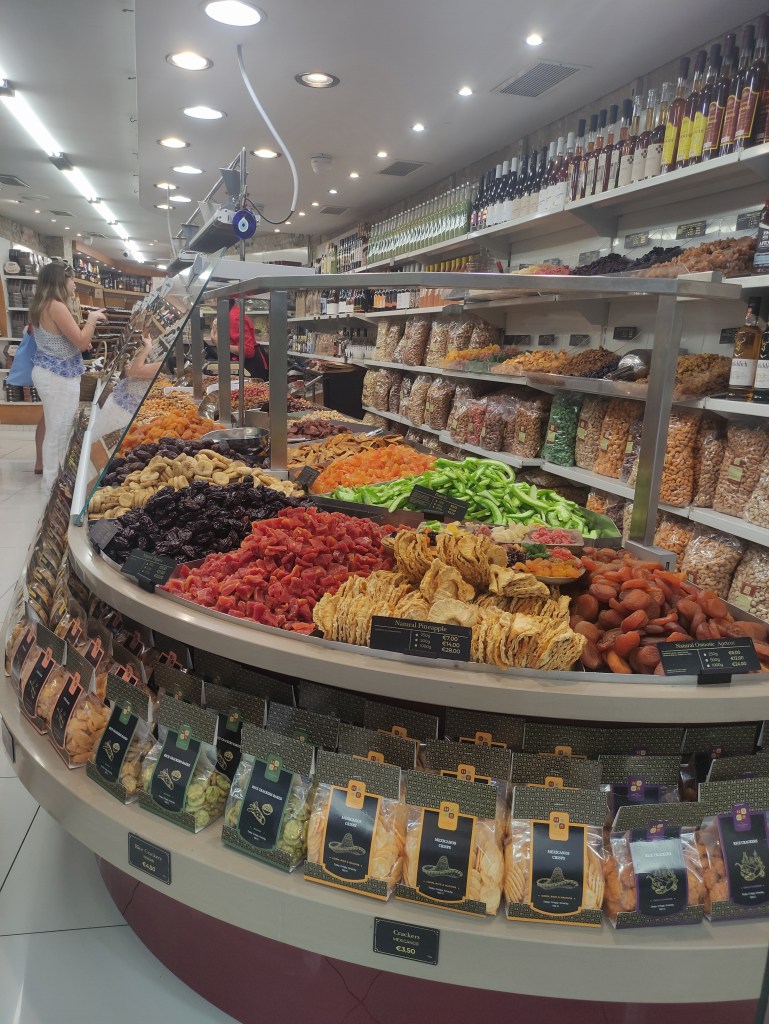
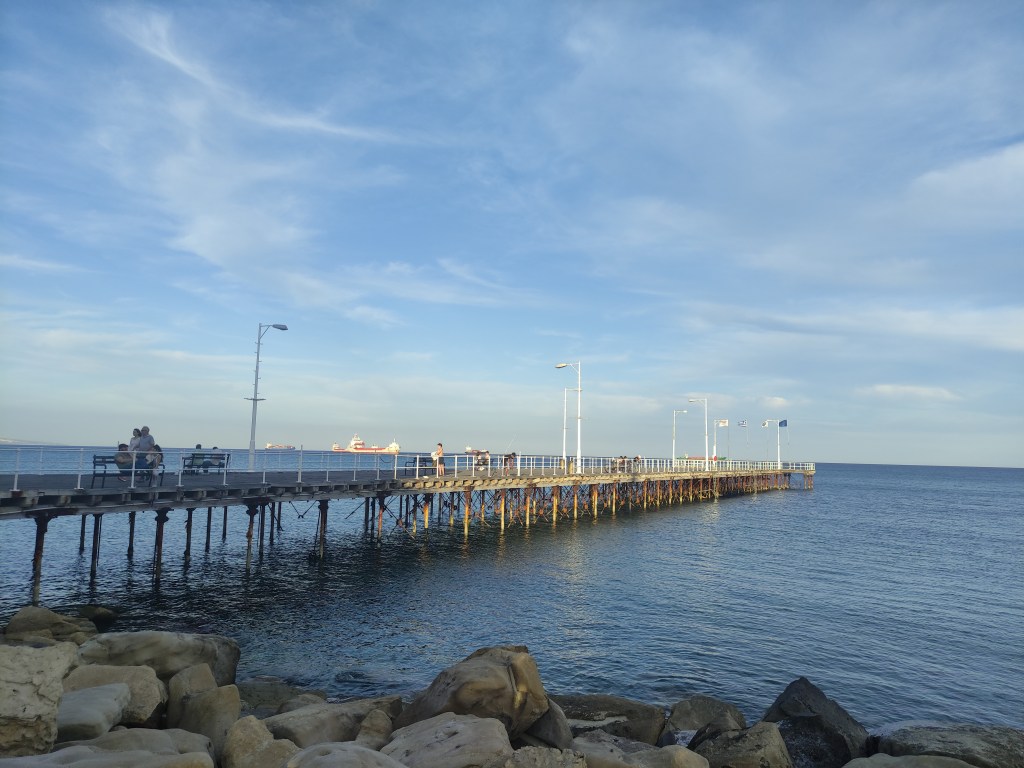
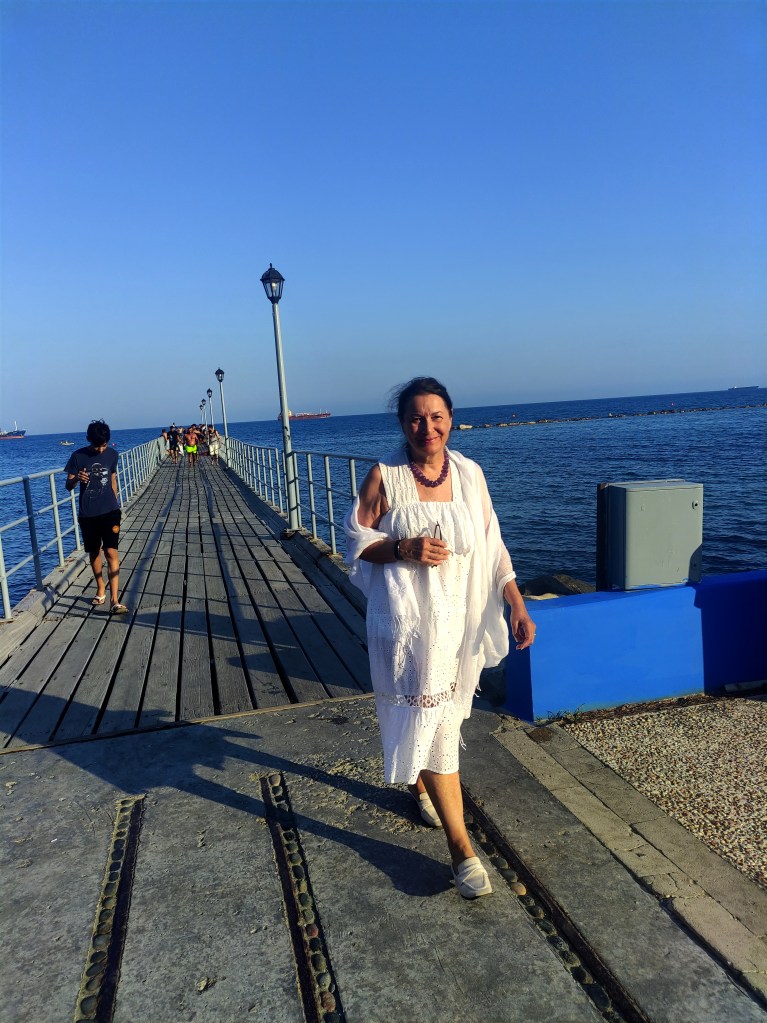
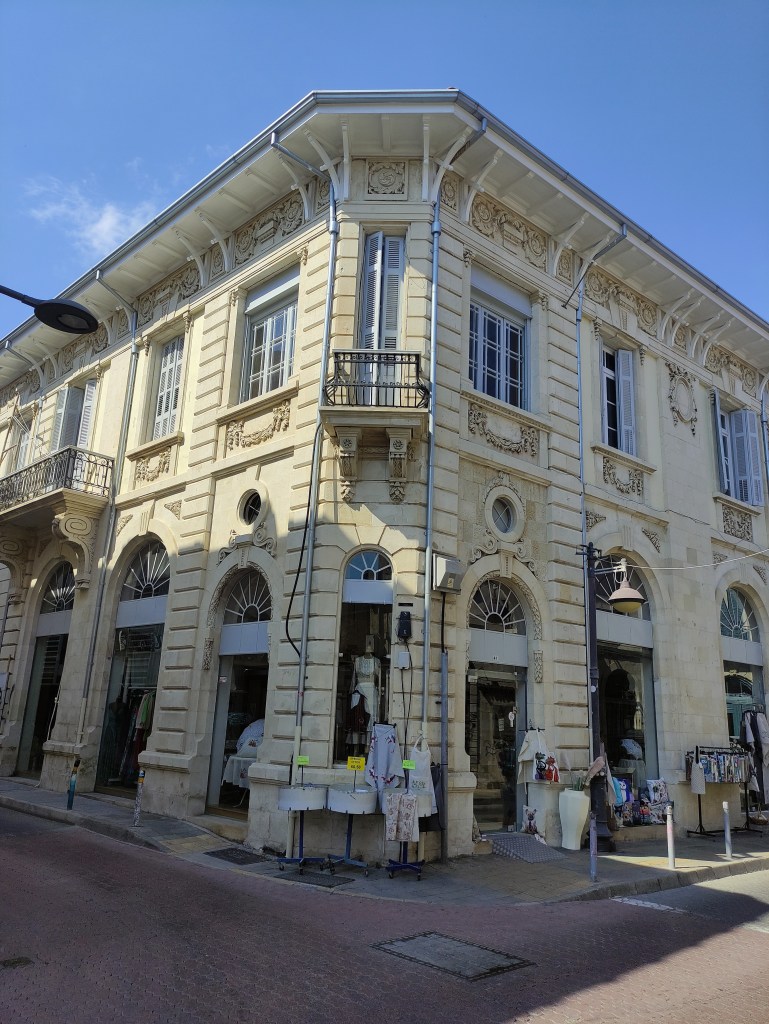
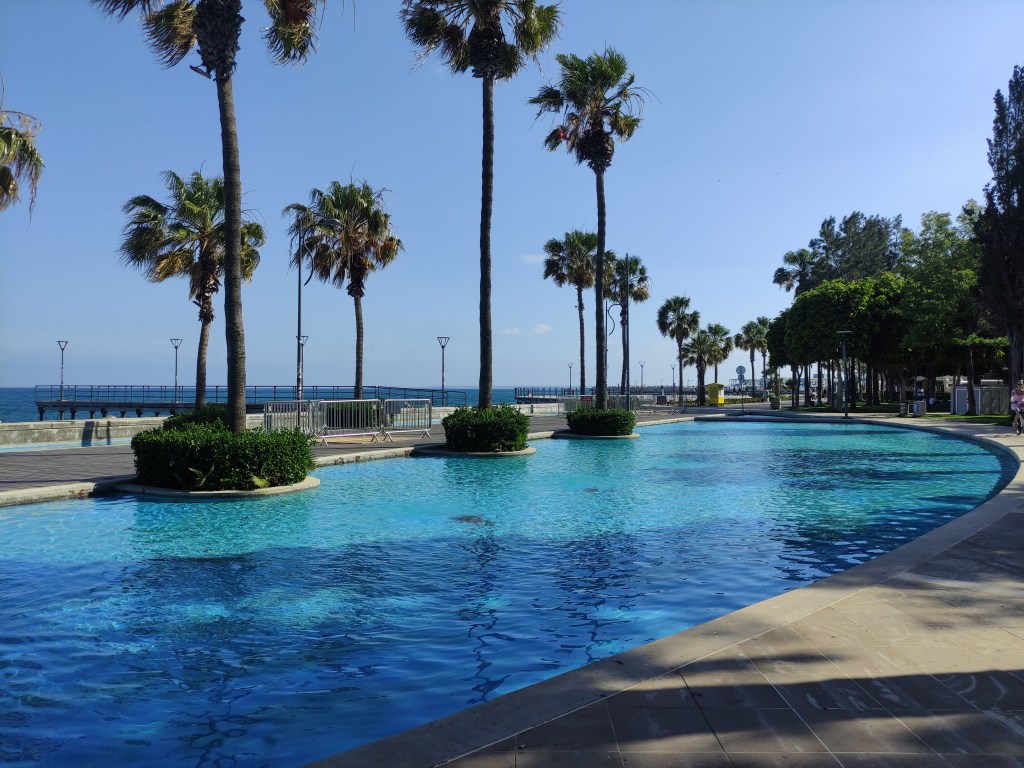
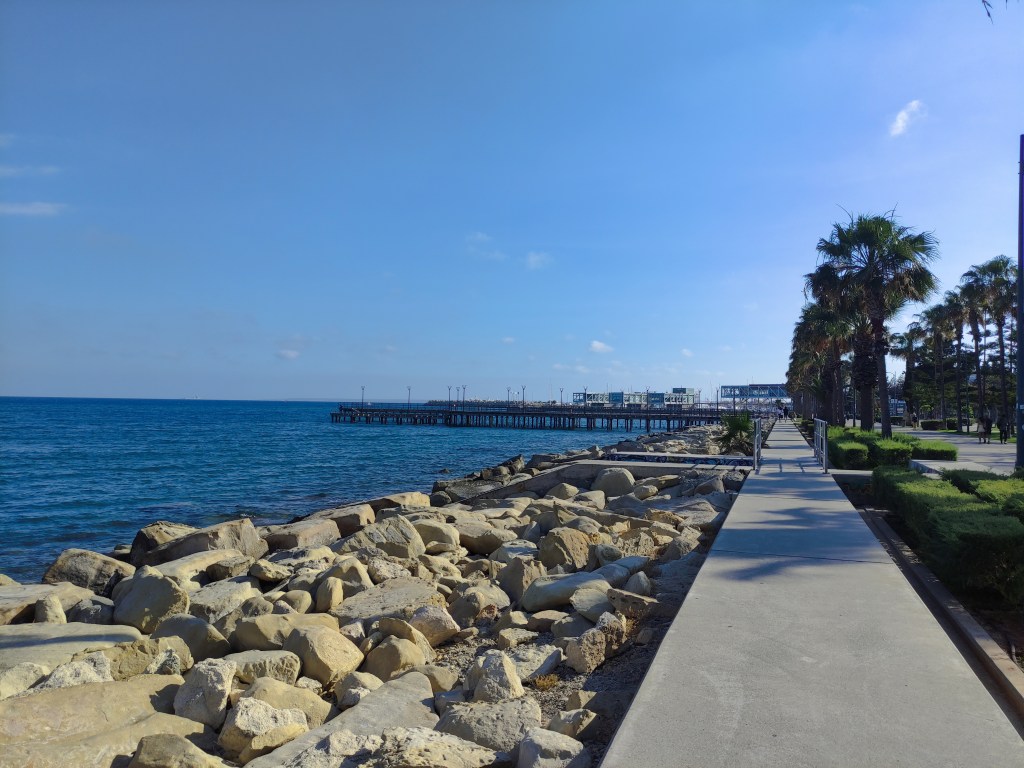
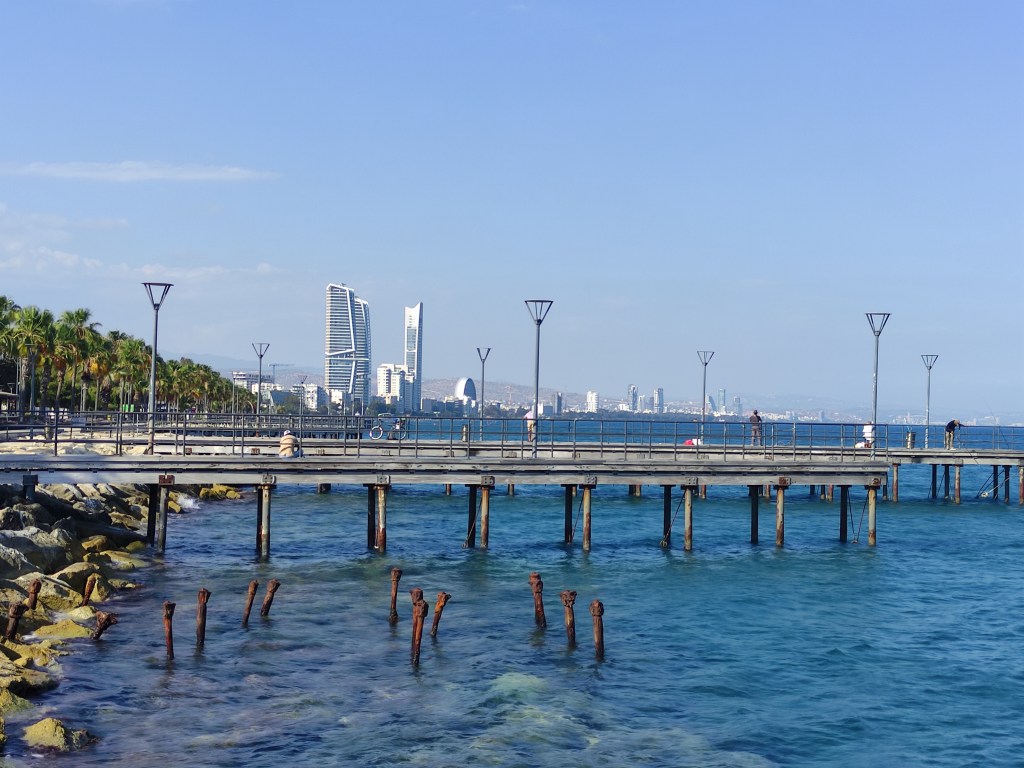
Limassol is a modern city complete with skyscrapers (though not comparable to those in major metropolises); it has an old town with many small shops catering primarily to tourists, and a very beautiful, well-maintained waterfront with trendy restaurants and bars. In the evening, the city comes alive, and it can even be difficult to find a table for dinner; the nightlife is predominantly Israeli and Russian, with a few European tourists but very few Asians or Americans. As always, the cats rule the roost along the waterfront! Some of the more docile ones let you pet them, while others keep their distance and watch you out of the corner of their eyes, ready to bolt if you don’t maintain a “safe” distance (from their perspective, at least). In the Old Port, the marina features several sailboats, including large ones, and outboard motorboats. The daily rental fee for a berth for a 6-meter boat is €19, and for one up to 110 meters, it is €210.
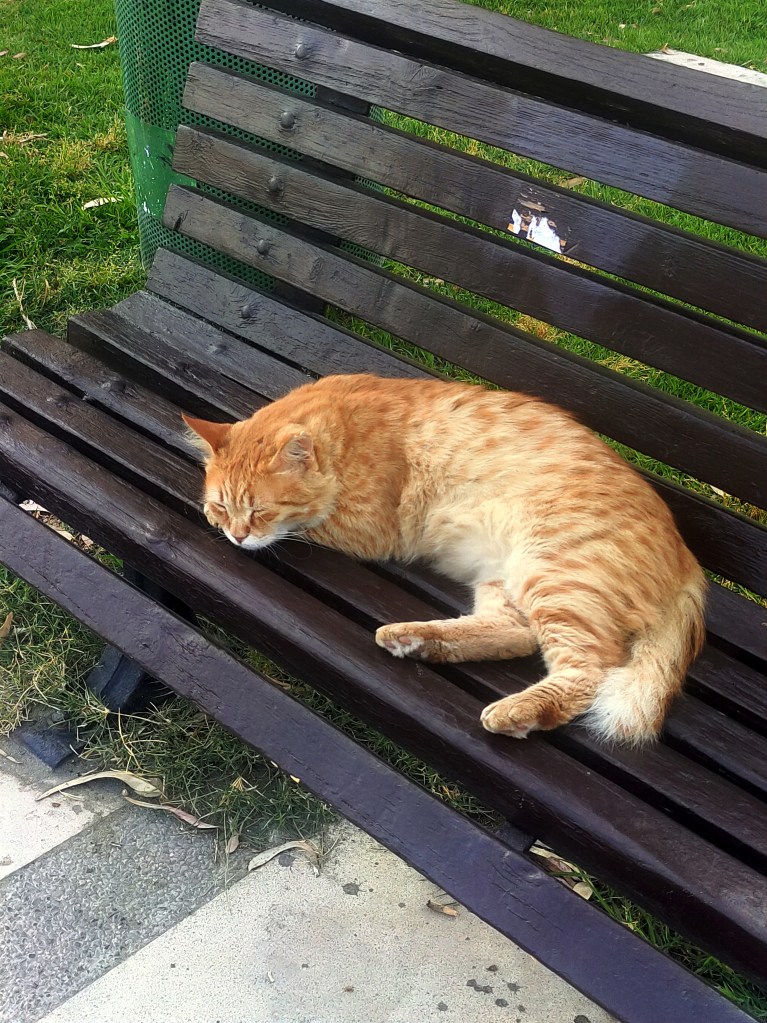
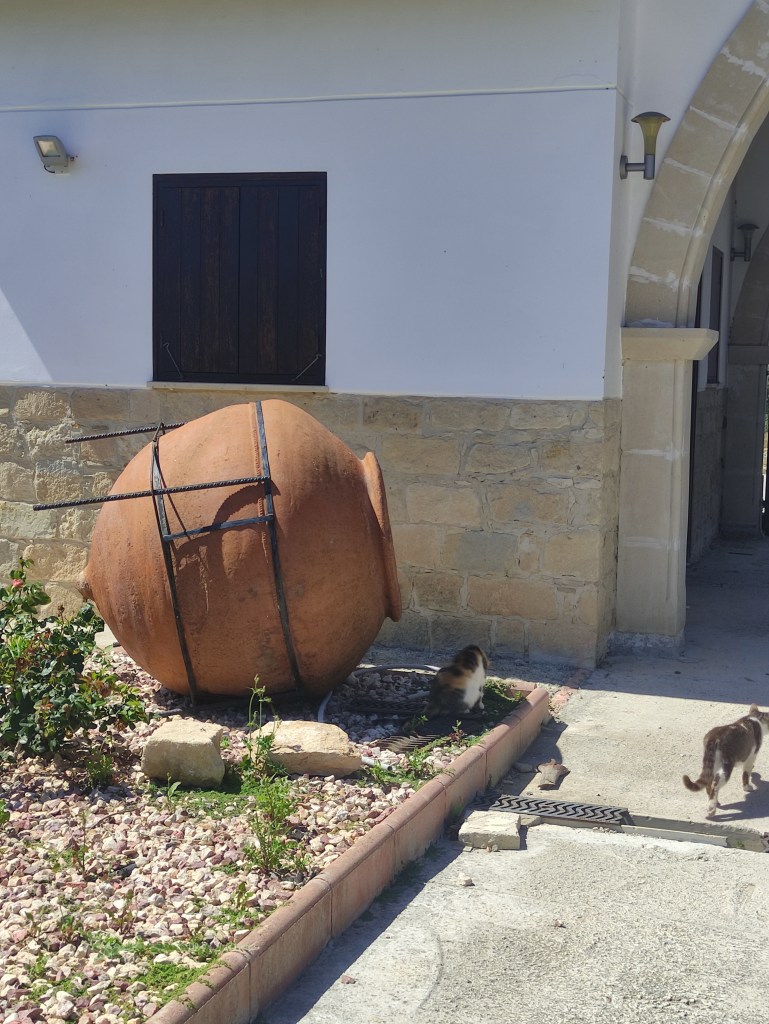
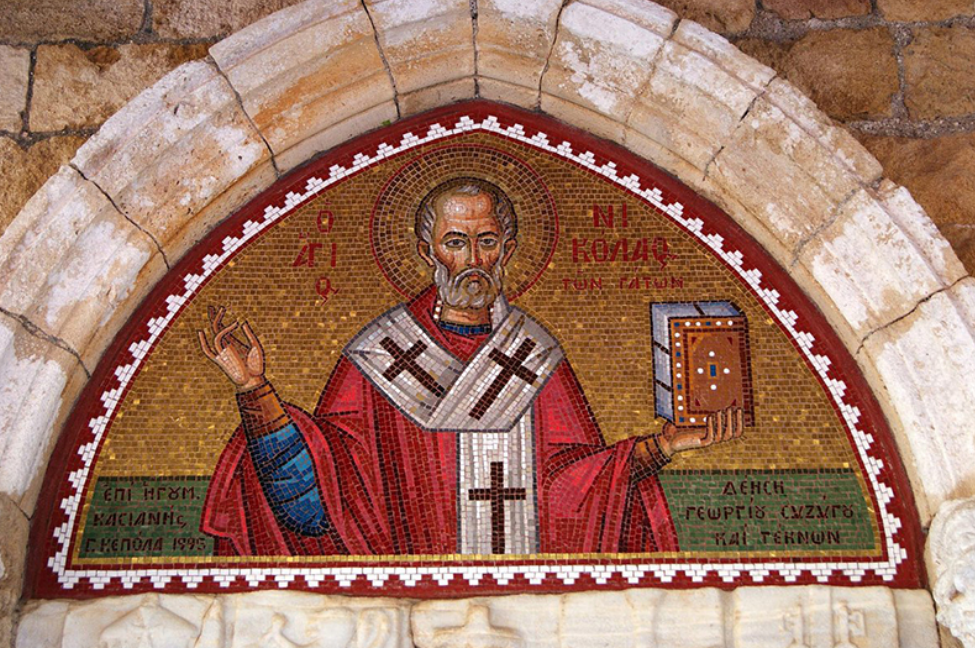
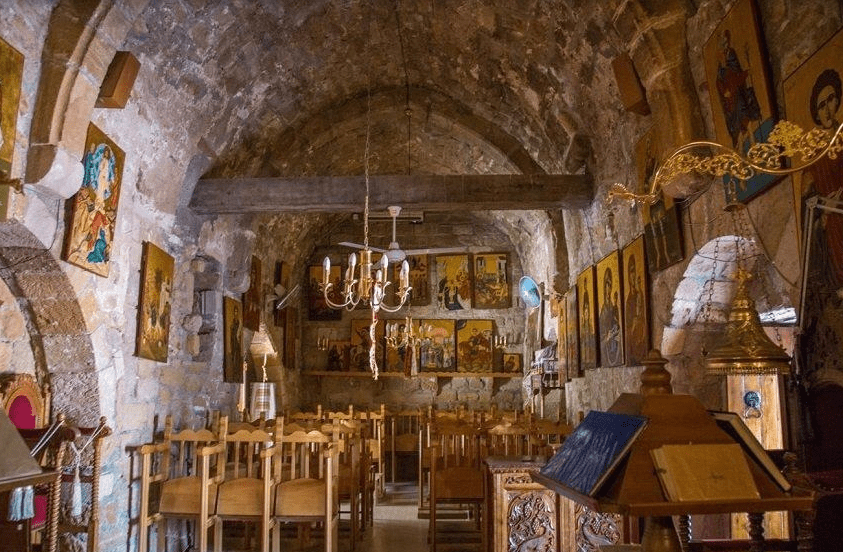
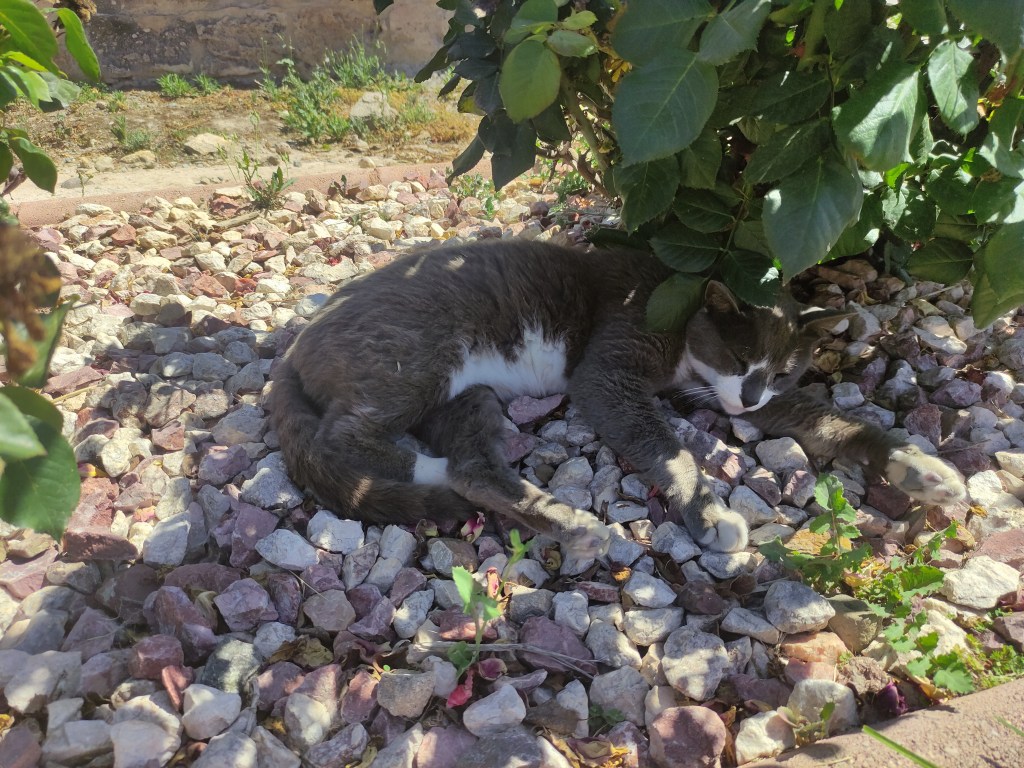
About thirty kilometers from the hotel St. Raphael, I visited the Holy Monastery of St. Nicholas of the Cats at Cape Gata, naturally there I found my precious furry four-legged friends. It is likely the oldest monastery in Cyprus.
The monastery chapel dates back to the 14th century and was abandoned in the 16th century, and it was restored by Orthodox nuns in 1983.
According to tradition, the monastery was founded by St. Helena, the mother of Emperor Constantine the Great, who left a piece of wood from the Holy Cross at the site. During that period, Cyprus experienced a severe drought, forcing many people to flee the cape, and the area became infested with snakes.
Constantine the Great sent a commander named Kalokeros to Cyprus to release thousands of cats in order to rid the area of the snakes, and thus the cape was saved and came to be known as Cape Gata (Cape Cat).
While the monastery now has only a handful of nuns, there are many cats, which are said to be the descendants of those that rid the area of snakes.
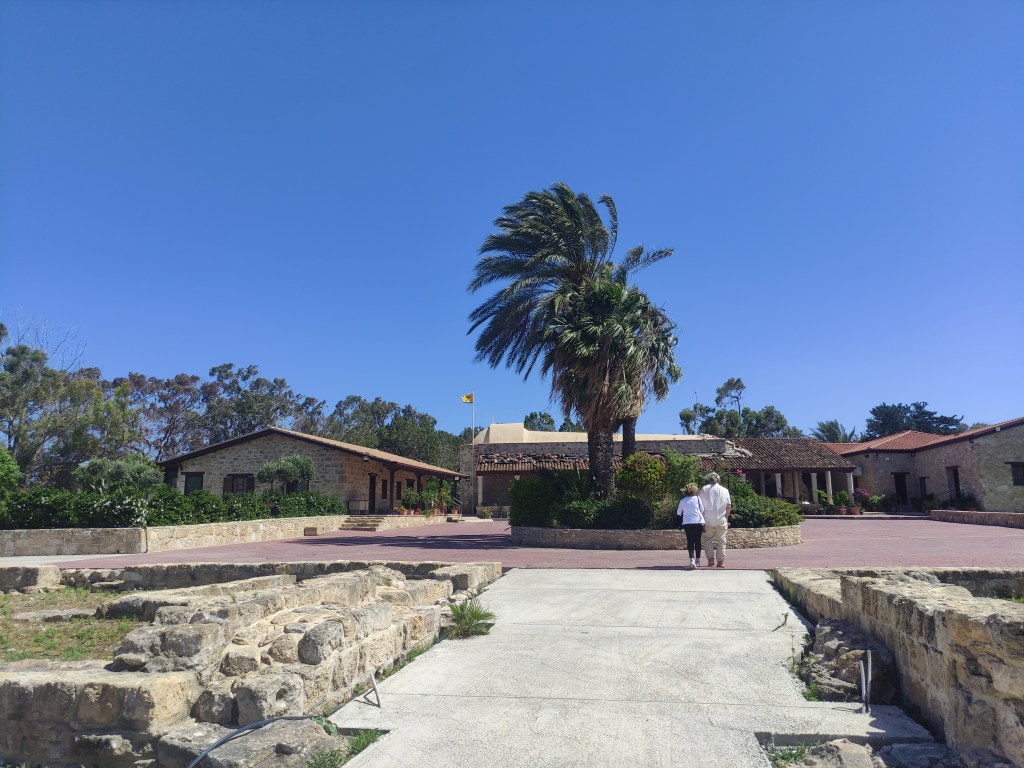
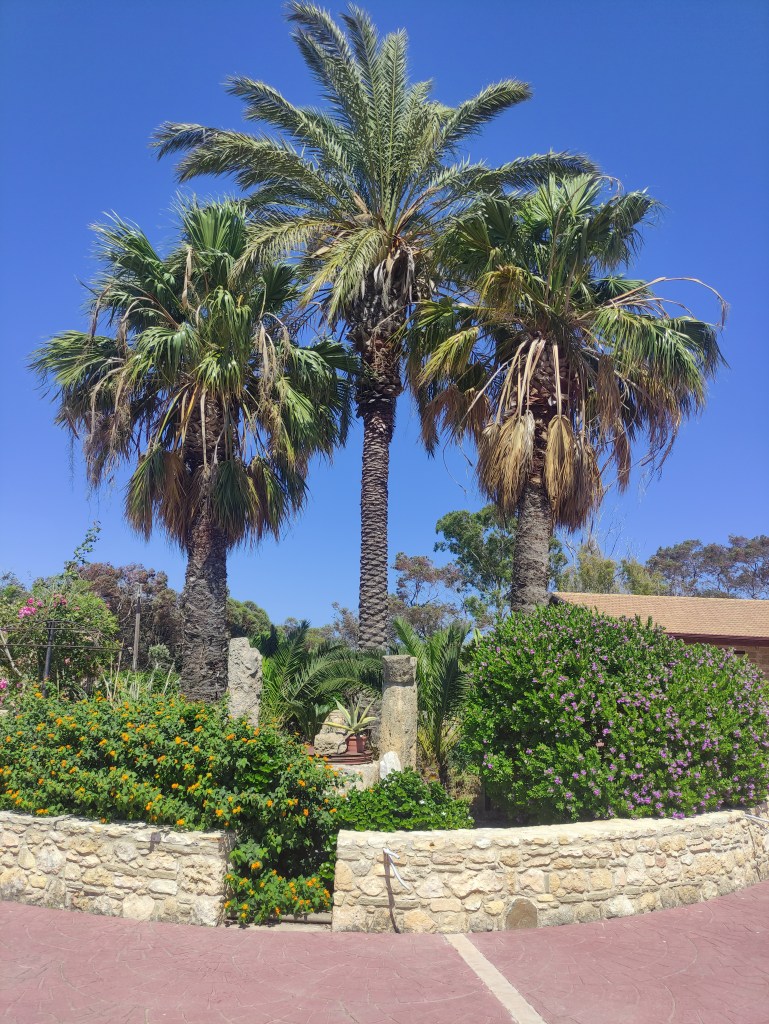
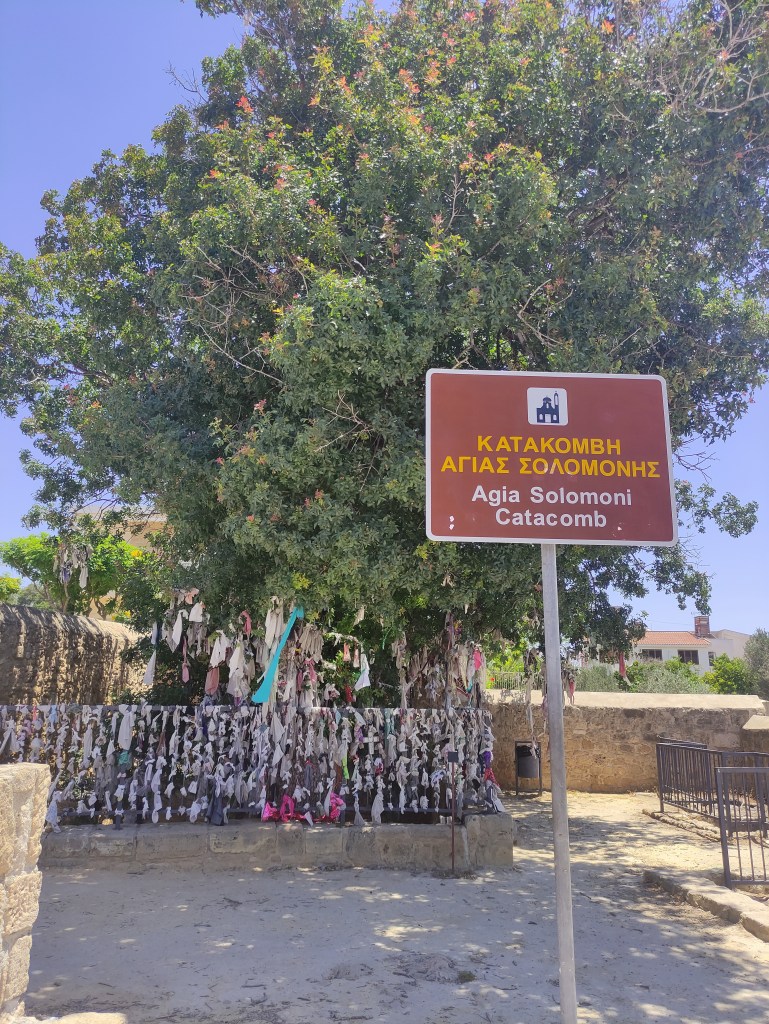
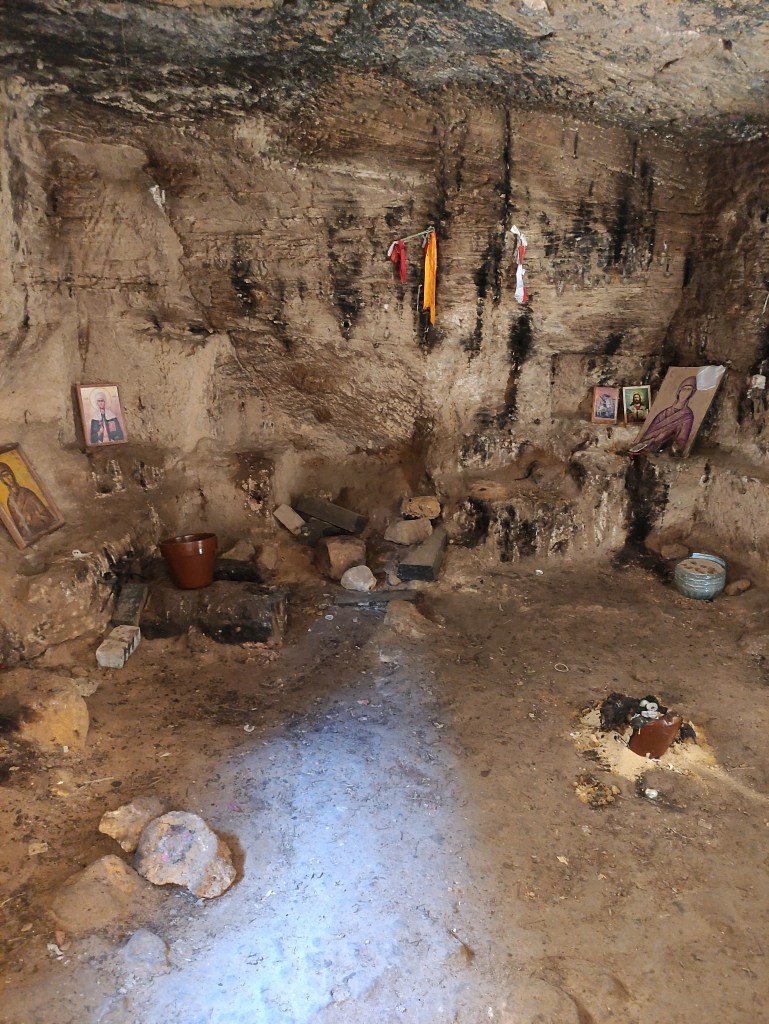
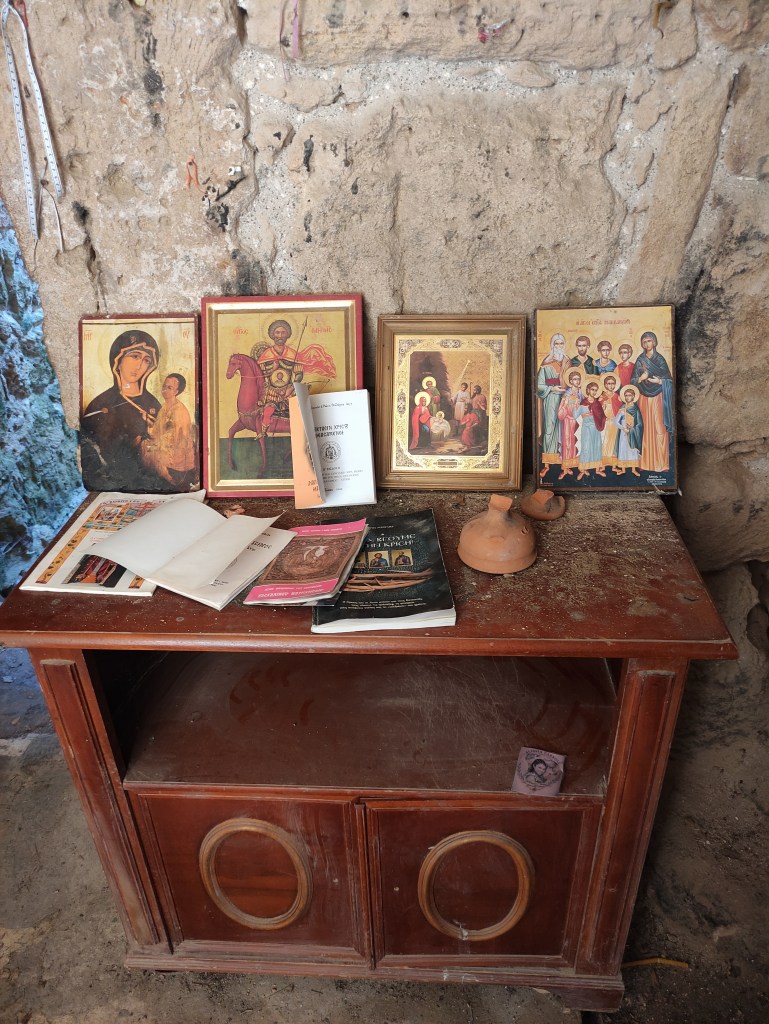
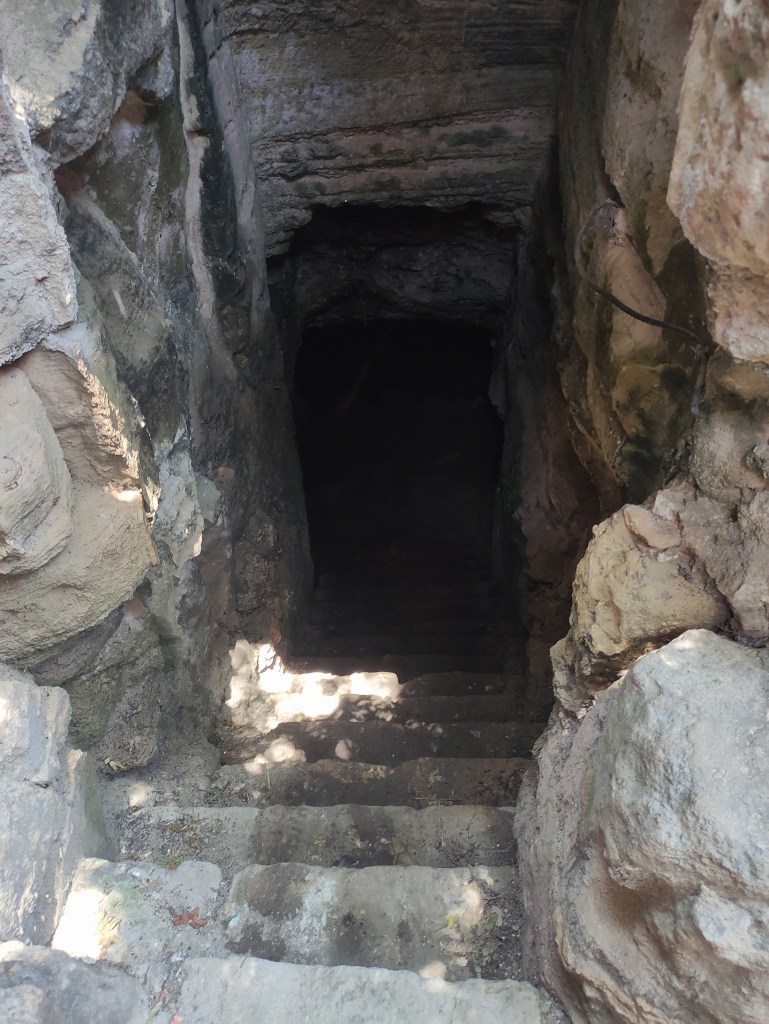
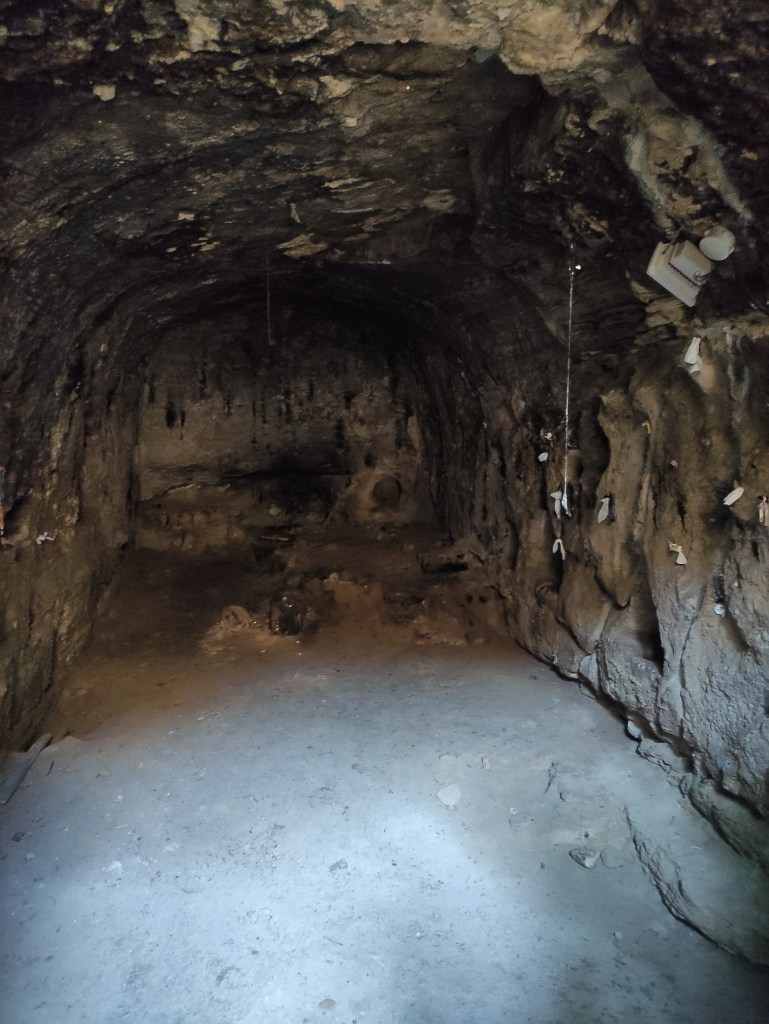
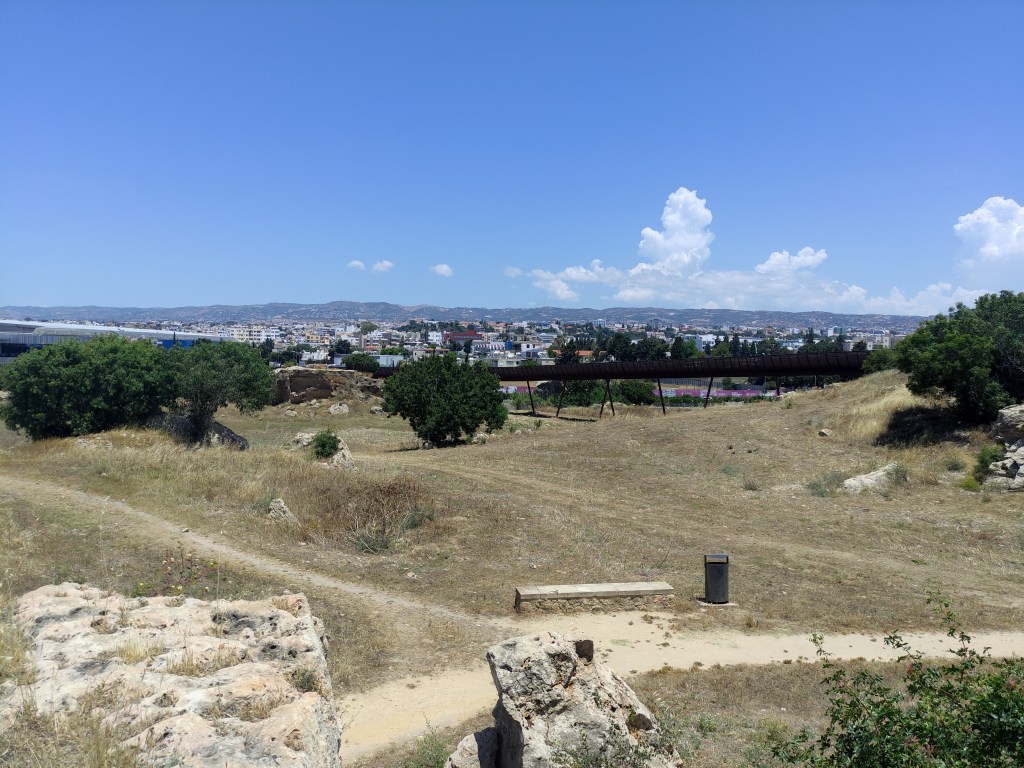
Located Paphos, Agia Solomoni Church is a chapel that forms part of a small underground complex of chamber tombs from the Hellenistic period (catacombs).
In Medieval times the site was a popular pilgrimage and has also been called ‘The Chapel of the Seven Sleepers’, or ‘The Seven Maccabees’.
Agia Solomoni was one of the first to reject idolatry and embrace Christianity on the island. According to tradition, Solomoni took refuge in the cave to escape persecution from the Romans, but they walled up the entrance, condemning her to a slow and cruel death. However, when the cave was opened 200 years later, the saint walked out alive.
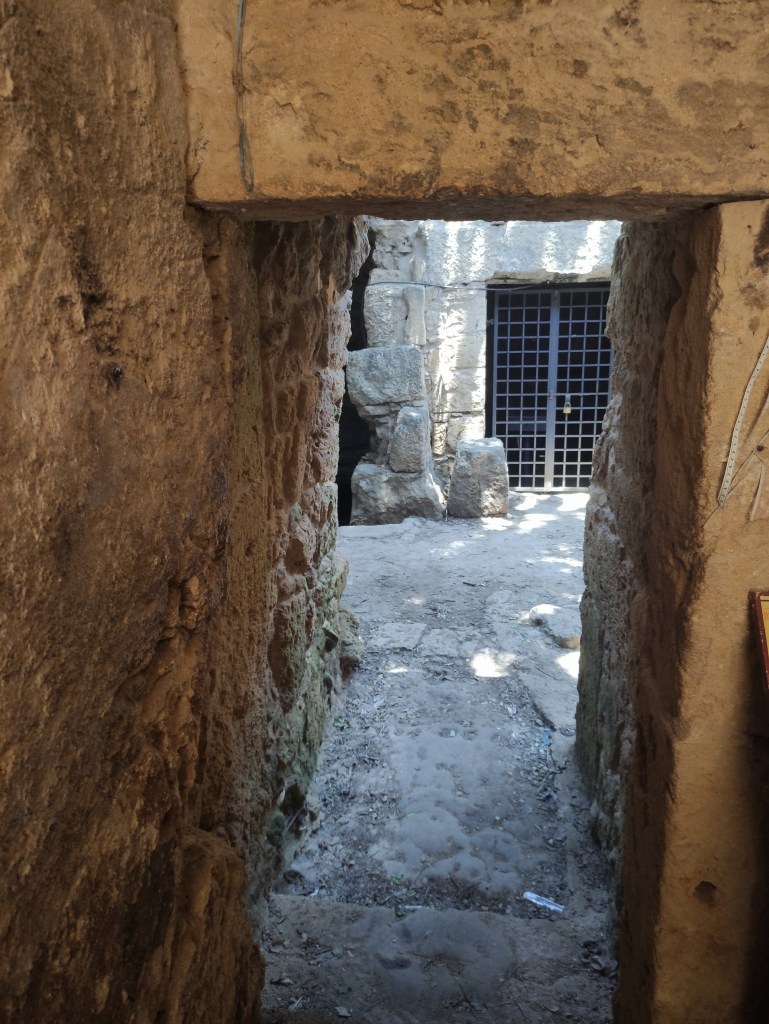
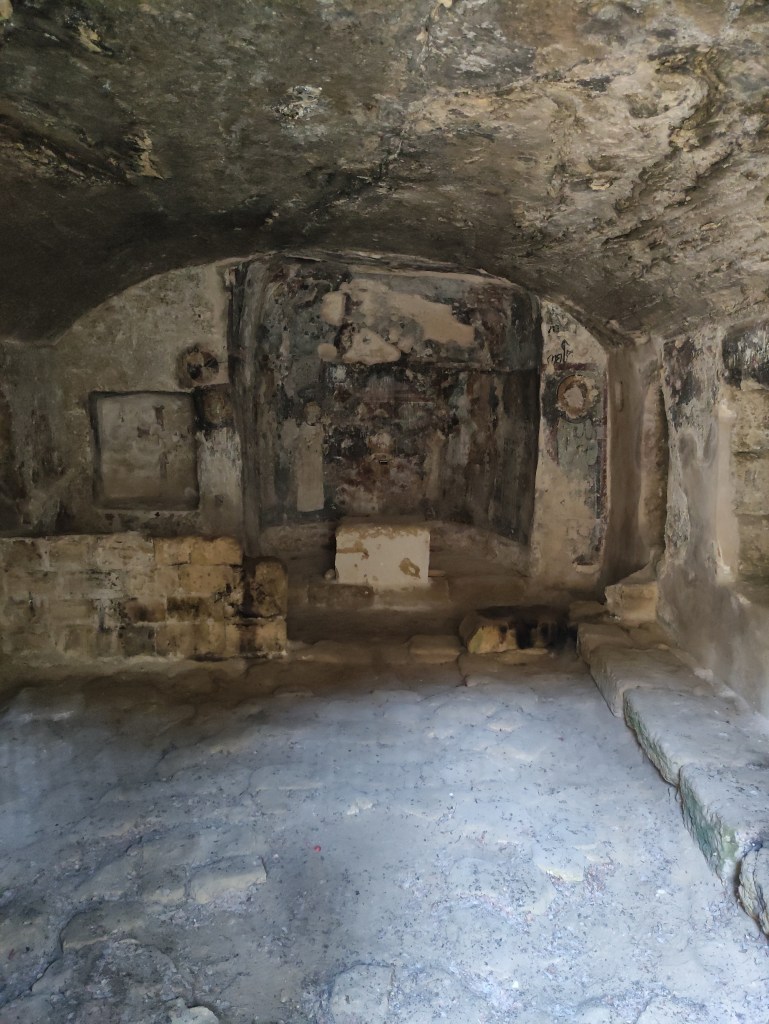
The site consists of an open court, surrounded by five rock-cut chambers, one of which has a spring. The west chamber has an apse set into the west wall and remnants of 12th century Christian wall paintings. The names of 13th century Crusaders are among the graffiti cut into the plaster.
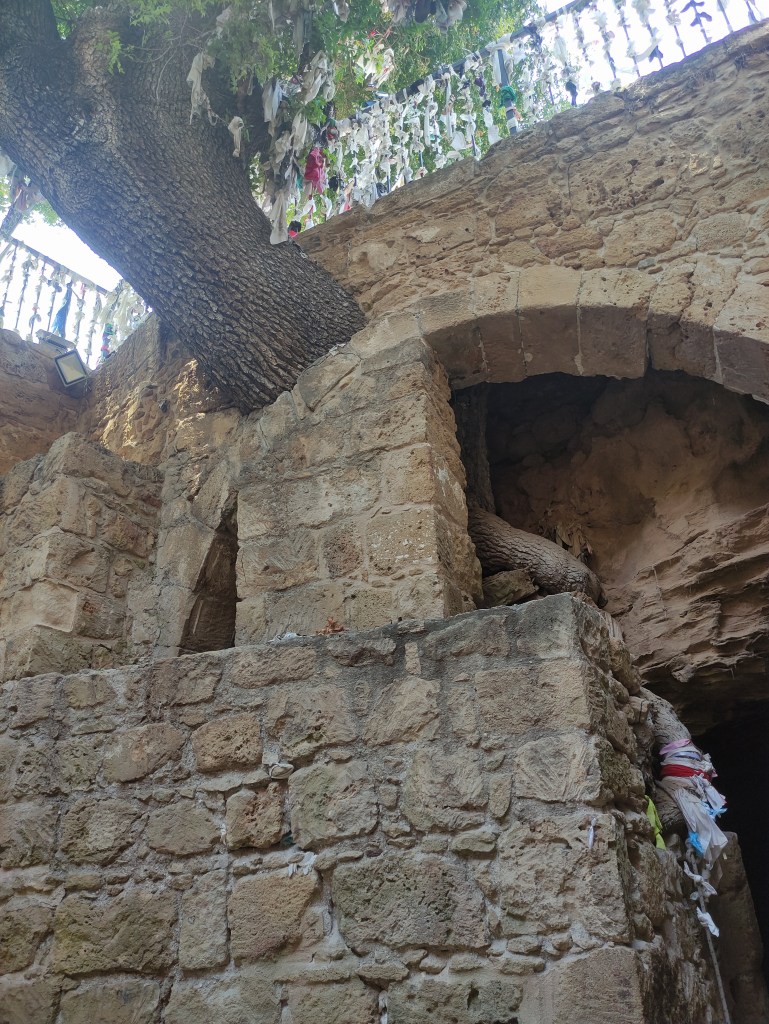
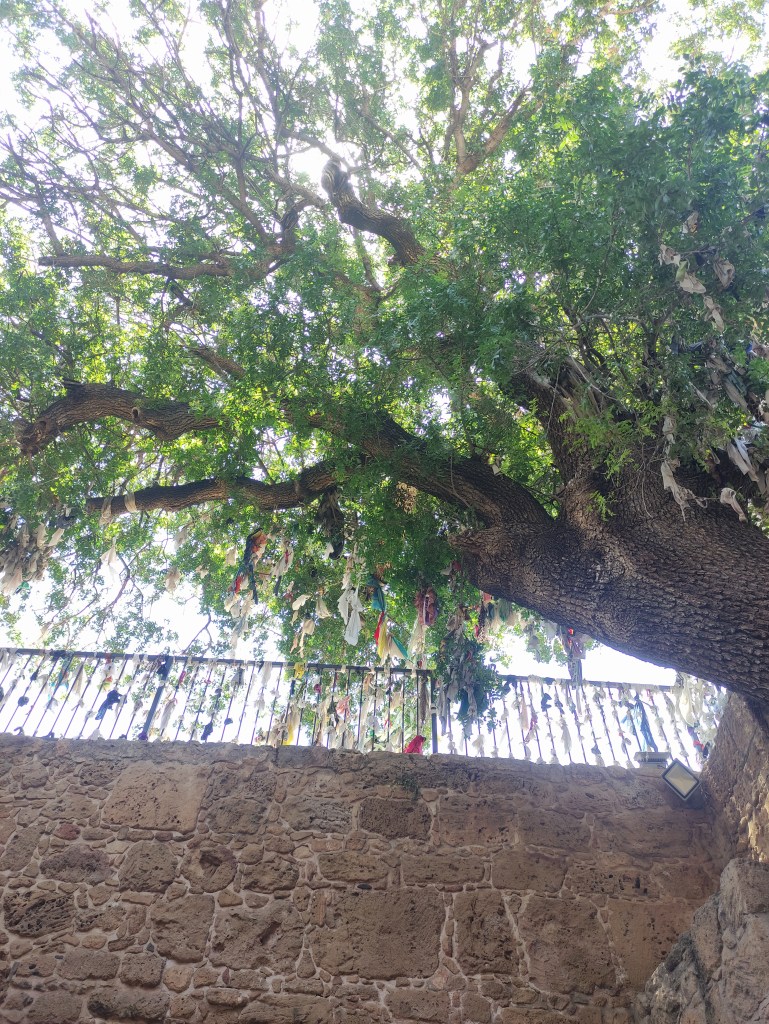
Above the catacombs stands a sacred tree with its branches adorned by colourful rags and bits of clothing left by the faithful as offerings to the saint. It is believed that the tree has curative powers.
There would have been much more to see, but since I wasn’t alone and time was short, I had to accept that. Panagia Theoskepasti, Agia Kyriaki Chrysopolitissa, the Greek theater, and many other archaeological sites are definitely worth visiting.
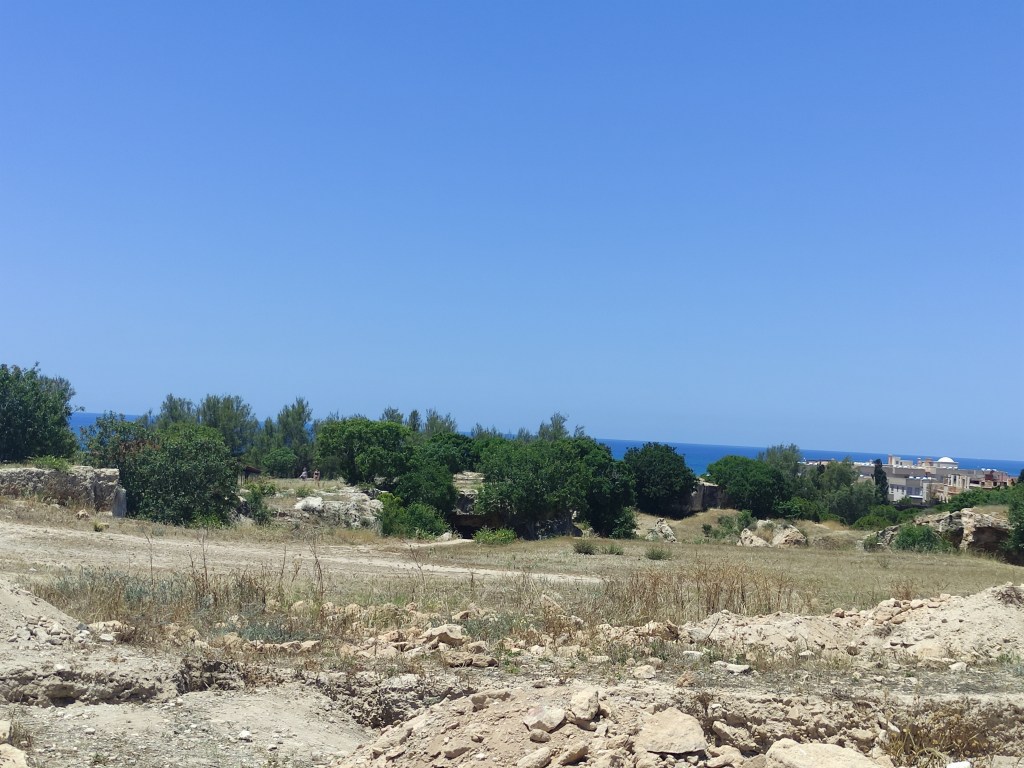
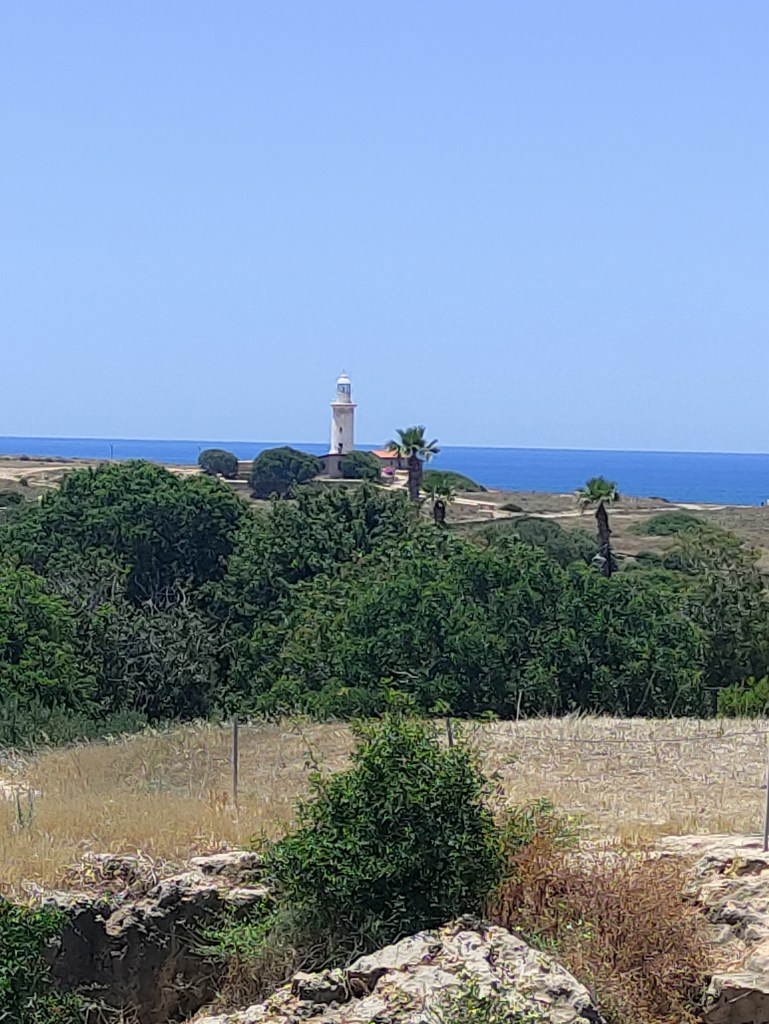
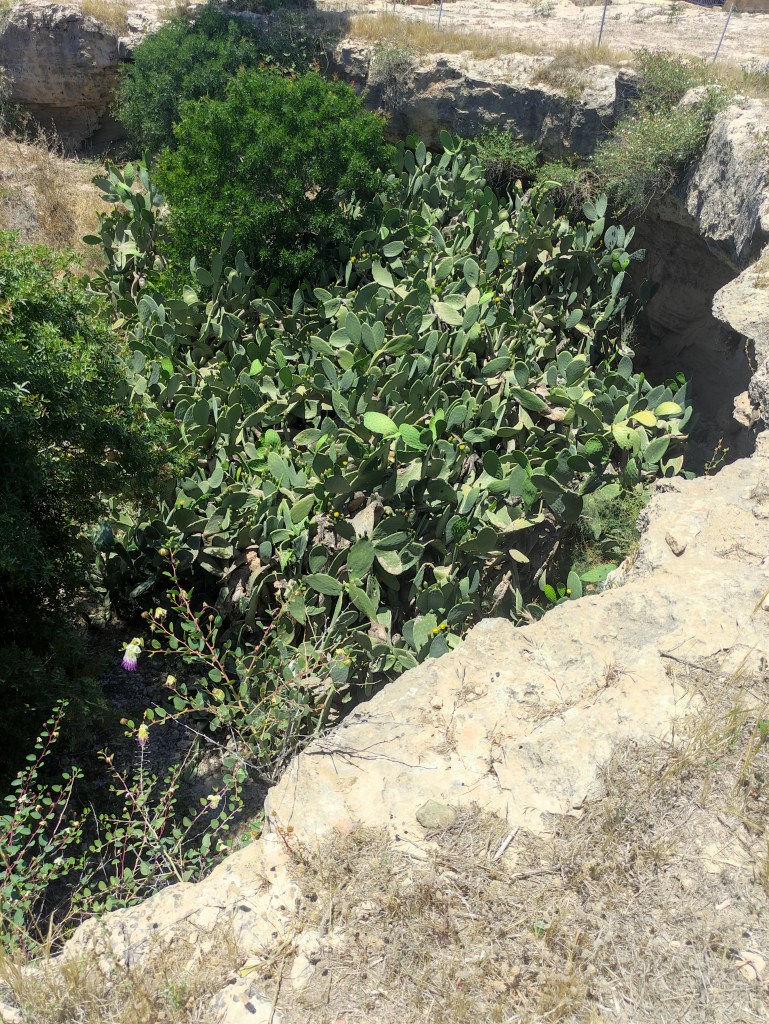
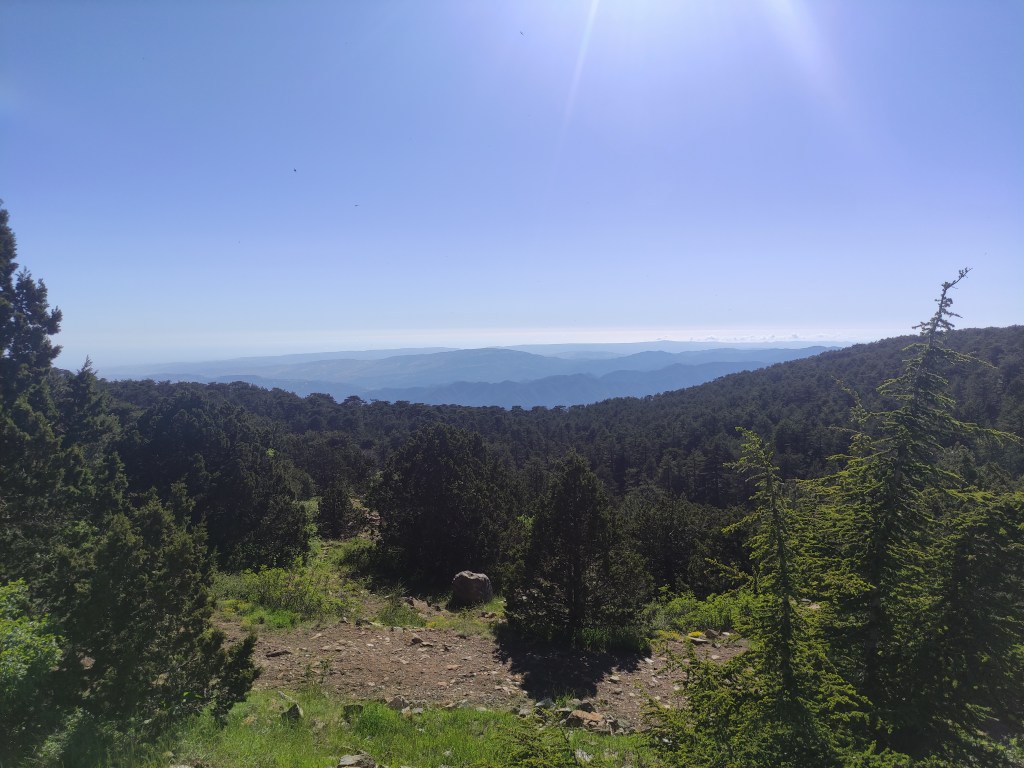
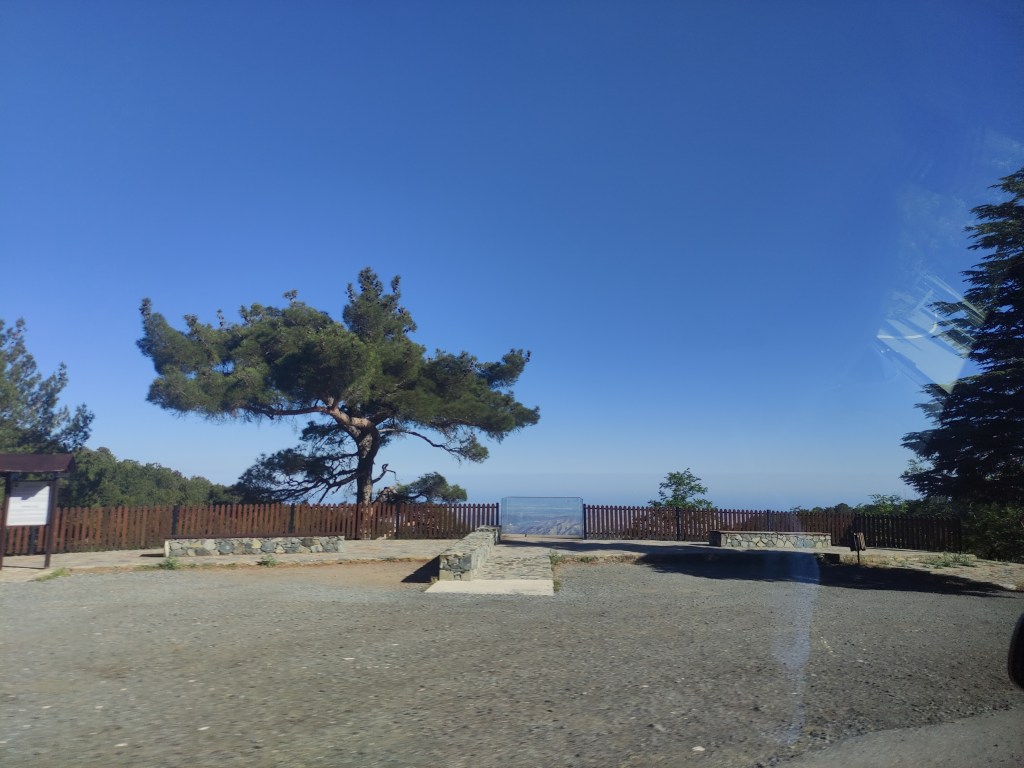
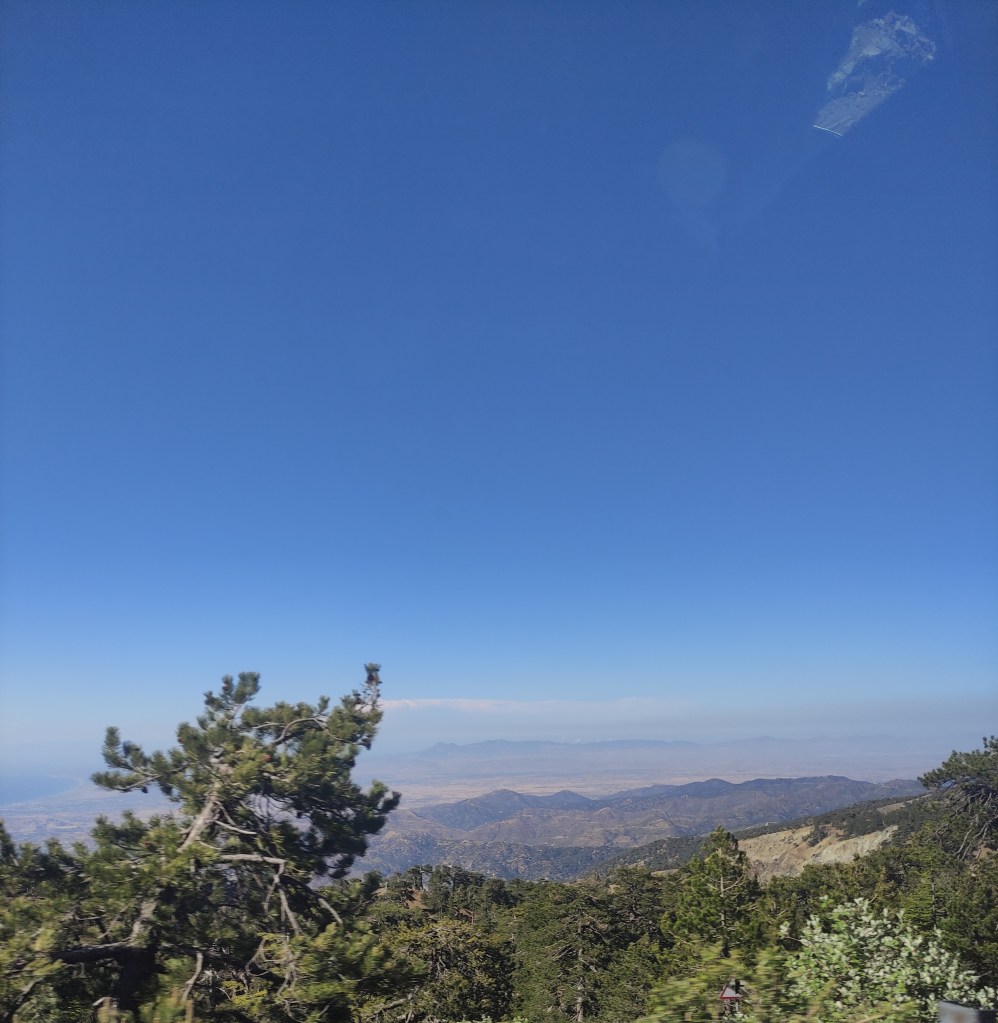
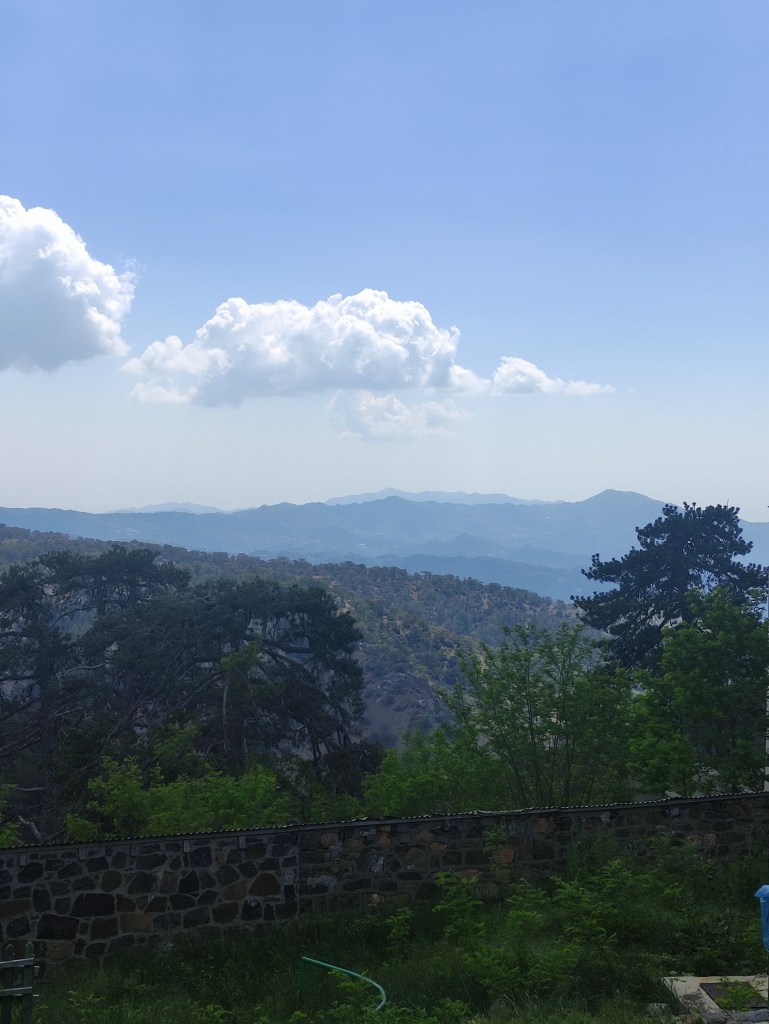
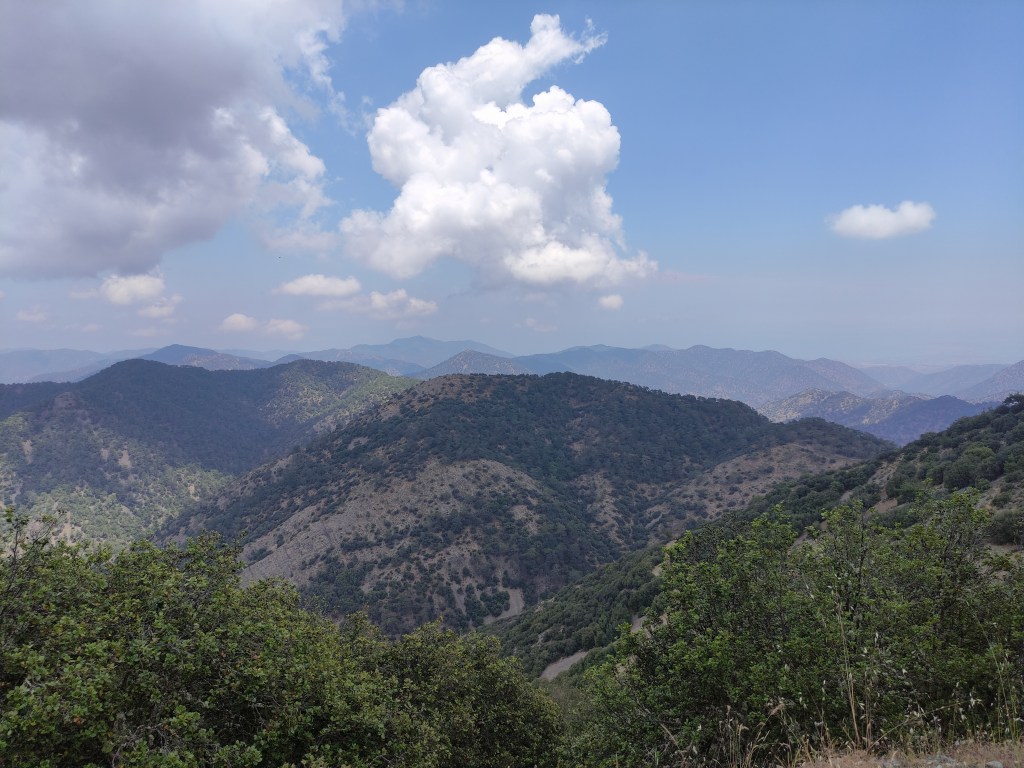
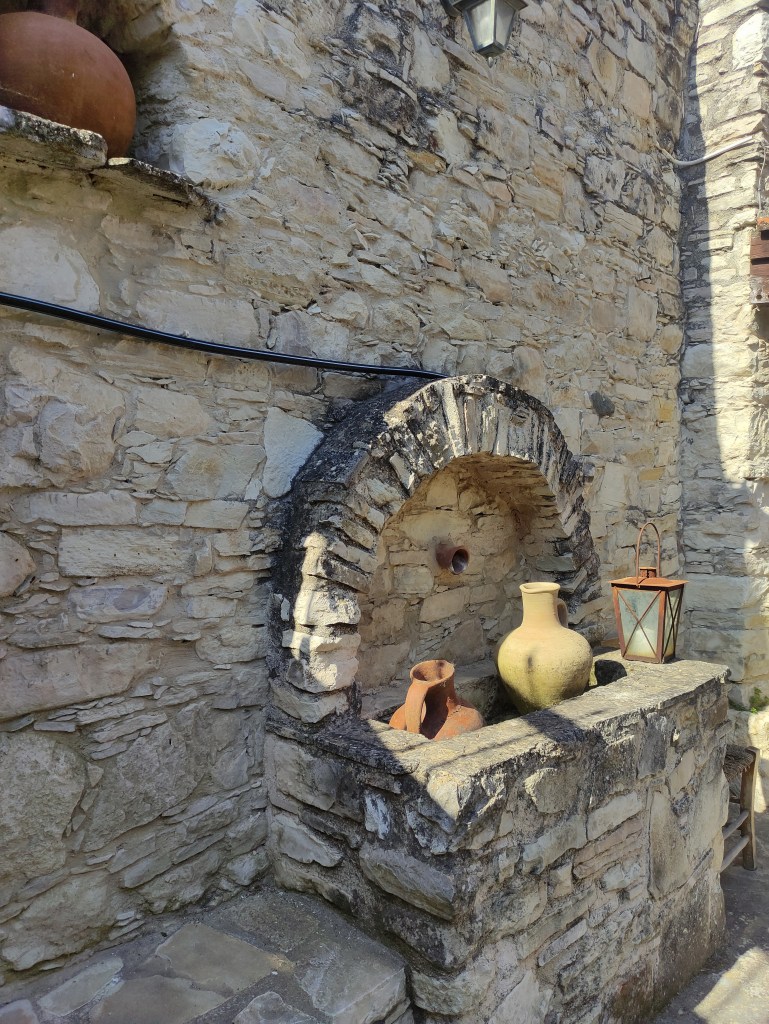
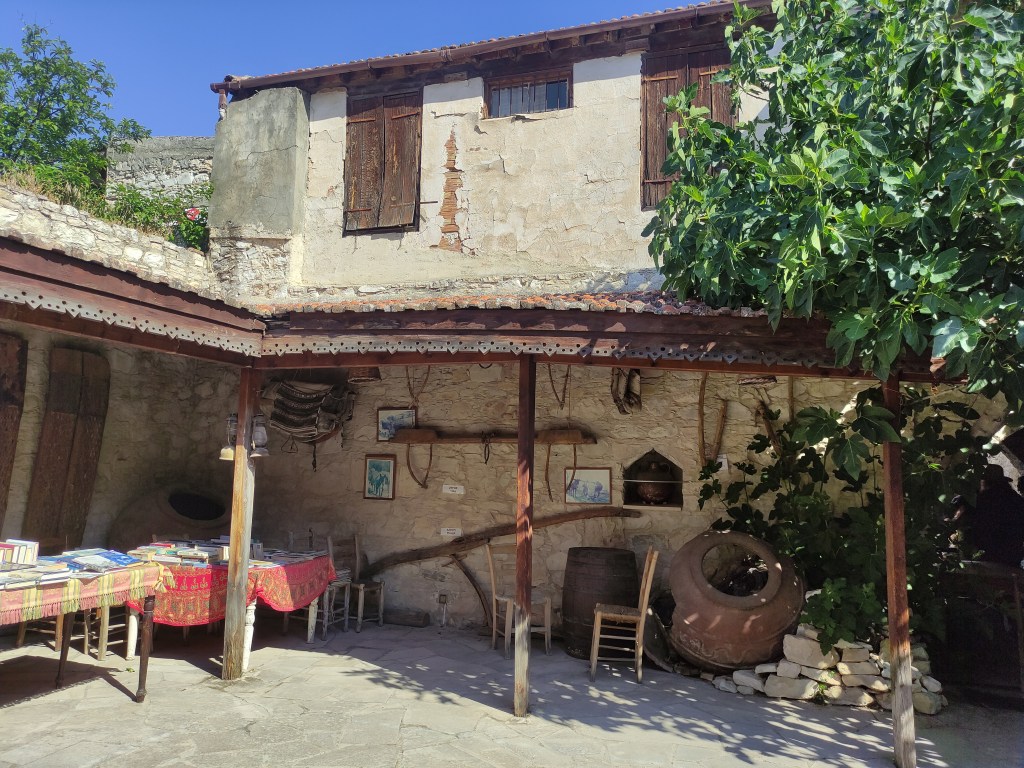
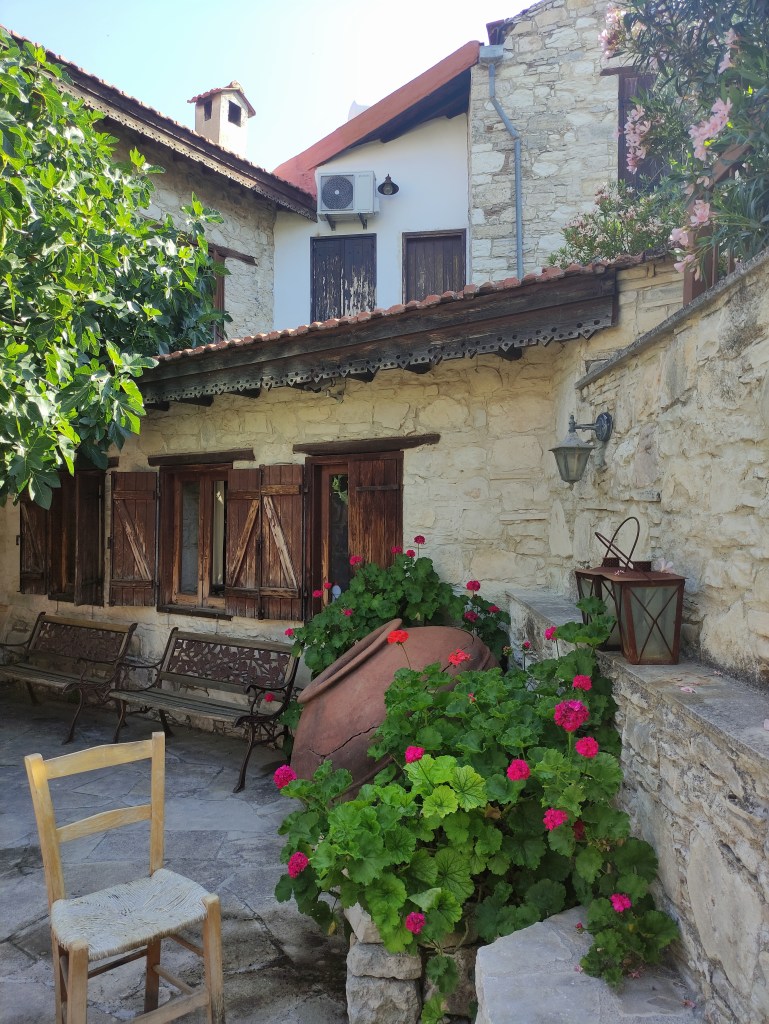
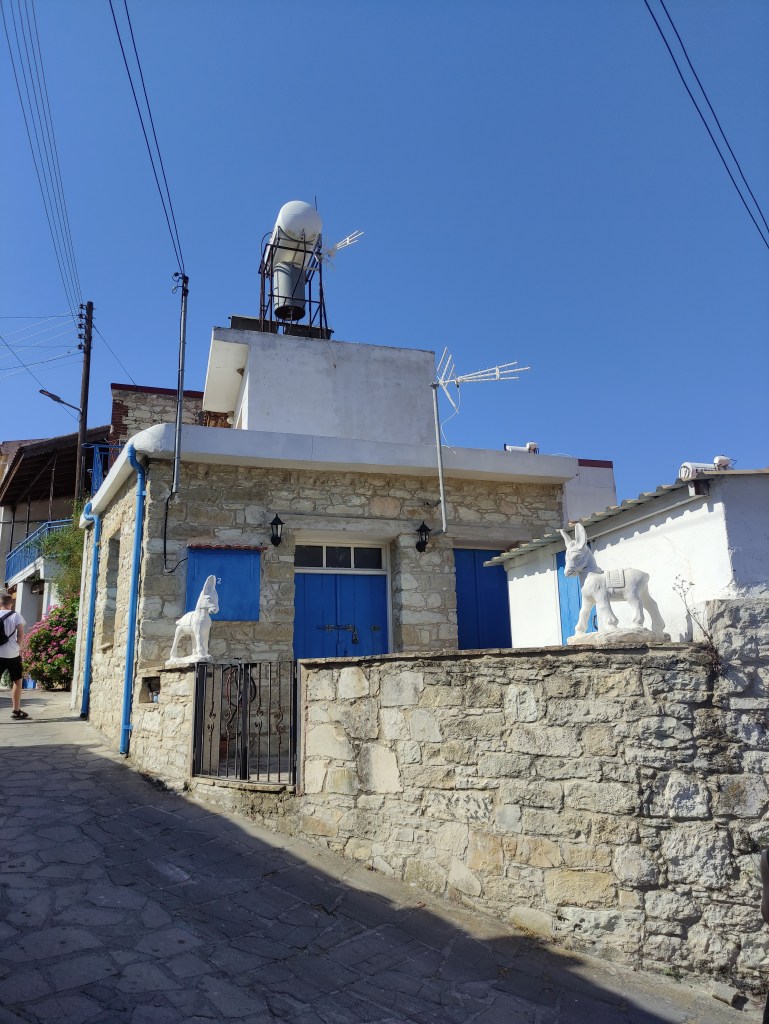
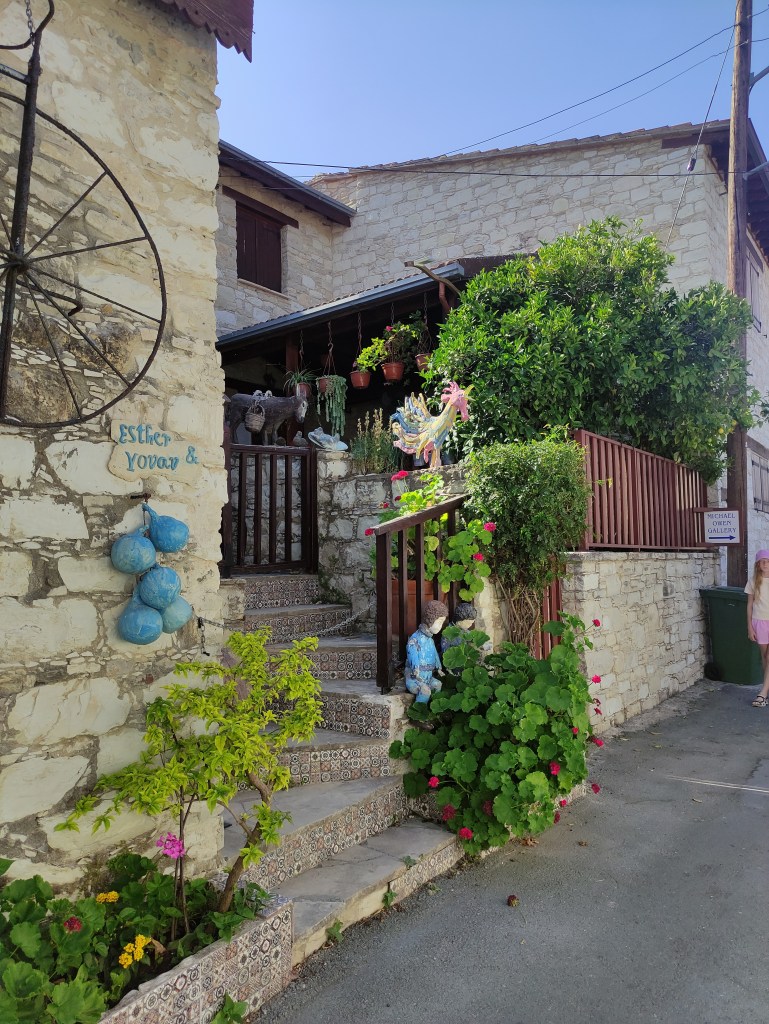
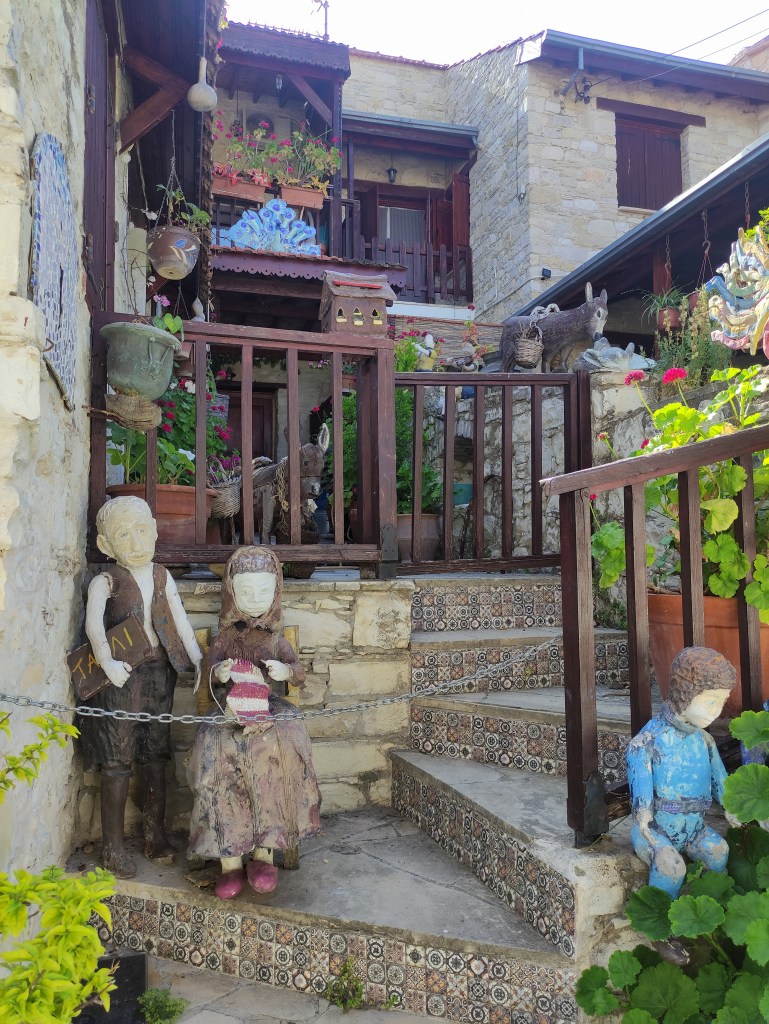
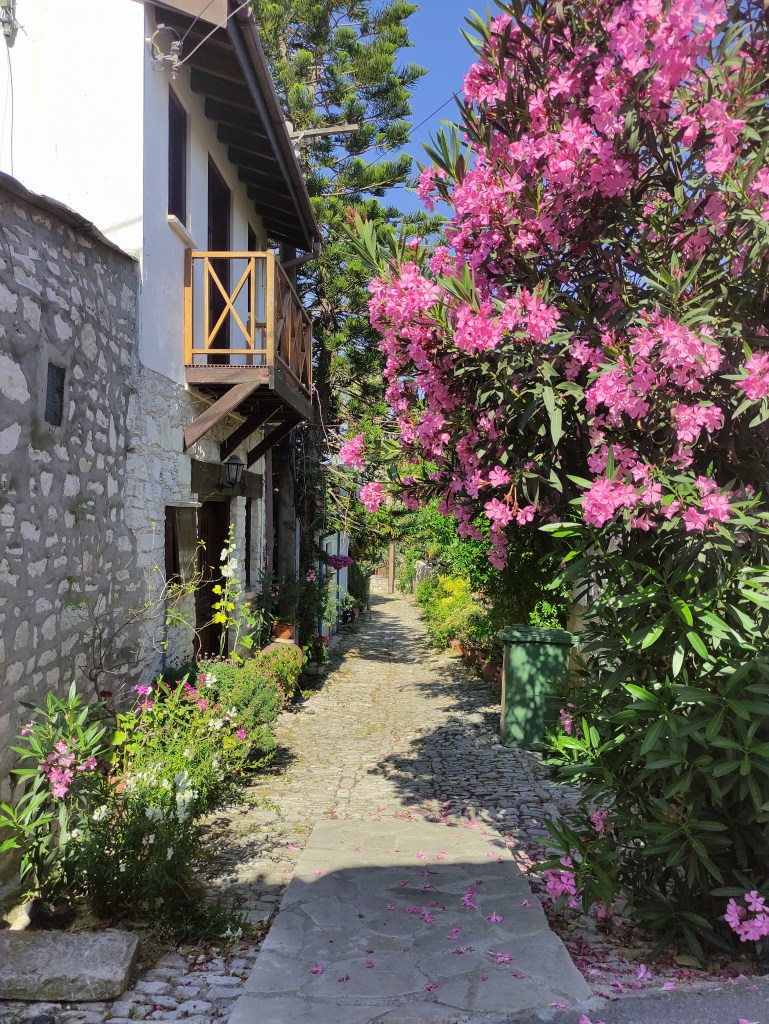
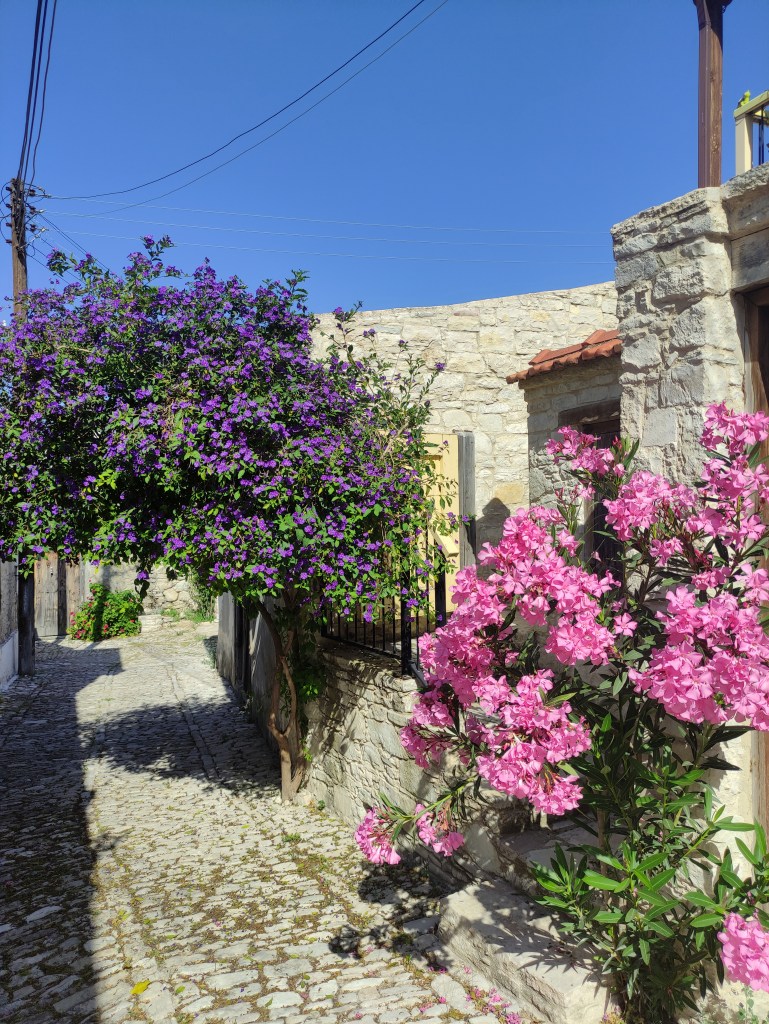
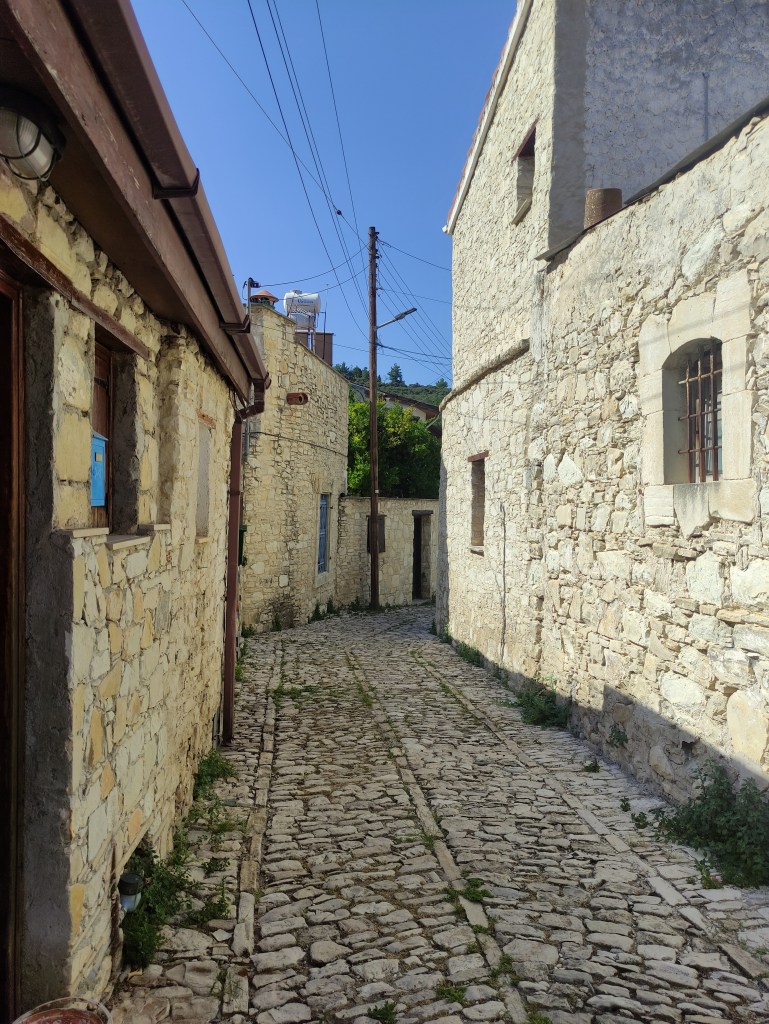
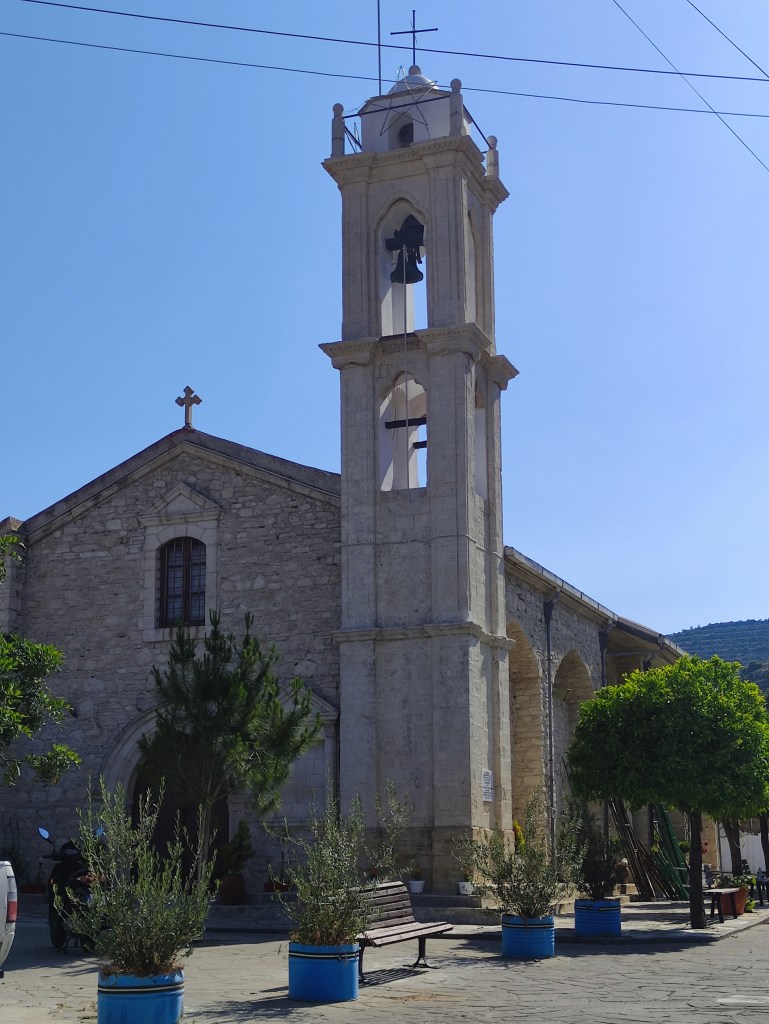
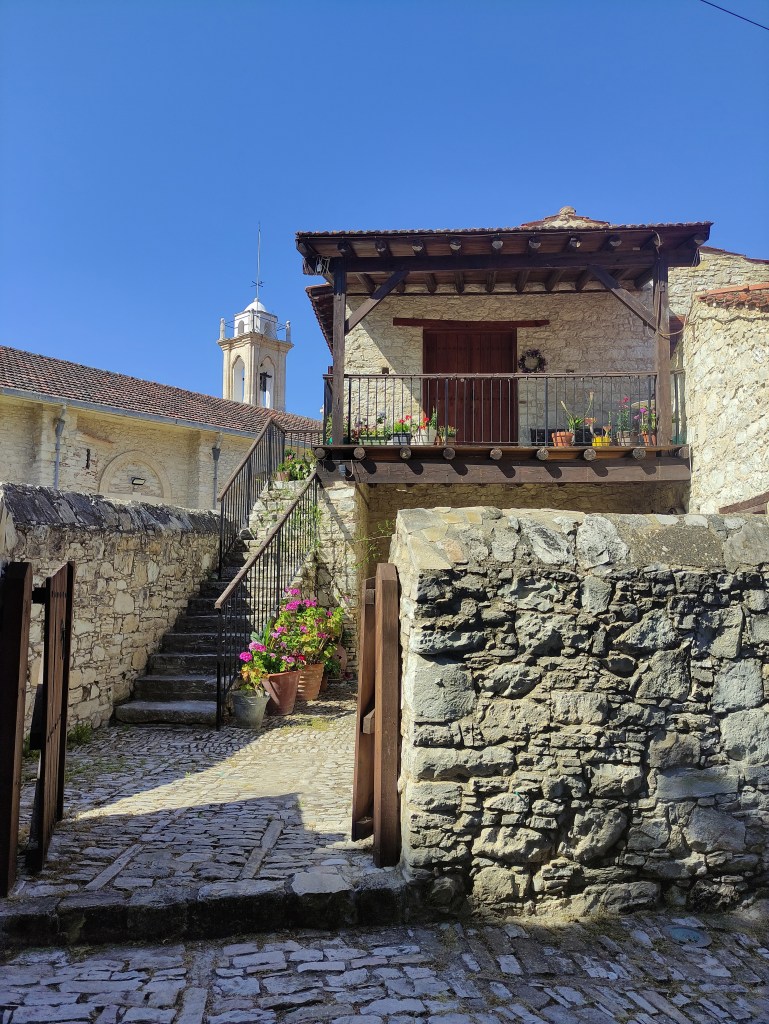
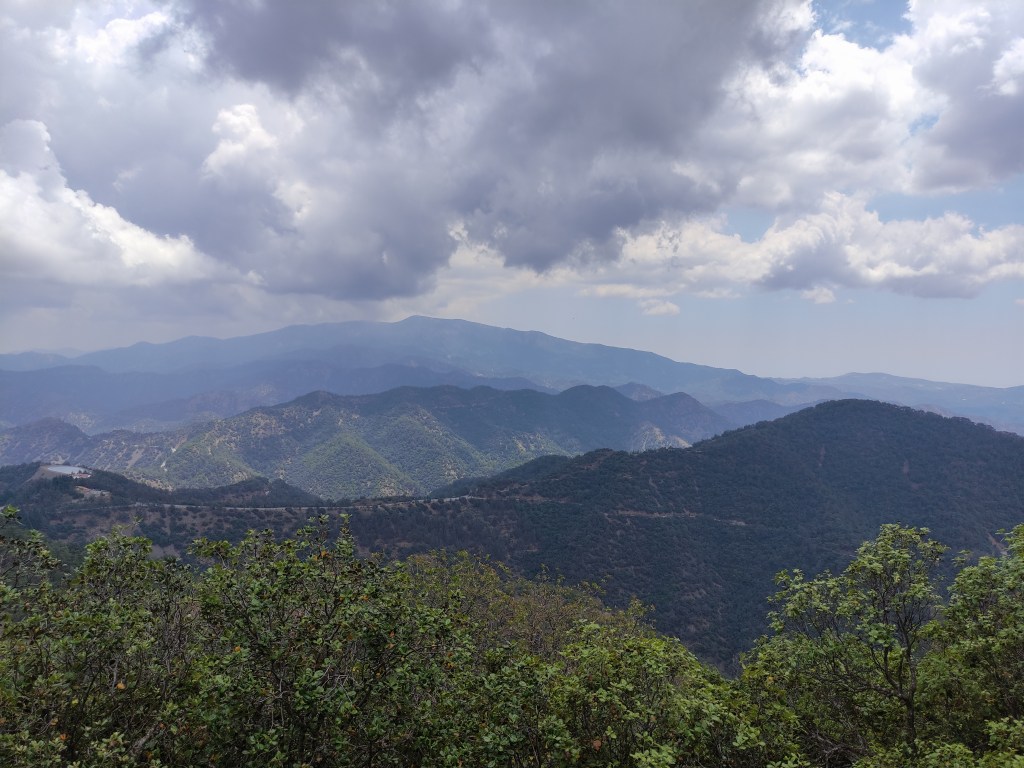
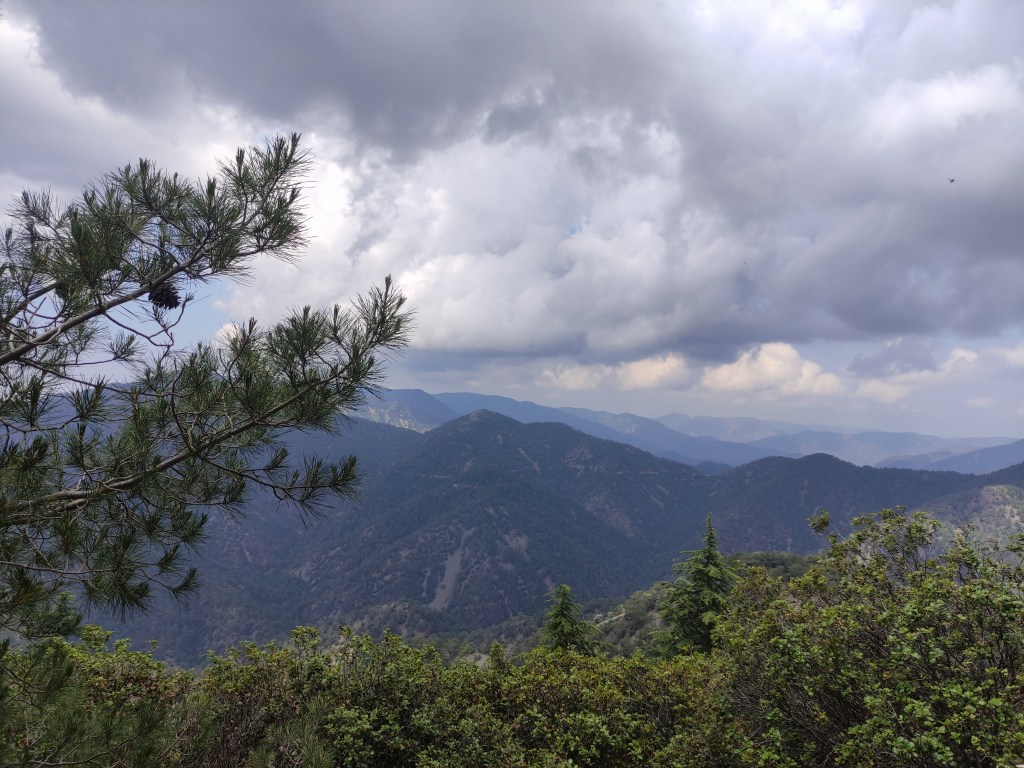
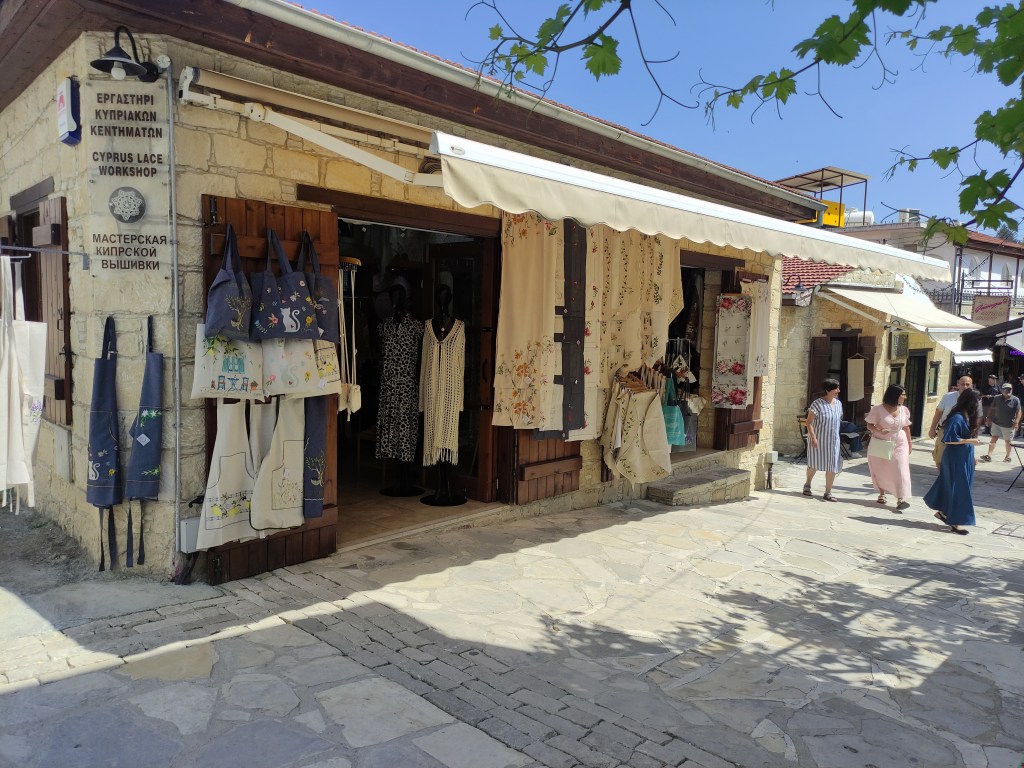
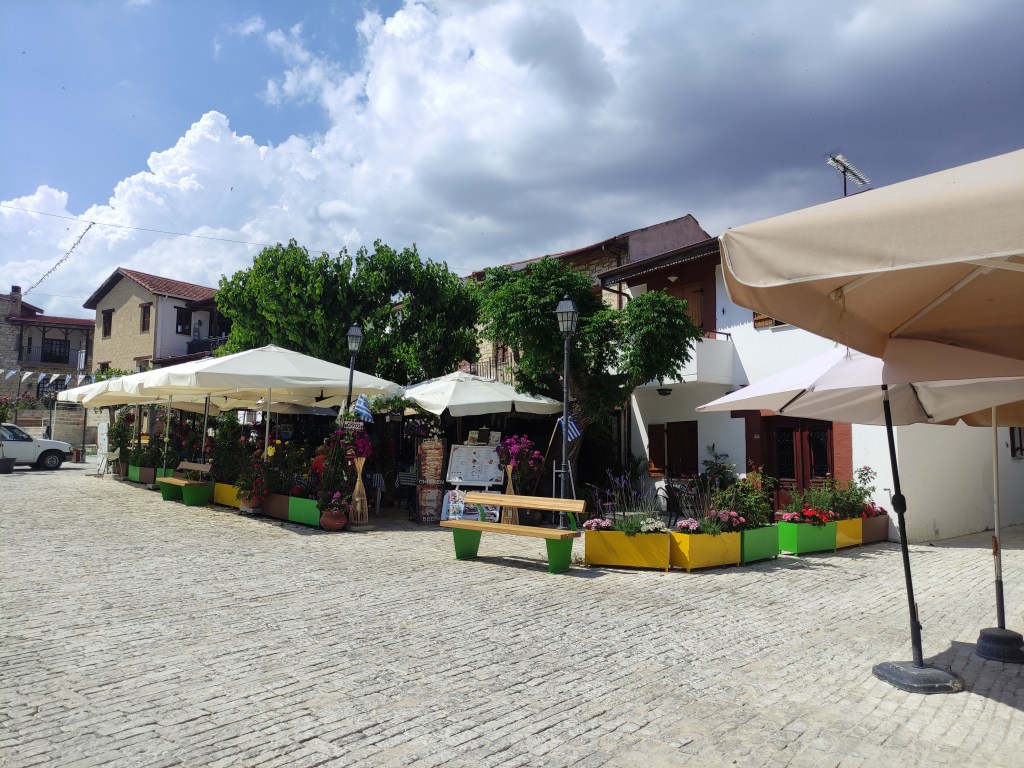
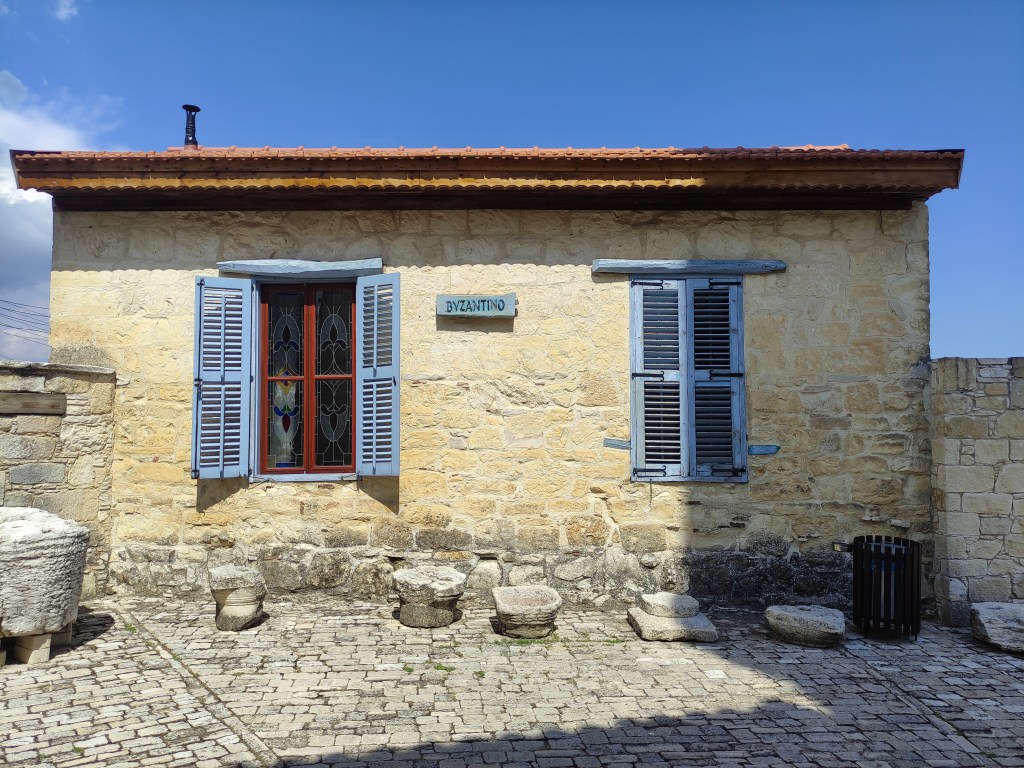
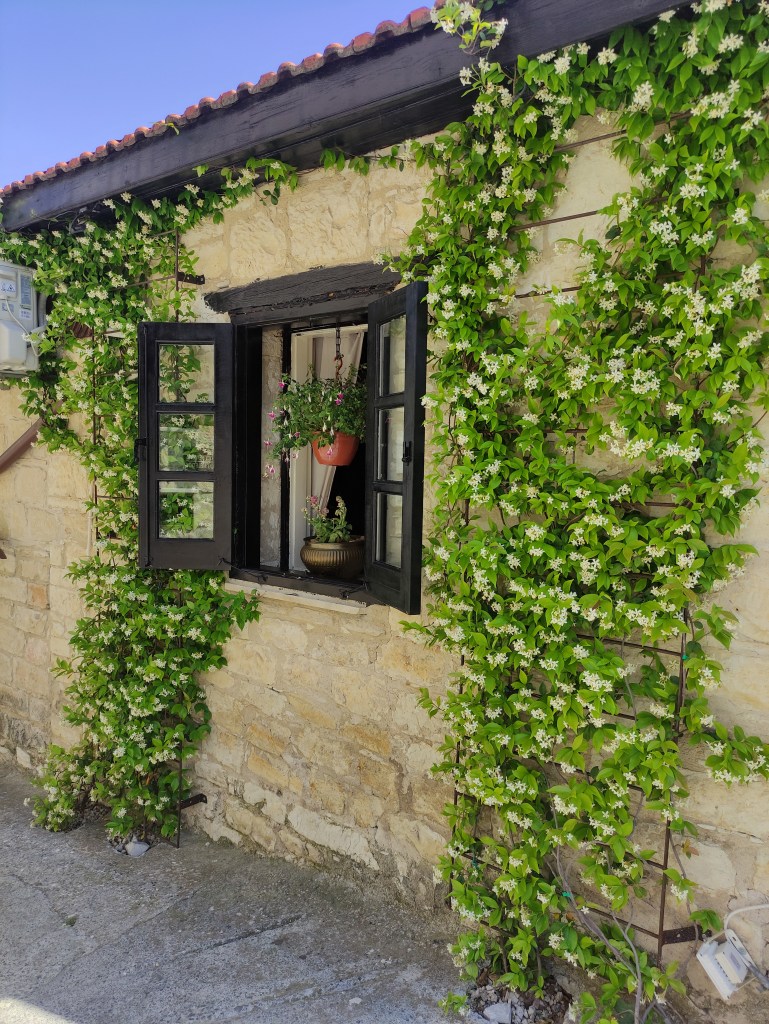
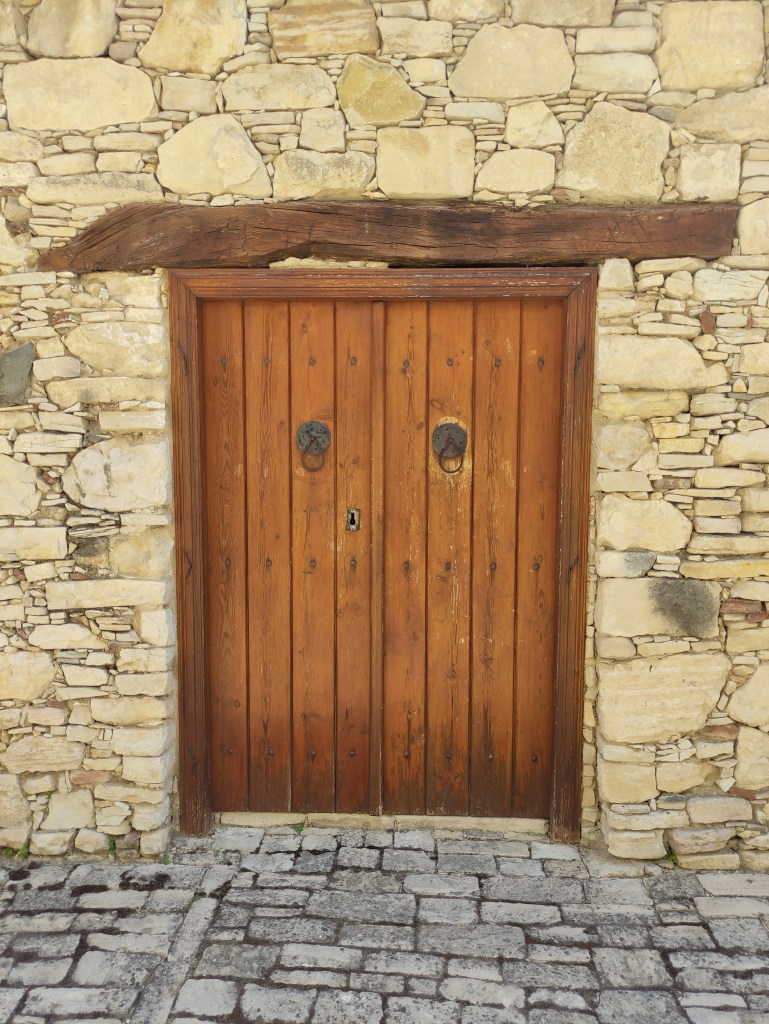
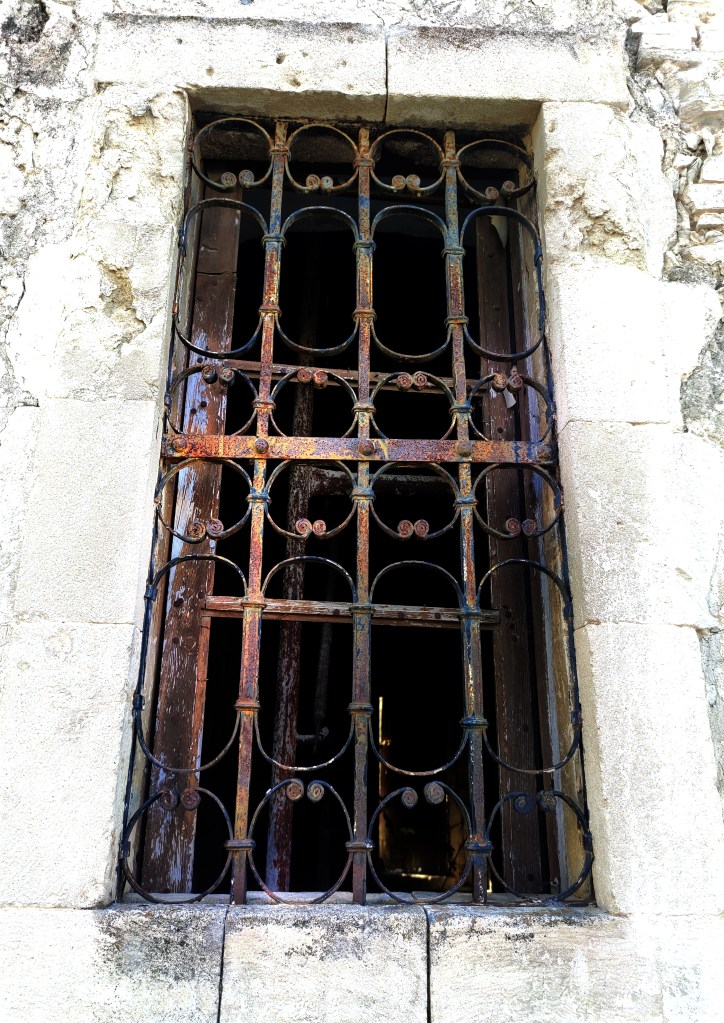
The Troodos Mountains are the longest mountain range in Cyprus and stretch across one-third of the island. Located in the western part of Cyprus, their highest peak, also known as Chionistra, reaches 1,952 meters. It is an enchanting place to visit, especially during the summer months, when on the coast is quite hot and the Troodos Mountains serve as the island’s green heart. Scattered throughout the mountains and valleys of the Troodos are picturesque villages that offer a glimpse of traditional Cypriot architecture, characterized by cobblestone streets. Full of charm and hospitality, these villages offer the chance to discover traditional local cuisine and a must-see selection of souvenirs, particularly woven tablecloths and towels featuring typical Cypriot motifs. They can be found nestled among orchards, vineyards, or pine forests, depending on the area of the mountain range.
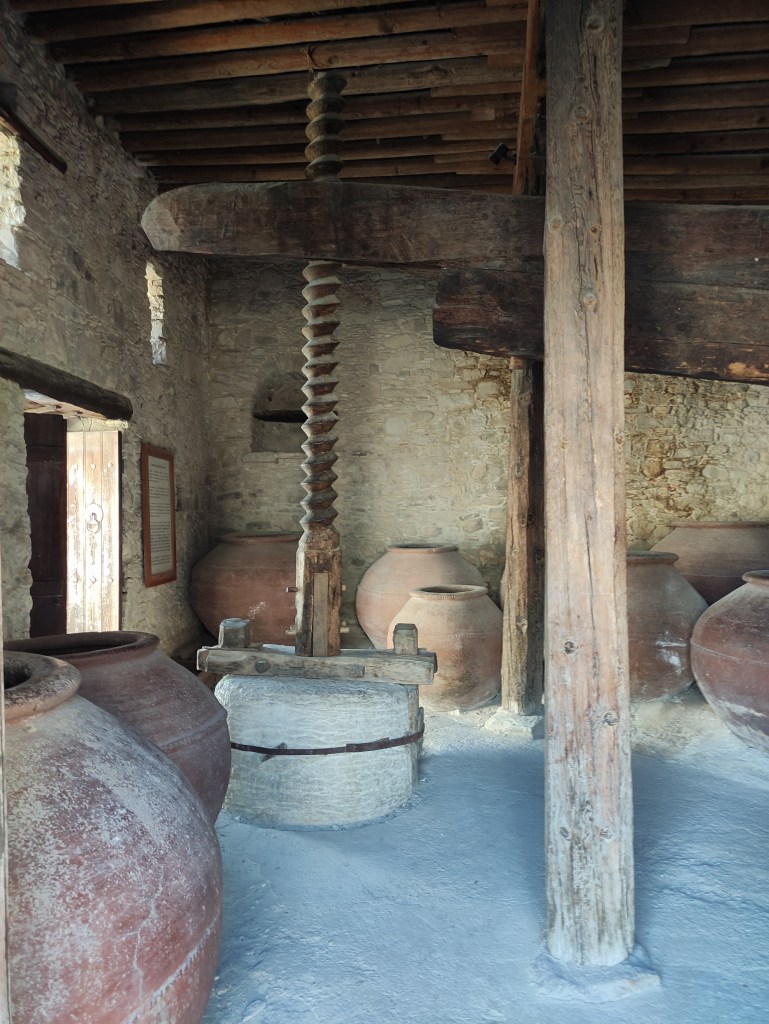
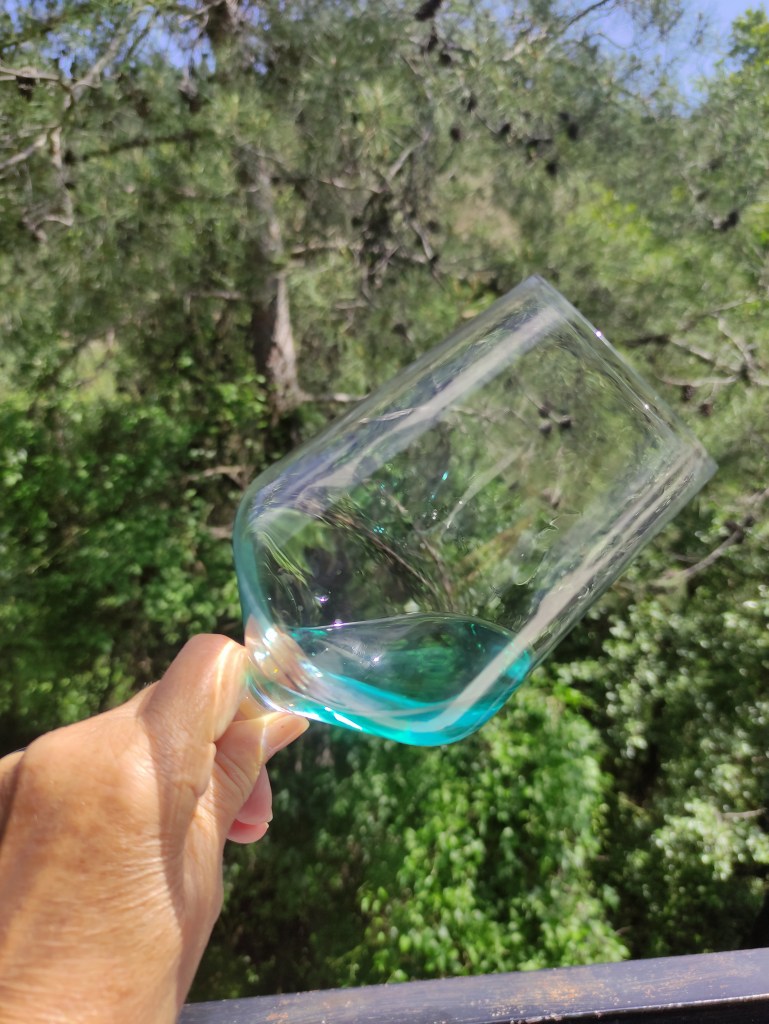
We also stopped to taste some wines that I found quite good, especially a light blue one called Linos Mediterranean Blue and the Commandaria (Koumandaria), both sweet. The latter is perhaps the world’s oldest named wine still in production, dating back to 800 BC; it is produced by fourteen designated villages dating back to the 12th century, where the Knights of St. John first began production. Indigenous grape varieties are harvested and dried to enhance their sweet flavor. Nestled beside centuries-old landmarks, such as the Laneia wine press, are local wineries offering exceptional wine and stunning views. Take a journey back to the age of the Crusades by visiting the medieval castle of Kolossi along the way.
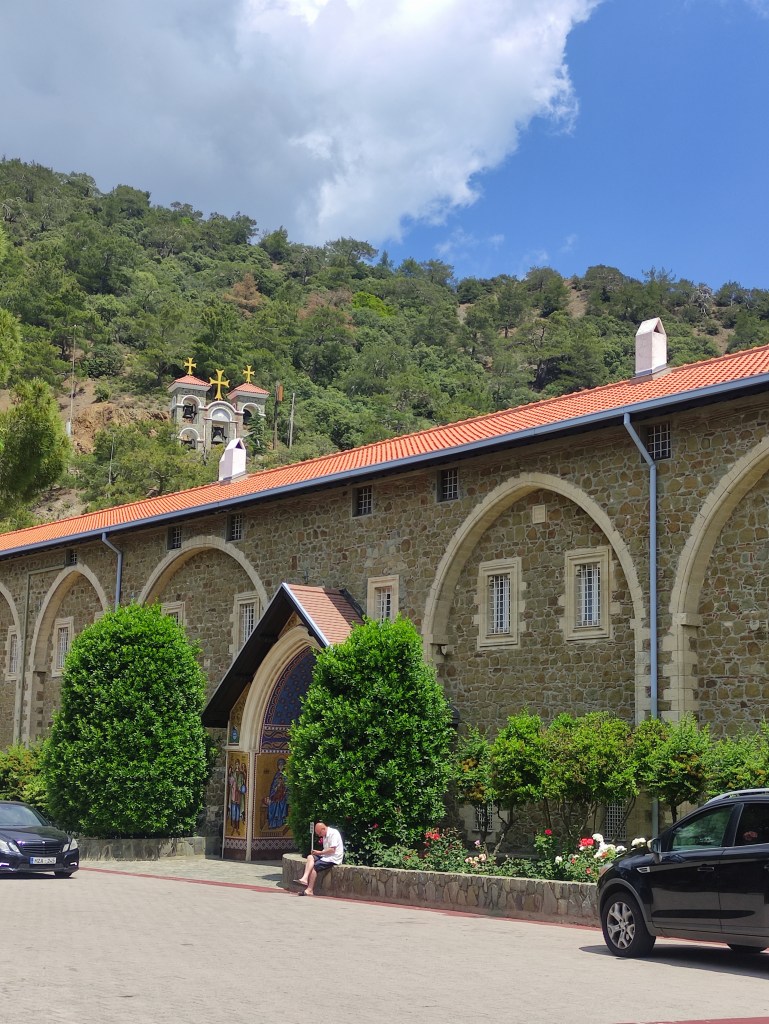
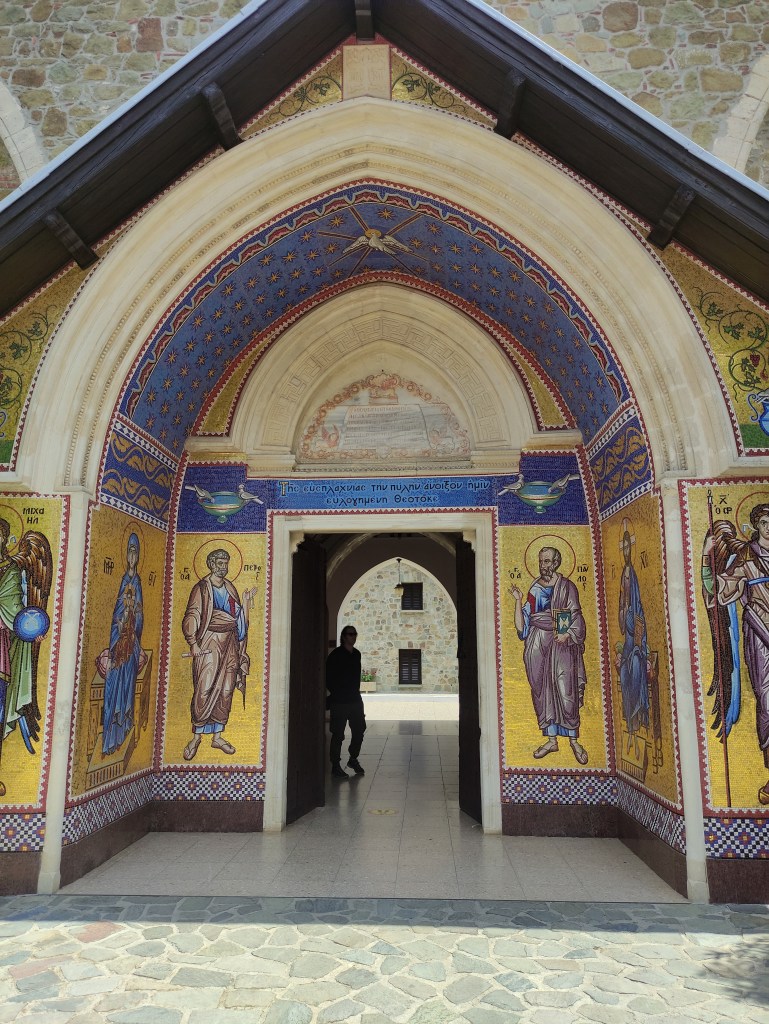
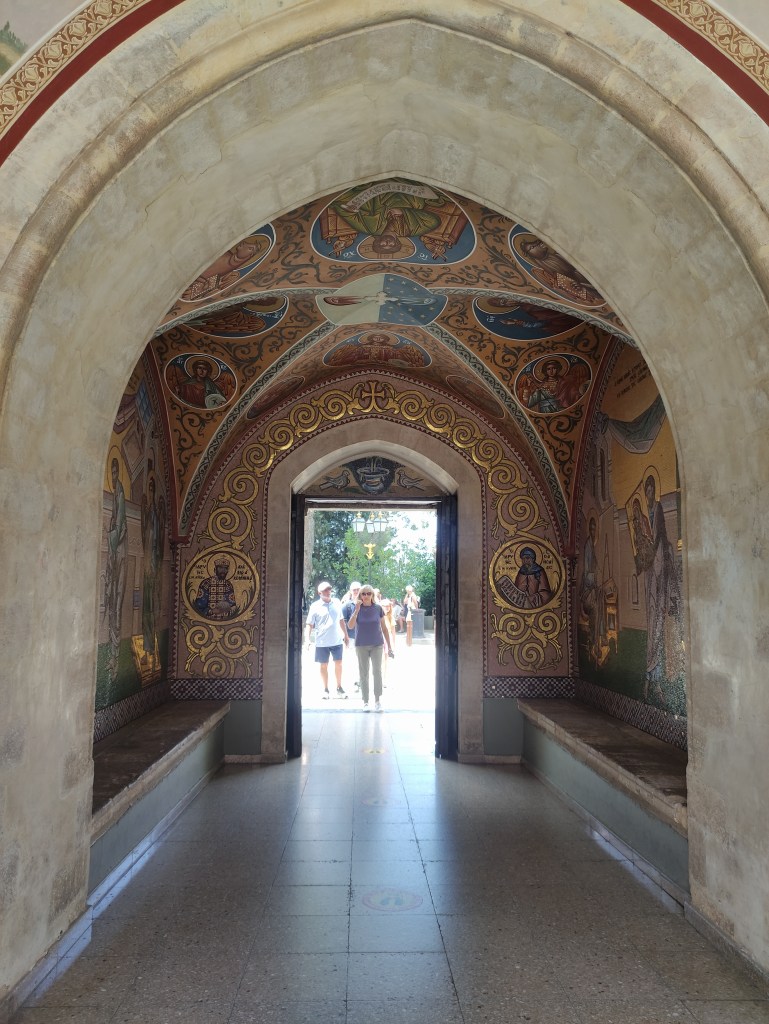
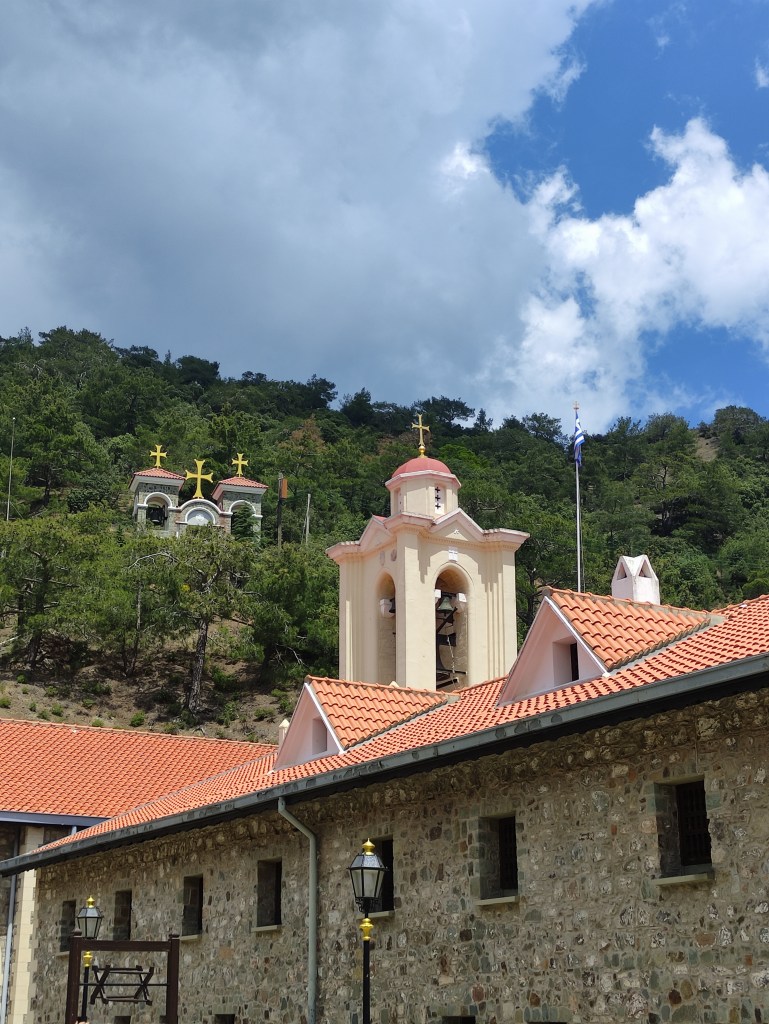
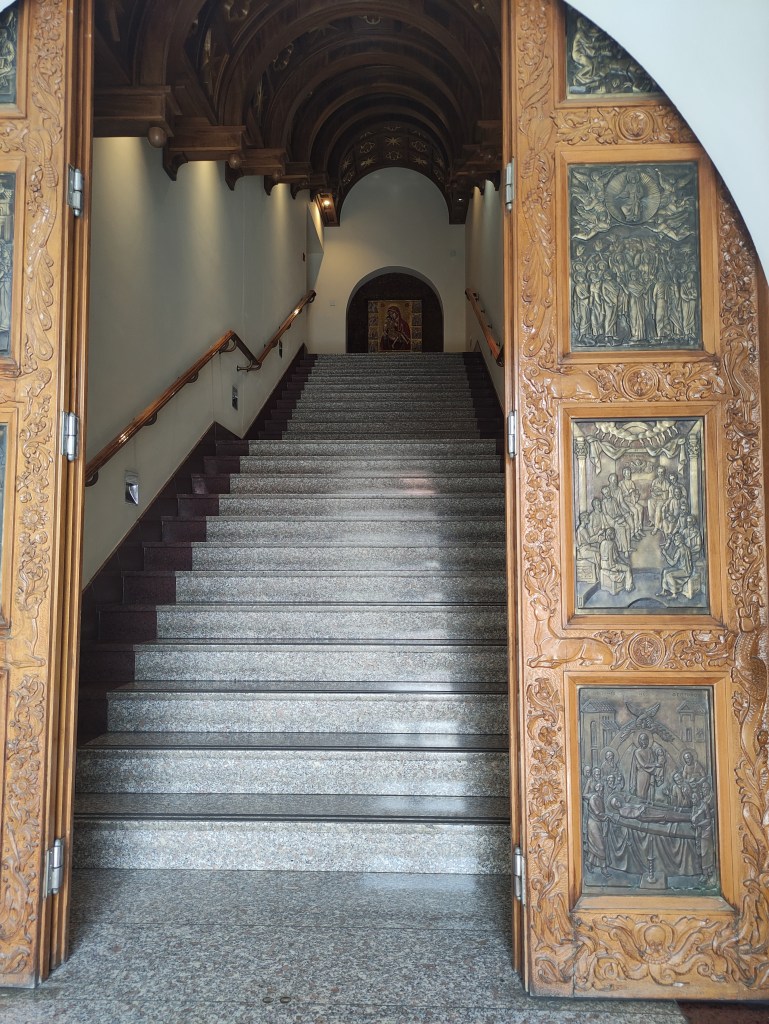
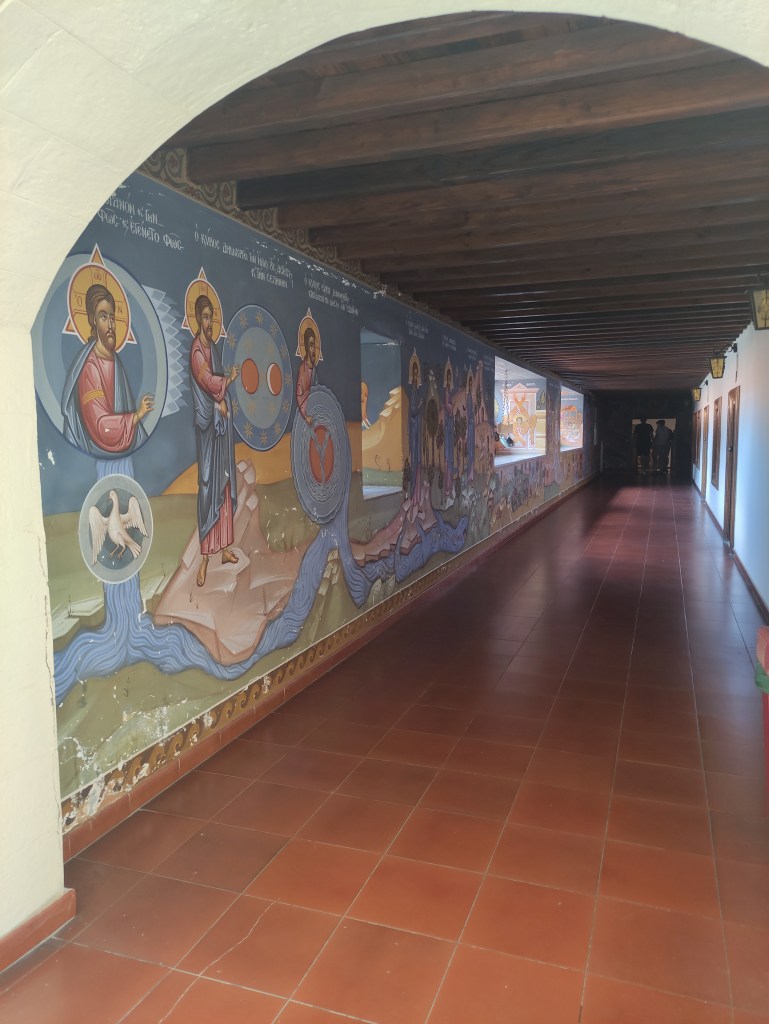
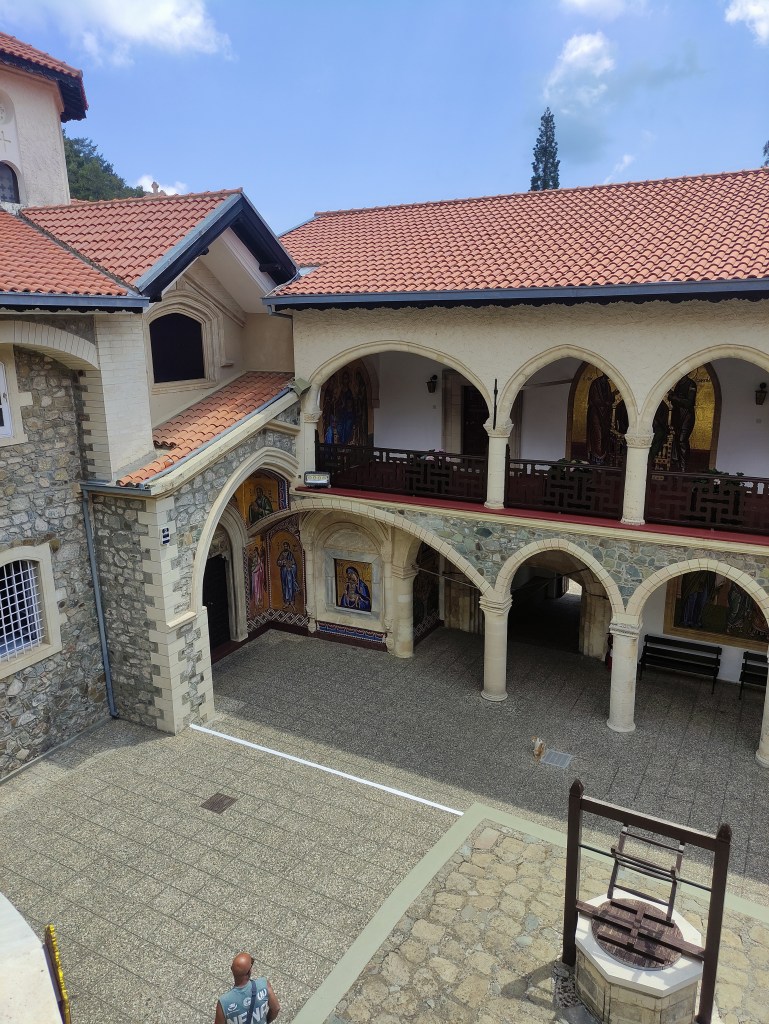
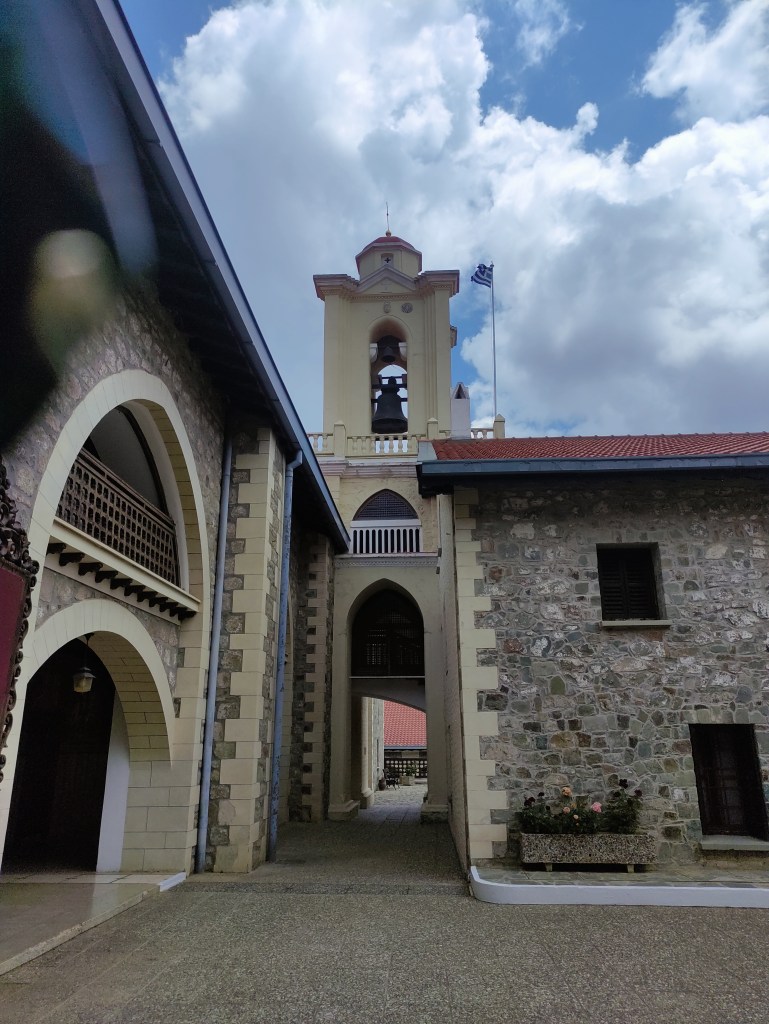
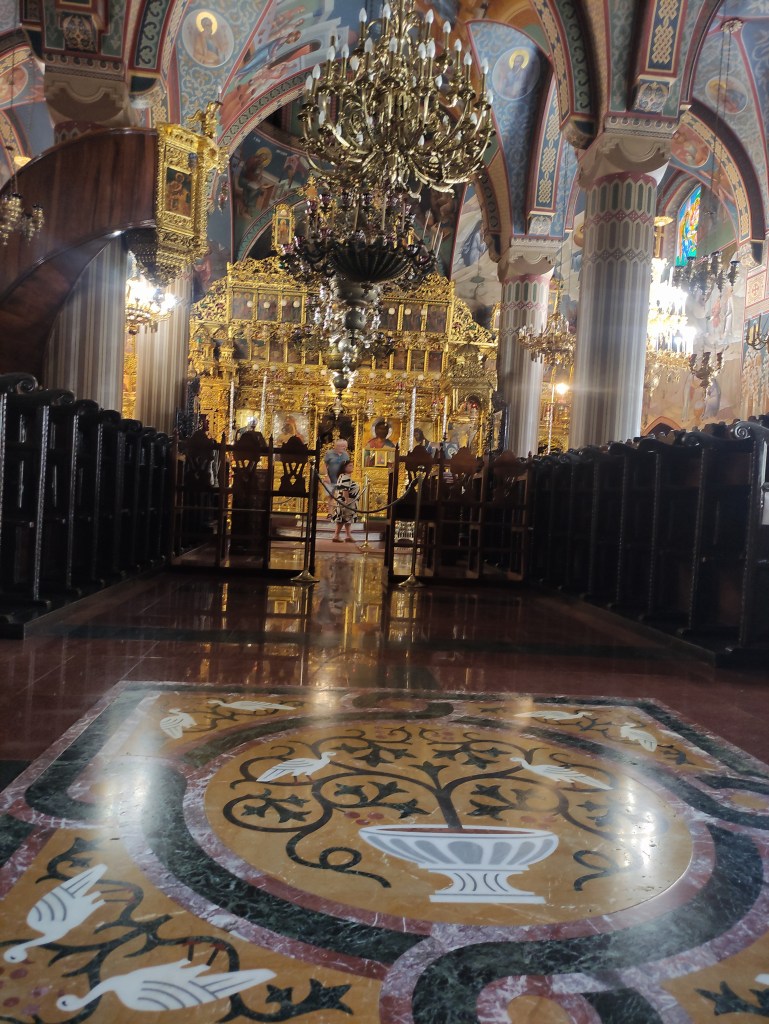
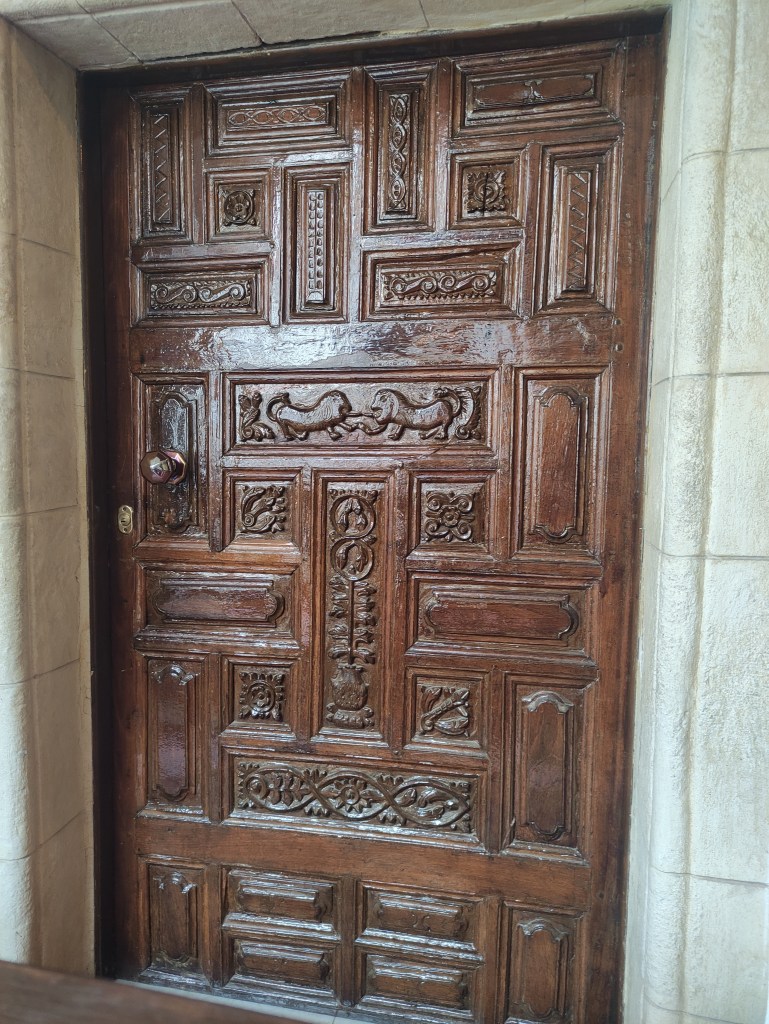
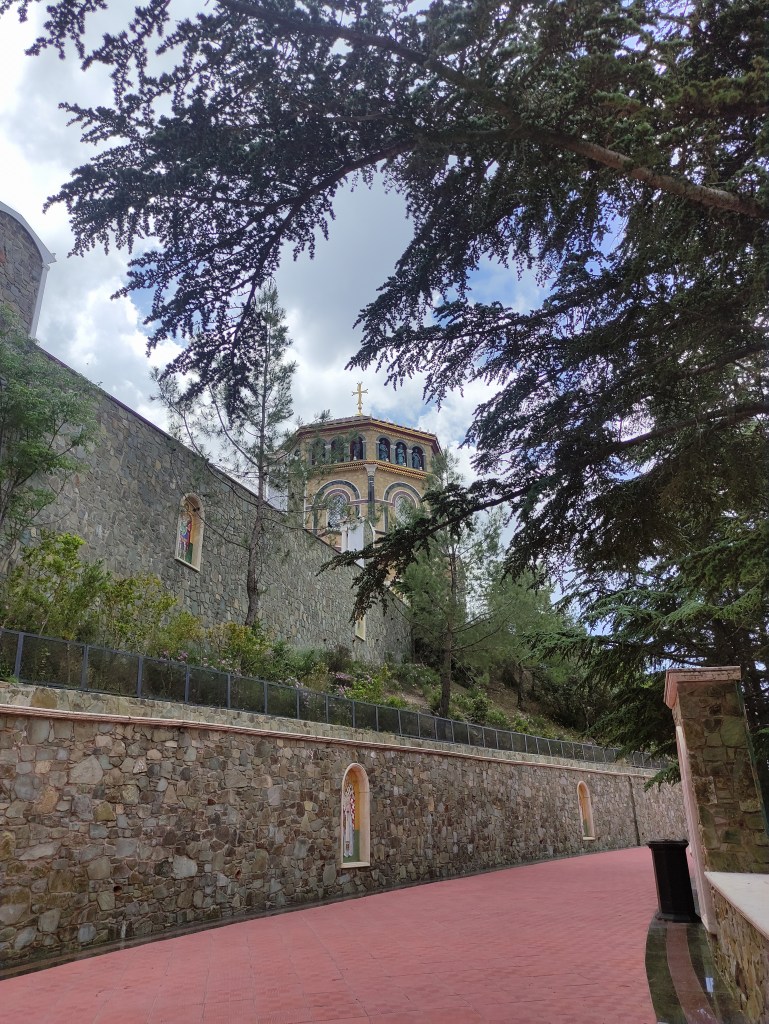
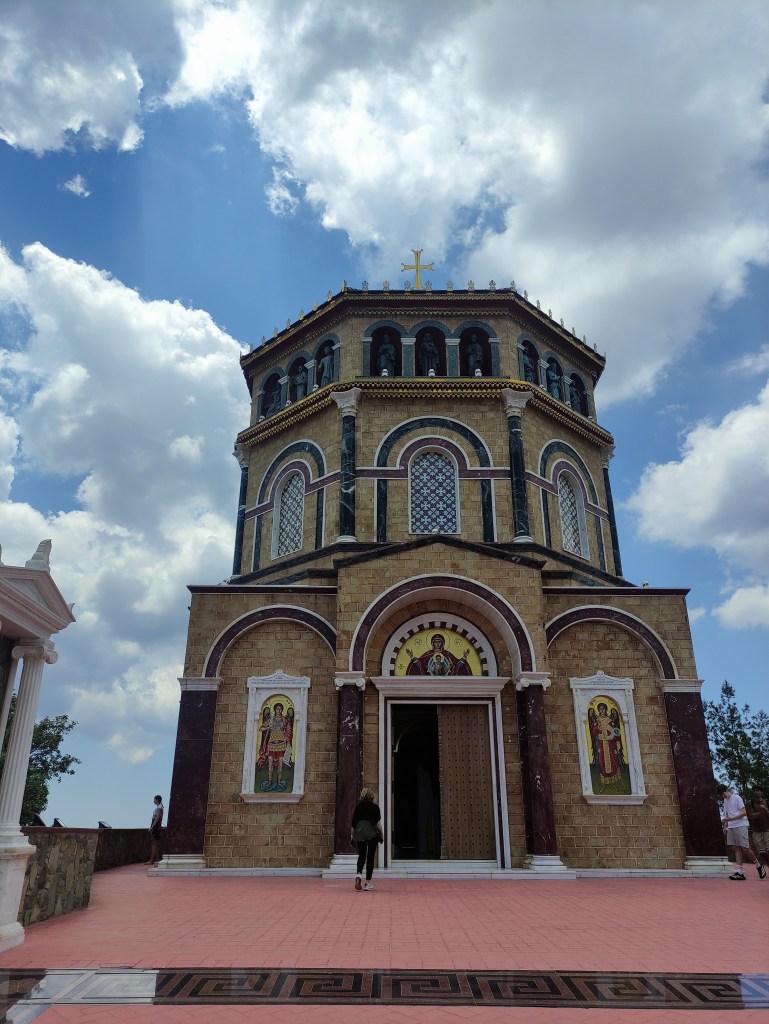
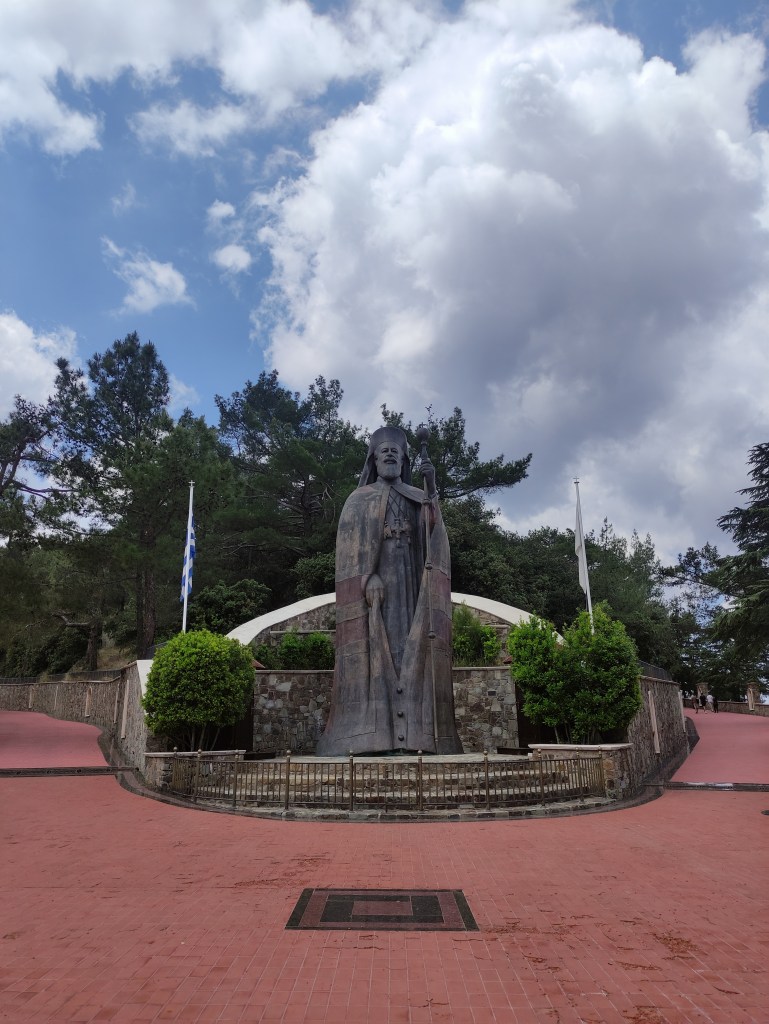
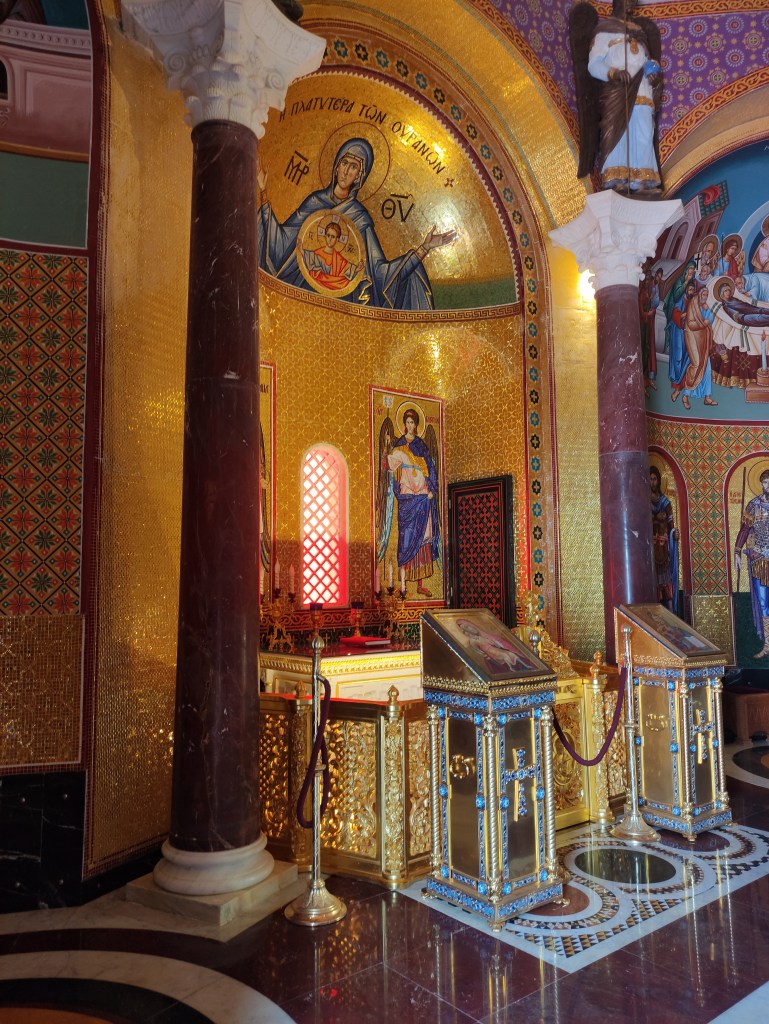
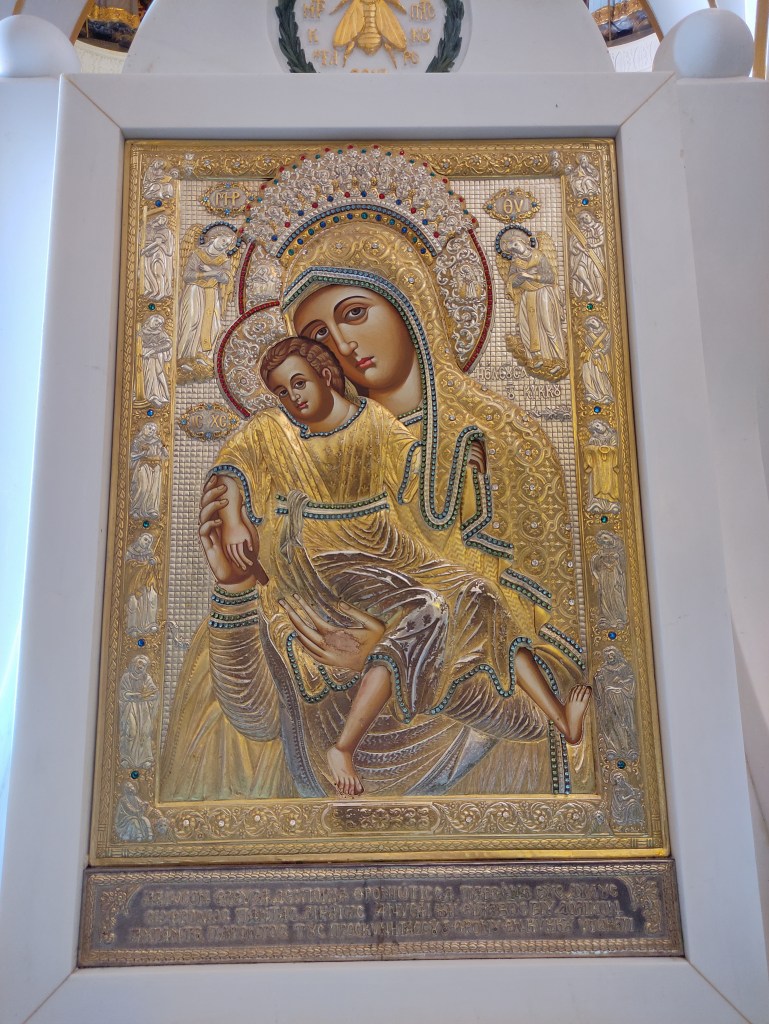
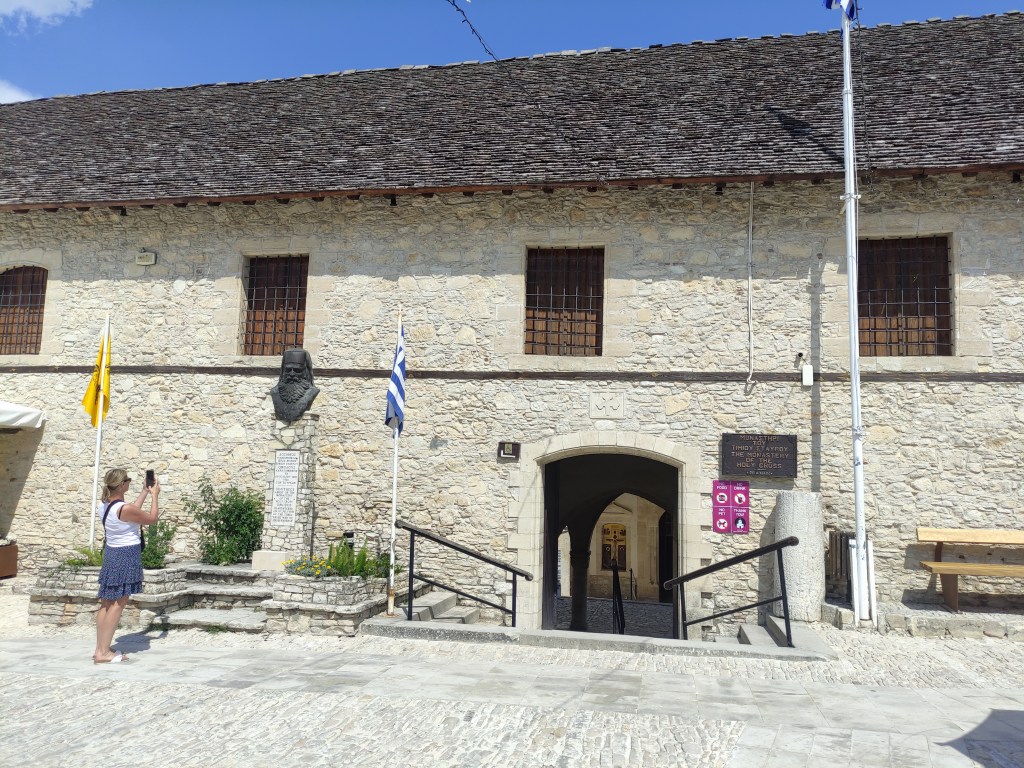
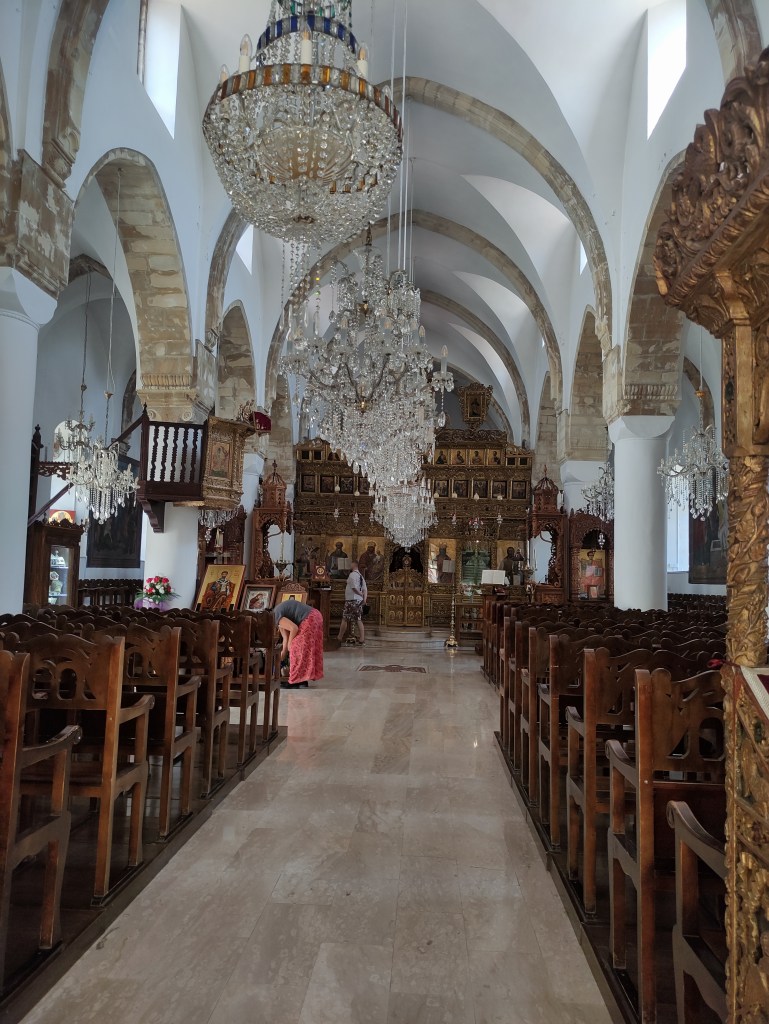
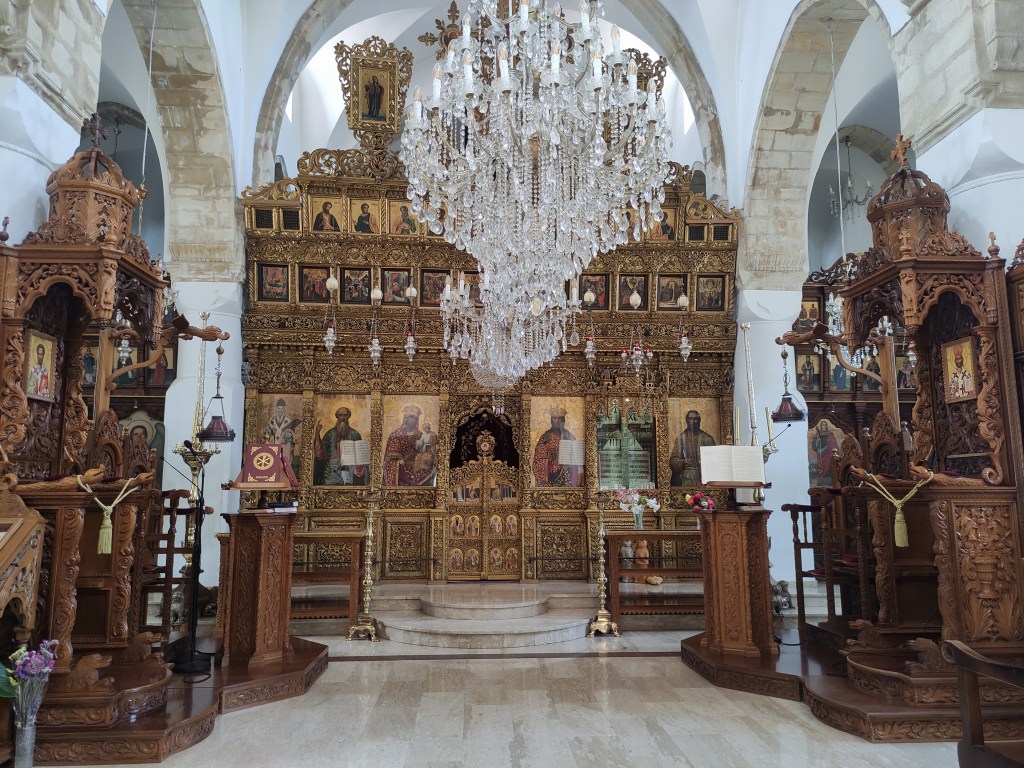
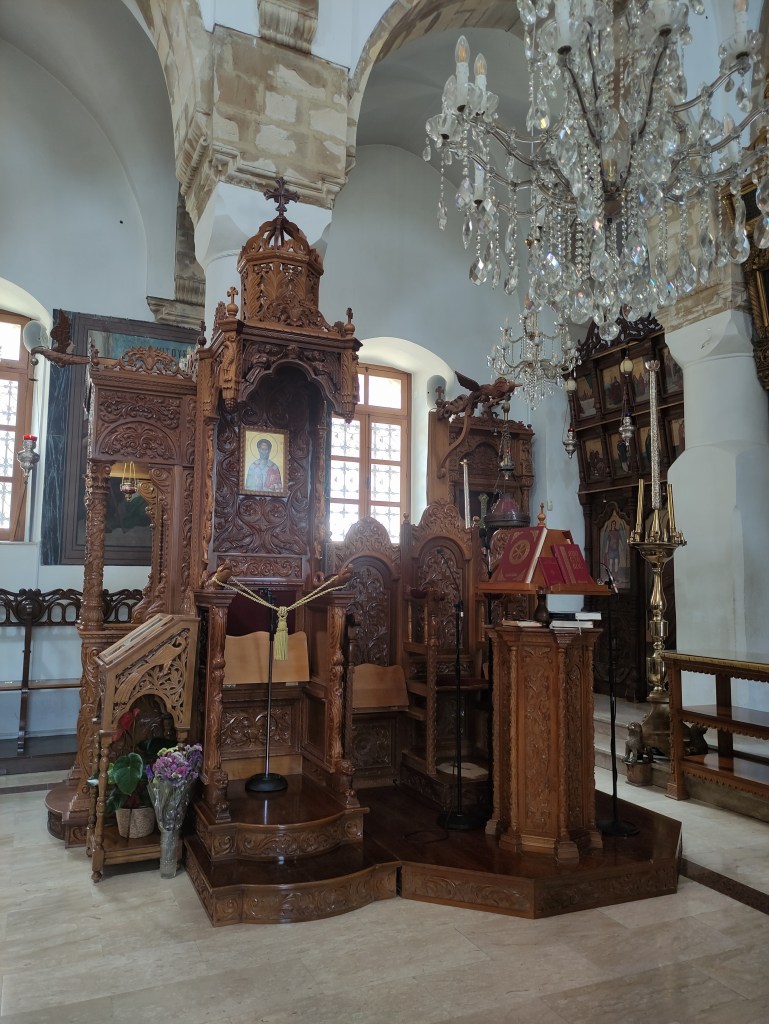
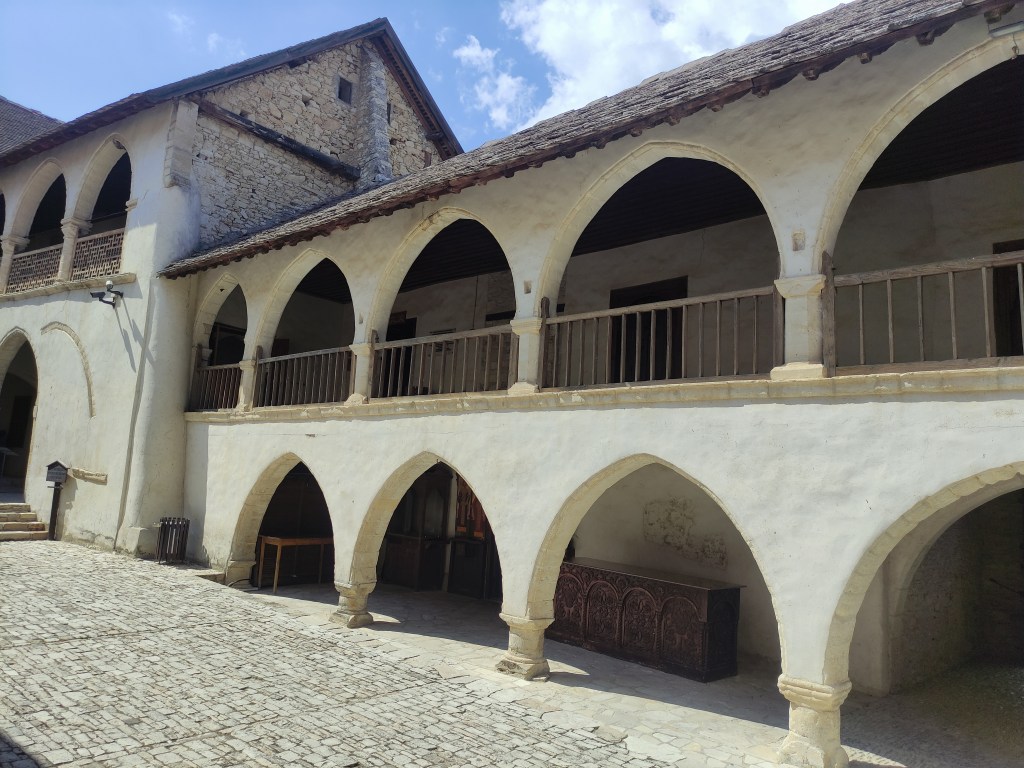
However, we visited the sacred Kykkos Monastery, founded around the end of the 11th century by the Byzantine Emperor Alexios I Komnenos. It is situated at an altitude of 1,318 meters. No remains of the original monastery exist, as it was burned down several times. The first President of Cyprus, Archbishop Makarios III, began his ecclesiastical career there as a monk in 1926.
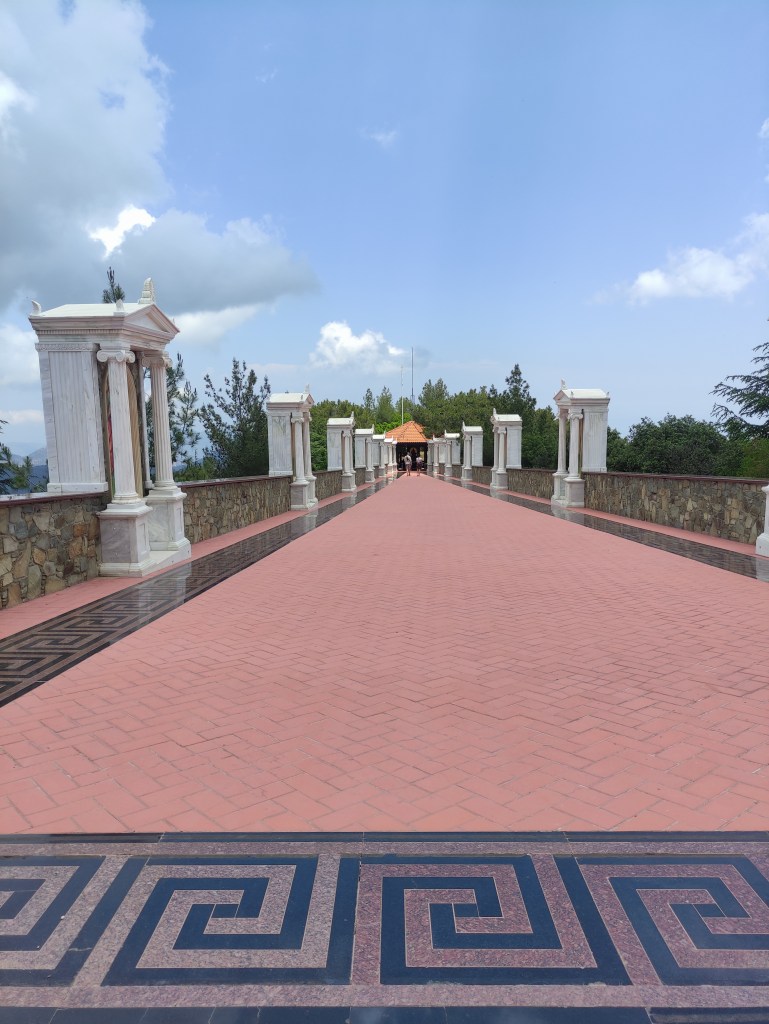
Our final stop was a visit to Throni, where a mausoleum was erected in honor of Makarios III and where his tomb is also located.
 Claudine Giovannoni
This trip is very interesting, I’ve never been to this country. The kittens are beautiful, too sweet. I also found your description of the area and its history interesting. 👍👍👌👏👏👏👏👏👏👏