
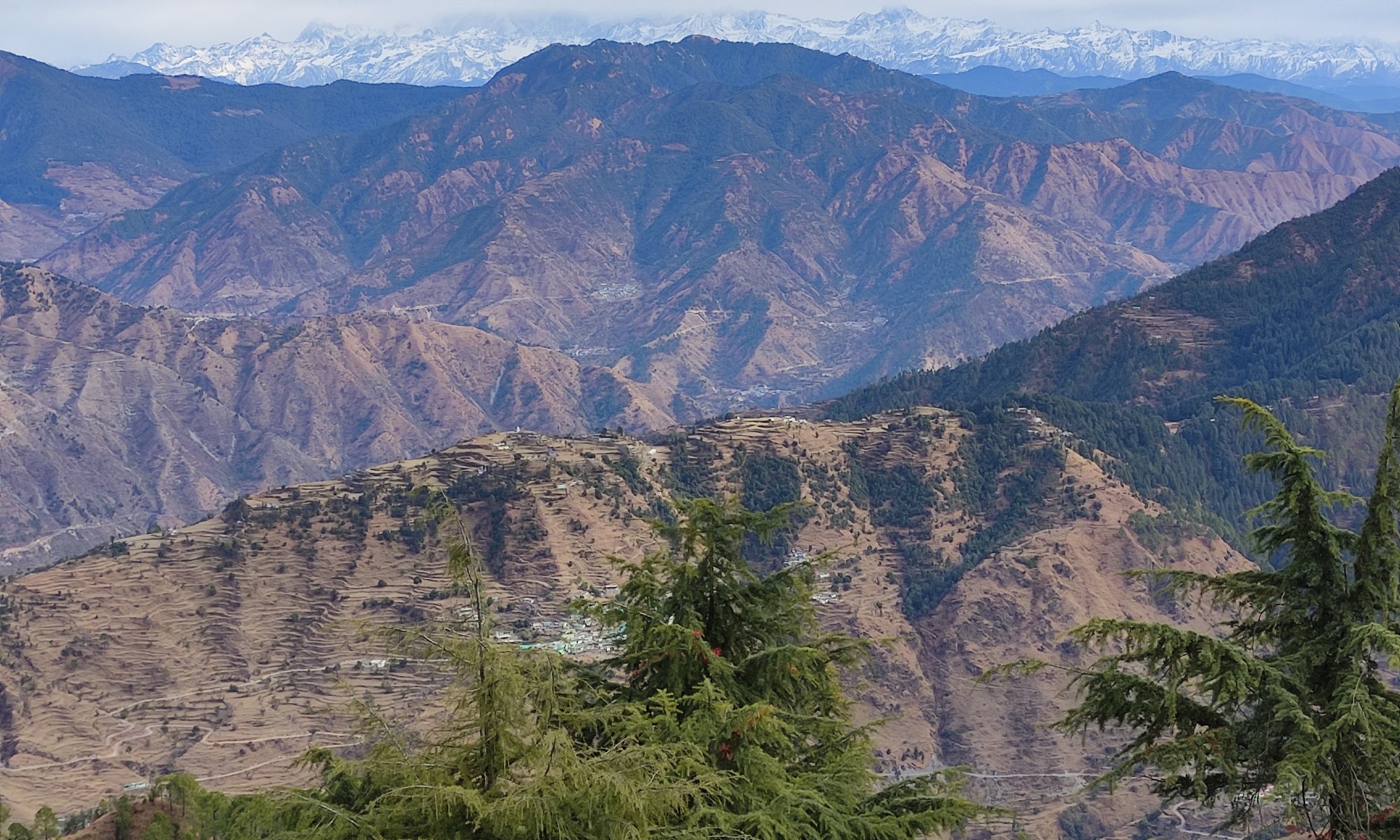
I once again accompanied my brother to India, to the place where he will most likely go to live in a couple of years.
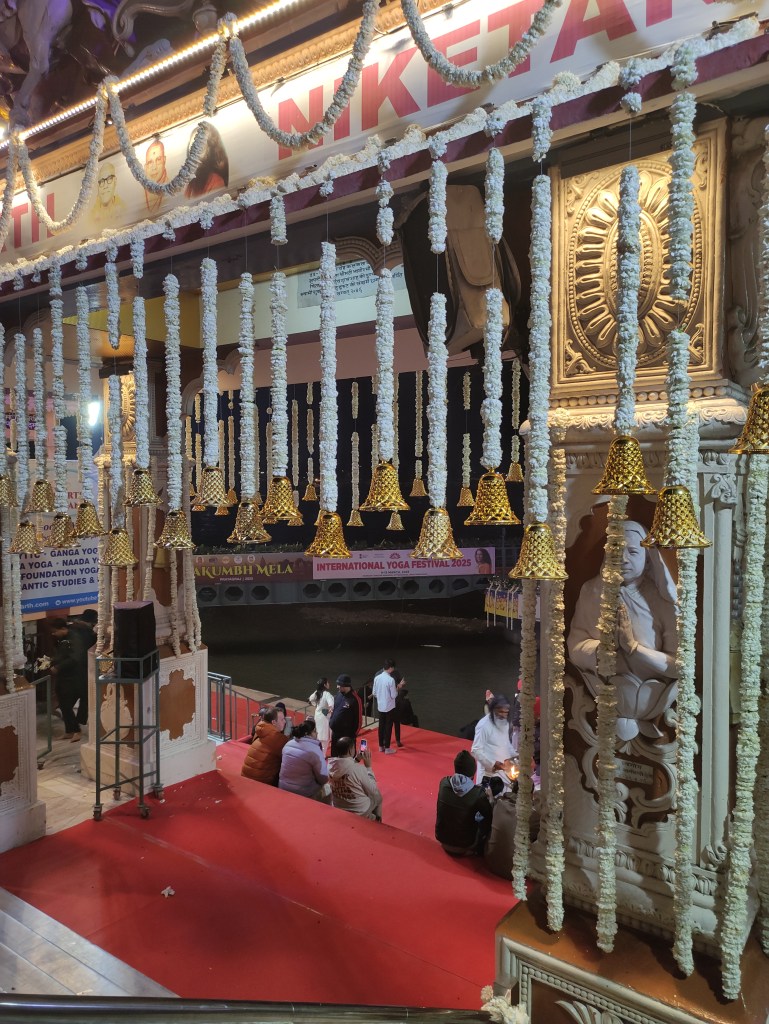
After seven years, I found Rishikesh little changed: less tourists for sure considering that the Internatioval Yoga Festival Parmarth Niketan this time has been moved to 9.-15.3.2025 because of the Kumbh Mela.
Depending on the position of the Sun, Moon and Jupiter occupy at that time in the different zodiac signs, the location of the Kumbh Mela will be decided.
Between January 14 and February 26 there was another colossal holiday: the Purna (complete) Kumbh Mela that takes place in Prayagraj (Allahabad) in Uttar Pradesh.
Legend has it that in mythological times, during a war between demigods and demons for possession of the elixir of long life, some drops fell at four places known today as Prayag (Allahabad), Haridwar, Ujjain and Nasik. These drops are believed to have conferred mystical powers on these places. It is precisely to acquire these powers that the Kumbh Mela has been celebrated at each of the four places for as long as anyone can remember. The regular Kumbh Mela is held every three years, the Ardh (half) Kumbh Mela is held every six years in Haridwar and Allahabad (Prayag), while the Purna (full) Kumbh mela is held every twelve years, in the same four places Prayag (Allahabad), Haridwar, Ujjain and Nashik, based on planetary movements. The Maha Kumbh Mela is celebrated in Prayag after 144 years (after 12 “Purna Kumbh Mela”).
It is the power of faith that can separate a river, move mountains, and endure the hardships that come with being an integral part of the Kumbh Mela, a congregation of millions of people, gathered to be liberated from the earthly vicious cycle of life and death and go to a heavenly realm, which knows no suffering or pain. It is India’s mythological history and sacred religious texts that bind us carnal souls to an eternal hope: things will get better, without the ever-looming fear of getting worse that paralyzes us here. “An eternal life without sin” is the promise that accompanies the magnificent event of the Kumbh Mela. It is a promise that millions of people want to bind themselves to, and it is this promise that has made the Kumbh Mela what it is today.
I admit that in the last few years I have become even more sensitive (yes, it is possible to reach such levels as to take your guts and make you have bad dreams!) to the carelessness of humanity.
Already in Kerala I had had the urge several times to bend down to the ground and pick up garbage… but up there, in a place so close to the magnificence of majestic mountains where even the air is supposed to be pure and charged with energy, garbage reigns in every corner.
I was shocked and had to hold back the angry tears that were making me implode.
Why? What is the reason that humanity does not understand that it is important and vital to protect Mother Earth and give her due respect?
I did not take pictures. I couldn’t.
I should only be able to report beautiful things, pictures that show the beauty of our planet, but however, I can express what I felt viscerally. So, don’t worry, you can continue reading and watching, I don’t want to shock you!
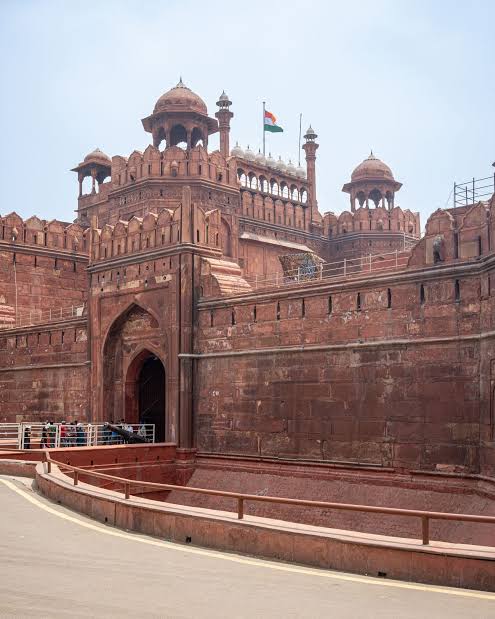
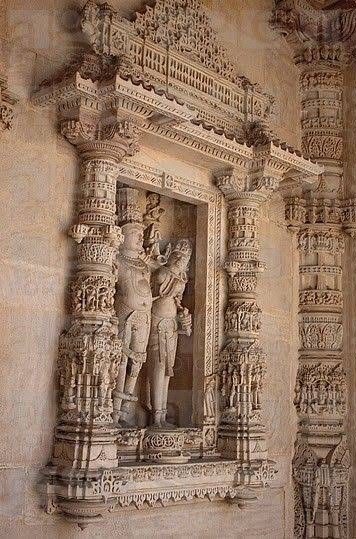
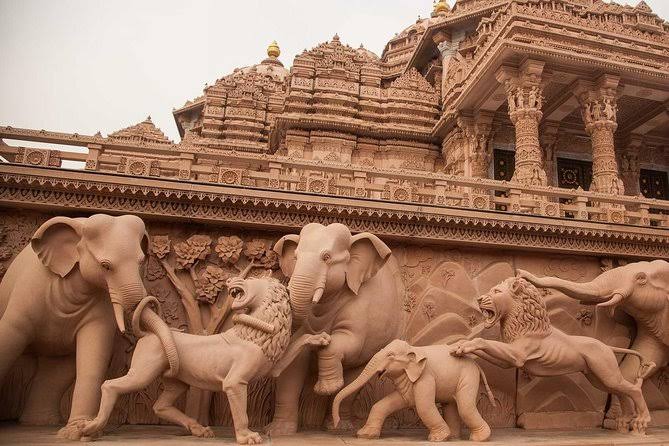
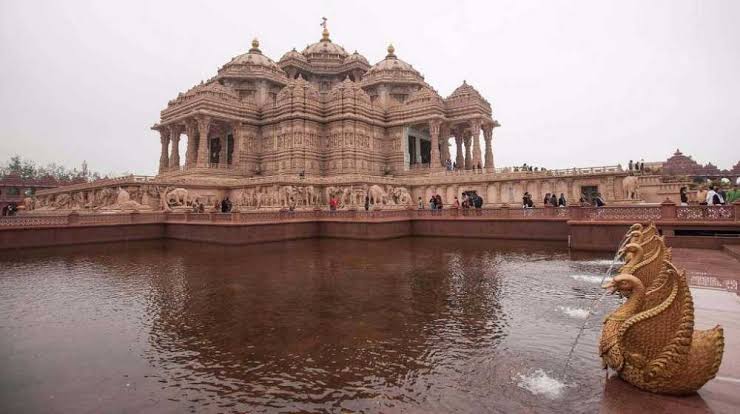
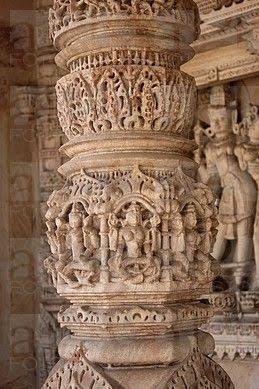
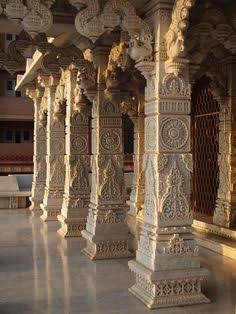
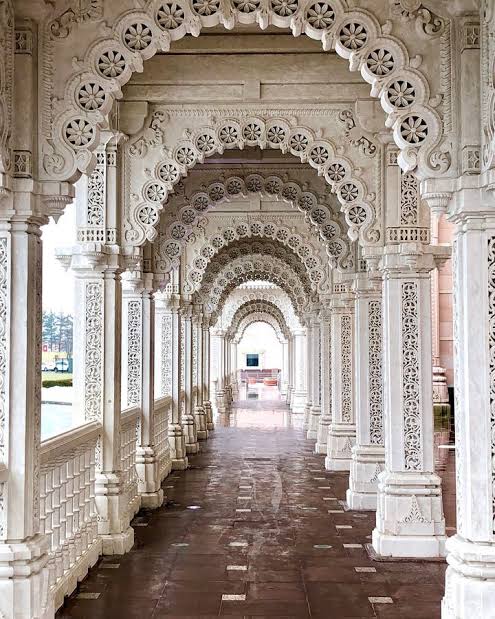
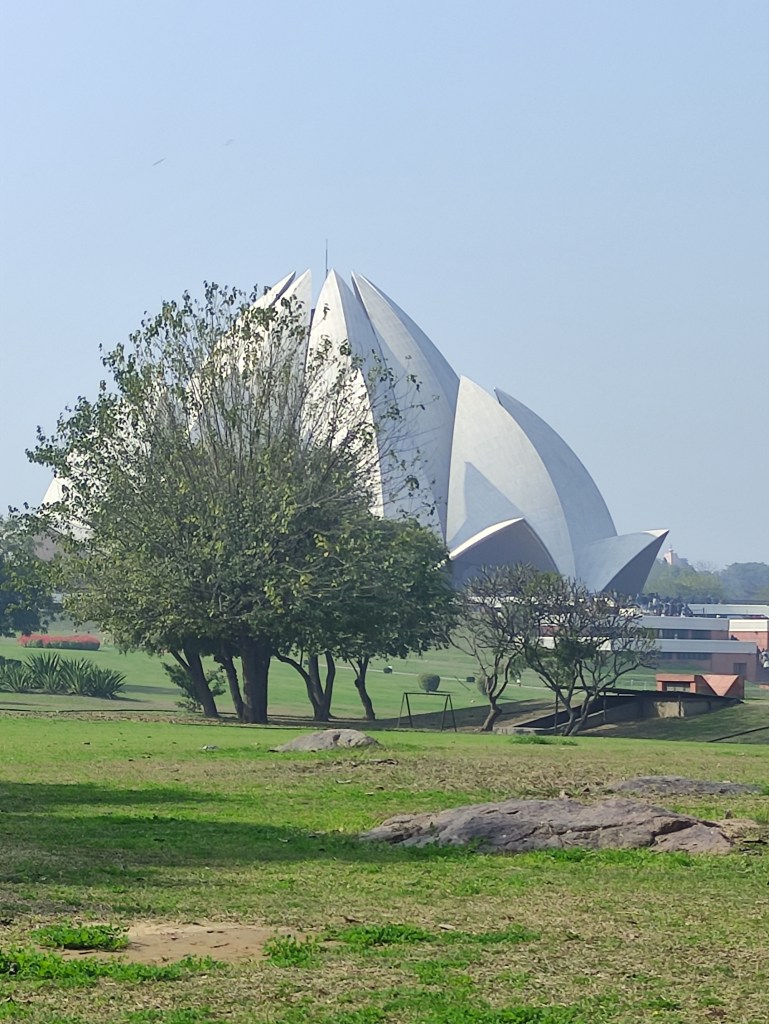
When I was still working for the airline Swissair, I had several night-stops in Delhi. Sometimes I had made pleasant tours in the city visiting the many tourist attractions, other times depending on the length of stay, I had been to Agra, Jaipur or Jodhpur the blue city. Oh yes, there is so much to see… This time, in Delhi we took a one-day tour, but in order to do a more complete visit one would need to stay for at least a week. Even just to visit the Akshardham Temple, one can linger there for days! The Red Fort is very similar to the one in Agra, which I had visited some 30 years ago; however, I did not enter. I regretted not having time (it was past 4:00) to visit internally The Lotus Temple, which is a Bahai House of Worship, a colossal and archetypically very special structure.
The journey from Delhi northward is always a real challenge.
Having spent a couple of days in Delhi both on the outward and return trips, in a good hotel (not without having had some problems with prices differing from the booking.com reservation), we were well rested. Of course spending 500.- fr. to sleep, the indian standard should have been “royal” but the service at the front desk of the Holiday Inn New Delhi Int. Airport was of the worst received in a 5* hotel. Very delusional indeed. I don’t know if they were stressed at the Front Desk, but a passport should not be returned to you by slamming it on the desk…. I’ll let you guess my disappointment and the related review I later gave.
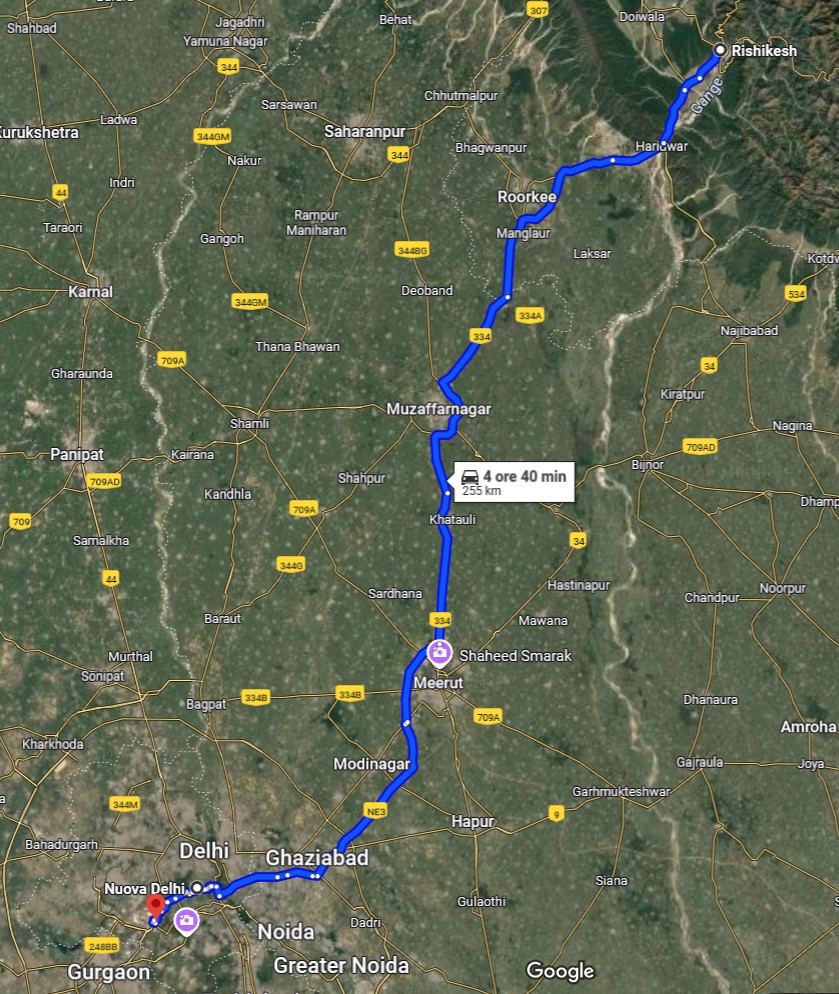
After six hours and a half with hevy traffic on the road, we finally arrived at the Green View Hotel which is a small 3* facility but the service received was very good. Nothing fancy, but the cleanliness was thorough and the staff very friendly and nice (even at the front desk). We also dined there several times trying the dishes which satisfied us fully. In short, I only can recommend this hotel!
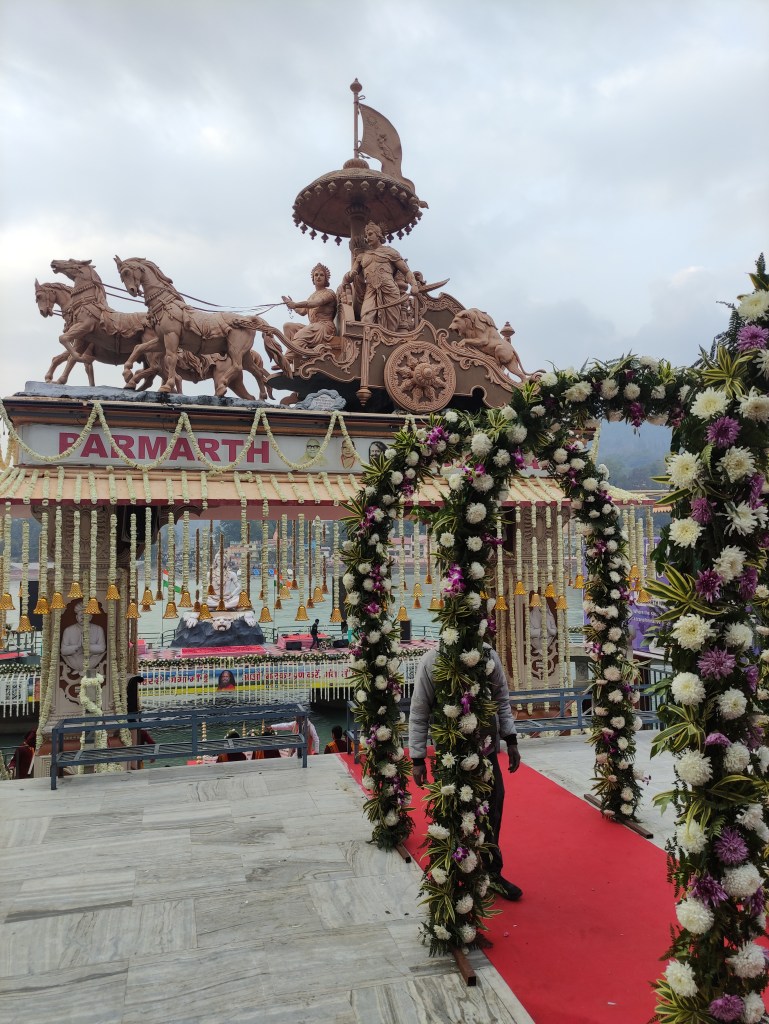
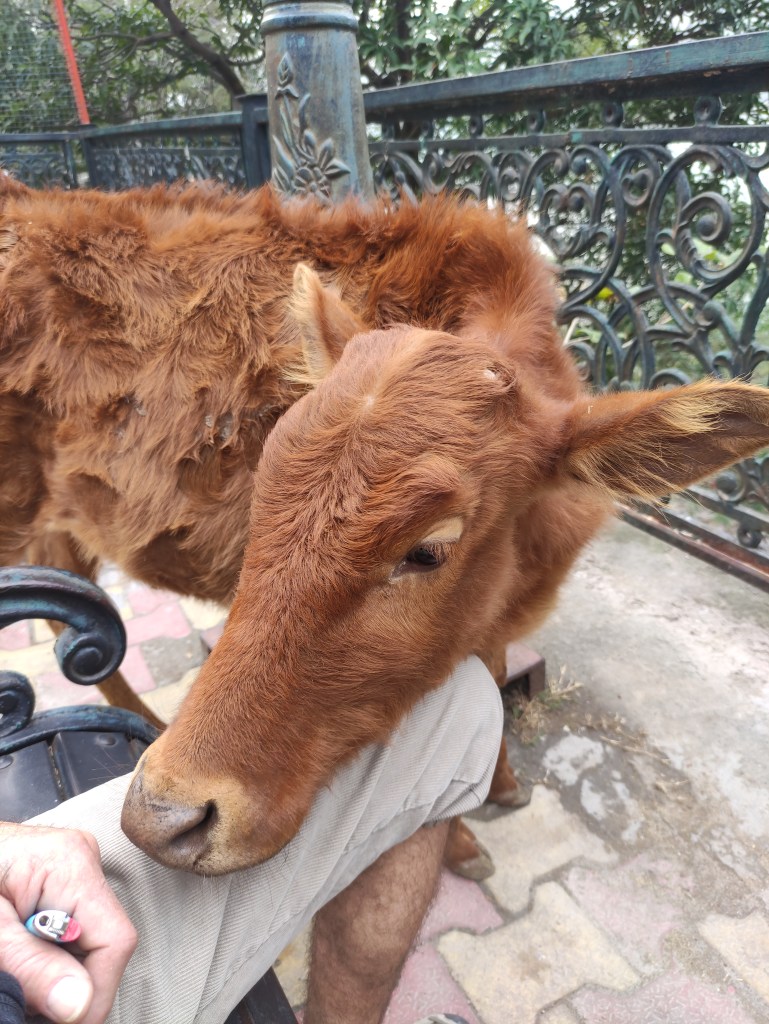
Rishikesh is not a “small town” but a fairly large city divided into zones. Our hotel is in the area north of the Ganges which is a pedestrian area, but cows and scooters circulate freely there and it is near the famous Parmath Niketan ashram. The Yoga/meditation international festival is held there every year and it is a gathering place for many teachers from allover the planet. I did every day some meditation and yoga, trying to calm the Mind that had only the desire to wander freely and without constraint, but it was not easy.
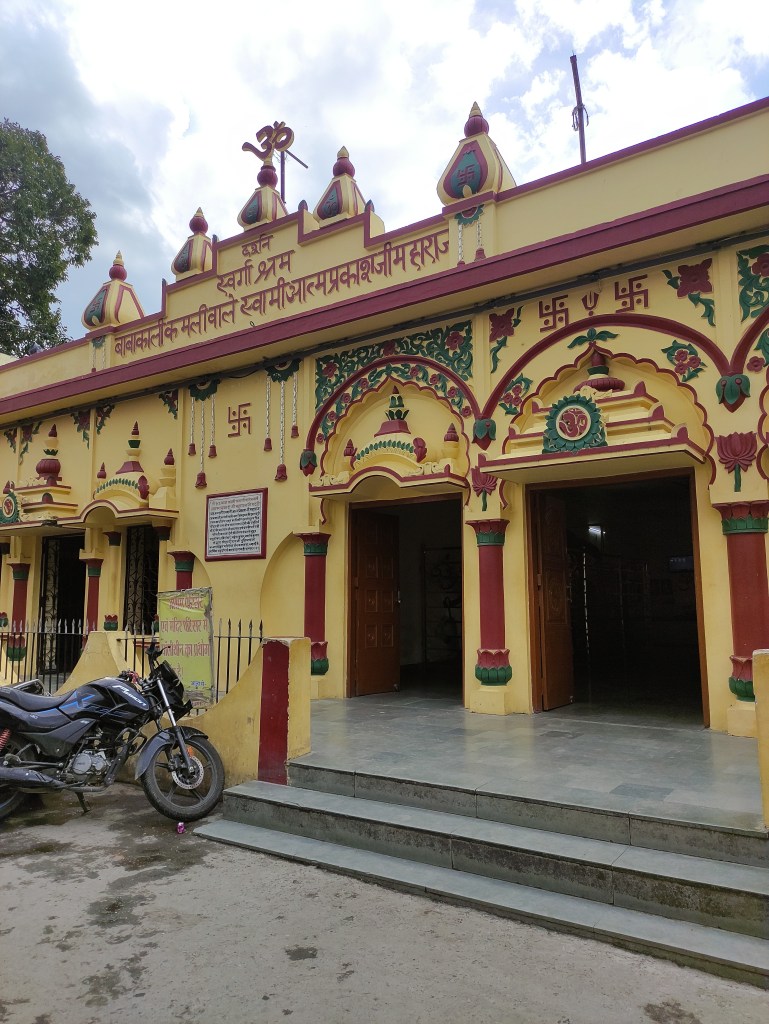
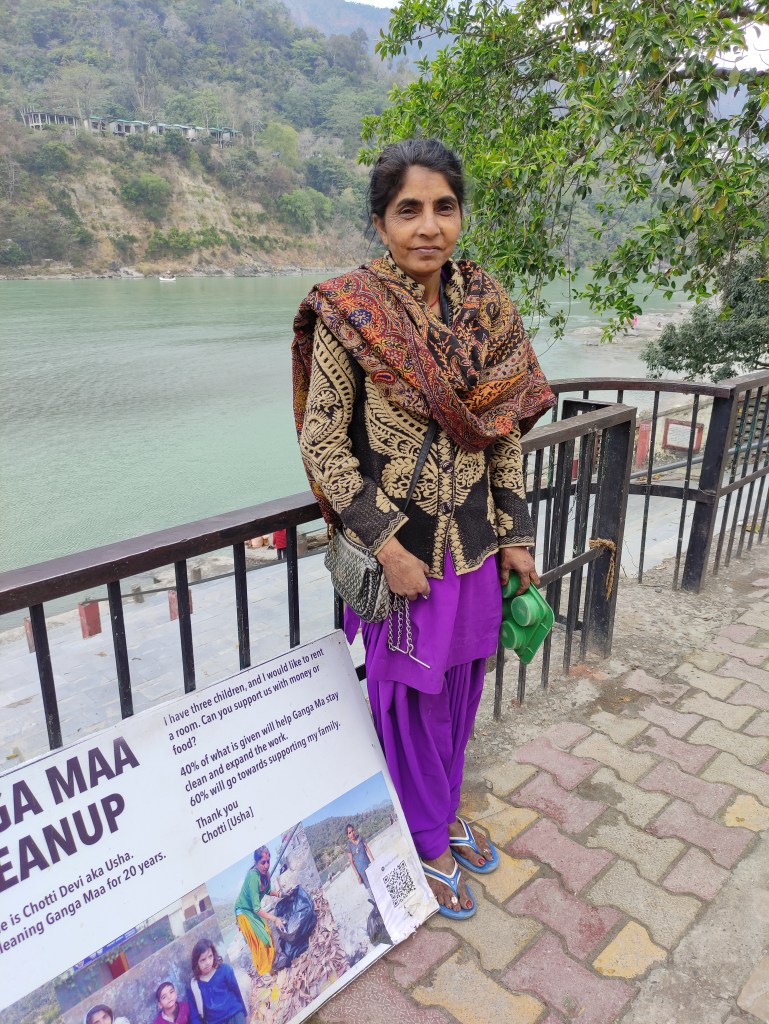

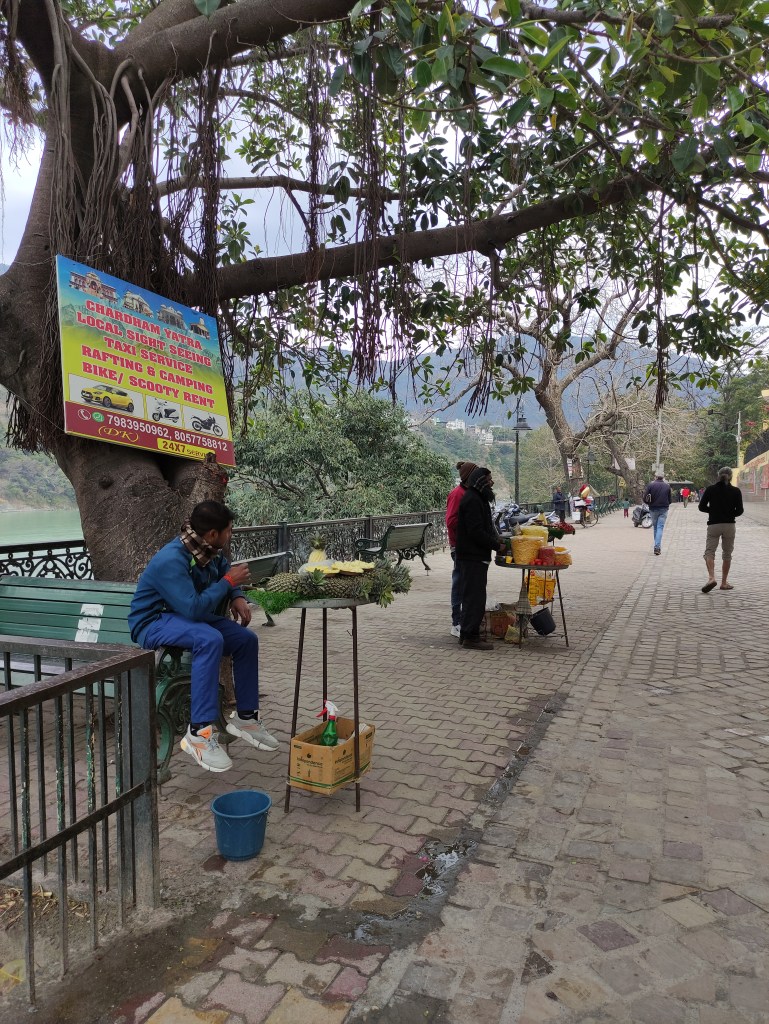
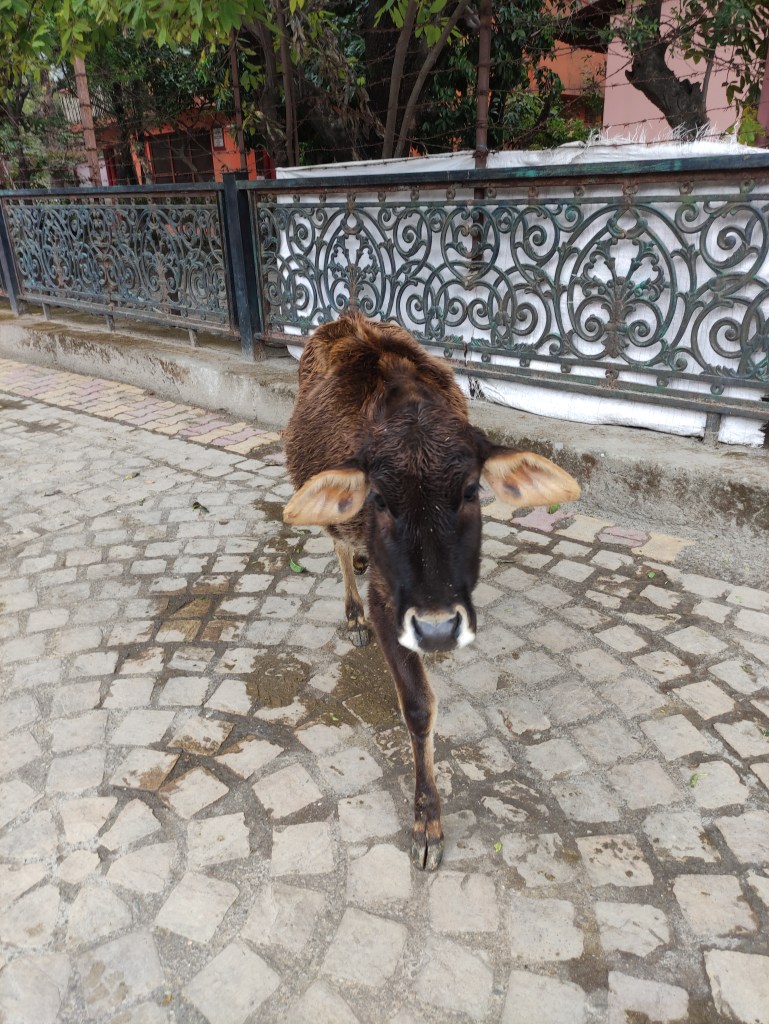
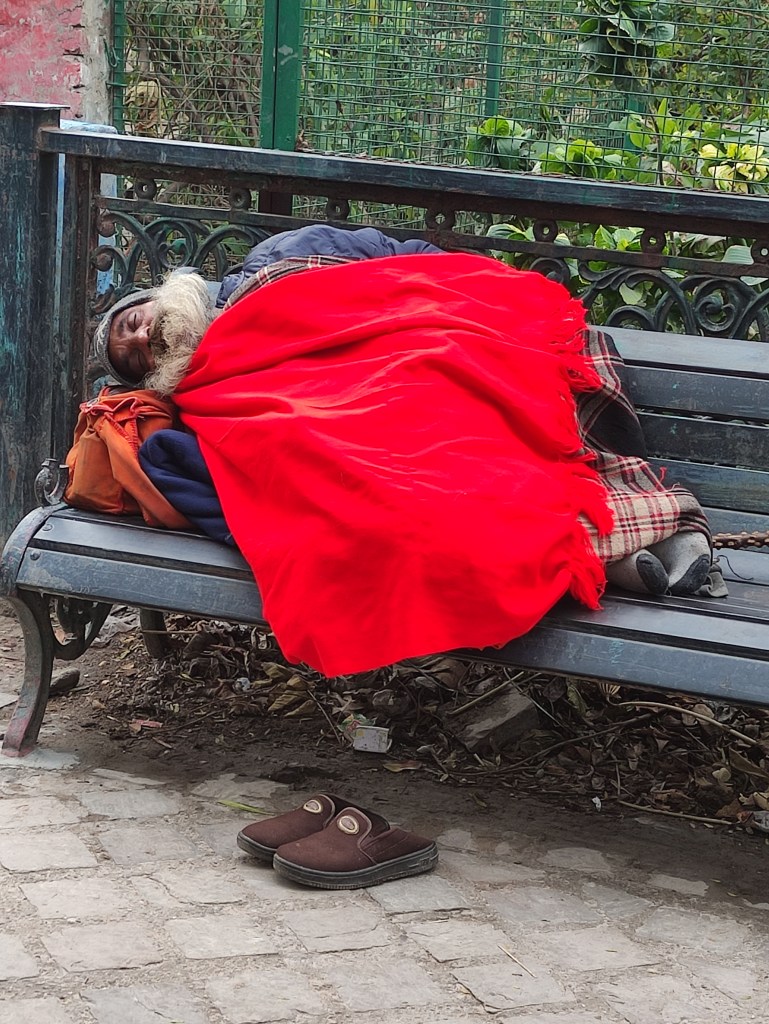
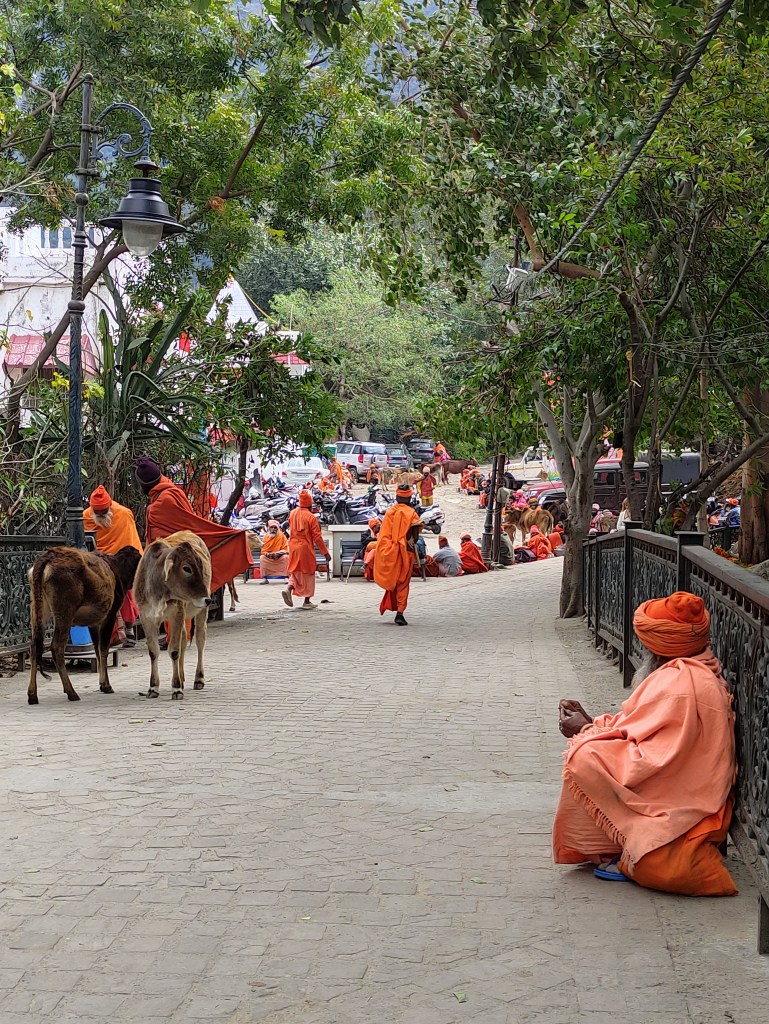
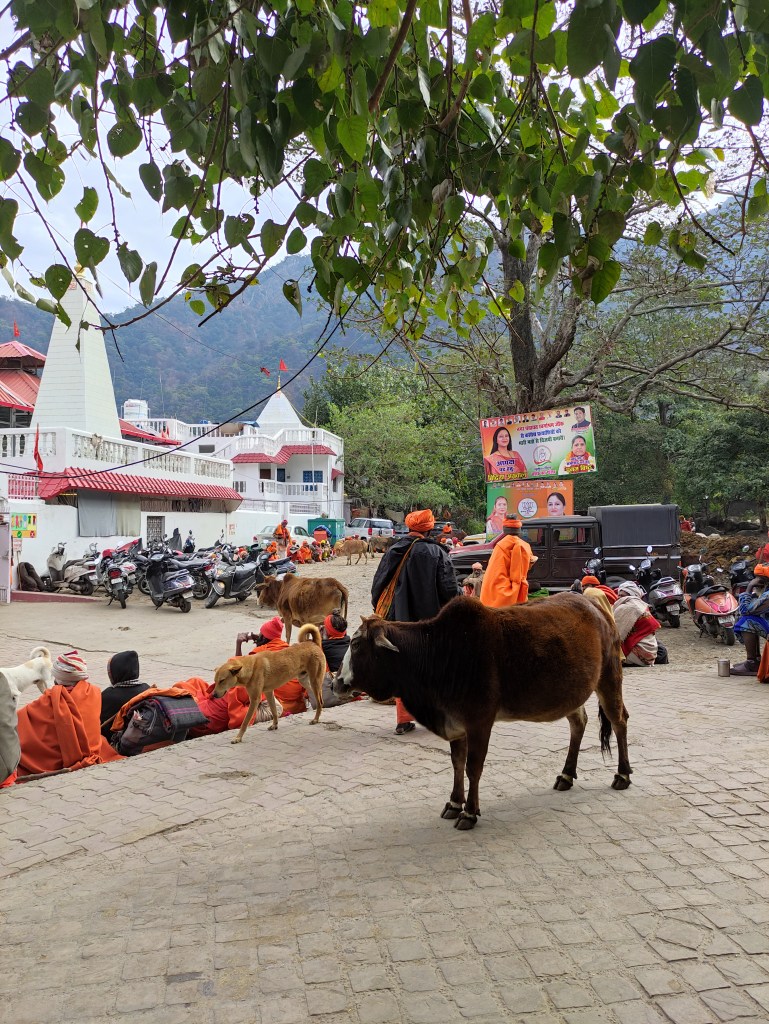
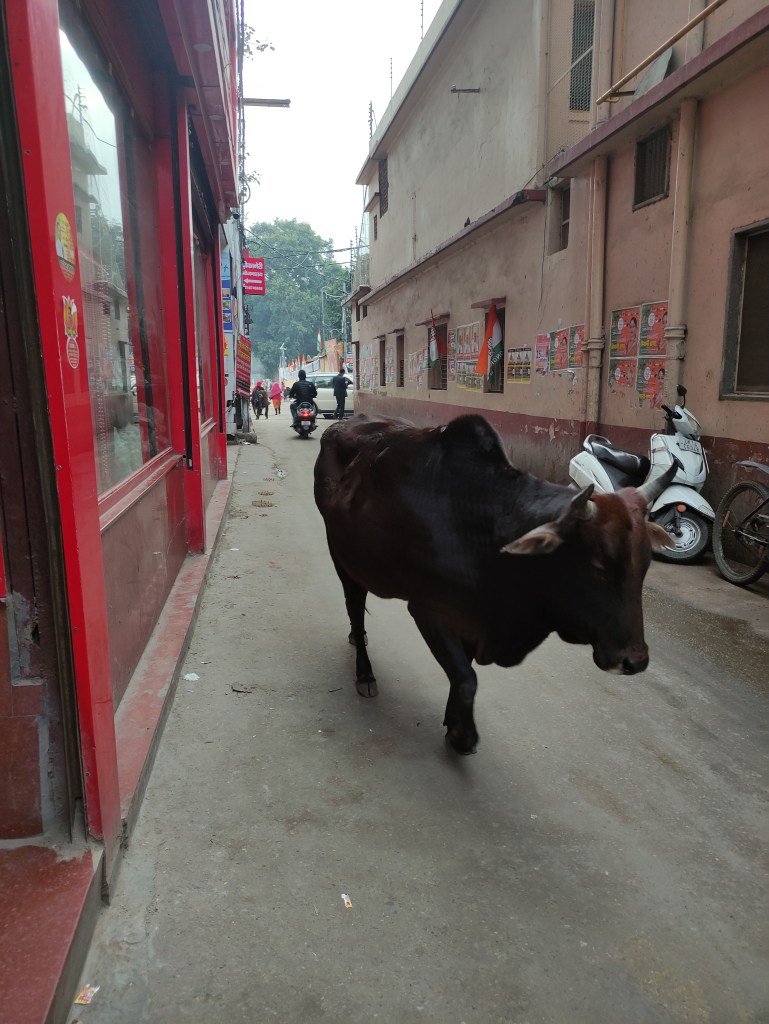
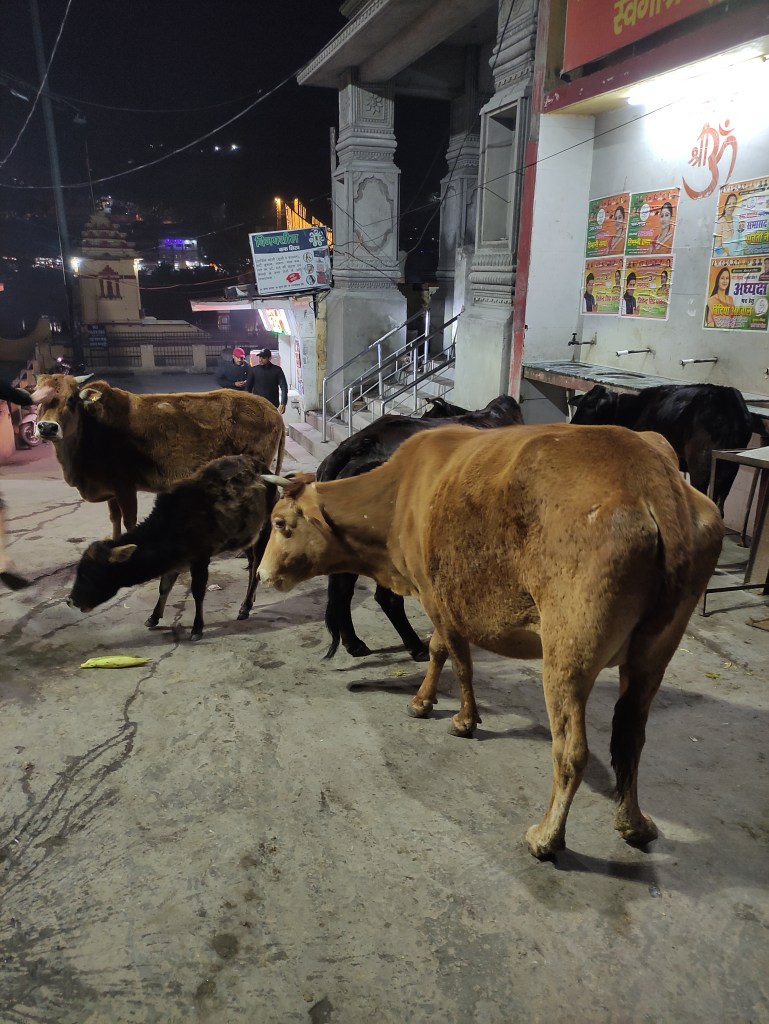

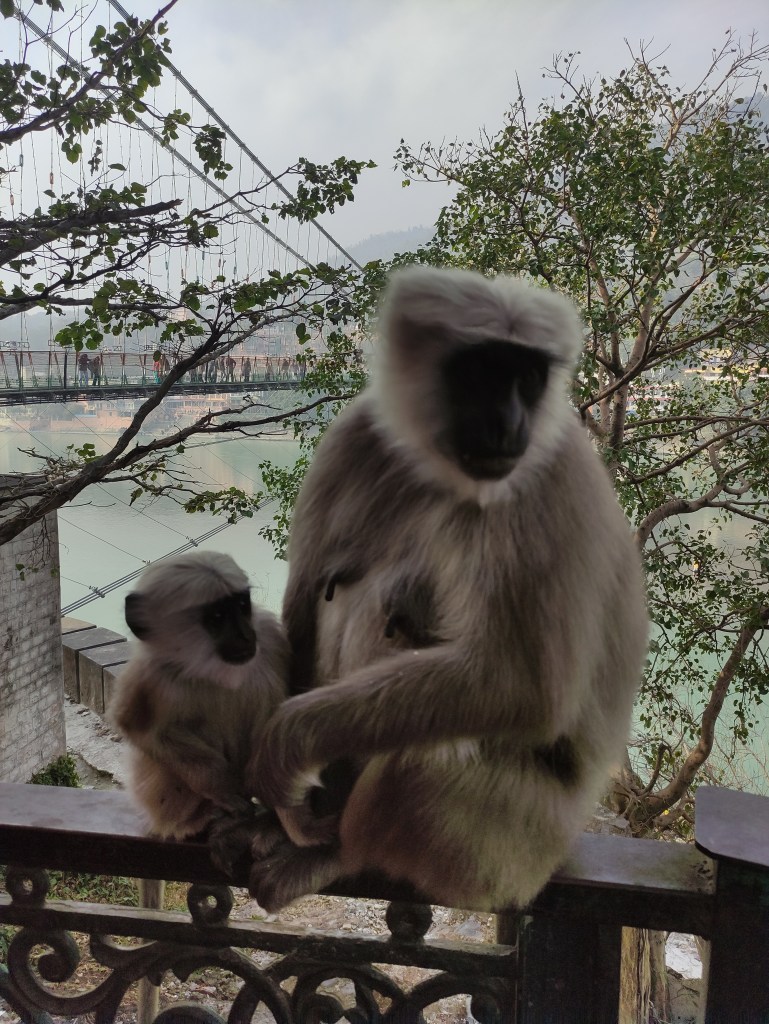
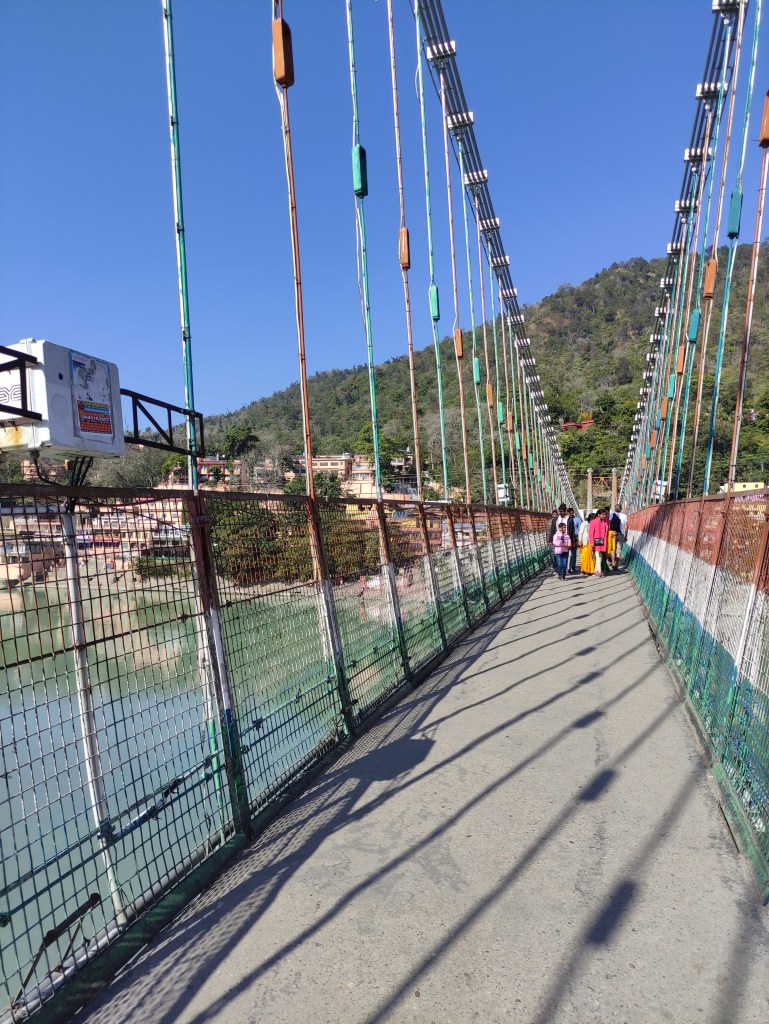
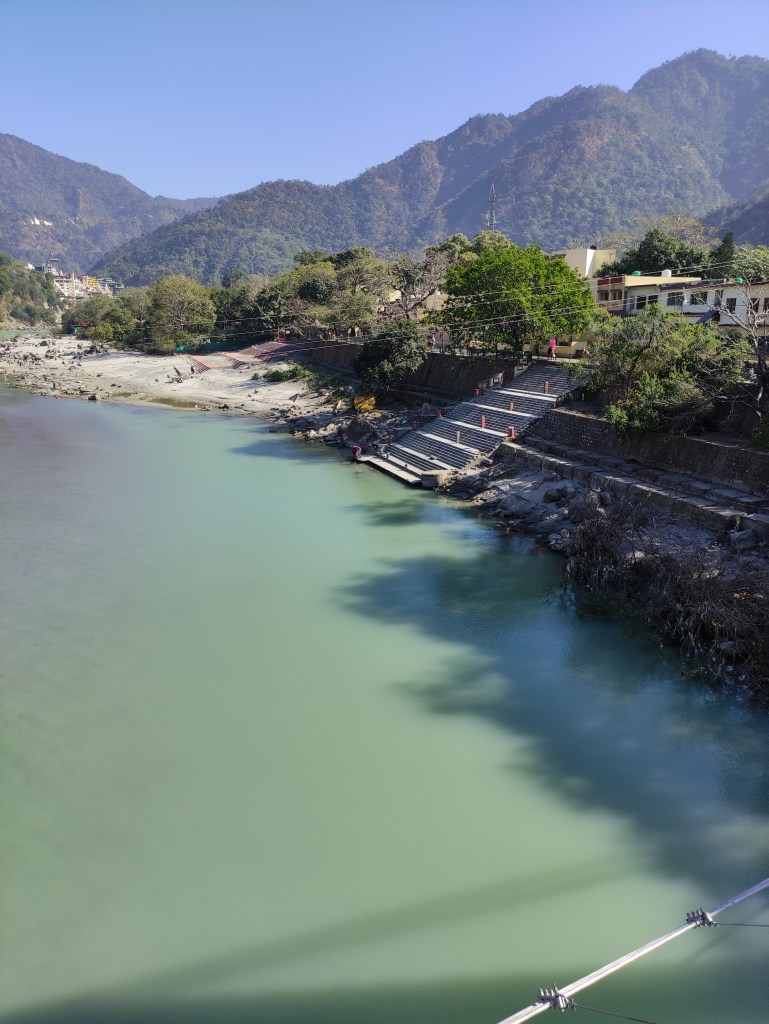
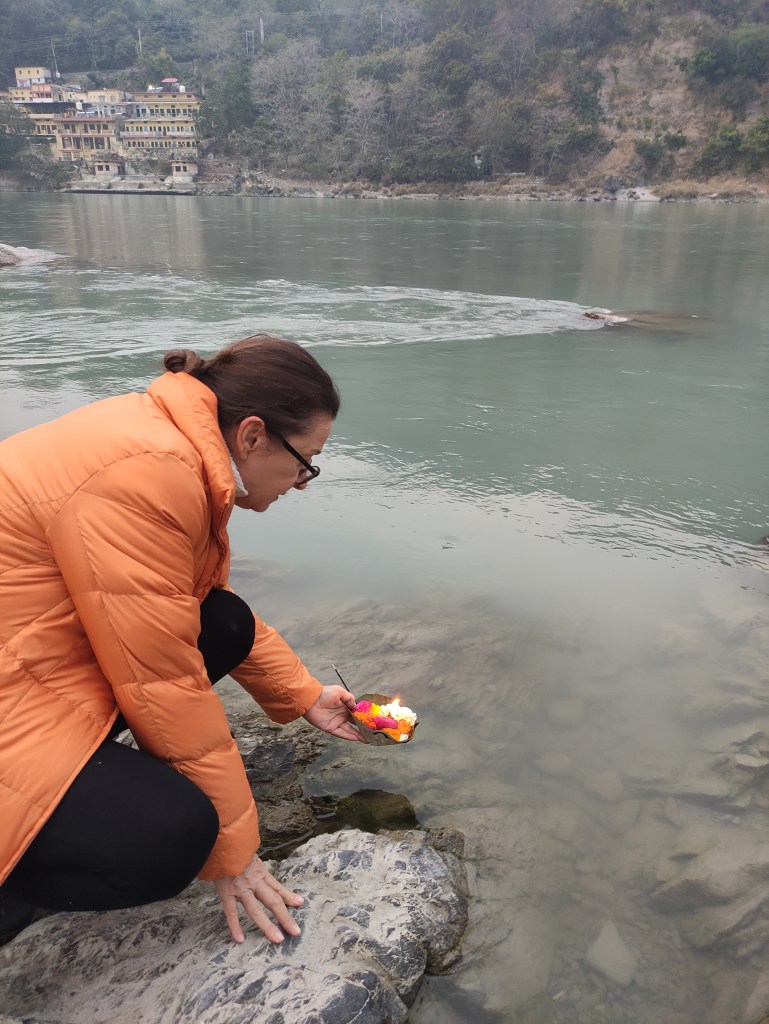
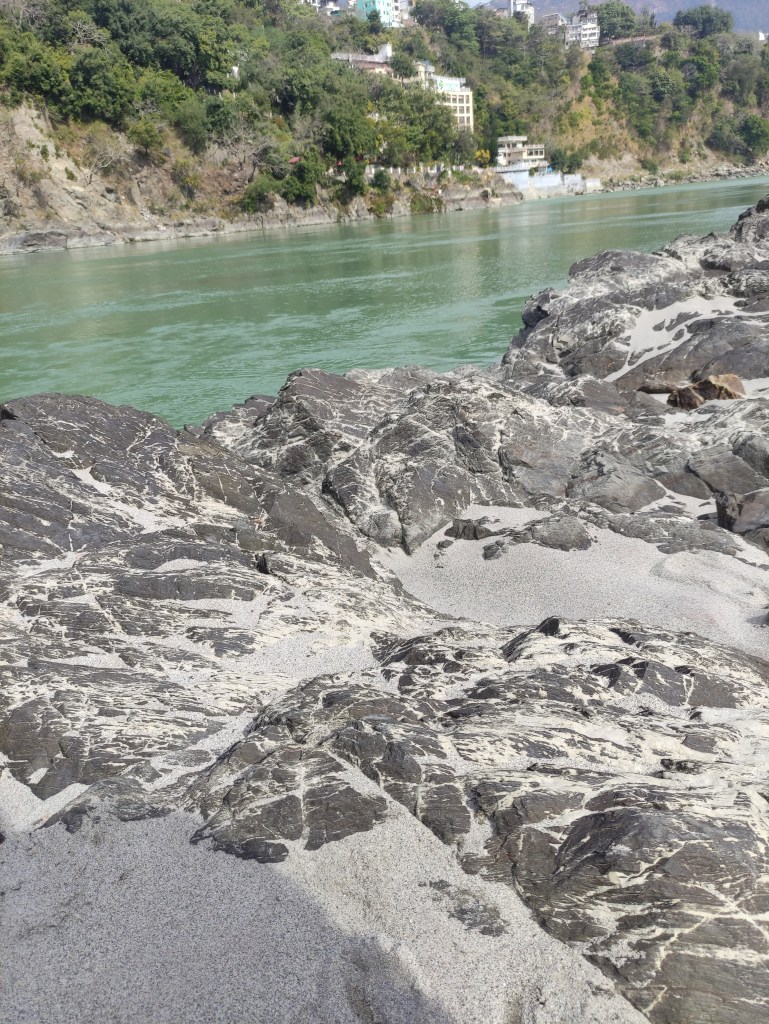
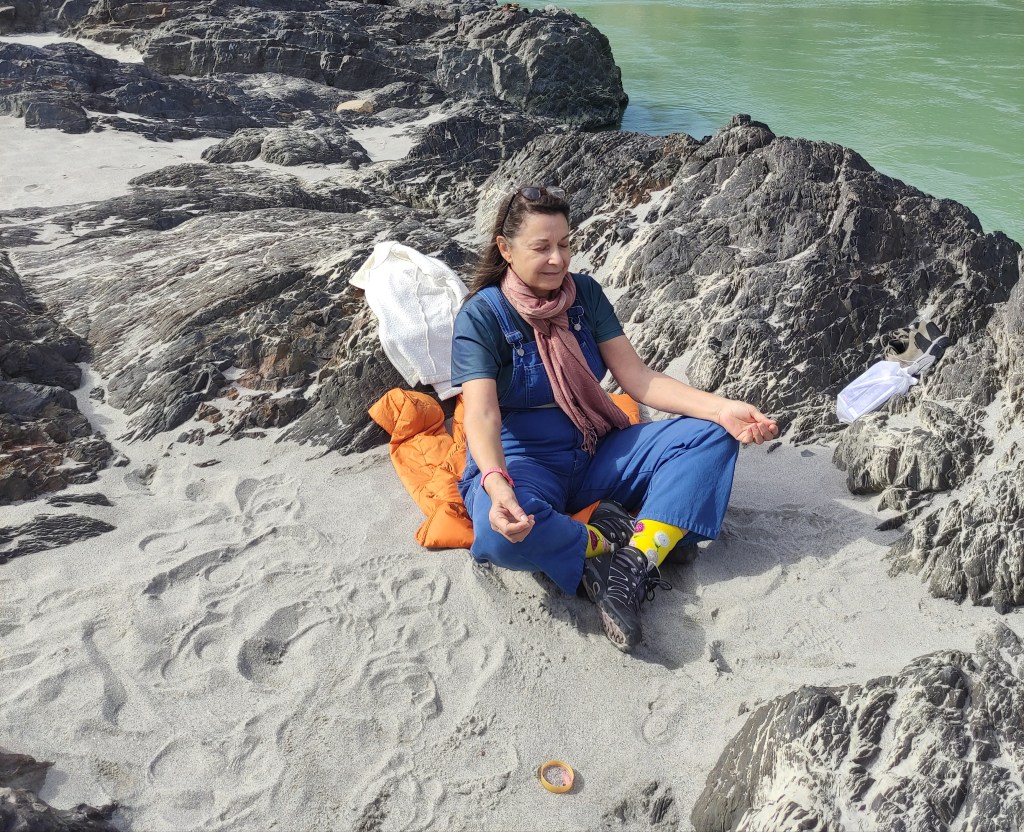
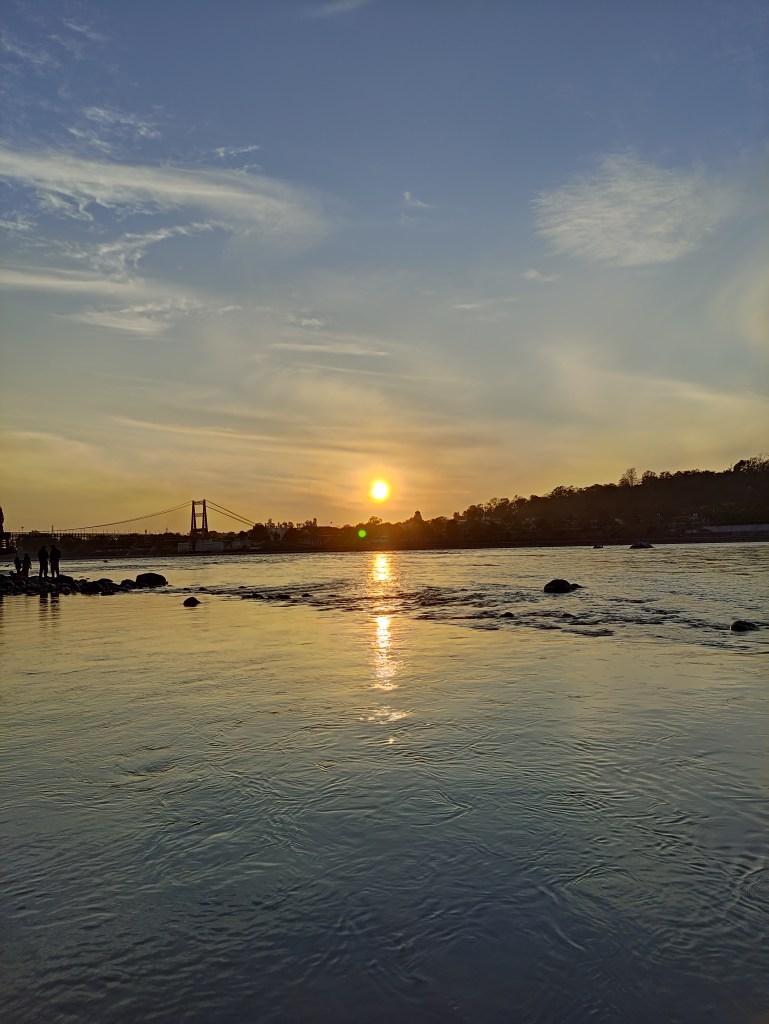
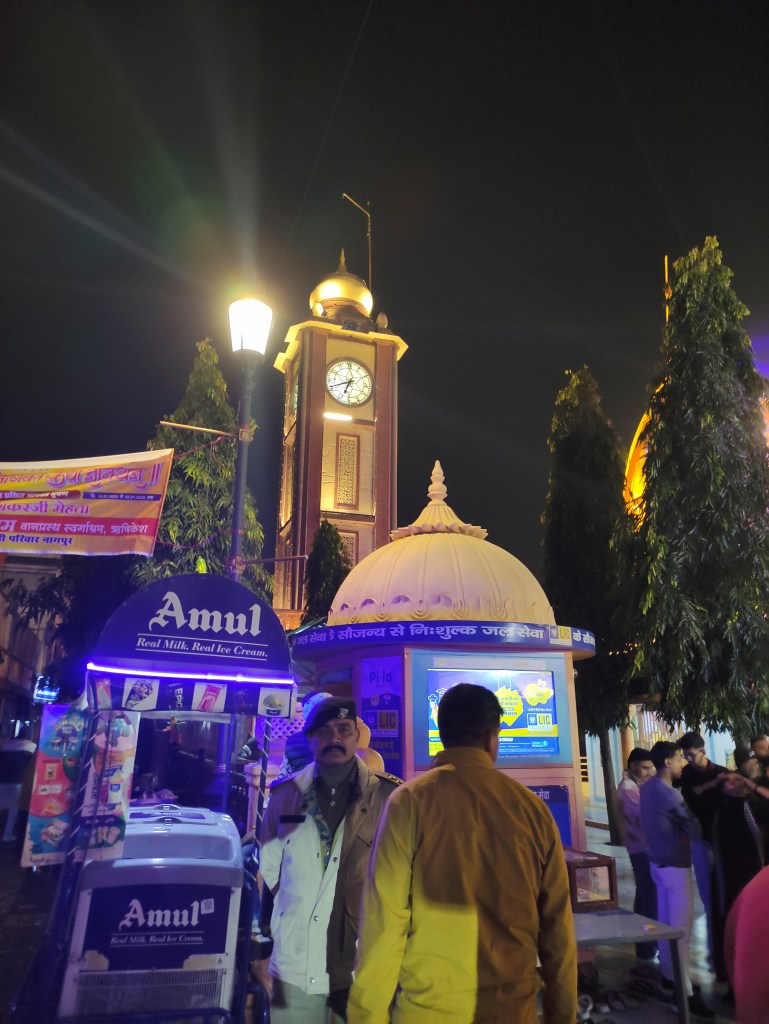
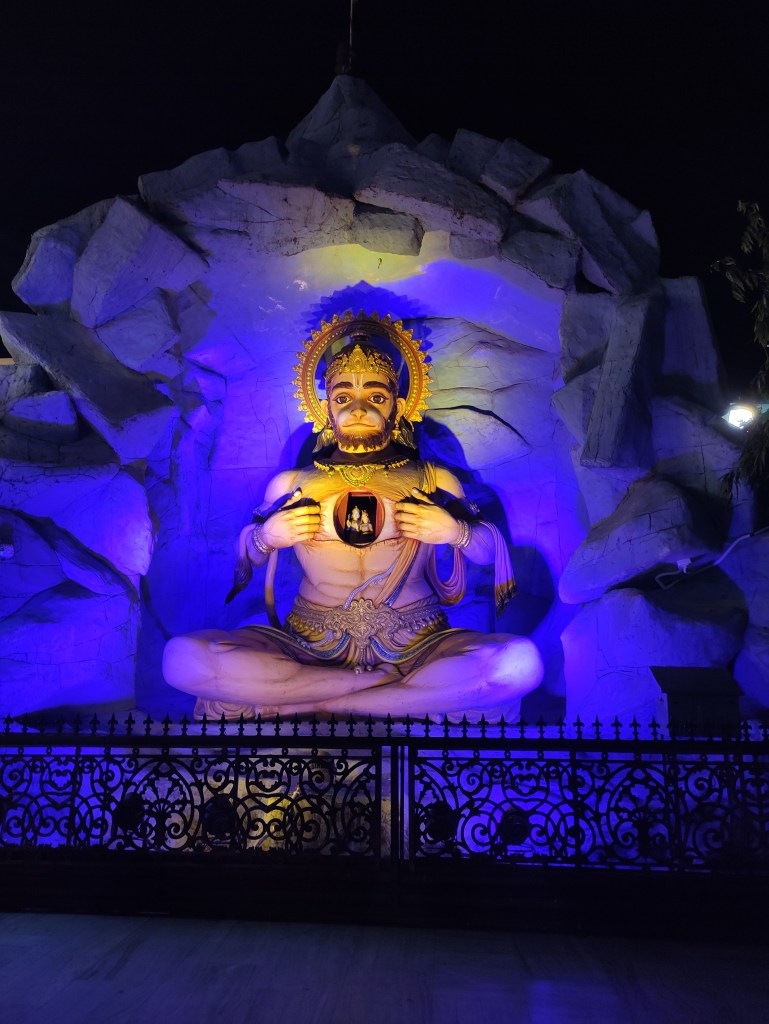
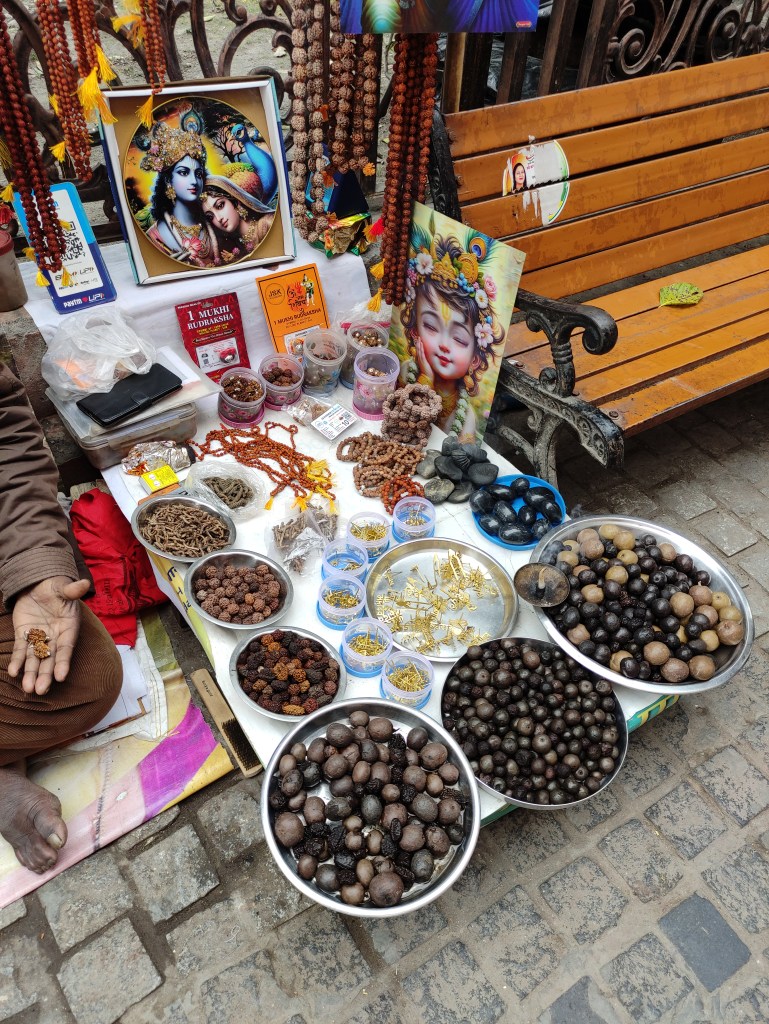
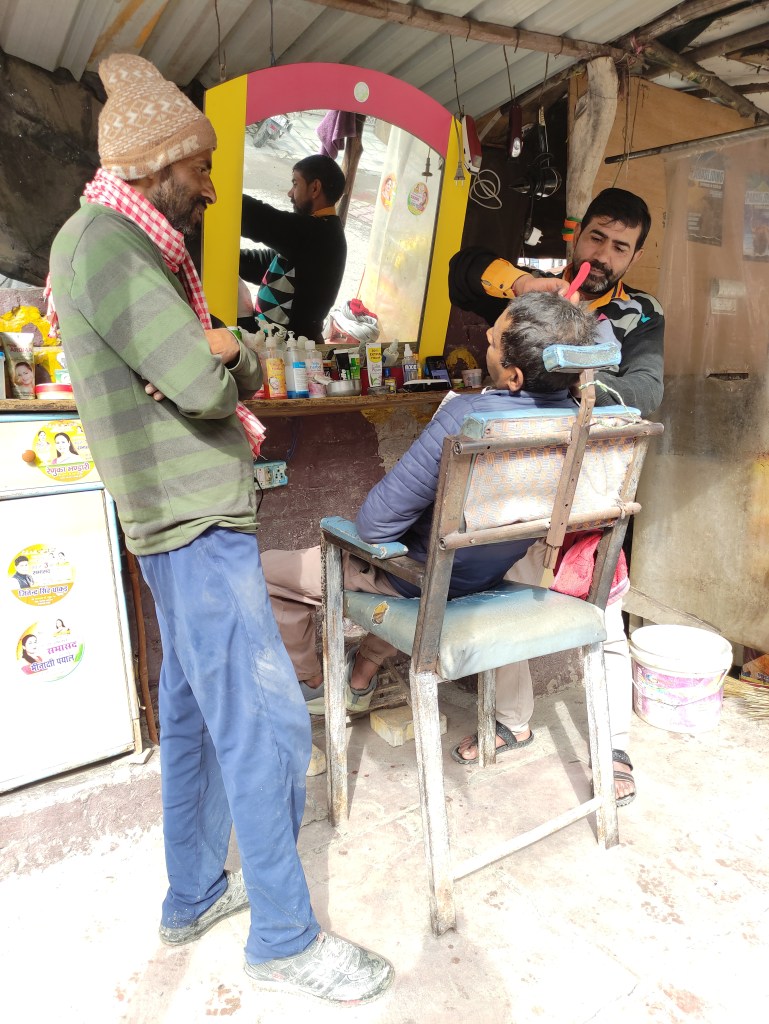
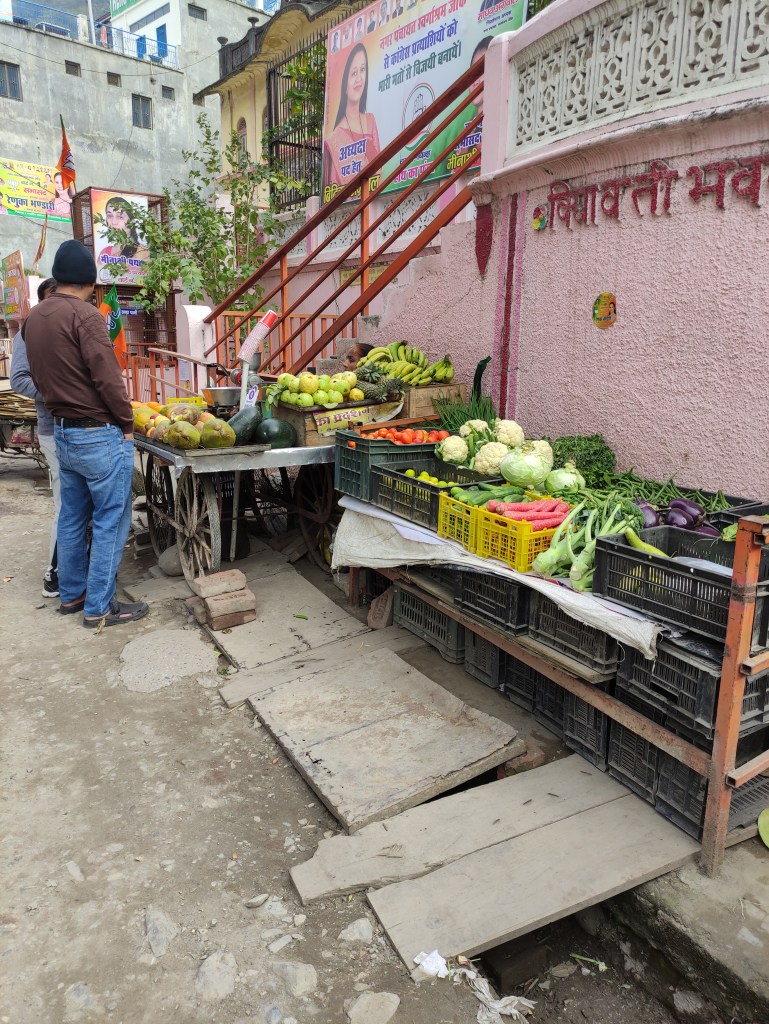
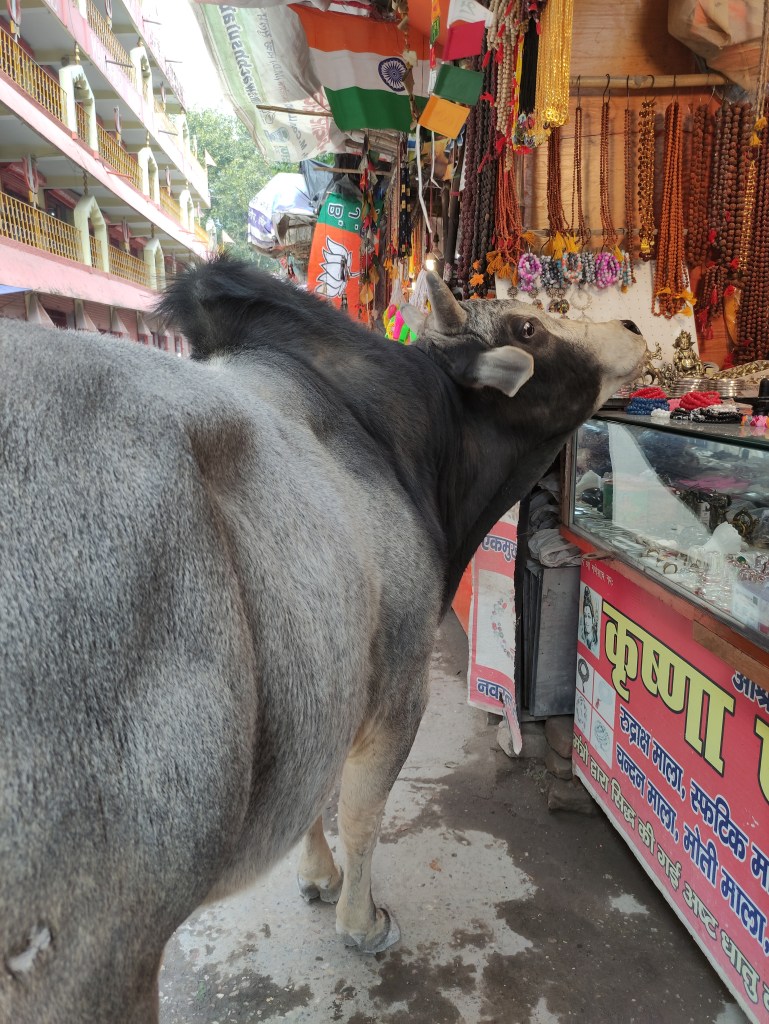
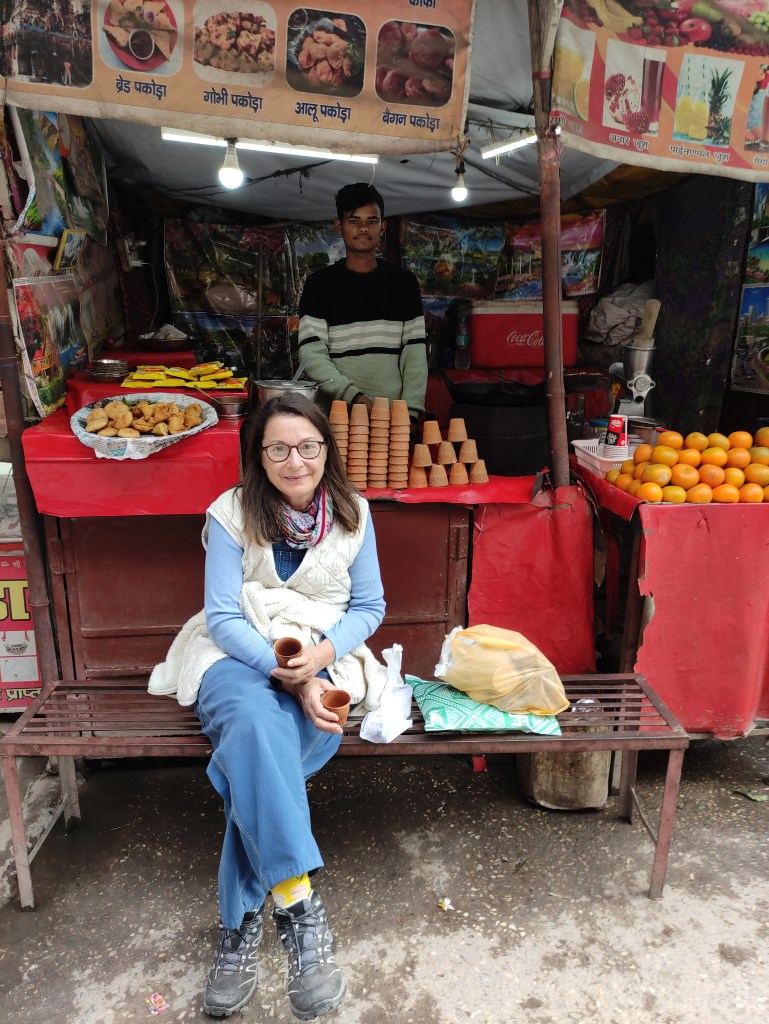
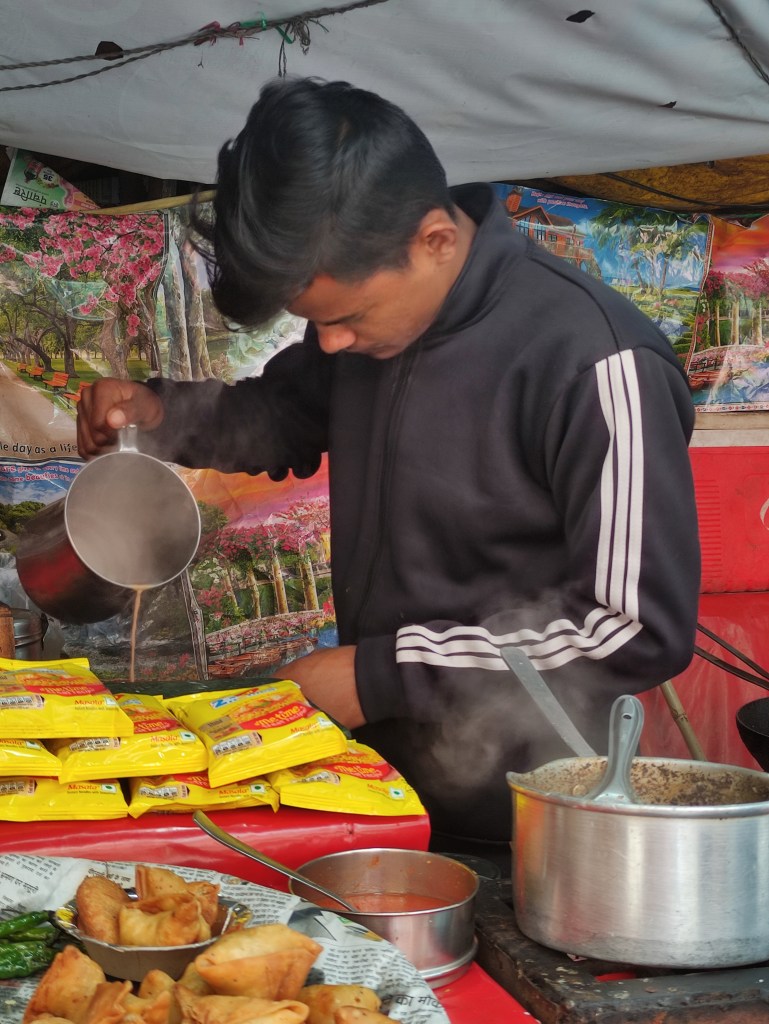

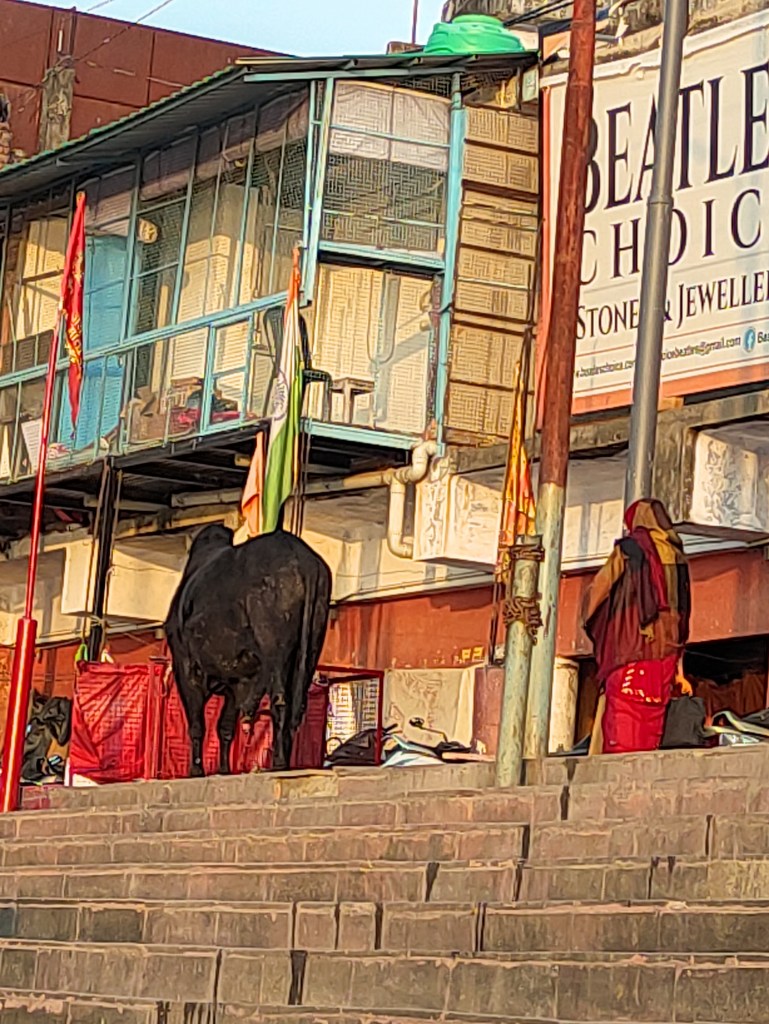
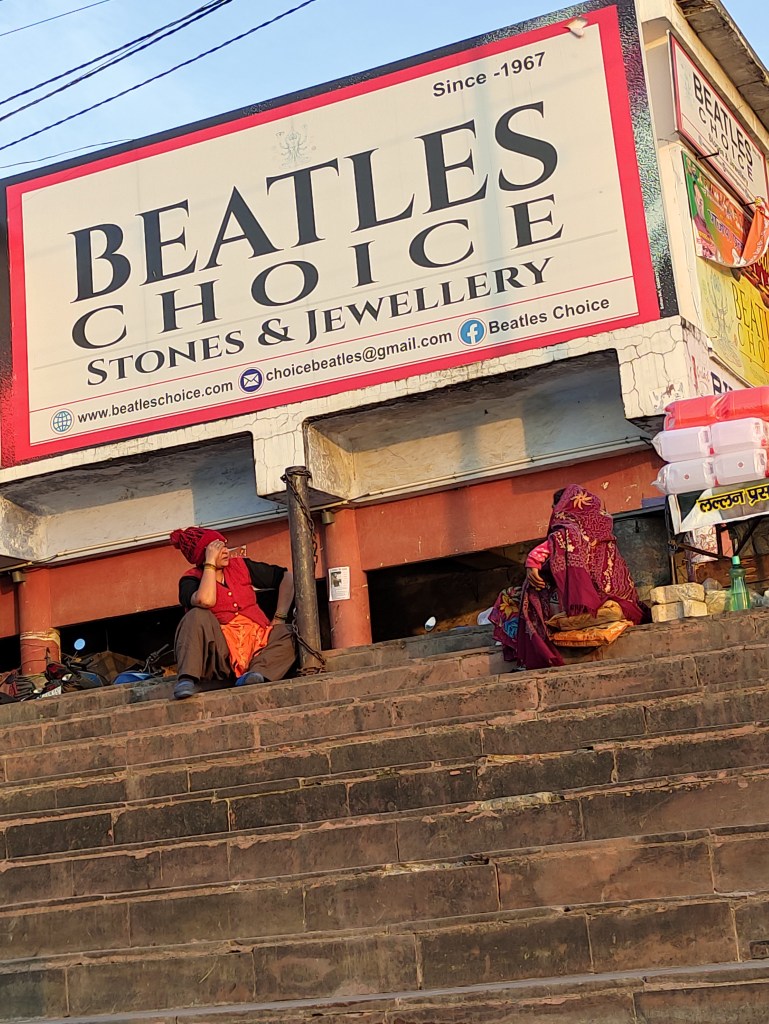


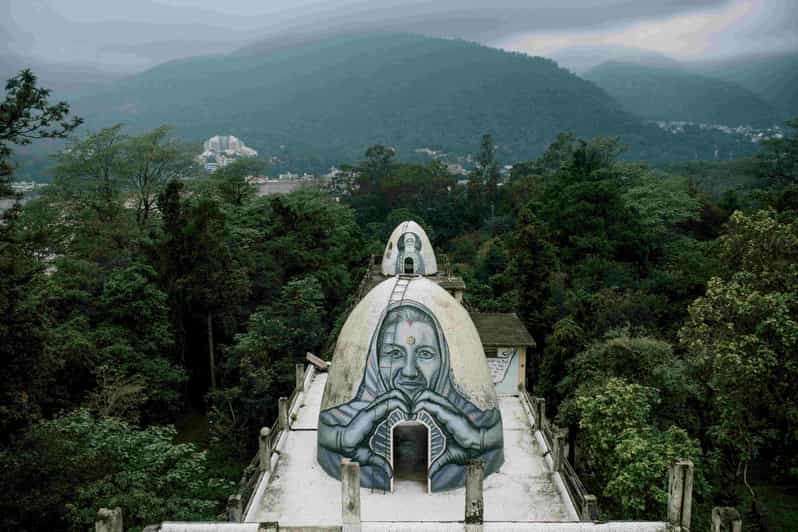

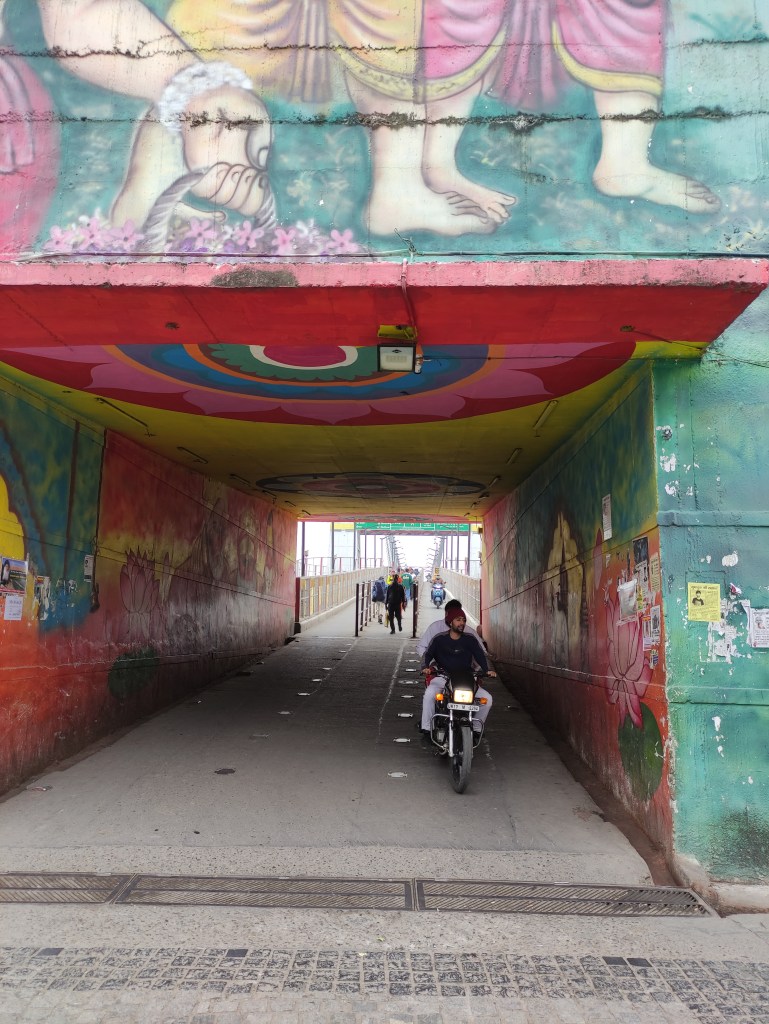
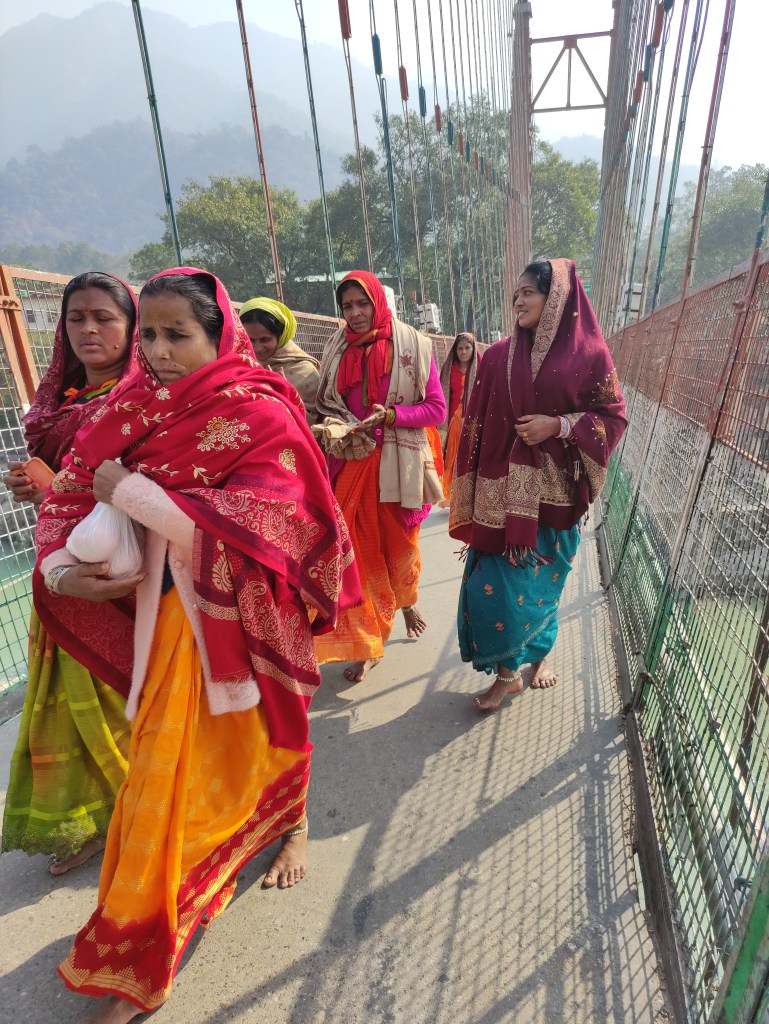
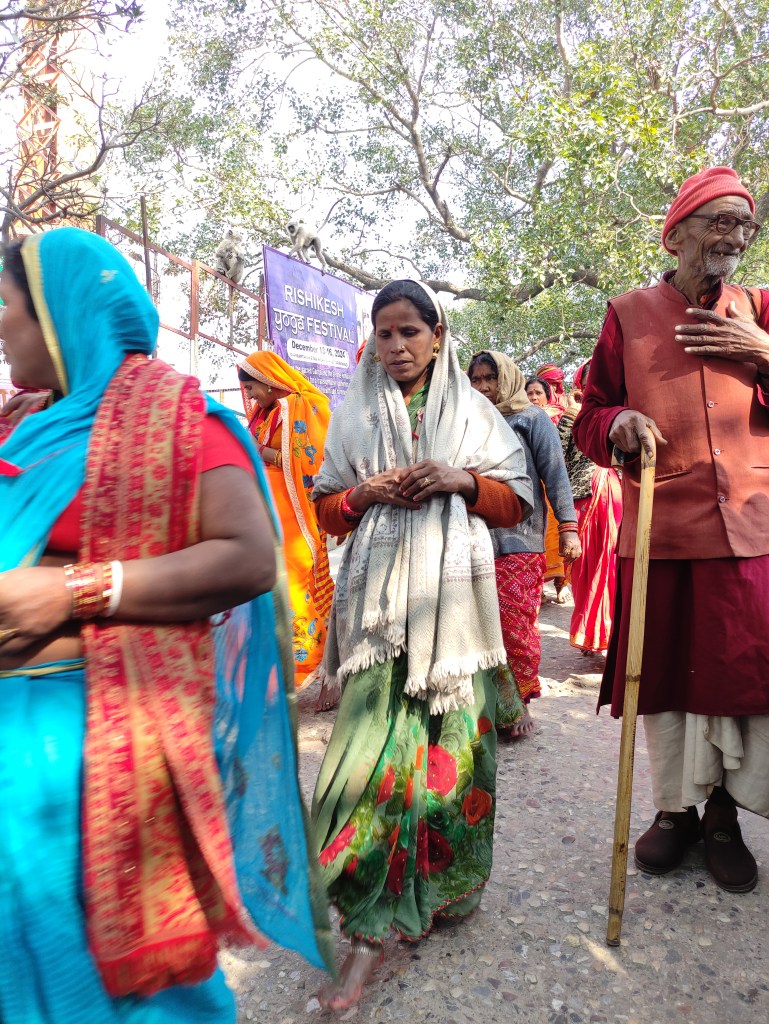
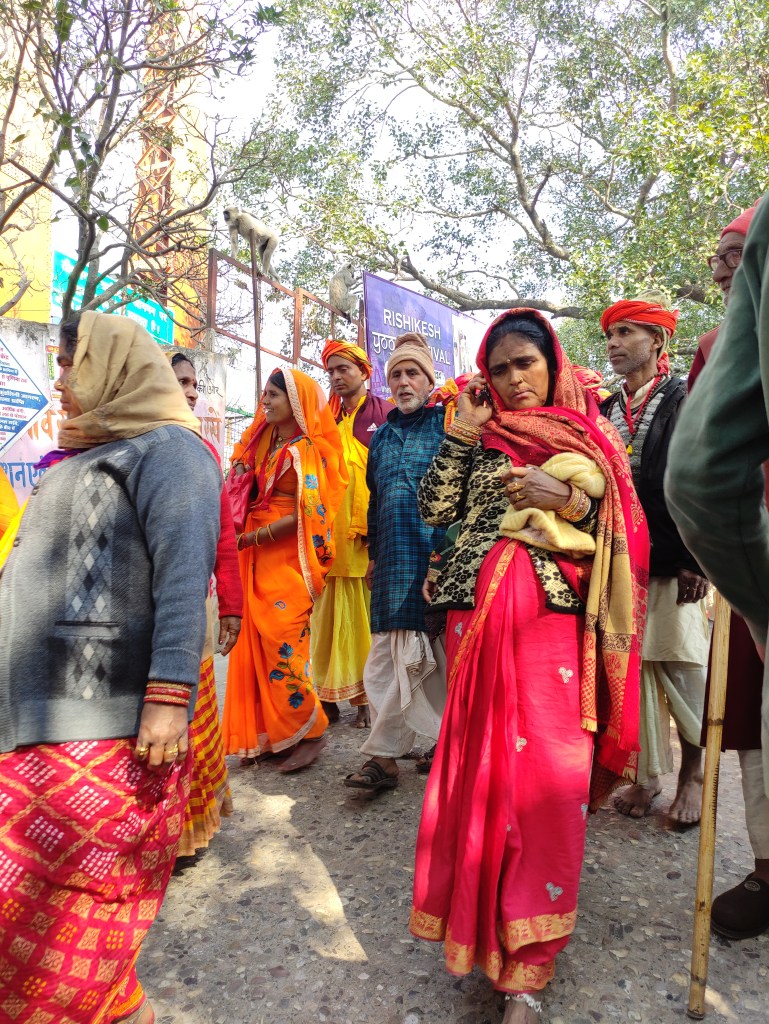
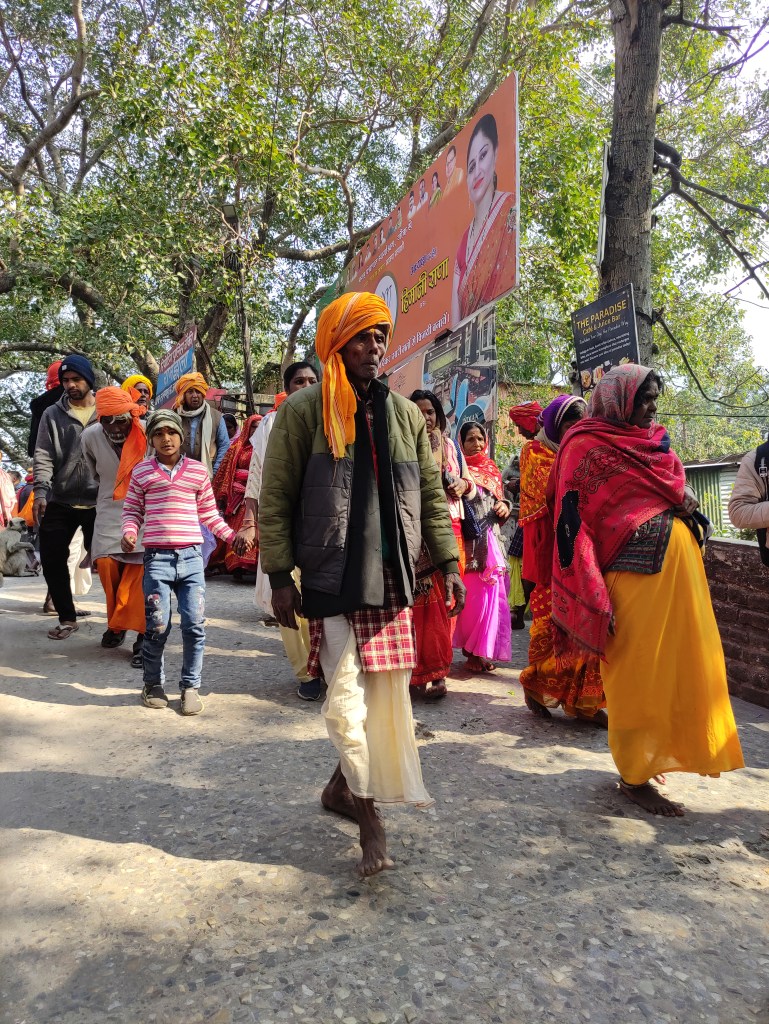
The part of Rishikesh that I know, is a village that at first impression seems the same as many other places in India: people dressed in saris or kurtas and the usual dupatta of very bright colors, but in a second time you get used to the tranquility that reigns there (if you get away from the small streets where the bikes pass…)
The part of Rishikesh to the “right” of the sacred Ganges, I saw only by passing there quickly in transit by cab and it seemed chaotic.
In the ashram area cars are not allowed to enter, but motorcycles still make a beastly racket using the horn all the time.
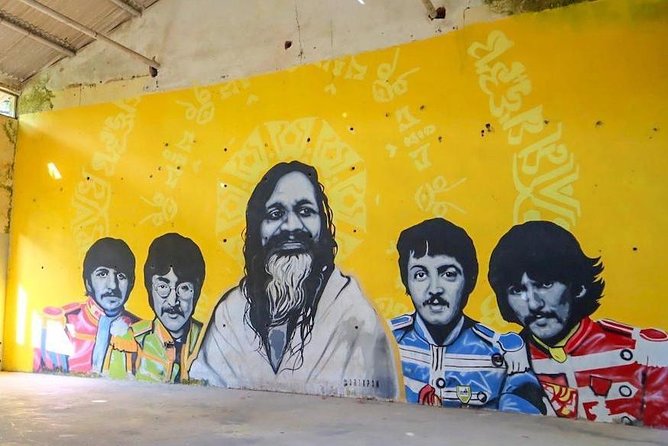
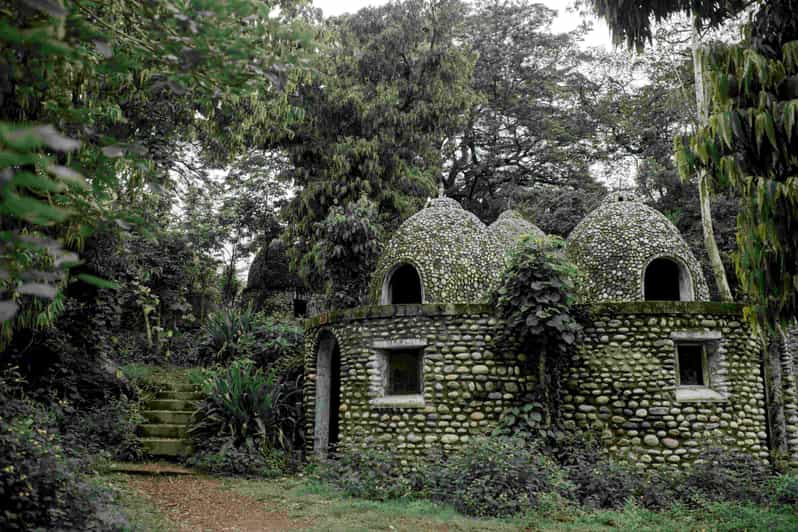
Rishikesh is also known to have been a sort of “ hotspot” for the rock group the Beatles, who traveled there in February 1968 to participate in a Transcendental Meditation (TM) course at Maharishi Mahesh Yogi’s ashram. The visit followed the Beatles’ denunciation of drugs in favor of this type of meditation and received wide media attention. The band’s interest in Maharishi’s teachings was driven by George Harrison’s commitment and changed Western attitudes toward Indian spirituality and encouraged the study of TM. The visit was also the most productive period for the Beatles’ songwriting.
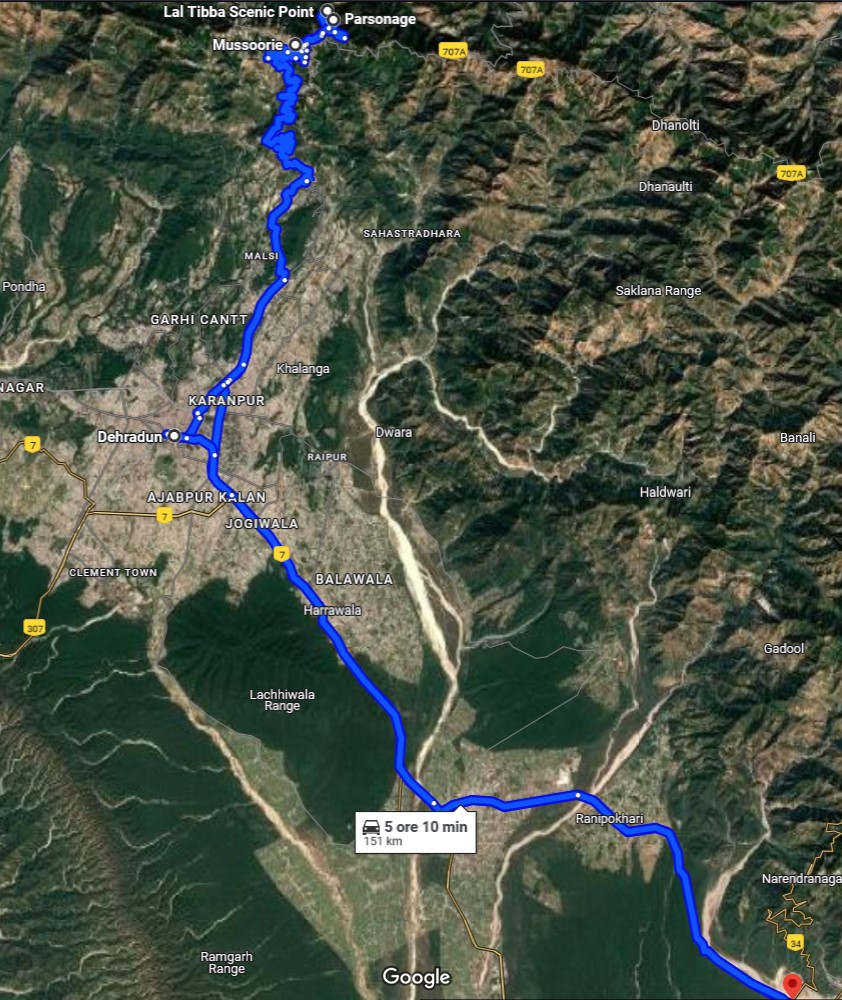
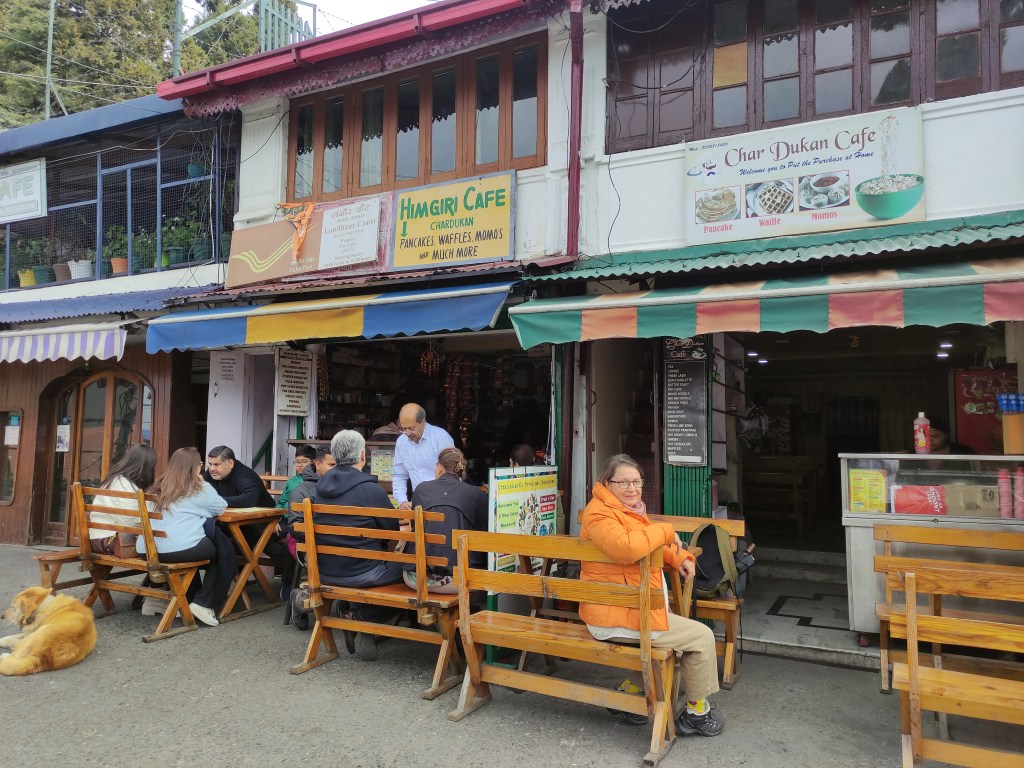

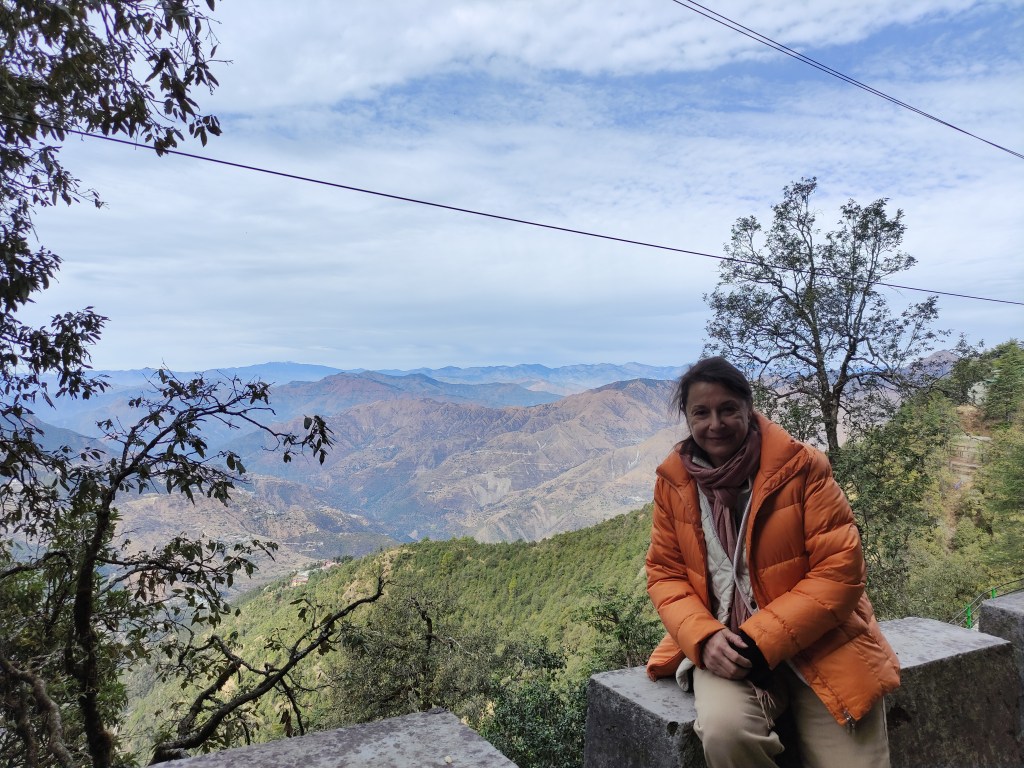
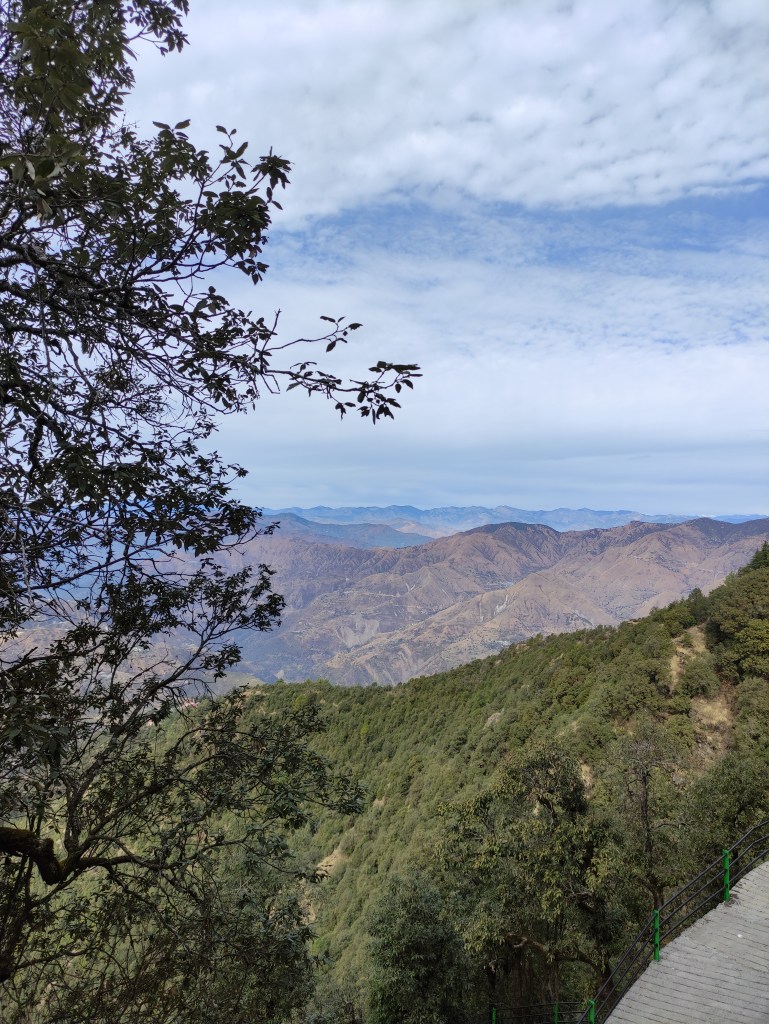

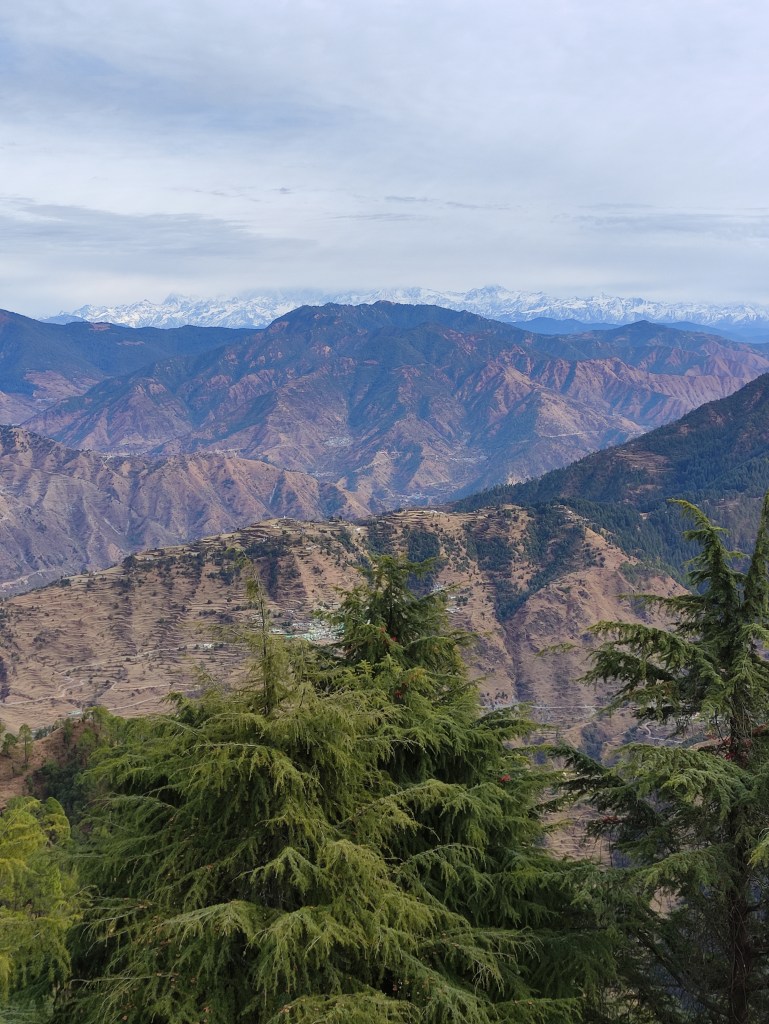

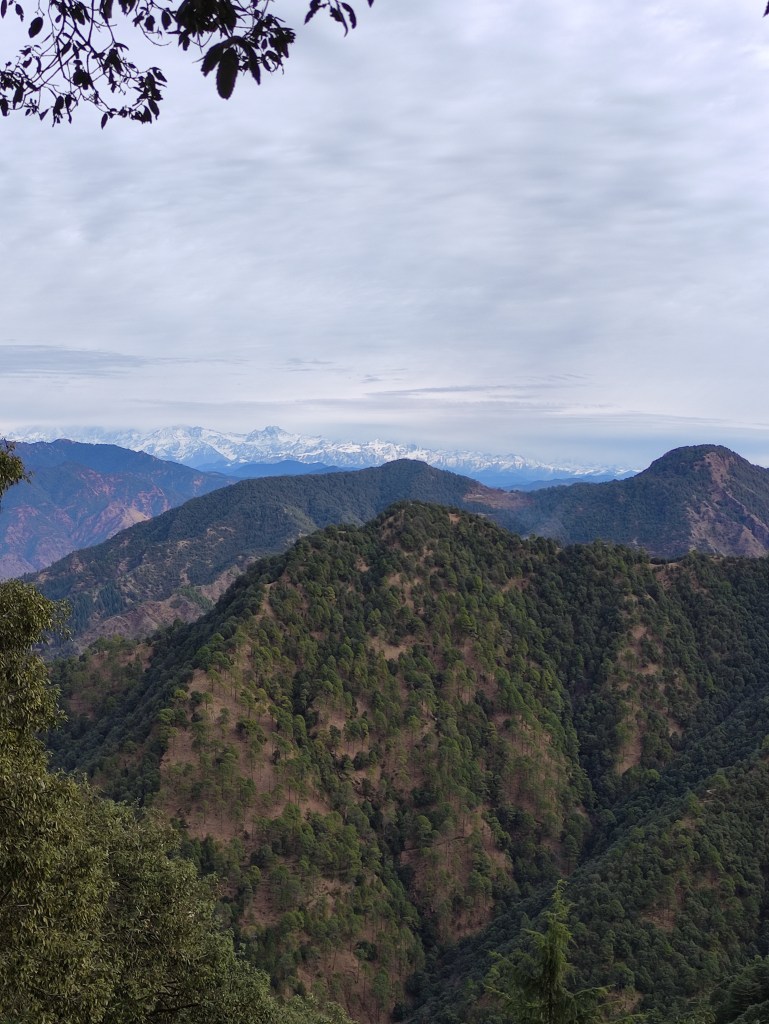


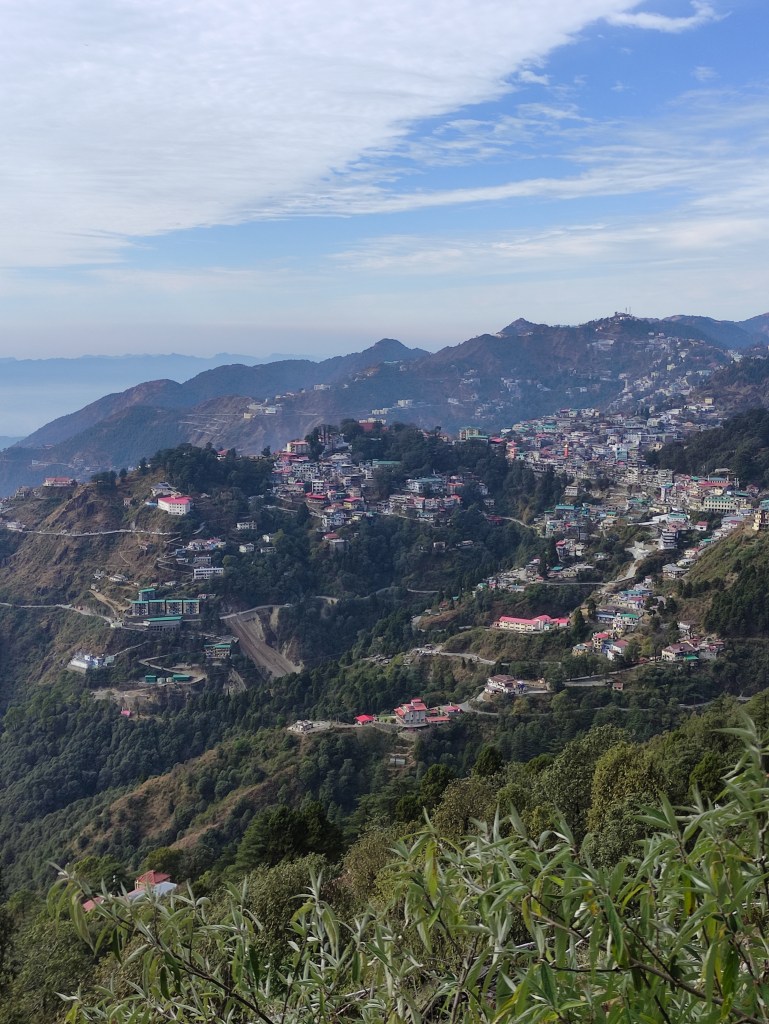
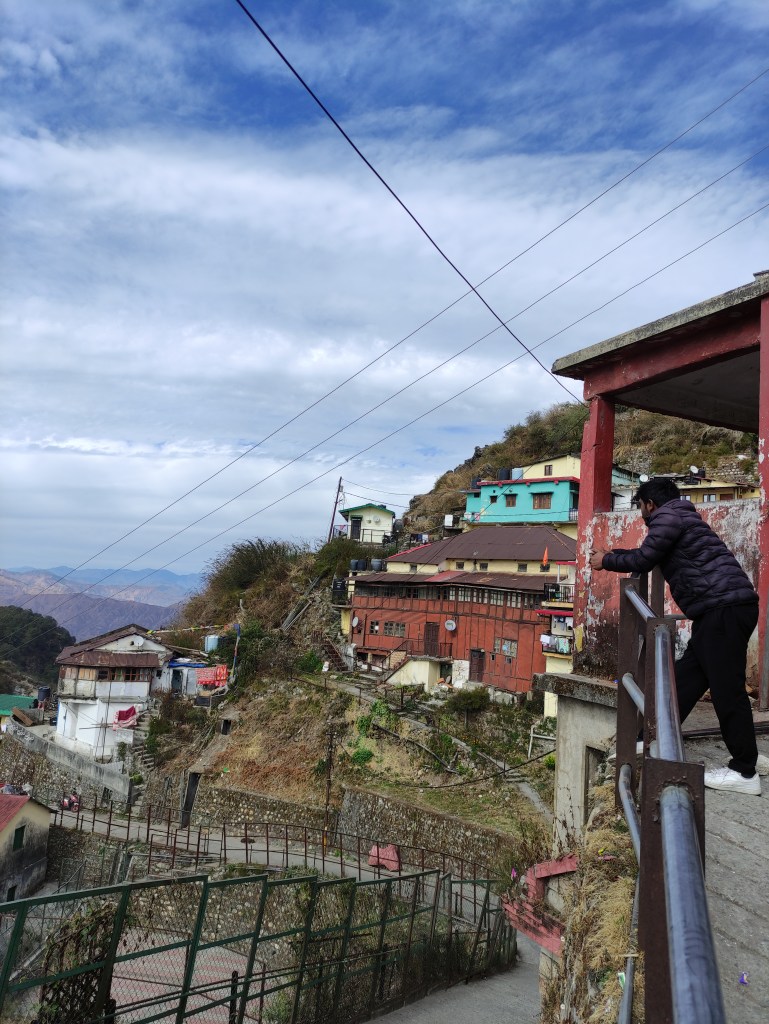

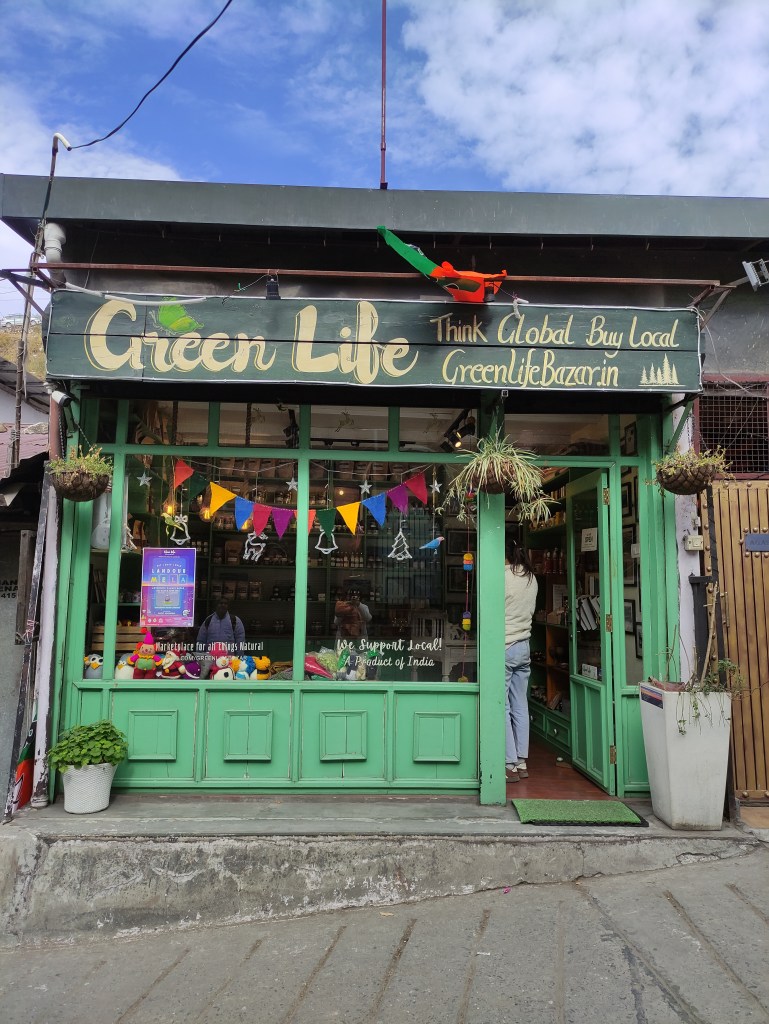
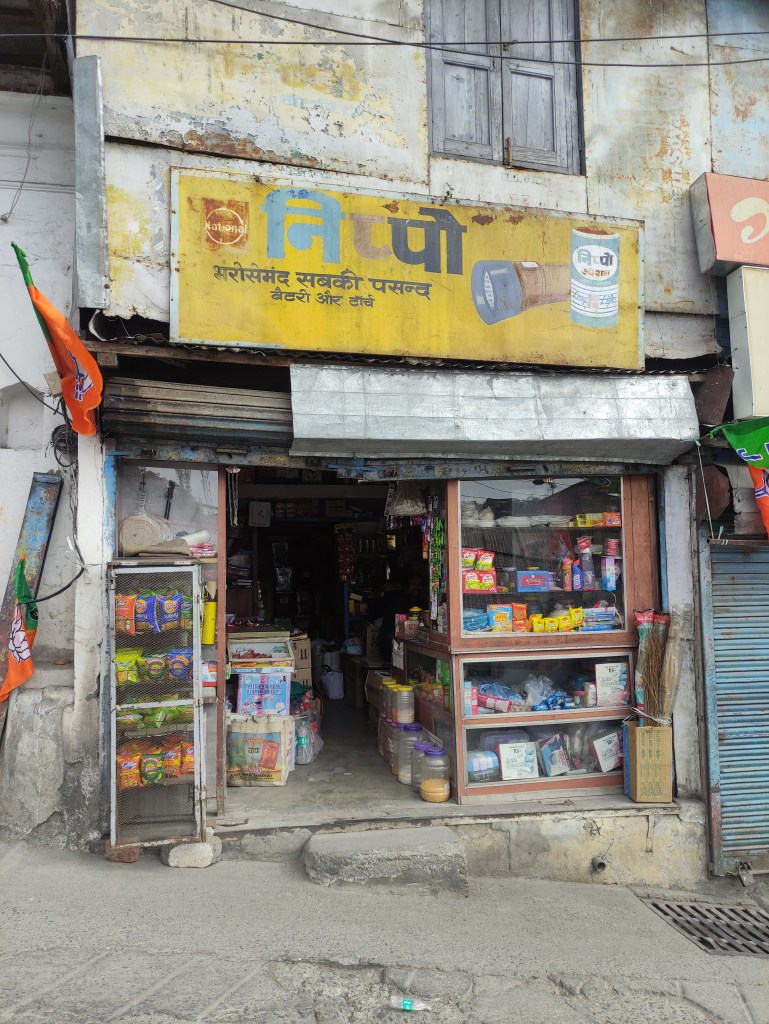
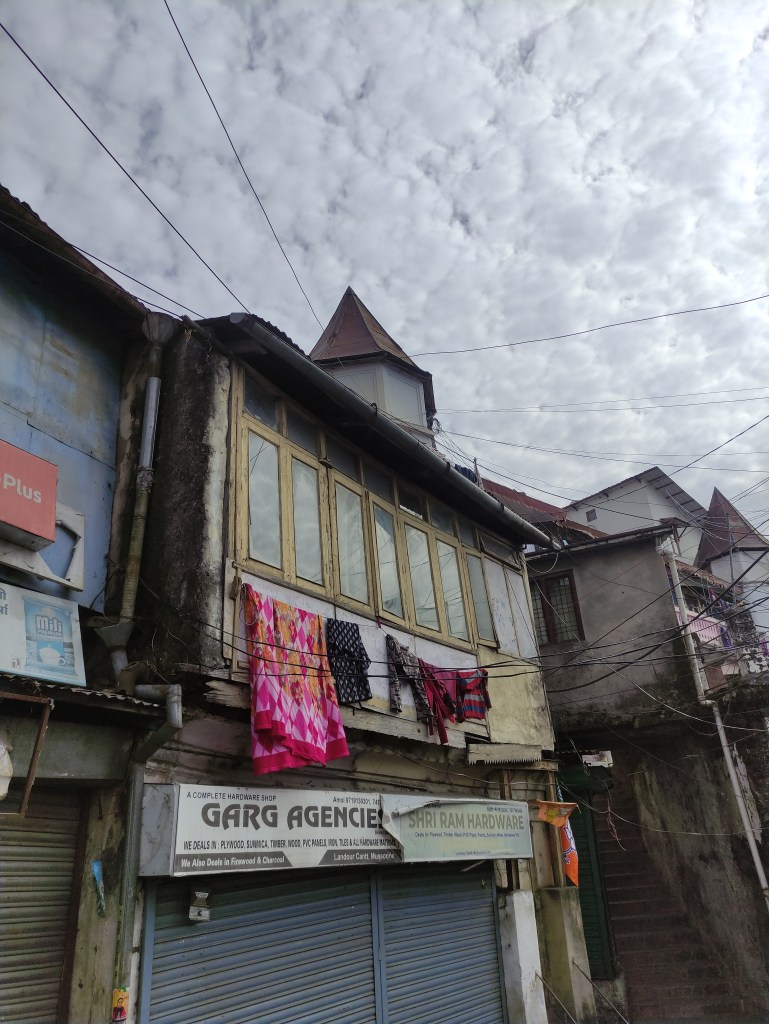
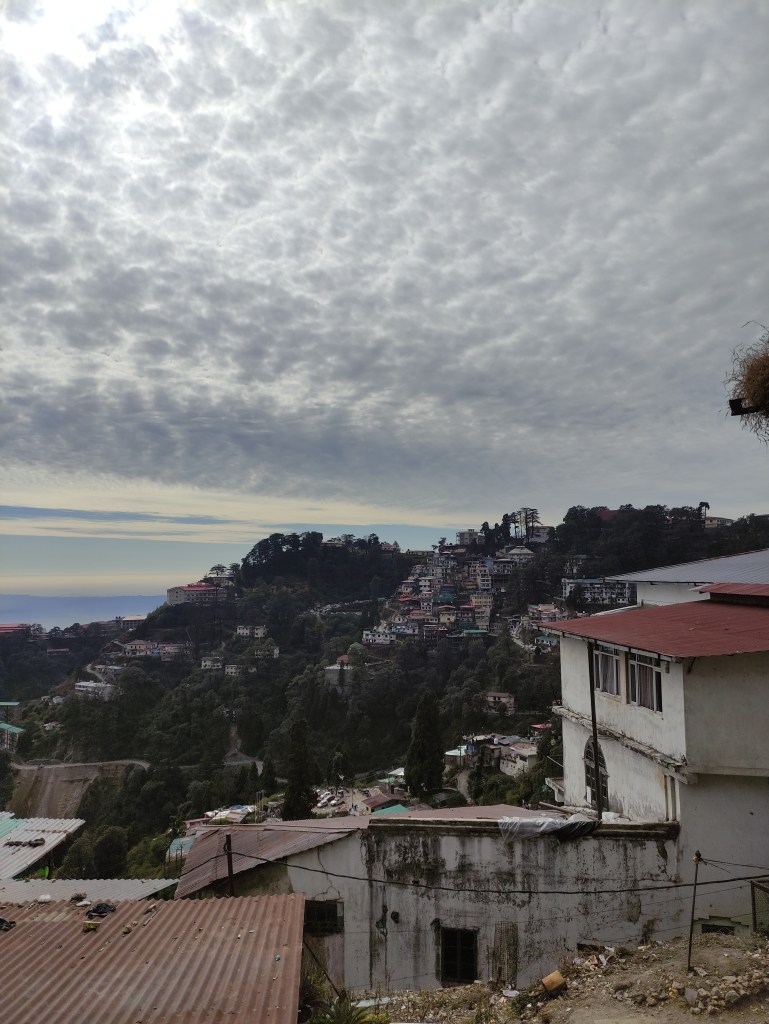
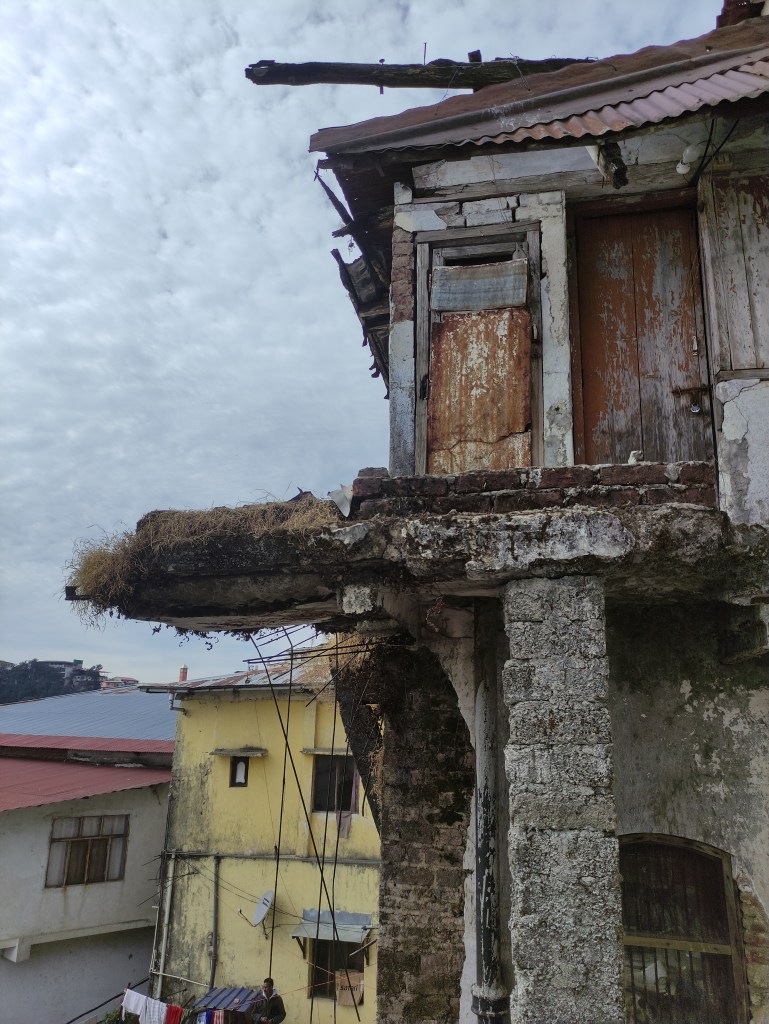
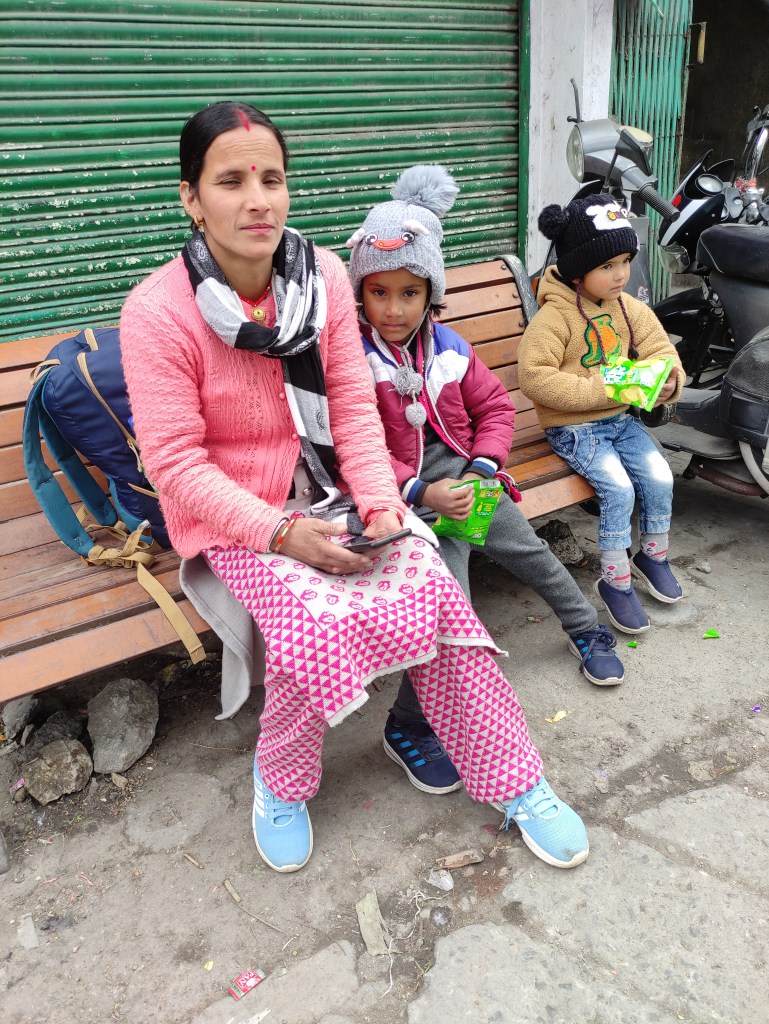
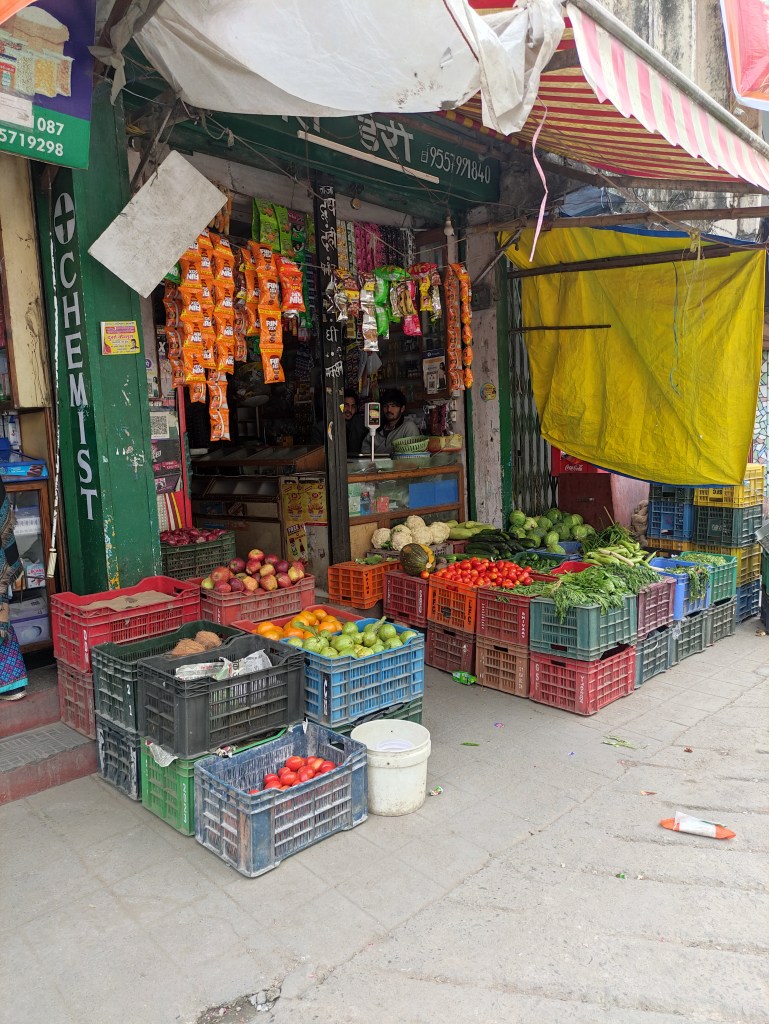
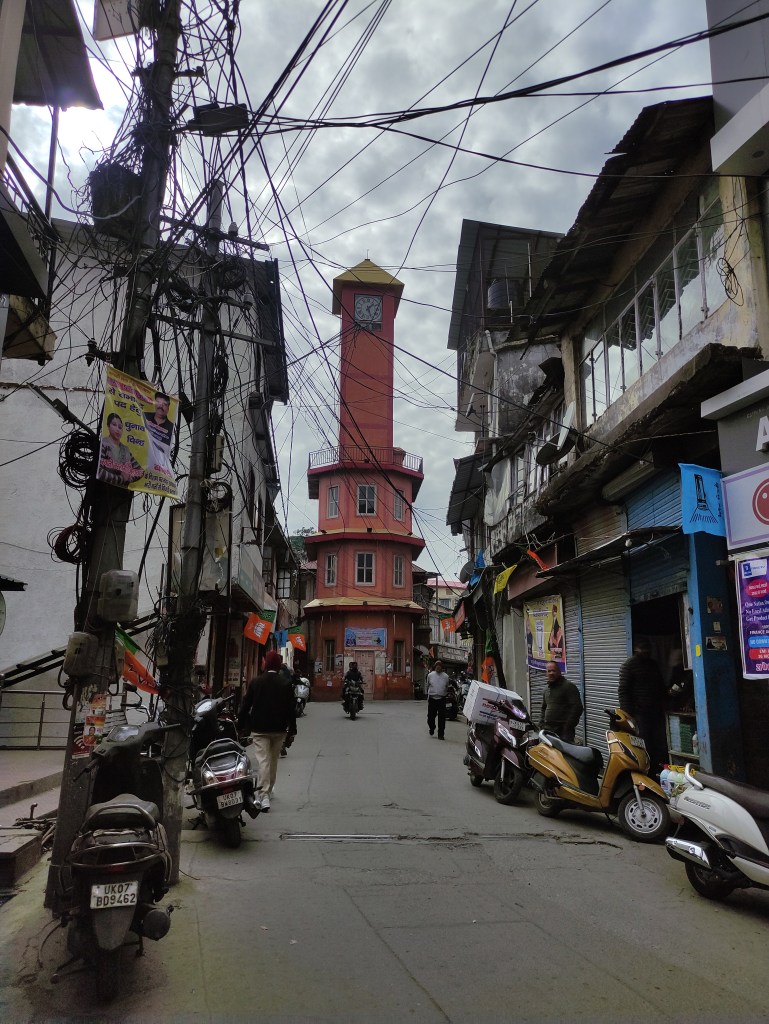
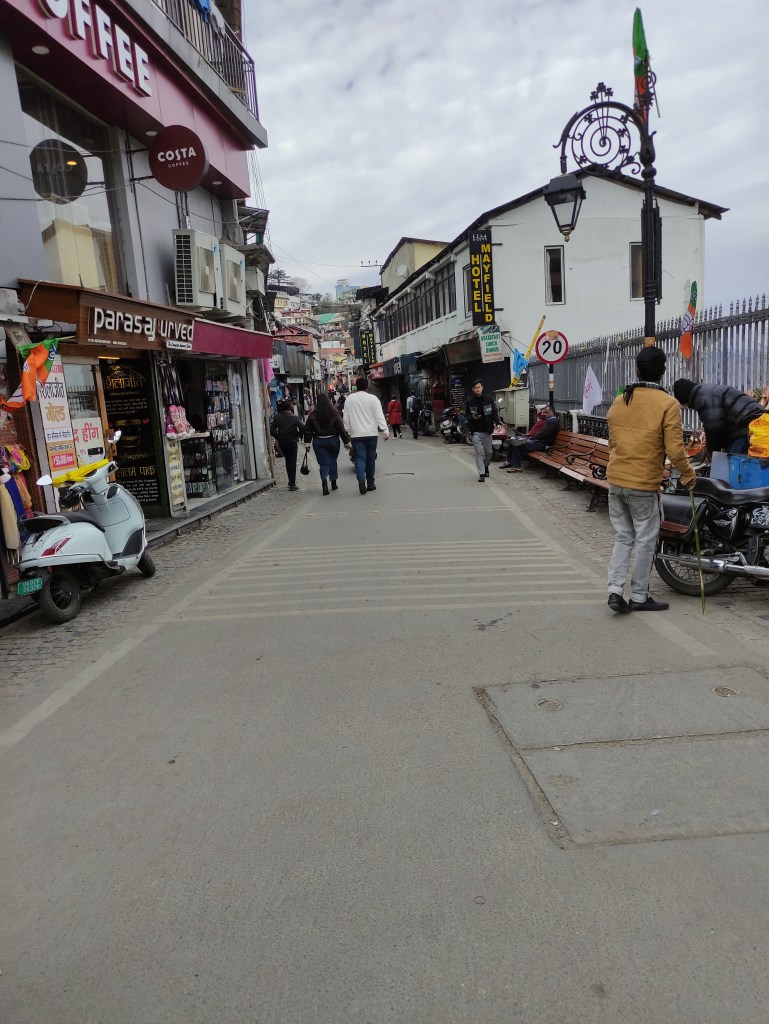
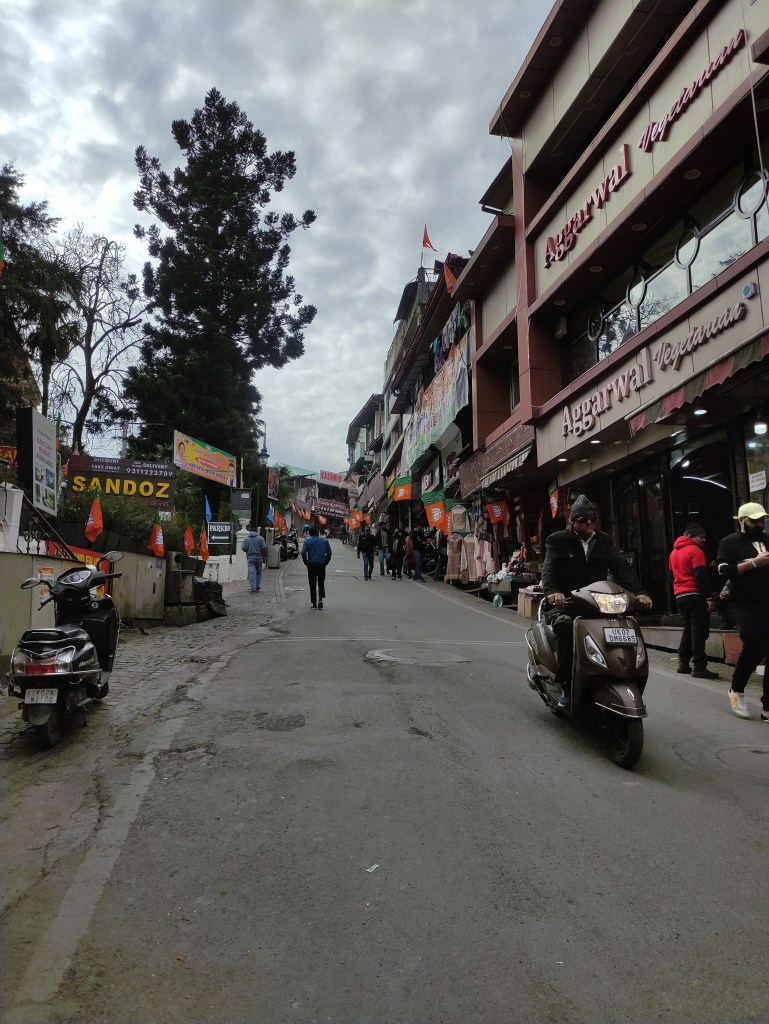
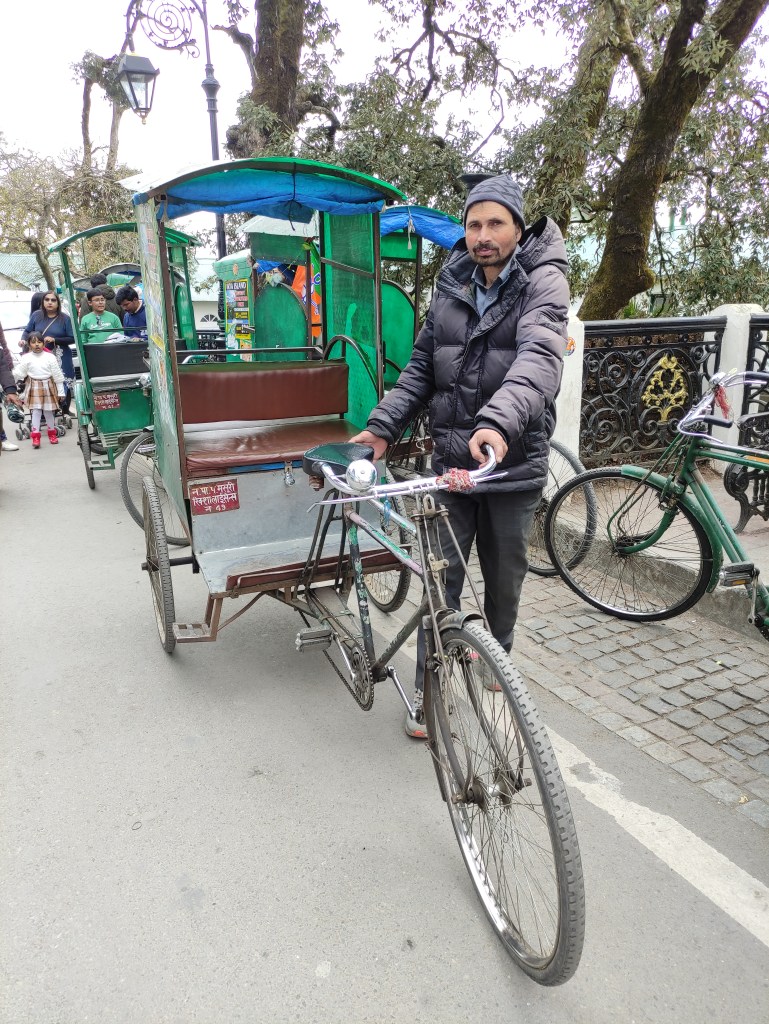
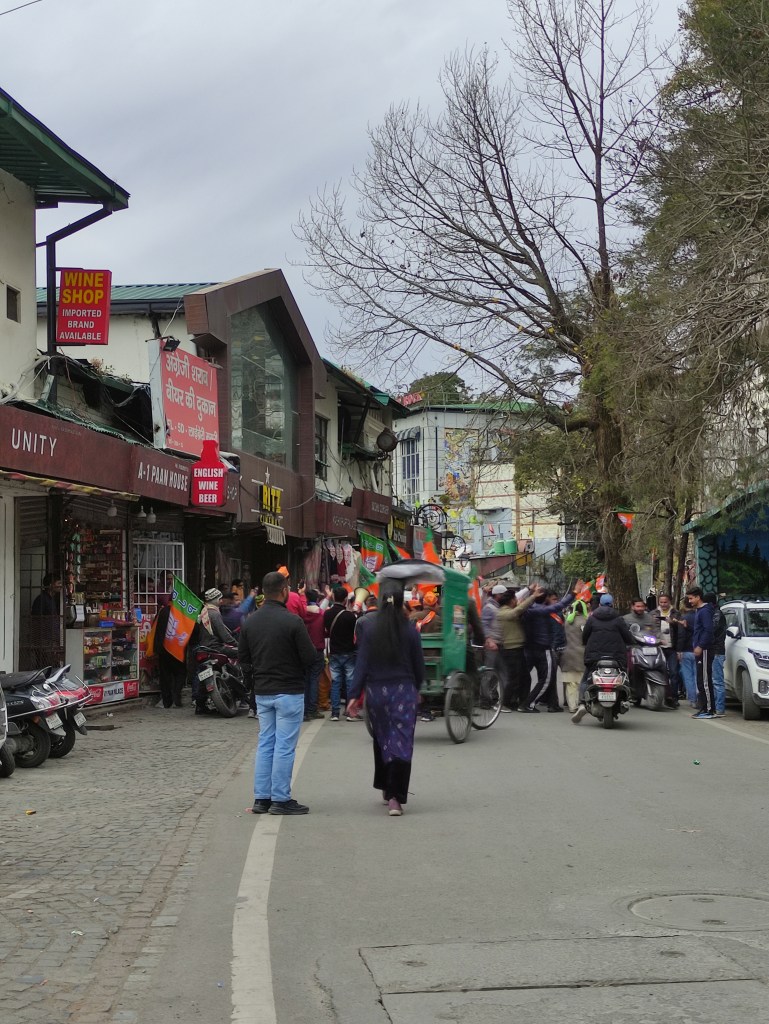
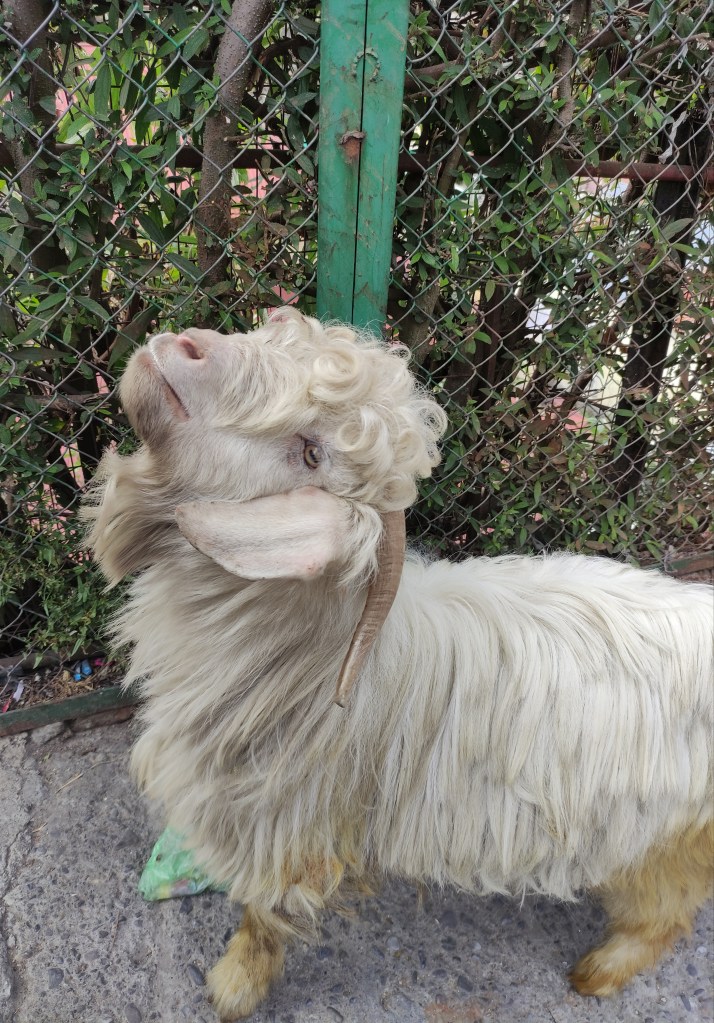
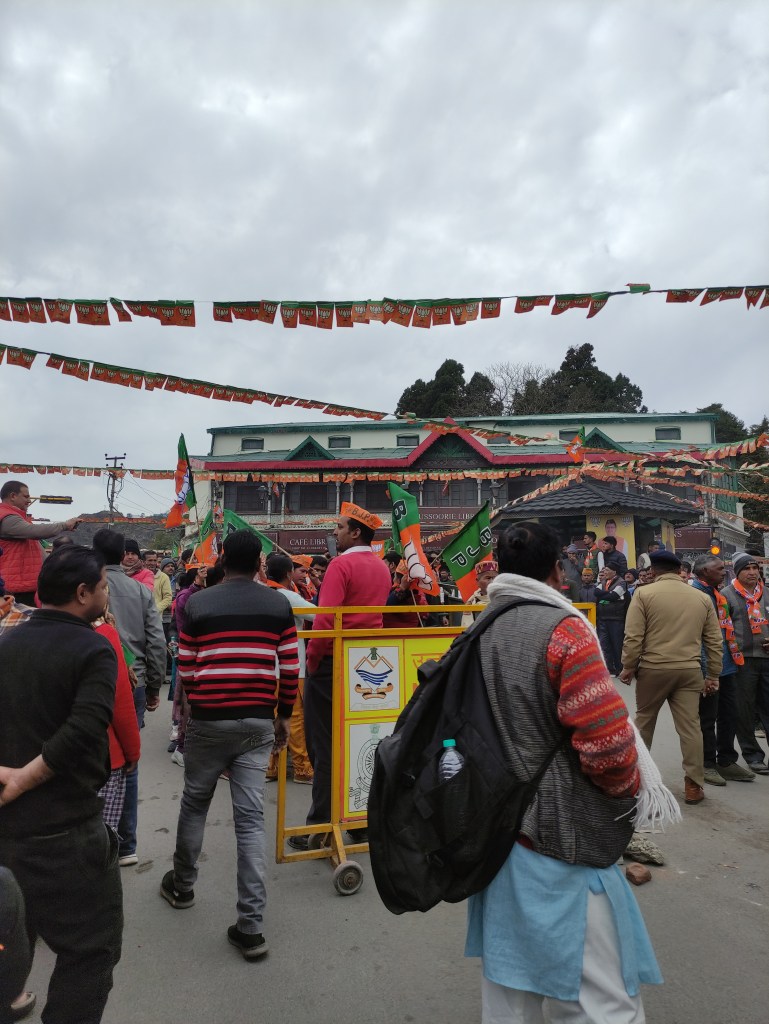
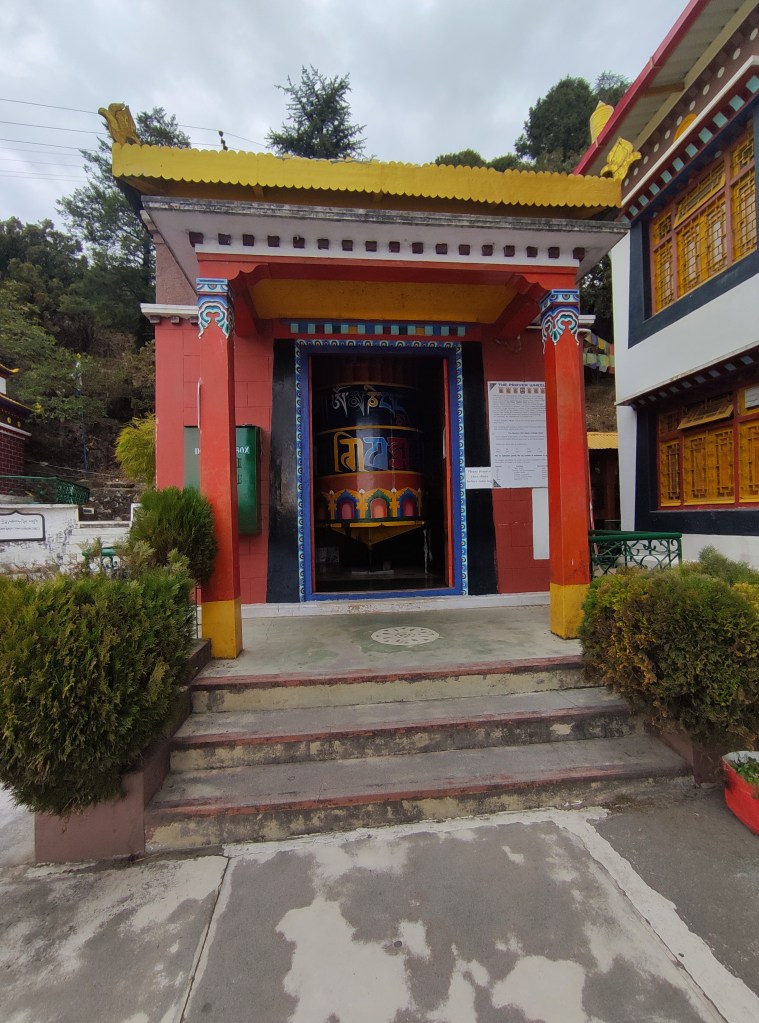
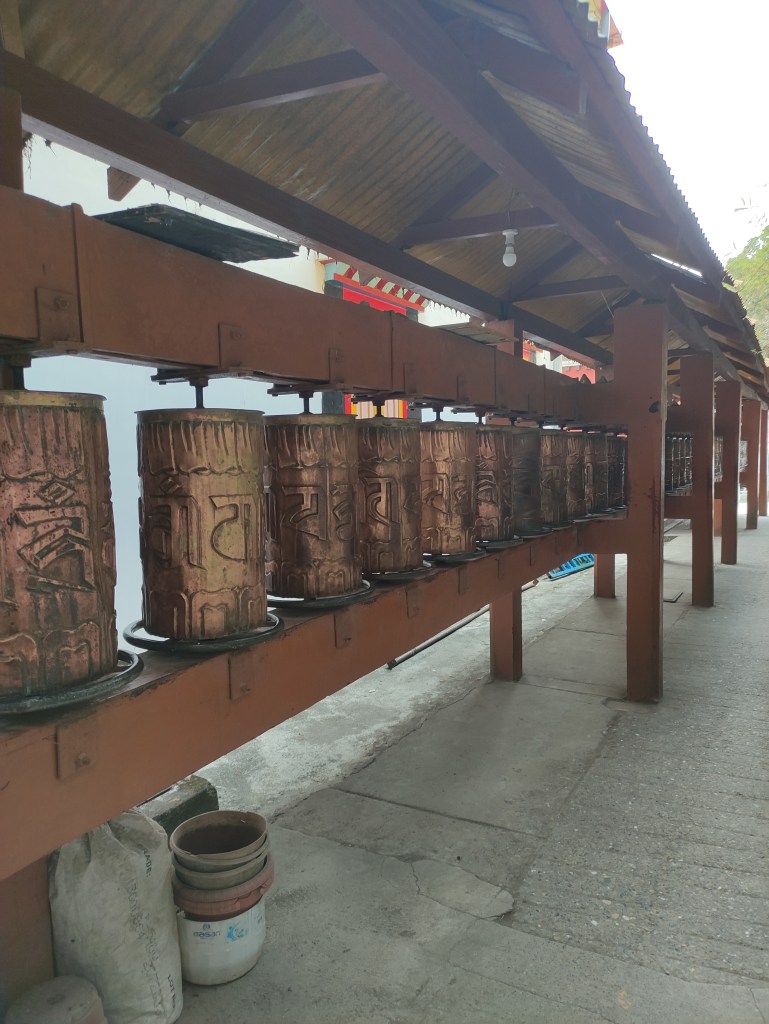
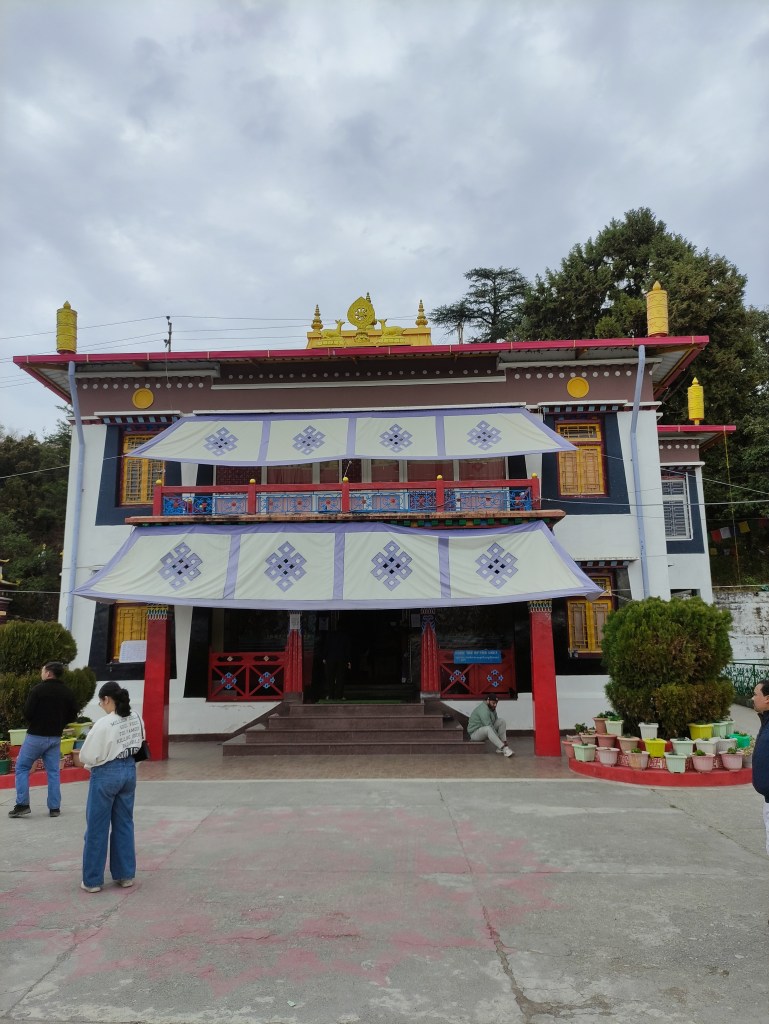


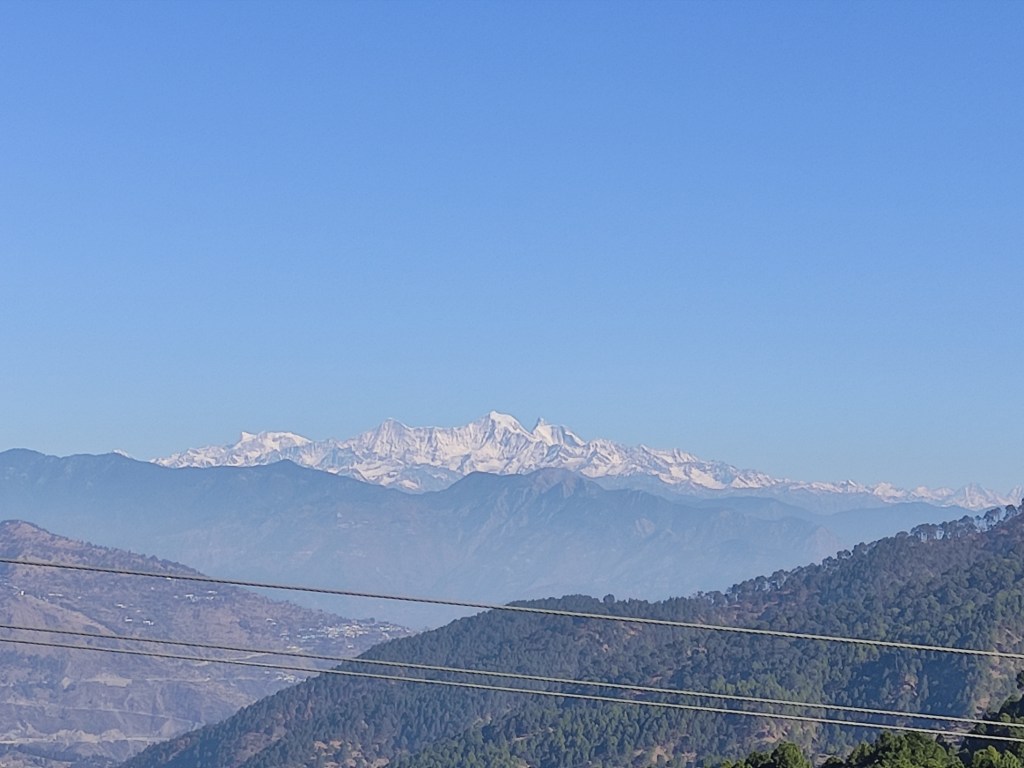
I walked a lot covering more than 10 km each day, and while visiting Mussoorie at 2000 m/sl and Lal Tibba at 2300 m/sl, almost 20 km thanks to the good and apreciate guide who accompanied me through the maze of paths some of them marked only in Hindi. Had it been up to me, I would certainly have gotten lost. But for me the hotspot was the desire to reach some place of interest as far north as possible: I wanted to admire the distant peaks of the Himalayas.
Evidently, however, this time of year is not appropriate to venture as far as Kedarnath or Gangotri, which is why I will have to return there in the months of April/May or September which are the most propitious and without much precipitation. The trip to Mussoorie was very tiring, considering that from Lal Tibba with the guide we traveled several ups and downs along a path set in the mountain, passing through forests.


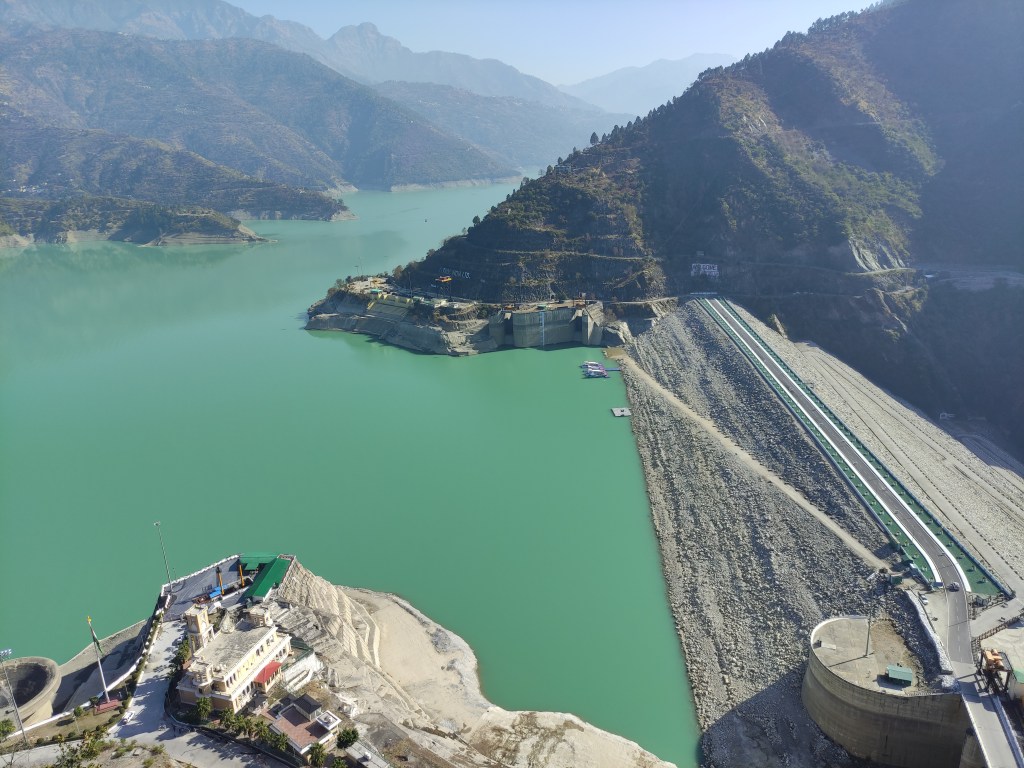


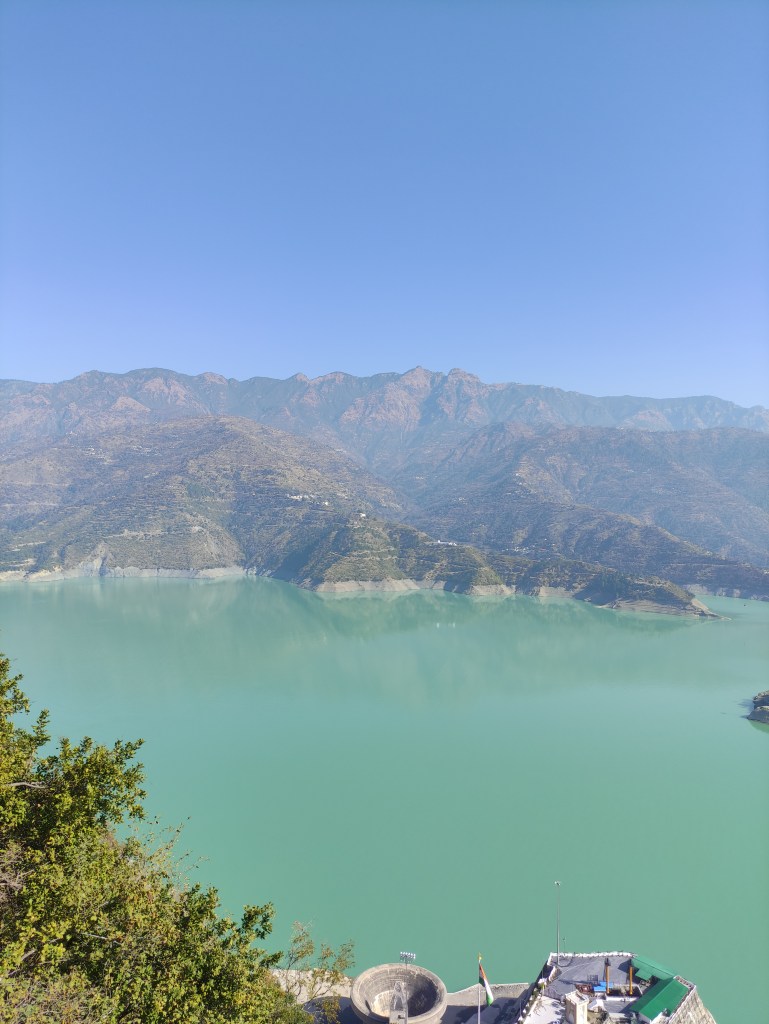
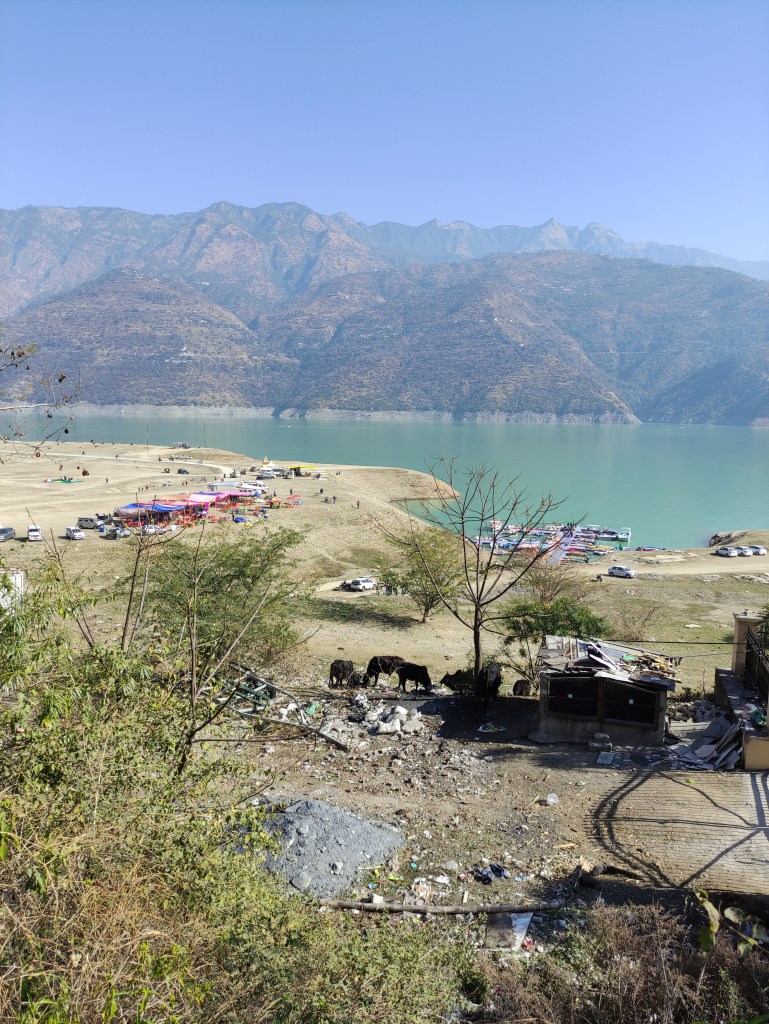

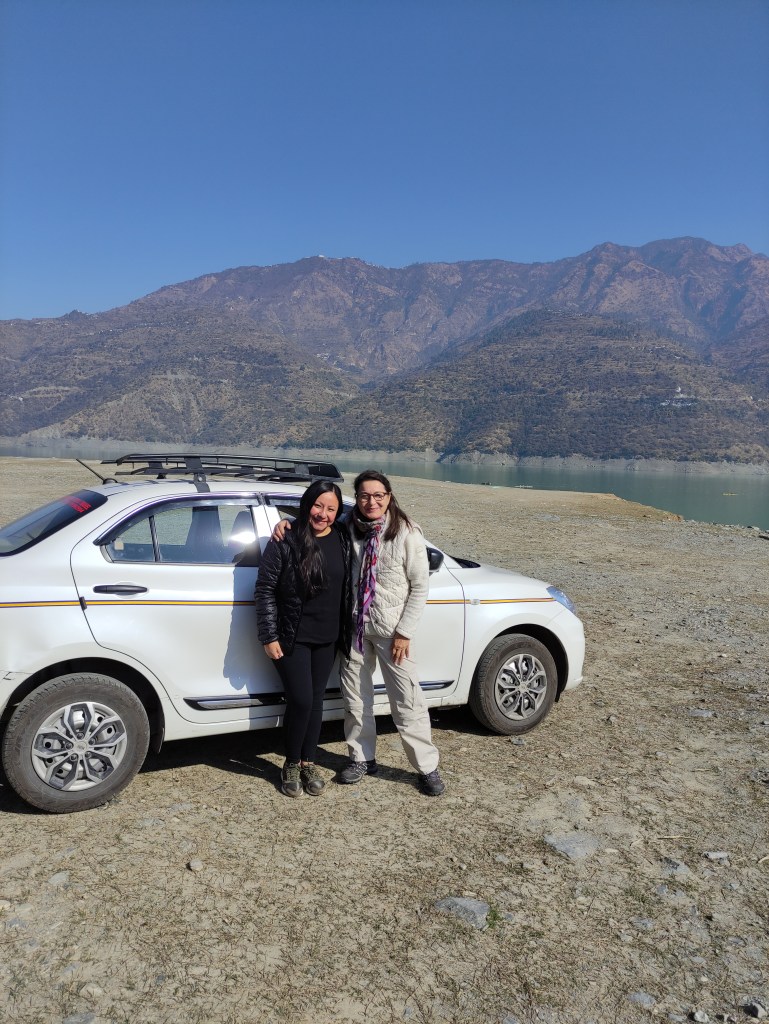
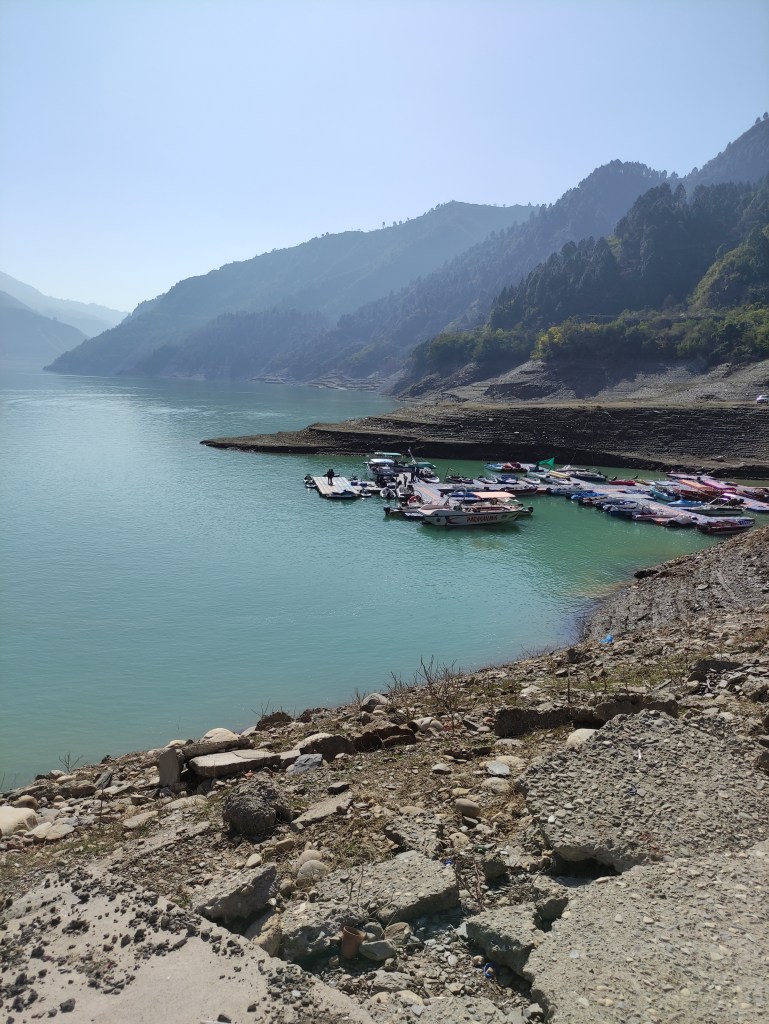
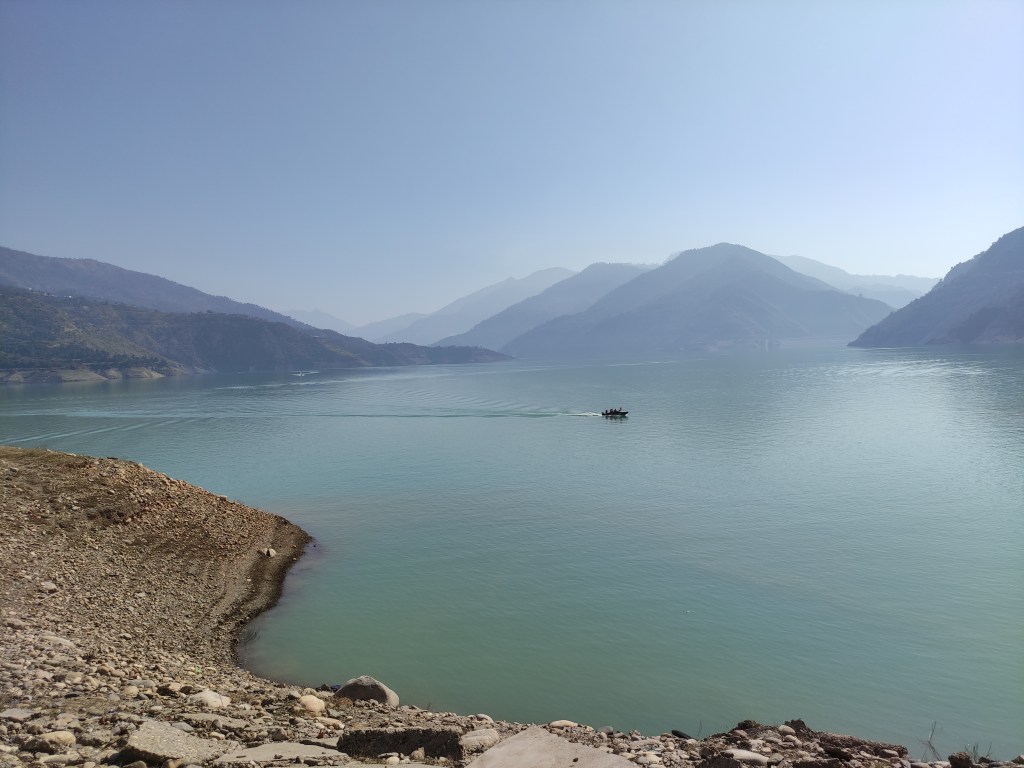

Arranging to take tours, is not easy and you have to submit to the rates they offer you, if for the visit to Mussoorie I had paid fr. 80.-, for the one to the Tehri Dam I had the hotel order me a cab and paid only fr. 45.- Although there was no guide to accompany me, I had offered to come along with a young Peruvian woman who was staying at the same hotel. The day flew by and the journey, although jolting and dizzyingly fast for those impervious straits, was exciting. Perched at an elevation of 1,700 meters, Tehri Lake is an artificial dam reservoir that came into existence during the construction of the dam itself (1978-2006) when the water from the Bhagirathi River was diverted to fill the dam reservoir.
Since its creation, Tehri Lake has become a popular boating destination among tourists and travelers who are looking for peace and quite amidst the nature. Being at a close proximity to Delhi and National Capital Regions, it has also become an ideal weekend getaway destination. In my opinion this dam, unlike what a couple of people have told me, is not comparable to the Hoover Dam on the Colorado river. The type of dam from an engineering profile, is not the same even though the Tehri dam is the highest dam in India. To obtain the lake, the village of (old) Tehri was “sacrificed” and a 260-meter-high rock-and-earth-fill embankment was built, while the Hoover Dam is a 221-meter-high reinforced concrete arch-gravity wall.
Tehri also has water tourism offerings : water skiing and kate-skiing, speedboat rides, and a lot more.
In itself, again the adventurous journey was interesting, on small roads a couple of meters wide (two cars cannot most of the time cross each other) and winding enough to make you seasick.
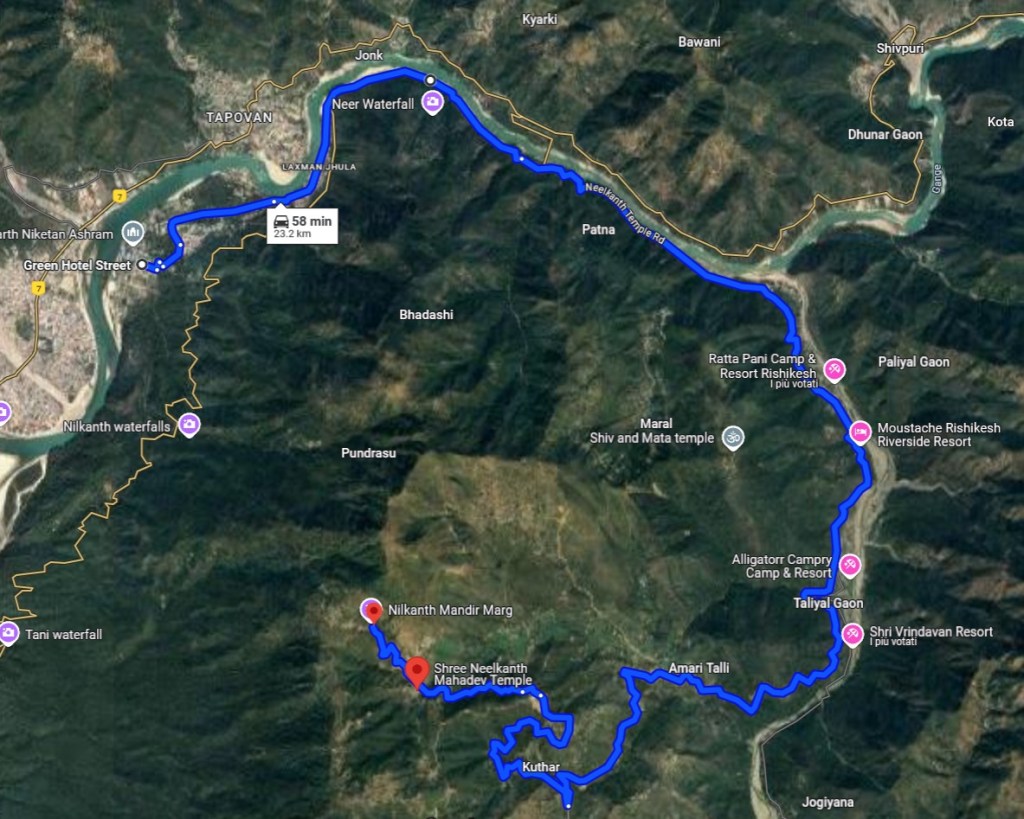

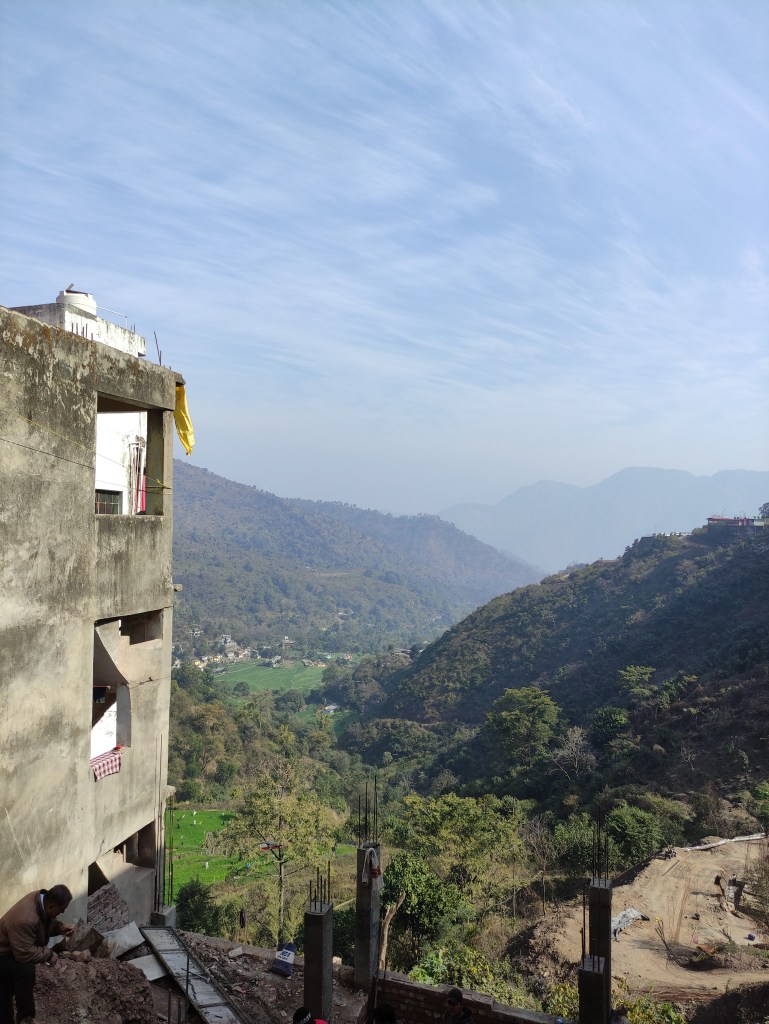
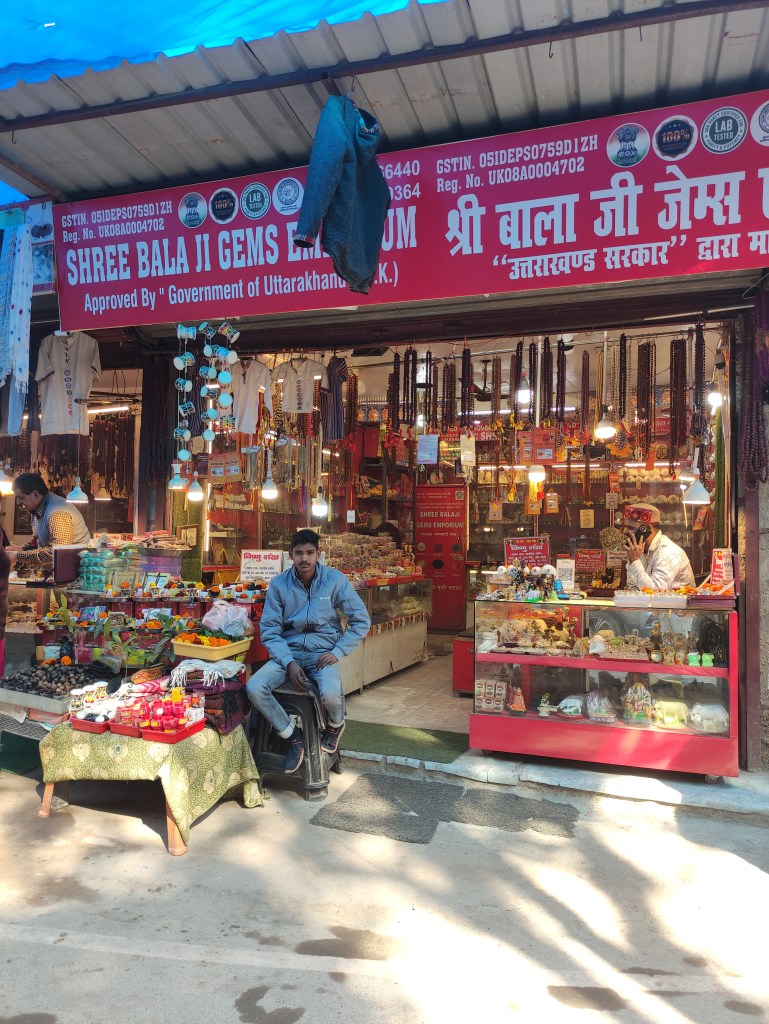
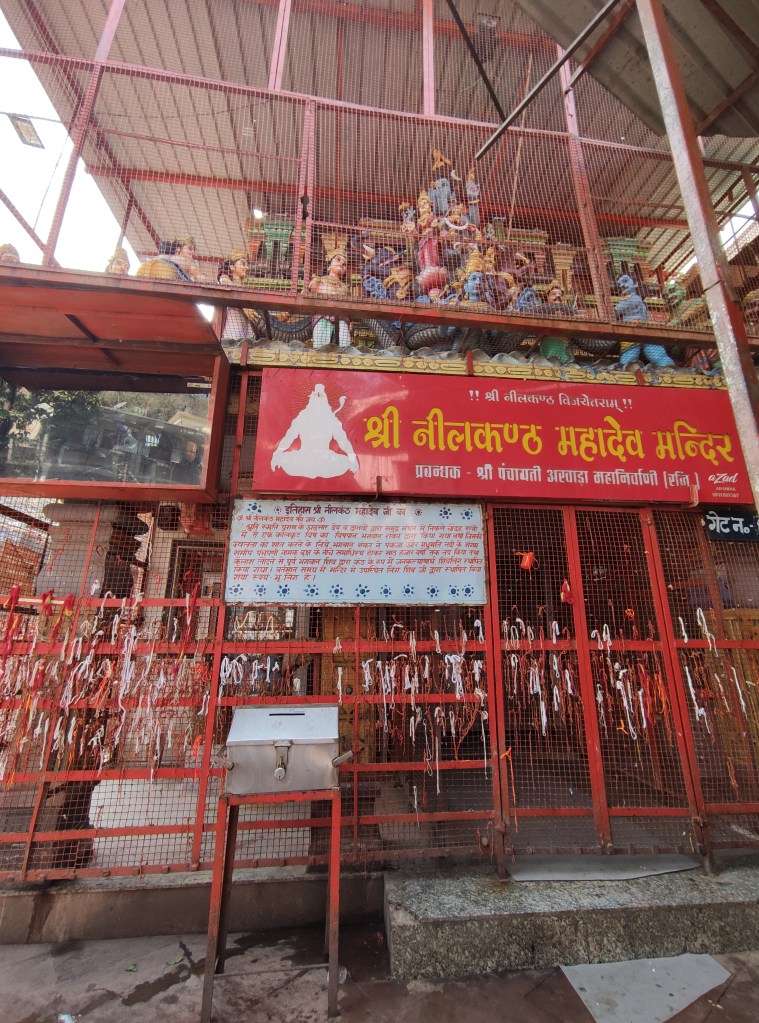
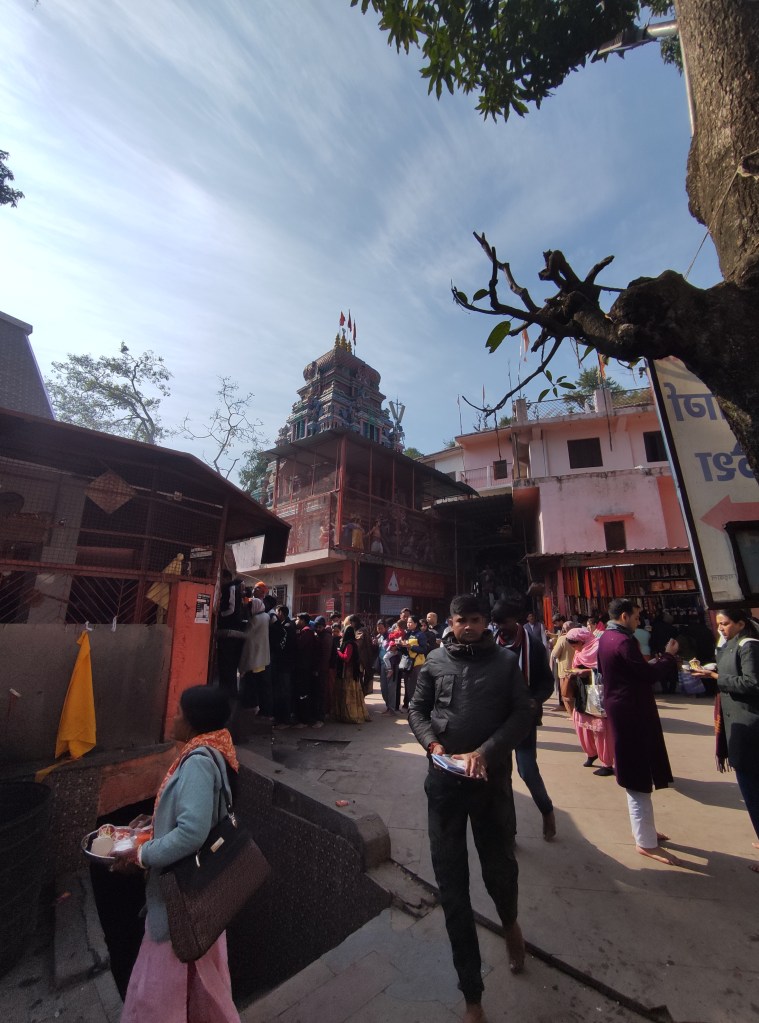
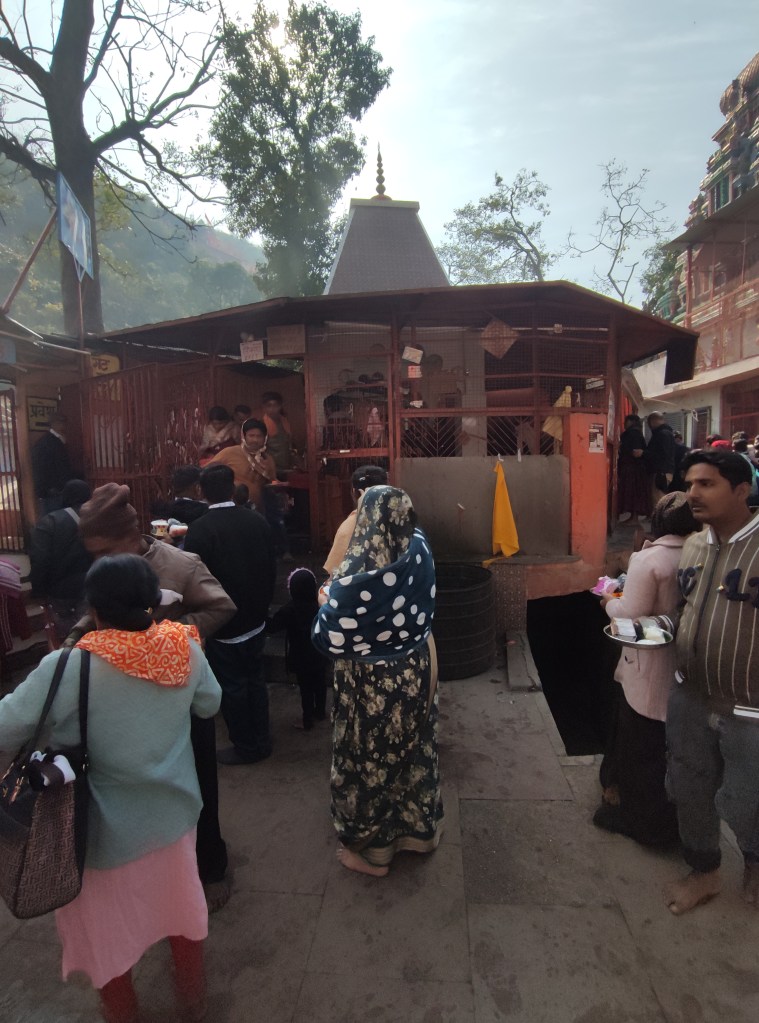

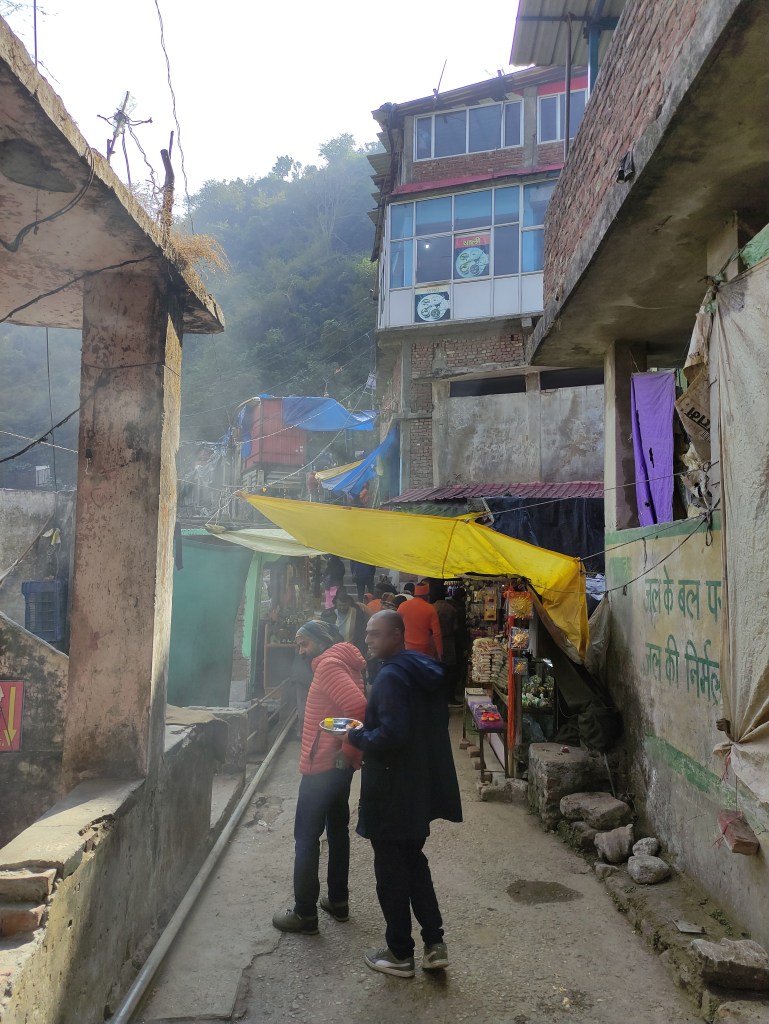
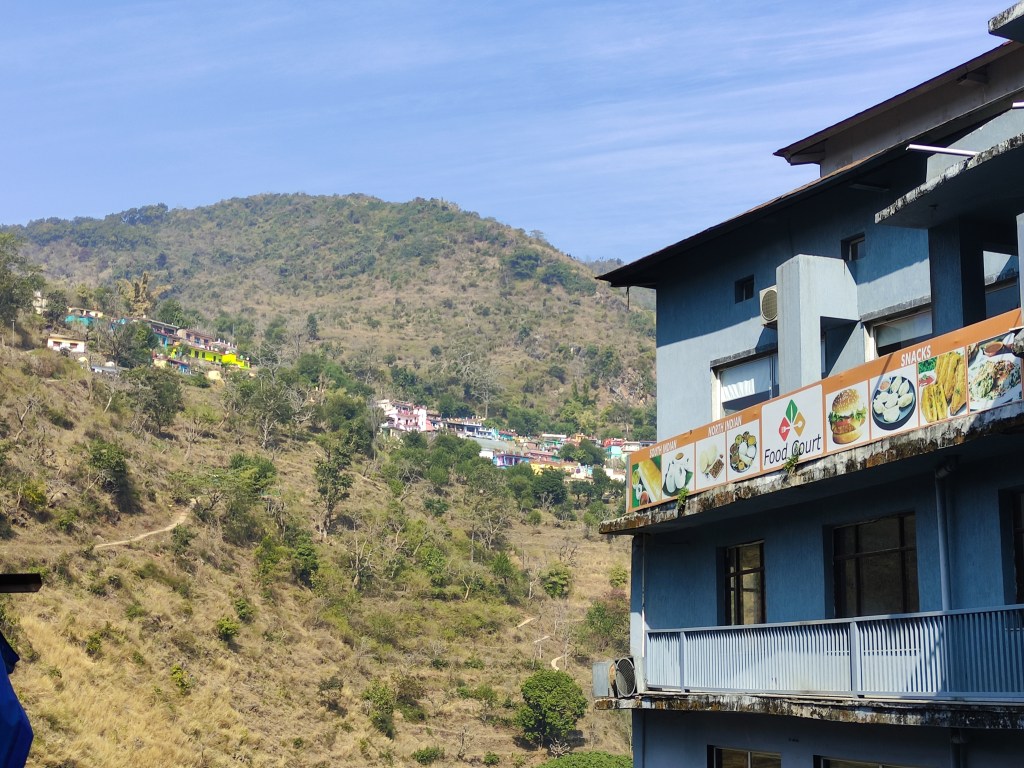
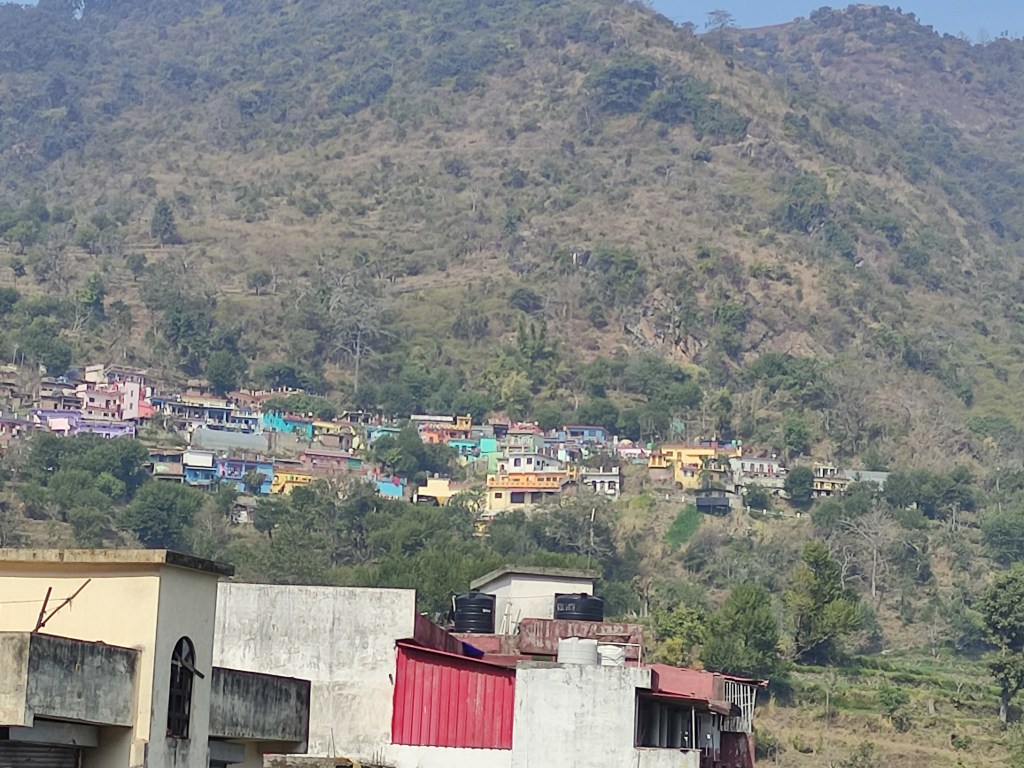
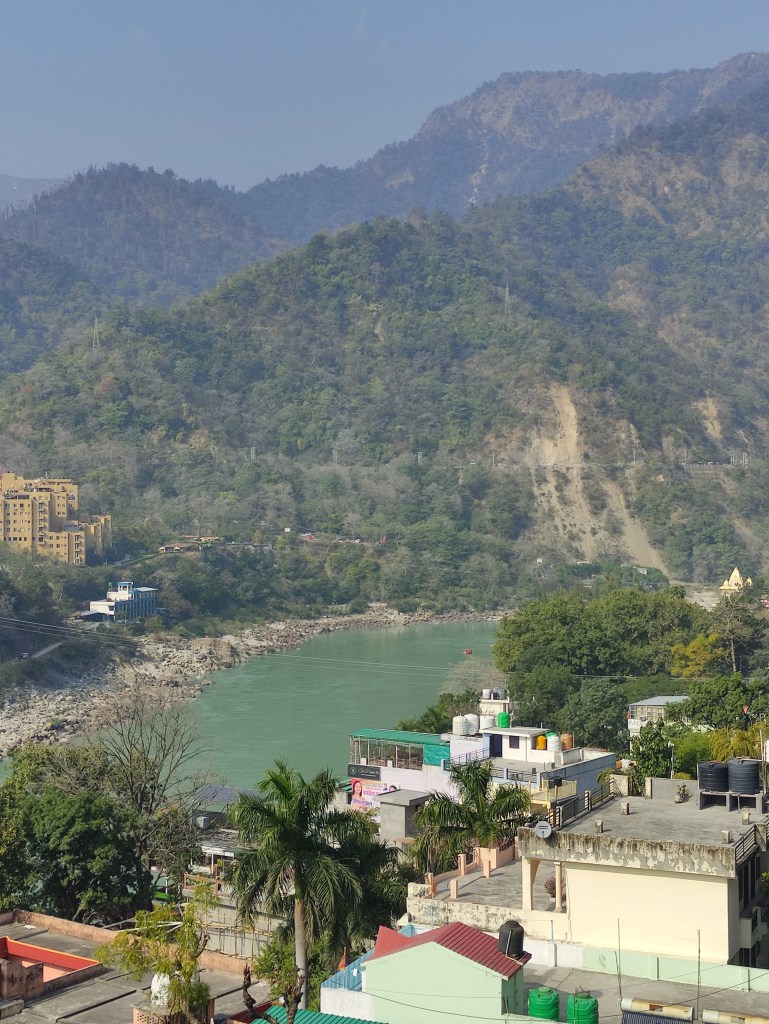
Again by cab, with two gentlemen who were at the same hotel, I visited the Shree Neelkanth Mahadev Temple located on a mountain about 30 km from Rishikesh.
According to legends, the Neelkanth Mahadev Temple is said to be a propitious place where Lord Shiva drank the poison created by Samudramanthan, or the overthrow of the ocean by devatas (gods) and asuras (demons). For this reason, Shiva took the name “Nilkanth,” which means “he who has a blue throat.” To commemorate Shiva’s sacrifice for humanity, devotees built this temple at the same place where the event took place. Thus, the sacred place where Lord Shiva meditated to get rid of the pain of the poison in his throat has become a temple that is a great attraction for devotees all over the world.
Unfortunately, the temple is currently “surrounded” by iron grilles that do not allow people to admire its colorful structure, as most Hindu temples are.
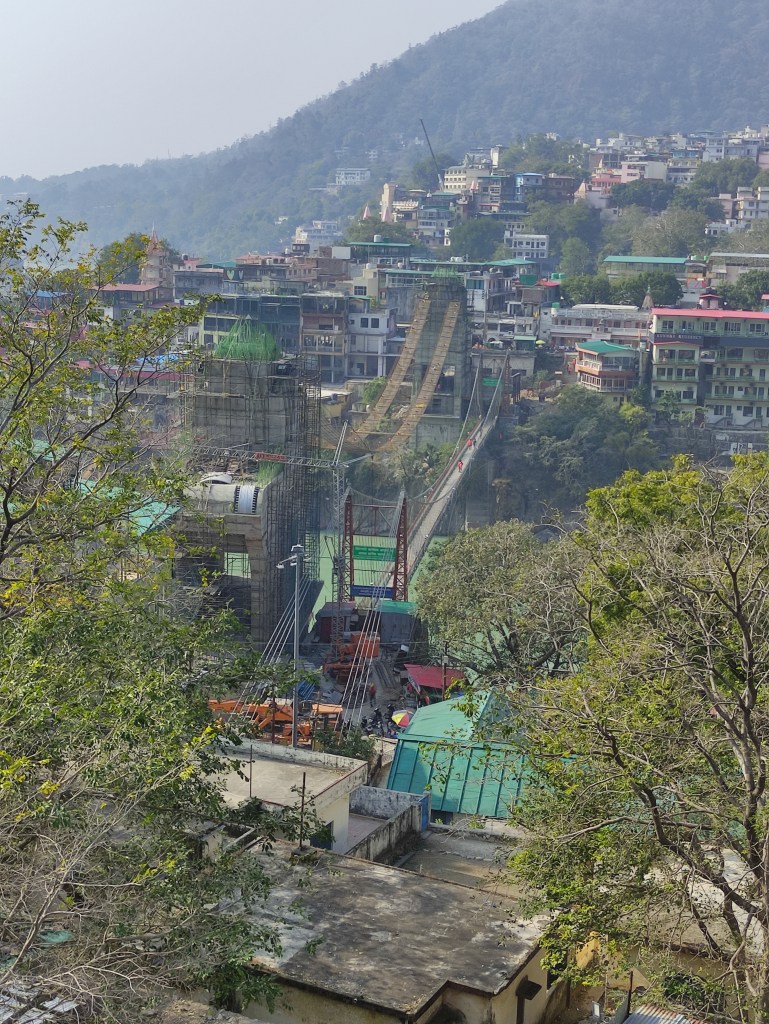
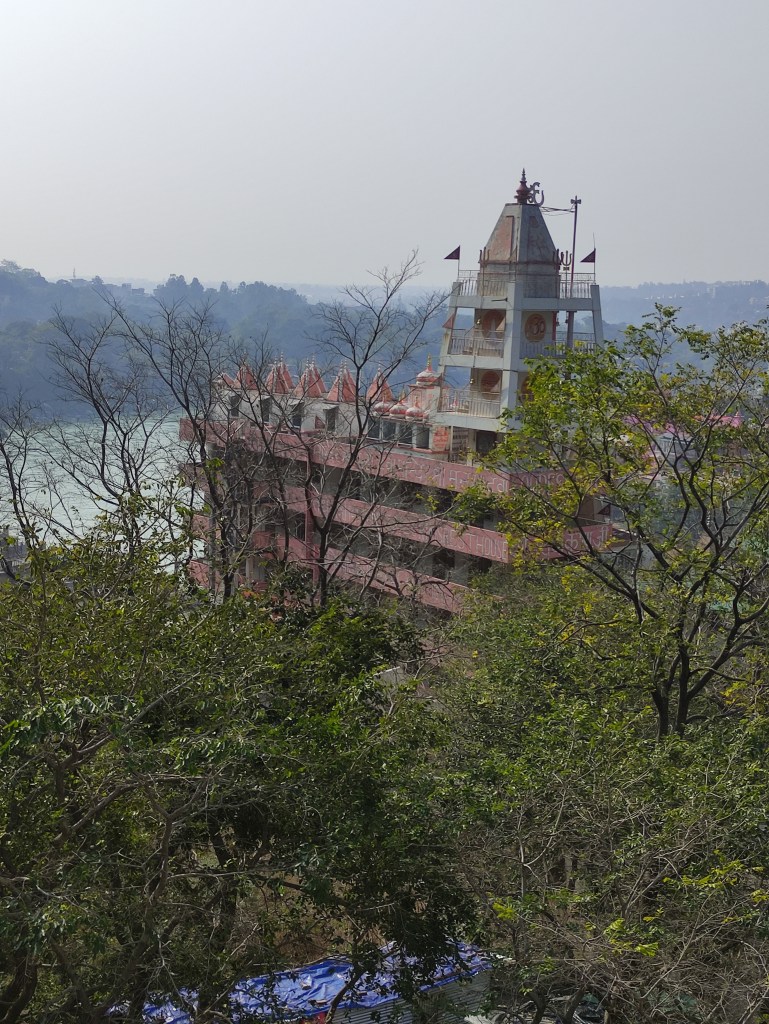
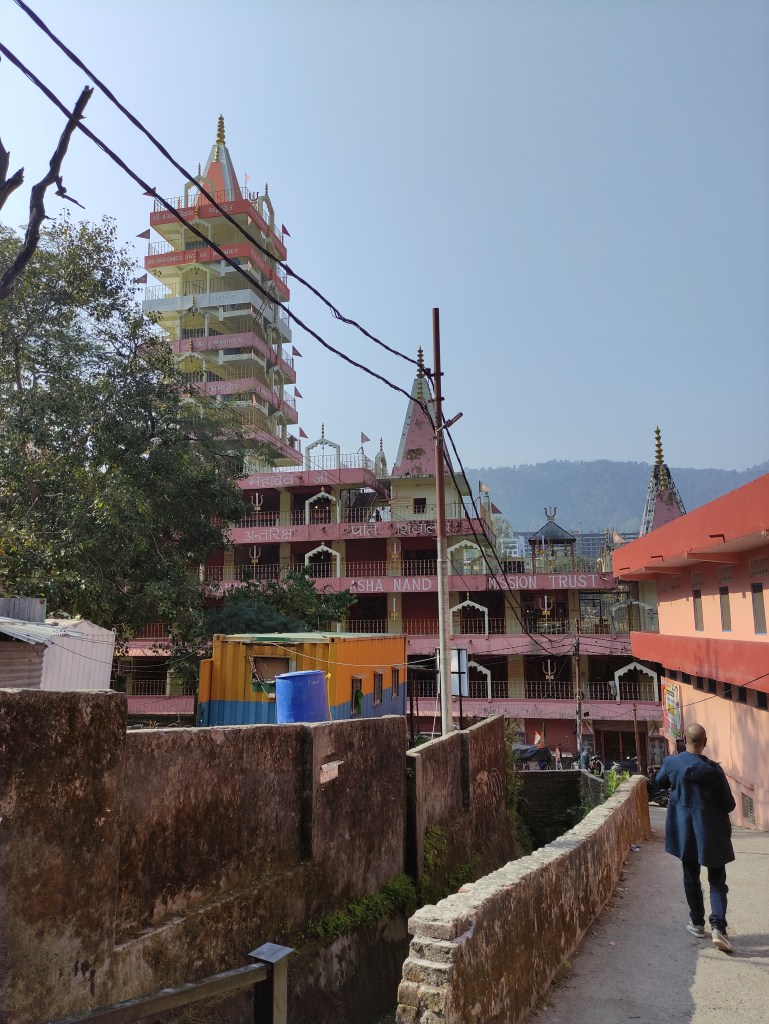
On the way back, we passed through the back of Laxman Jula, so I was able to take a photo from the top of the Trayambakeshwar Temple where more than once I stopped to drink a chaï from a hawker stall.
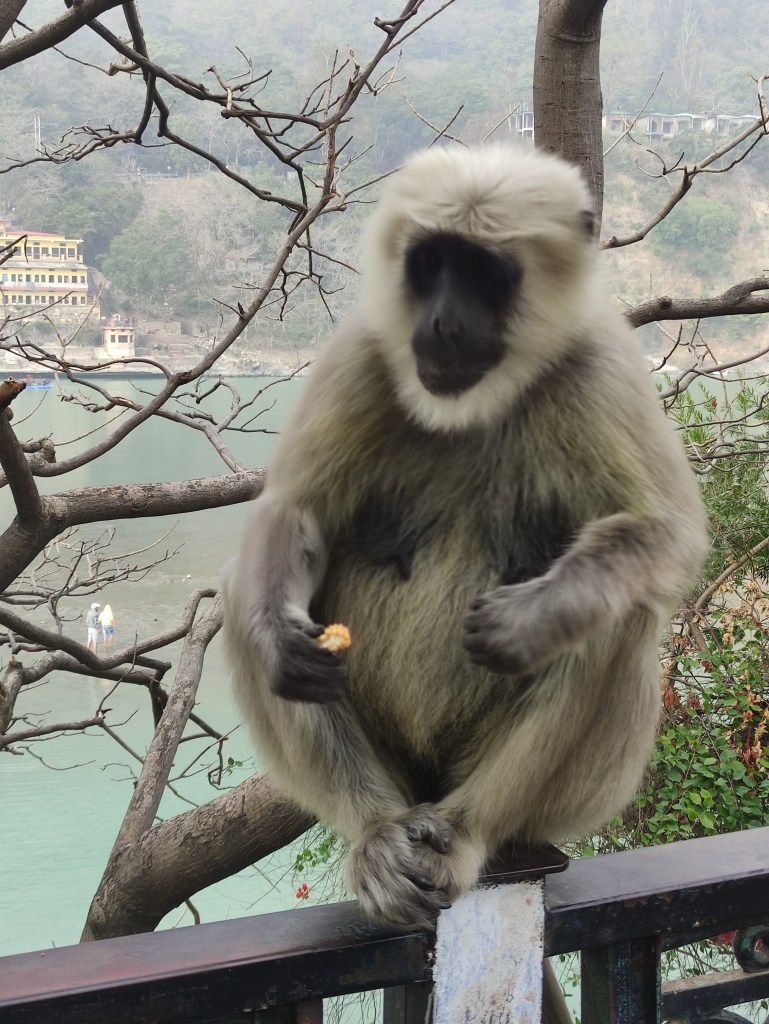
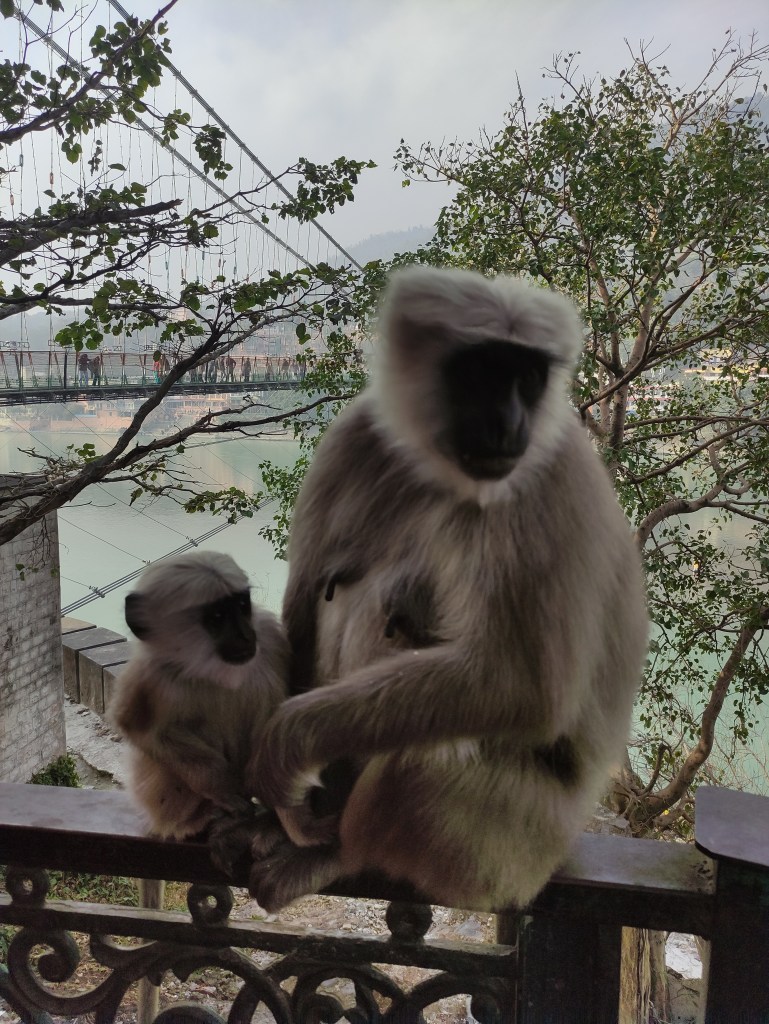
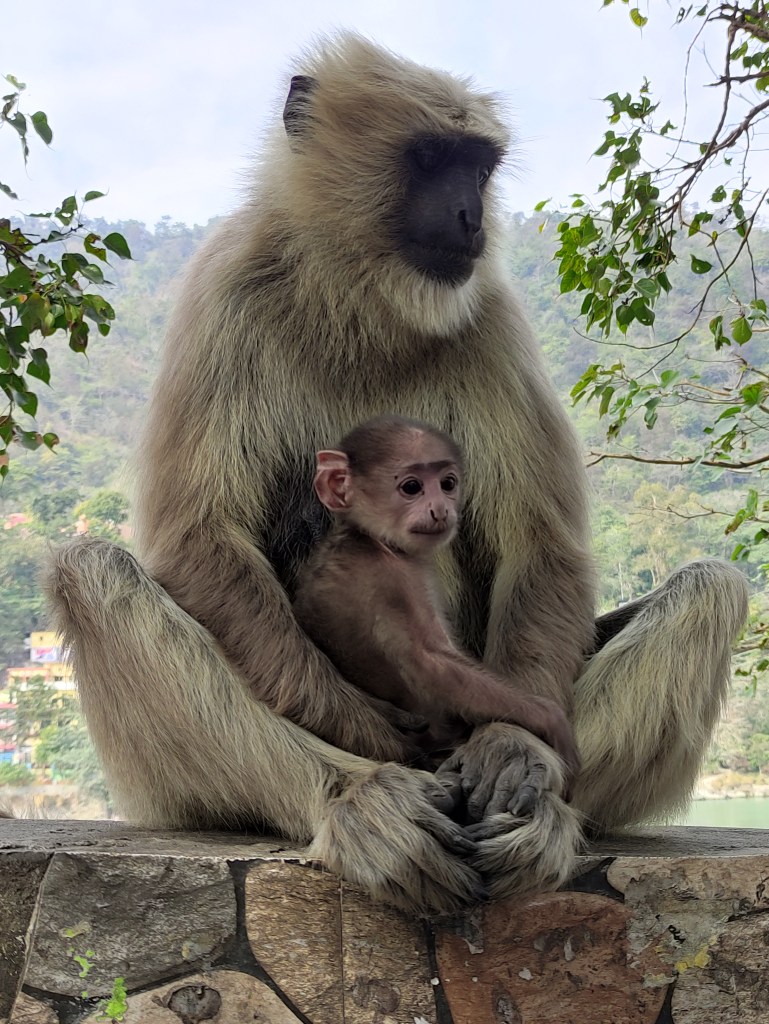
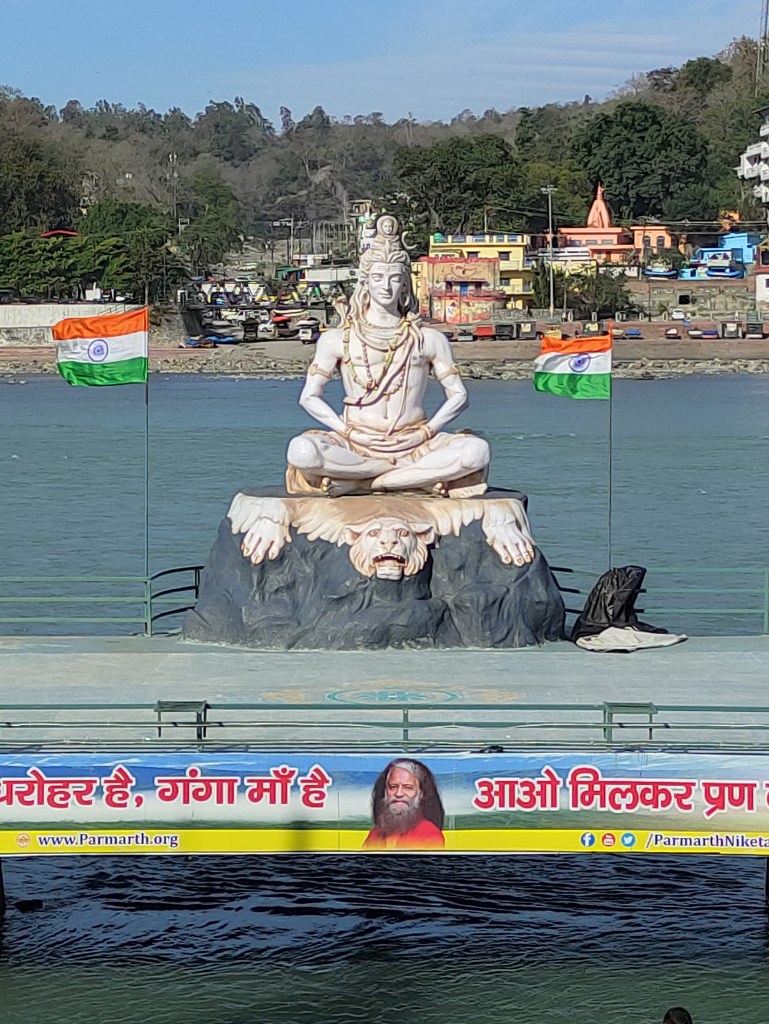
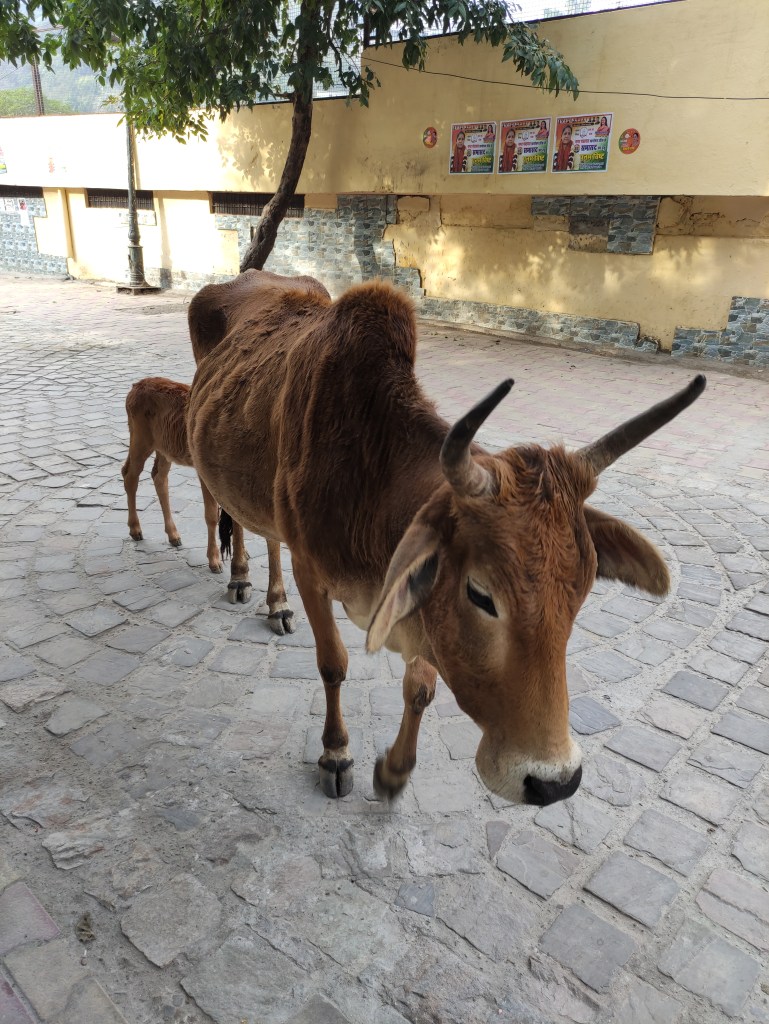
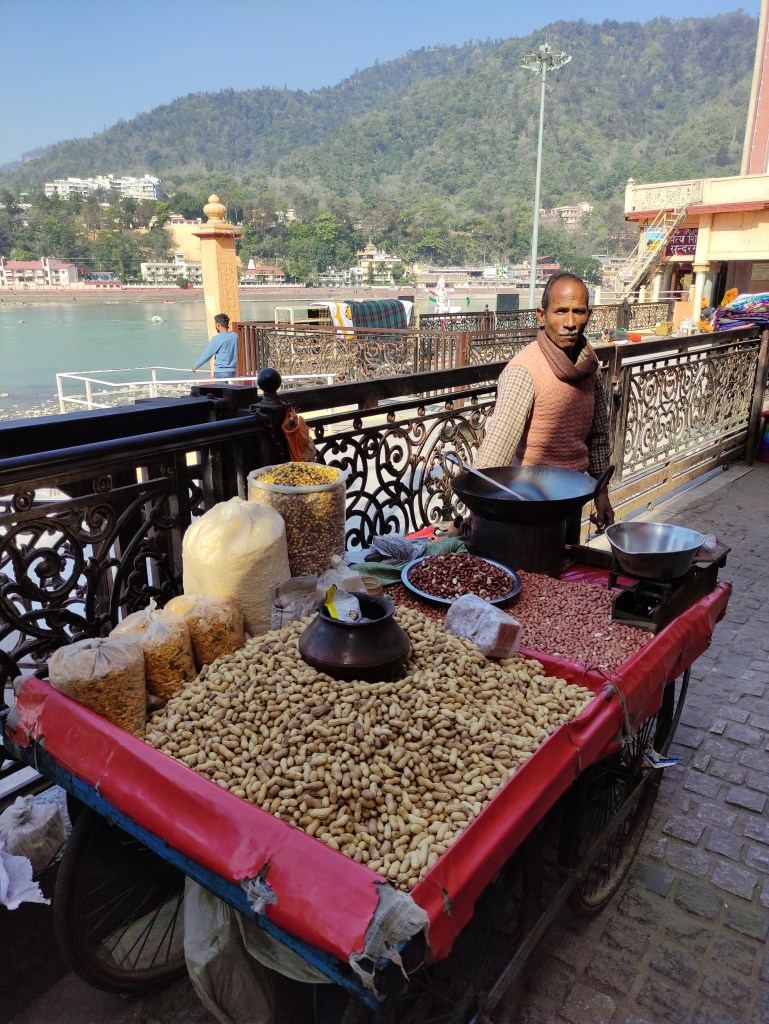
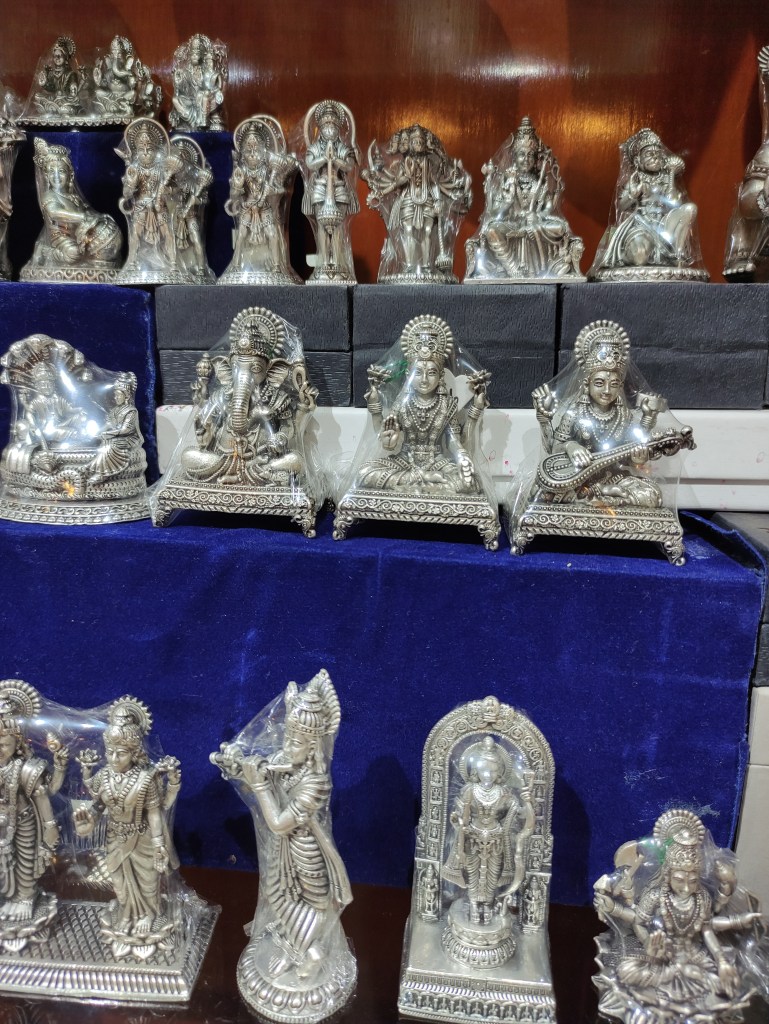




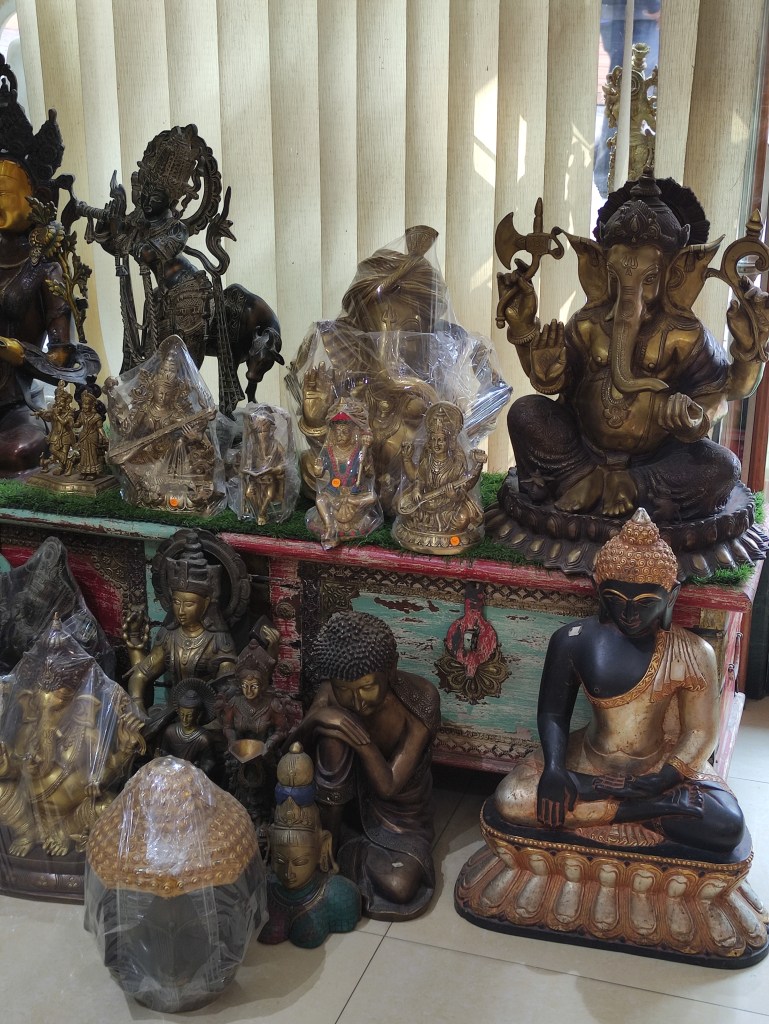
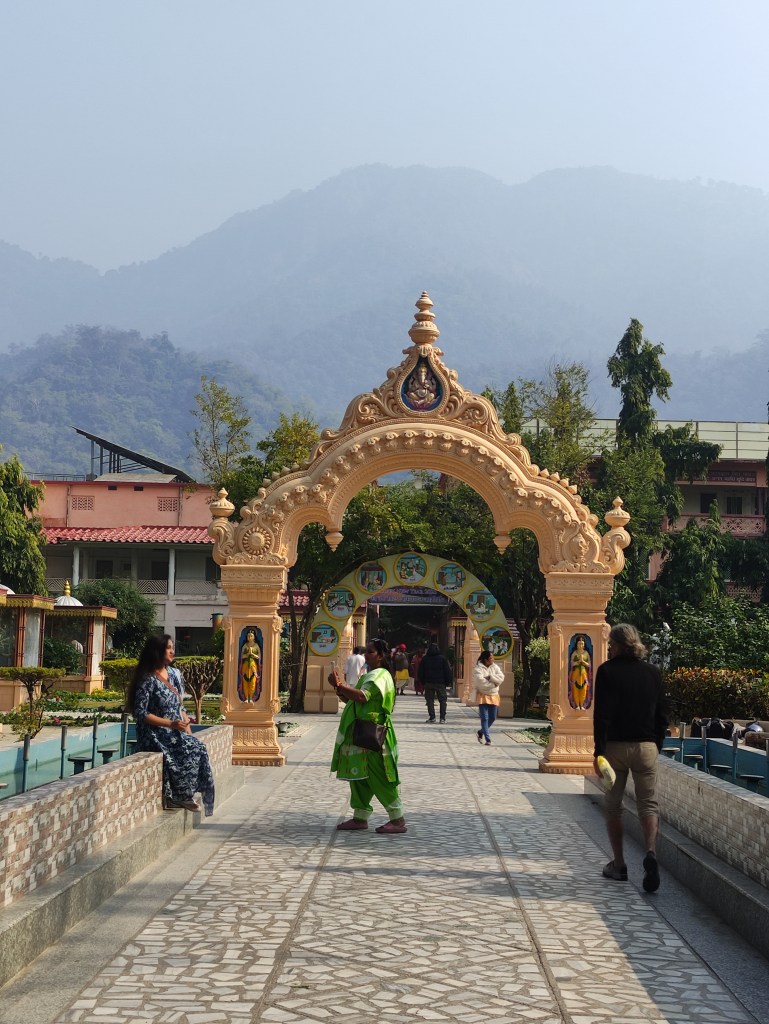

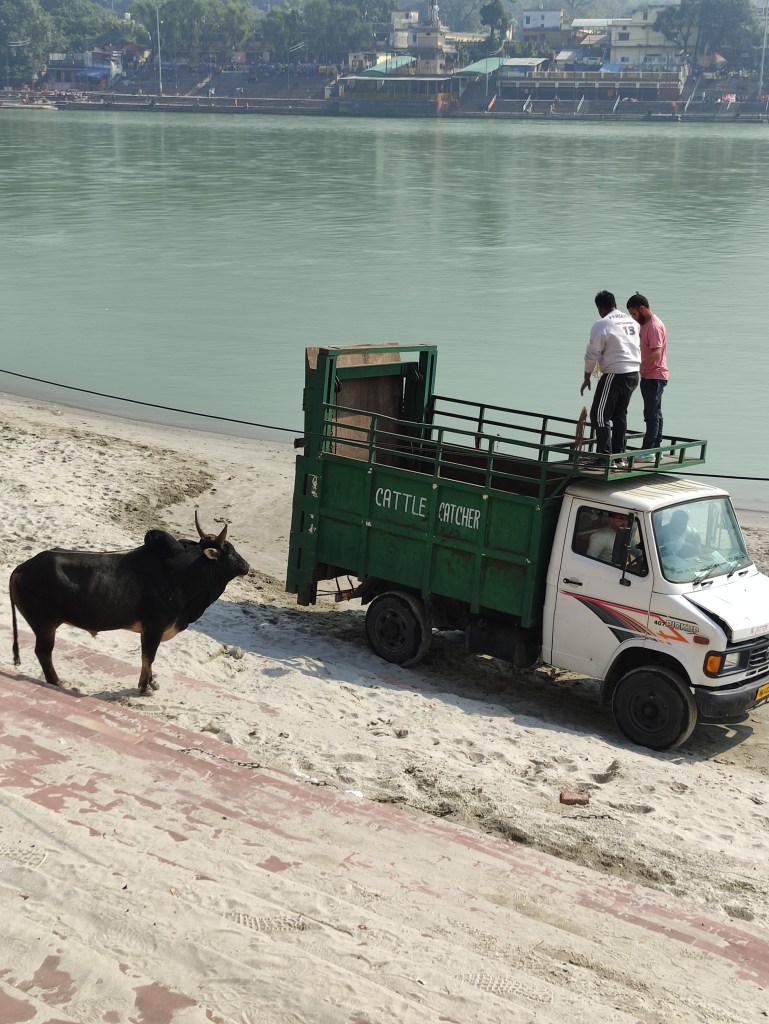
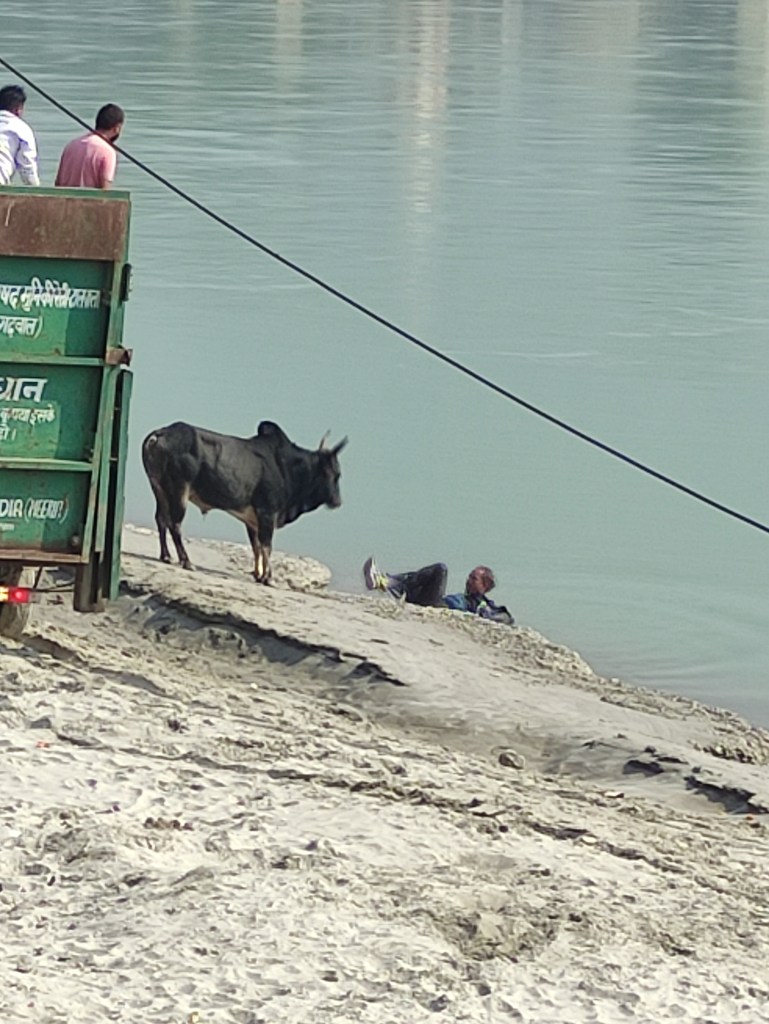
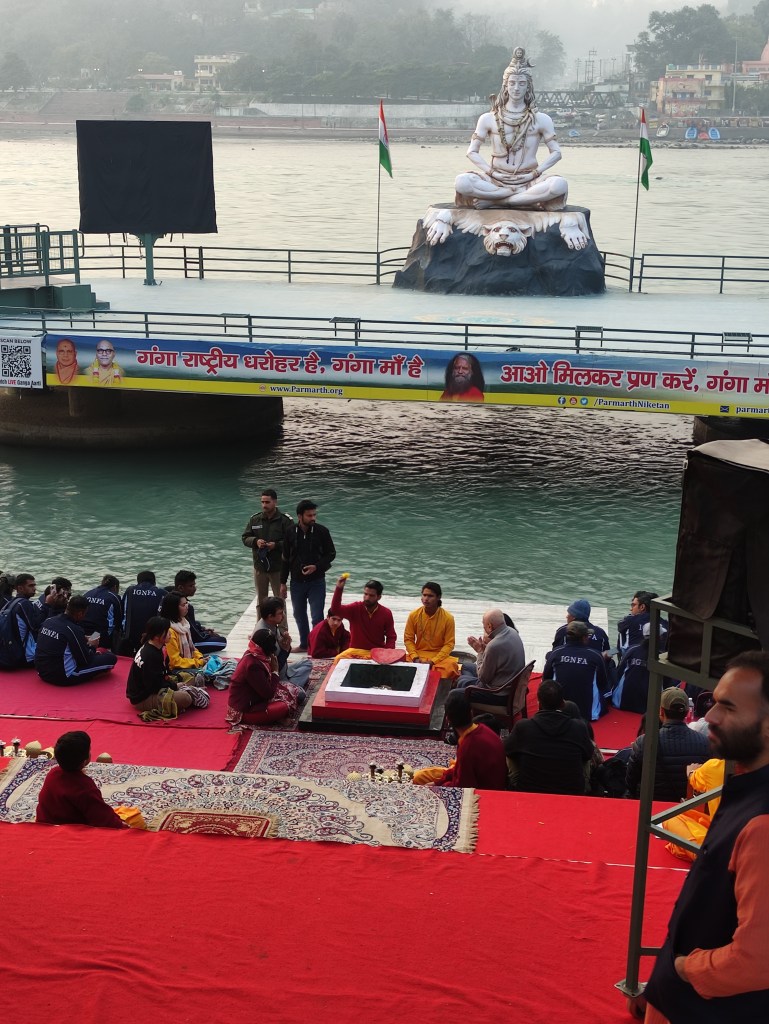
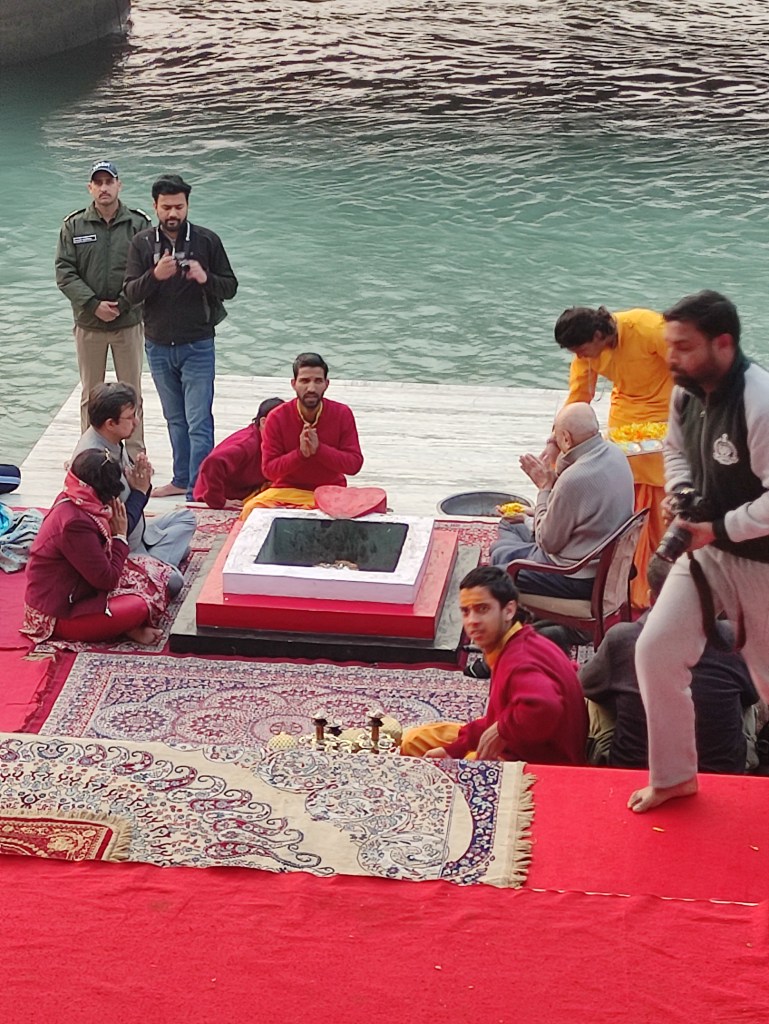
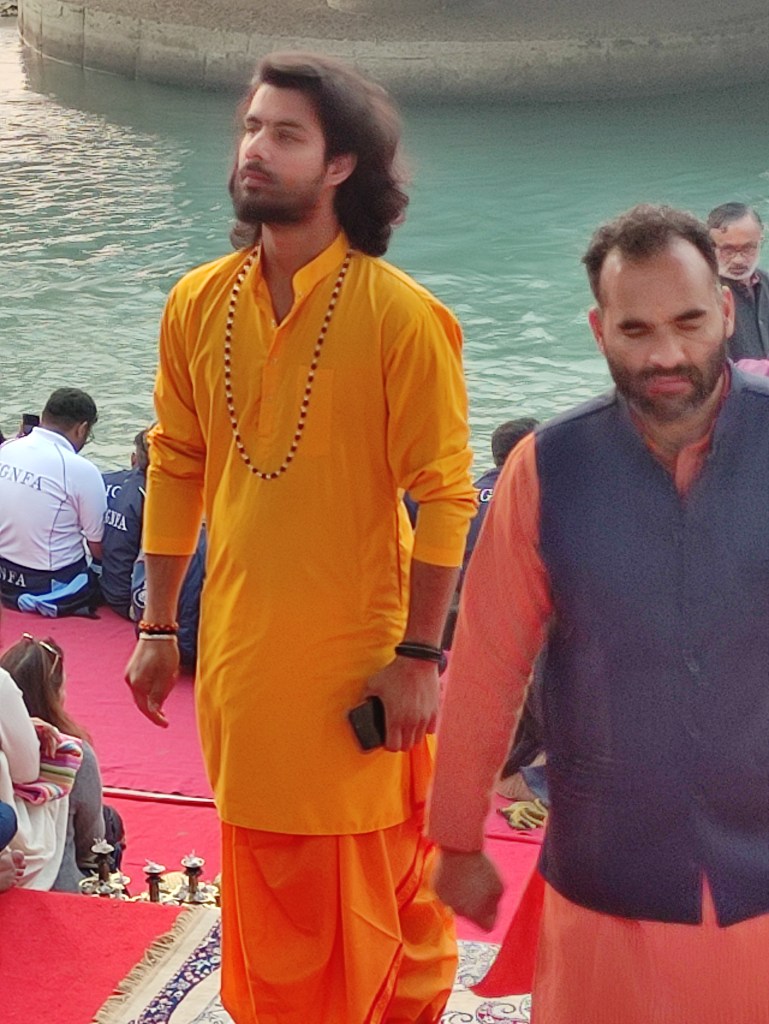
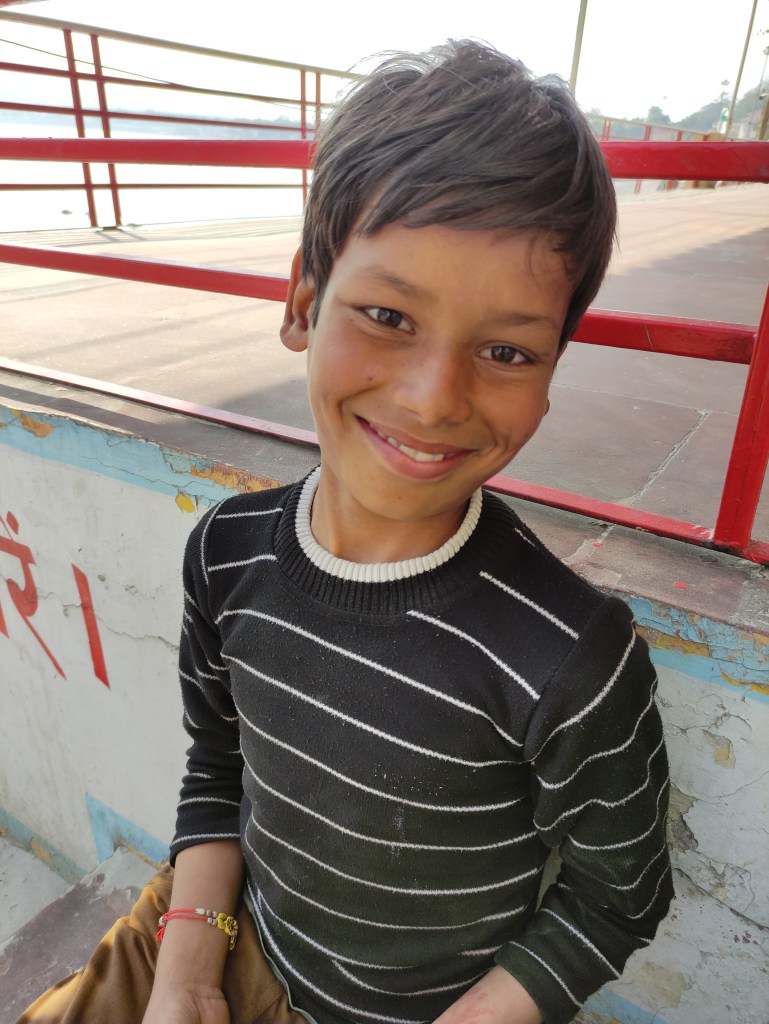


Rishikesh is a place of deep worship and every small shop is impregnated with colours and aromas.
Ayurvedic medicine and the practice of yoga and meditation, are an imperative path for those who really want to capture every single facet of this place. This facilitates a deep dive in search of our true “self”…
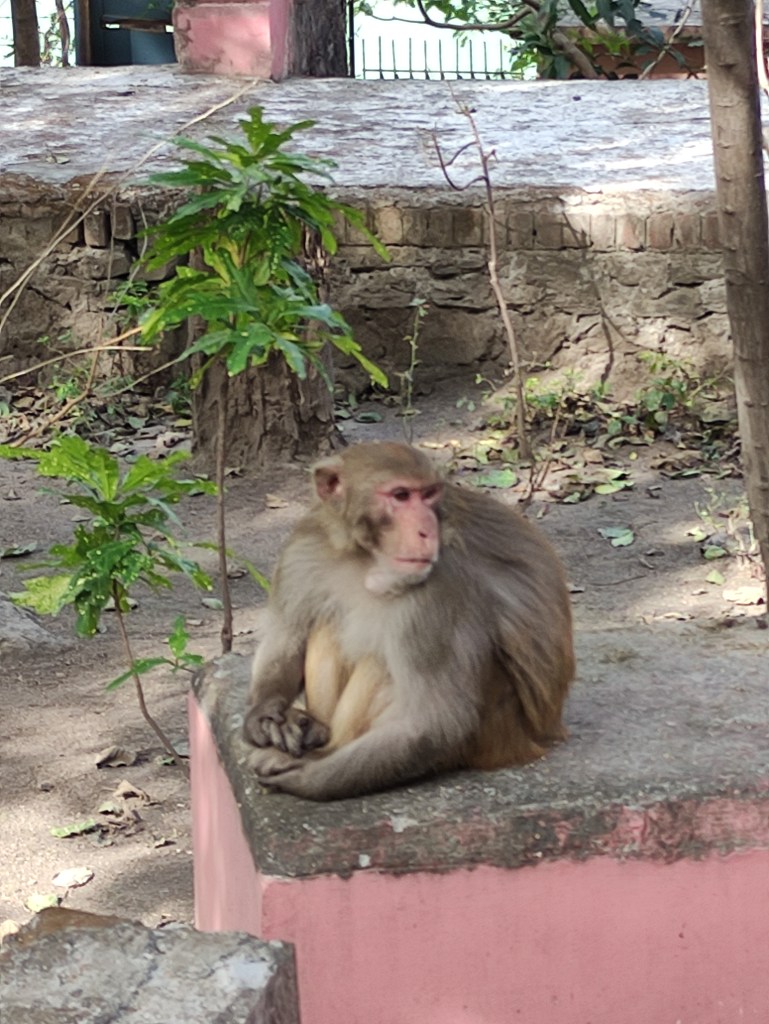
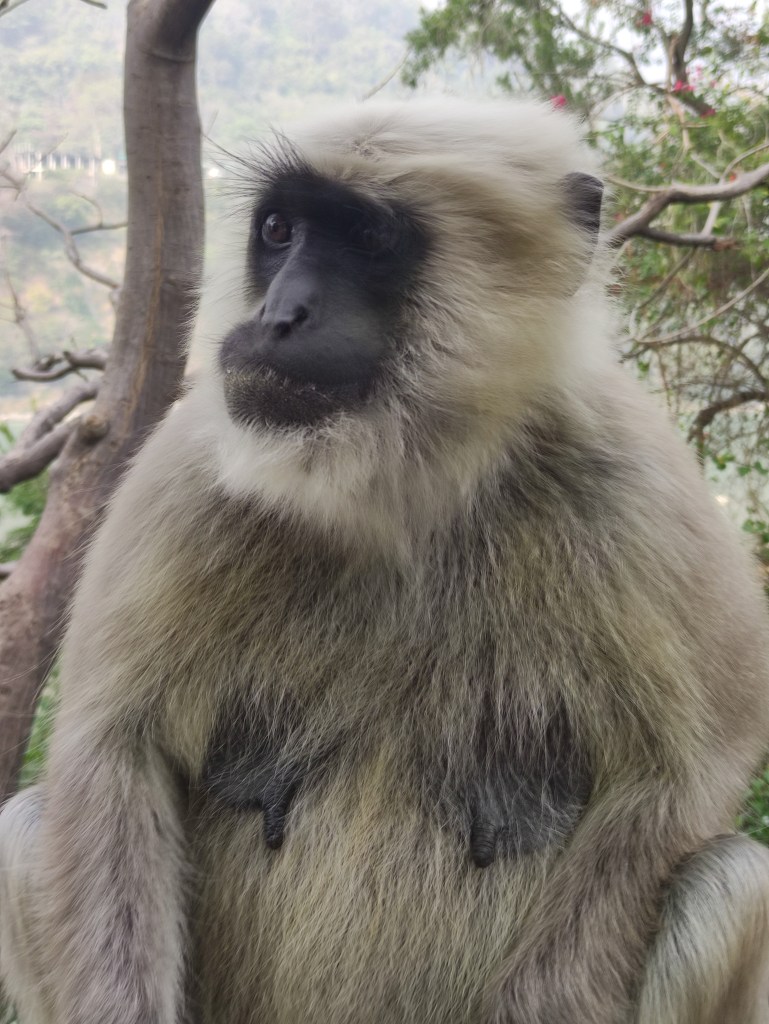
Strolling along the Ganges, meditating on its flowing waters, or watching the Langours and mischievous monkeys. There are also cows that walk with pedestrians on the Ram Jula bridge (the Laxman Jula is currently closed). Then stop to enjoy a chaï from a street vendor, start browsing the shops that sell everything: from pashimina to saris, jewelry, antiques, perfumes, deity statues or spices… I admit that I again bought a couple of kg to stock up my personal supplies. I love ethnic cuisine, especially oriental and here you can really find everything at very interesting prices. Also tea, from black to green, but also mixtures with spices and flowers with catchy aromas!
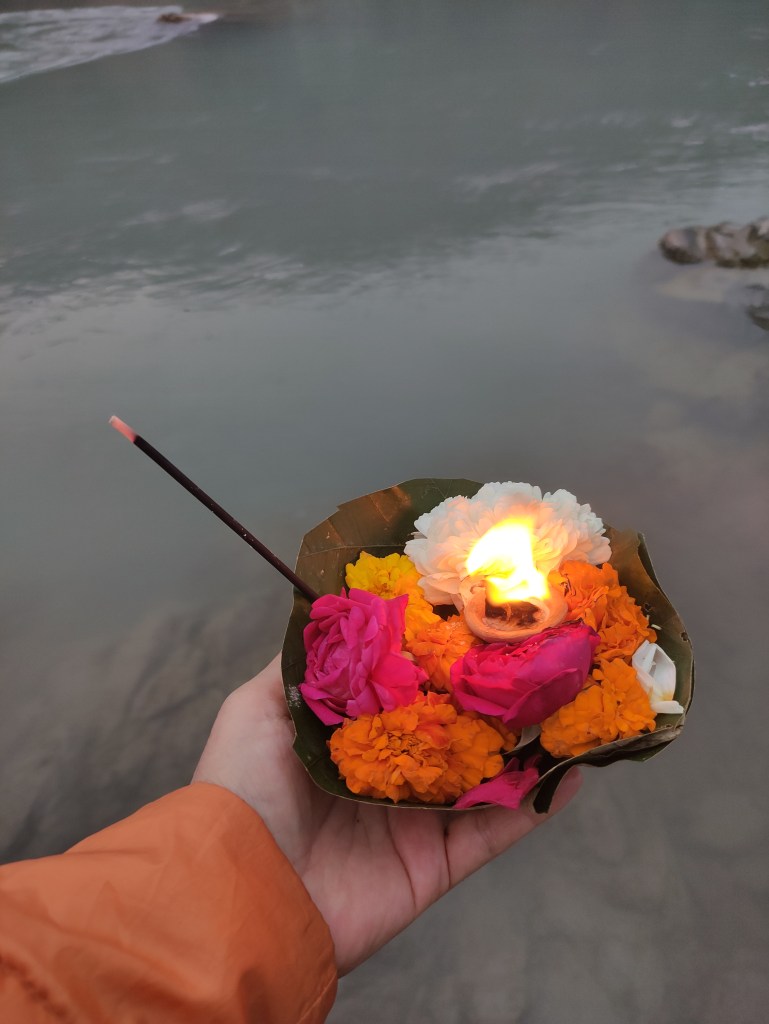
Each night at sunset, at the Parmarth Niketan Ashram there is a lovely celebration. Aarti is a sacred ritual in Hindu worship, involves the offering of light to deities as a form of devotion. It holds immense significance in the spiritual practices of Hindus, symbolizing the removal of darkness and ignorance. Historically, Aarti has deep roots in ancient Hindu traditions, evolving over centuries as a key component of temple rituals and personal worship. It is a moment of connection between devotees and the divine, imbued with profound meaning and significance.
Lighting the diya (lamp): The ritual begins with lighting the diya, representing the dispelling of darkness.
Chanting of mantras and prayers: Devotees recite sacred verses and prayers, invoking the presence of the deity and expressing gratitude.
Circular movement of the Aarti plate: The Aarti plate, adorned with the lit diya, is moved in a circular motion in front of the deity, symbolizing the offering of light to the divine.
 Claudine Giovannoni
Was für eine tolle Reise! Herzlichen Dank für die vielen eindrücklichen Bilder. Umarmung. Ernst
Dear Ernst, indeed it was a good experience… except for the sadness of realizing that our planet is increasingly besmirched by the carelessness of humans.
As I wrote in the post, with difficulty I had to restrain myself from the impulse to pick up garbage, something I do regularly when I go for walks in Ticino.
If there are no changes (and very urgently), starting with teaching people how to behave, we will end up in a world like the one in the cartoon Wall-E
I remember that we had watched it with our kids 17 years ago, and I had even cried having to explain to them afterwards the reason related to the horror of what, in fact, could have happened to our planet.
Well, I may be nostalgic, but that cartoon should be seen by everyone: perhaps it might entice the multitude to be more considerate of Mother Earth.
Vielen Dank für die ausführlichen Bemerkungen und Informationen über diese tolle und eindrückliche Reise. Grosse Umarmung.
Ernst
A big hug to you too, Ernst!