
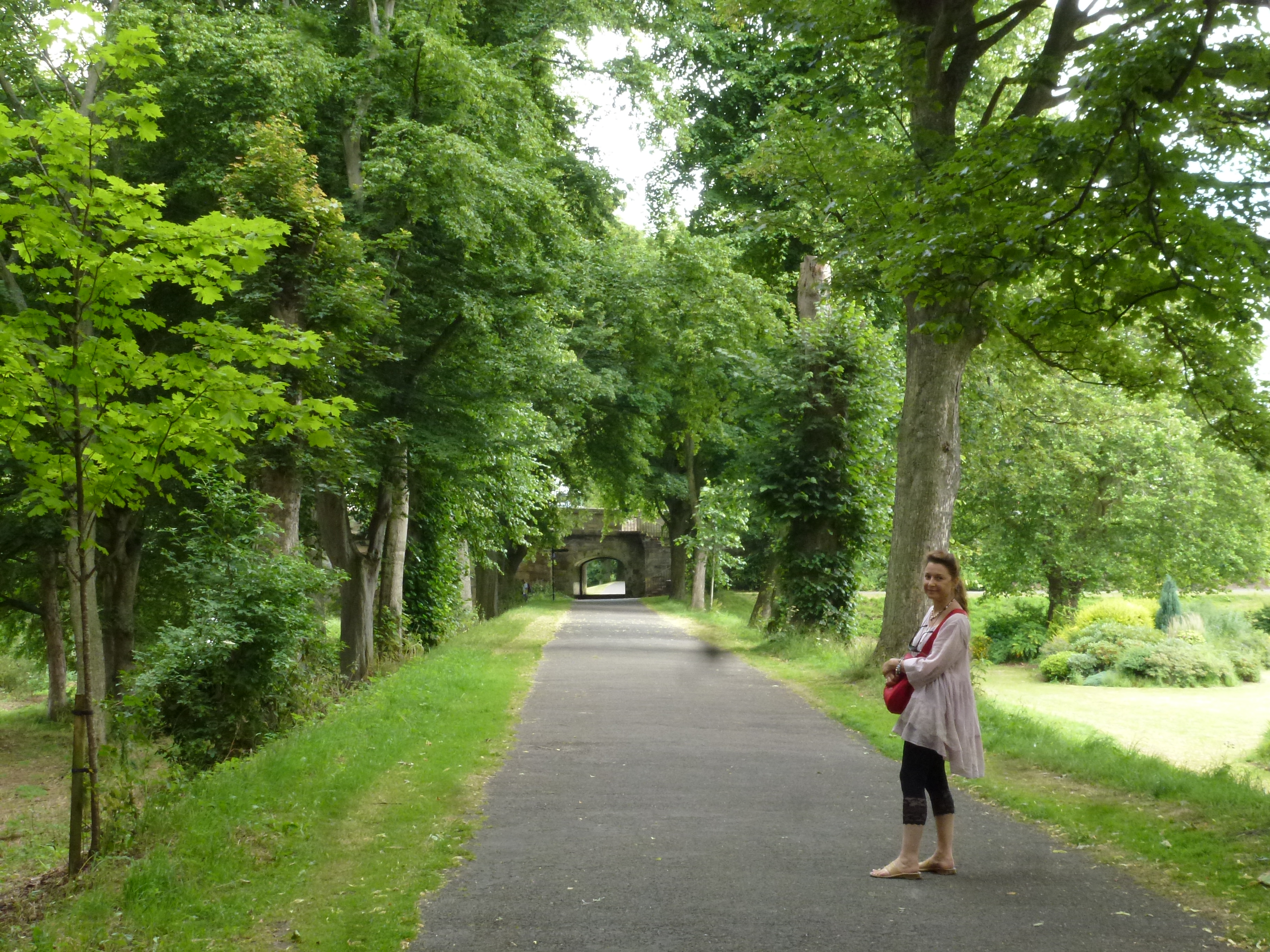
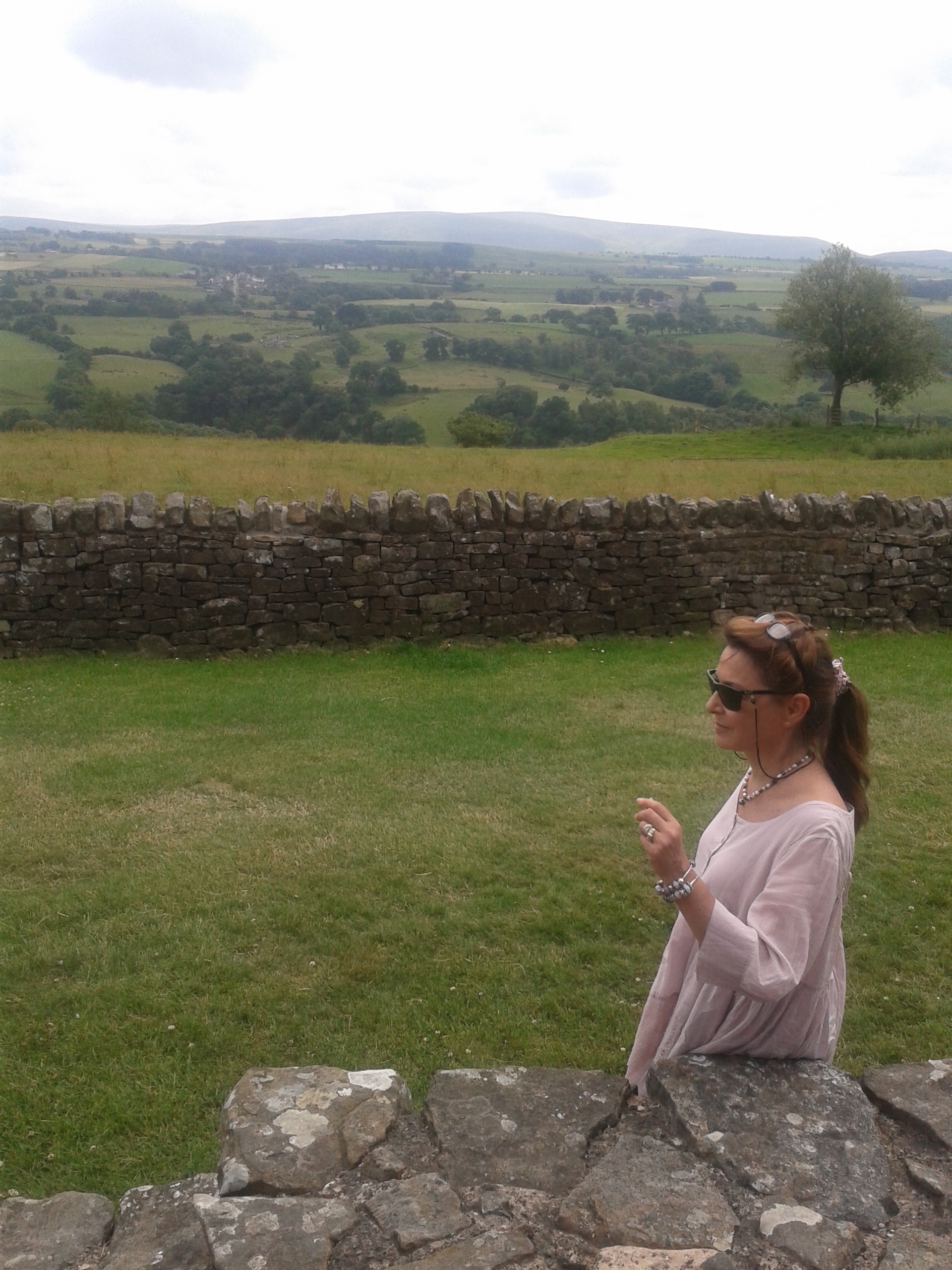
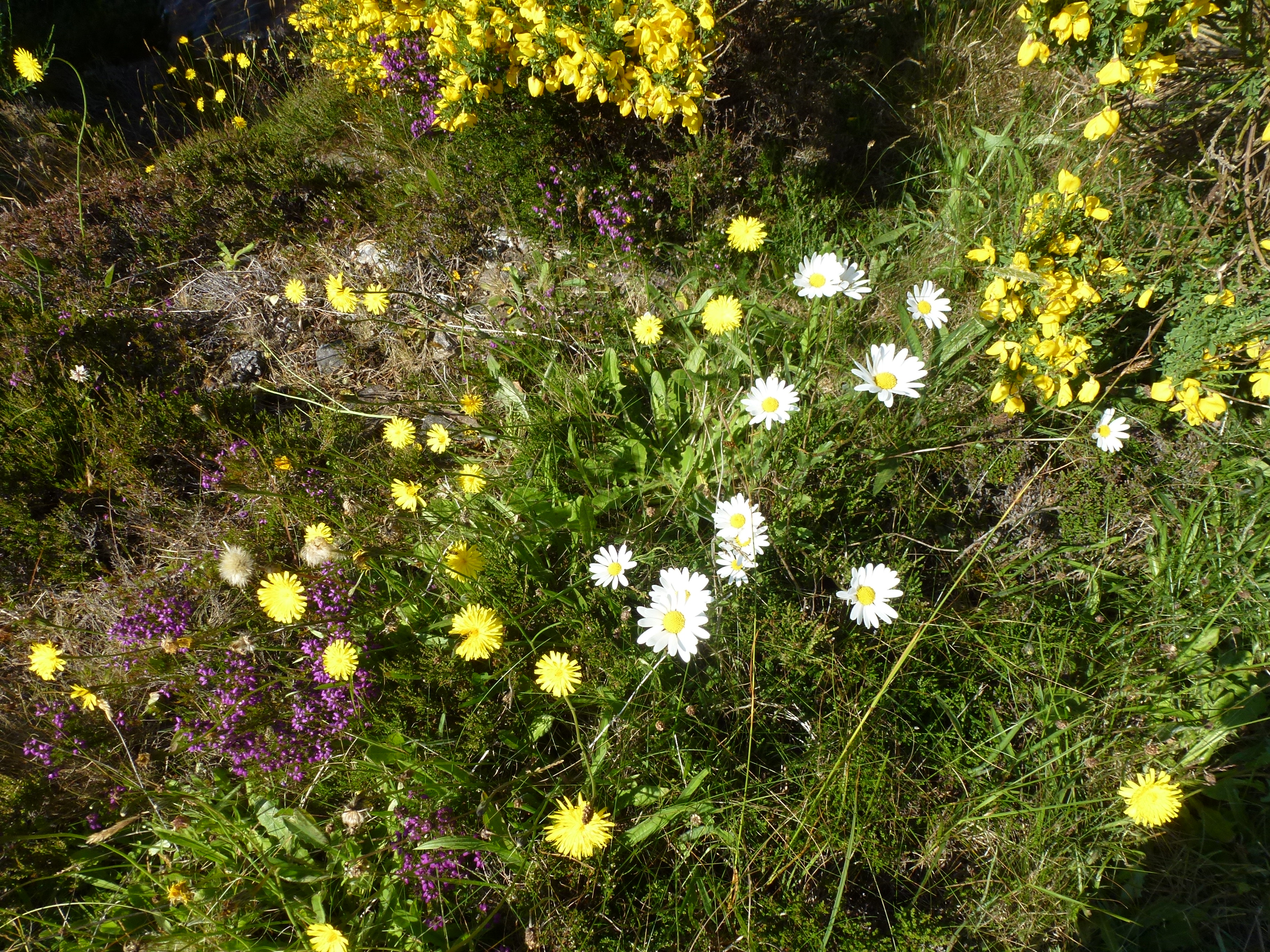
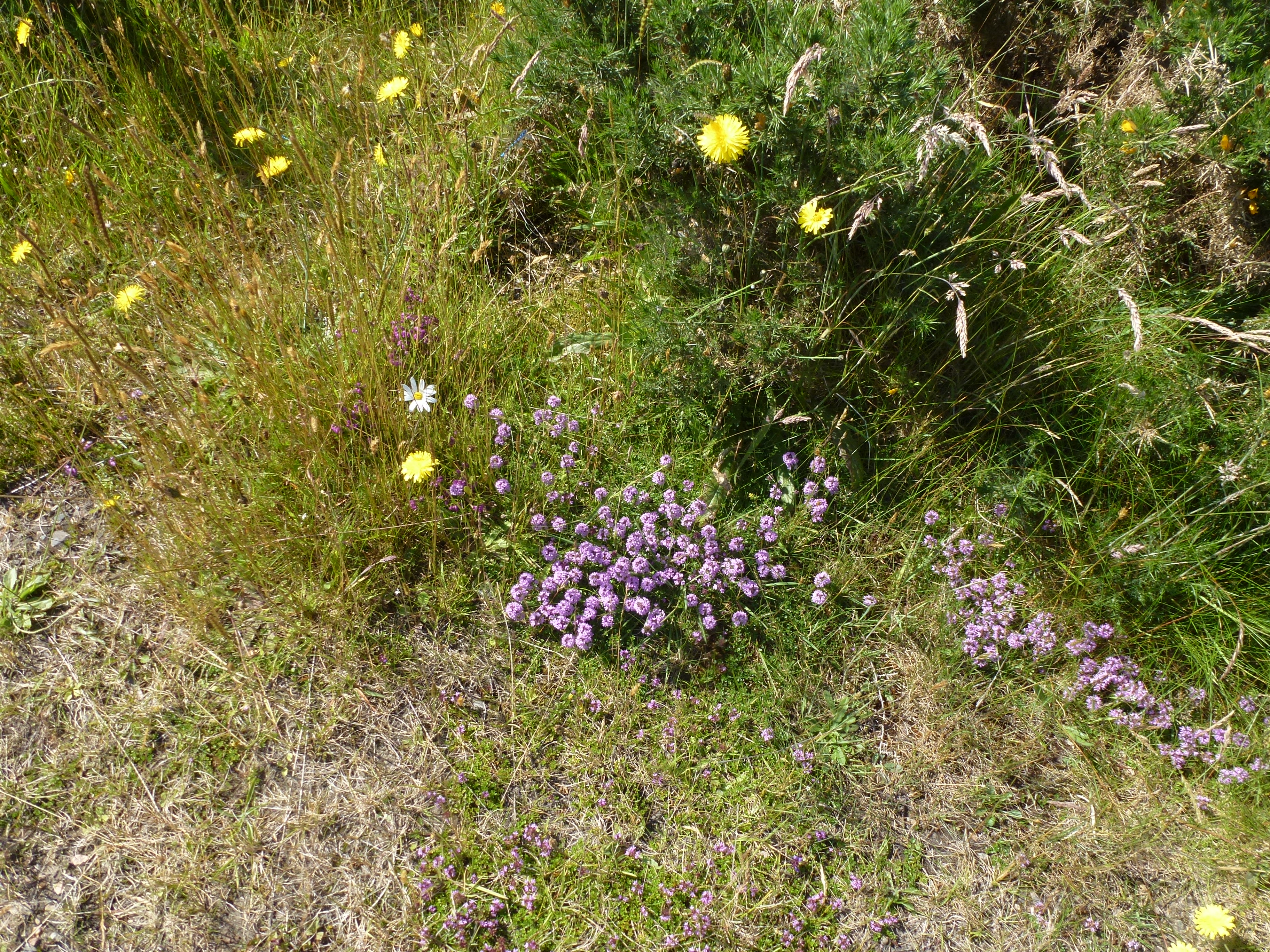
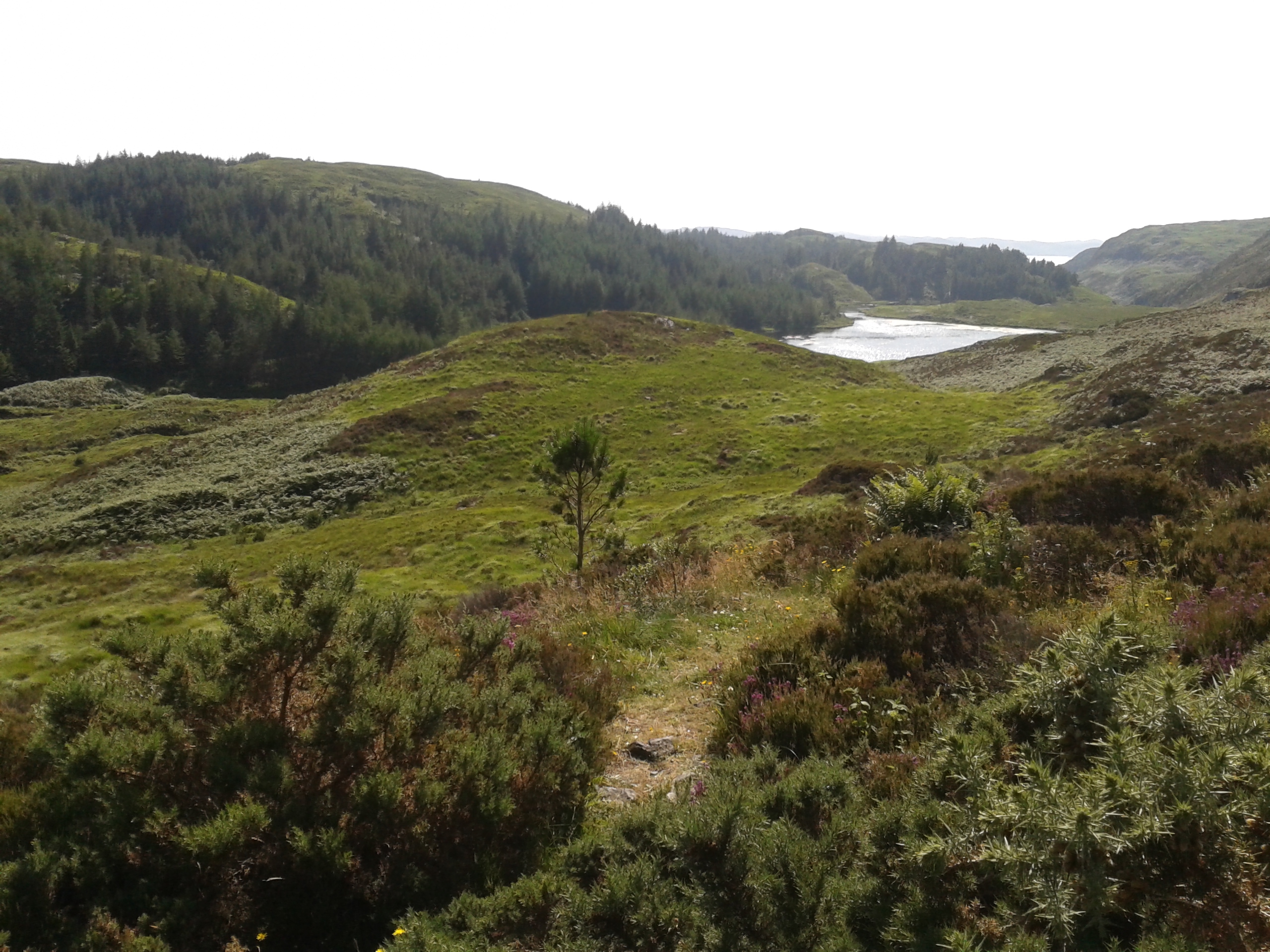
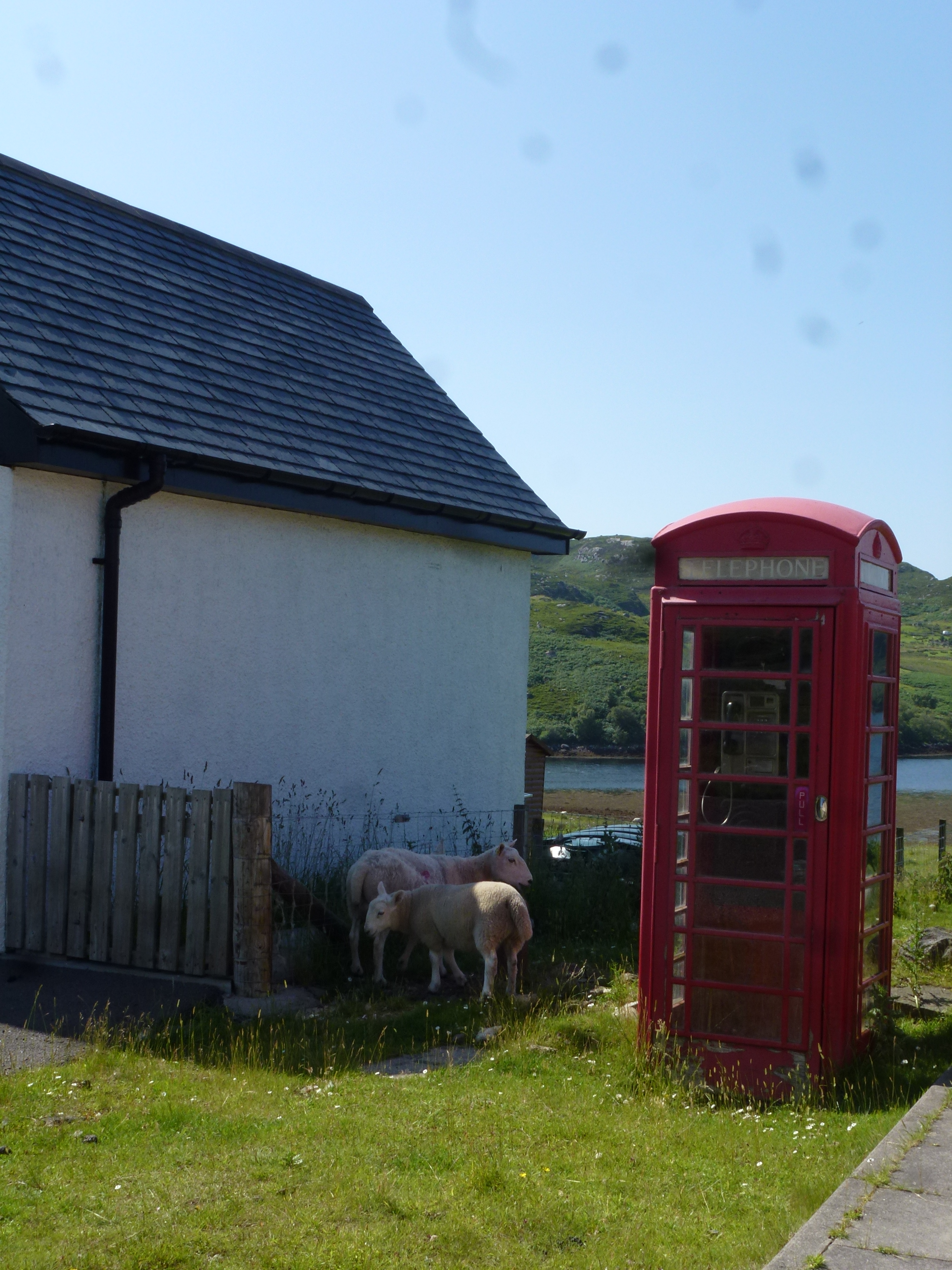
After the pictures, you may read the whole story!





















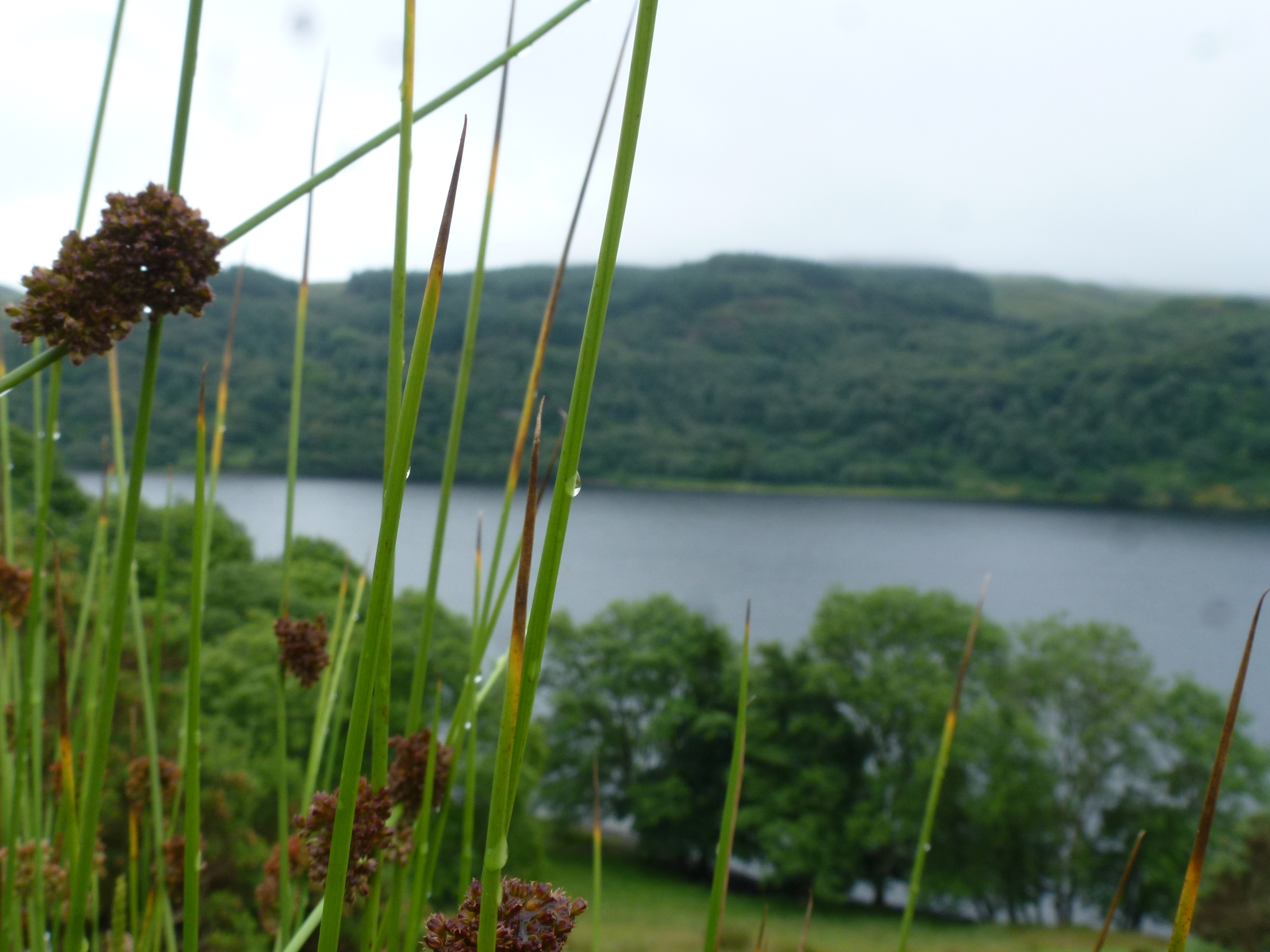
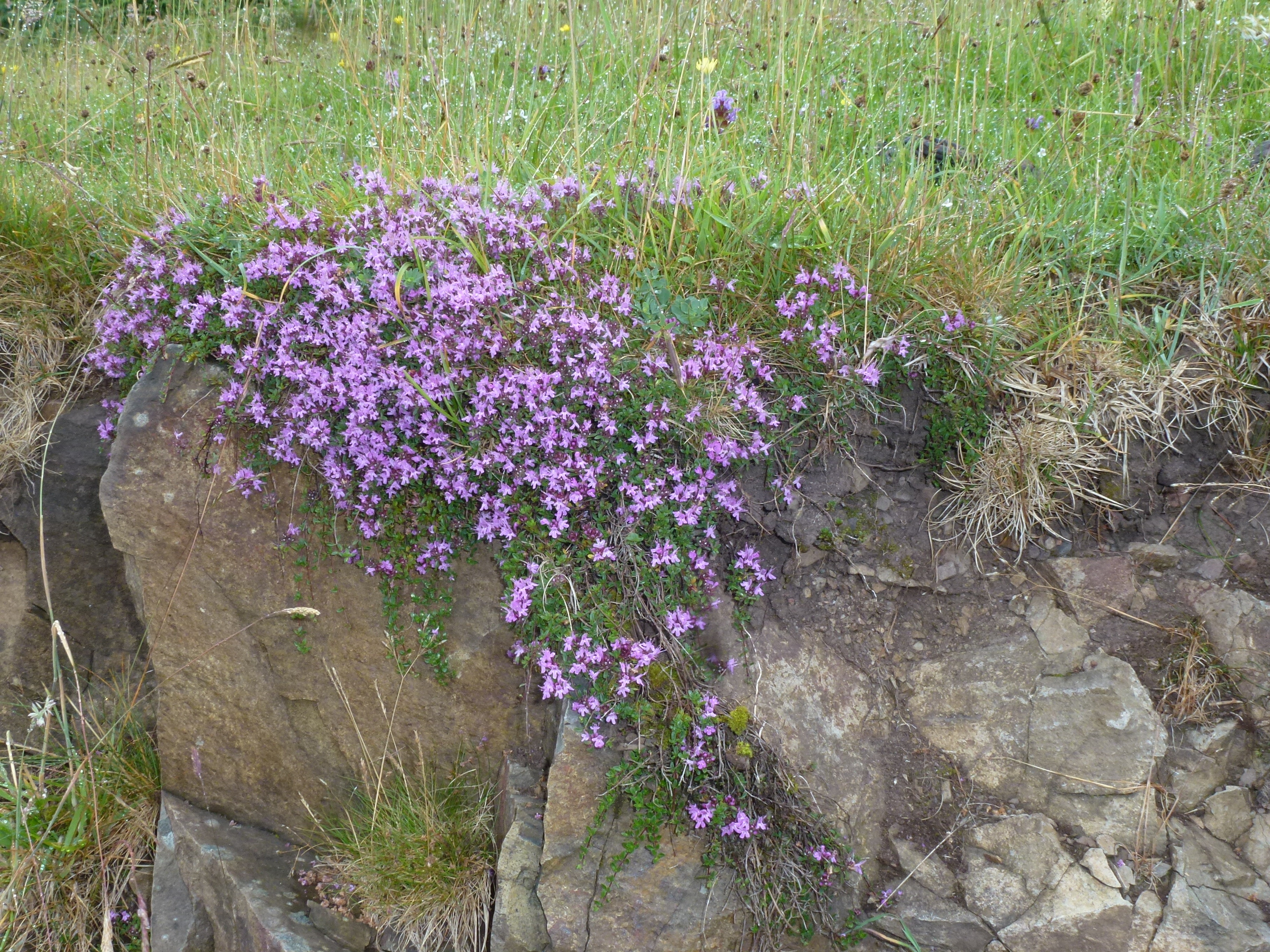
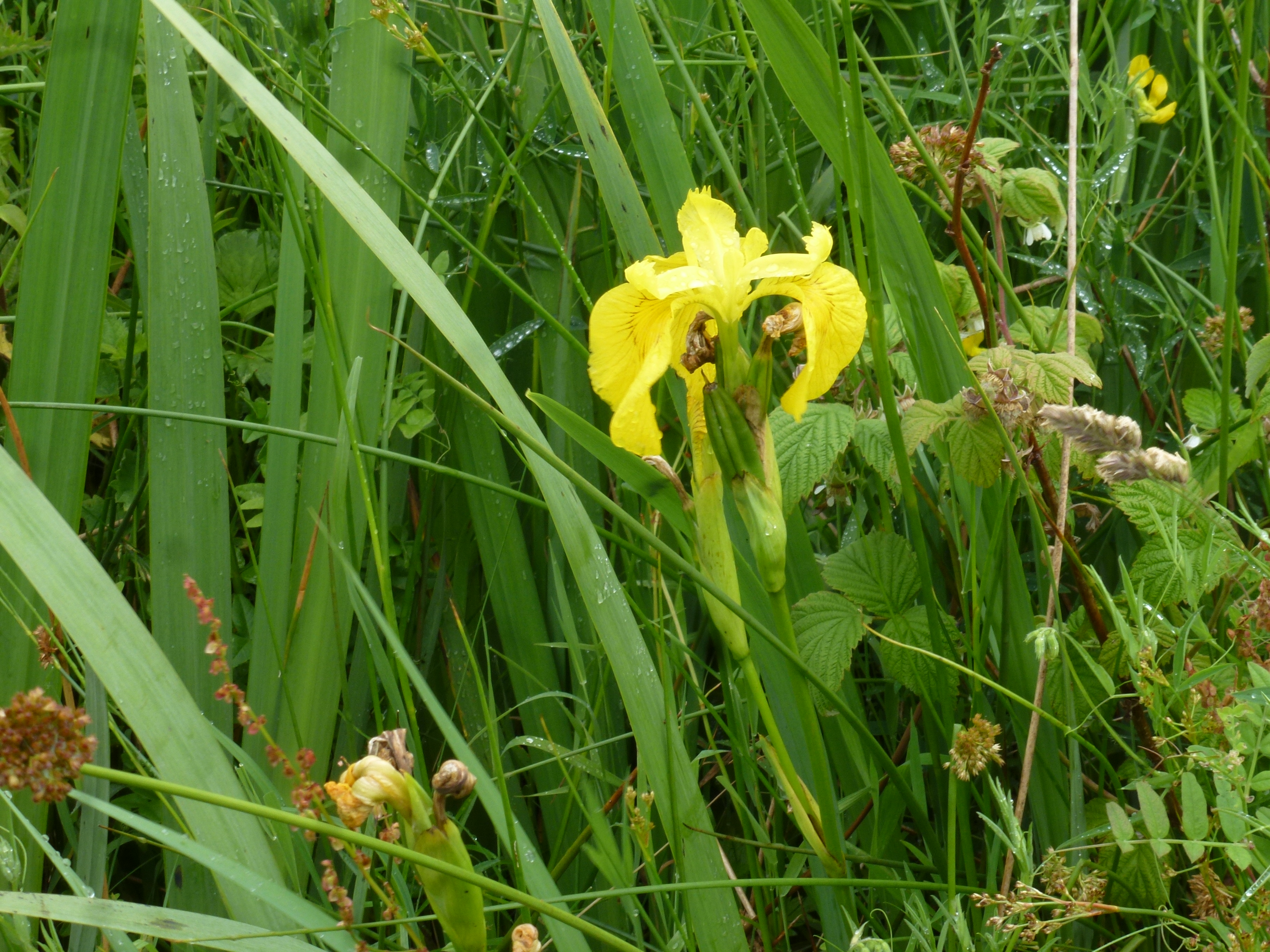
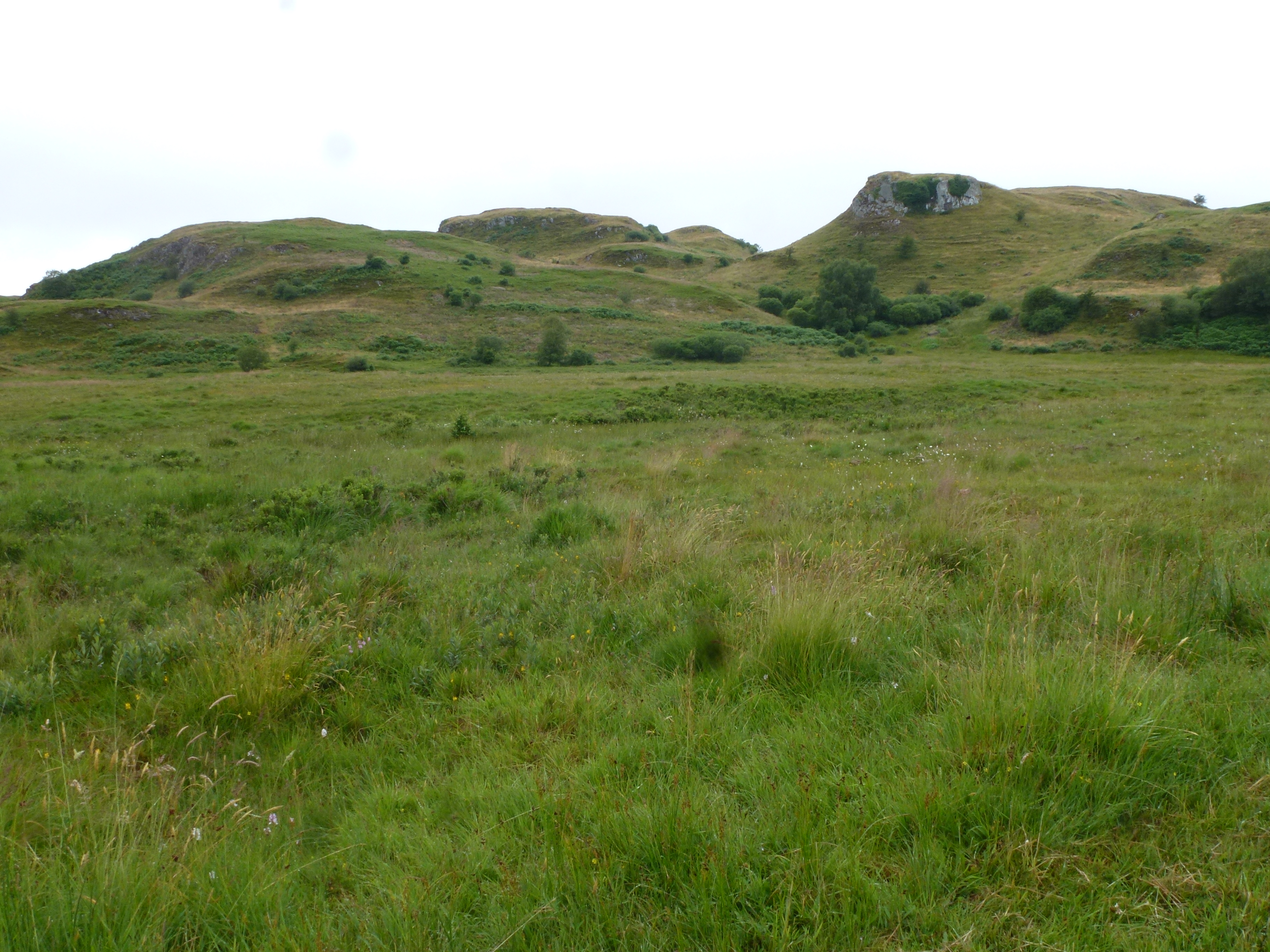





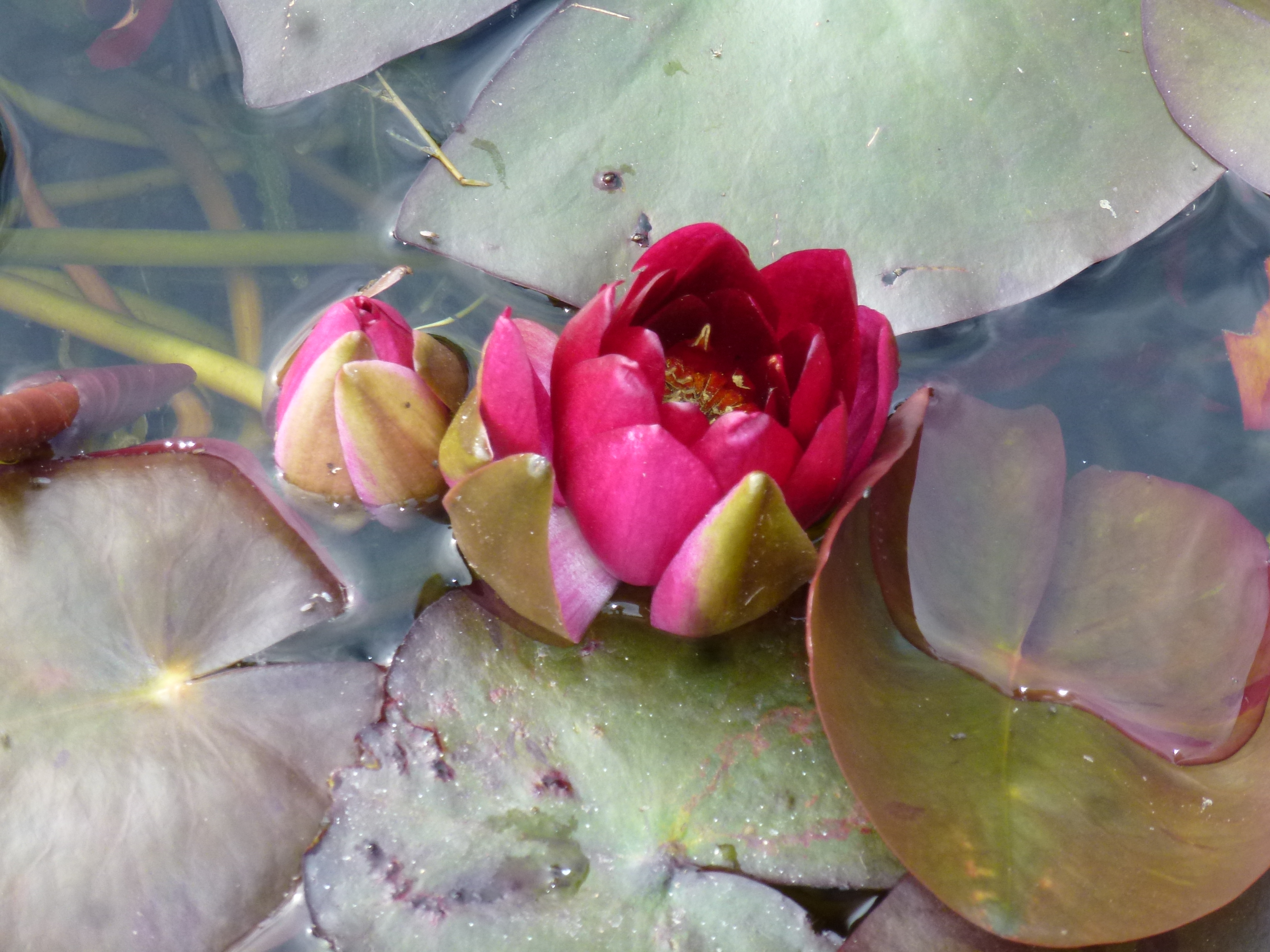
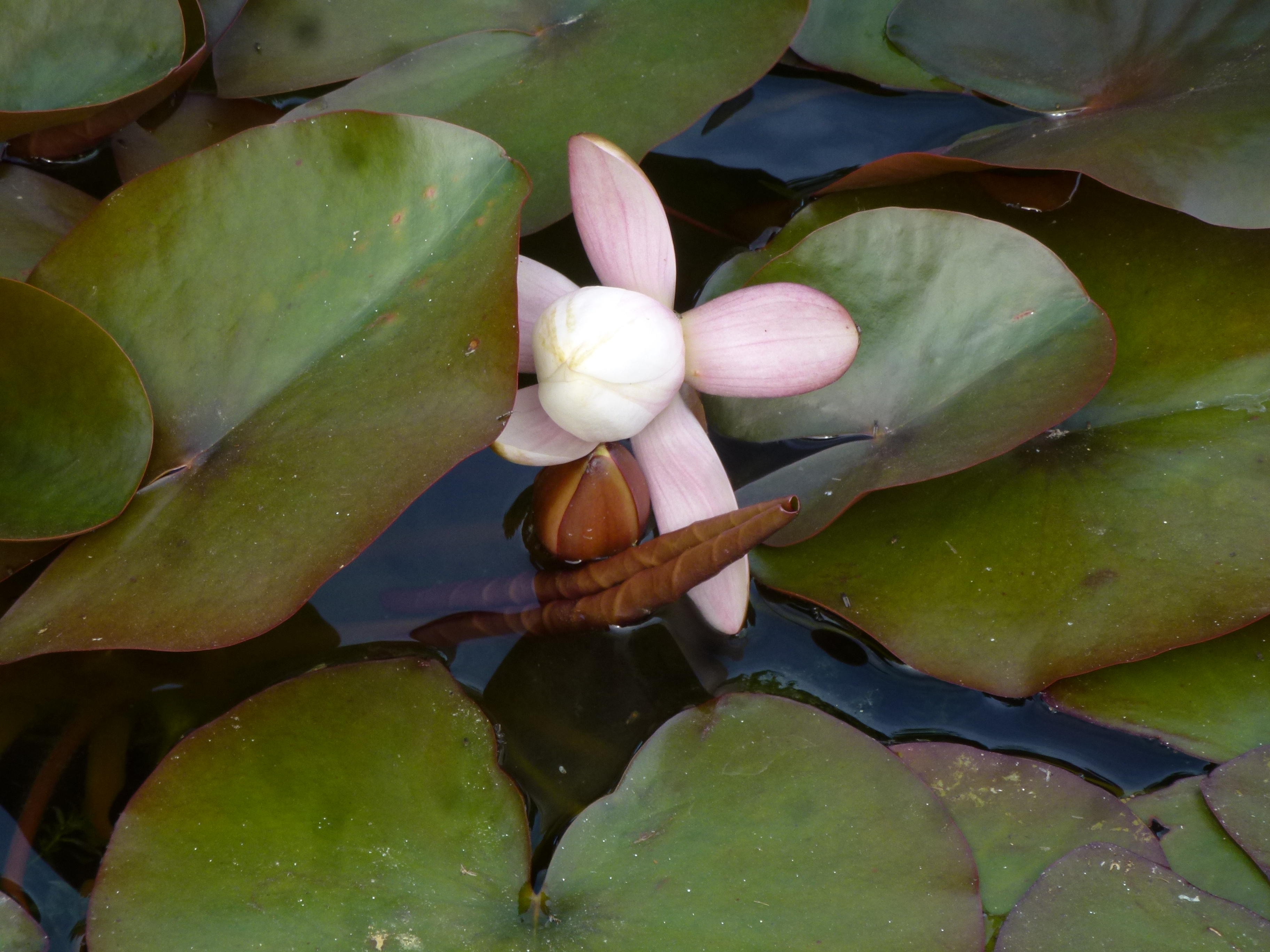
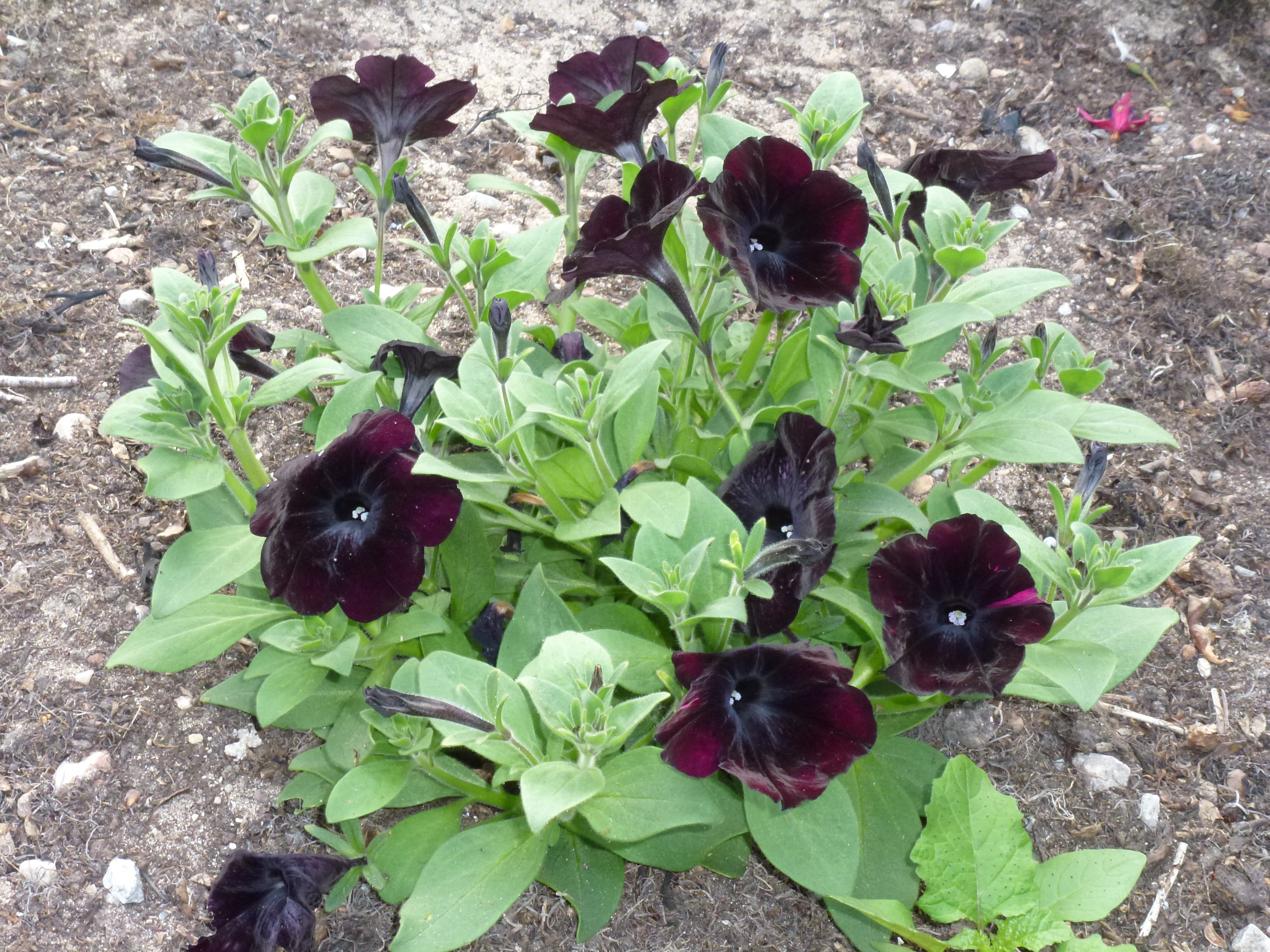
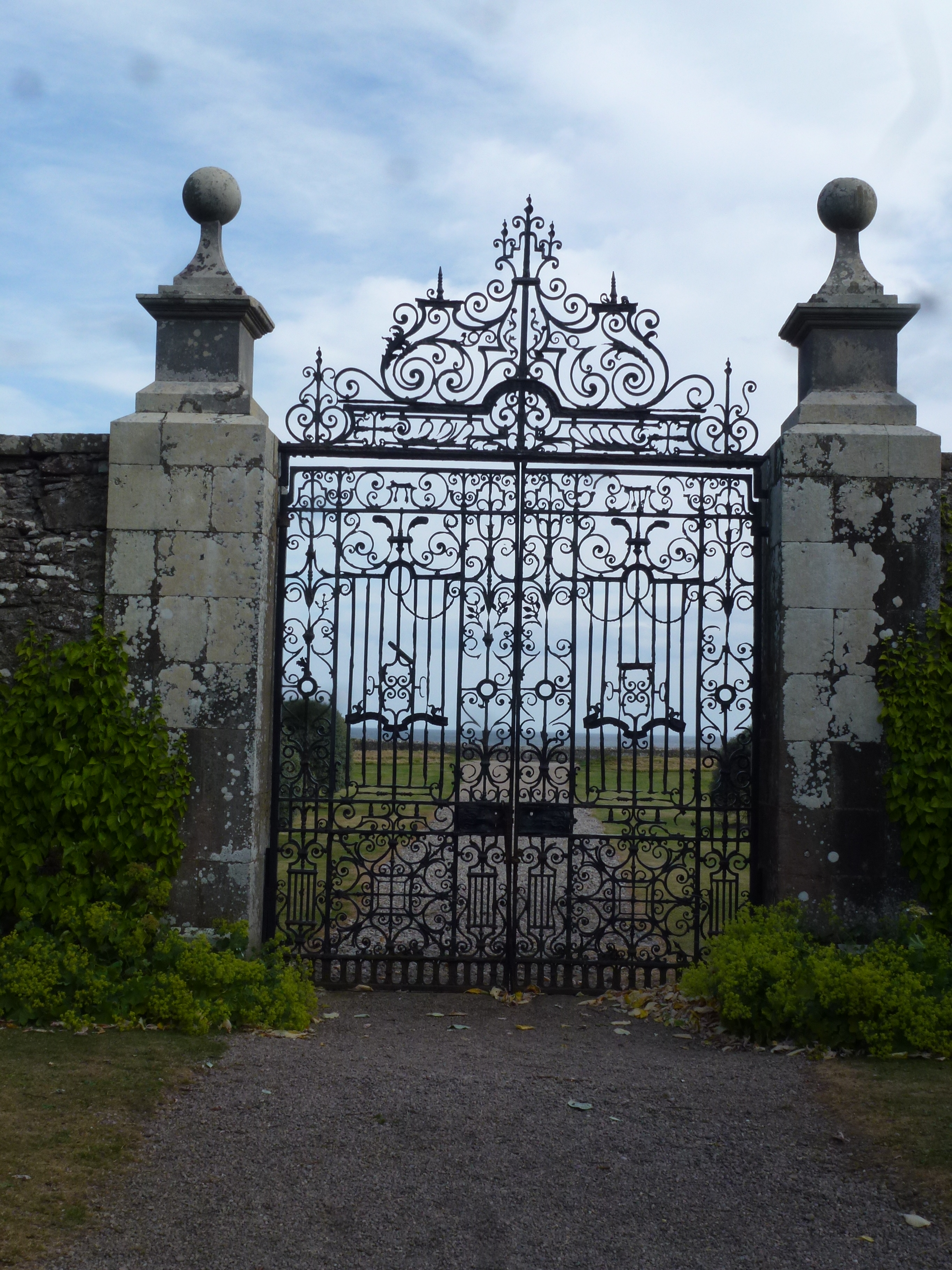






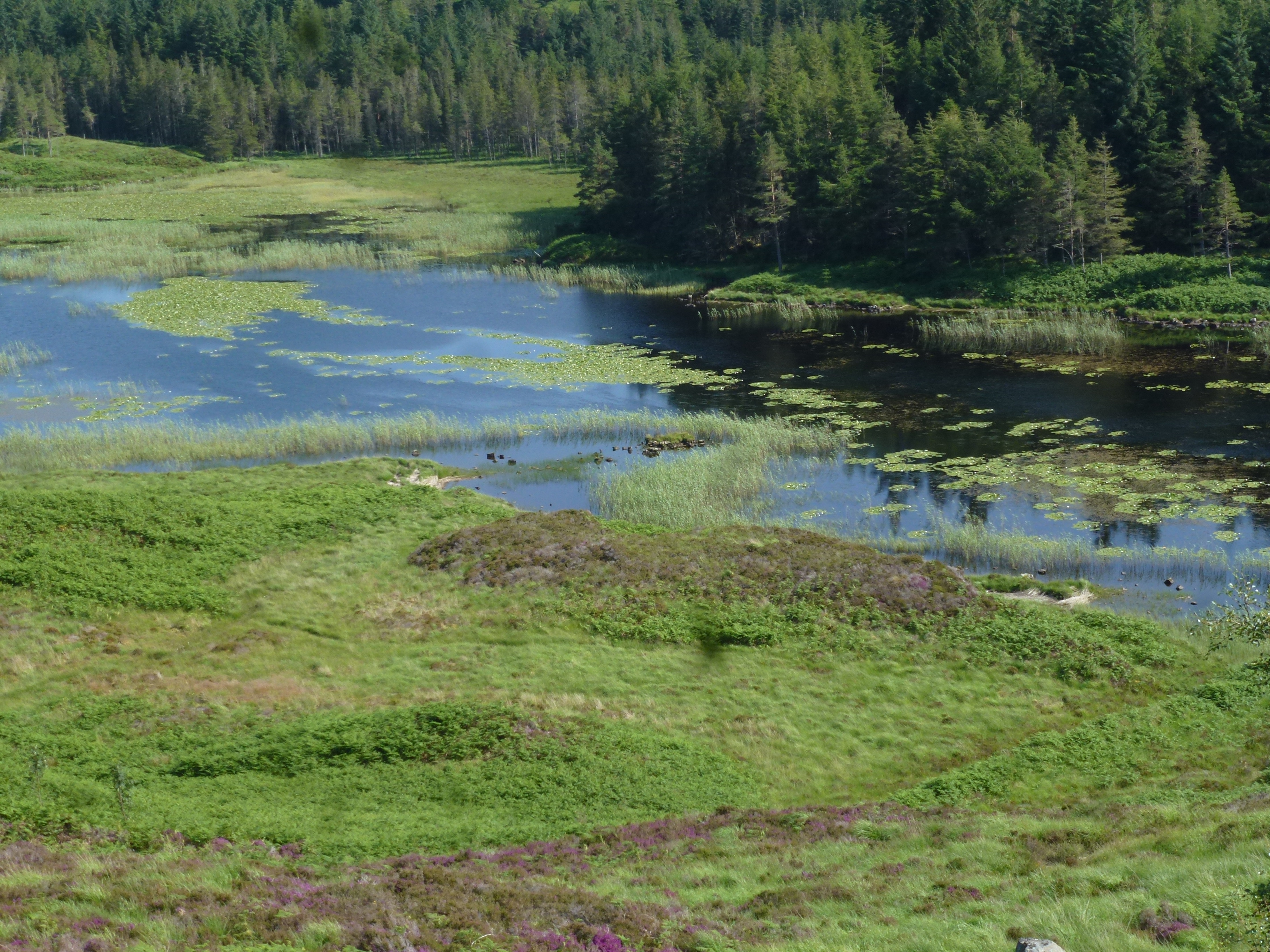

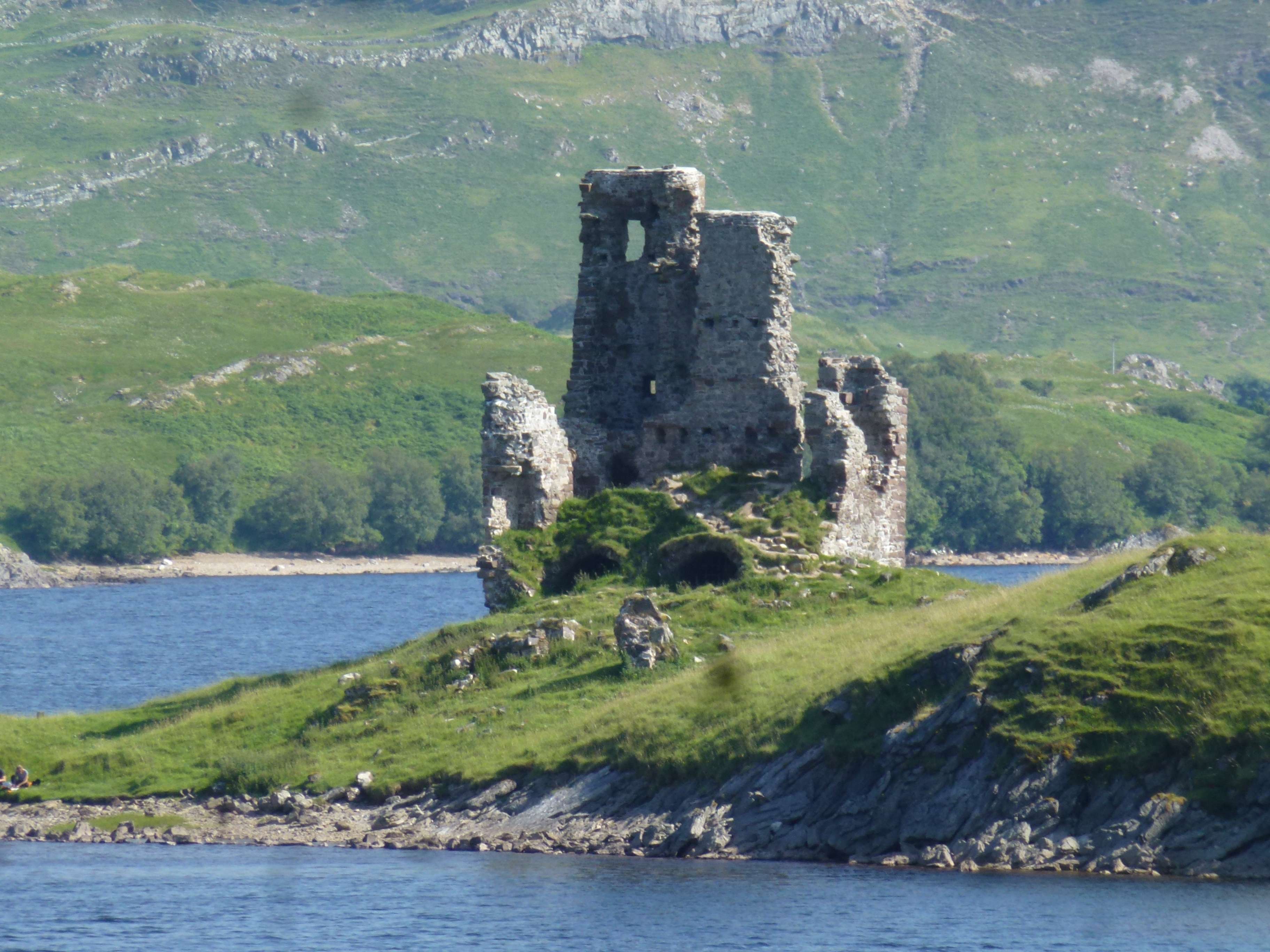
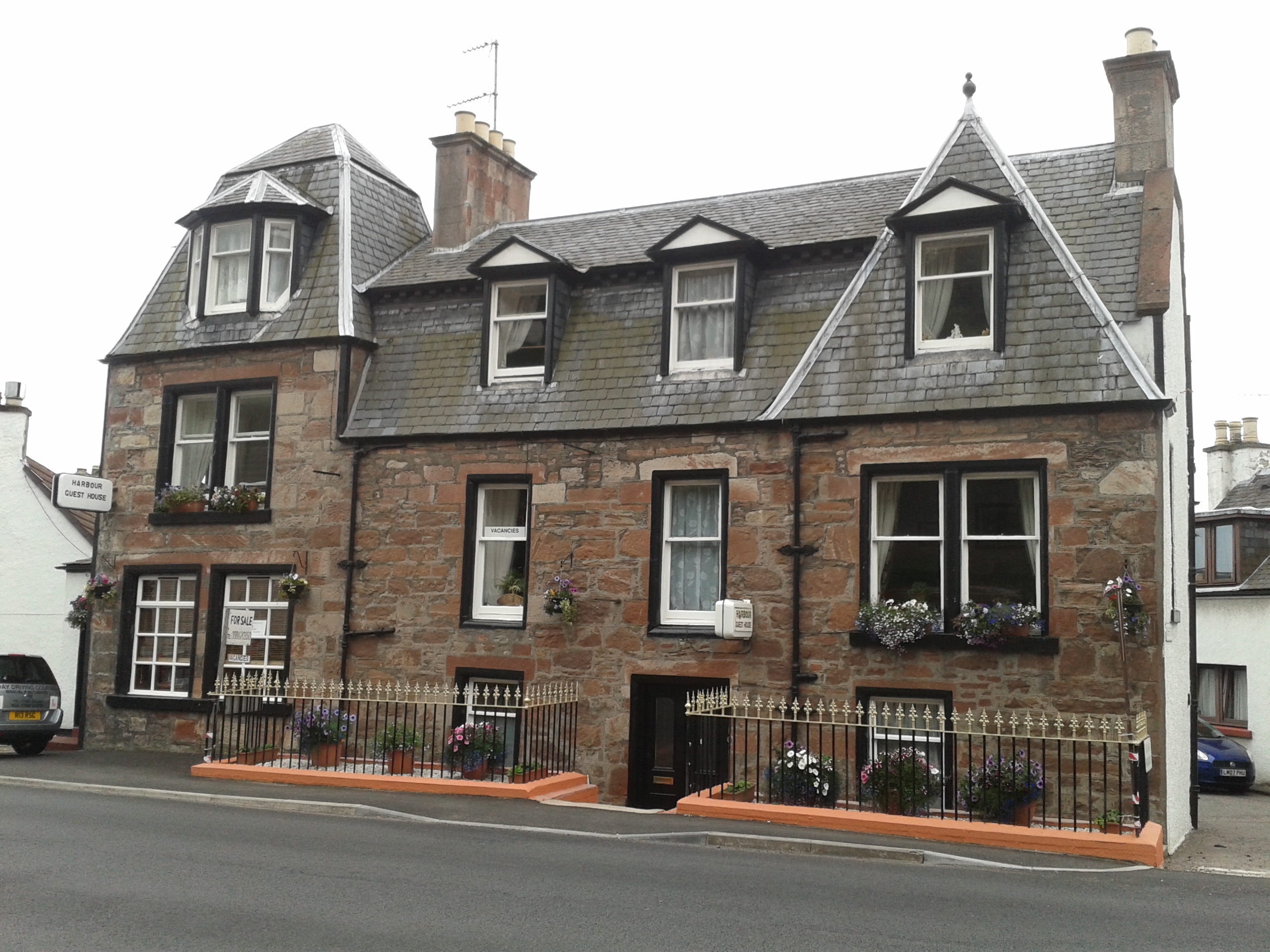
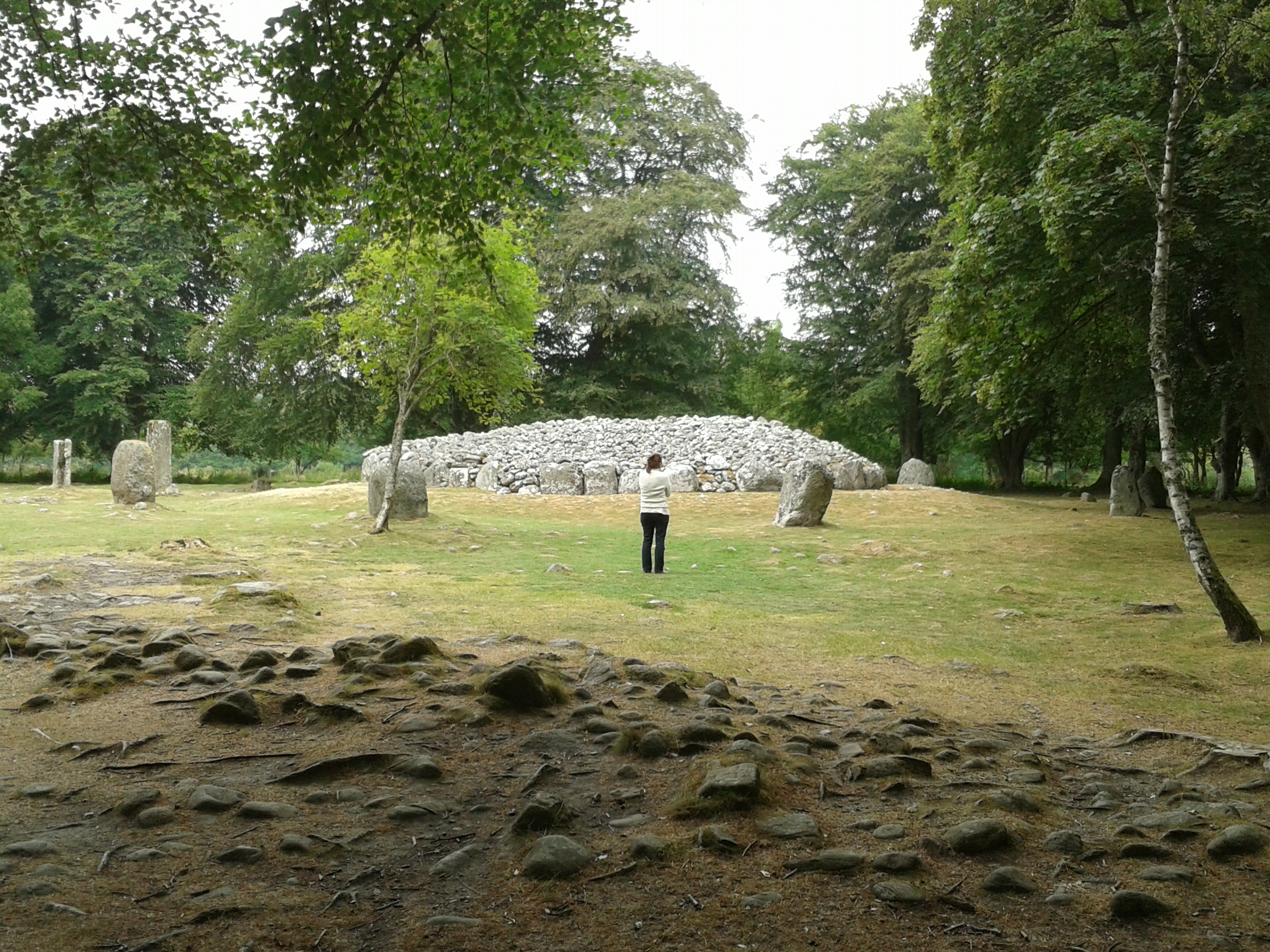
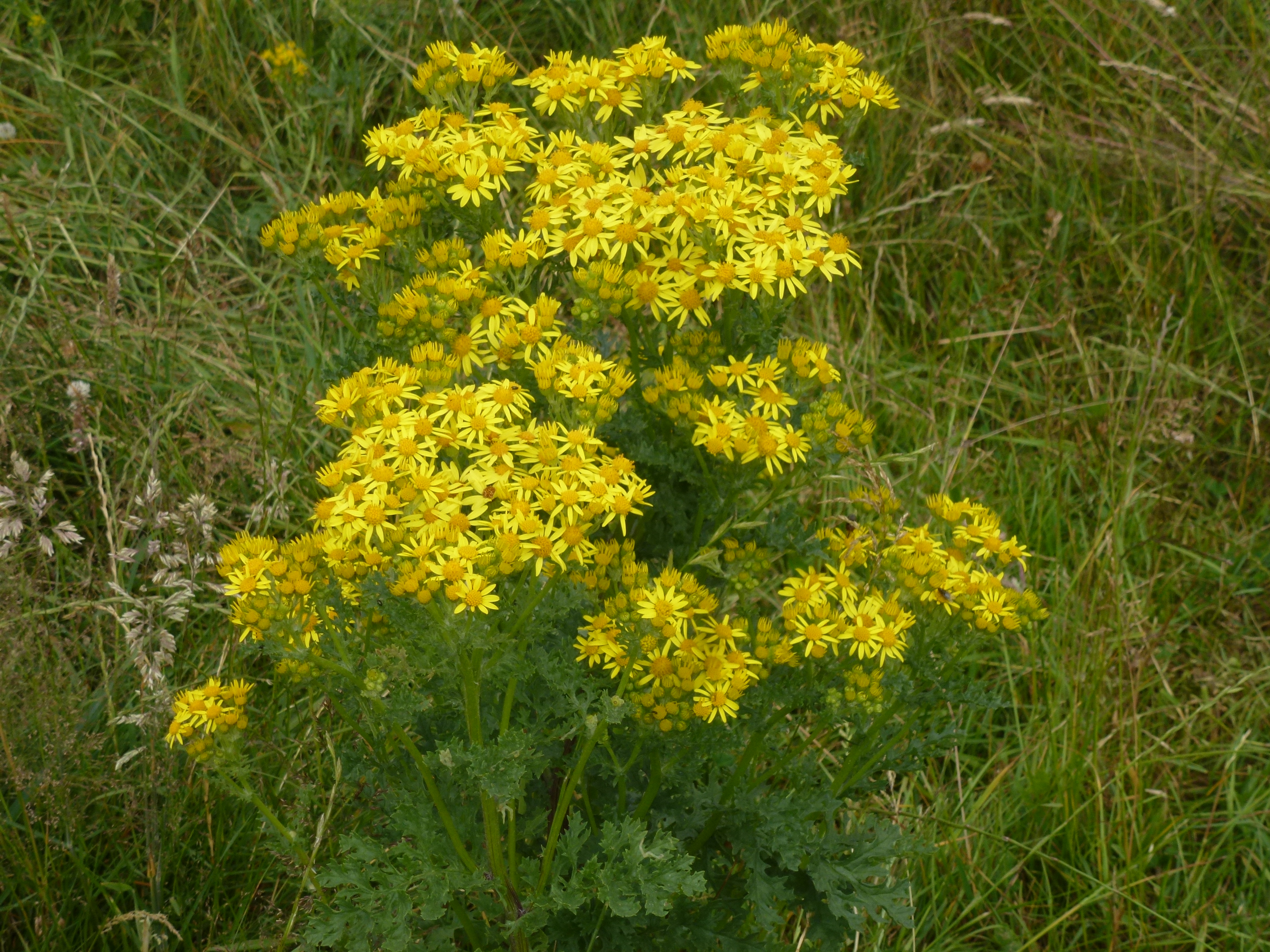
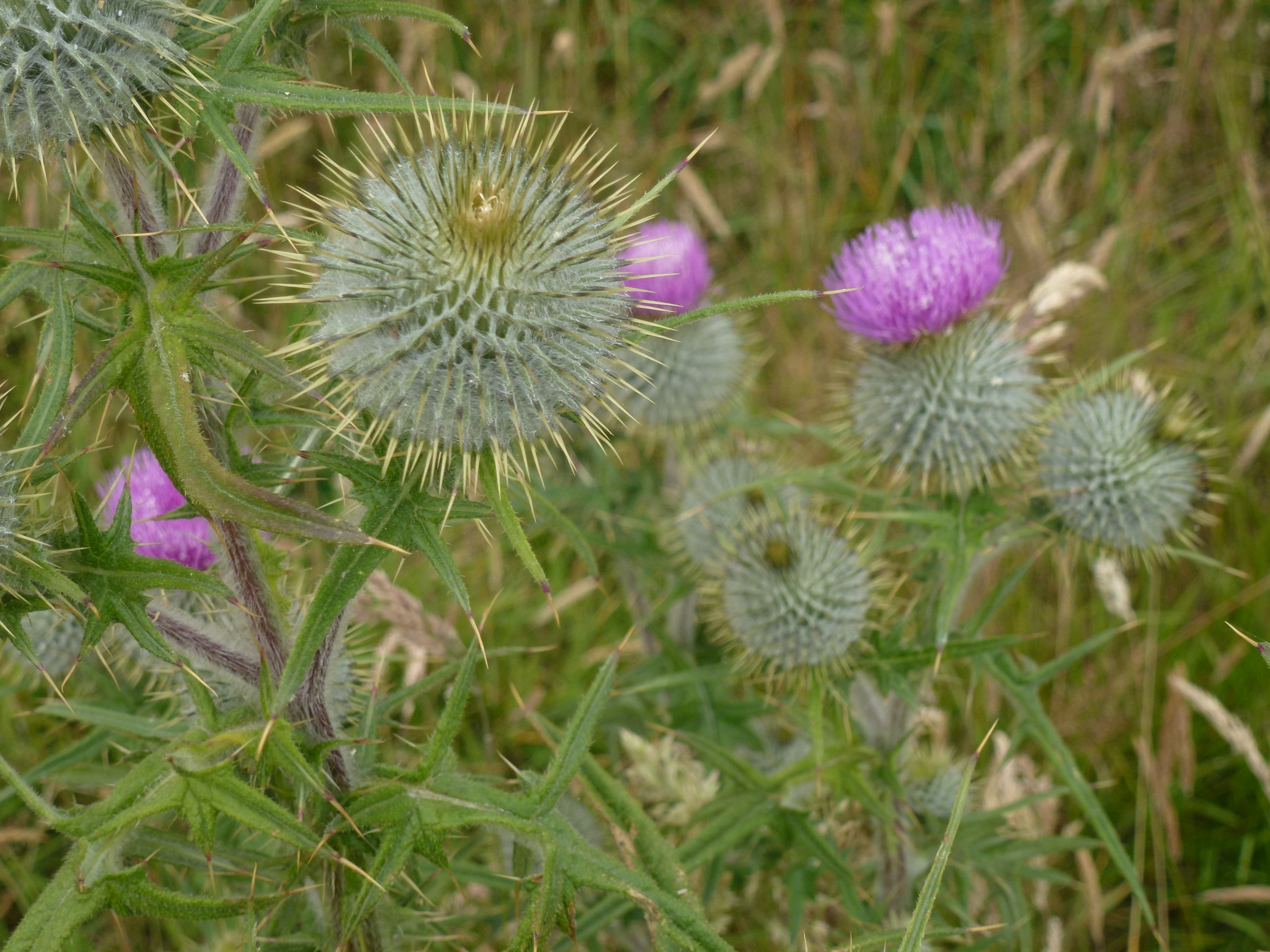
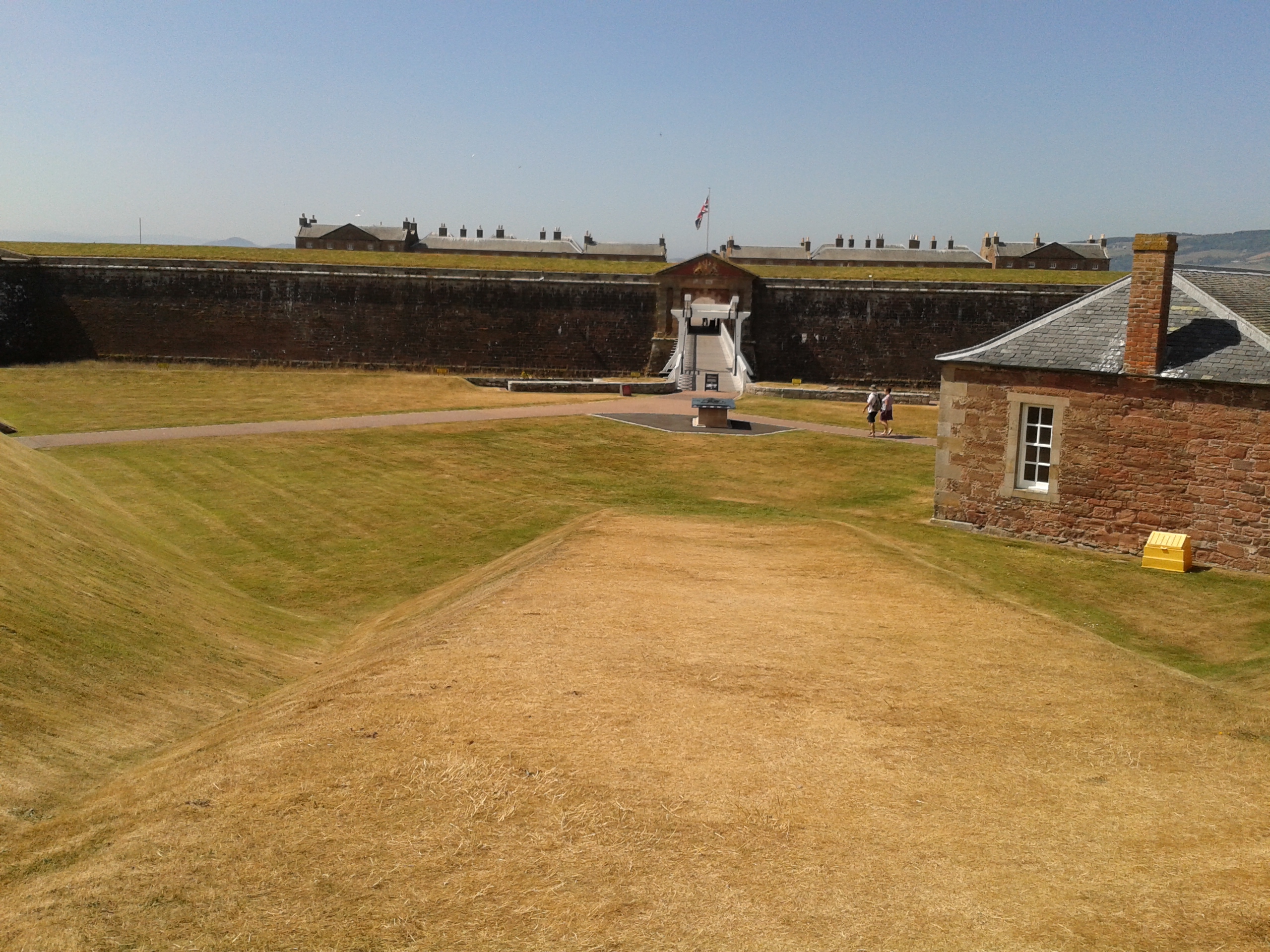
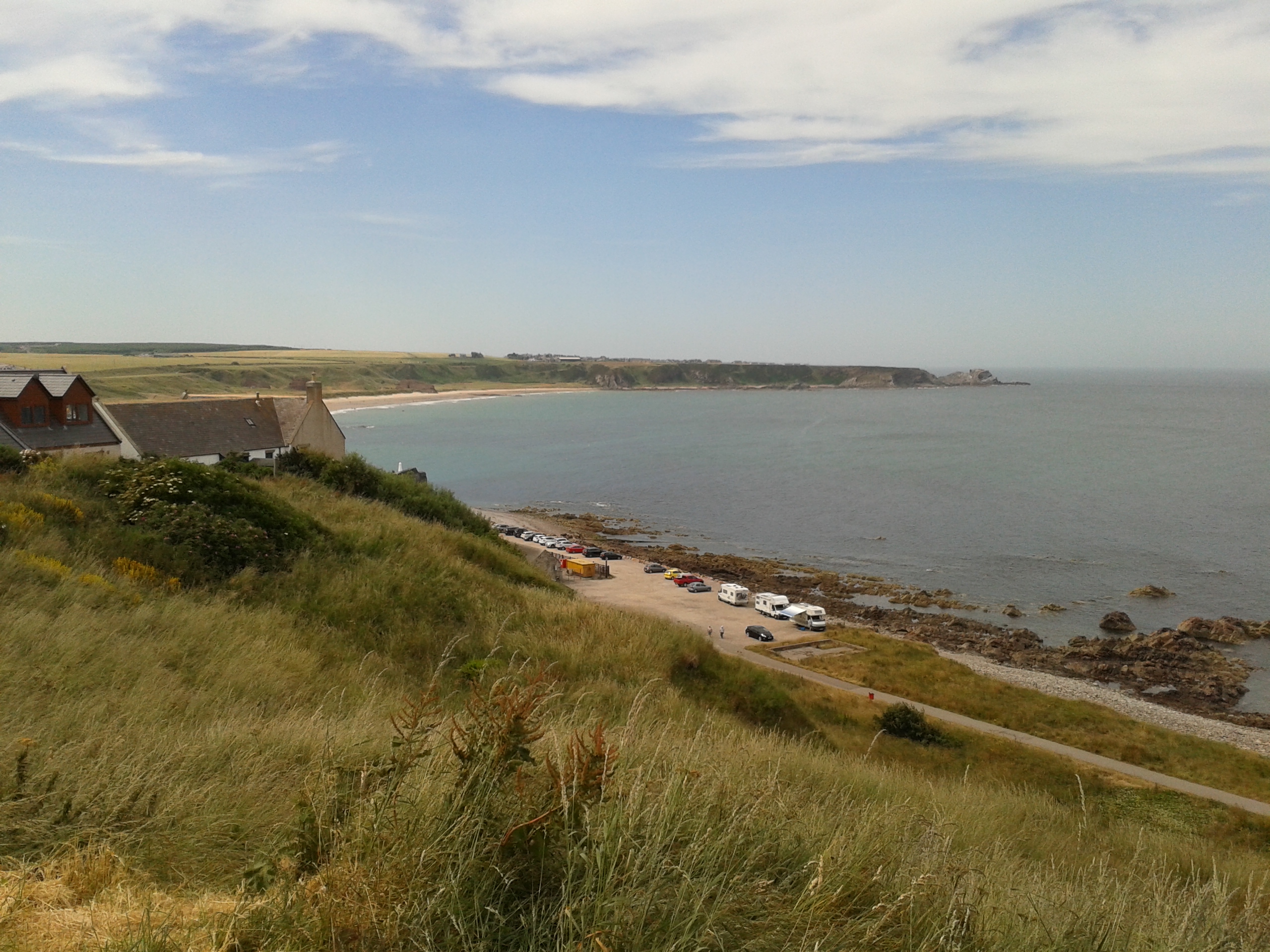



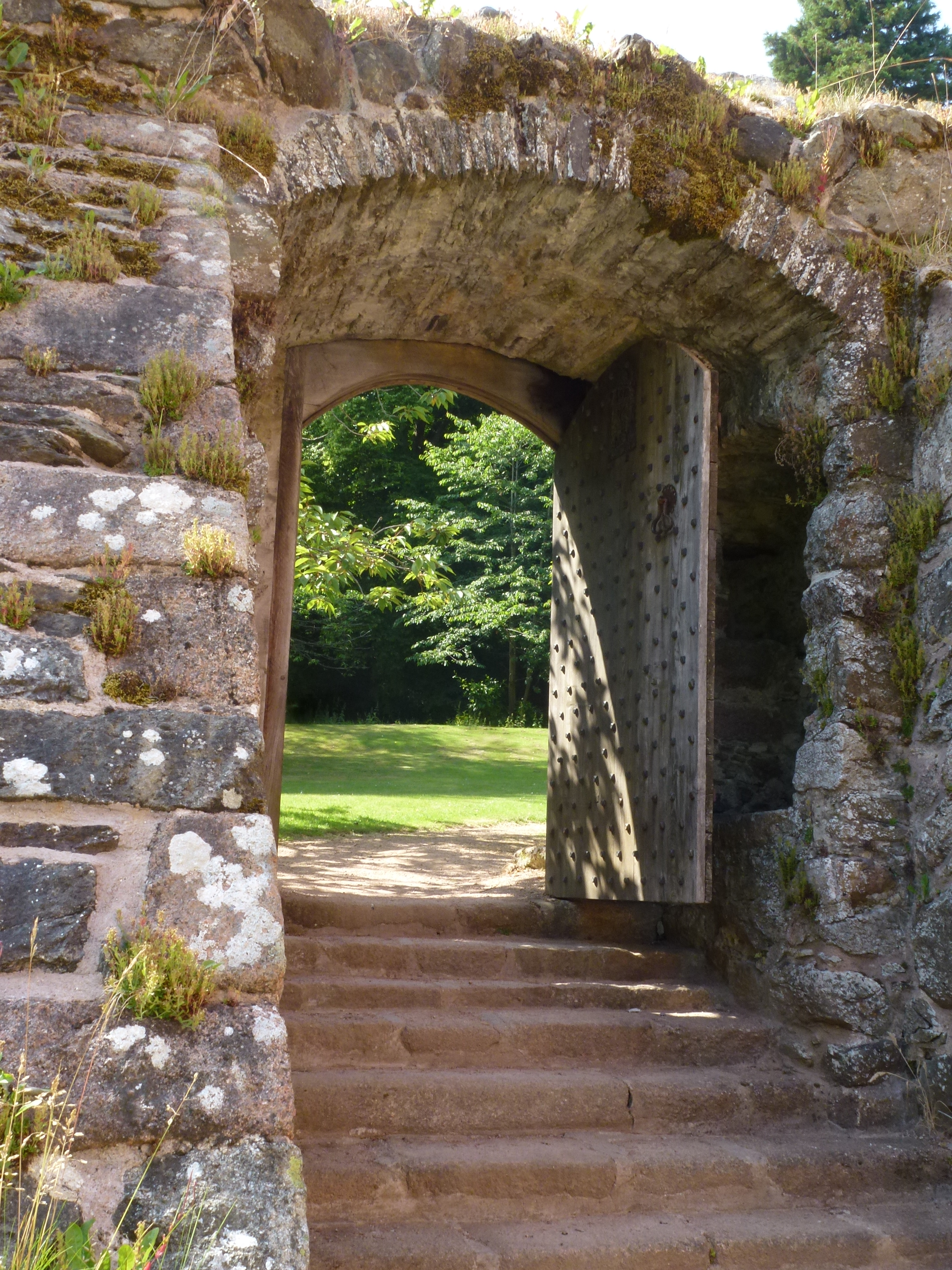
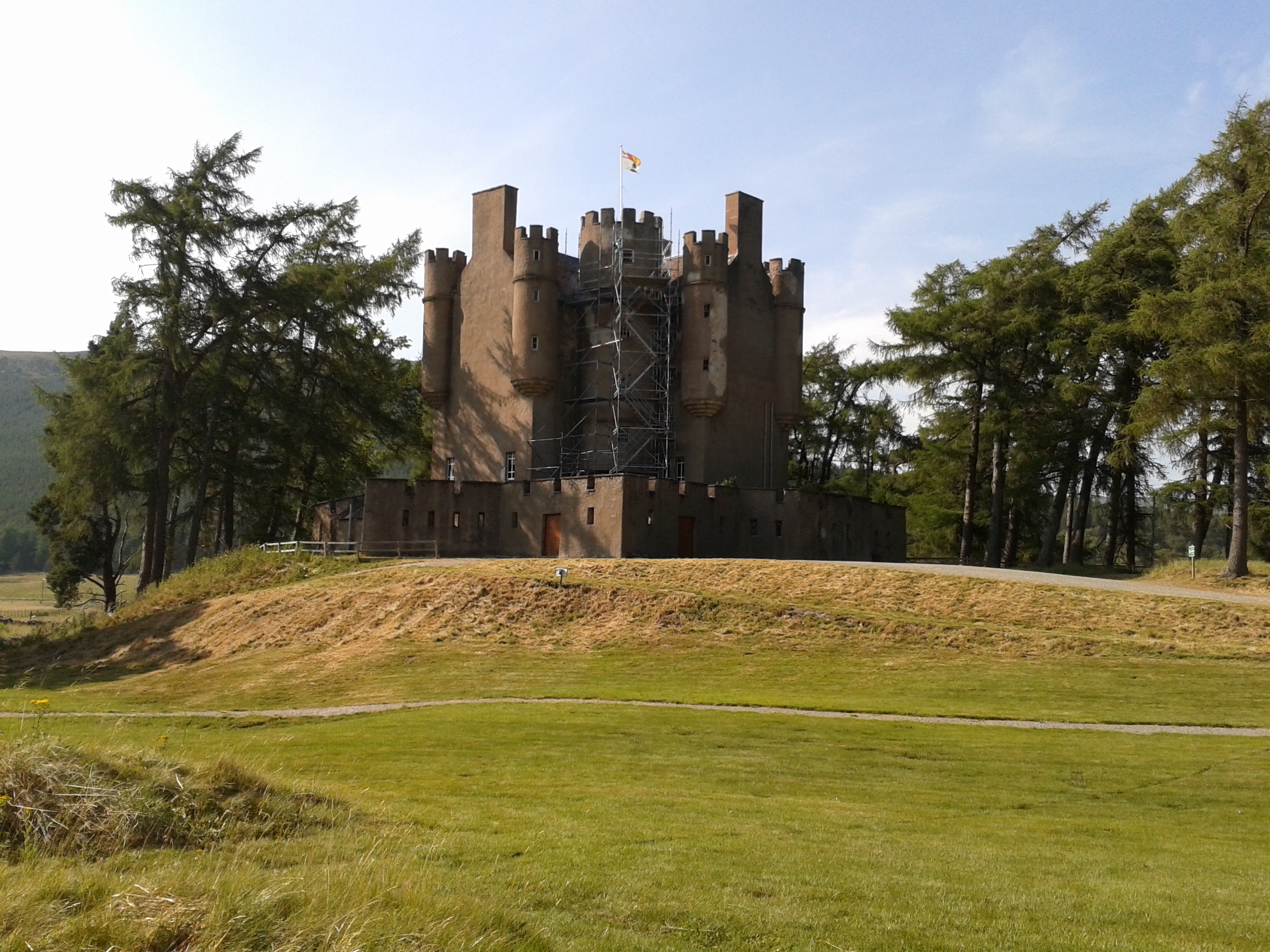
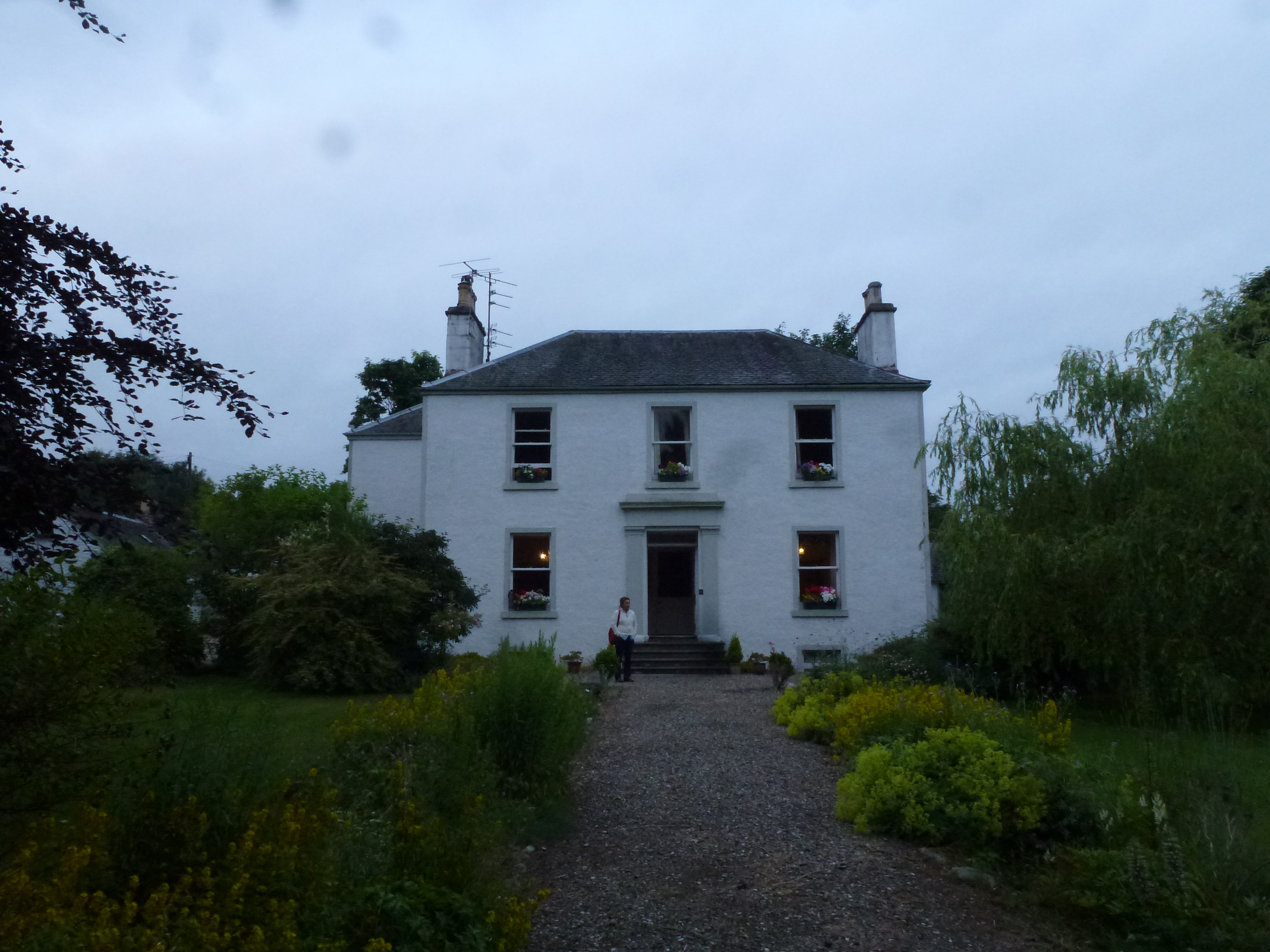
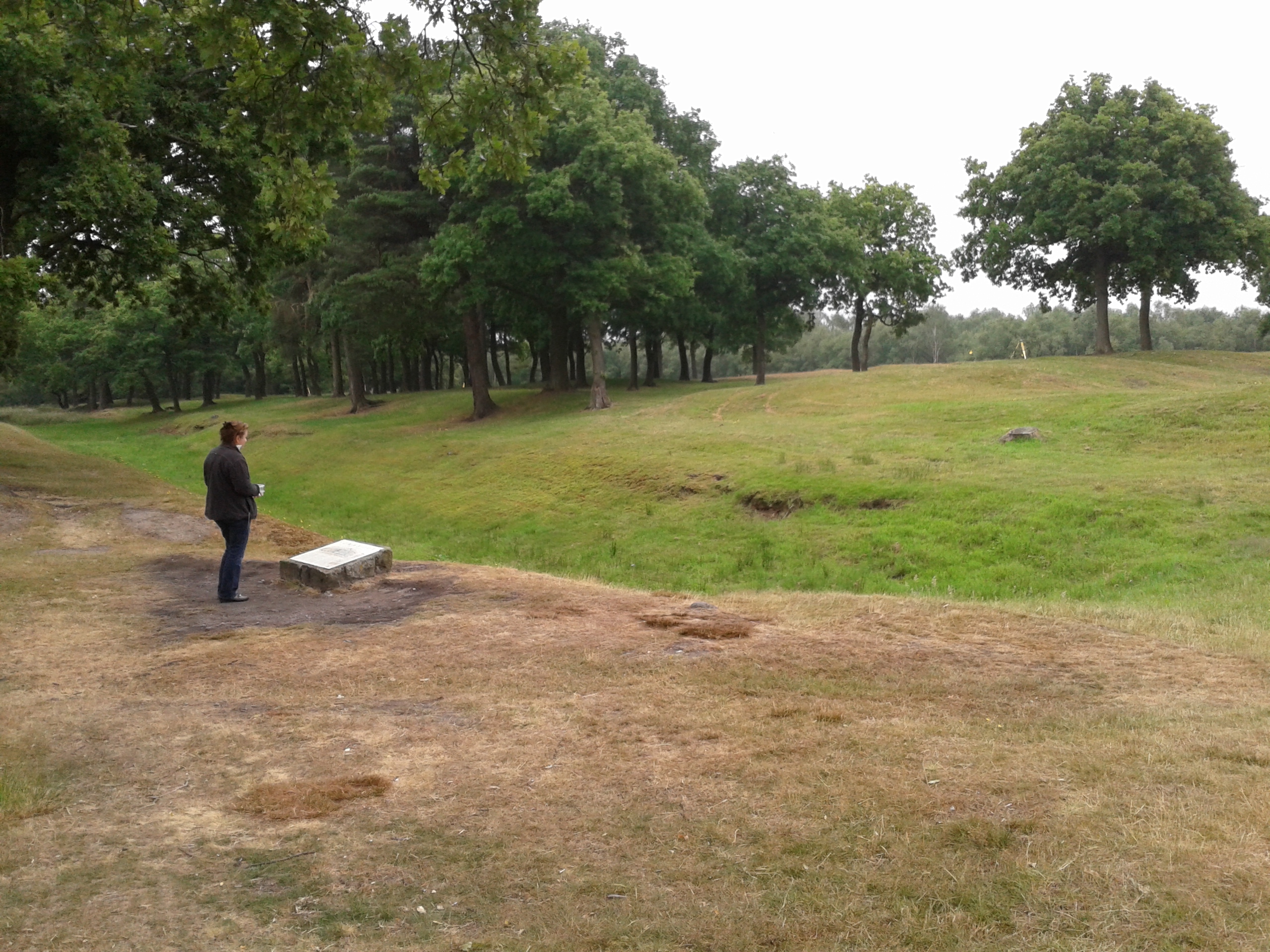





Thursday, July 11th, 2013
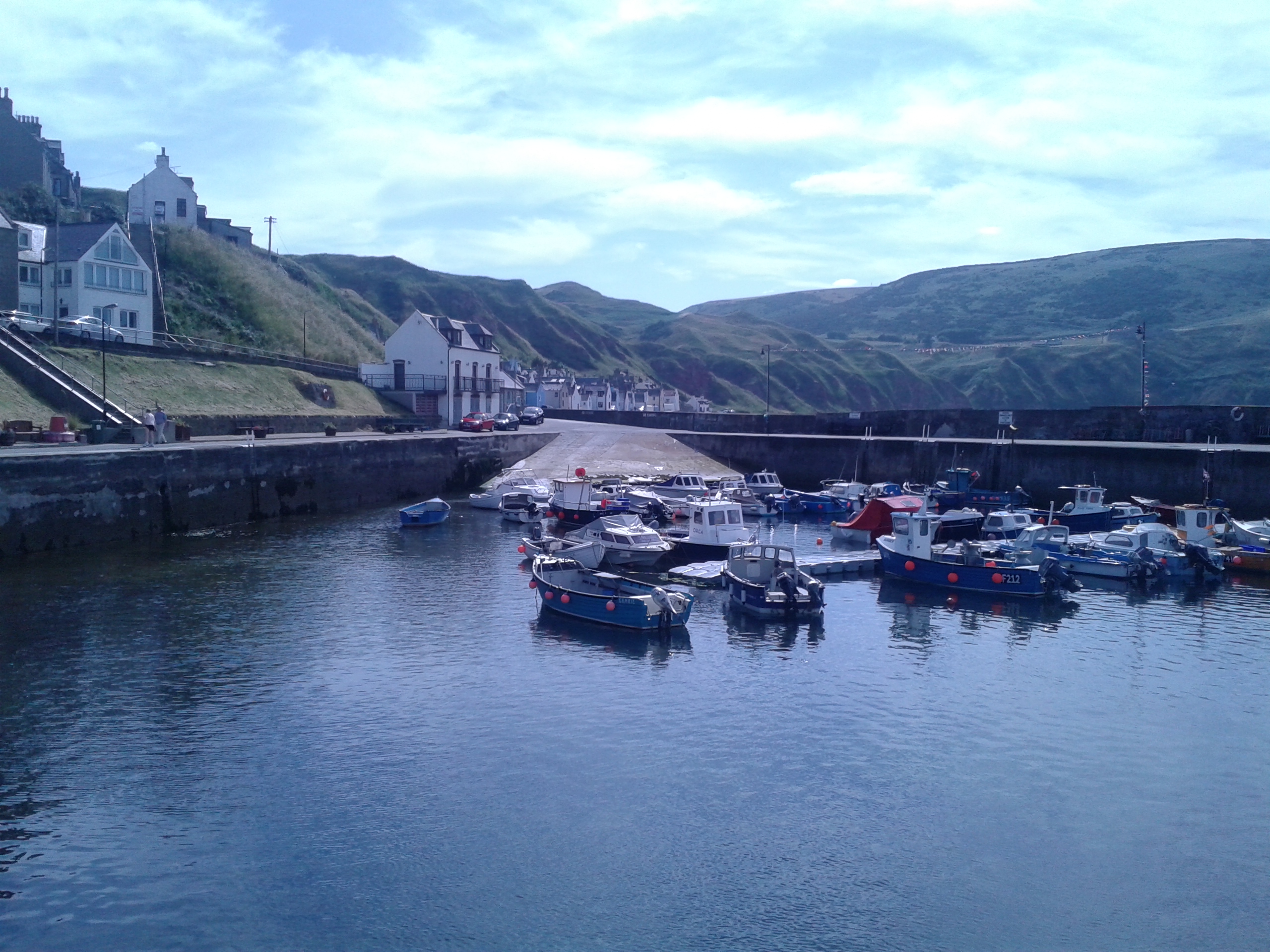
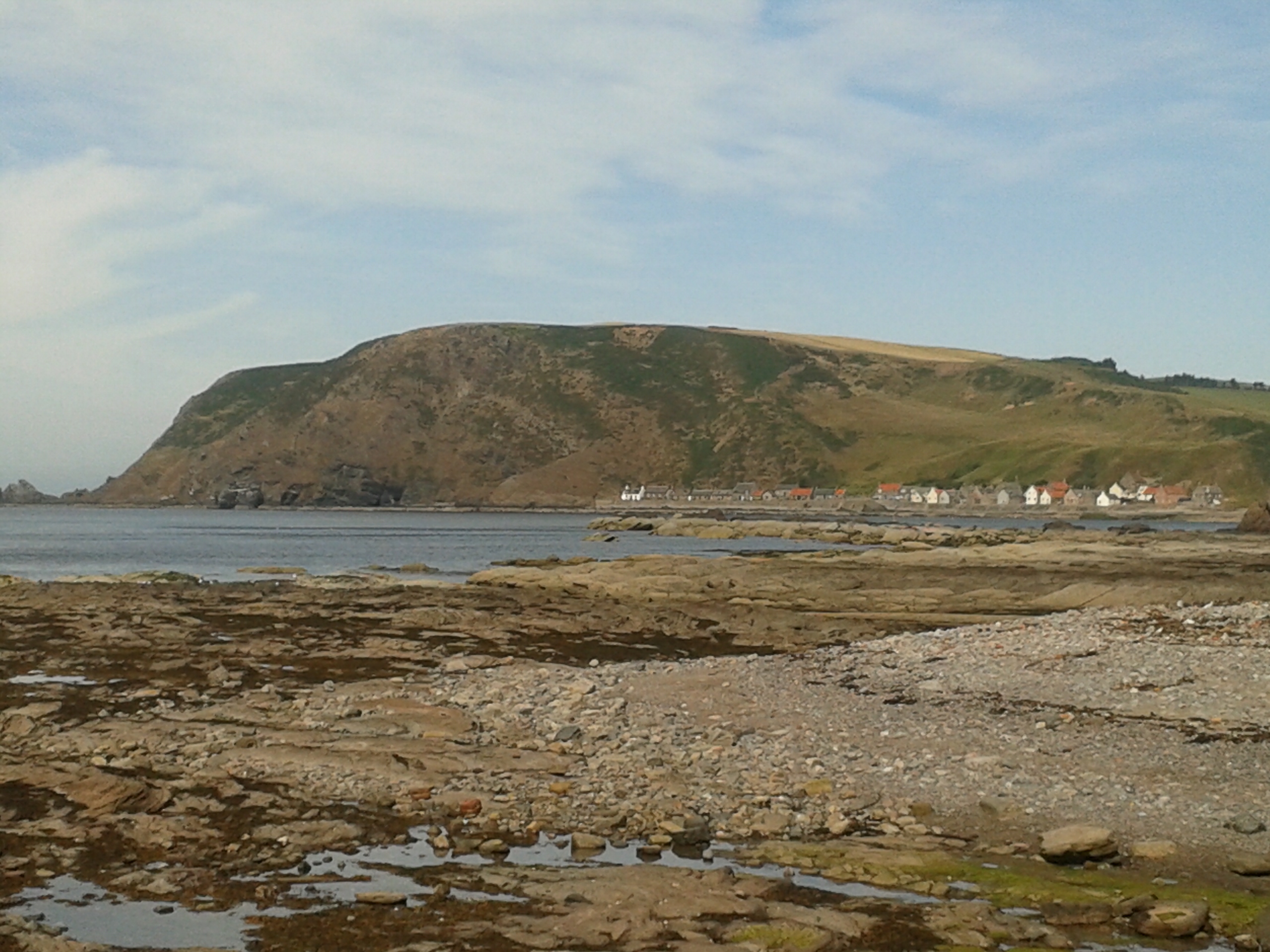
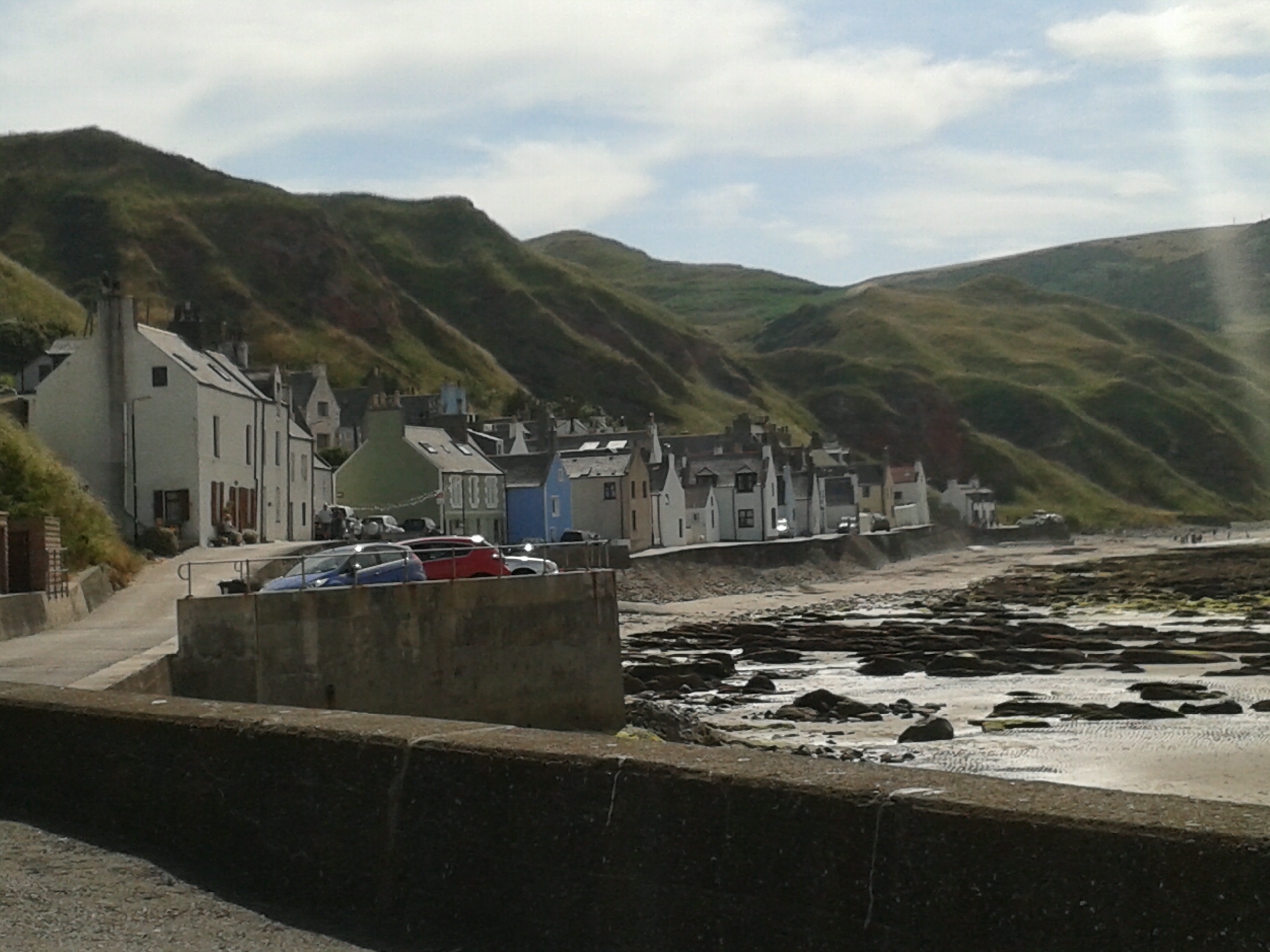
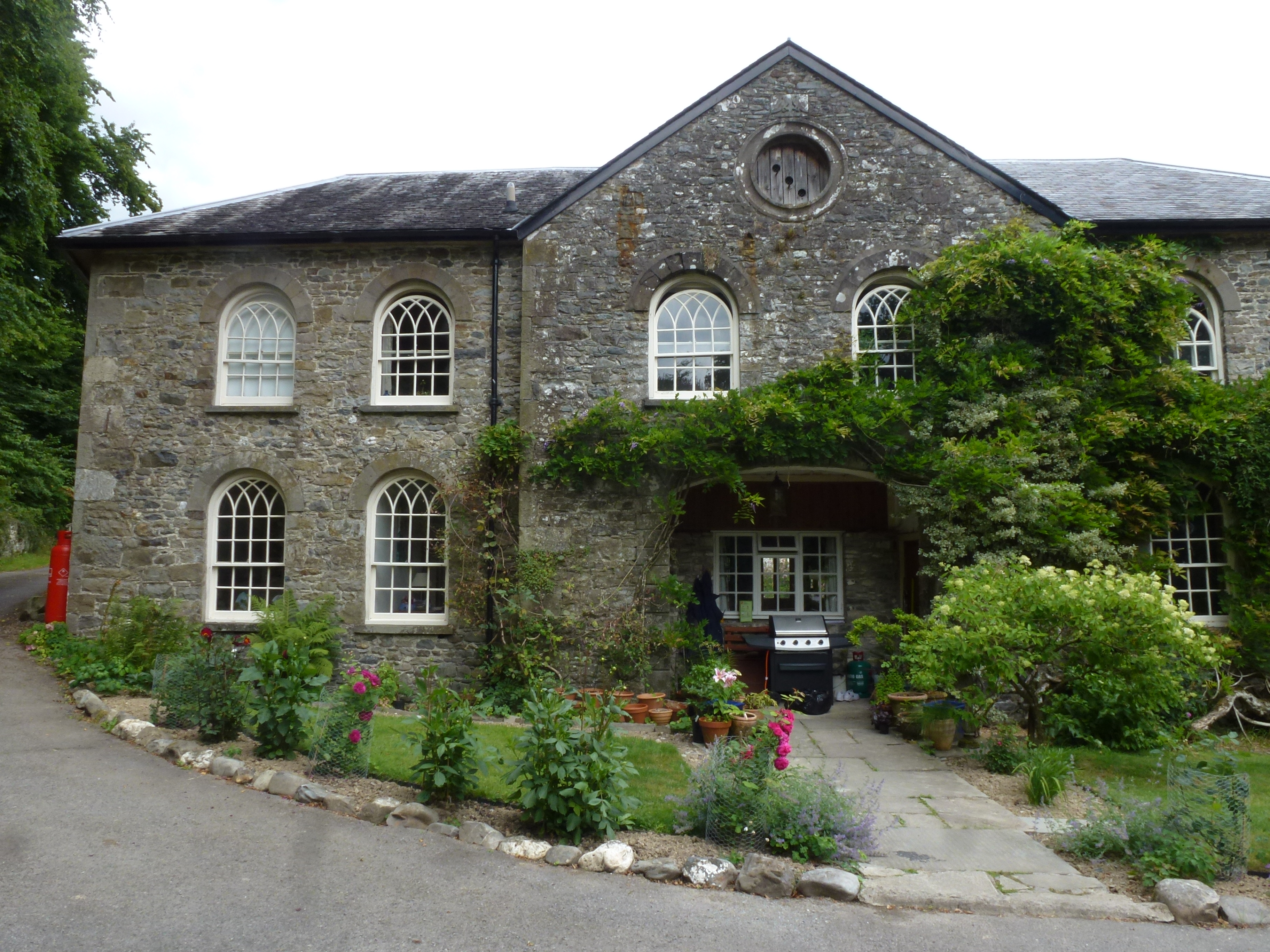
Through France, England, Wales and Scotland, for three weeks, we have traveled 7,300 kilometers, visiting ancient ruins and losing our sight beyond visions of indescribable beauty. The pretext was to bring the boys in Llandovery – Wales, for two weeks of intensive music on the campus of LMFL. In Marson – Champagne-Ardenne, at the B&B Le Marsonnet, we spent the first night. The structure was located inside a recently renovated country house, elegantly decorated and very spacious.
Friday, July 12
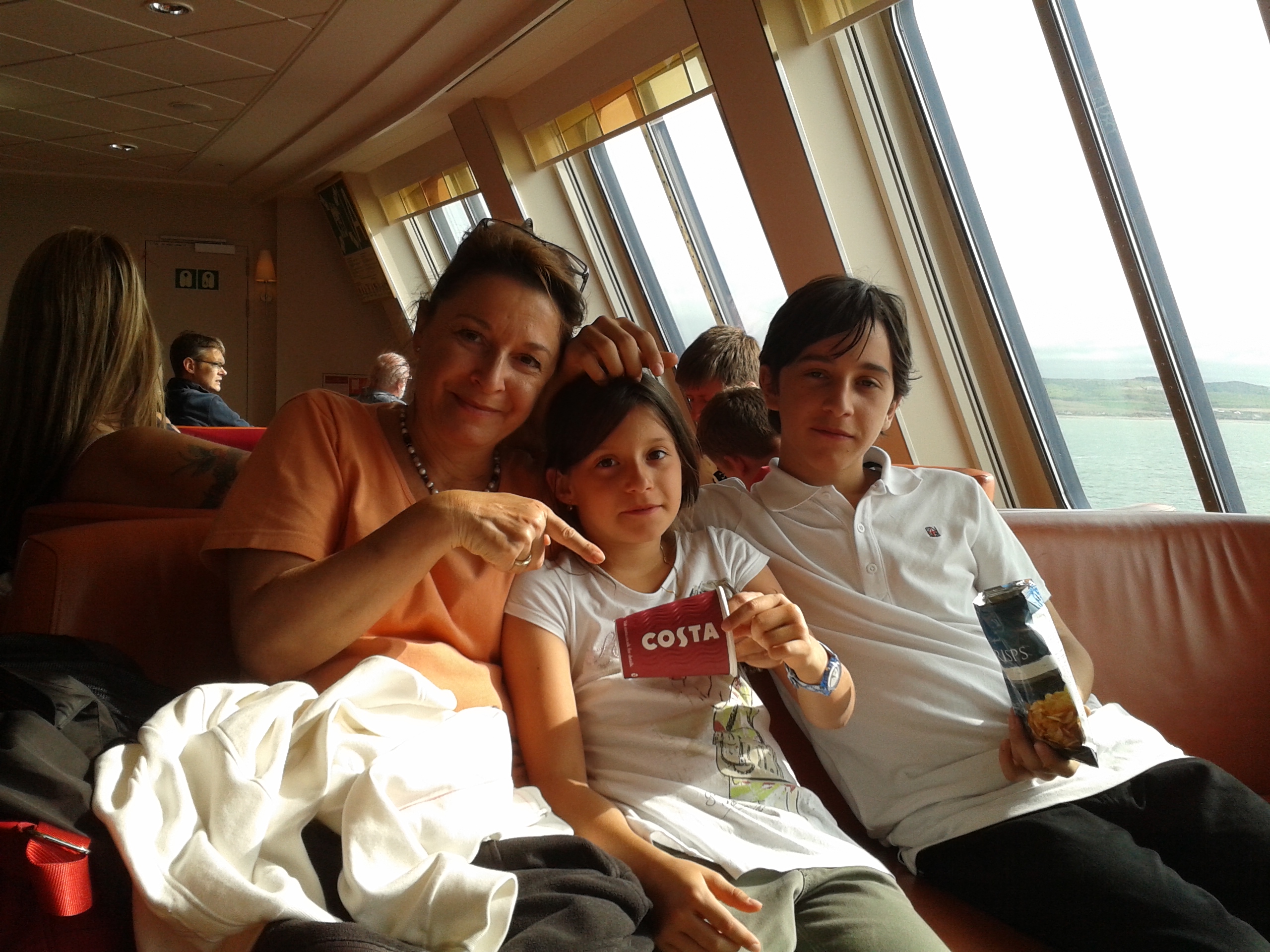
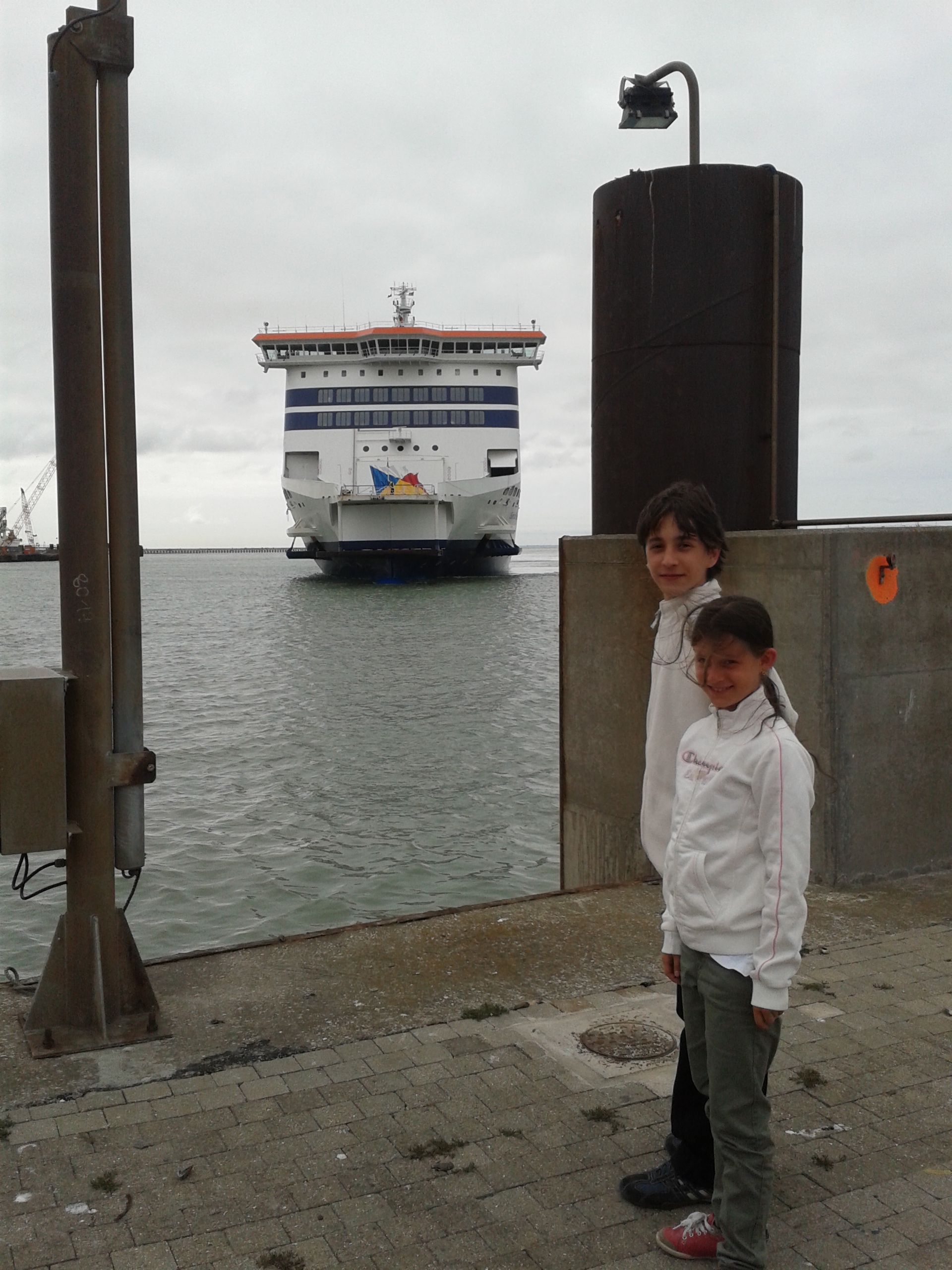
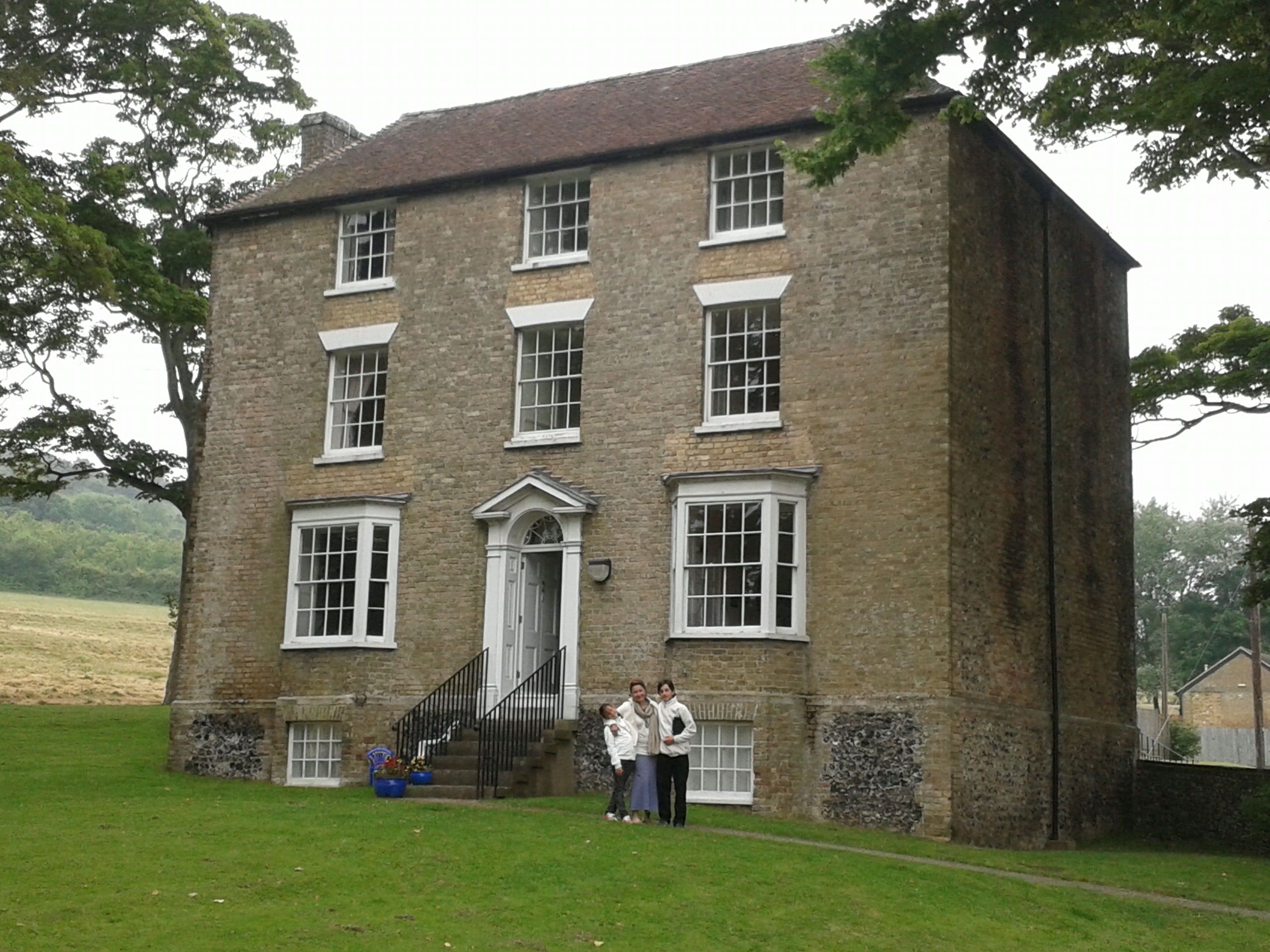
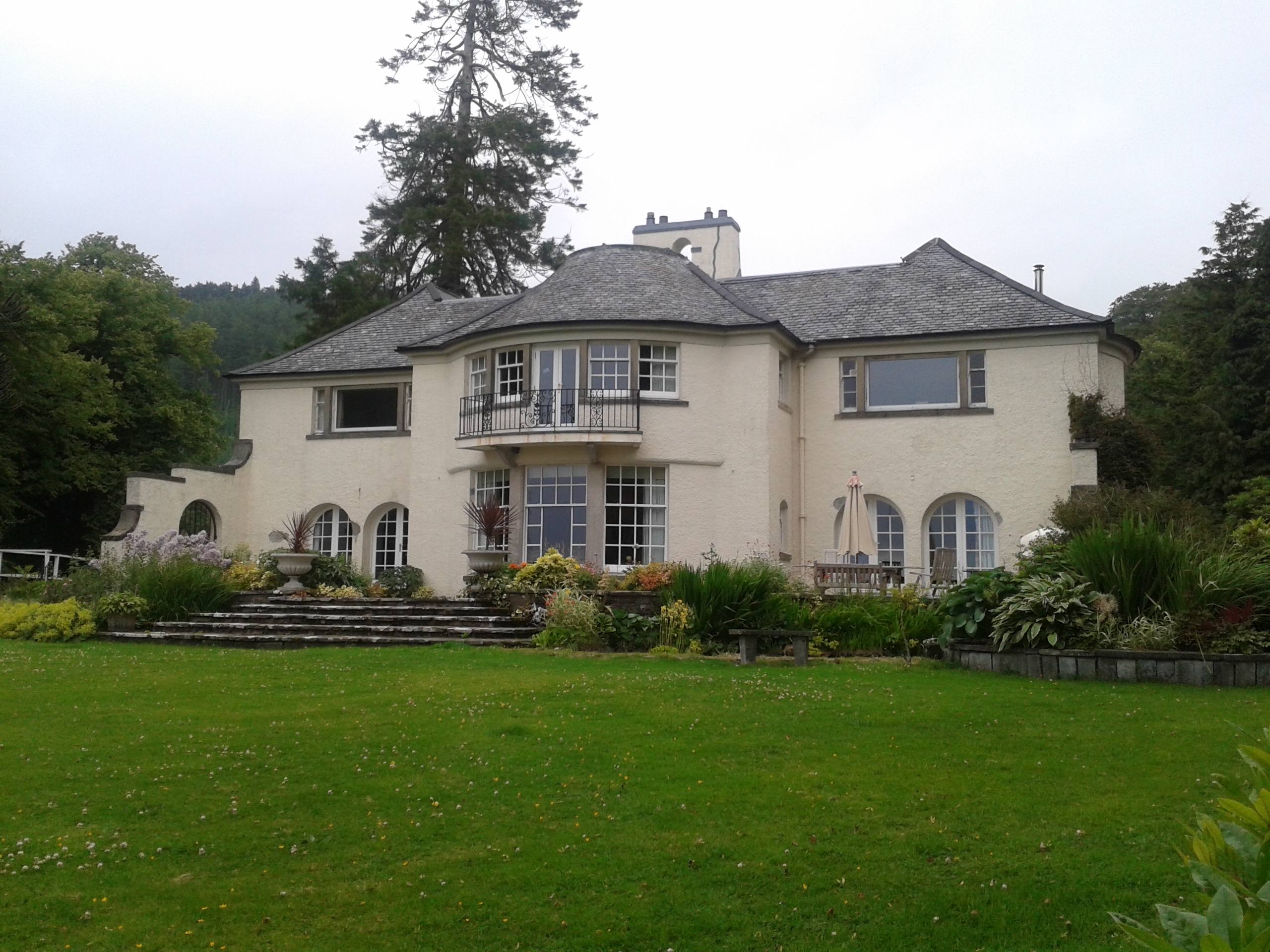
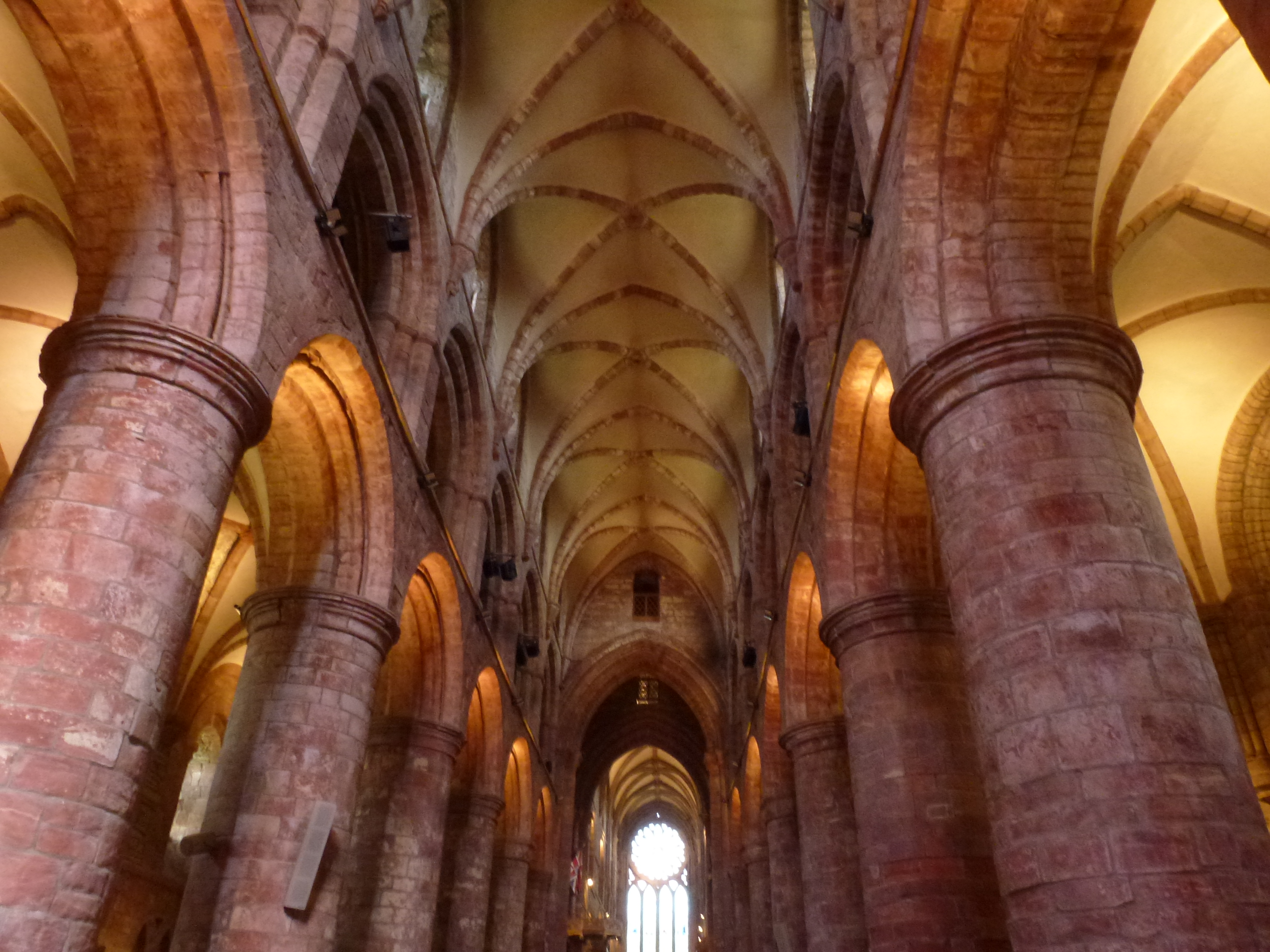
While traveling towards the port of Calais, we visited the cathedral of Reims: the grandeur of the church reminds me of Paris’ Notre Dame or the equally famous Chartres. Within its walls, a strange feeling of inadequacy grasps you, a pinch of fear injected under the skin in an imperceptible way. If you raise your eyes upwards, suddenly the vertigo seize the mind. One question automatically arises: “Who am I?” But the question remains suspended in the air, along with the gray smoke of votive candles that slowly rises into the darkness of the spiers. Those are moments in which the relationship with the faith and the Christian God awaken, slowly, pinching with subtle cunning every determination that separates us from the dogmas dictated by the Catholic Apostolic Church. Then, again, the question comes back. Who am I to judge? What is the reason for my presence here, in this reality? In this tangibility that too many times leads me to conflicting thoughts? And the questions remain unresolved, it scratch the consciousness and temper exceedingly the reasoning. In reality it is true: we can’t find answers to every question… From Calais, we crossed the English Channel on a ferry so great, that Massimo even didn’t notice to be above the water surface! In Dover we stayed in an old colonial Georgian style house, over a hill hilltop: the B&B Farthing Glow, surrounded by green fields and dry stone walls, where on July 29 we’ll spend one more night before embarking again on the ferry to return to France. Taking a tour of the Dover’s Port, desperately looking for a place to dine (when the kids are hungry it’s like walking with a leashed dog on the side of a watercourse), we came across a colorful menagerie of cultures and colors. Tattooed sailors and longshoremen, many of them with too much alcohol in the stomach, some adventurous seagull that didn’t respect the usual “politeness distance”. The spoken languages ranged from the eastern dialects to the amazing as incomprehensible ones of the deepest Africa: an indefinable potpourri even of smells that, in all honesty, stopped my hunger!
Saturday, July 13
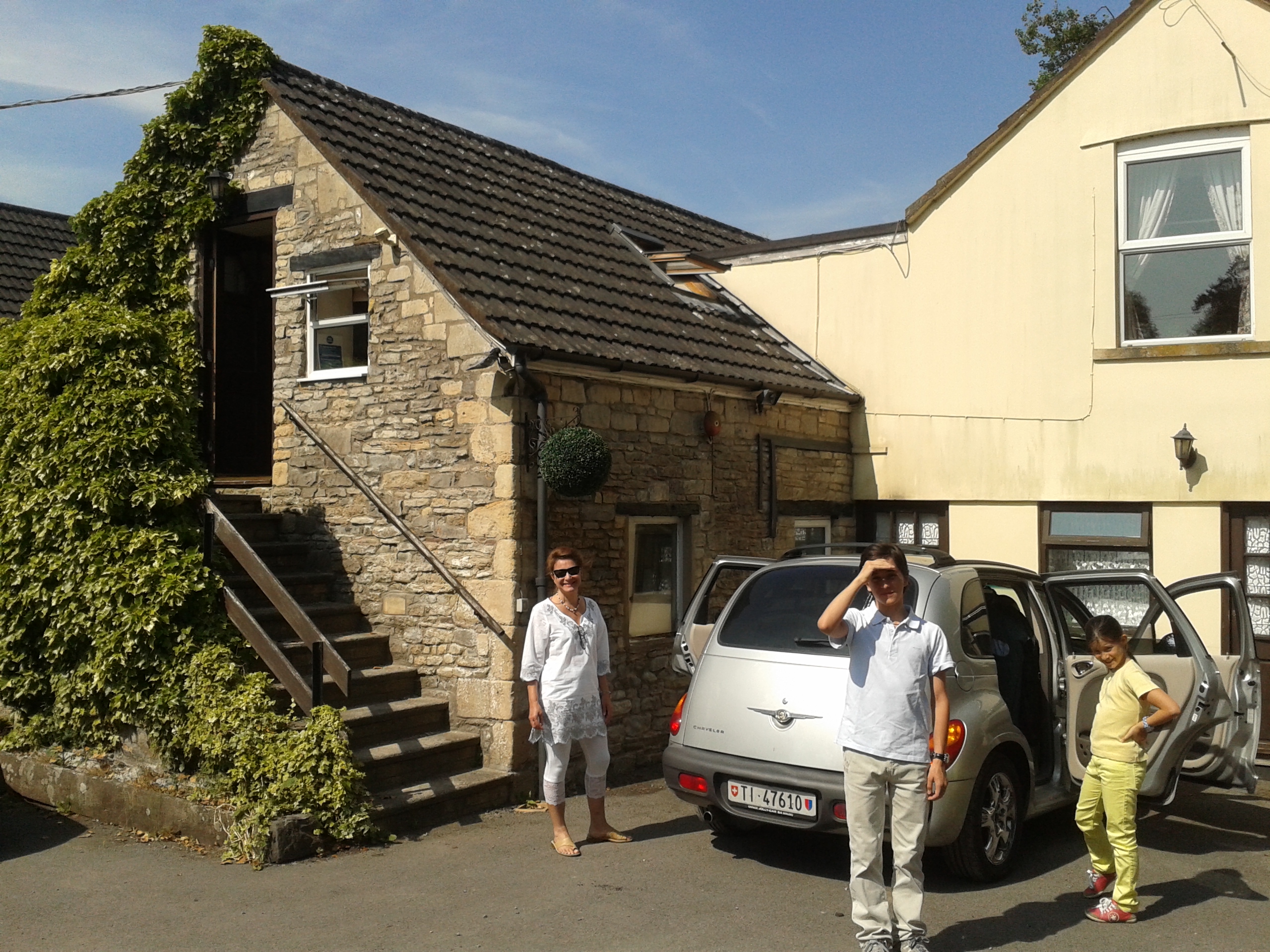
Departing from Dover, we crossed the whole south of England without stopping until Sodbury where we stayed in a B&B, a large structure with several rooms. The heat was tropical, I expected rain or at least temperatures significantly lower than those in the south of Switzerland. Looking for a “typical” English pub in the nearby town, we’ve come in a Thai restaurant where we dined very well. In fact, I had forgotten that one of England’s attractiveness is precisely to find typical restaurants from all over the world, where food is above the standard of the British cuisine (fish & chips).
Sunday, July 14
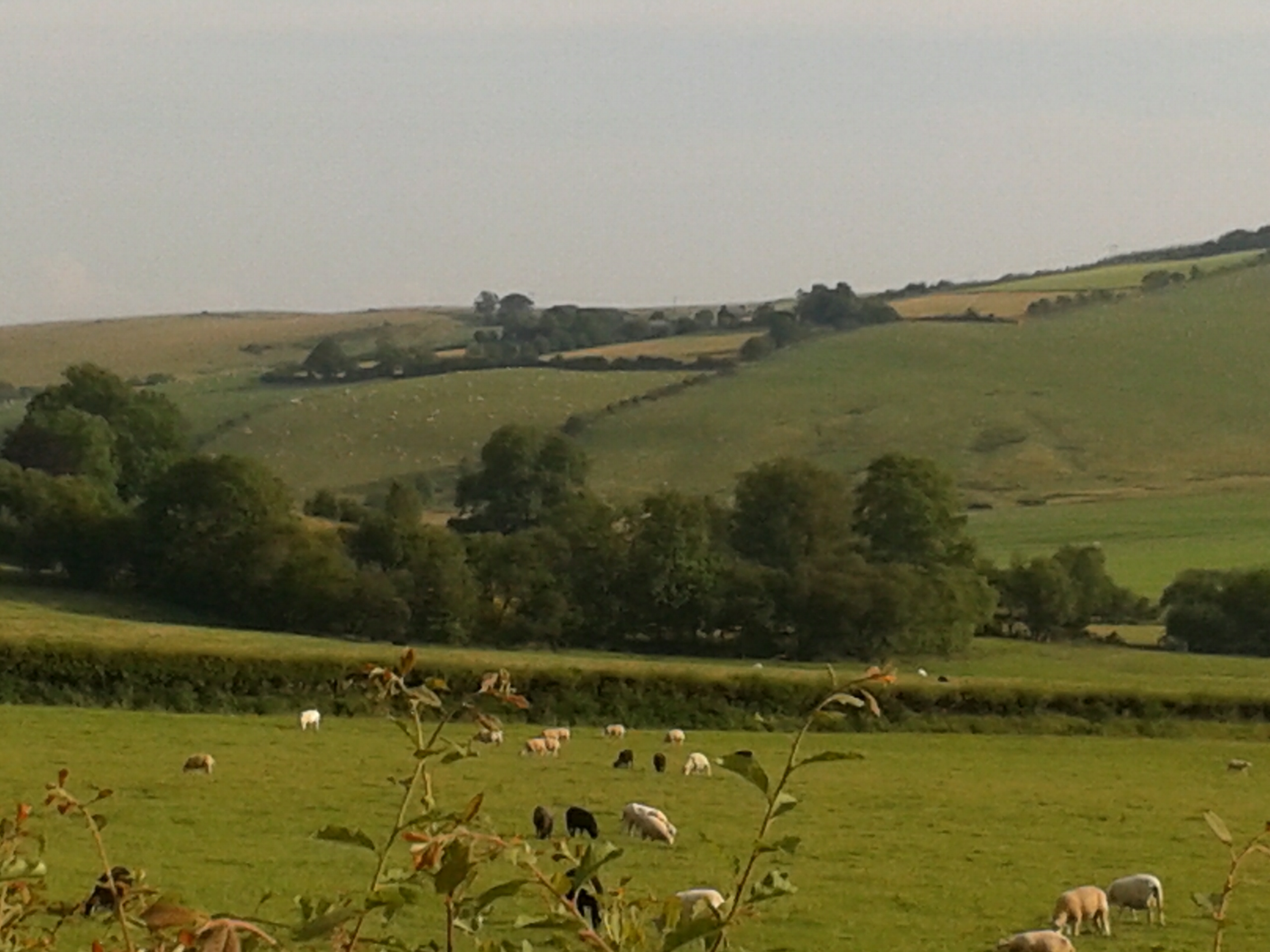
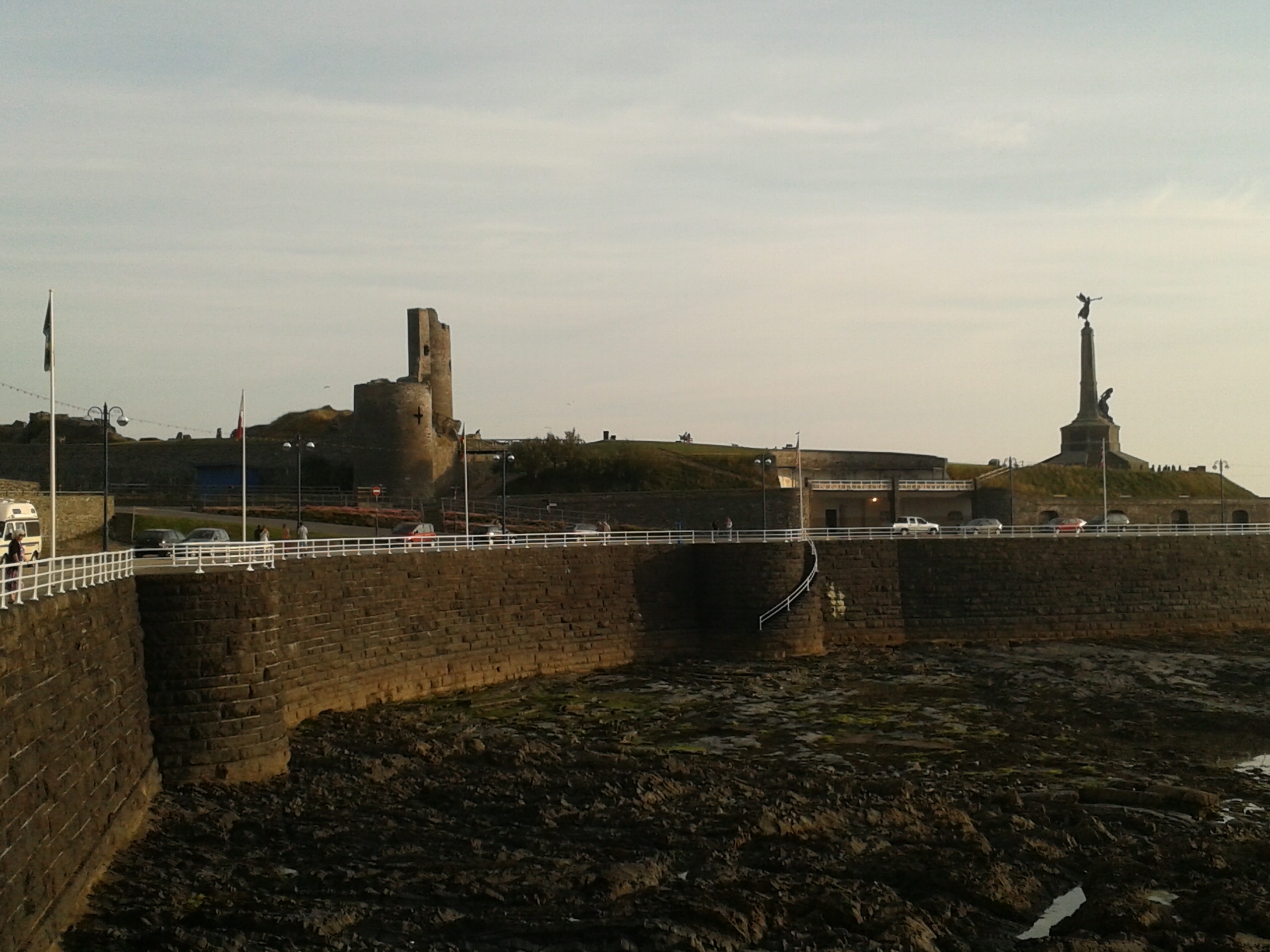
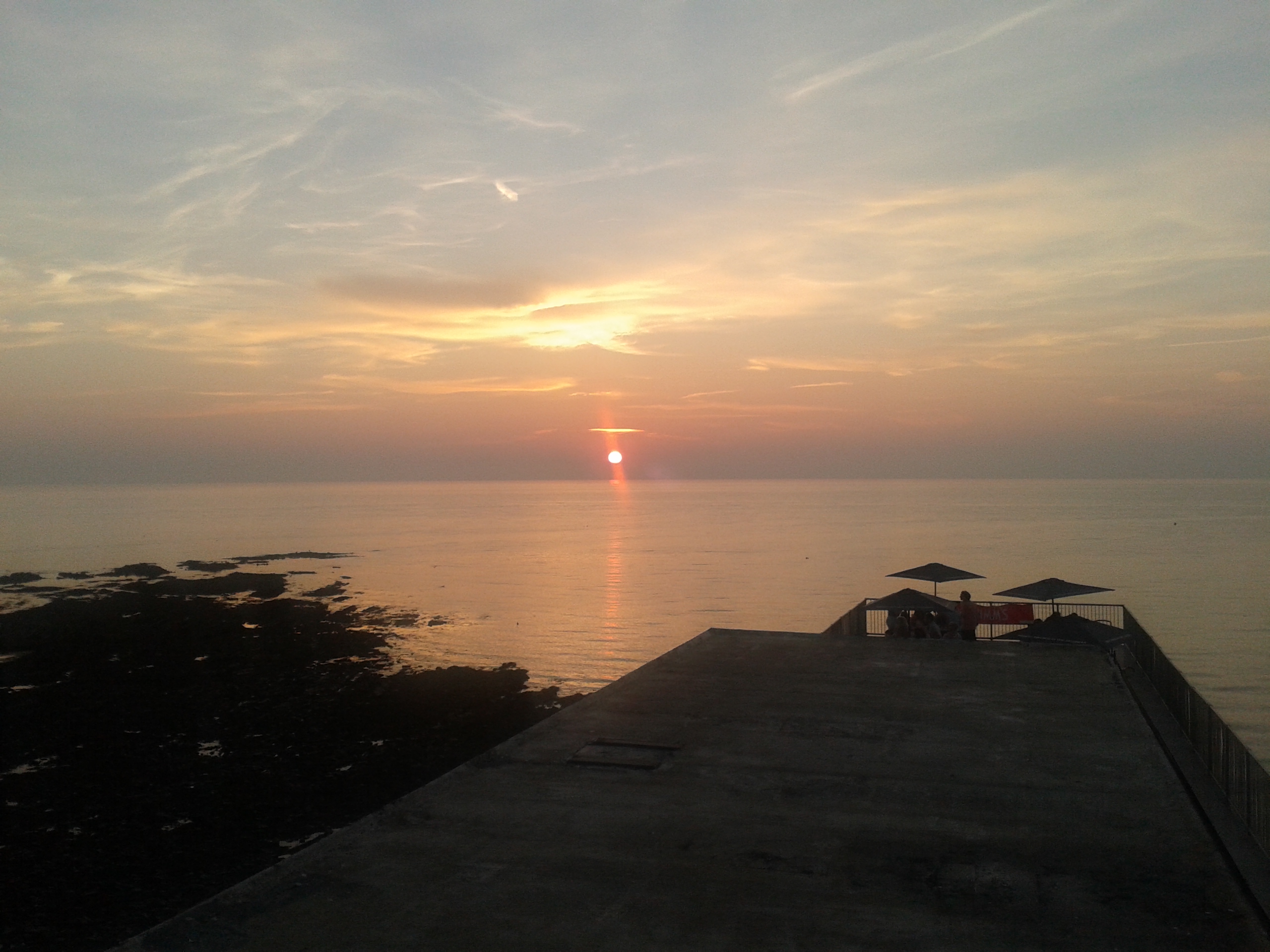
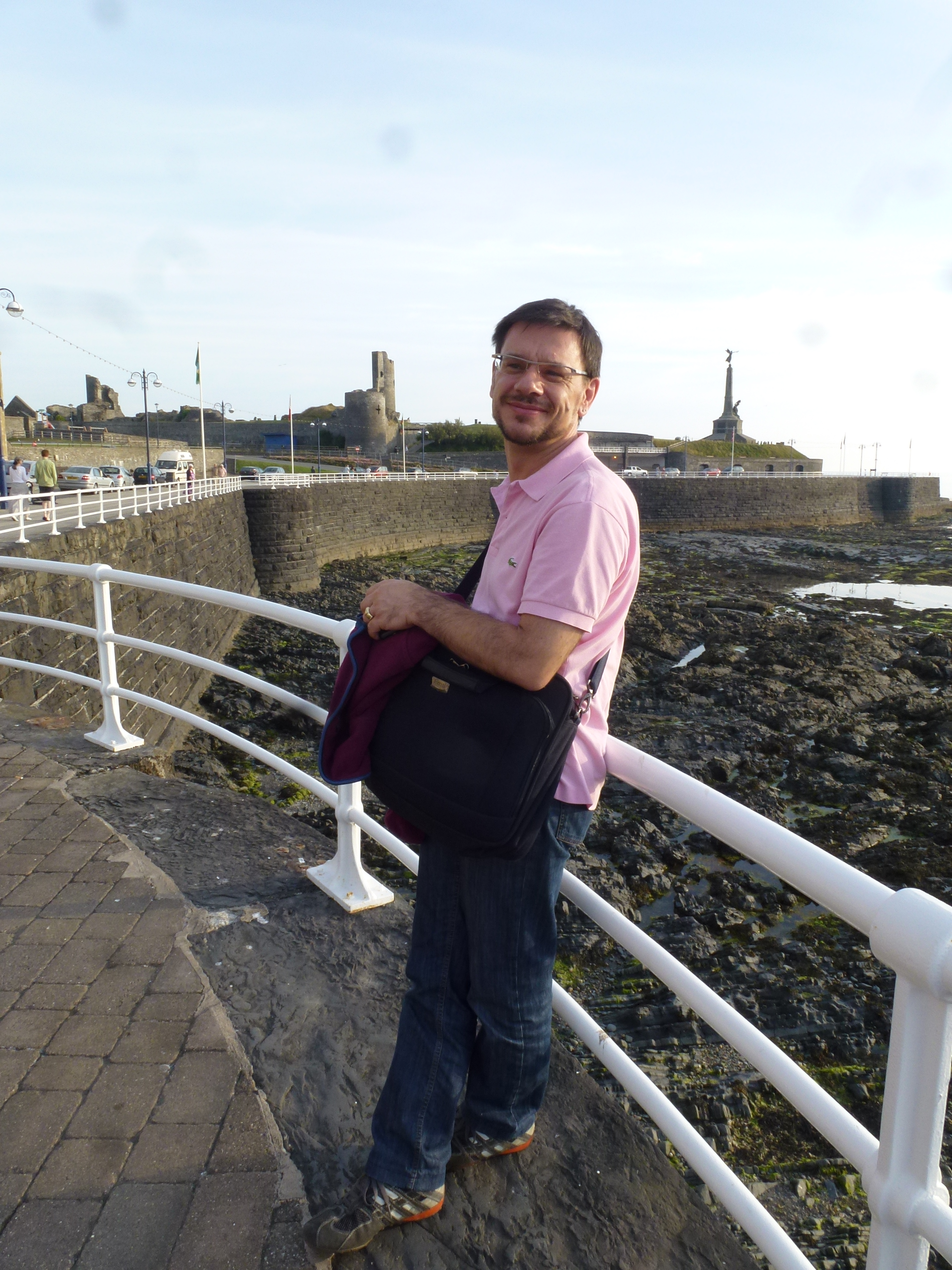
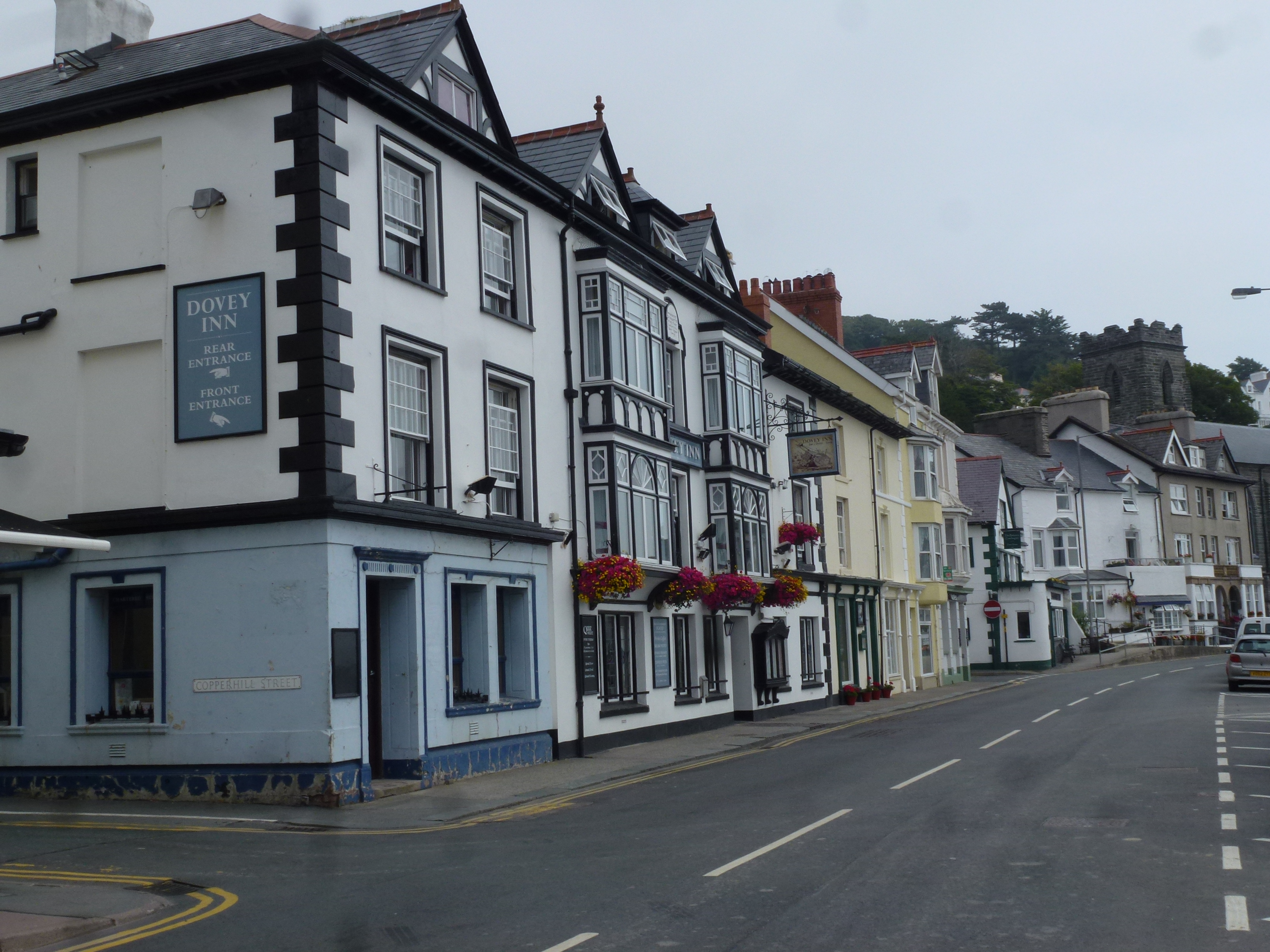
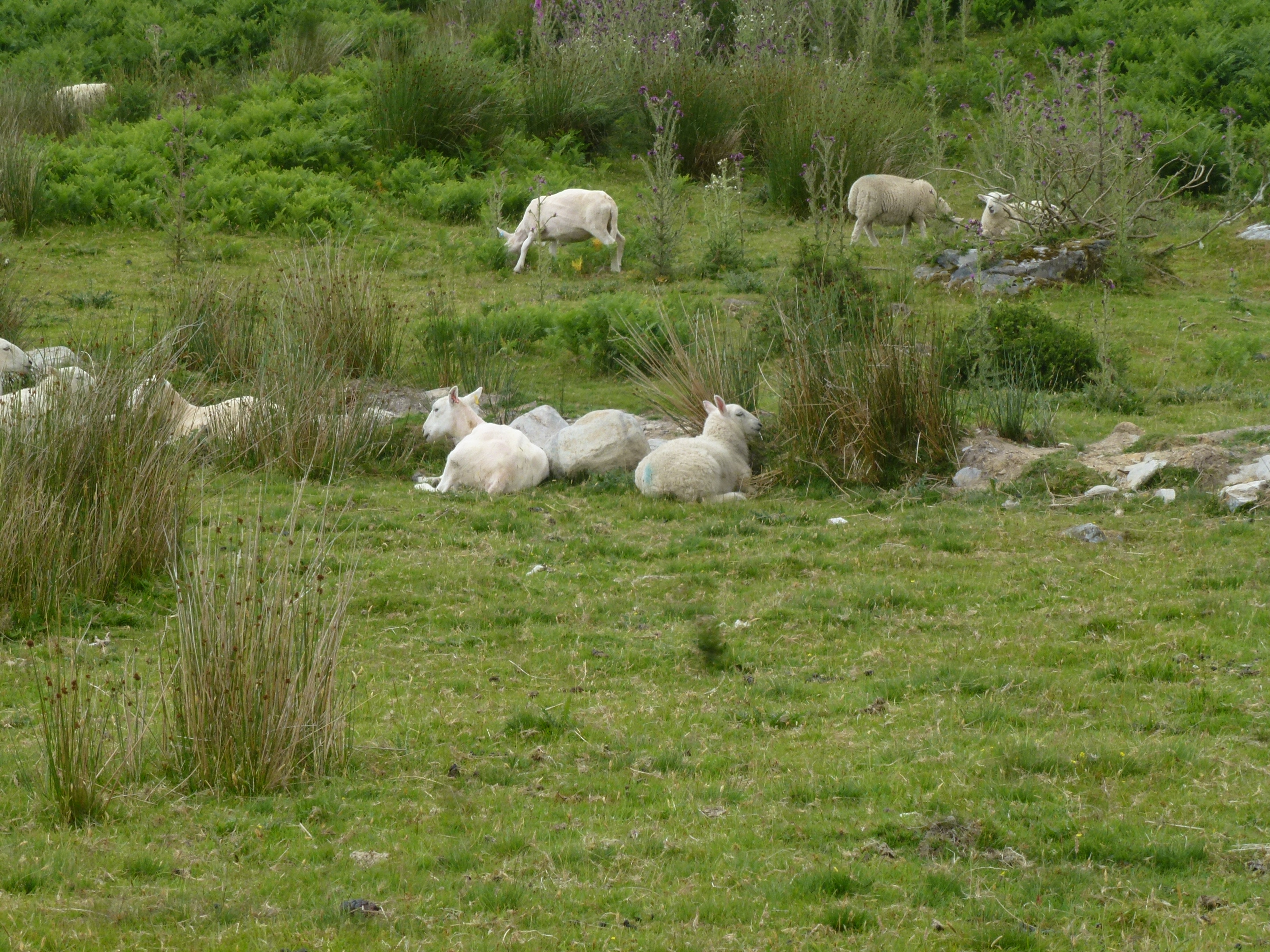
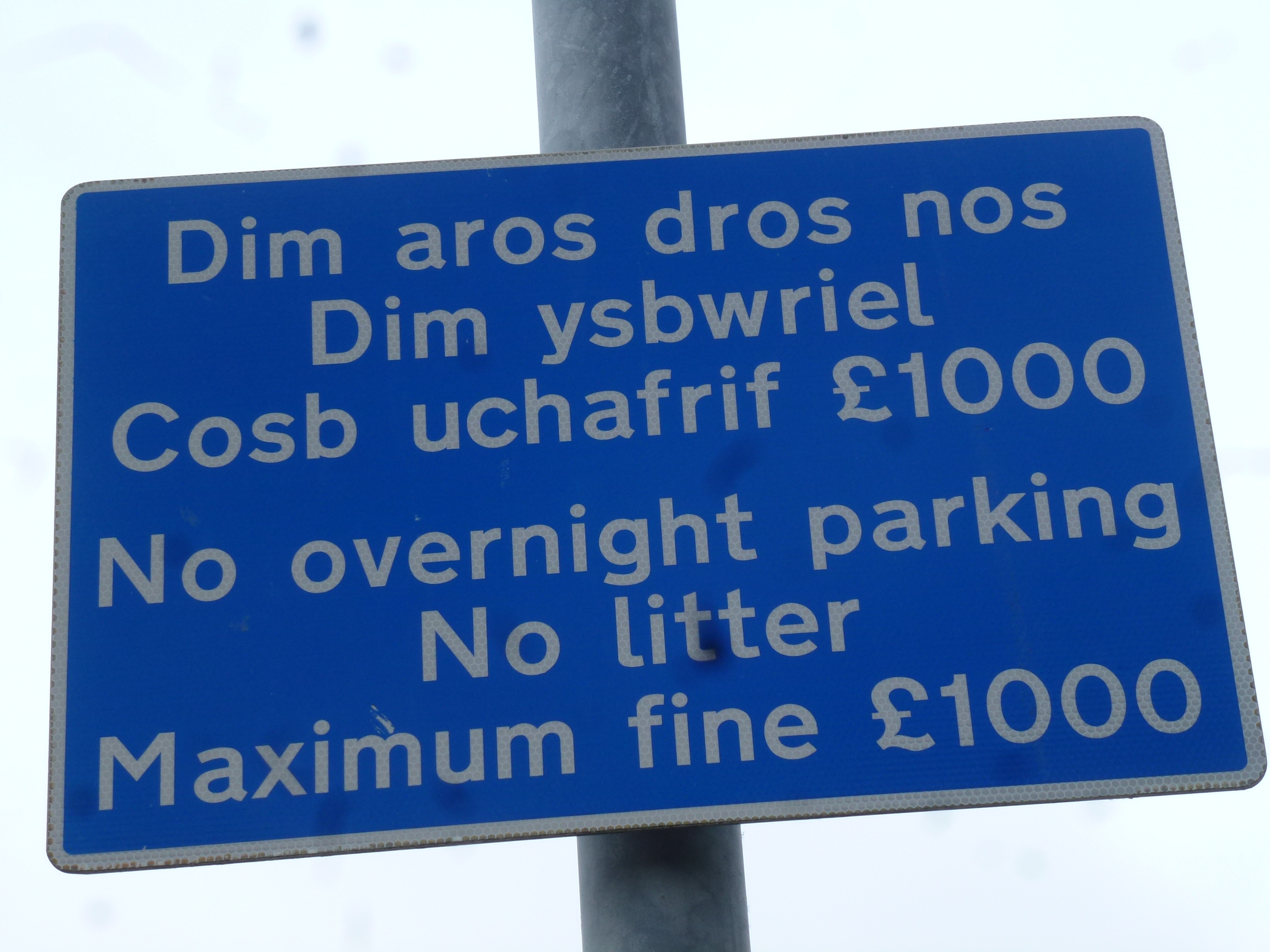
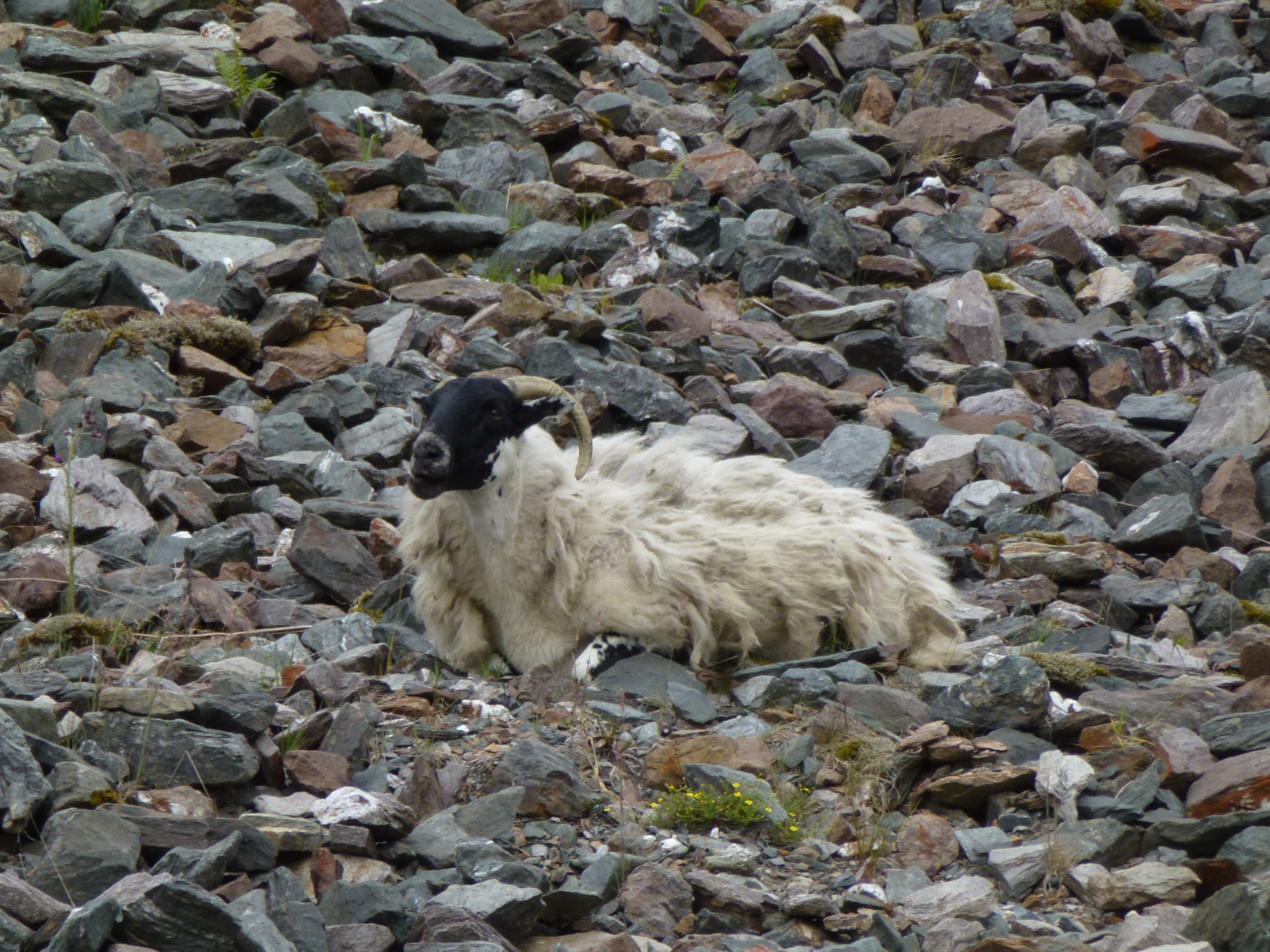
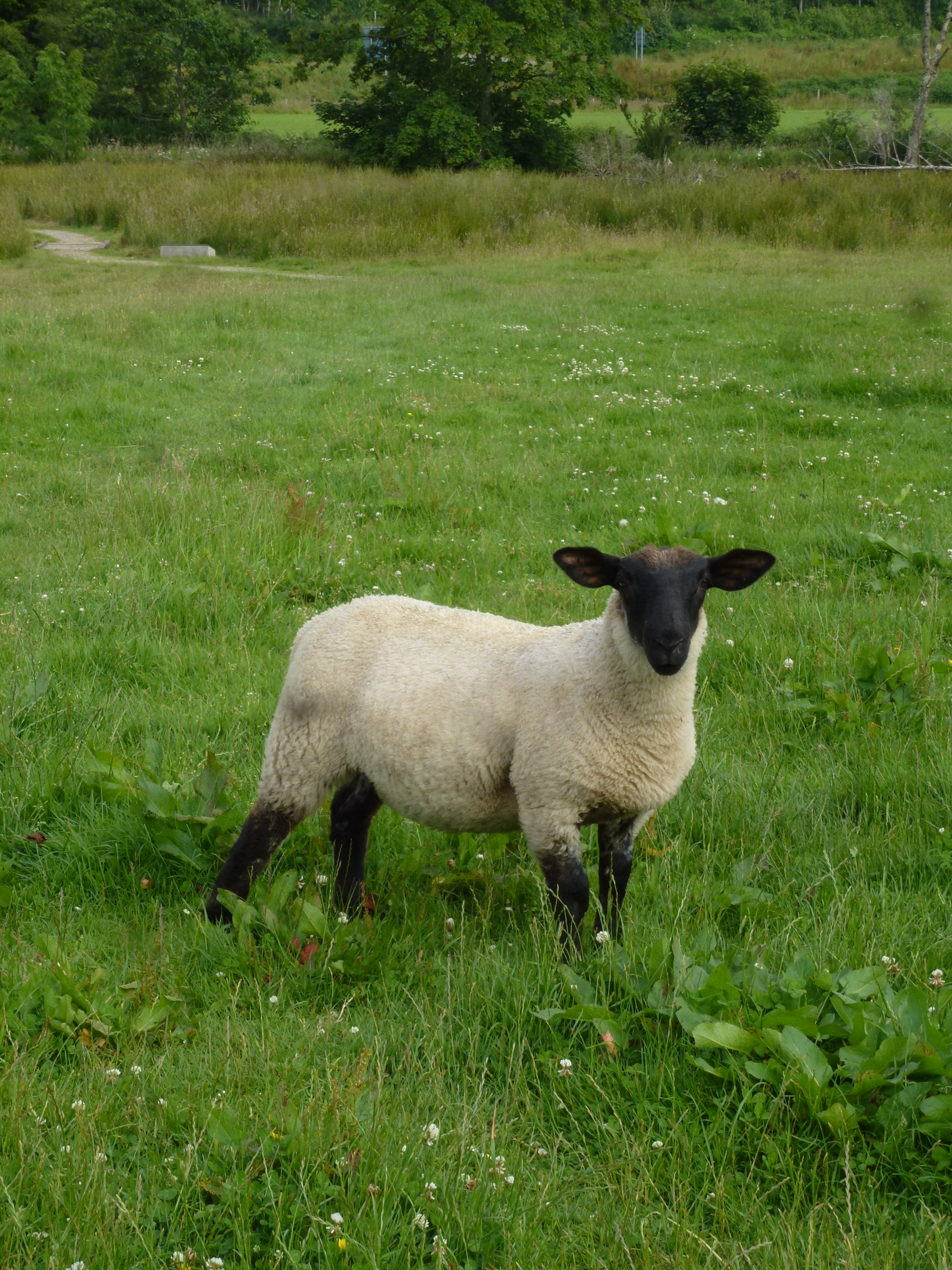
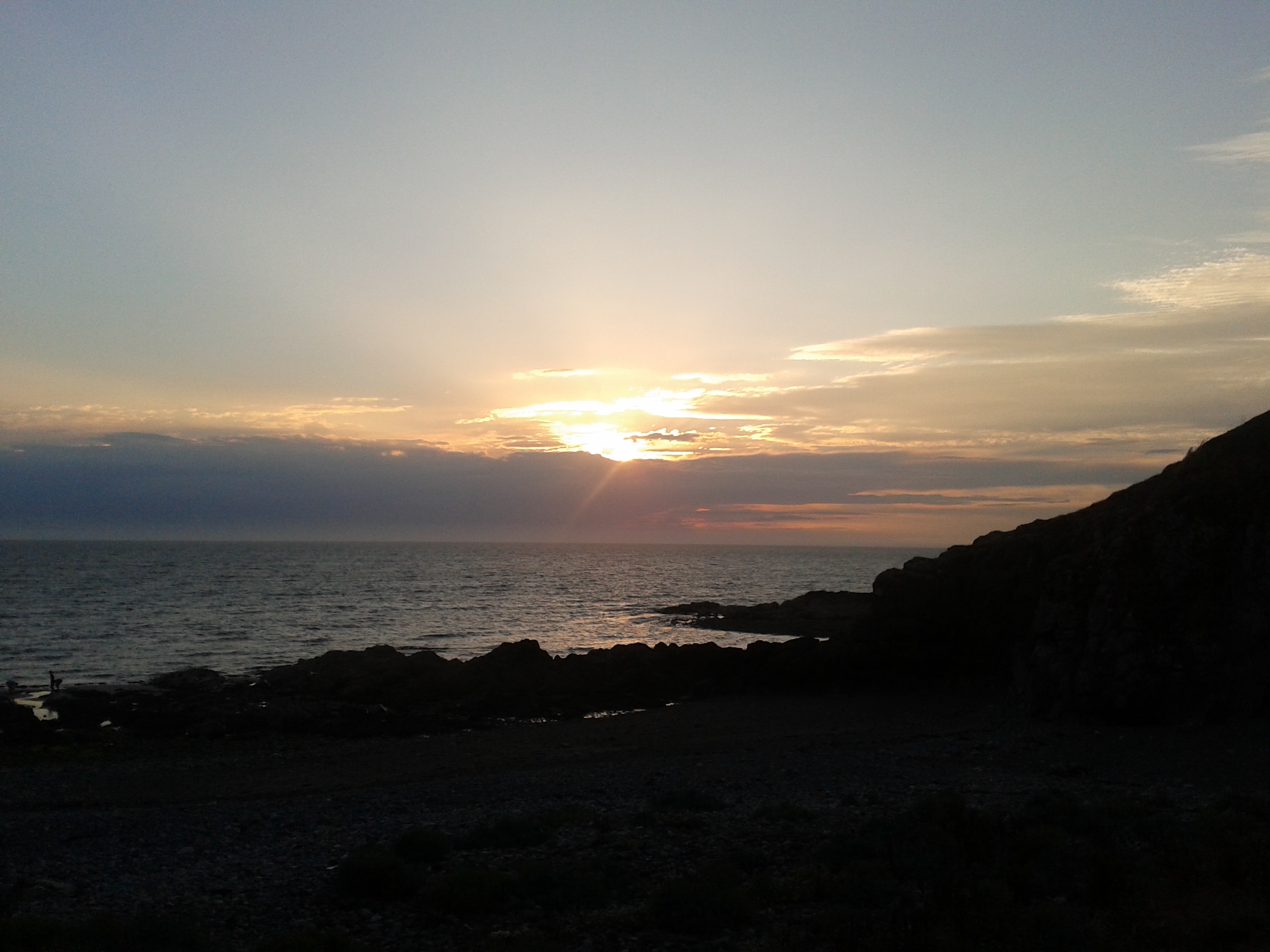
We entered Wales, almost without noticing it because there isn’t a great diversity in the landscape, except for the Gaelic road signs that faithfully are translated into English! Perhaps the local wildlife focuses on the sheep: laughing to myself I wondered if in Wales there are more sheep than people… and I think that is not a consideration too out of place! In Llandovery we easily found the College: a huge typical structure such as one sees anywhere in Britain. After the usual presentation and greeting, we have patched things up into the rooms assigned to the boys, whom after a short while have literally disappeared to practice with their instruments… while my husband and I found ourselves alone for a walk in the park of the college. Obvious that with yet another pang of greaf, I realized that the path of each one of us is in the awareness and loneliness that, soon, both boys will have to follow their ways, their challenges. As it should be. The day was coming to an end and not having reserved a room for the night, we headed immediately to the west coast that overlooks the Irish Sea. In the small port town of Aberystwyth – Cambria (yes, the proximity of the sea is also good for those who suffer too often from bronchitis…) we found a room at a small B&B in the private home of Mr. and Mrs. A. e E. Skitt A small clean and comfortable room, vacated by grown children, with a terrace overlooking the sea! Throughout our journey, we have always looked for bed and breakfast along the winding path towards Scotland, letting ourselves be guided by luck. A single negative point which became more disturbing as we went up to the north, was that of the brevity of darkness (if we can call it) at night. In fact, at that latitude, especially in the northern tip of Scotland, the night lasts a few hours and darkness is never complete. Used to sleep with the shutters closed, even in many B&B there weren’t thick curtains so it was doubly difficult. However, brightness aside, the luck has always been with us, allowing us to make nice experiences although unfortunately the time available to us for the talks has always been too little. We saw the first sunset over the Irish Sea from a restaurant built over a wooden jetty, along the harbor. Shortly before the sun lies down behind a soufflé of purple clouds, lay softly over the silvery surface of the water, we heard Sara Luna on the phone reassuring us and confirming that everything was under control. Emanuele Giosuè couldn’t be reached because he was studying, so we considered wise not to bother him.
Monday, July 15
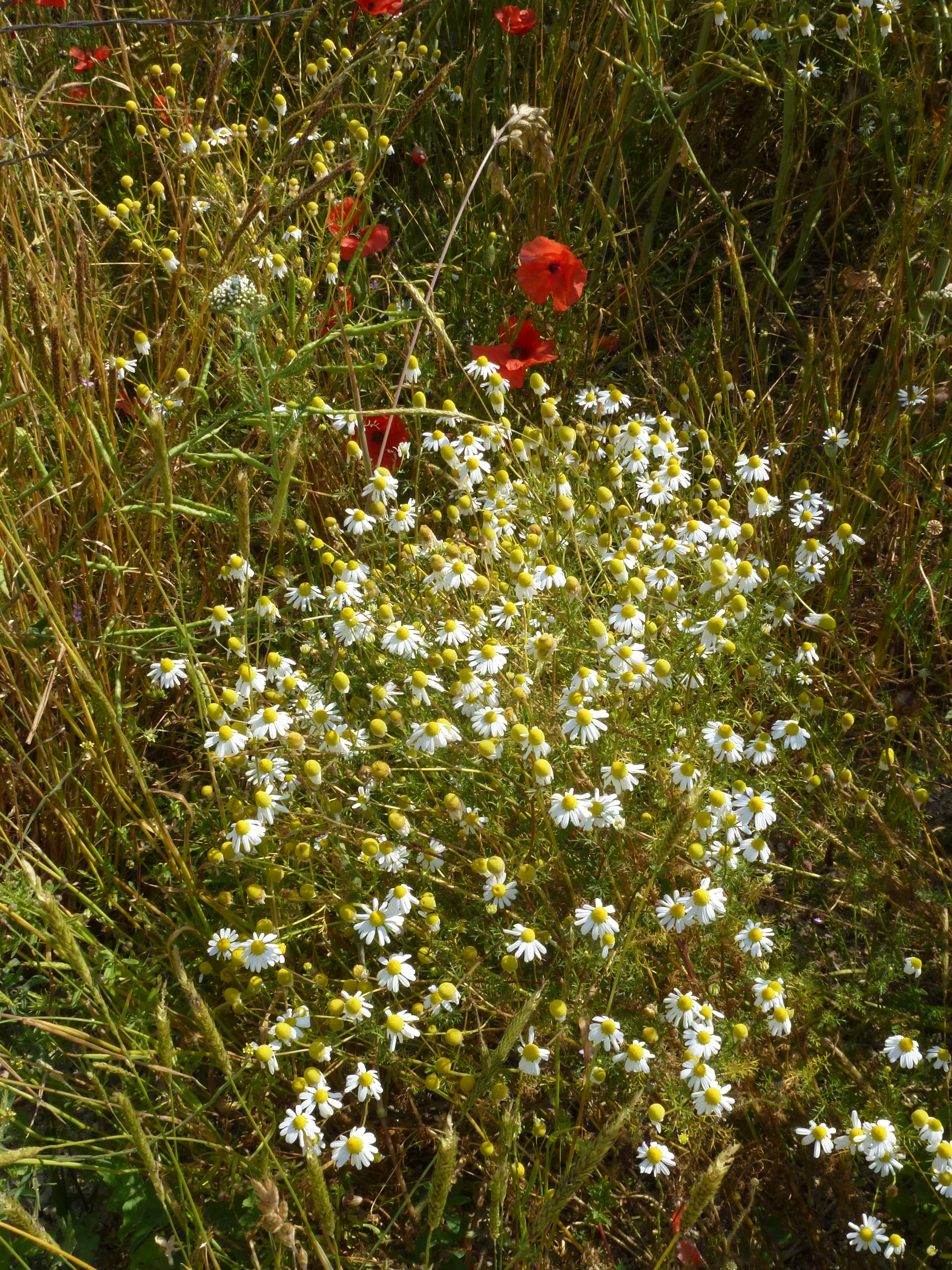
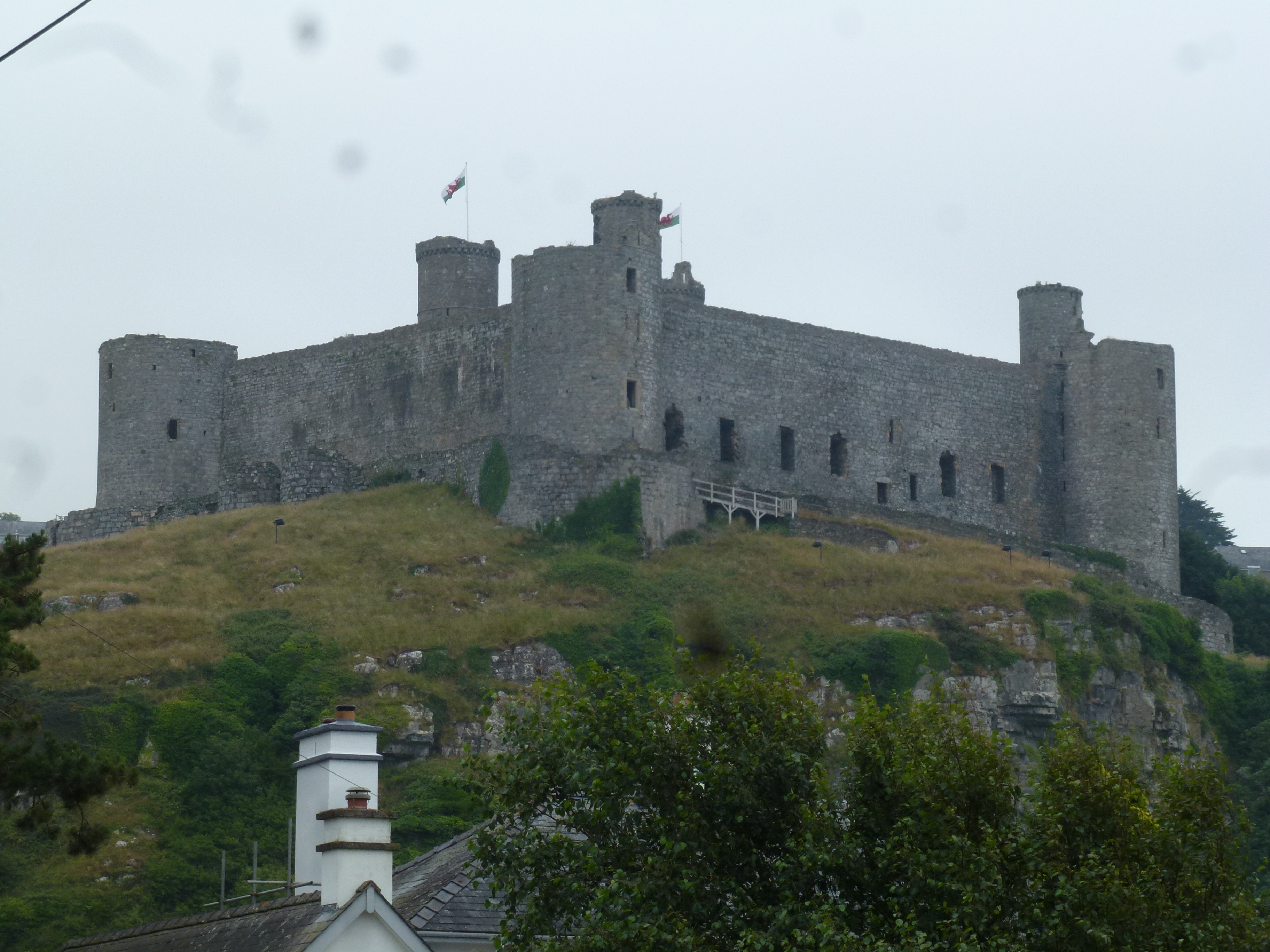
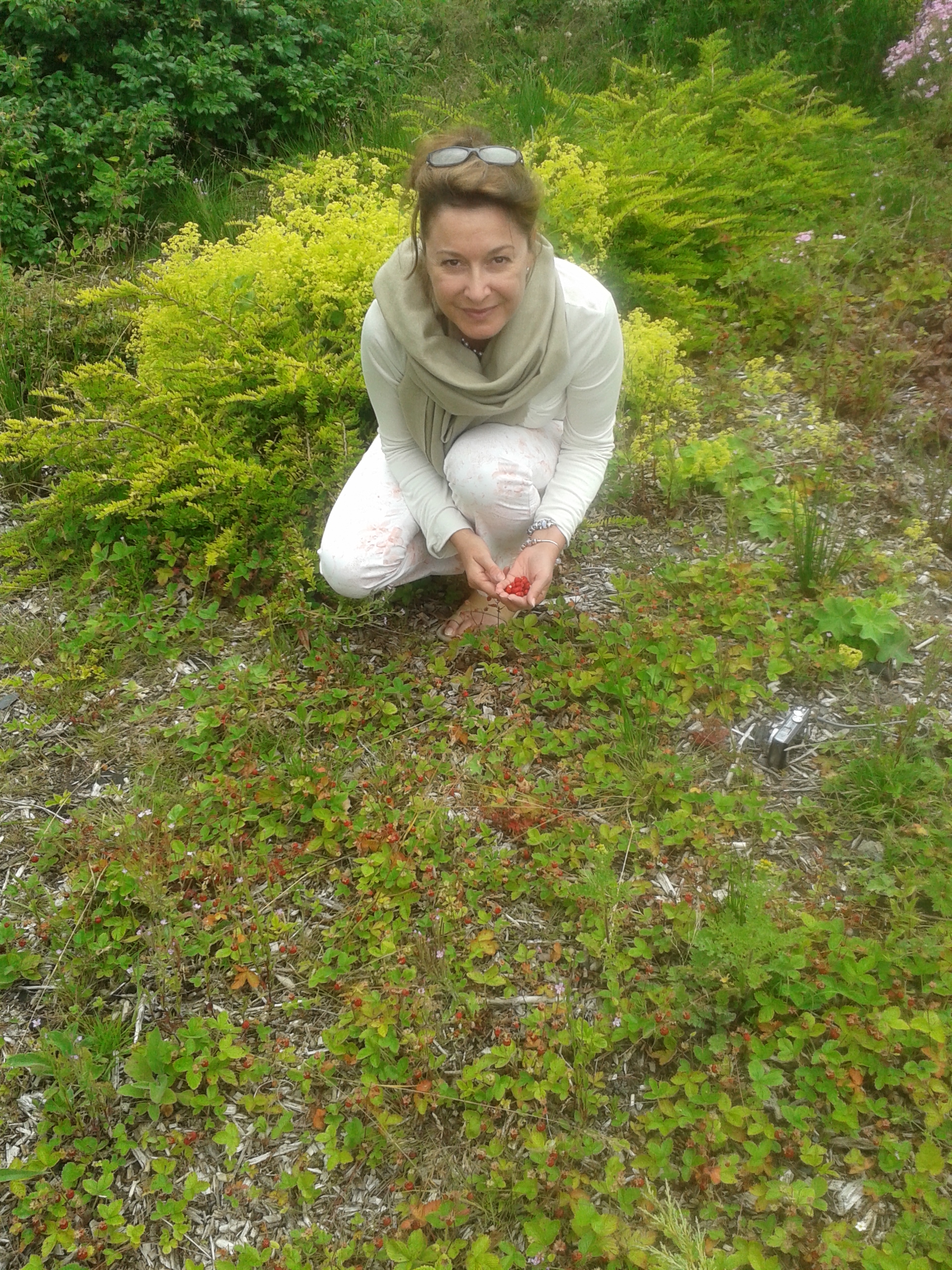
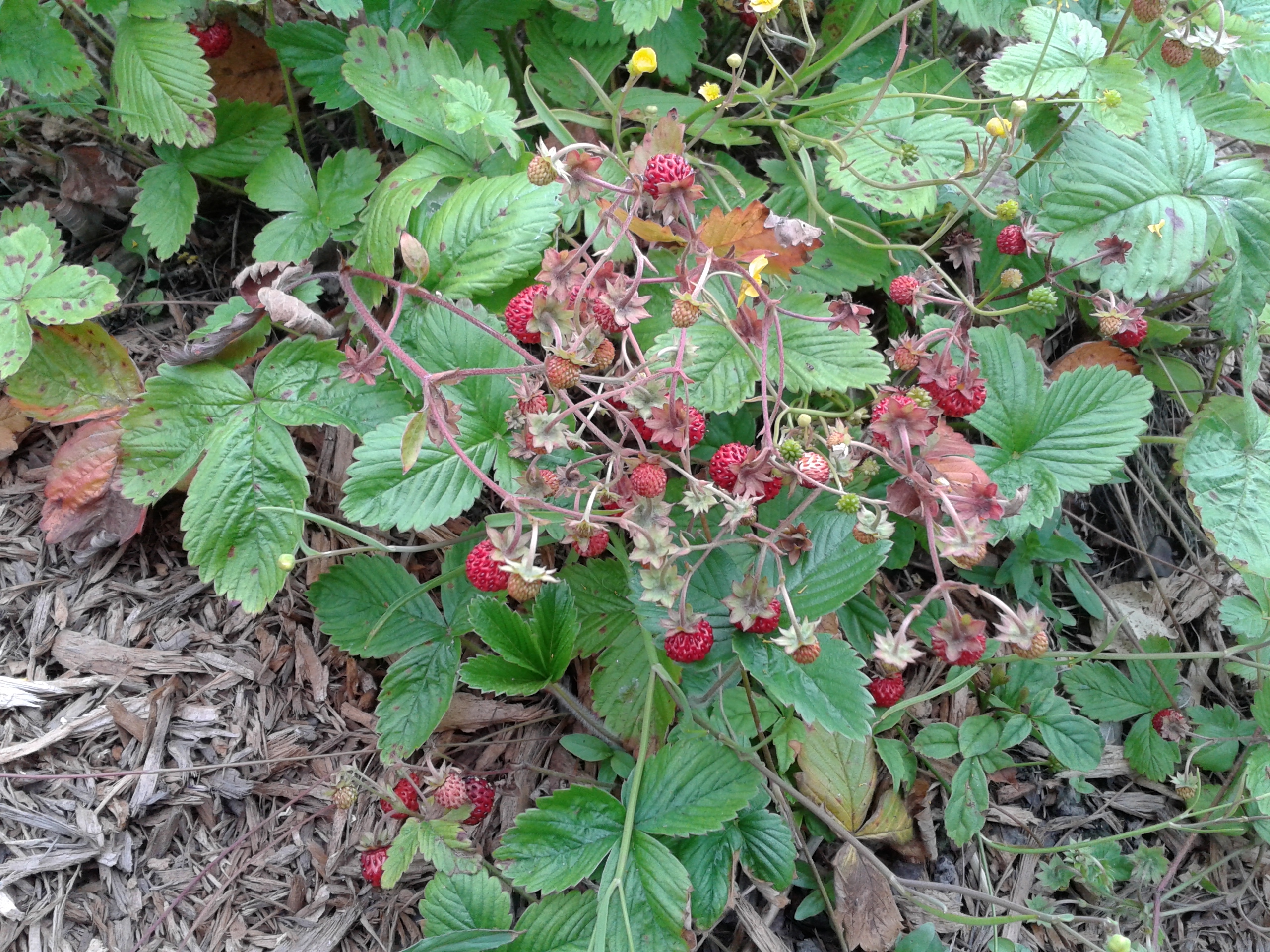
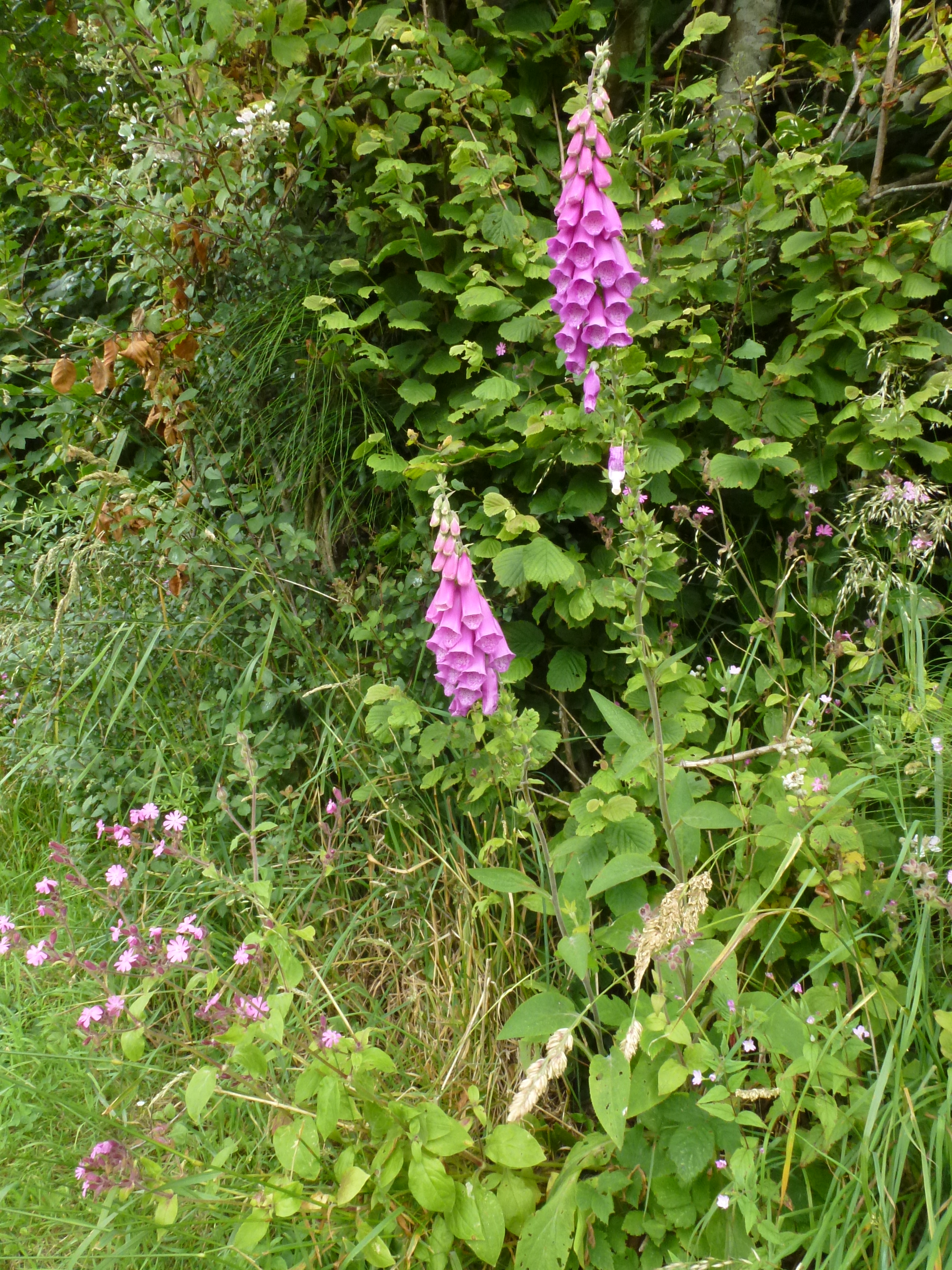
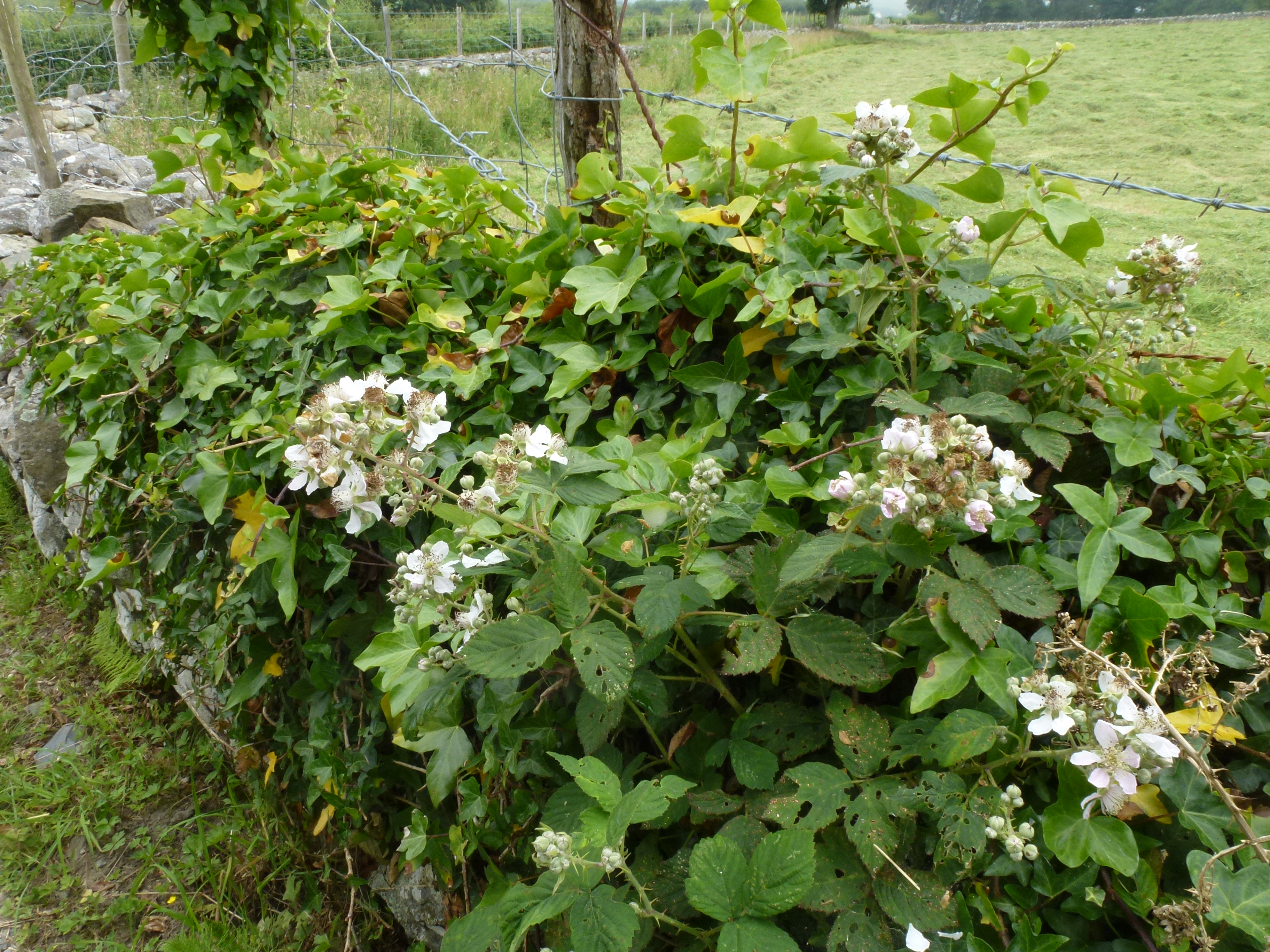
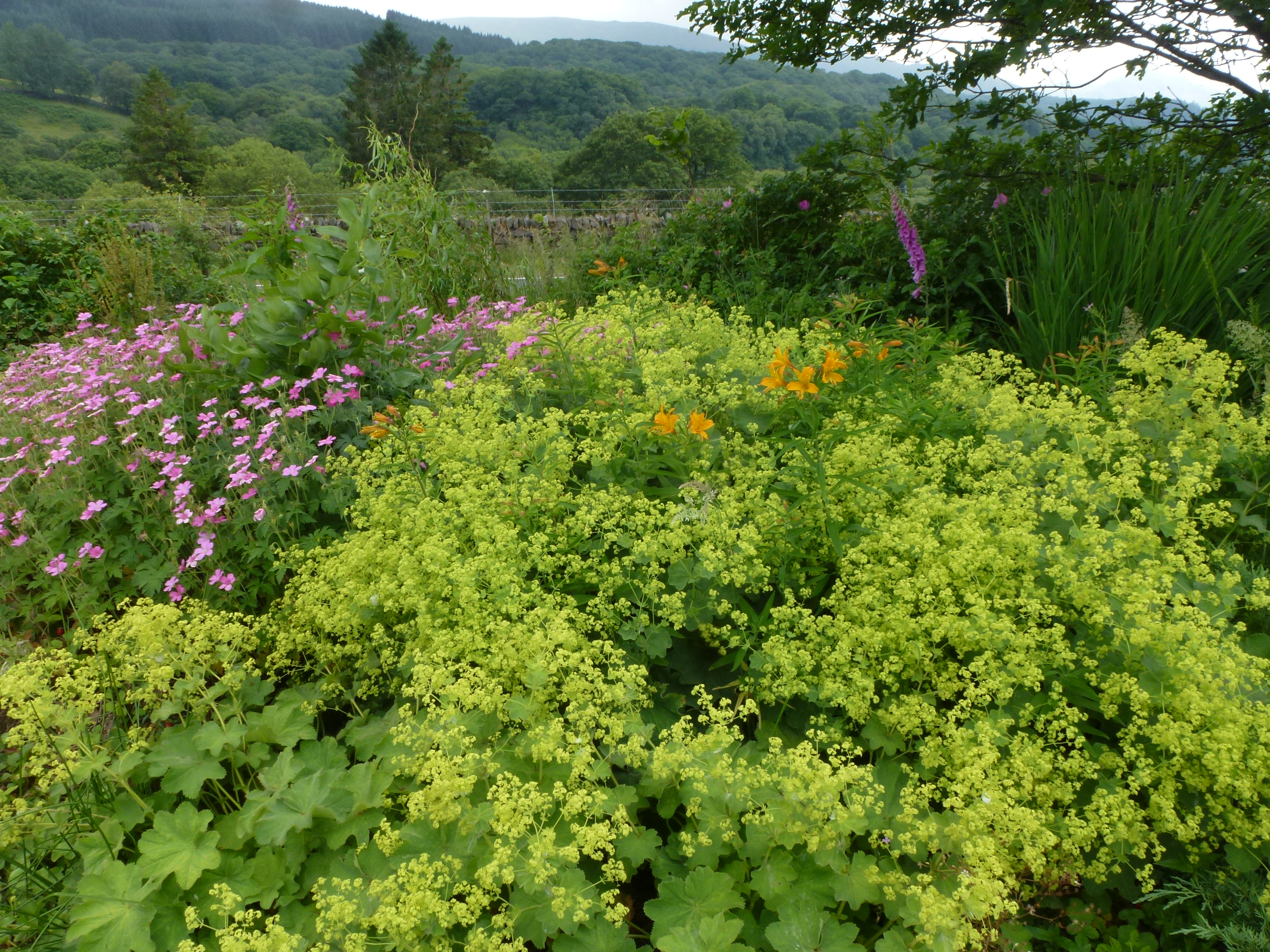
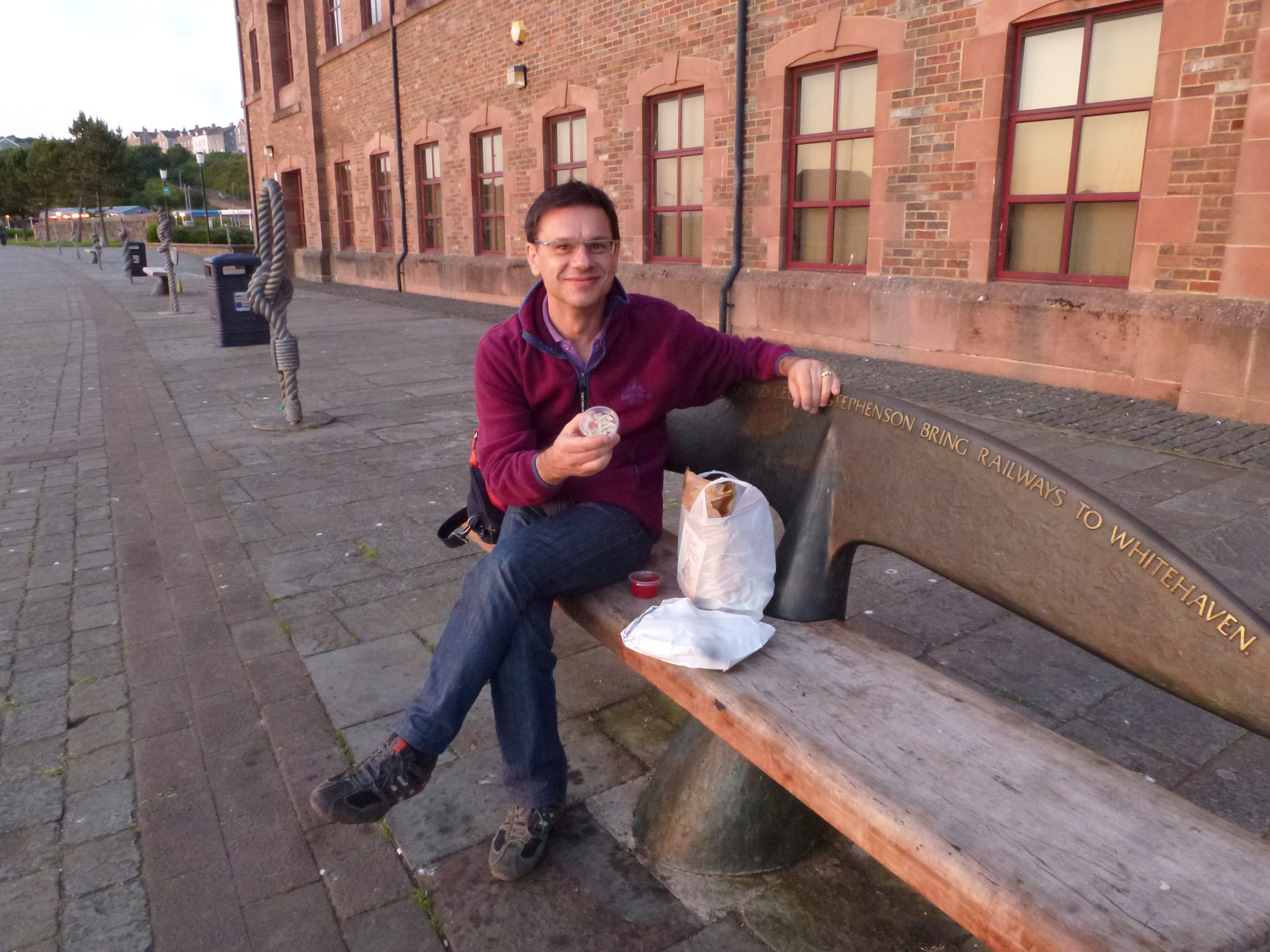
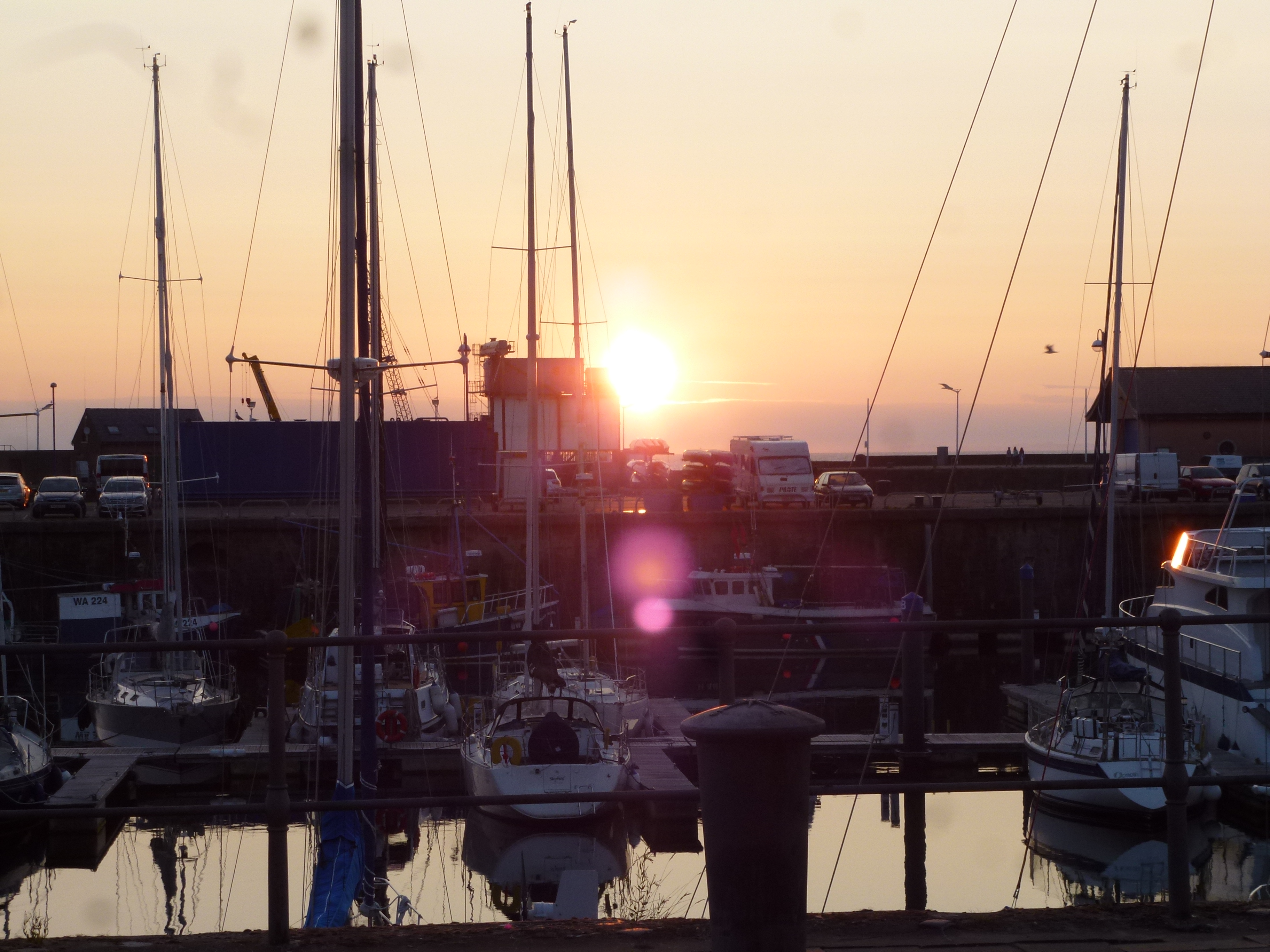
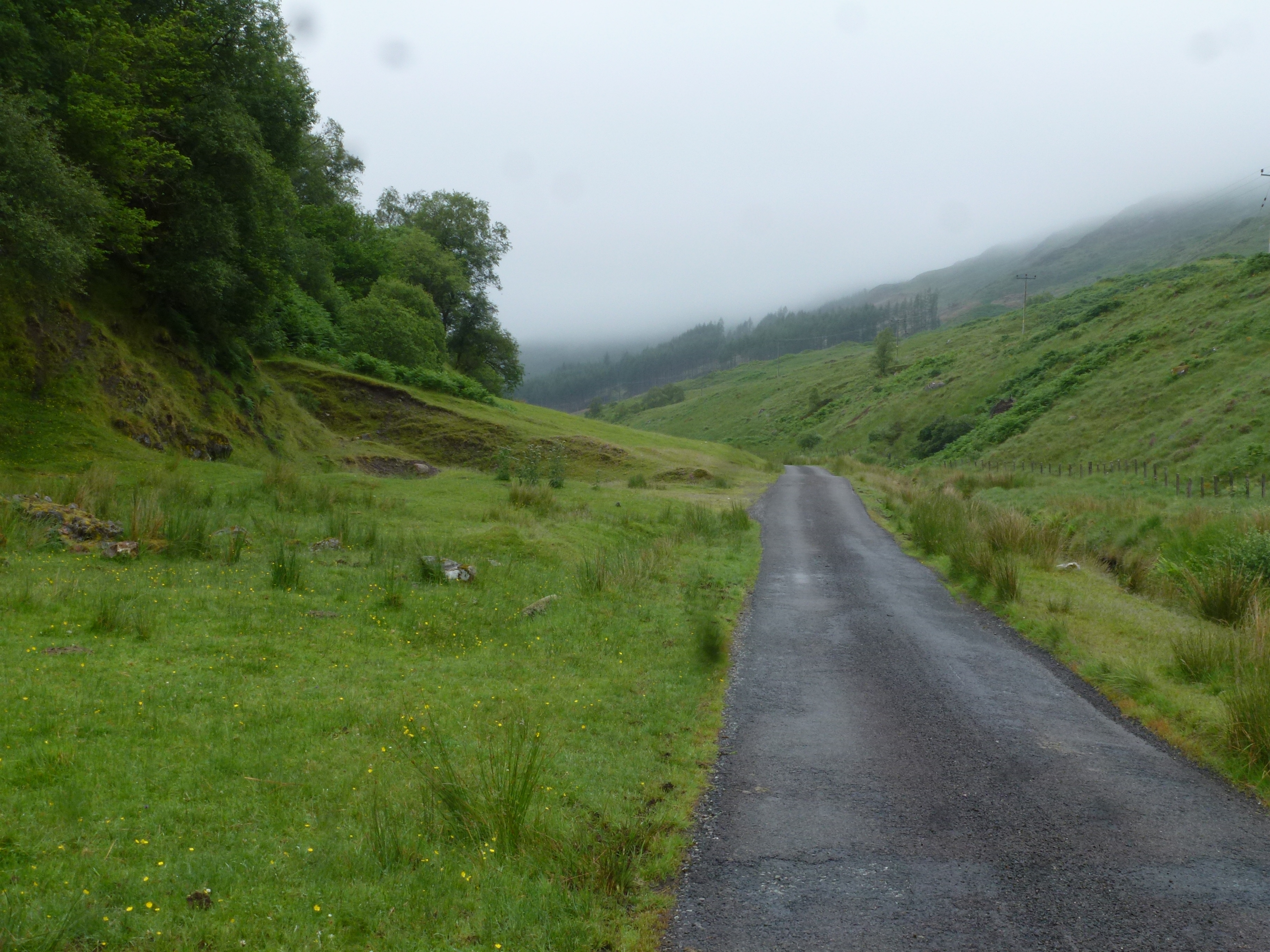
Leaving the coast behind us, we walked through Wales; the streets flowed through real “green walls”, recessed like asphalt’s snakes in the Welsh countryside. Other times, the dry stone walls were followed by pieces of land where flora and fauna found their more appropriate habitat. Tall digitalis plants, as countless lilac purple streamers, brought back my thoughts and memories in the depths of my heart. These were the flowers that my father was particularly fond of, the ones I keep cultivate since 11 years in our backyard. Fondling with the eyes what flowed monotonous to the sides of the car, I saw huge chervil plants of their rose-creamy flowers, fragrant and sweet, countless fuchsia bushes and ferns, all woven and embraced with blackberries full of flowers. And when the eye moved a little farther, in the distance appeared the green pastures where sheep, cows and horses vied for the freedom of a sweet and quiet life. Moving away to the north, again along the sea, even the landscape changes geologically and the flora becomes more thin and sparse. The mist, carried towards the hinterland by ocean’s currents, creating a fairytale land where we expect to appears some mischievous elf. It wasn’t very cold but willingly I always have covered my shoulders with a shawl. If I made a more detailed analysis of the construction’s technique of dry stone walls, I noticed that the stones that rested on the ground were large and rounded and then got smaller as they rose in height. On top of a hill, we met the first castle: Harlech. During a break to stretch our legs, we ran into a small field with countless seedlings of wild strawberries! A real treat for the palate if, following the advice of my husband, we filled the hand and then enjoy them in just one bite… I remembered a similar event, which occurred in Mendrisio about ten years ago, with little Sara Luna who barely held upright on her little legs. Leaving Wales, we entered England at 17:30 and we went beyond Liverpool. One followed another barren meadows and pasture, then green again and sometimes the golden grass, where sheep were grazing quietly, created colorful trappings reminiscent of medieval brocade embroidery. We spent the night in Whitehaven (Cumbria) at the B&B Glenard Guest House, an old Victorian building of the end ‘800. The structure was very large with several rooms, in fact it looks more like a real hotel. By the sea we enjoyed the sunset observing a large group of seagulls feasting on the crumbs left to them by tourists. Among the birds, to our surprise, there were also some other geese and swan. I didn’t know that these birds could appreciate the salted water rather than sweet one of a pond! Unfortunately, even in this port city, the cleanliness isn’t a good example.
Tuesday, July 16
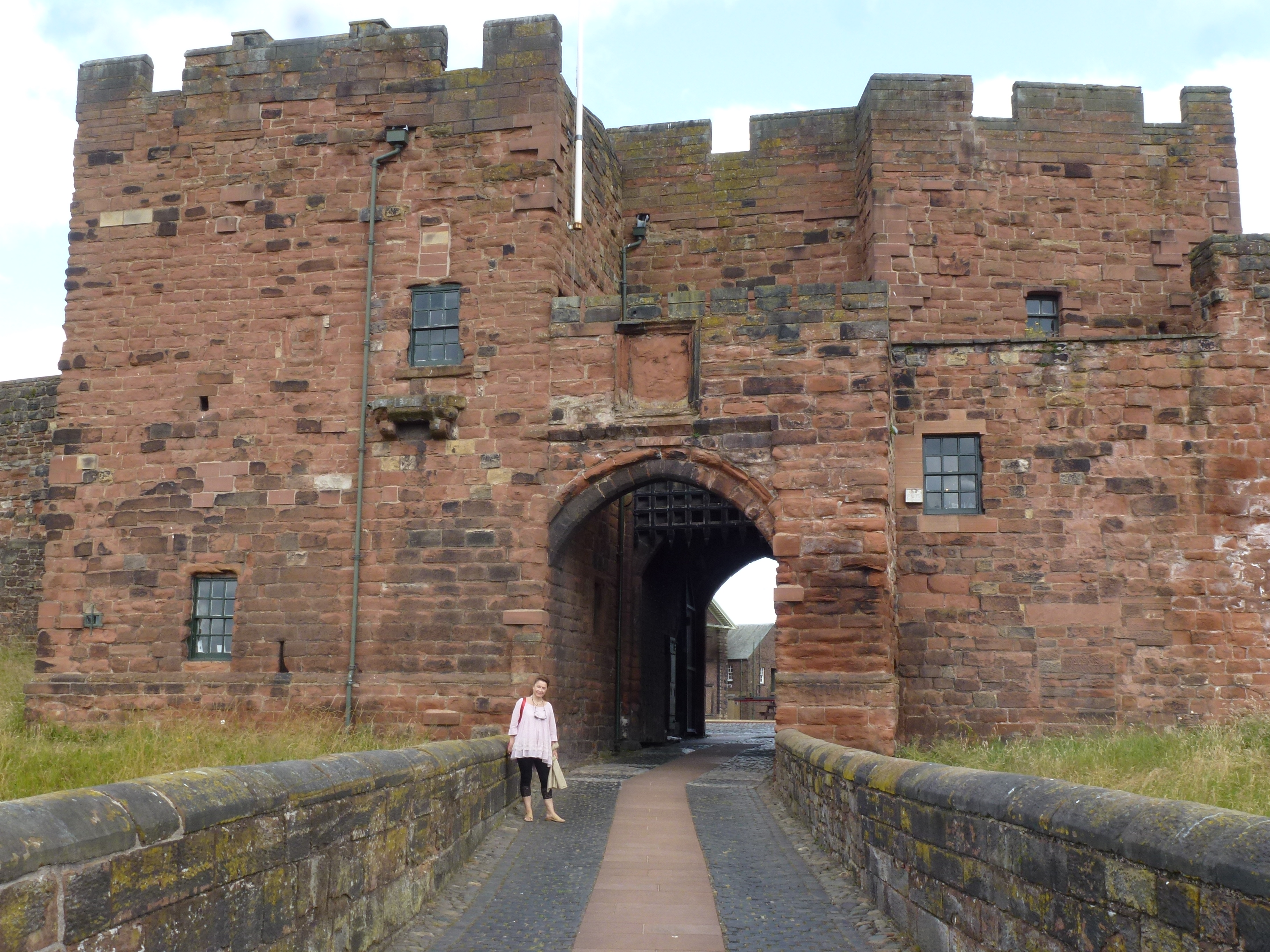
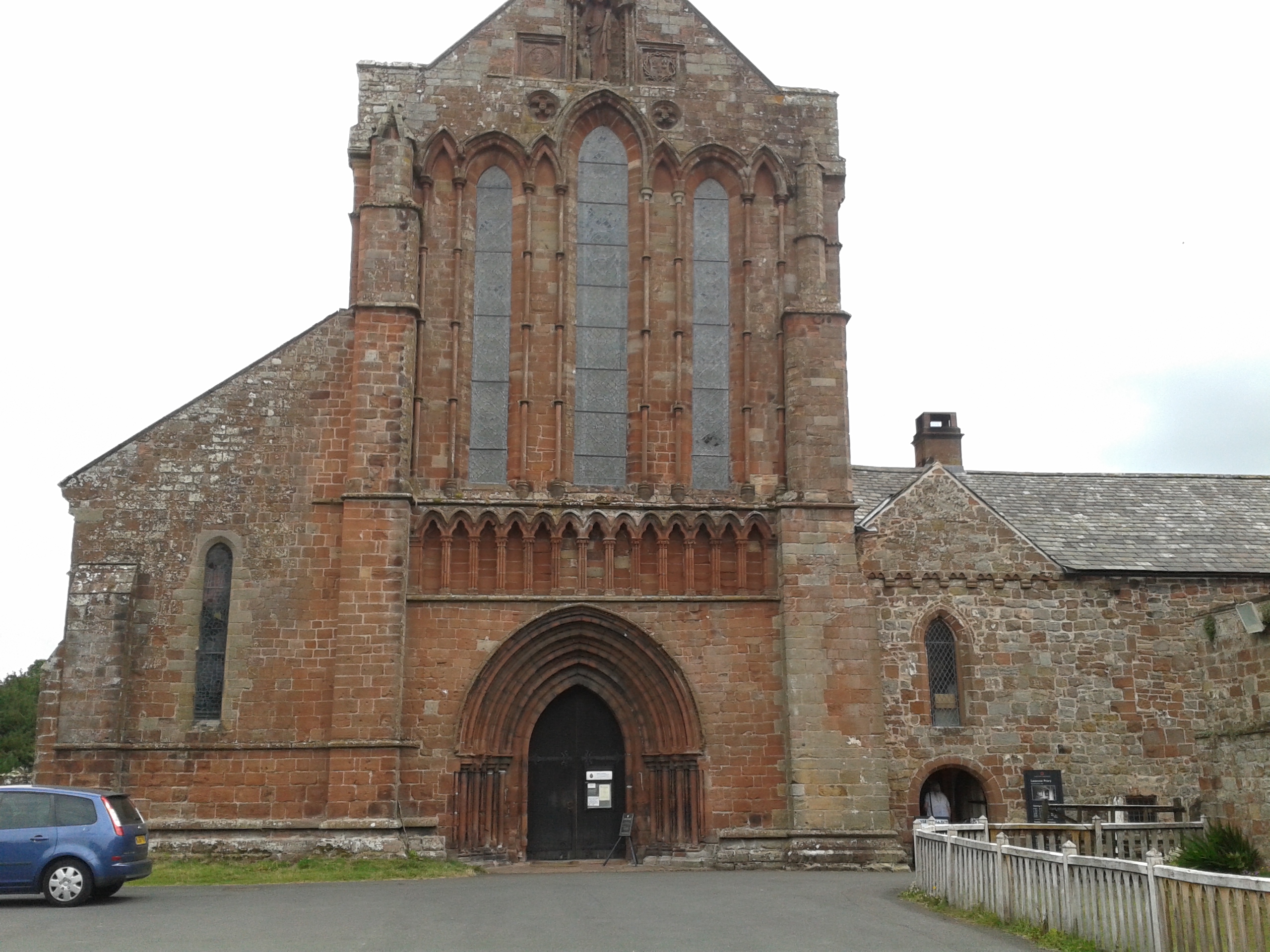
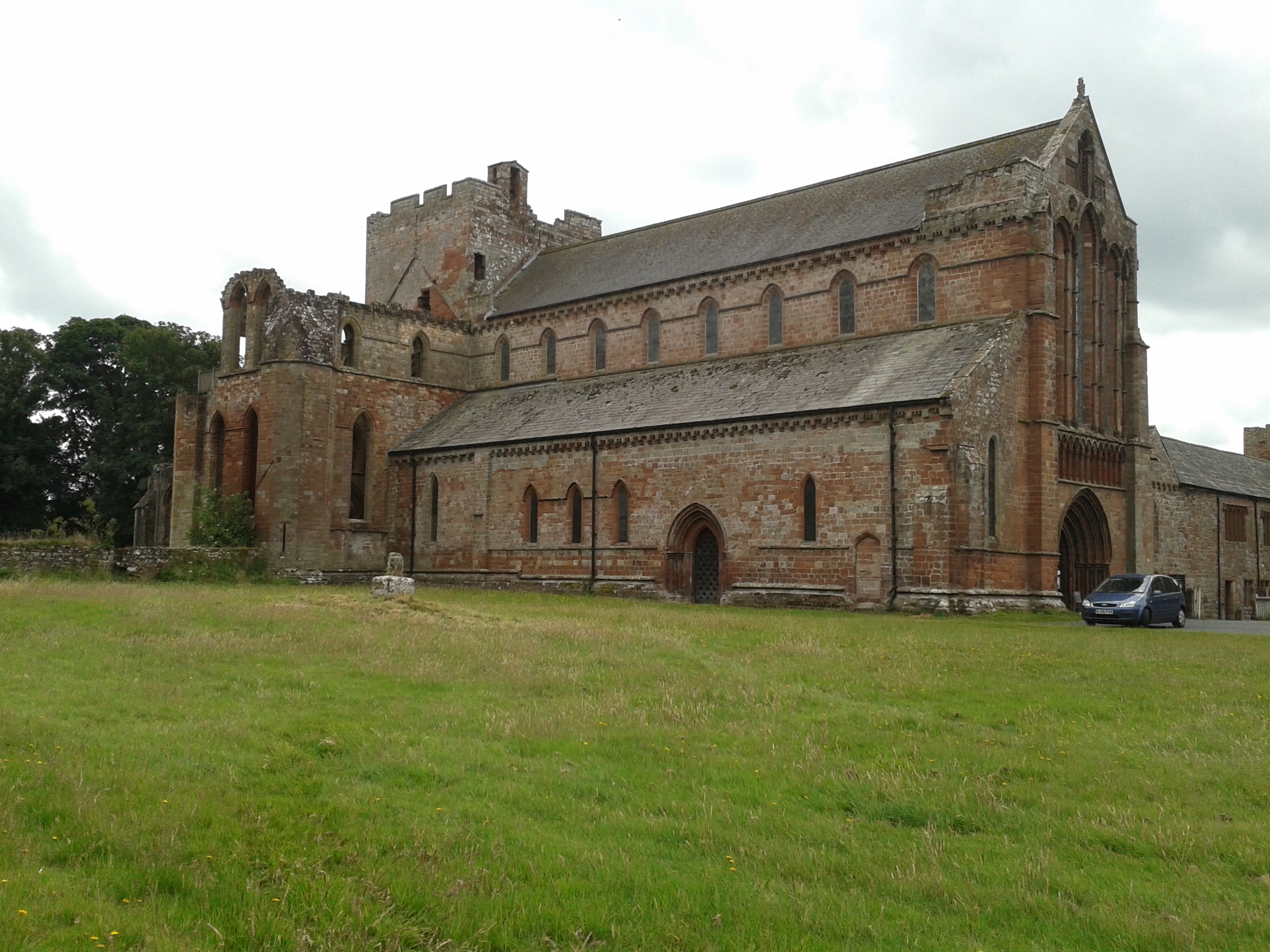
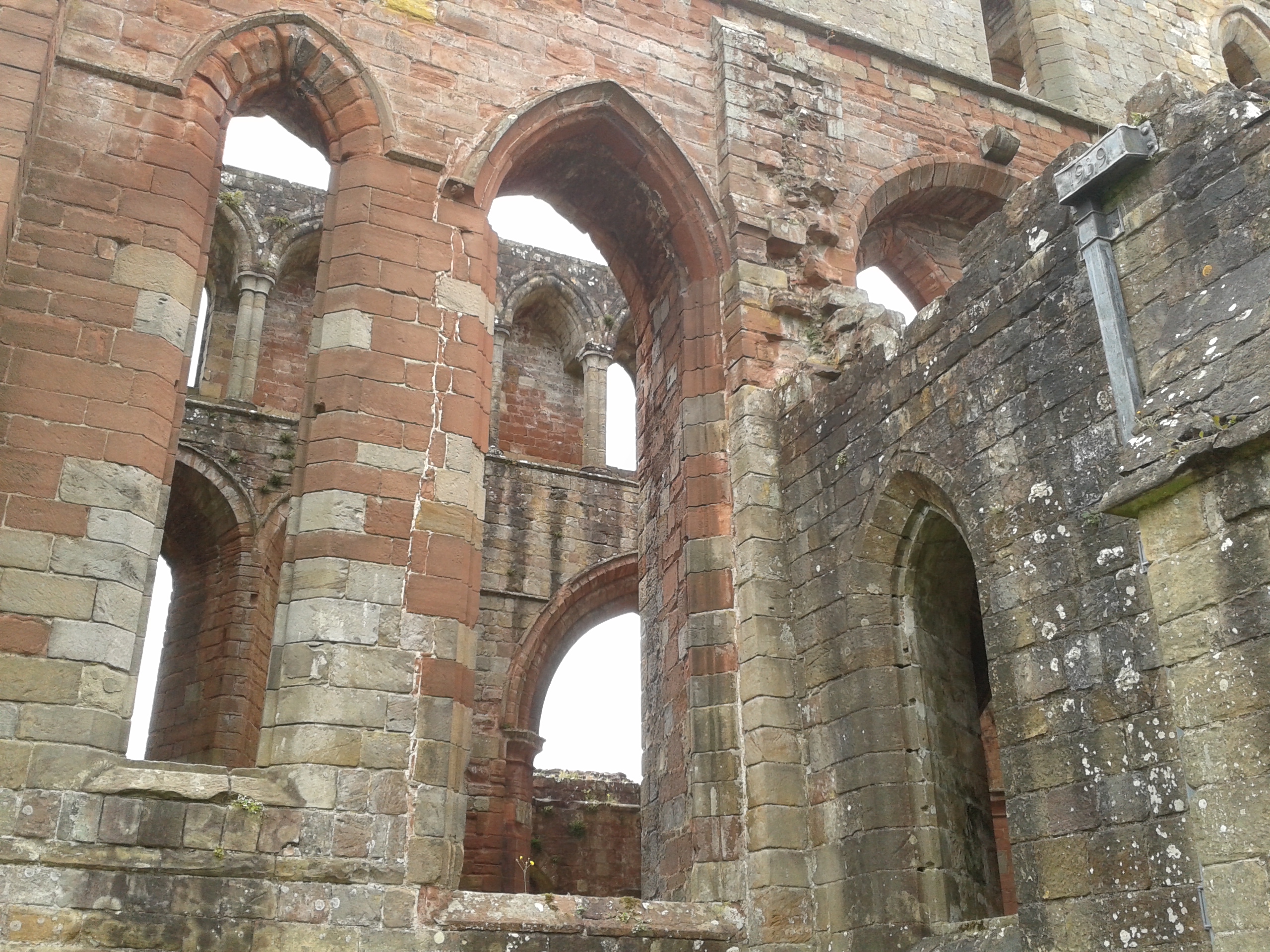
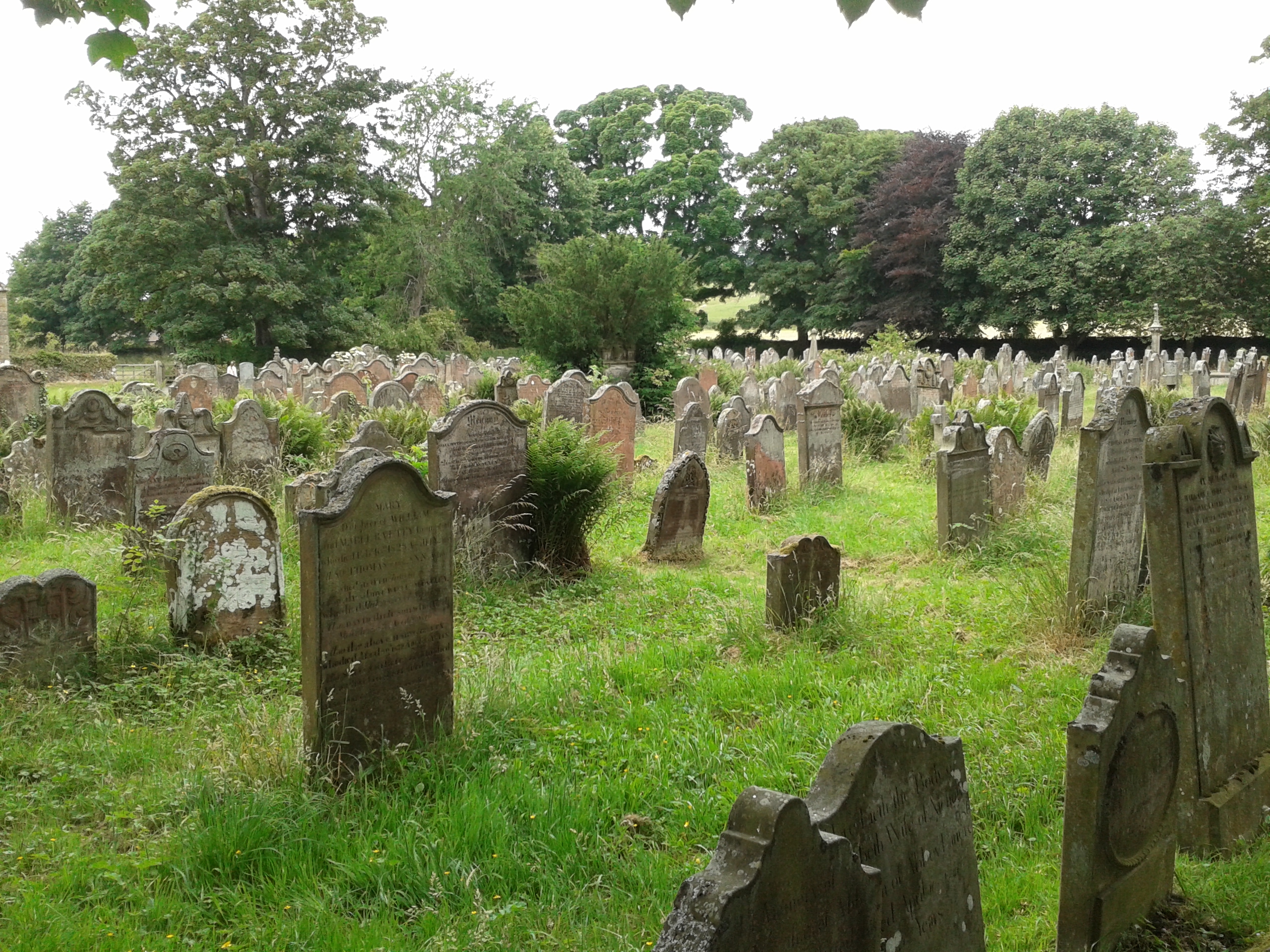
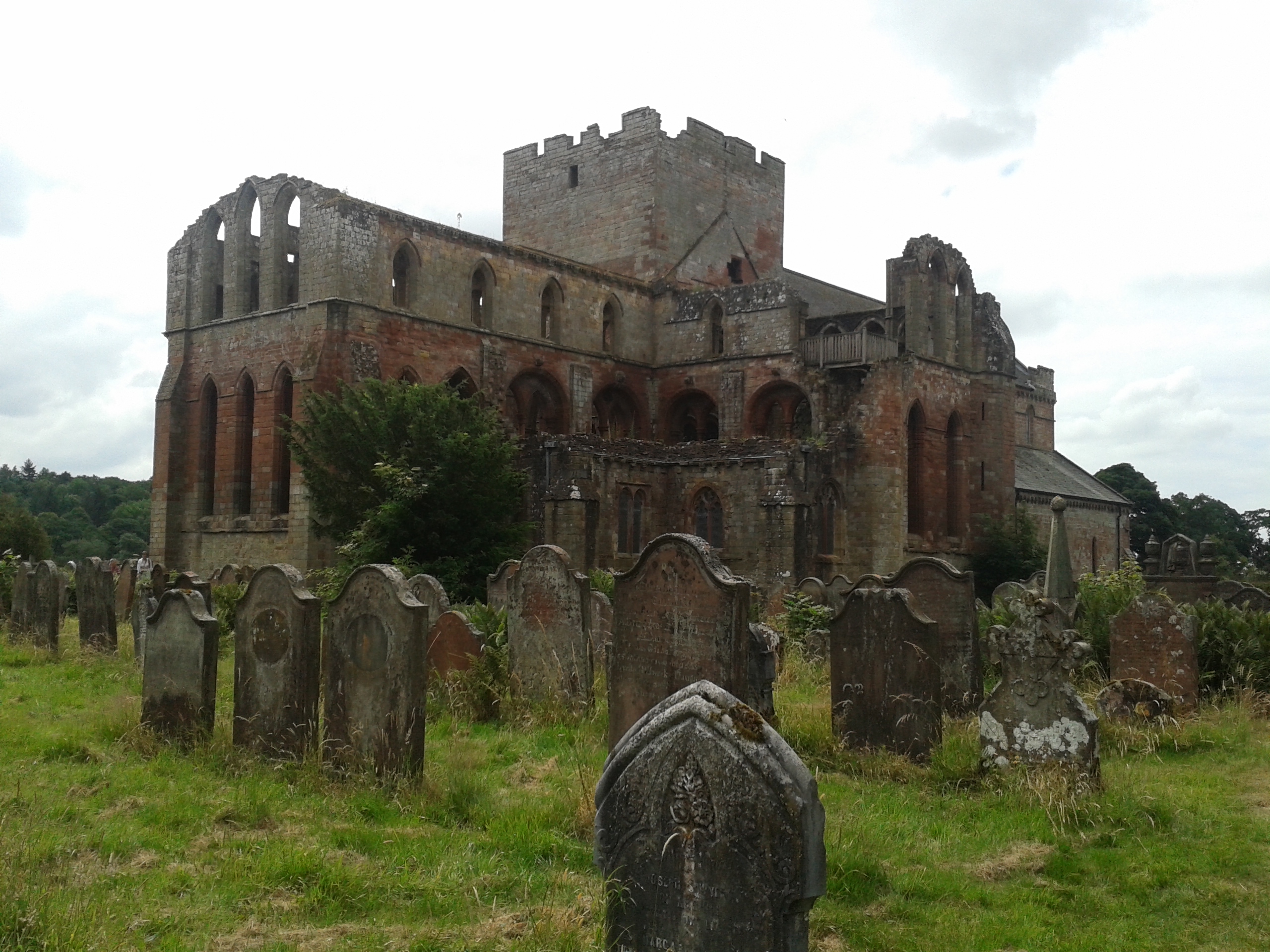
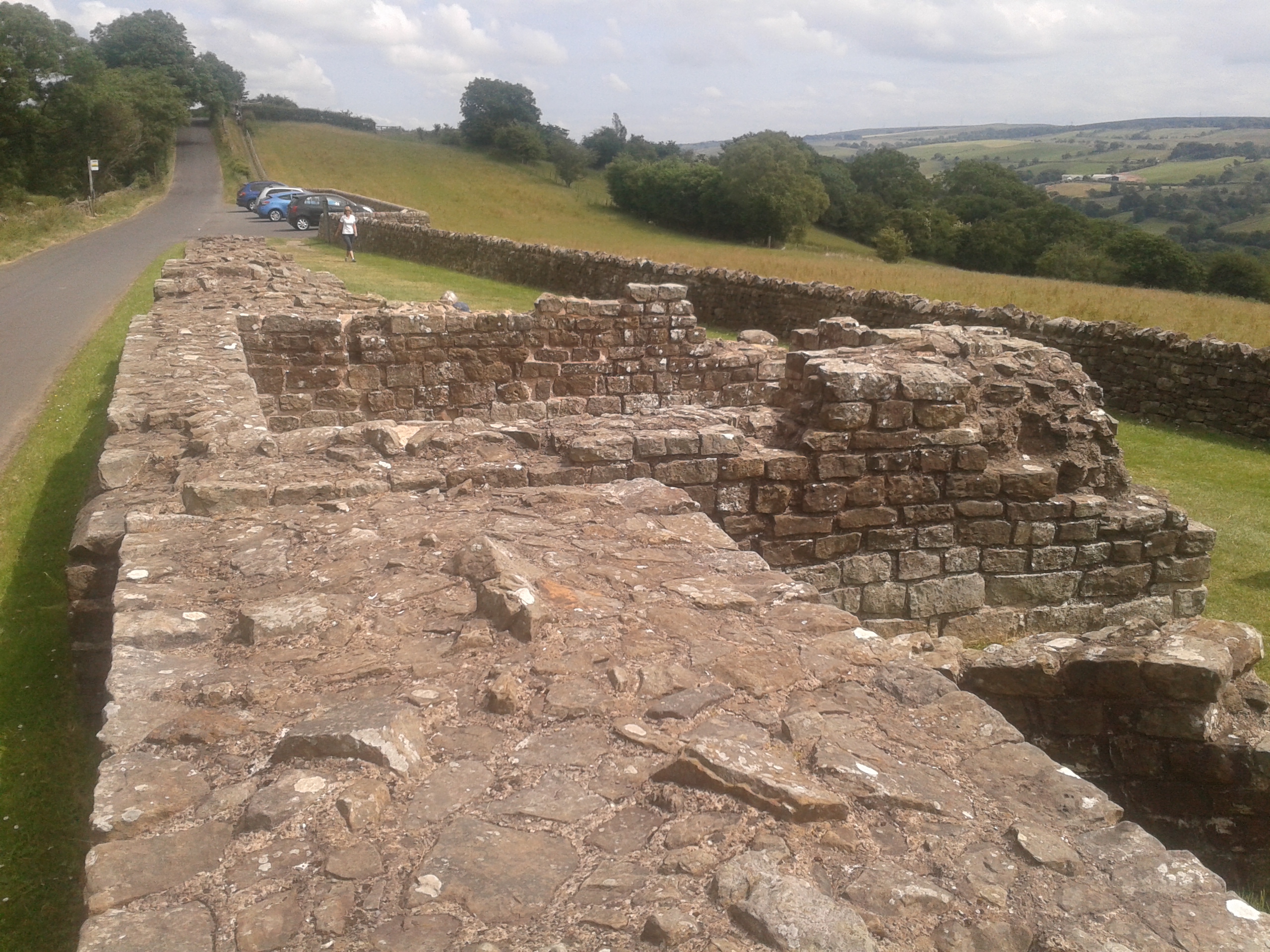
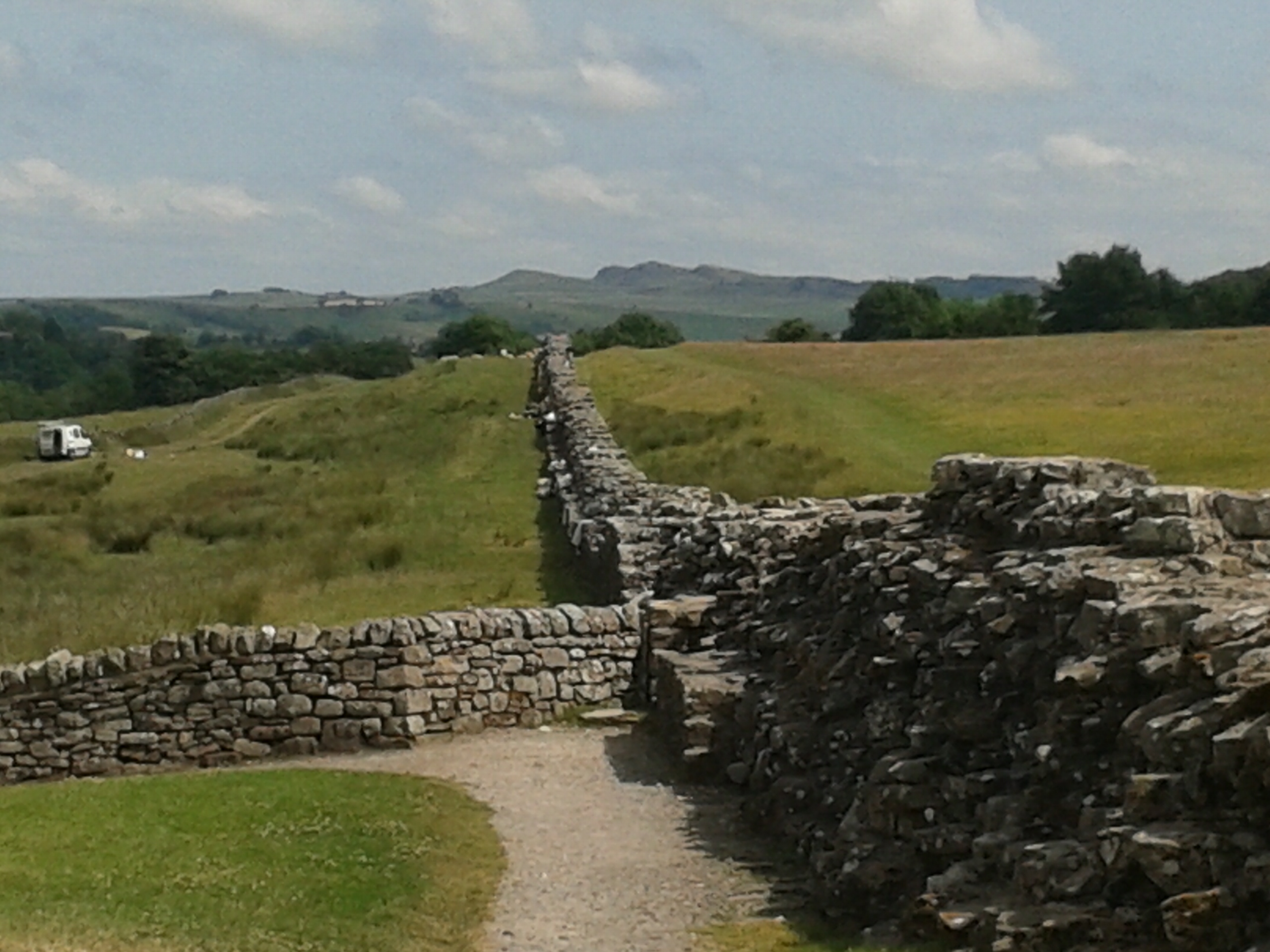
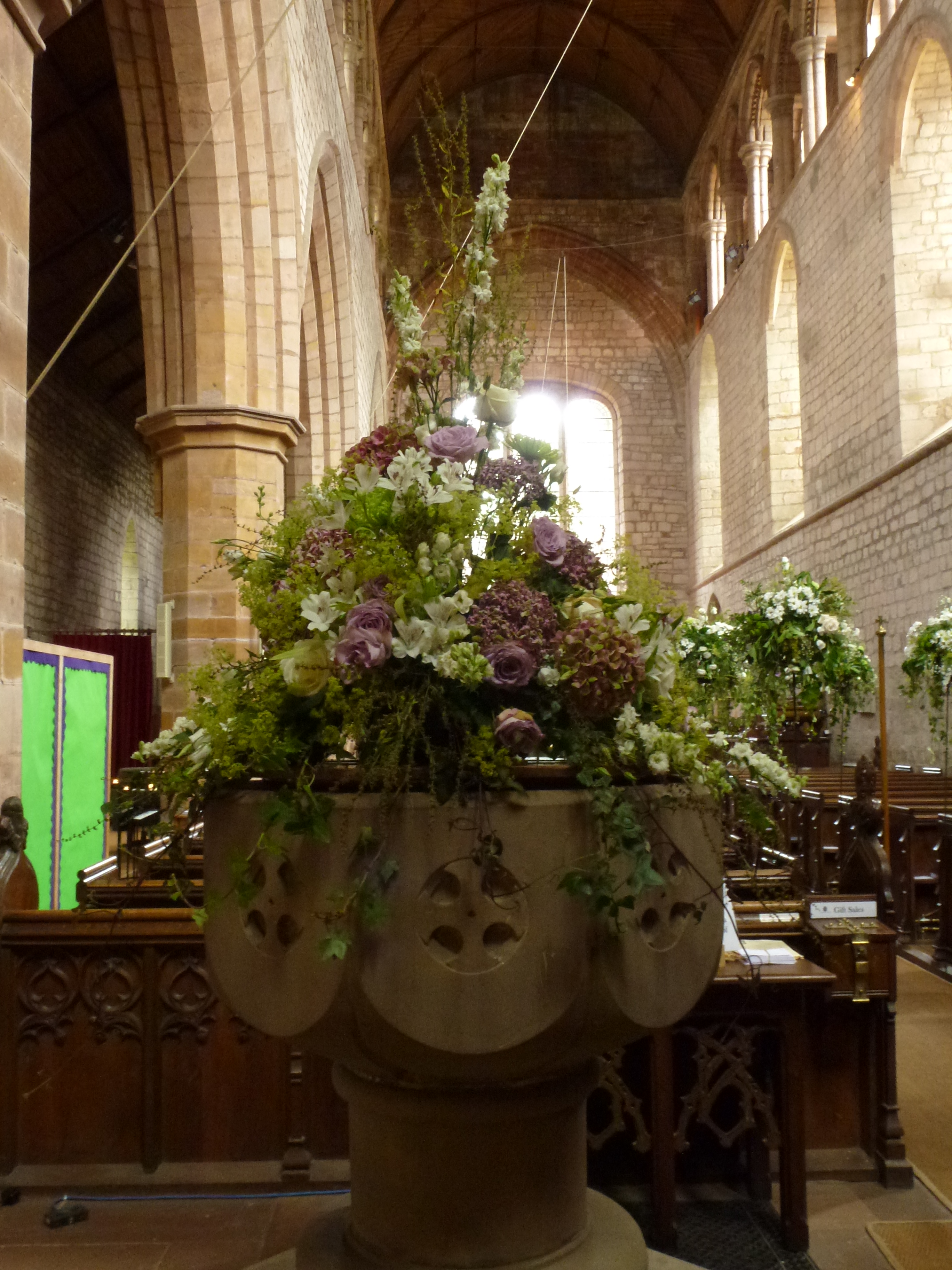
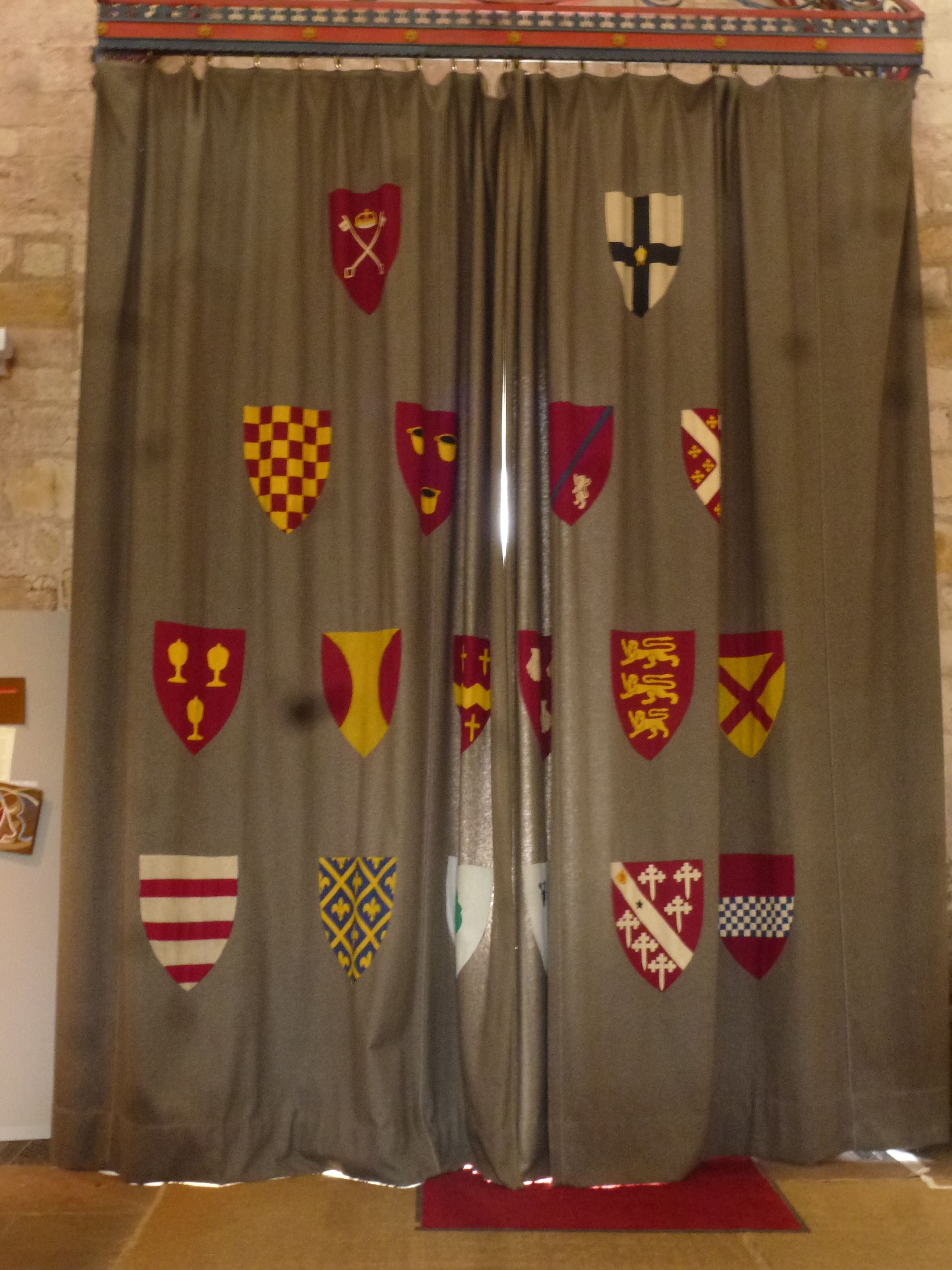
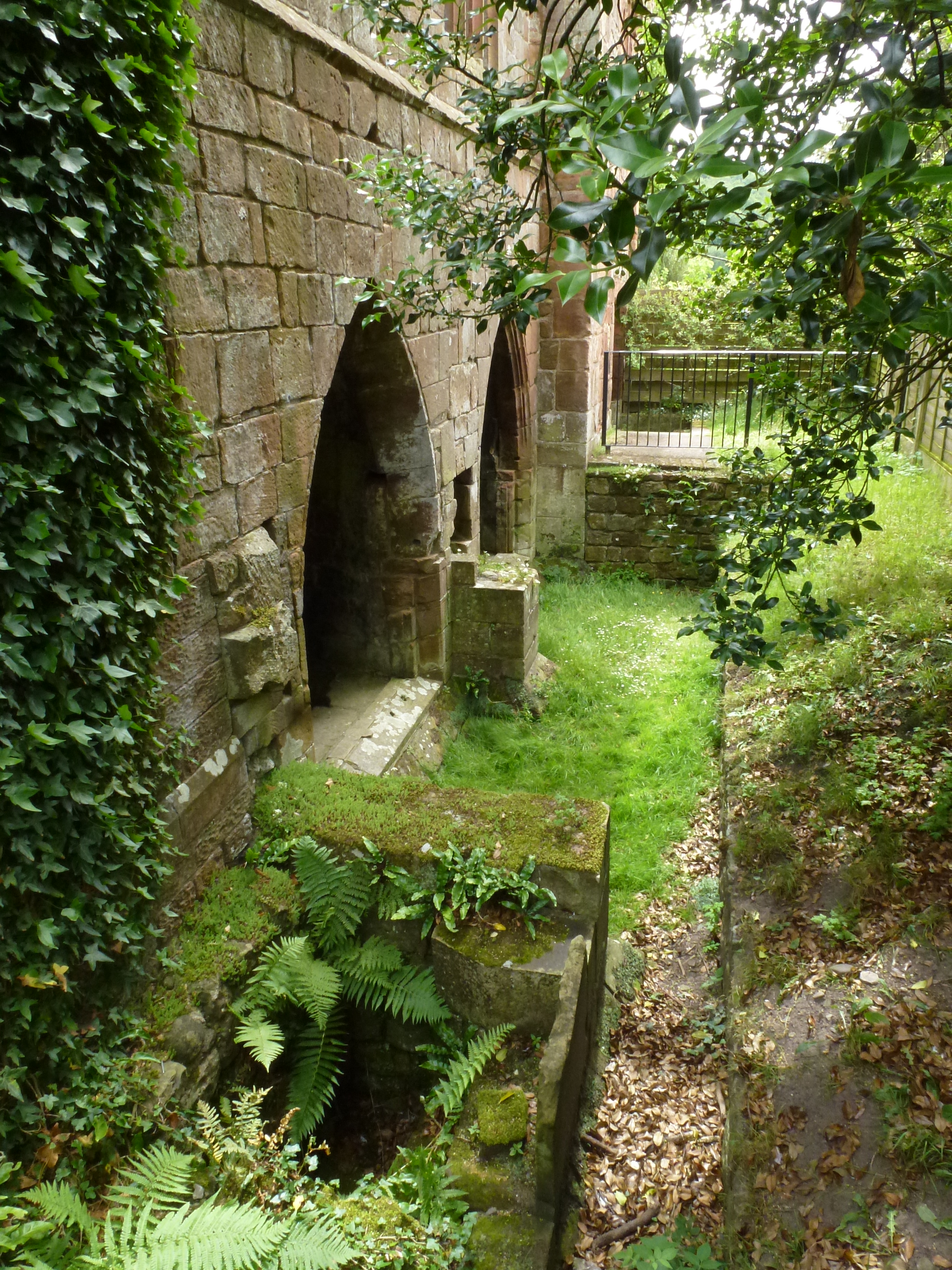
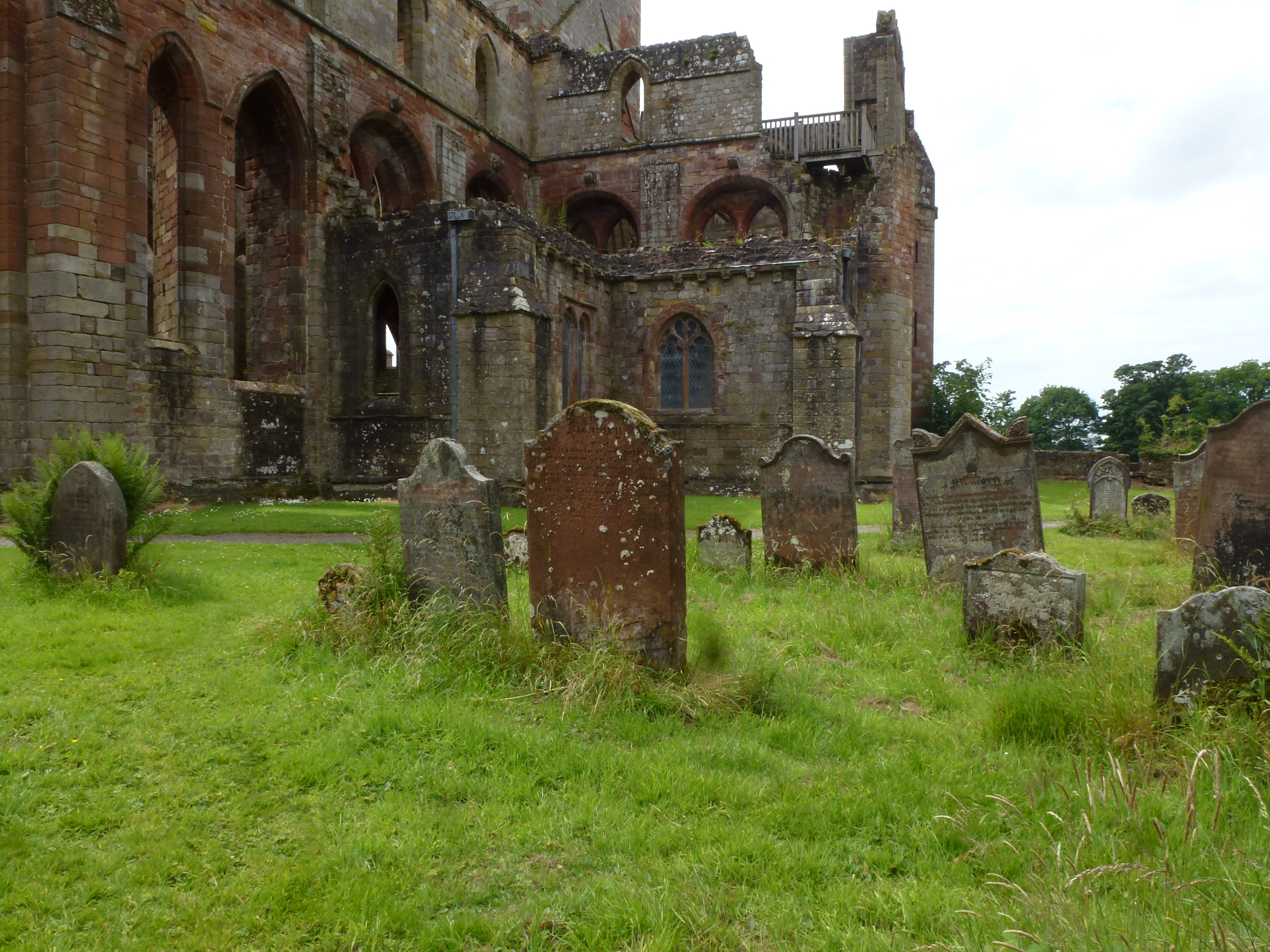
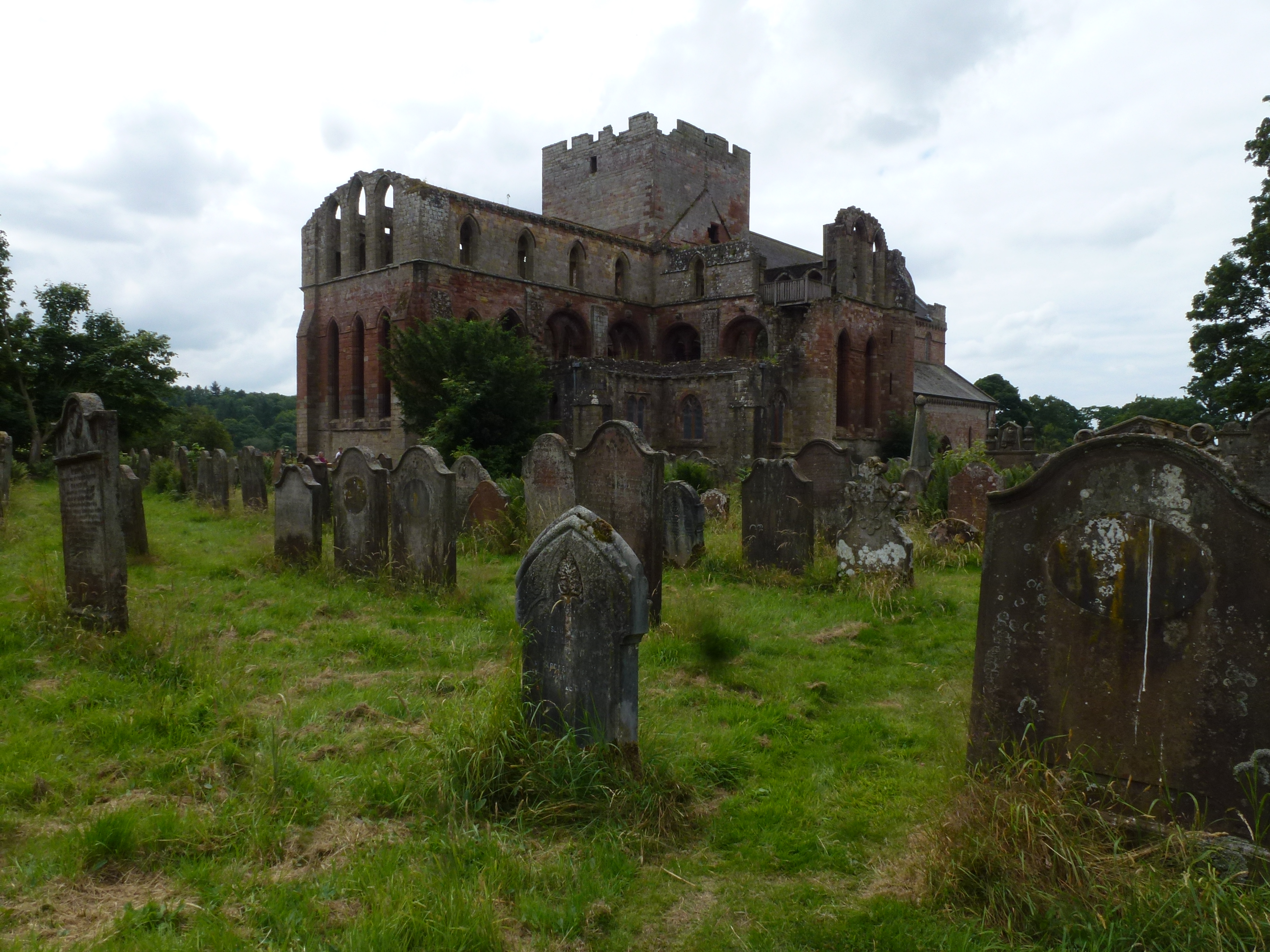
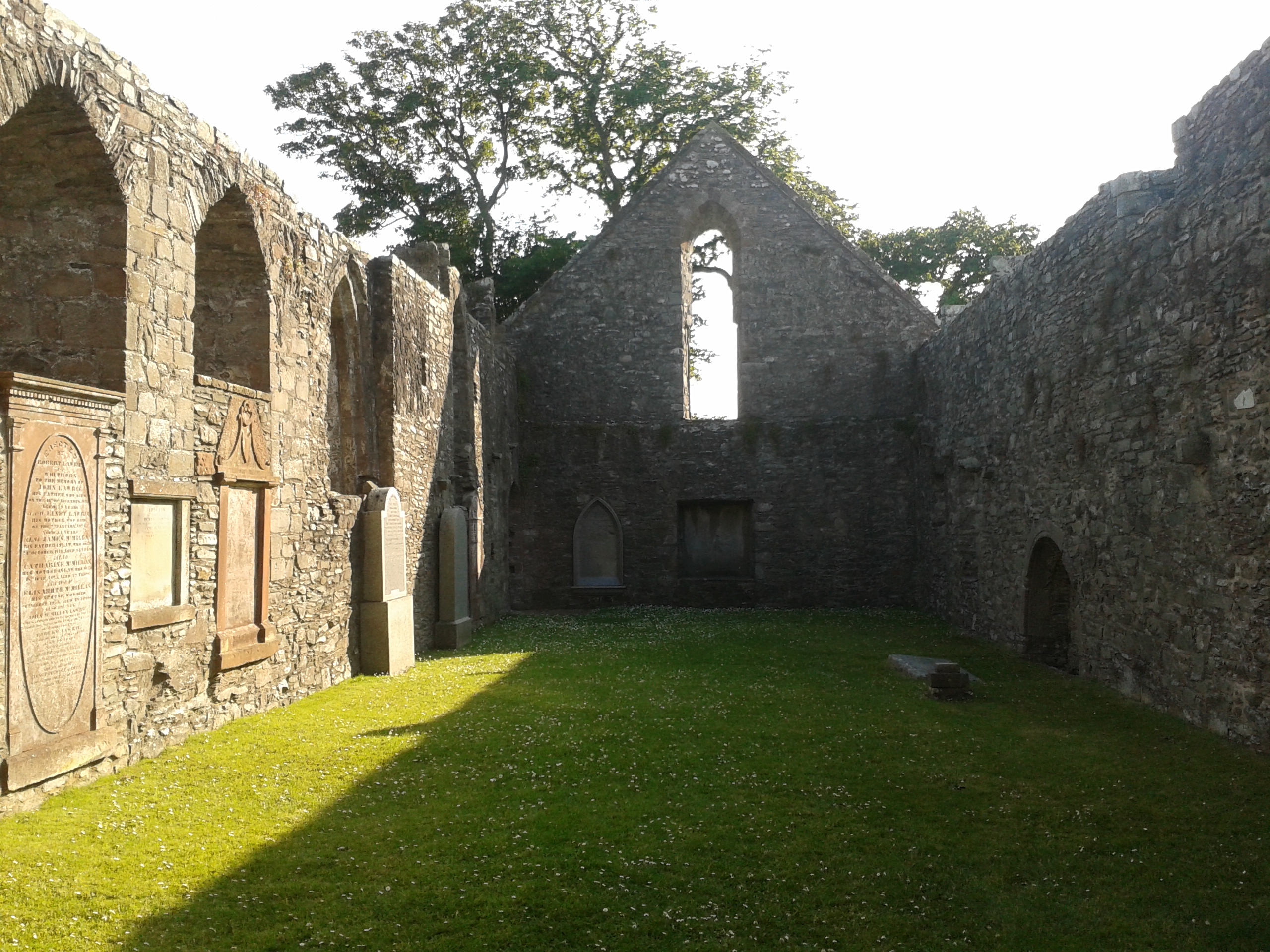
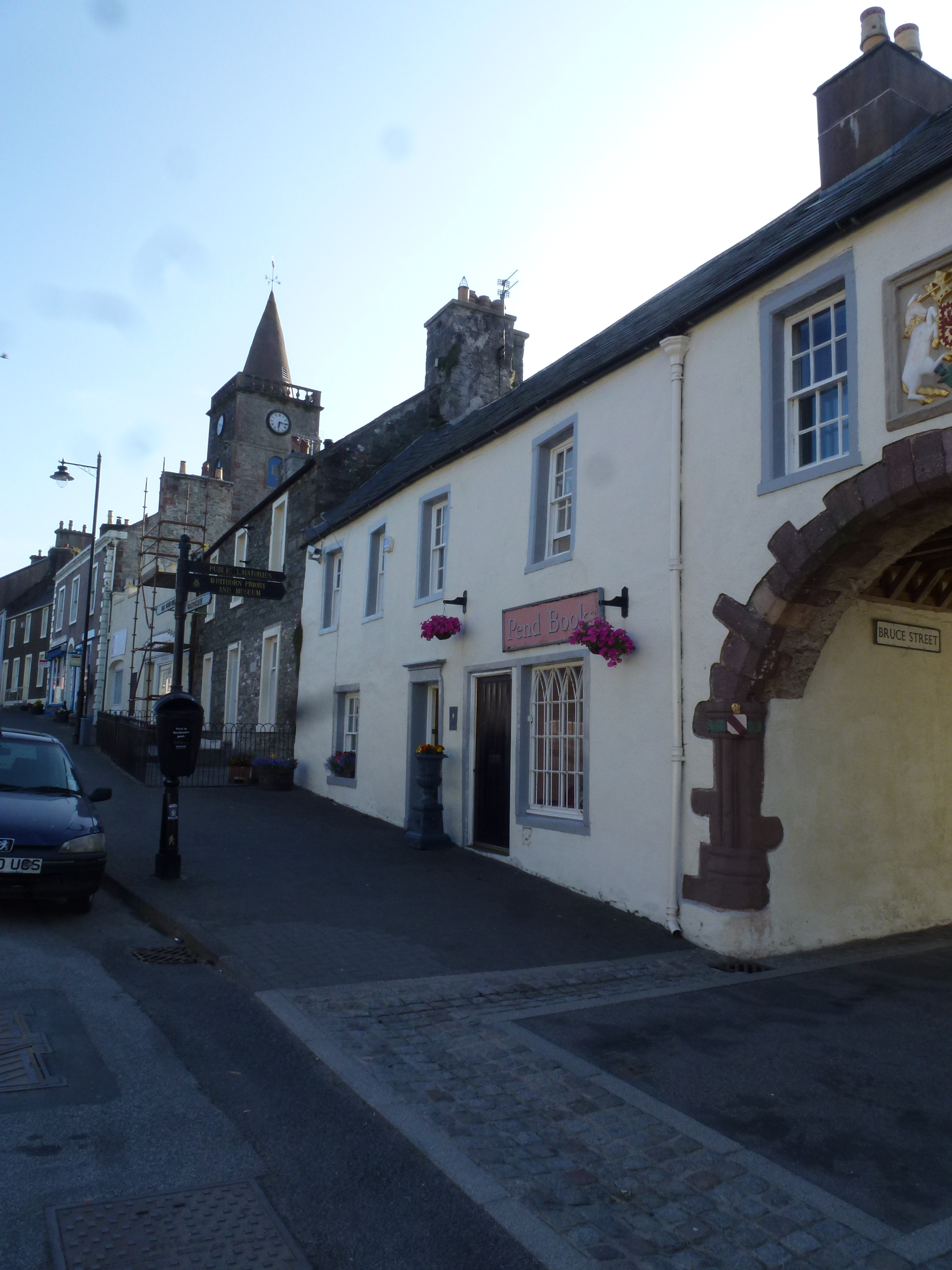
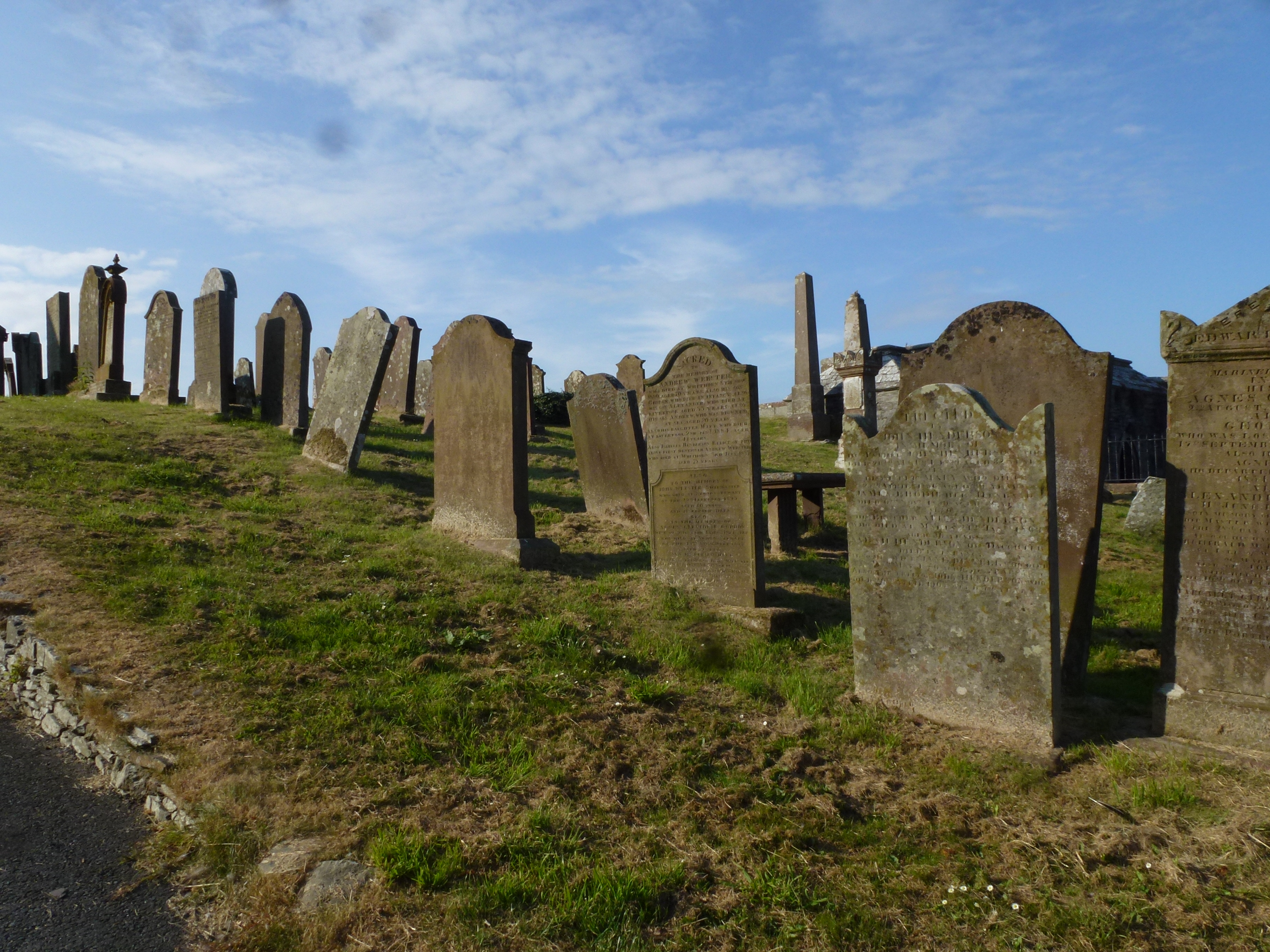
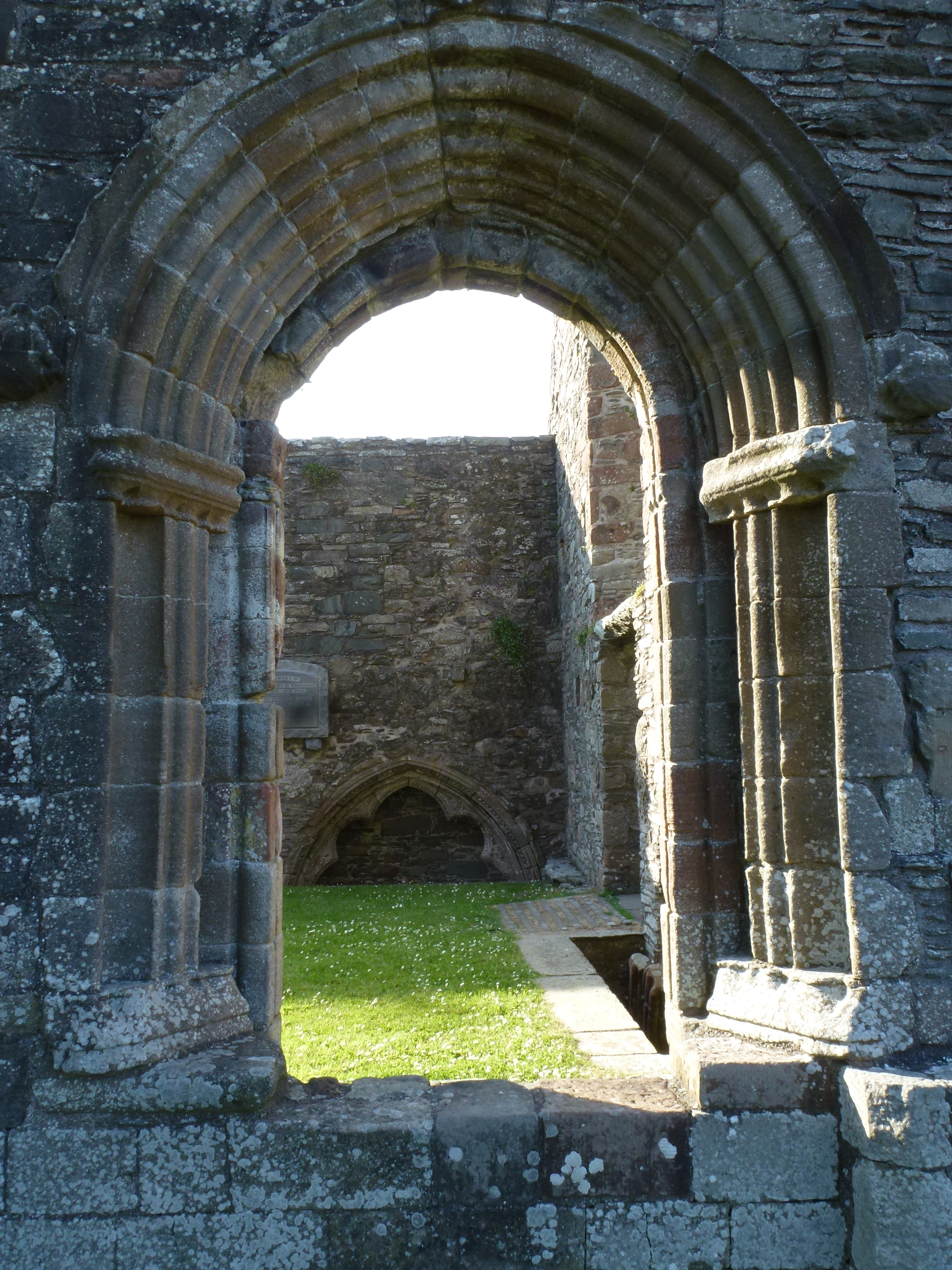
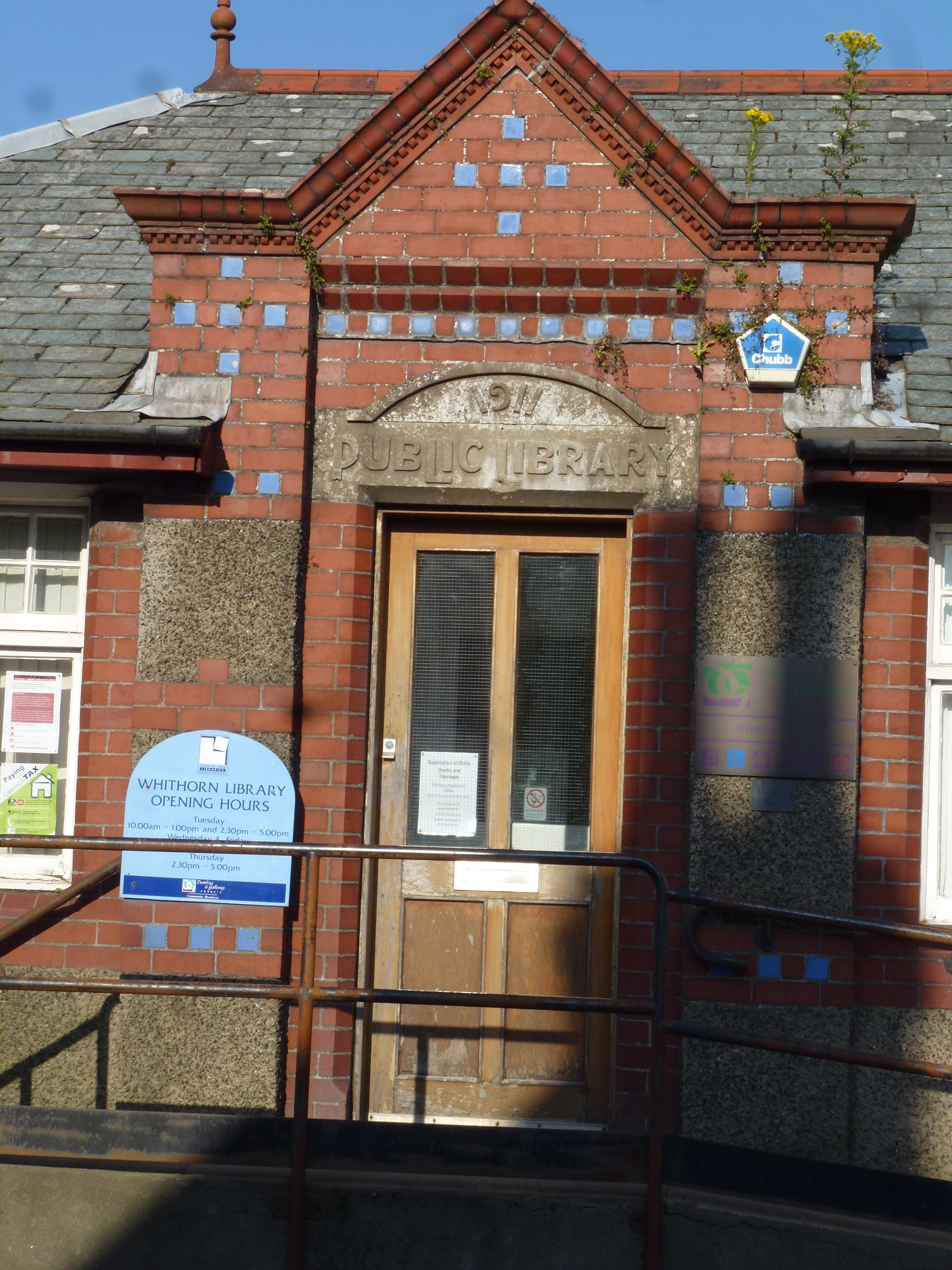
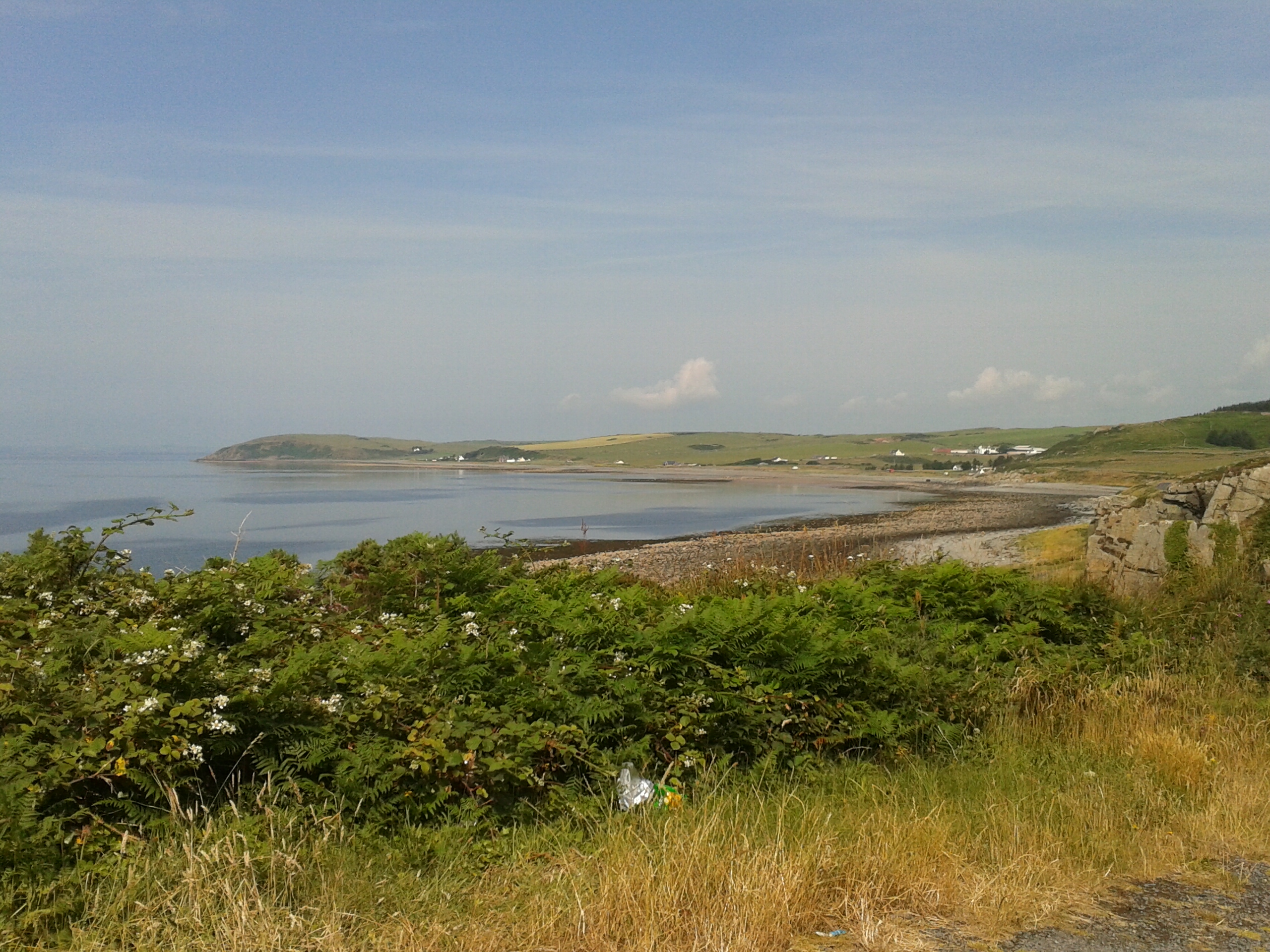
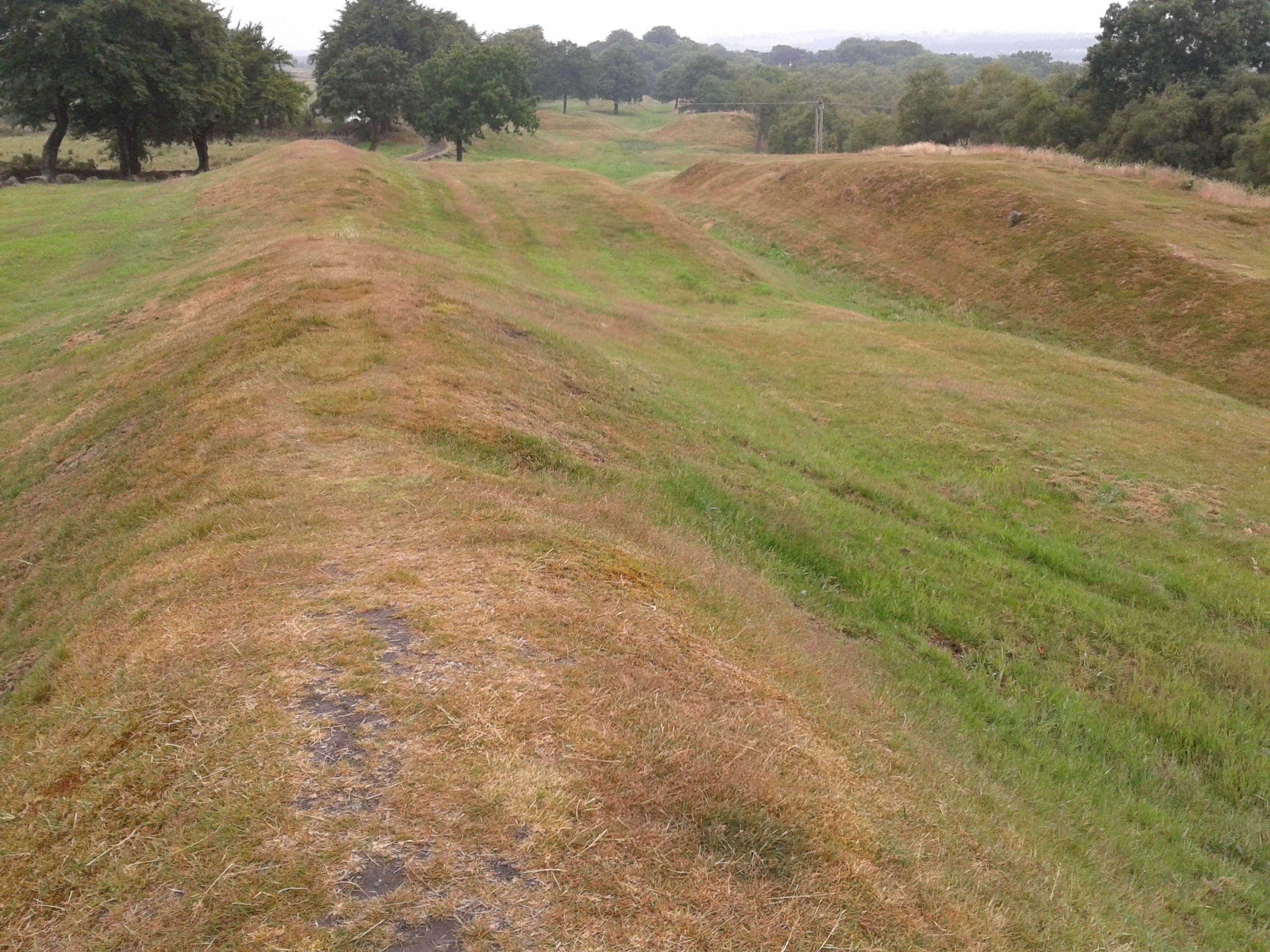
We left Whitehaven behind us, as we continue north through a grassy plain scattered with patches of broad-leaved woods, cows and sheep everywhere you look and some not easily identifiable cultivation. Still following the coast, we left England to enter, almost without realizing it, Scotland. Our first stop was at Carlisle with a visit to the Chateau whom saw as main protagonists, throughout its history, Mary Queen of Scots and Bonnie Prince Charlie. Behind its walls, lie the remains of Hadrian’s Wall, whose walls are partly been restored in order to allow the viewer to get an idea of how they were two thousand years ago. Crossing the Scottish countryside toward the Lanercost, we saw what remains of Birdoswald Roman Fort and we walked down to another piece of Hadrian’s Wall. Returning to the west, we stopped to visit the Lanercost Priory, built in 1169, used as the Augustinian monastery until 1538, the year in which there was a partial dissolution of the monasteries. The structure has maintained its walls in perfect condition to this day and is still used as a church for the ecclesiastical celebration and sometimes even for concerts. An interesting fact is that of King Edward I who, during his tenure, ruled England from there for six months. Moving to the south-west coast of Scotland, in Machars and Rhins of Galloway, where the beauty of the sea, the mystery of its past tempting splendor of sunken treasure, such as the St. Nimian’s Isle Treasure, is a popular destination. We visited the ancient Abbey of Whithorn whose walls are well preserved although missing the roof! We stayed one night in Port William in a cozy private house: the B&B Hawthorn House of Tim and Hilary Pavitt. The room was small but fine and treated in the small details: the sponge bathrobes, a range of teas and an exquisite chocolate. The breakfast has been especially good, served in fine china and silver cutlery.
Wednesday, July 17
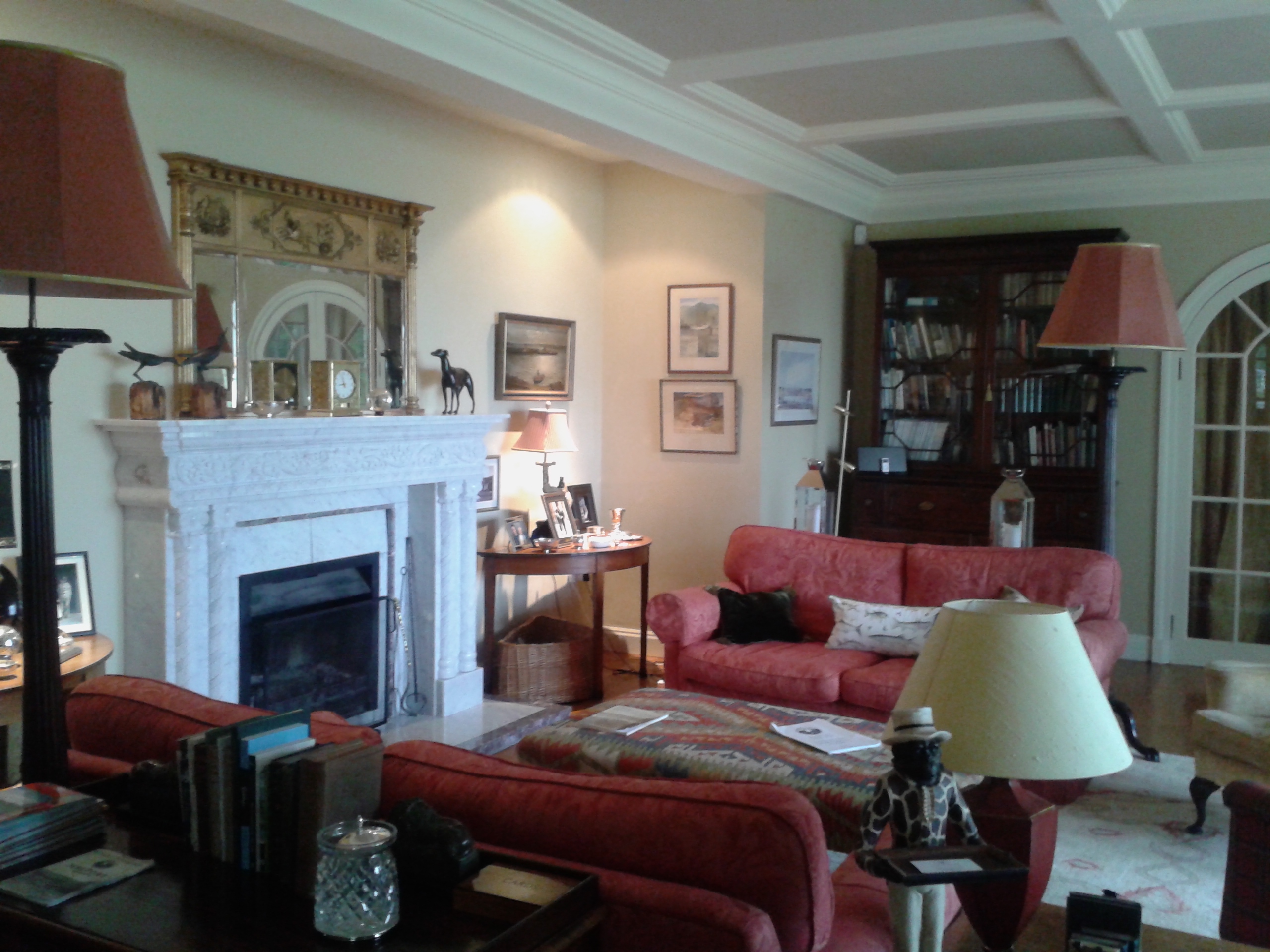
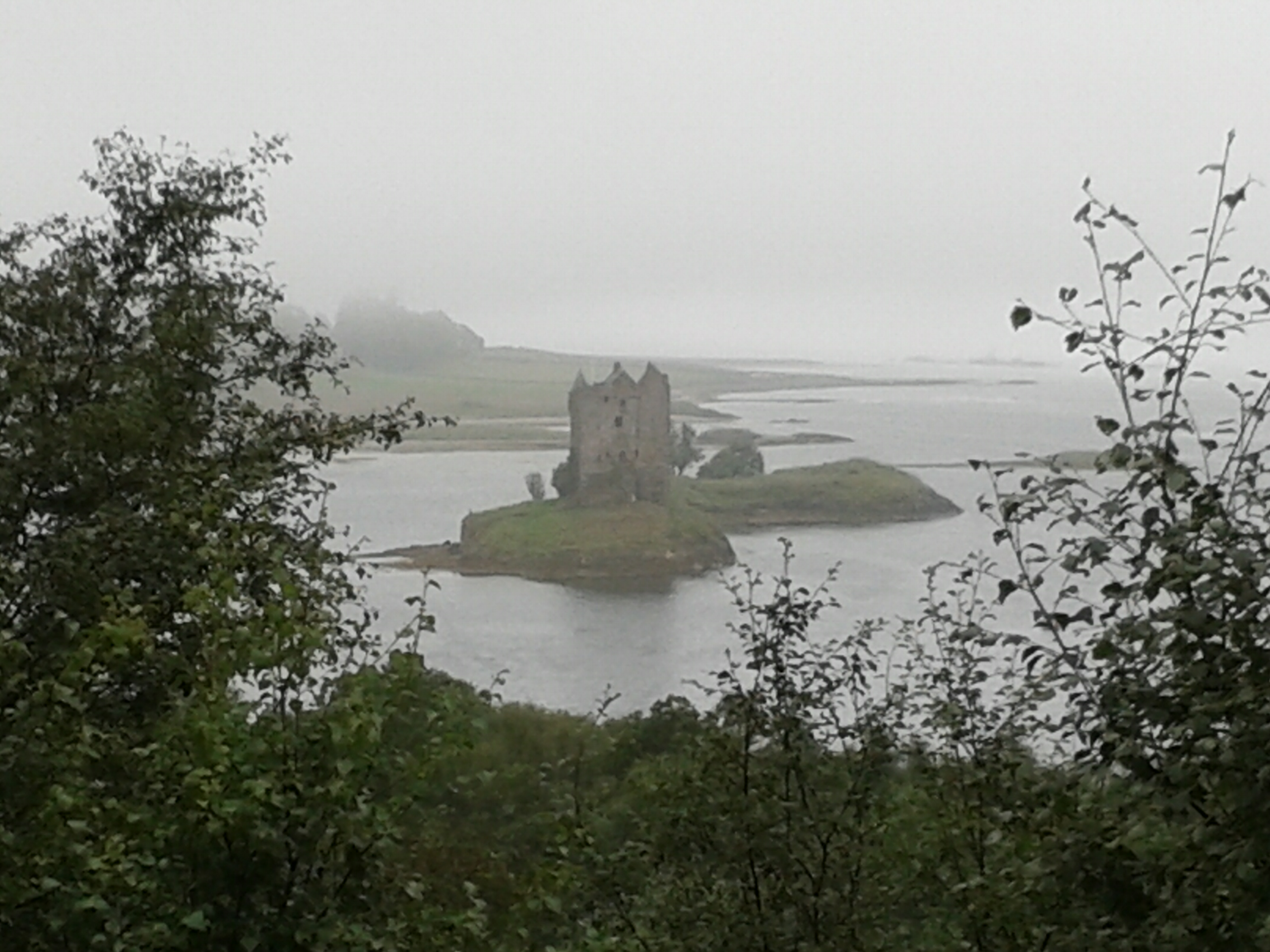
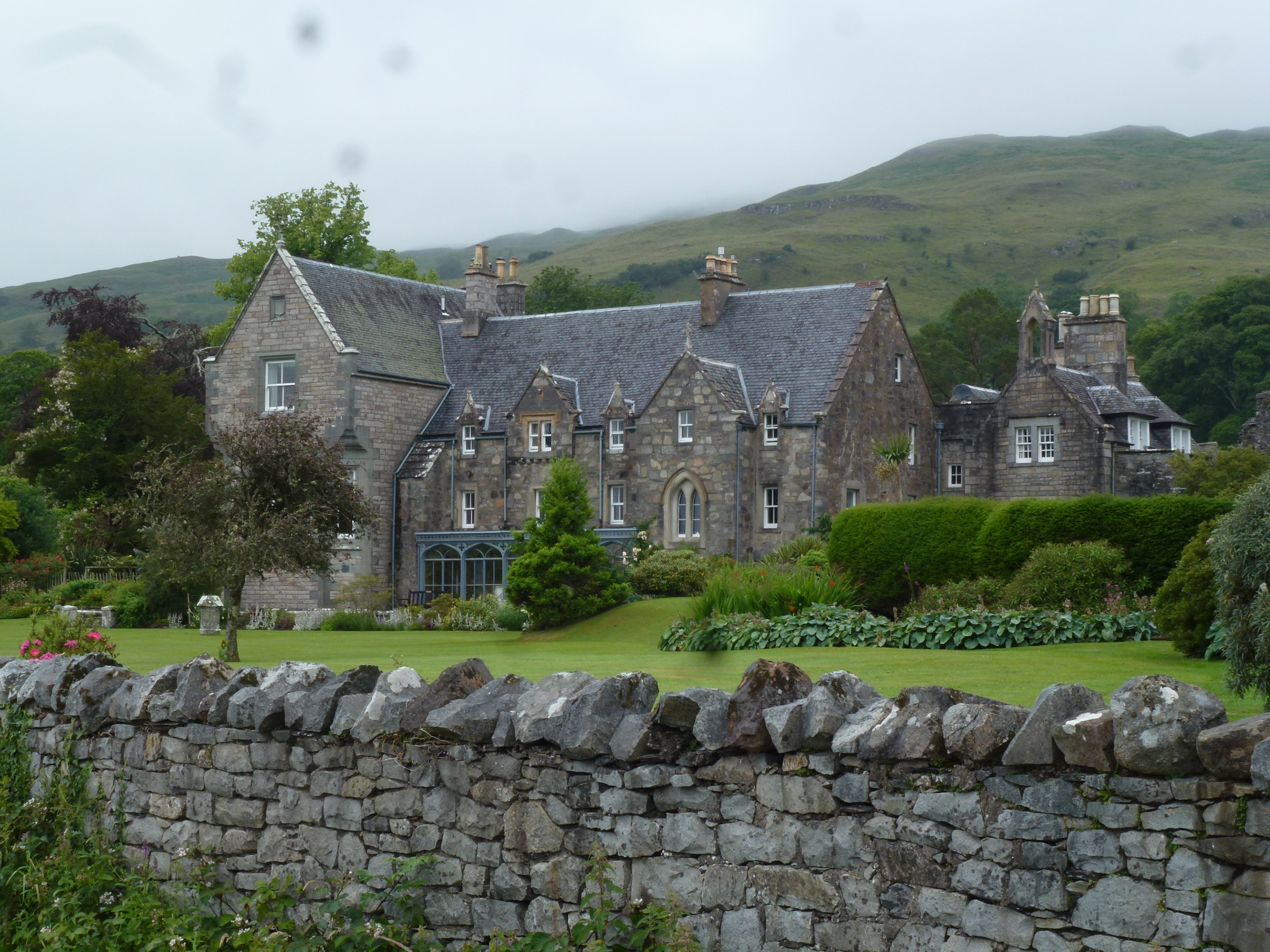
We visited this part of Scotland and its “loch” (lakes or sea coves) going up the west coast, while driving a few miles crow flies. But when it was night, near Kilmerlford by Oban, we found a beautiful villa: the Melfort House of Matthew and Yvonne Anderson, where we spent the night. The large Victorian mansion, perfectly restored by the owners, has hit us for the exquisite choice of furniture. A room with a view on the park, with a charming and comfortable canopy bed, smoked Scotch whiskey with crystal glasses… they made us feel at home. We took the dinner in a small restaurant within the park that stretched all around the villa; not far away, the sea dock on Loch Melfort (from which the mansion takes its name). In the property there was also a stable open to the lovers of horse rides, but unfortunately there was no time and without the right equipment wasn’t an adequate idea. In the air the scent of trees, impressive in their shape, mixes with the smell of salted air. It was enough to close your eyes to find yourselves back in time, along ancient tracks like those same plants, such as those same stones.
Thursday, July 18
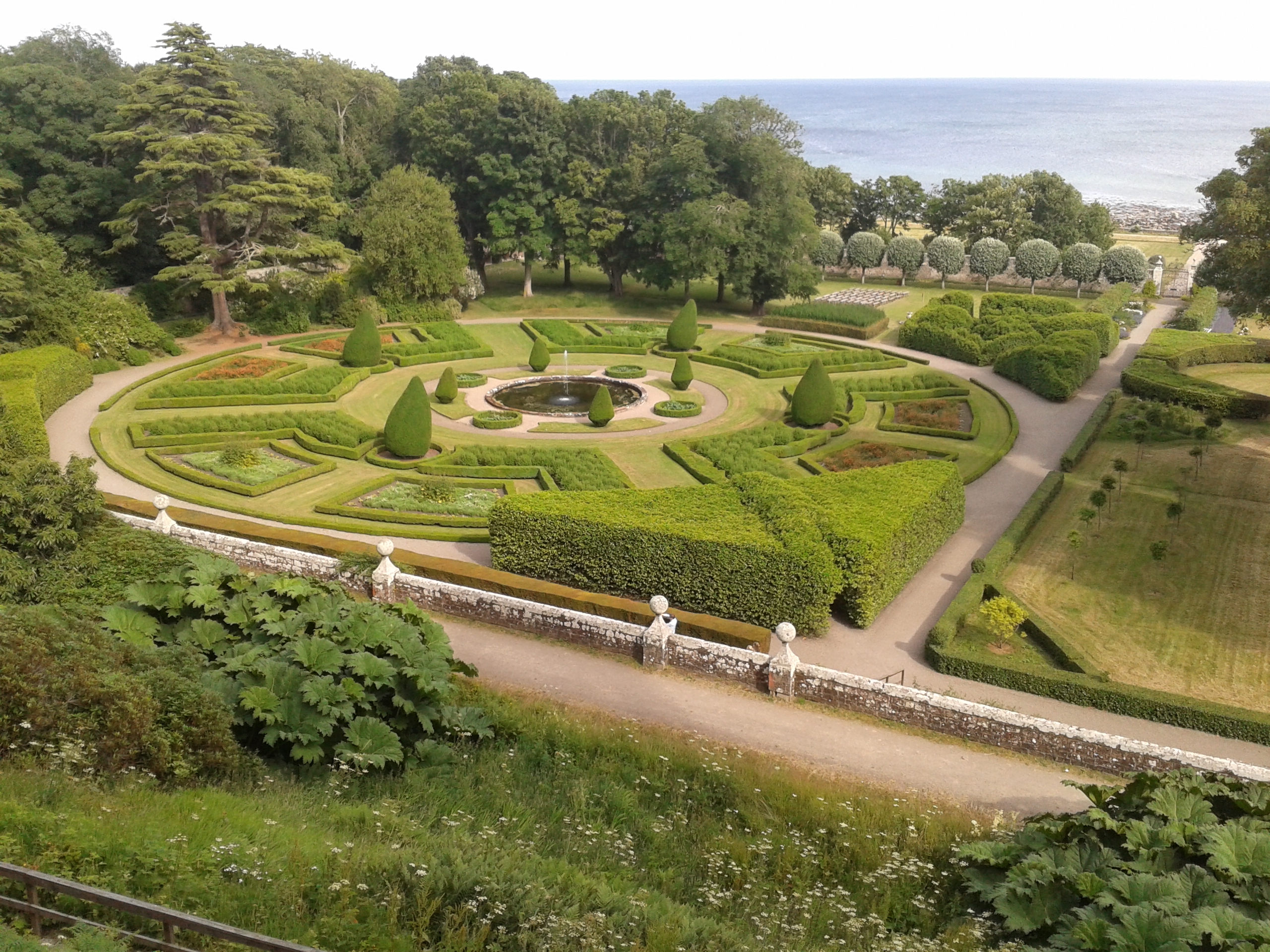
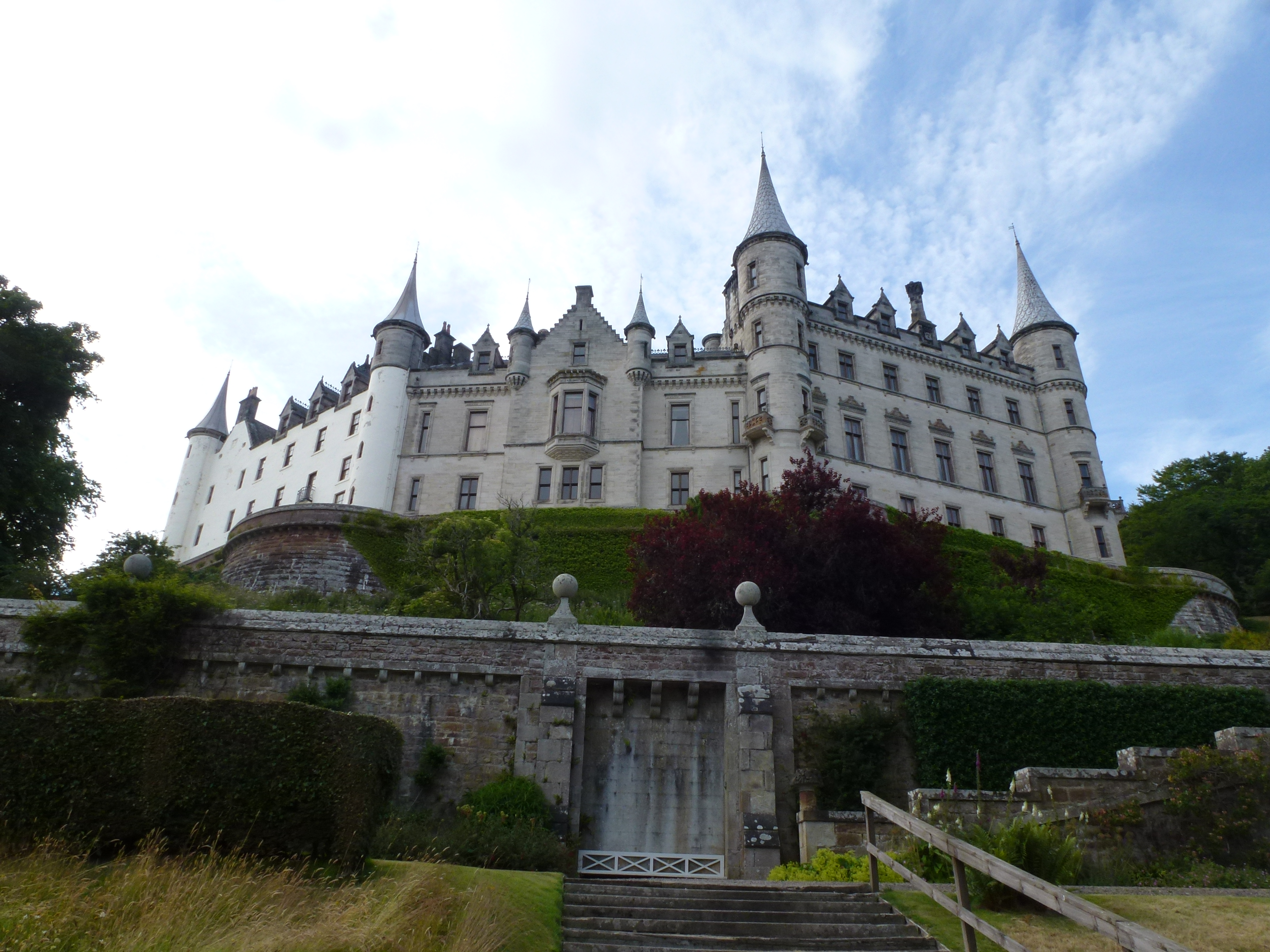
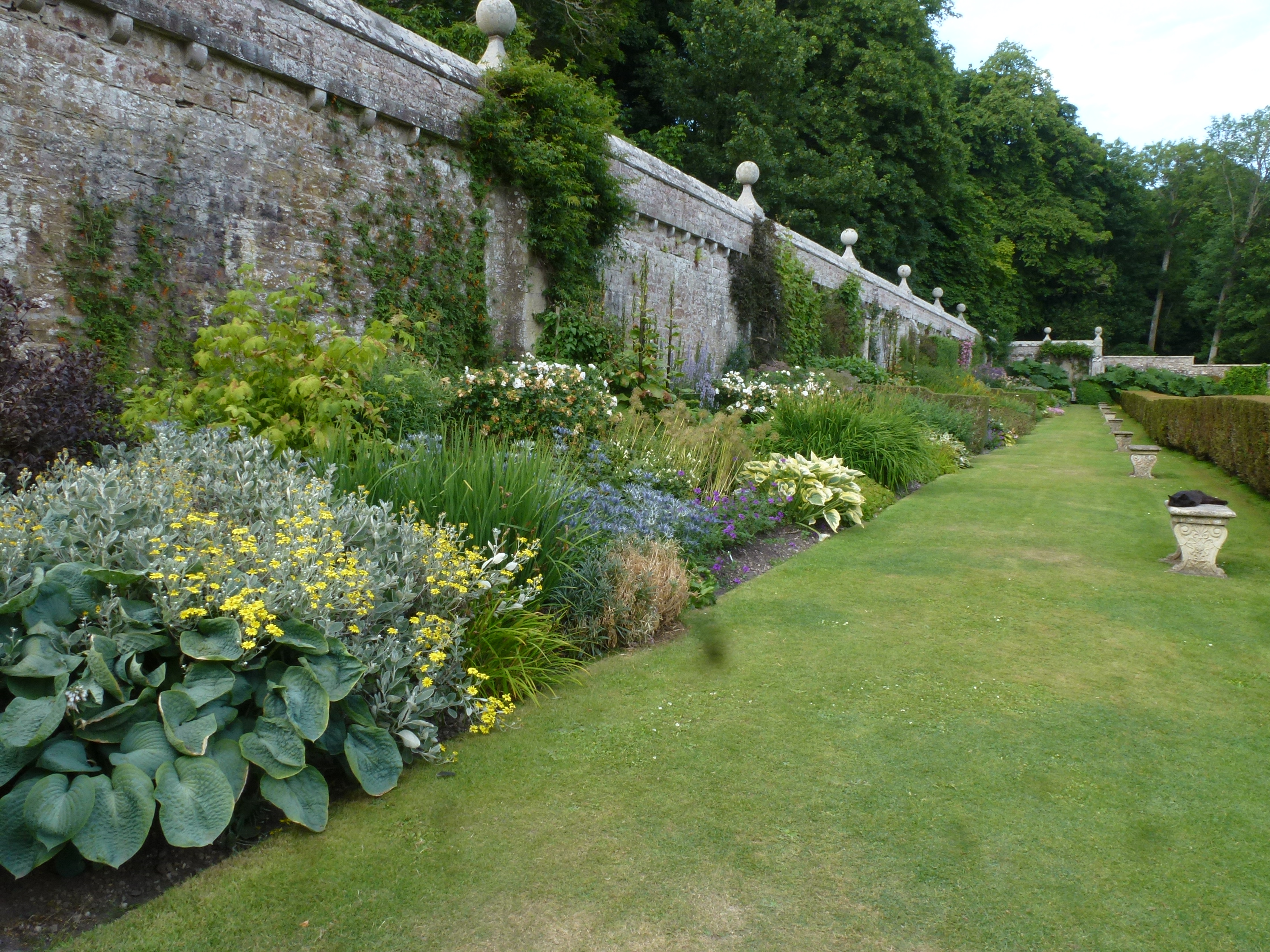
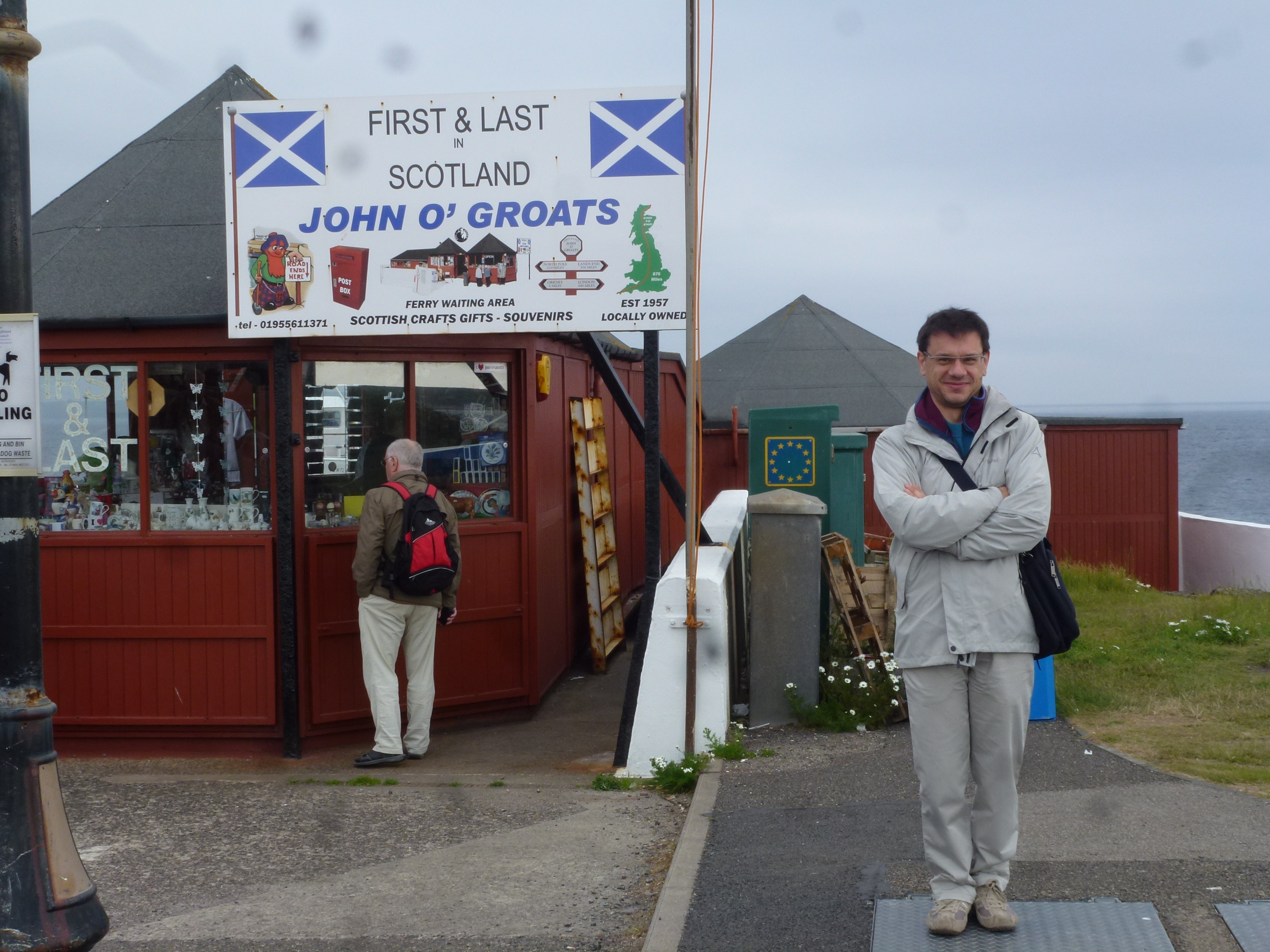
Leaving behind us the sea, we enter the Scottish hinterland heading to Iverness. Literally cutting Scotland in two from west to east, we go beyond Fort William located at the tip of Loch Linnhe and then again over Loch Lochy and Fort Augusus, Loch Ness and Iverness. Wanting to get as close as possible to the Orkney Isle, we decided to go up to Thurso. Once on the east coast, near Golspie, we stop to admire the Dunrobin Castle and its beautiful gardens. Relatively late, at around 18:30, we arrive in Thurso. At this time of the day there aren’t anymore ferries to Kirkwall or Stromness and so we decide to stay in Thurso where we find almost immediately a B&B for both nights of Thursday and Friday. We find a room in the Murray House by Stephen and Angela Williamson. Again, everything is perfect. The only problem, in desperate search of a restaurant, we are told that usually the kitchens close at 20:00! Luckily we stumbled in the usual Tondoori Restaurant that keeps its doors open for latecomers. The food is delicious, the wine expensive… but we’re on vacation!
Friday, July 19
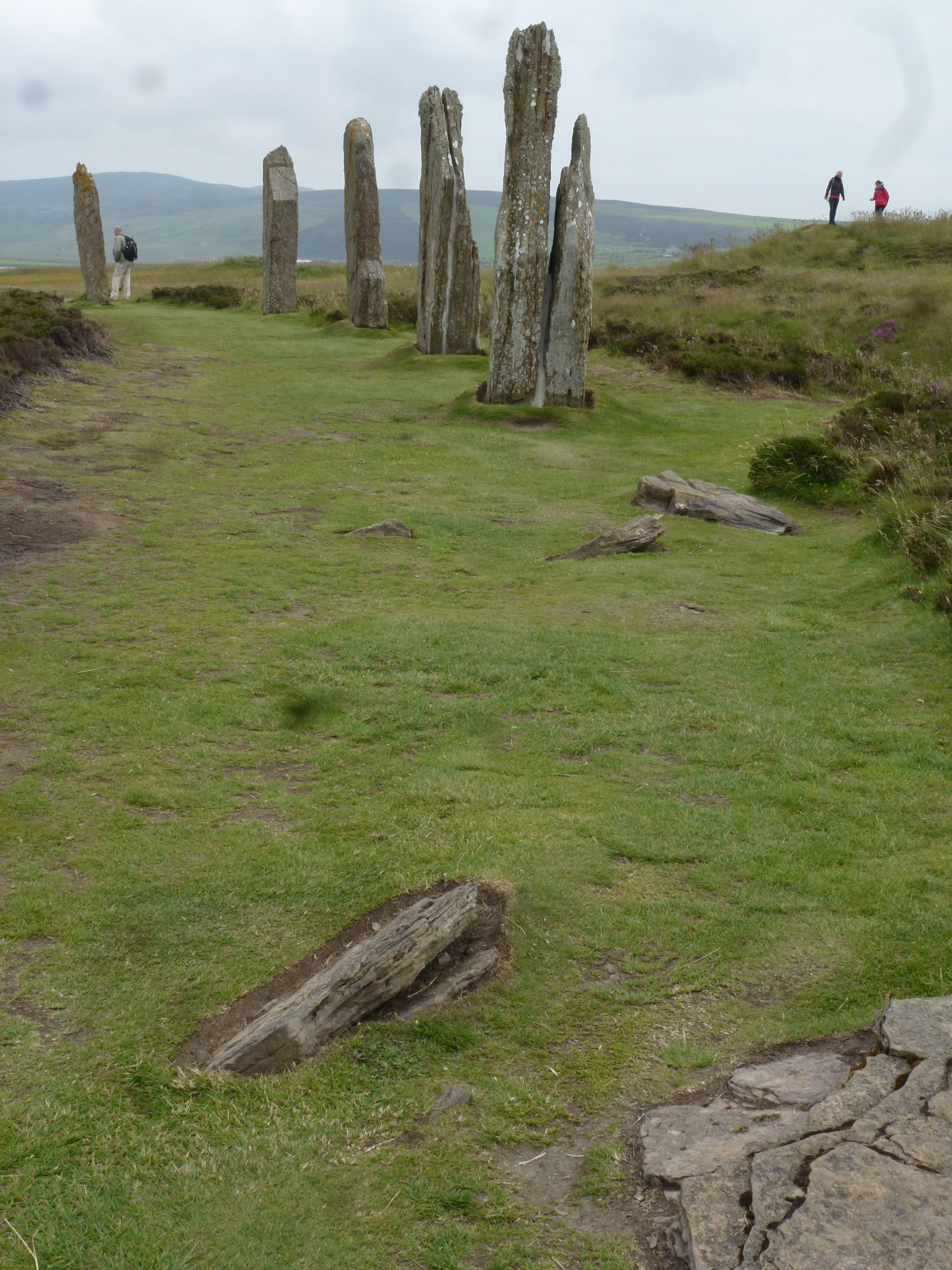
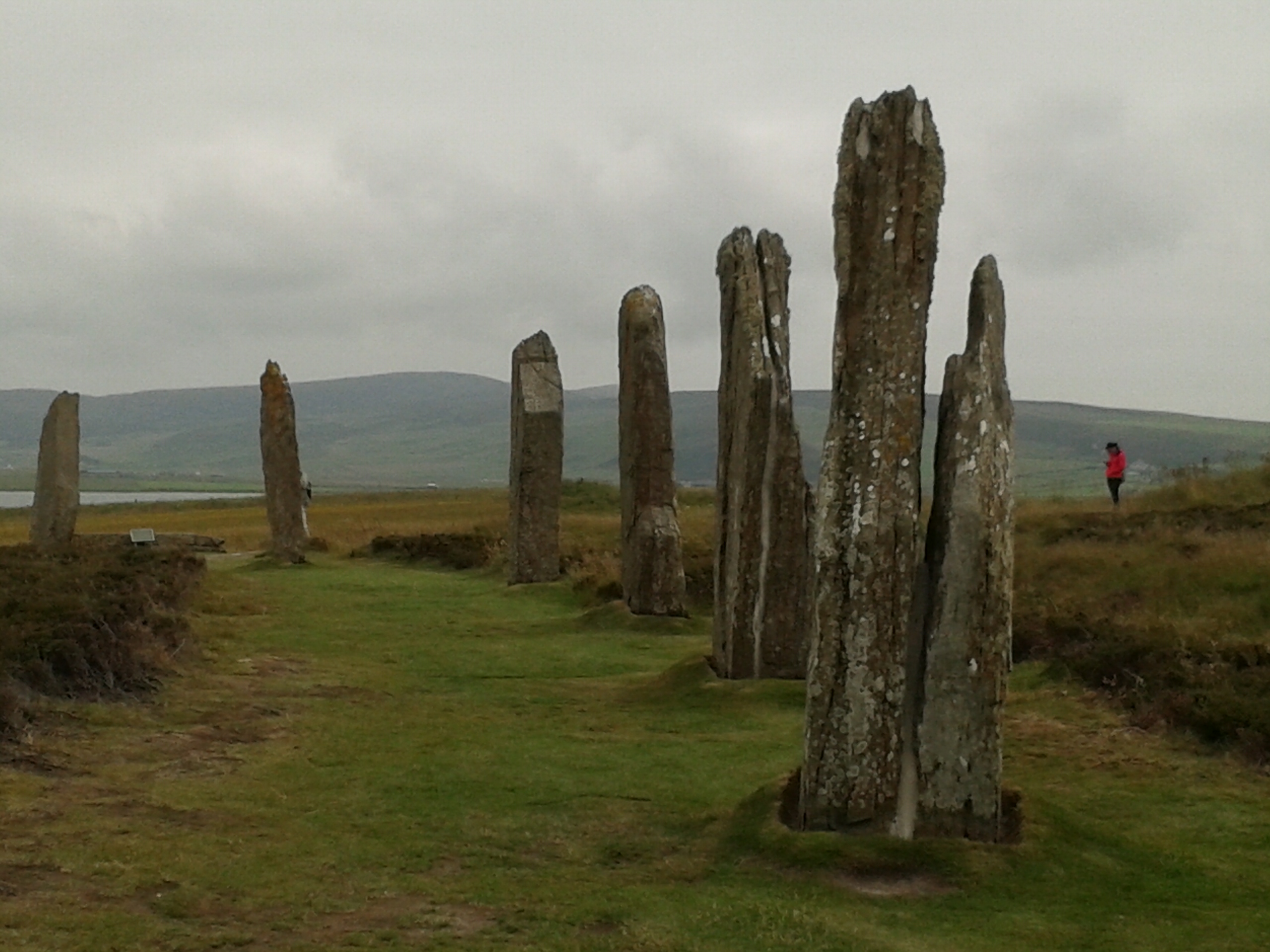
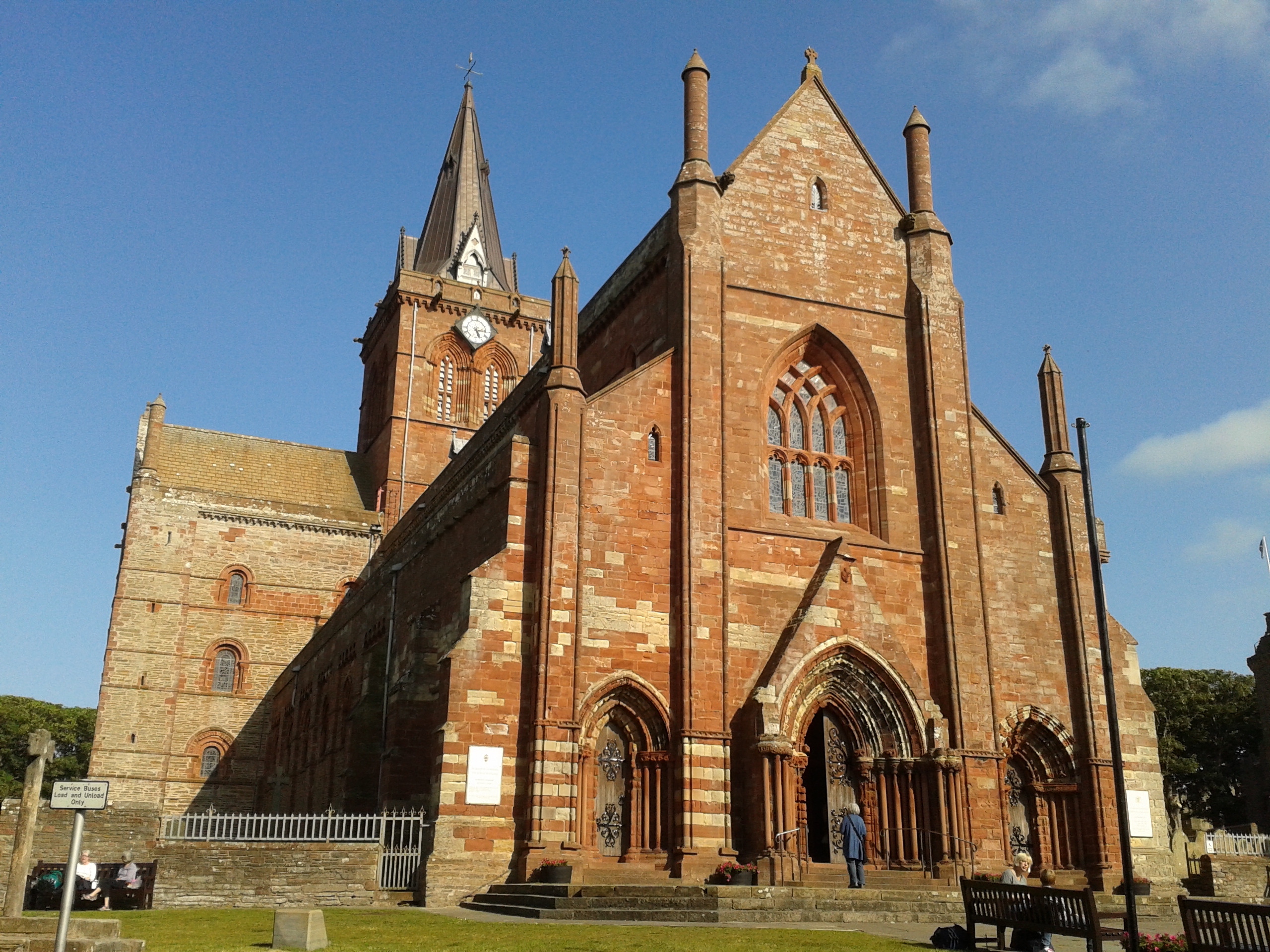
We got up early to catch the 9:30 ferry with an already organized around the island tour by bus. Inn fact, ferrying the car, was more expensive than the complete package. On the island we visited several places of interest: Skara Brae and the Ring of Brodgar, both examples of the Stone Age dating back to ~ 5000 years ago. We return to Thurso after 20:00, dead tired, but happy with this new experience. Fortunately Massimo hasn’t had any problems with seasickness… surpassing all my expectations which already painted the usual doomsday scenarios of my husband’s bruised face, being sick over the bridge of the ferry! We again spent the night in the Murray House.
Saturday, July 20
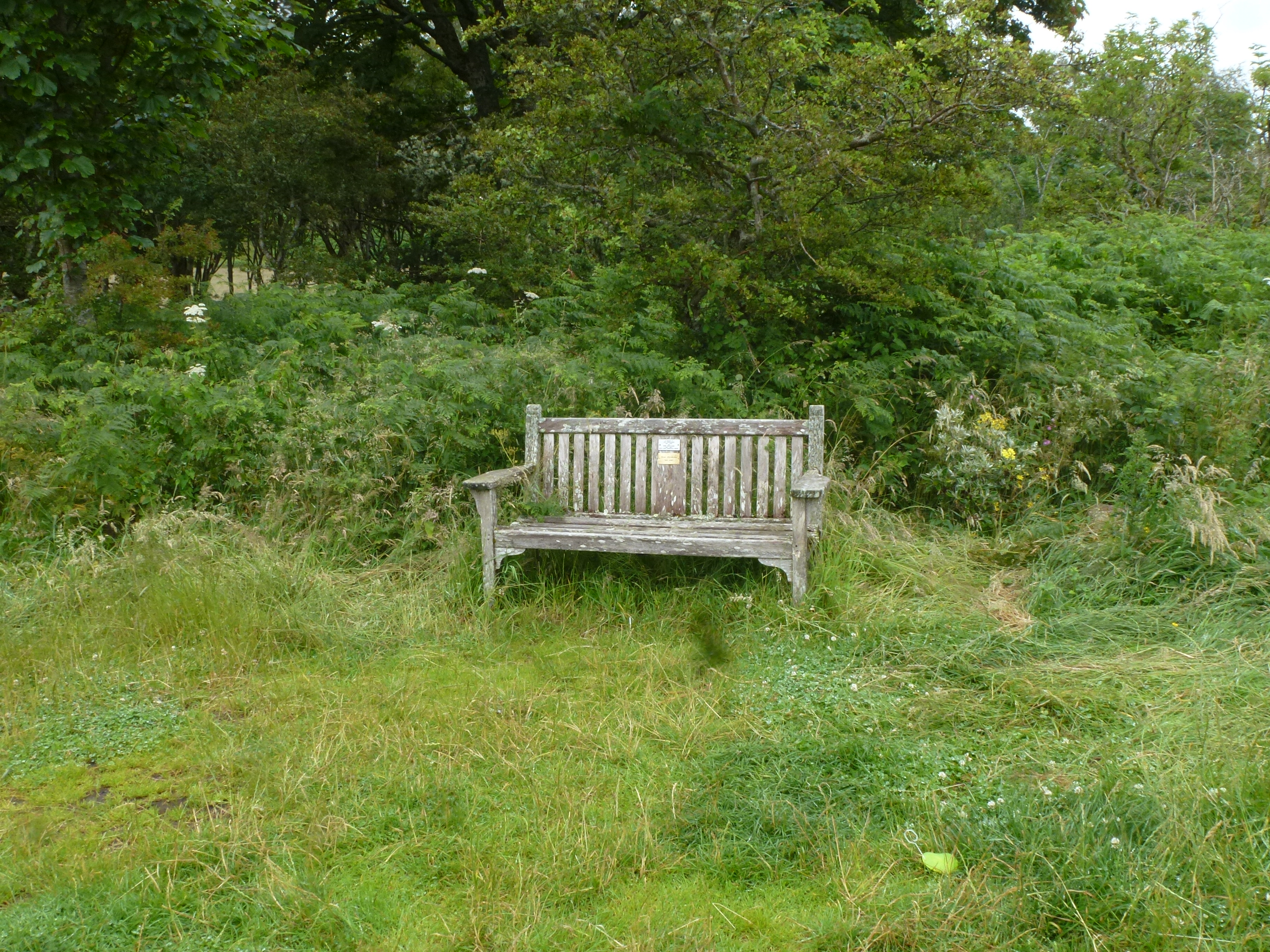
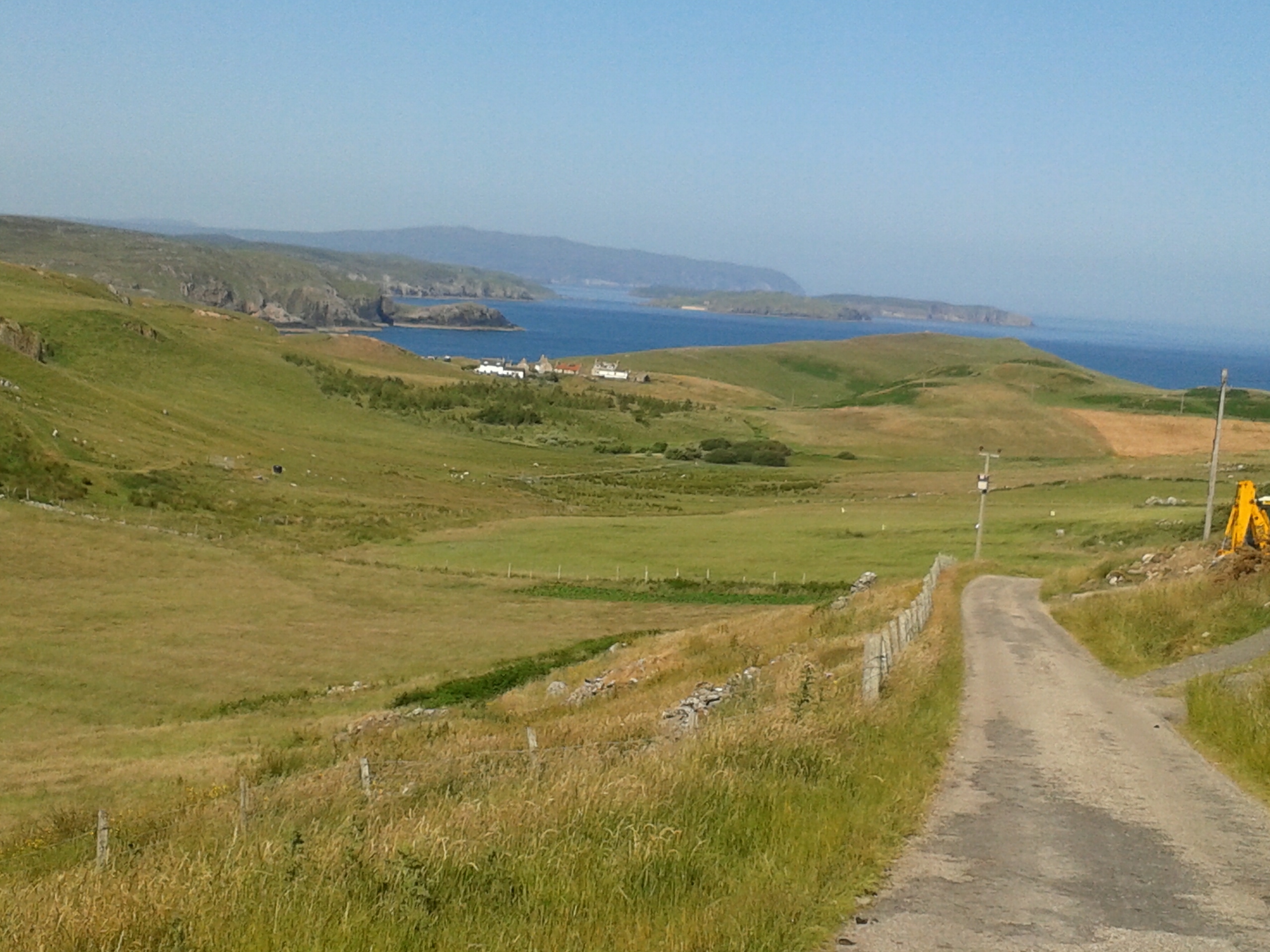
We re on the go! We follow the north coast of the Arctic Ocean, along a road that runs alongside tall stacks and cliffs, overlooking the sea, to then enter again placid inland, where the countless Loch lies. The scenery is breathtaking, I have no words to describe its fairy-tale charm. Over the Highland, everything flows to our sides, while listening to a CD purchased in Kirkwall: bagpipes make resurface distant memories while I can no longer control the tears of pain mixed with happiness. The music and words draw us into a reality apparent though tangible. Thus it was just right: I couldn’t hope to fulfill my dream in a different way, in a more pragmatic way of my every wish! Somewhere along the Loch Eriboll, on the way to Altnaharra, we stop at the Choraidh Croft for a cappuccino and a delicious slice of apple and carrots. He serves us the old Charles Smith, here he’s also the owner of a modest and charming B&B. Over the hill, sitting on a wooden bench, it seems to be out of this world, in a sort of a parallel dimension. We think that in that stillness, in this corner of paradise, we could spend a couple of months in the solitude of our thoughts. Loch Eriboll is on our right and we drive along its coast, then back on the left side: in the distance lies the Ocean! Few kilometers before the village of Durness, from high above the cliffs, we see a huge golden sand beach, near the Allt Traigh Chàilgeag, we stop to rest for a couple of hours lying in the sun. I experienced a strange feeling admiring the Atlantic Ocean sitting in the far north of the continent. Of course we also have tried to immerse ourselves (at least with the feet) but the water was below 10 degrees and we endured very little. The only annoyance were the horseflies and mosquitoes that didn’t leave you alone even when you were in the vicinity of the sea. Continuing our drive towards the south-east, we headed in direction of Inverness looking for a B&B for the night, we found one in the seaside village of Avoc, in the Harbour Guest House, a typical house where the owners provide a couple of rooms. The dinner, in spite about what is said on British food, was delicious. Prawns and scallops in white wine sauce and after that, a nice slice of cheesecake.
Sunday, July 21
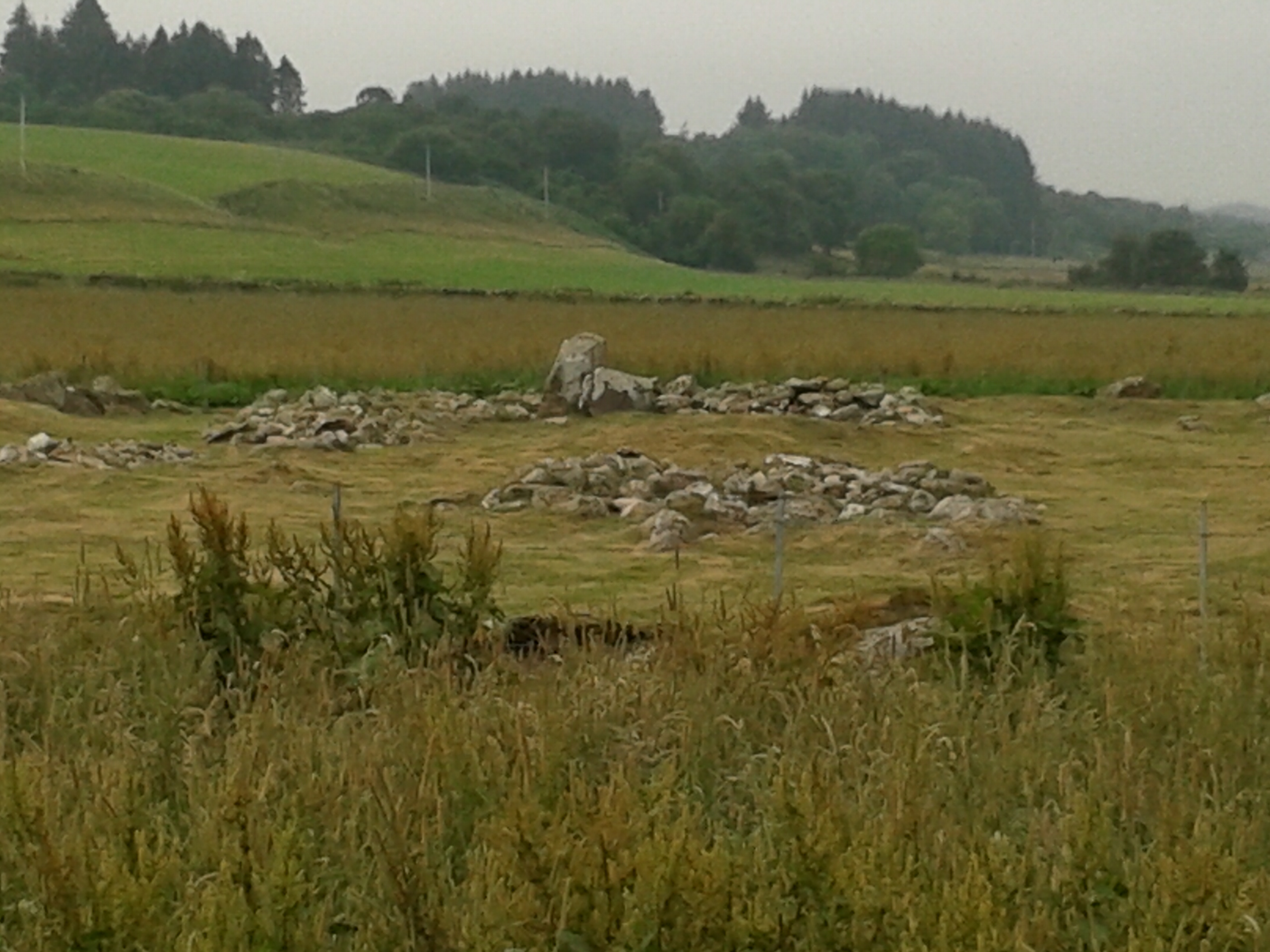
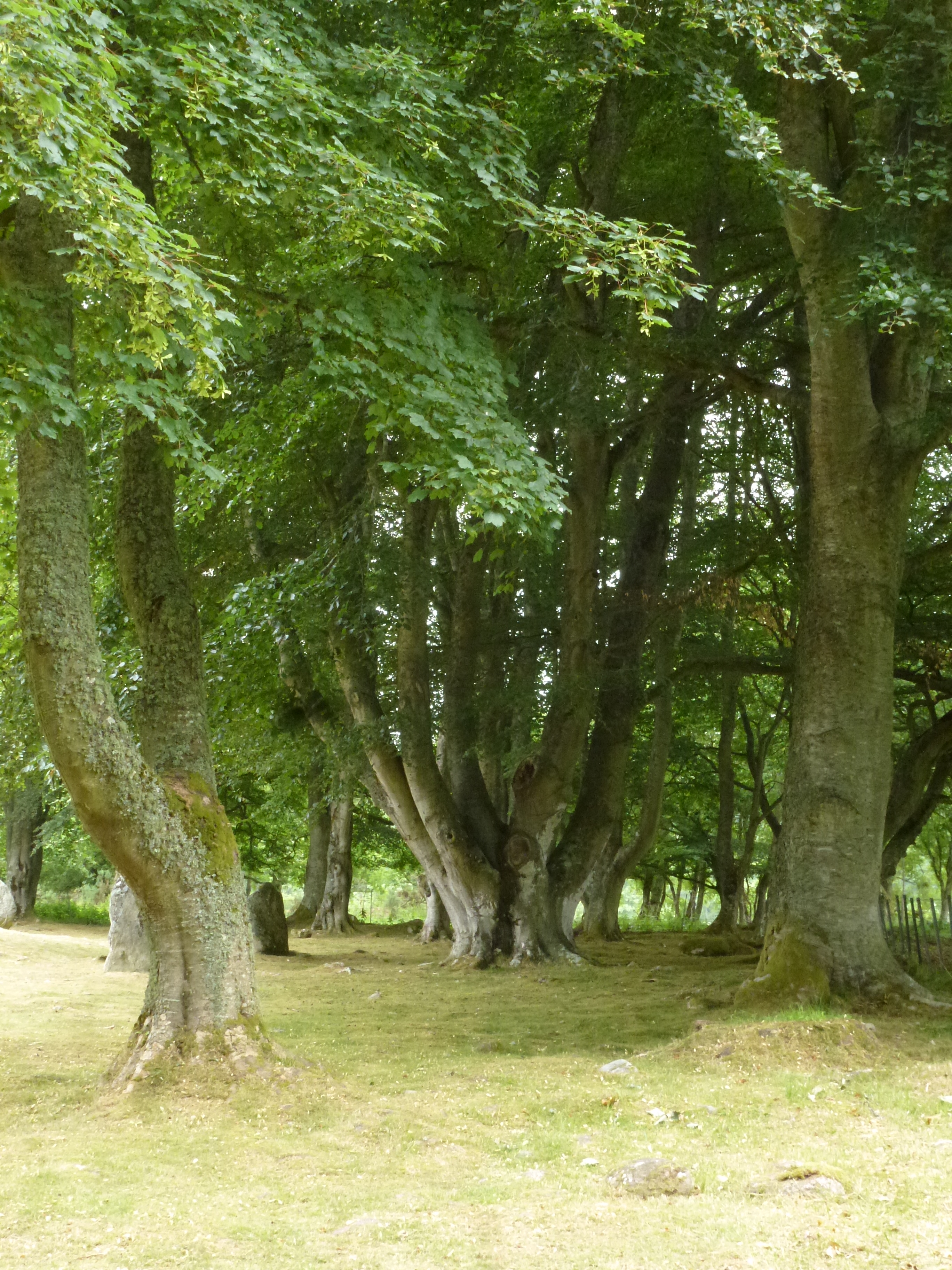
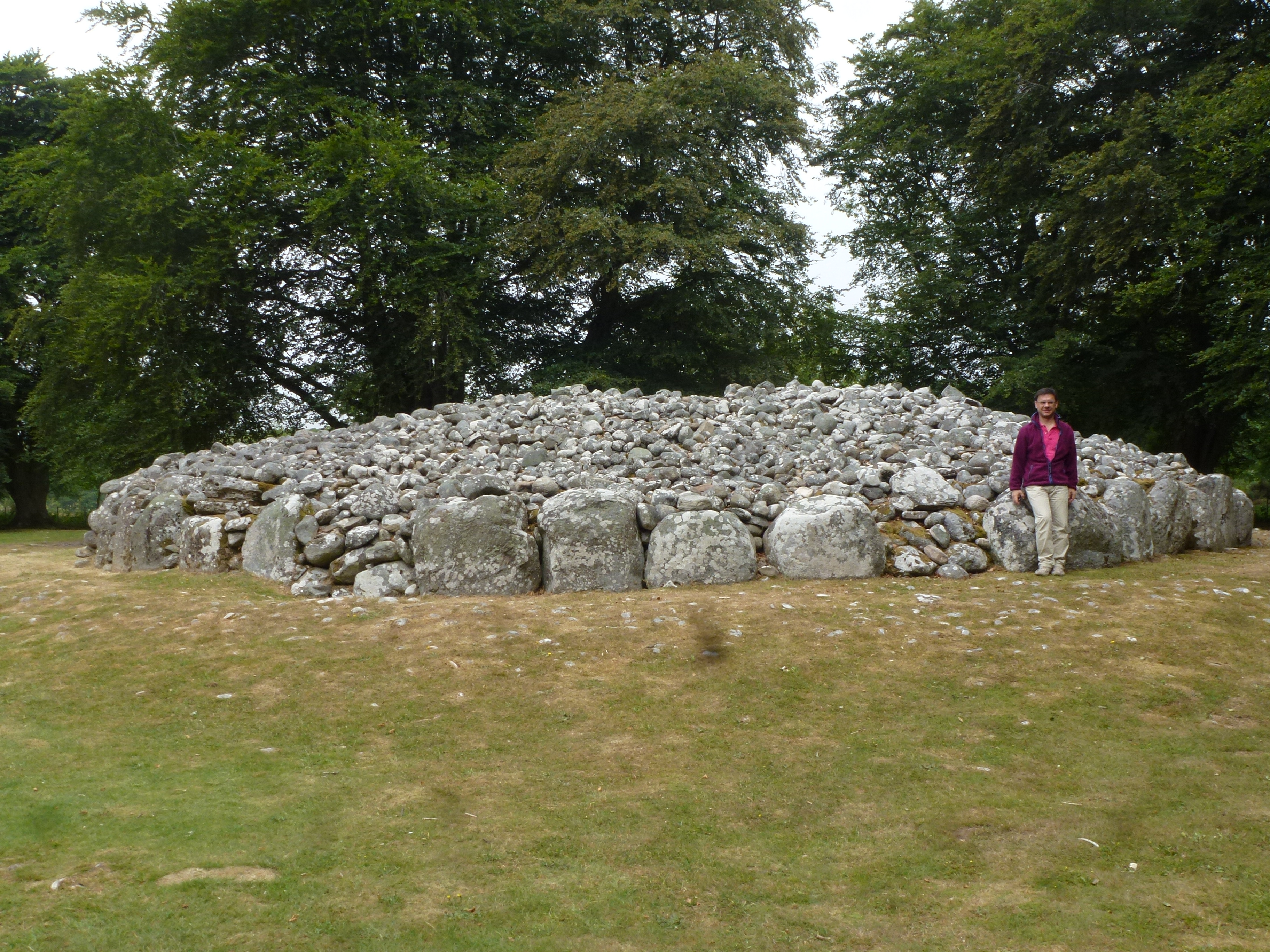
Beyond Invereness located near the Loch Ness (we had passed by on the way to the north), after a few miles we stopped to visit Cairns of Clava, Culloden and Fort George Muie (but we haven’t seen it internally). Both archaeological sites are in good condition and we didn’t have to pay the entrance fee. We continued along the coast to the south-east, although this part of the crossing in comparison to the spectacular views of the northern part of Highland, it’s nothing transcendental. Beyond Aberdeen we found the B&B The Laurels in the town of Inverbervie propriety of Mr. and Mrs. Alison and Roy. A bright and spacious room, after the long day was a blessing.
Monday, July 22
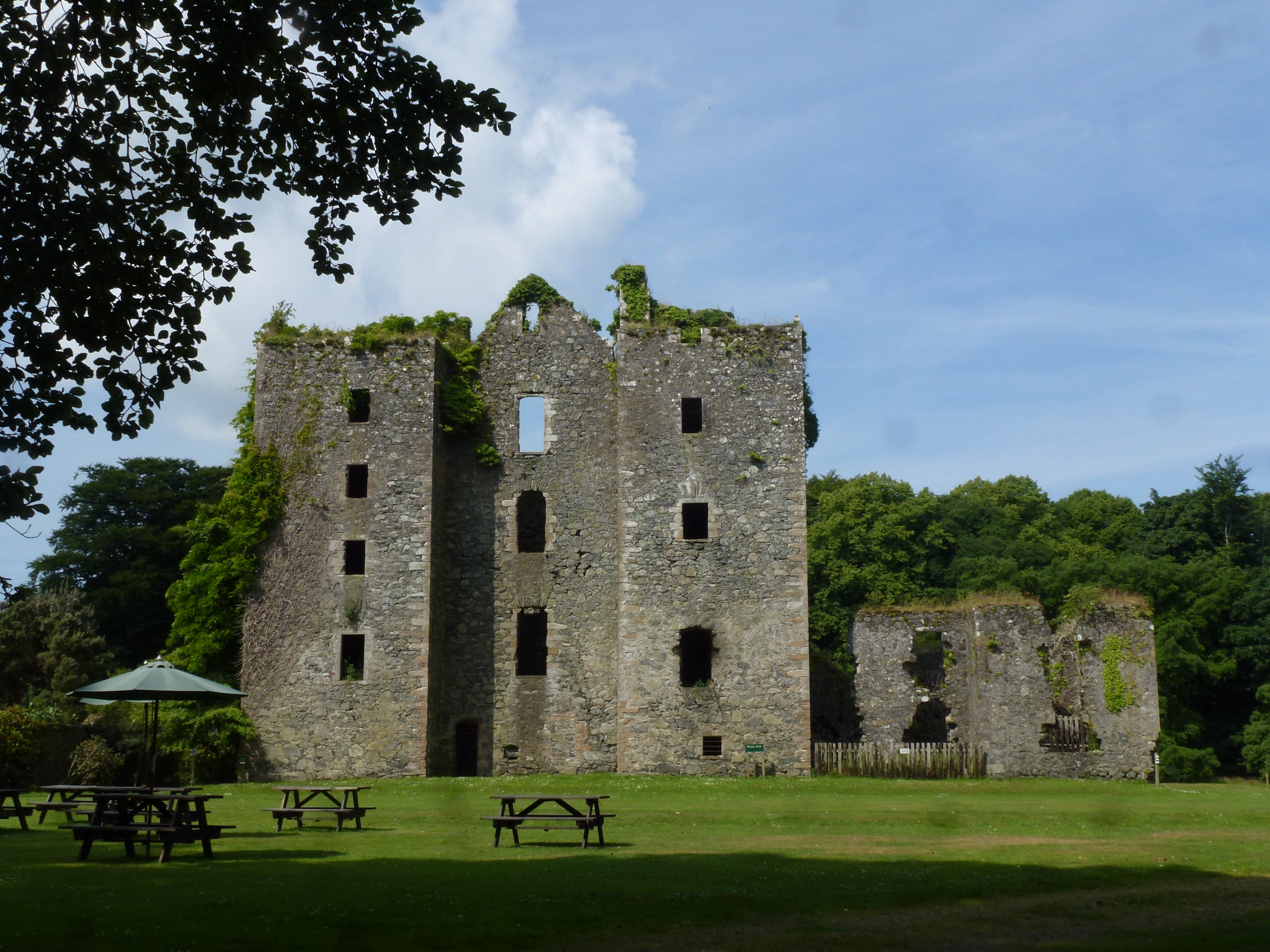
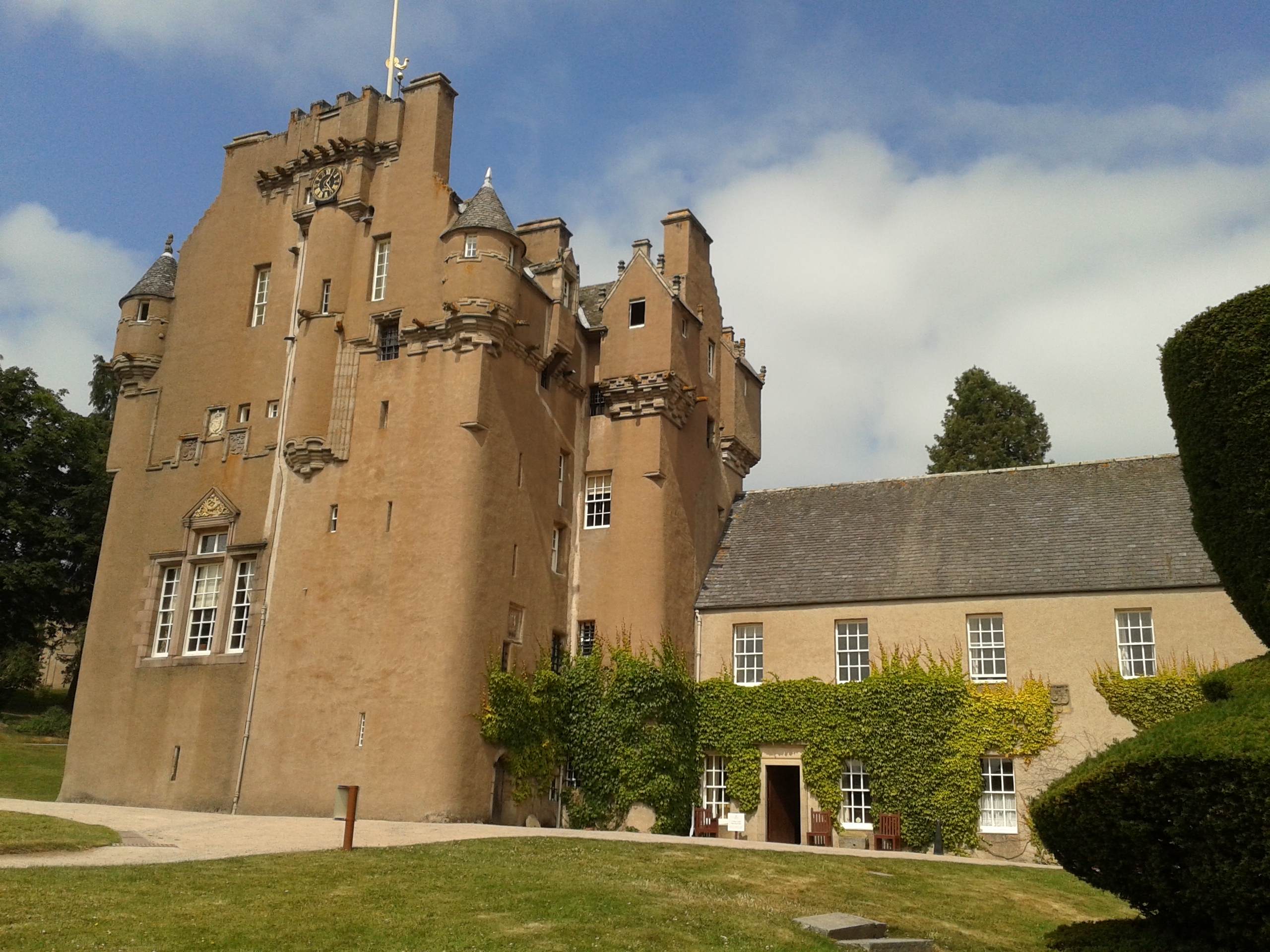
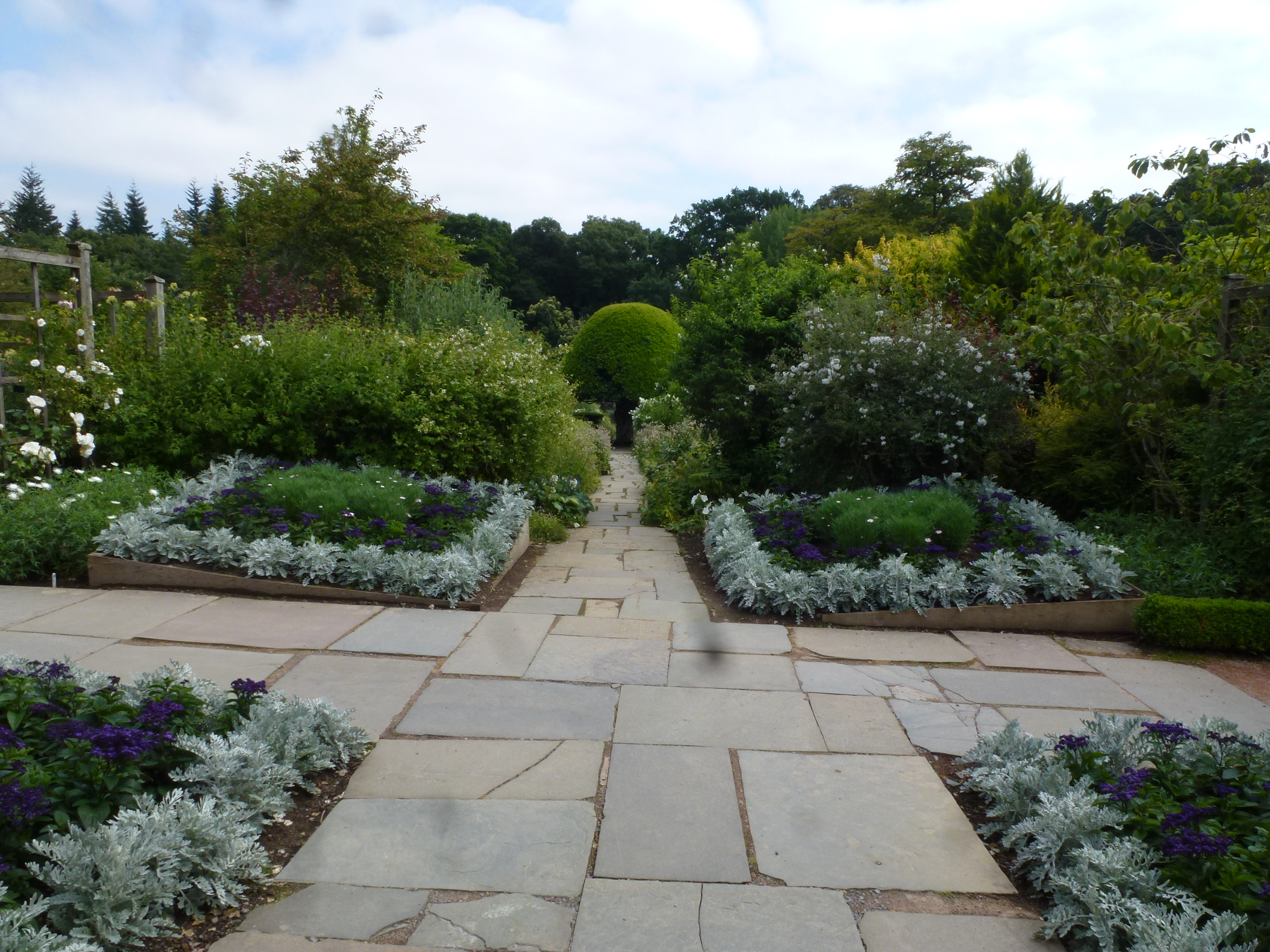
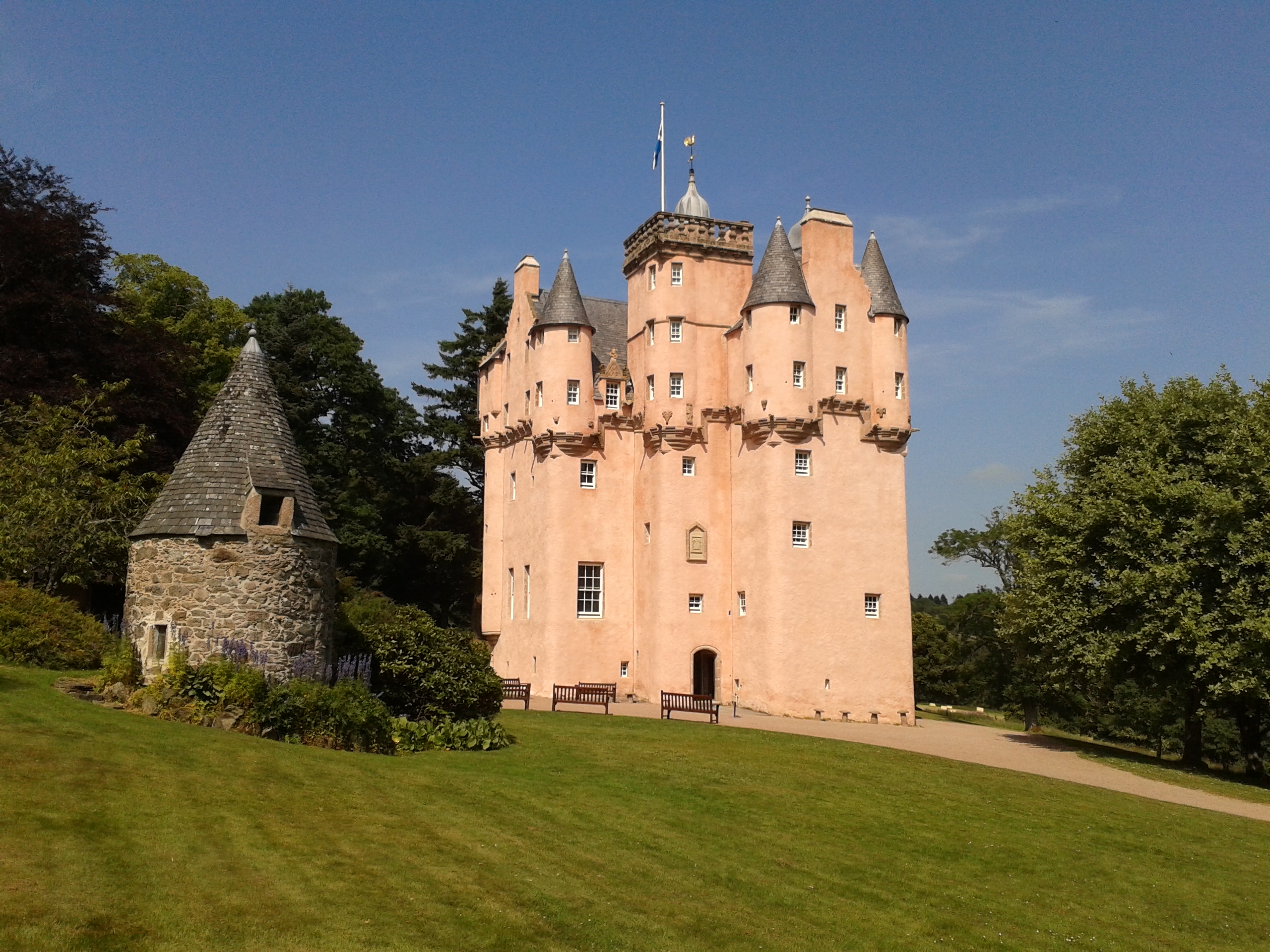
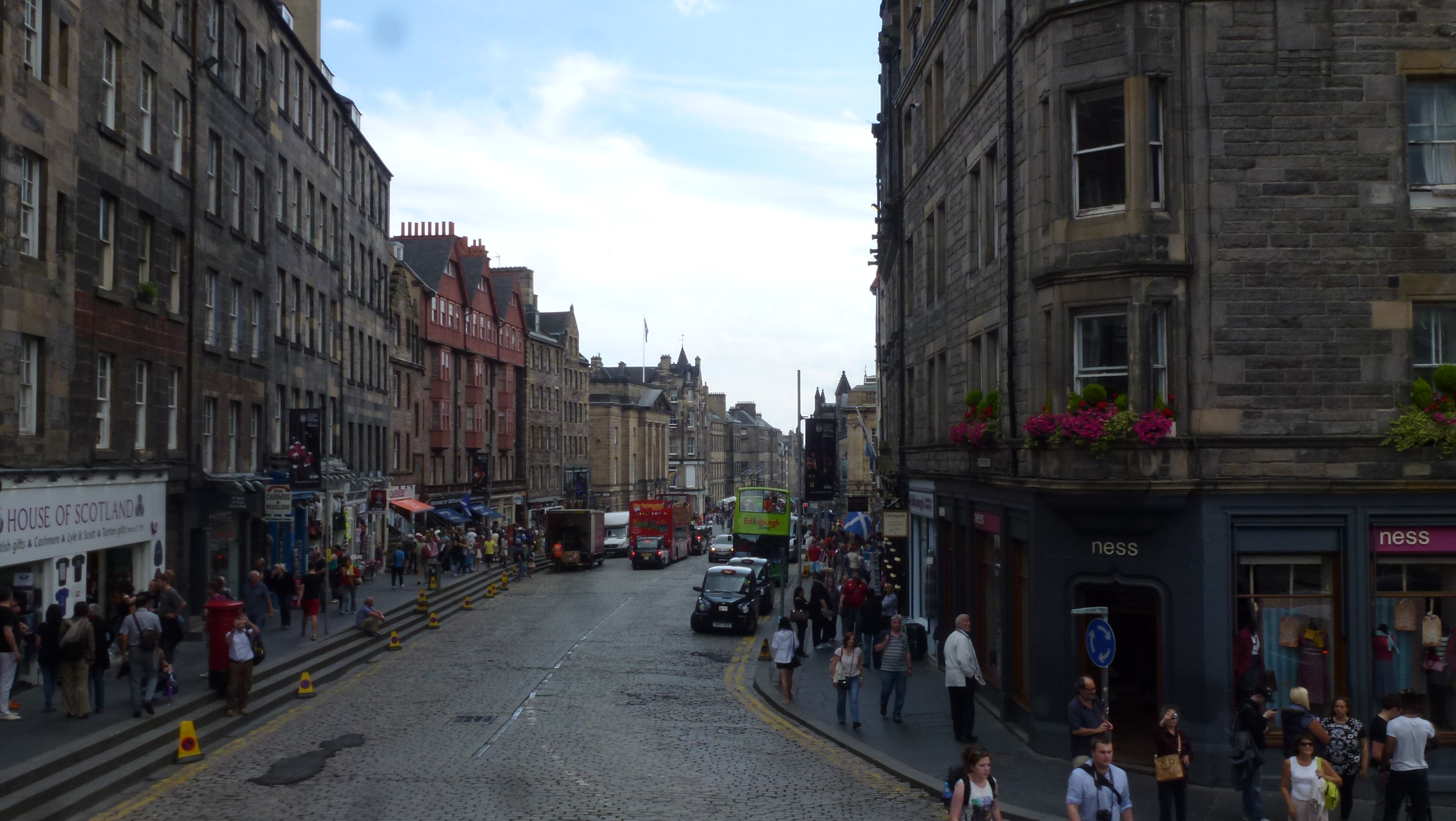
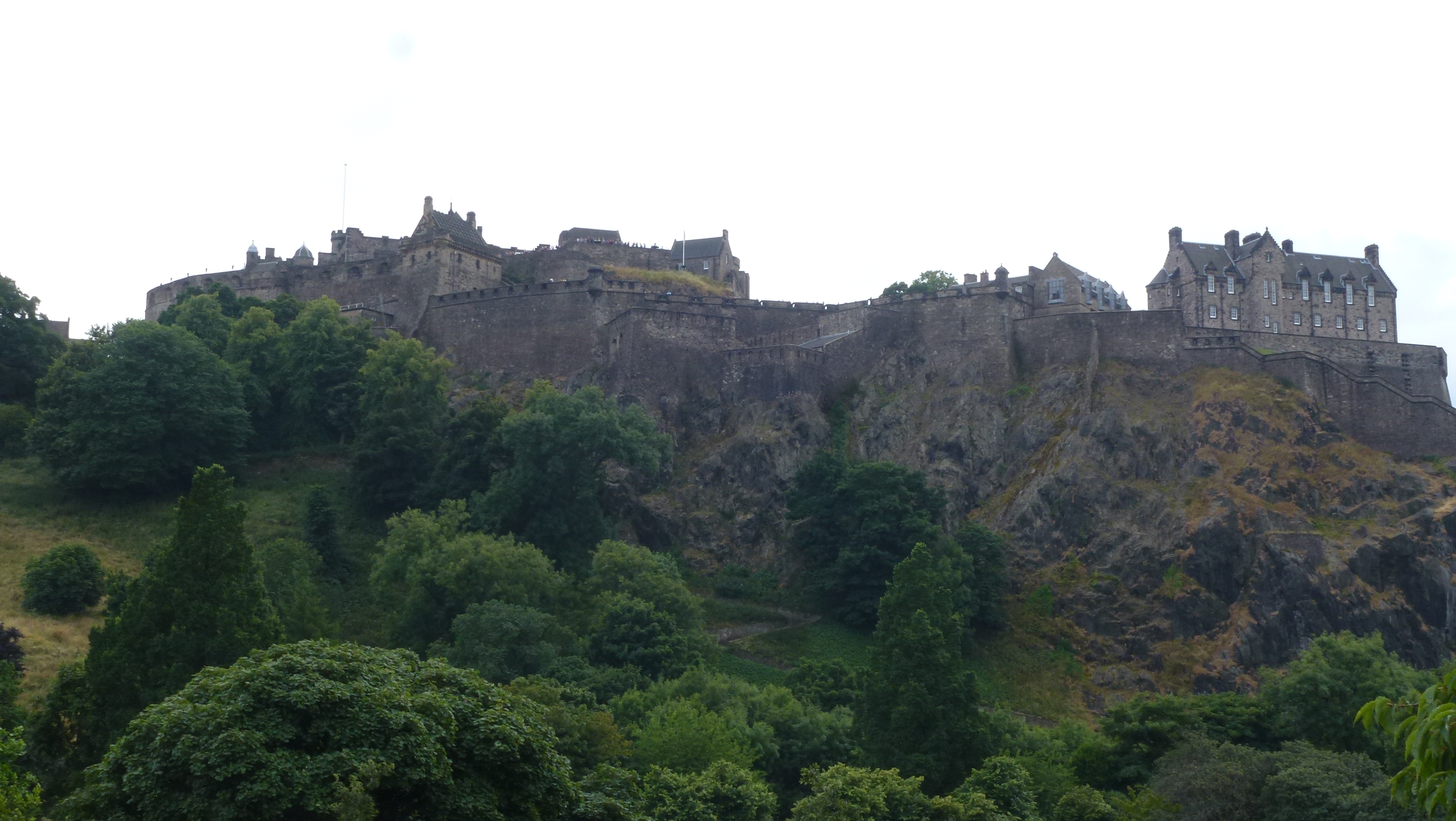
To be able to visit several castles, we returned a little way to the north and before Stonehaven we visit the famous Dunnottar Castle, one of the most impressive medieval ruins of Scotland: in the footsteps of Mary Queen of Scots, the Mauis of Montrose and William Wallace! Before the town of Petercultea, near Drumoak we visited the Drum Castle, for 21 generations (650 years old) inhabited by the family Irvine. The oldest part dates back to 1300. The Crathes Castle, in the little town which bears the same name, dates back to the 16th. Century; its gardens are very special (with secular yews of particular beauty) and a huge amount of plants from every continent. Going up the street to the north, we find the Craigievar Castle, that delightfully recalls of Disney fairytale stories, in typical fashion “Scottish baronial architecture.” While at Balmoral Castle, the summer residence of Queen Elizabeth… we didn’t want to pay 10 pounds just to take photos. The castle is surrounded by a park with so thick vegetation around it as to prevent the vision from its walls. The Braemar castle, instead, is in semi-ruin. It appears to be particularly neglected although in 1900-20 was still inhabited. Evidently the costs for its maintenance are extremely high. Even his park is a wild tangle. Perhaps the reason is that in this particular area, in winter the temperatures drop down to minus 27 °. Our journey continues to the south, but since it’s already late, we stop in the village of Blairgowie. We had not made many kilometers, but with the several visits to castles and many stops, we were really tired. Fortunately we find the B&B Rosebank House: a very large Georgian house, property of Mr. and Mrs. Sue and Charles Collings, very nice people who provide us with much detailed information about the town and river, point of great importance in the last century. Because of the great drought, Charles complains that his fishermen guests this year didn’t show up.
Tuesday, July 23
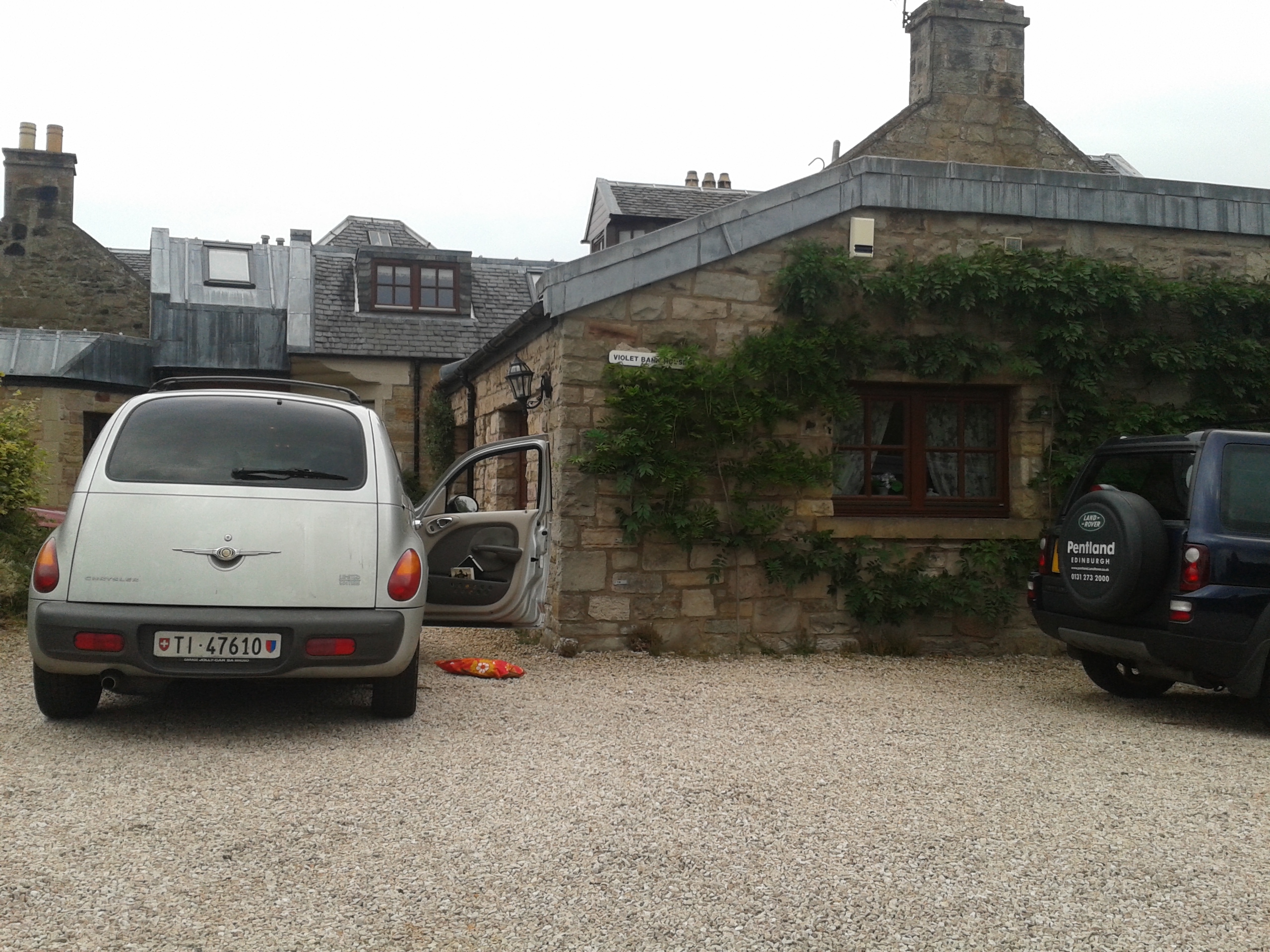
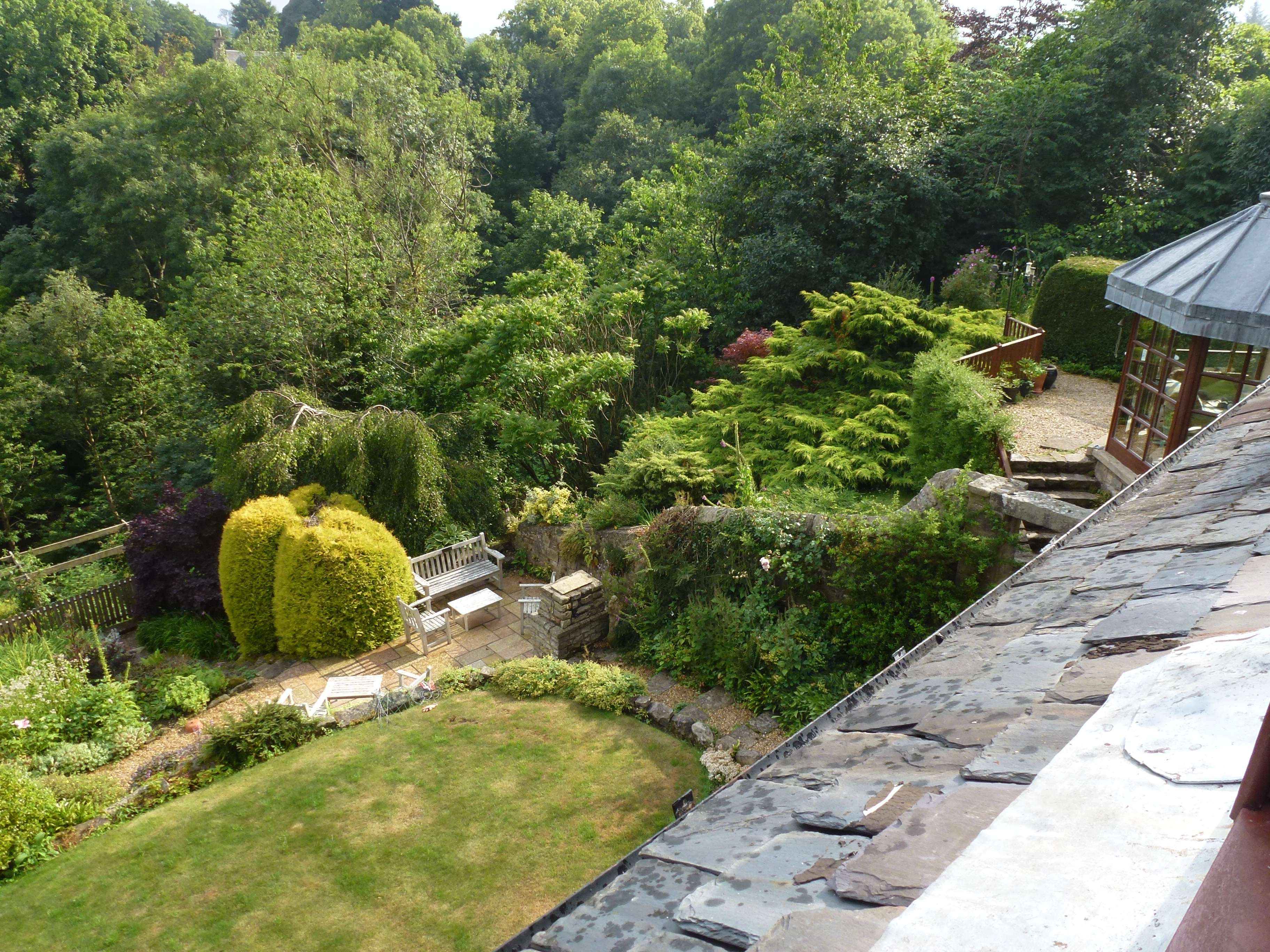
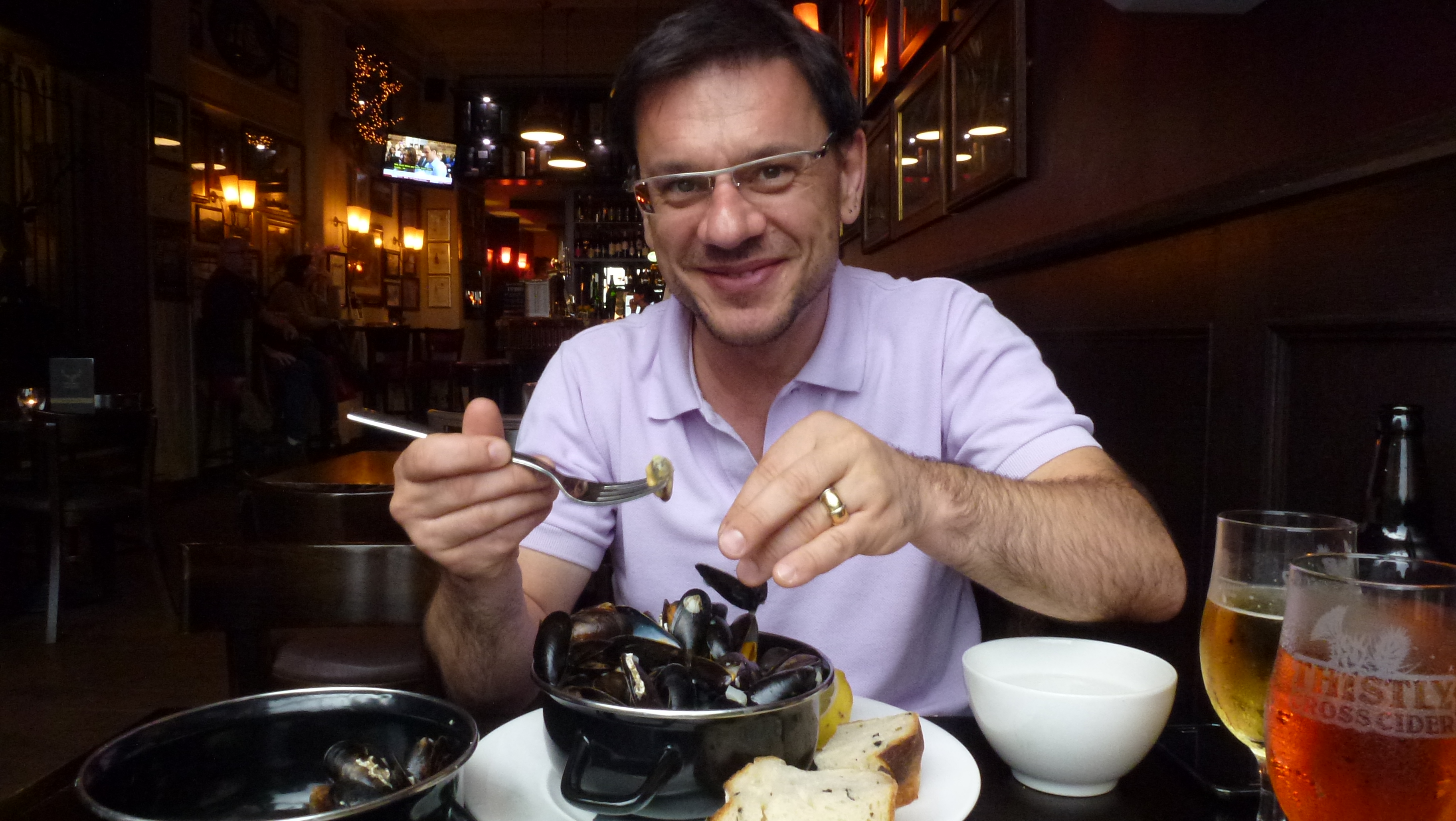
We continue our journey south towards Perth and, as recommended by Charles, we stopped for a visit to the Scone Castle where was crowned James IV of Scotland. His crown as well as the famous “Stone of Destiny”, however, is exhibited in the museum of Edinburgh’s castle. Instead of collecting up new material for my novel (I had formed a certain idea on the “Stone of Destiny”) I picked up from the ground a lot of peacock feathers, the tail’s ones very desirable but also these sickle-shaped of the wings . The big birds were refugees on the high branches of the trees shouting shrill and intimidating cries. But it didn’t concern me: so only with the risk of receiving another type of “souvenir” rained from above, I immediately collected the feathers that were on the ground. Obviously we also had to experience the gloomy weather, typical of Britain, and behold, today it pours! We set aside our initial idea to leave our car in a Park-and-Ride to enter the city of Edinburgh by train. Sure that the luck would have accompanied us, we were immersed in a chaotic traffic made even more annoying by the drive on the left! Massimo even managed to use a transit lane reserved for buses in an one-way area: but we took a fine because we parked without putting money in the machine since we didn’t have coins! After a tremendous “grazing in the rain” as the navigator on the i-pad was on the fritz and forced us to freaked out reversals, we were finally able to get one of the five-star B&B in the peripheral town of Currie. The Violet Bank House of Reta MacLennan is a little gem in which we would gladly remained longer. As for the Melfort House, every detail is taken care of in a surprising way, not to mention the breakfast of fresh fruit, yogurt thick and crusty bread. I’m sure that for those who appreciate the choice of a full British breakfast, with lots of bacon, ham, beans and all the rest, it would have been great. Being vegetarians, we stuck to the traditional continental breakfast. We let our things in the room and the car in the parking lot of the villa, we took the bus back into the city center for dinner and some “must have” shopping. Massimo has made a feast of clams in white wine, while I, being unfortunately allergic to shellfish, I chose a dish made of beans and cheese.
Wednesday, July 24
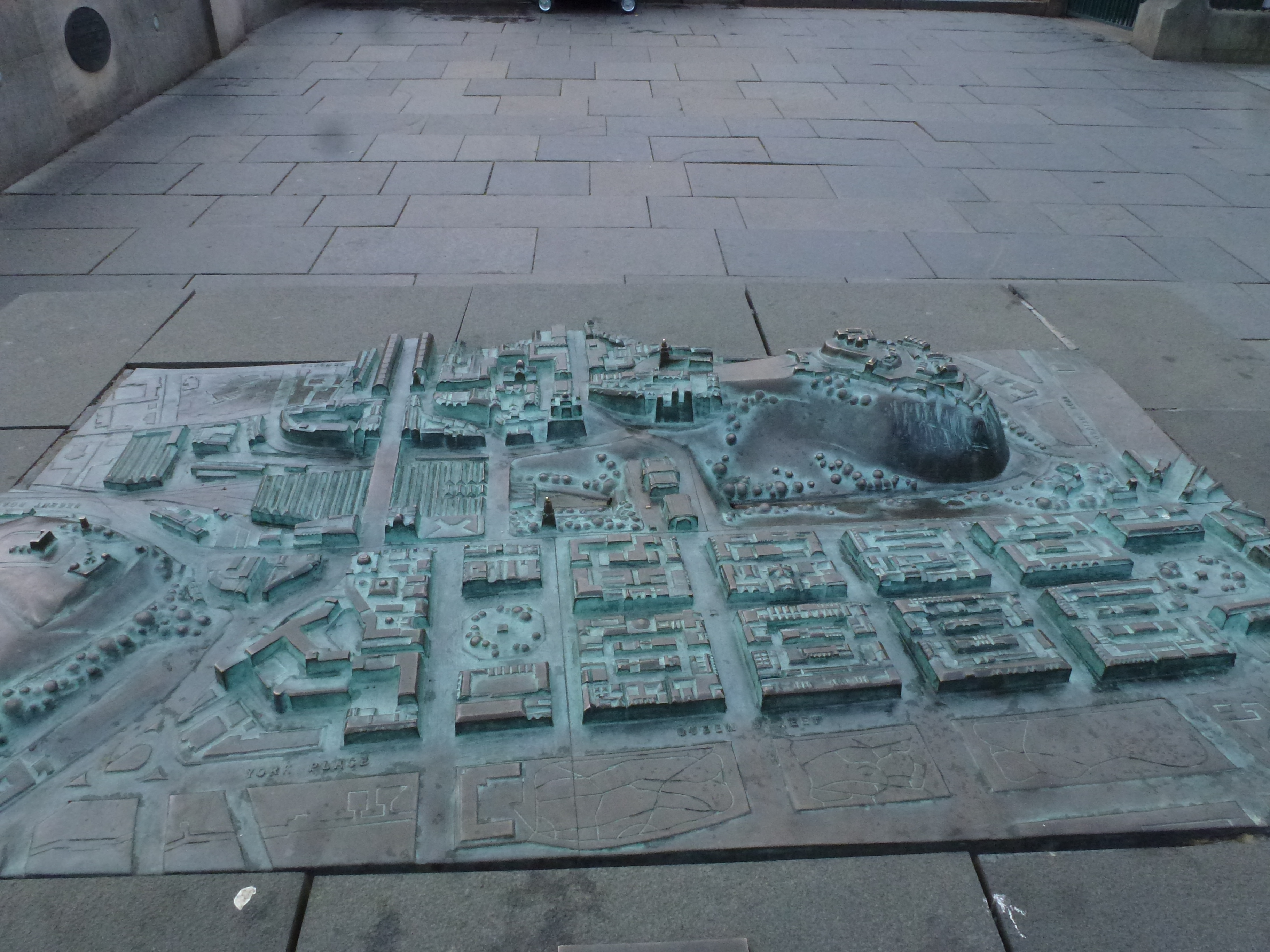
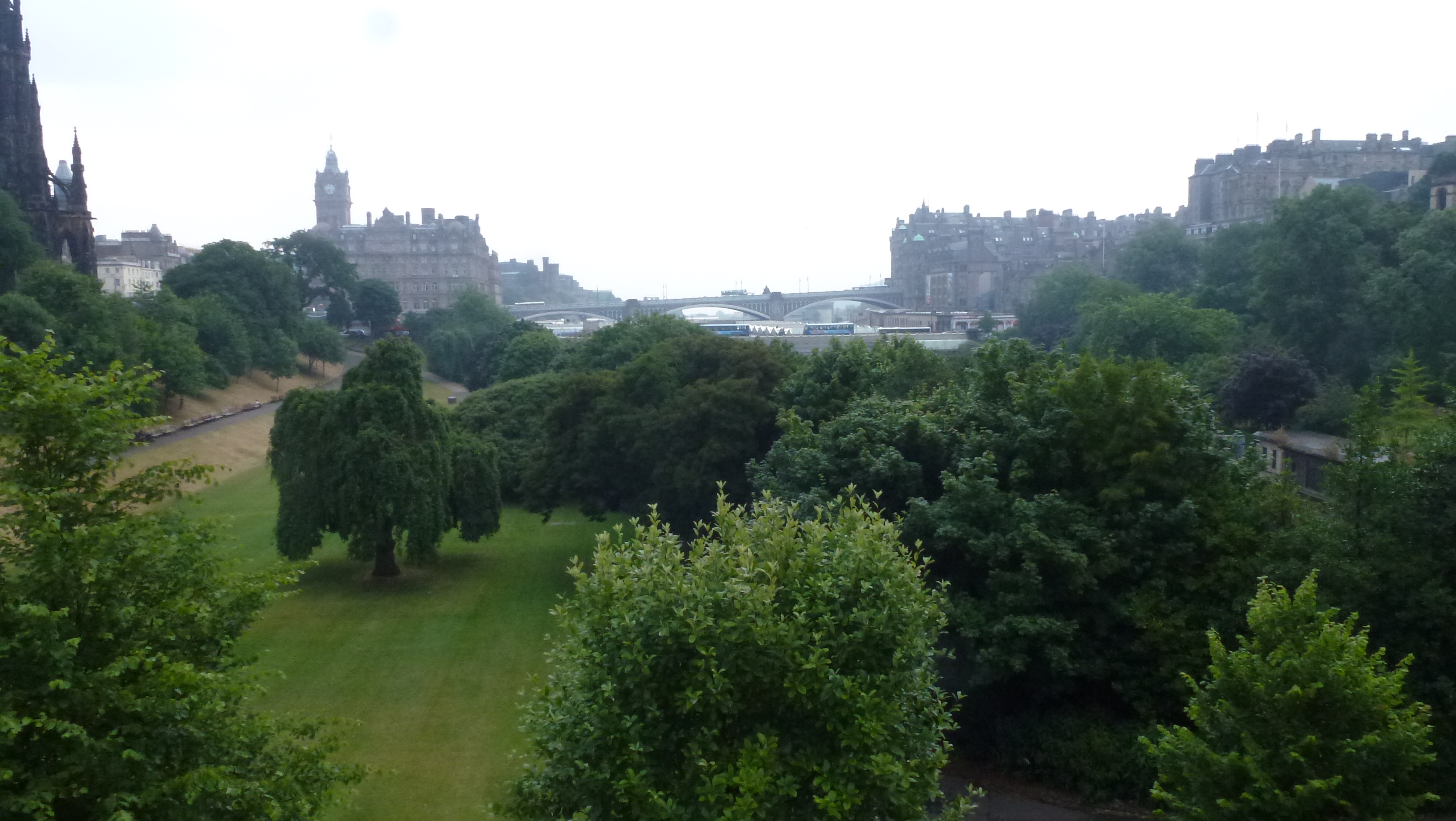
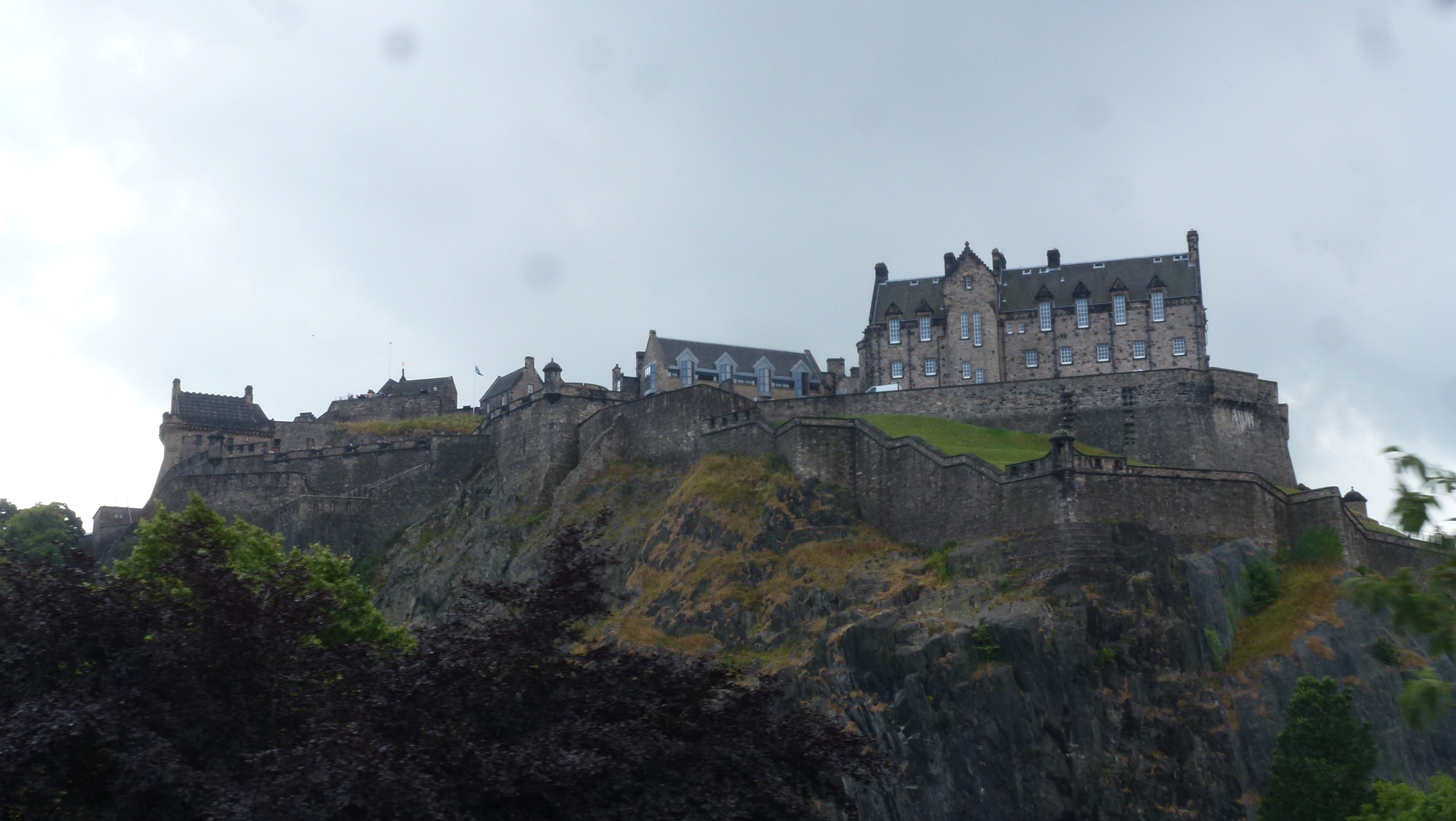
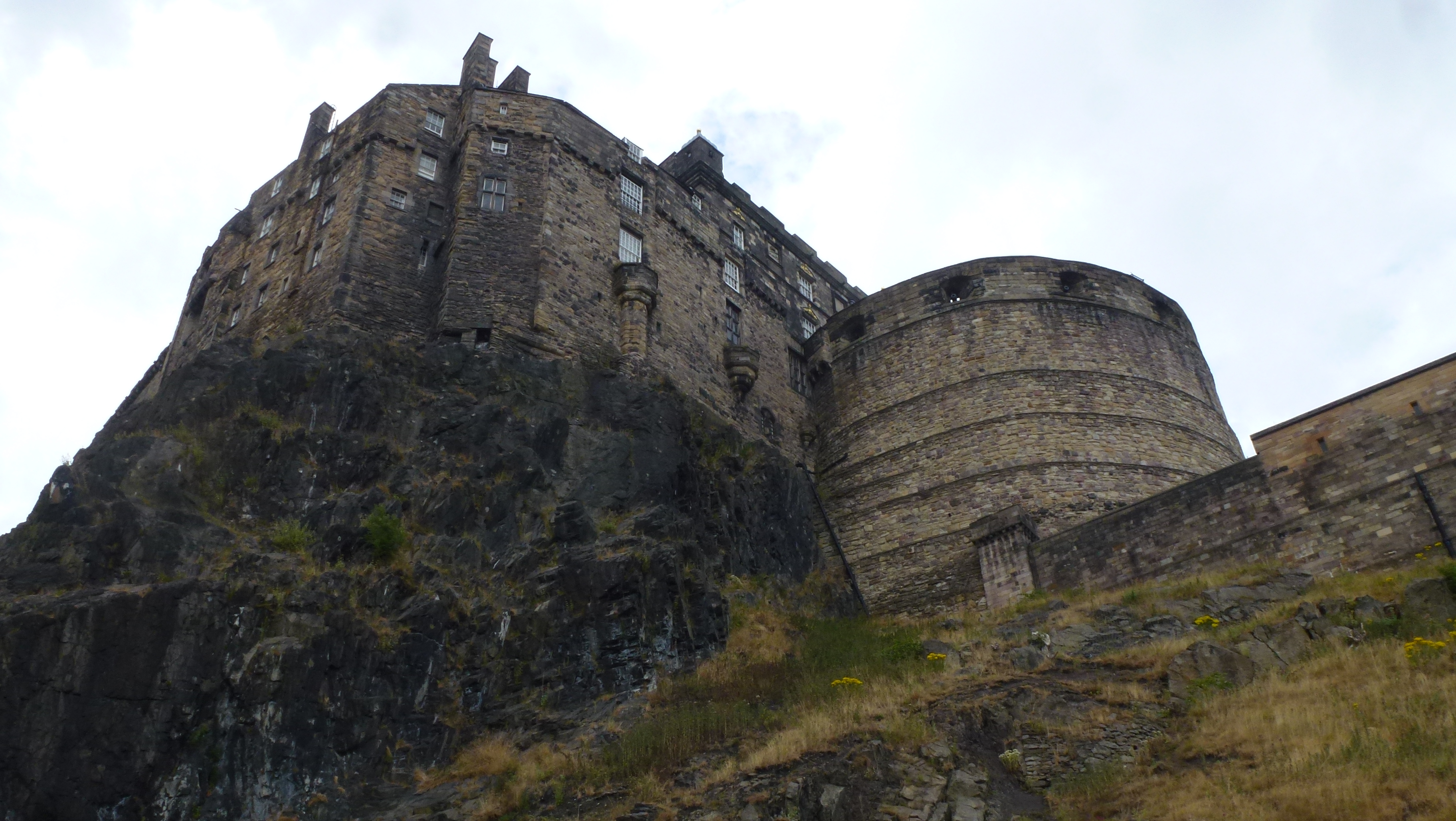
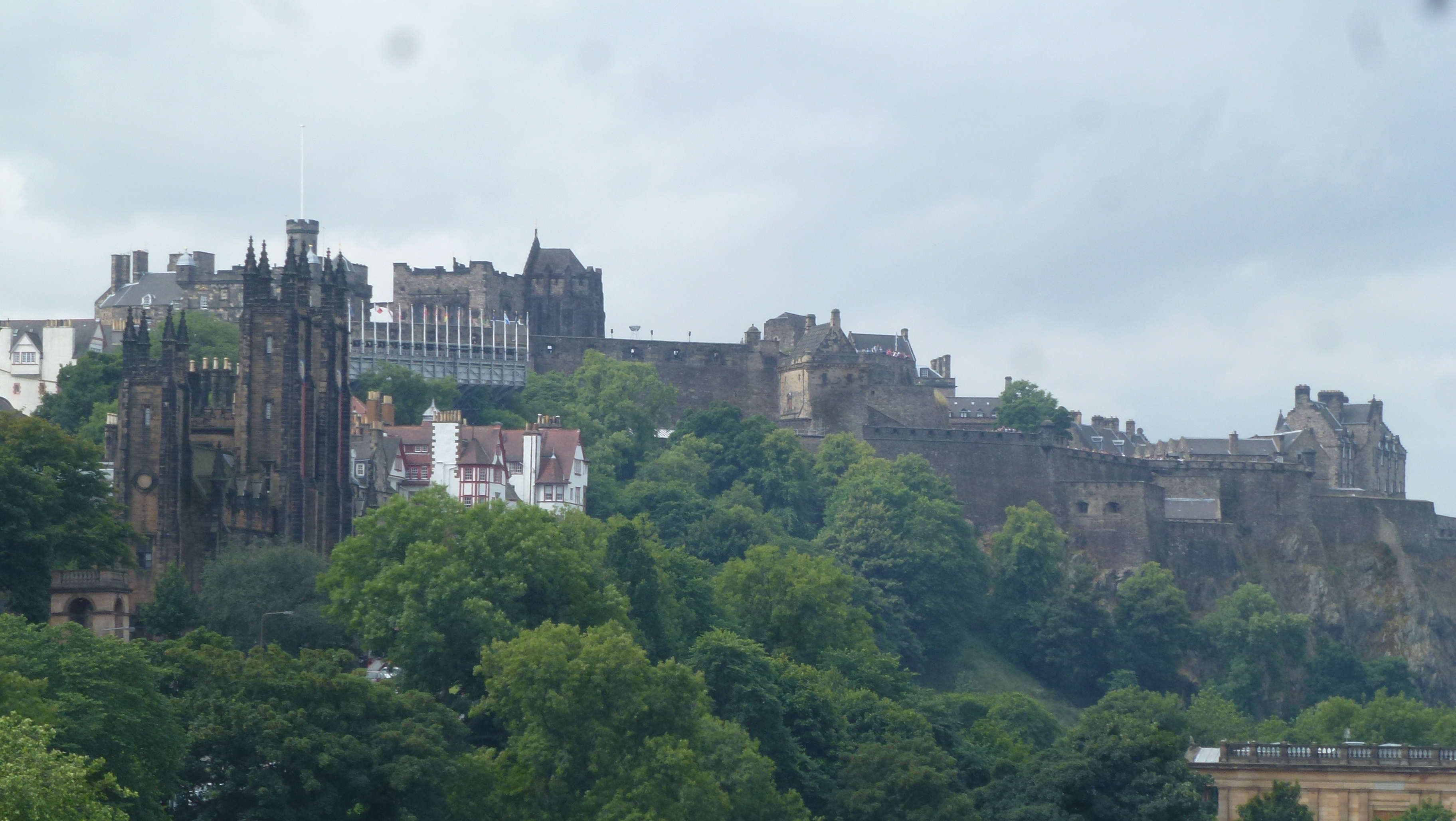
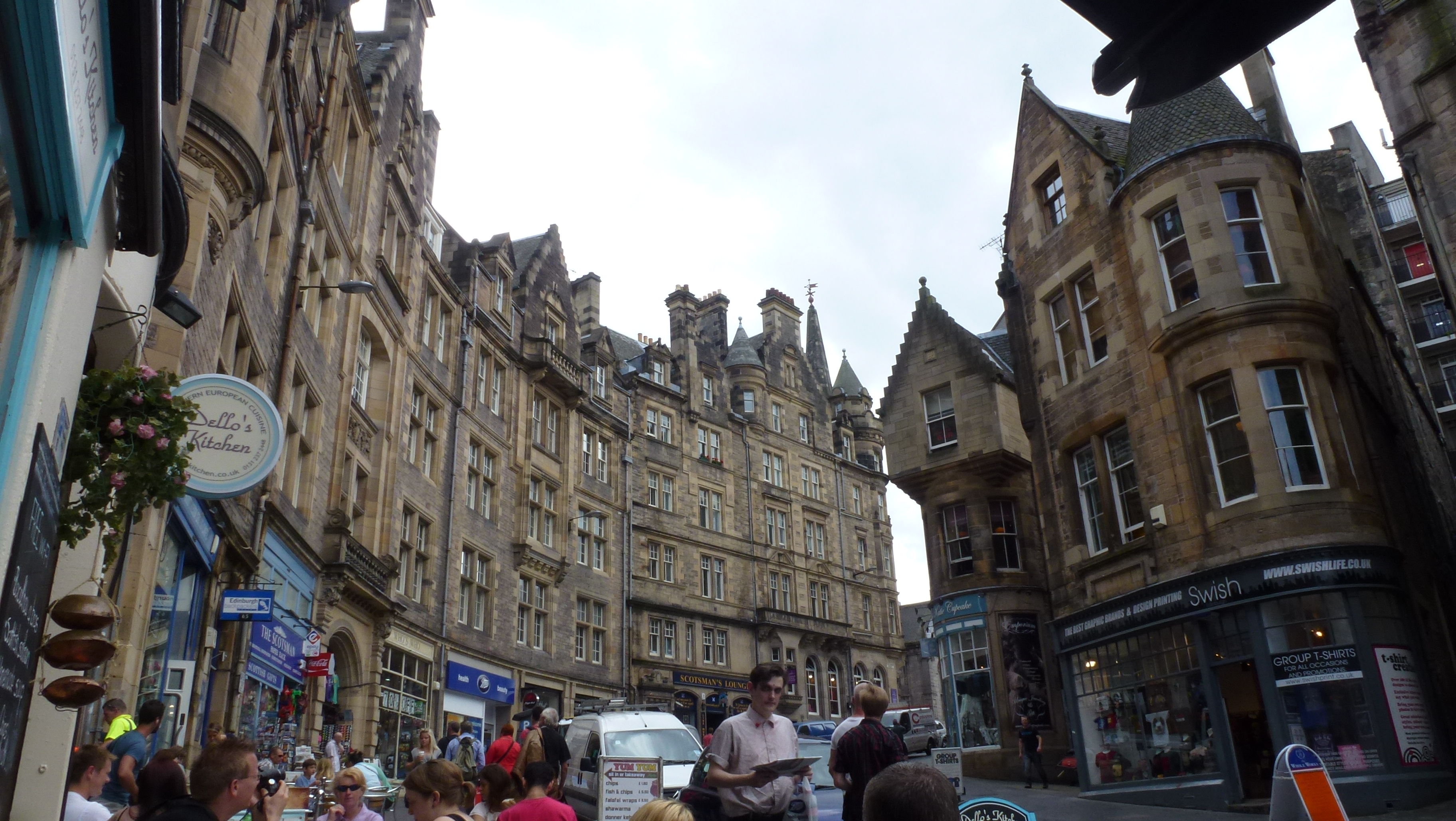
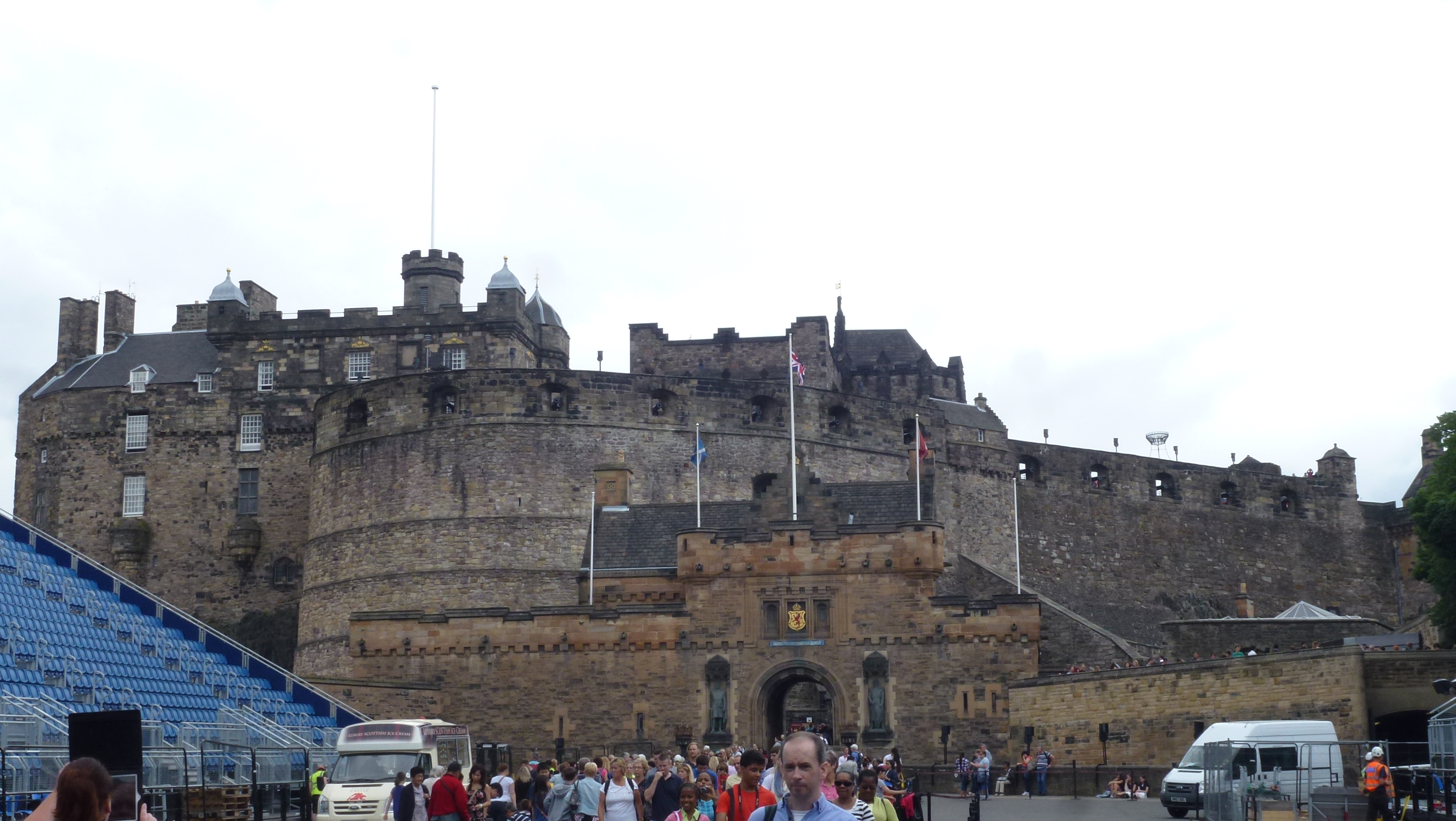
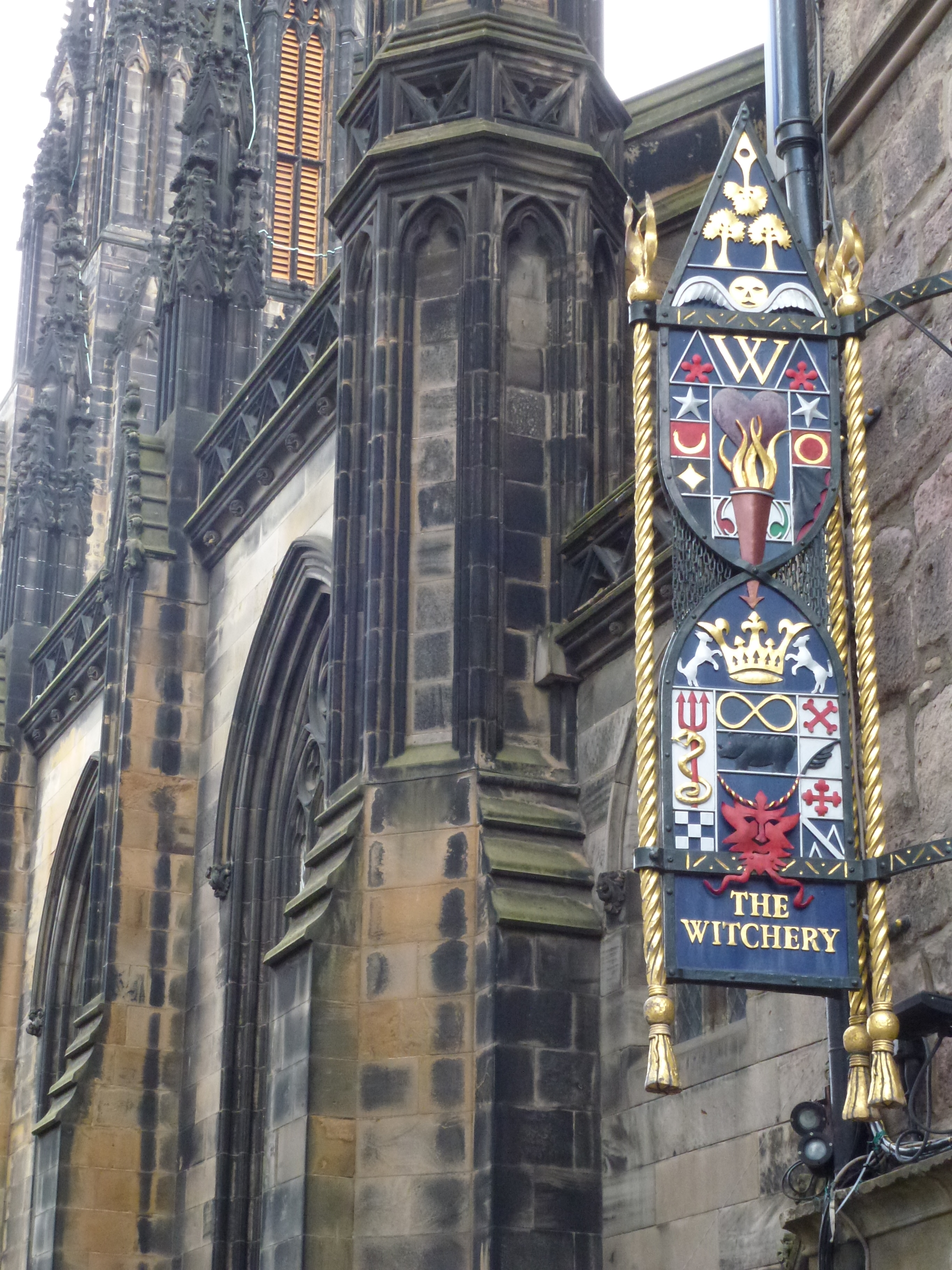
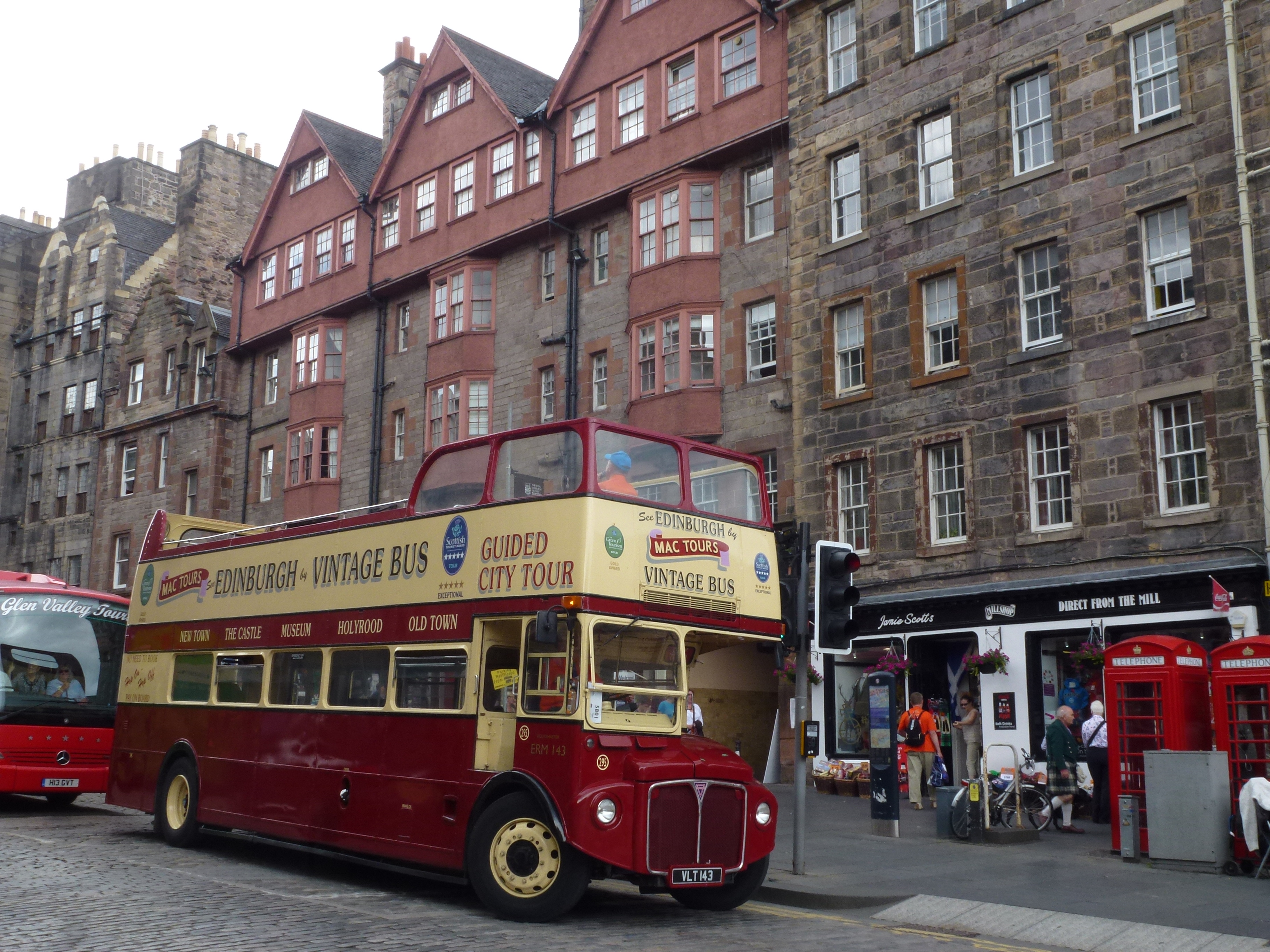
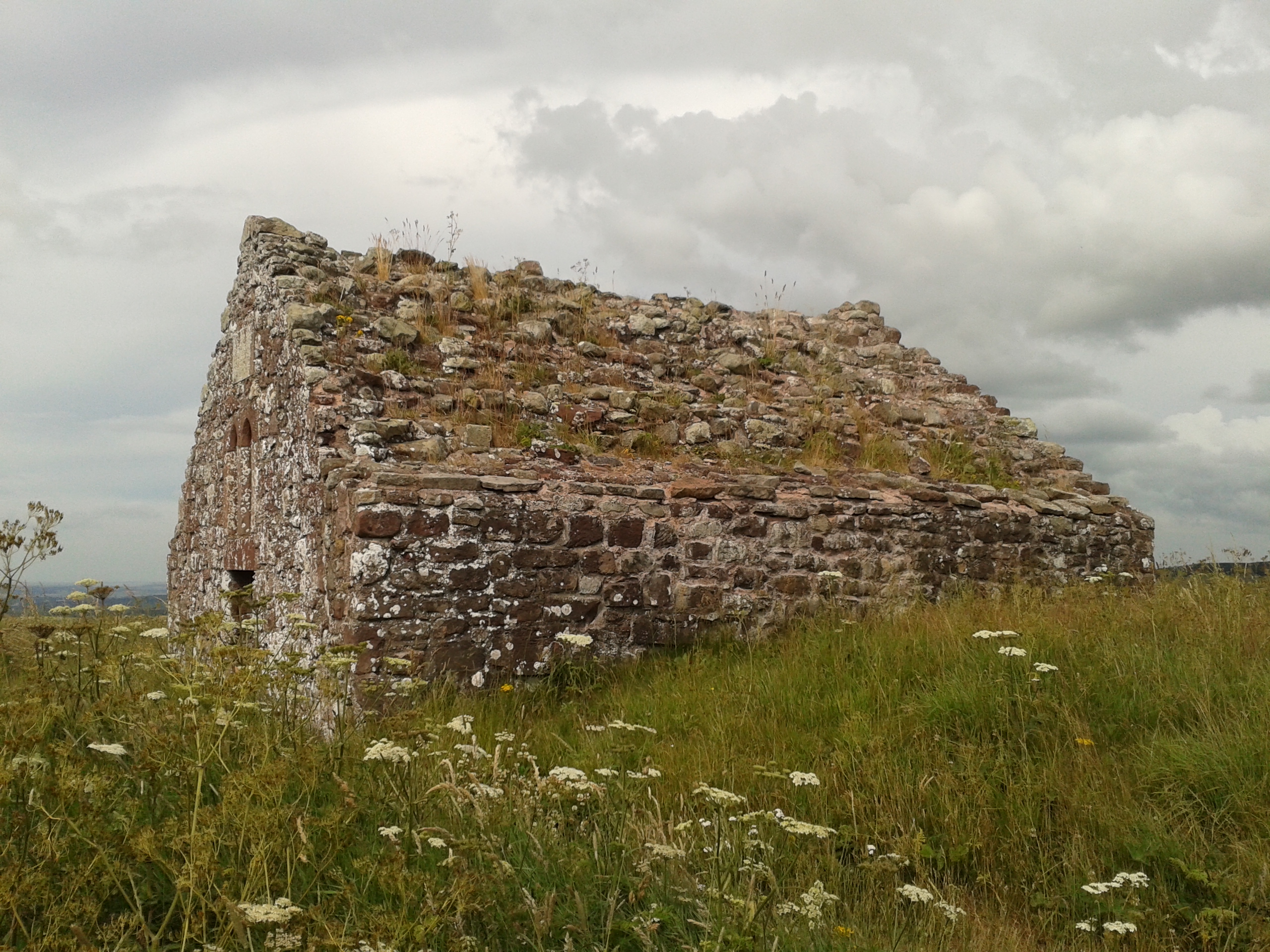
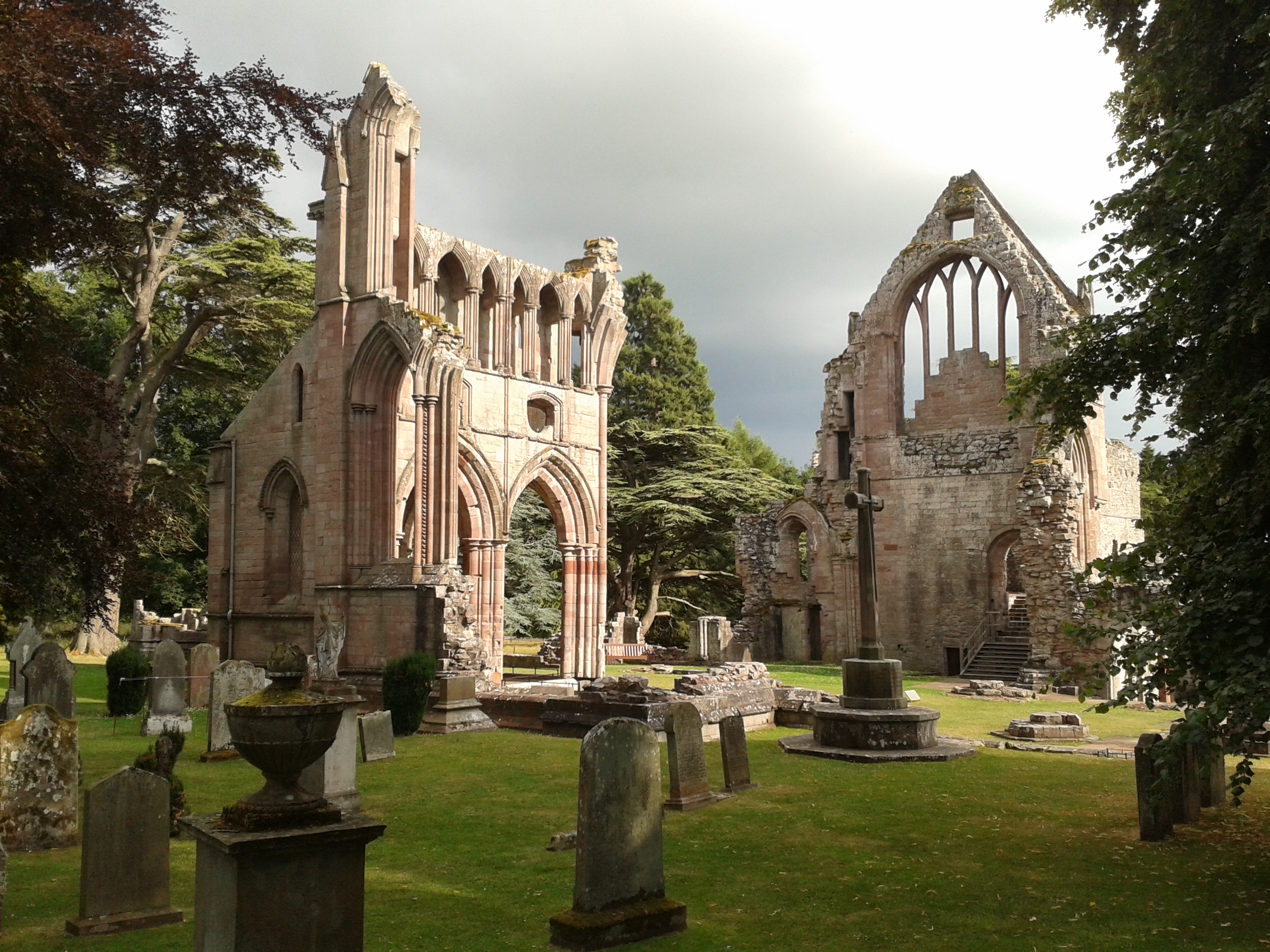
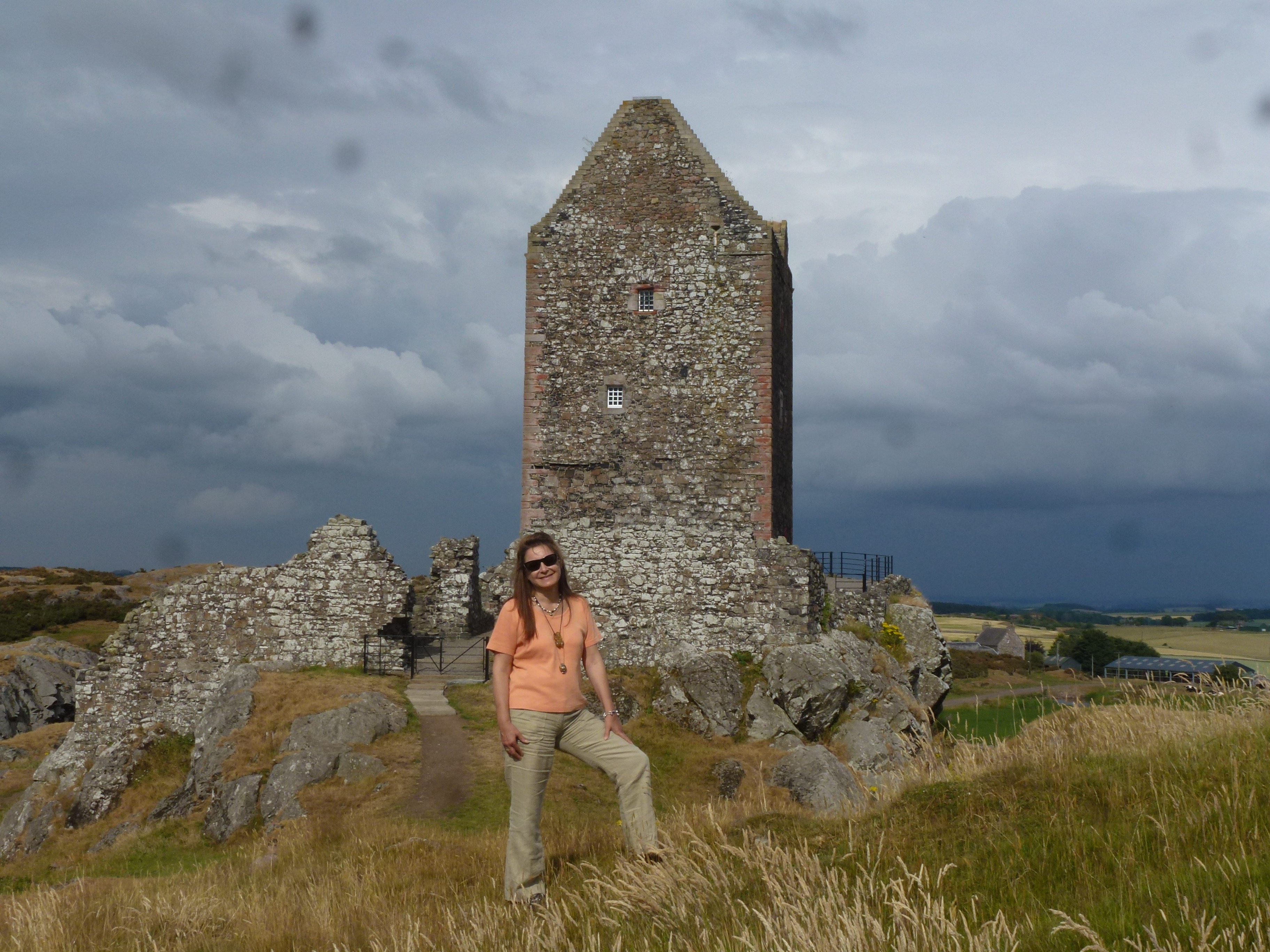
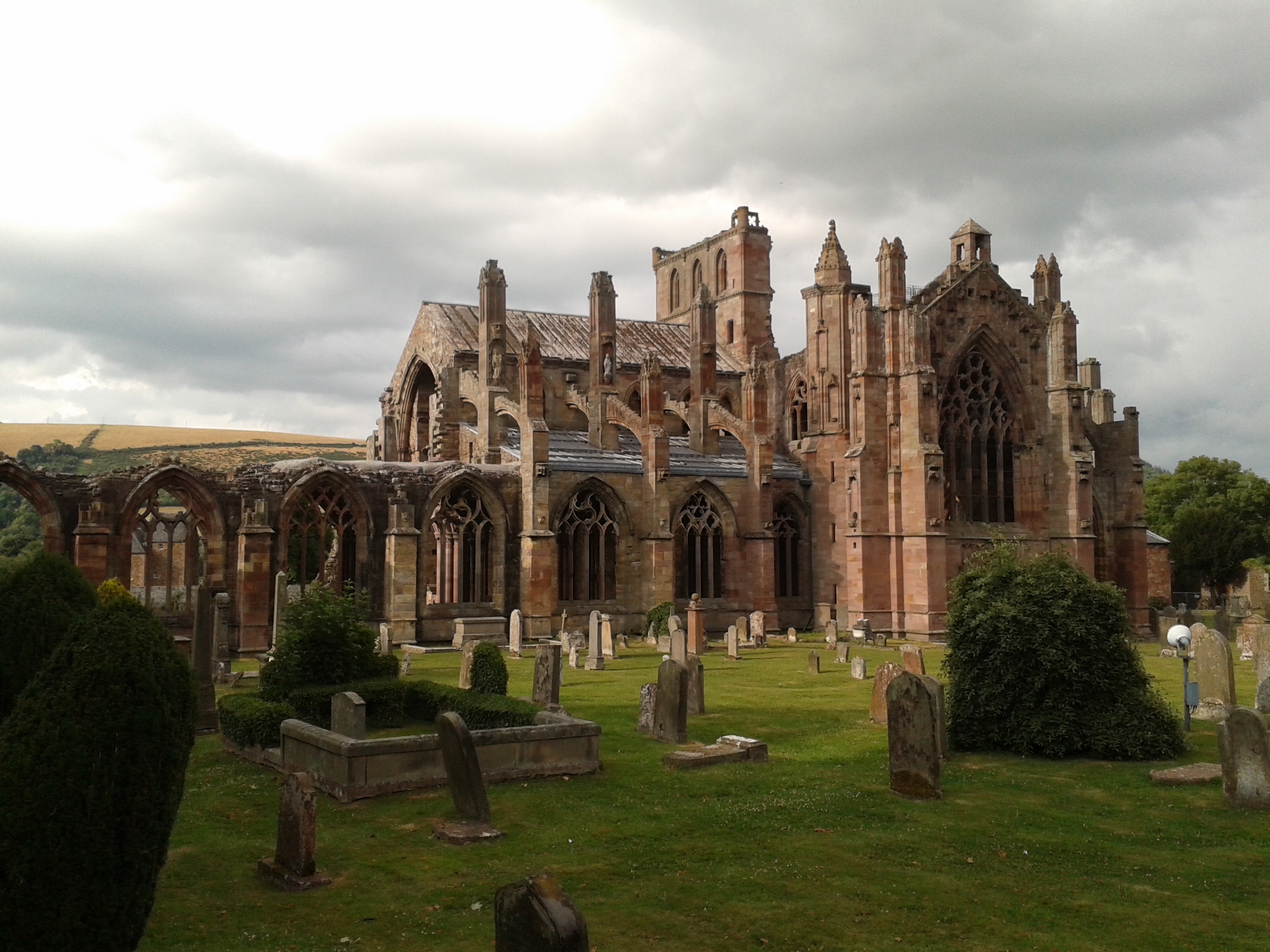
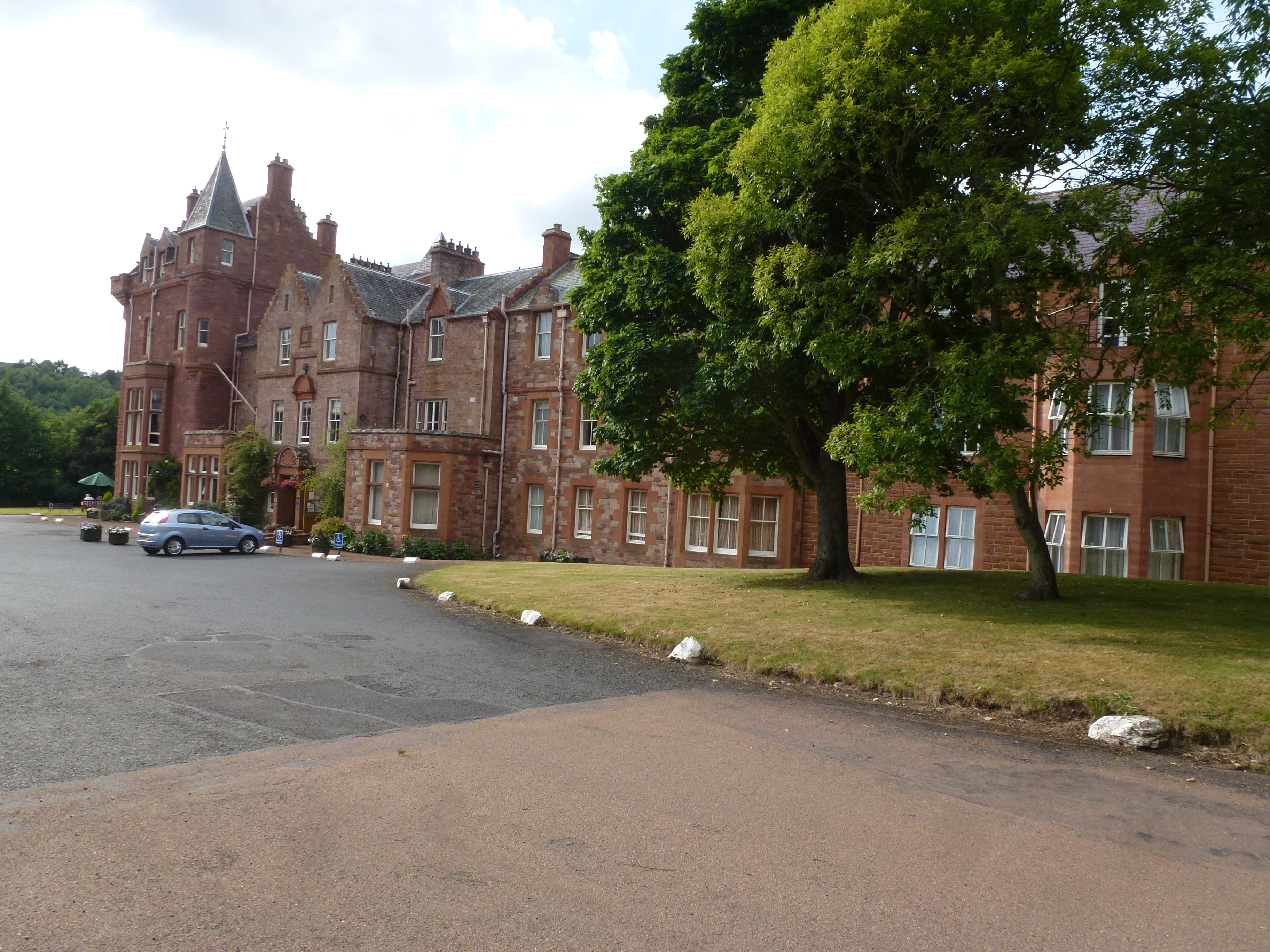
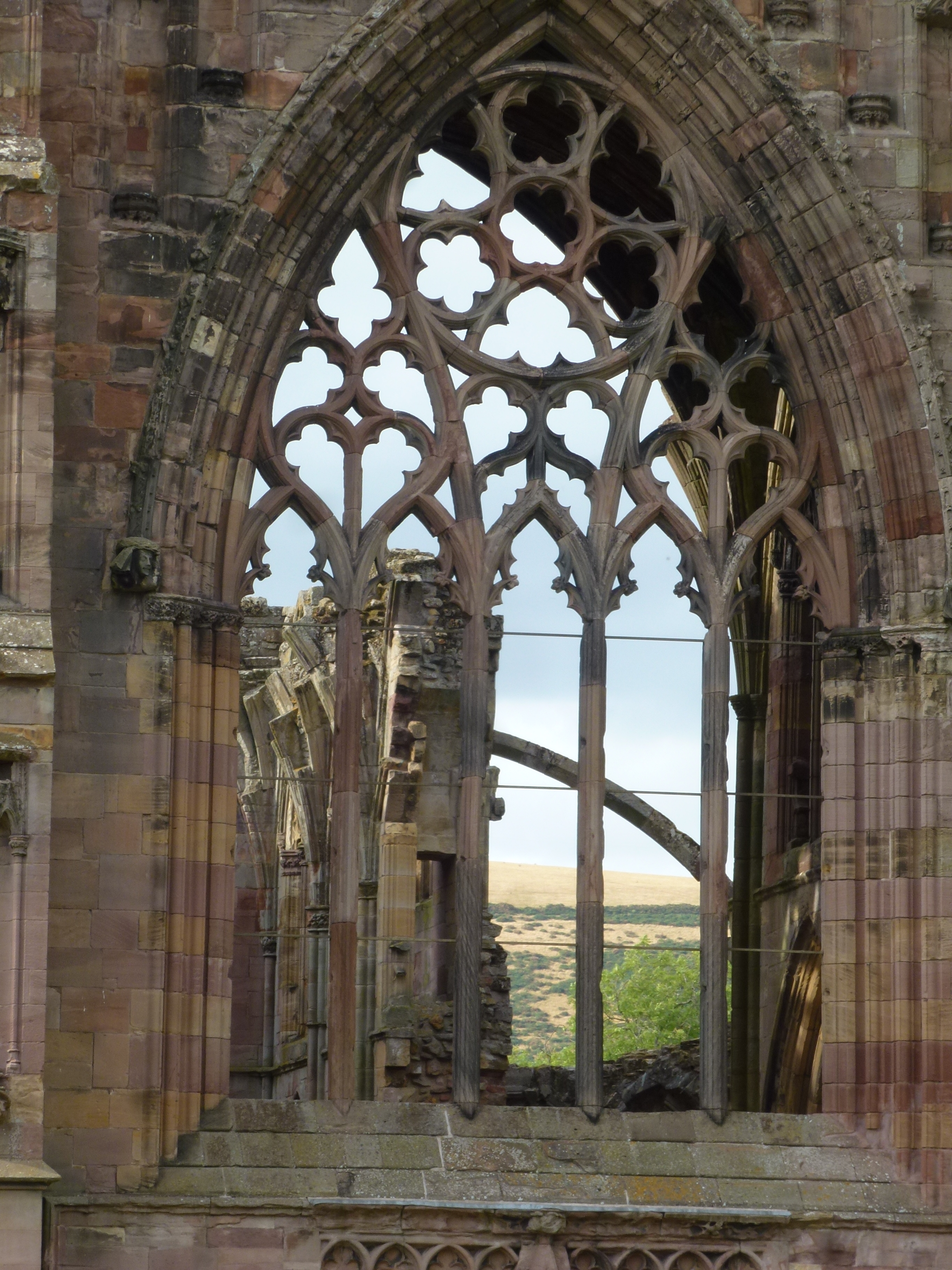
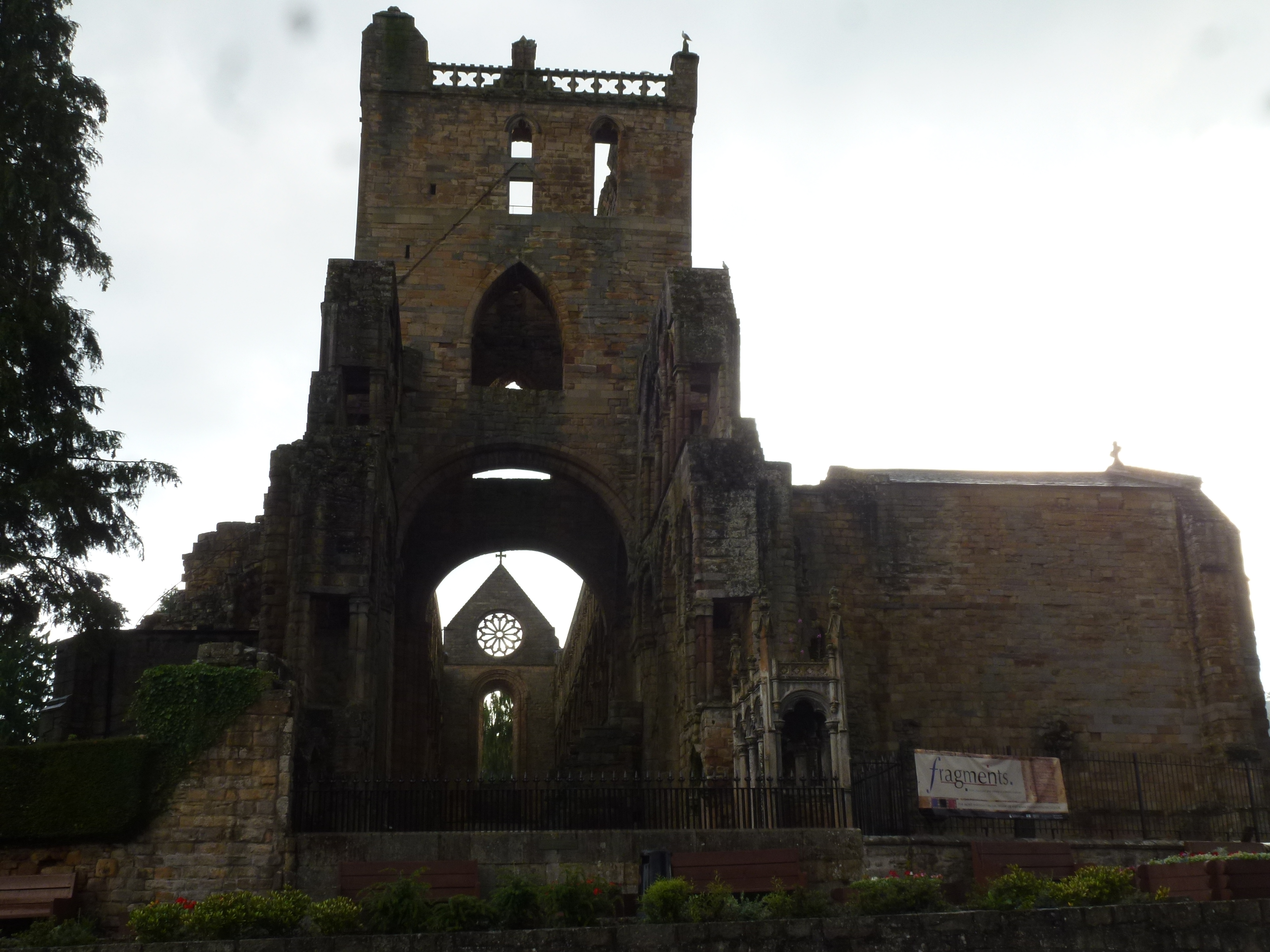
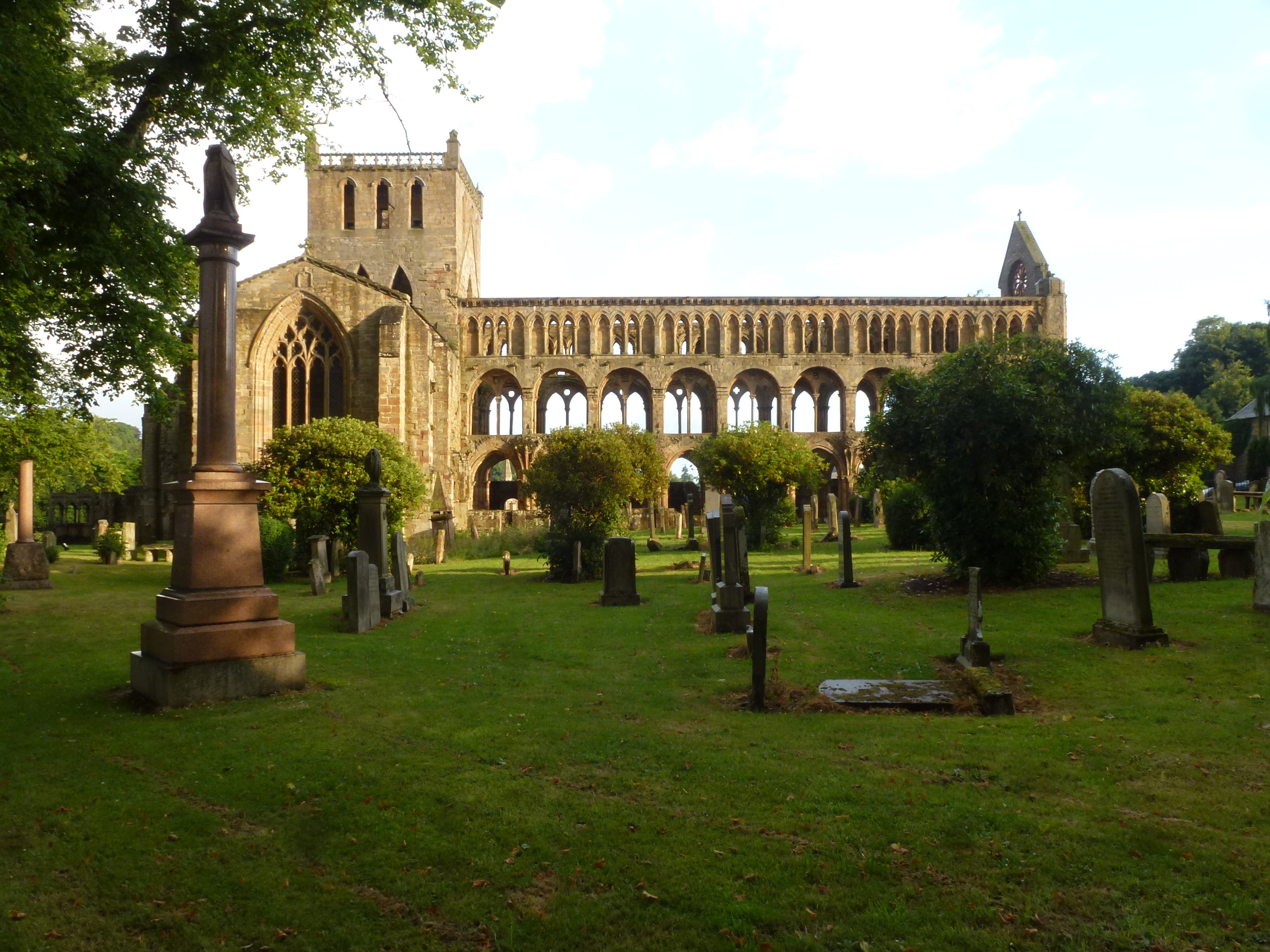
Early in the morning we went back into town to take a guided city- tour aboard an “old-timer” double-decker bus. Although this type of tourism is not ranked among my favorites, sometimes it’s convenient to shorten the long walks. The city of Edinburgh, whatever you want, need more days to be visited in a convenient manner. Only in the castle and museums you can lose yourself for hours… Here is a place where I gladly would go back with the boys, with the plane from Zurich are a couple of hours flight and the city is easily accessible by the train. After returning to Currie to take the car and say goodbye to Mrs. and Mr. MacLennan, our route continues south. In order to view the following tourist sites: Soutra Hill, the Augustinian field on the Roman road of “Dere Street” it was a building that was used as a medieval hospital (what remains visible is only the chapel). There were also found several phyto-therapeutic “remedies” and medicinal herbs that have allowed the identification of various substances used in the Middle Ages as medicinal products. Smailholm Tower, owned by the Pringle’s family in the 14th. century, afterwards neglected. The writer Sir Walter Scott in the 18th. century, however, had convinced the then owner Duke of Buccleuch, to carry out work of restoration and recovery. Dryburgh Abbey, founded in 1150 by Hugh de Moreville and the Order of the remonstratensian (Norbertine). Despite the “church” was closed, we were suggested to take pictures over the wall of the eponymous Hotel. Melrose Abbey, in the 12th. century King David I founded, together with 15 religious houses and among these there was also Melrose, the feudal system in Scotland. The abbey was built by Cistercian monks in 1136. You reach the abbey passing through the town, our eyes are majestic ruins that rosy with the rays of the setting sun, acquire an aura of mysterious charm. Unfortunately, as it was for those of Dryburgh Abbey, the gates are closed. Before you lose out looking for a B & B for the night, hungry as wolves, looking for a restaurant. Surprisingly in the George & Abbotsford Hotel we are served a fillet of salmon with crusted erected on a bed of raw vegetables, really delicious. Jedburgh Abbey, is the last historic visit of the day. Nova church in ruins, unfortunately, it shows only part of the original structure as much has been destroyed six centuries of neglect. The B&B we find it in the same Jedburgh was the Allerton House of Chris and Carol Longden, a four stars.
Thursday, July 25
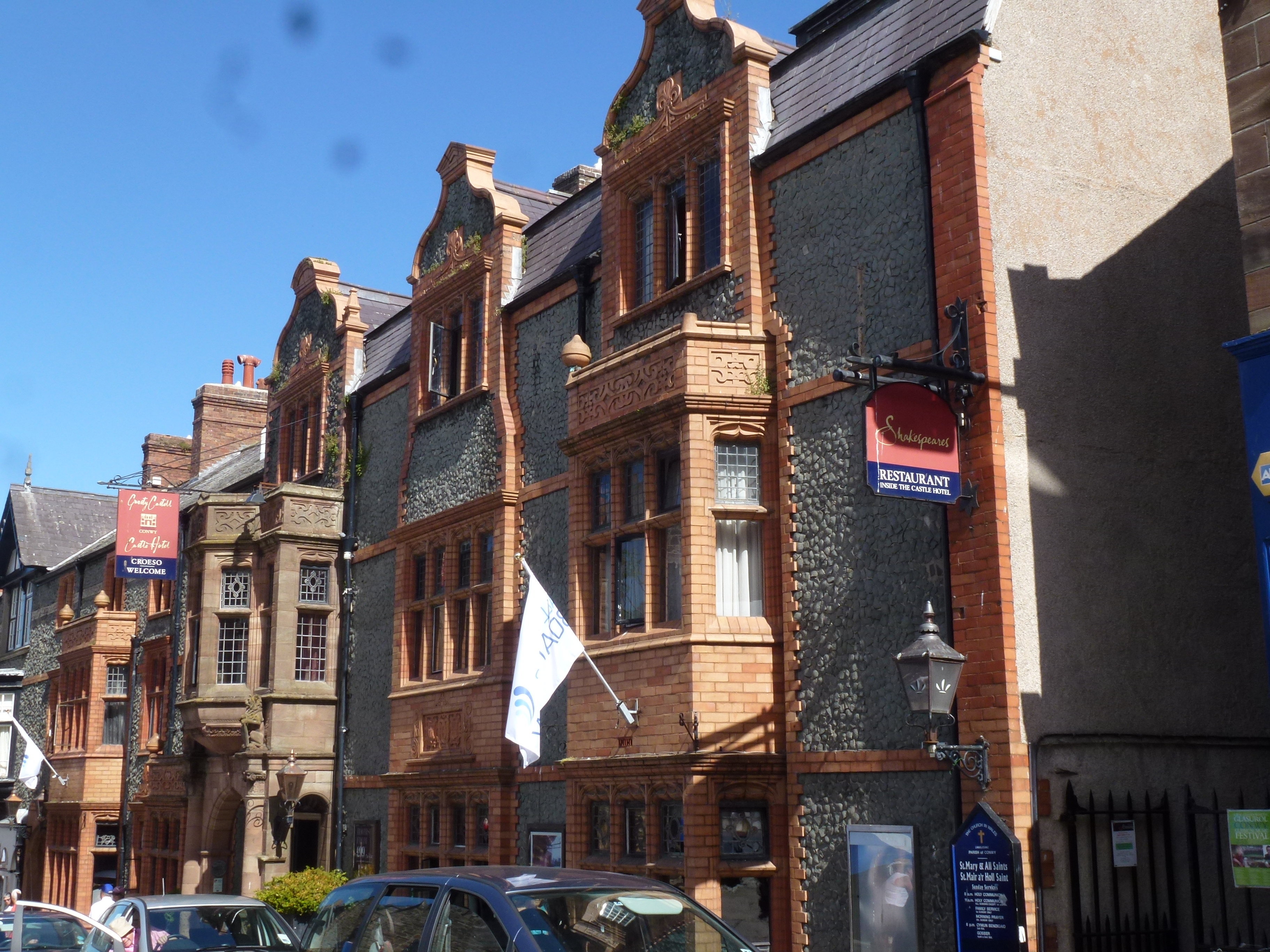
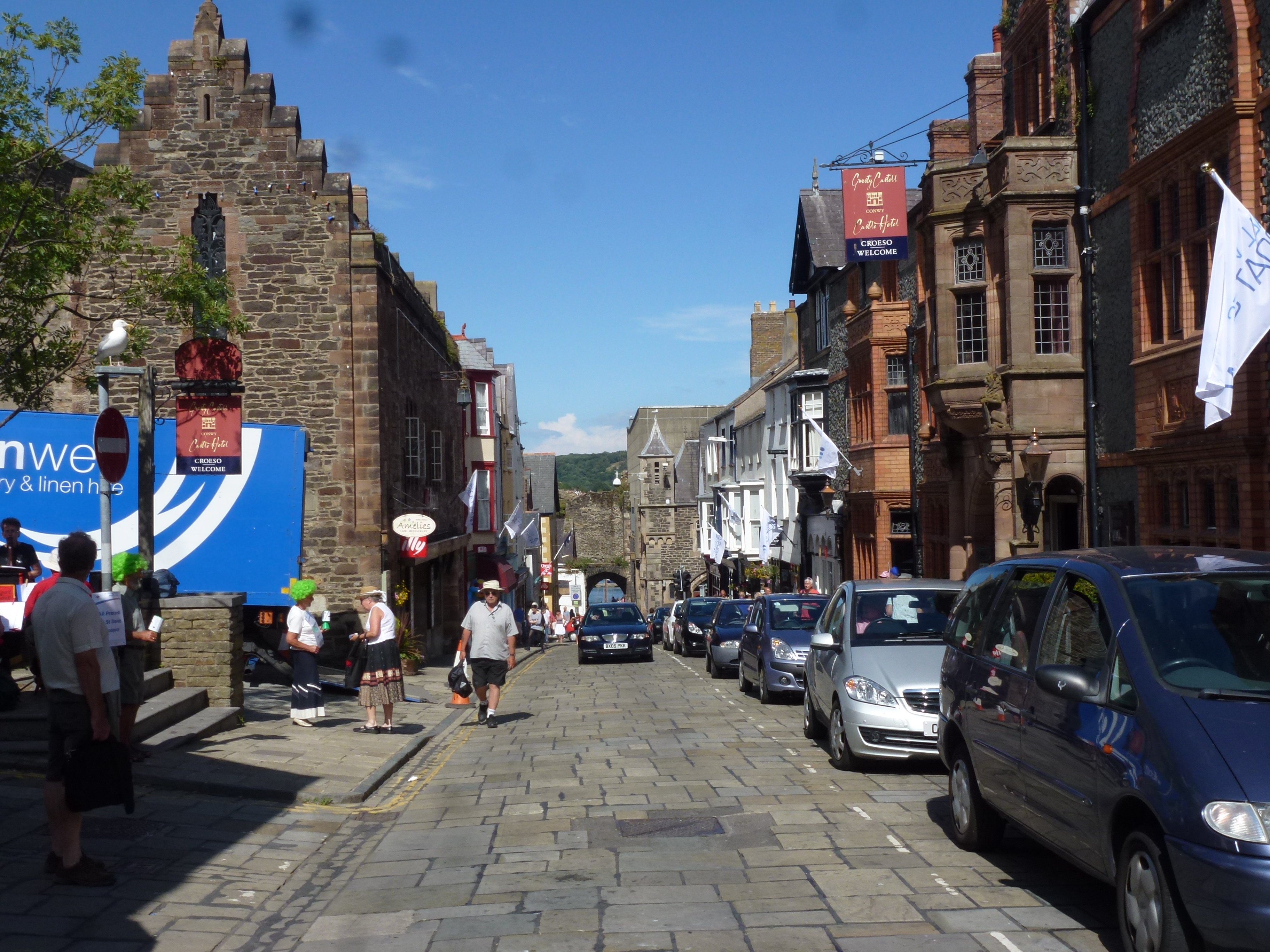
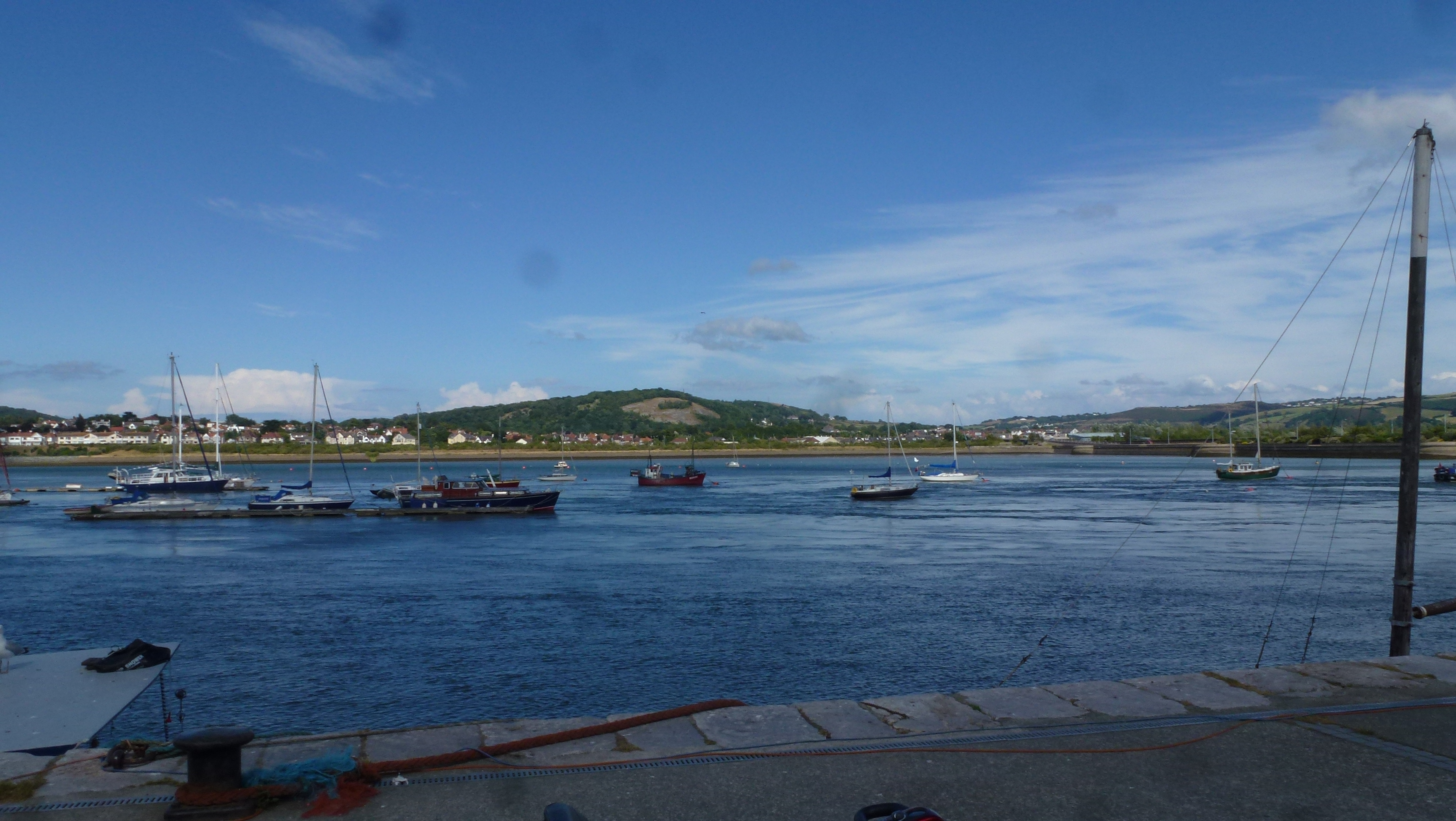
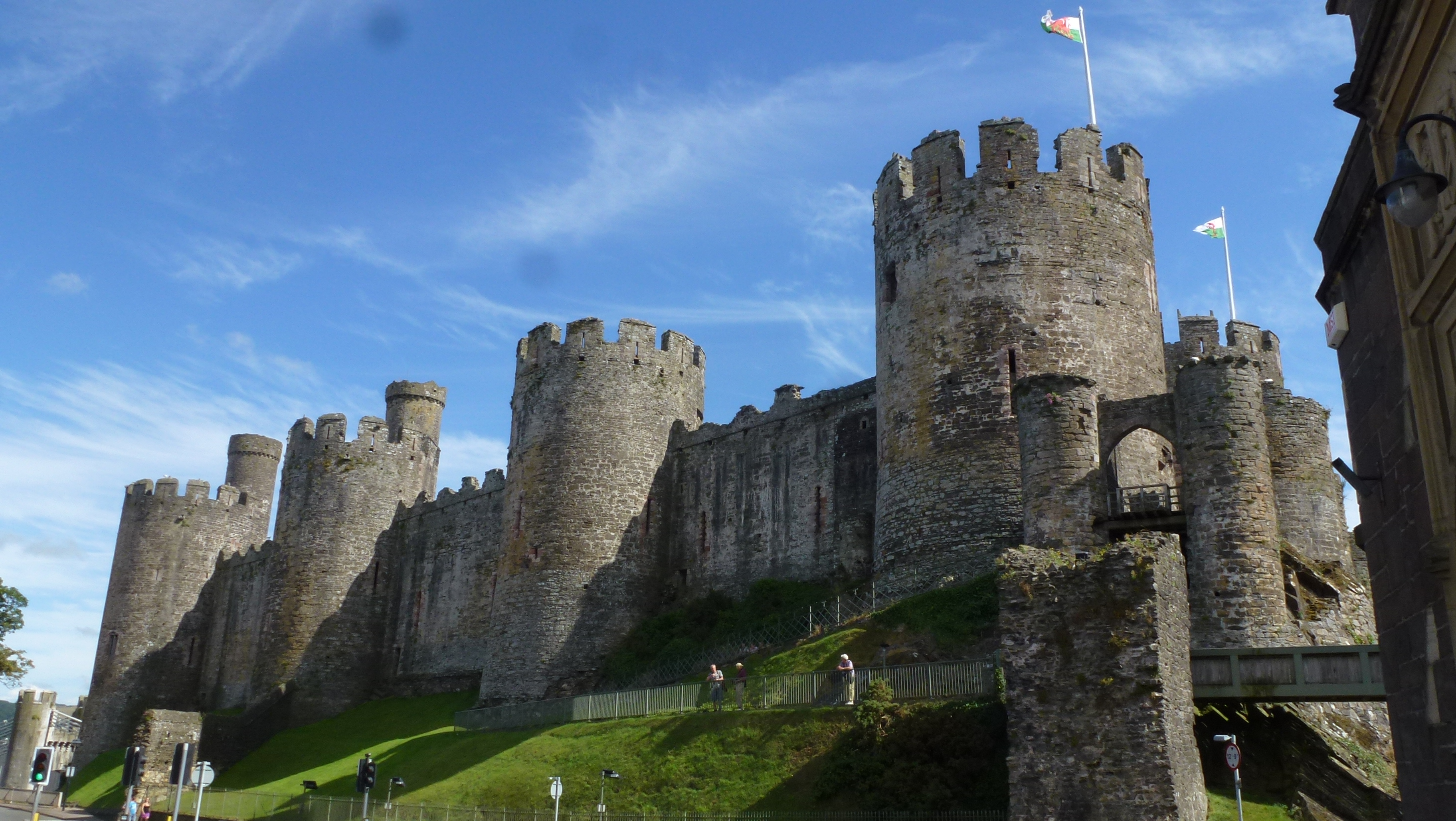
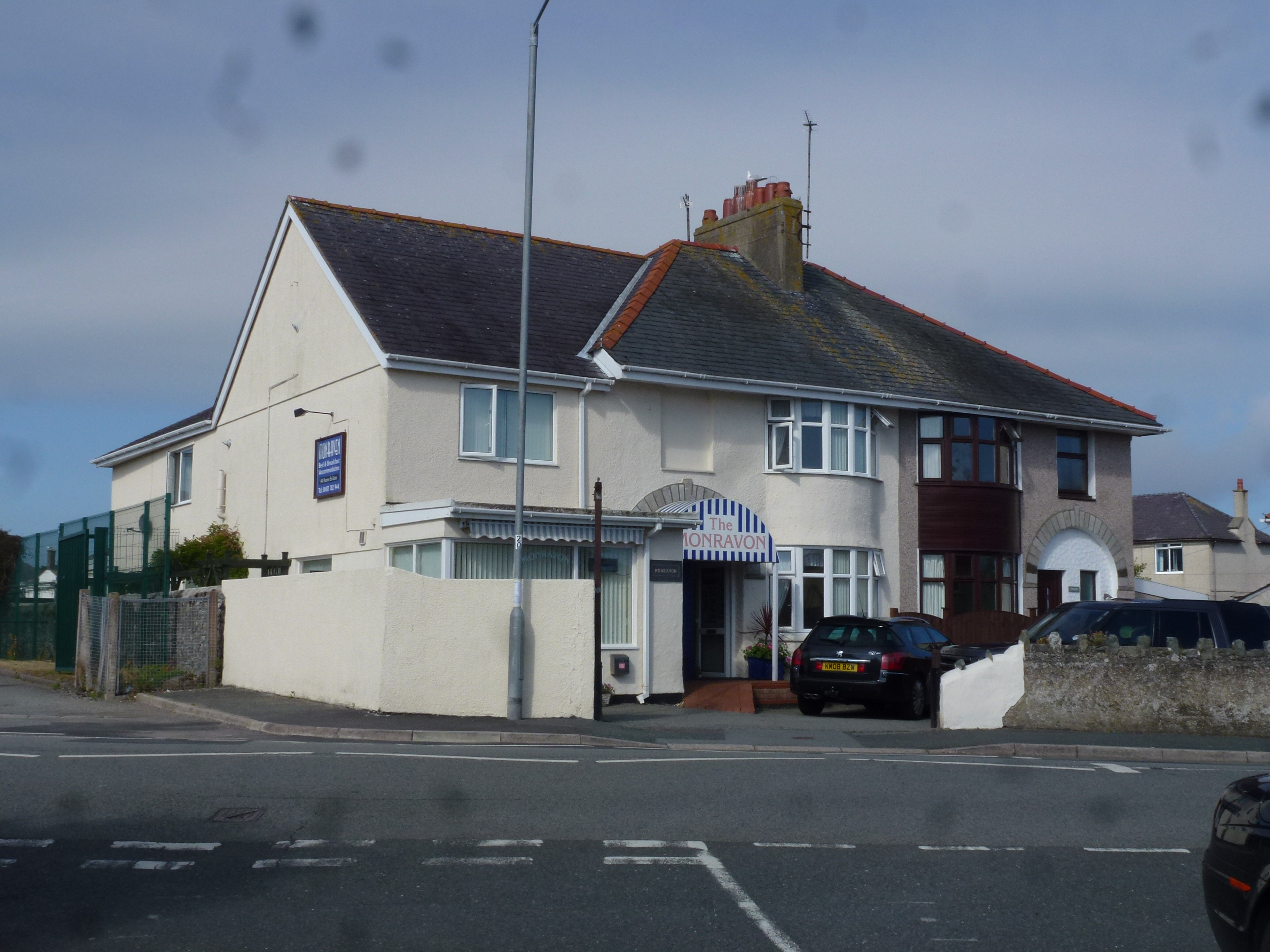
On the way back to Wales (the boys weren’t to happy, however, to meet us again and go back home), we leave the border between Scotland and England. We choose to take the motorway, the M6, to speed up our trip. At one stop to fill up with petrol, I saw again the rubber boots that I had spotted at the beginning of our trip. I purchased one pair for me and one for Sara Luna, they’ll do a good service during the autumn rains also at the Ticino’s latitudes. We visit Conwy with its magnificent castle built by Edward I in the late 13th. century as a fortress against the attacks of the English. Within its walls, the citadel continues to live while out of it towards the sea, it extends the harbor. Everything is still in perfect condition and the walls as the buildings are restored and cared for. We pried a little around before stopping for the usual tea-time (with cappuccino) at four o’clock. For the night, we found the B&B Monravon Guest House
Wednesday July 31
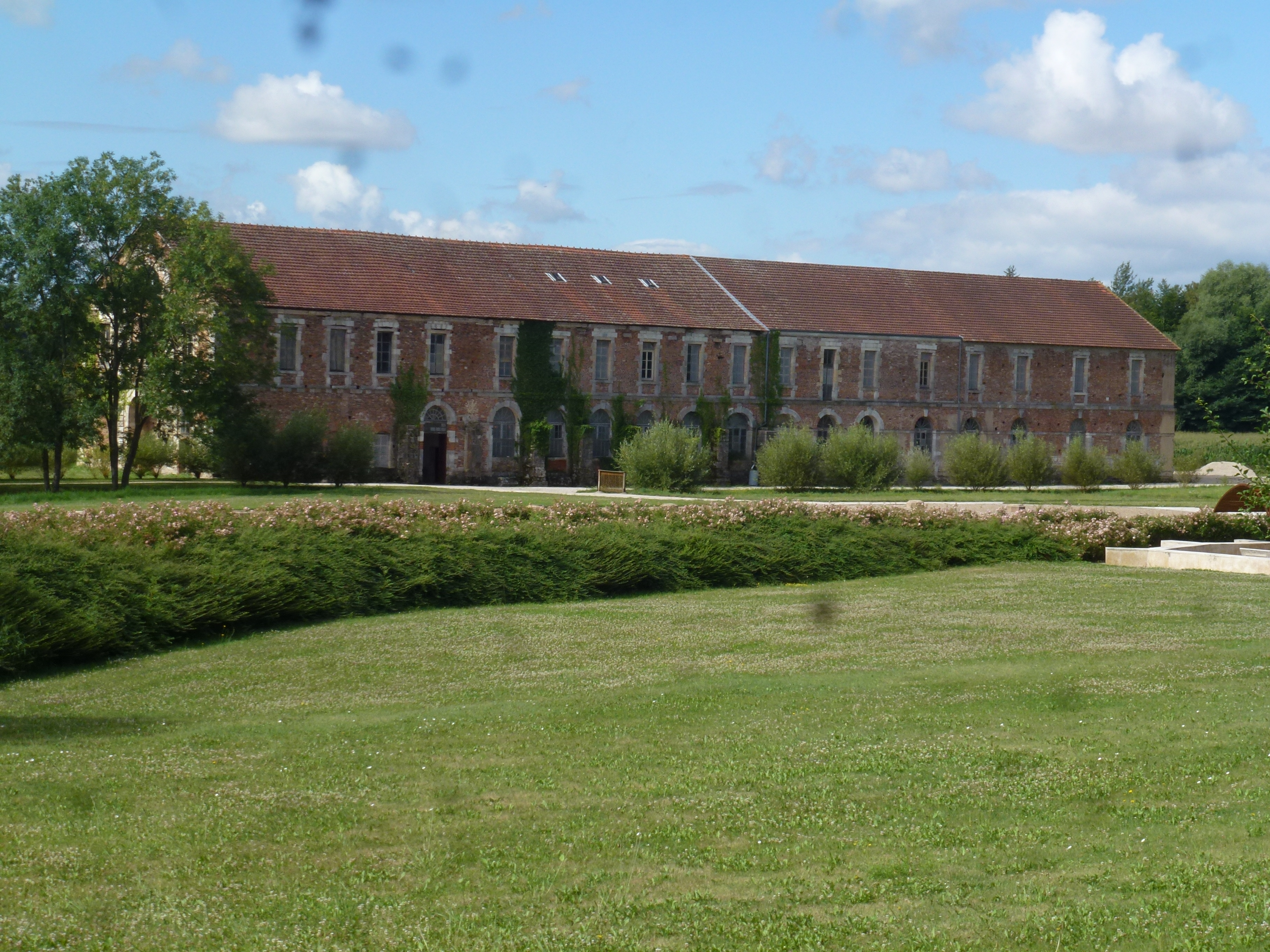
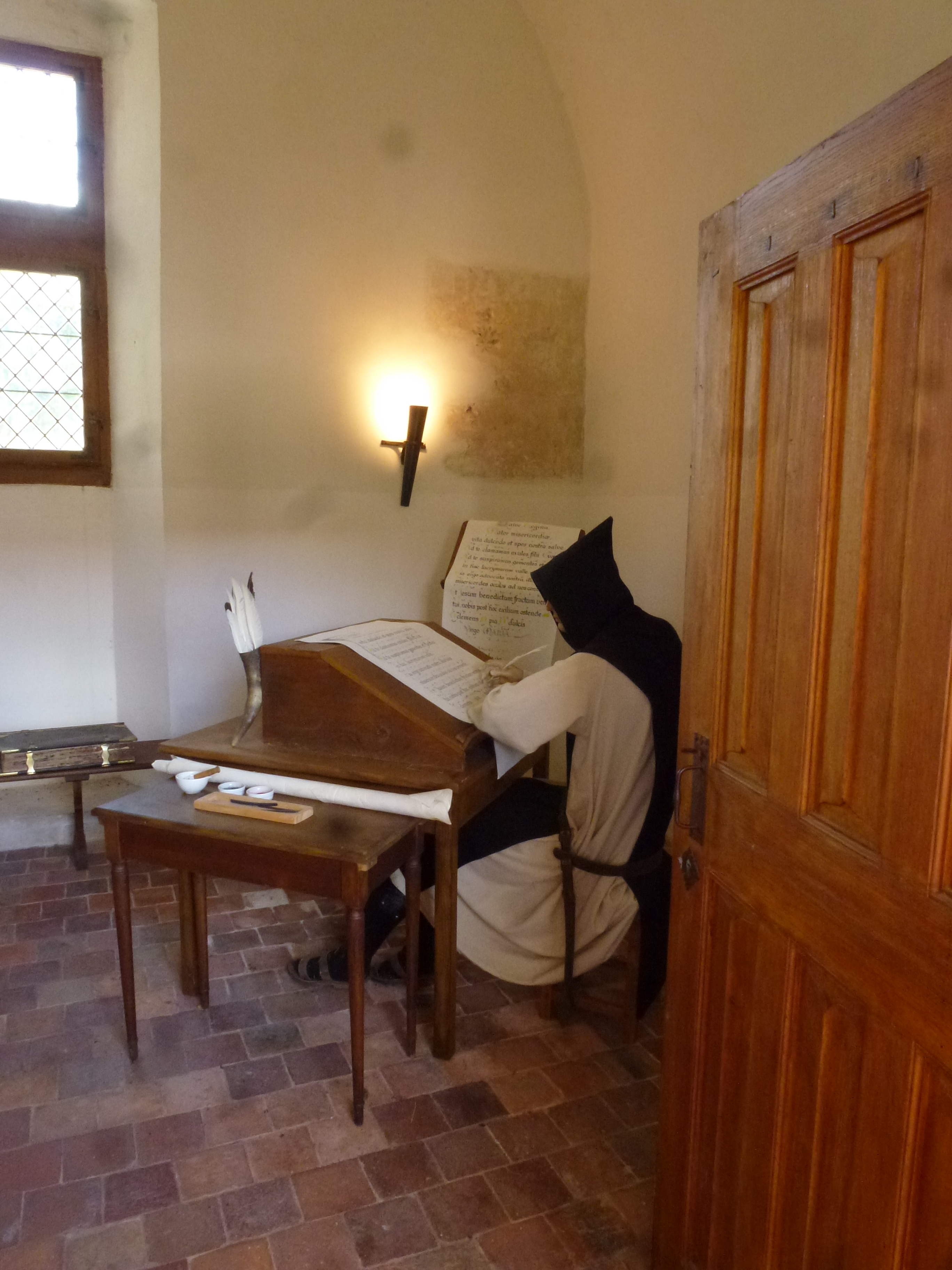
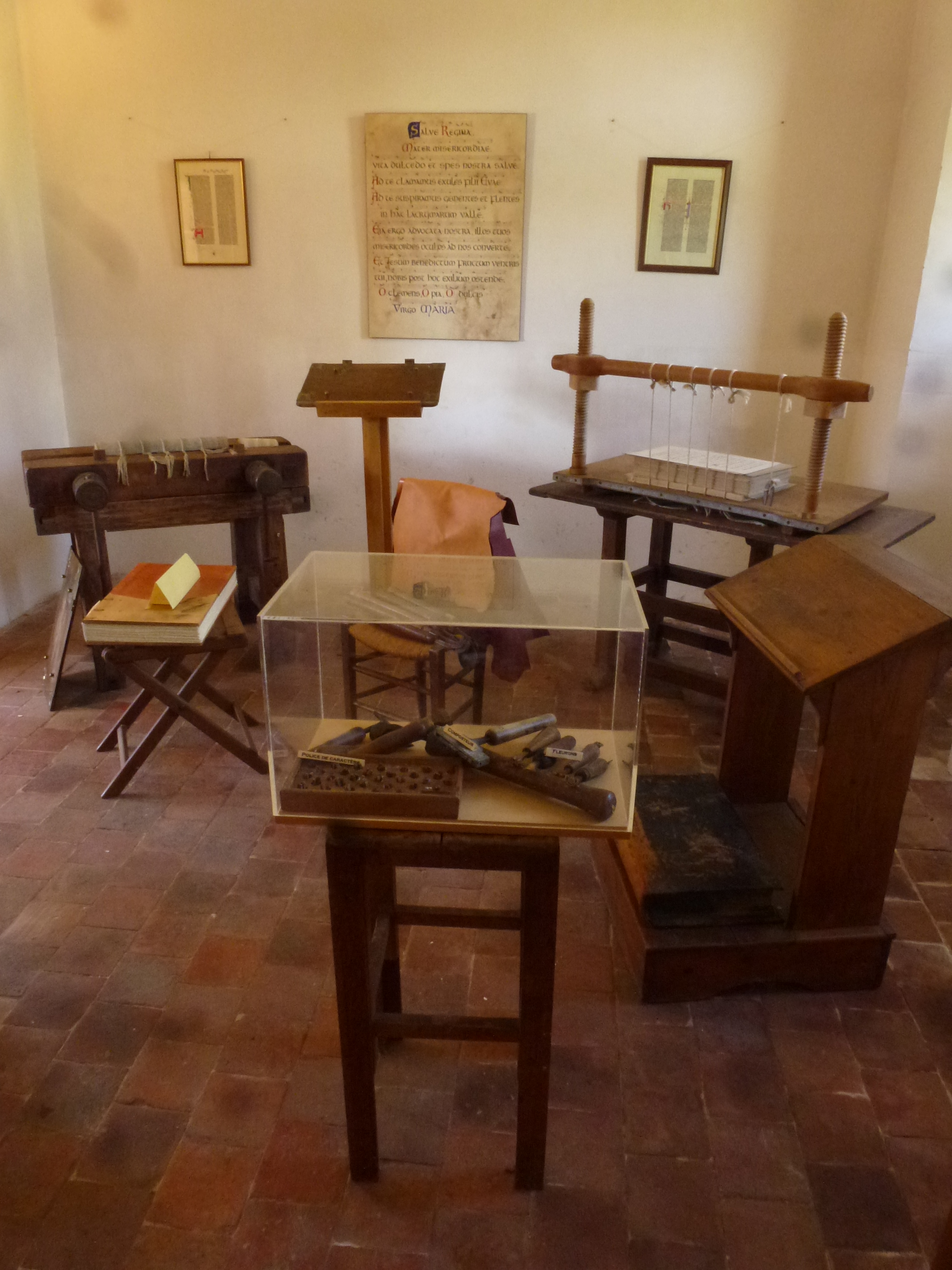
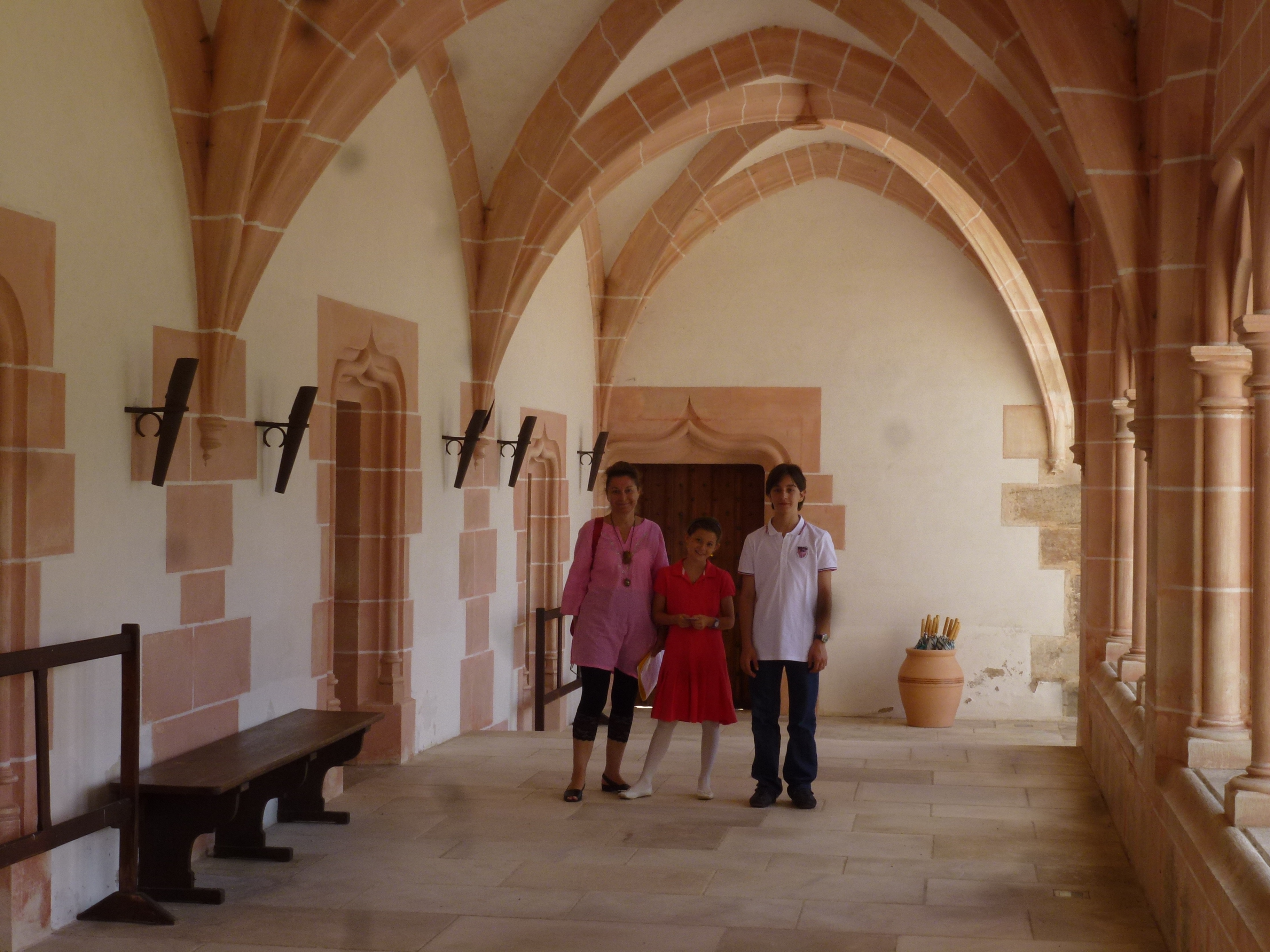
The visit to the Abbaye Notre-Dame de Citeaux was interesting in many ways, considering that one of the characters in my novel Mists in the Moor, Father Hubertus, was a Cistercian monk which in the year 1152 lived in this abbey. Unfortunately, from the entire original structure isn’t much left.
 Claudine Giovannoni
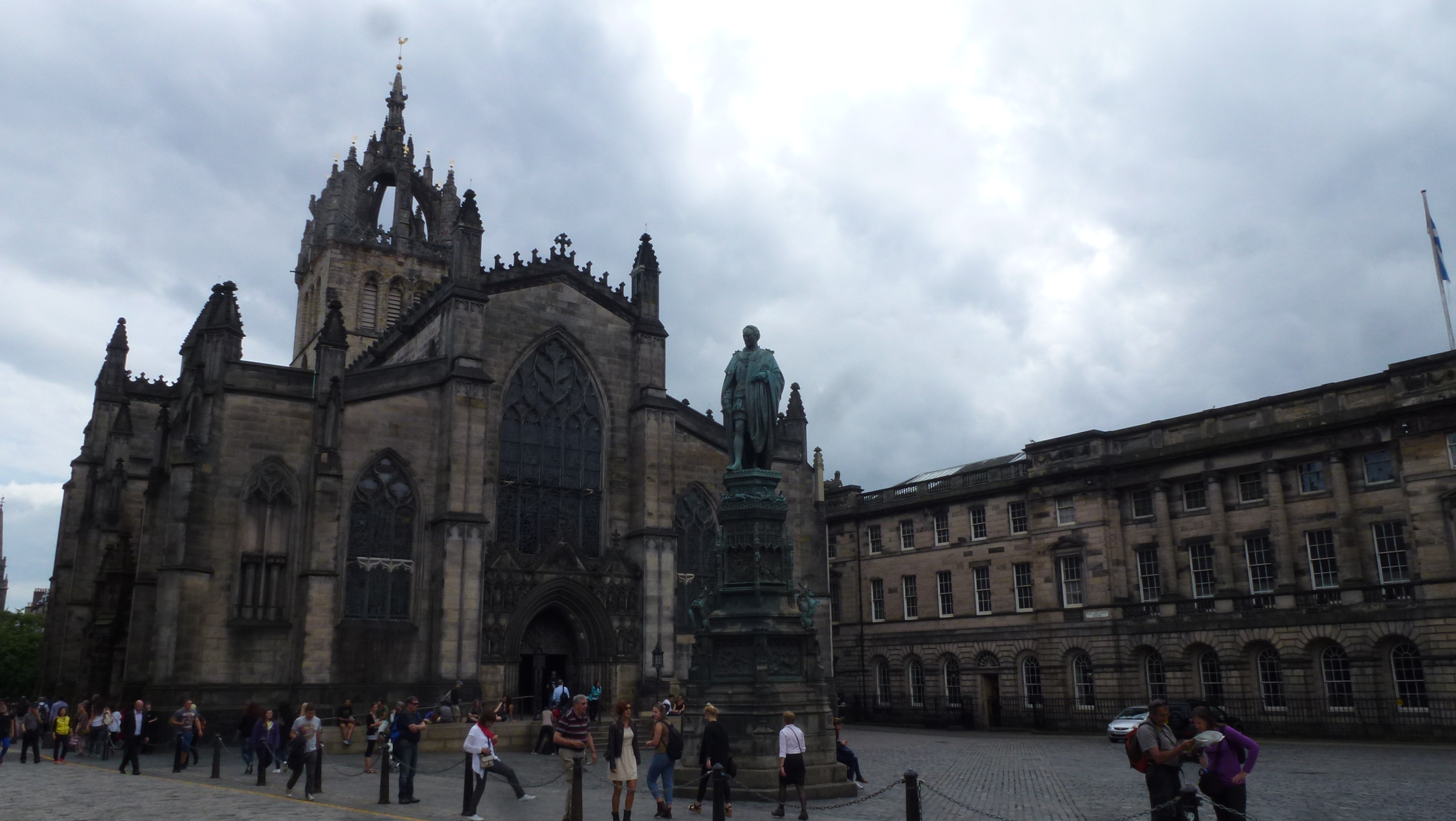
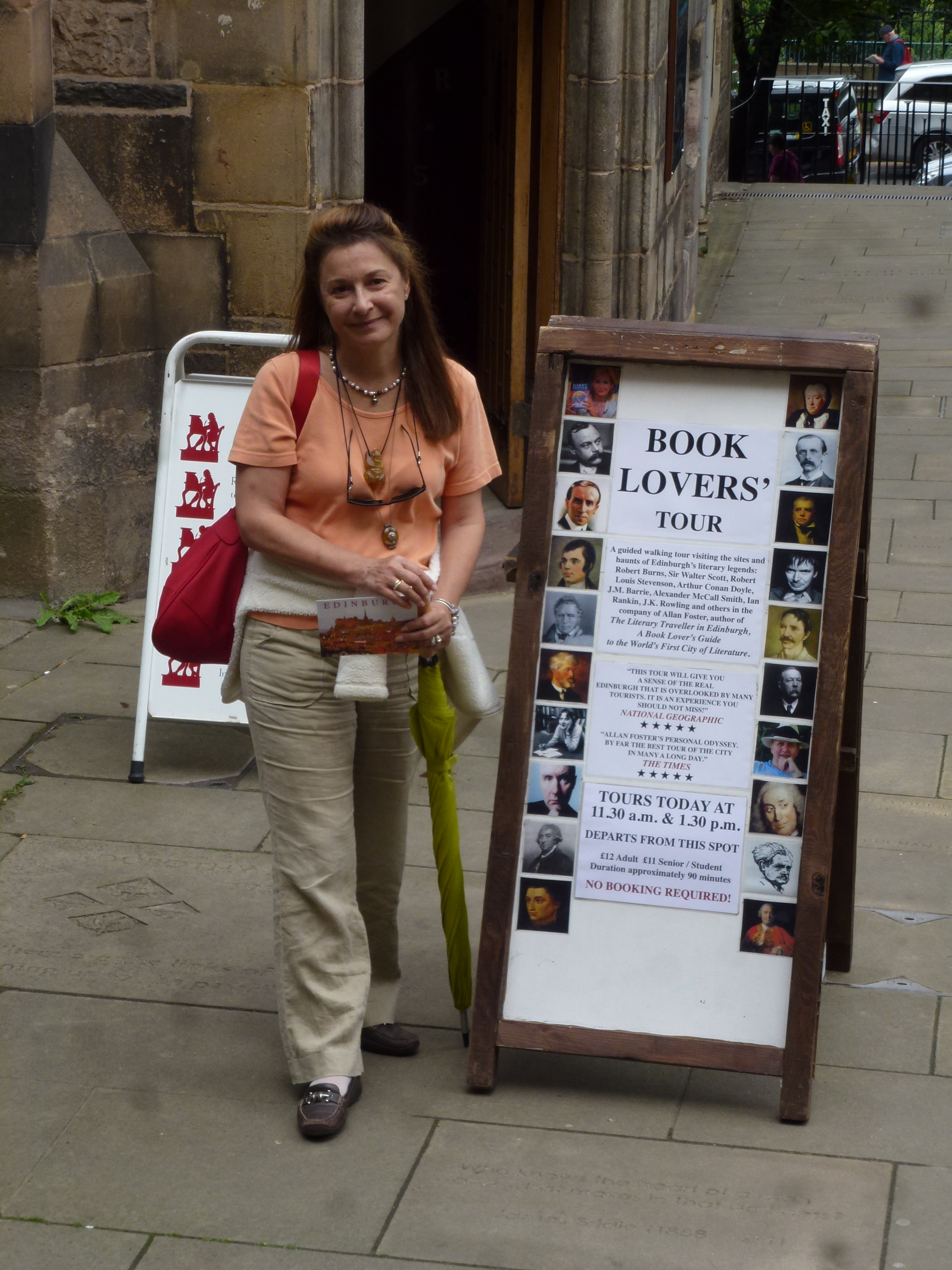
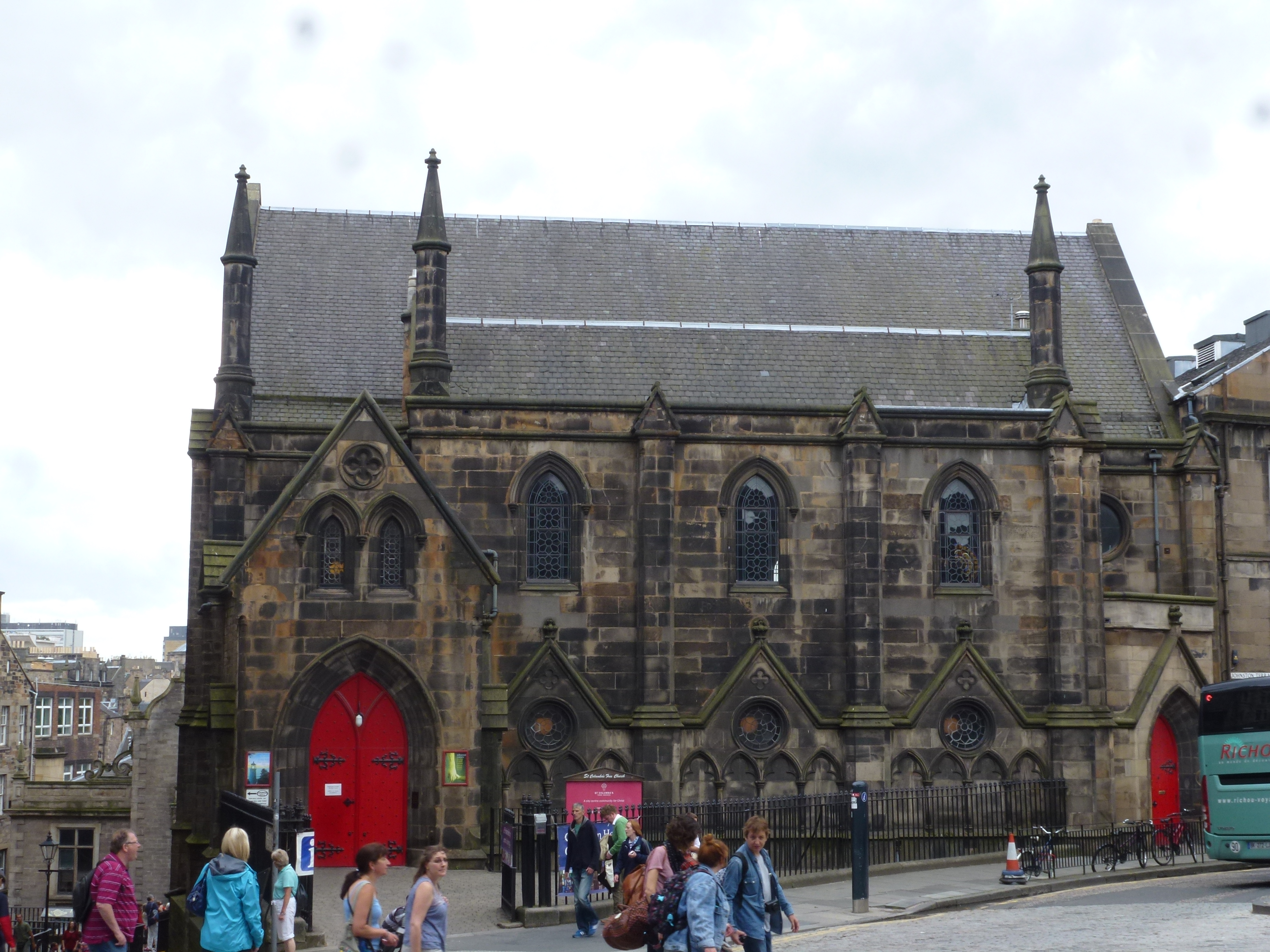
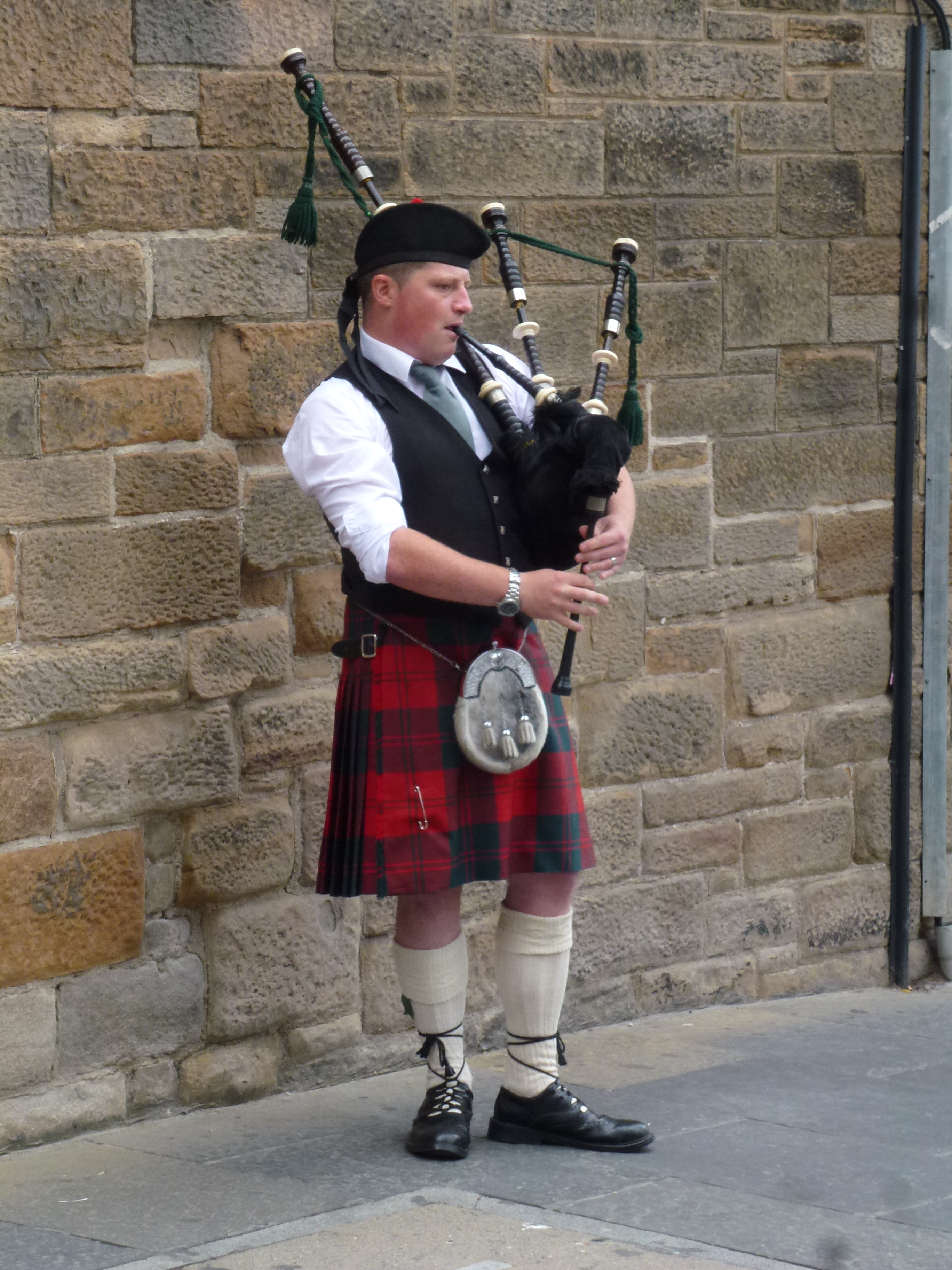
What a wonderful set of beautiful photos.
thank’s… well, honestly I’m not a good phofographer… :-)c