

Built in 1977, the 72-foot Palmer Johnson aluminium ketch was firs deployed by Sea Shepherd Conservation Society (SSCS) in 2014 to the Upper Gulf of California, where it assisted in the protection and defense of the critically endagered Vaquita porpoise. Launched in 1977 as the Caribana, the vessel served as a whale research ship under the direction of the legendary marine biologist Dr. Roger Payne, founder of Ocean Alliance. After its acquisition by Sea Shepherd, it was renamed the Martin Sheen in honor of the actor and activist, a dedicated supporter of marine conservation and Sea Shepherd Conservation Society.
On October 15th, 2025, SSCS made an announcement. They, along with the Captain Paul Watson Foundation (CPWF), shared that the iconic conservation vessel Martin Sheen has been gifted to the CPWF by SSCS.
It should have been a special experience, like the one I had on the Jean Paul DeJoria last April. Unfortunately the weather conditions spoiled the party.
I had been waiting for months for notification from the CPWF so that I could rejoin the crew in Marseille and cross the Atlantic to Brazil again. It seems that this was not meant to be, the JPD set sail for Tunisia without me. Unfortunately, wishes don’t always come true.
I was offered instead the opportunity to take delivery of the Martin Sheen sailboat in Cancun with another crew. It was extremely urgent, so I was told. With little notice, the boat had to leave Mexico to be taken to Florida for legal transfer.
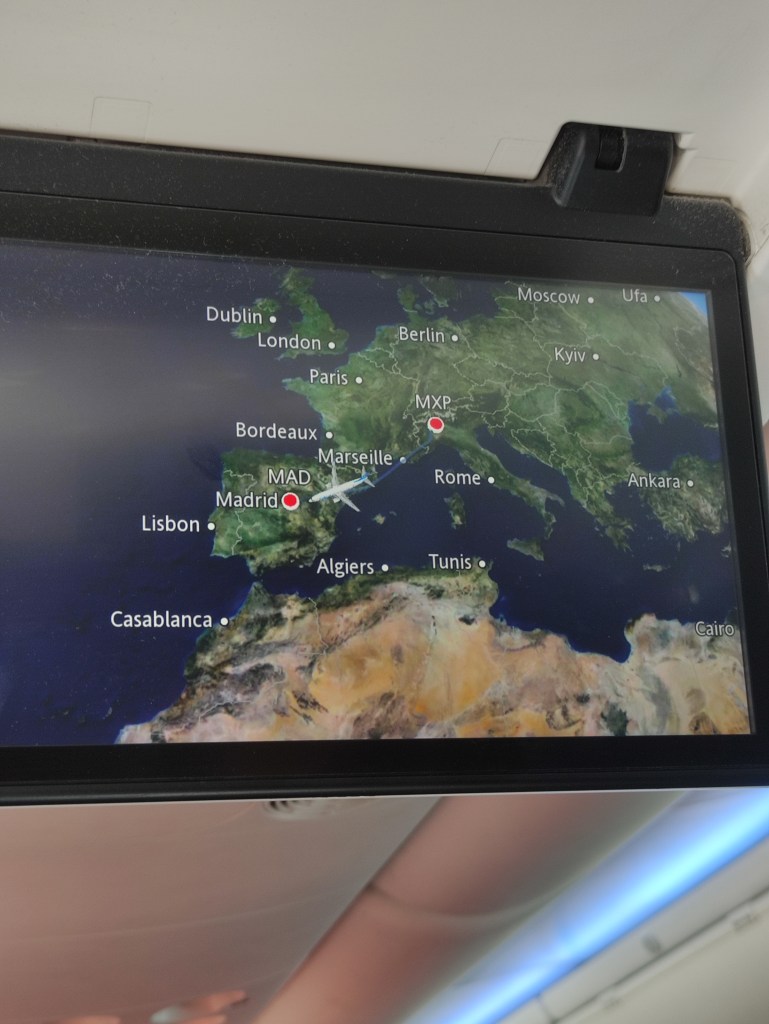
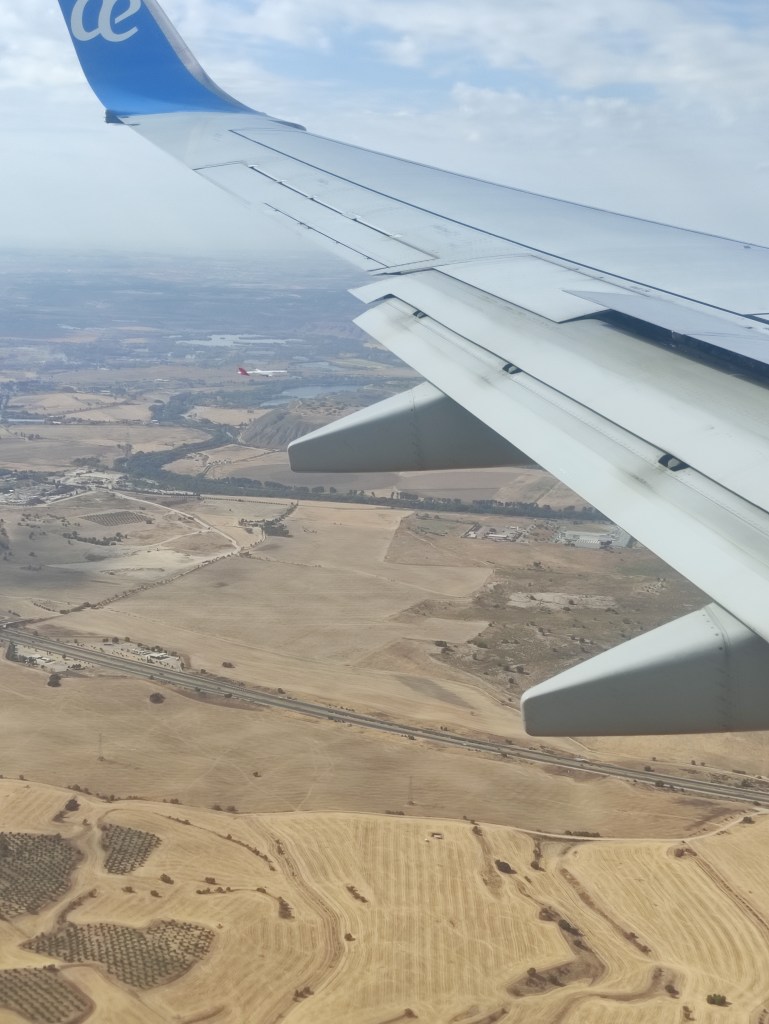

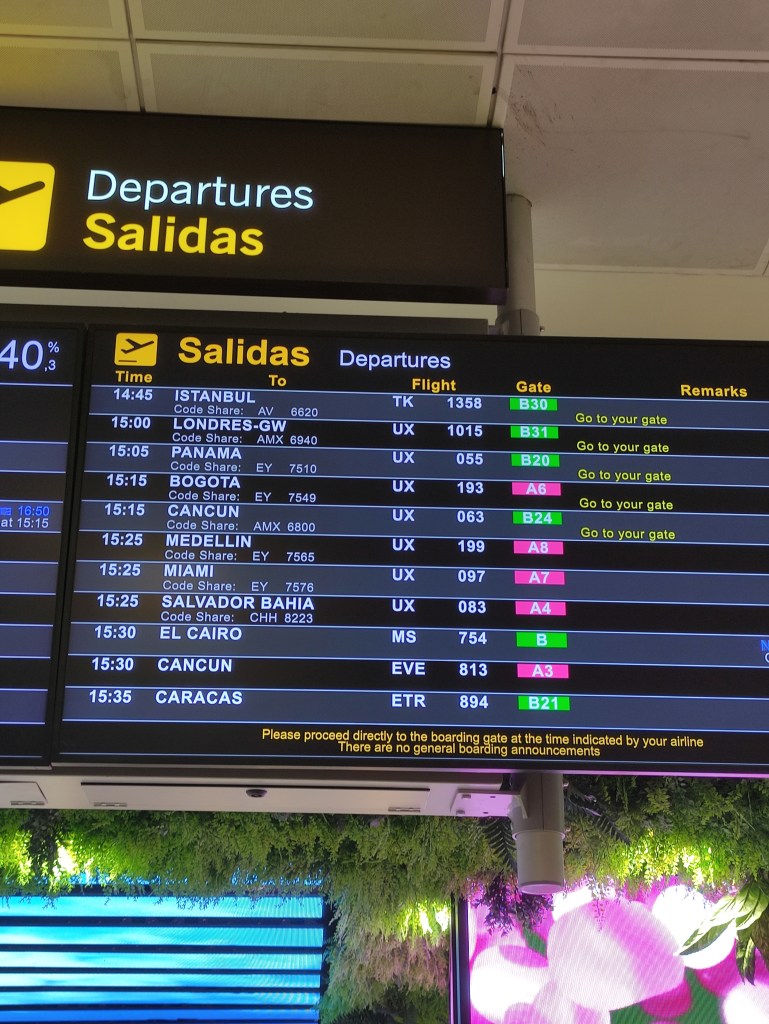


Friday October 17th. Let’s leave aside the issue of the price of both last-minute flights, the absence of details had worried me from the start. Due to the lack of specific documentation, the issue had complicated in a significant way (at one point I thought they were going to arrest me in Spain) both my boarding in Milan Malpensa and Madrid, as I had only a one-way ticket to Cancun.
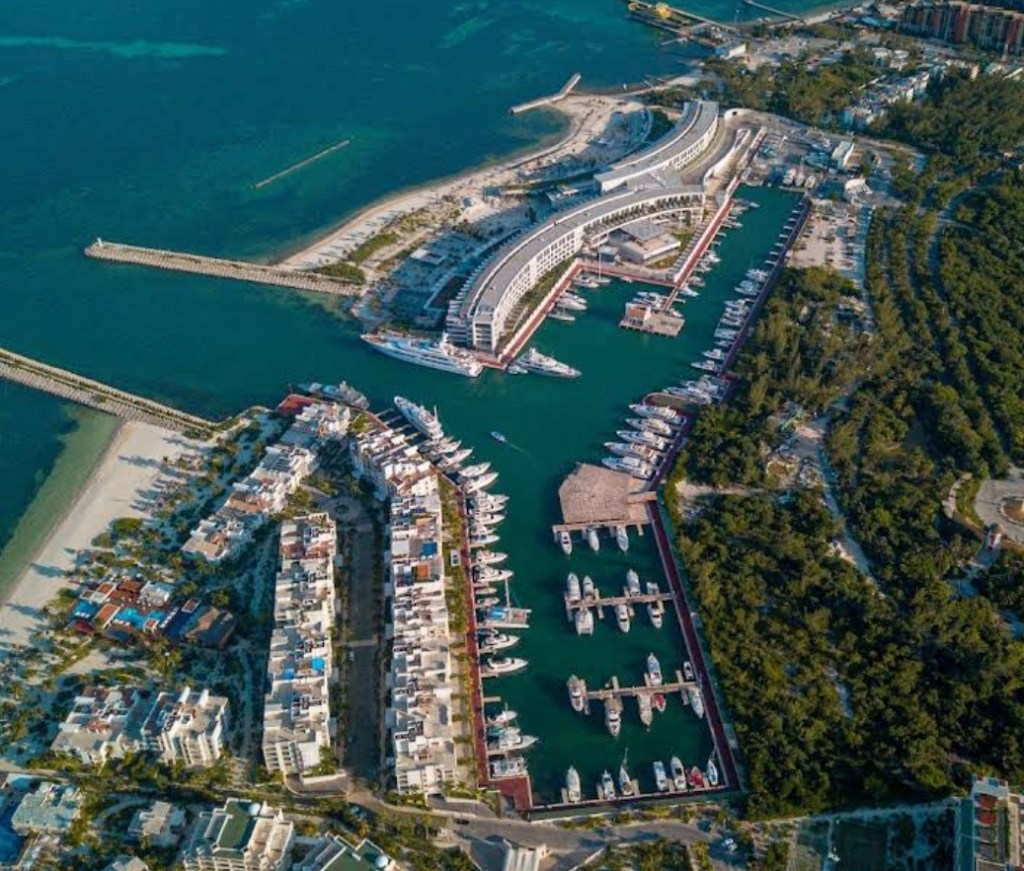
After solving the problem by dragging a SSCS staffer out of bed at 3:00 AM, I boarded the plane. At the Cancun airport unluckily nobody was waiting for me and so I took a taxi to the Marina. I arrived at the boat to realize that we were a crew of two. Andy, a nice man from the east coast, was awaiting me at the entrance gate; not a real sailor, although with several years of experience as a volunteer for SS and CPWF. There was no certainty that the other person who was initially announced would actually join us.

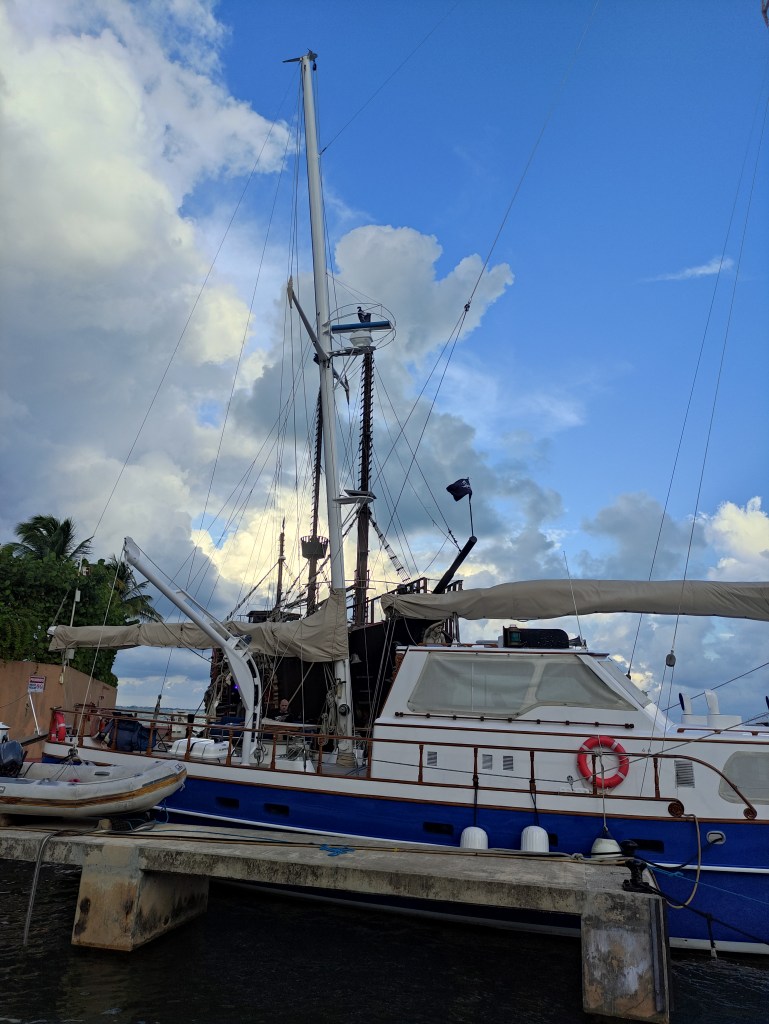
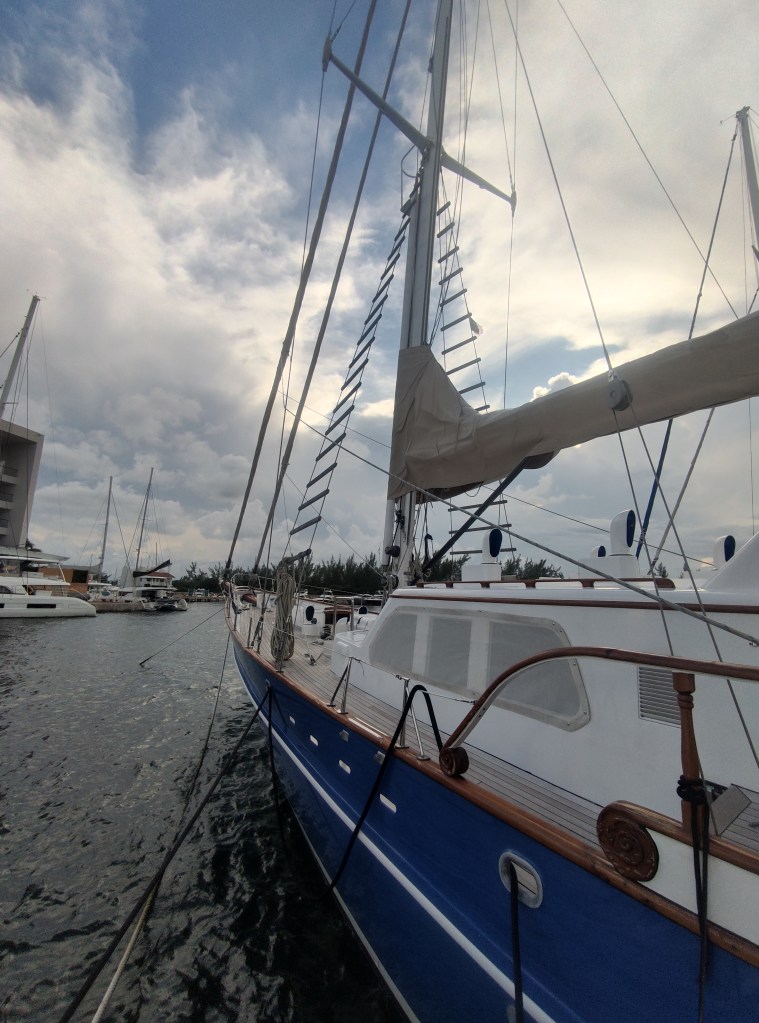


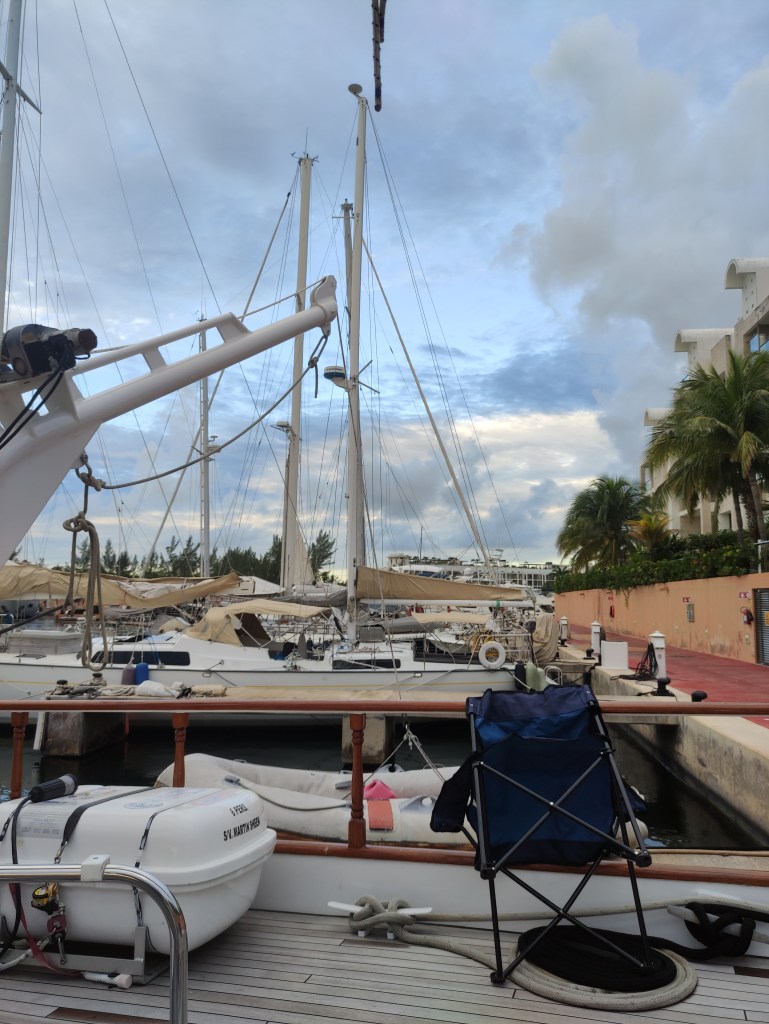

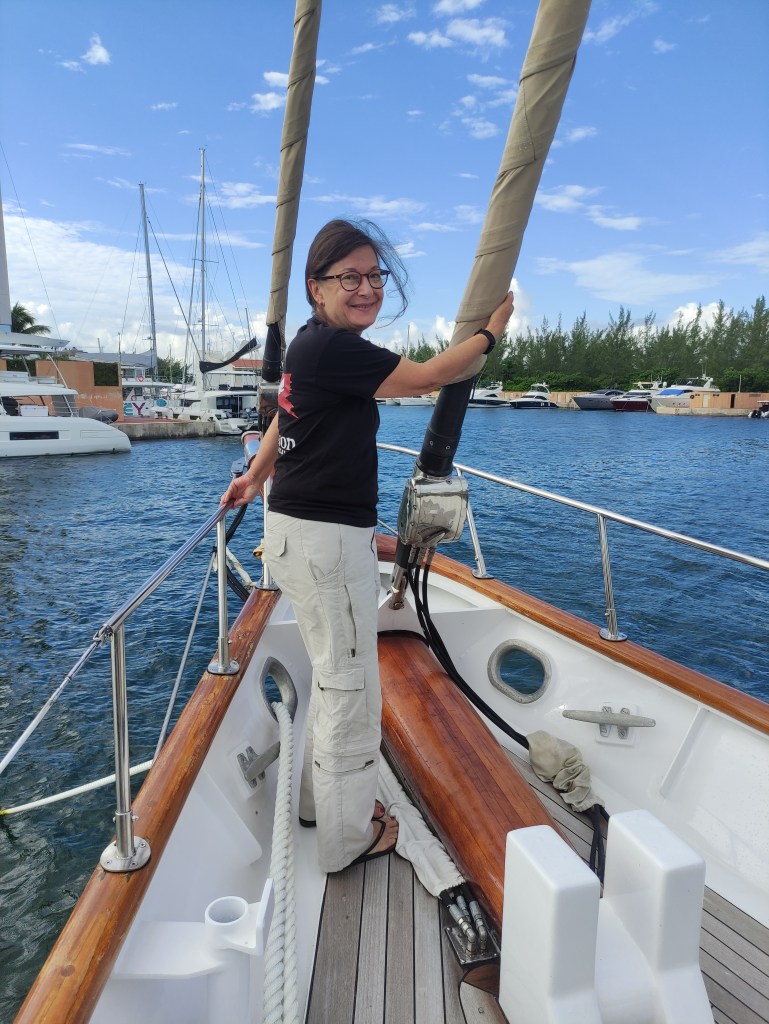
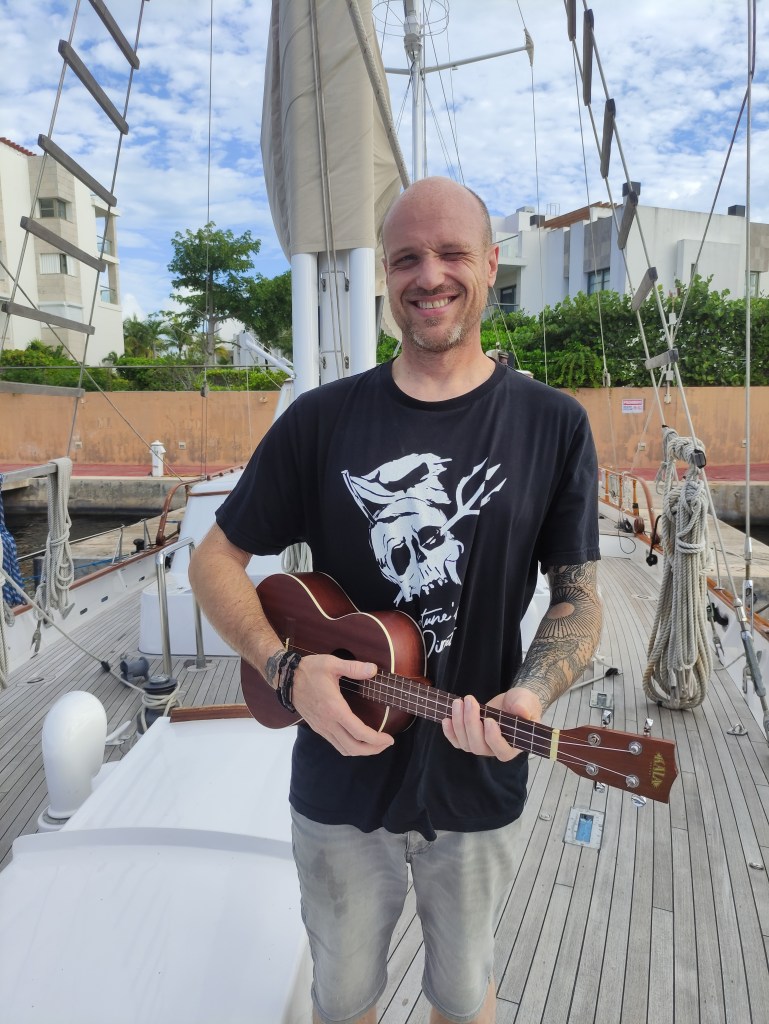
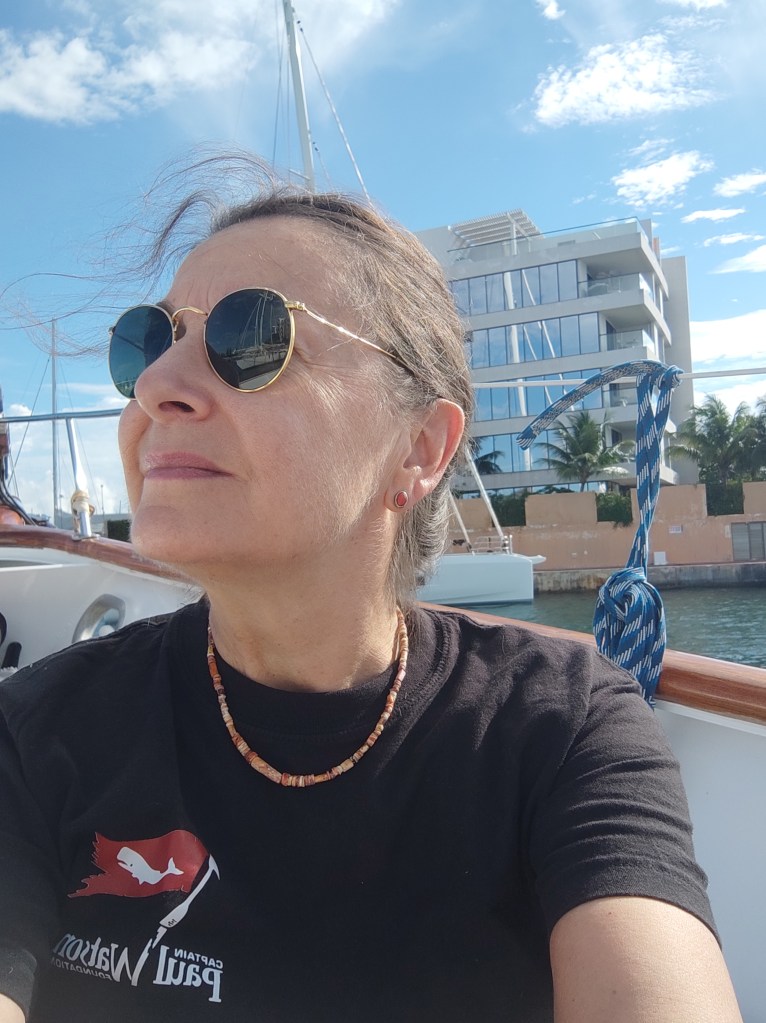

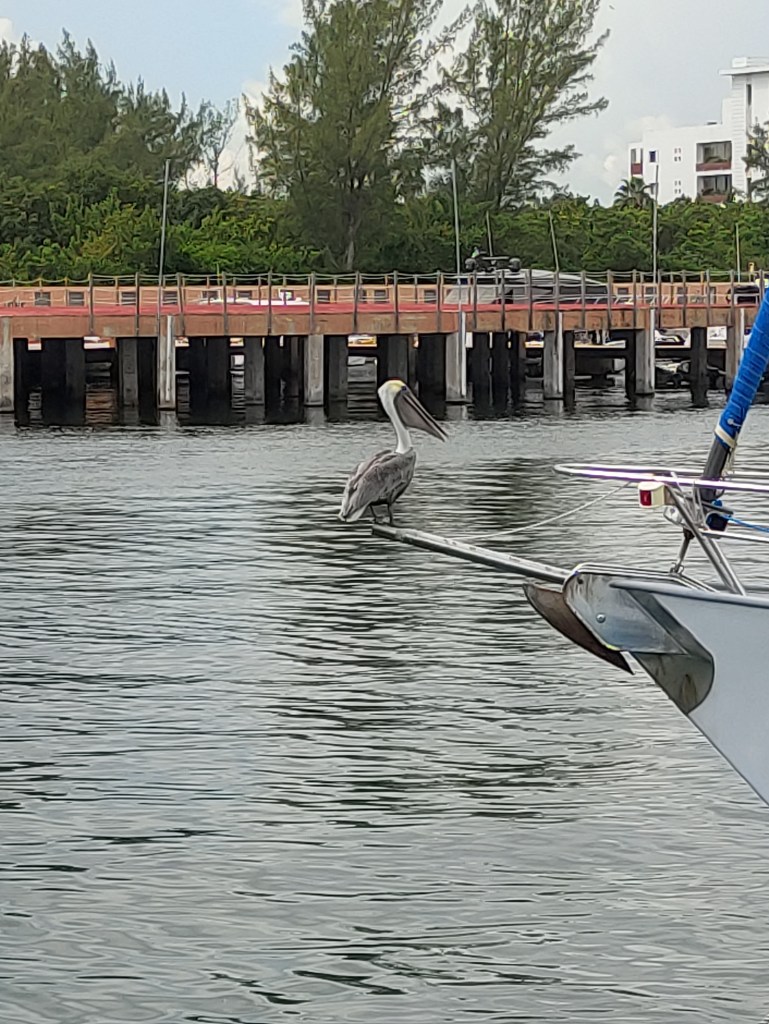
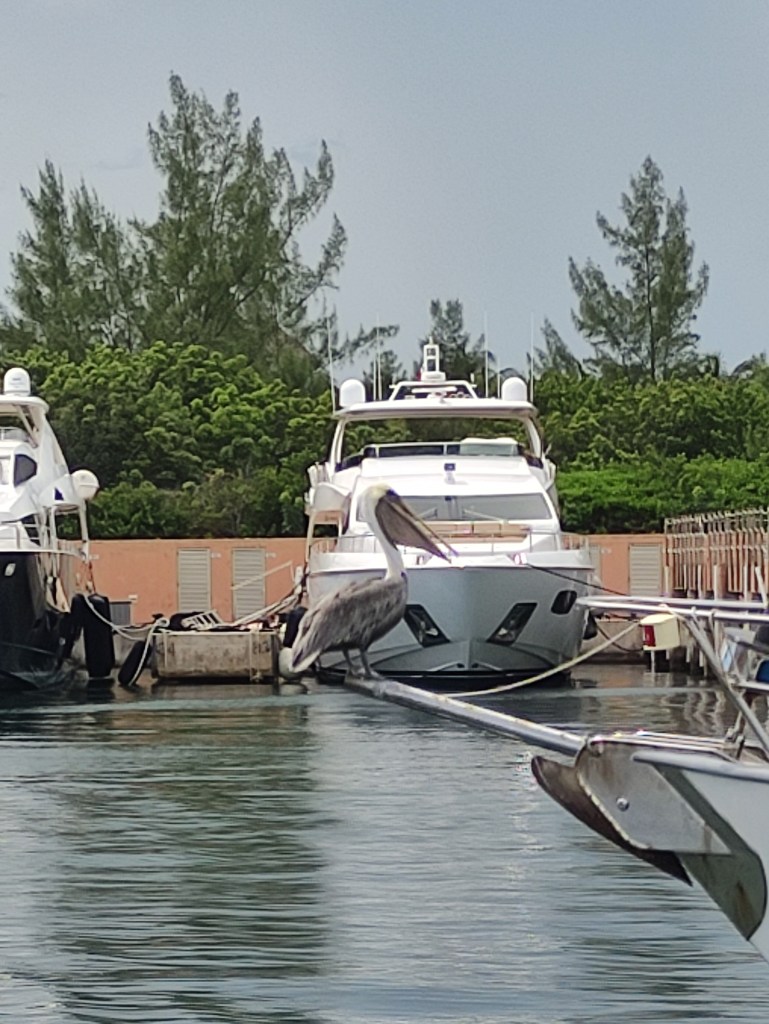
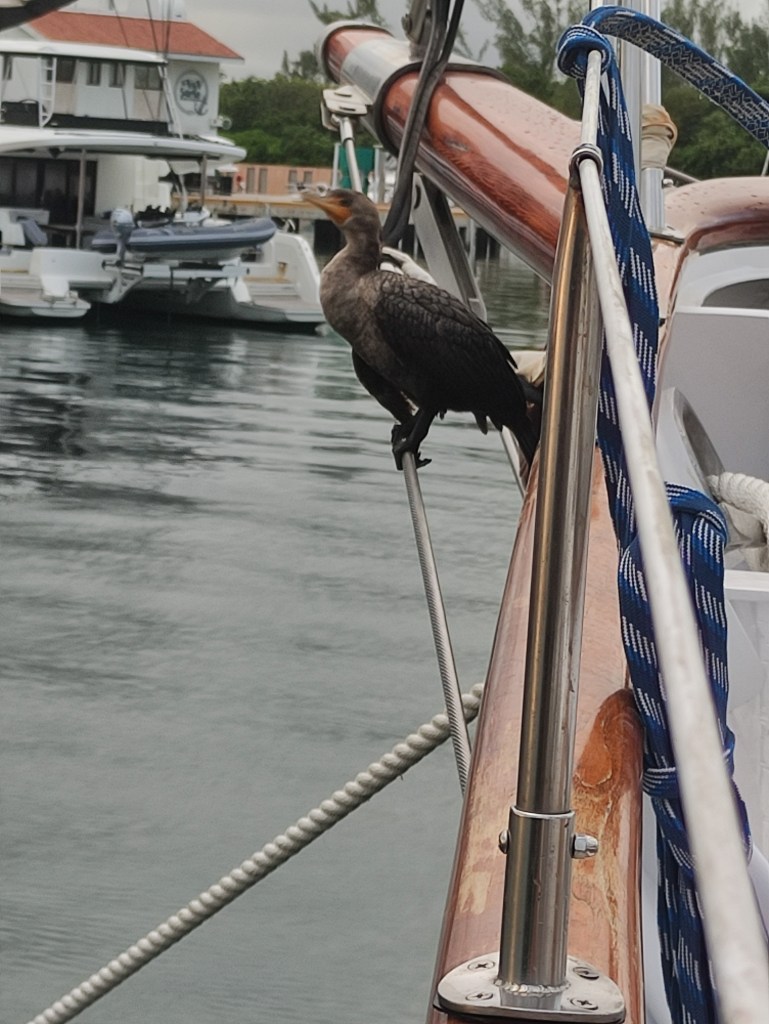
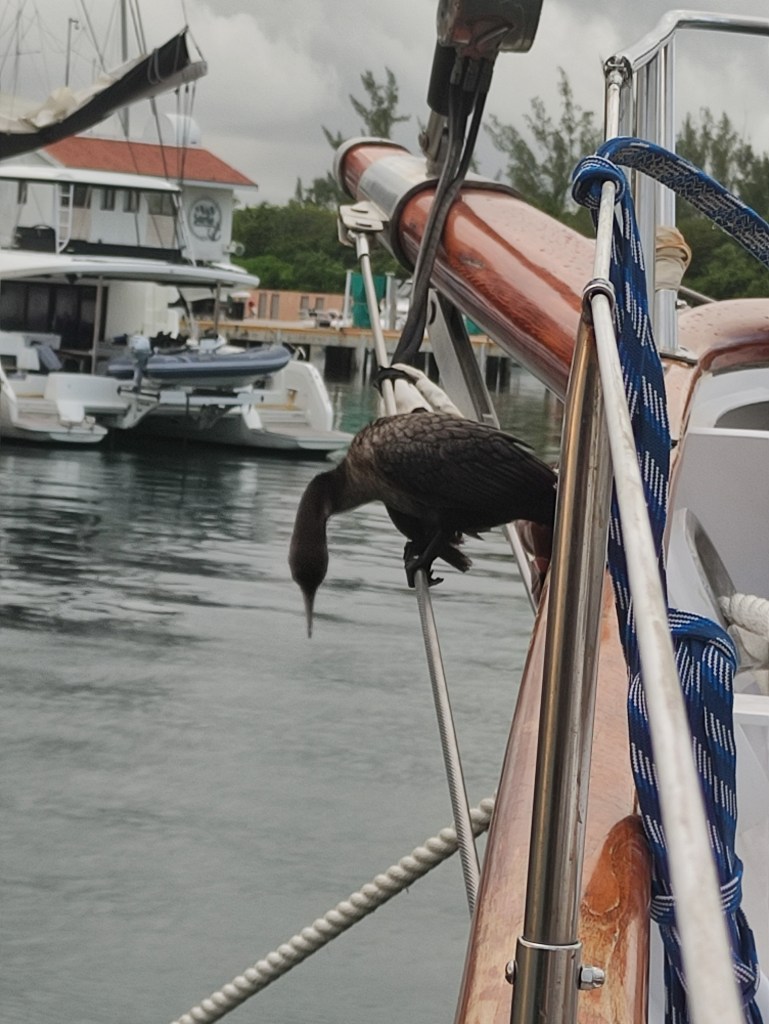
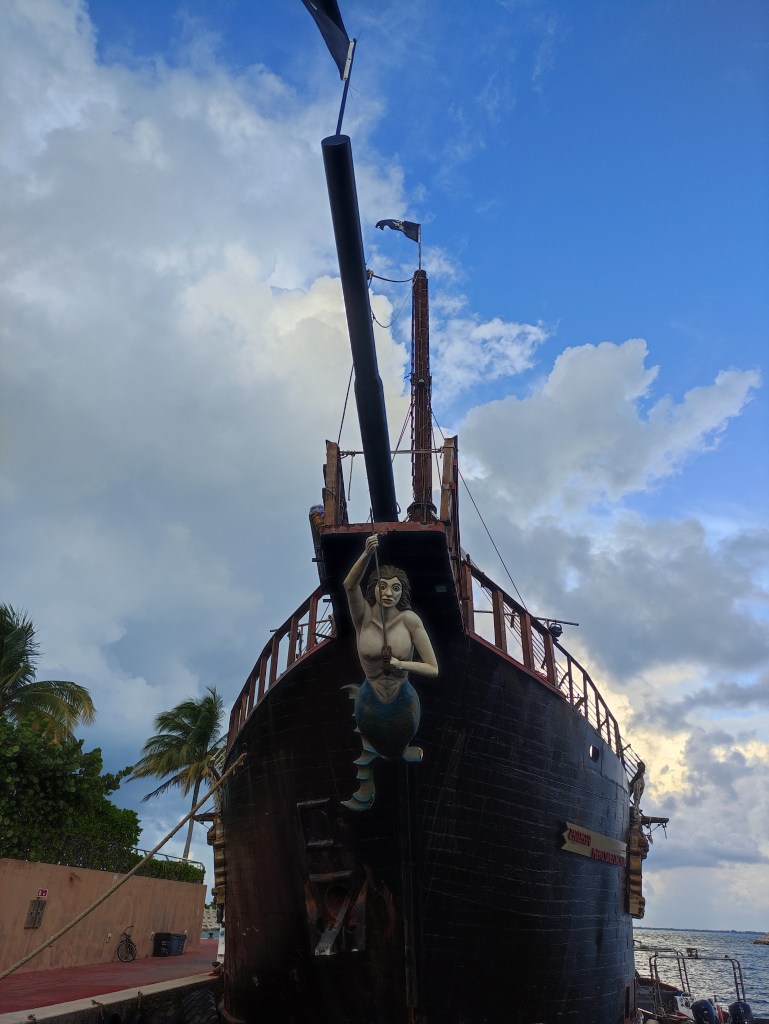


The Martin Sheen sailboat is really beautiful; I was quite impressed.
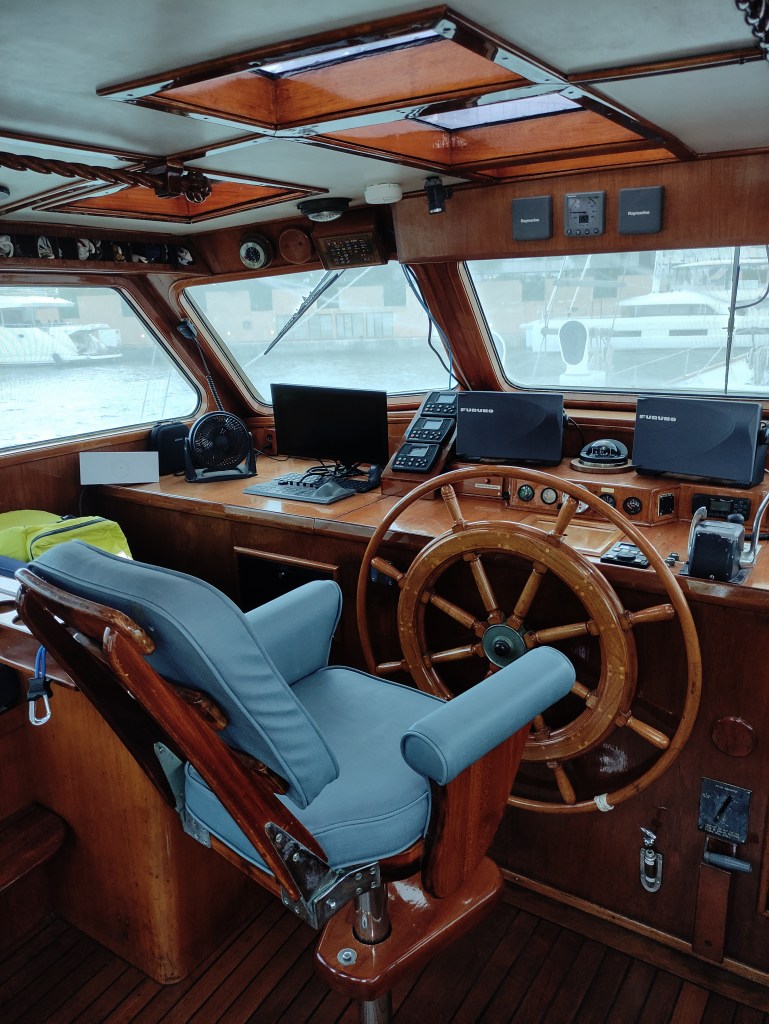
Below deck, I think it’s Brazilian teak wood, it was shiny and some details promptly caught my eye. The floor and walls were polished and in excellent condition, for its 48 years of age.
I was happy, with a delight that can’t be described in words. Such state of the mind you can’t explain it: you have to experience it for yourself.
For me, it was the second time I actively did something “in person” to help the CPWF foundation. I was more than happy!
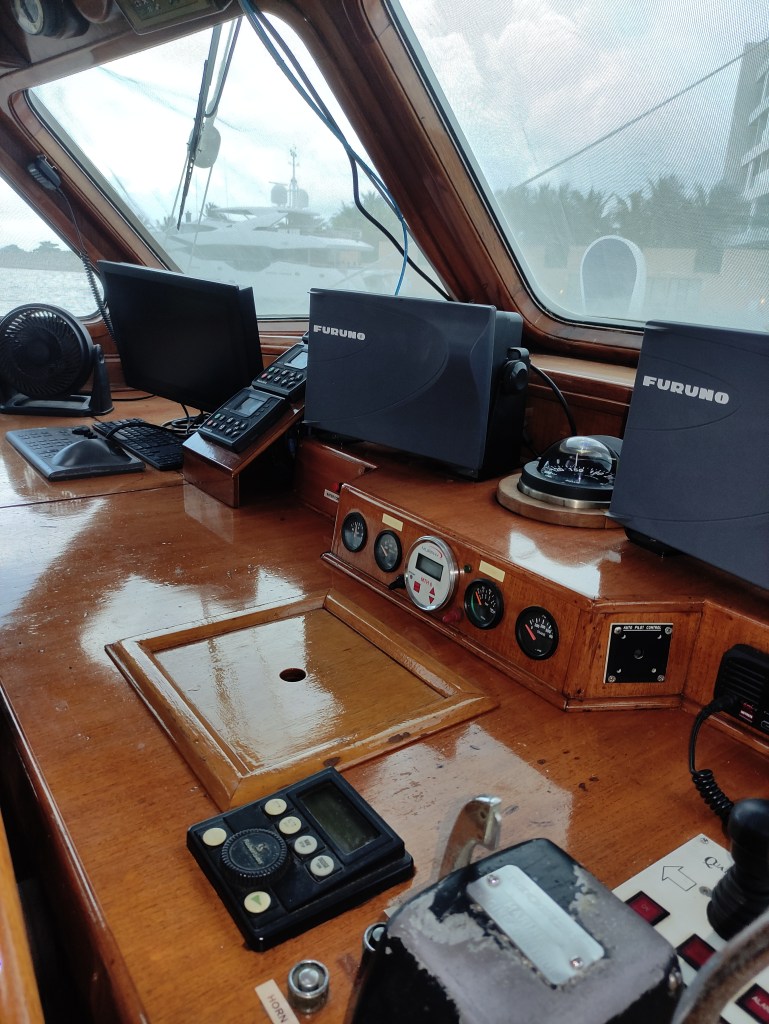

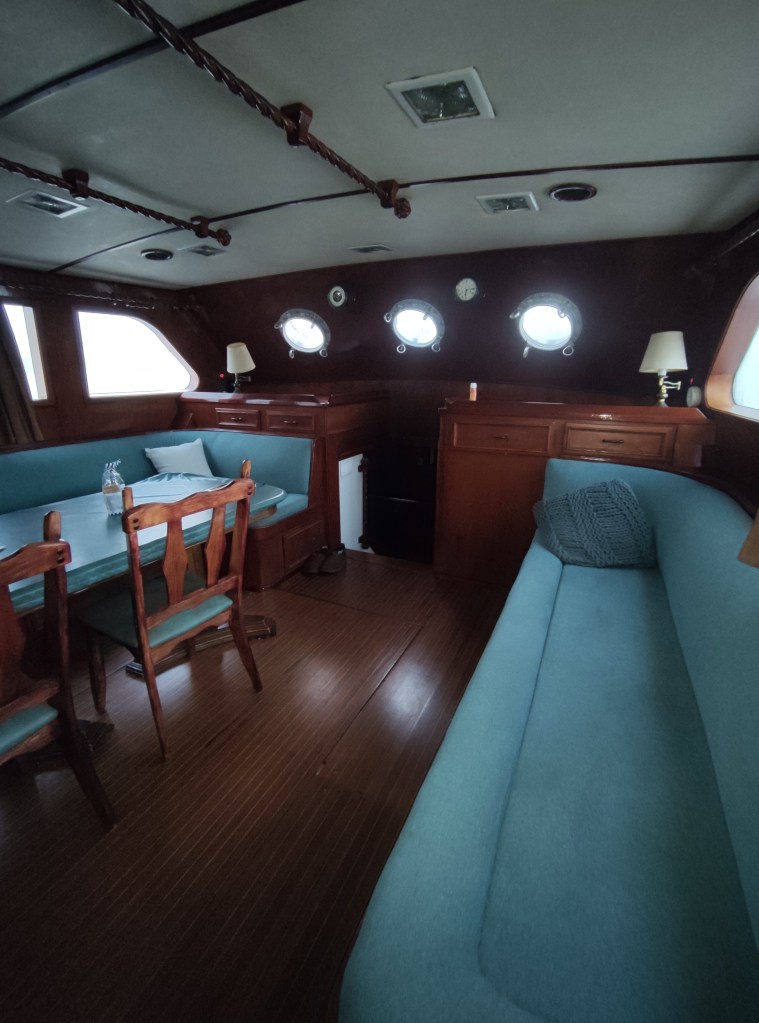

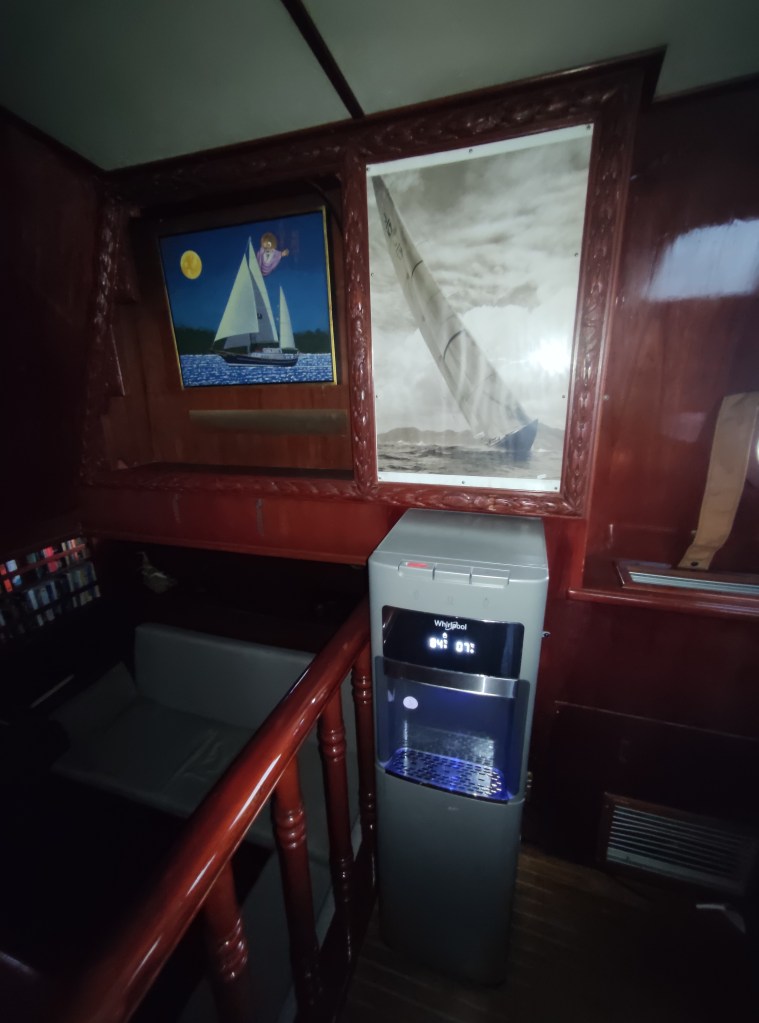
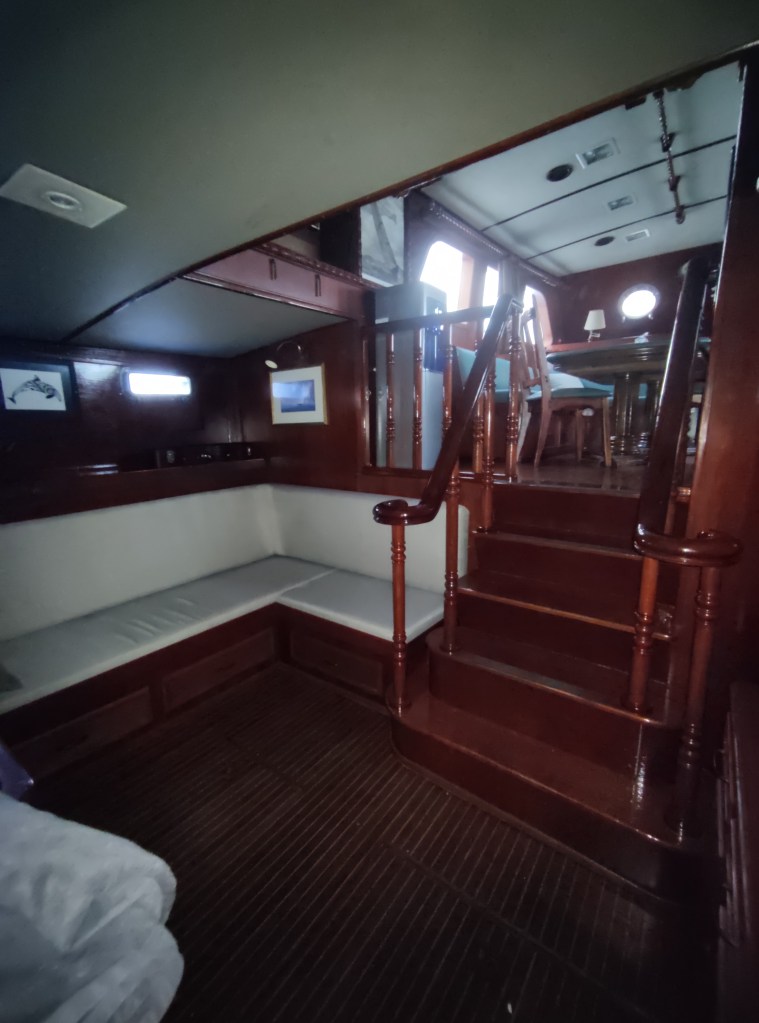

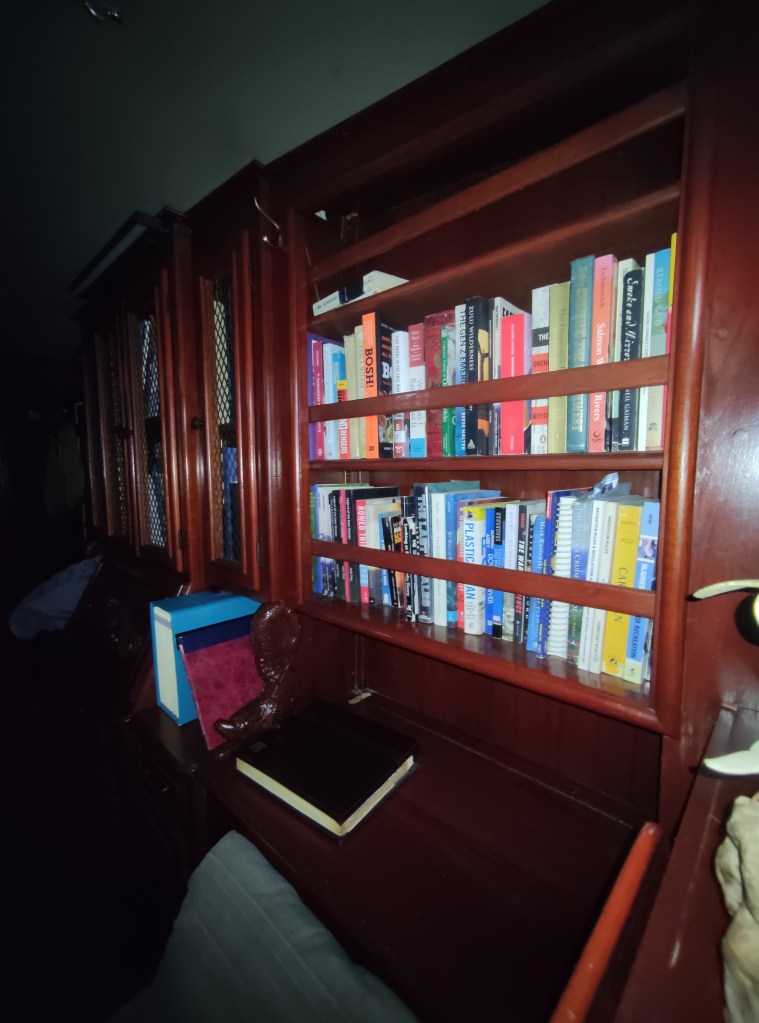
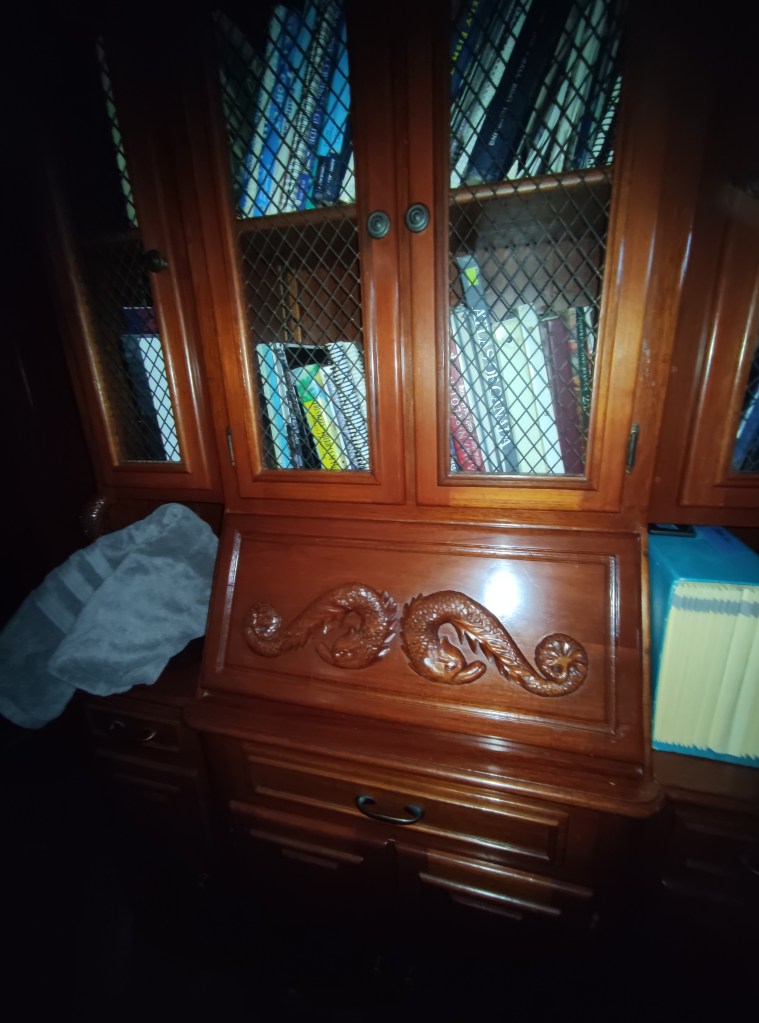
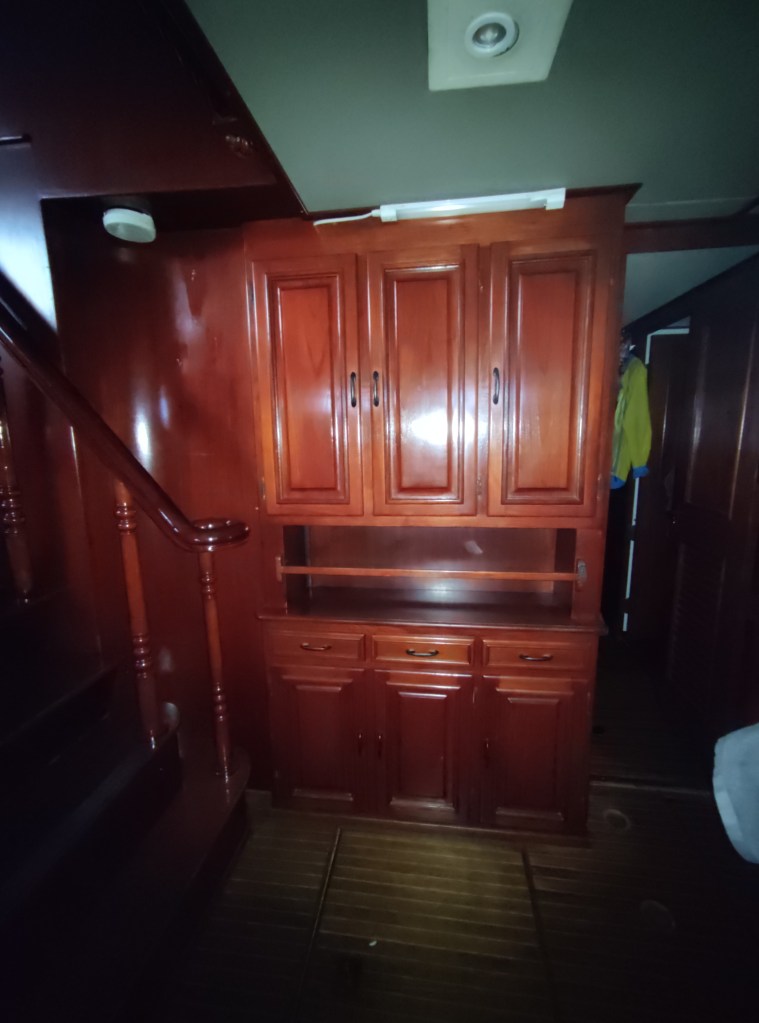
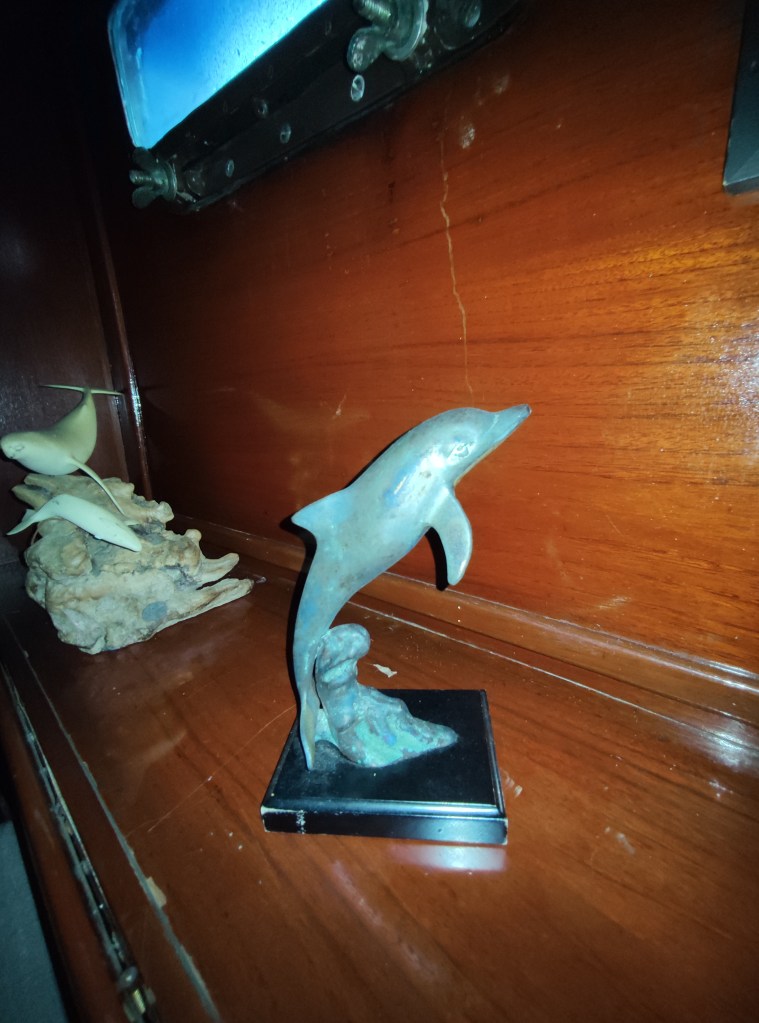
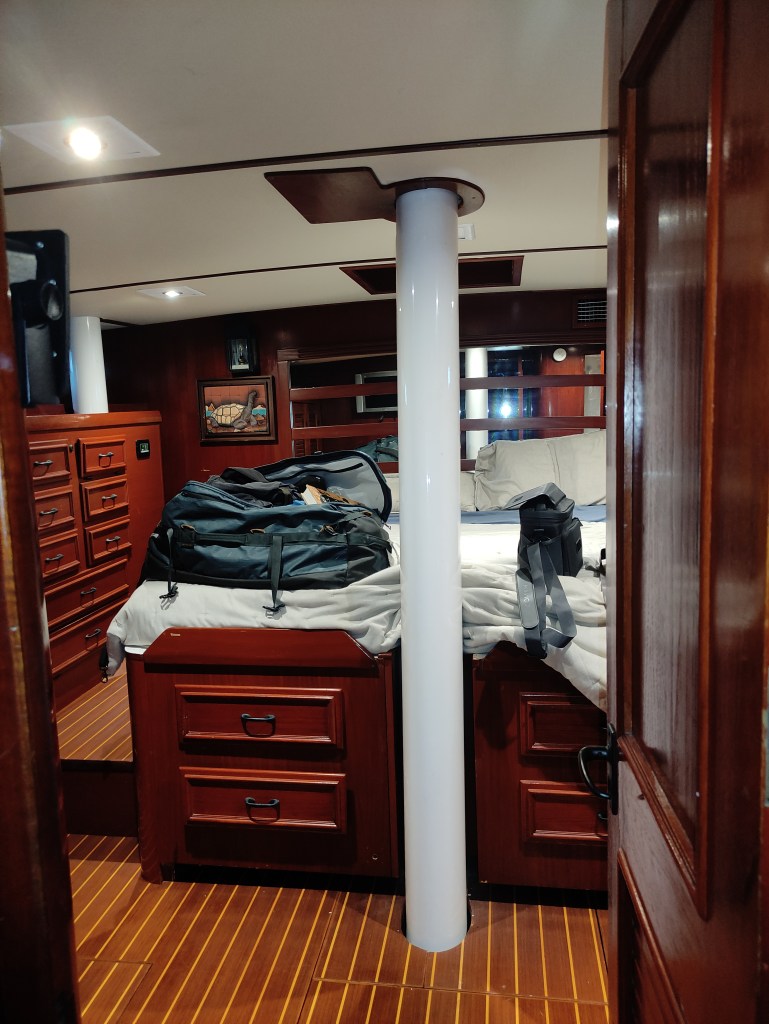
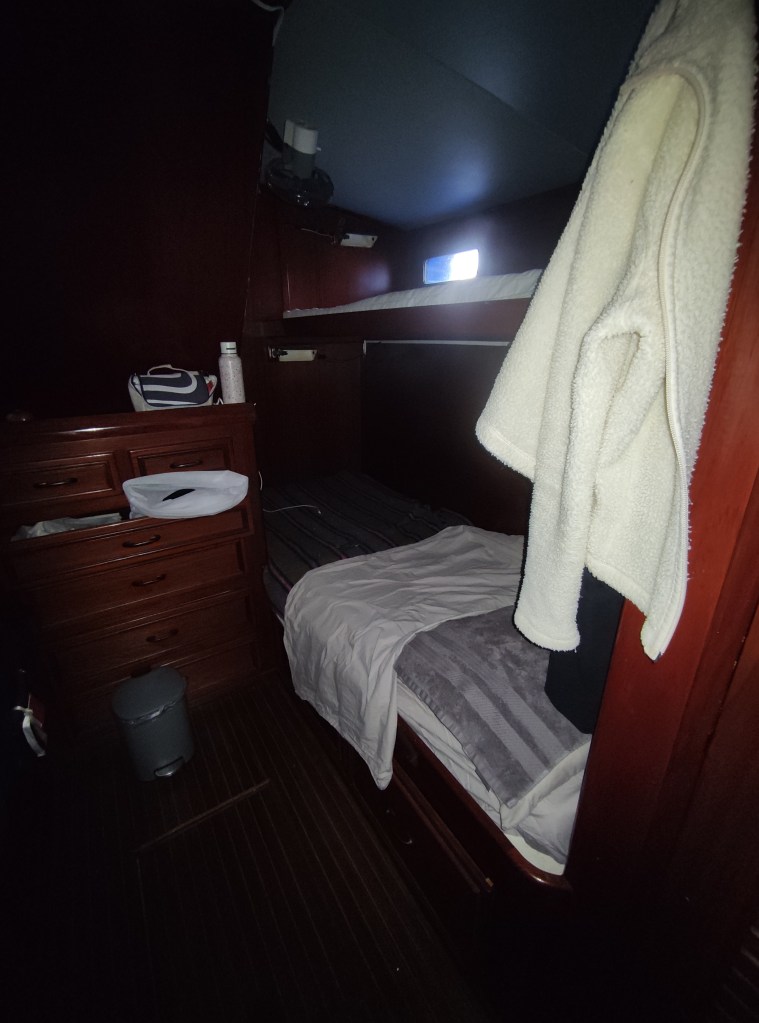
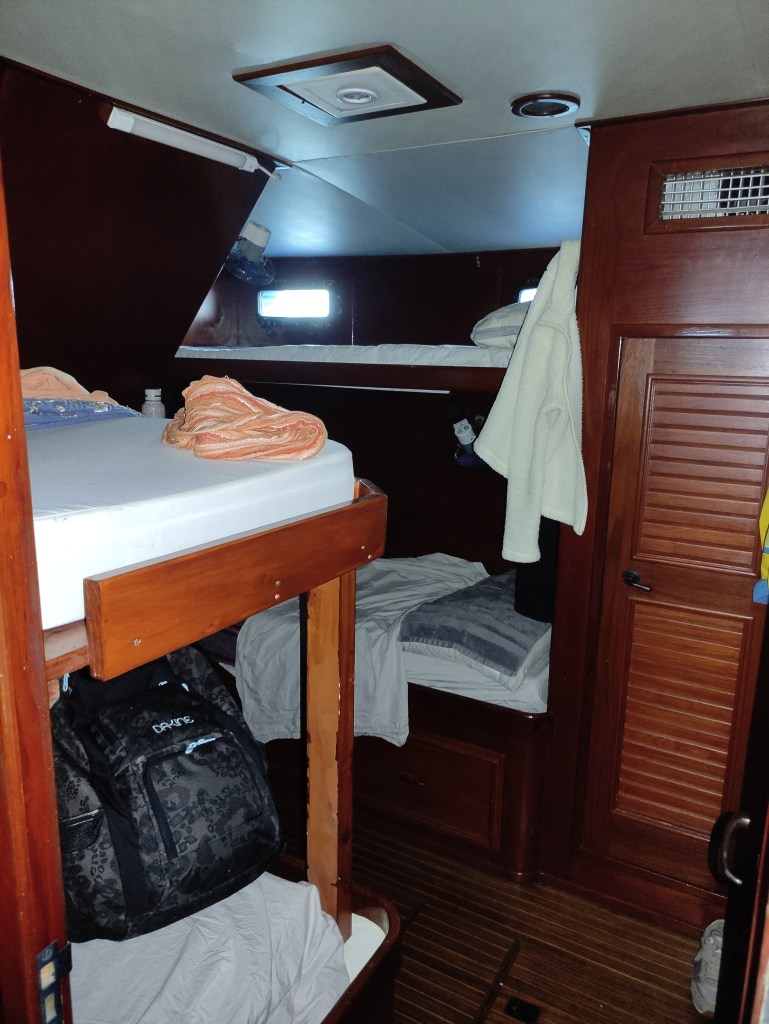
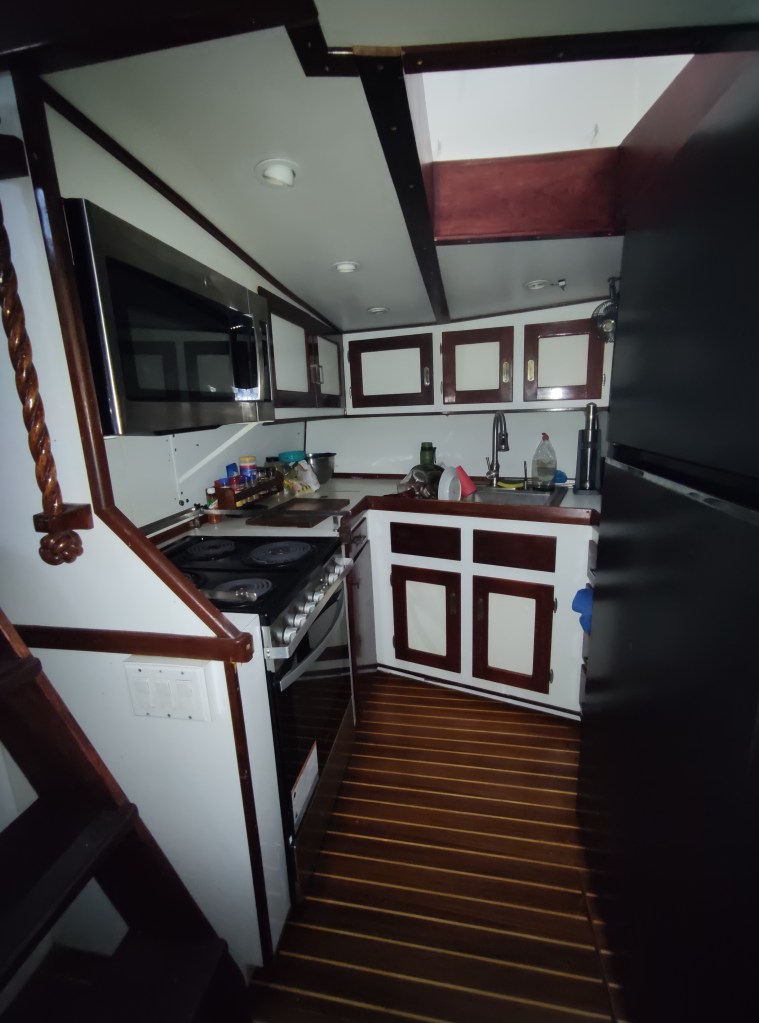
We spent the weekend preparing the cabin and the galley as best we could for a five-day crossing to Florida. I considered it essential and important to have sanitized spaces where I would be handling food. Every cupboard was cleaned, including the refrigerator and pots and pans. Only the oven wasn’t thoroughly cleaned as I did not have the specific products required. I then checked the expiry dates on each jar and bag, throwing away anything that was no longer edible.
Finally, I stored everything neatly, keeping in mind that nothing stays in place on a boat unless it’s nailed down!


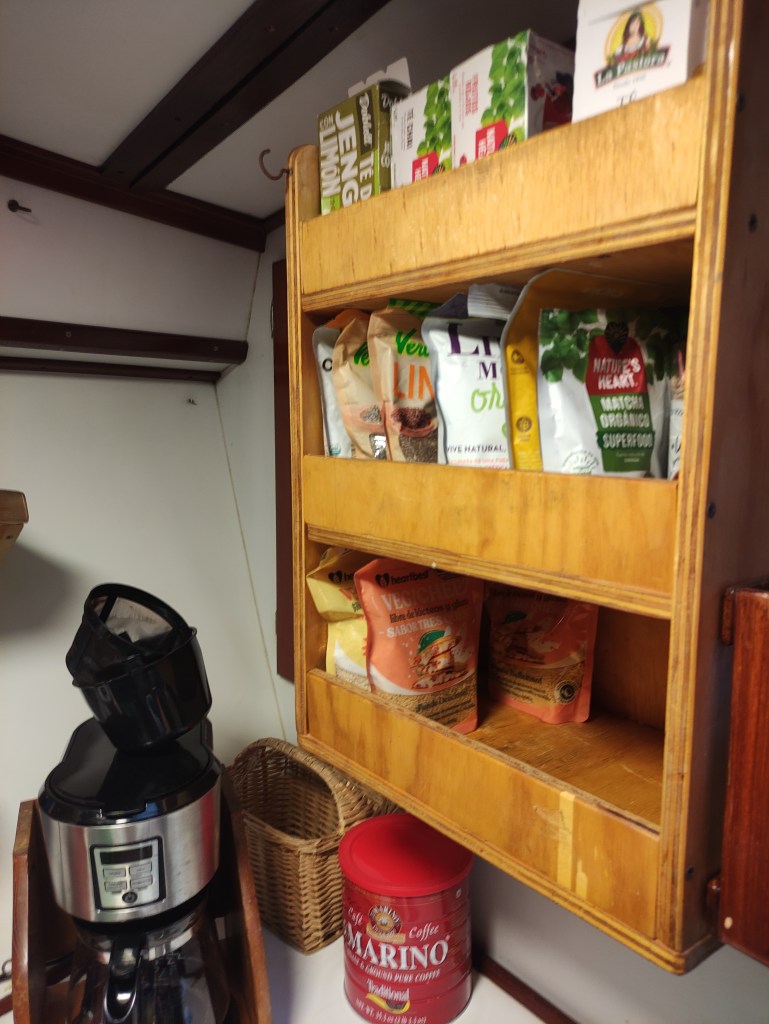


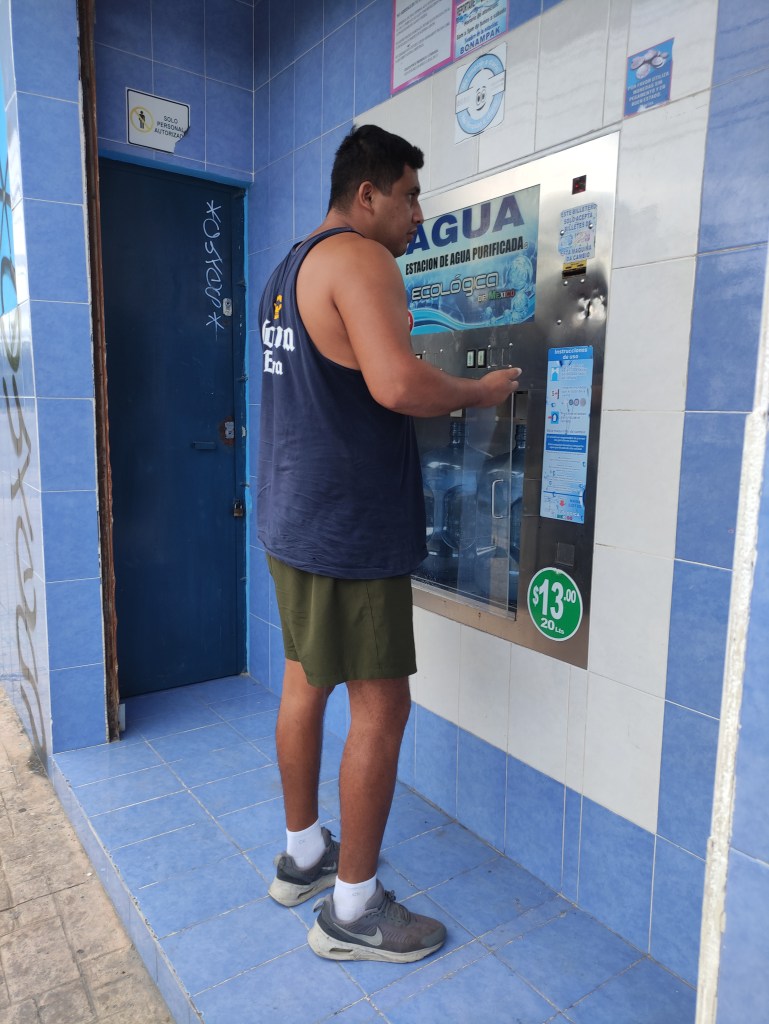
After much effort, on Monday we managed to obtain permission to buy fresh products and, the most important, potable water. Sergio, a friendly employee from SSCS accompanied me in a taxi the the huge shop in Cancun downtown.


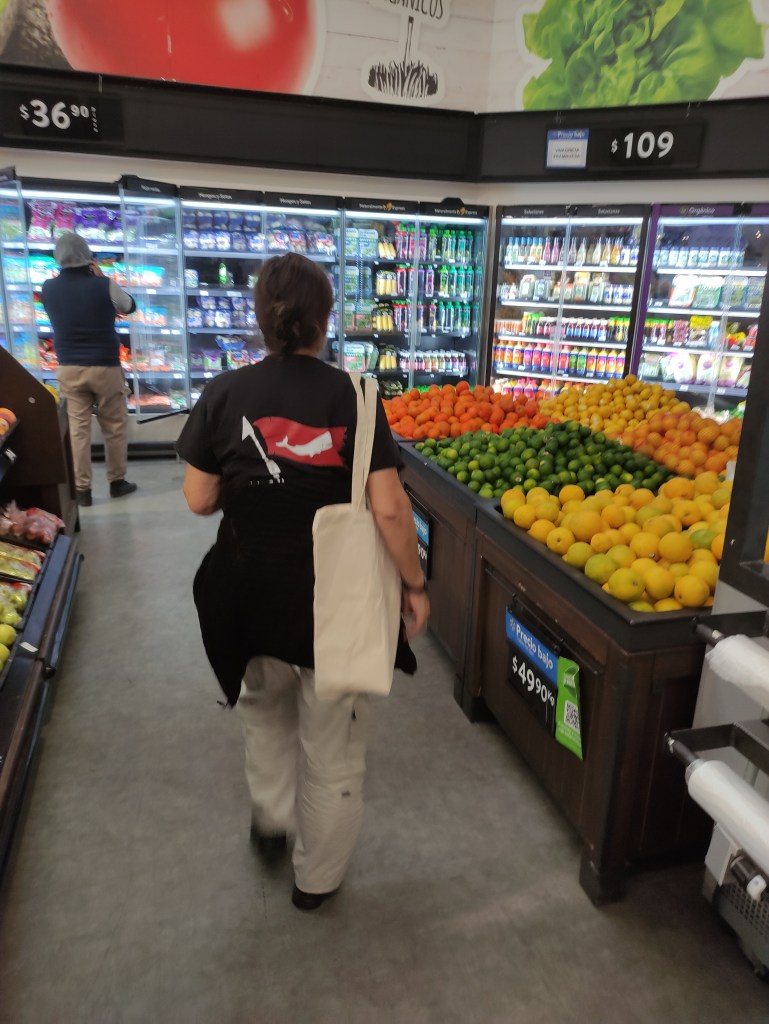

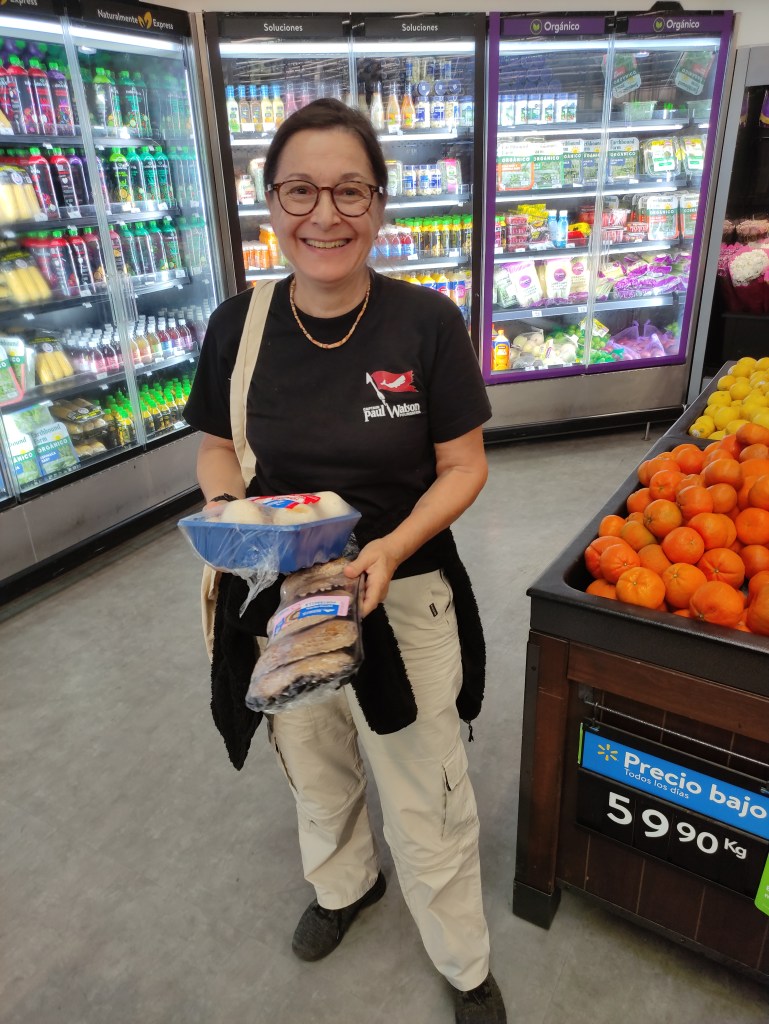

But, unfortunately, the weather situation badly worsened.
In the Caribbean Sea and Gulf of Mexico, the news were not good at all. A tropical cyclone was forecast, a category 5 hurricane with winds over 260 km/h. Its name is Melissa.
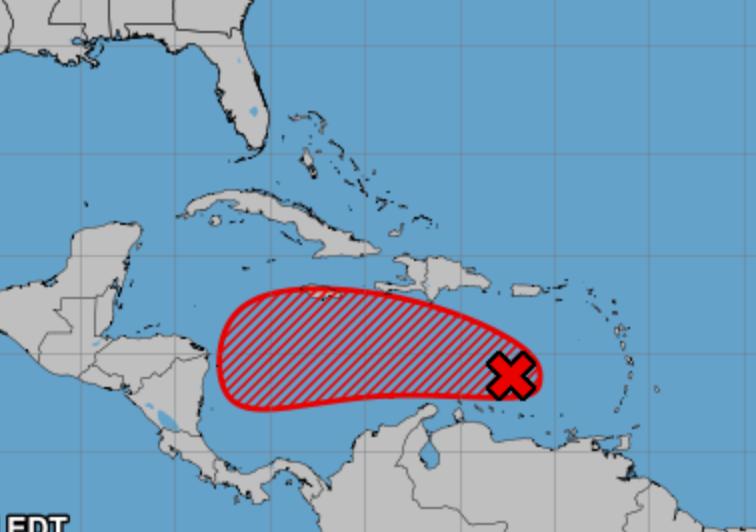
Evidently, both of us were increasingly fearful. The sky was now heavy with leaden clouds, repeatedly torn by lightning that makes the night even more worrying. The waves that had once lapped gently against the hull were now scratches from an angry sea that would soon become violent.
My coworker had contacted a couple of trusted captains with many years of experience, he wanted to make things safely. And the answer was blunt: both strongly advised against undertaking the journey until the weather conditions improved. After that, he asked for information the people in charge of organizing the trip to Florida, repeatedly suggested delaying the departure which was scheduled for the next day. All this happened Monday October 20th late evening, and still even the captain and his assistant didn’t arrived at the ship.
Then the SSCS staffer (in the U.S.) stopped answering our calls. We were offered from CPWF the choice of flying to Florida and then taking over the boat… but somehow this was the last straw. A strange feeling in the pit of the stomach, a primal premonition, told us not to take any chances.
Reluctantly we threw in the towel. We both thought about the unpredictable risks and decided to return to our respective homes.
Luckily, I found a flight to Frankfurt Germany and from there I continued with another flight to Zurich. Than I took the train for another 3 hours.
It had been a three days layover on the boat in Cancun. Sixty hours of total travel time on planes from and back to Europe unable to get some sleep. I was exhausted. But most of all, very sad and deeply disappointed because it was a case of inadequate communication from S.S. and inability to set priorities that put safety first.
What had gone wrong? It would have been enough to postpone the departure. Only by a couple of days or in the worst-case scenario, a week.
I did everything I could. I tried with all my heart and a great wish to be of help. Still, there are limits, and I do not cross those limits.
Some details about the R/V Martin Sheen
Launched: 2014
Gross Tonnage: 39
Length: 78 ft – 24 meters
Beam: 20 ft
Draft: 8ft
Max Occupancy: 10
Surveillance & Monitoring
- Supports law enforcement agencies and conservation partners with on-the-water intelligence. Integrated withTimeZero navigation software for advanced mapping, tracking, and real-time situational awareness, admissible as evidence in courts of law.
- Deck capable of launching medium range drones, increasing the operational footprint to 10 miles.
Scientific & Expedition Work
- Hosts research missions on marine pollution, whale behavior, and habitat destruction. Compact, maneuverable, and designed for long-term operations with minimal environmental impact.
- Ideal for accessing remote marine habitats and protected areas.
The R/V Martin Sheen is equipped with advanced technology to support its research missions, including:
Scientific Instruments: The vessel carries tools for collecting water samples, monitoring pollutants, and studying marine life. These instruments help scientists gather critical data during their voyages.
Onboard Labs: Laboratory facilities allow researchers to conduct real-time analyses while at sea. This capability enhances the accuracy and impact of their findings.
Sailing Rig: As a sailing vessel, the Martin Sheen uses wind power, reducing its environmental footprint. This eco-friendly design aligns with Sea Shepherd’s mission to protect marine ecosystems.
The Martin Sheen’s research missions have played a vital role in:
Raising Awareness: By bringing attention to plastic pollution, industrial fishing, and the impacts of aquaculture, the Martin Sheen’s voyages have sparked global conversations about ocean conservation.
Influencing Policy: The scientific data collected on board helps shape policies that protect marine ecosystems and endangered species.
Promoting Sustainable Practices: By highlighting the need for sustainable ocean management, the Martin Sheen supports efforts to preserve marine biodiversity for future generations.
 Claudine Giovannoni