
Since my first trip to Japan, I have felt a strange connection. It was the ’80s and ’90s: Swissair’s flights to the Land of the Rising Sun allowed us to stay on the island for five days. From Tokyo, we explored the north, and some tima later, with the service to Osaka, we also explore the southern part of Japan. I had thought about going back there different times. I even had started planning a trip but then, partly because of Japan’s policy on fishing/whaling, I boycotted the idea. As luck would have it, my friend Nadia asked me to go with her there. I didn’t think twice about accepting the lovely opportunity.
Over the past ten years, I have started Japanese language courses a couple of times… Shortly I gave up on the idea because I couldn’t practice the language effectively. I must try again, sometimes in he future.
Edo, the ancient Tokyo of the 1600s, was a fishing village. It was built around the ruins of a castle. This is where the Imperial Palace stands today.
Today, Tokyo is considered the largest city in the world with 37 million inhabitants. It is a fascinating yet chaotic metropolis.
The city has changed significantly in thirty years. I can see this when I compare the photos I took at the time with my old Canon.
Friday July 11th
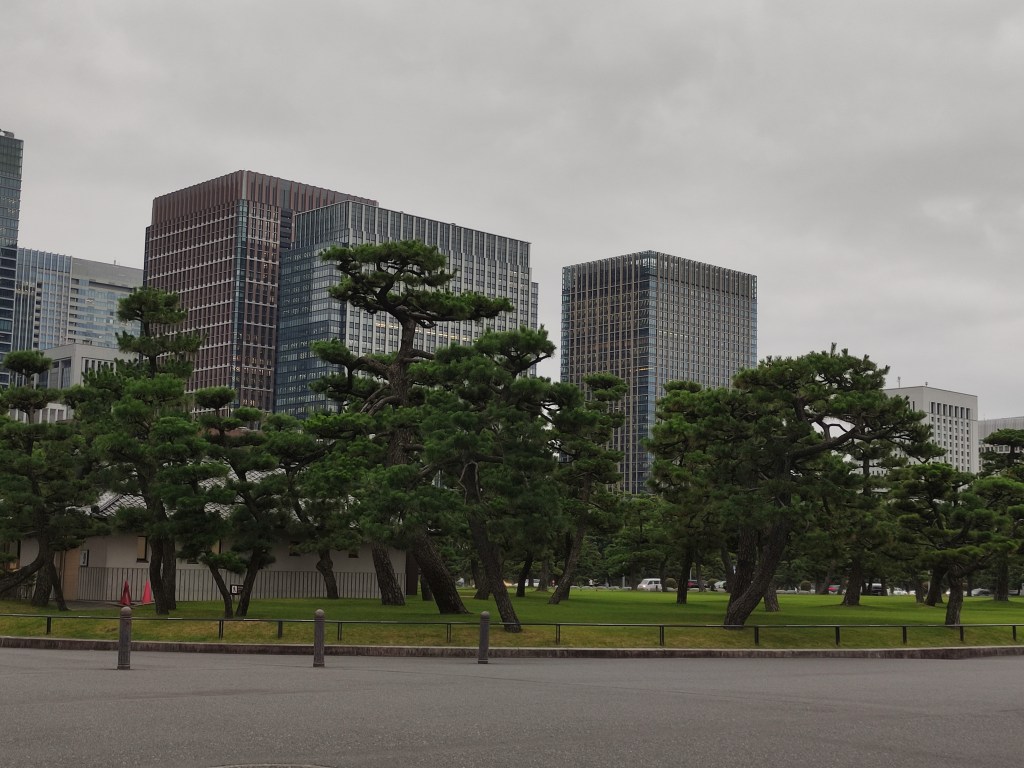
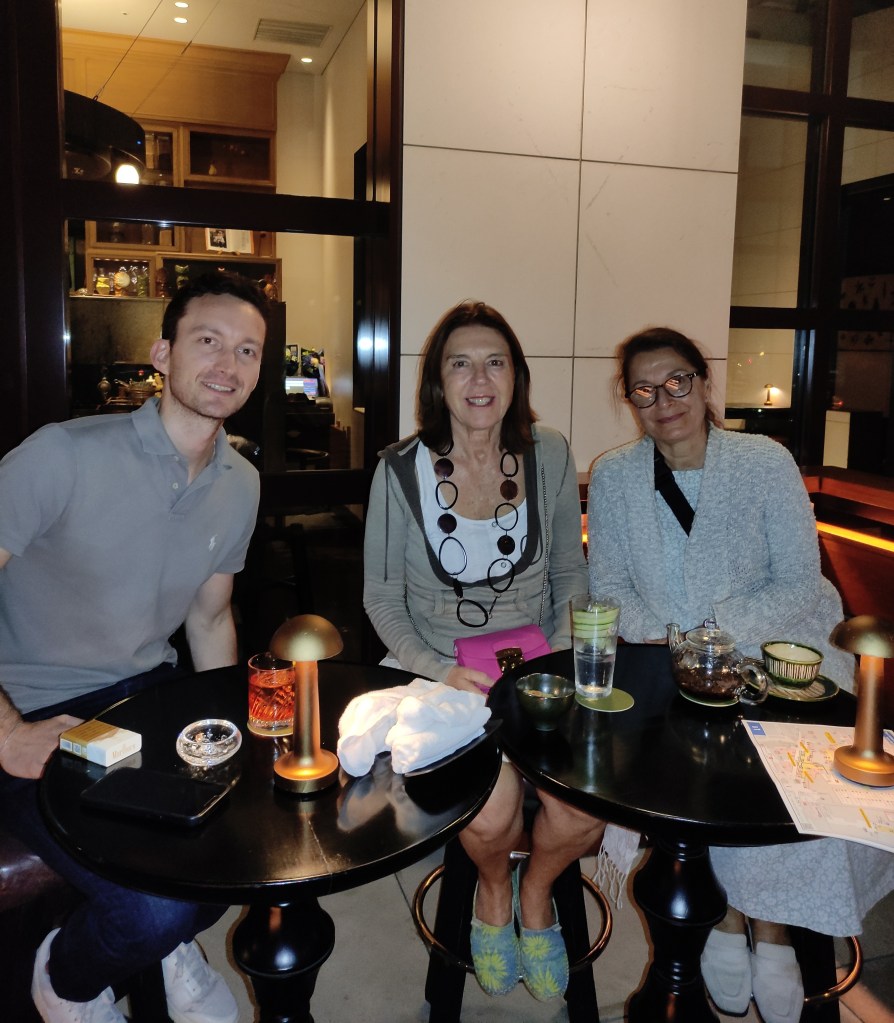
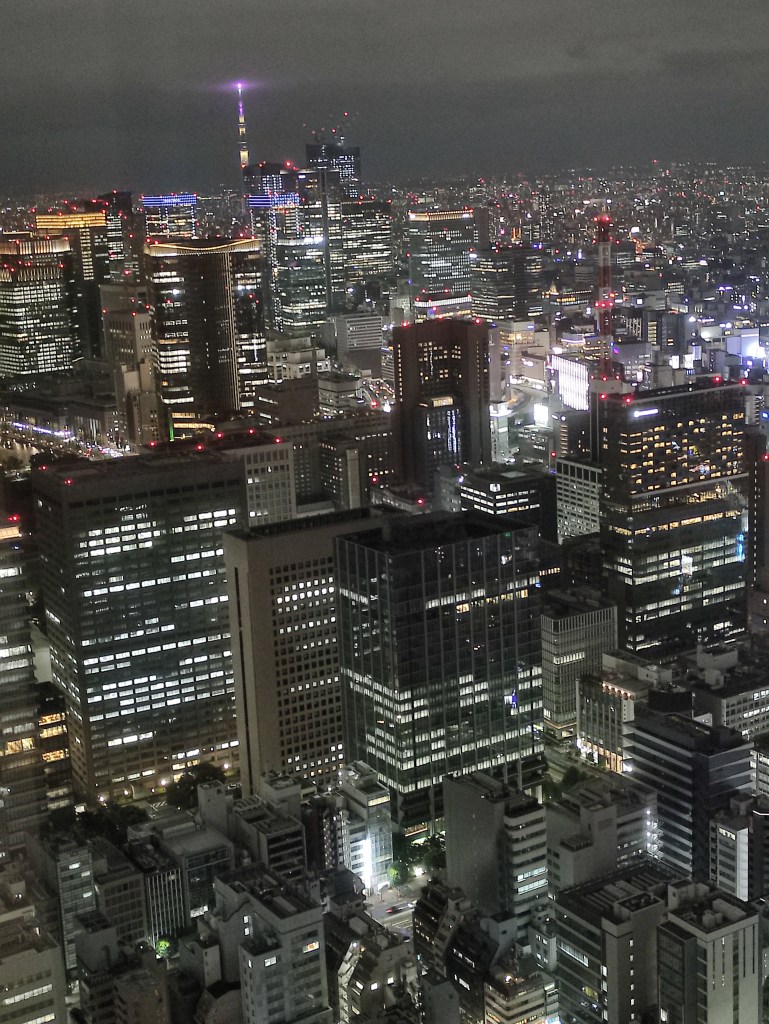
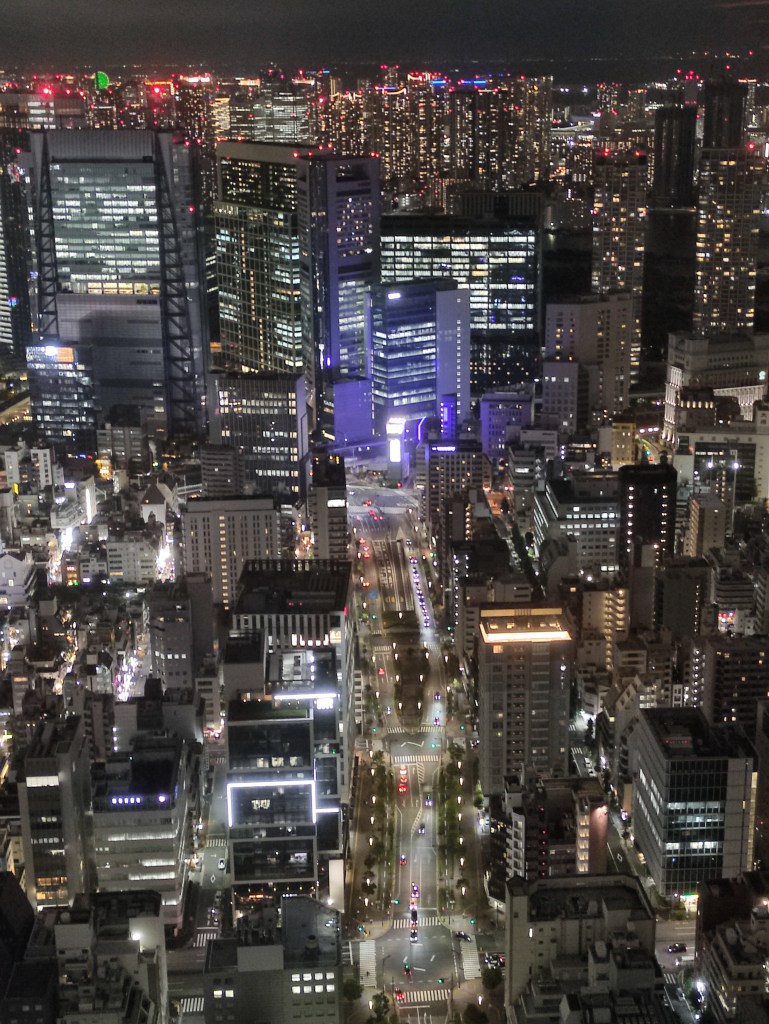
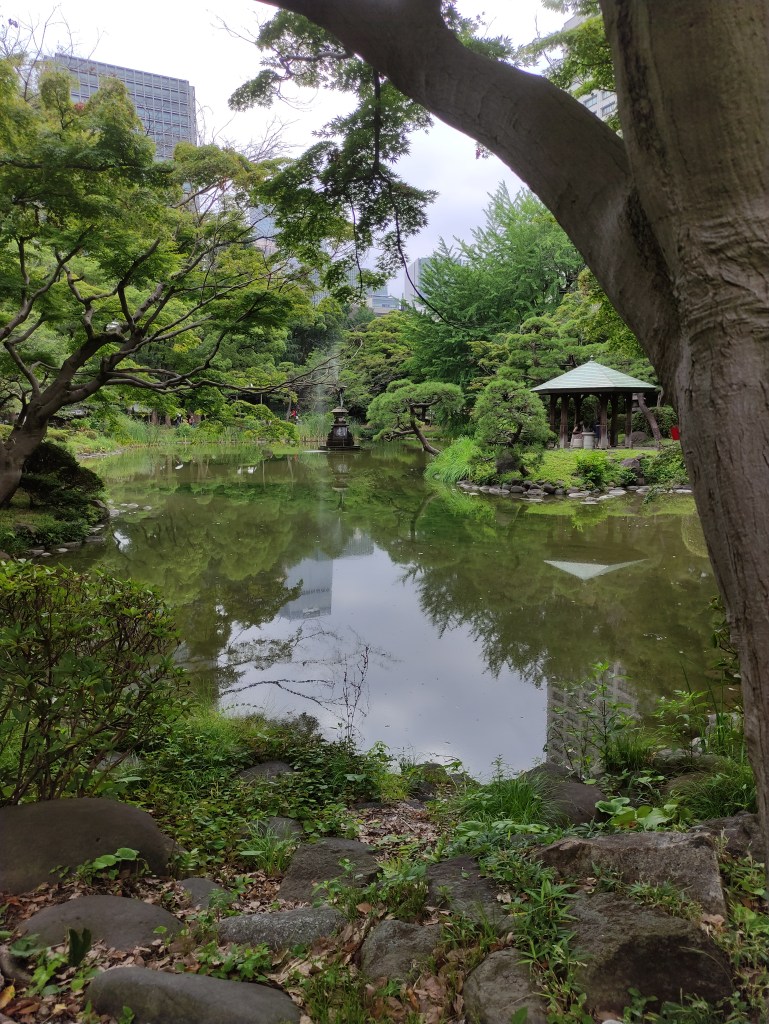
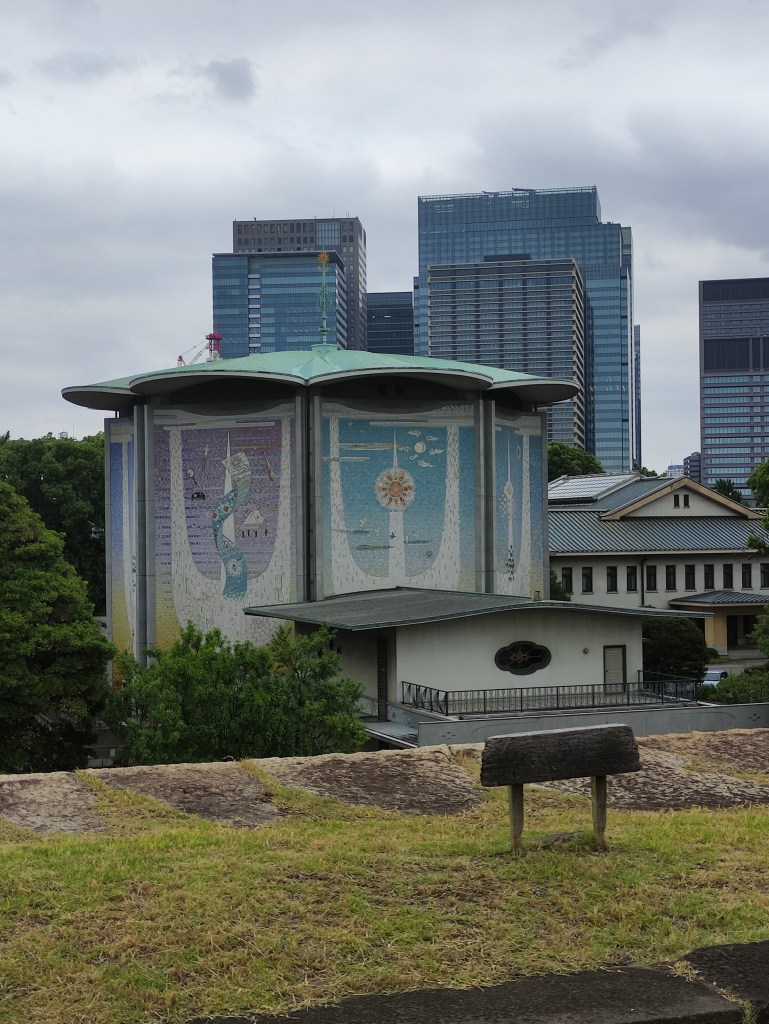
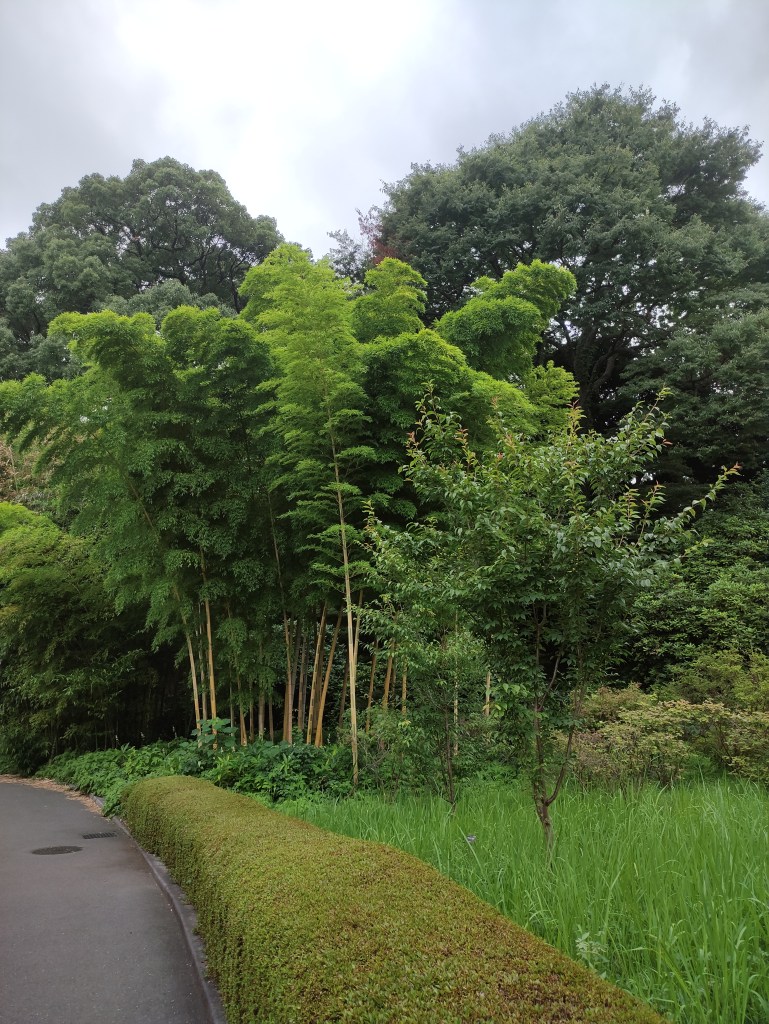
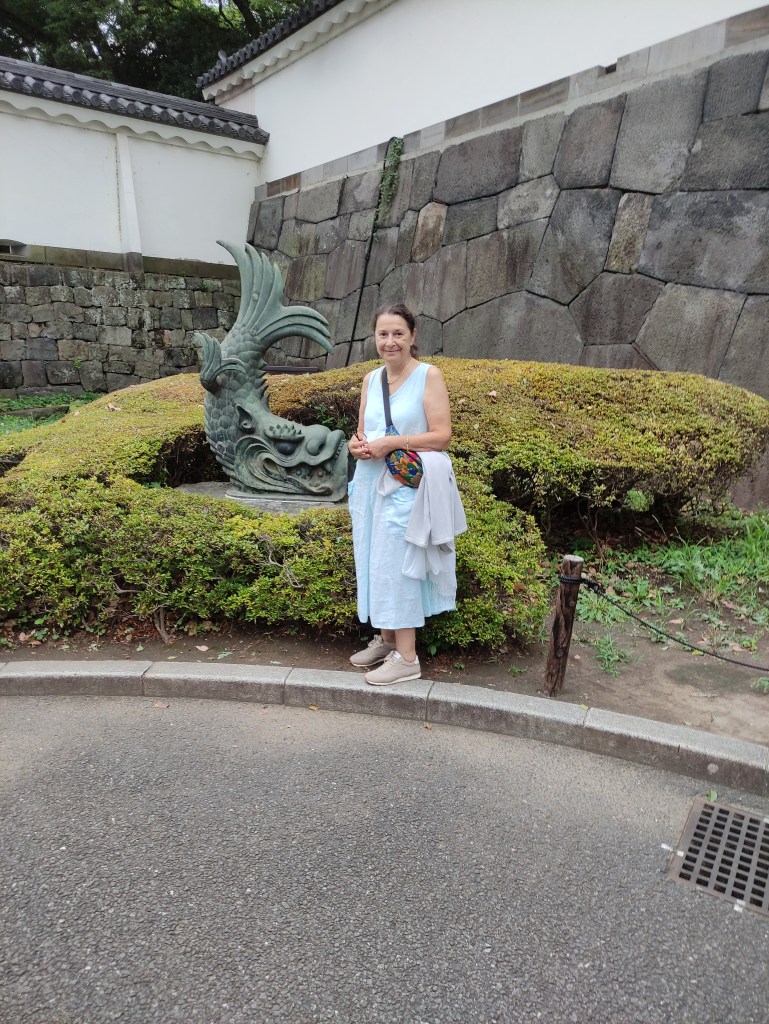
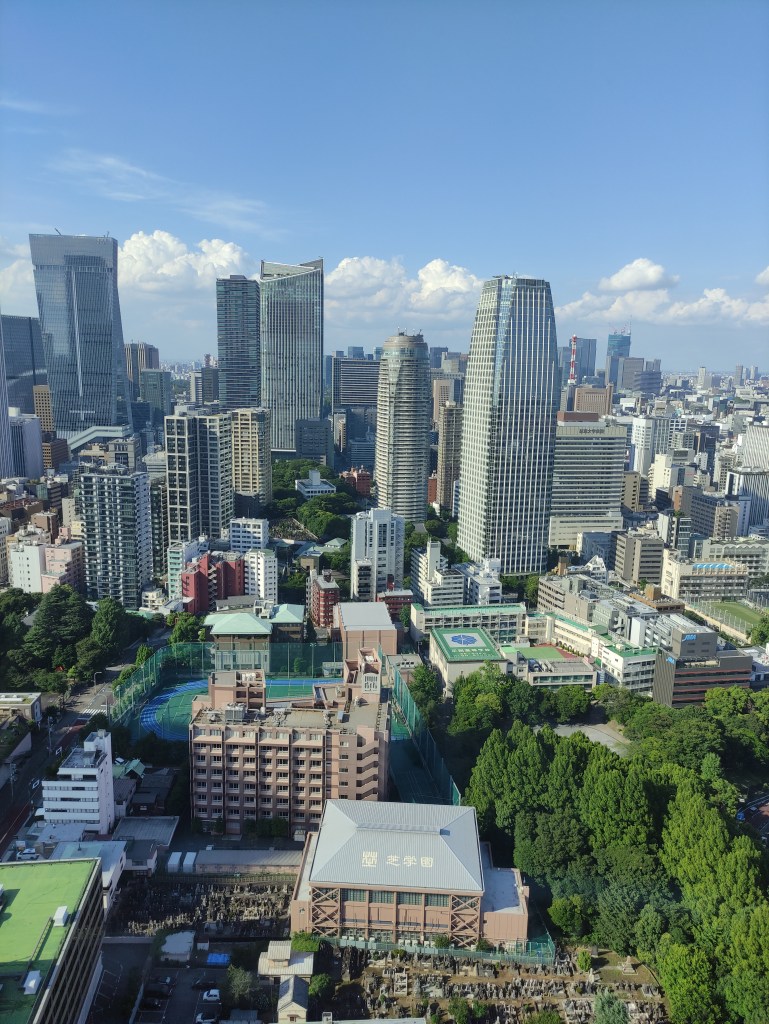
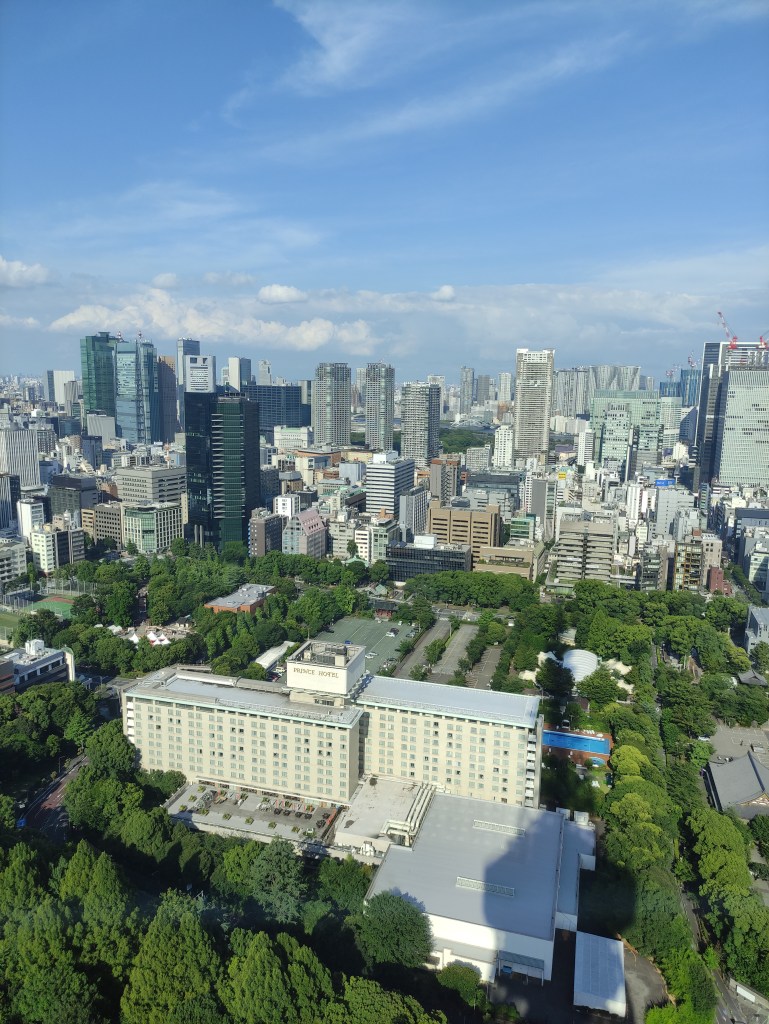
Unfortunately, four days are not enough to visit even a single neighborhood. Kokyo, or the Imperial Palace, was closed to the public. The Oriental Gardens, despite being in the middle of summer, did not have many flowering plants. On the first evening, Nadia and I met with Paolo Lunardi, director of Switzerland Tourism for Japan. The very friendly representative of our small country, gave us useful advice’s on how to get around. ´We had dinner in a typical restaurant and after he took us to the Rooftop Bar Andaz – Minato-ku. There, we enjoyed a splendid view of the city from the 52nd floor.





Saturday July 12th
We booked four nights at the Hotel Villa Fontaine Tokyo-Hatchobori, not far from the central station.
It is well known that most rooms in Japanese hotels are small. This is true even for 3- or 4-star ones, which are between 9 and 10 square meters. So you have to adapt.
We were a little dazed by jet lag and the time difference. On Saturday, July 12, we began our visit to the city. It was not easy, considering the enormity of Tokyo Station. We managed to request SUICA prepaid cards to access the subway and trains.
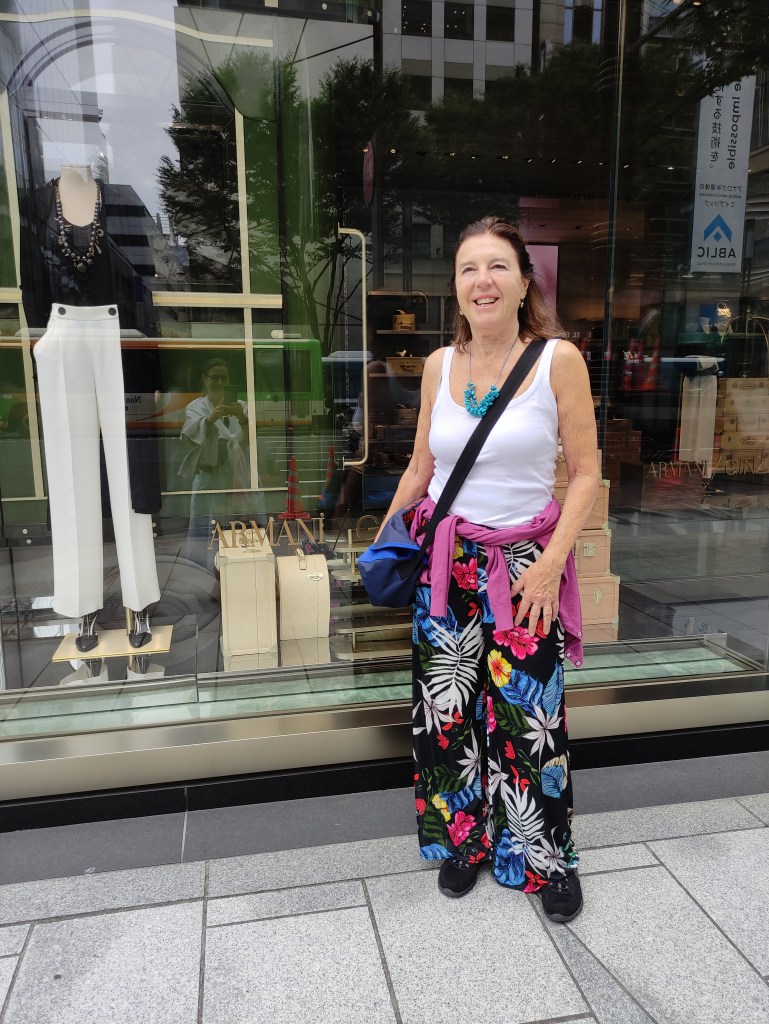
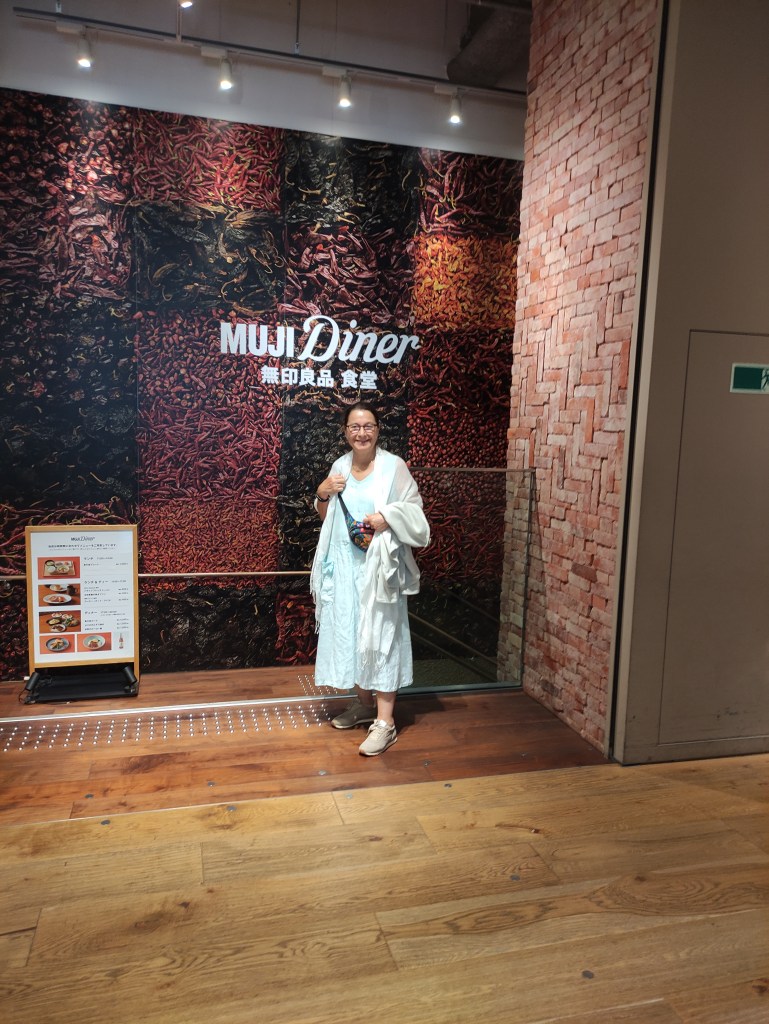
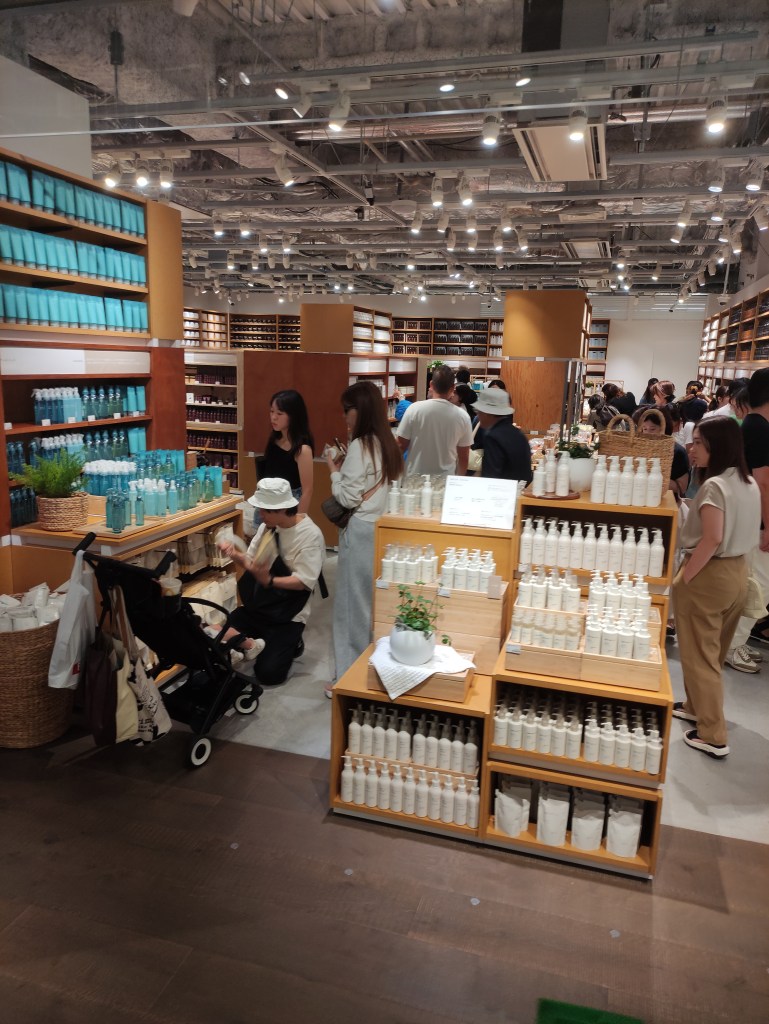
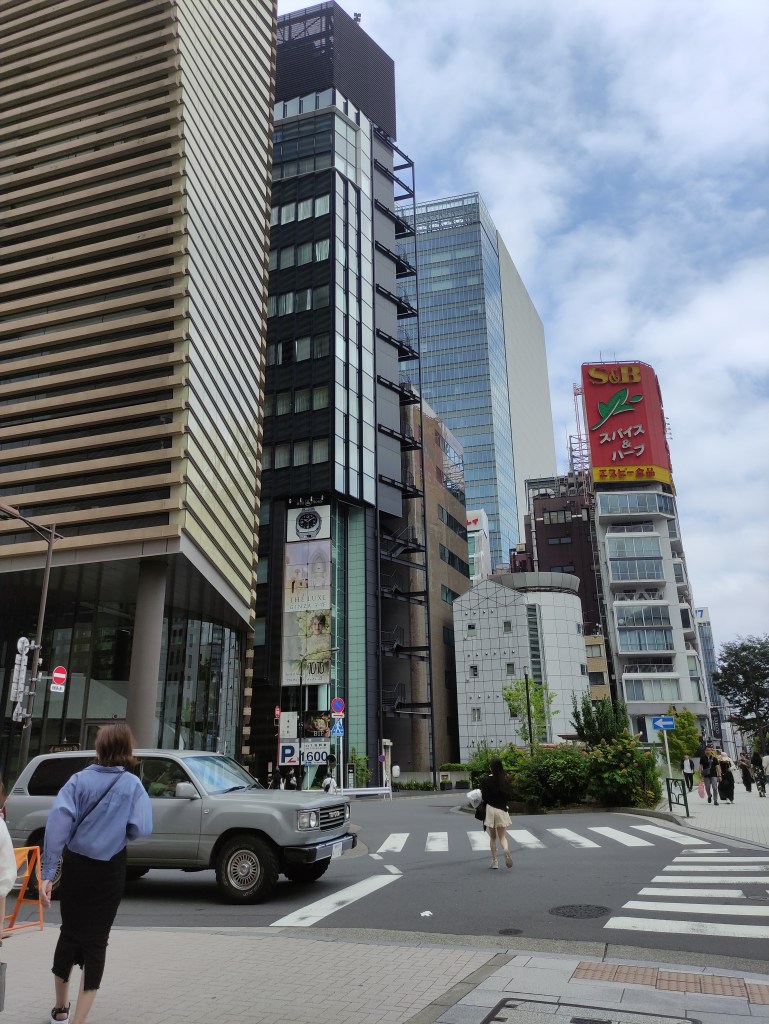
Ginza is a paradise for those who love shopping. You can find the most prestigious brands. There are also local brands such as Uniqlo or Muji with affordable prices.
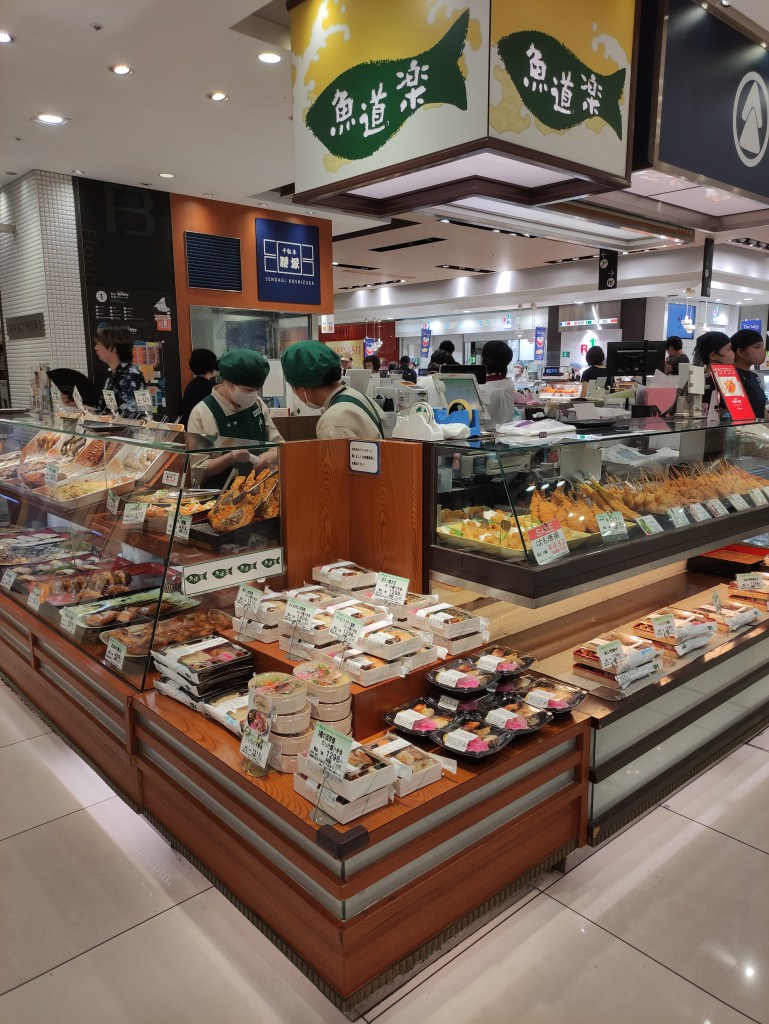
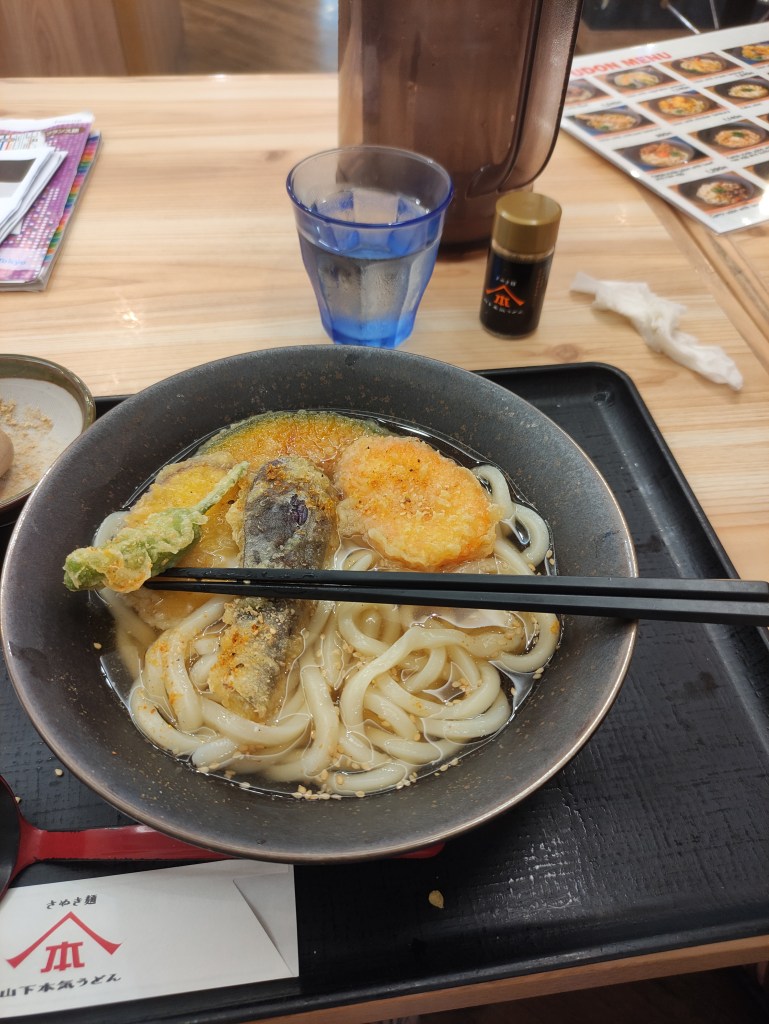
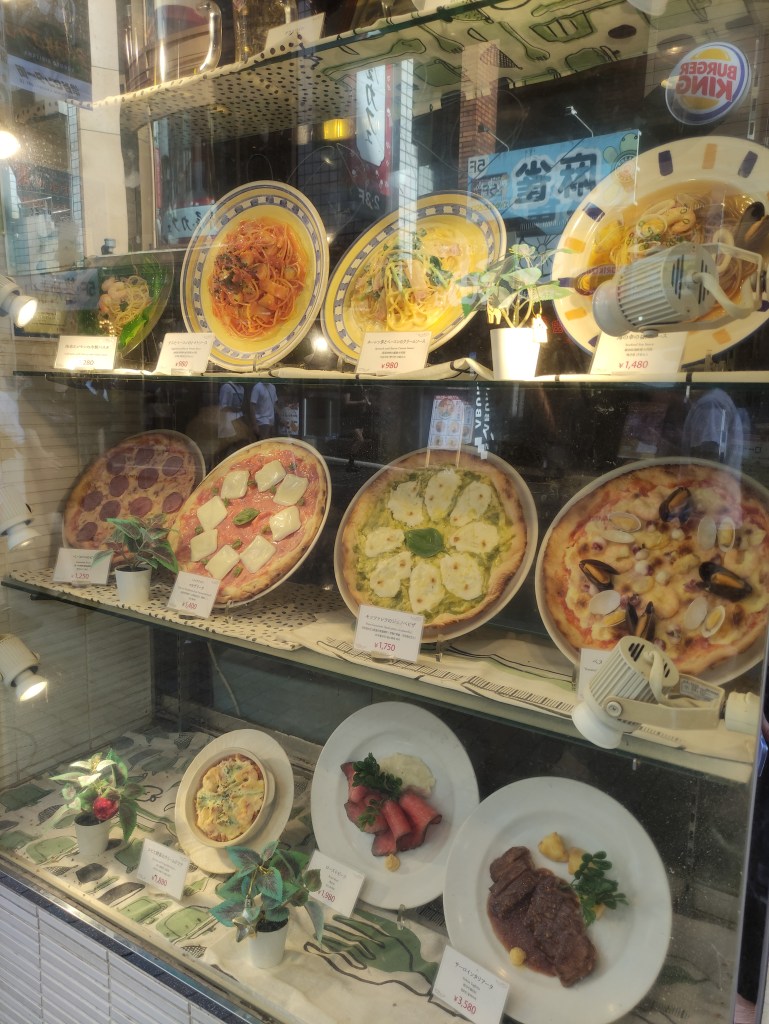
It is well known that people in Japan consume a lot of fish and meat. For vegetarians and even more so for vegans, finding a restaurant that offers alternative dishes is not easy. This is true even with the help of apps. Udon, soba, somen, and ramen are types of Japanese noodles that can also be served with vegetables.
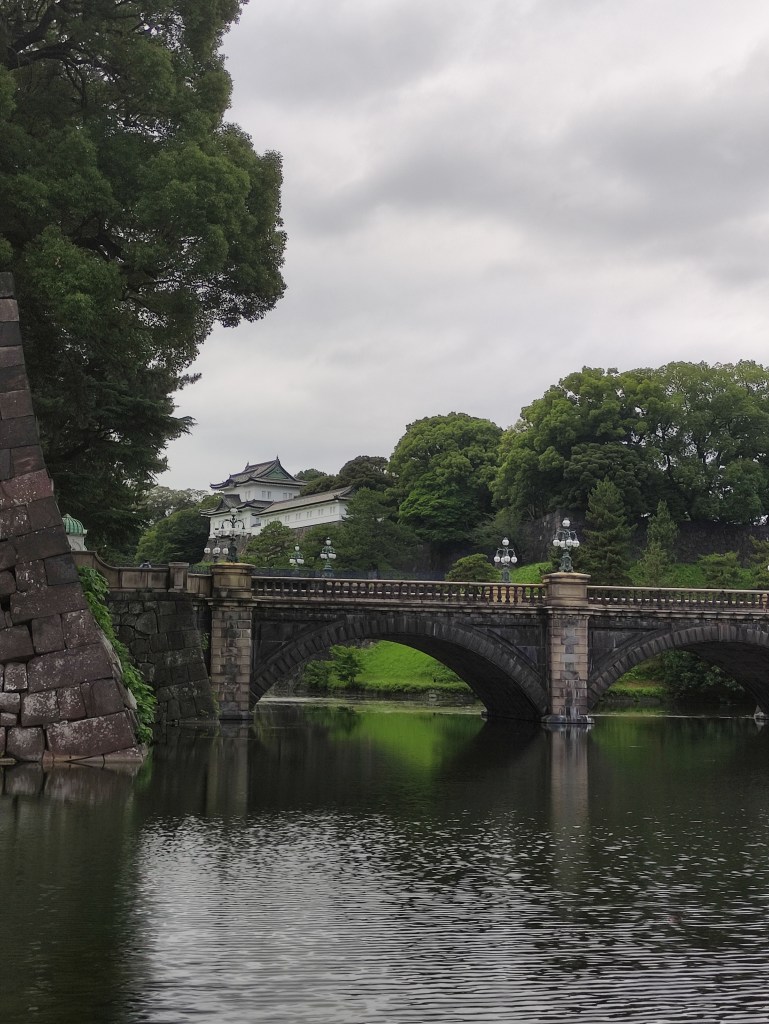
We returned to Kokyo, but we were a little late and the visit was very brief.
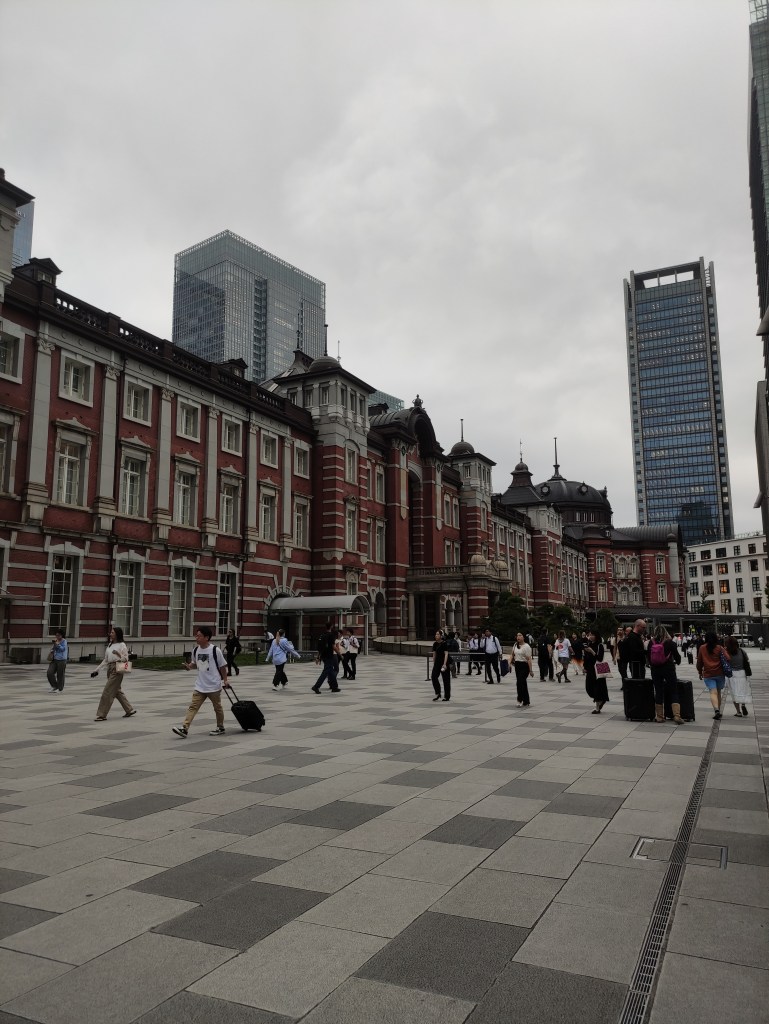
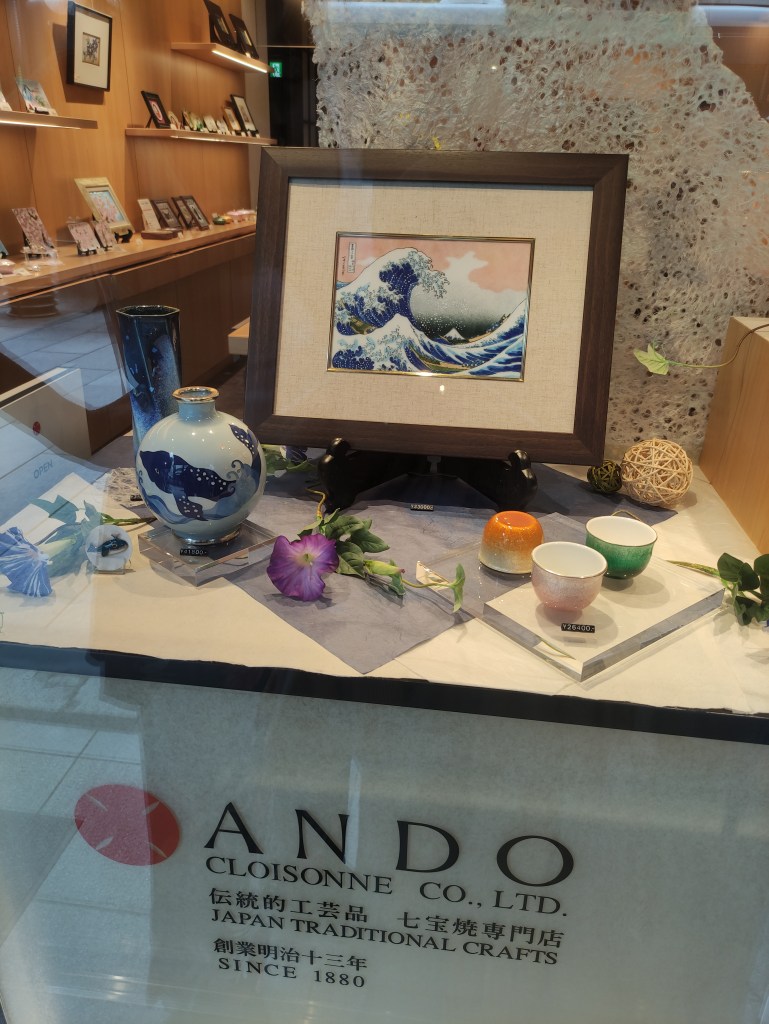
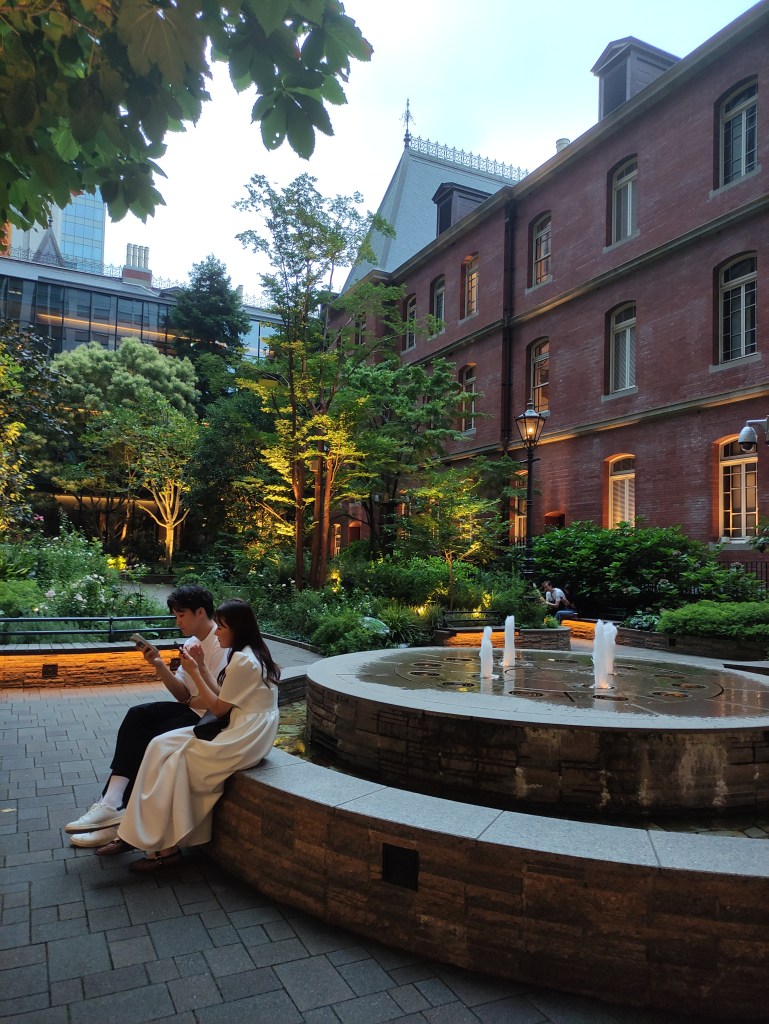
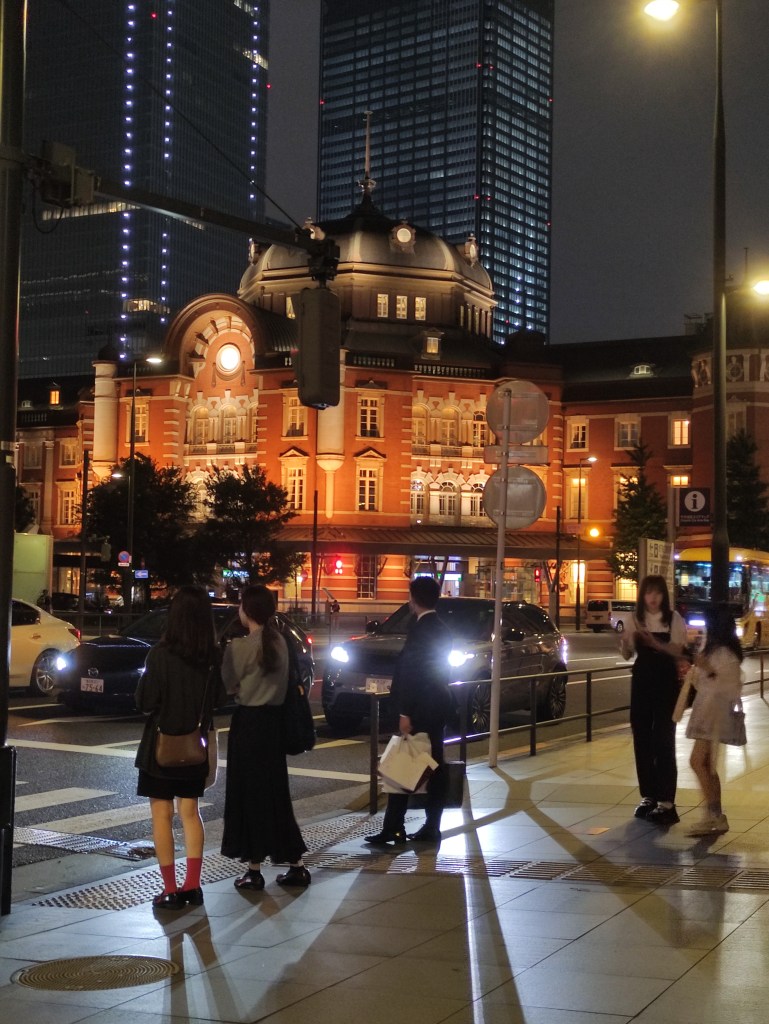
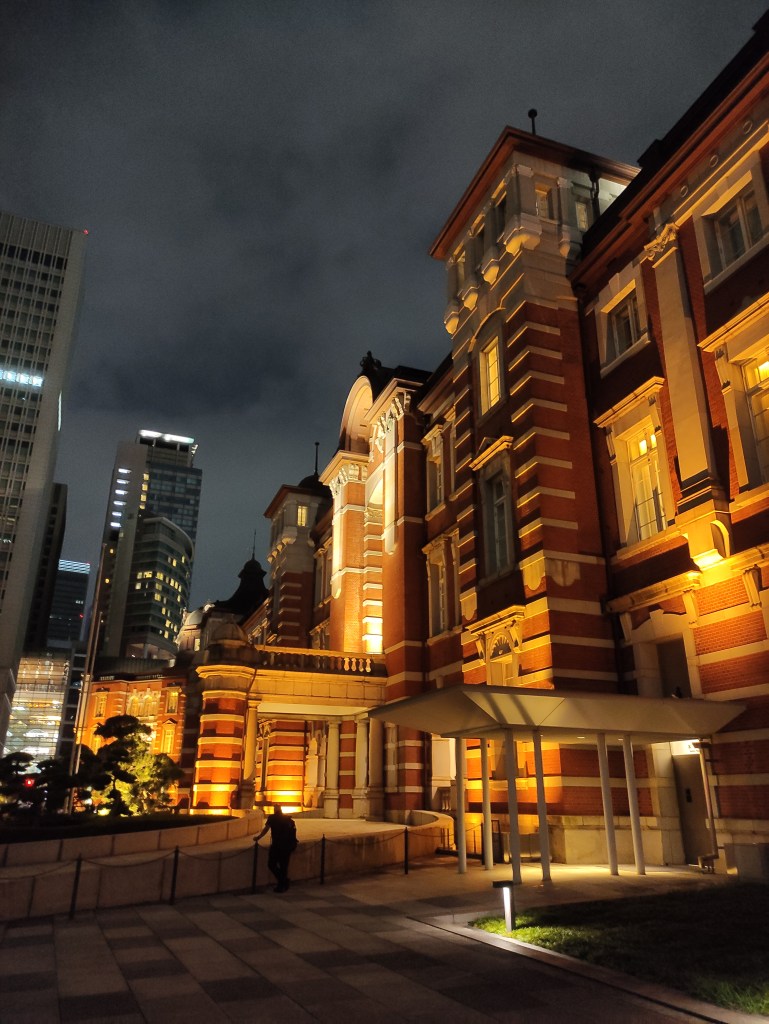
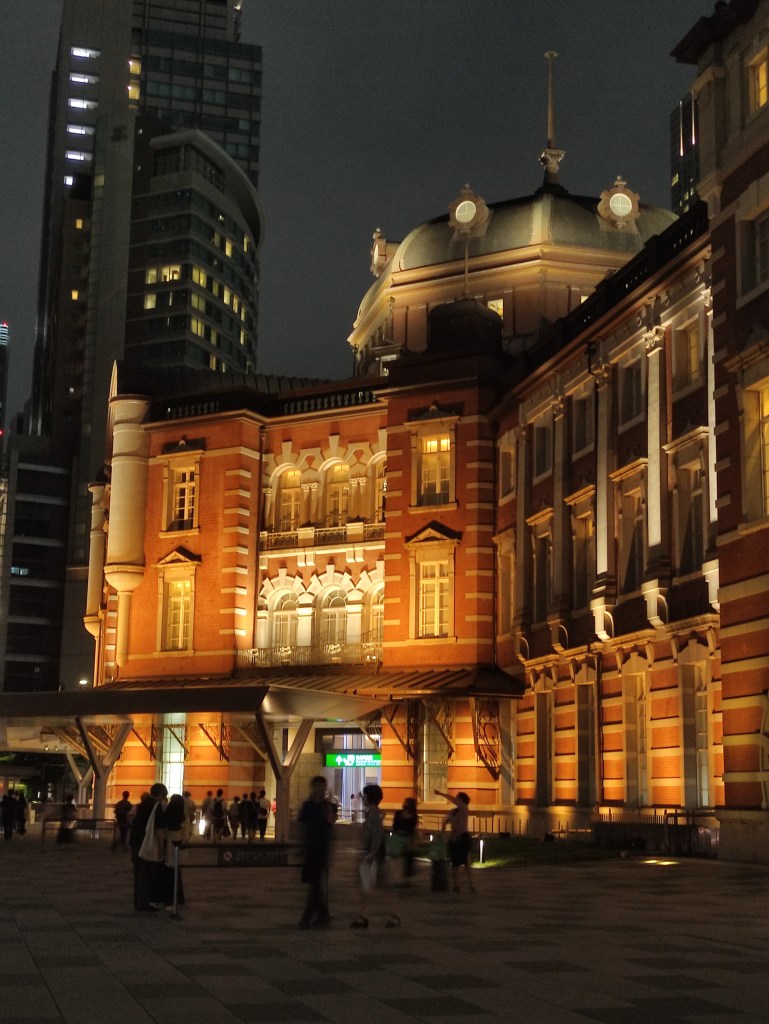
Opposite the Imperial Palace gardens is the central station. Its architecture dates back to 1914 and is a sight to behold at night!






Sunday July 13th
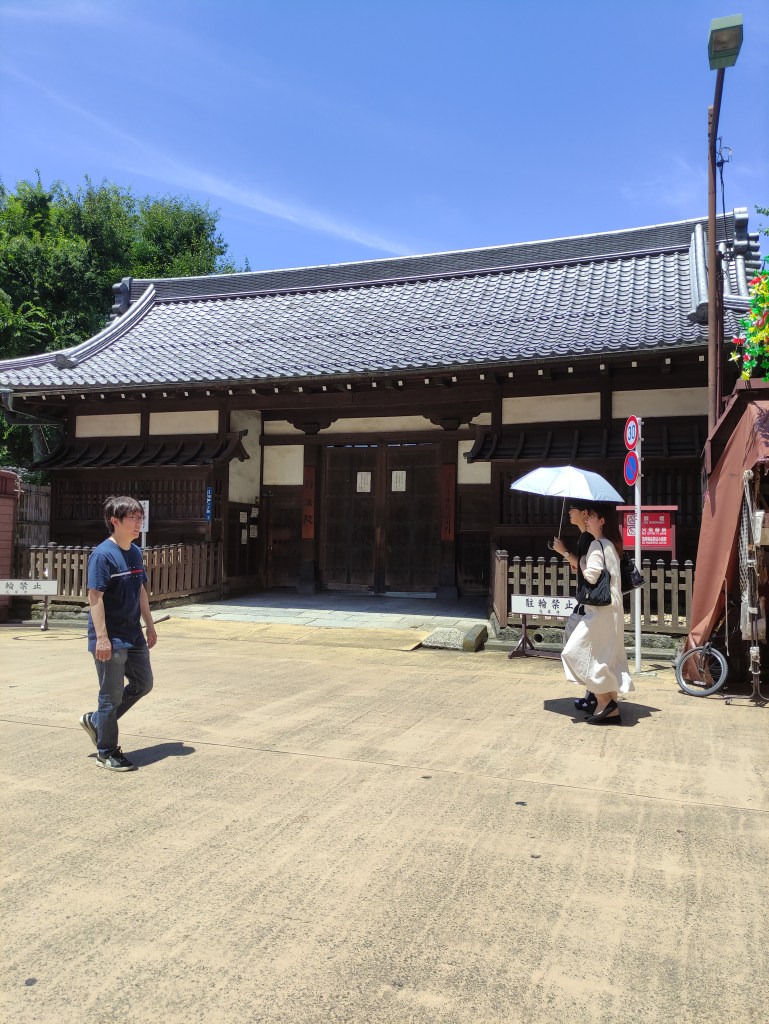
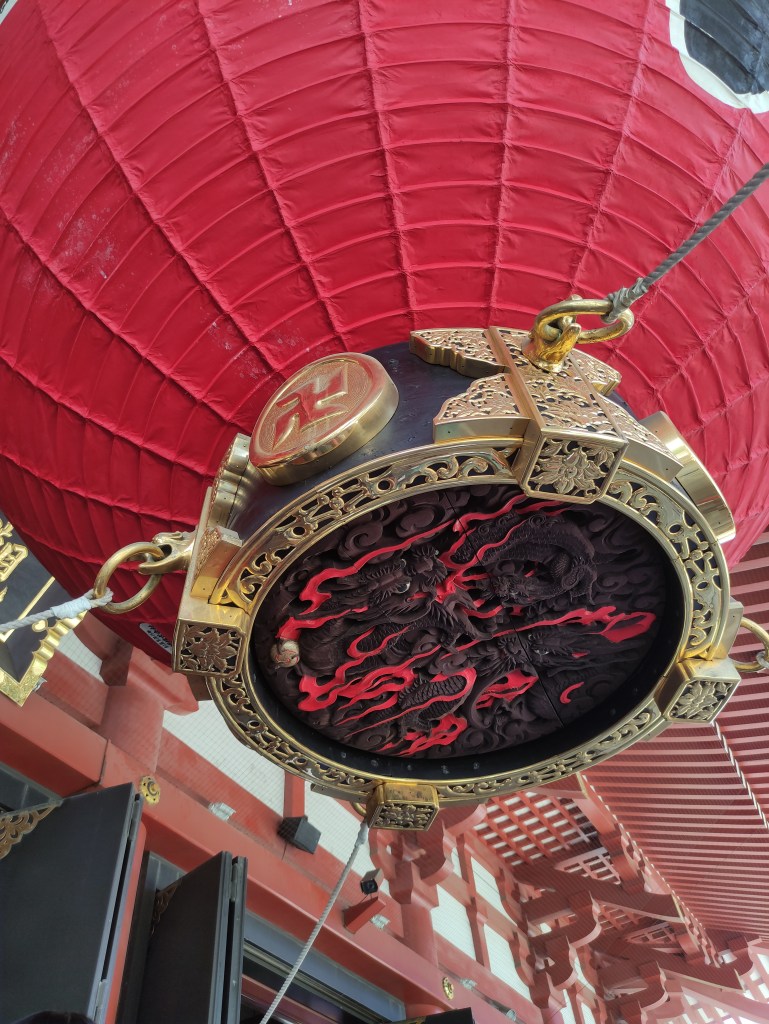
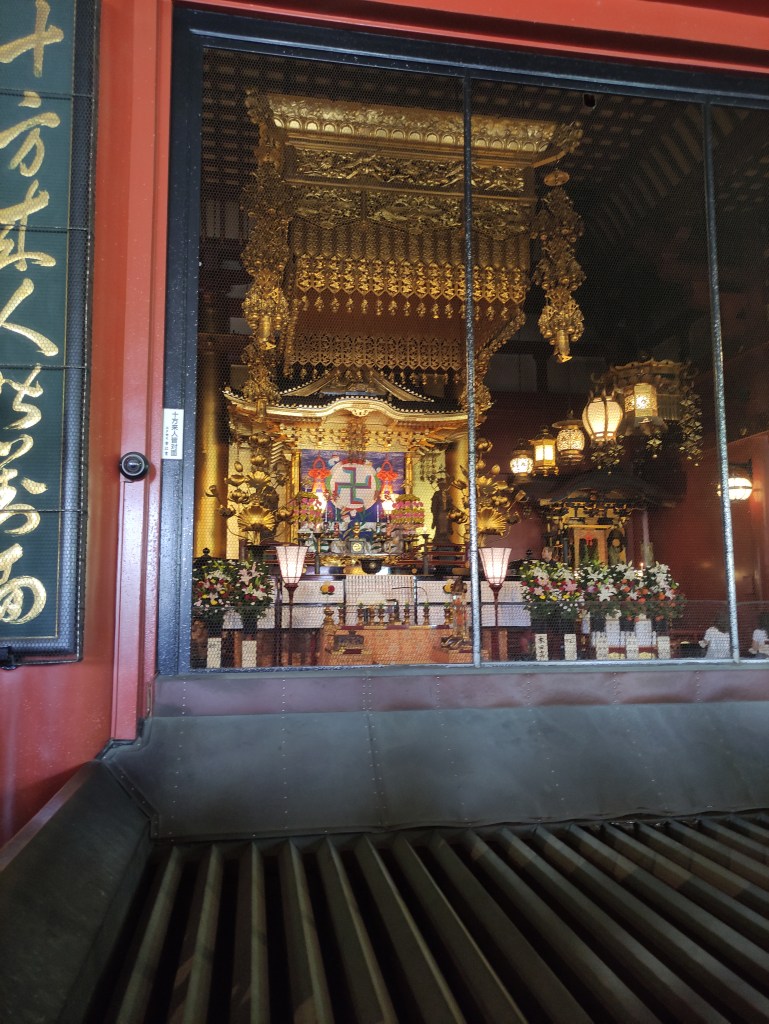
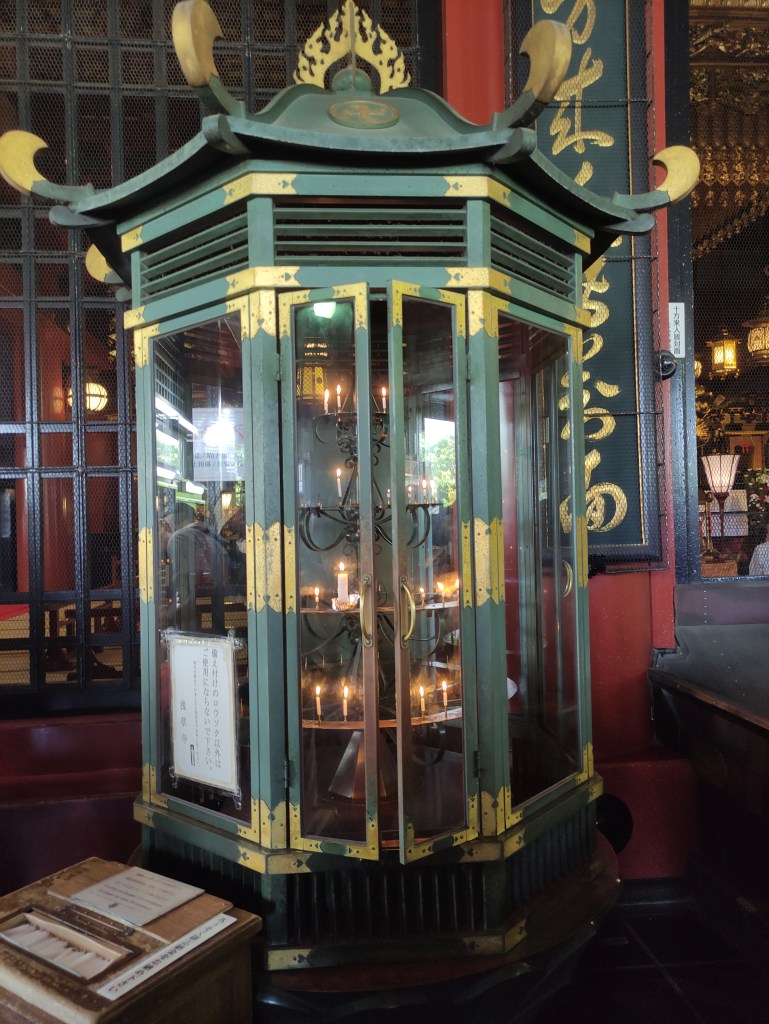
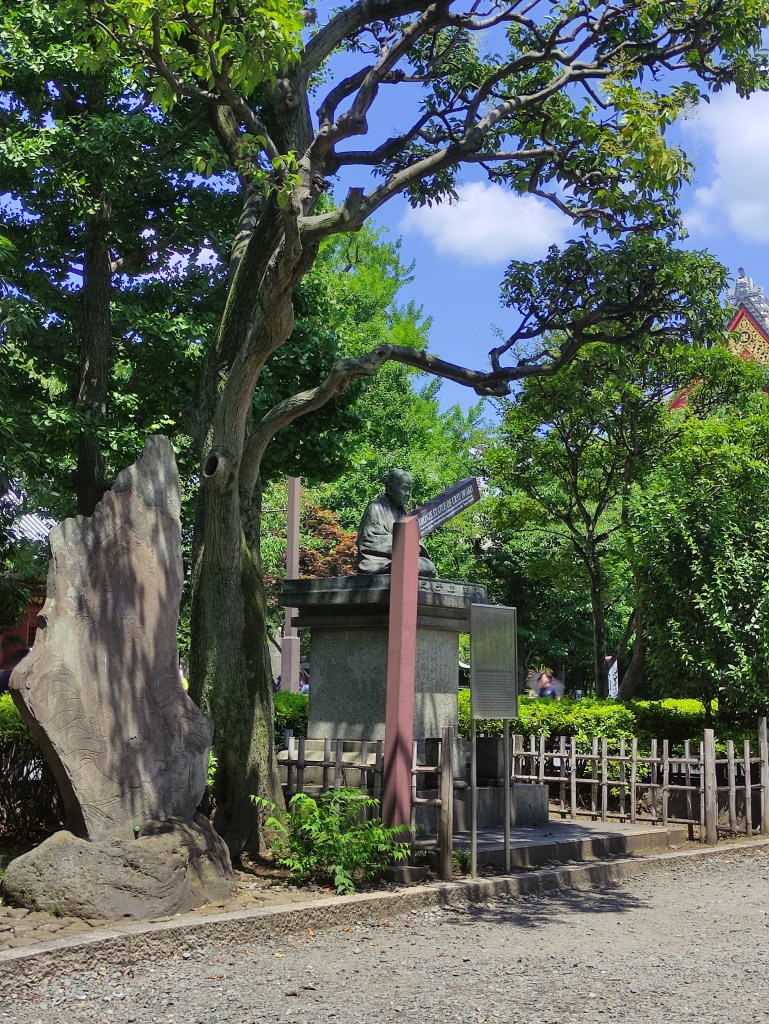
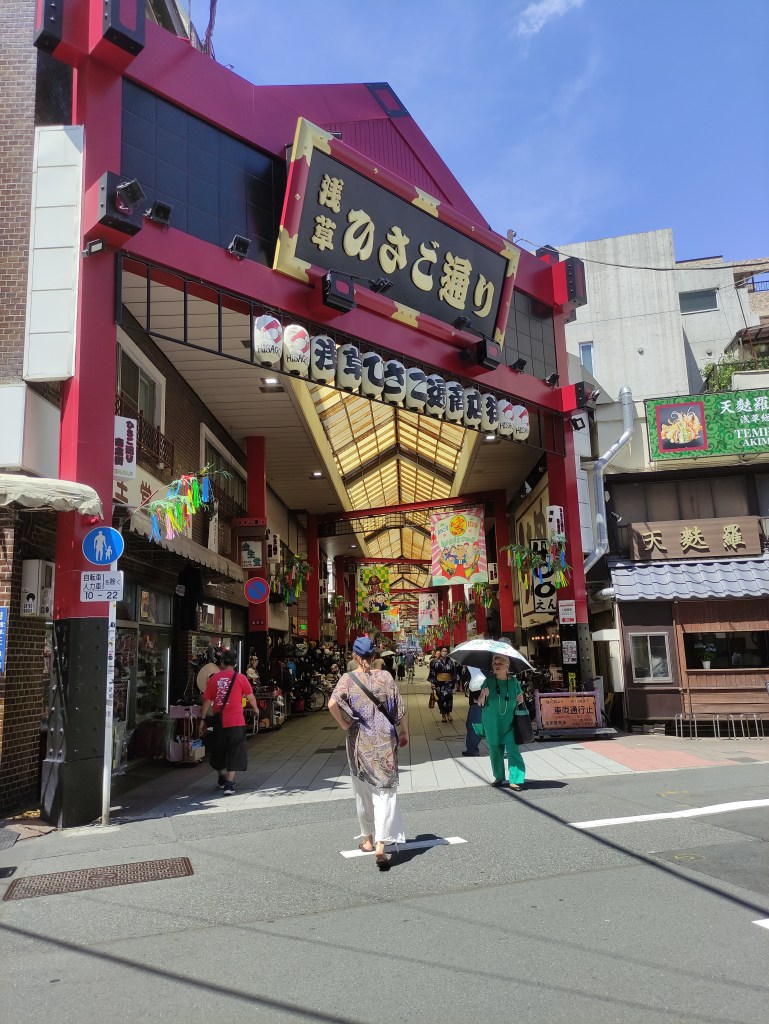
In the morning we went to Asakusa, the “old Tokyo” in the district, under a scorching sun. We visited the Senso-ji Buddhist temple, passing through Kaminarimon and then along Nakamise-dōri, the shopping street. Personally, I found it very charming to see that many Japanese people value their culture. They do this not only by visiting places of worship, but also by proudly wearing their kimonos or yukatas.
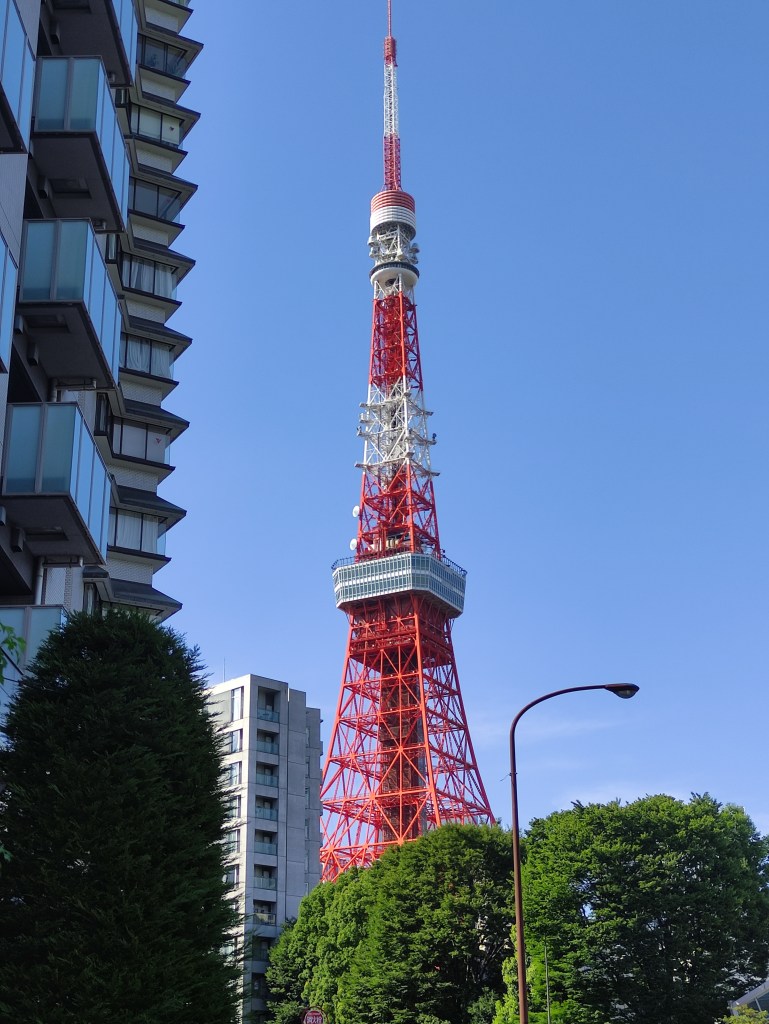
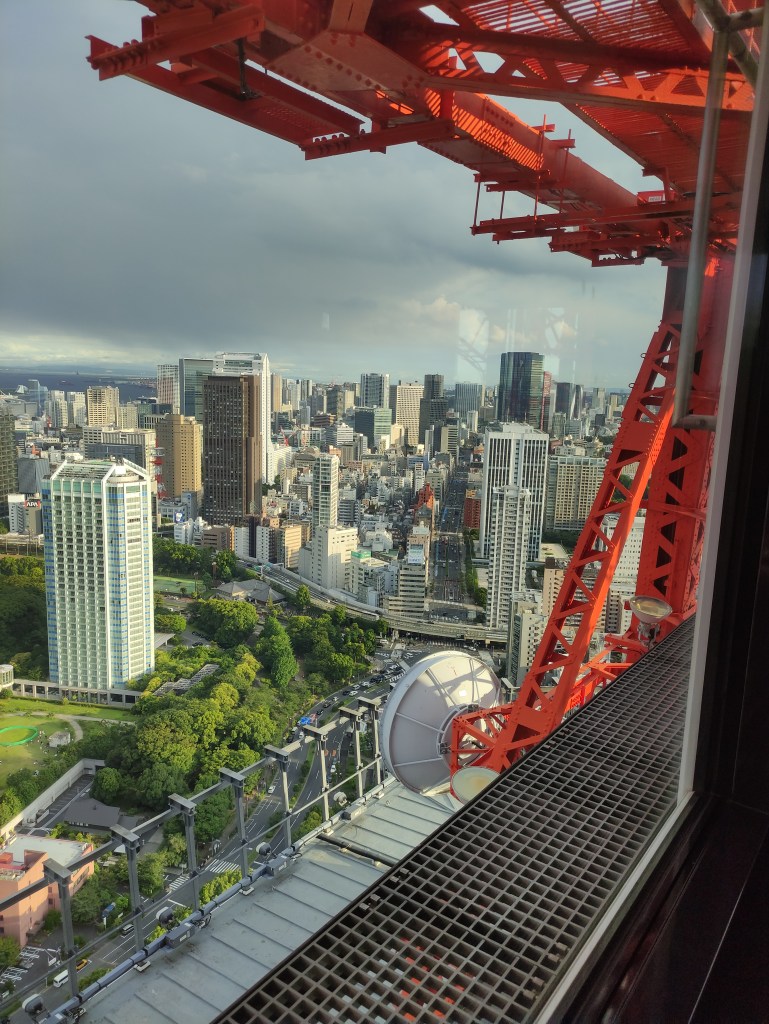
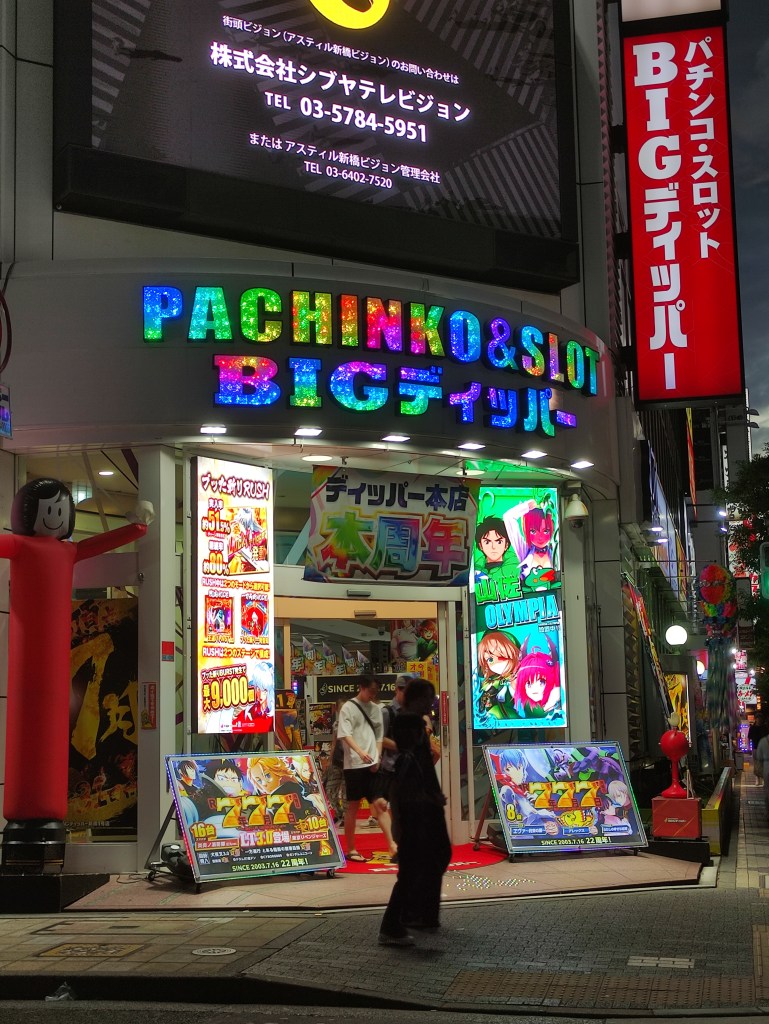
In the afternoon, we took the subway to Shimbashi and visited the Tokyo Tower. We then found ourselves in the Kabukichō district. We were desperately looking for a place to have dinner. Only later did we realize that we were in the middle of Tokyo’s red-light district par excellence.








Monday July 14th
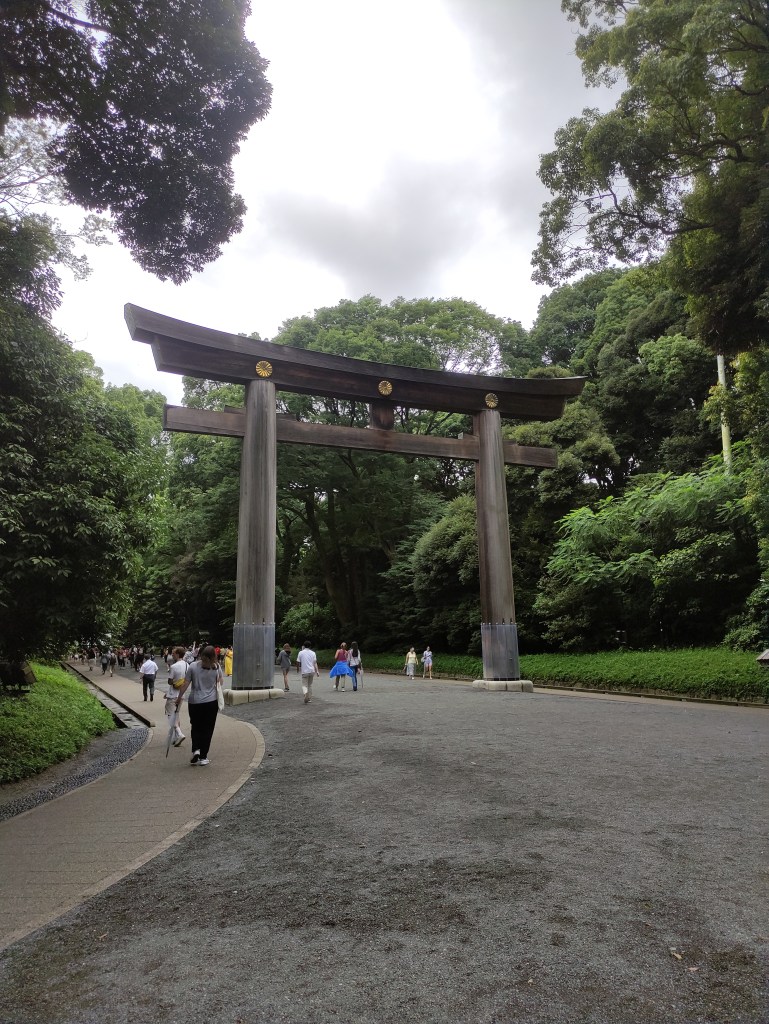
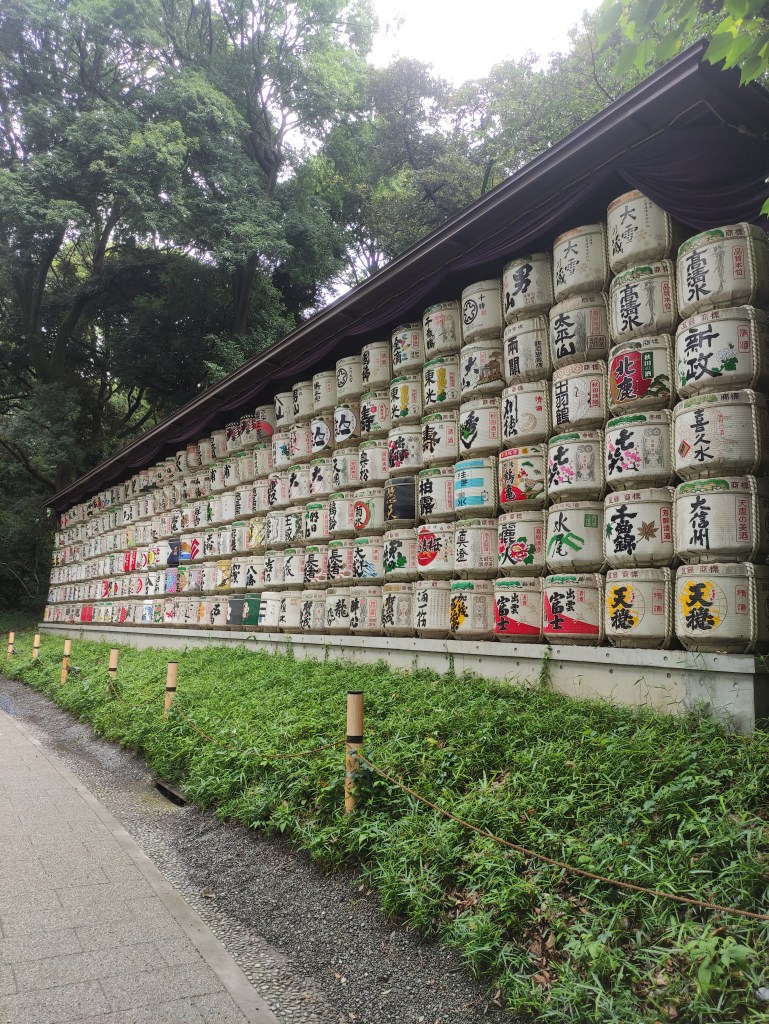
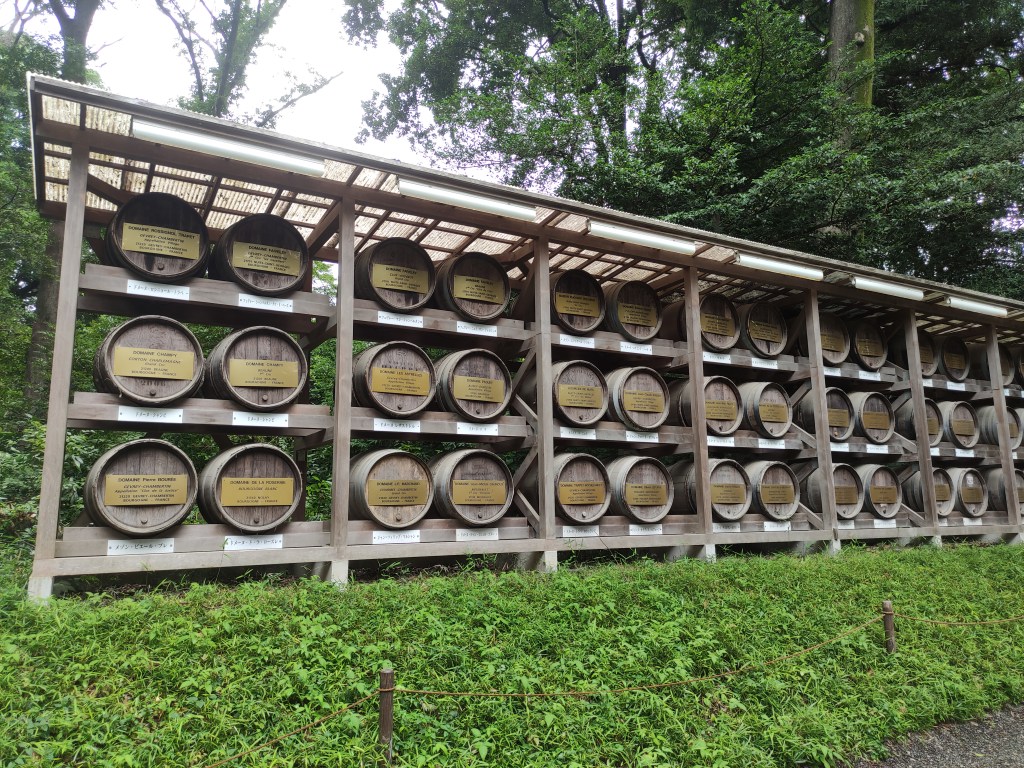
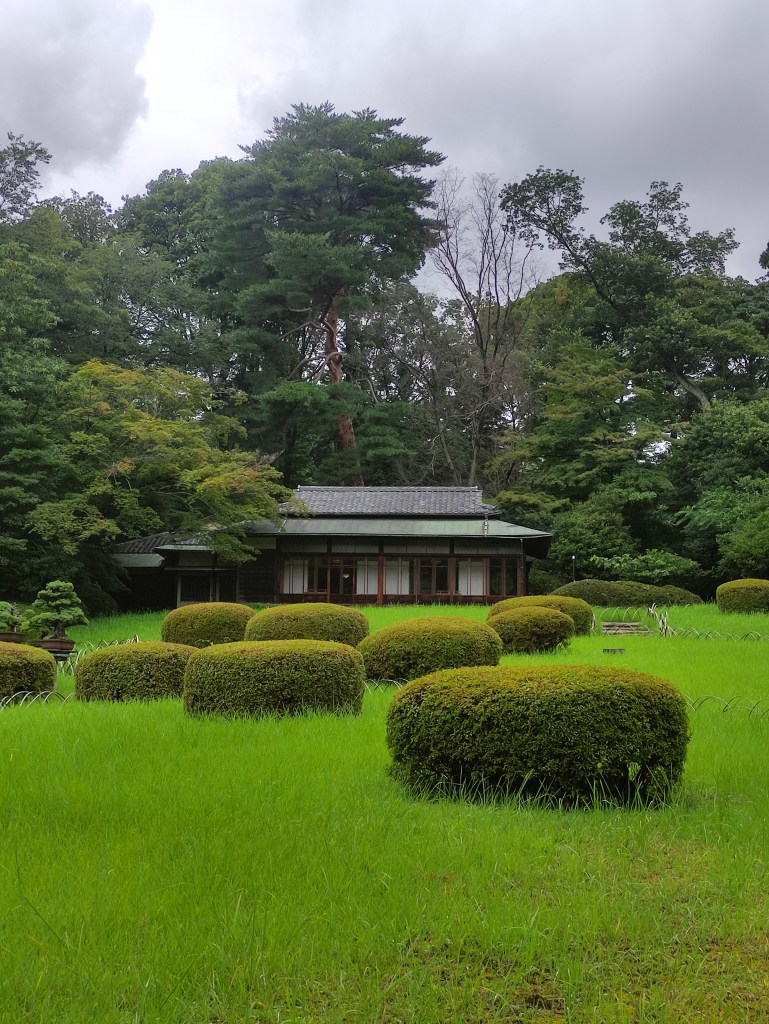
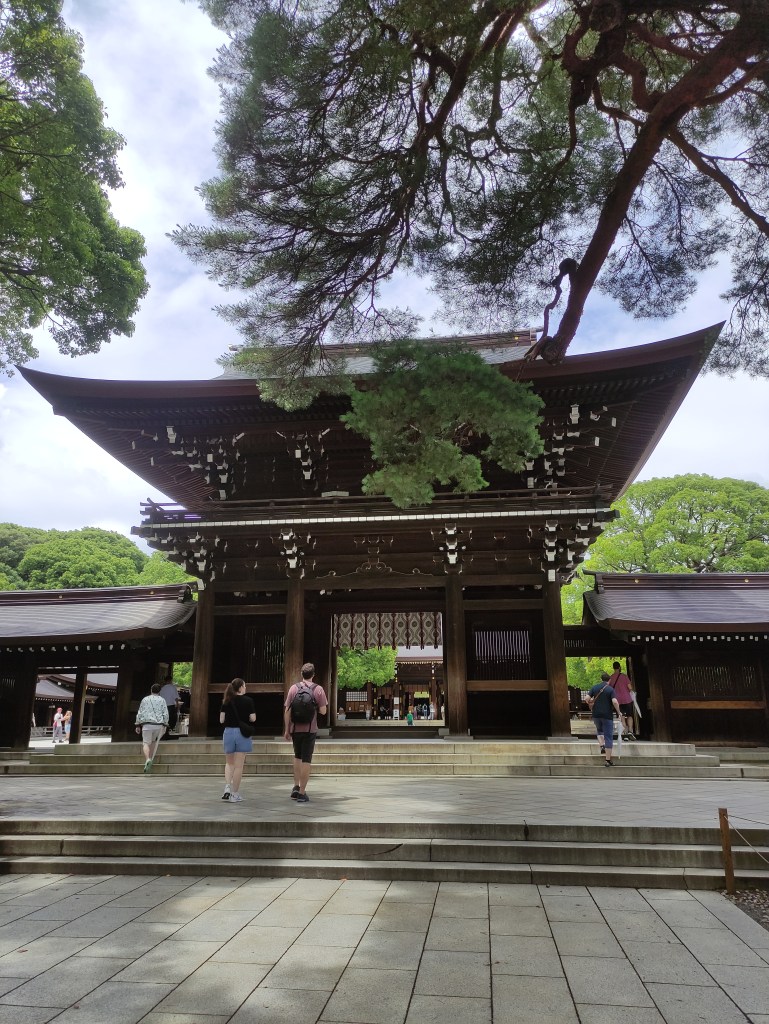
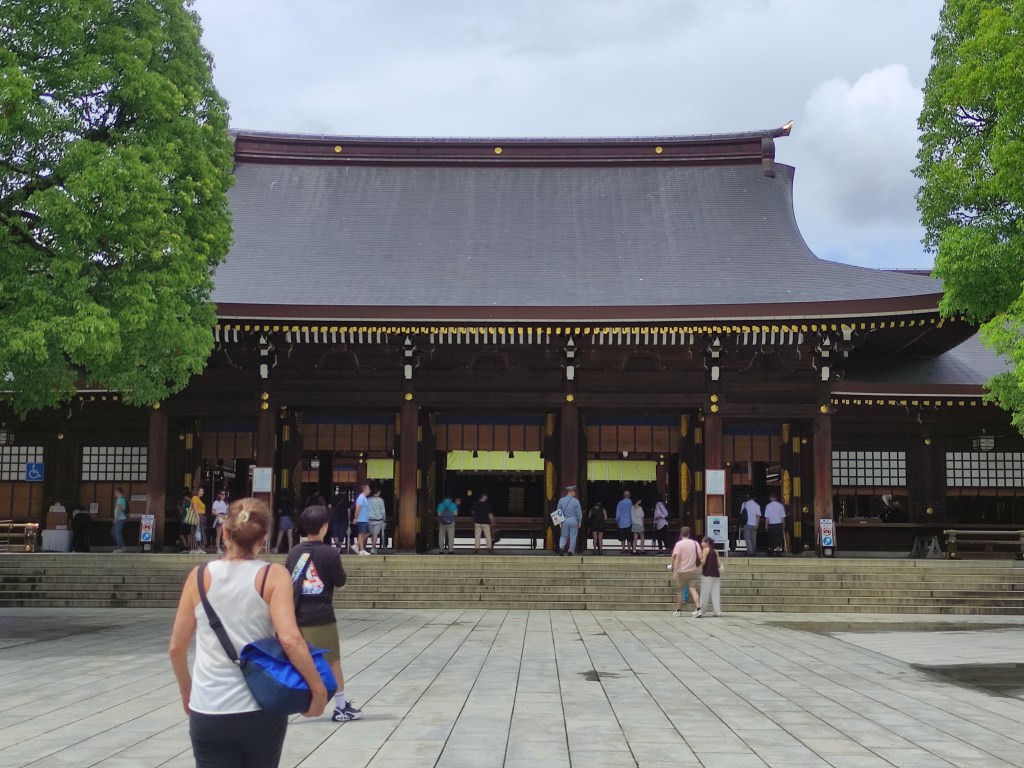
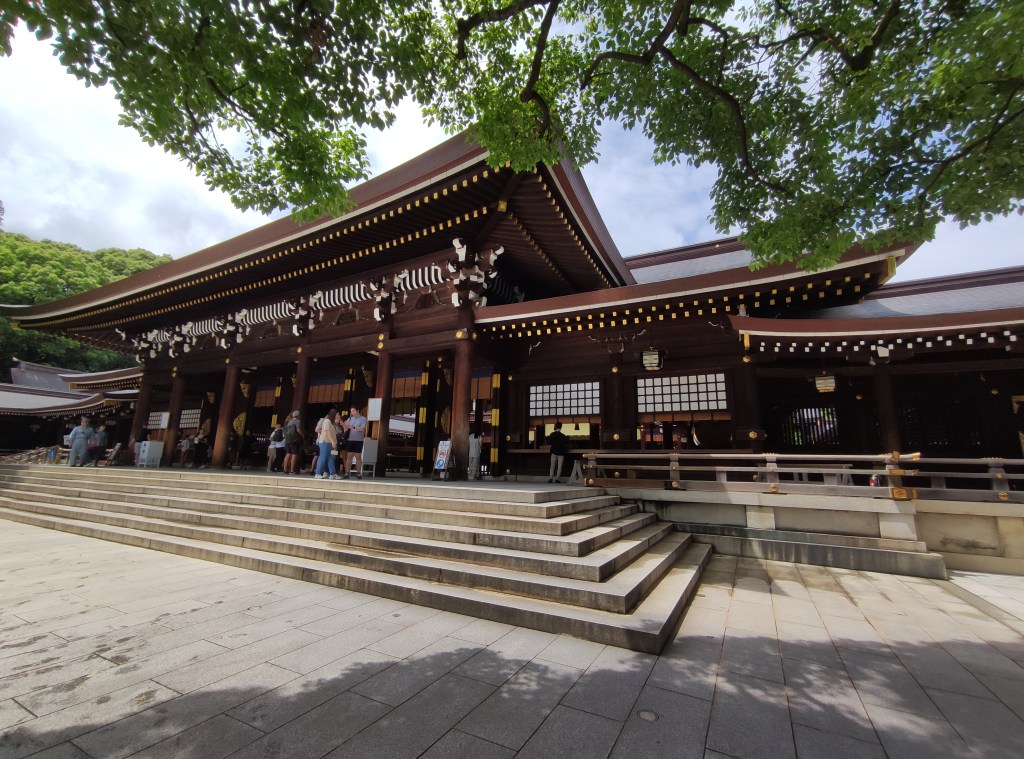
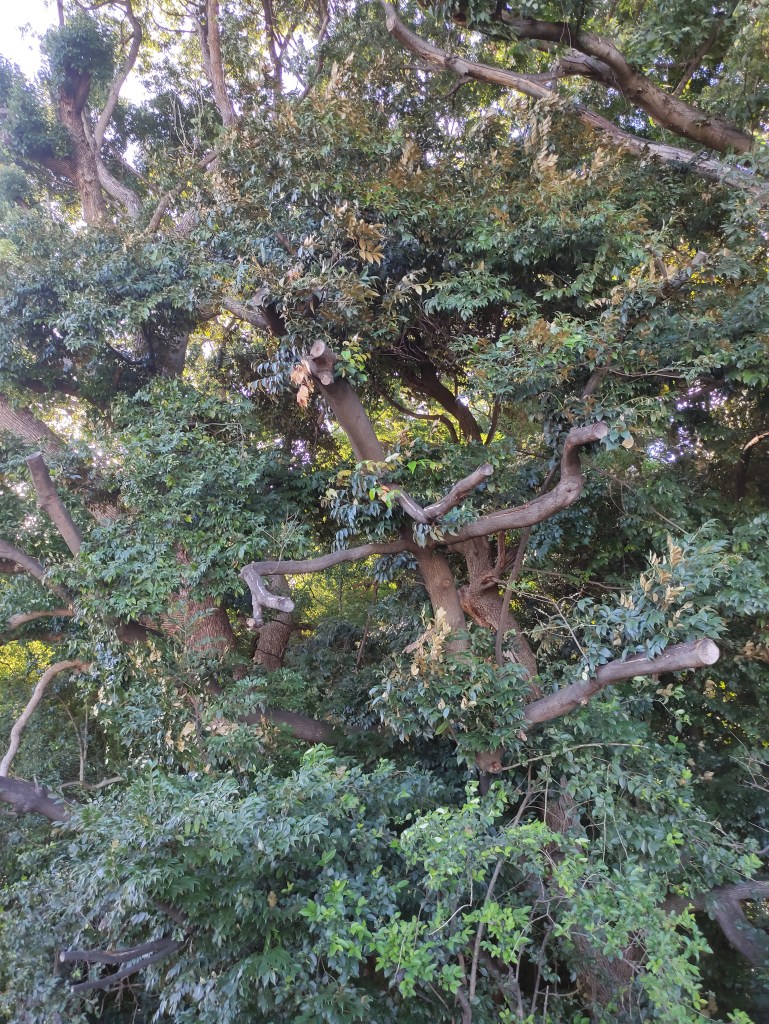
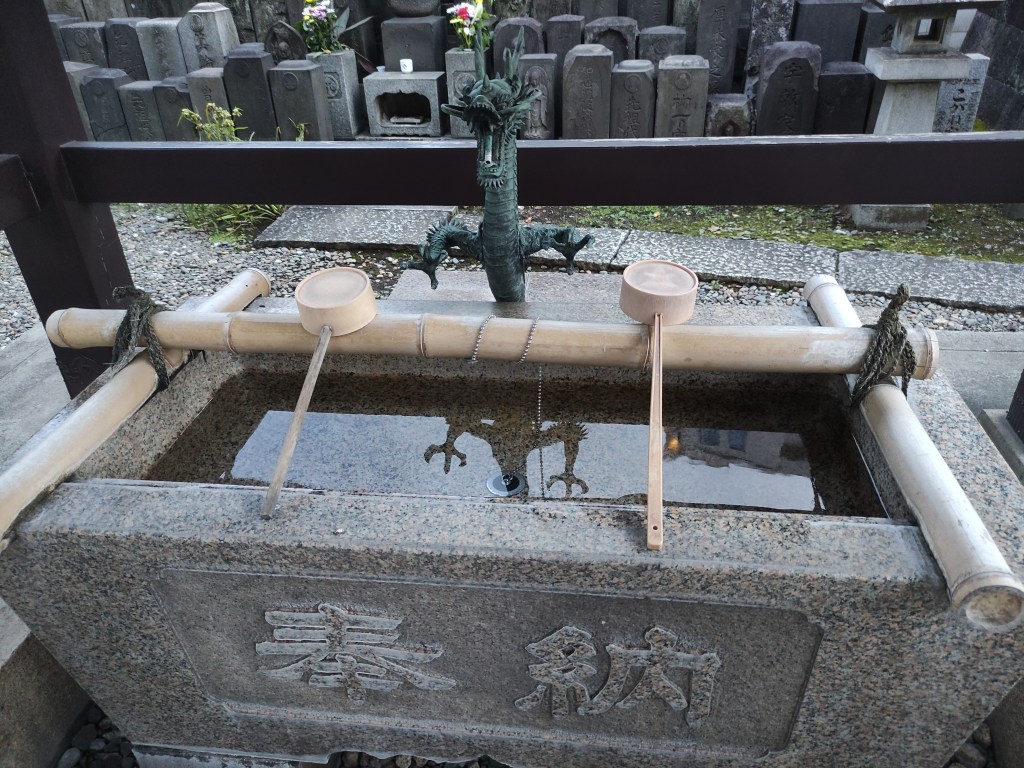
Later than usual, we went to the Shibuya district. There we visited the Meiji-jingu Shrine, one of the largest Shinto Buddhist temples in Japan. The park where the shrine is located is huge. It lies within a veritable forest of 70 hectares in the middle of the city of Tokyo.
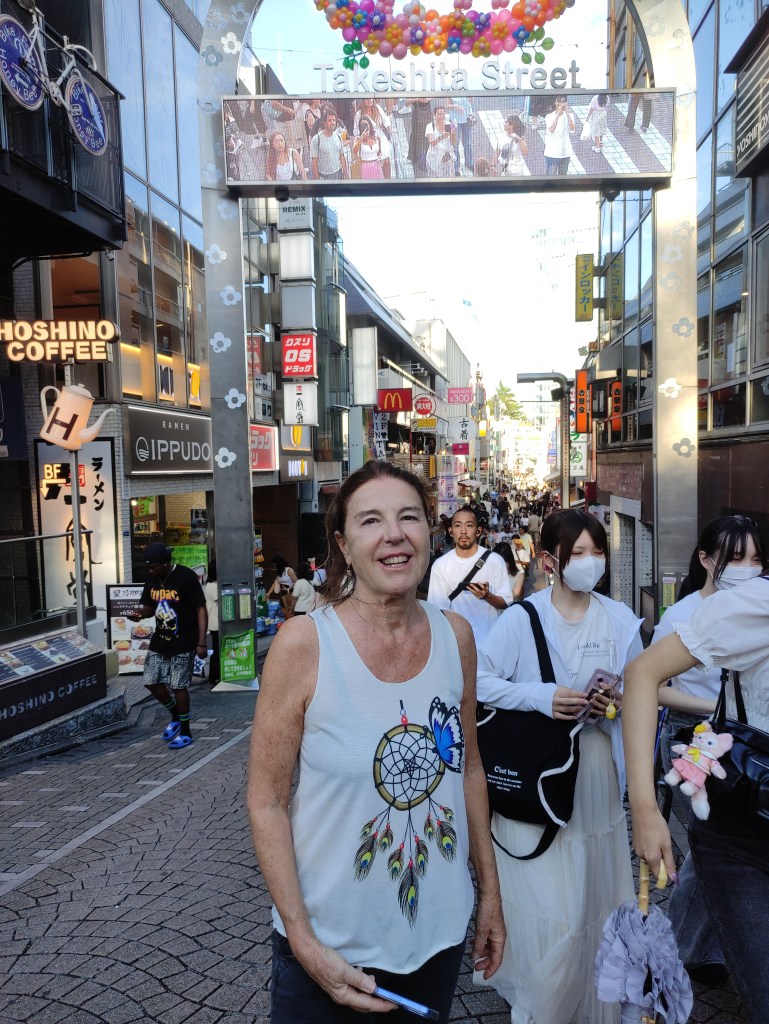
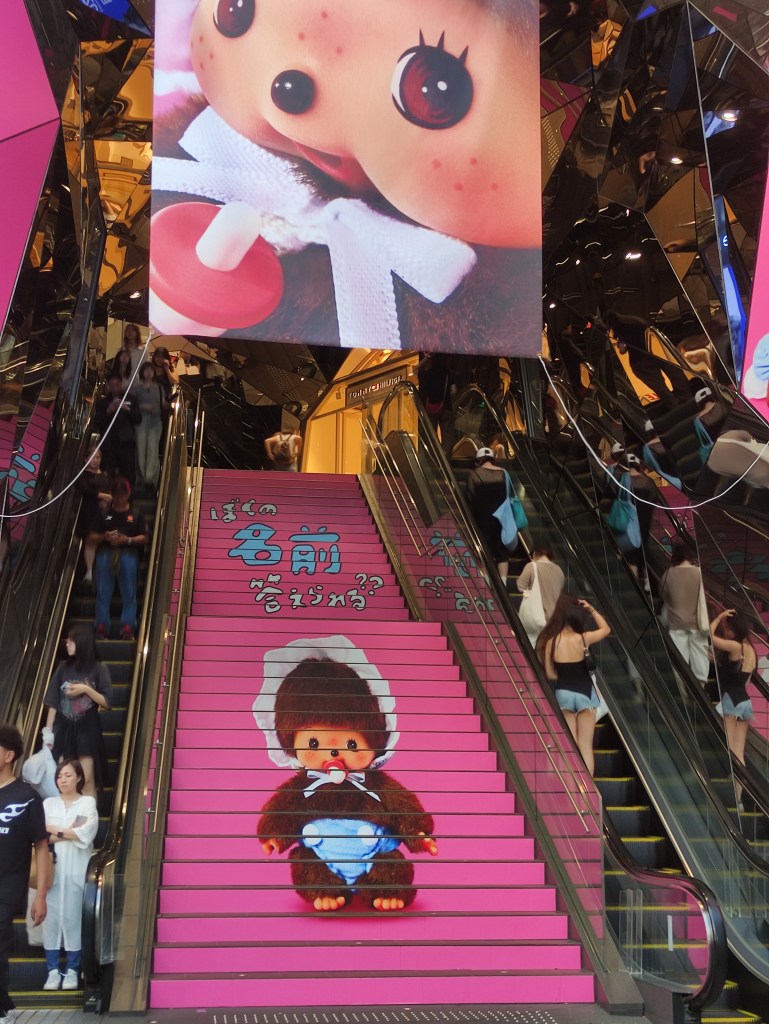
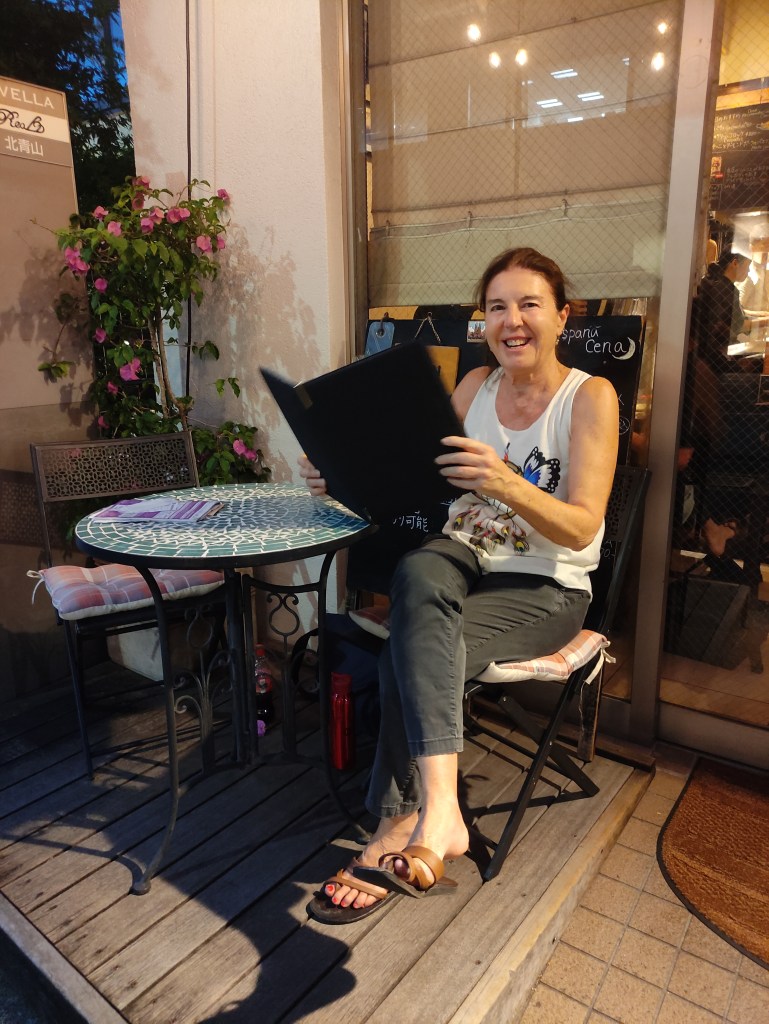
The heat was unbearable. Still, we couldn’t miss a visit to the picturesque Nonbei Yokocho street. We also visited the equally famous Shibuya Crossing. Between shops selling everything imaginable, places where you could hang out with pigs or dogs, or even just observe the cultural “oddities” and extravagant clothing of the people walking by, there was something for everyone. And at the end of the day, how about toasting with Spanish white wine at the little restaurant El Puente? A gem not to be missed, even if it’s not easy to find…










Tuesday July 15th
I woke up hungry (the Spanish restaurant didn’t serve vegetarian food). We left Tokyo for Nikko, changing Shinkansen trains in Utsunomiya.
Fortunately, people in Japan are extremely friendly. Even if they can’t speak English, they took us walking directly to our destination several times. They guided us to the correct platform for our connection. They also led us to the street we had been searching for unsuccessfully for several minutes.
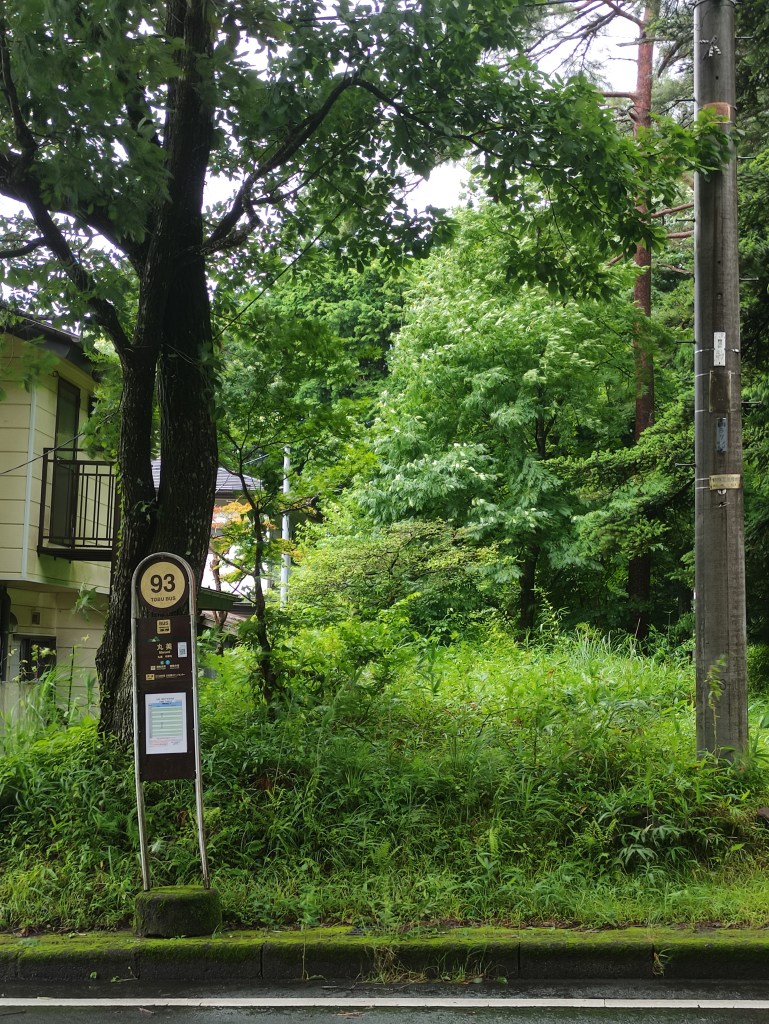
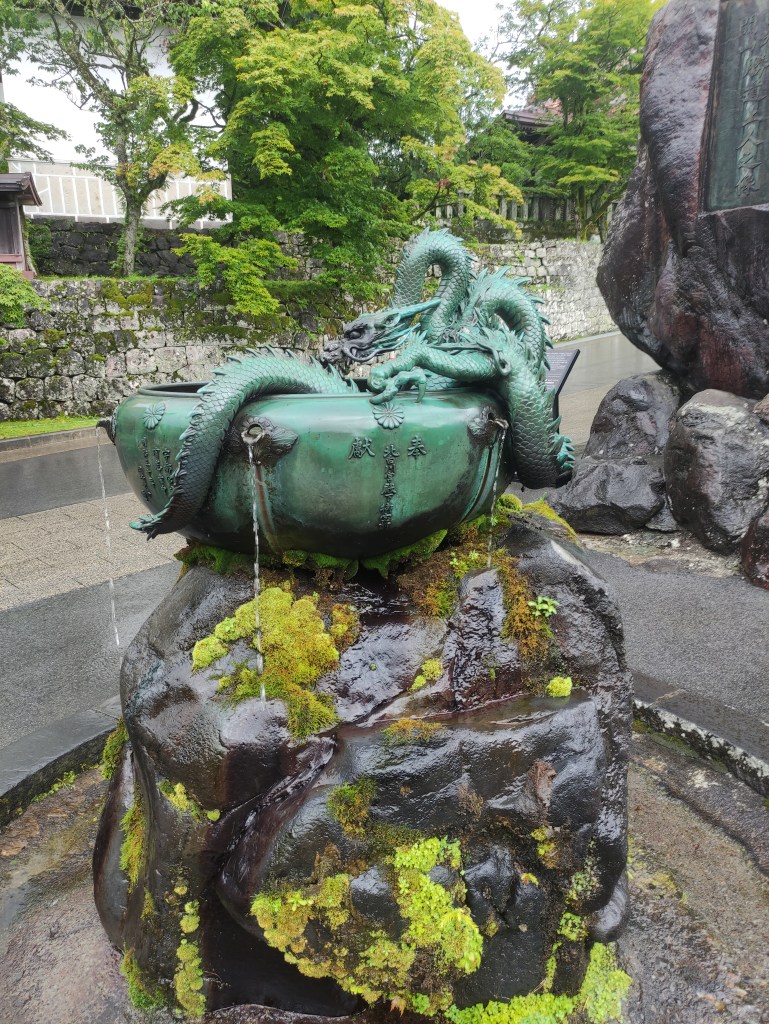
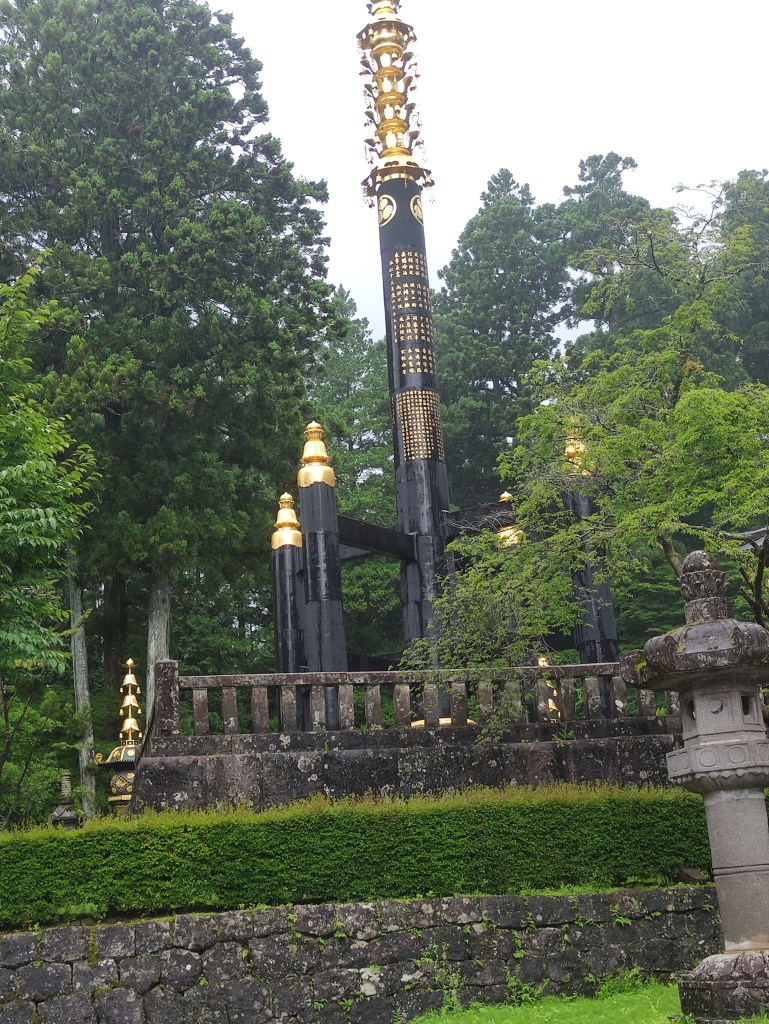
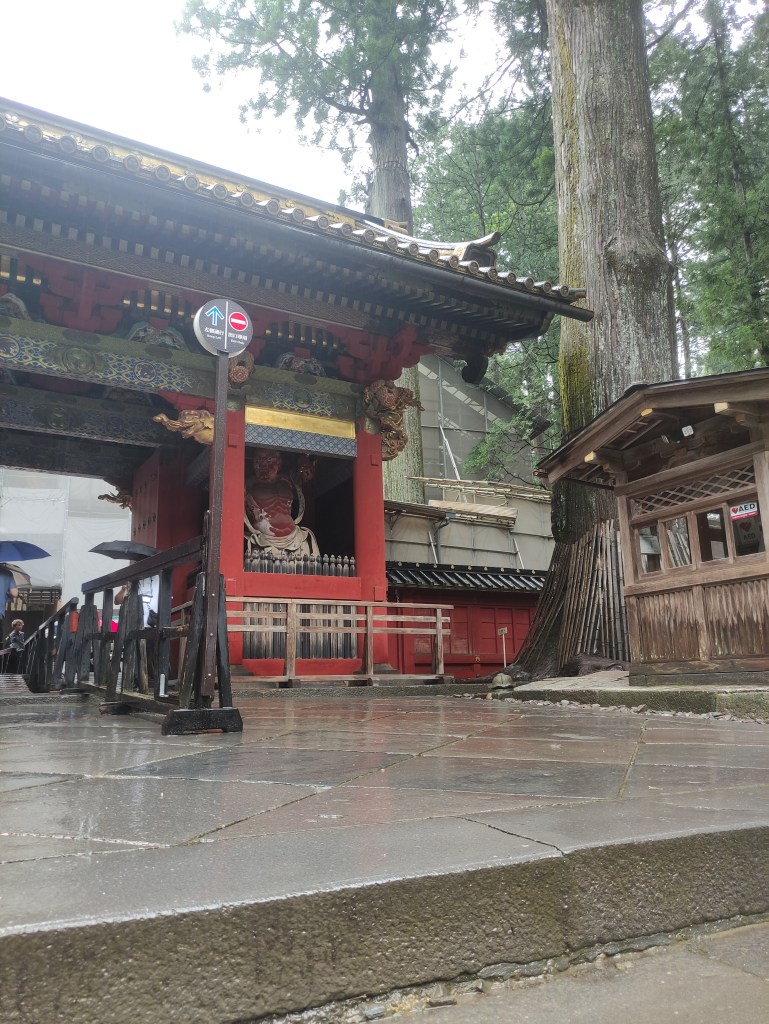
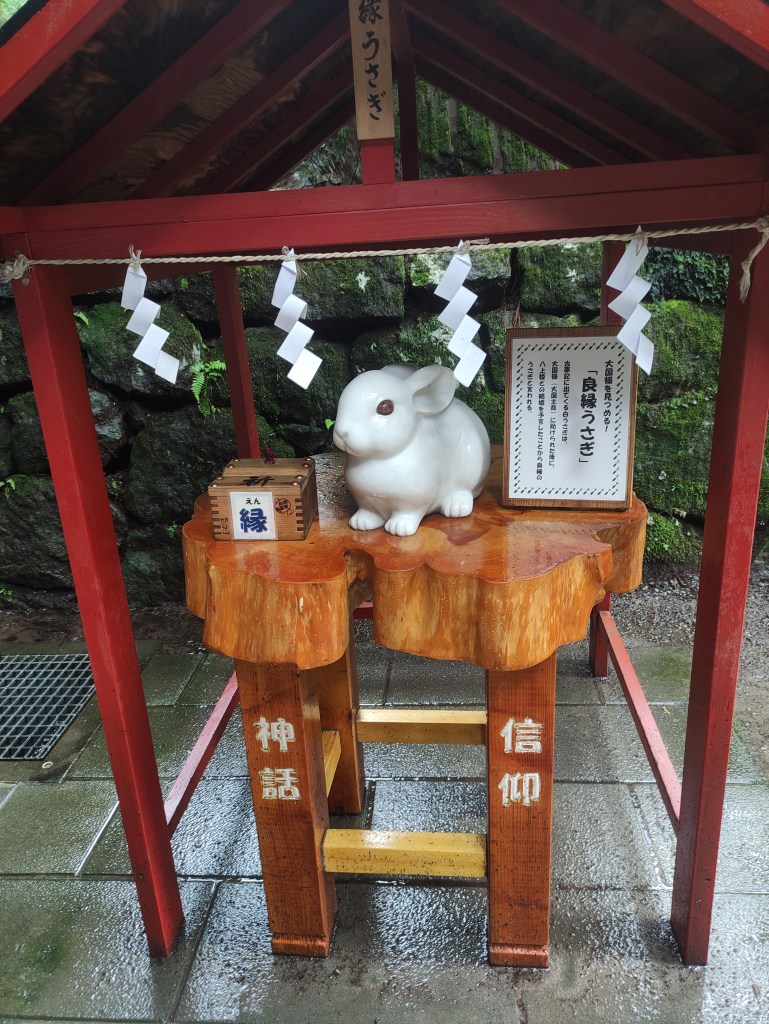
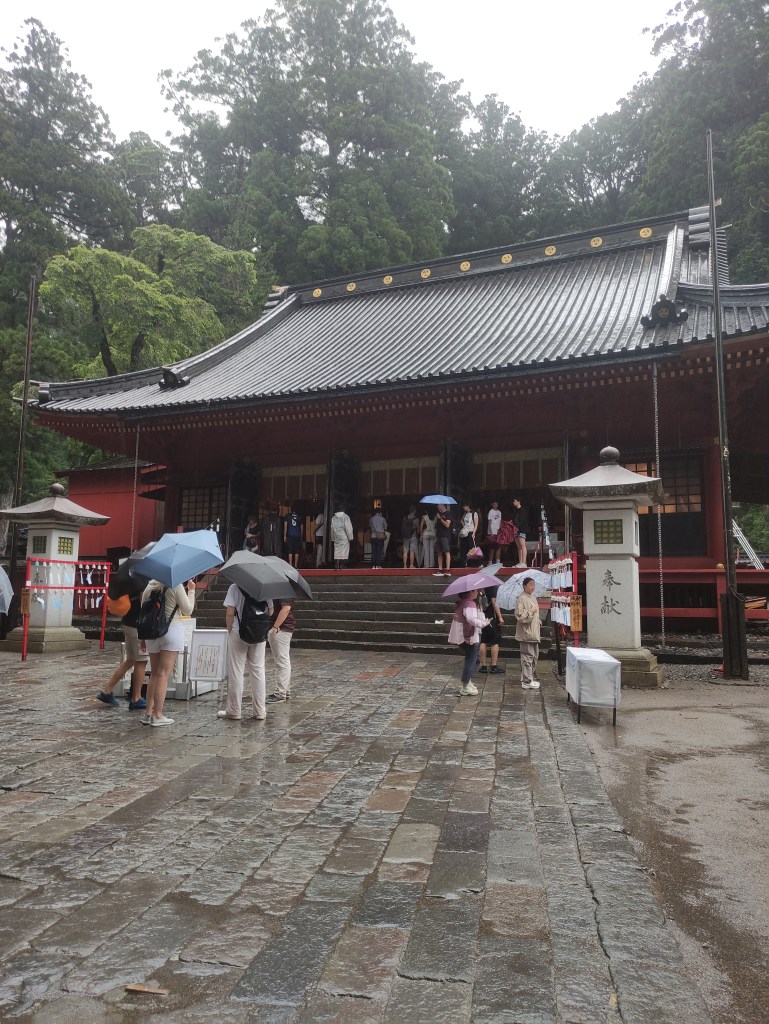
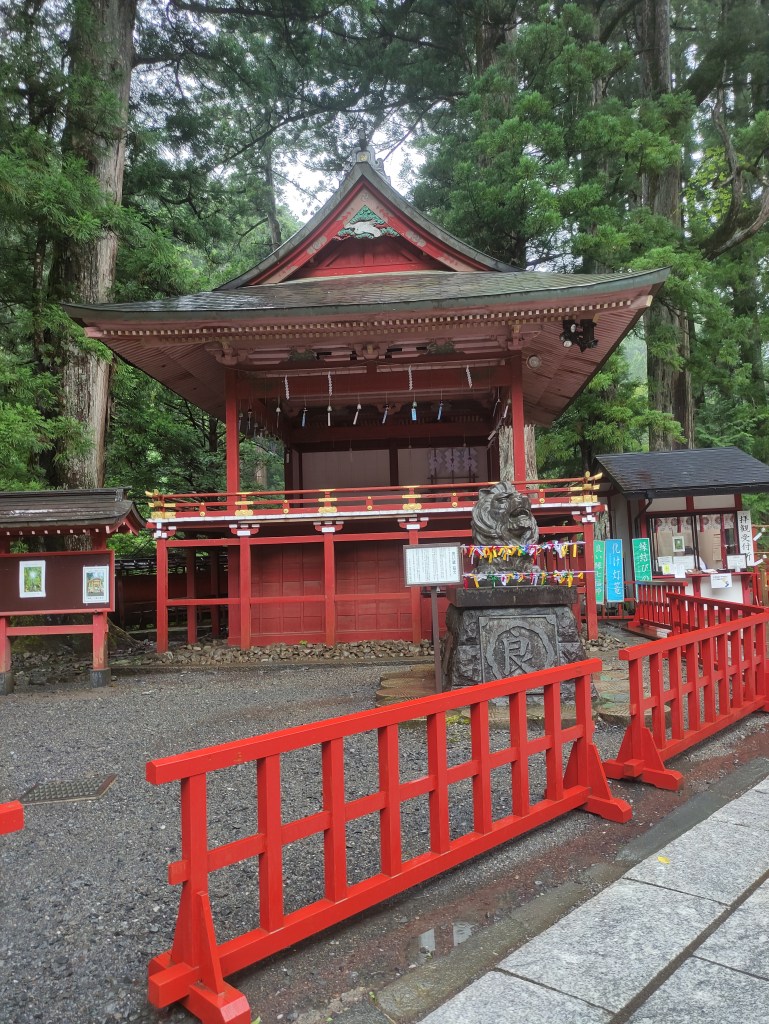
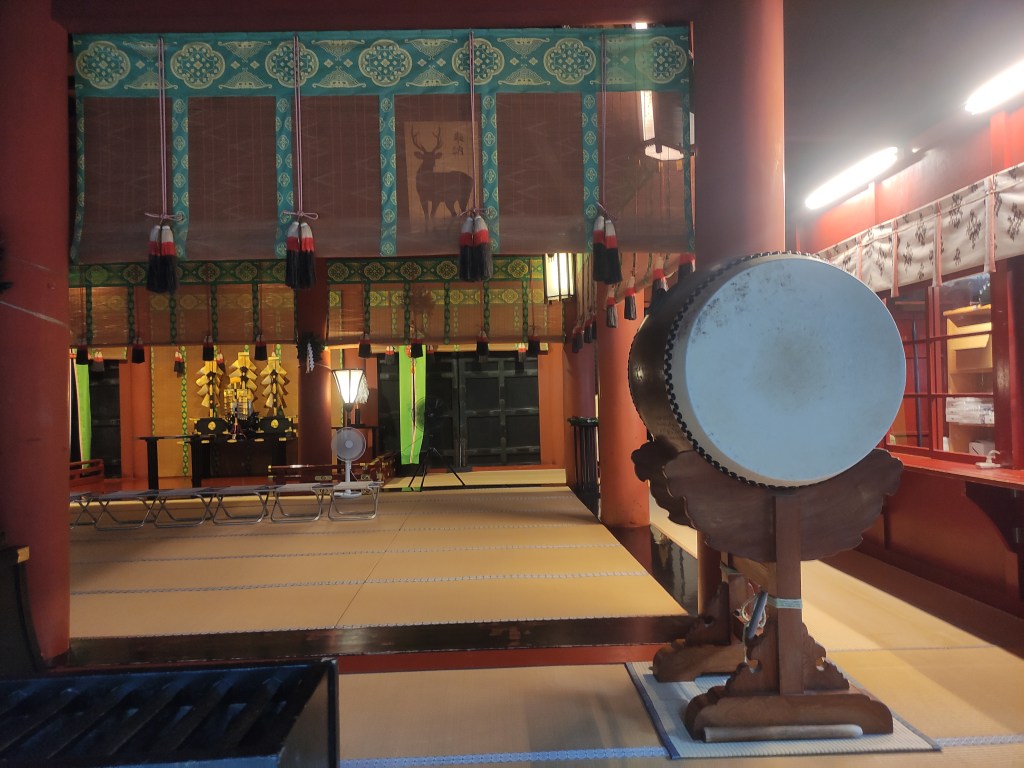
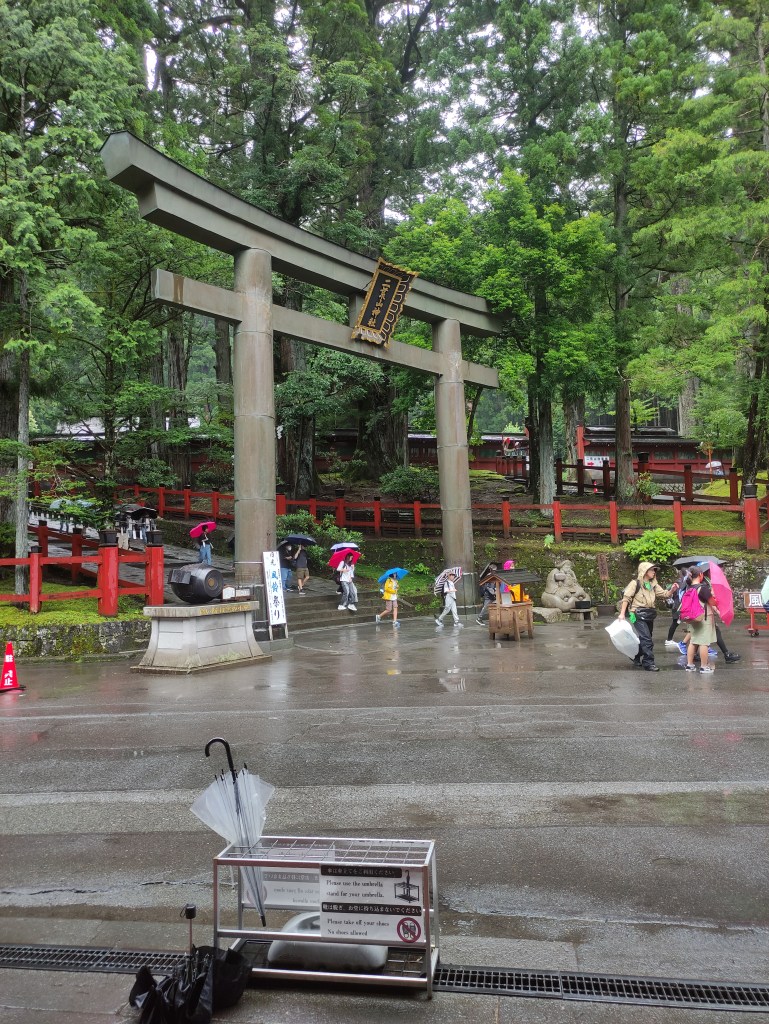
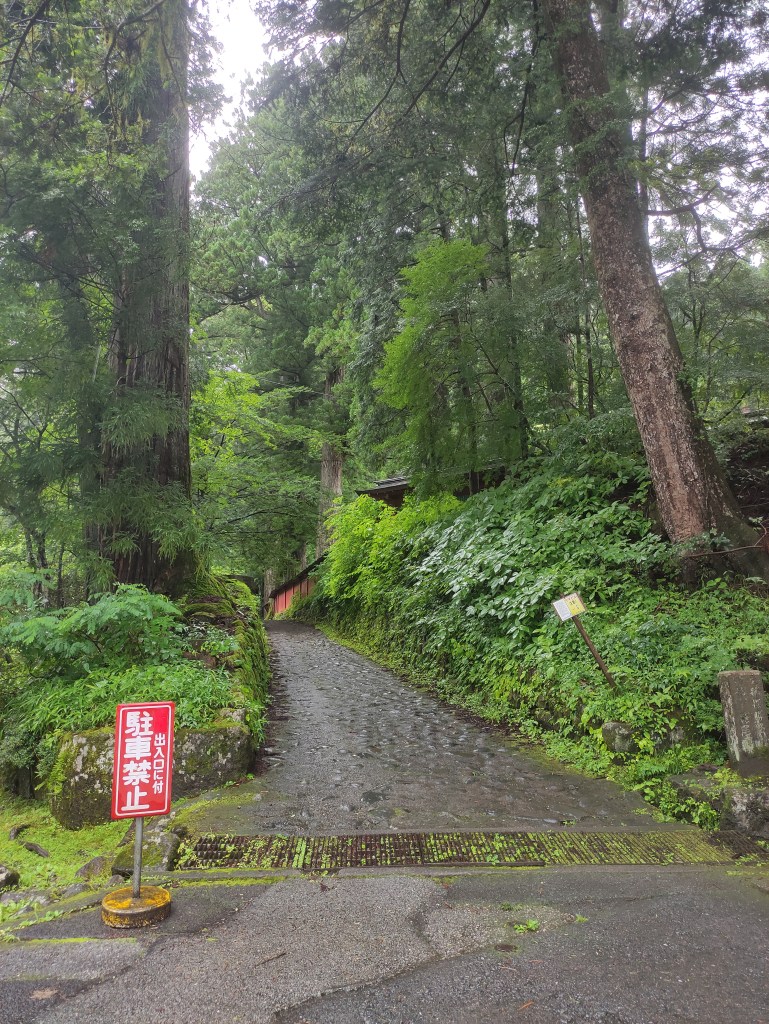
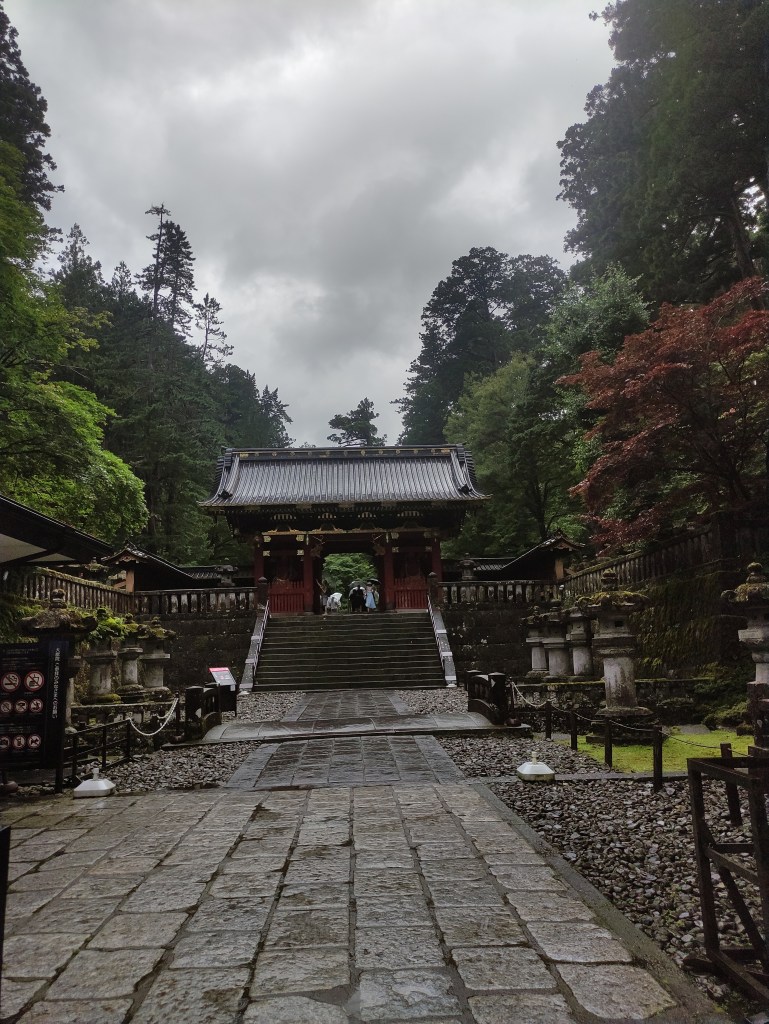
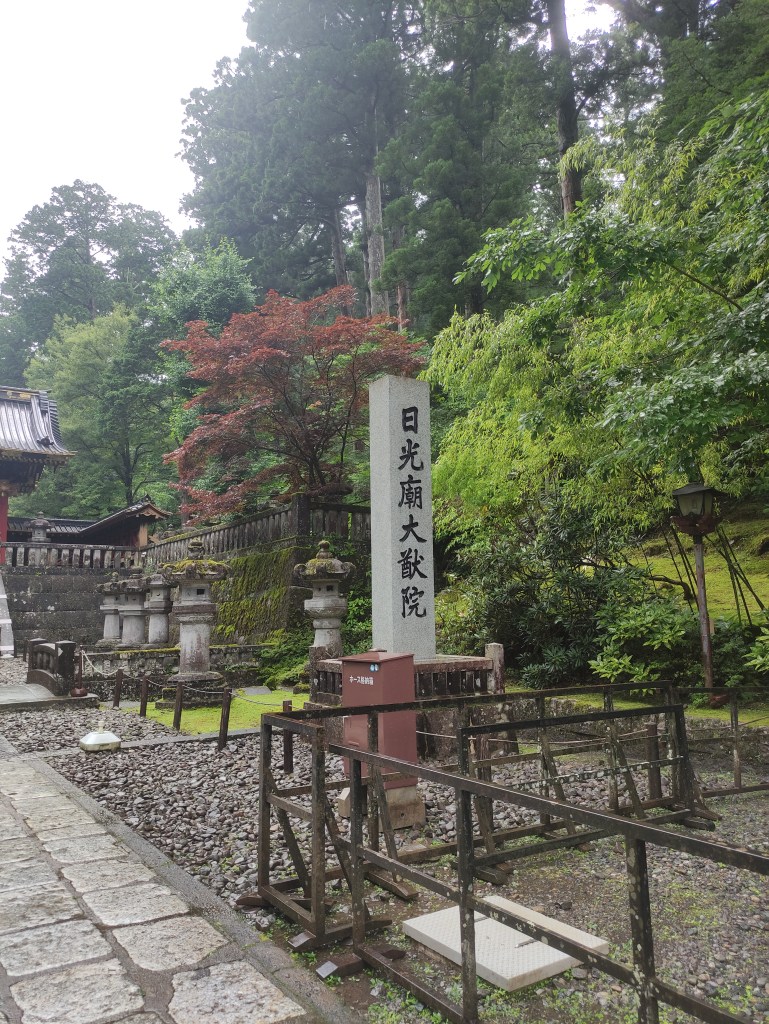
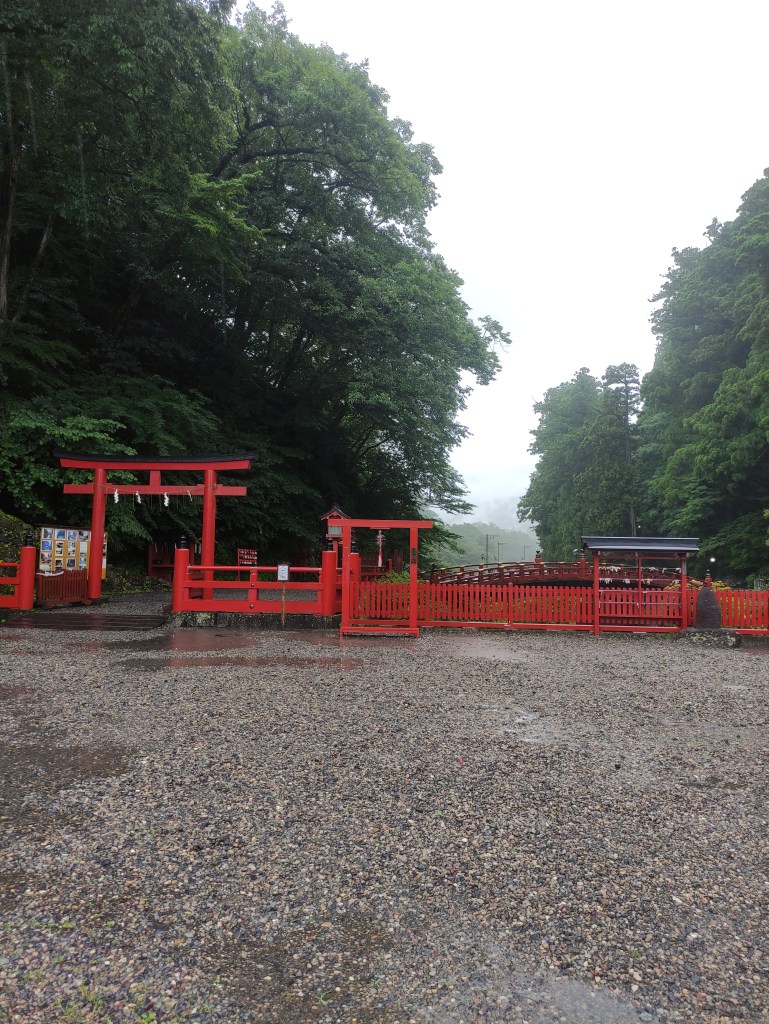
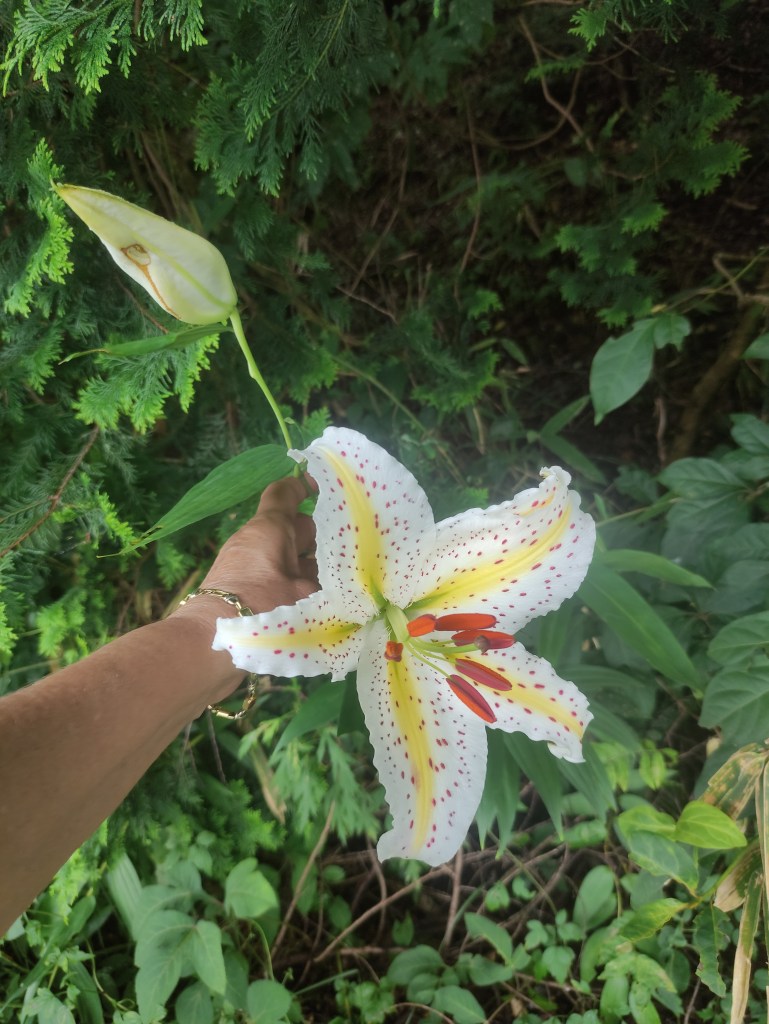
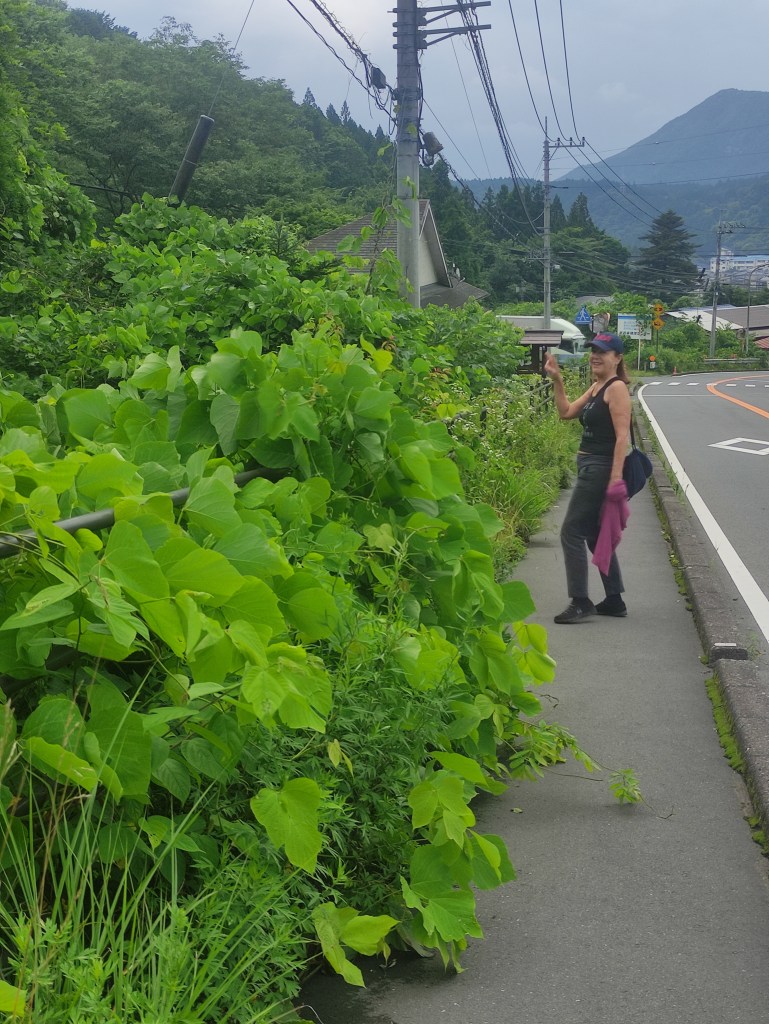
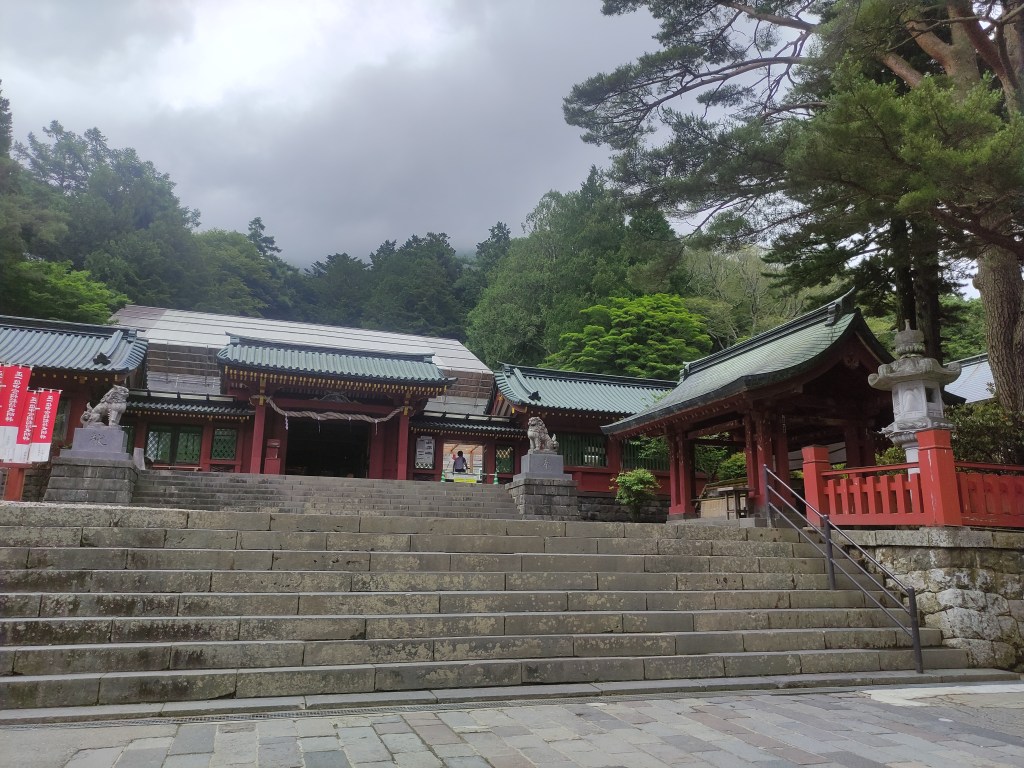
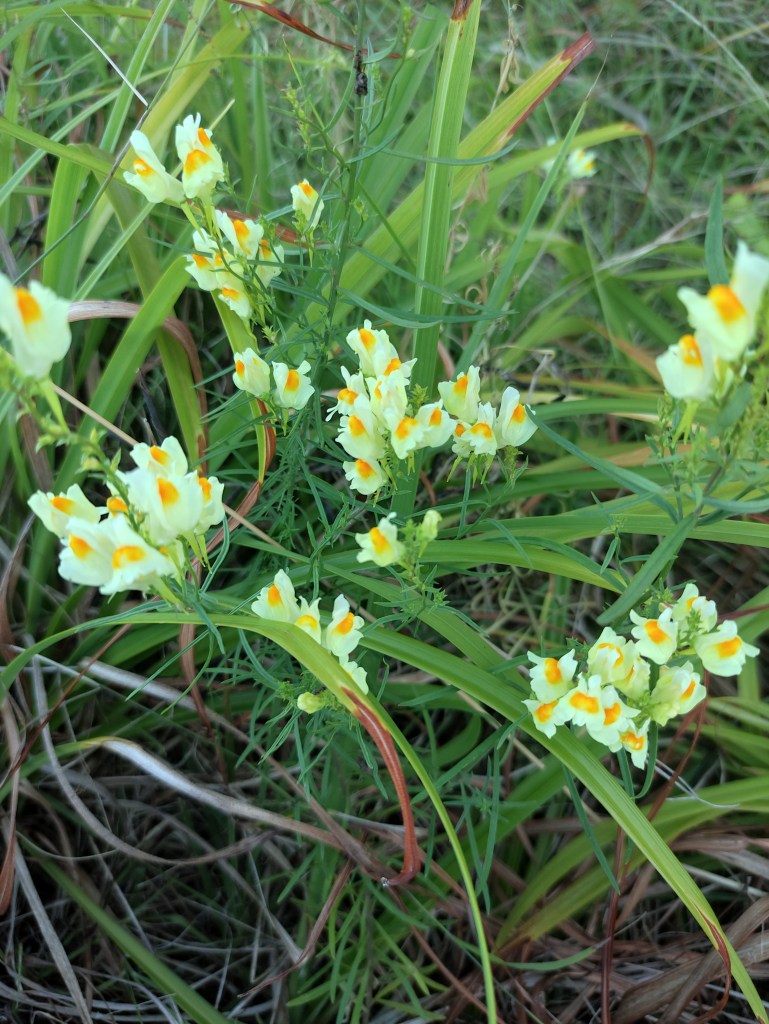
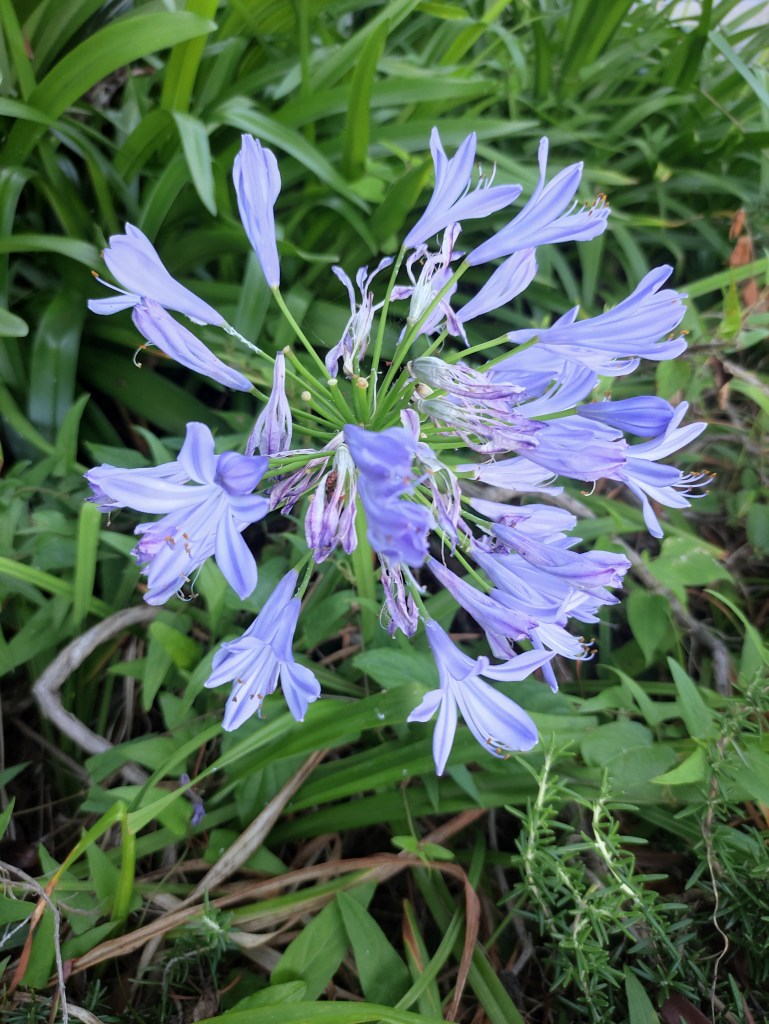
The train continued to Fukushima, north of Nikko, where we arrived in the early afternoon. The Fairfield by Marriott Tochigi Nikko hotel had our room ready, so we didn’t have to wait. This time, contrary to what I wrote before, the room was spacious and there was plenty of room to unpack our suitcases. Unfortunately, it was raining heavily, but really pouring down. There are many temples and shrines to visit, so we had to make a choice because time was limited. The first was Toshogu Shrine, followed by Futarasan-jinja Shrine, Nikkosan-Rinnoji Temple, and the sacred Shinkyō bridge. We then returned to the center, literally passing over a waterfall river along a staircase. The nature is very lush: the large wild lilies that grow everywhere are beautiful.
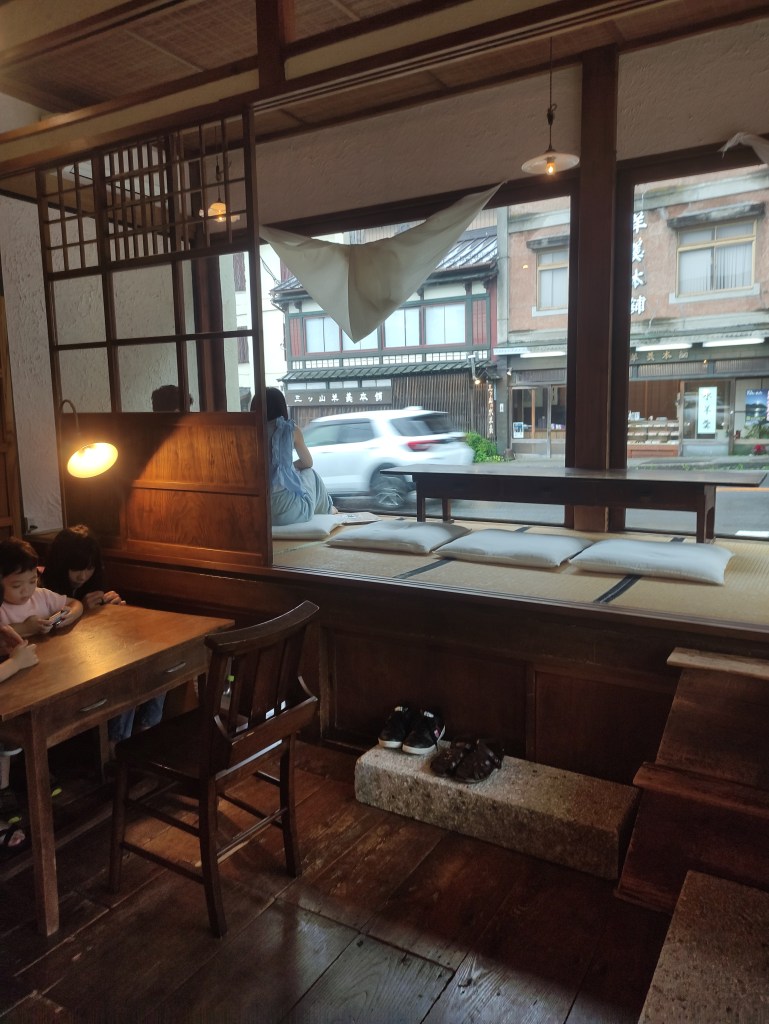
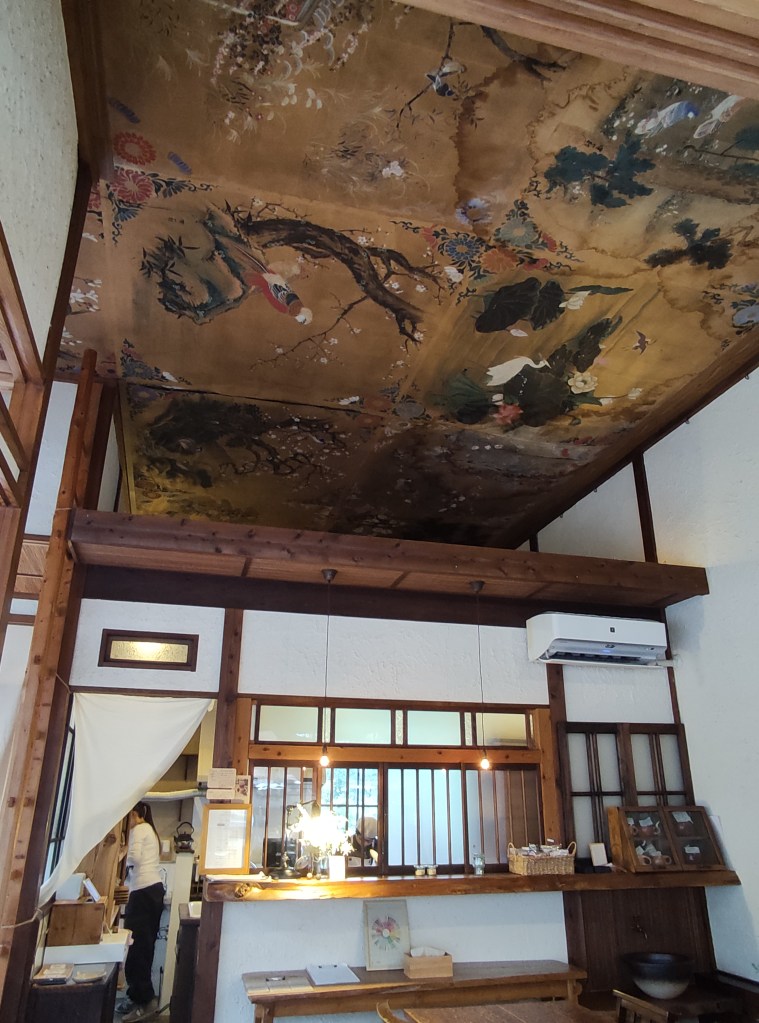
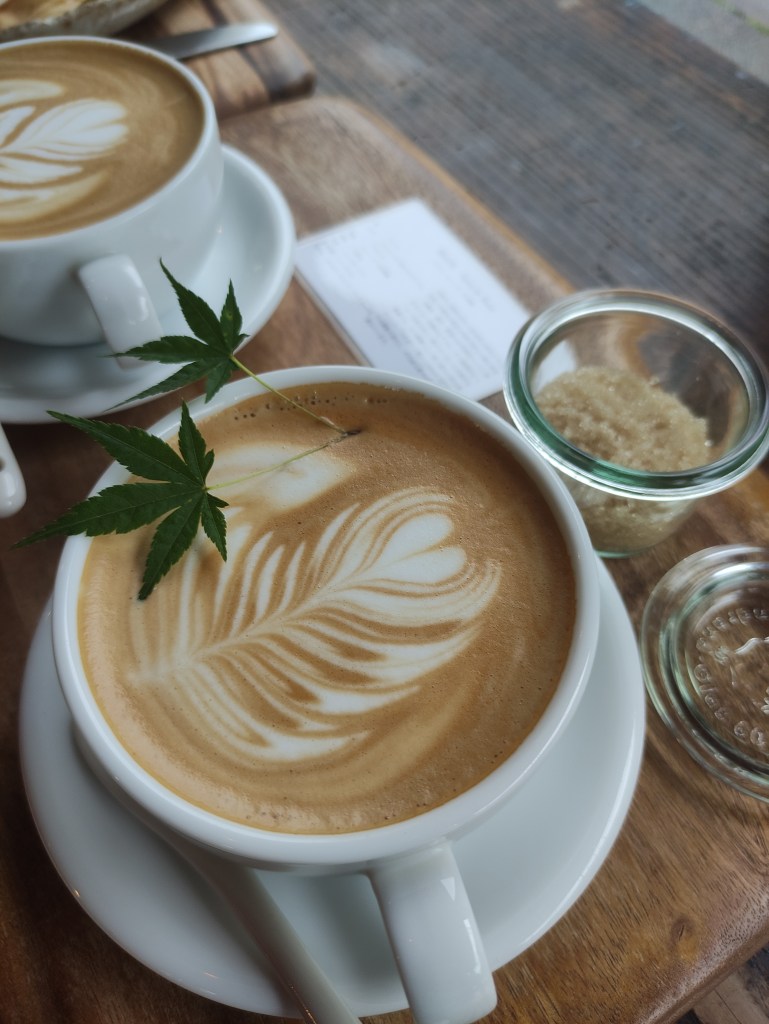
We treated ourselves to crêpes with bananas and ice cream in a delightful vegan café housed in a traditional building.










Wednesday July 16th
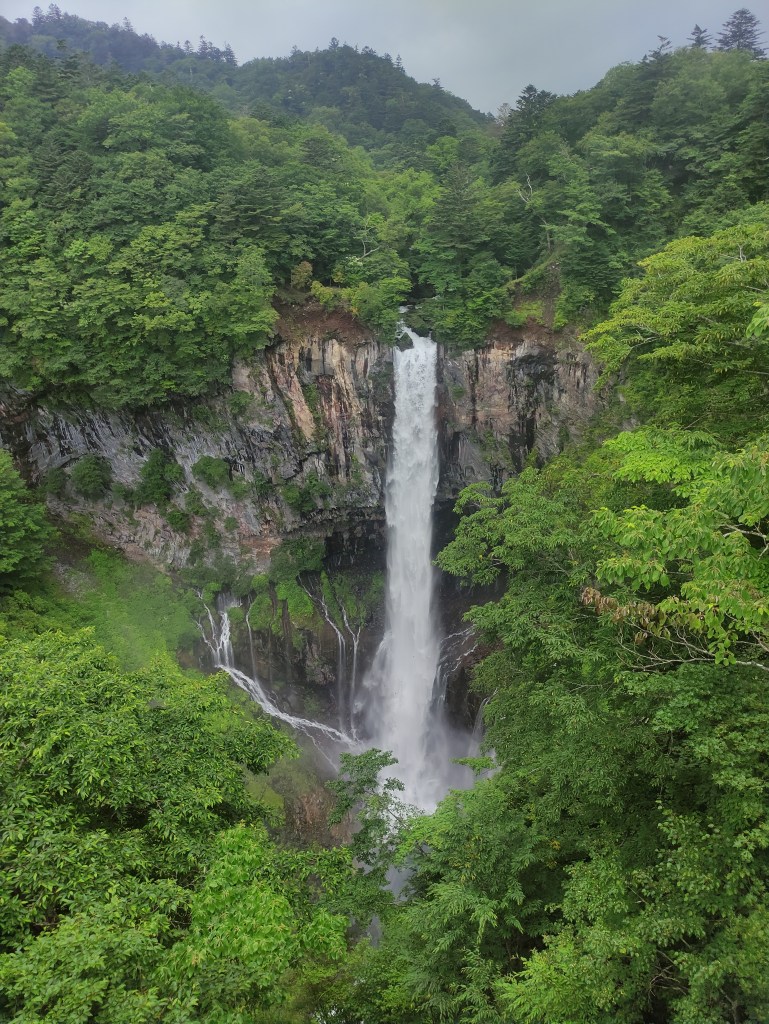
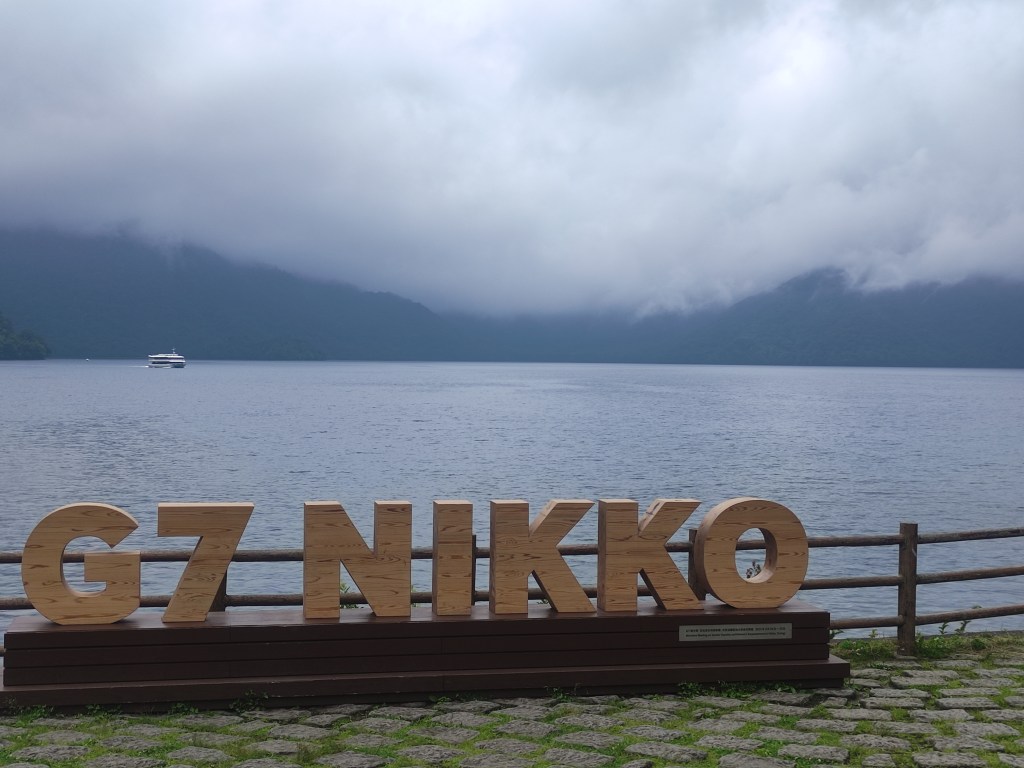
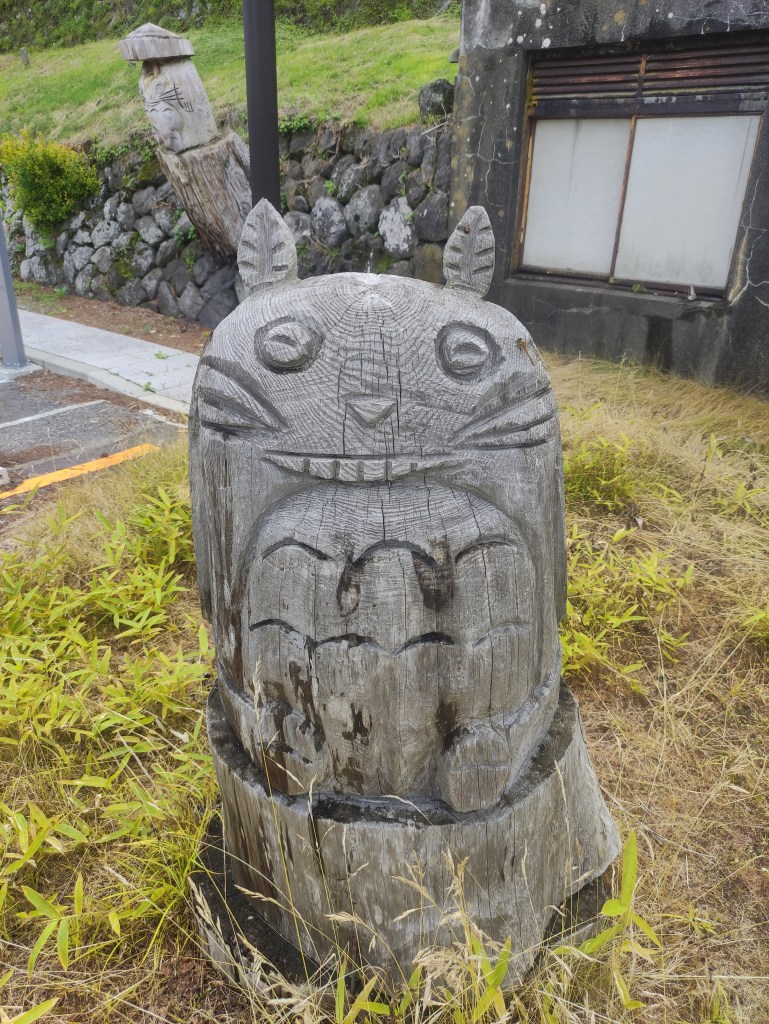
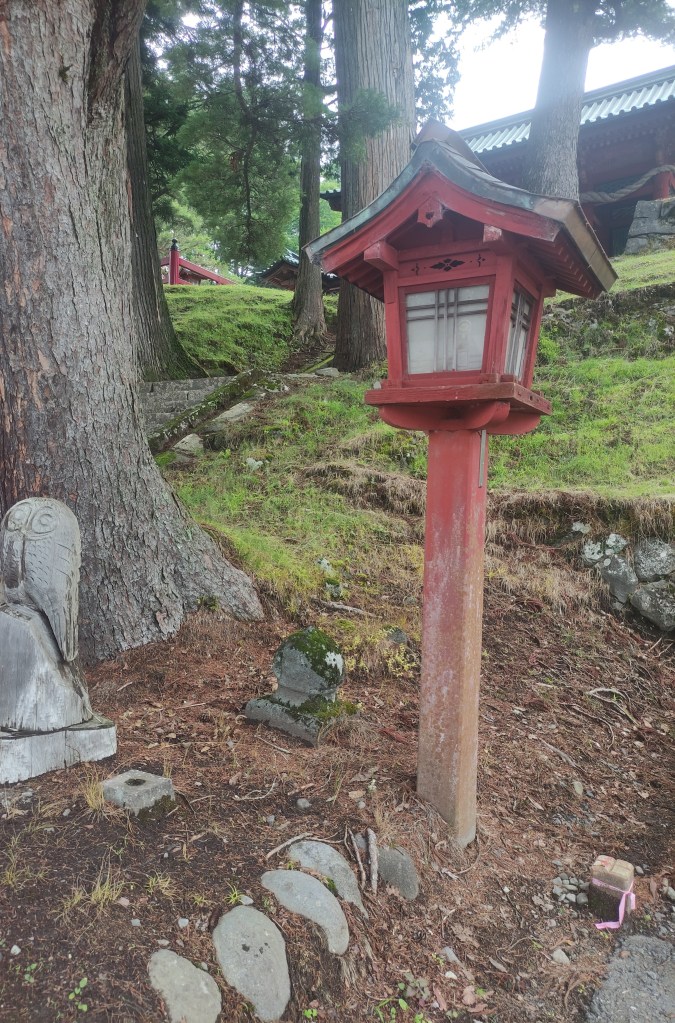
We planned an excursion to Lake Chuzenji, located at the foot of the sacred Mount Nantai volcano. We took a bus from Tobu Nikko Station, which took us 50 minutes along the winding Irohazaka Road.This picturesque road consists of 48 curves that lead to the plateau of the Okunikko mountain region. Inside the bus, we had to fasten a special seat belt.The Kegon Falls can be reached on foot in about 20 minutes. This area offers many opportunities for hiking in national parks. We only visited the Chungushi sub-shrine (at the base) of the Nikko Futarasan-jinja shrine, but it was closed for restoration. There is a four-kilometer mountain trail that leads to the summit and the Okumiya shrine, at the top of the mountain.Totoro, the “protector of the forests” and character from Miyazaki’s animated film, can be found almost everywhere. I couldn’t resist taking a couple of photos.
We planned an excursion to Lake Chuzenji, located at the foot of the sacred Mount Nantai volcano. We took a bus from Tobu Nikko Station, which took us 50 minutes along the winding Irohazaka Road.
This picturesque road consists of 48 curves that lead to the plateau of the Okunikko mountain region. Inside the bus, we had to fasten a special seat belt.
The Kegon Falls can be reached on foot in about 20 minutes. This area offers many opportunities for hiking in national parks. We only visited the Chungushi sub-shrine (at the base) of the Nikko Futarasan-jinja shrine, but it was closed for restoration. There is a four-kilometer mountain trail that leads to the summit and the Okumiya shrine, at the top of the mountain.
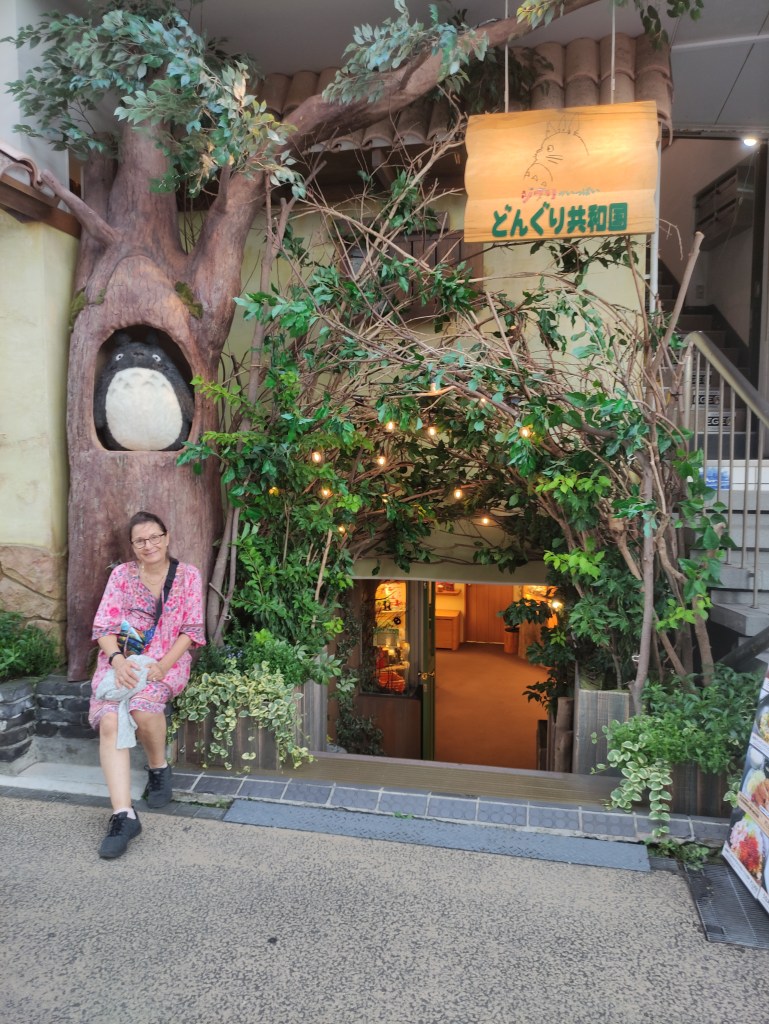
Totoro, the “protector of the forests” and character from Miyazaki’s animated film, can be found almost everywhere. I couldn’t resist taking a couple of photos.







Thursday July 17th
We woke up early as we had a long train journey ahead of us to Kamakura via Utsumiya and then Tokyo. To reach many destinations, Japanese railway lines pass through large cities like Tokyo.
Our hotel was in Kamakura-Ofuna Hiagshiguchi, the Sotetsu Fresa Inn, very close to the station.
Like other Japanese towns, Kamakura also has countless temples and shrines. We asked the tourist office at the station to point out the most interesting and beautiful ones.
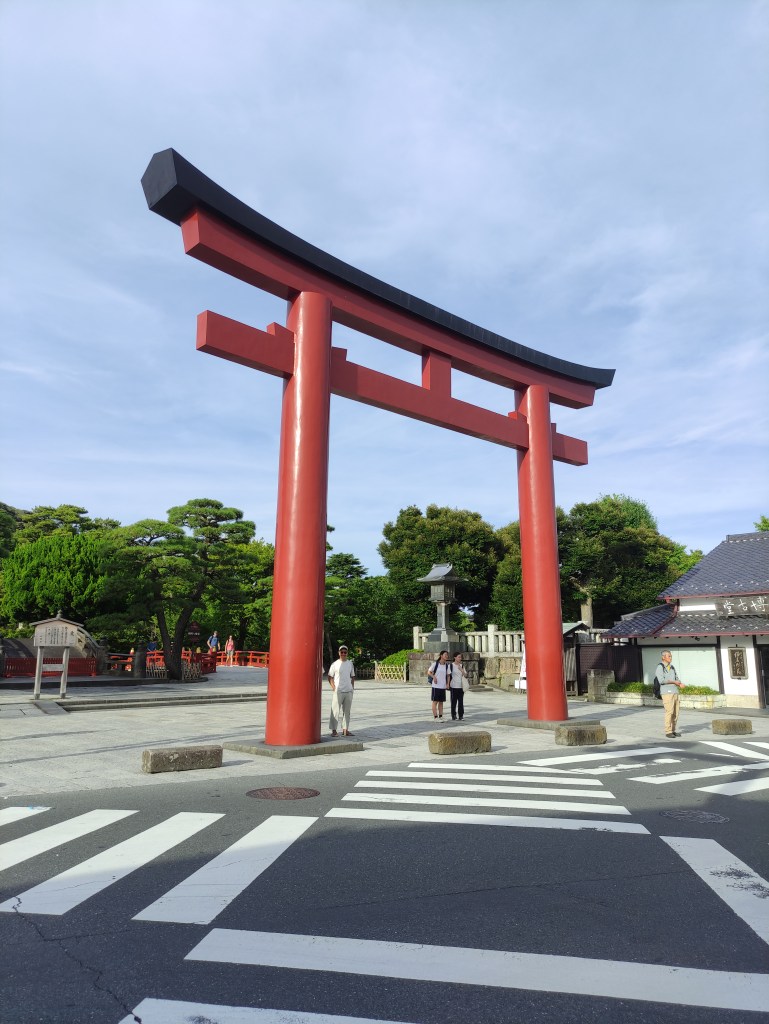
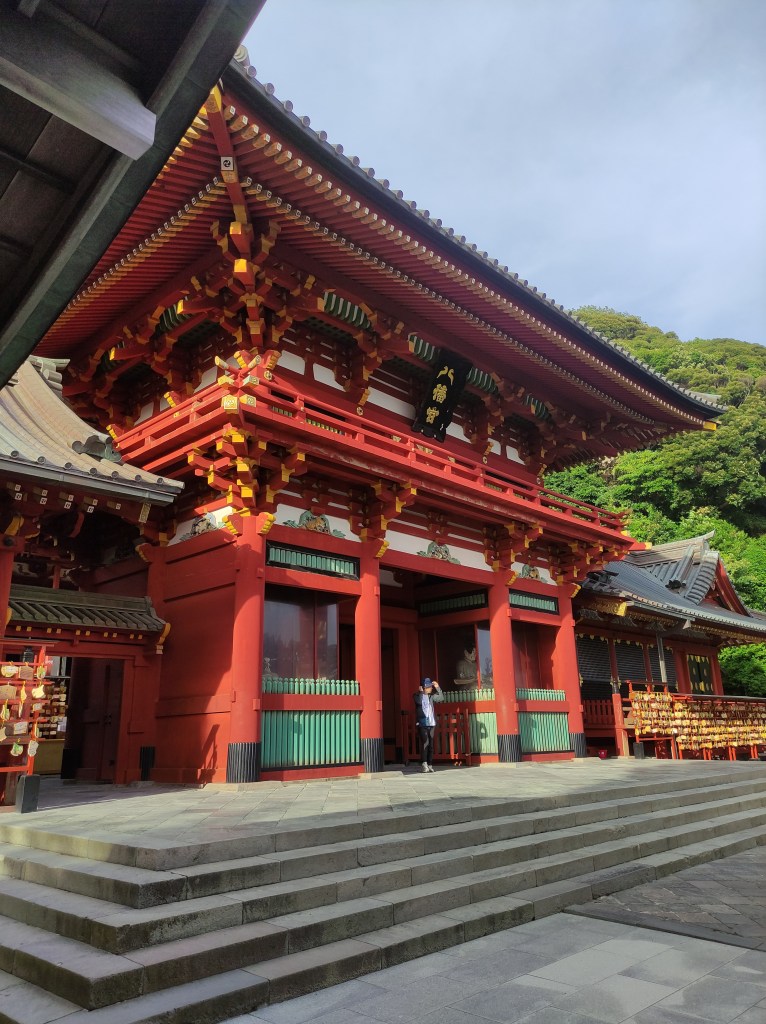
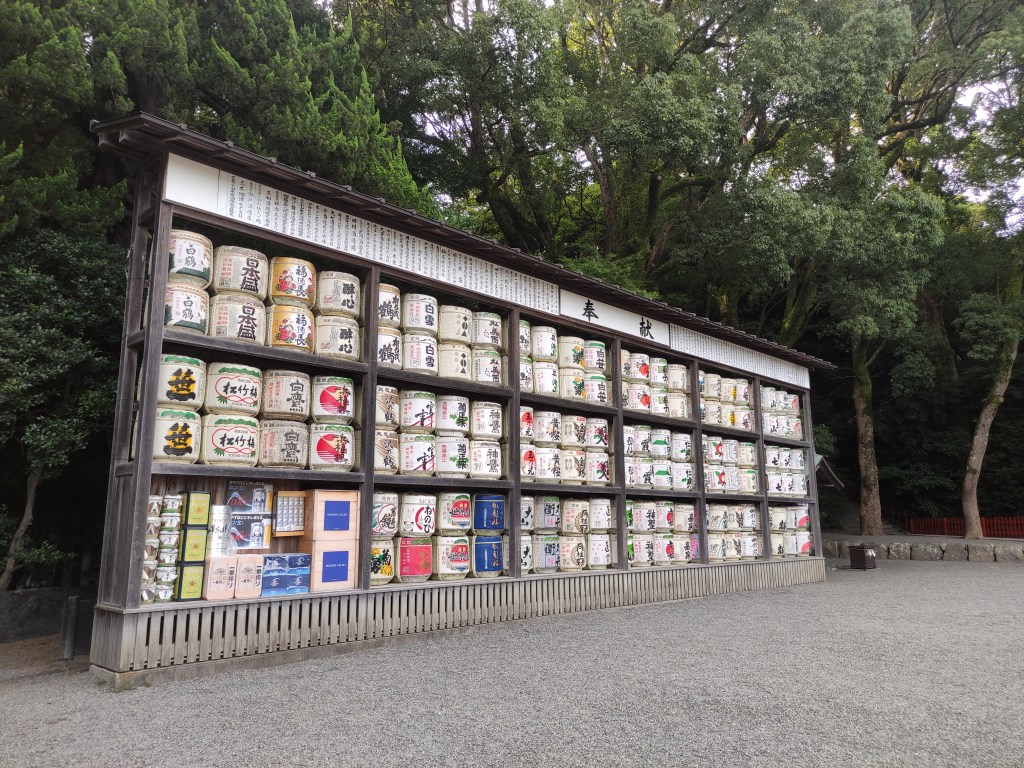
With only part of the afternoon available, we started by visiting the Tsurugaoka Hachimangu temple complex which is dating back to 1063. It catches the eye the huge red “Tori” placed in front of the entrance to Kamakura’s most important Shinto shrine. This shrine plays a central role in Kamakura’s cultural and spiritual life. It is dedicated to Hachiman, the patron god of samurai.
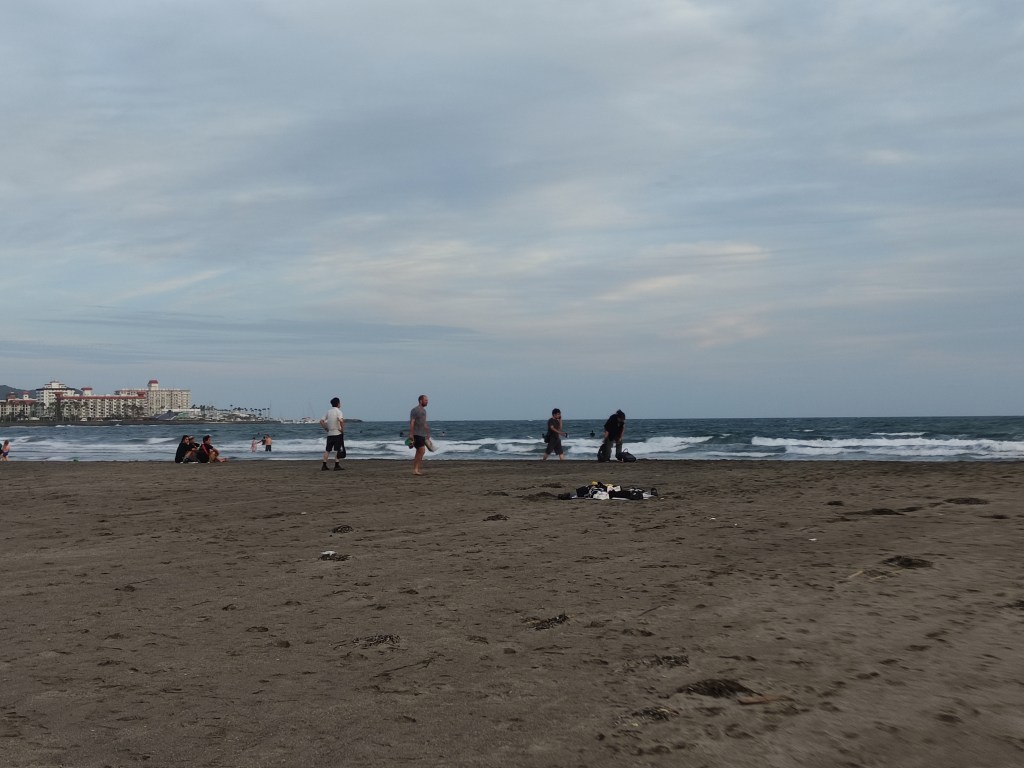
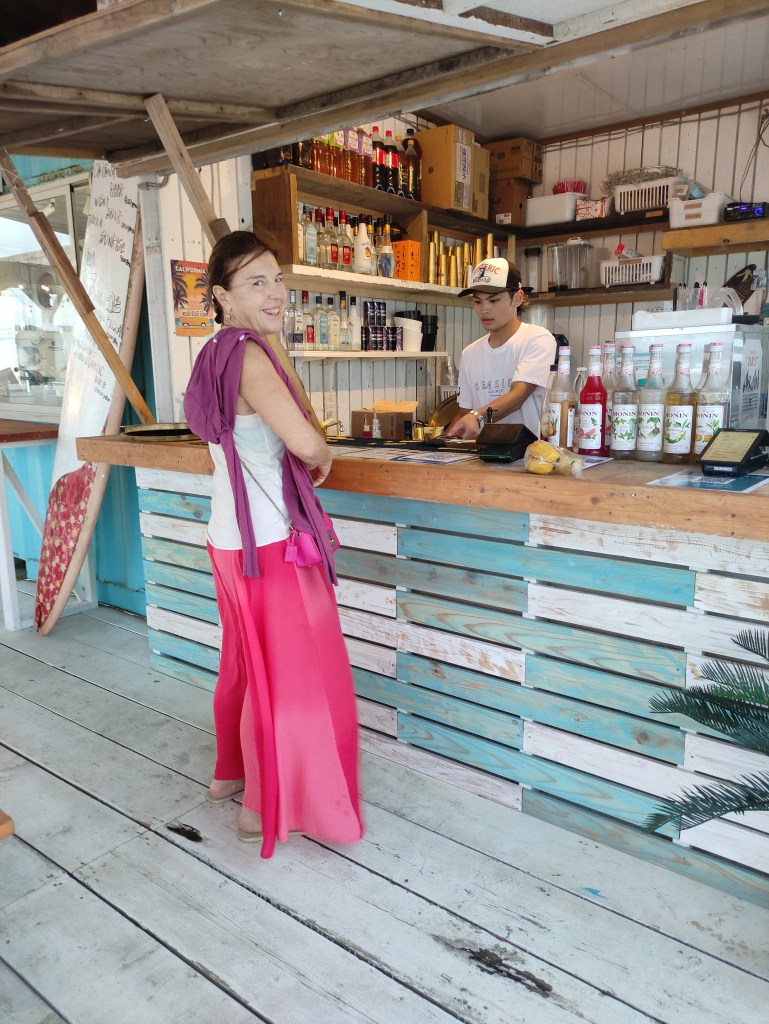
In the late afternoon, we went to Kamakura’s gray beach. You can reach it on foot by using the main road. There are several little restaurants and bars along the beach. It’s a great place for an aperitif and to relax after a busy and hot day.








Friday July 18th
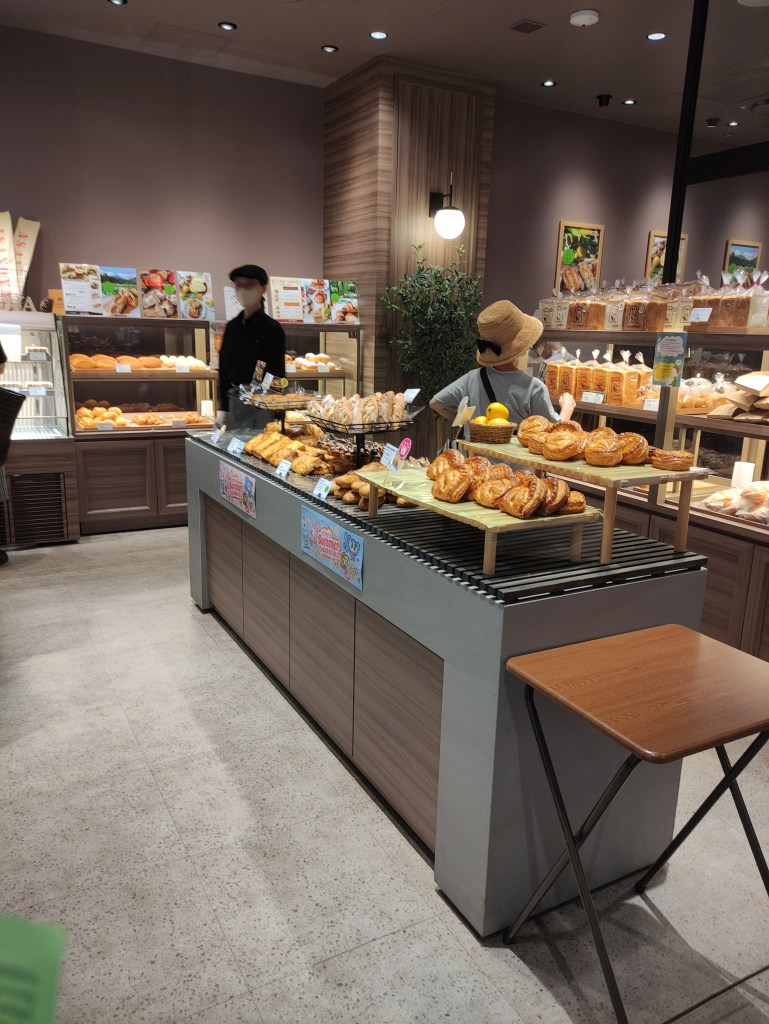
We had breakfast at the pastry shop/bakery at Kamakura Ofuna Station. After, we began what promised to be a very interesting (and fortifying for the mind) day.
The list of temples to visit could have been much longer, but we only saw those recommended by the tourist agent.
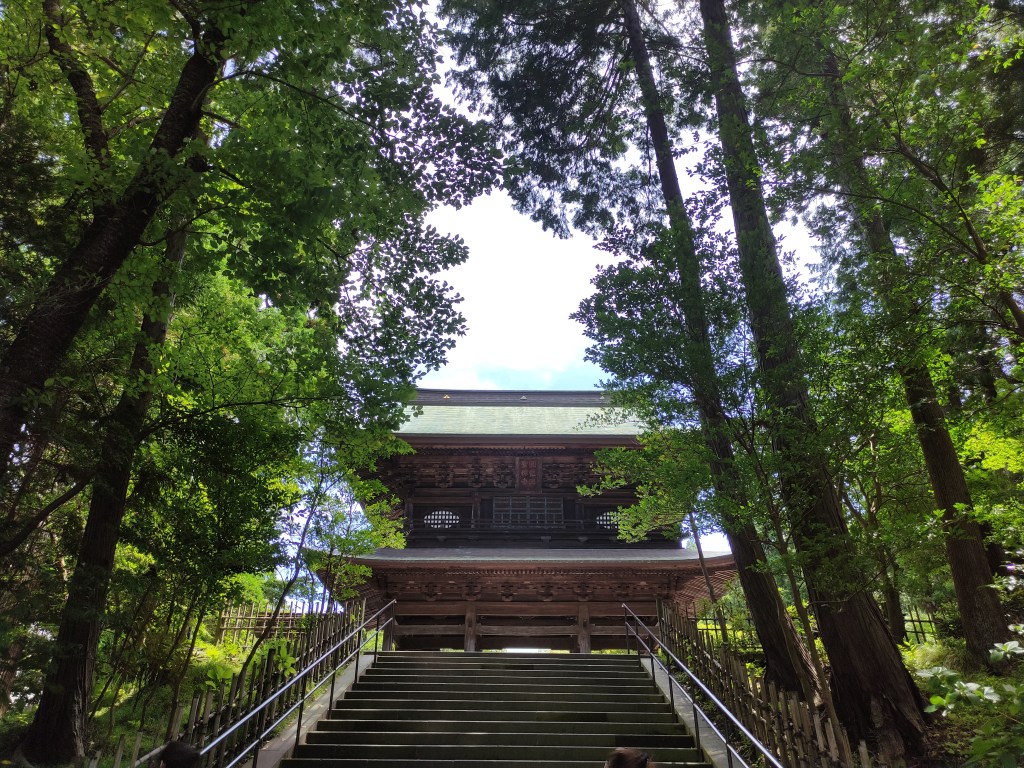
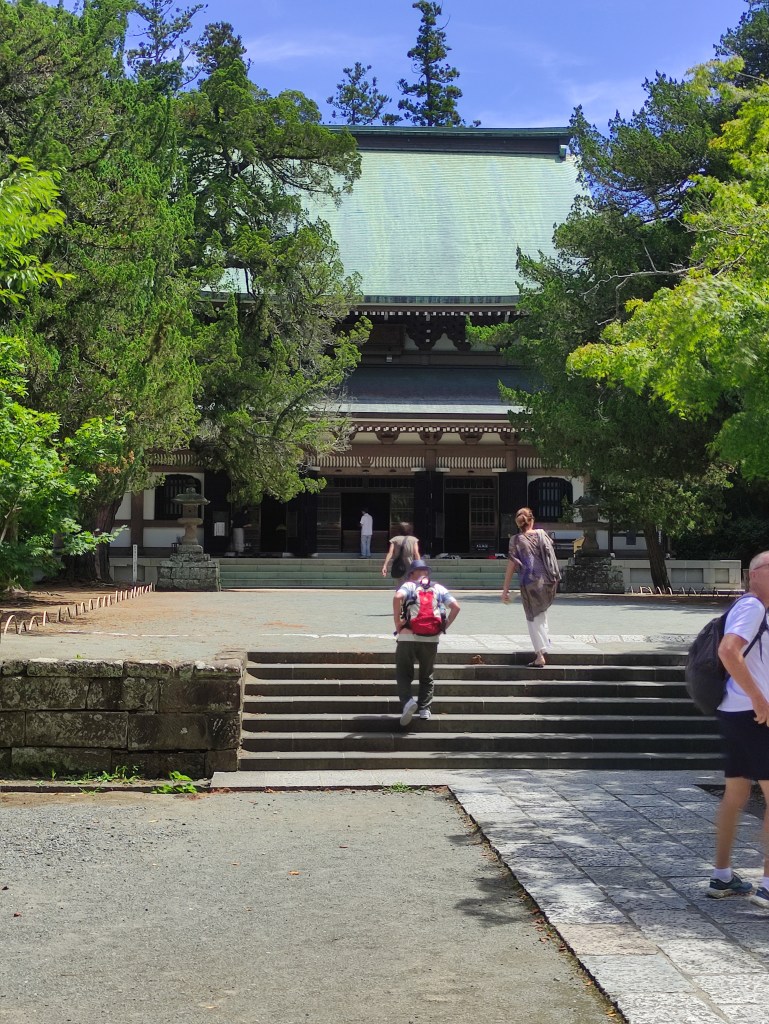
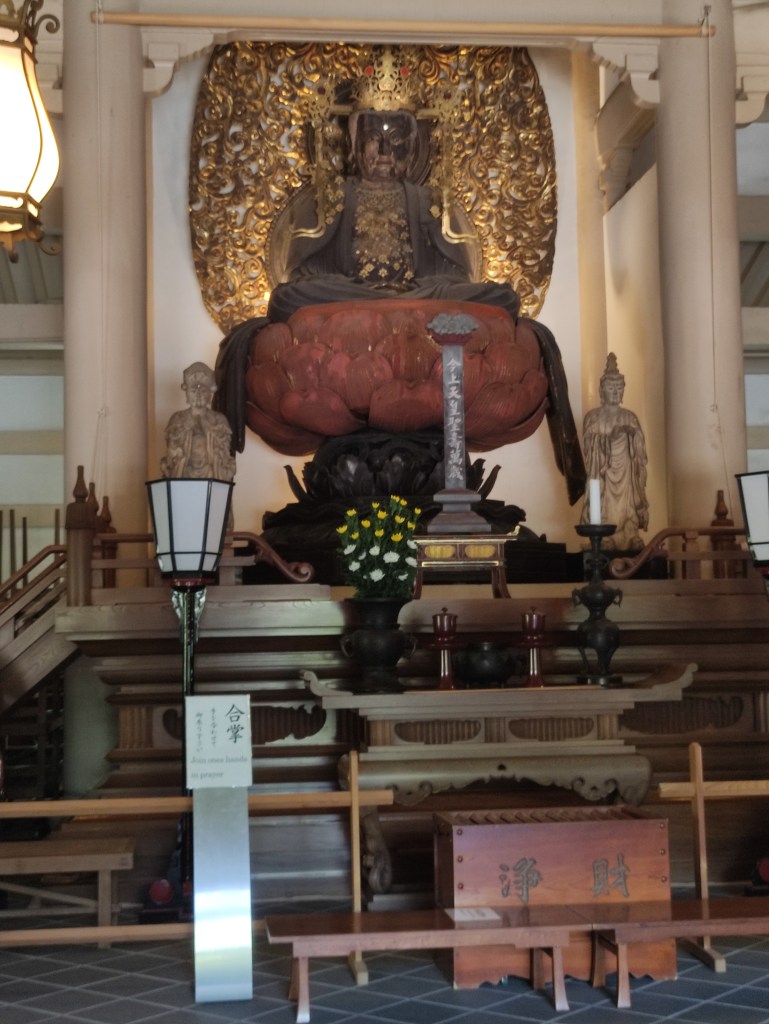
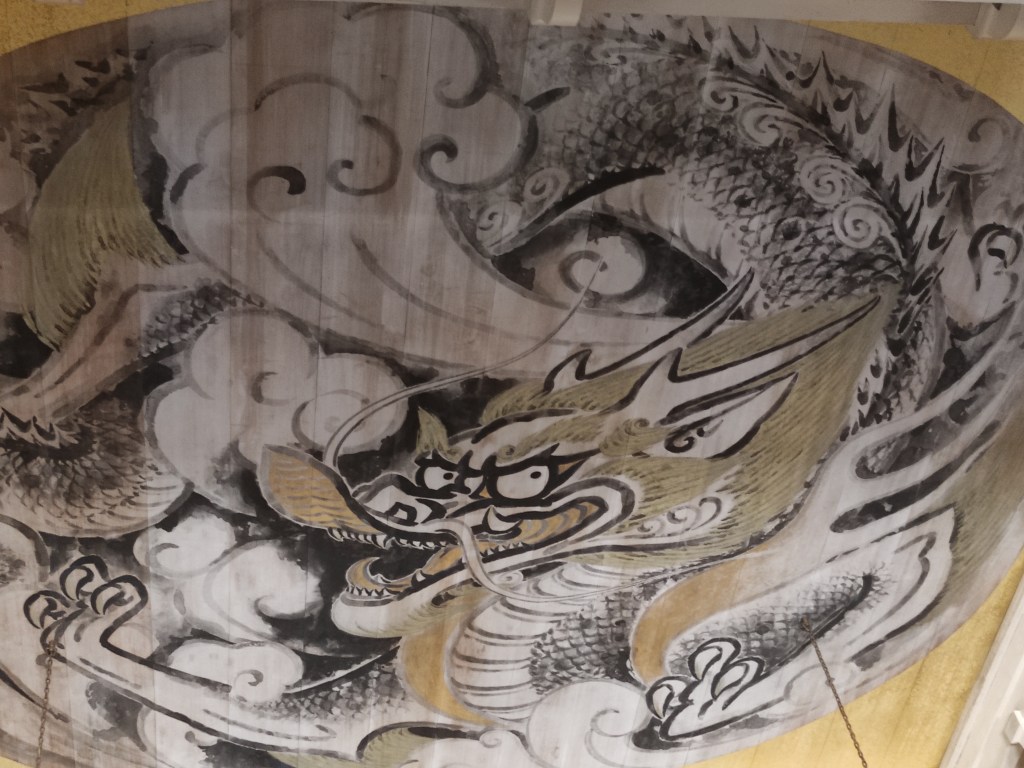
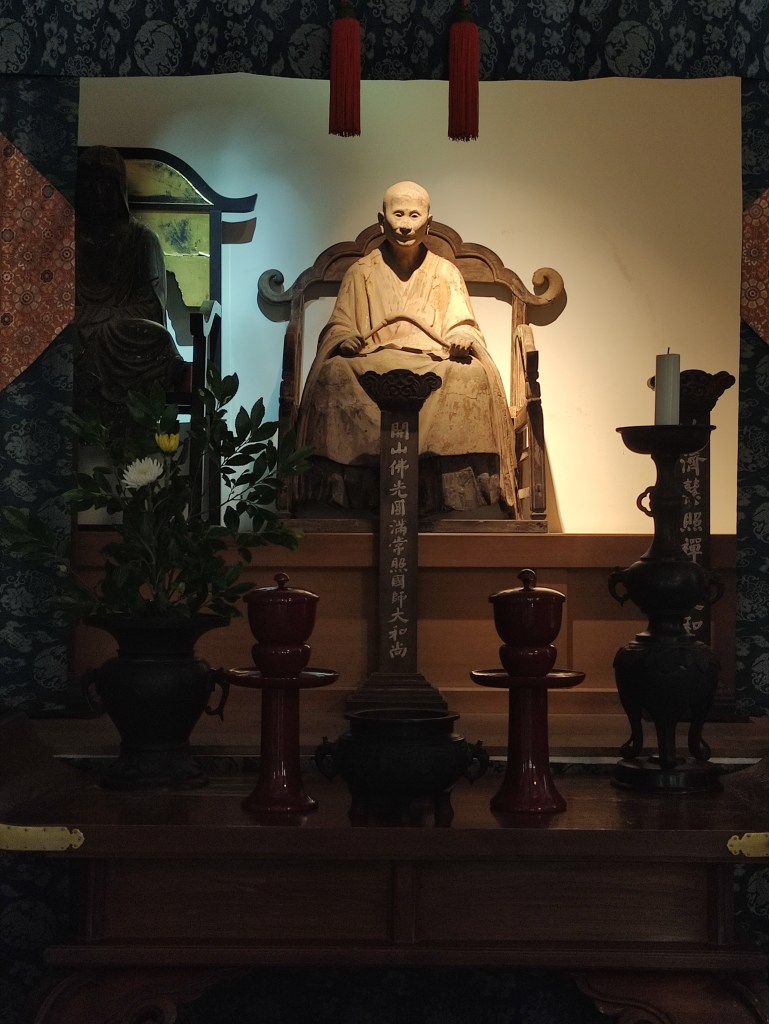
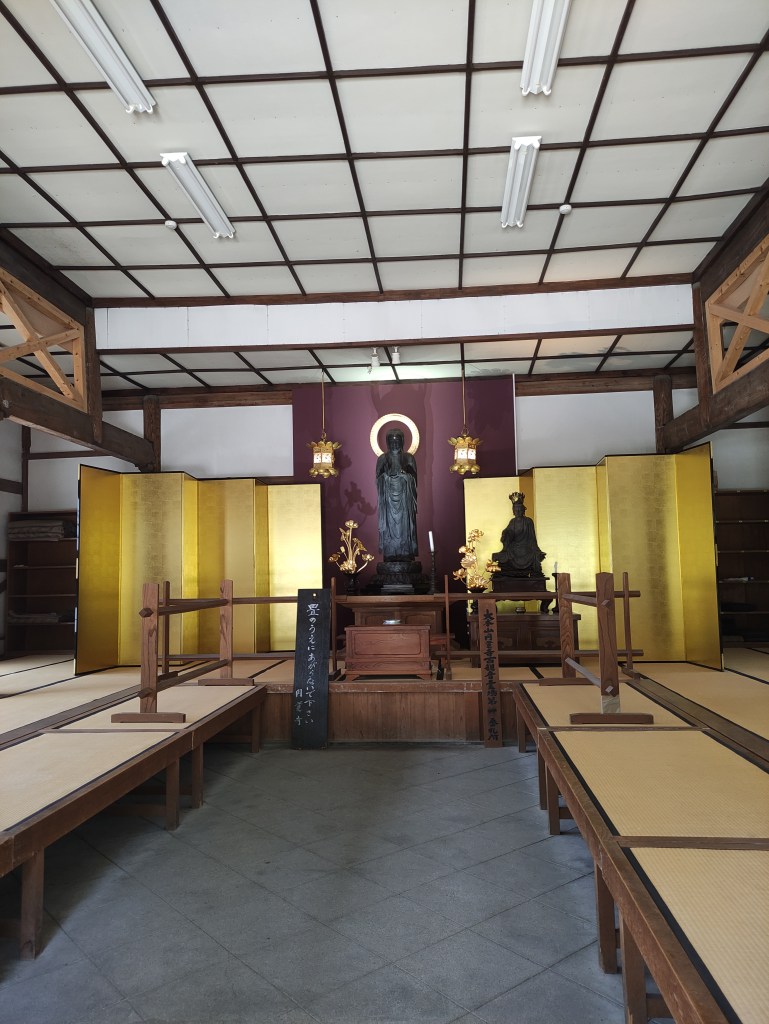
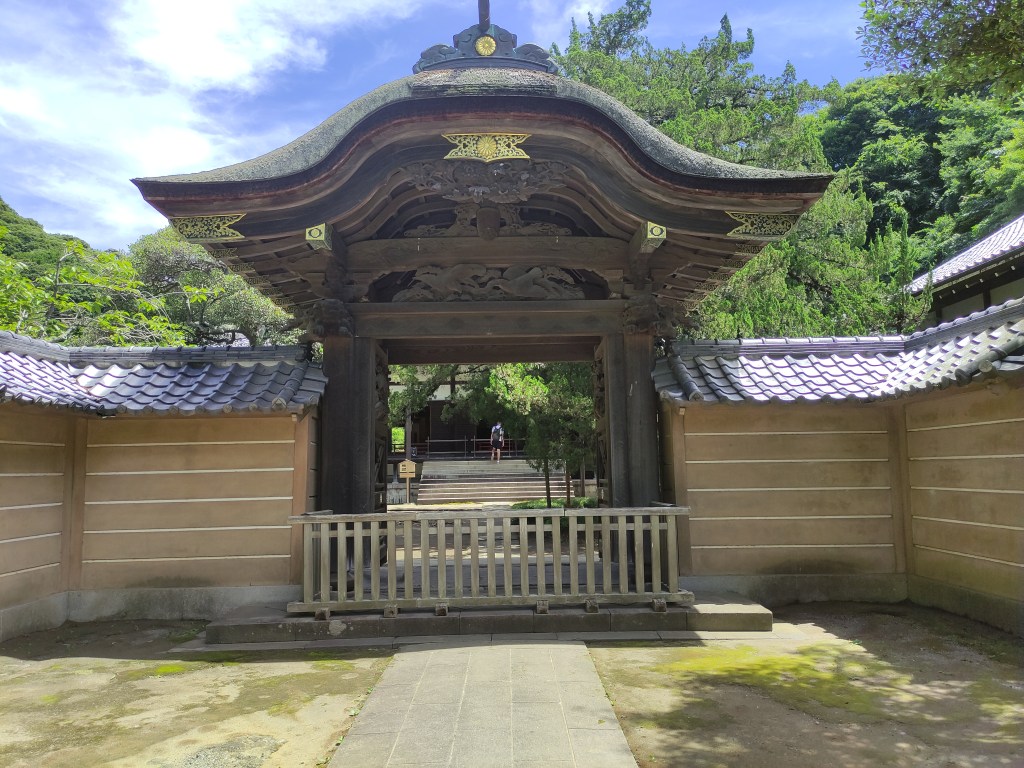
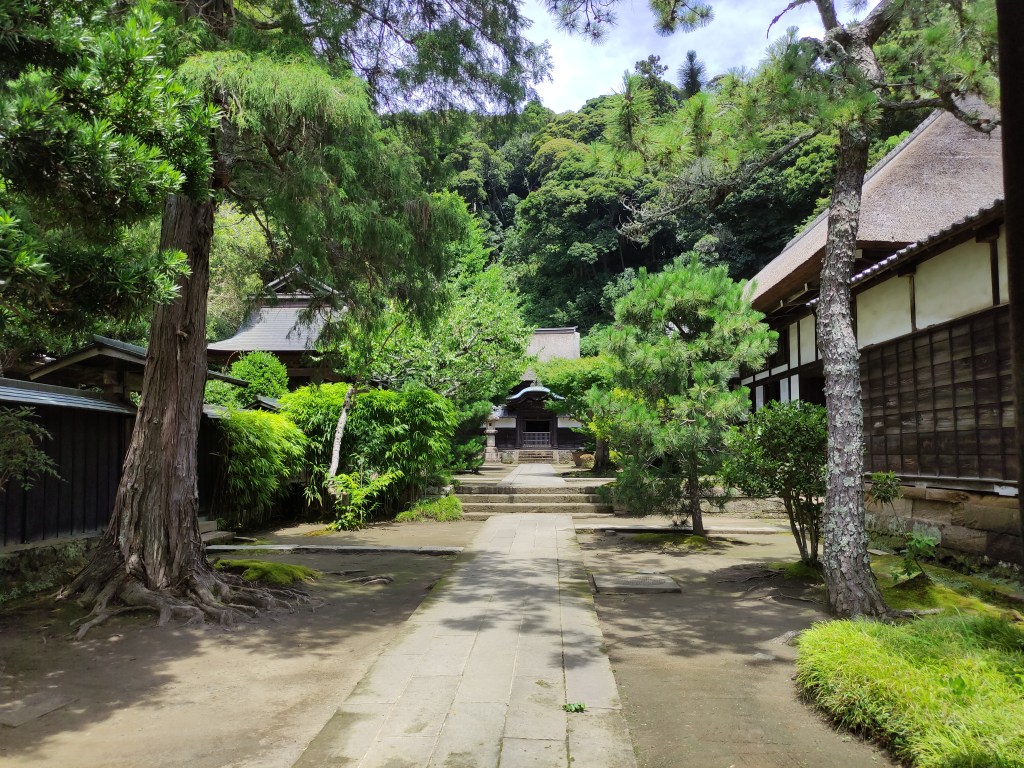
The Engakuji Temples complex was founded in 1282 by Zen Master Mugaku Sogen (1226-86) during the 8th regency of the Kamakura shogunate. Mugaku Sogen was born in China during the era of the Northern Song dynasty.
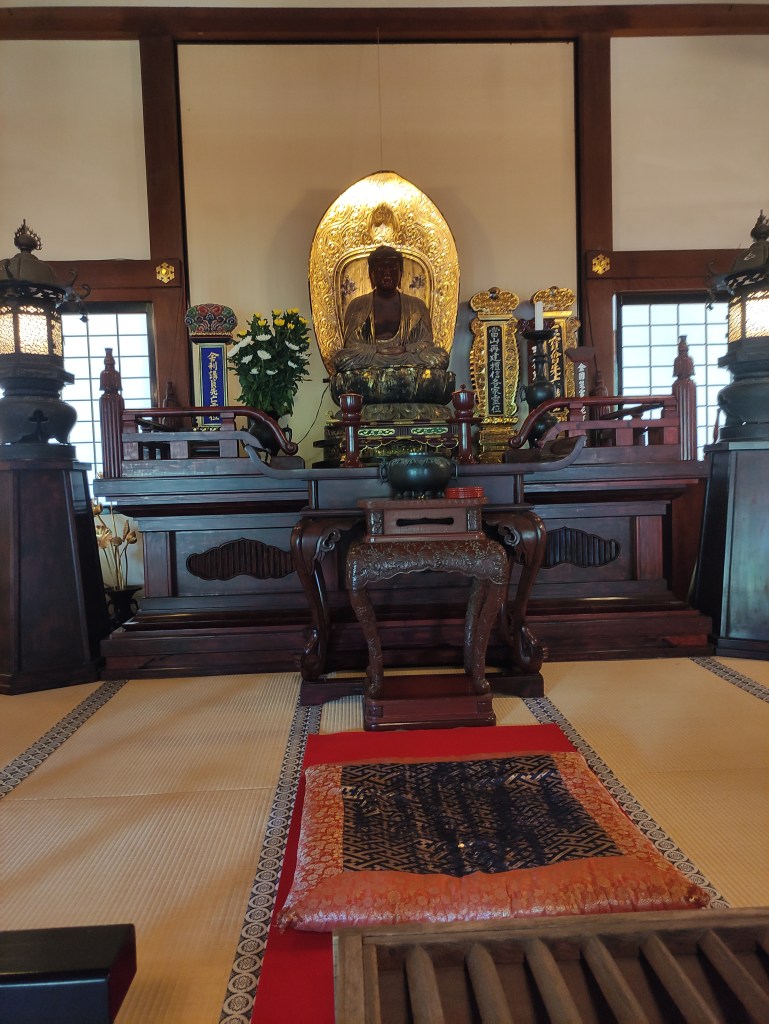
Several temples stand on the ground, each more impressive than the last. It is a very important place for those who practice Zen Buddhism. The huge metal bell (ogane), which is part of Japan’s national treasure, is also a wonderful wooden artifact.
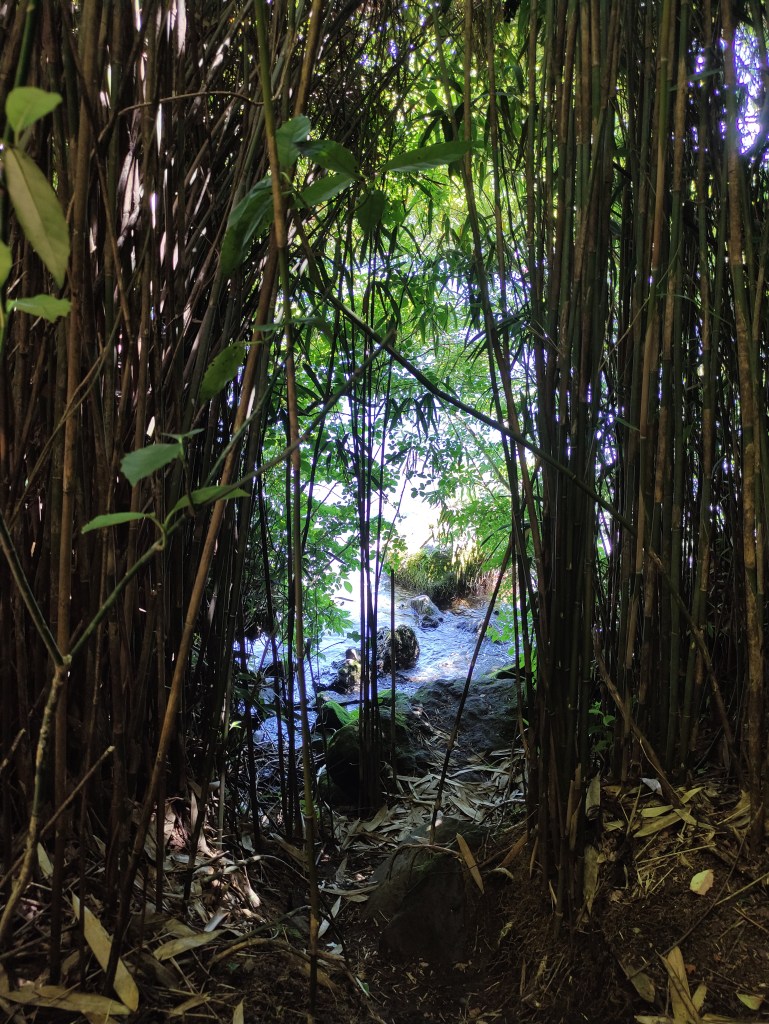
Our pilgrimage continues with a visit to Hokokuji Temple. We literally immerse ourselves inside a forest of giant bamboo trees with a diameter of a span. In perfect silence, you can hear the rustling of the leaves that transports you to another dimension of peace and serenity.
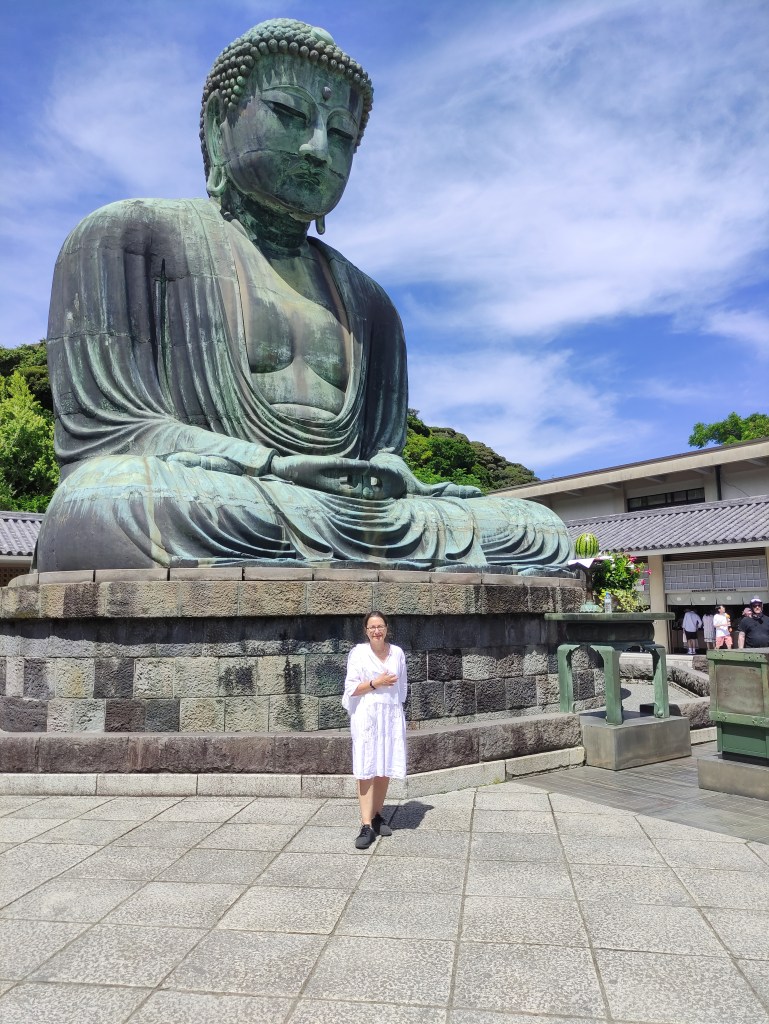
I held my breath when I saw Kotokuin Temple. It was impressive with its colossal copper statue of Amida-butsu (Amitabha Buddha), 11.4 meters high, commonly known as Kamakura Daibutsu (Great Buddha of Kamakura). The fact that it sits in the open air makes it unusual amongst large Buddha statues in Japan.
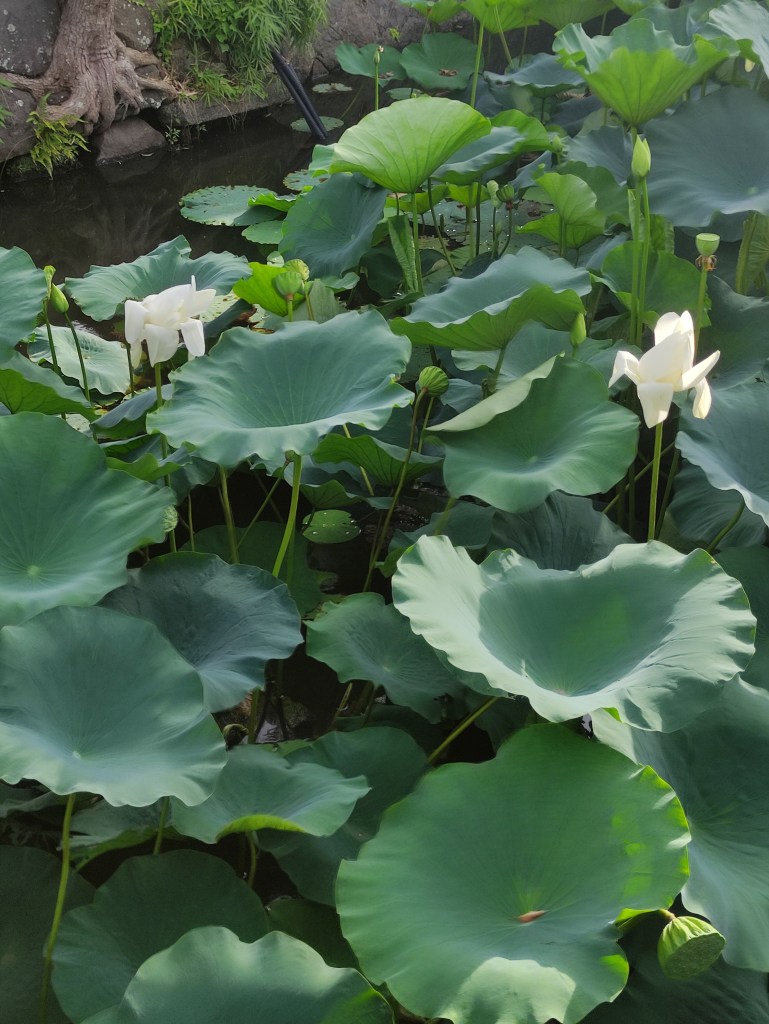
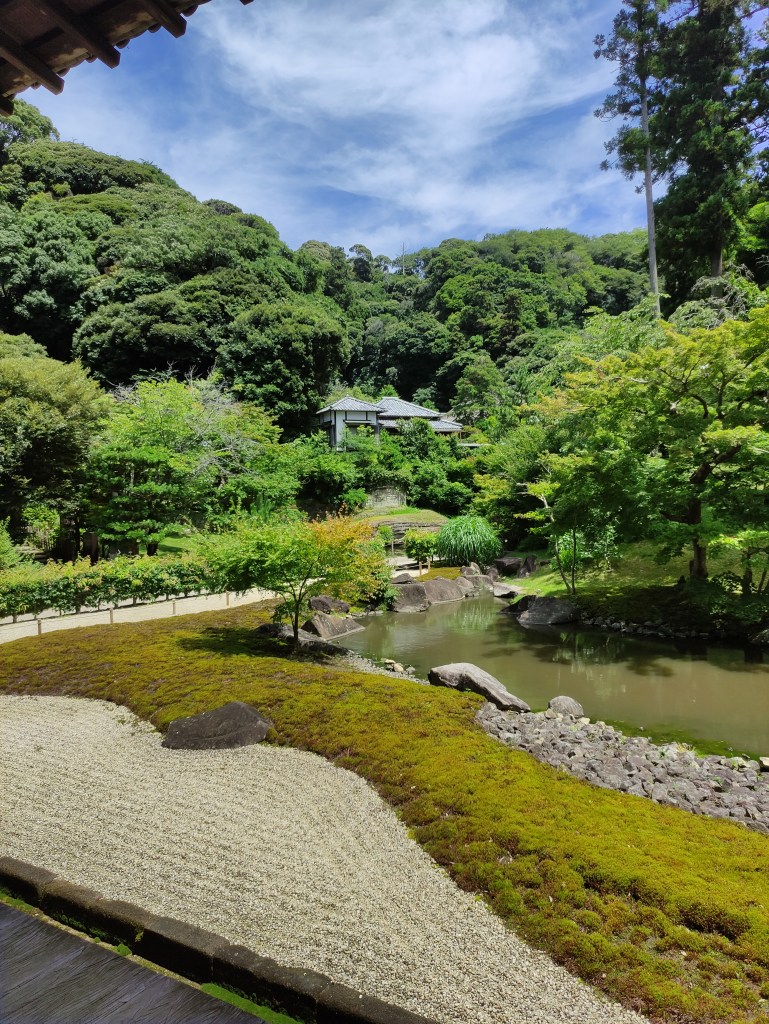
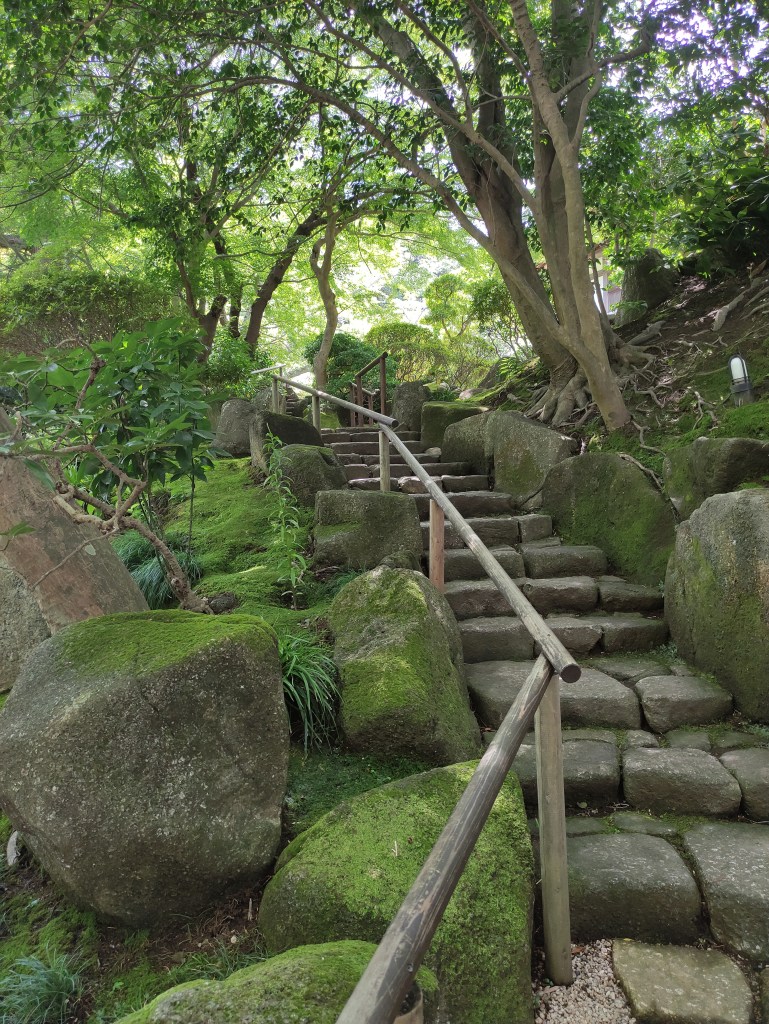
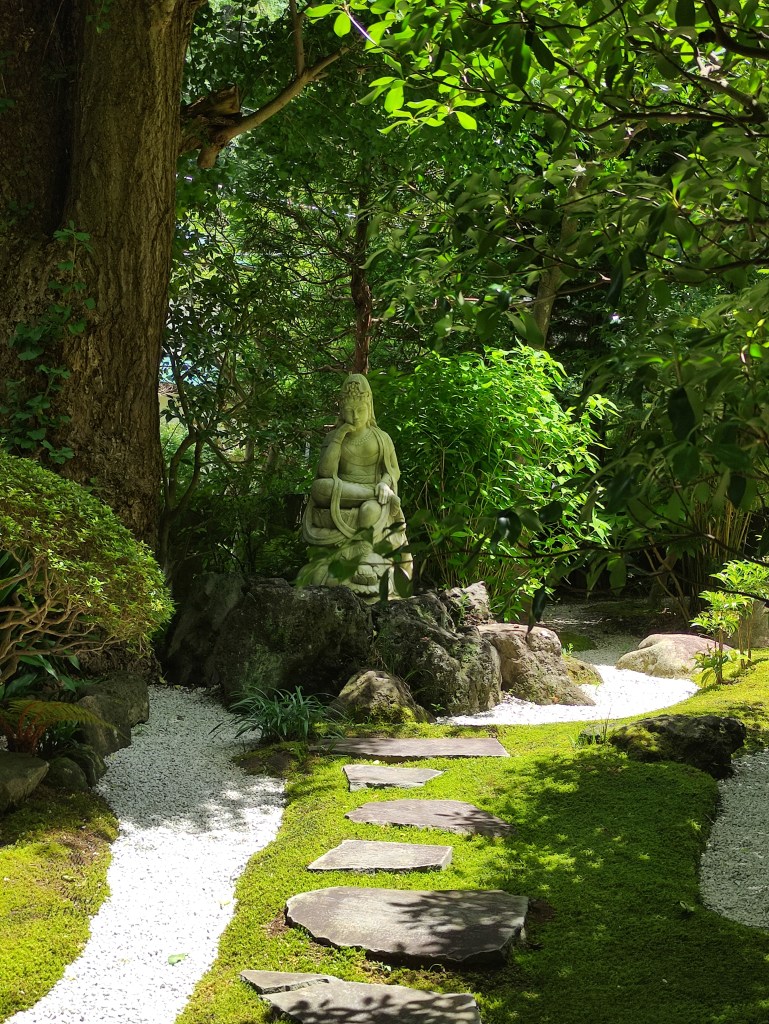
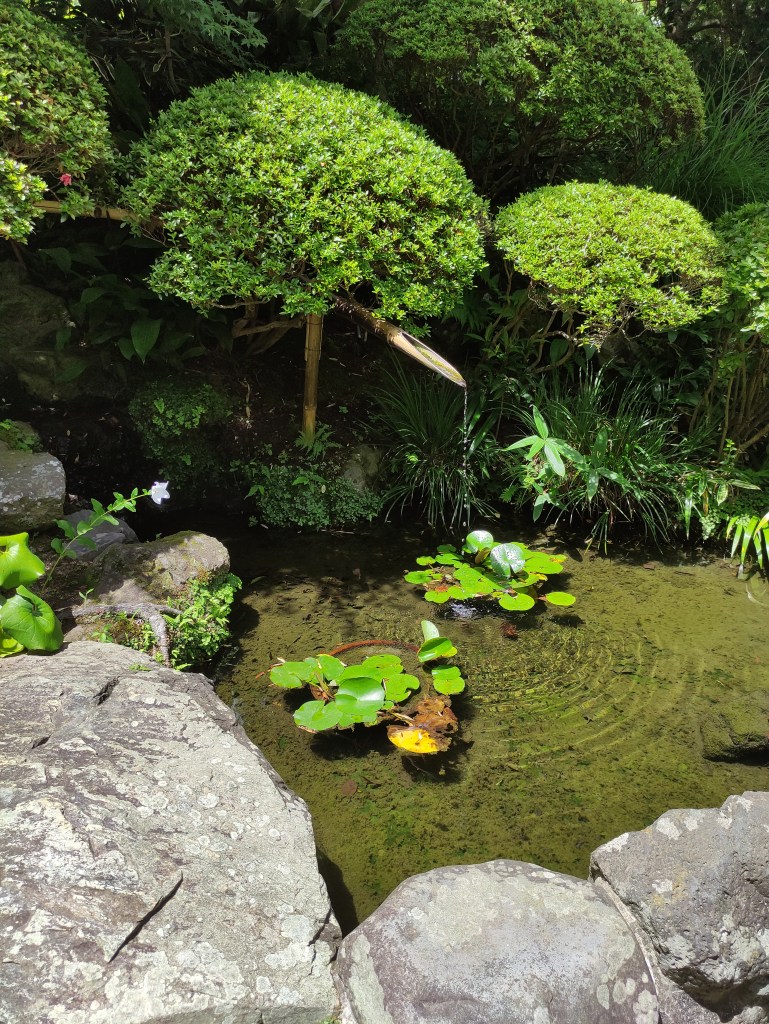
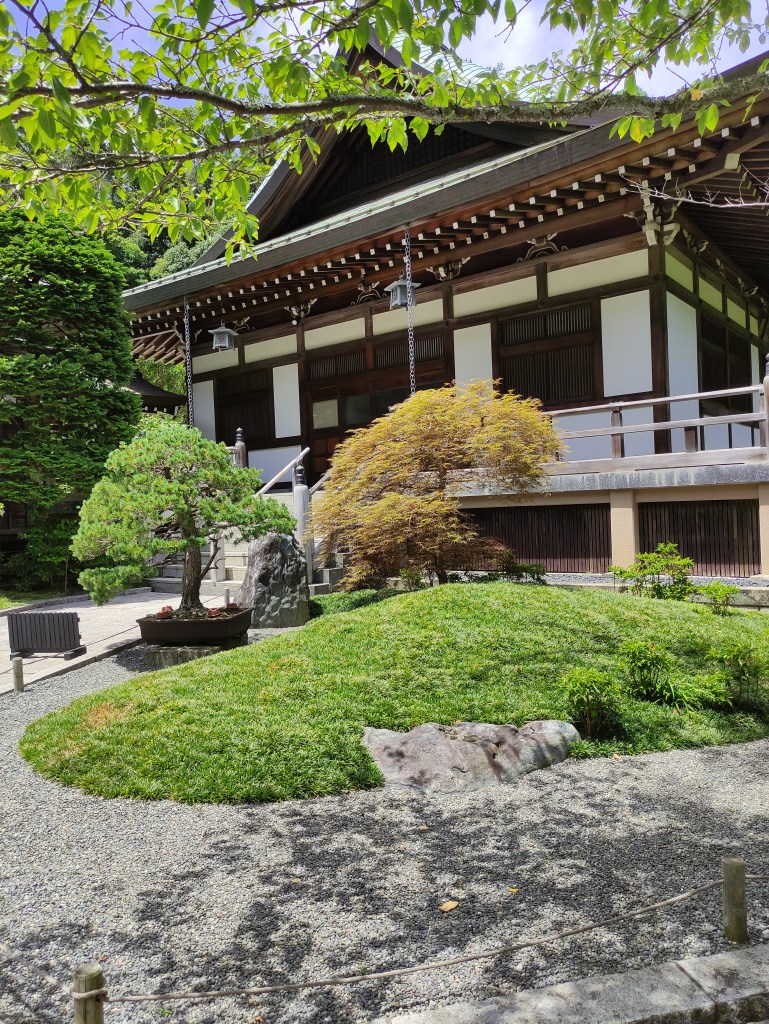
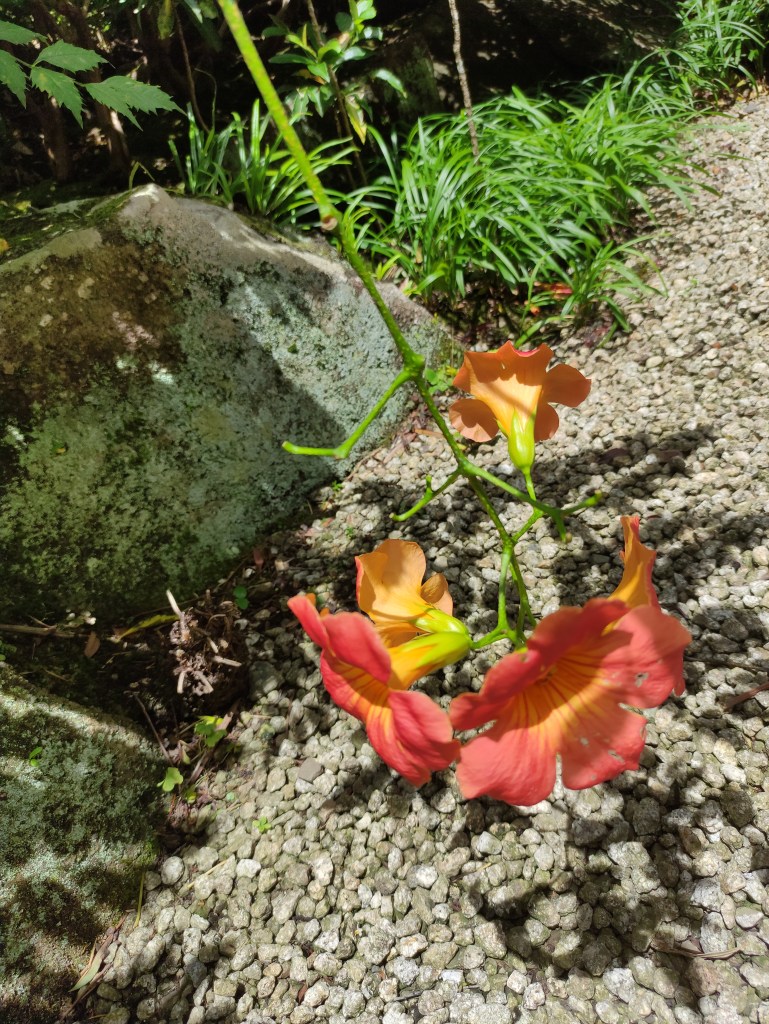
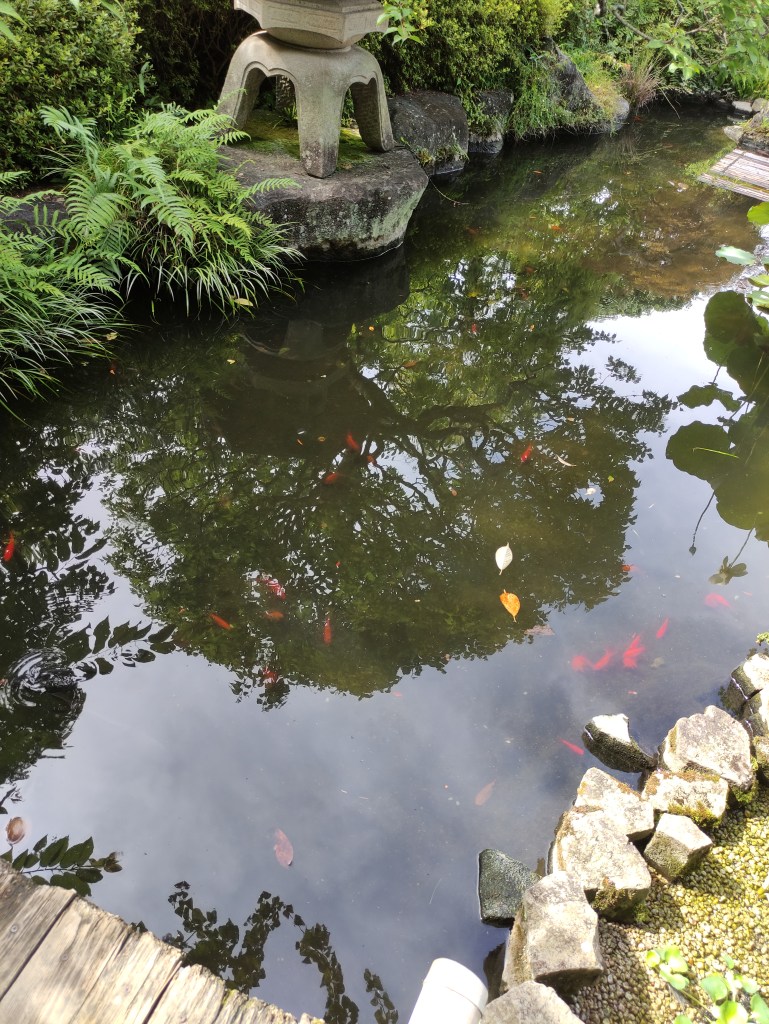
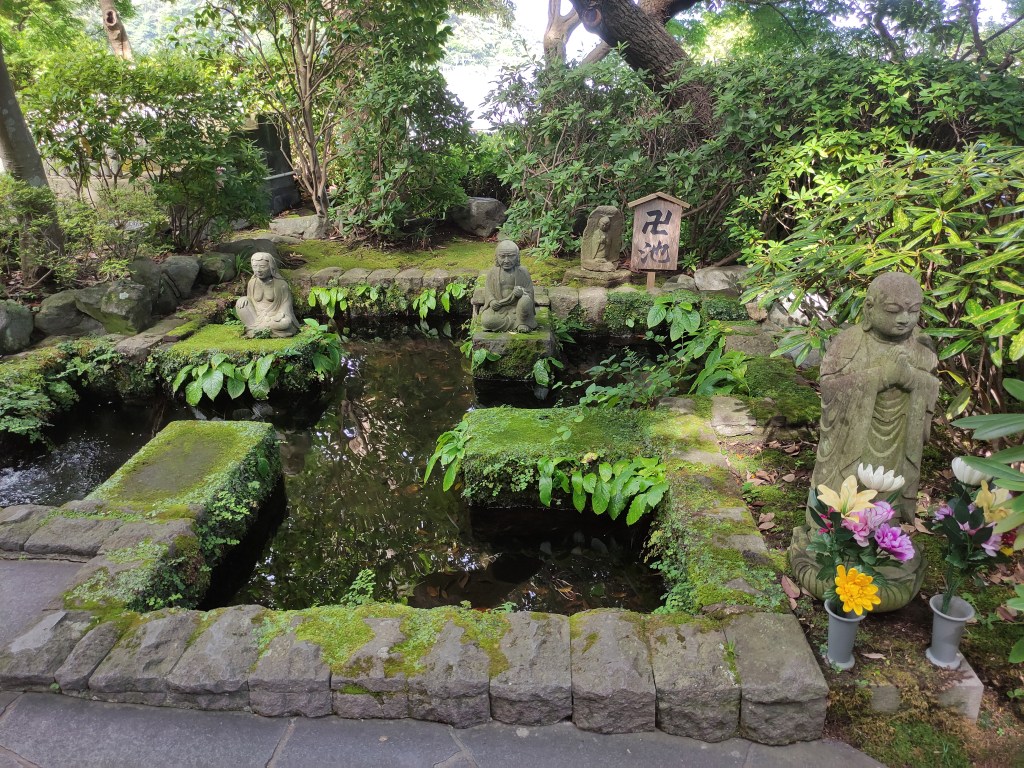
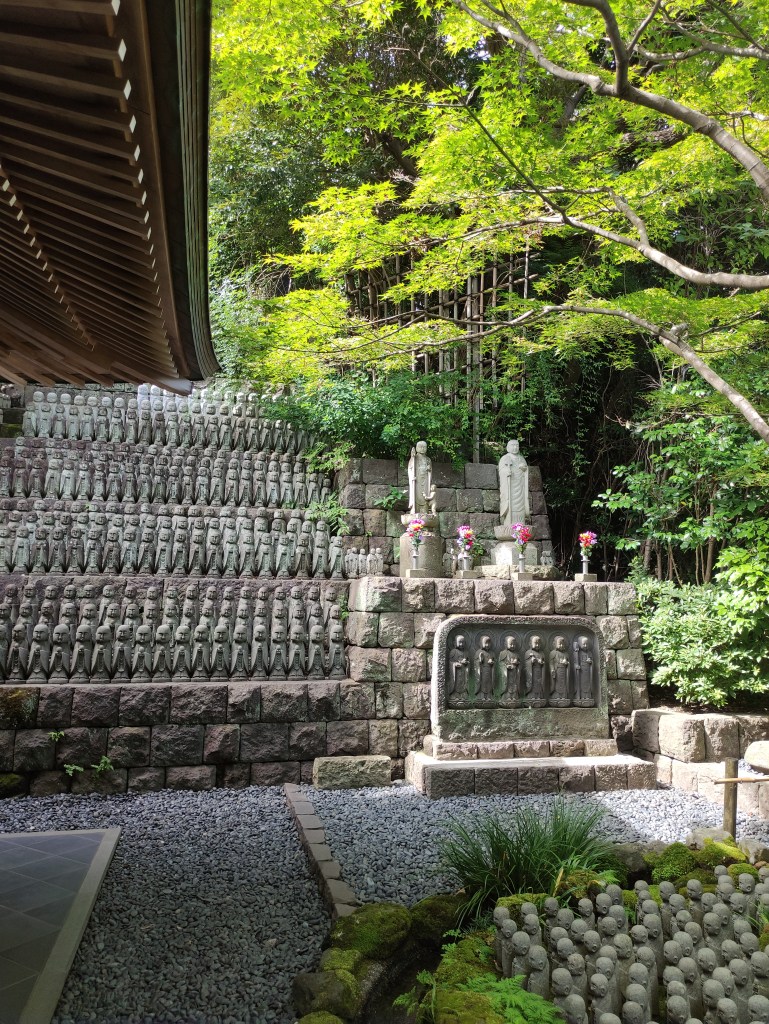
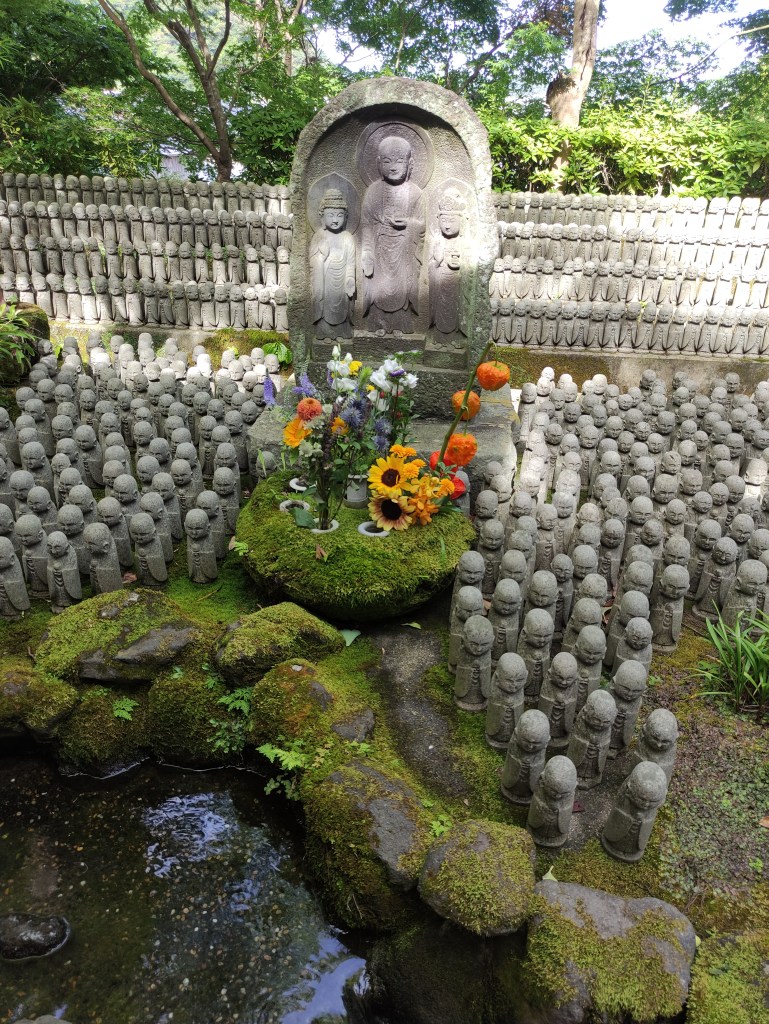
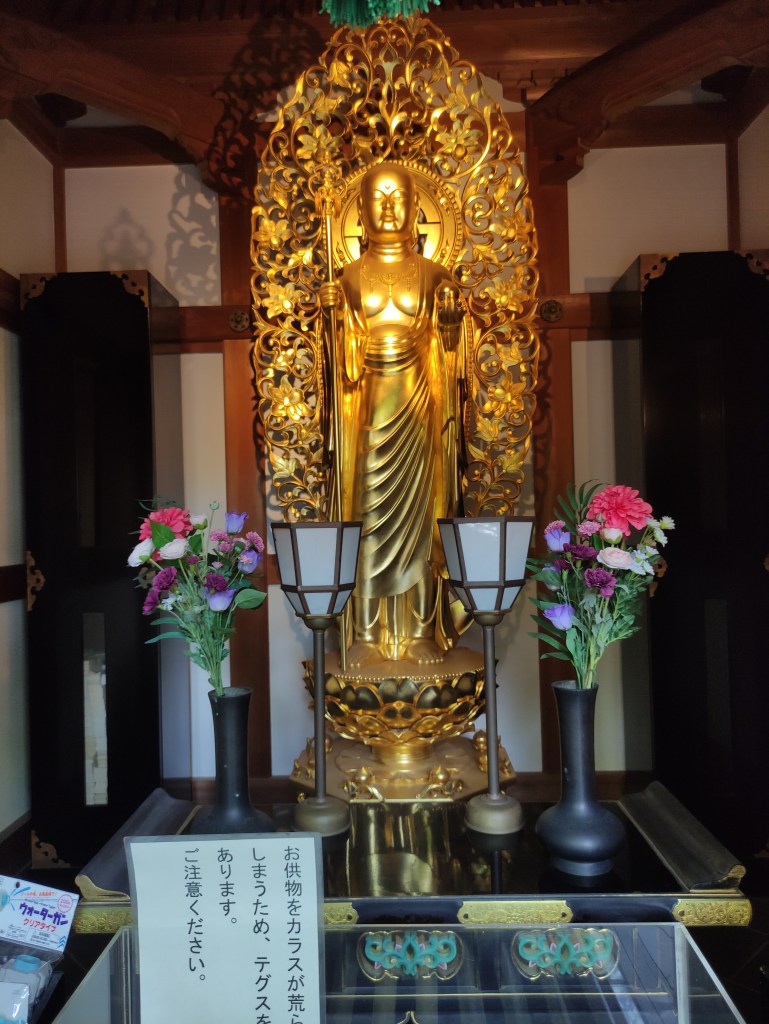
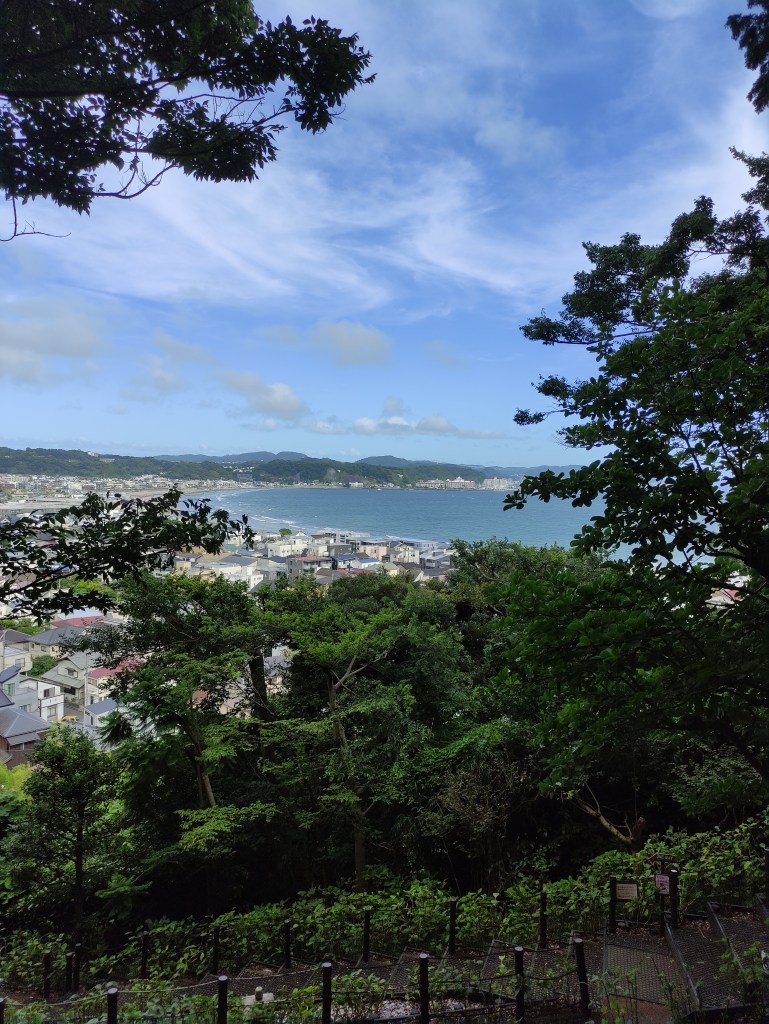
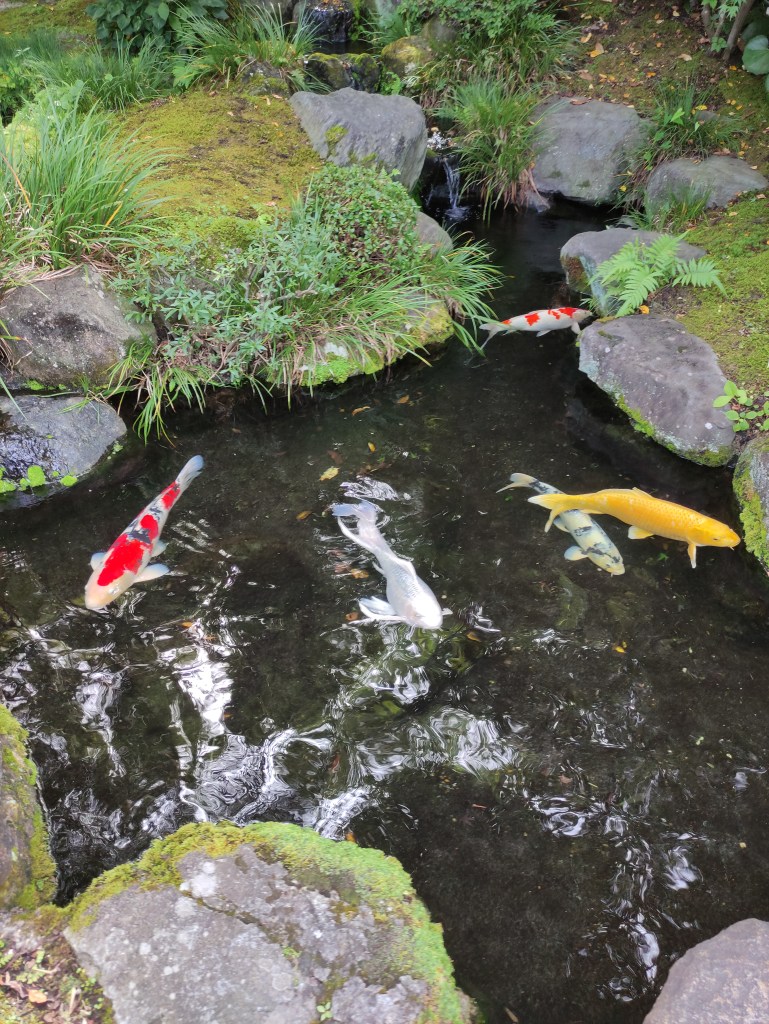
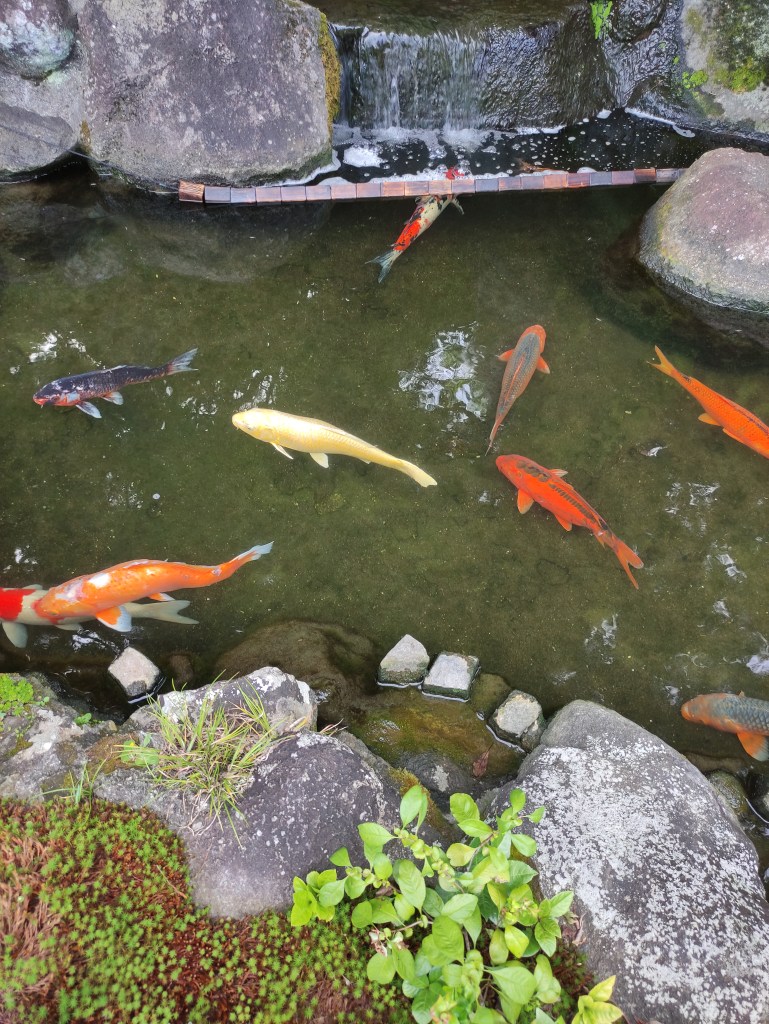
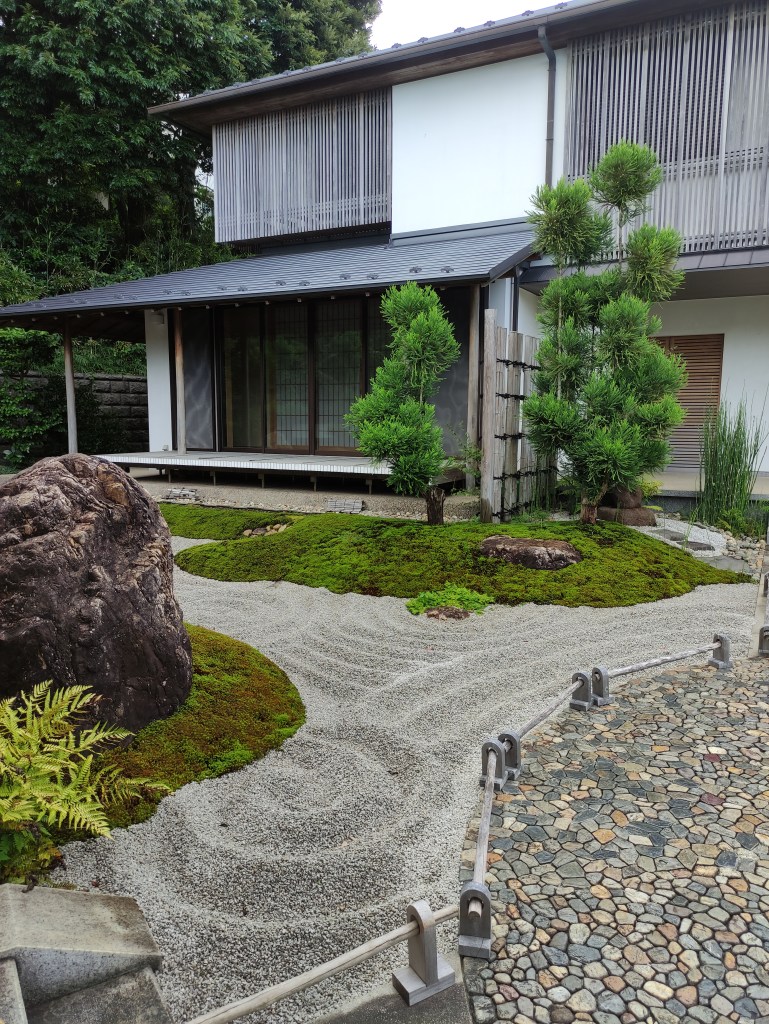
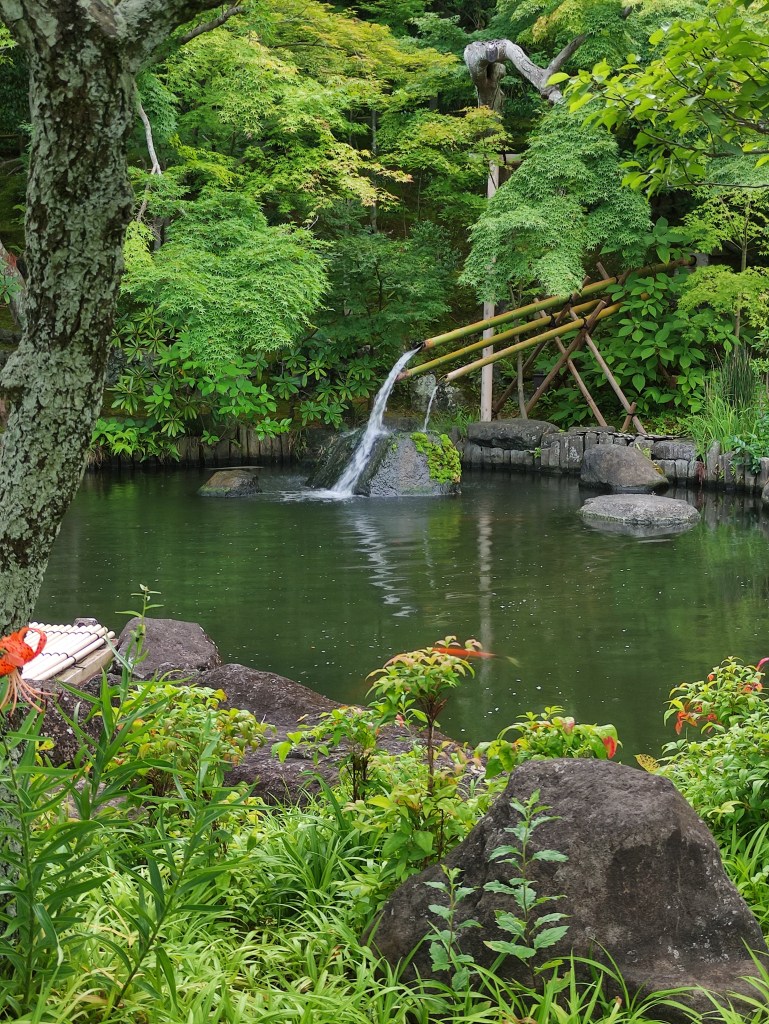
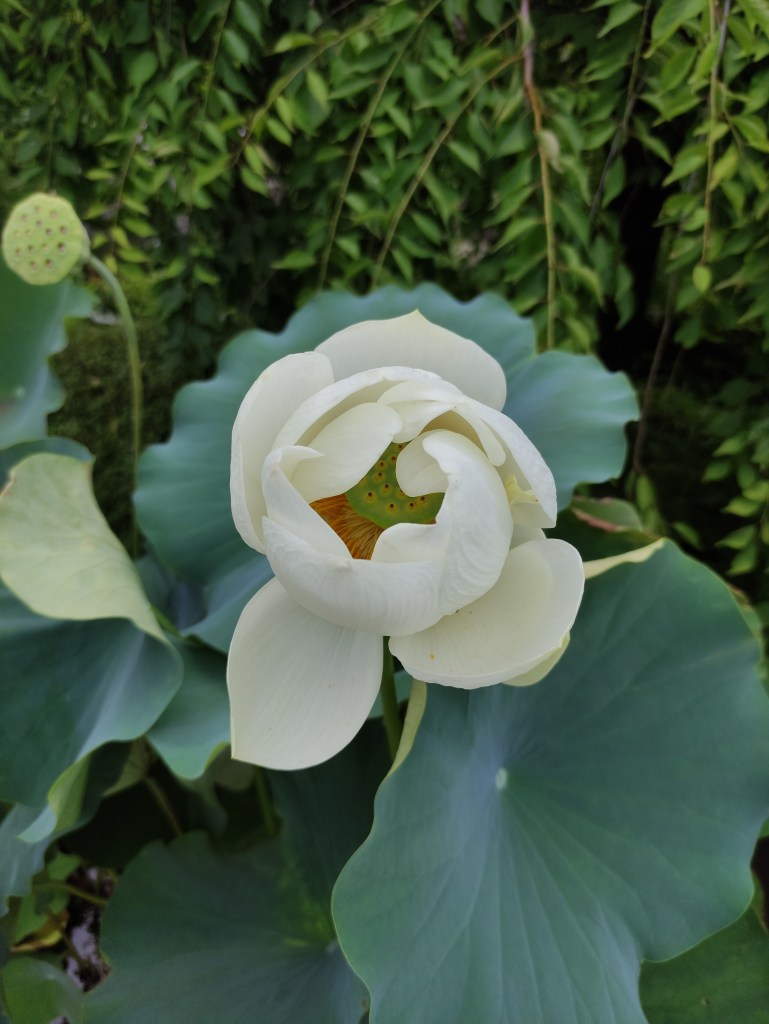
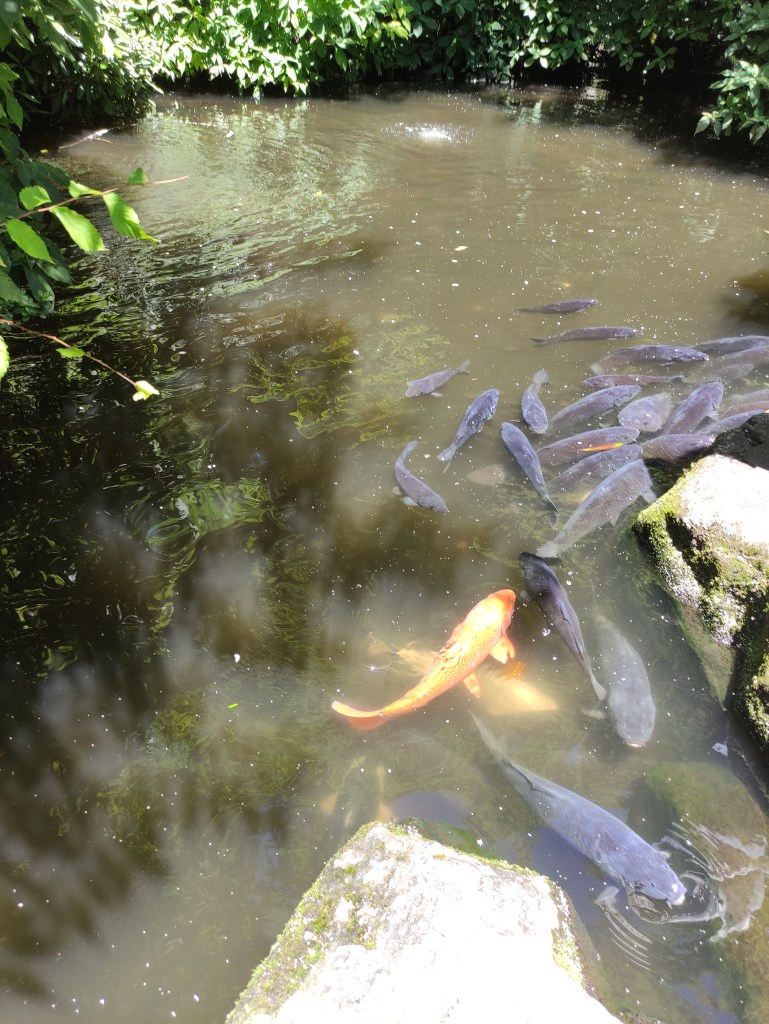
Then there is the Hasedera Temples complex with its magnificent gardens, ponds with water lilies and brightly colored dragonflies, and pools where multicolored carp swim. Not to mention the Karesansui, or Zen gardens with sand and rocks, where the absence of water is represented by undulating patterns in the sand designed to simulate its movement.
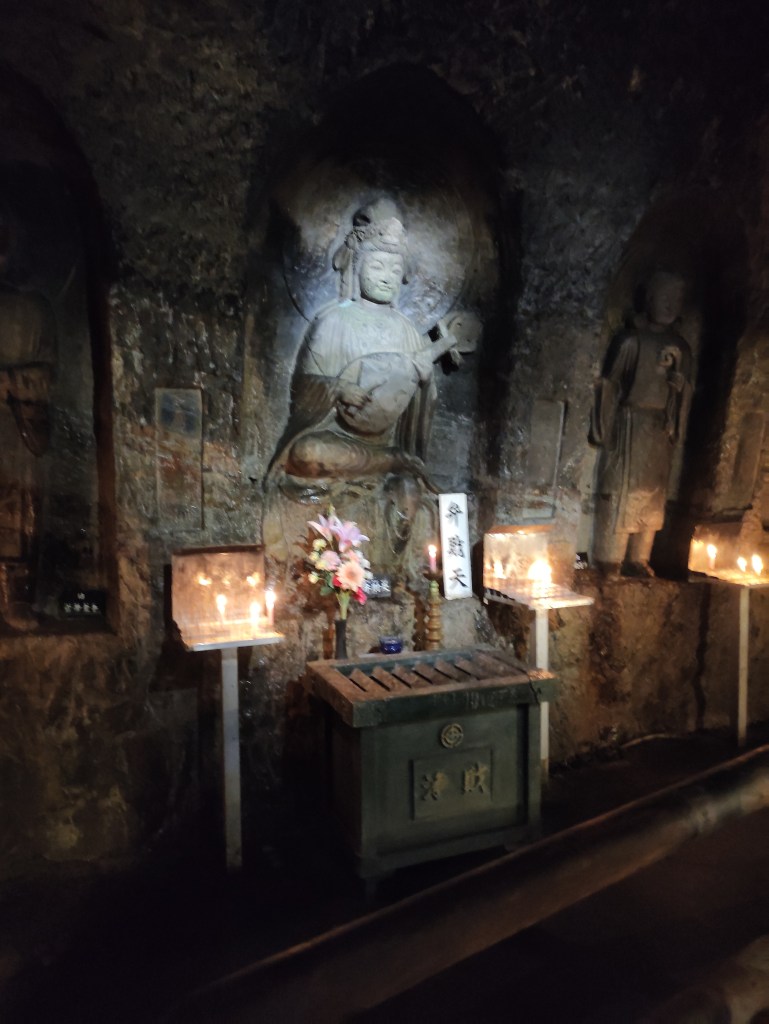
And then there is Bentenkutsu (in Hasedera) with its typical bright red “Tori” and cave temple. The statues inside are very old, but still hold relevance today. People still come to set lighted candles at their base and ask for help with various areas of life. The interactive nature of the cave is really unique. With a quite low ceiling can be difficult for those with a taller stature.
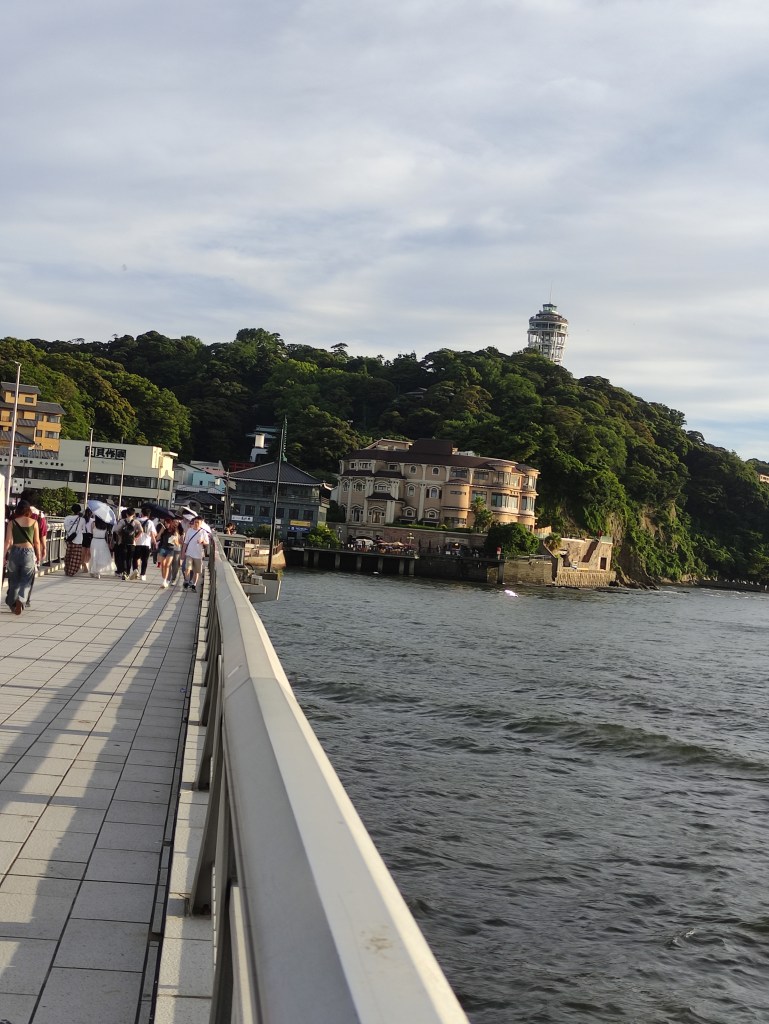
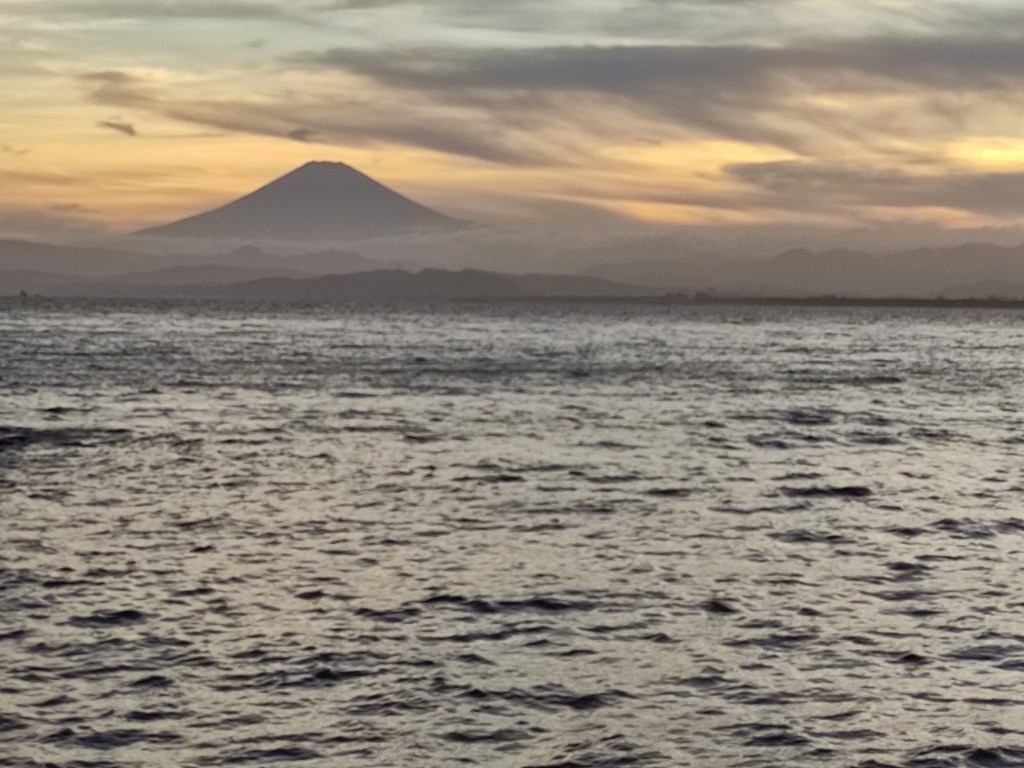
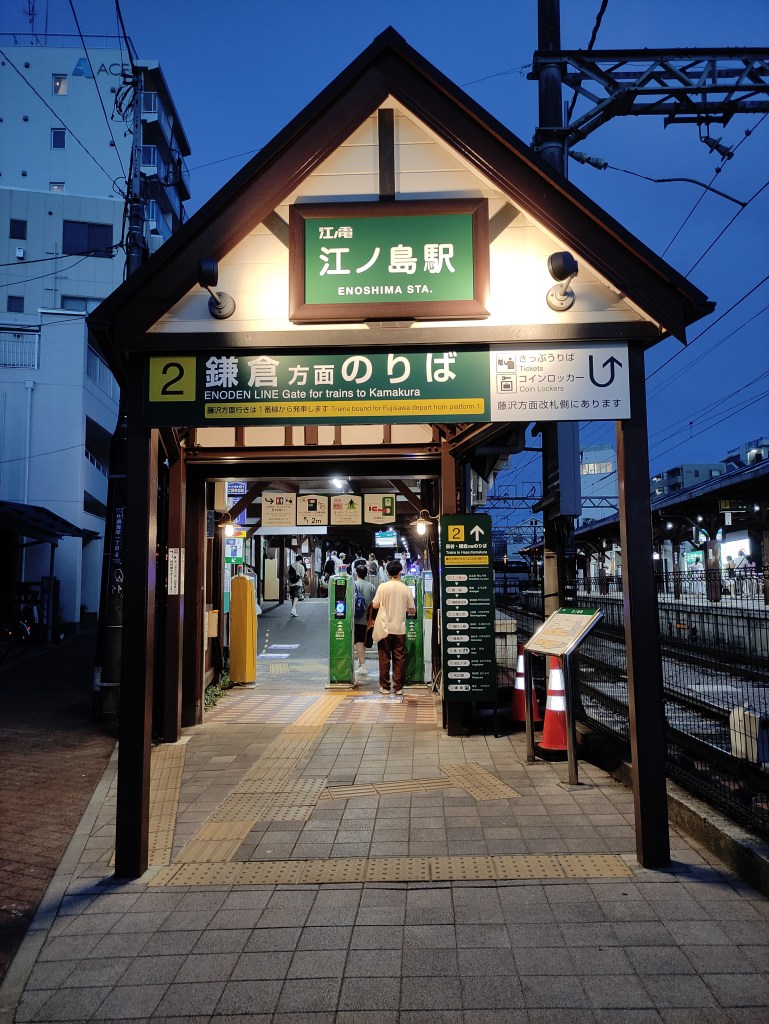
At the end of the day, a visit to Enoshima was a must. We reached it aboard a picturesque little train reminiscent of those in Miyasaki’s cartoons. But the day was coming to an end and we didn’t have time to visit the its shrine, Samuel Cocking Garden, the Sea Candle nor the cave. Fortunately, I admit I was thrilled to finally see Fuji-san on the horizon in the sunset light without any clouds.

























Saturday July 19th
After a very restless night, because at 3:30 a.m. an alarm went off and continued intermittently for over an hour. At 5:00 a.m., a new voice message reported a fire on the second floor… I admit that I was more angry than scared, as I would have liked to sleep longer. Outside the room, everything seemed fine, there was no sign of fire and no one around. Only when we checked out did they tell us that it had been a computer malfunction.
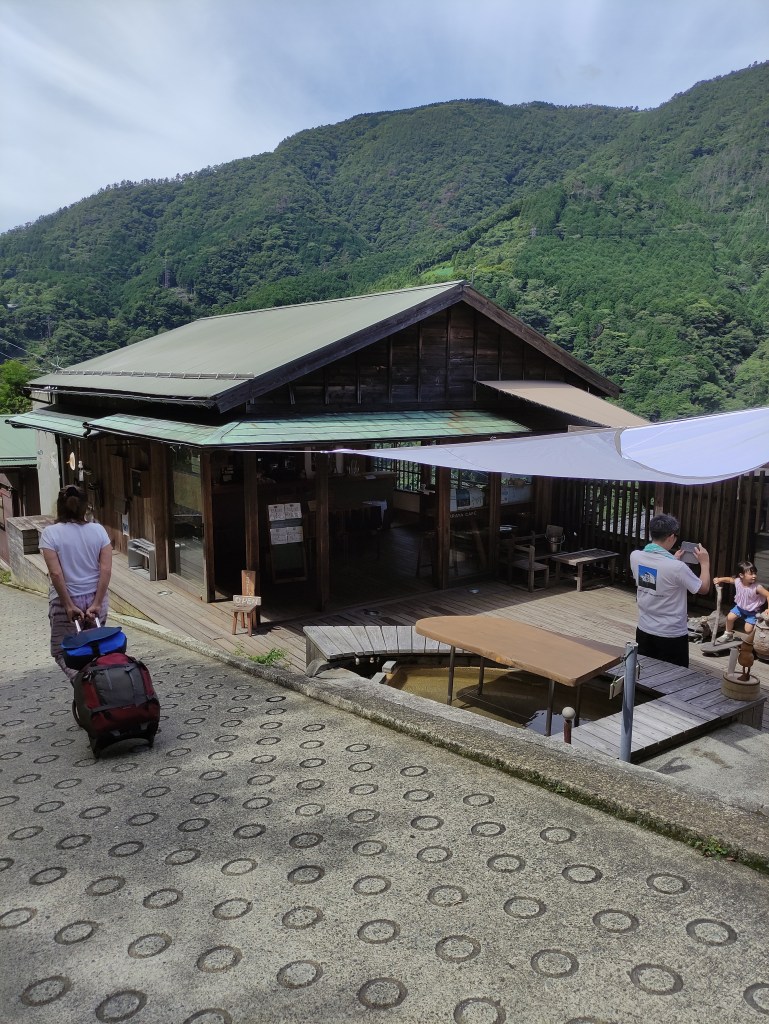
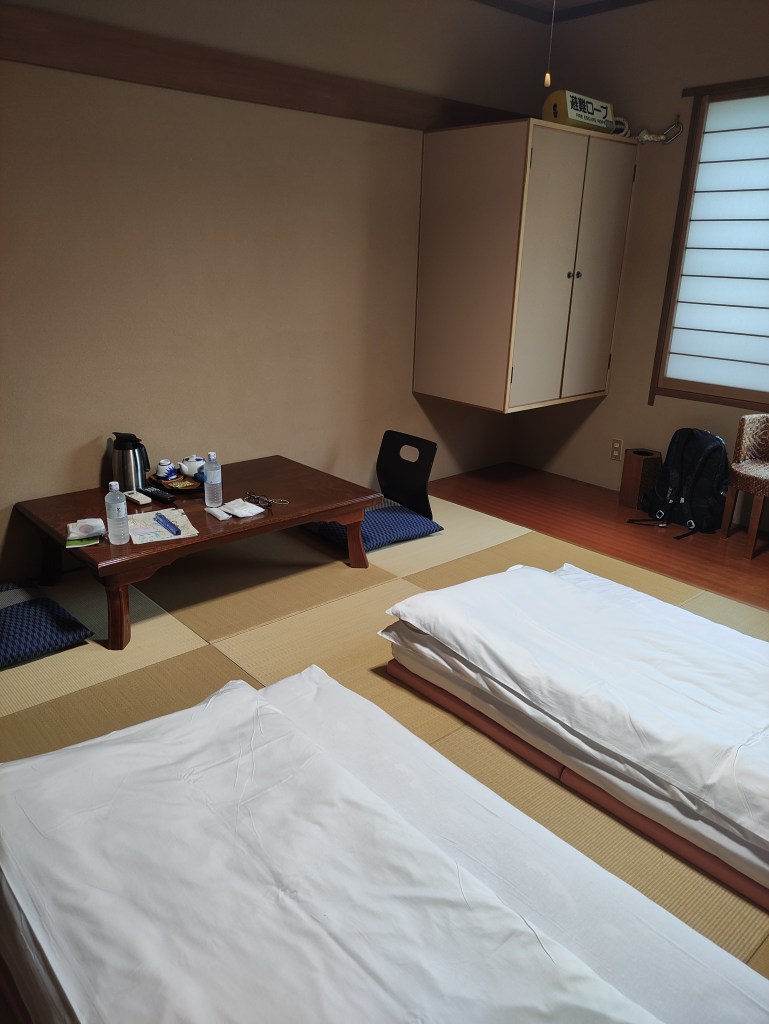
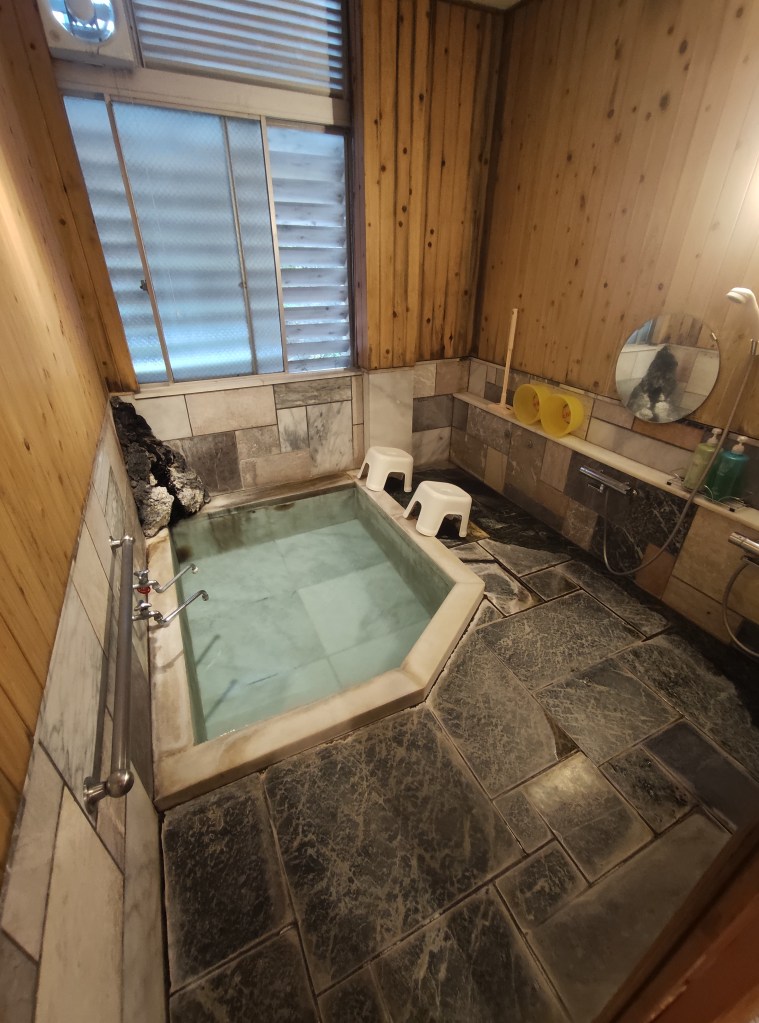
After lunch/breakfast at the same place in the station, we took the first train to Odawara. Then we took the Hakone-Tozan line towards Gora. The peculiarity of this last section was that we were aboard a sort of train with two engines. The Hakone Tozan Train makes its way up the steep mountains by using a switchback system to criss cross up the mountain. The train has formed a relationship with our swiss famed Rhatische Bahnrailway. To tackle the steep slope, we traveled uphill for a while, then the train entered a flat section on an additional track. The conductor ran to the other end of the train and we set off again. As Hakone covers a very large area, we had to get off at Miyanoshita. We stayed at the Myojokan Inn, a typical Japanese house with tatami mats, and futons. The inn also had a private onsen bath. We particularly appreciated the kindness of our host. That made up for the slightly high price of the room (which was very large this time).
Since we had to wait for check-in until 3:00 p.m., we decided to leave our bags in the lockers provided.
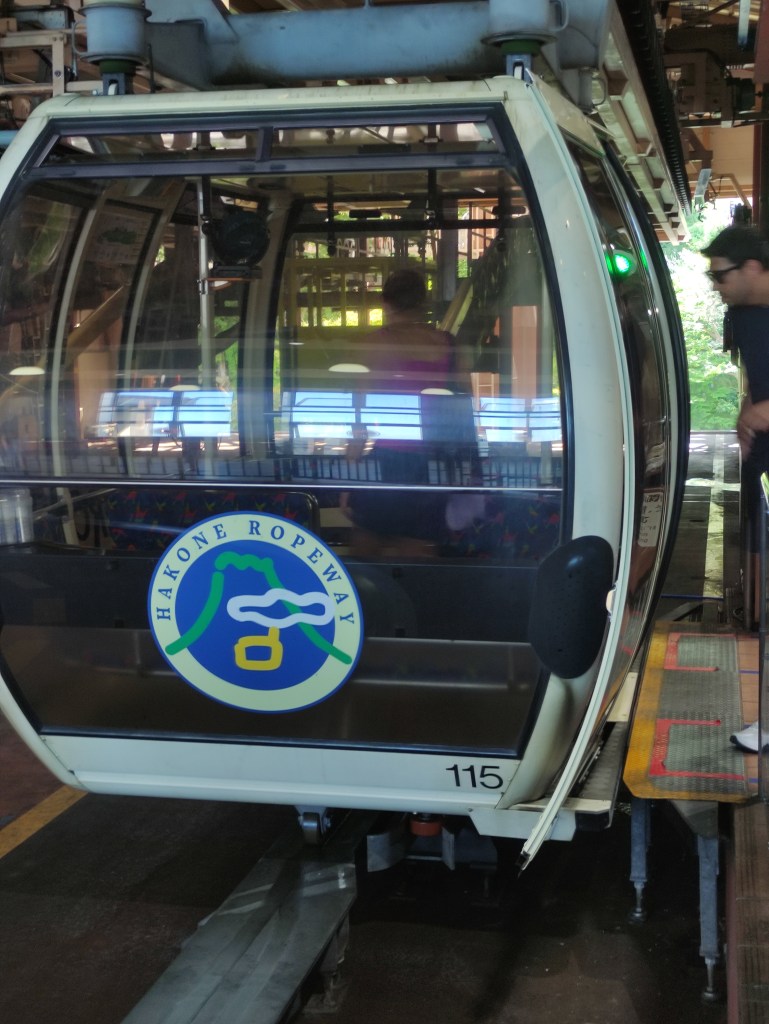
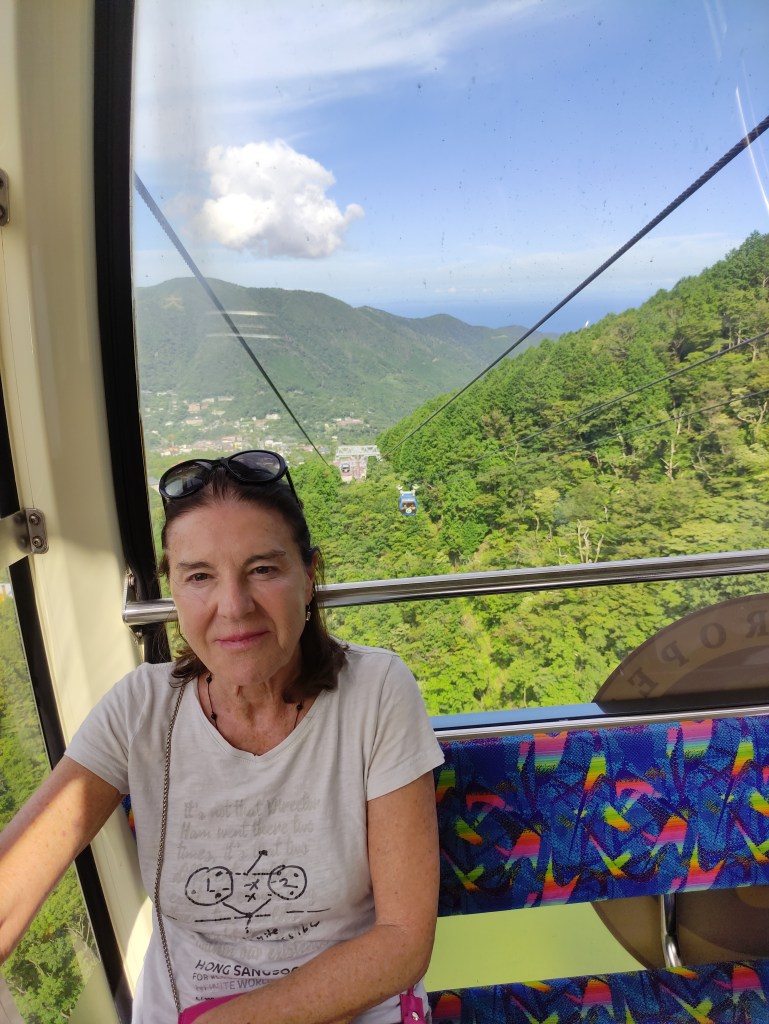
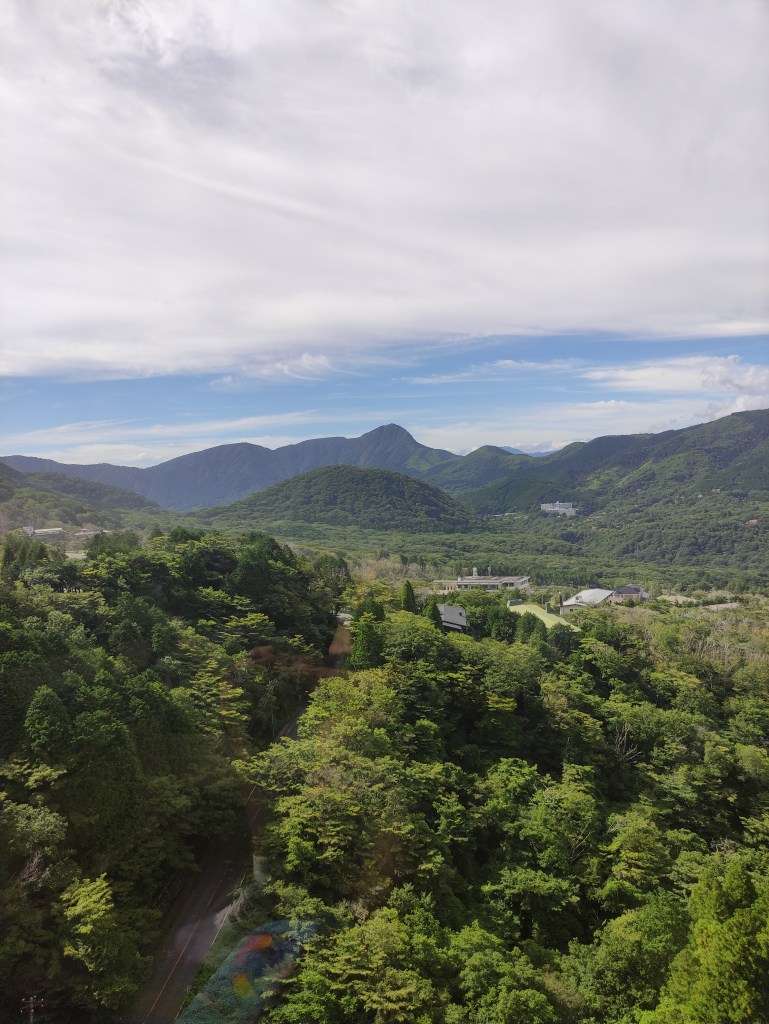
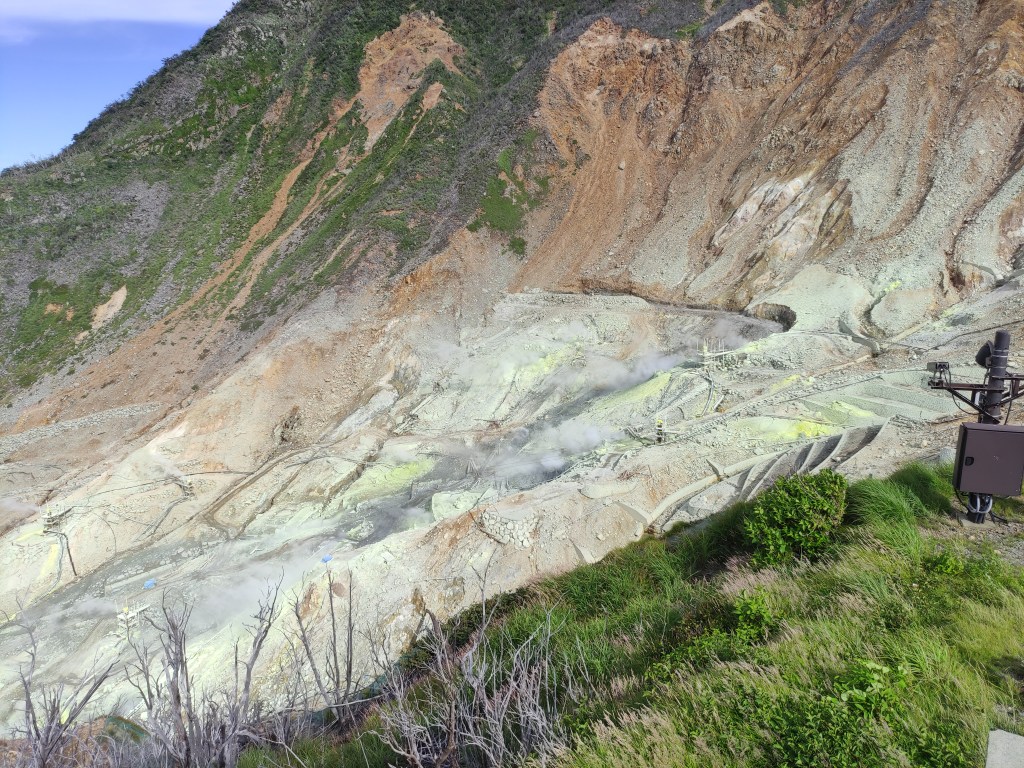
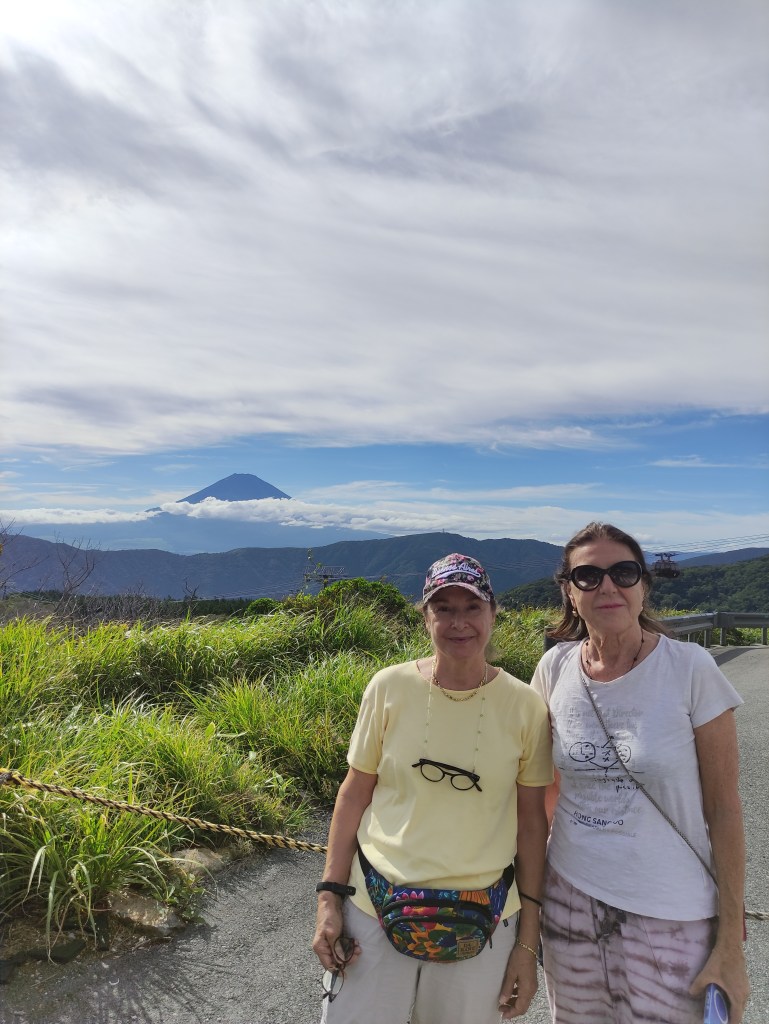
From Miyanoshita, we took a bus to Gora Station and from there the cable car to Sounzan. There we took the ropeway to the final Owakudani Station. On the summit-caldera of the still active volcano, we had a wonderful view of Mount Fuji. But unlike Enoshima, it seemed as if we could touch it with our fingers. The geothermal hot spot Odawakudani was forged some 3,000 years ago during Mount Hakone’s last eruption. Fumaroles hissing, sulfur-stained rocks glowing in eerie shades of yellow, and steaming pools bubbling like a witch’s cauldron. Inside the caldera is a strong sulfurous odor. A local specialty is black eggs (or kurotamago). It is cooked in the bubbling hot springs and if you eat it, you shall live seven years longer.
Back at the inn, we enjoyed the warm water of the onsen. Tired but happy, after we went to dinner at a quite good Indian-Nepalese restaurant.






Sunday July 20th
After a good night’s sleep, we went to a bakery for a pastry and coffee.
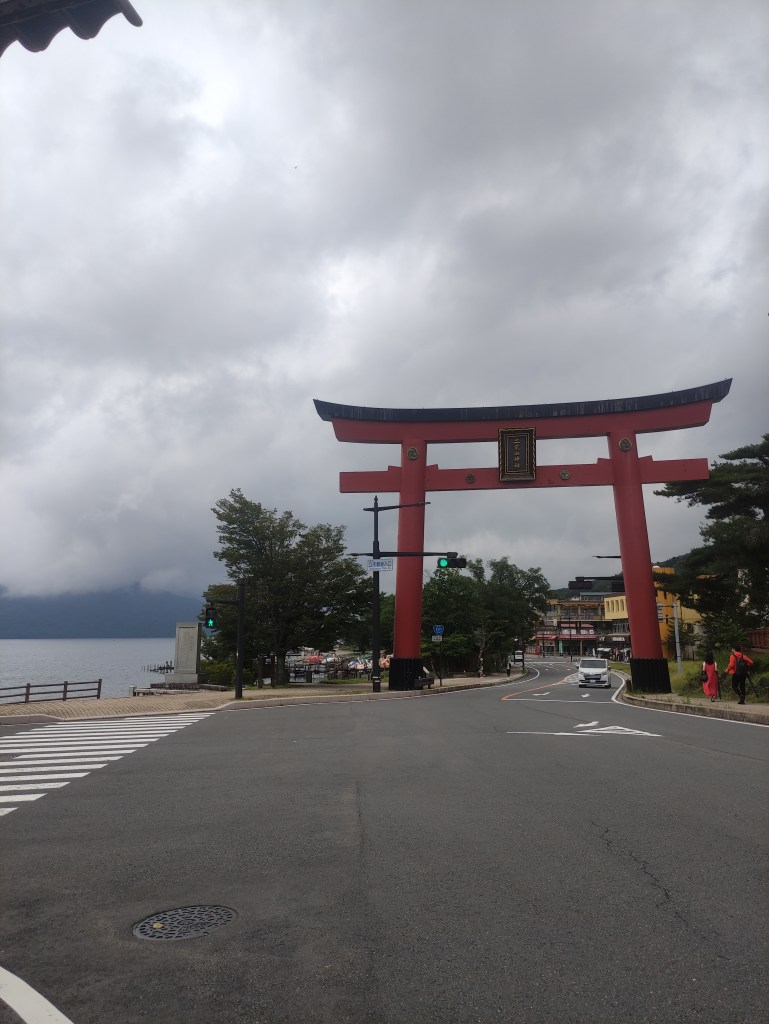
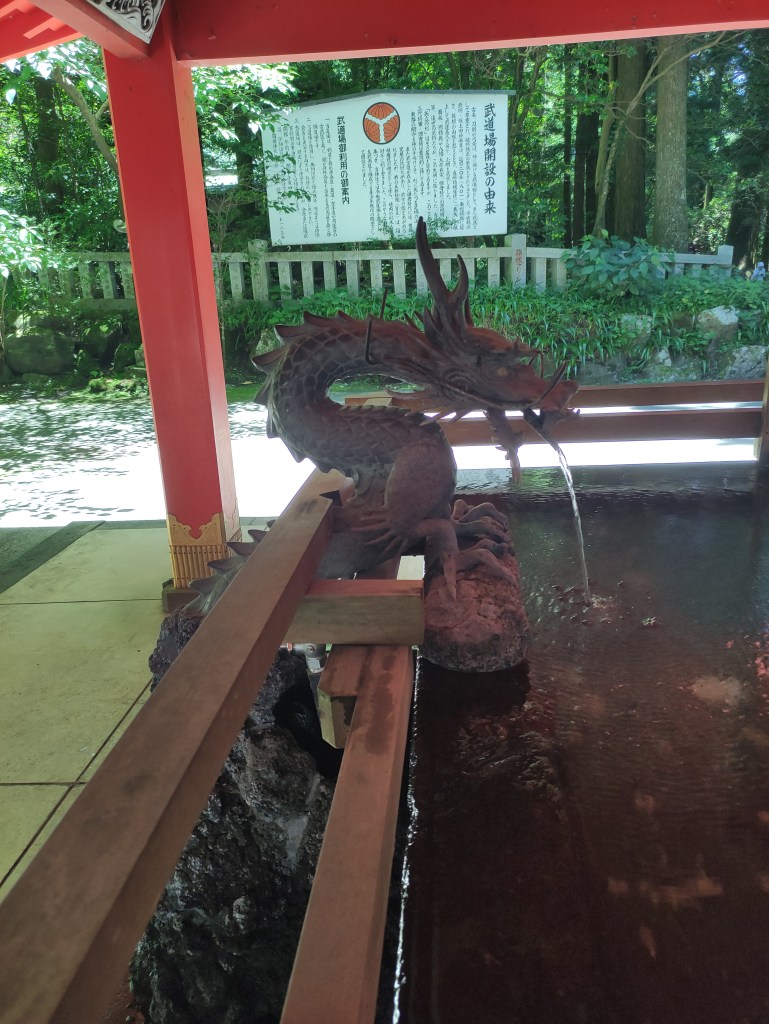
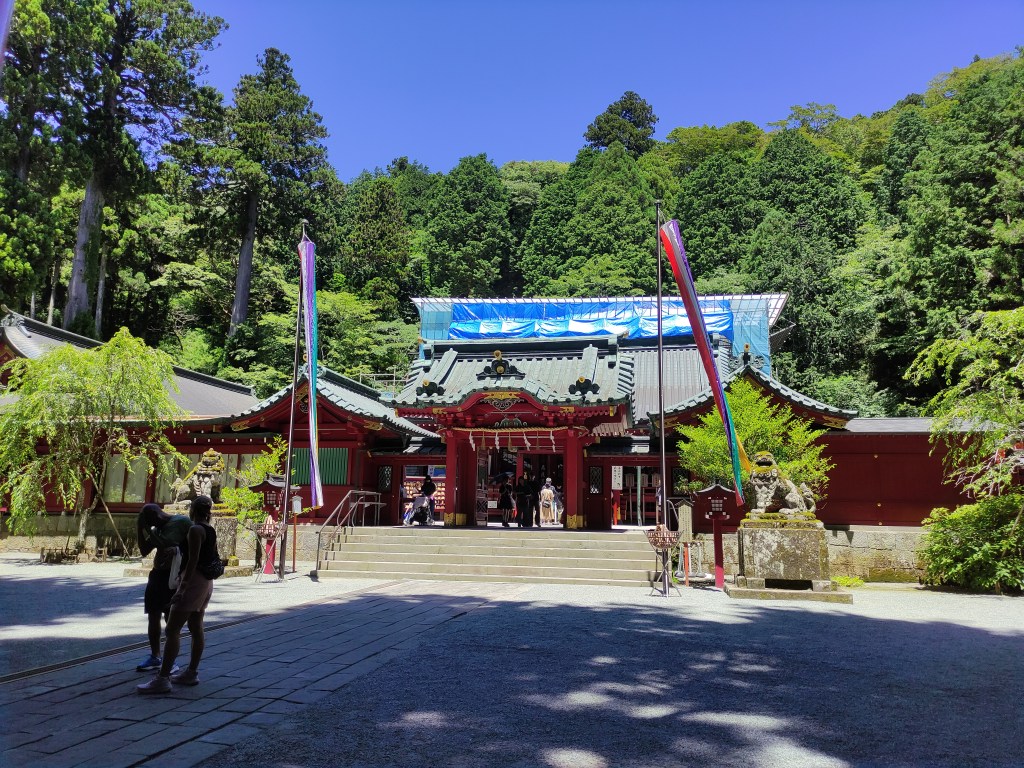
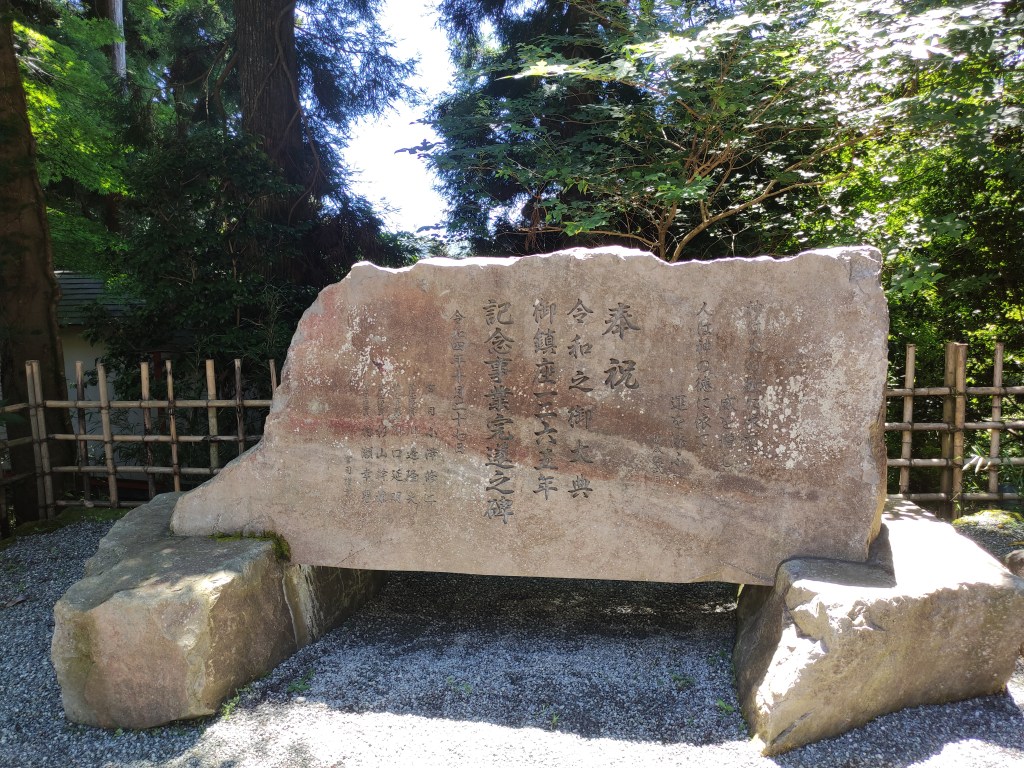
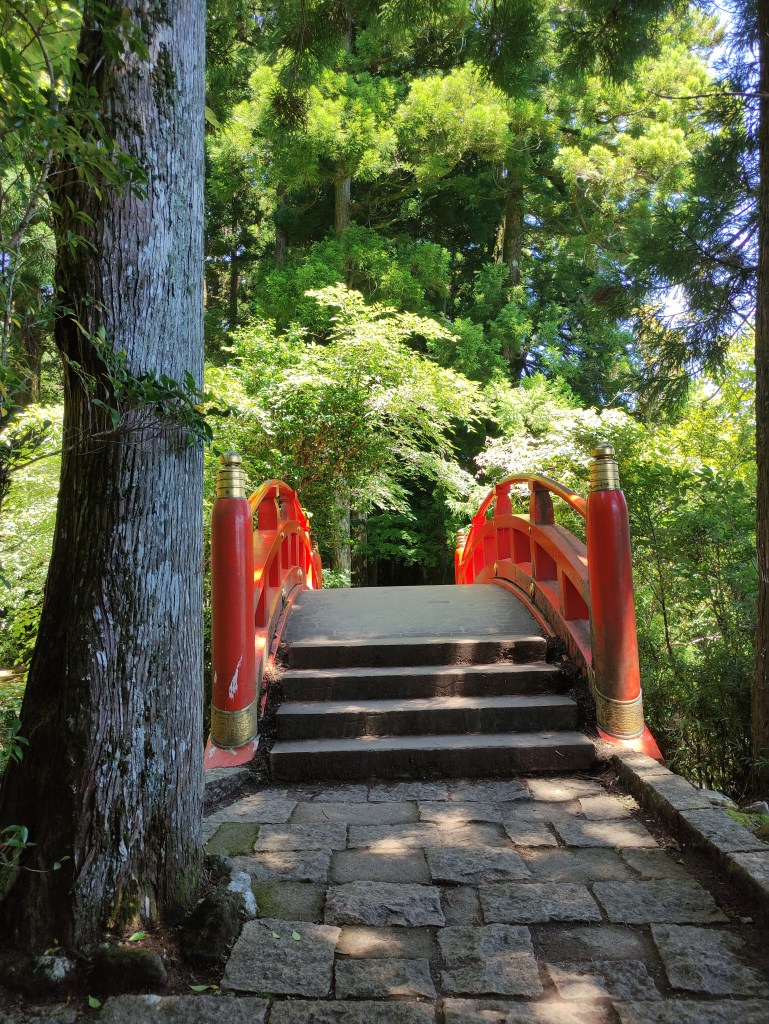
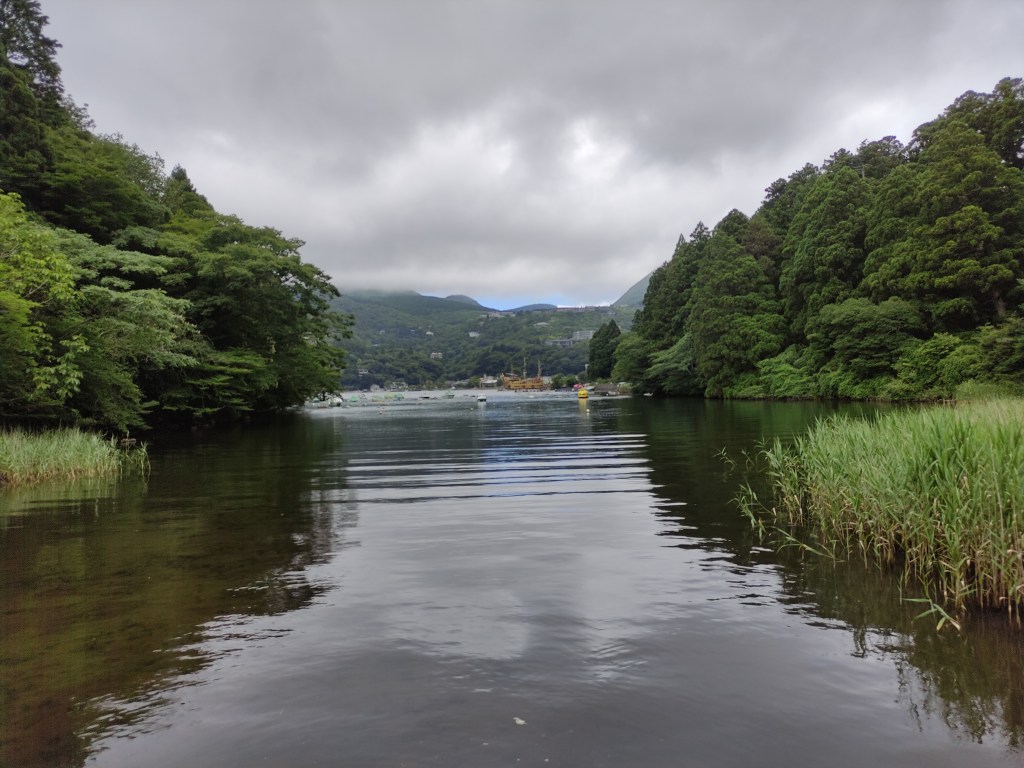
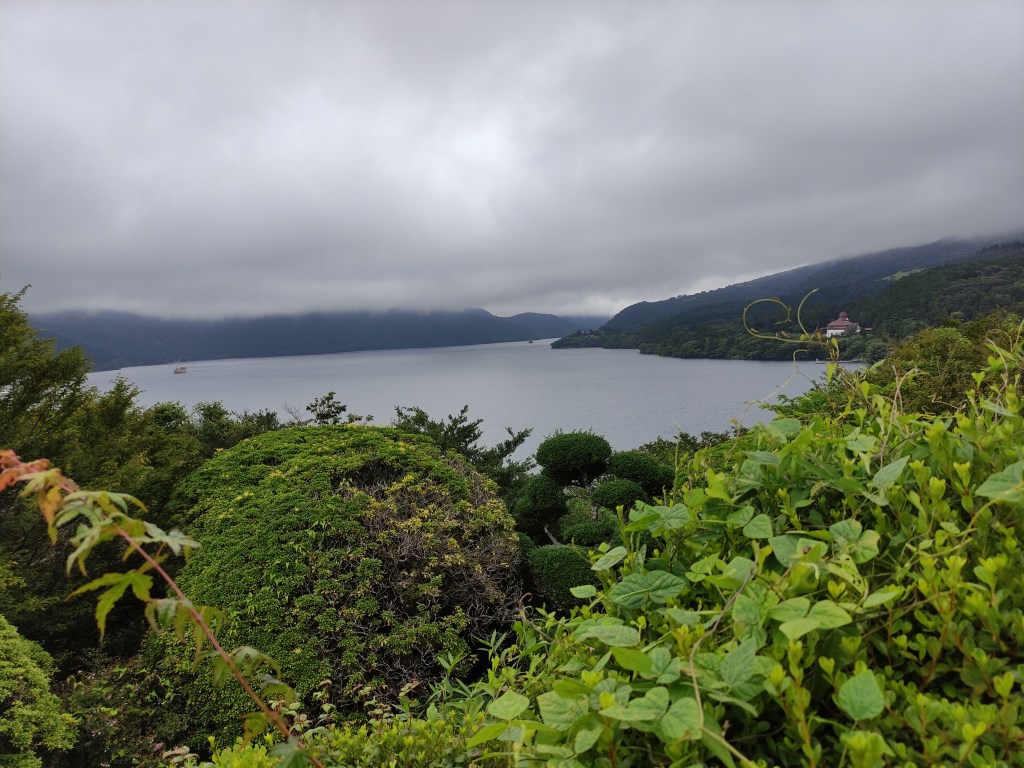
A bus took us to the Lake Ashinoko which was formed in the caldera of Mount Hakone after the volcano’s last eruption 3000 years ago. Today, the lake with Mount Fuji in the background is the symbol of Hakone. The lake’s shores are mostly undeveloped except for small towns in the east and north and a couple of lakeside resort hotels. We visited the Hakone-jinja Shrine which dates back to the year 757. This shrine stands at the foot of Mount Hakone. The temple complex is hidden in the dense forest, but is well advertised by its huge torii gates, one standing prominently in the lake and two others over the main street.
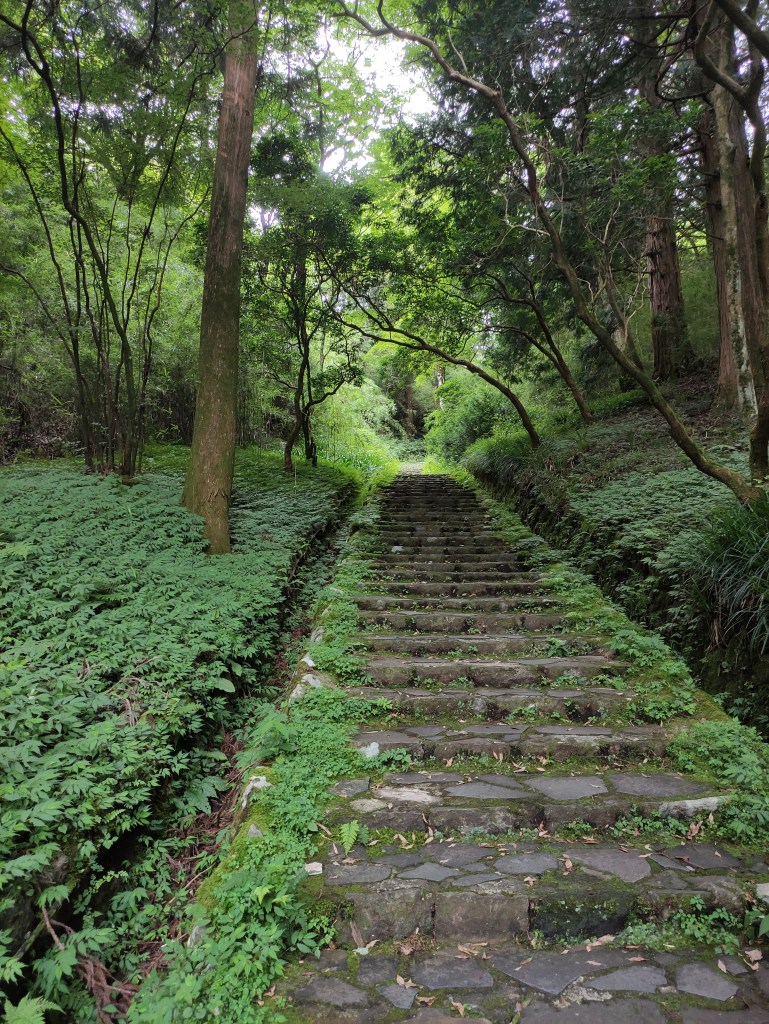
A path leads from the torii gate in Lake Ashinoko or Red Gate of Peace (heiwa no torii) up a series of steps flanked by lanterns through the forest to the main building, which sits peacefully among the tall trees. The shrine is beautiful throughout the year, and is particularly breathtaking when shrouded in mist, or so we read.
A second shrine, Mototsumiya (original shrine), stands at the summit of Komagatake, one of Mount Hakone’s multiple peaks. It is accessible by the Hakone Komagatake Ropeway from Hakone-en or via hiking trails, but again, we didn’t have time to go and see it. Surely a trek through the forest and along the mountain trail must be something wonderful. After a snack in one of the small traditional restaurants, we began the second part of the excursion.
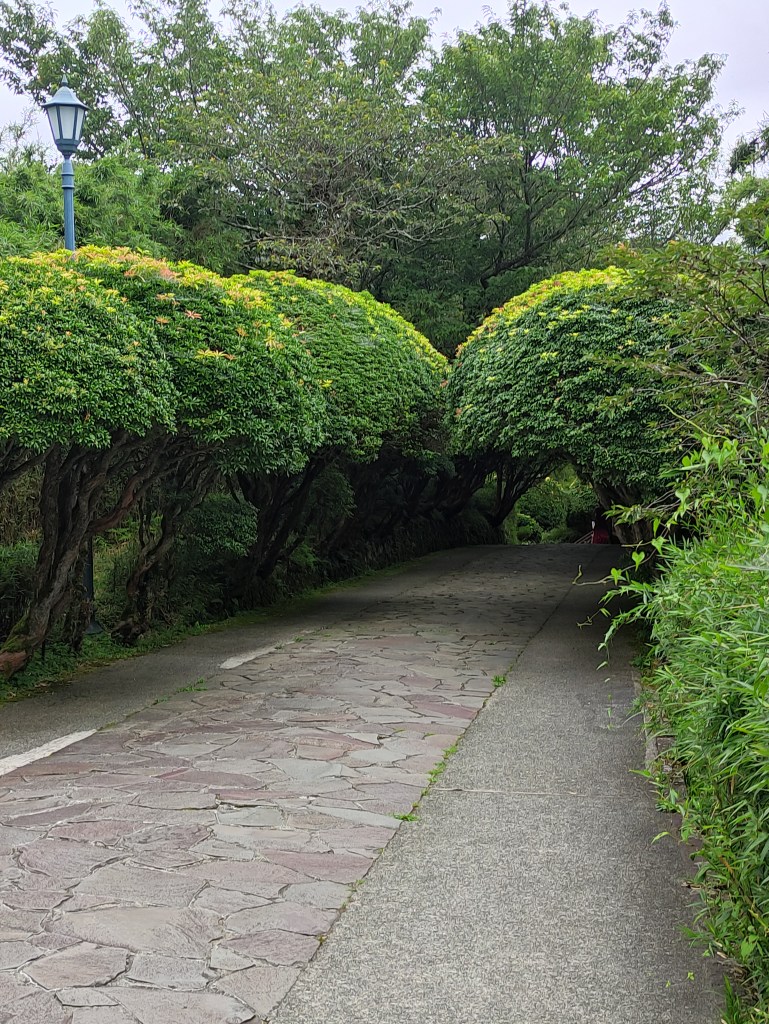
The entrance to Onshi Park is located in a cove of the lake, and at its peak is an imperial villa with a garden built in 1886. It was used as a secondary residence by the imperial family. From there, when there are no clouds, you can see Mount Fuji (unfortunately, this was not the case for us).
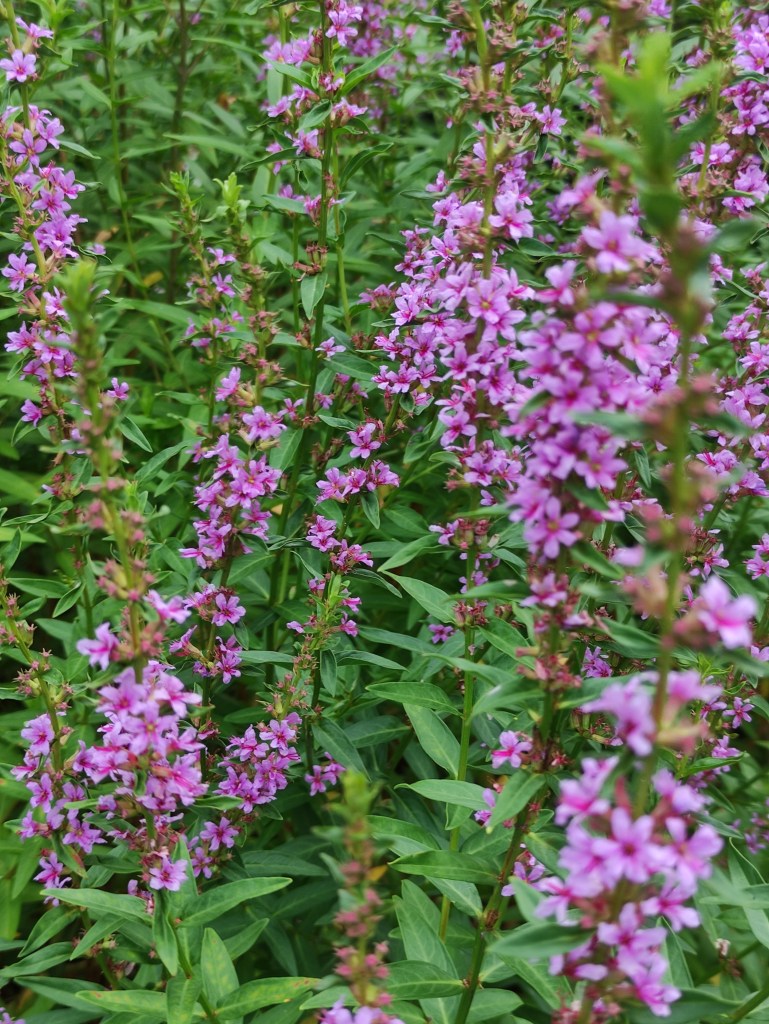
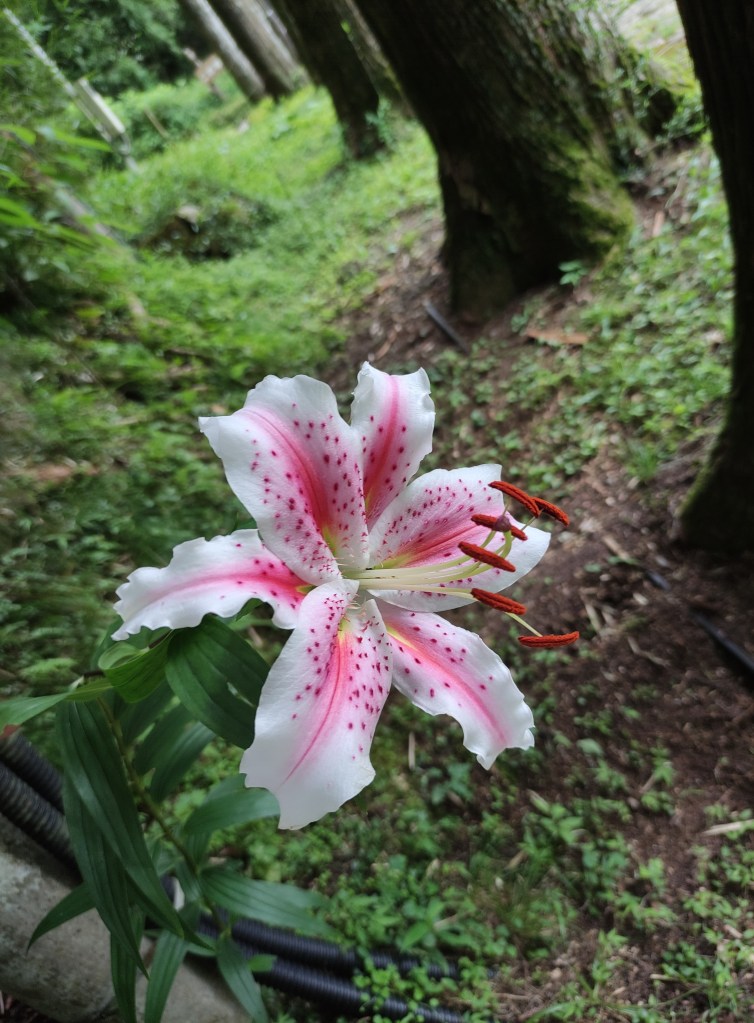
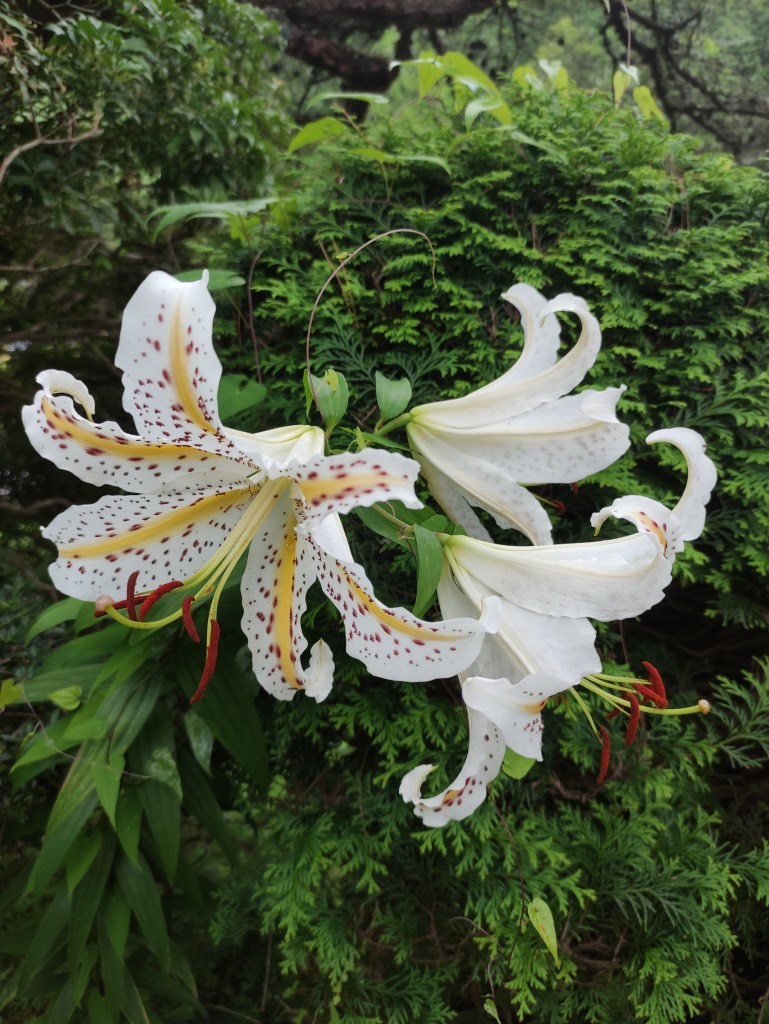
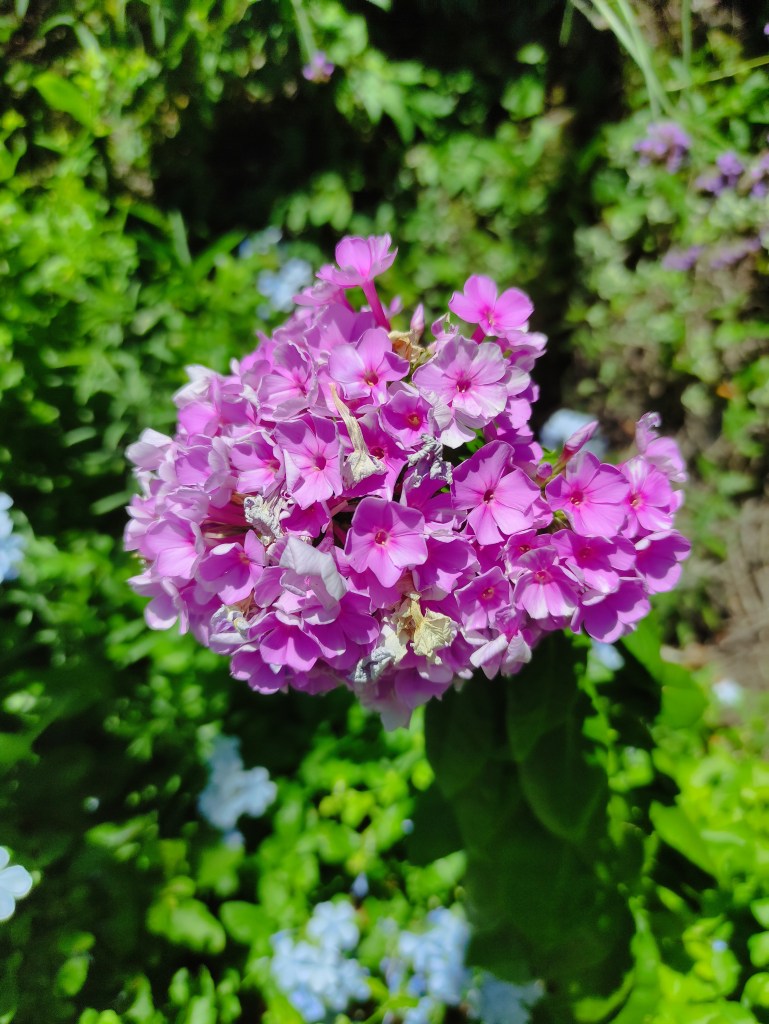
The garden is beautiful and well maintained, with several paths going up and down, allowing you to immerse yourself in nature and admire the multitude of flowers and plants. Personally, I love lilies, which remind me of my dad as they were his favorite flower. In spring there are cherry blossoms, in summer lilies, and in autumn brightly colored autumn foliage. Huge cypress trees towered over part of the park and the scent of resin was very intense.













Monday July 21st
After a somewhat frightening night, considering the strong earthquake at 4:30 a.m. (those felt in Tokyo and Nikko were not as strong), we got up.
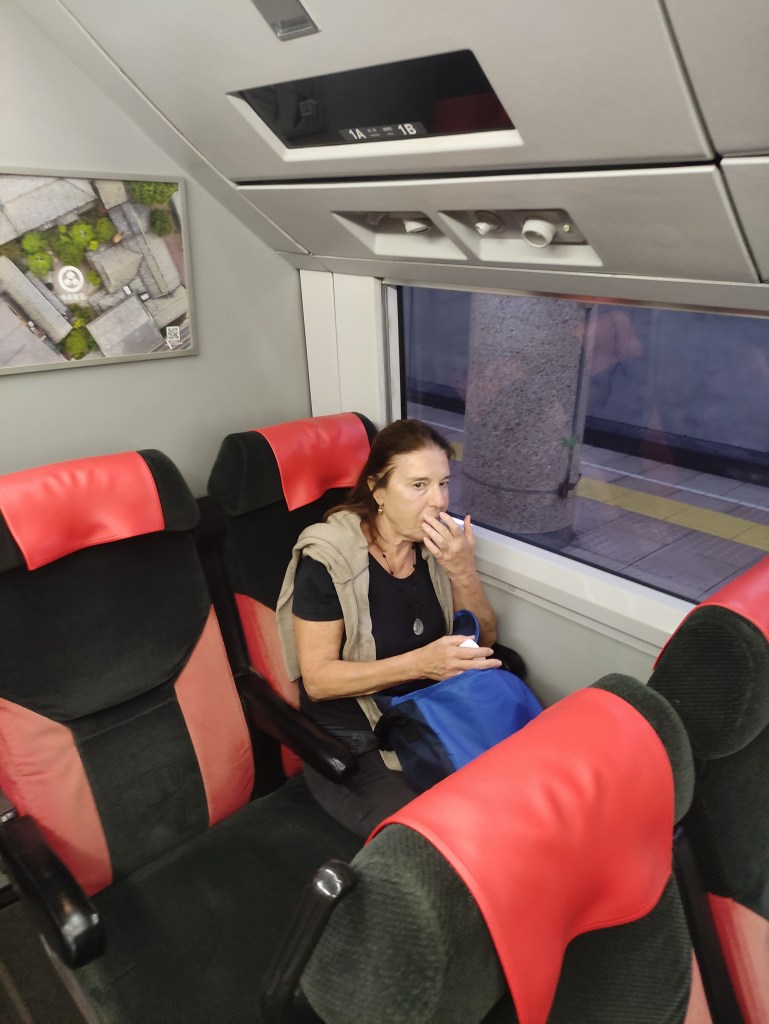
At 8:30 a.m., we had to hurry to catch the bus to Odawara, which saved us from having to change trains. From there, we took the Shinkansen Bullet Train Nozomi to Tokyo. Another change of lines to Nagano, and from there to the mountain village of Yamanouchi Shibu Onsen we took a small local train. This transfer was also long: from about 10:00 a.m. to 4:30 p.m. Due to the railway lines, it is not always possible to take the shortest routes. Unless you use local buses, but their schedules are a little complicated to read and would certainly have taken us many more hours.
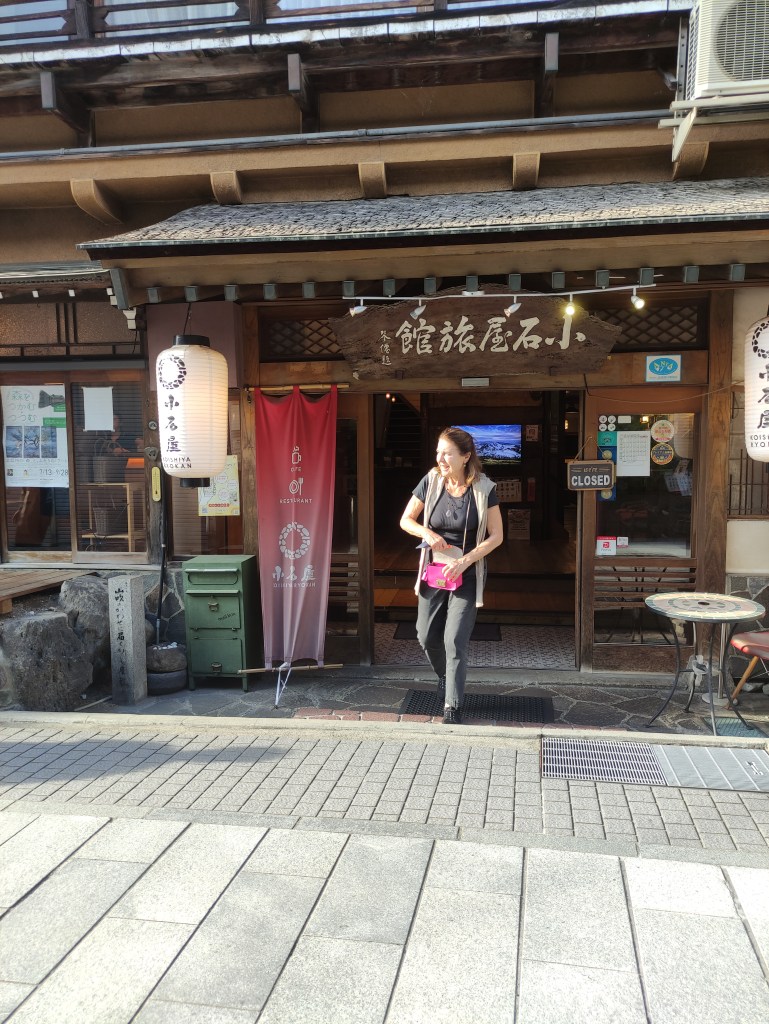
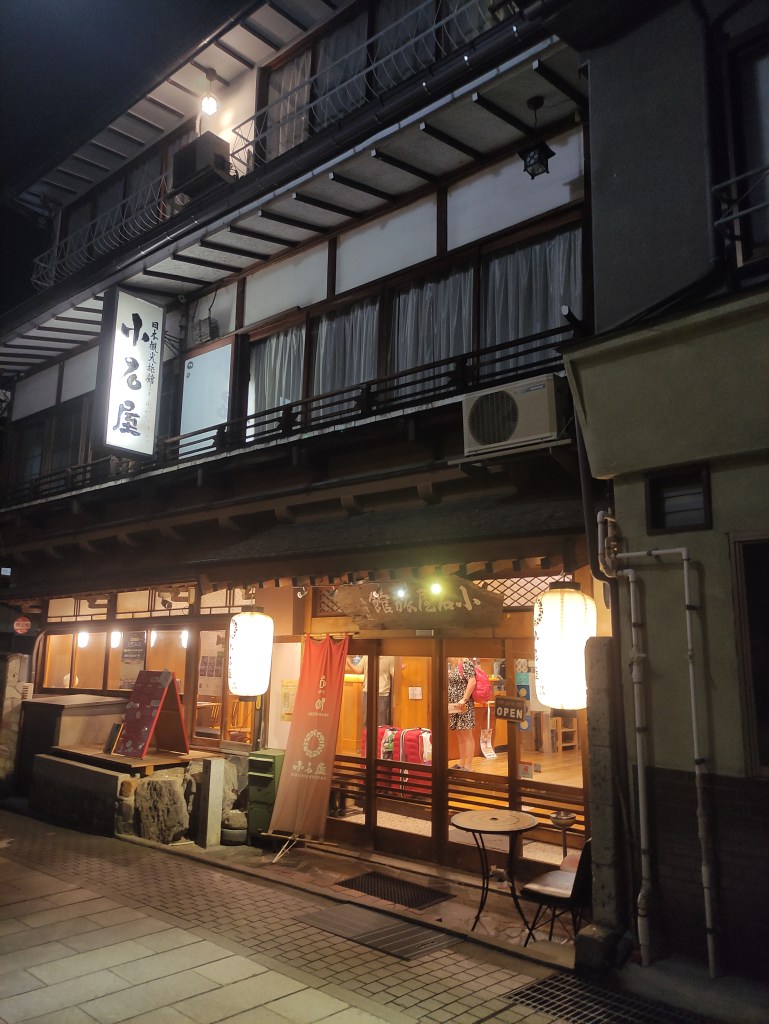
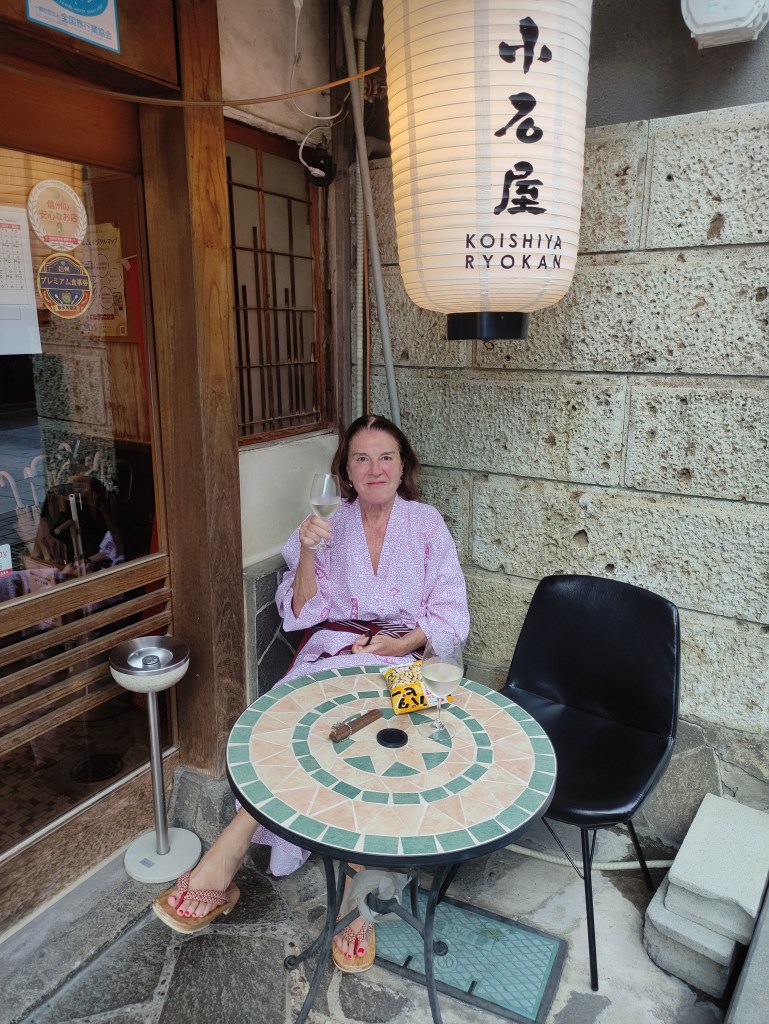
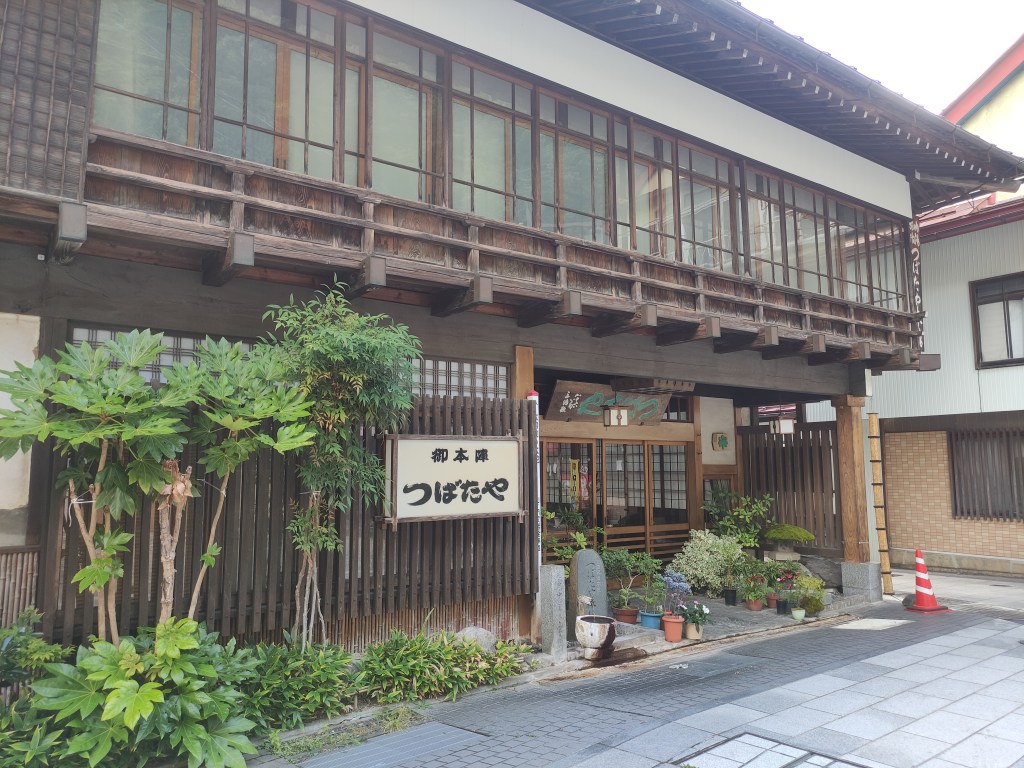
Fortunately, an employee of Shibu Onsen Koishiya Ryokan picked us up at the station.
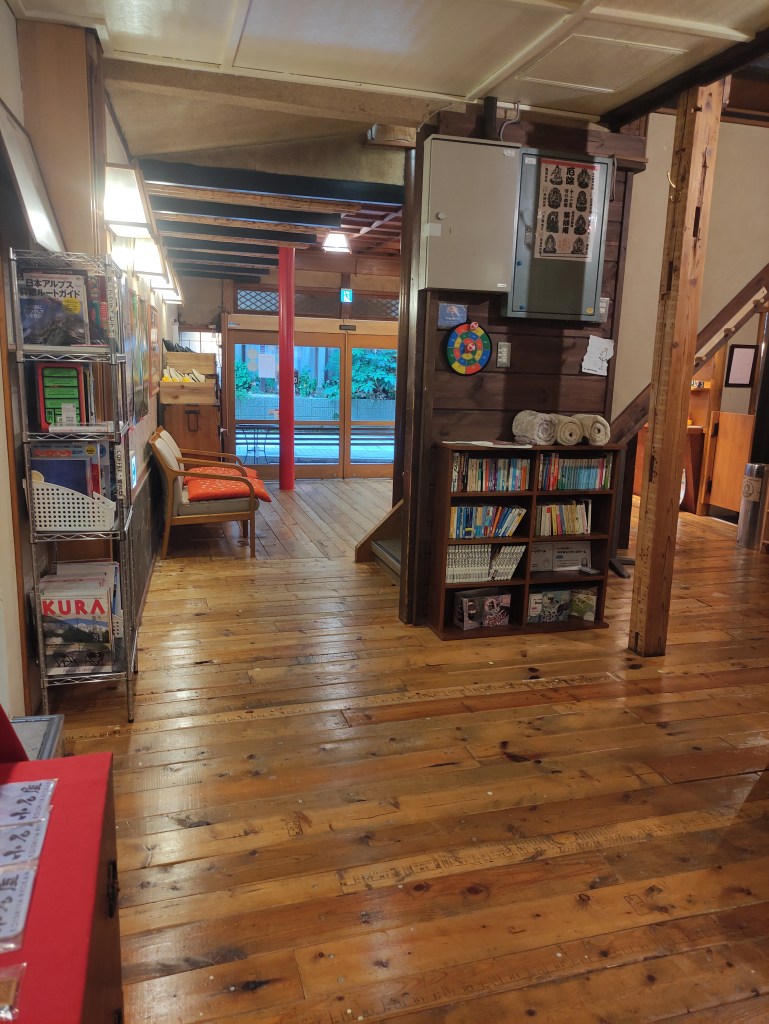
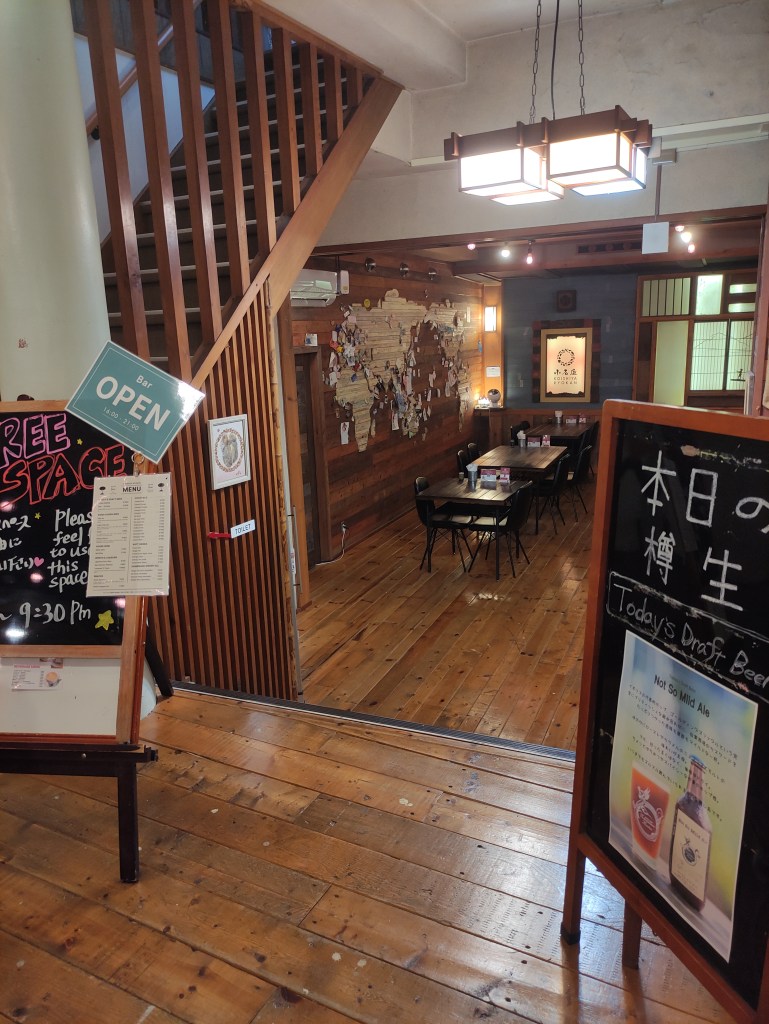
The room was very large, although the inconvenience is that the bathrooms are shared, but this is normal in typical Japanese ryokans.
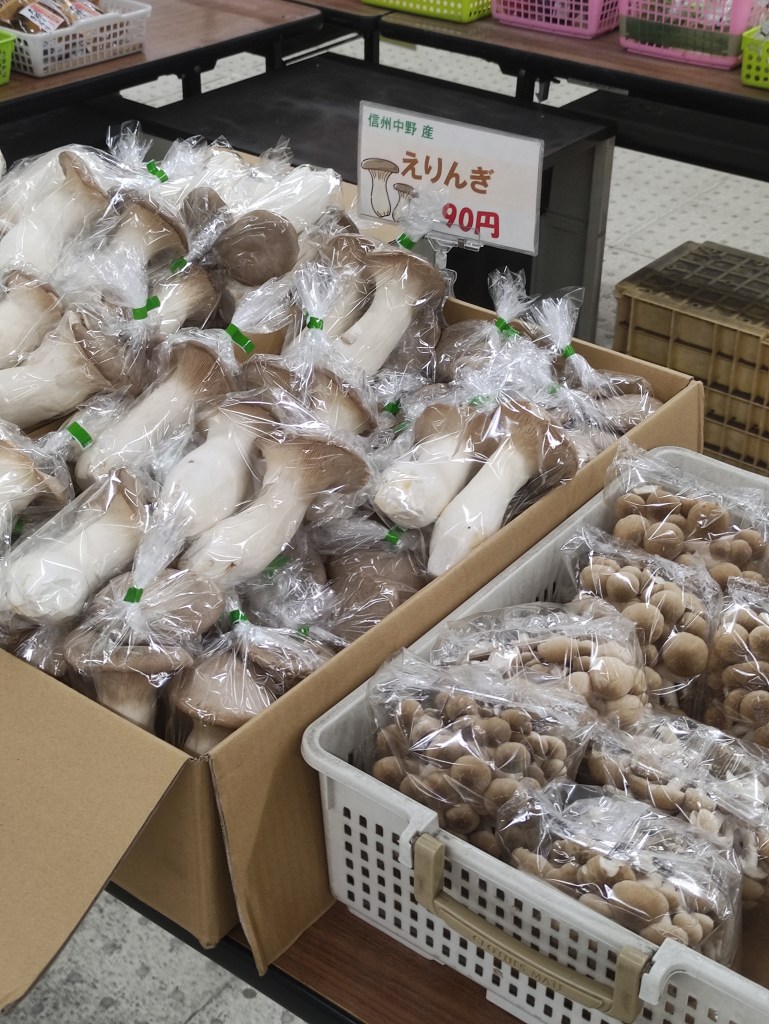
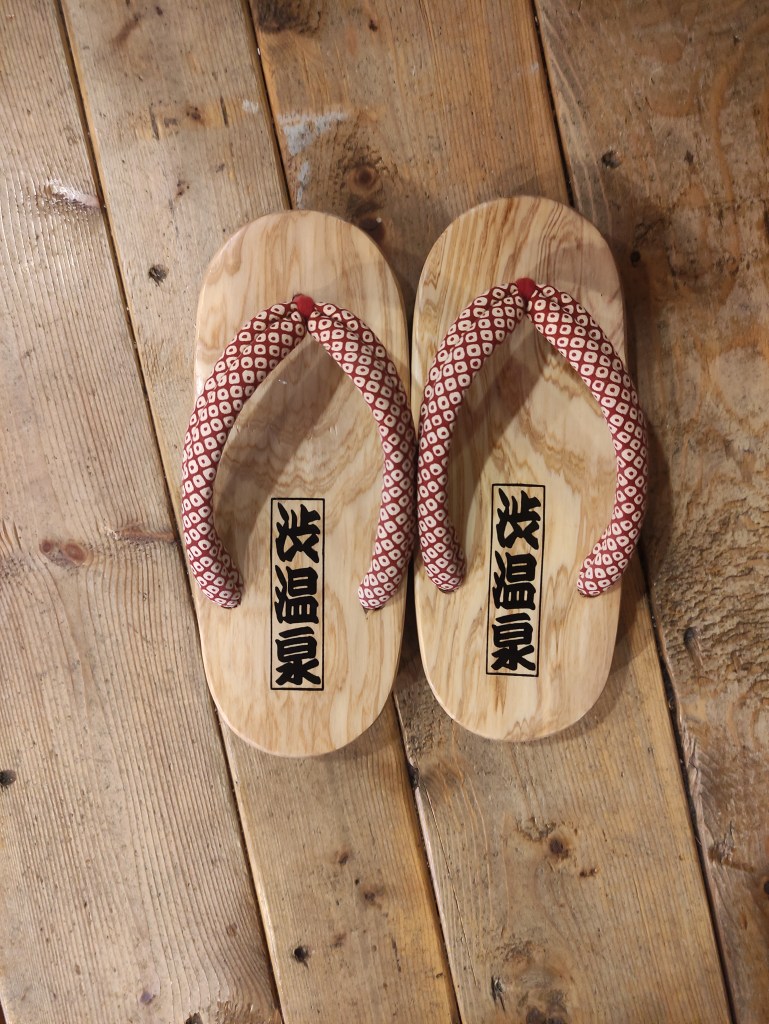
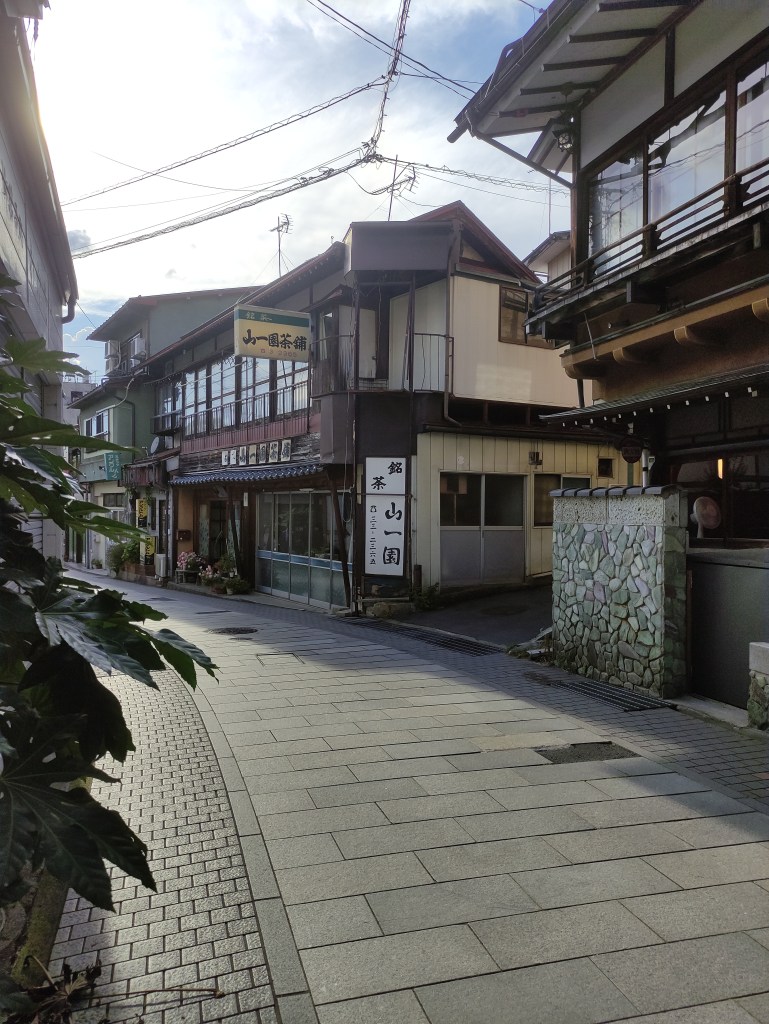
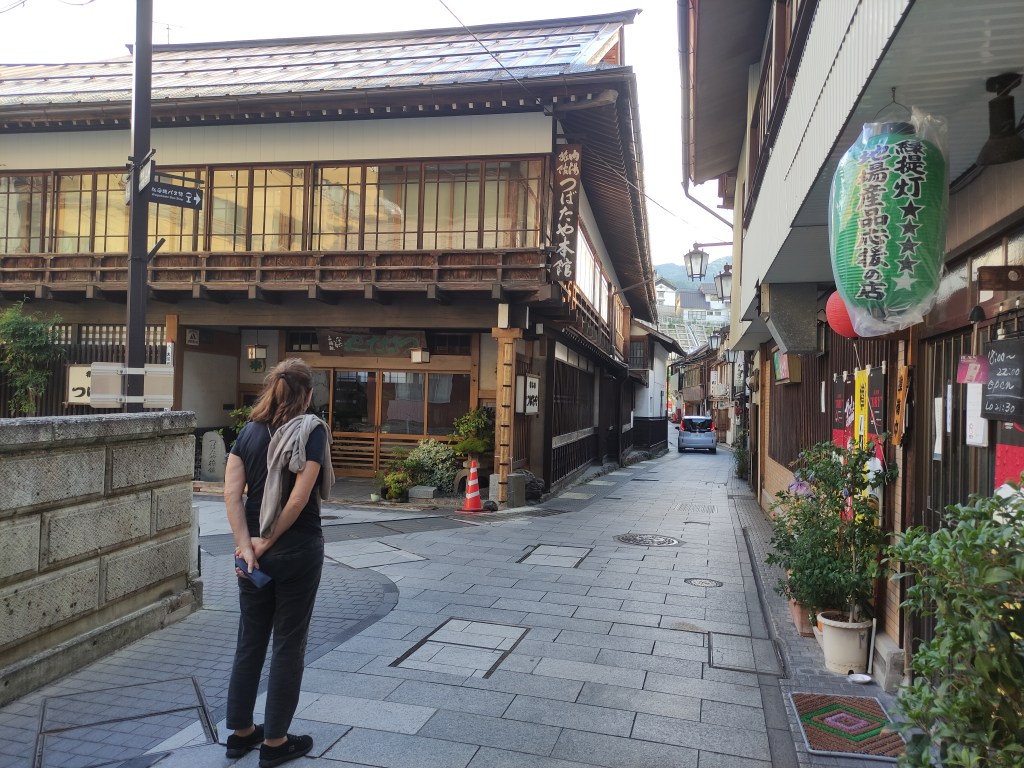
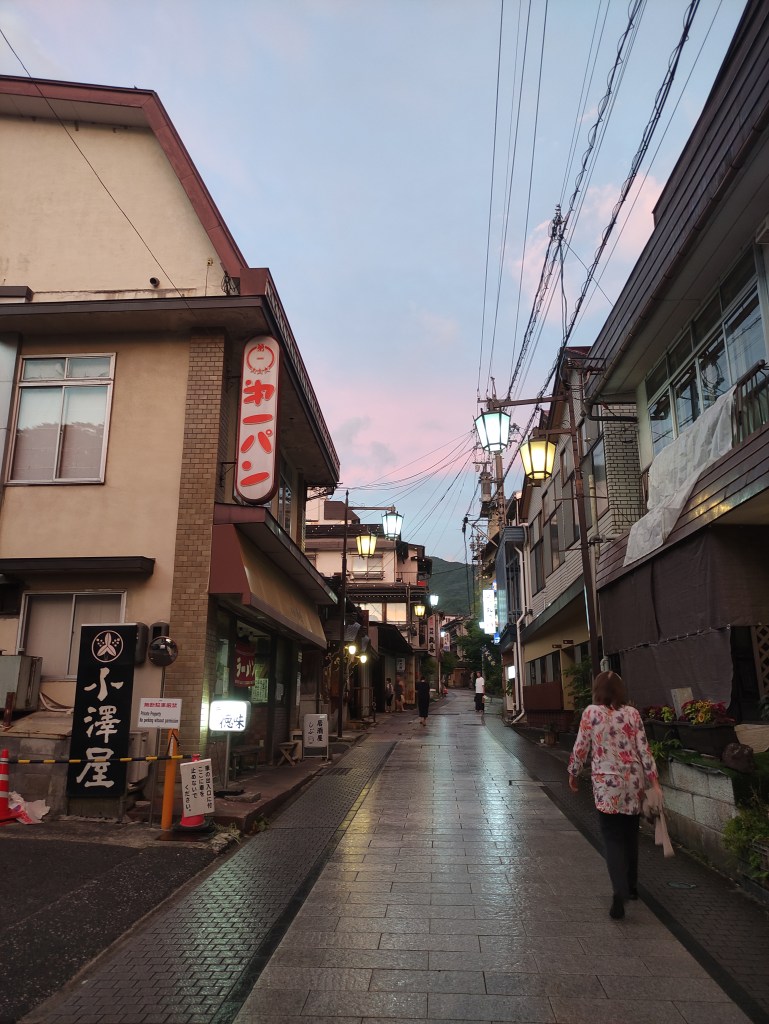
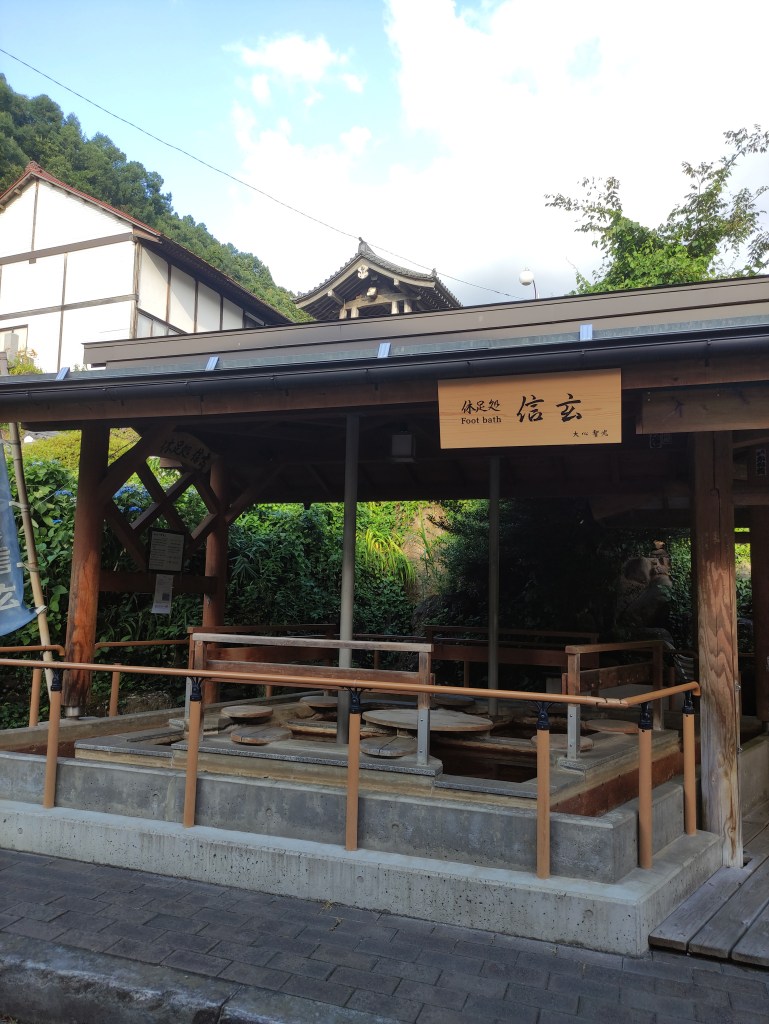
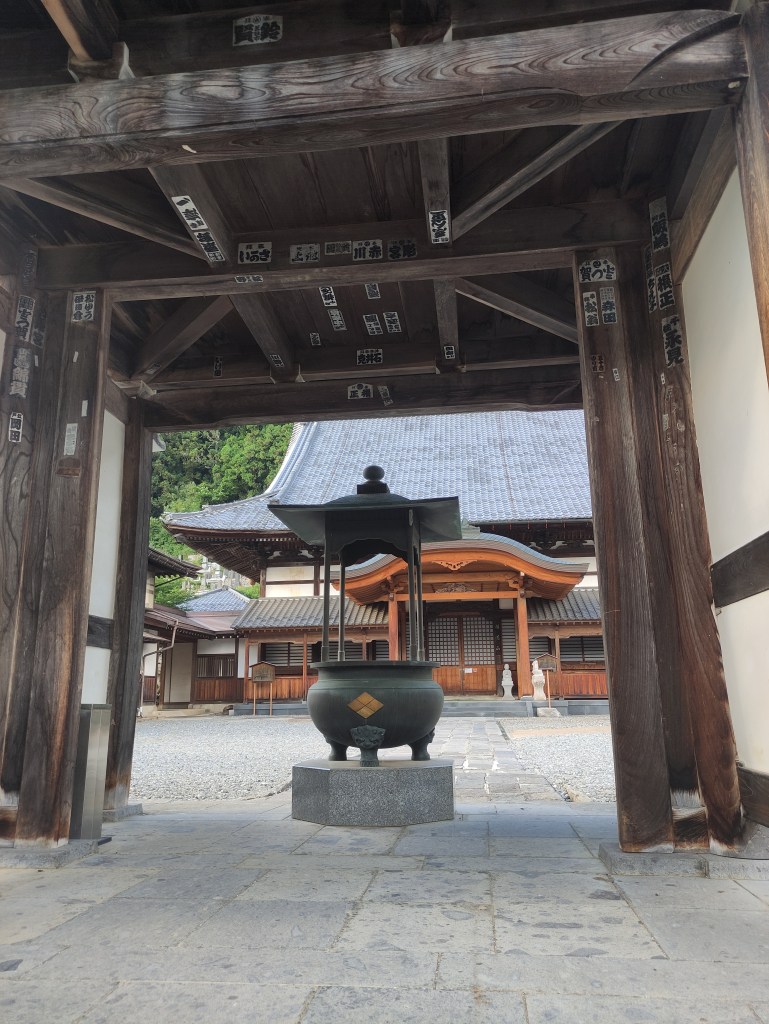
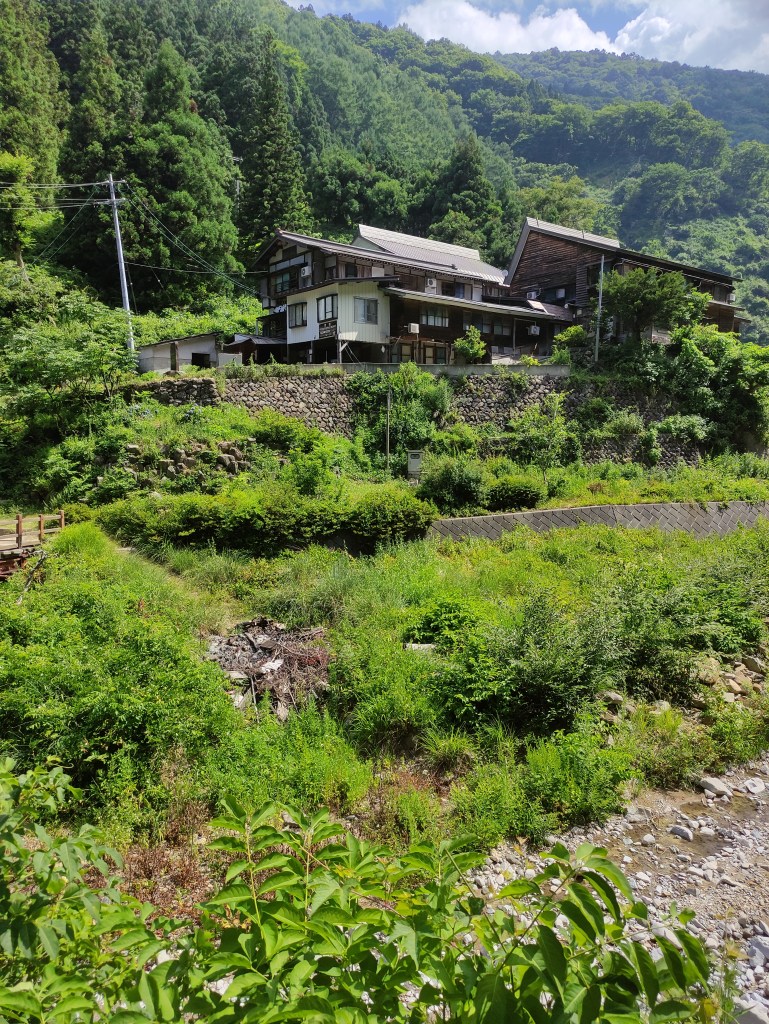
Yamanouchi is an ancient village in decline, unlike nearby Yudanaka, as young people leave for the city and only the elderly remain in the village. Personally, I found this very sad because the old houses could be restored to their former glory if they were renovated and used for everyday life. There are only a couple of small restaurants and several public onsen, but even these would need a good deal of maintenance and refurbishment. To use the onsen, you have to be staying at one of the local ryokans. The innkeeper provides guests with a yukata (robe) and geta (wooden sandals). Very comfortable to wear, they are also allowed for walking around the village and can even be worn when going out for dinner.
The problem lies in the temperature. Certainly around 50°C, which neither of us was prepared for, as we didn’t want to end up like boiled lobsters. Only in one onsen was it possible to turn off the hot spring water and turn on the cold tap! But with a little patience, we managed it and had a refreshing bath.









Tuesday July 22nd
In the morning, we had a frugal breakfast as there wasn’t much choice.
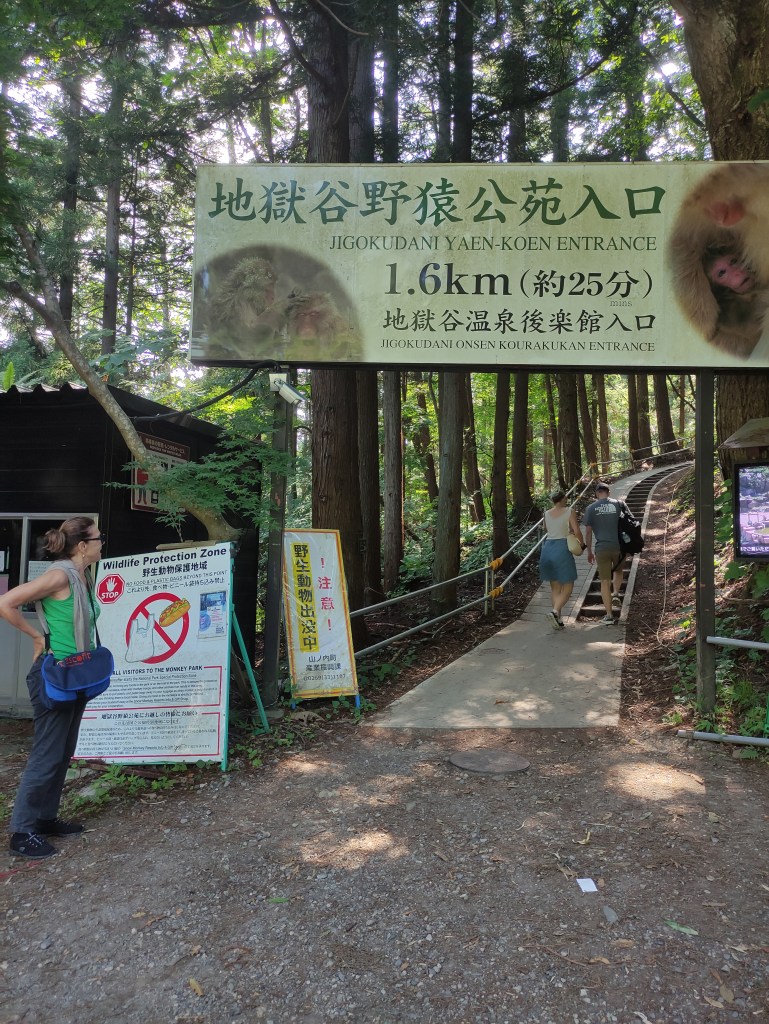
At 9:00 a.m., the receptionist took us by van to the entrance of Jigokudani Snow Monkey Park. And it was precisely for the monkeys that we were both in that place far from the world!
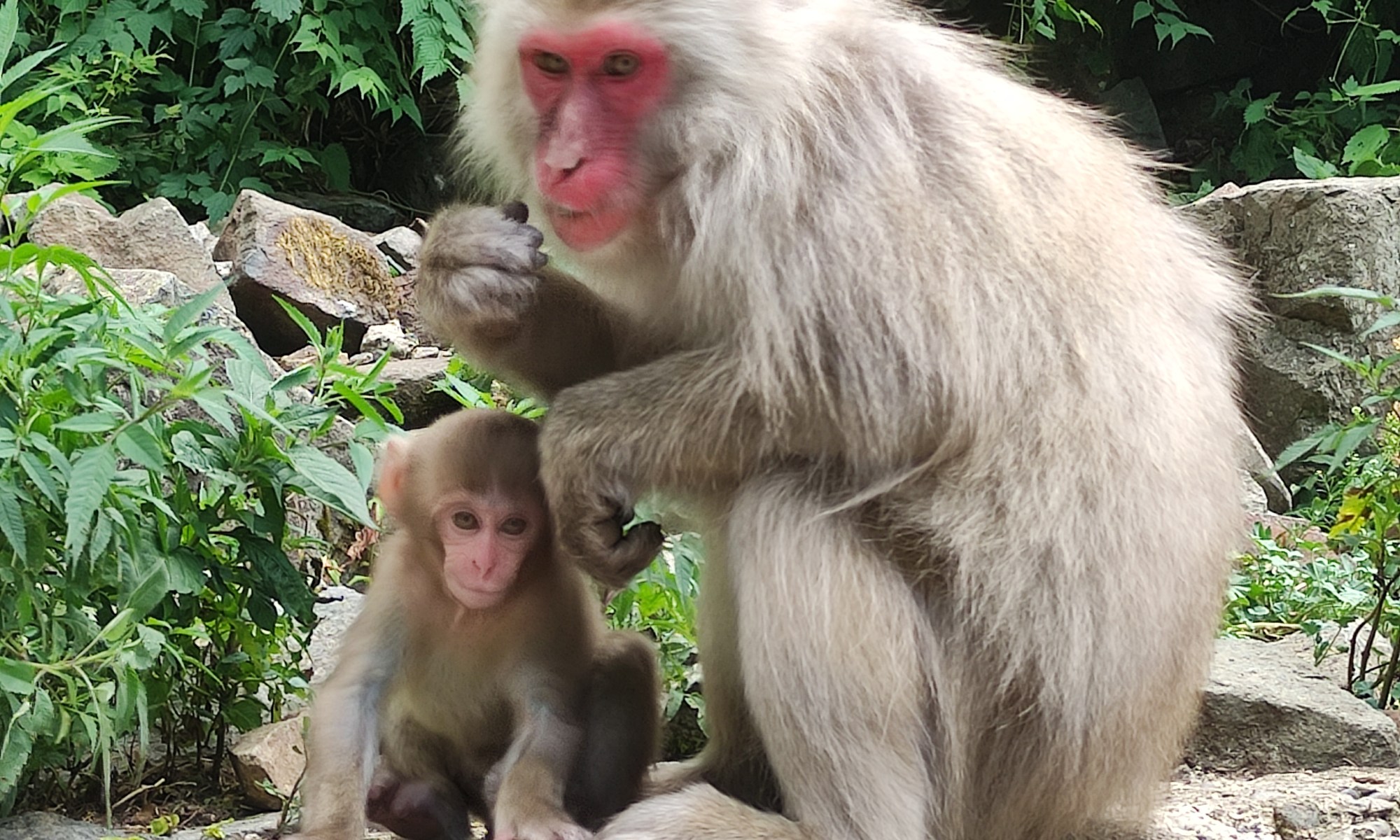
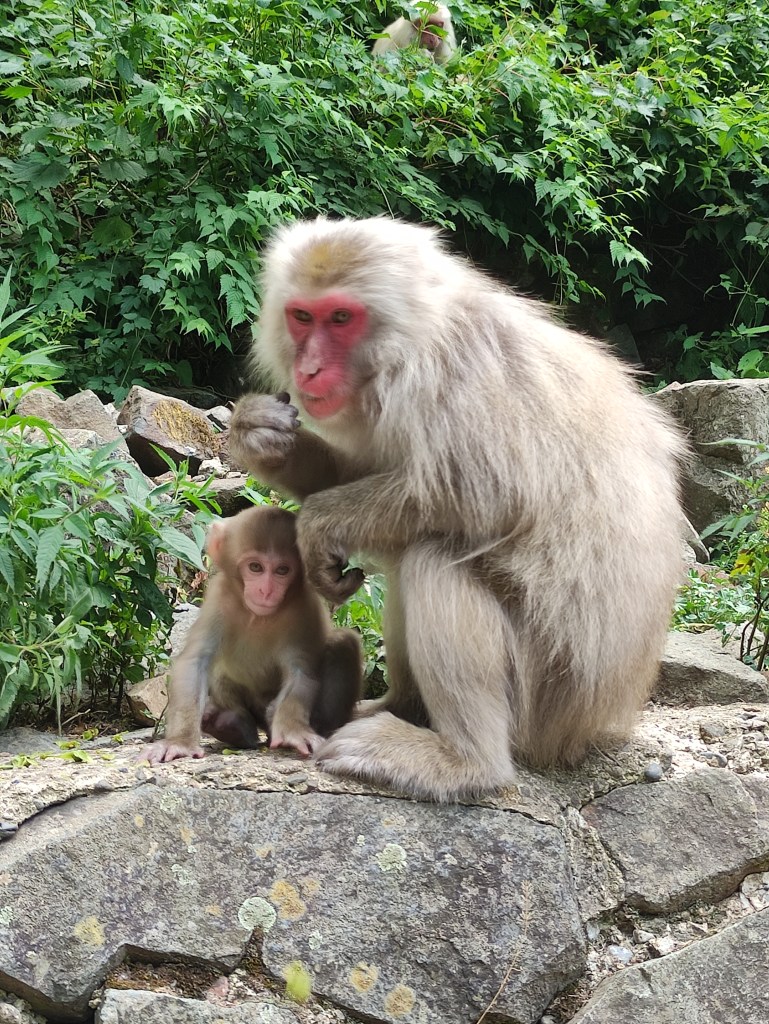
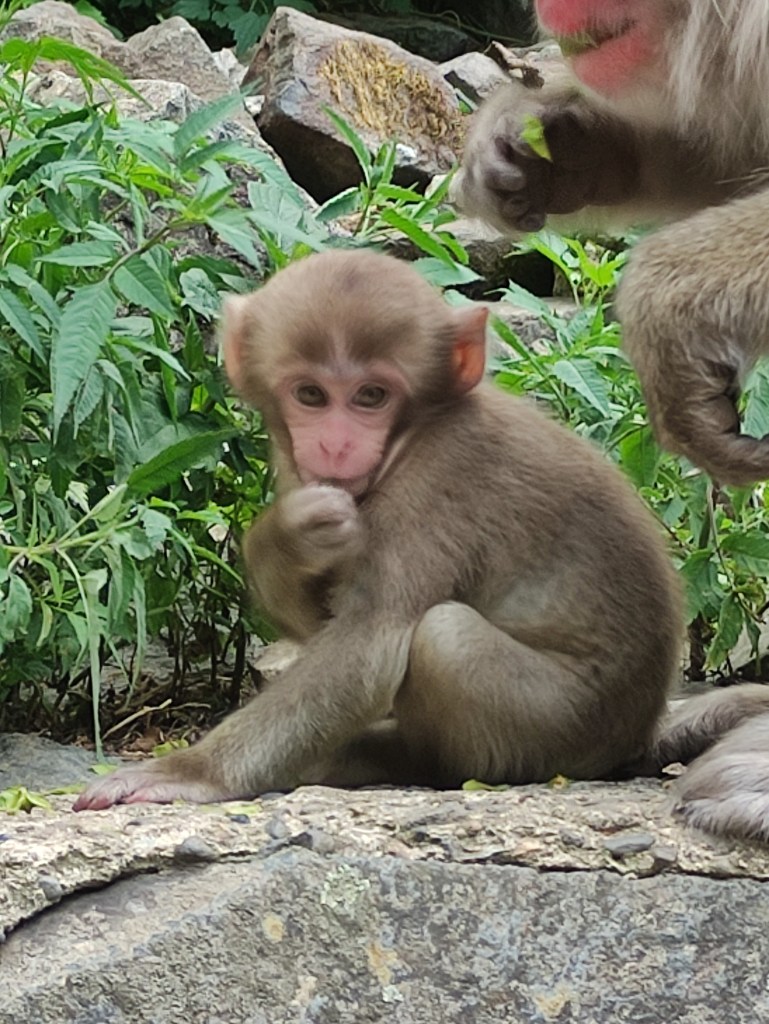
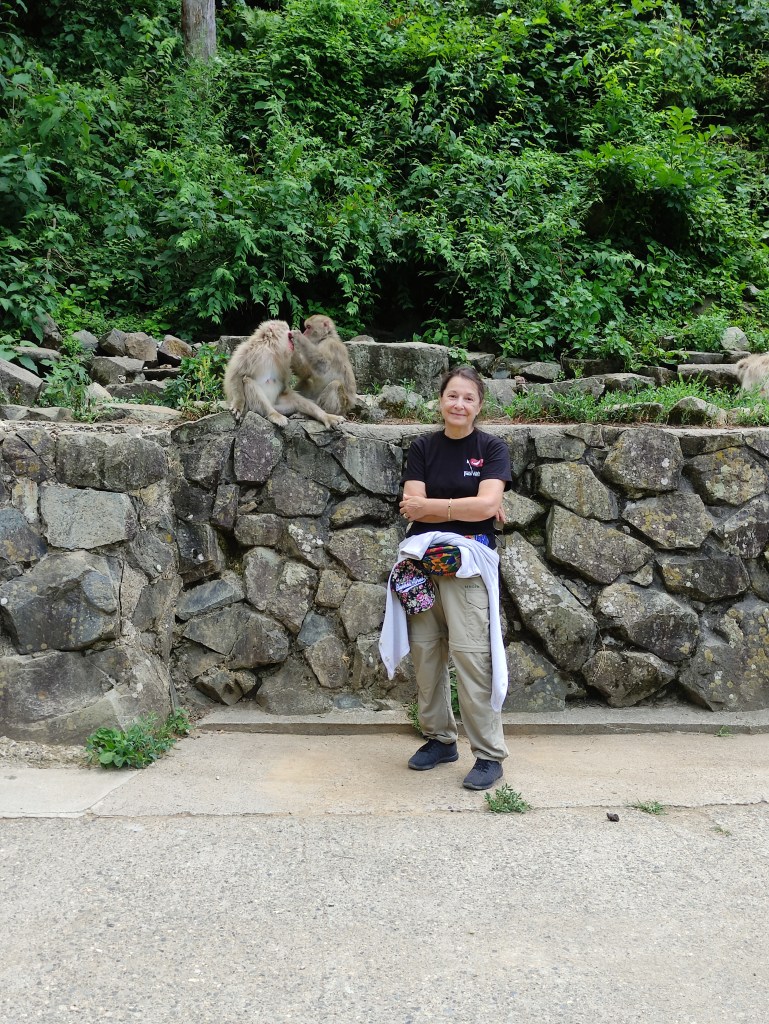
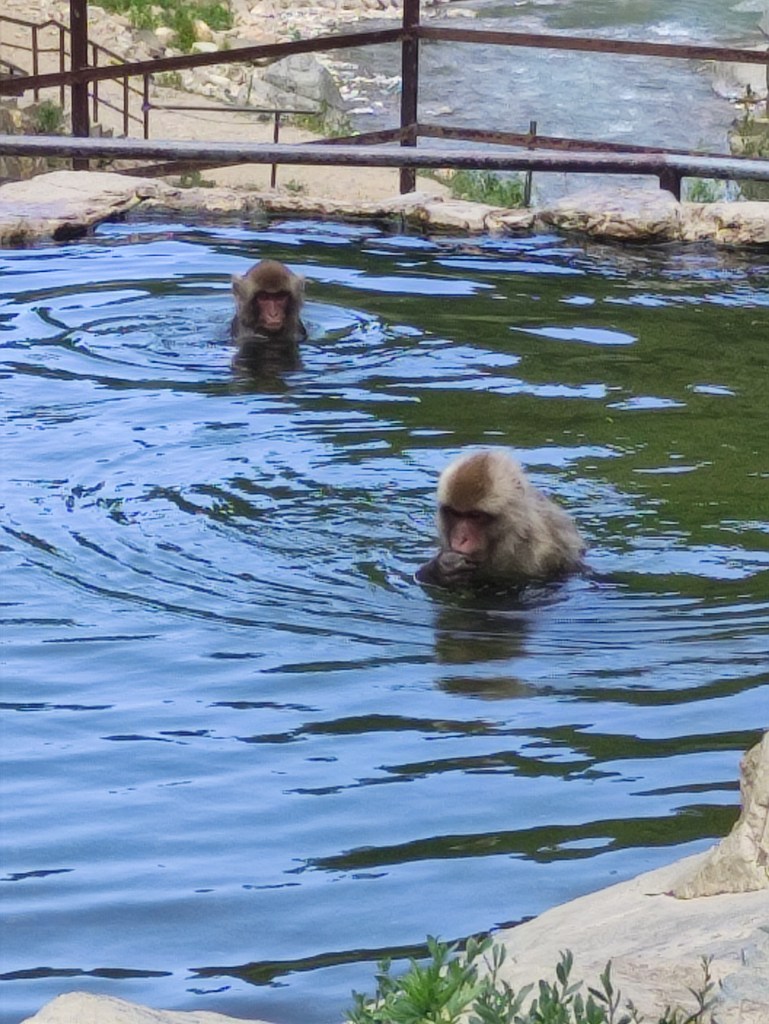
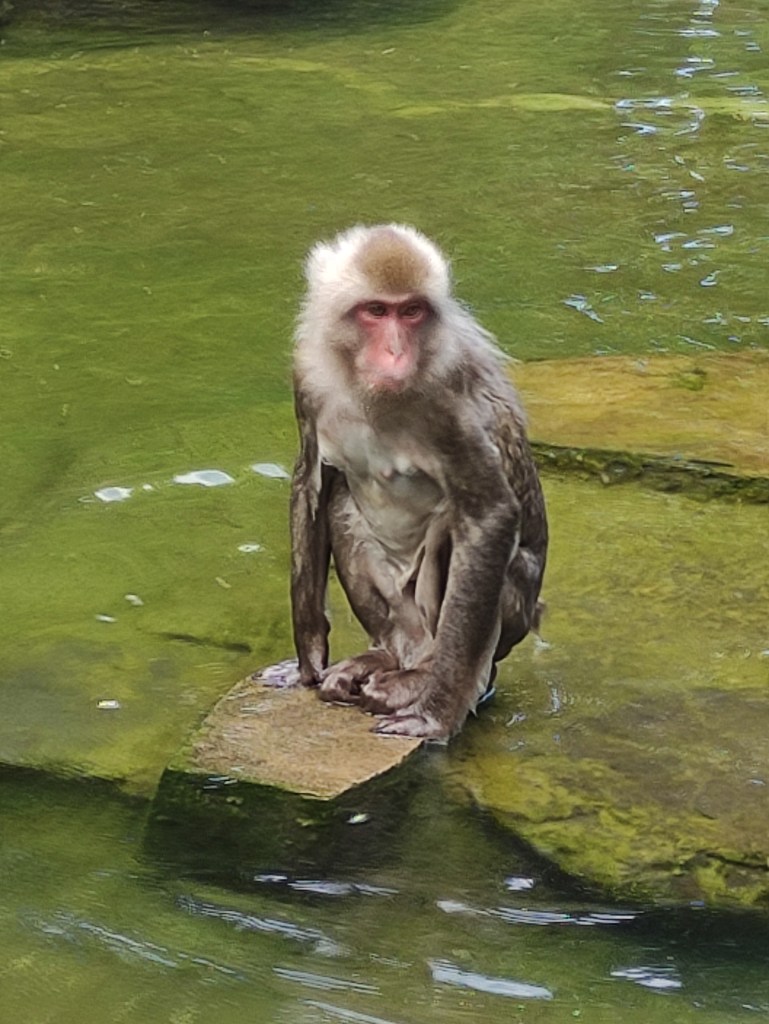
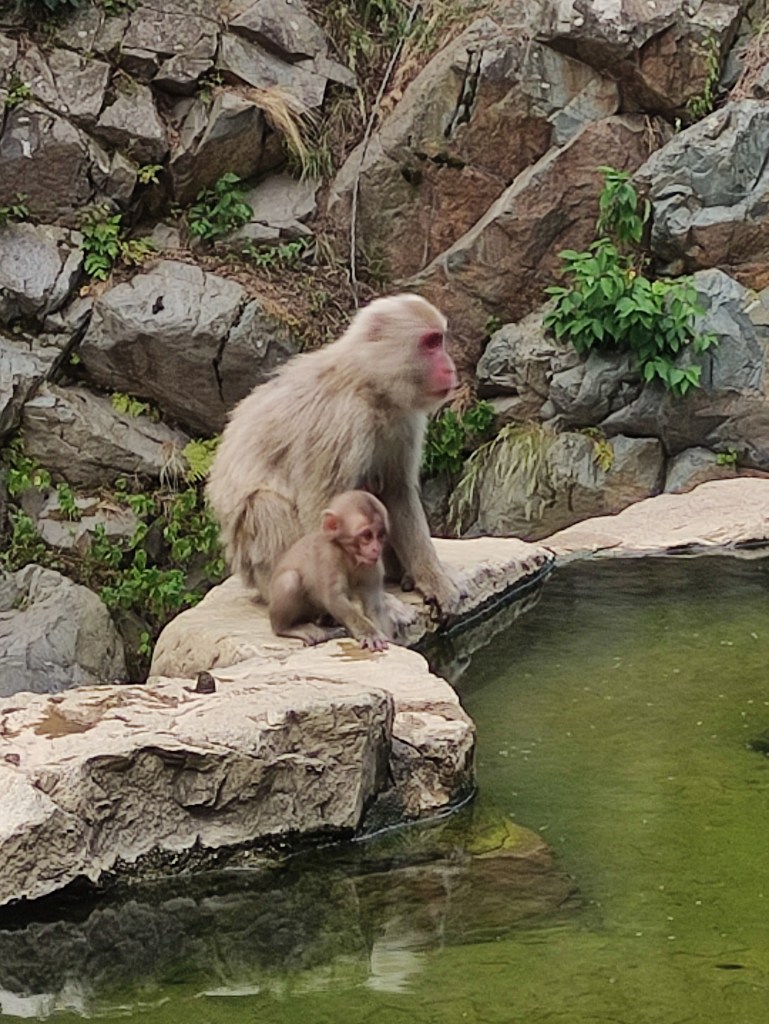
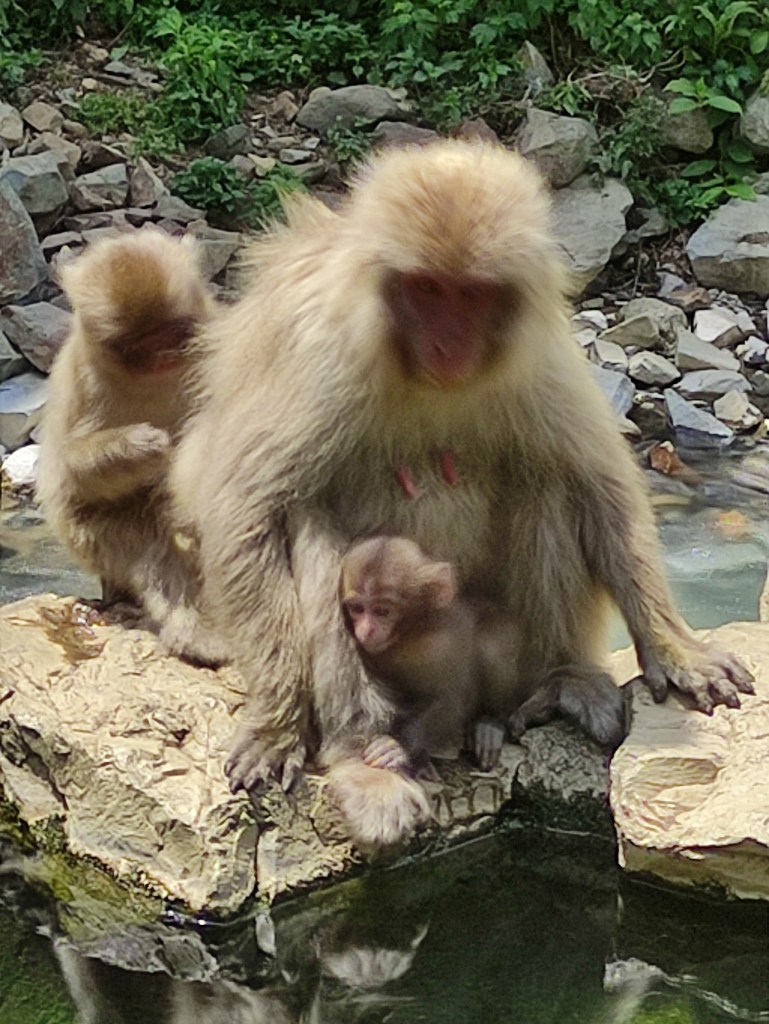
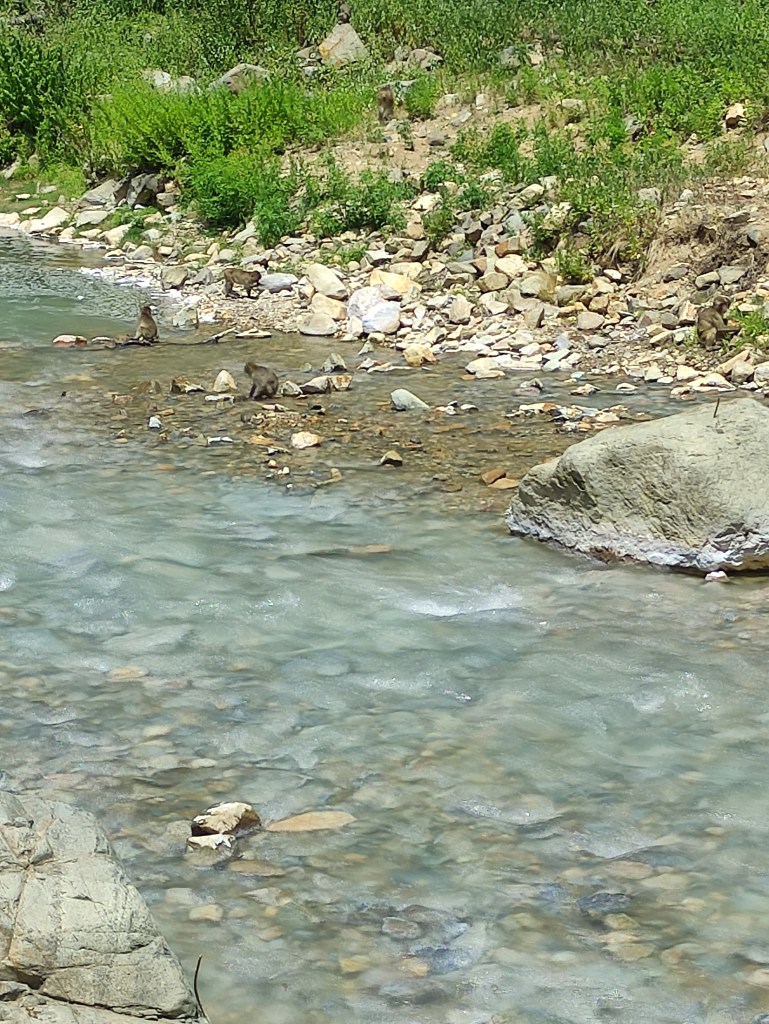
These Japanese macaques (Nihonzaru) are unique. They love to bathe in the hot springs while grooming each other or playing together. Jigokudani Park is perhaps best known for the videos and photos taken in winter, when it snows and the monkeys soak in the steaming water to keep warm.
In the morning, the macaques come down from the woods above the large pool. Bathing is not just a winter habit: in the middle of summer, under the scorching sun, the water is perhaps a relief for them. One monkey in particular was interested in the design on my T-shirt, a red flag with a white whale from Paul Watson’s foundation. He touched my back very gently, and I admit I had a strange feeling… it’s certainly easier to get empathy from a macaque than from a human being!
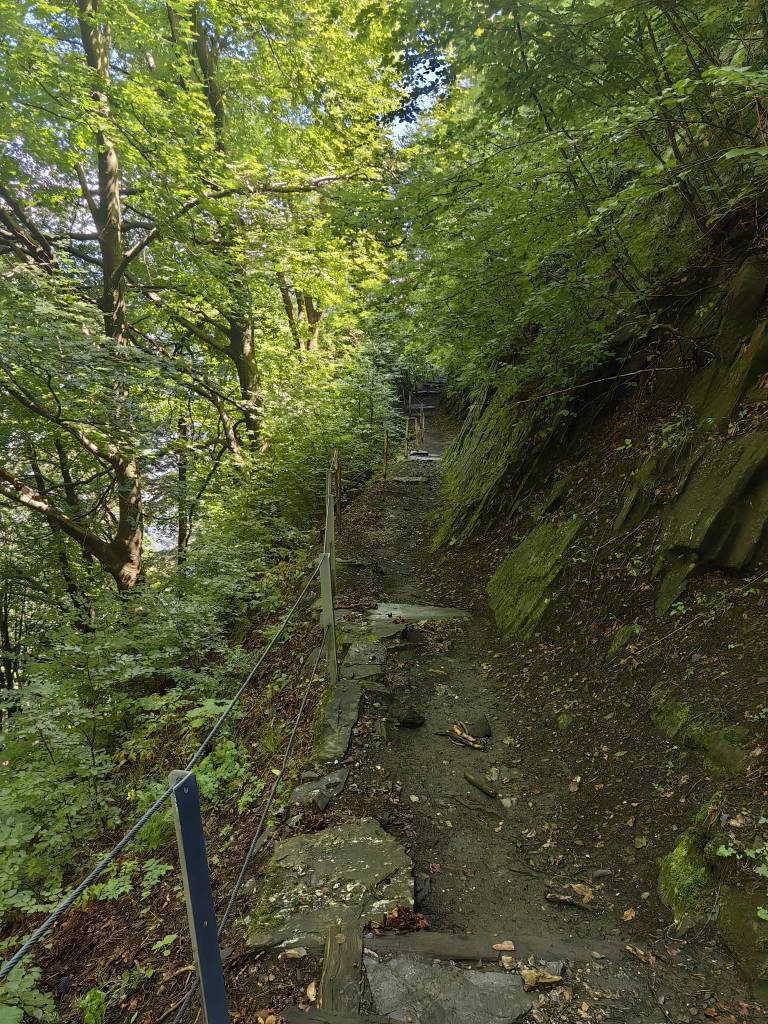
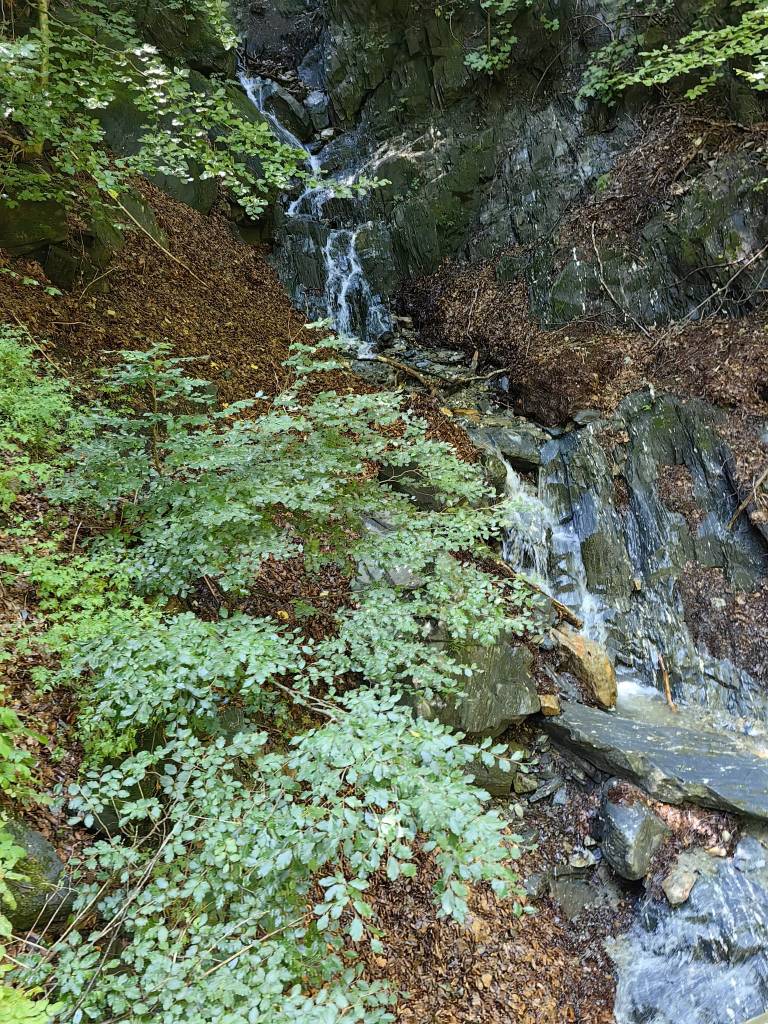
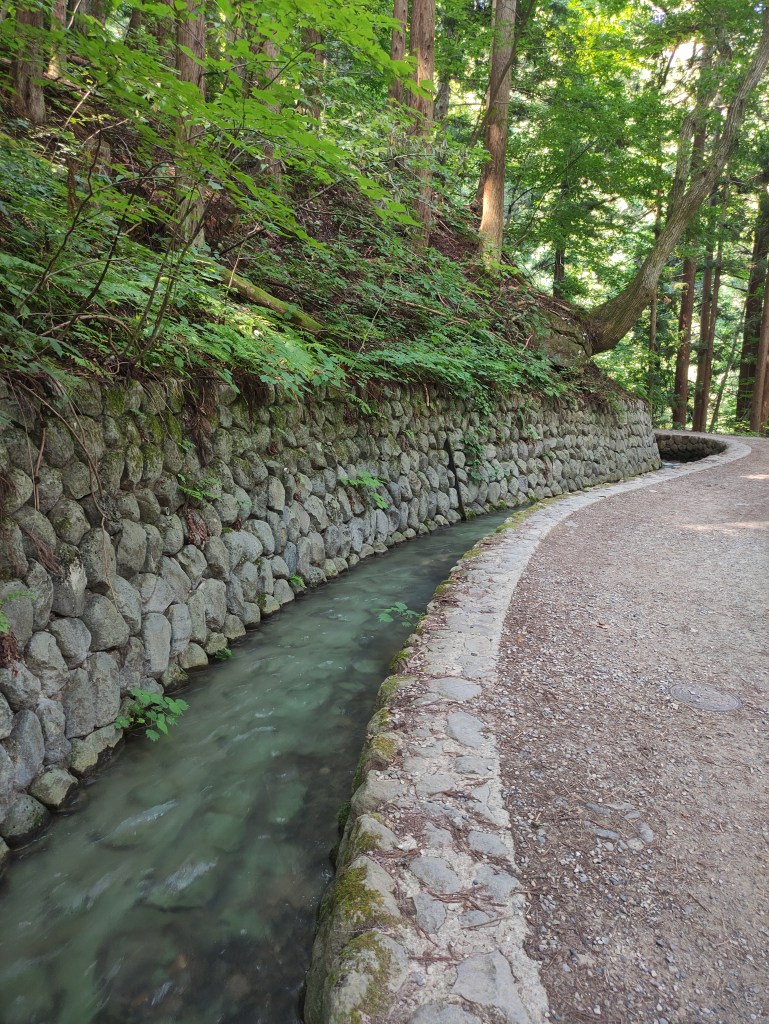
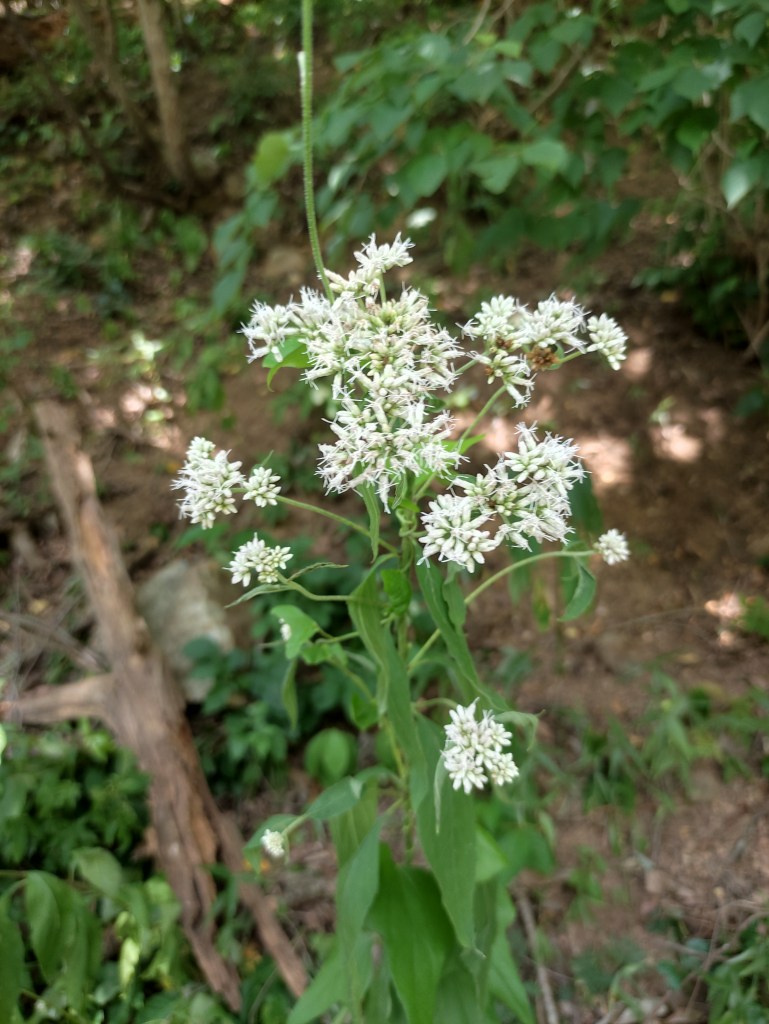
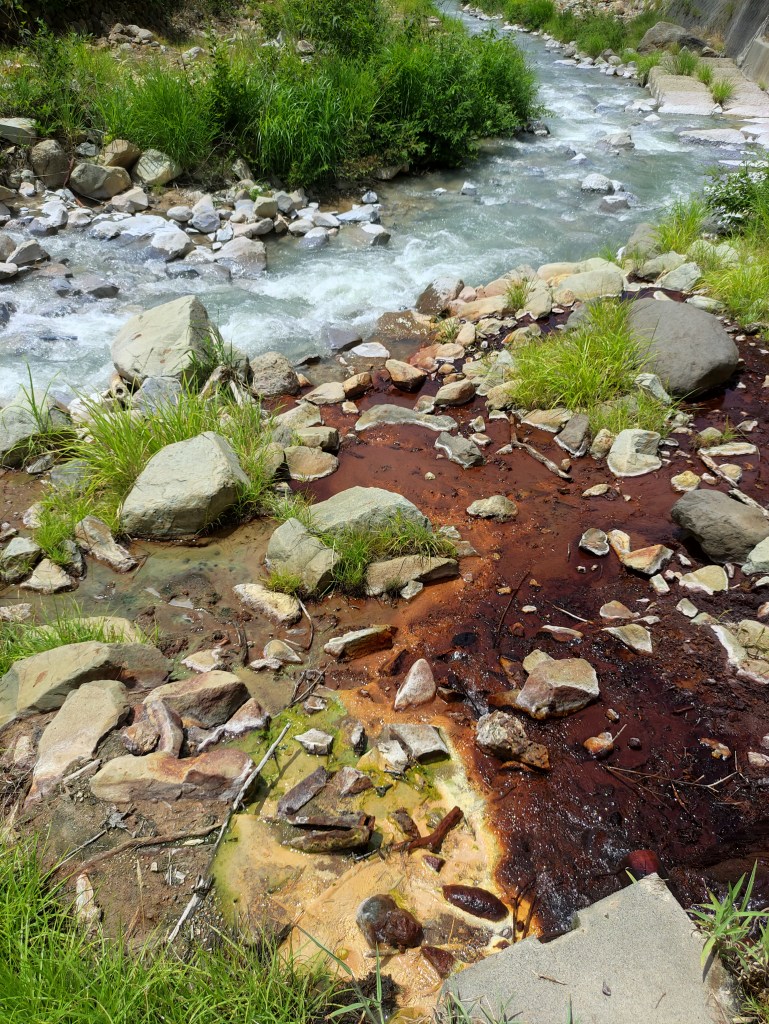
To return to the Ryokan, we took another path. Despite the presence of bears, as indicated by conspicuous signs, we felt very brave. It was a beautiful walk. Slightly downhill, through a wooded area of conifers, the most famous being the sugi (Japanese cedar), and deciduous trees such as oaks, beeches, and maples.













Wednesday July 23th
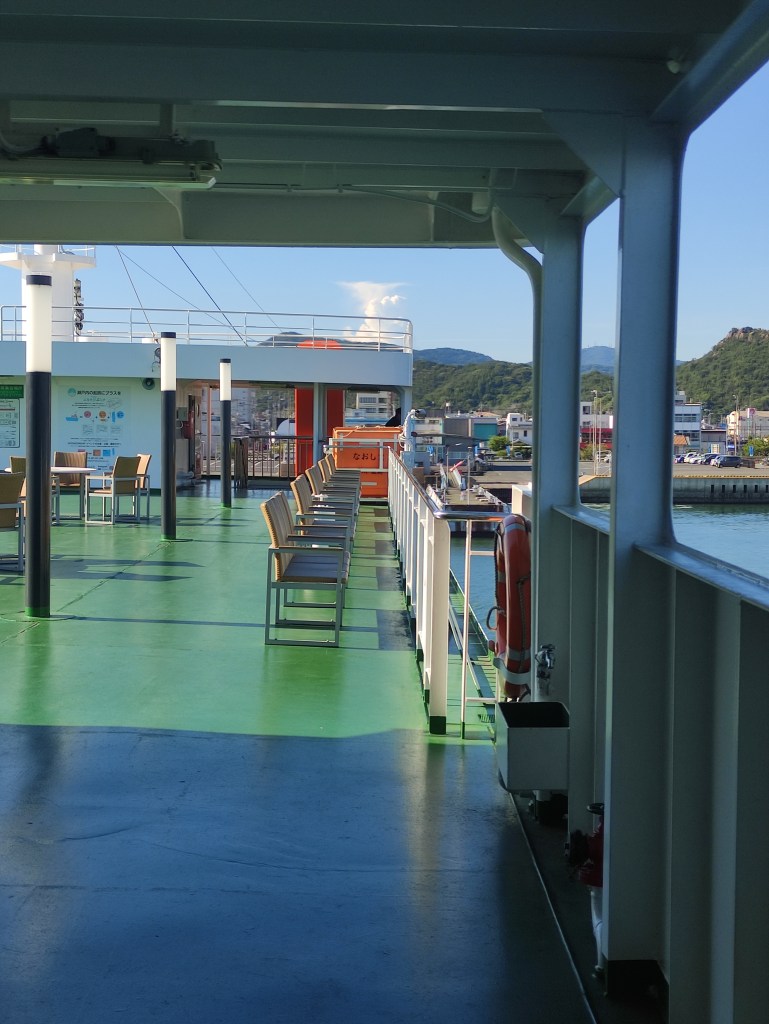
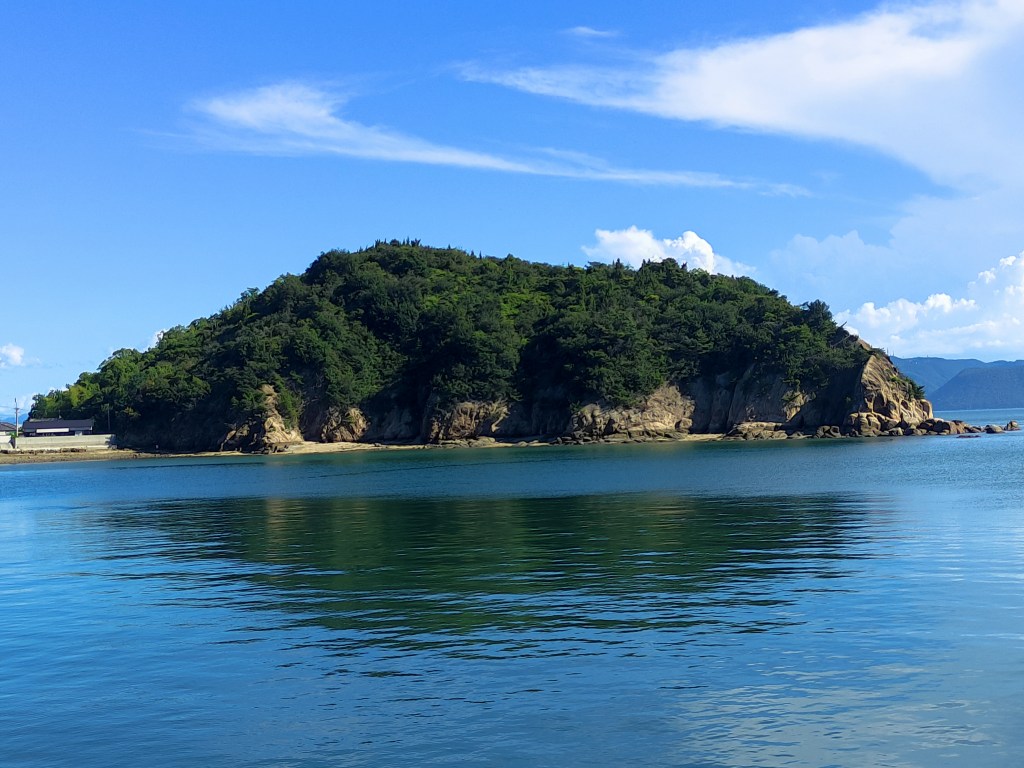
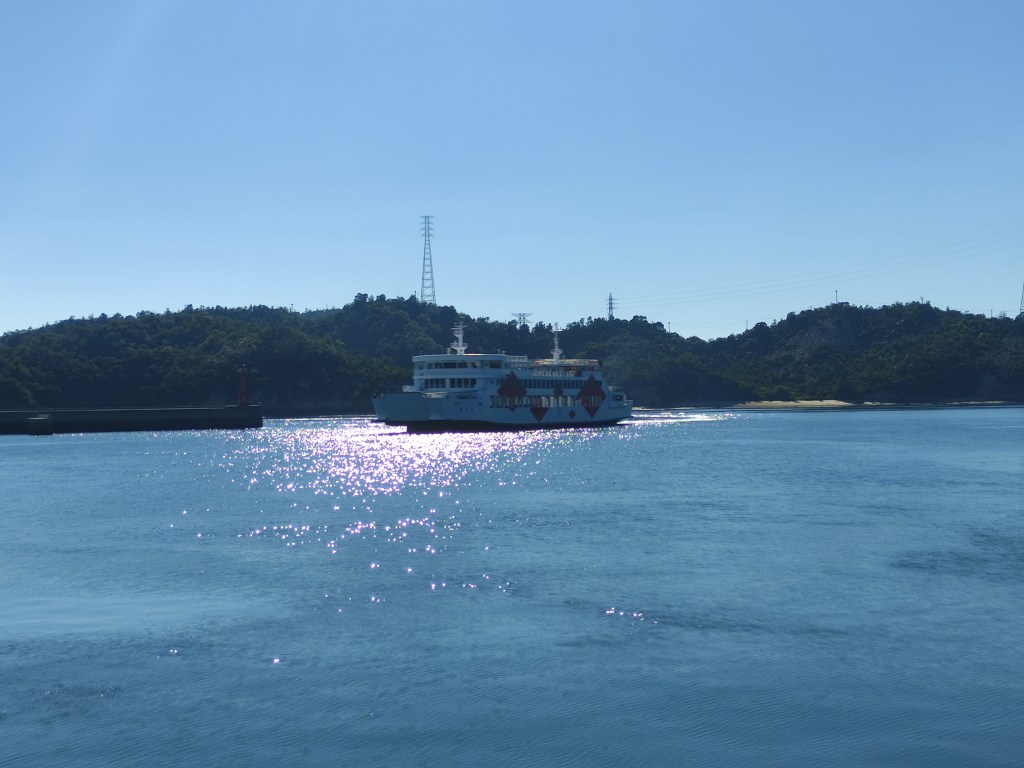
We got up at 6:30 a.m. and rushed to Yamanouchi Station. The local train took us to Nakano, and from there, we took another local train to Nagano. The Shinkansen express train took us from Nagano to Nagoya. From there, we took another local train to Uno and then the ferry to Naoshima. Well, it really was a very long journey.
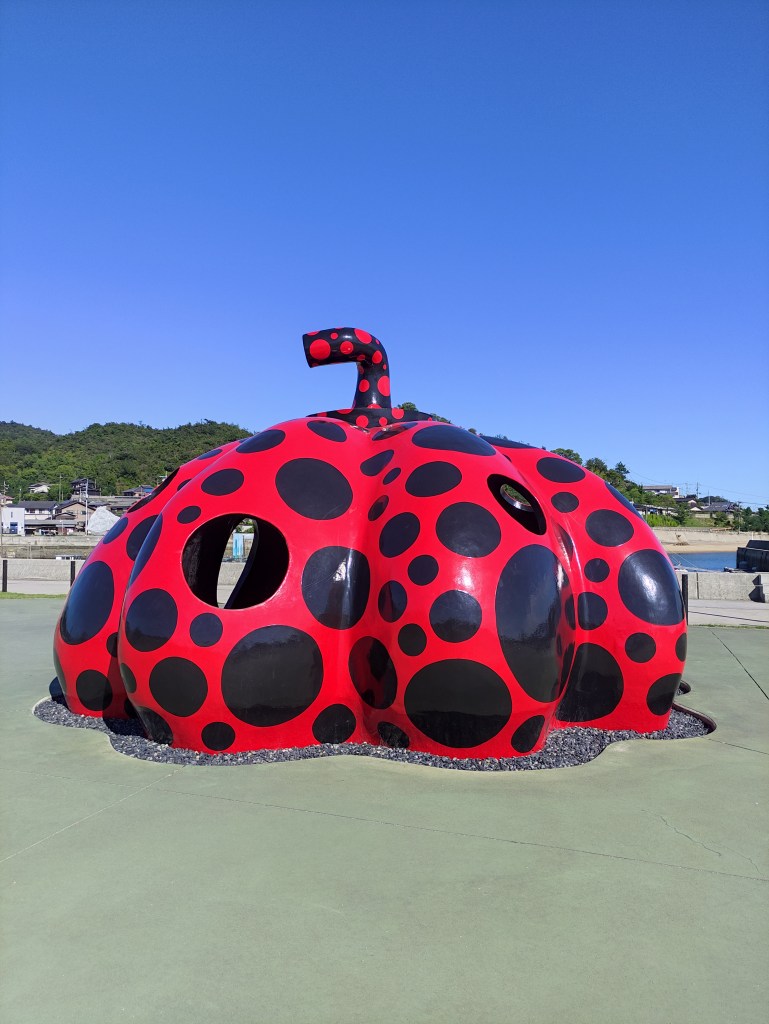
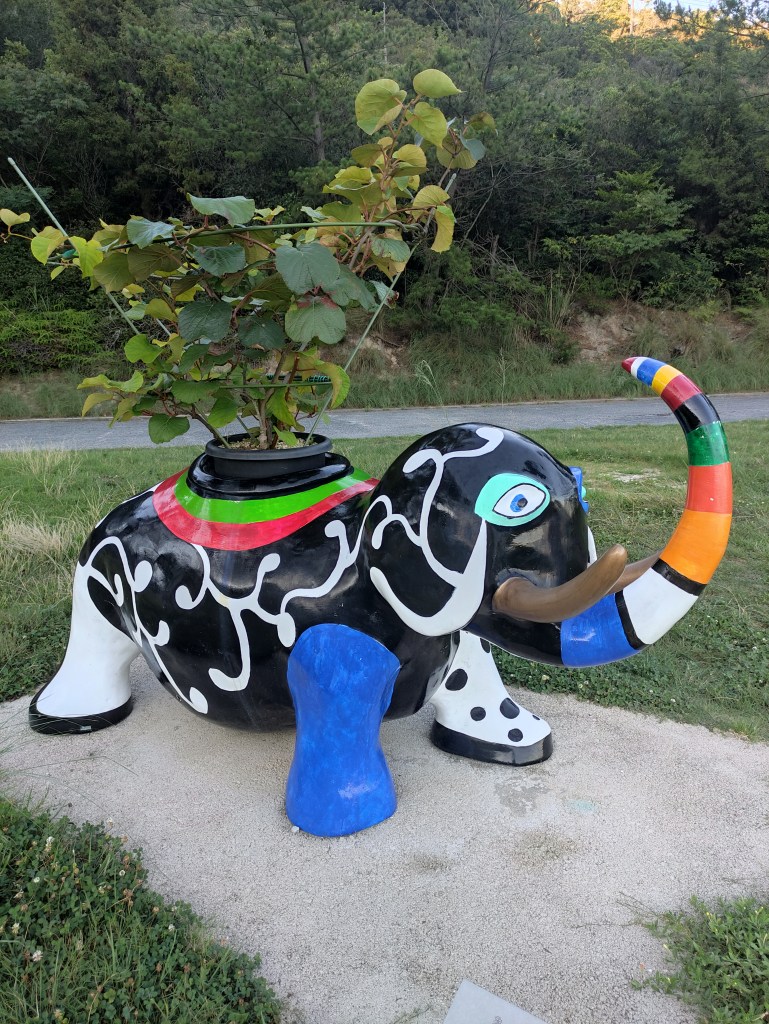
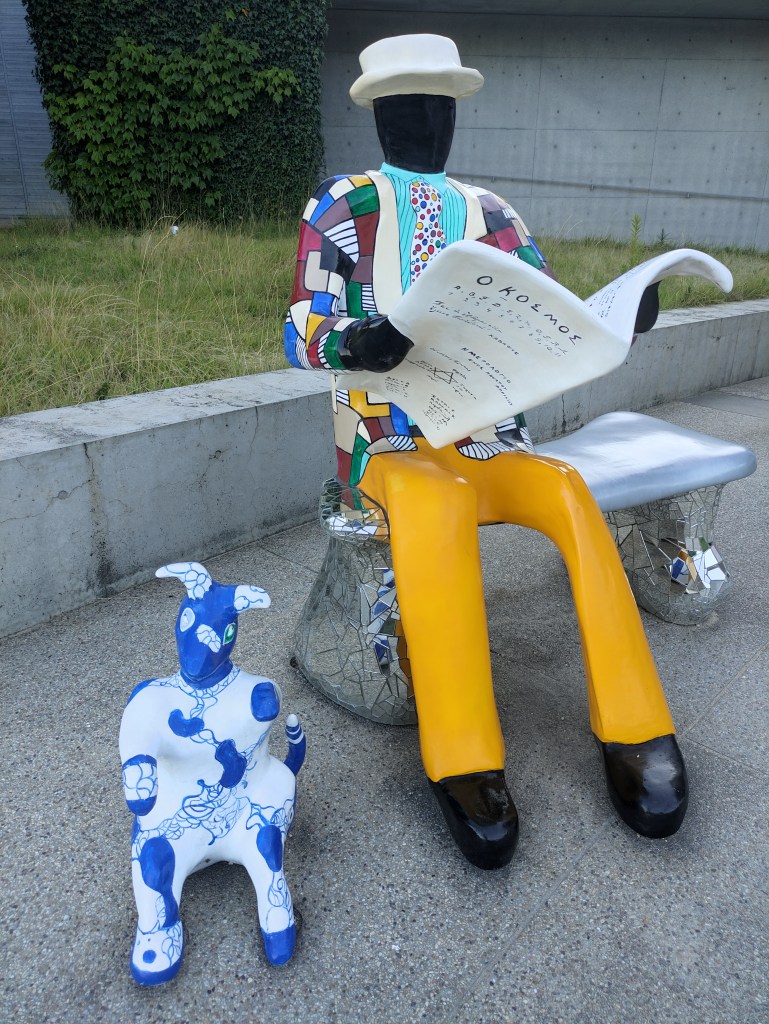
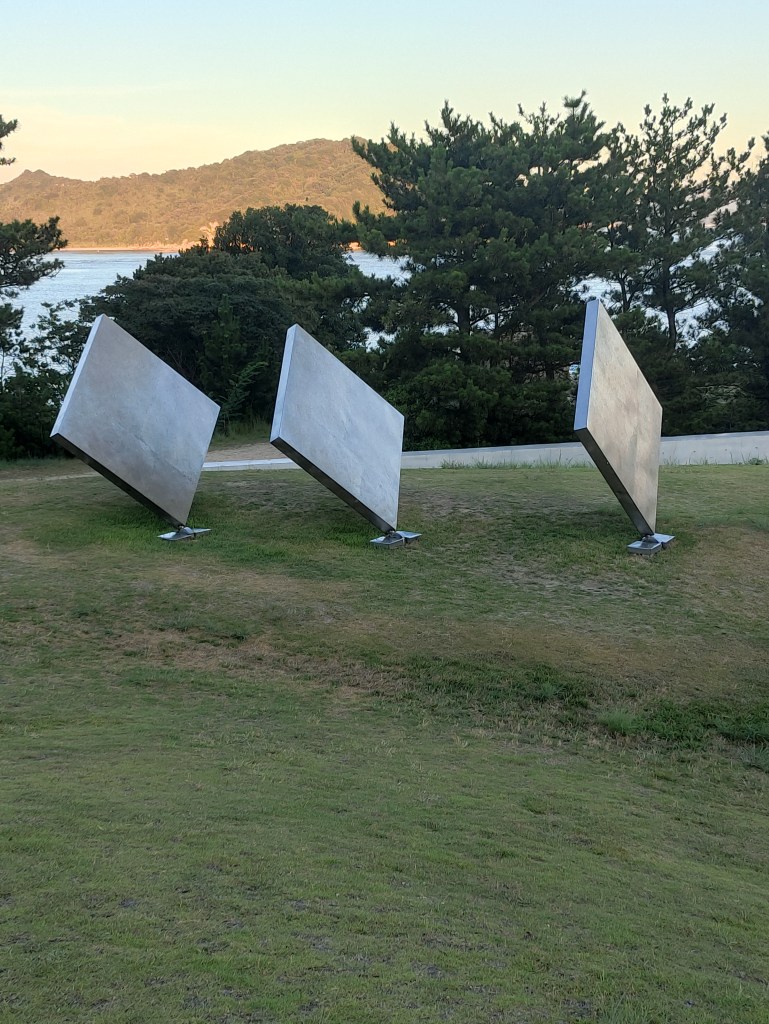
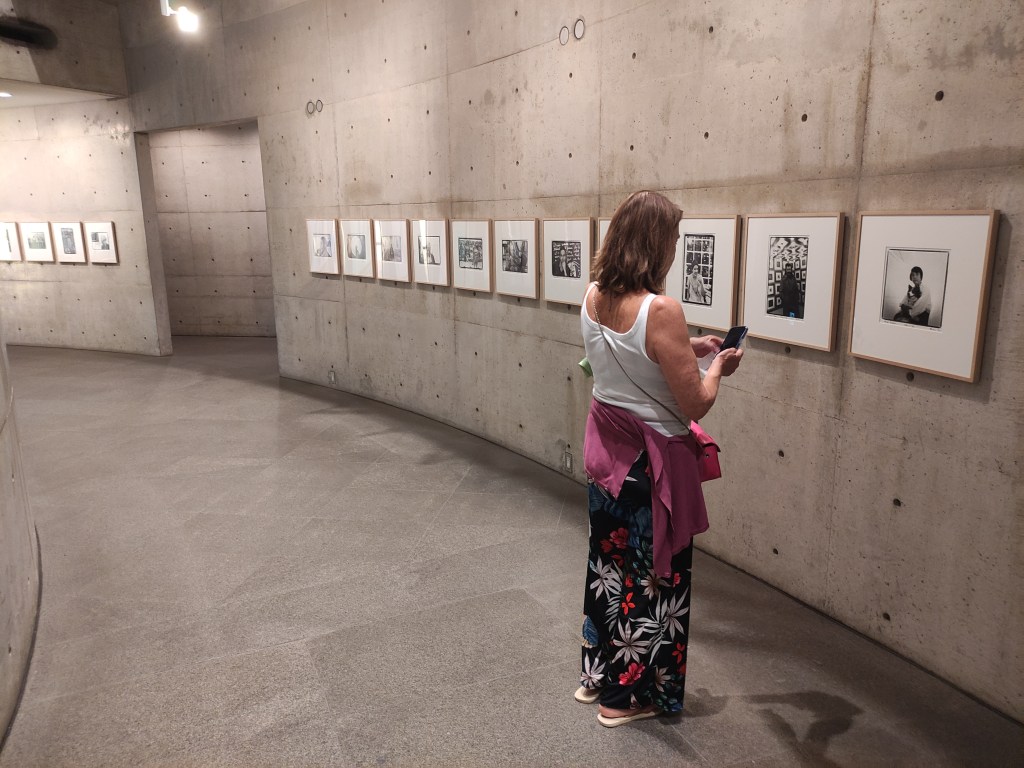
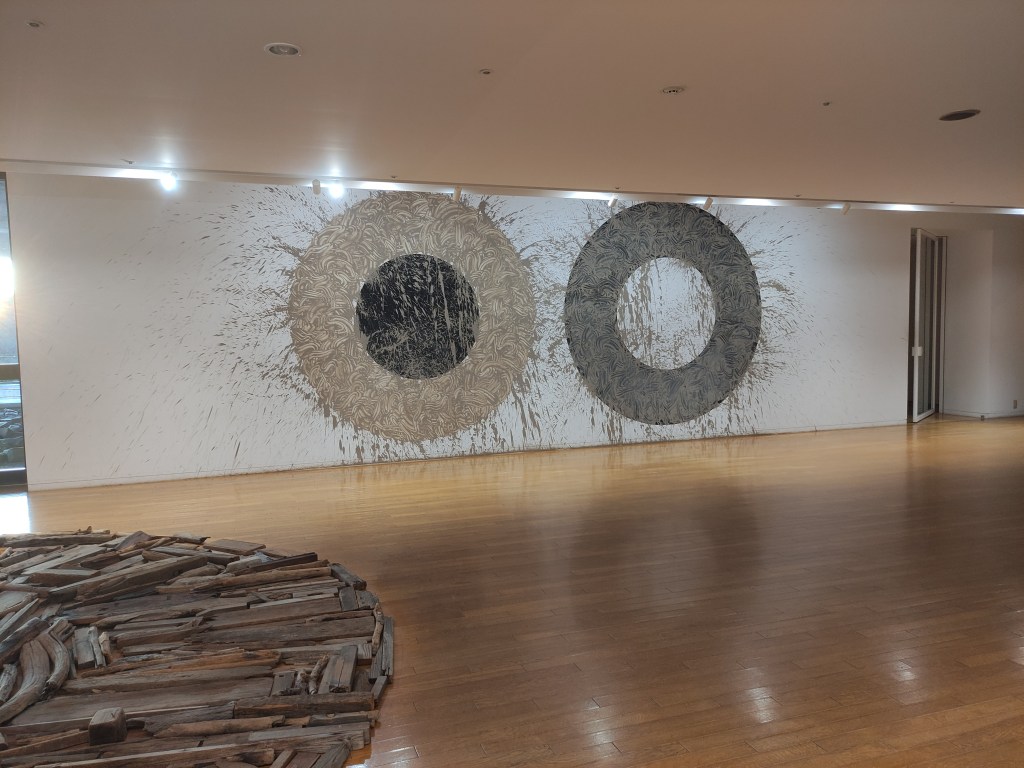
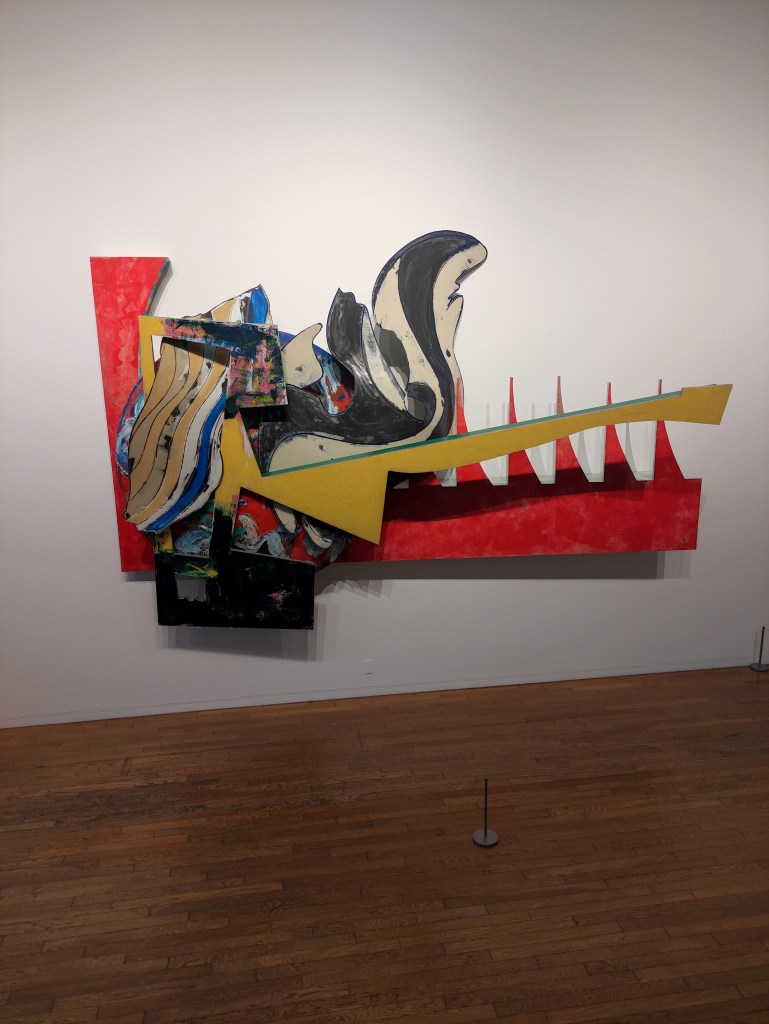
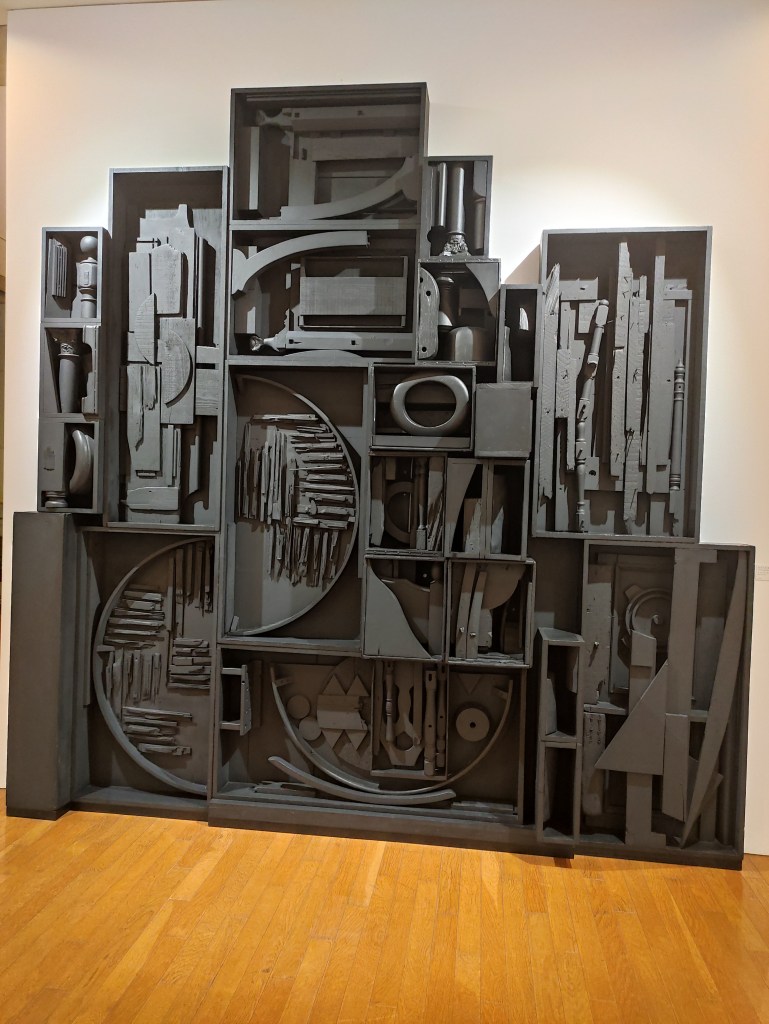
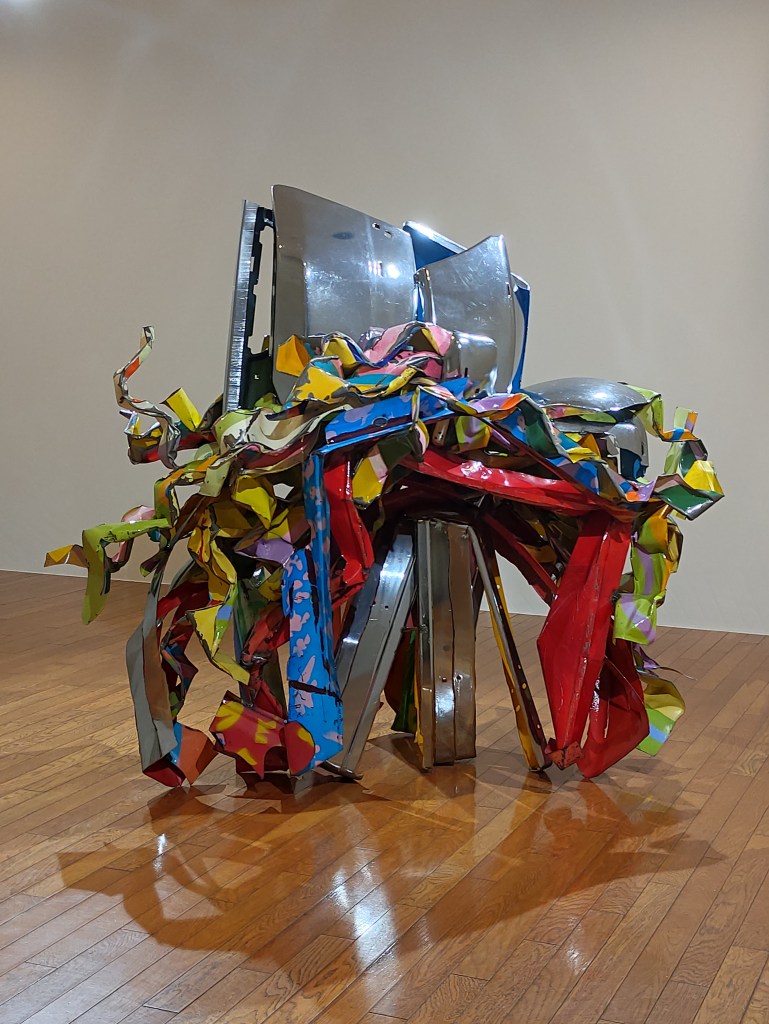
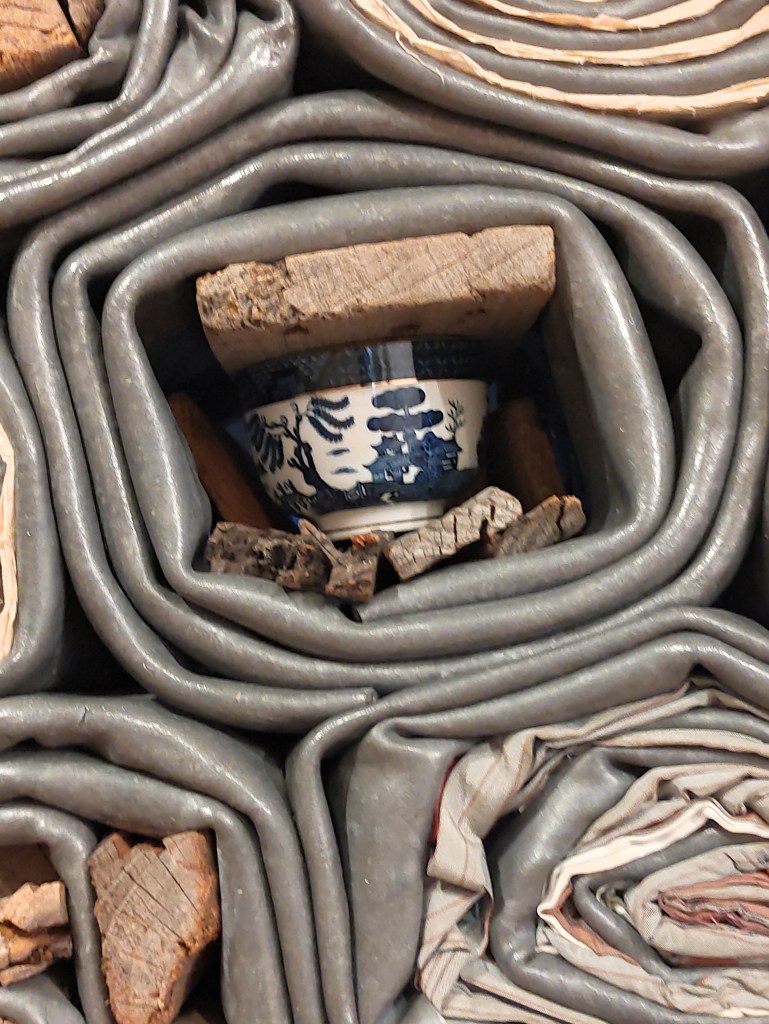
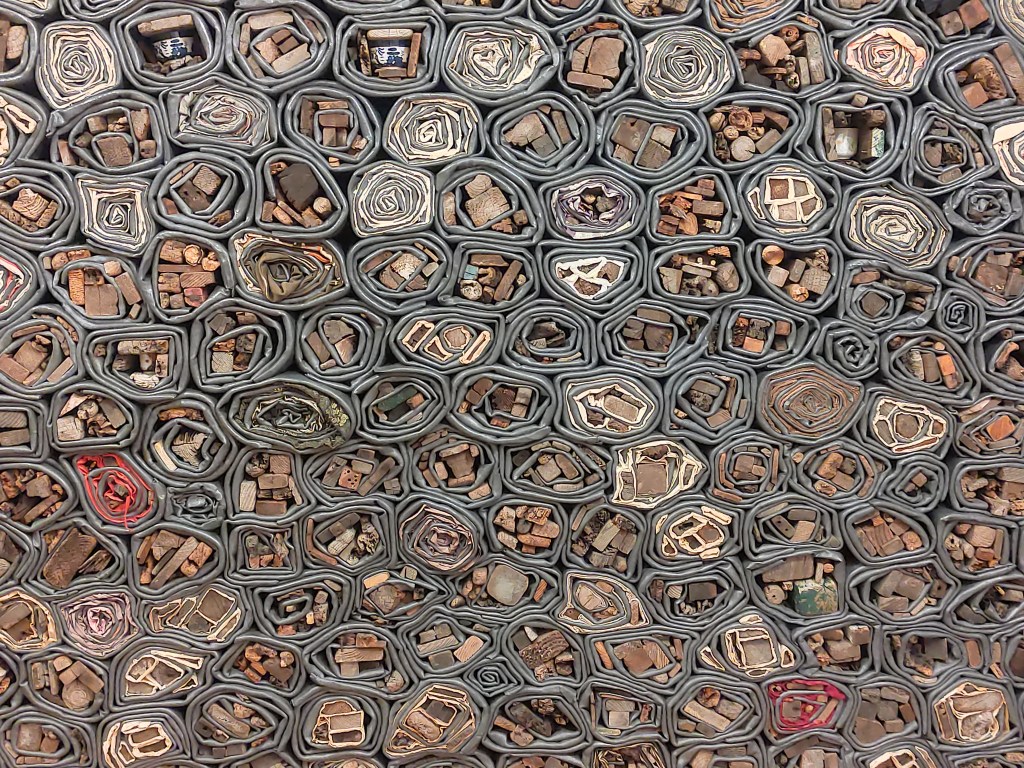
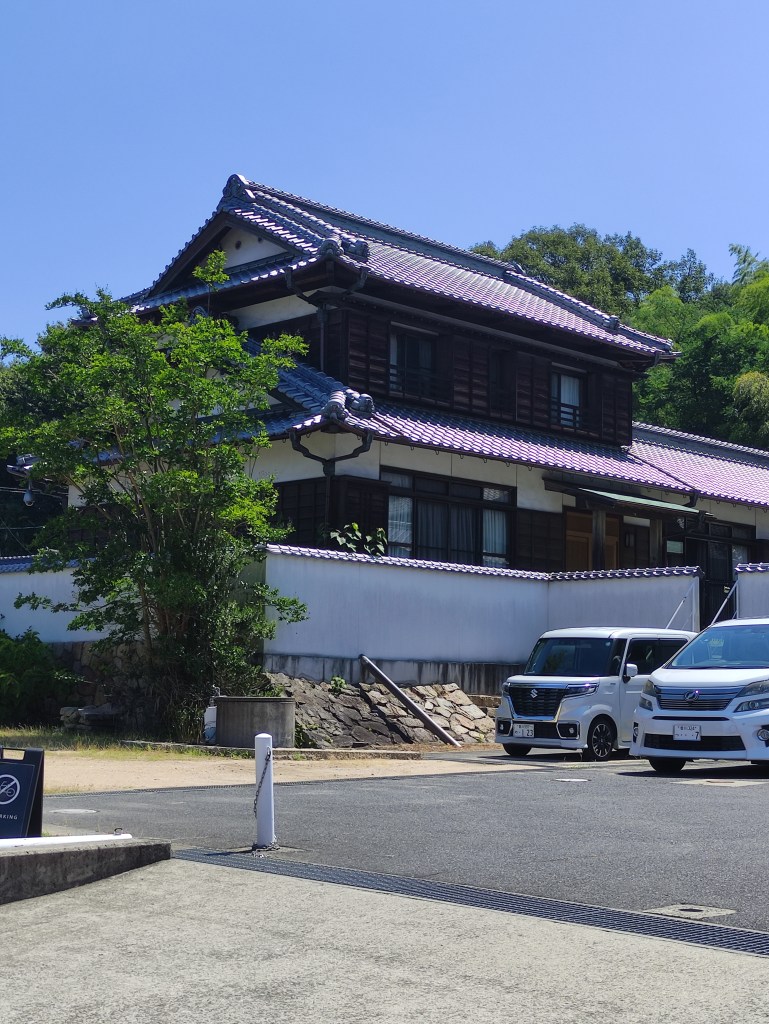
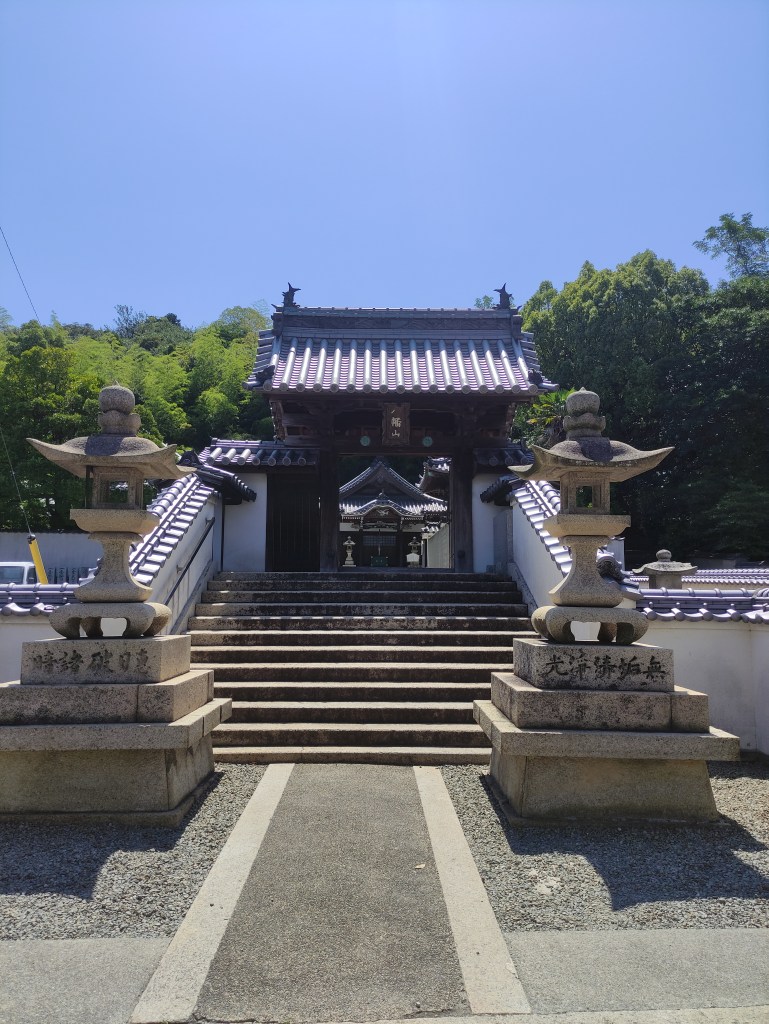
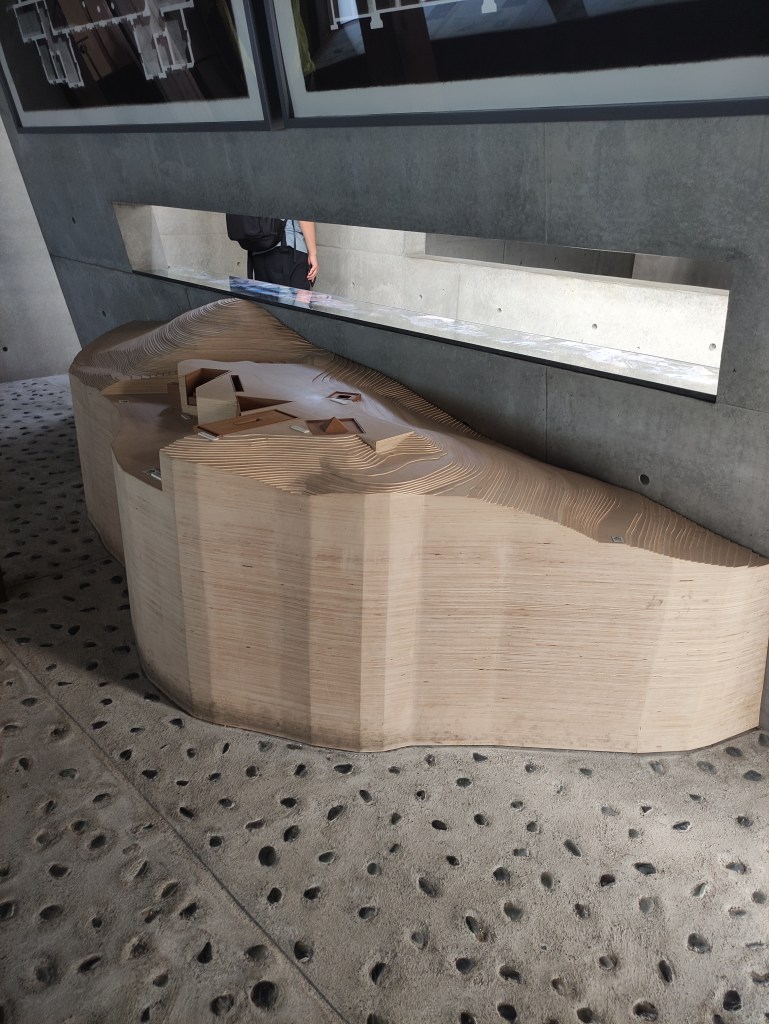
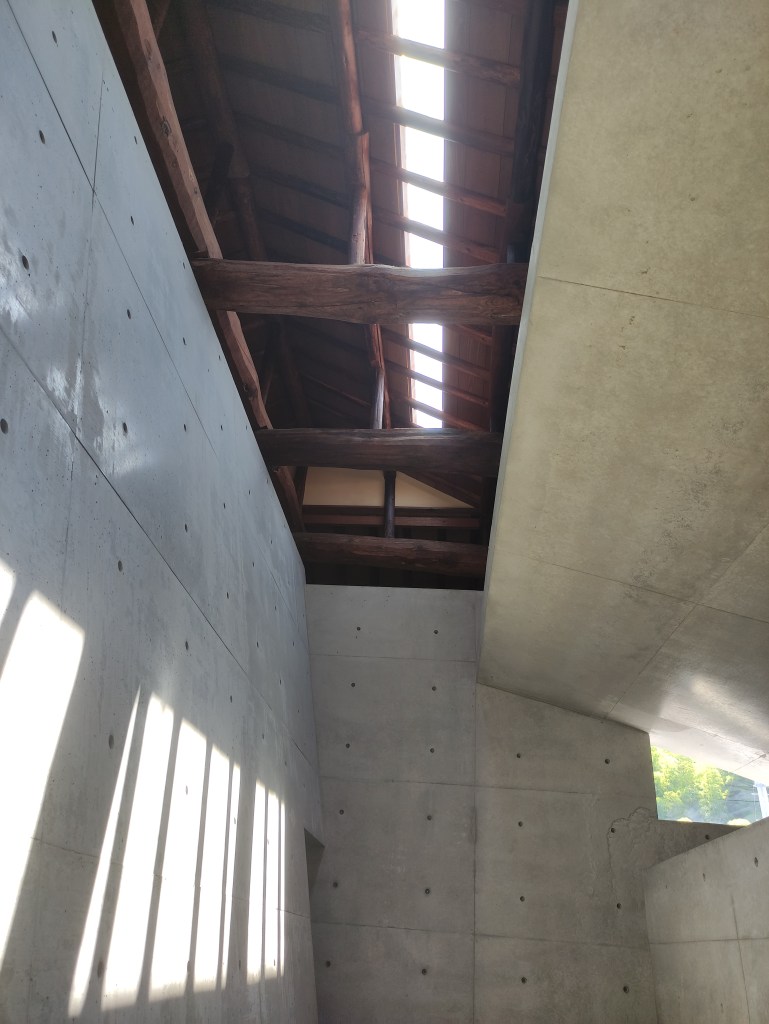
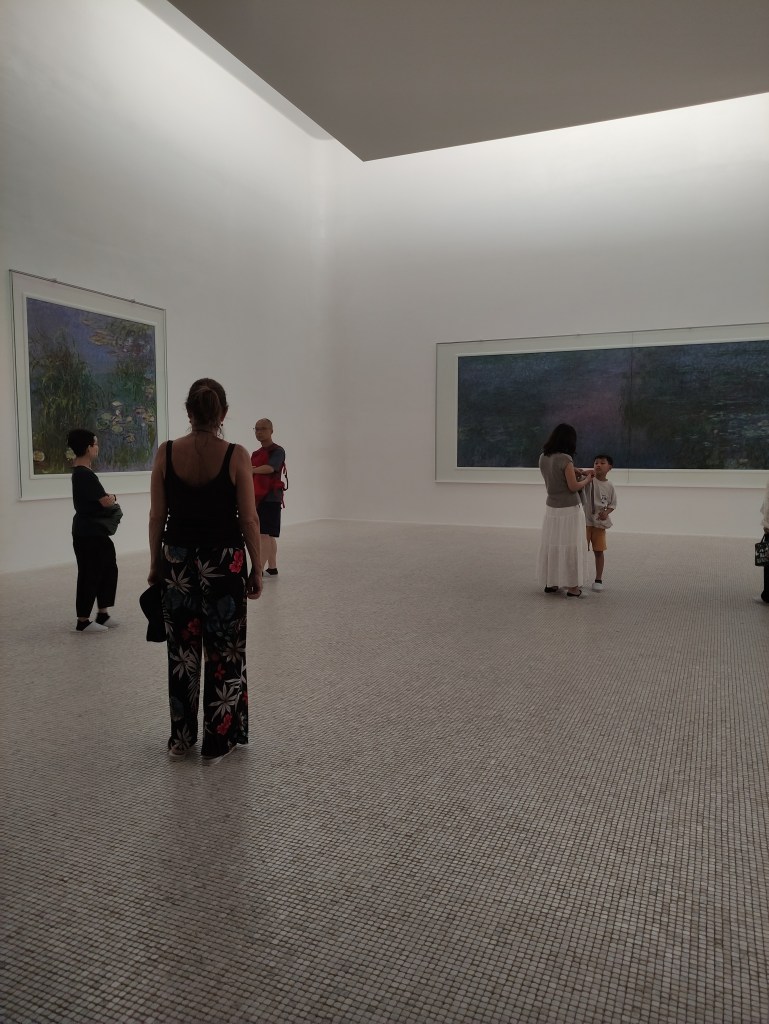
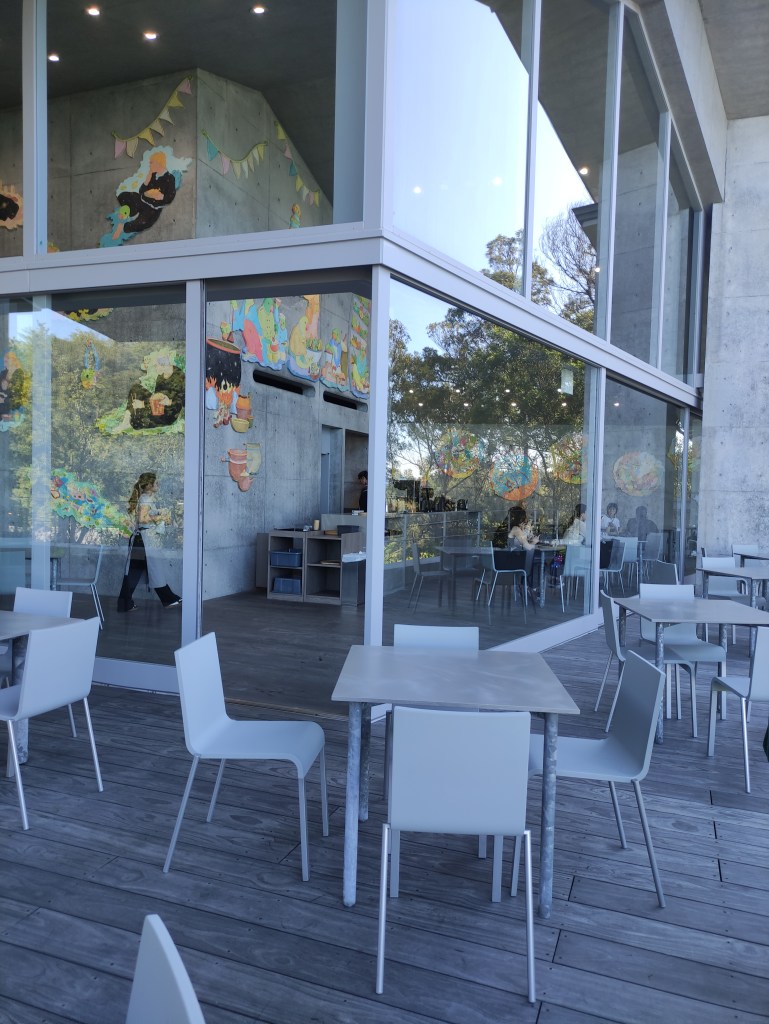
When we arrived on the “Island of Art”, as this somewhat unusual island is also called, and we immediately went to the Wright Style hotel. The room was small, as usual, but at least there was space to open our suitcases and a private bathroom. Around 5:00 p.m., we took a walk to the Benesse House Museum. On display outdoors were several sculptures by Niki de Saint Phalle, very colorful and expressive. Inside the museum, designed by architect Tadao Ando, there were exhibits by various contemporary artists, but I particularly enjoyed the space dedicated to Claude Monet.
Back at the hotel, I enjoyed some tagliatelle with mushrooms. Oh my, how I appreciated good Italian food!













Thursday July 24th
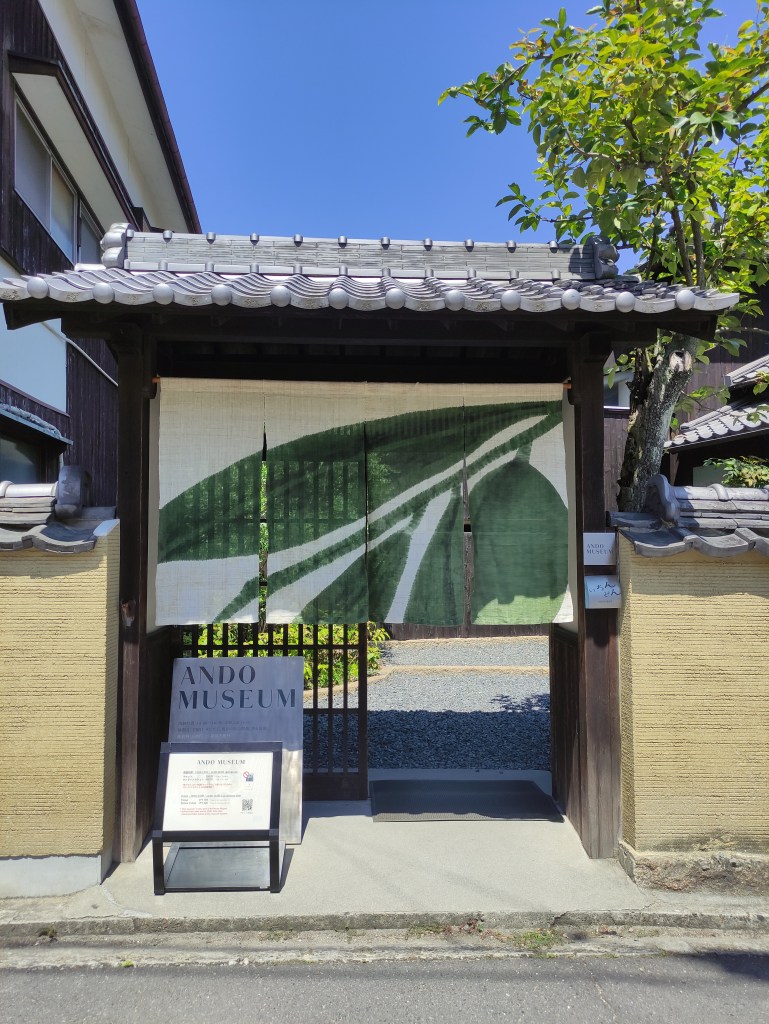
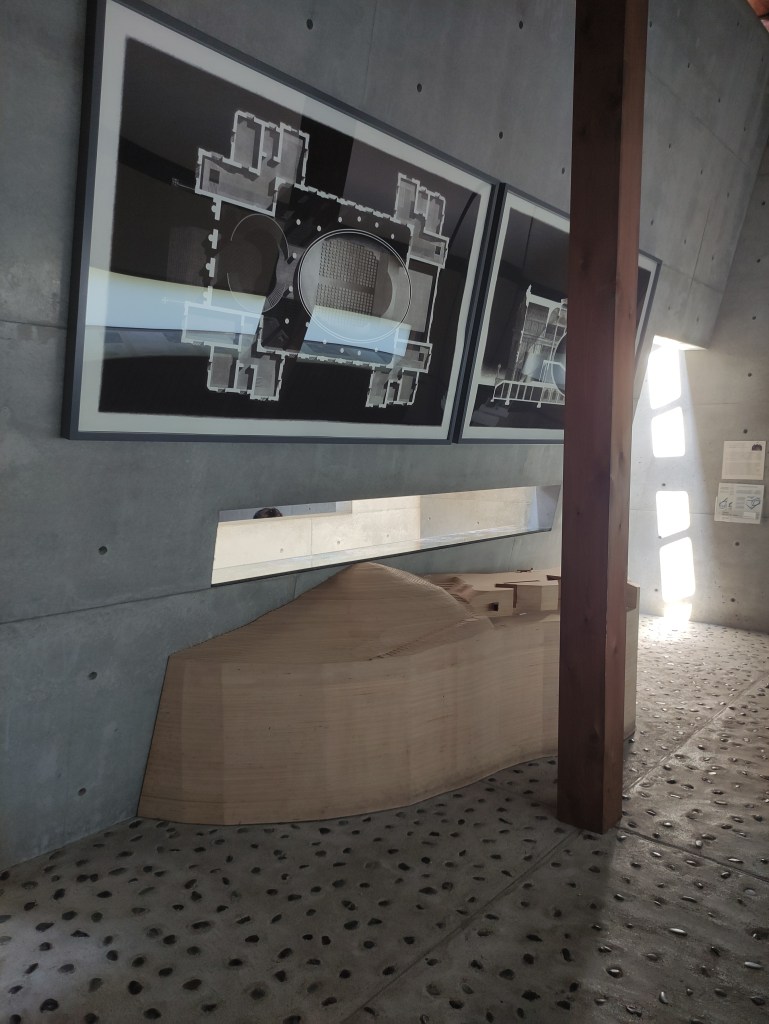
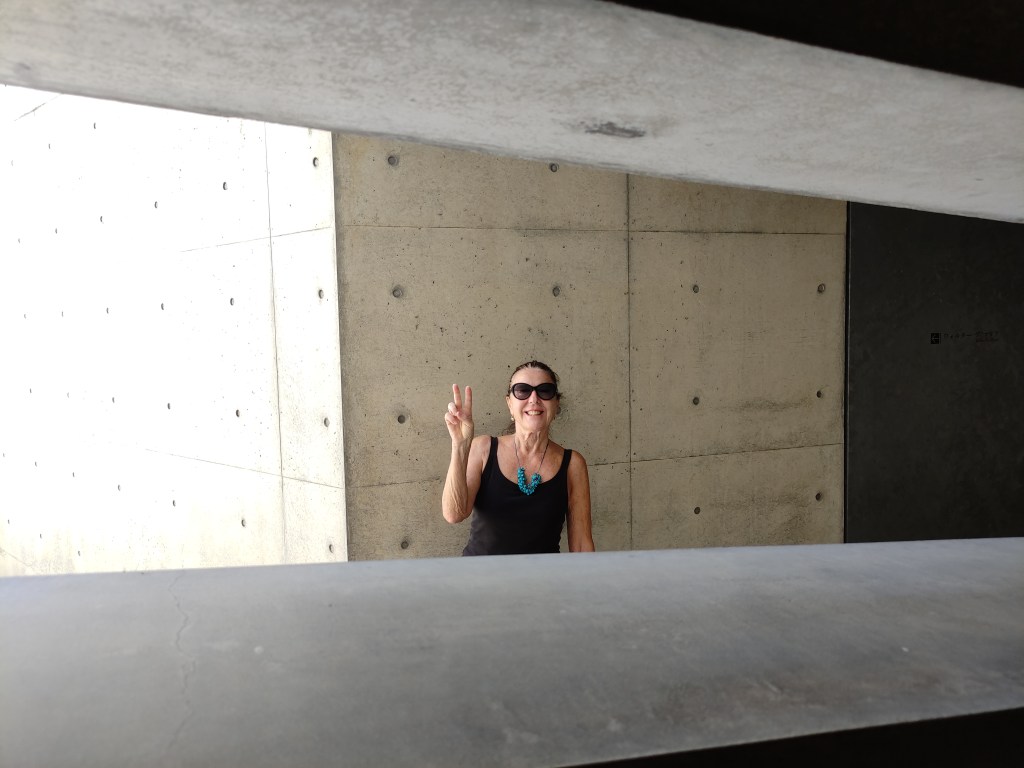
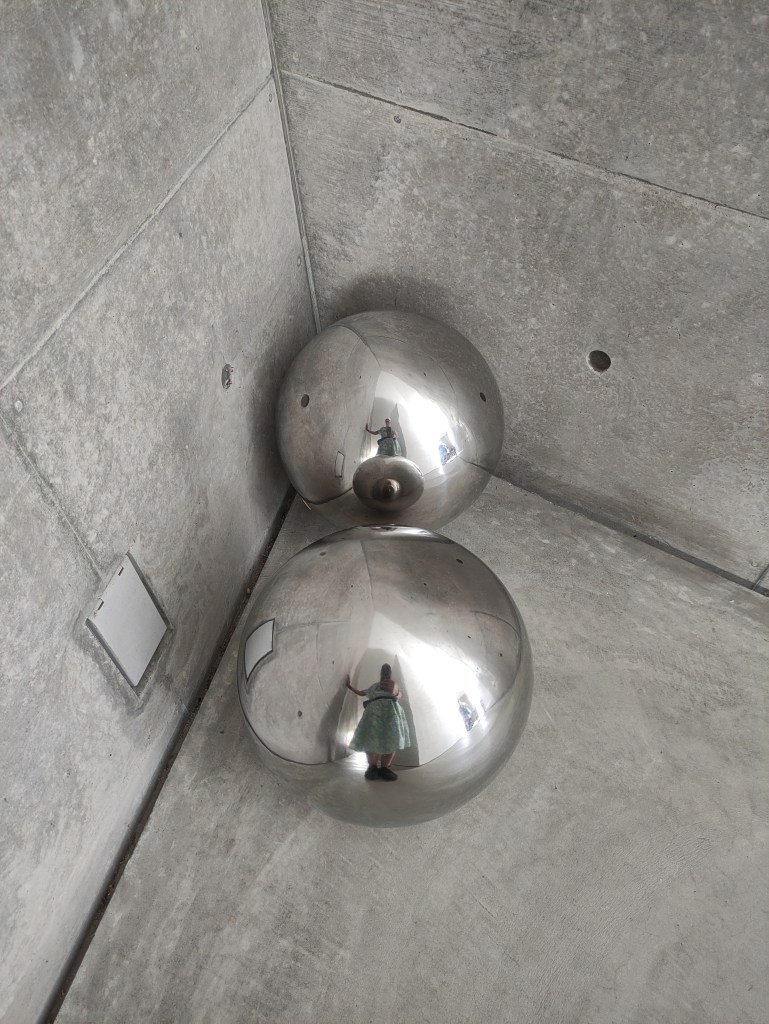
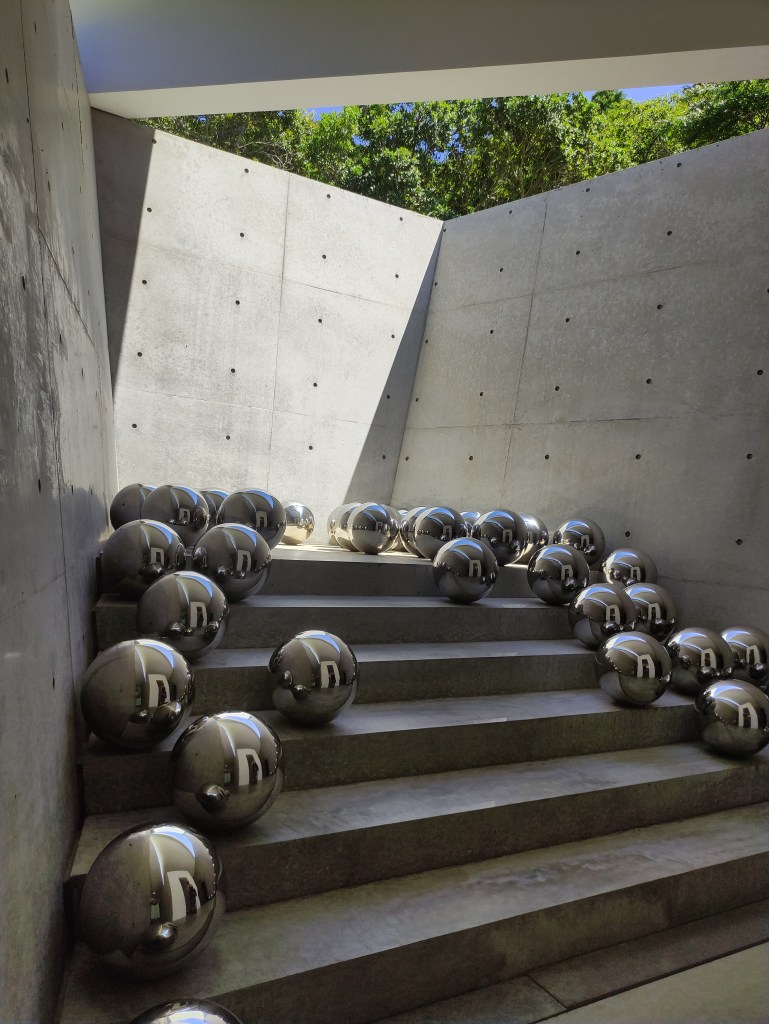
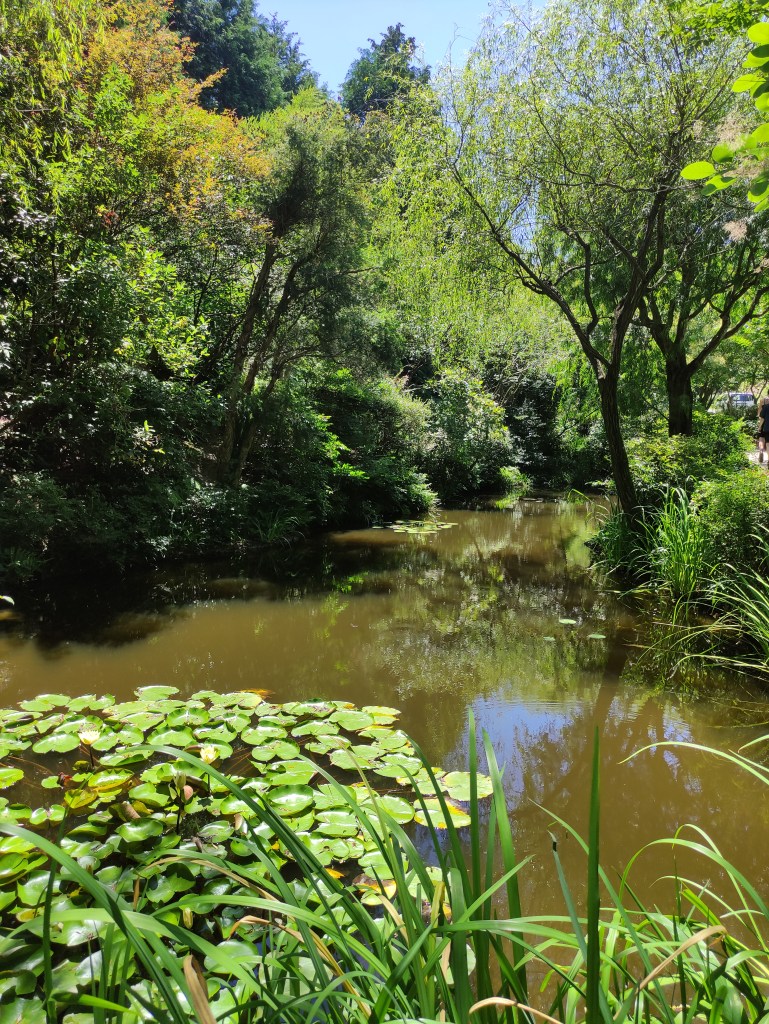
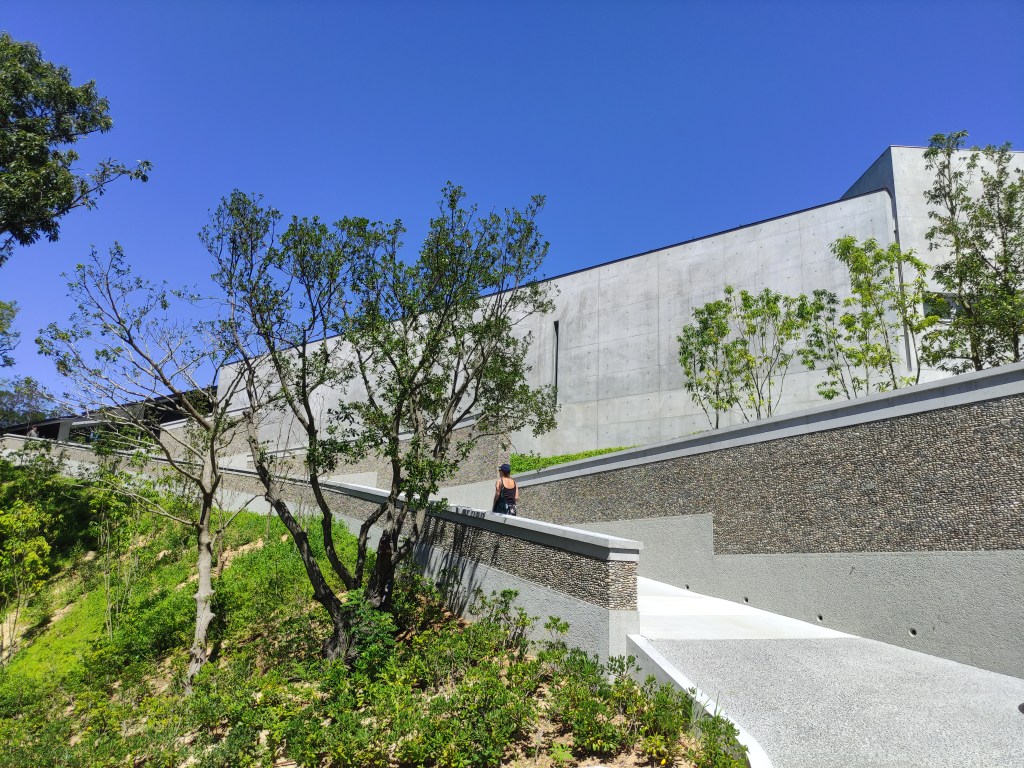
We checked out relatively early and left our luggage at the reception. After breakfast, we took a bus and went to the Tadao Ando Museum. From there, our art tour continued to the Chichu Museum and the Valley Art Exposition. Time literally flew by, so we hurried to visit as well the New Art Museum with its distinctive concrete structure.
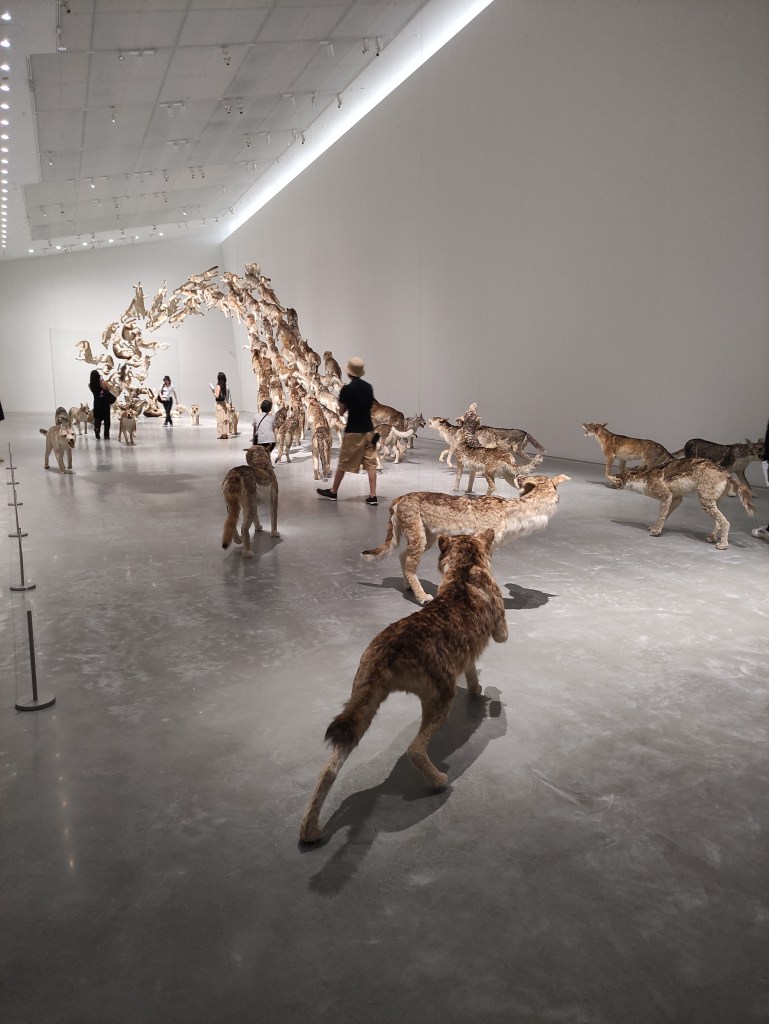
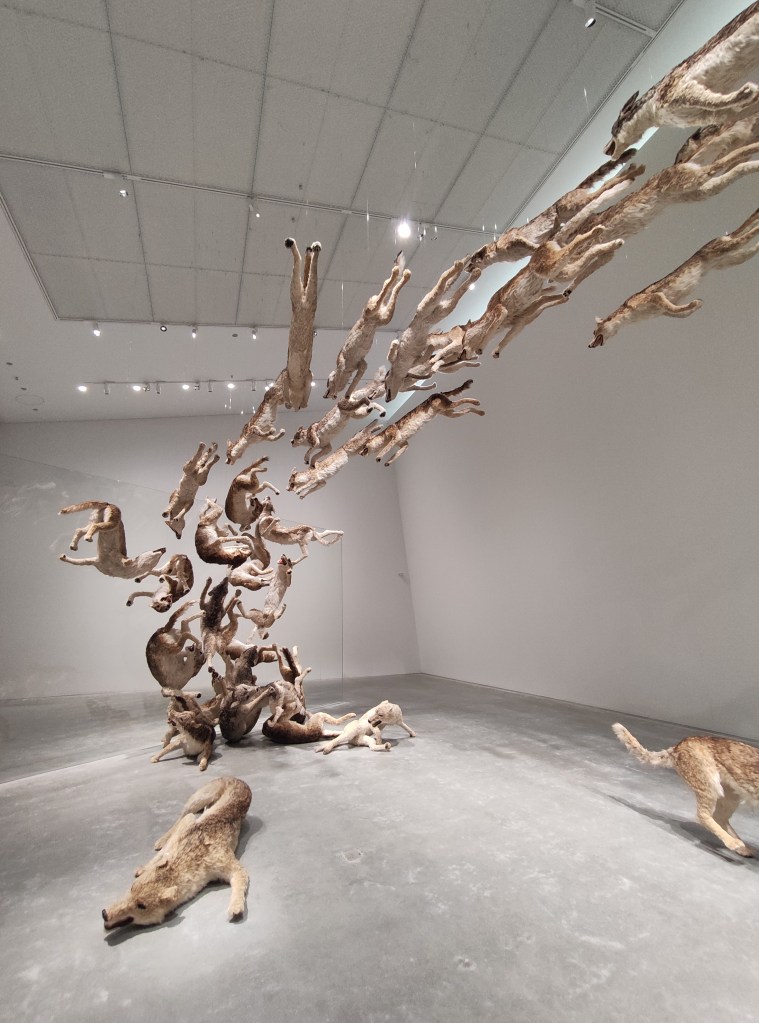
Of all the works on display, Cai Guo-Qiang’s Head On – 99 wolves crash into a glass wall struck me as extremely controversial. Perhaps, given my sensitivity, I interpreted it as exploitation of wolves.
Although an employee I questioned told me that they were ‘replicas’ constructed from a combination of metal wires, hay, and painted sheepskin, the word *stuffed’ animals* on the website indicates that they are embalmed animals! I found the scene macabre, thinking of the slaughter currently taking place in our country of this predator, which should instead be protected. So, while artists may be strange and sometimes grotesque, I think Cai Guo-Qiang could have represented the Berlin Wall and the issues between the two Germanys in another way.
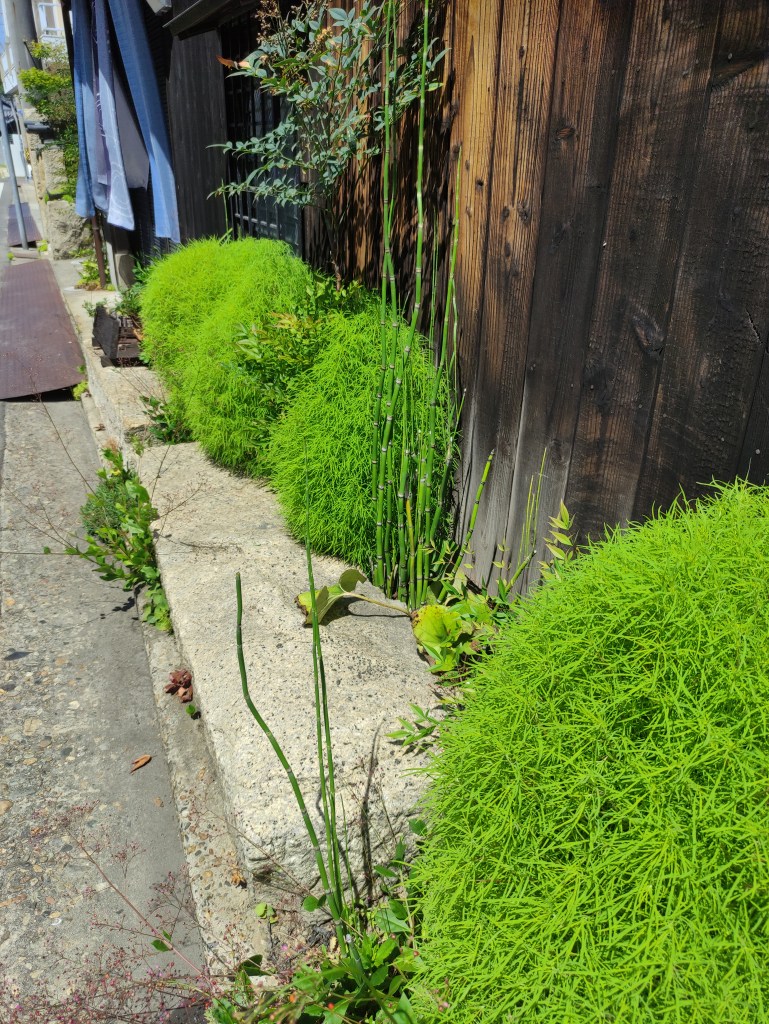
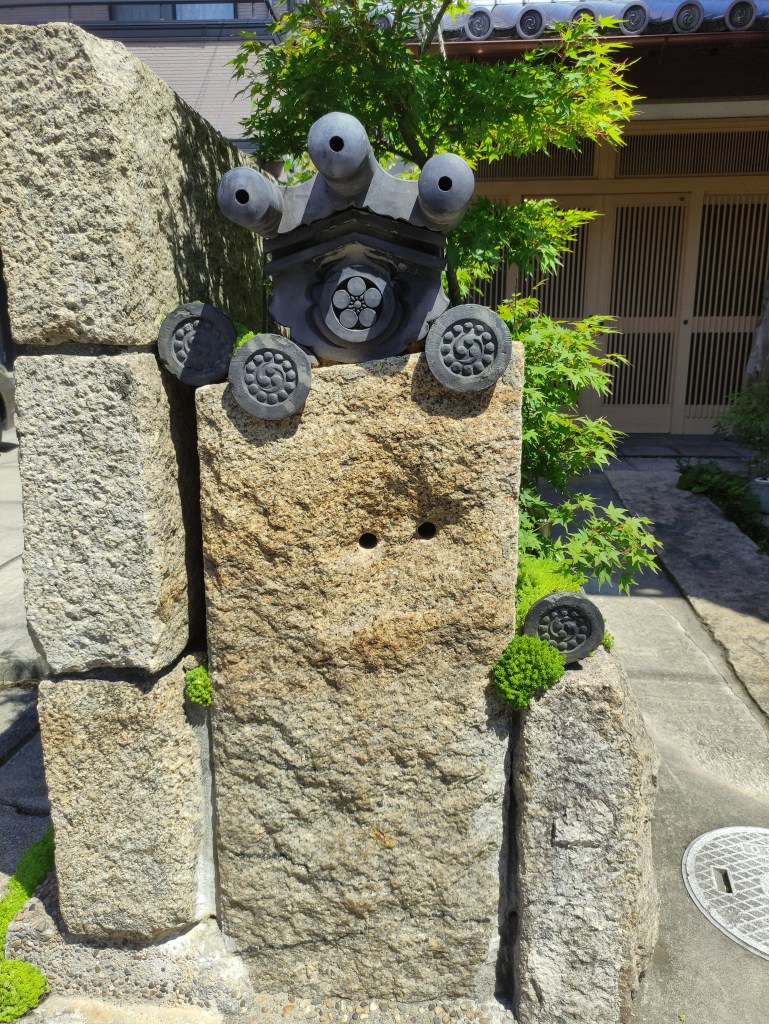
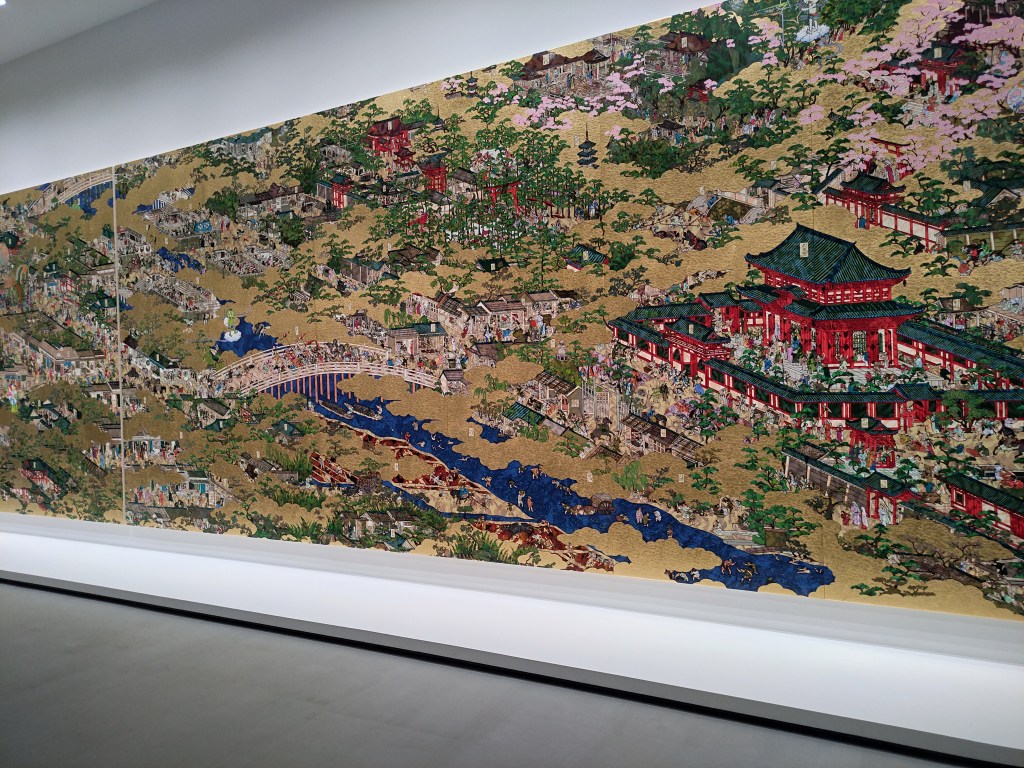
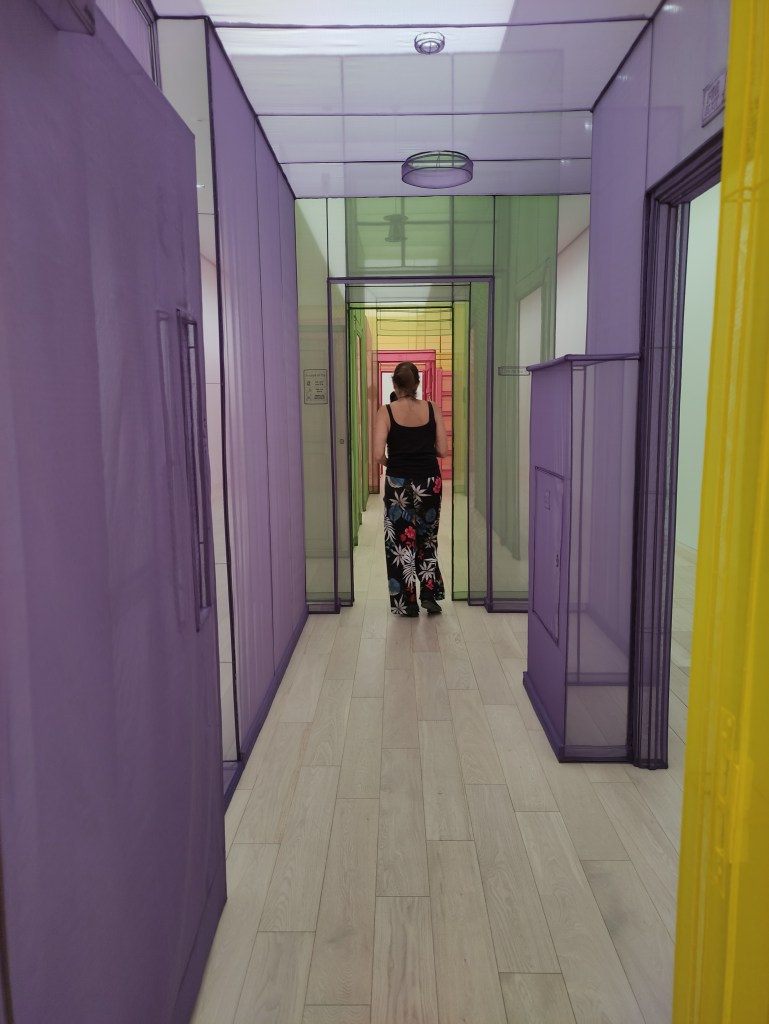
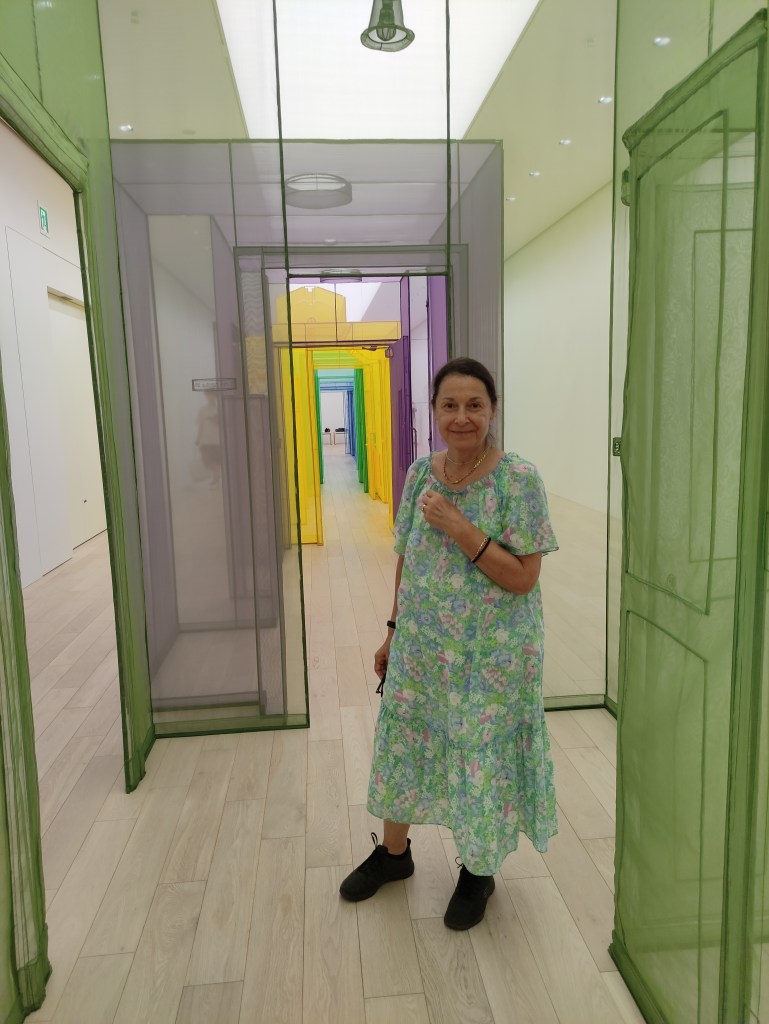
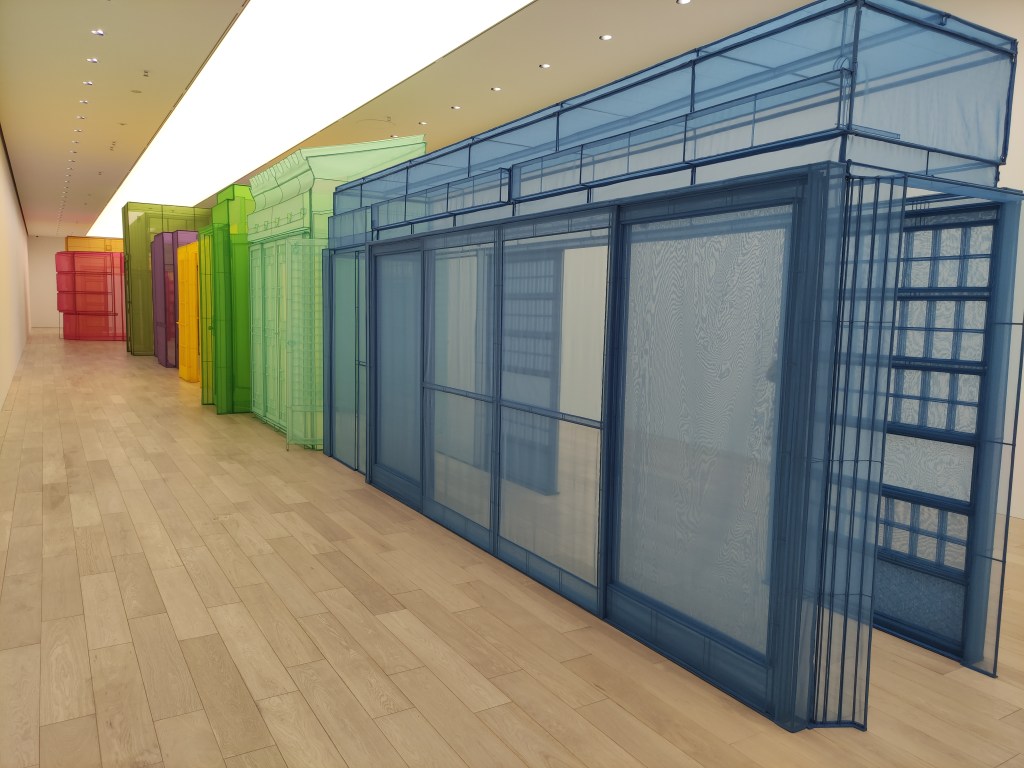
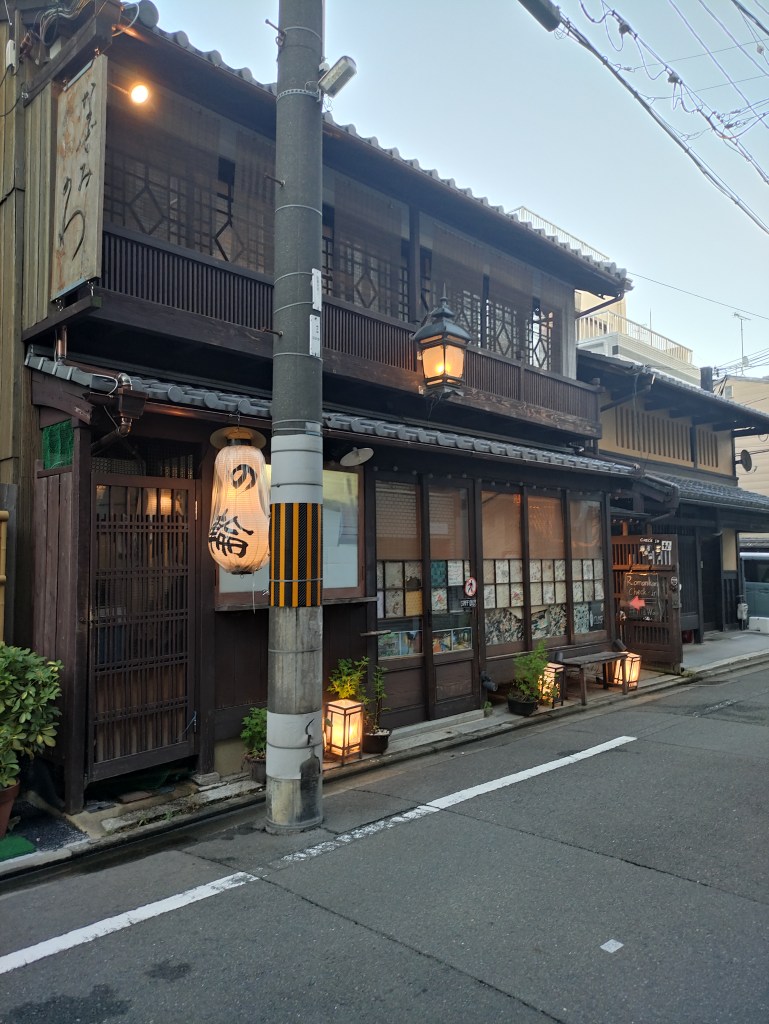
That day had also flown by too quickly. We almost missed the last ferry to Uno, from where we had a train to Okayama and then Kyoto. We arrived just in time, shortly after 8:00 p.m. at the Roman Kan Ryokan. The typical Japanese house used as a B&B or ryokan is divided into floors in a somewhat strange way. However, it was special to be in an “old” neighborhood and not in a large city hotel. We quickly unpacked and went to bed, it was a long day and we were quite tired.





















Friday July 25th
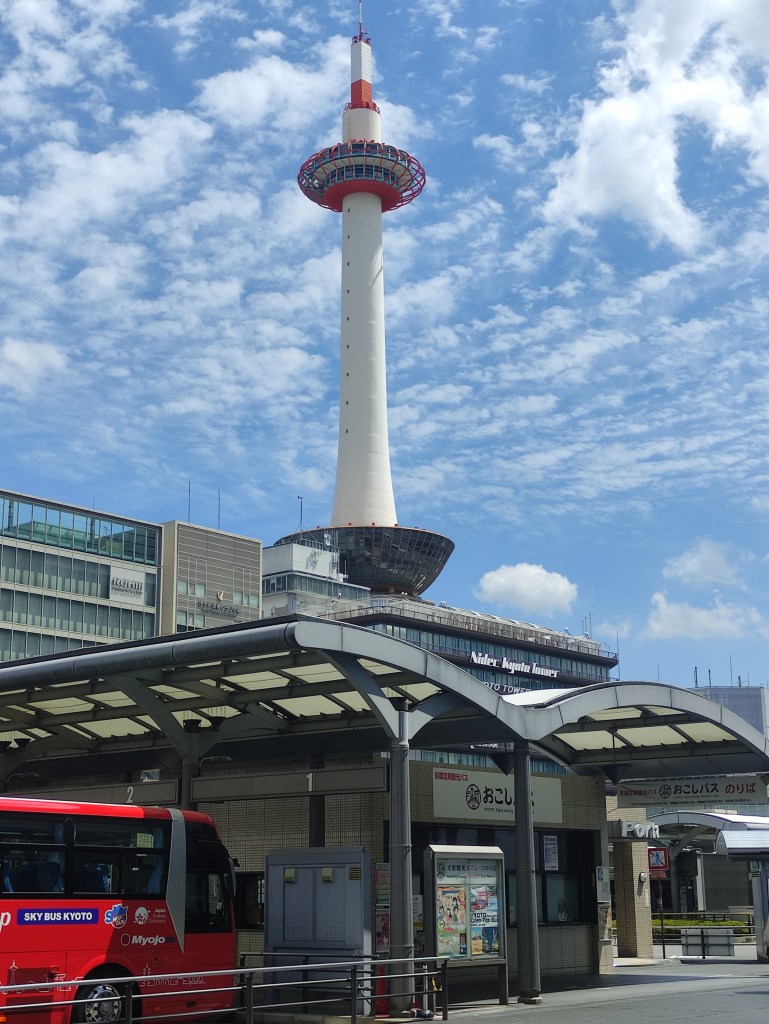
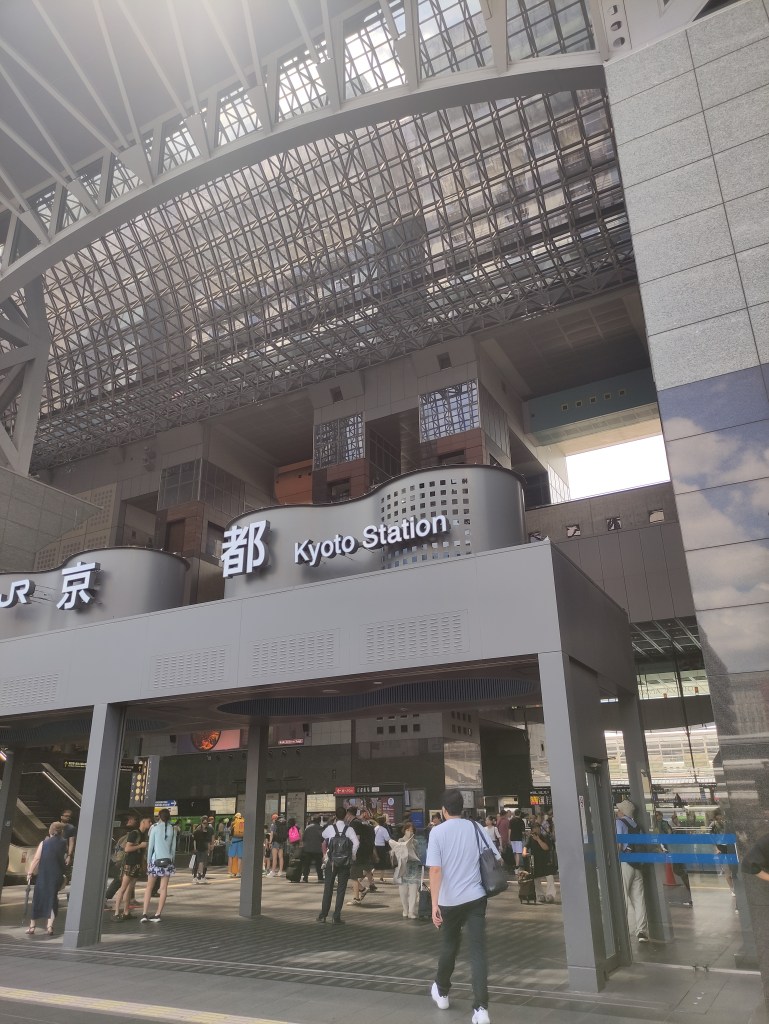
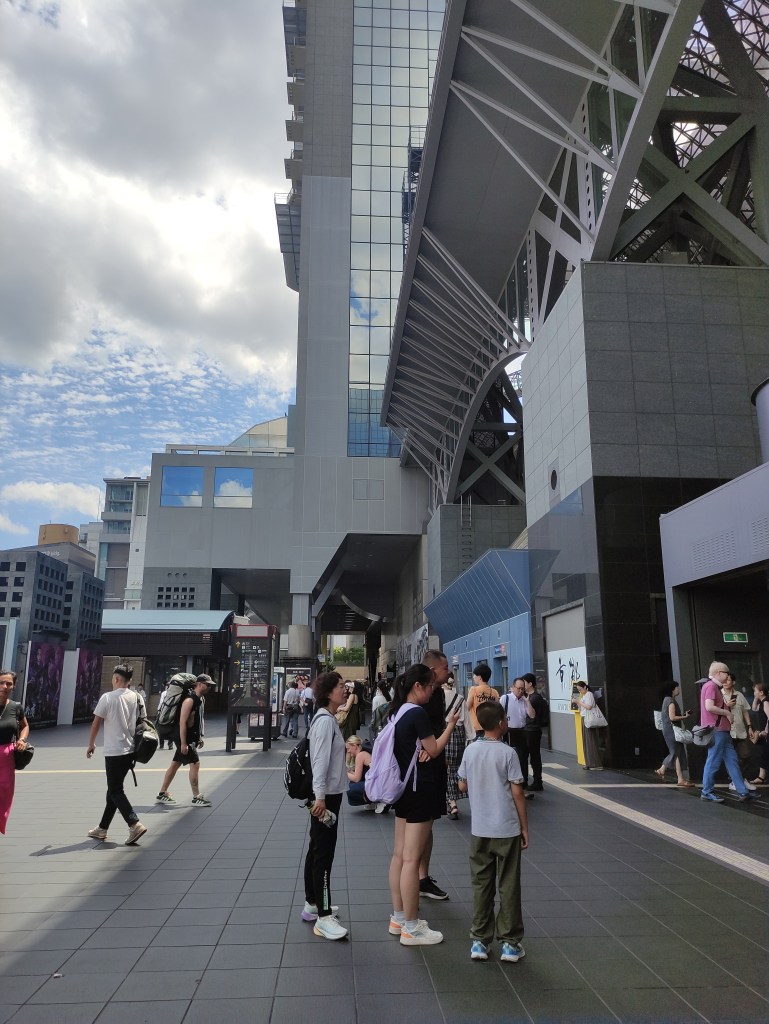
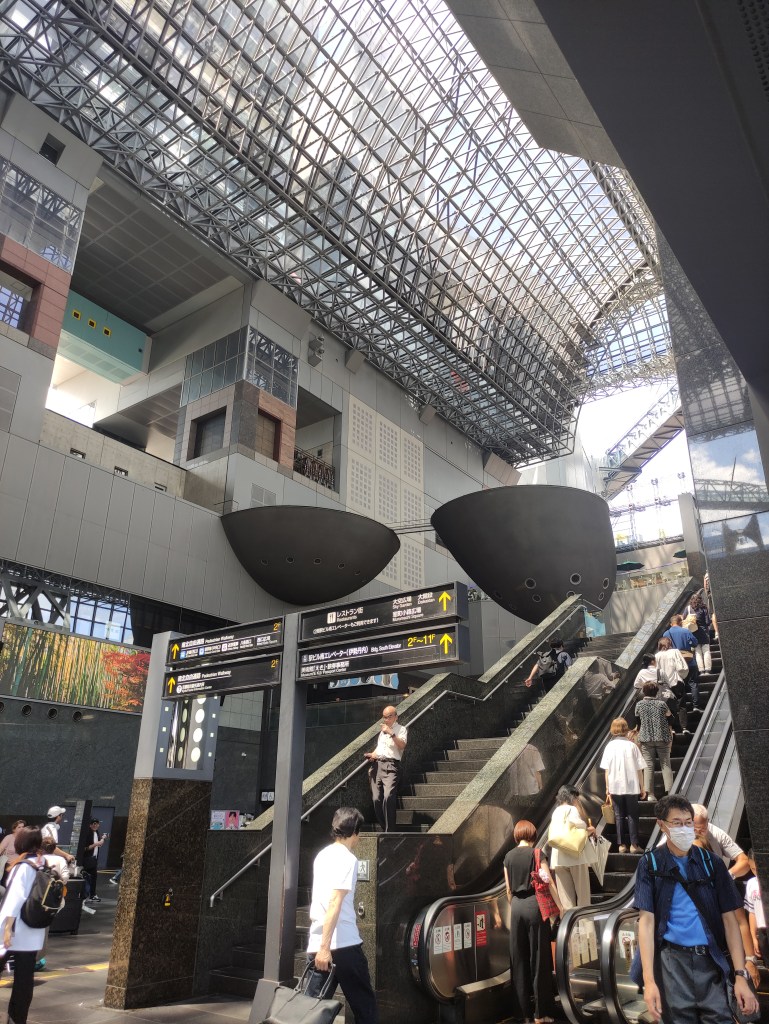
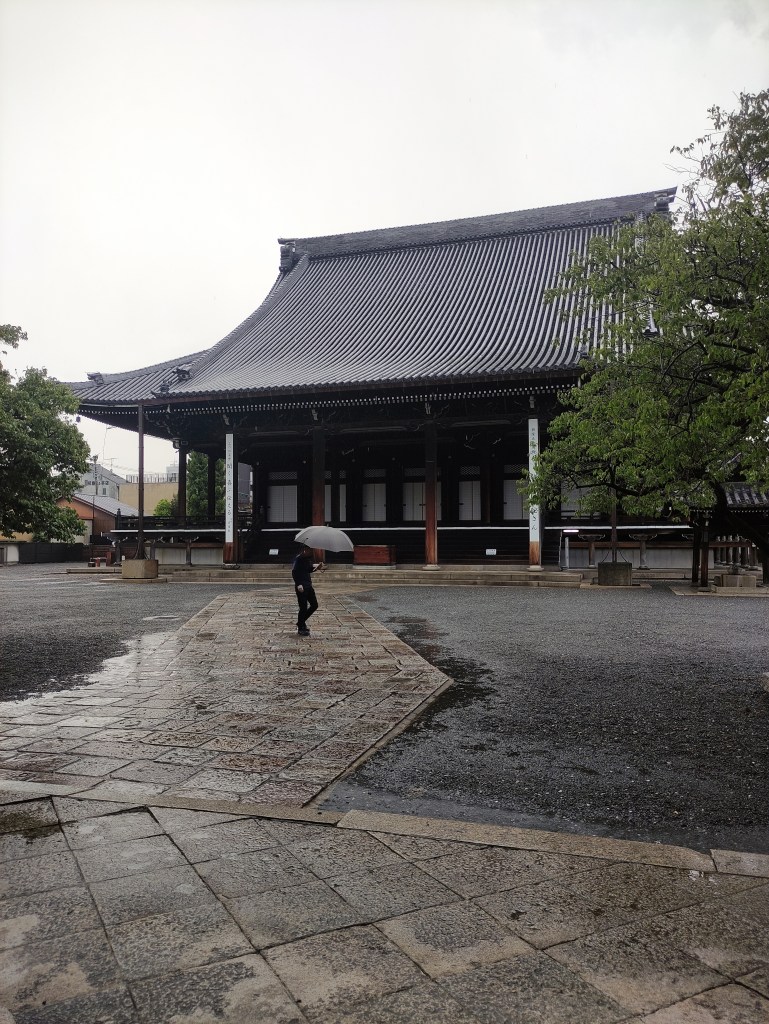
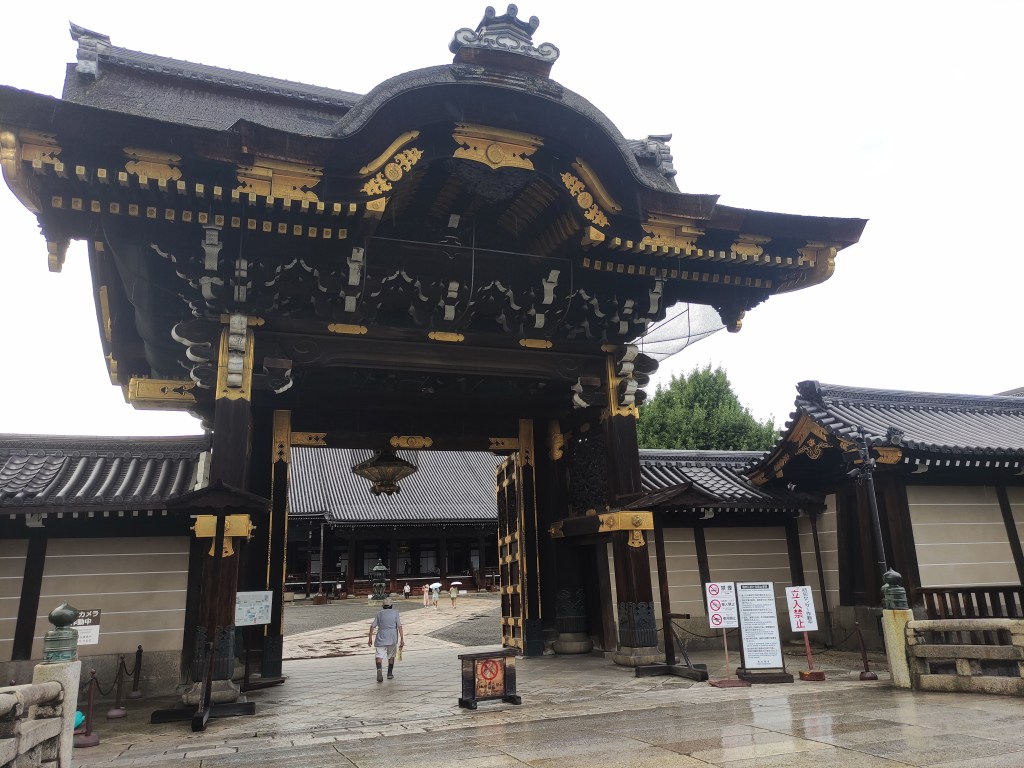
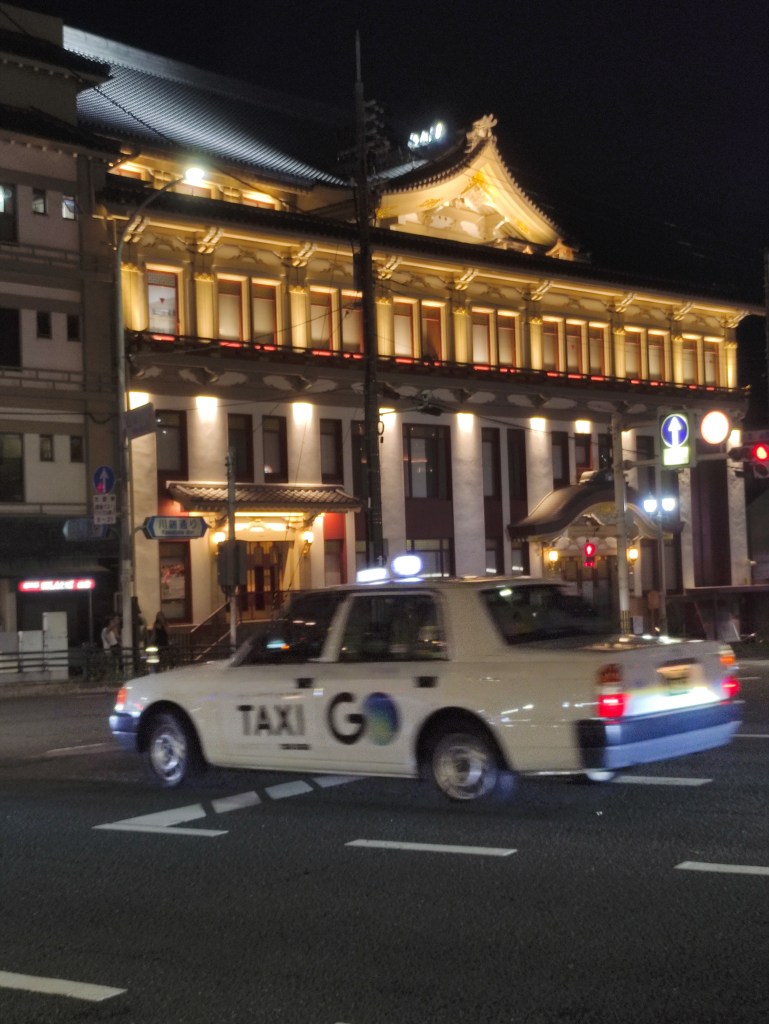
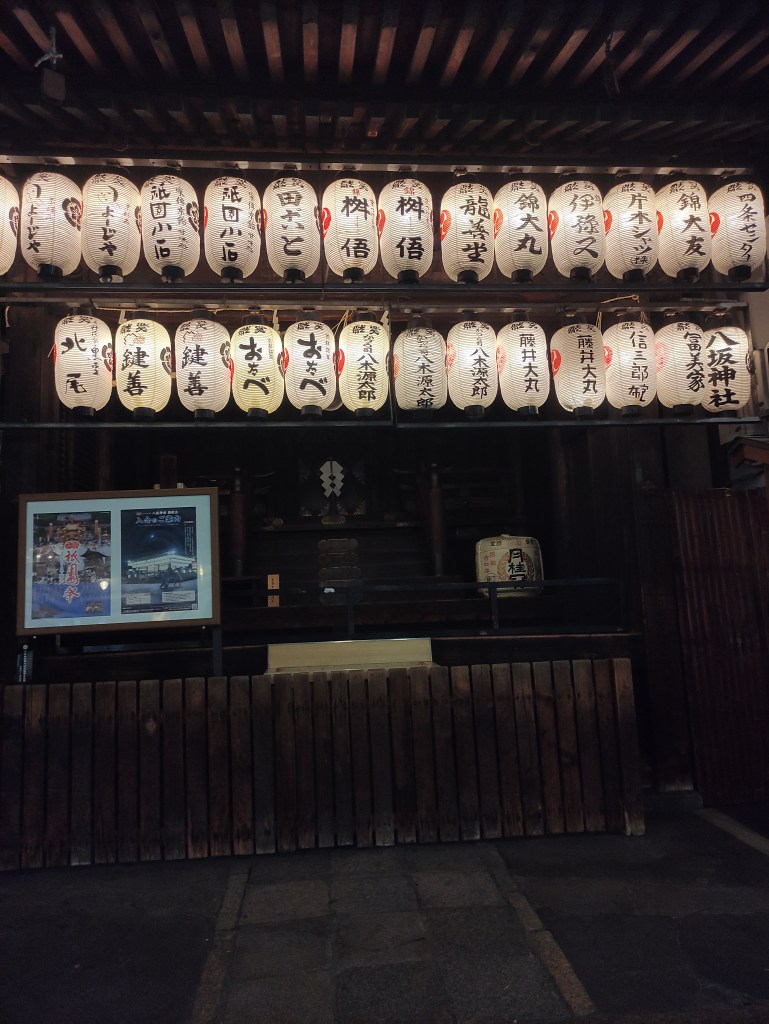
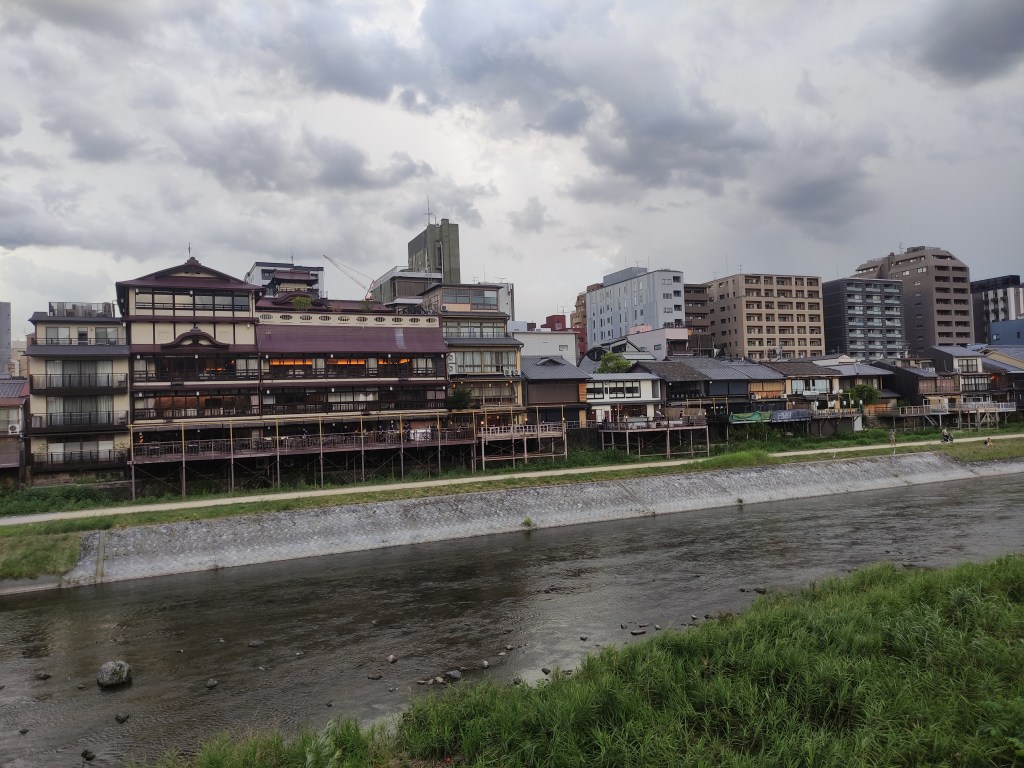
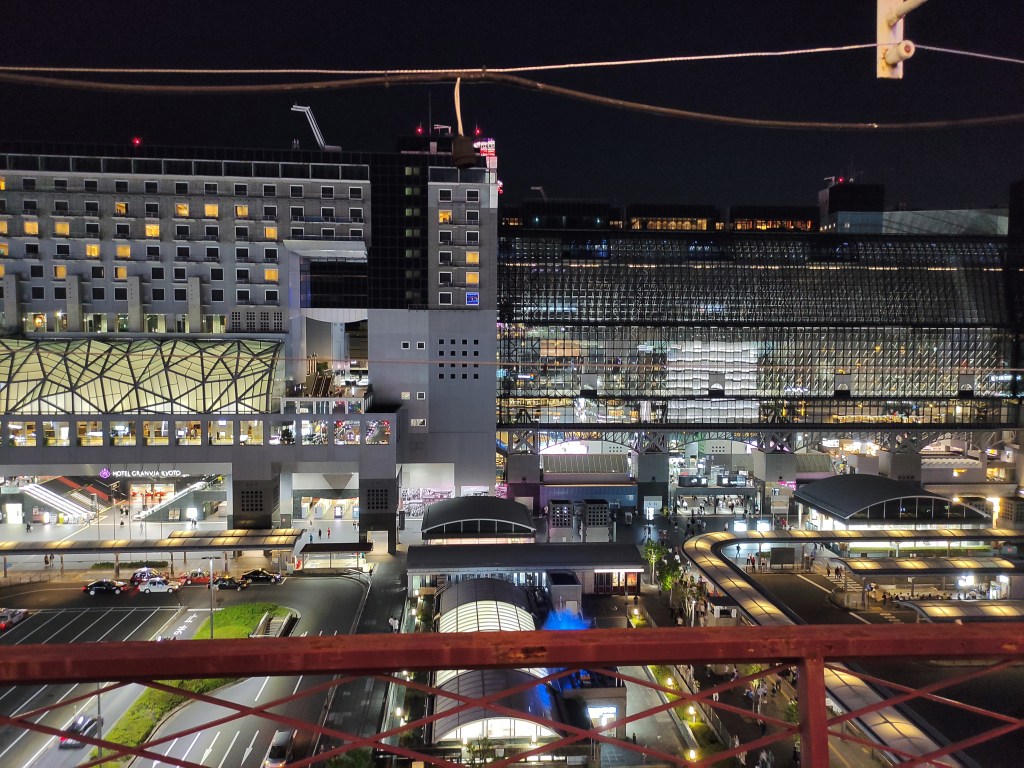
We reached the Kyoto station. It is a huge, ultra-modern building where you can get lost (like the one in Tokyo). Since we were looking for a place to have breakfast we found a cafeteria nearby. After eating, Nadia had an errand to do and I waited for her. We began our sightseeing by wandering around for miles. We spent hours doing this without managing to find the destinations we had set ourselves. As already mentioned, public transport is not so easy to use if you don’t know the routes! Another problem is that when you ask people for information, they never say no, so as not to be rude. Half a kilometer from our ryokan, we passed by the Nishi-Hongan-ji Temple. A huge complex with several buildings, but we didn’t visit the interior. Yet, they give you directions that turn out to be misleading. In the late afternoon, not without difficulty, we arrived in the old and typical district of Gion. Partly on foot and partly on the wrong buses. This neighborhood is also known for its geisha, whom we did not have the pleasure of seeing. There we had dinner in a typical touristic restaurant







Saturday July 26th
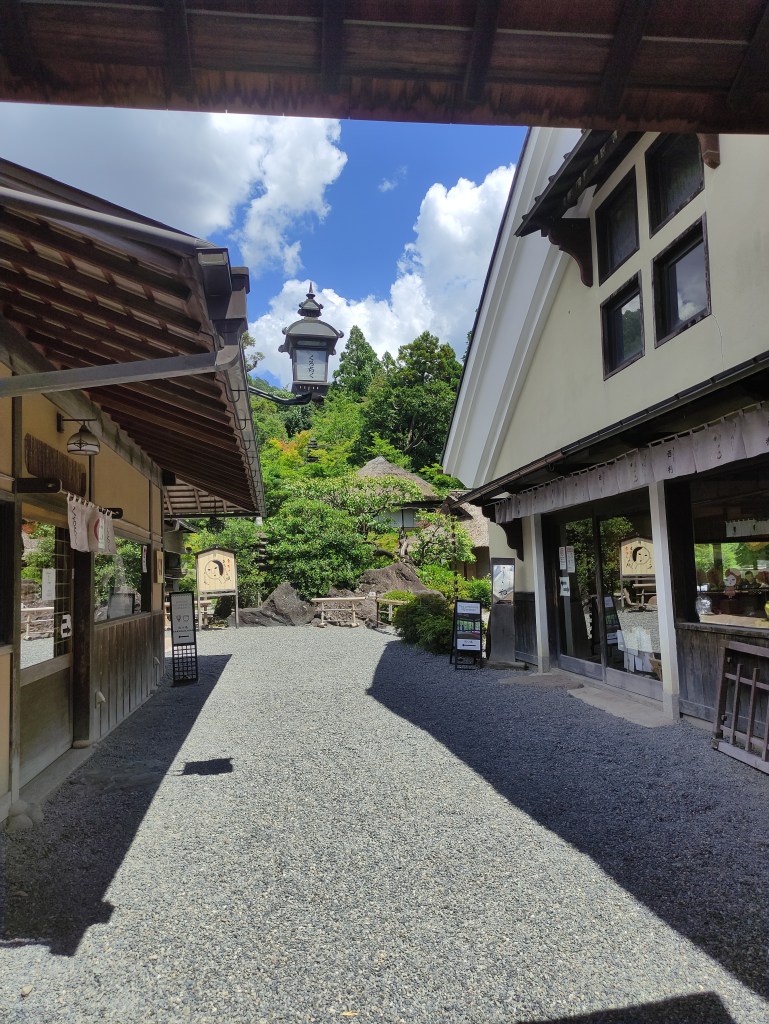
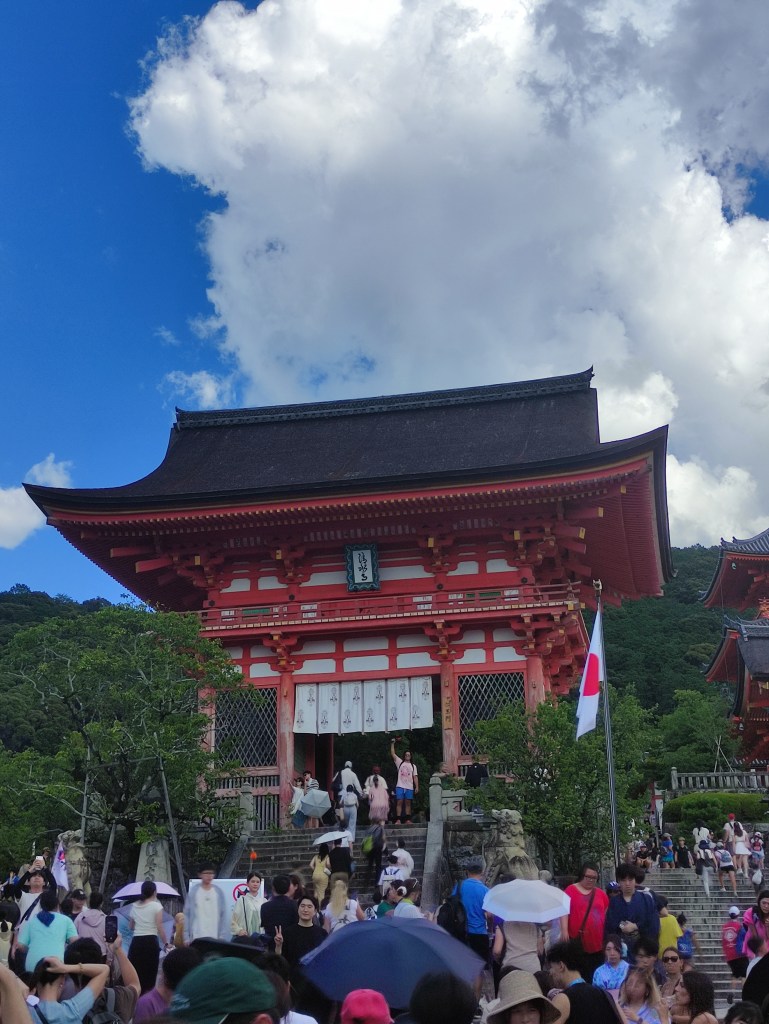
We then reached the historic district of Higashiama, under increasingly scorching heat and an impressive crowd of tourists and locals.
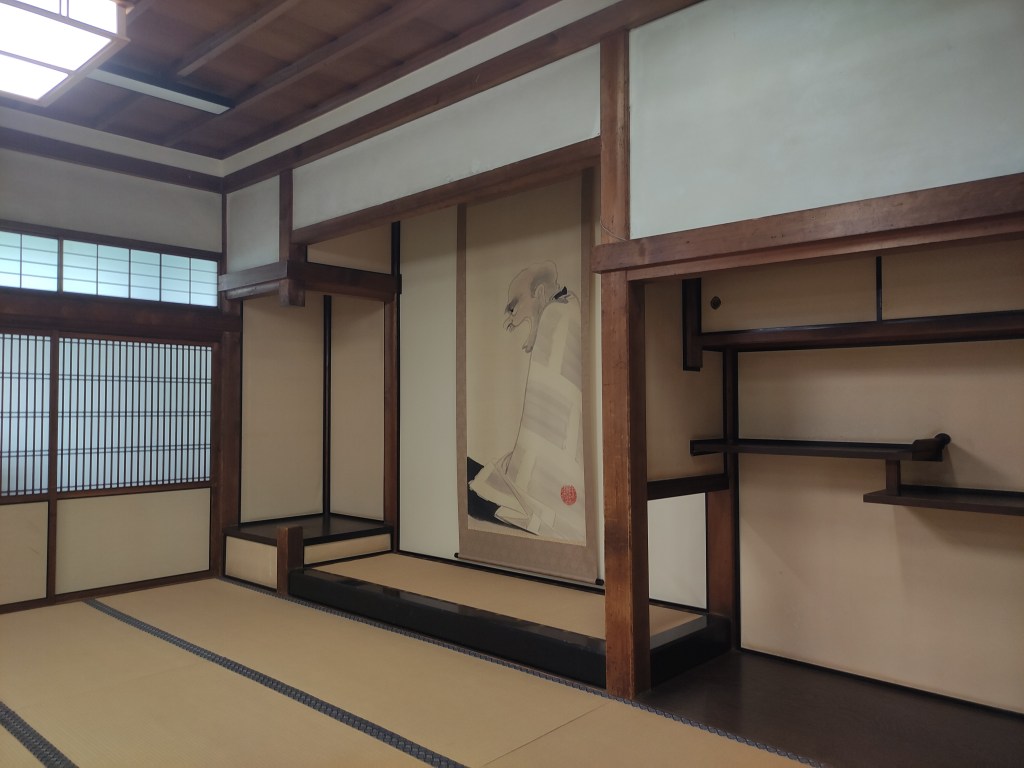
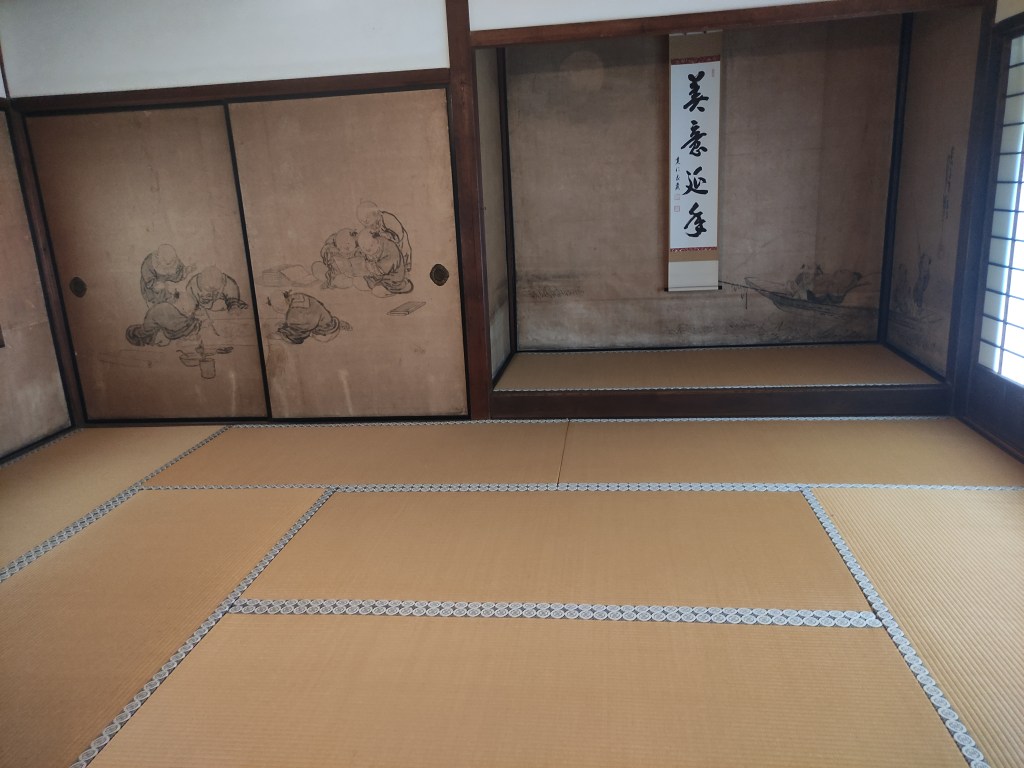
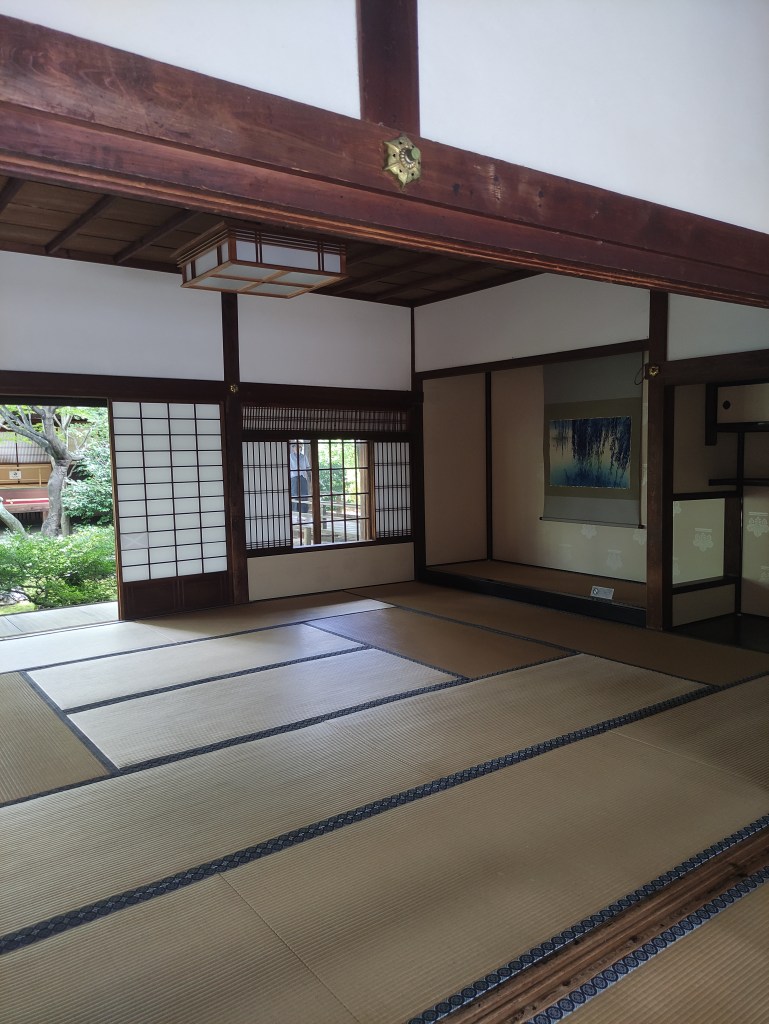
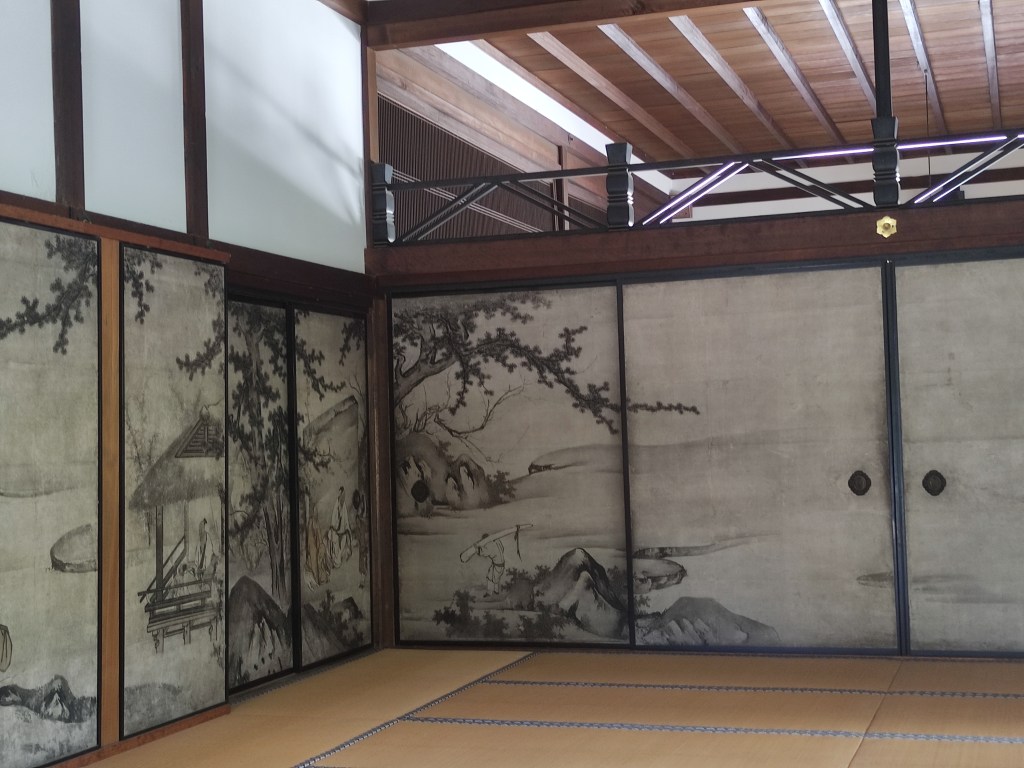
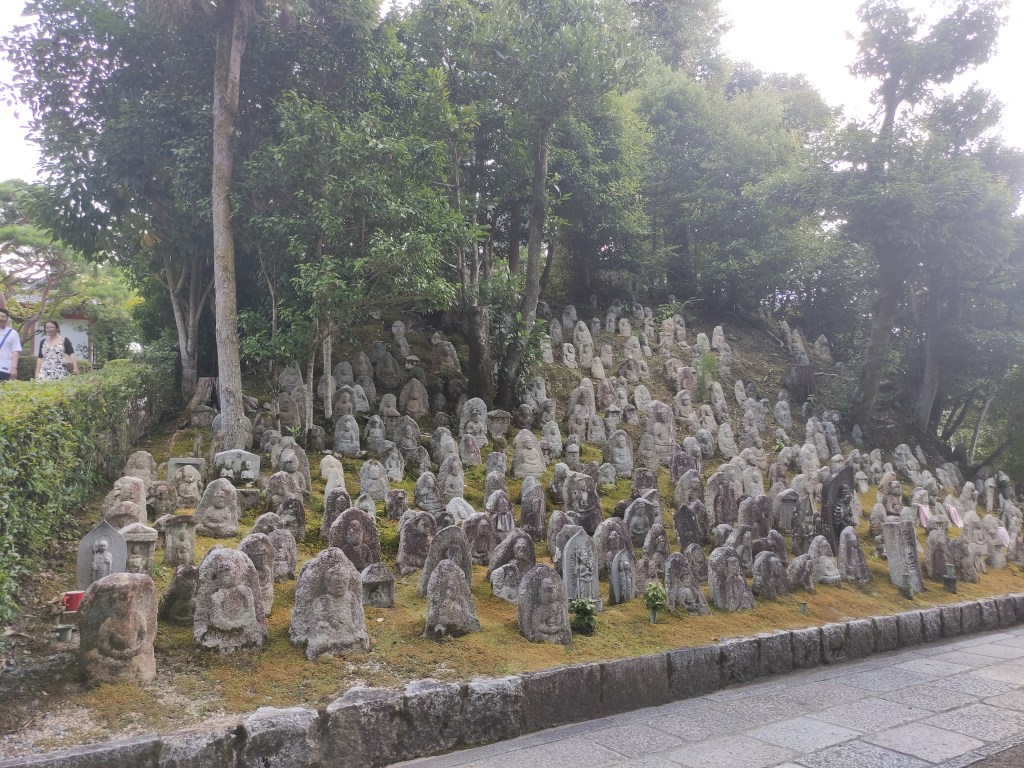
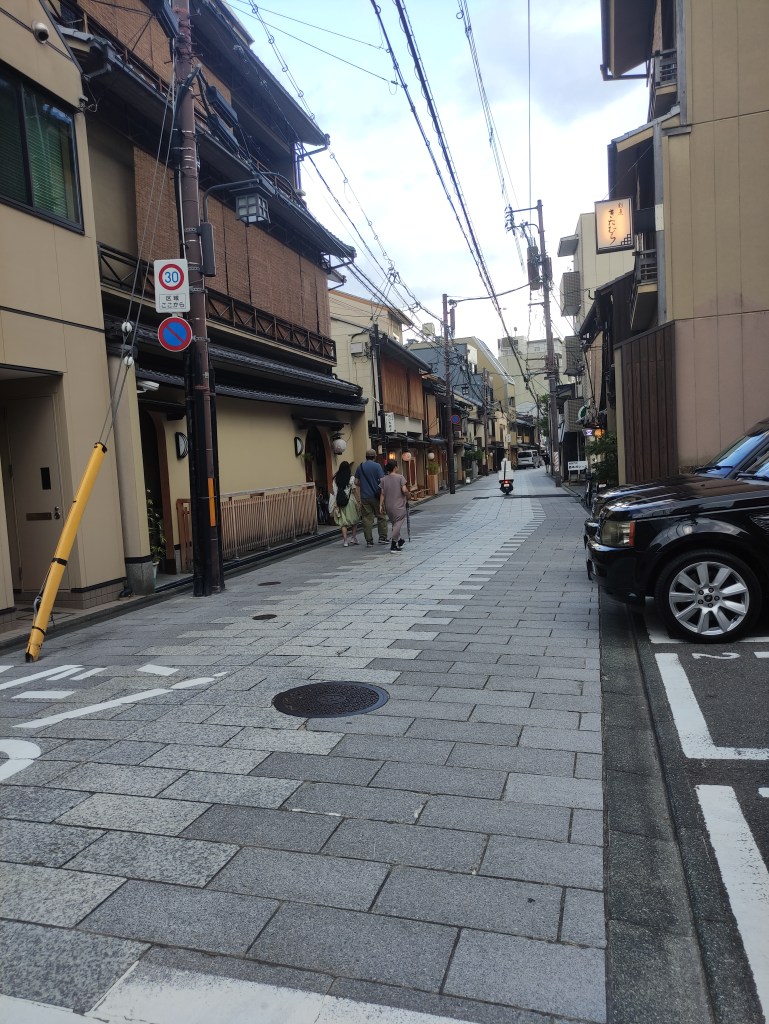
Along Ninenzaka Street, there are countless small craft shops. And if you get carried away, you risk bringing your bank account balance below zero. I feasted my eyes, even though I knew I couldn’t possibly take certain statues or antique porcelain back to Switzerland with me. And I don’t even want to mention the beautiful katanas (japanese sword) in the Tozando Gion Yasaka Store.
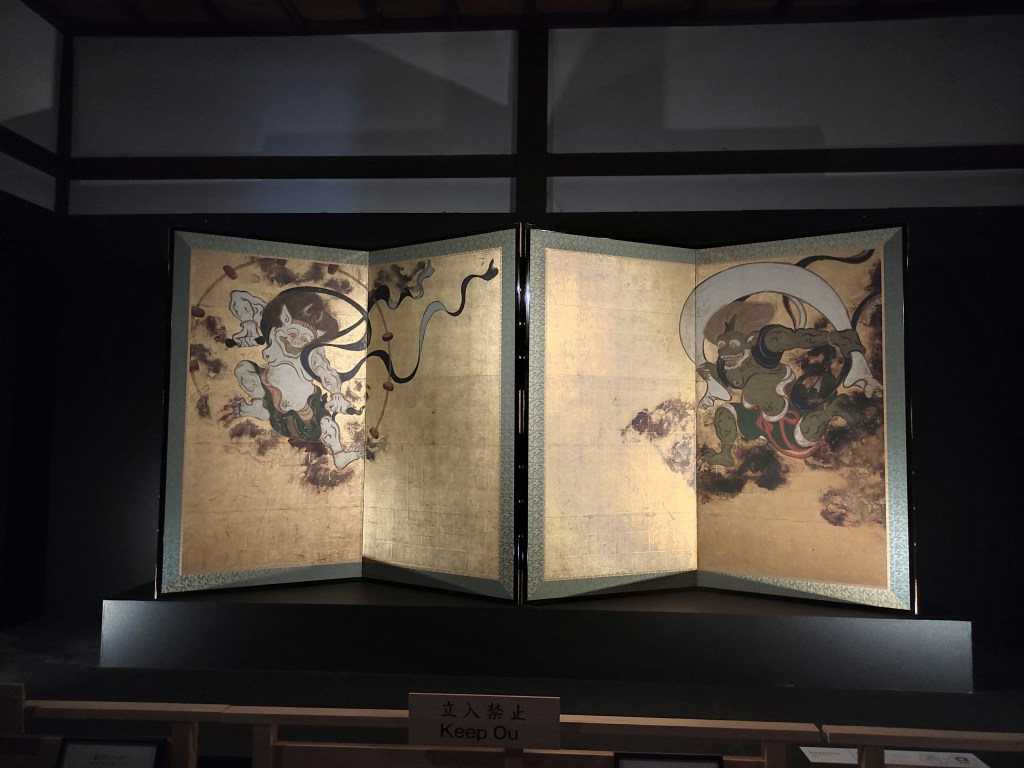
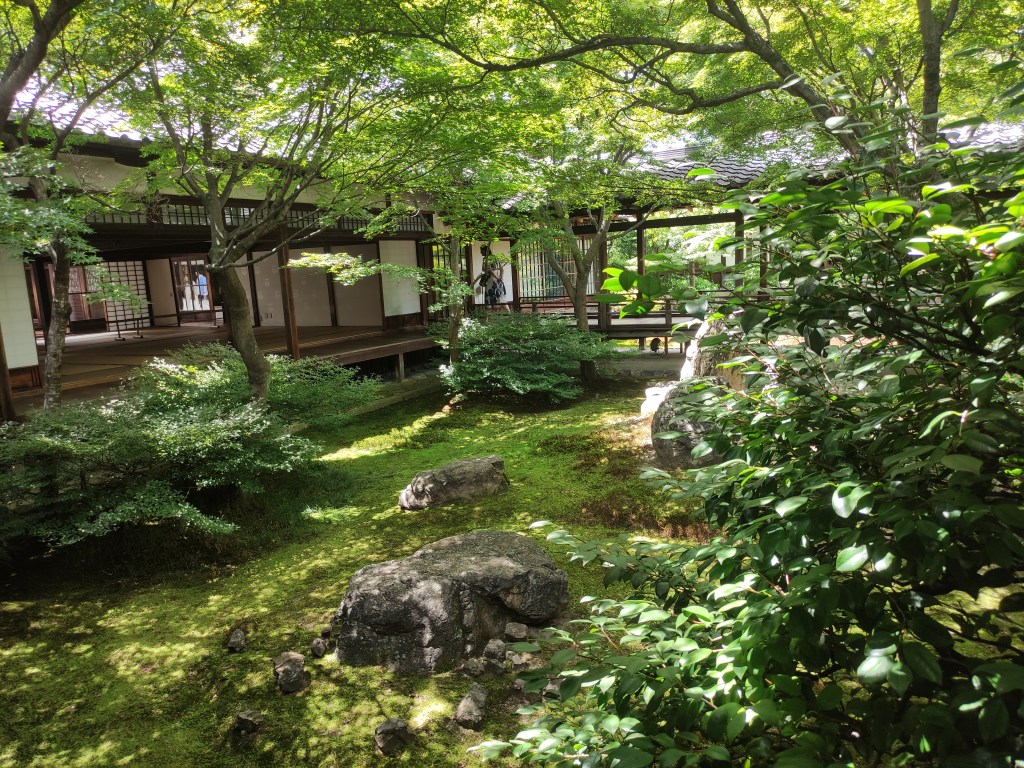
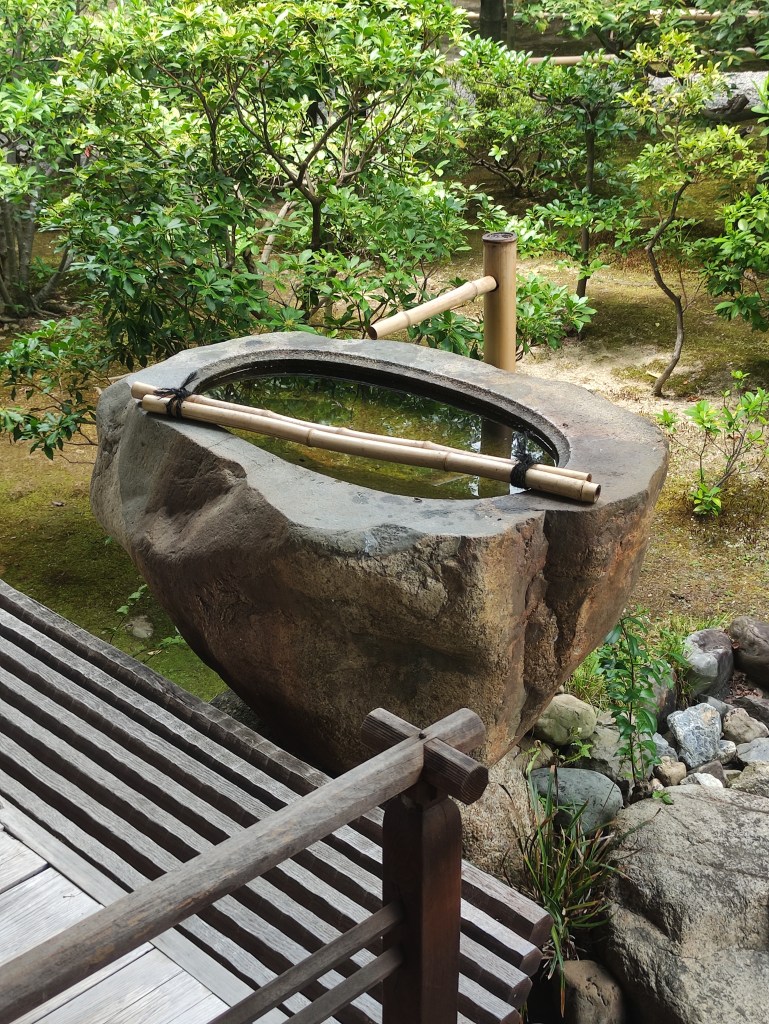
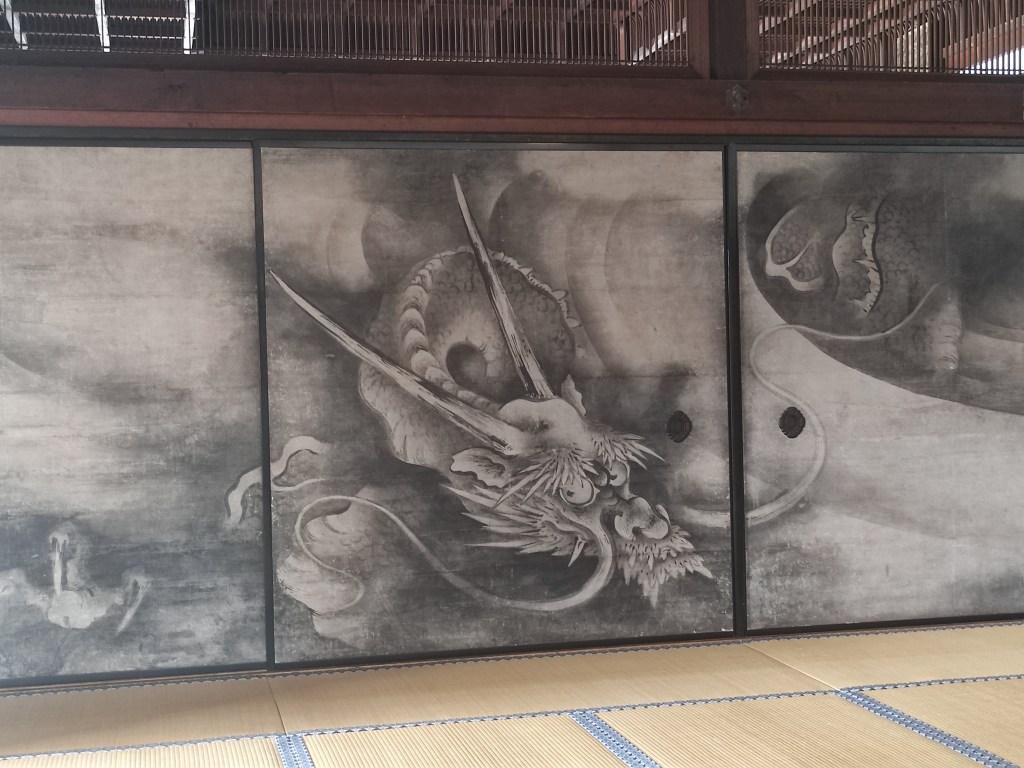
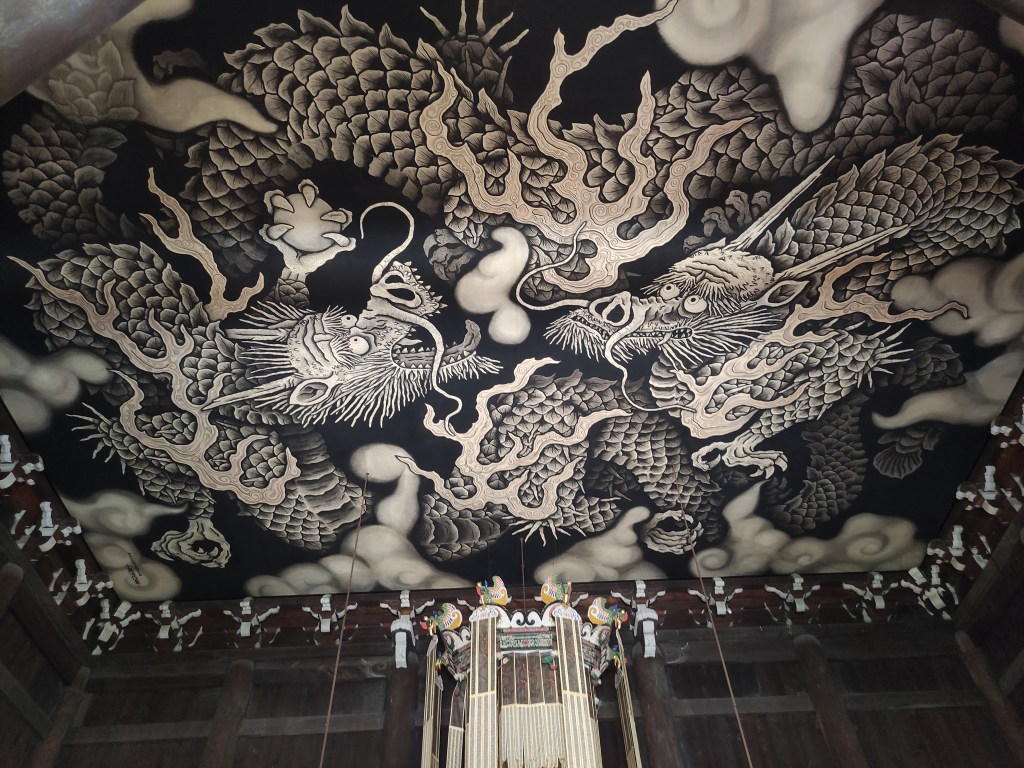
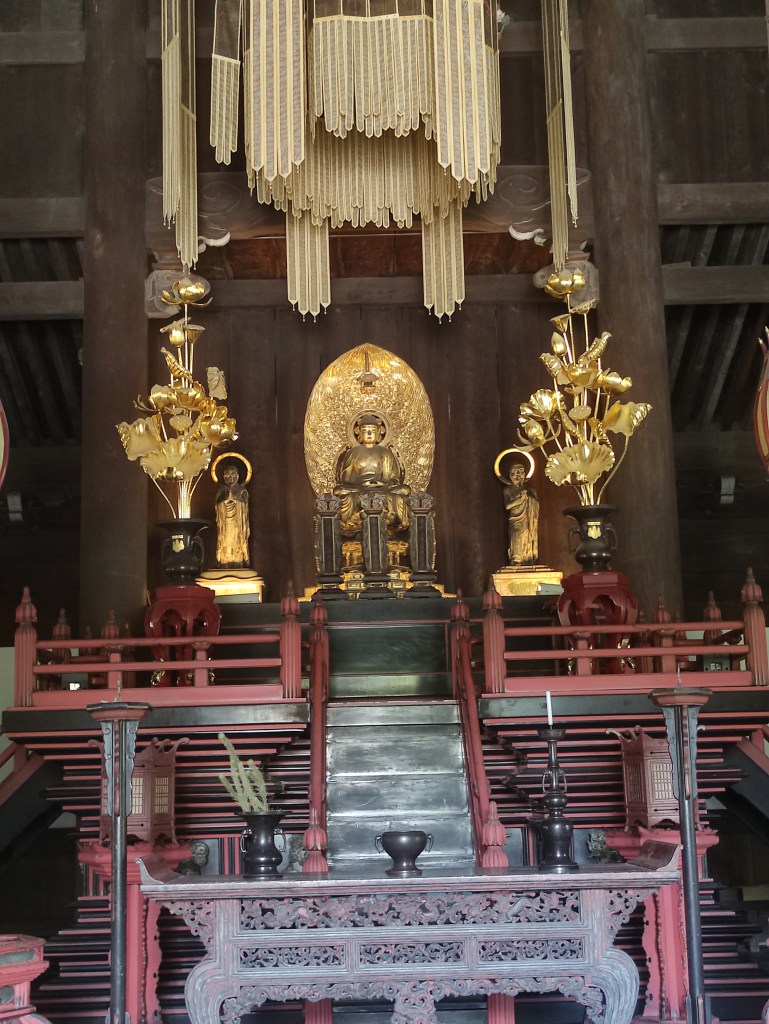
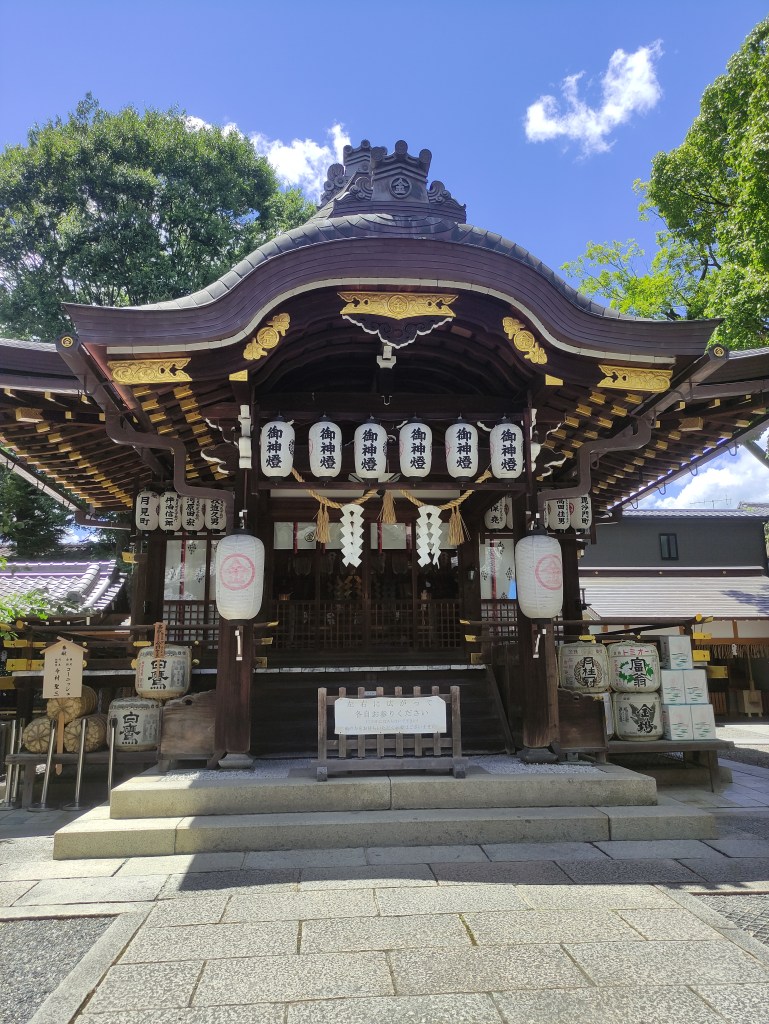
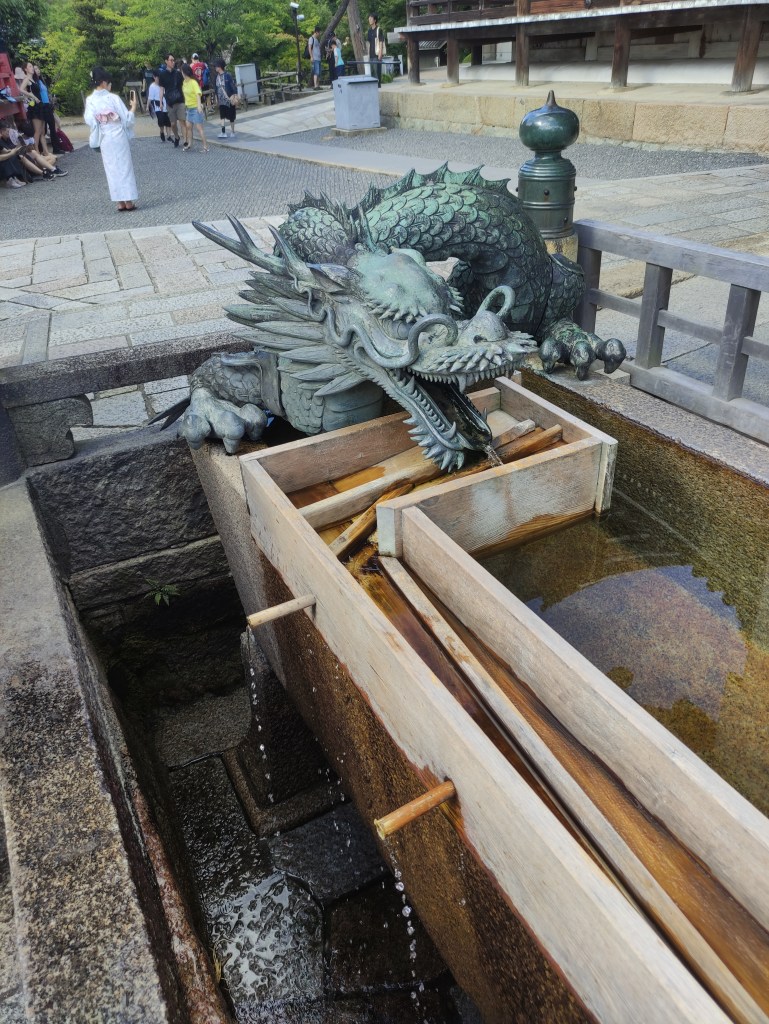
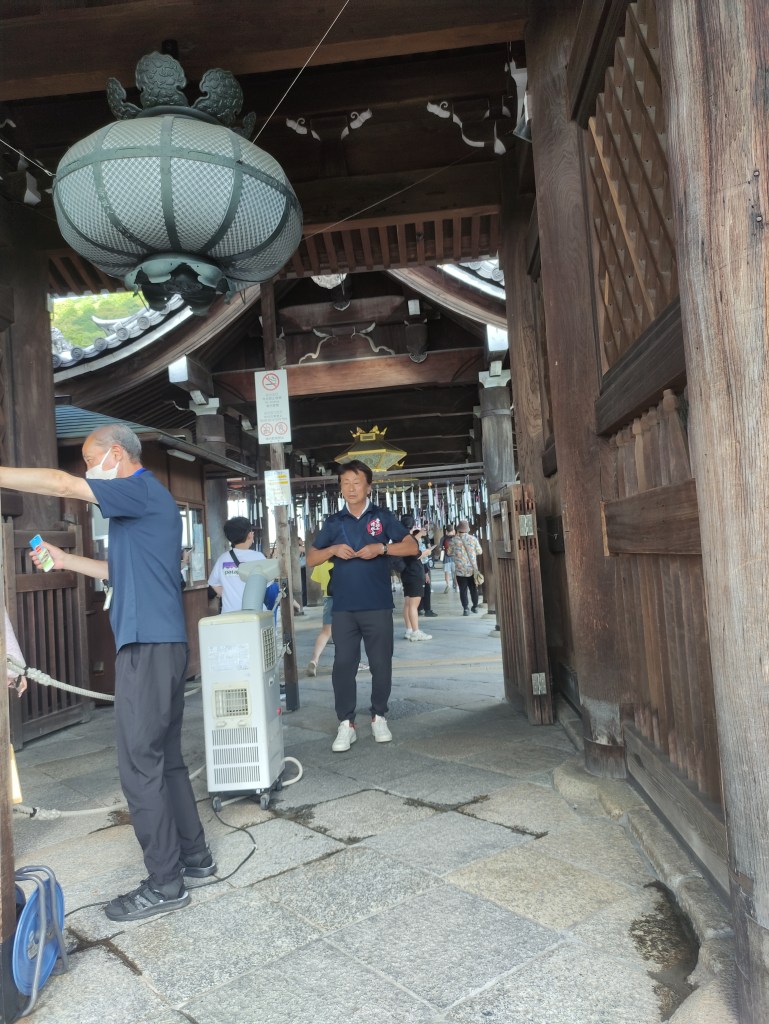
We walked back up the street and admired Kiyomizu-dera Temple and Yasaka Pagoda.

















Sunday July 27th
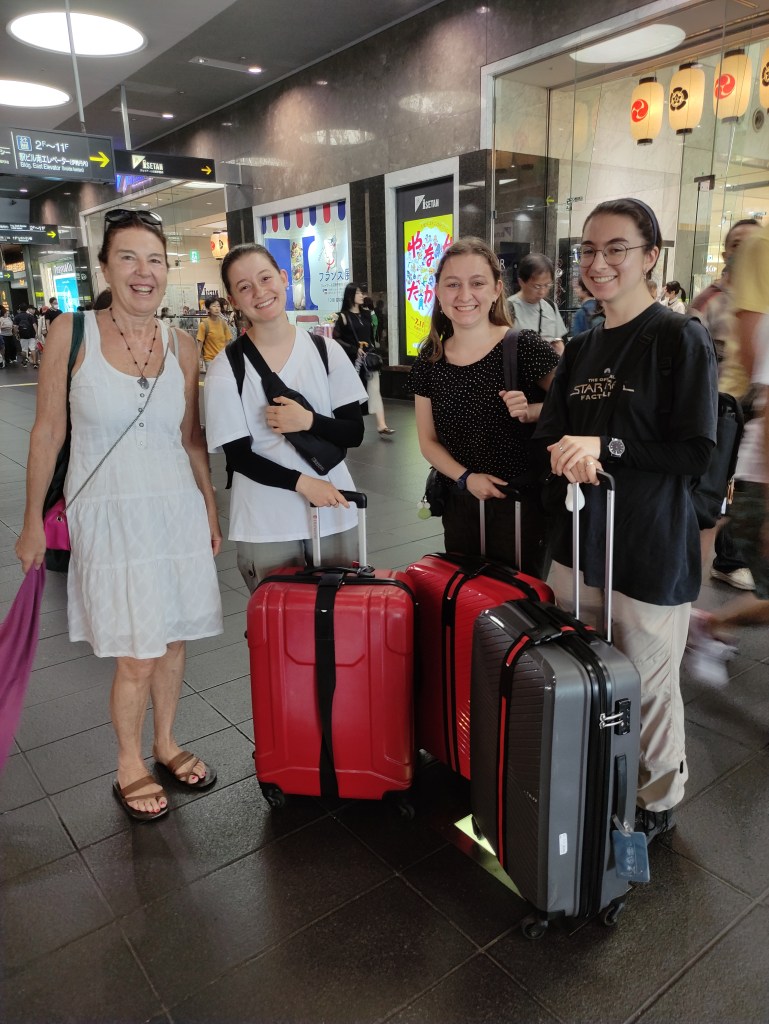
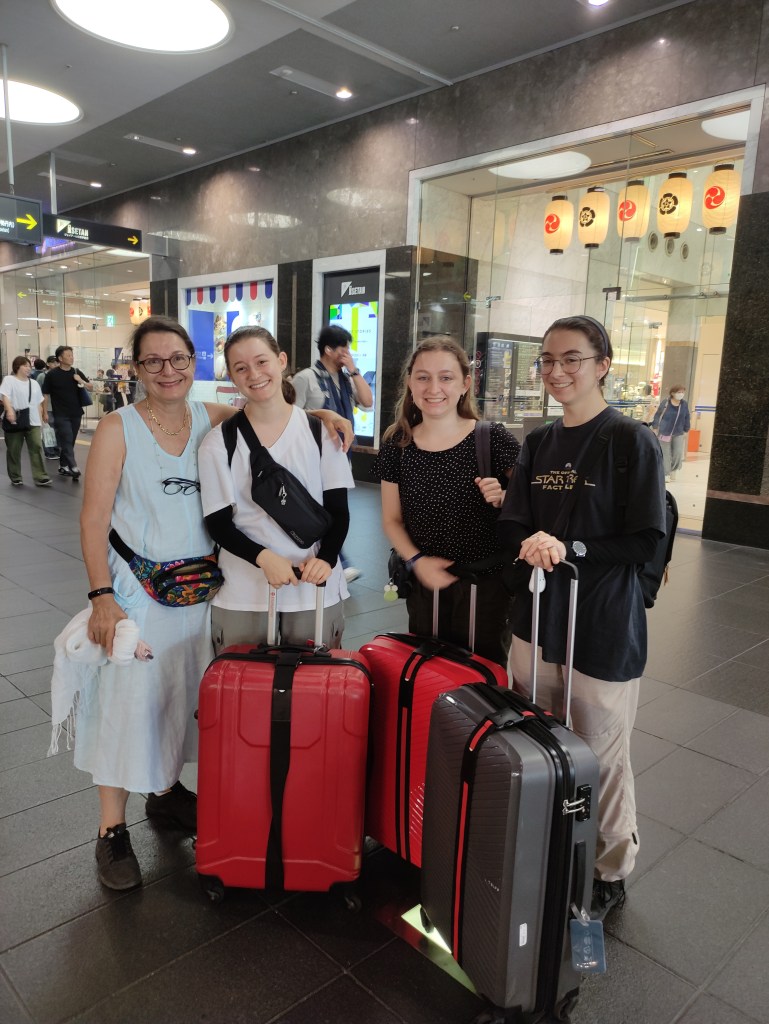
My daughter, Sara Luna, was supposed to meet me up with her two best friends, Keki and Tina. We planned to have all together dinner in the evening.
Even though the Kyoto station terminal is huge, chance brought us together already in the morning. They had just arrived on the Shinkansen from Fukuoka. We were going to take the Kintetsu Limited Express to Nara, on the other side of the terminal.
It was extremely hot in Nara Park. The city is located at the foot of Mount Wakakusa, and we were at risk of heatstroke. Here, too, there are countless excursions to enjoy, and the ideal plan is to stay for a few days.
We did not enter Todai-ji Temple, where the Great Buddha Hall houses a bronze statue of Buddha, estimated to weigh 300 tons. It is located inside what was once considered the largest wooden building in the world, and the scale of this statue is awe-inspiring (the entrance fee was expensive).
Similarly impressive is the 50-meter tall pagoda at the neighboring Kofuku-ji Temple (Central Golden Hall), but unfortunately it was covered with protective scaffolding as it was undergoing restoration. This magnificent construction makes it the second tallest five-story pagoda in Japan. However, we saw another very similar pagoda, but only with three levels.
As with other cities, the multitude of temples that can be visited is impressive and sometimes it is difficult, if not impossible, to make a choice.
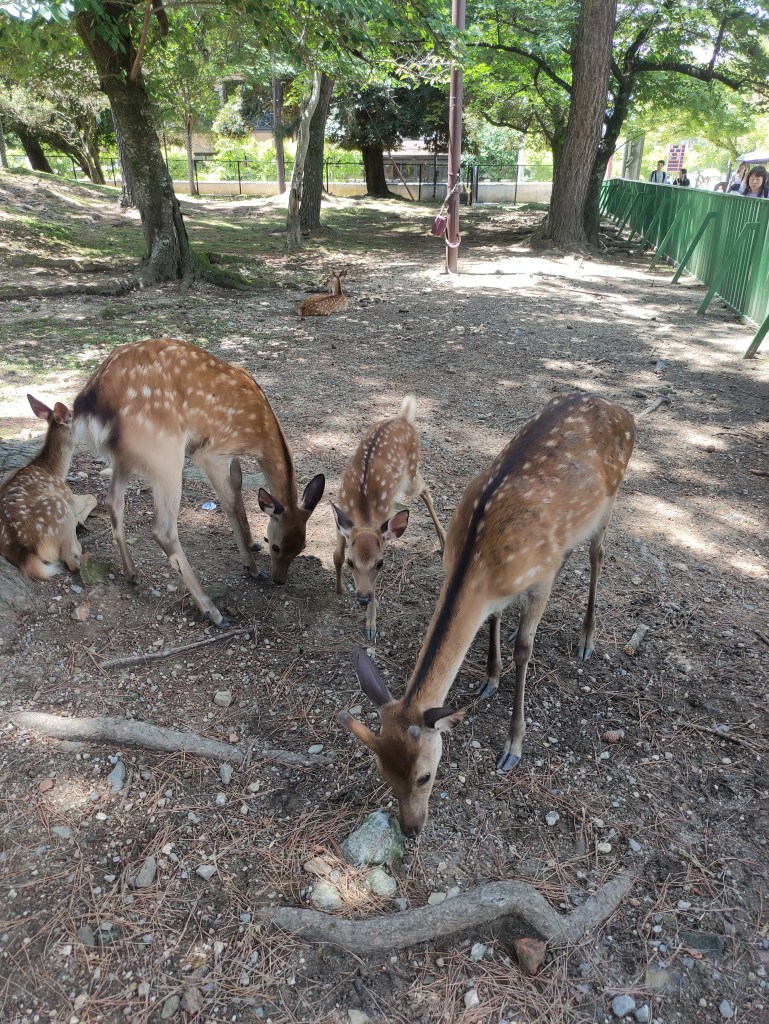
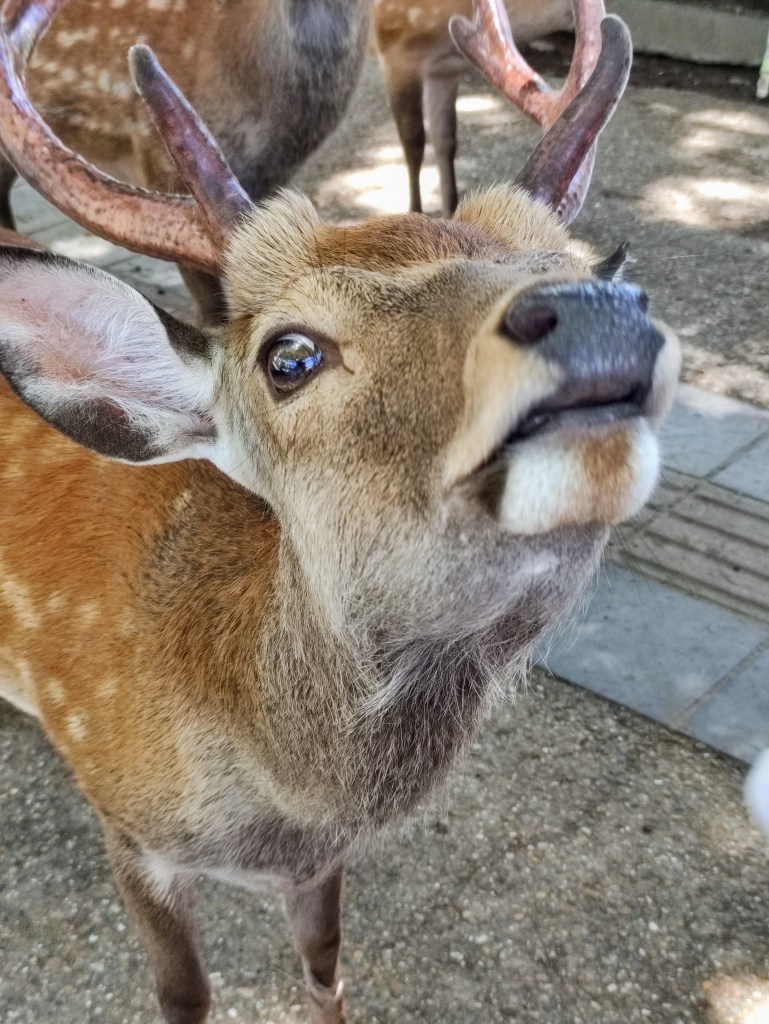
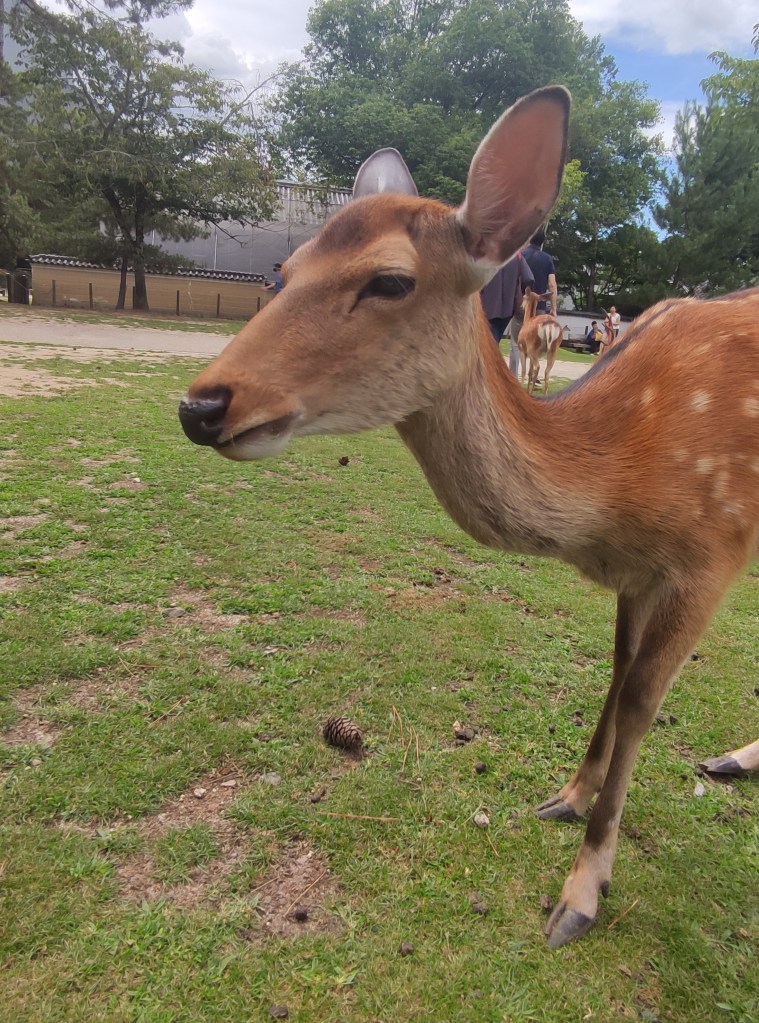
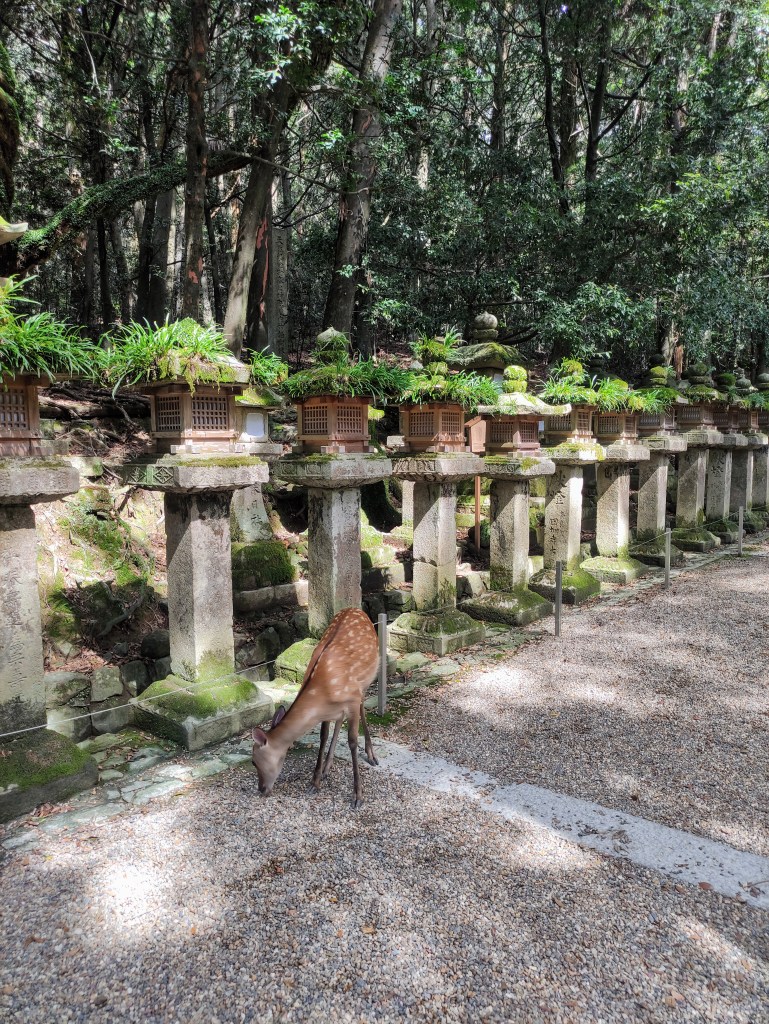
So we walked aimlessly around the park, where hundreds of deer roam freely.
Nara is best known for these ungulates and its ancient woods that exude tranquility and freedom. People buy a biscuit which they then offer to the animals. In return, the deers bow their heads several times in gratitude. This is a demonstration of their remarkable intelligence. And once again, my stomach churned at the thought that these animals are not protected in the rest of the world and are hunted down and eaten.
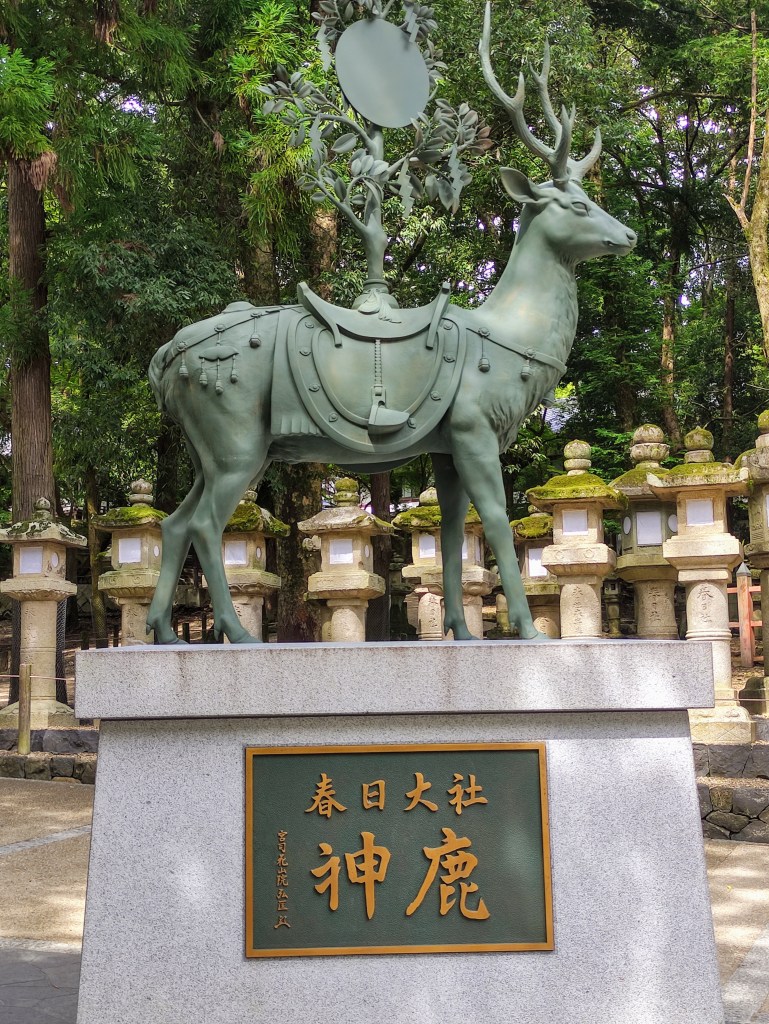
The statue of Takemikazuchi, represented by a deer, stands majestically in an open space.
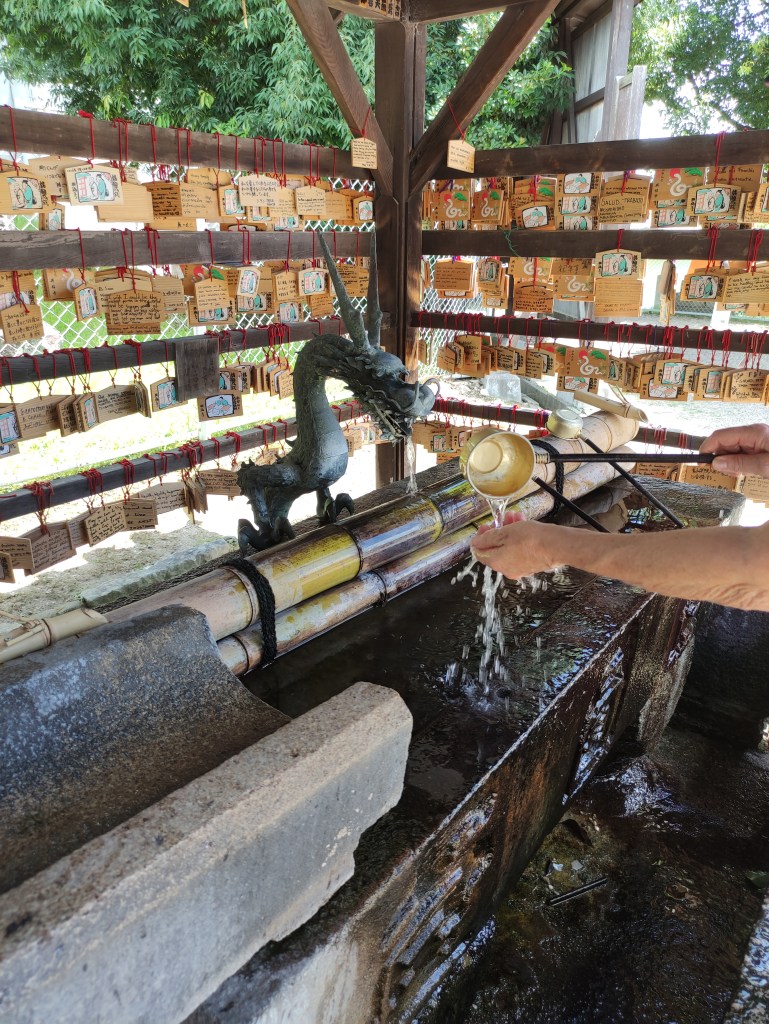
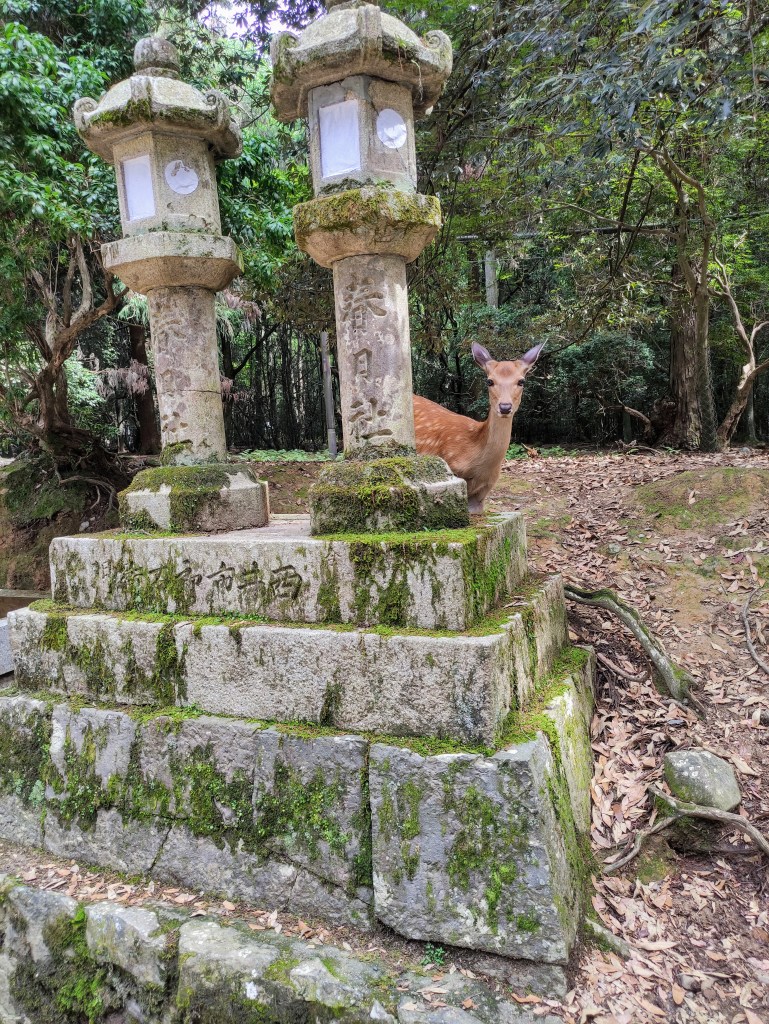
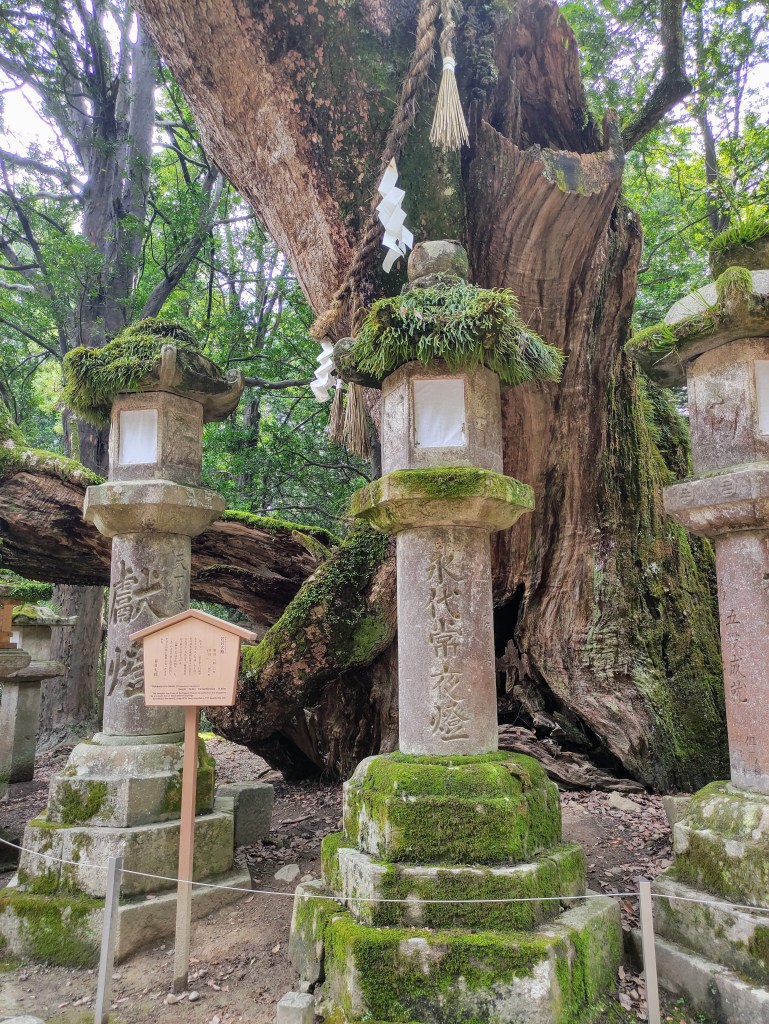
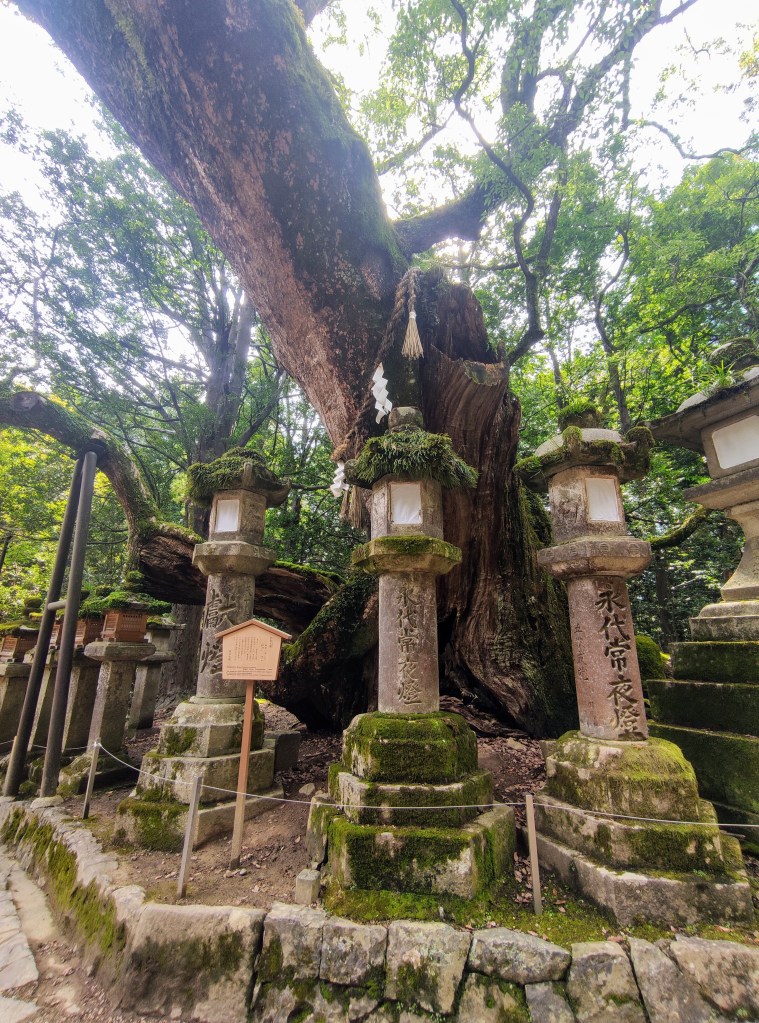
The Wakamiya Kasuga complex, dating back to 1135, is immersed in the forest and consists of several shrines and temples. A special place is reserved for votive “prayer tablets” where the faithful ask for specific graces or help.
The dozens and dozens of stone lanterns covered with thick moss, favored by the high humidity of the forest, are very beautiful. I tried to imagine that place on a moonless night. With the lanterns lit up to illuminate the path covered with snow and ice. And the faithful who go to the Kasuga Wakamiya Onmatsuri, which is an important four-day festival held each year from December 15th through December 18th in honor of the primary kami (deities) of Wakamiya Shrine.
In addition, the park’s centuries-old plants are truly a wonder of nature, but no photo can do justice to this magical place. We closed the night with a nice vegetarian dinner with the “girls” in a place inside the station Kyoto in the “Porta Dining“.











Monday July 28th
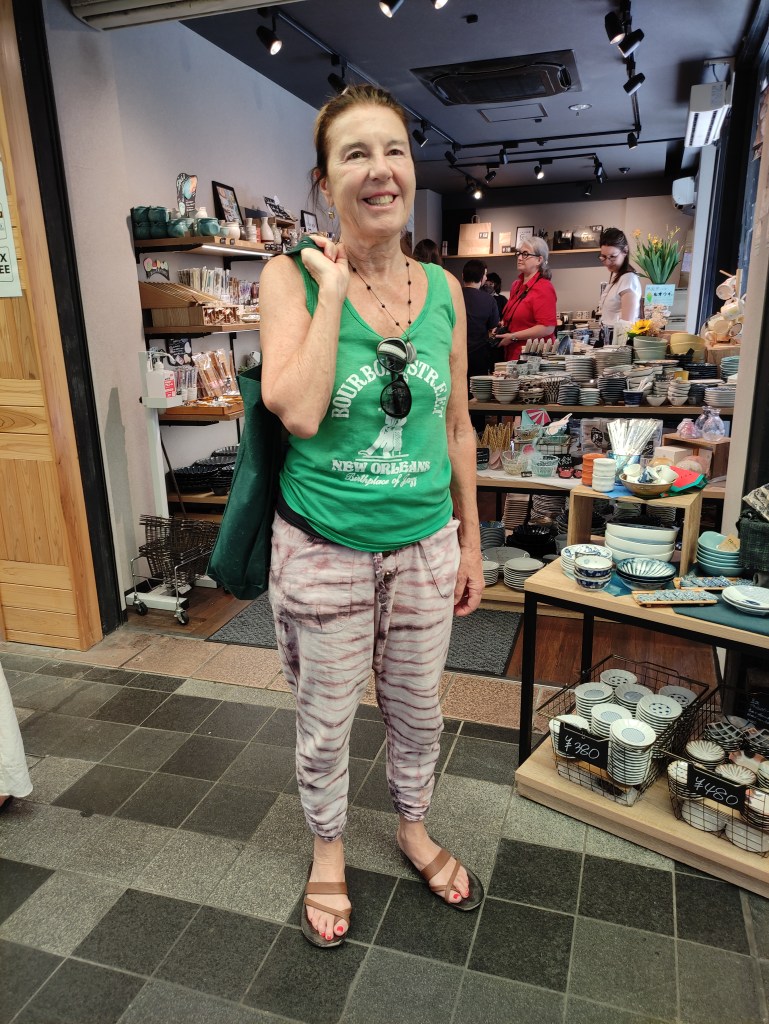
Today was also a day for shopping. Unable to find a decent place for breakfast, we wandered around the narrow streets not far from our ryokan.
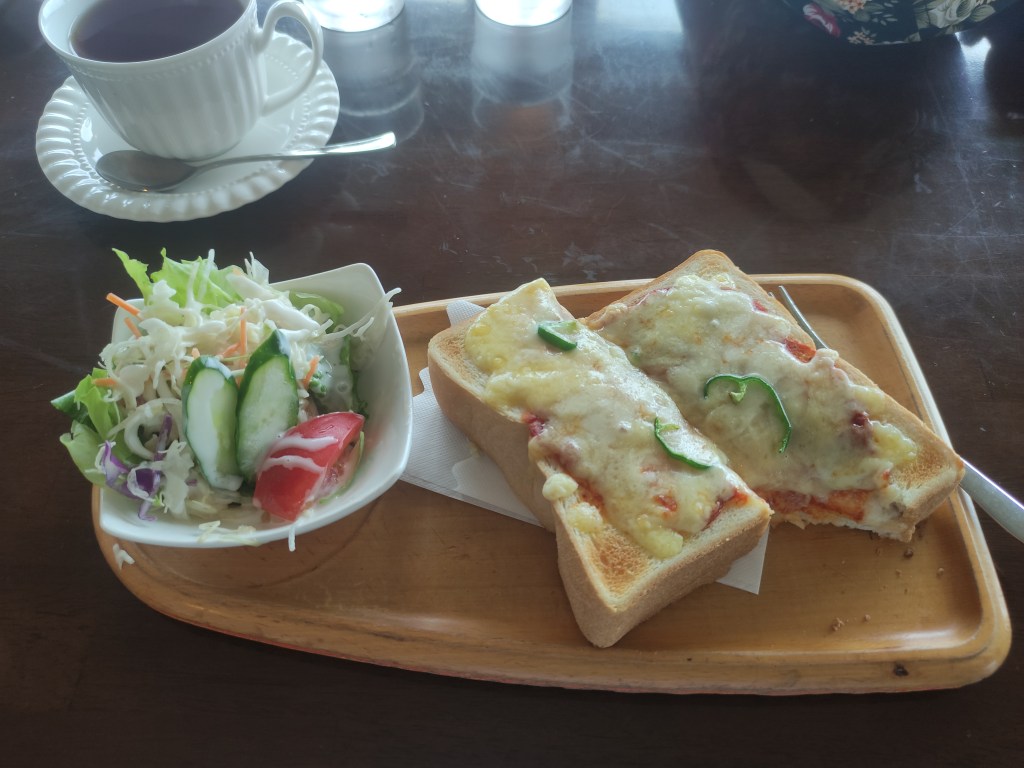
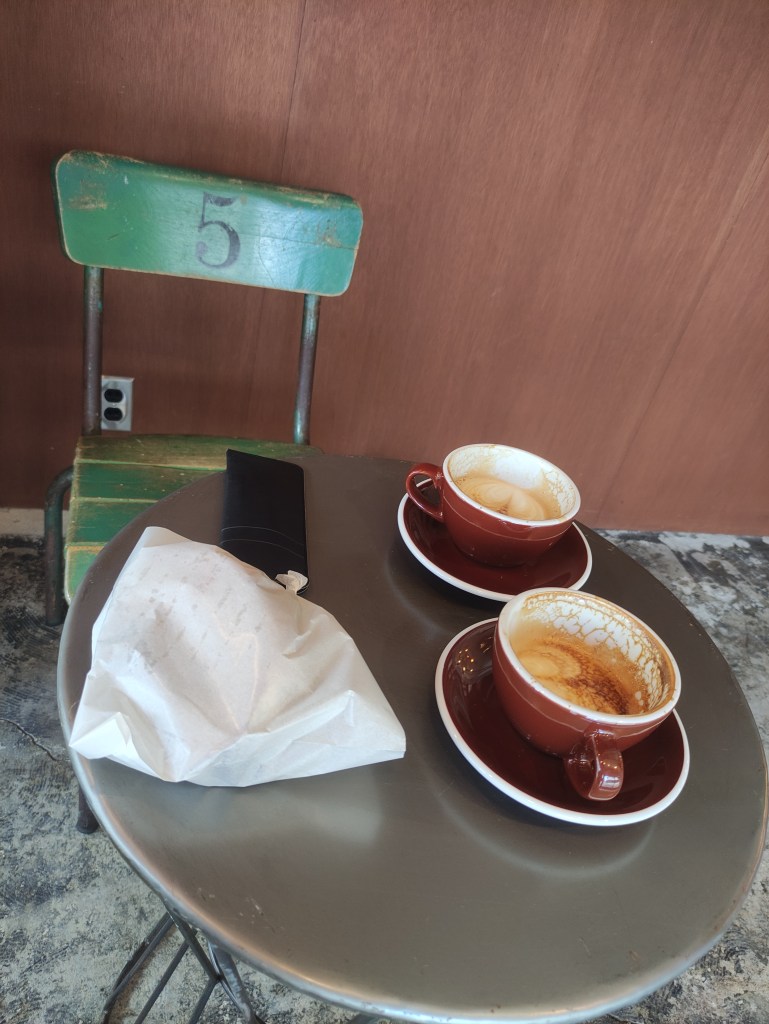
The place we found was supposed to be a café known for its many varieties of coffee from different producing countries. With our caffelatte, we were served two-centimeter-thick buttered toast with a salad. This for breakfast?
We wanted to return to the Gion district. We walked and walked, ending up in a traditional market selling fish and other seafood on skewers. Not really lovely to look at.
The market was packed with tourists and locals. In a tea-house, I bought some Giokuro and Sencha tea, which costs three times less than in Switzerland.
We then both wandered around browsing and I even found a Totoro towel for Sara Luna. To match with the one I had already bought for her in Tokyo.
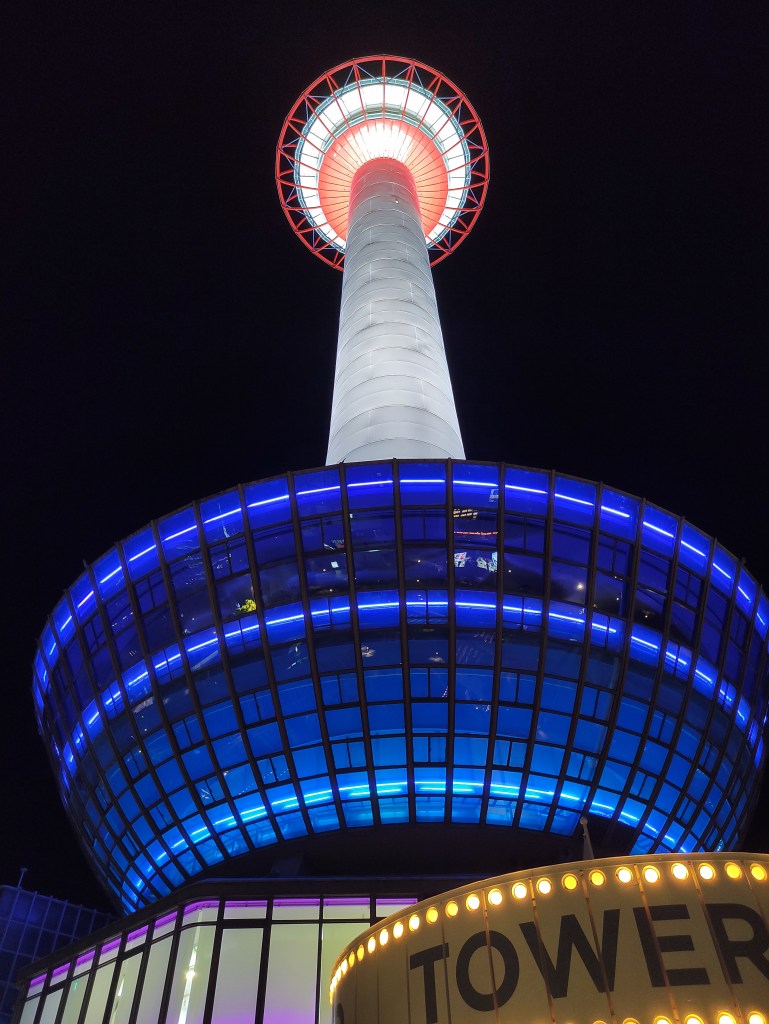
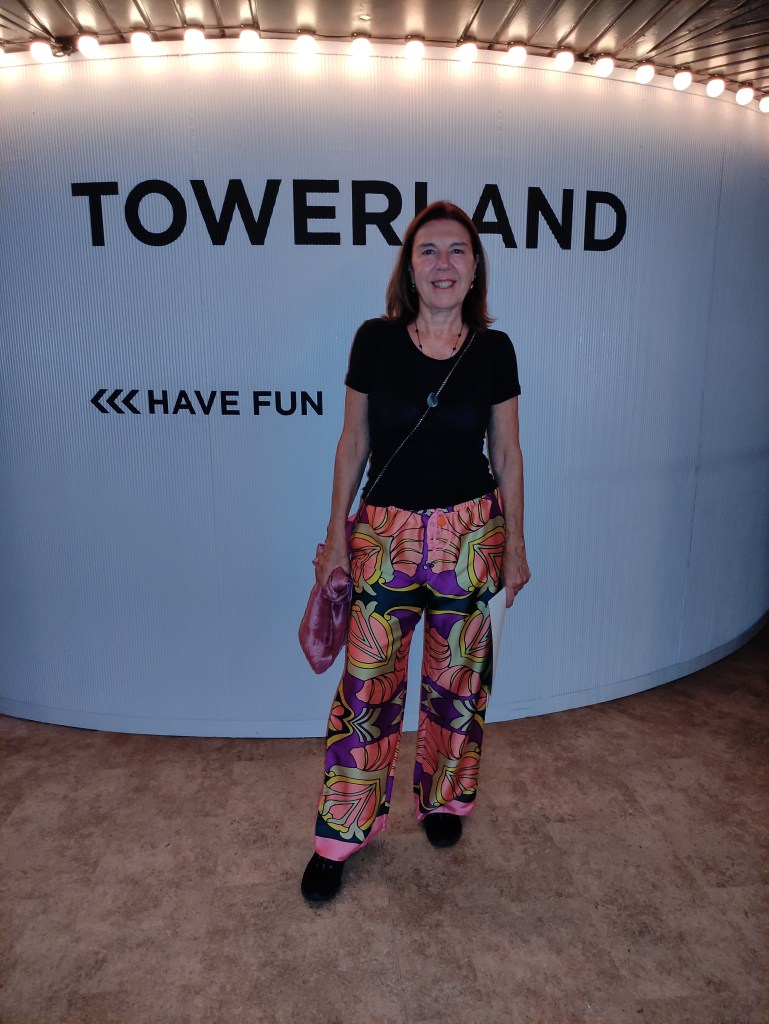
After resting a little in our room, in the evening we went to Kyoto Tower for a drink to toast this city. These was the last night in Kyoto.




Tuesday July 29th
Even though the station shouldn’t have been far away, we took a taxi. We wanted to avoid getting lost in the narrow streets.
Still under the station, in Porta Dining, we found a place to have a caffelatte with sweets.
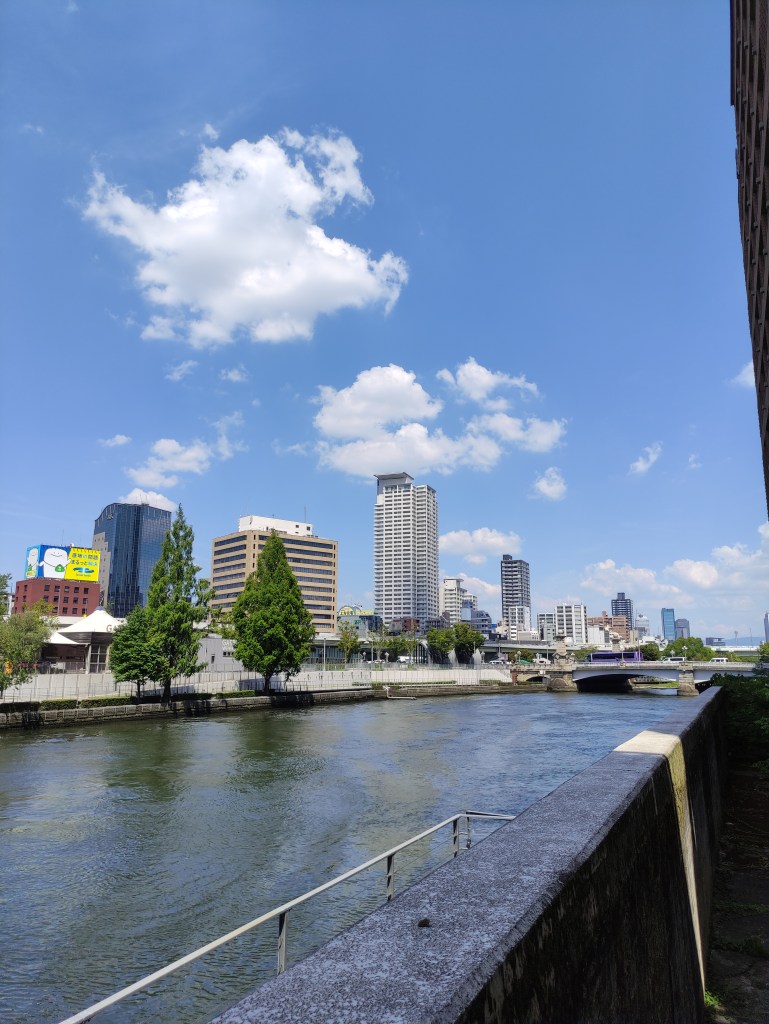
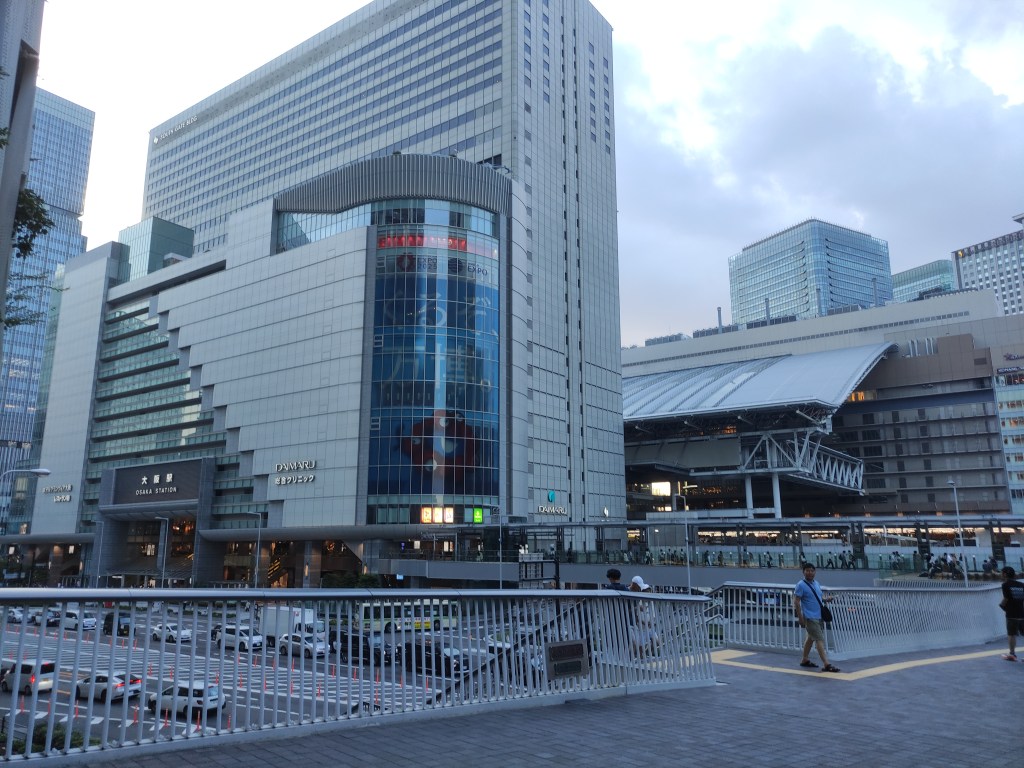
The trip with train to Osaka was quick. Unfortunately, once we arrived at Osaka-Shen, we had to walk underground a very long way to get to the subway-exit for the hotel.
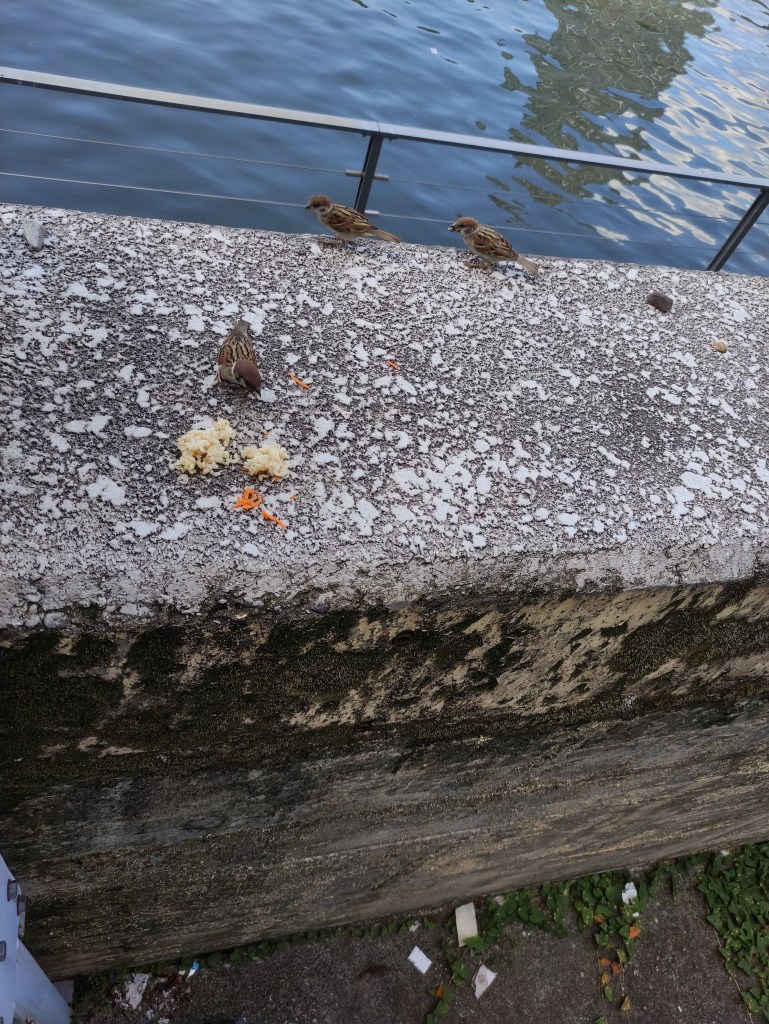
Check-in at the Best Western Plus in Osaka was only possible from 3:00 p.m., so we decided to have lunch at a vegan restaurant not far from there. My favorite pastime: distributing my brown rice to hungry pigeons and sparrows.
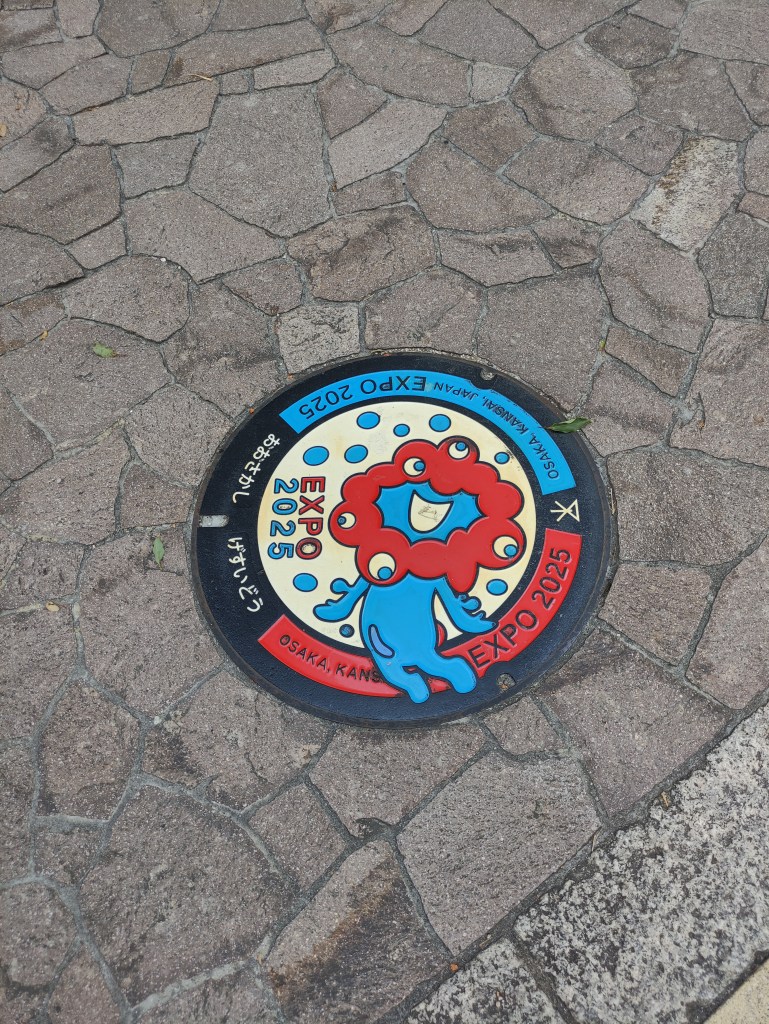
My daughter confirmed that they would also be at EXPO 2025 the following day, so we could meet up. With the help of the reception employee, we managed (in part) to obtain the QR codes for the exhibition tickets we had already purchased in Switzerland.
The next day would be a marathon!



Wednesday July 30th
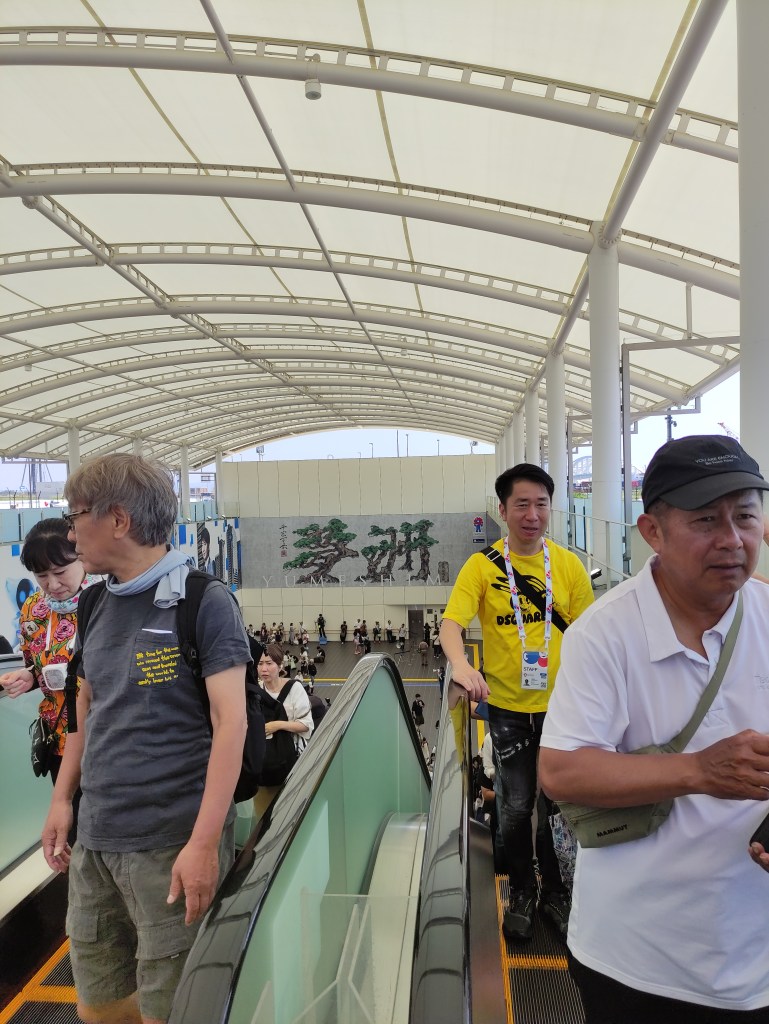
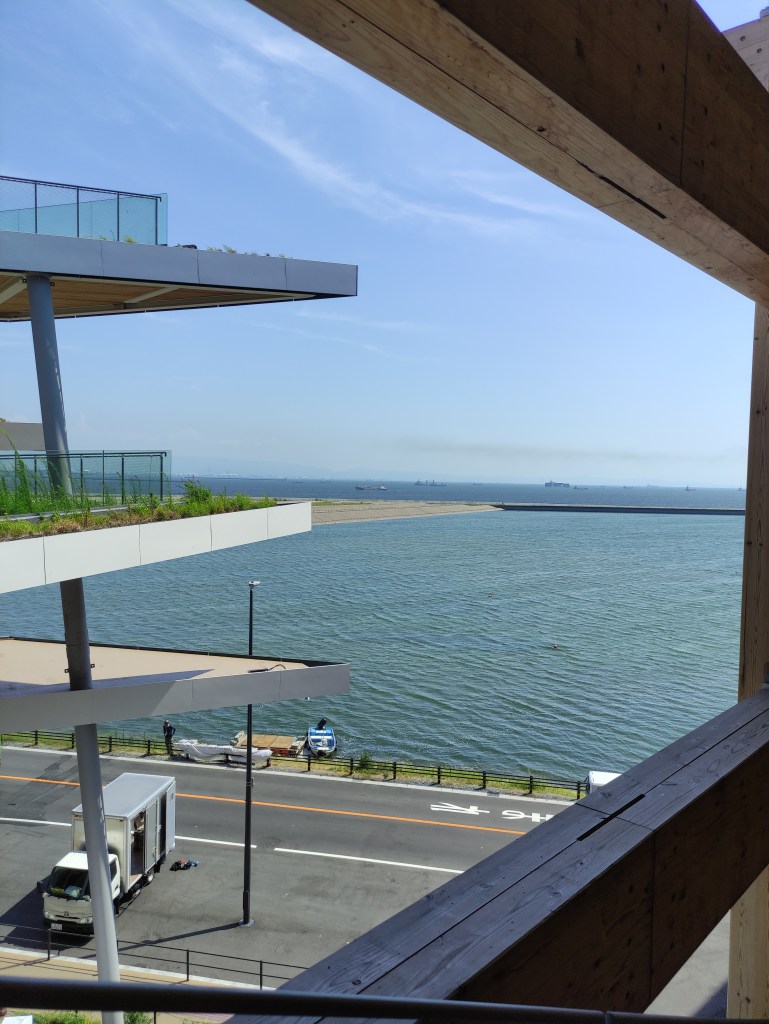
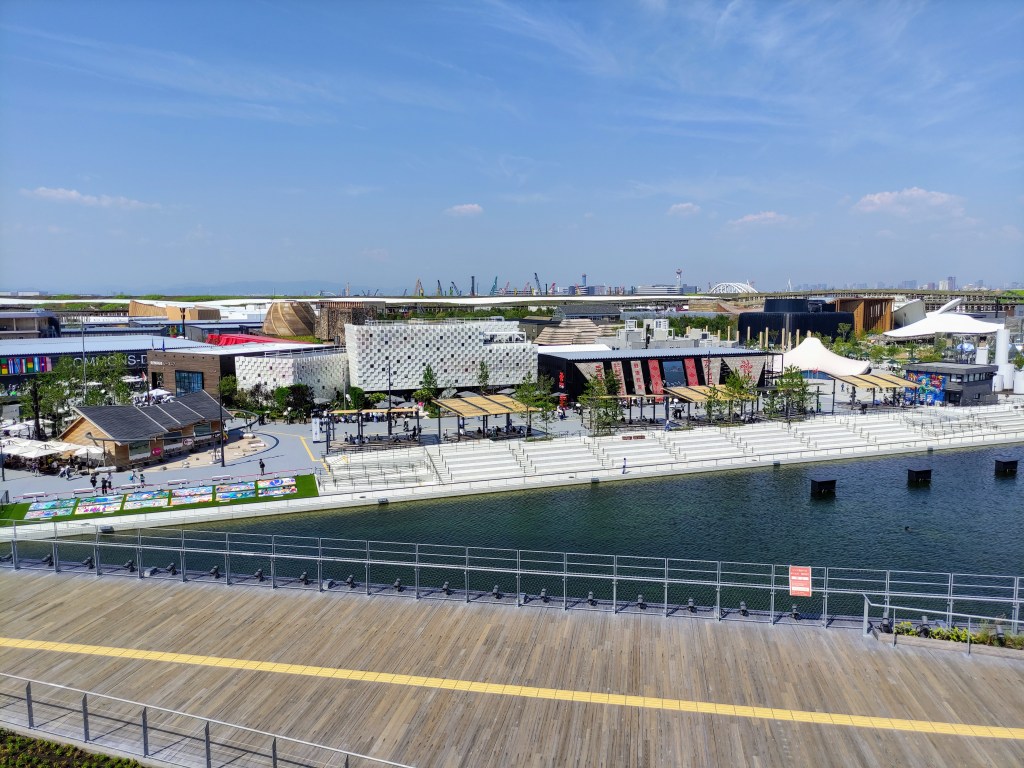
After grabbing coffee at Starbucks, we took the Chuo-Line subway to the artificial island of Yumeshima.
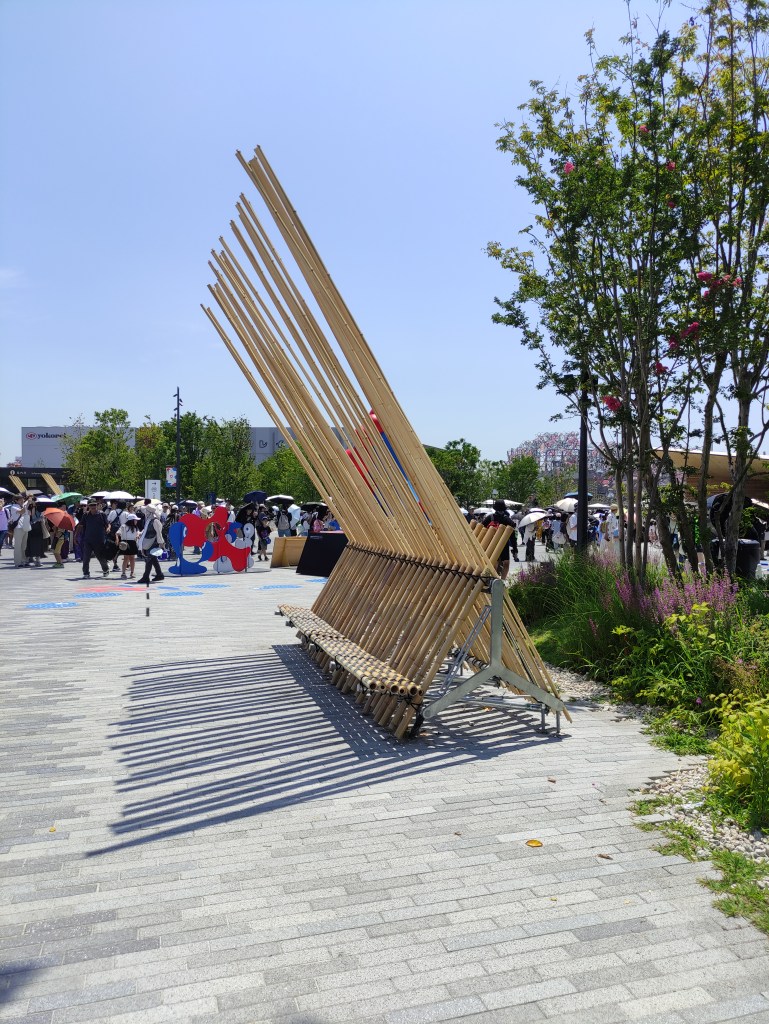
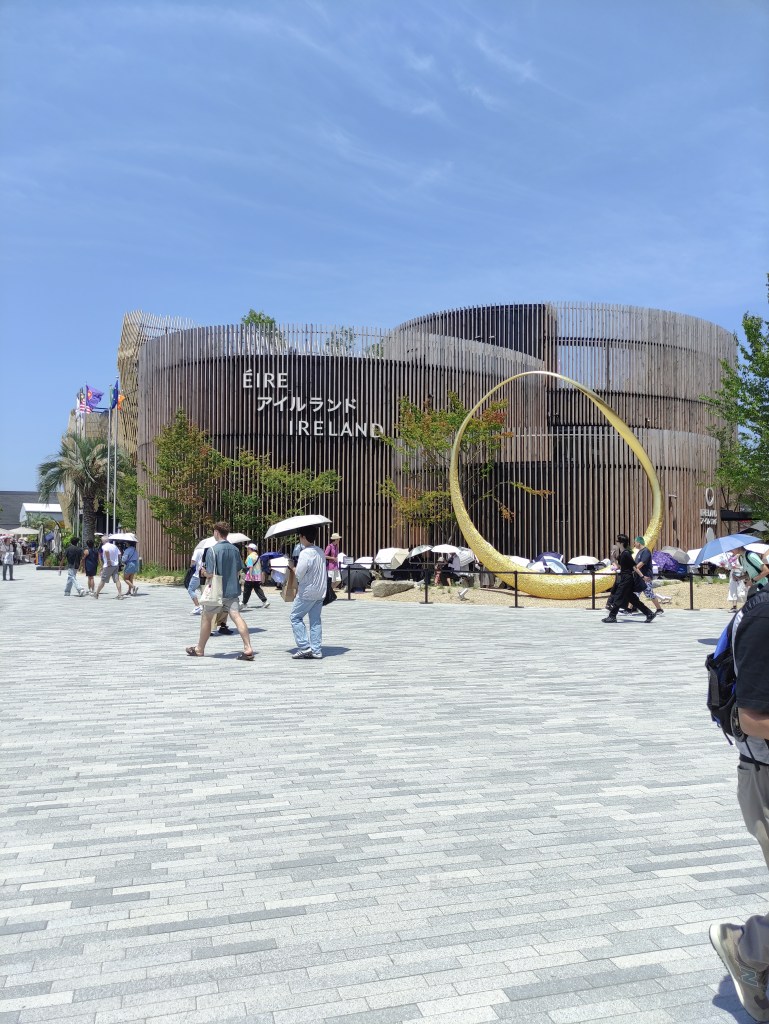
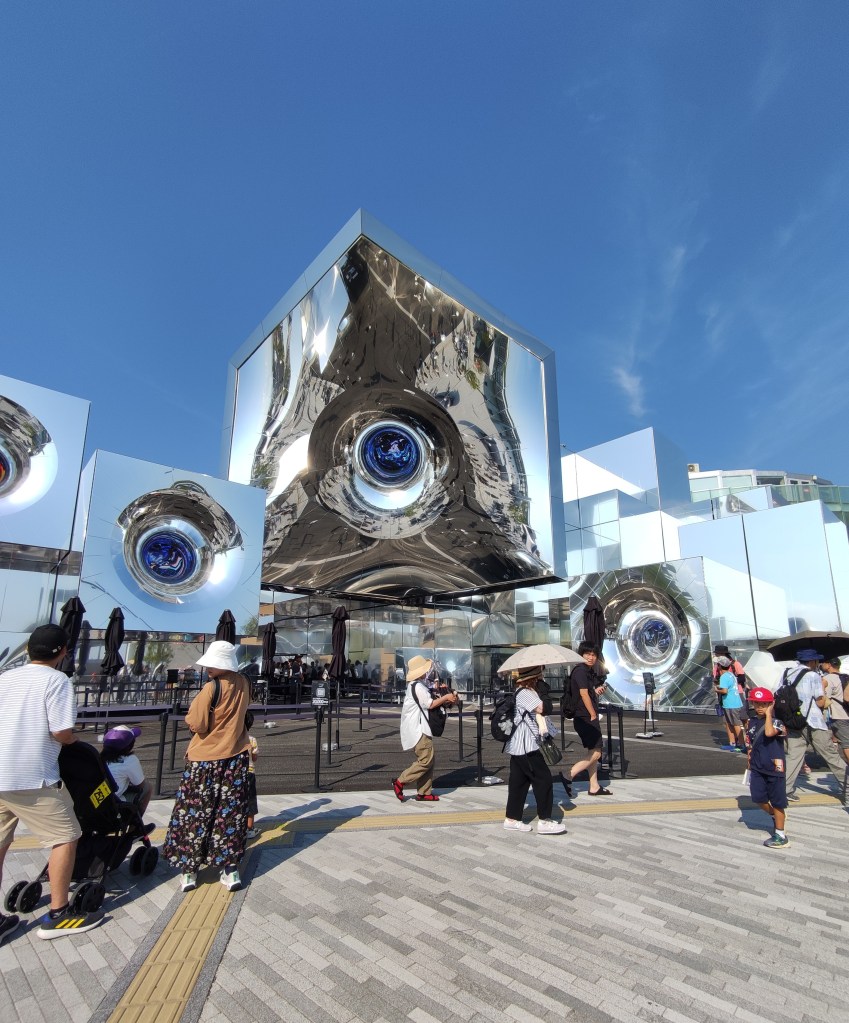
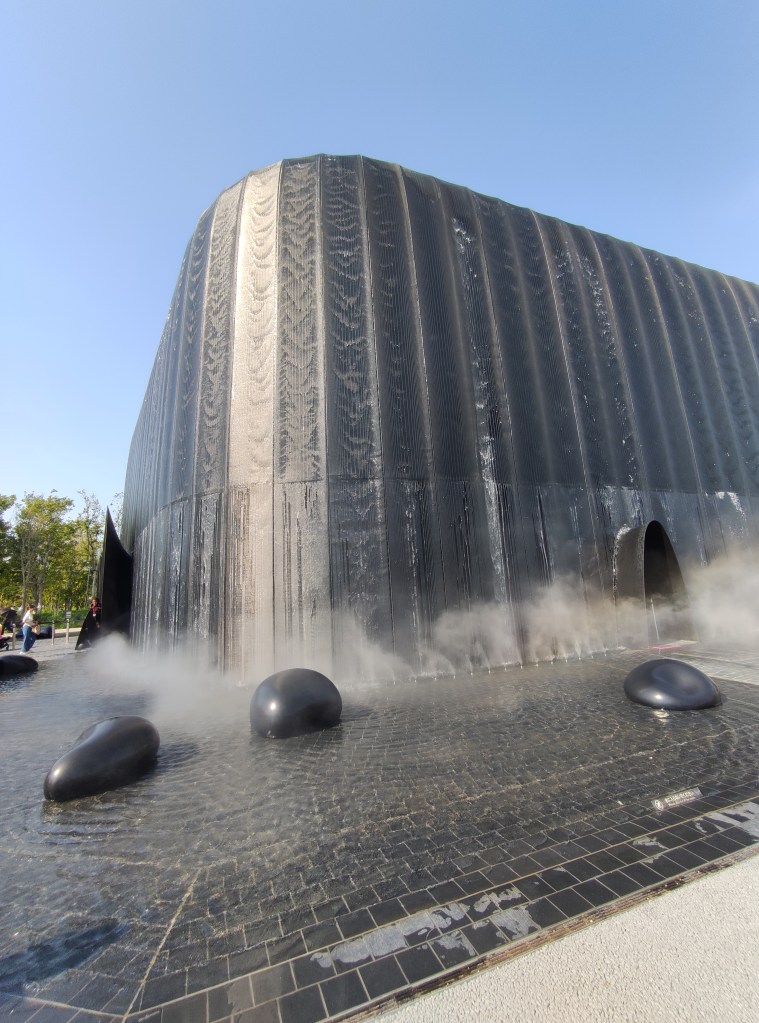
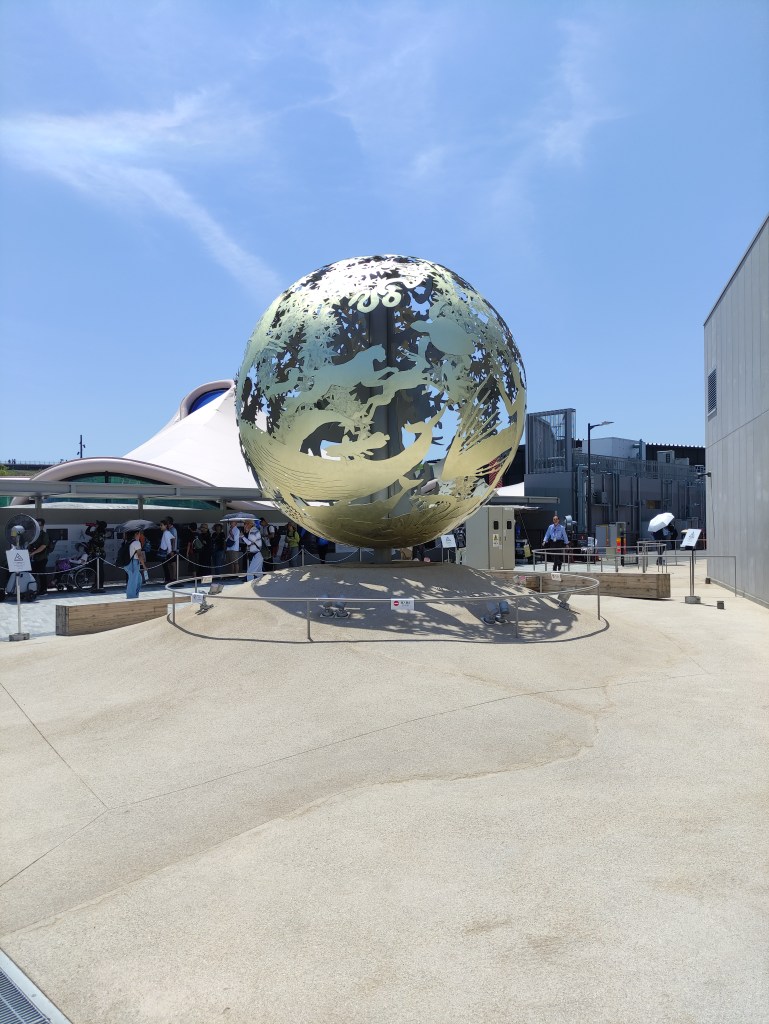
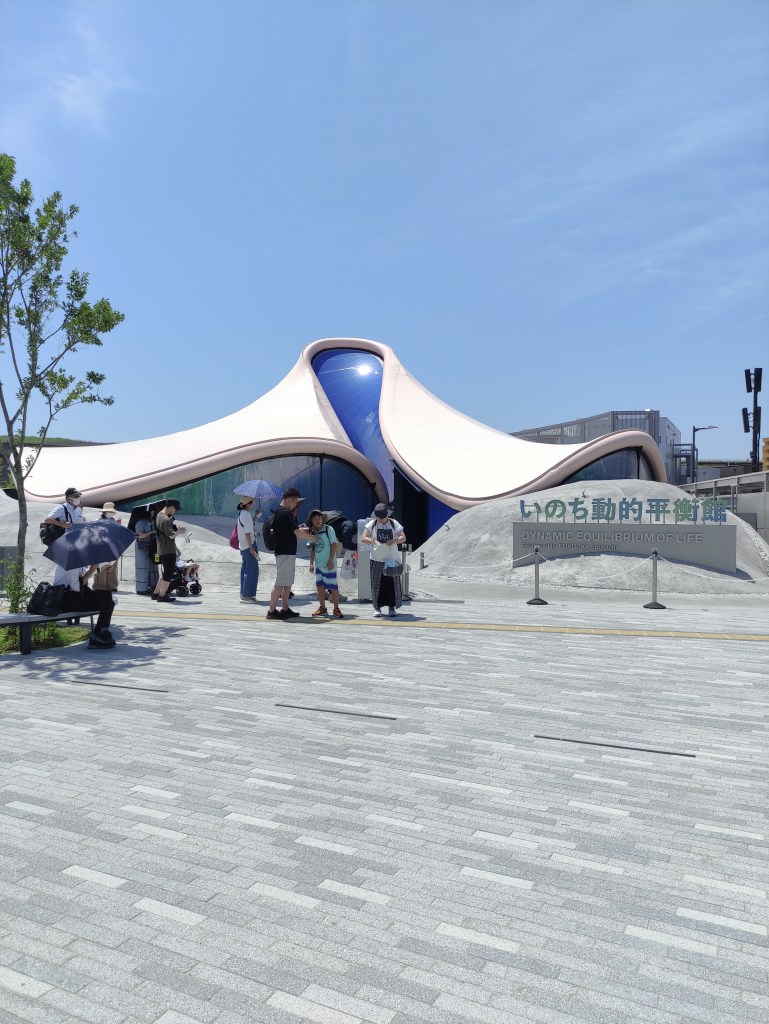
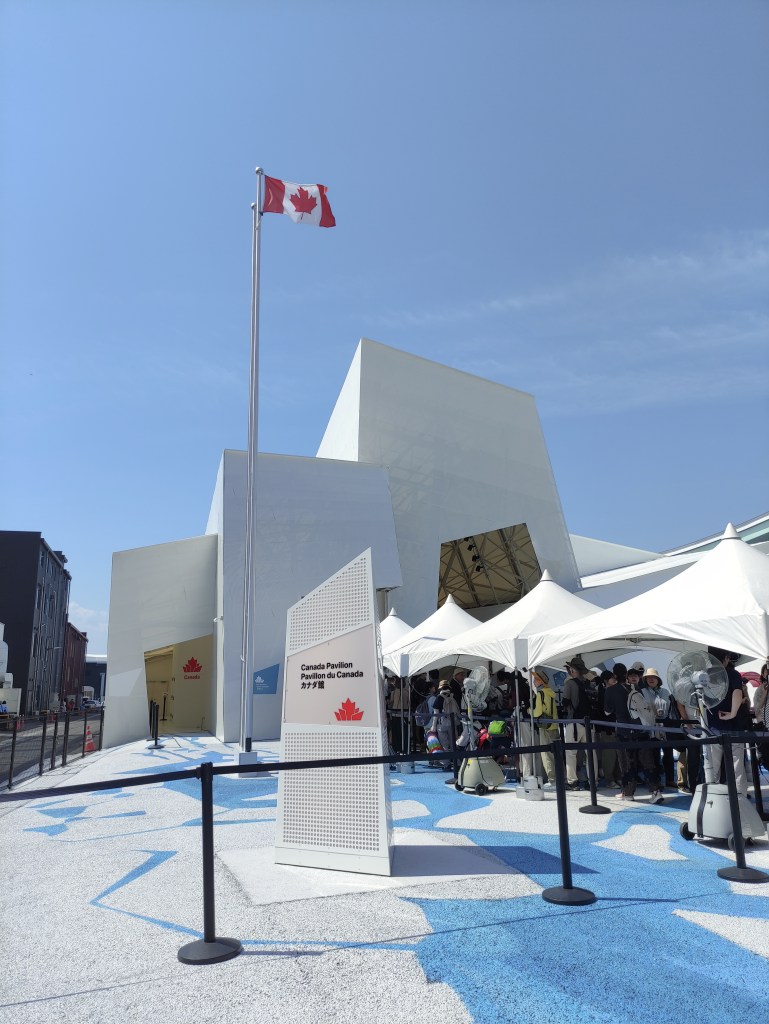
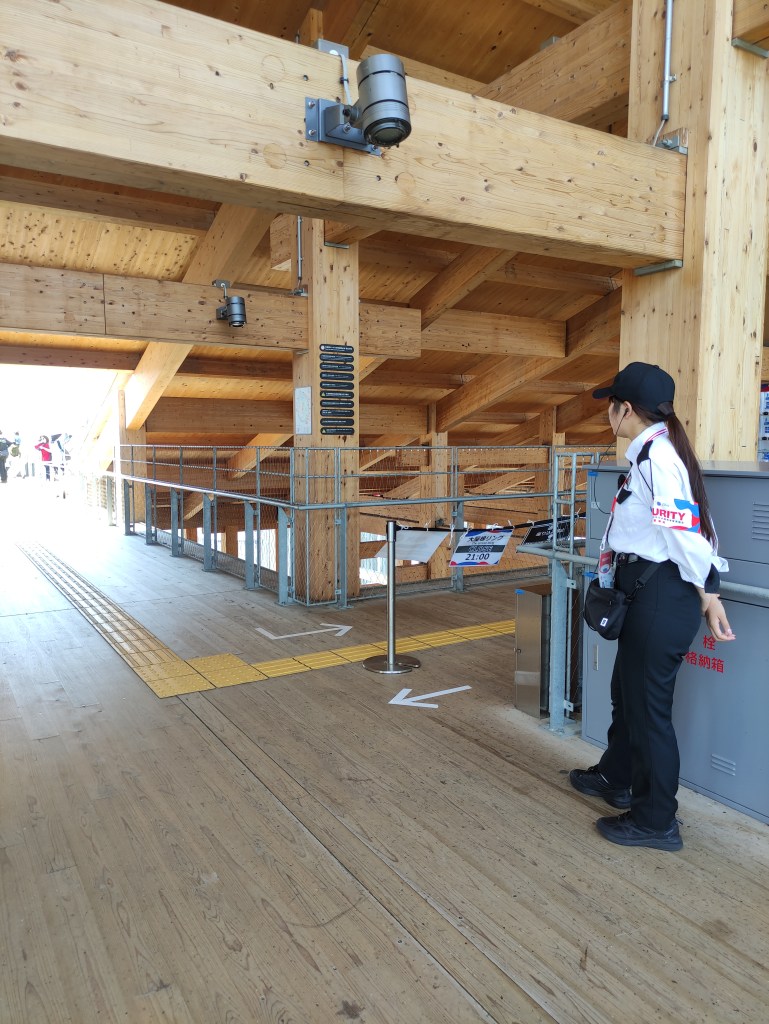
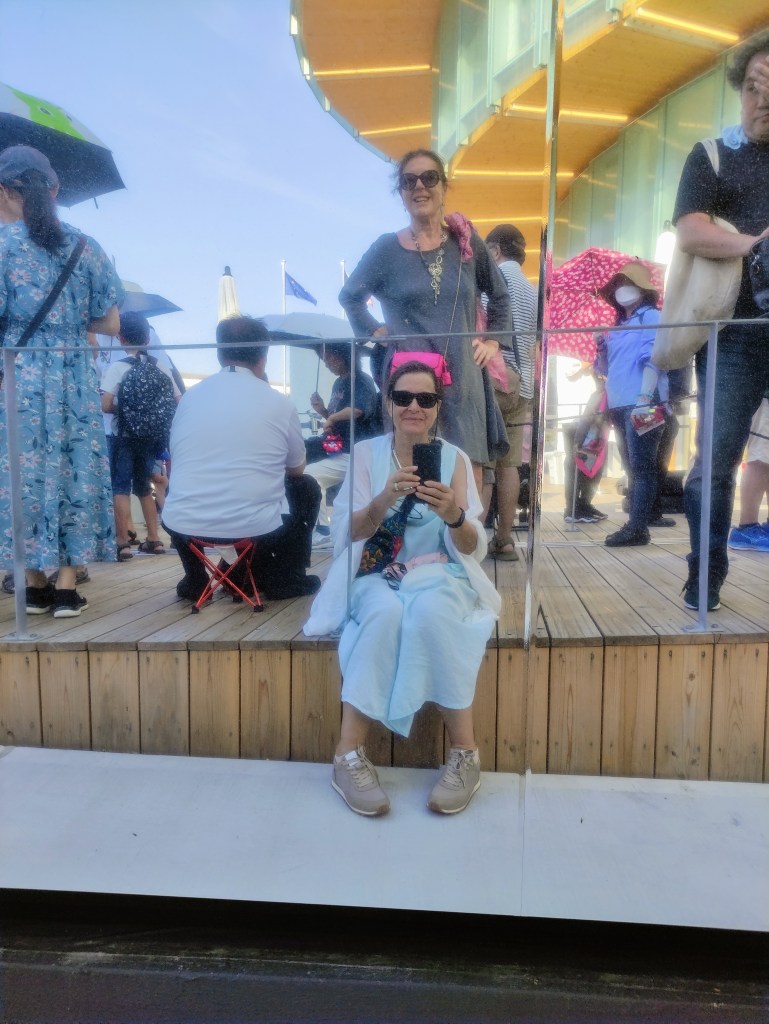
Under the scorching sun, with no shade to protect people, we waited in line to get in at 11:00 a.m. The slots to enter EXPO 2025 are set in advance, and the 9:00 a.m. and 10:00 a.m. slots were already sold out.
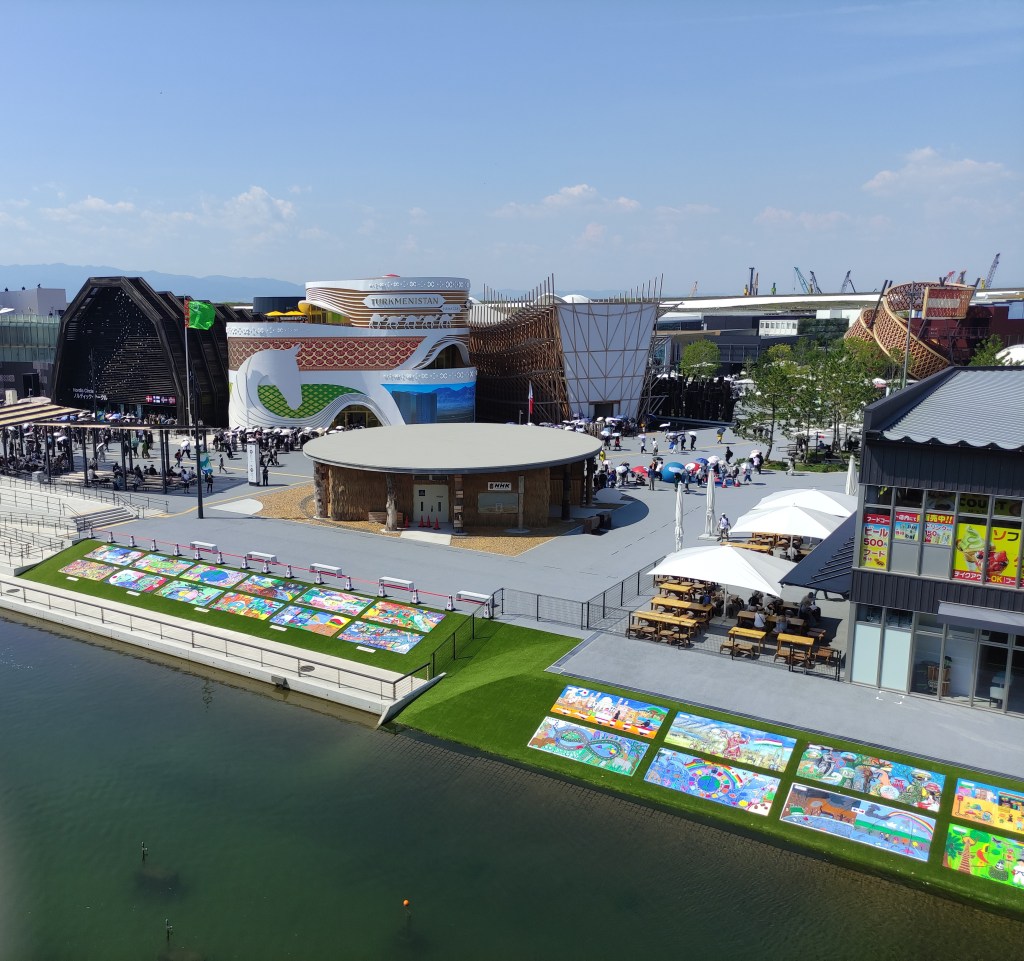
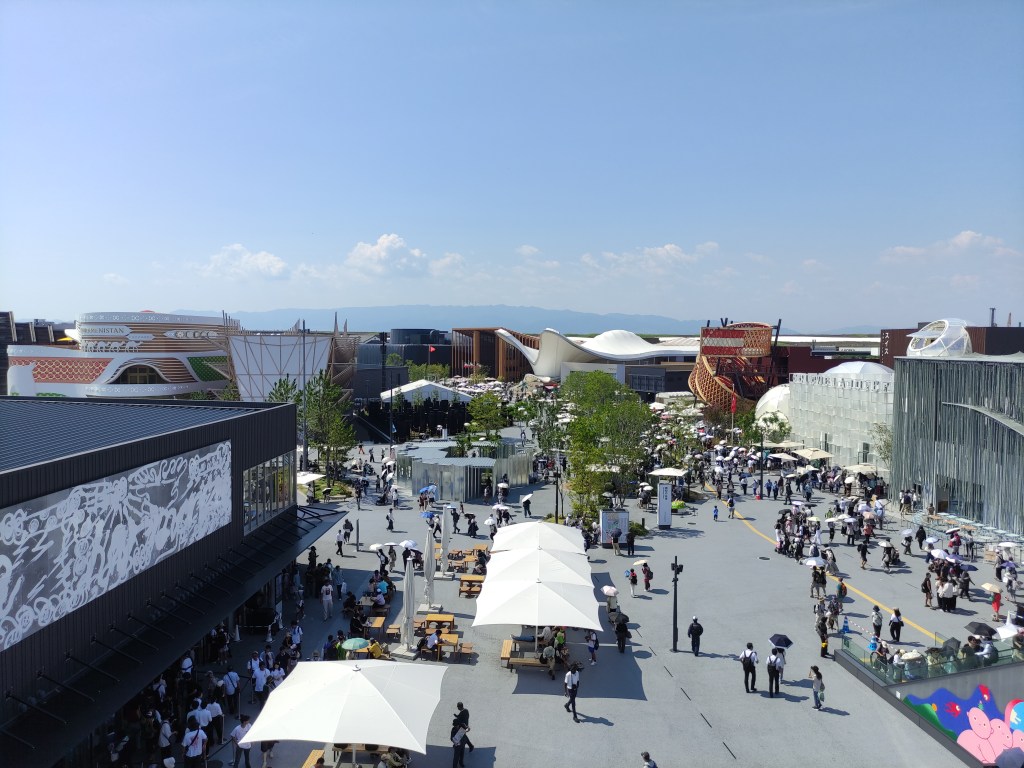
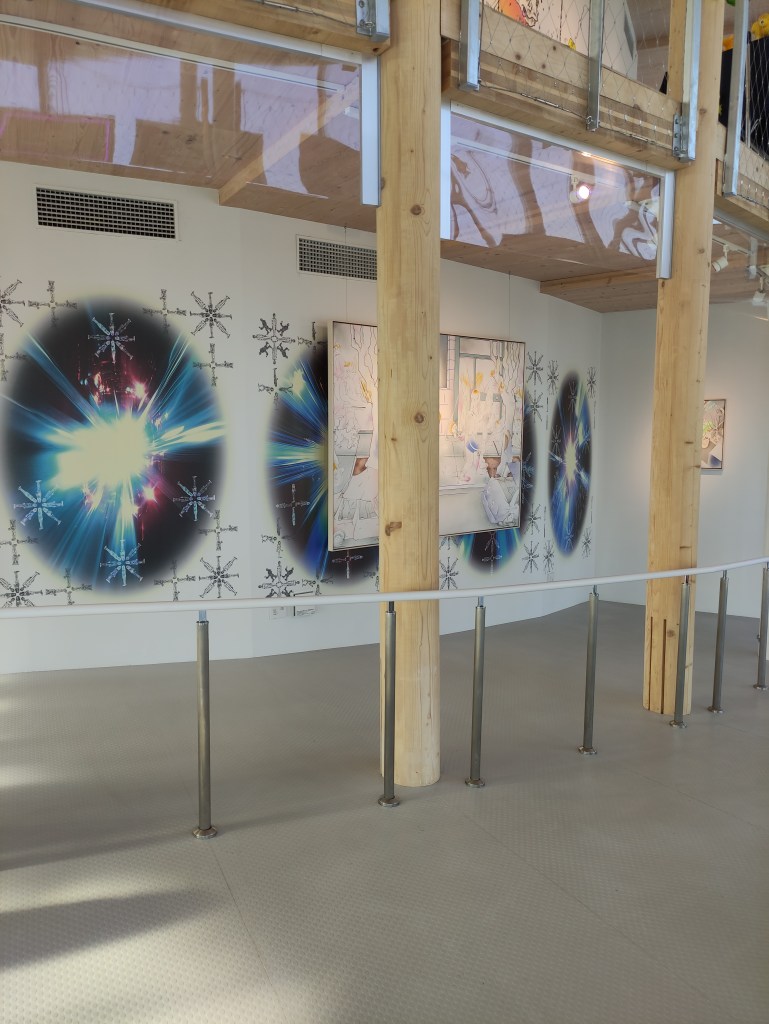
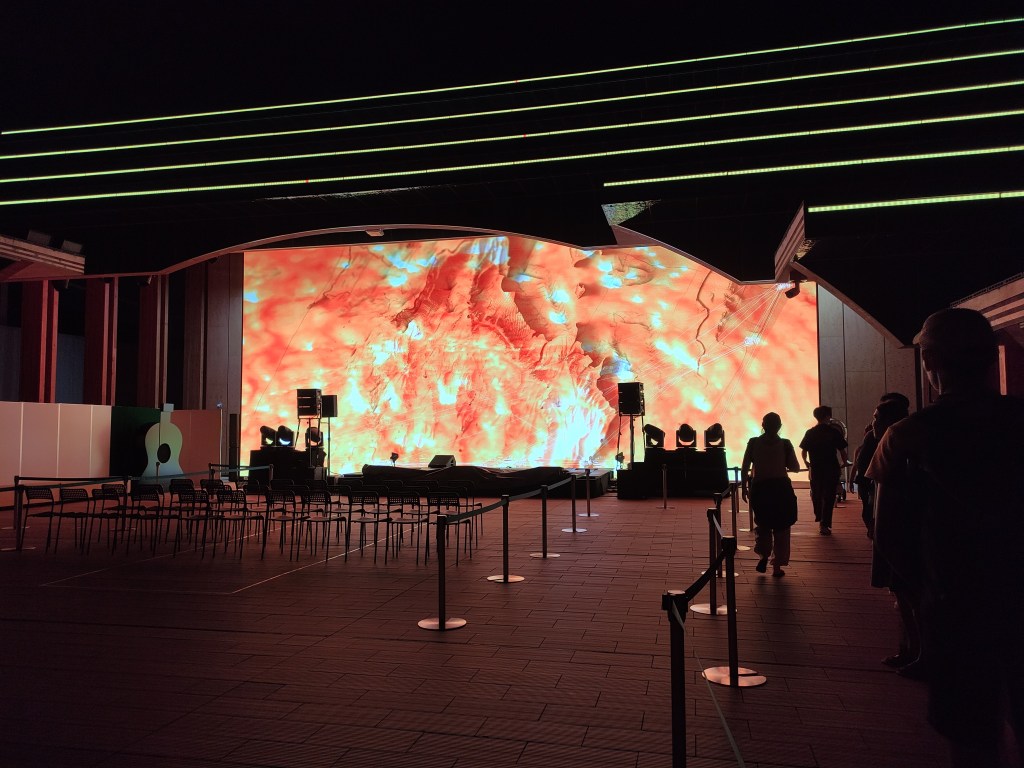
It was a very intense day. Still, we were only capable of seeing a small part of the pavilions of the countries that were there. For some, huge queues and the wait time was even two or three hours!
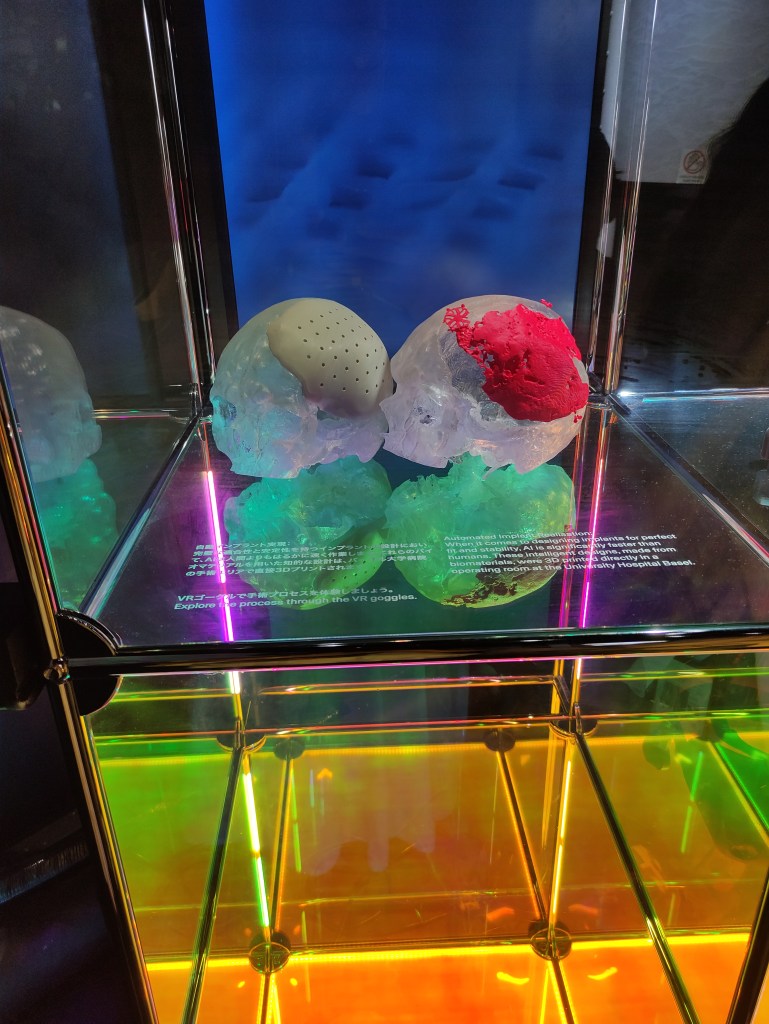
We were both very disappointed with the Swiss pavilion since we expected much more. Although the pavilion had a minimal environmental impact, the net cost to the Swiss Confederation amounted to 13.2 million Swiss francs. Why not show something that highlights the climate situation? Why not focus on the deterioration of environmental protection, the loss of ocean’s life, and the awful microplastics? Why not show the urgency to raise awareness among the world’s population? We need to switch to a plant-based diet. This change favors the reduction of intensive animal’s farming which also relates to the climate problem. In short, something more decisive and powerful than aiming to “Designing future Society for our Lives”. The exhibits on robotics and artificial intelligence, life sciences, education, health, and the environment were not pragmatic, in my opinion. They also lacked clarity.
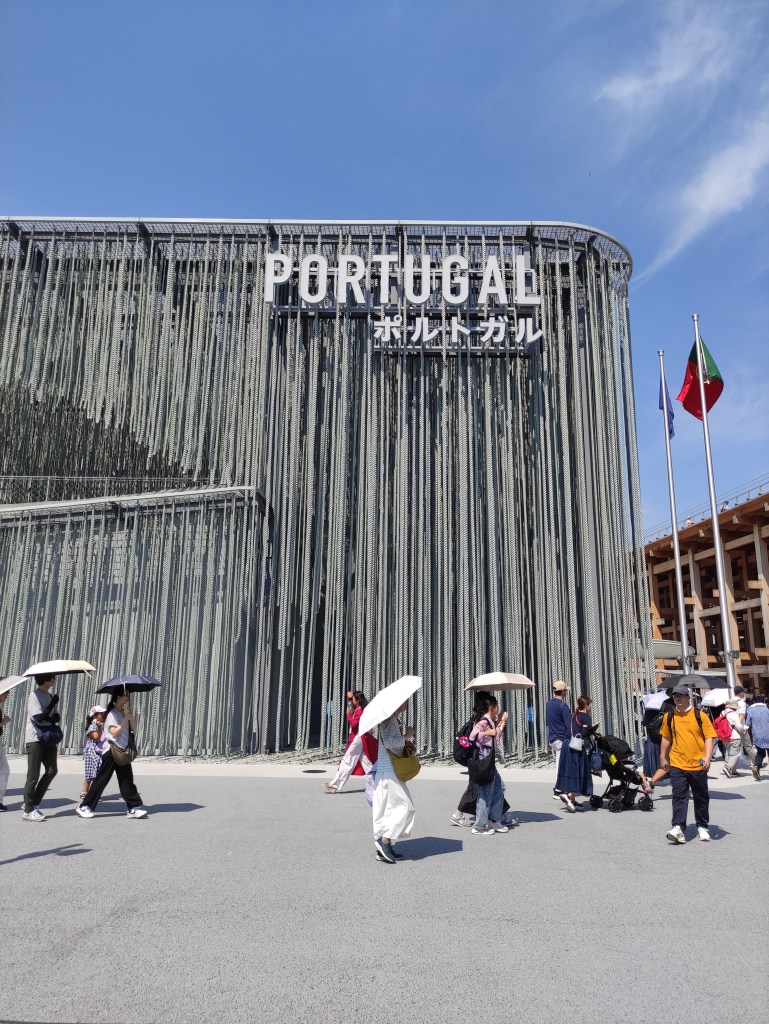
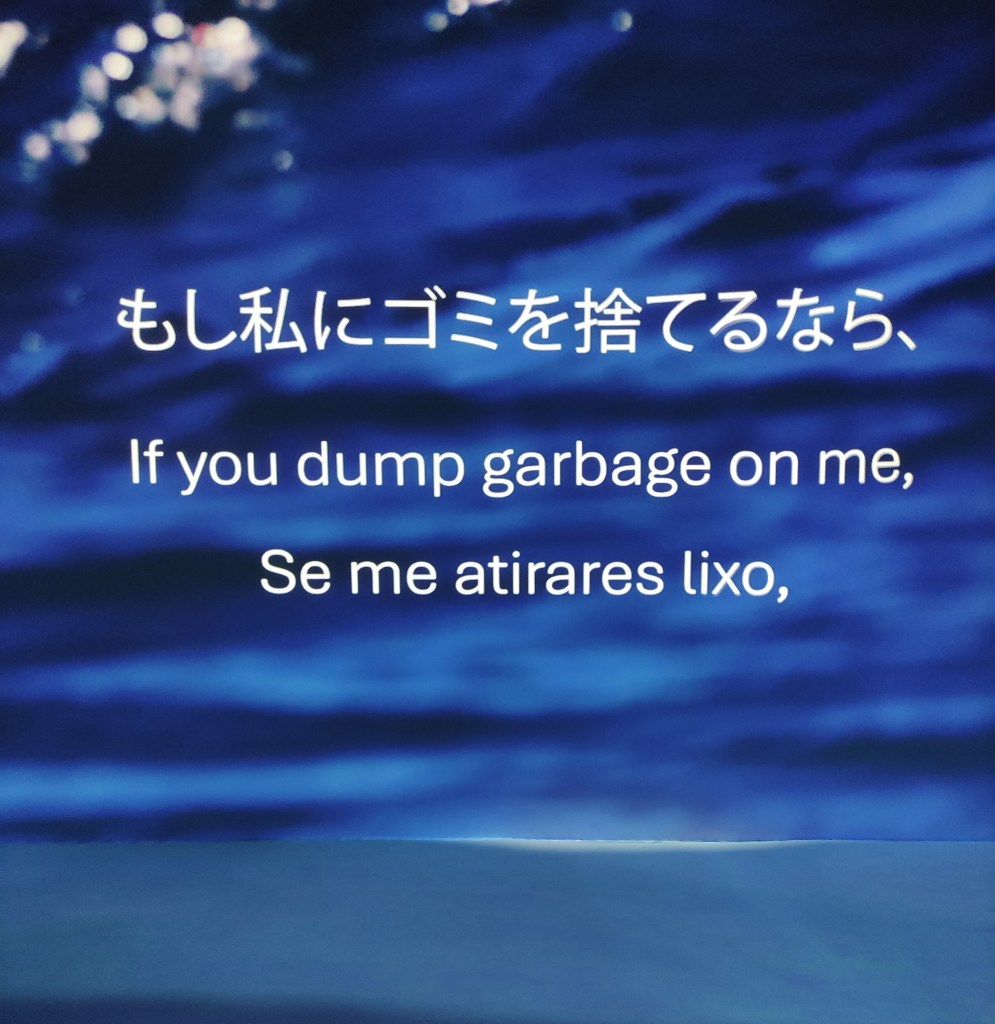
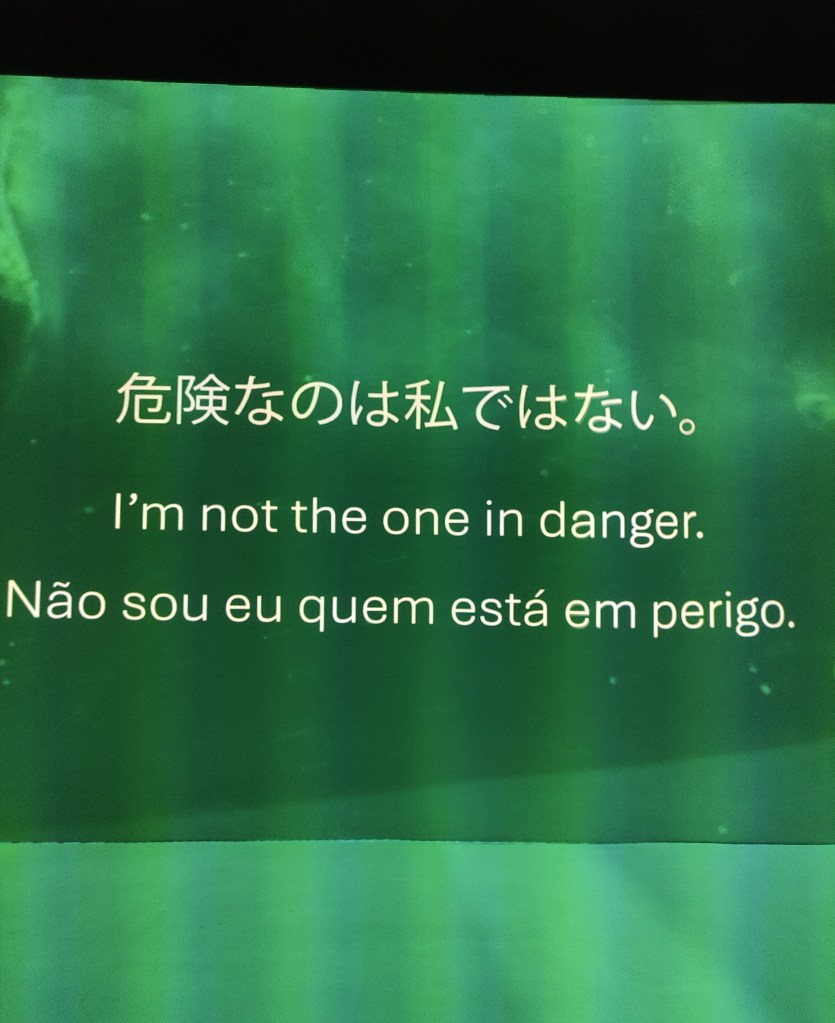
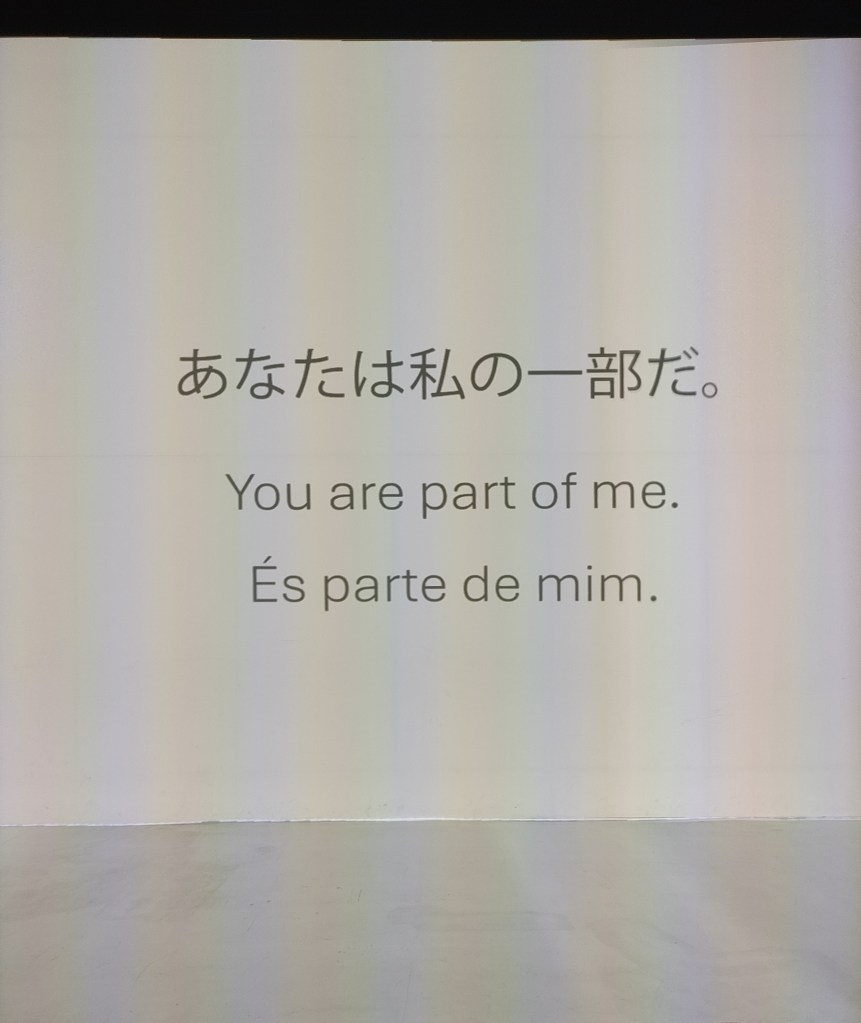
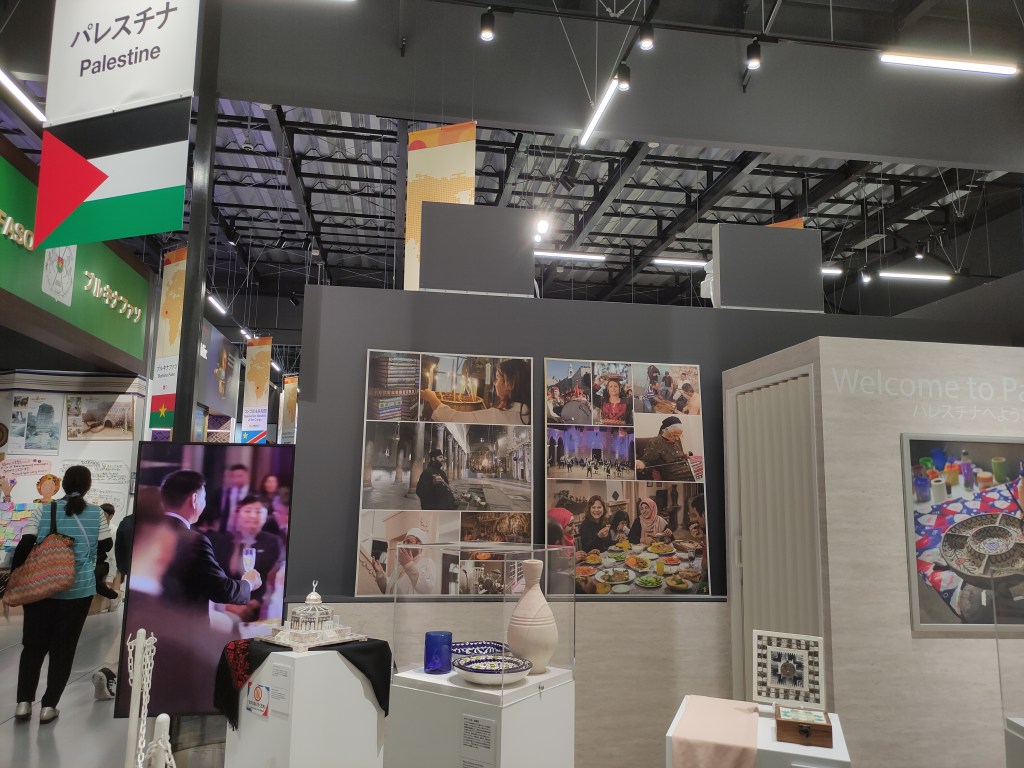
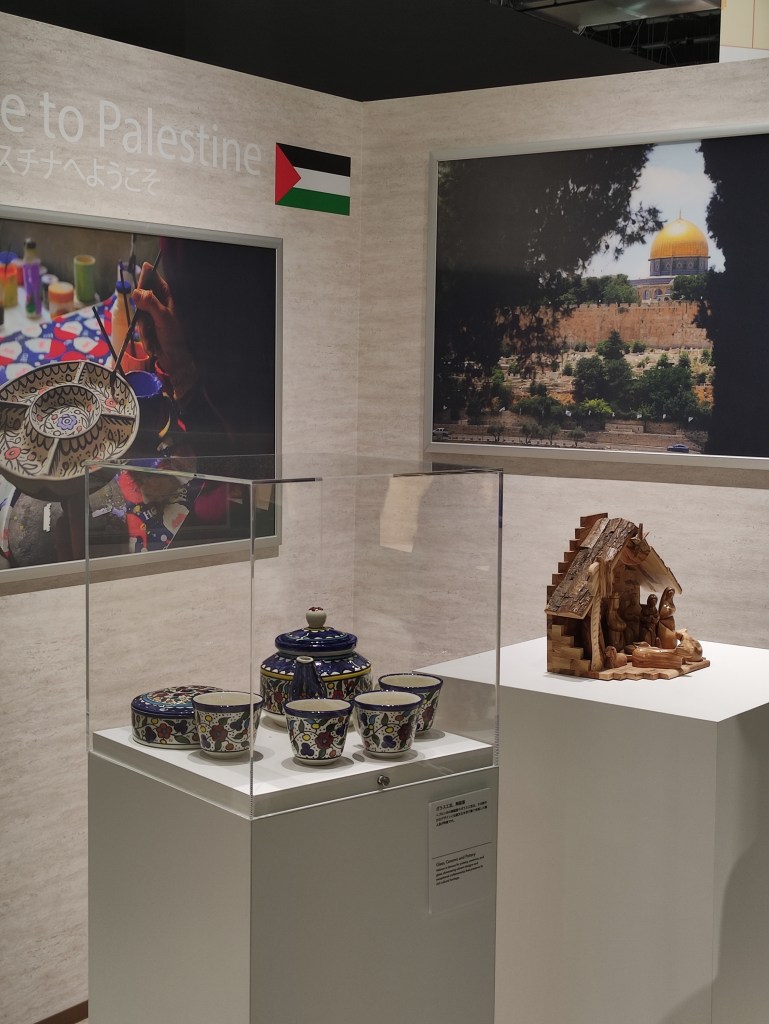
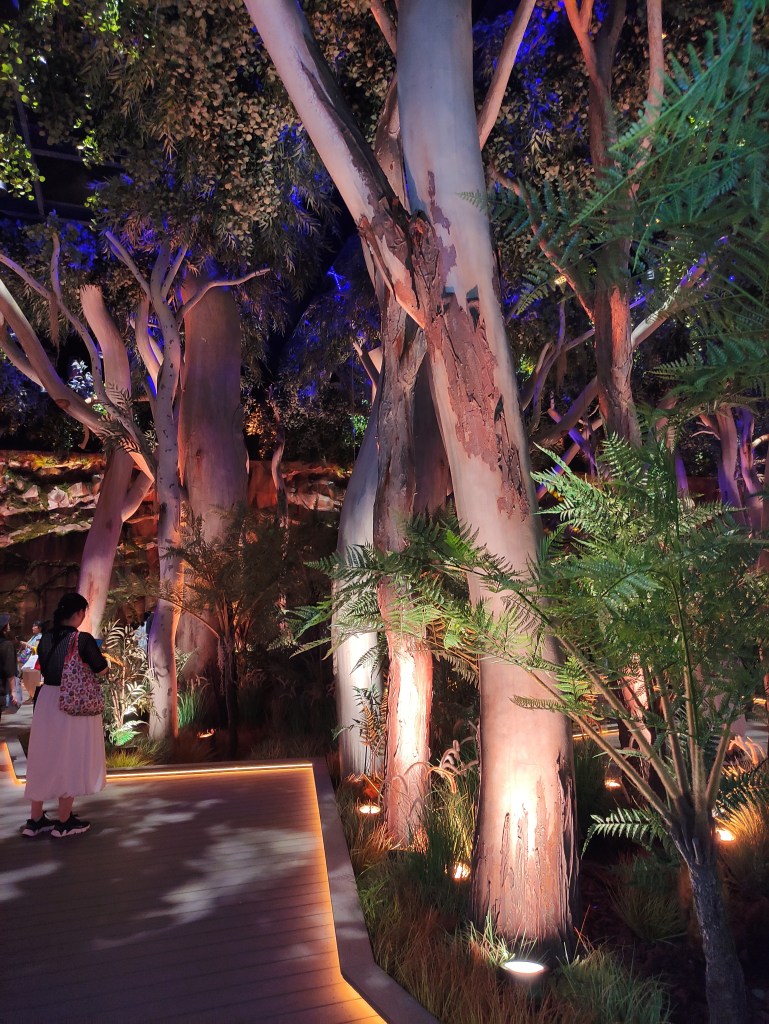
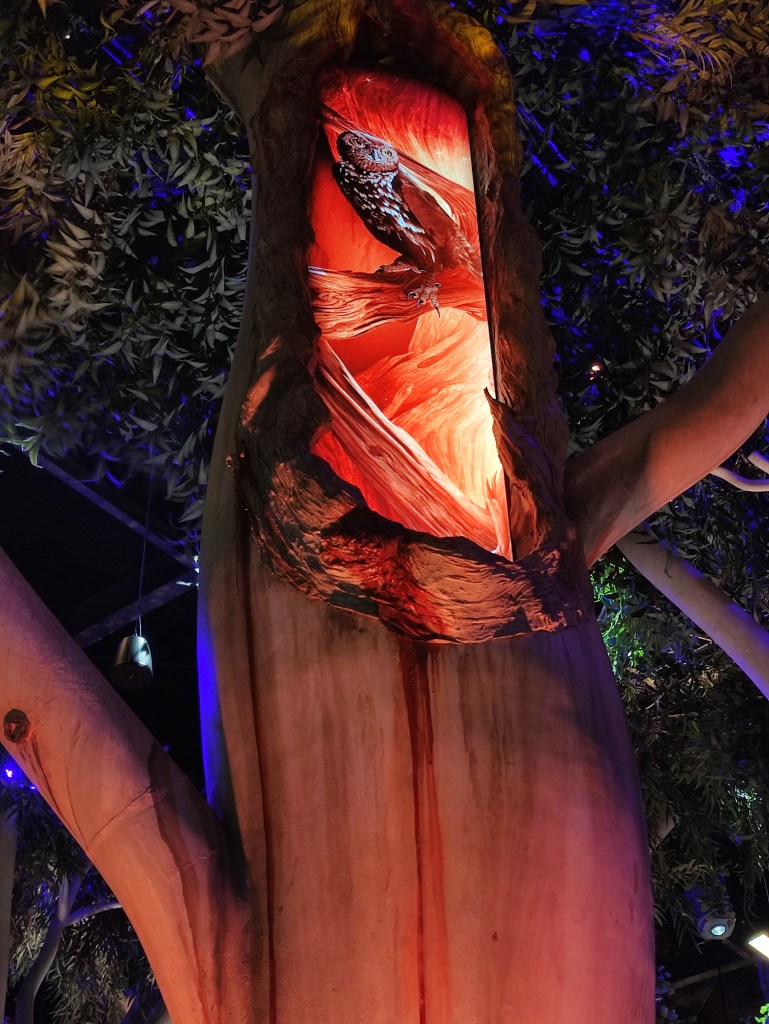
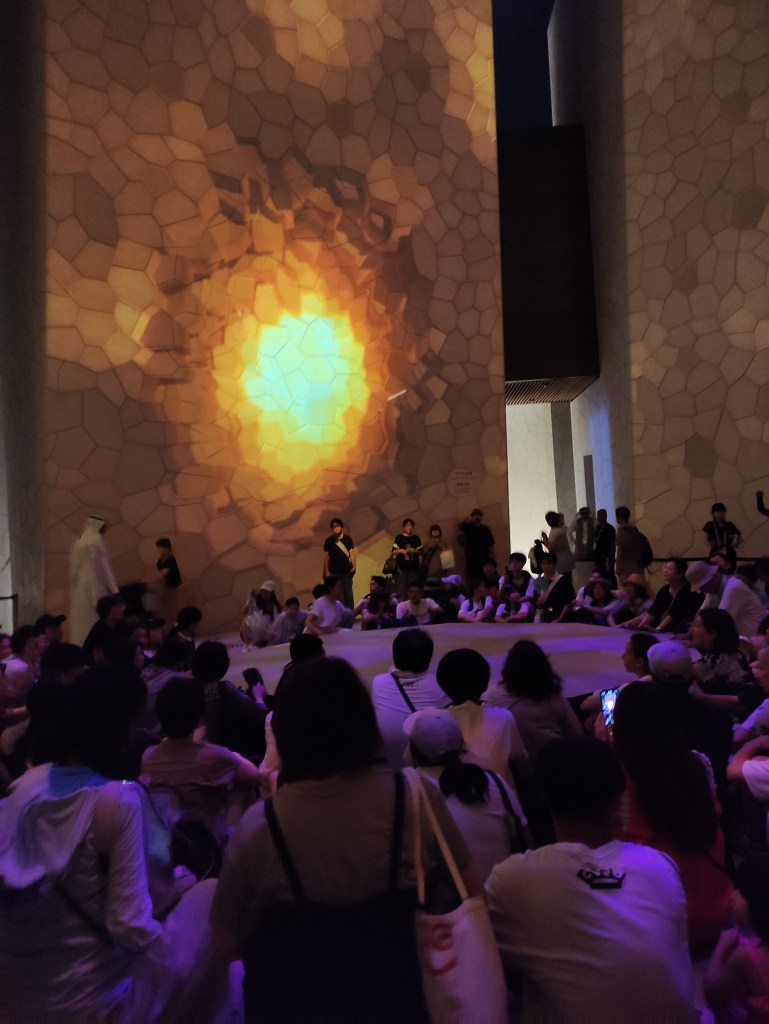
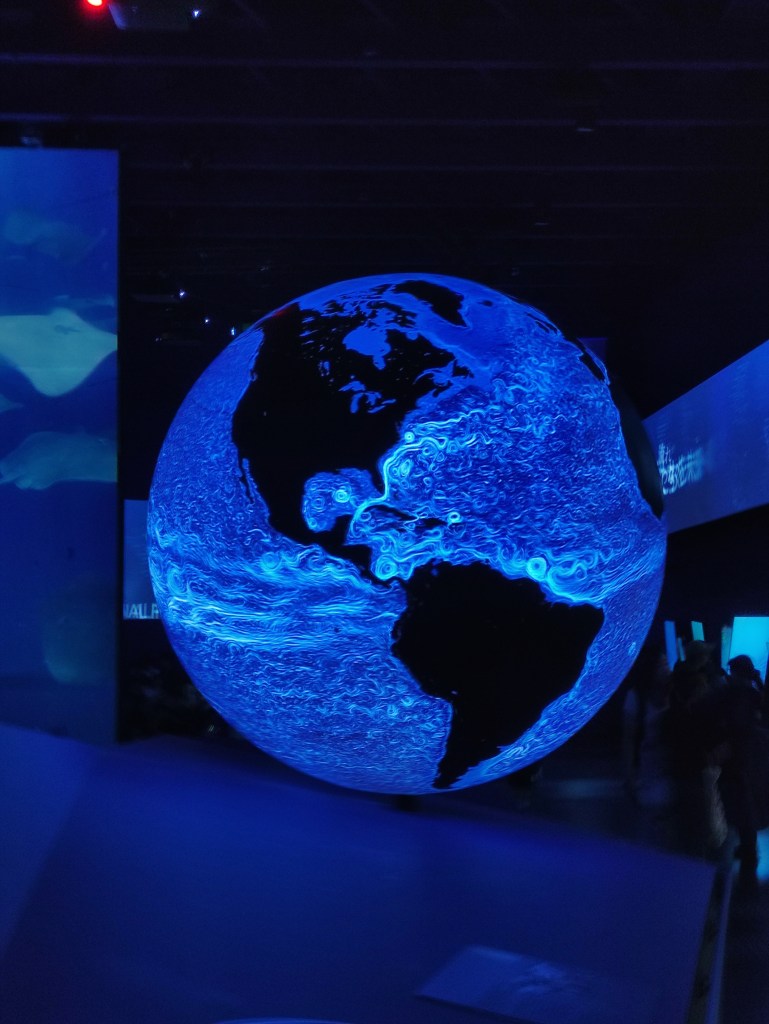
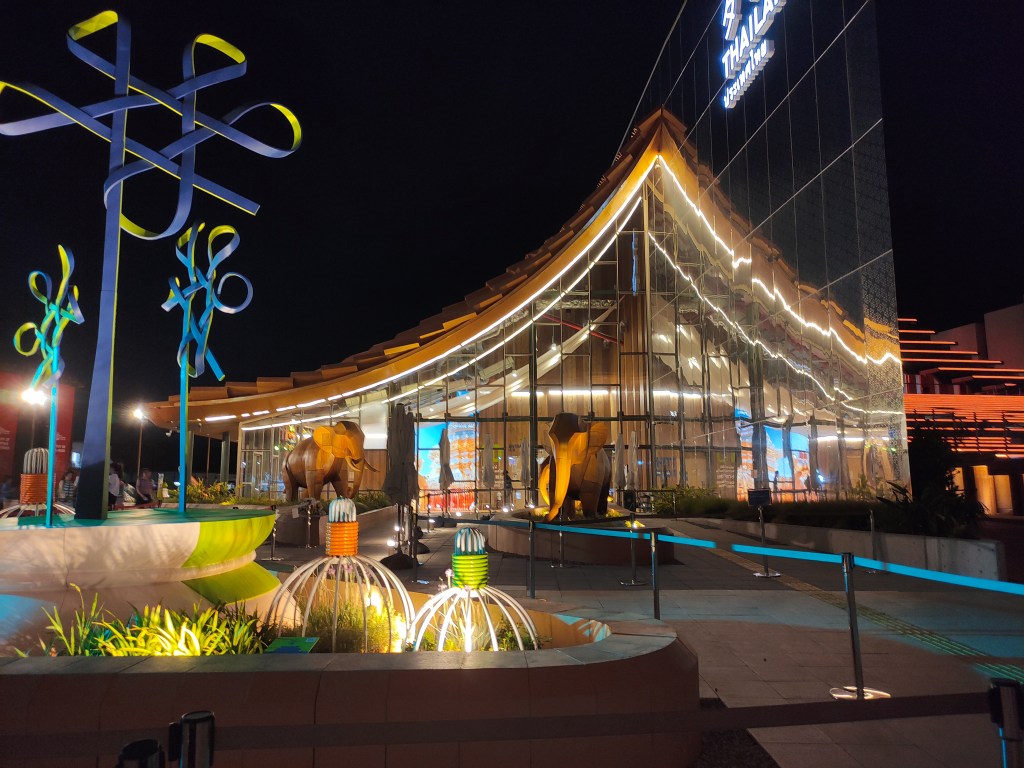
We also saw a few pavilions. Among them, the Portuguese pavilion stood out. It highlighted the theme of the “ocean.” This had a strong impact on visitors. In short, we debate the choices at length, criticizing or praising them depending on our priorities and tastes. And my priority is toward water: rivers, lakes, seas, and, of course, oceans! The Indonesia pavilion was very interesting. I couldn’t tell if the plants on show were actually real since they blended seamlessly with the wooden construction (see video here).
It wasn’t until late afternoon that Sara Luna finally managed to contact me. She did so through dad Massimo who called me since I didn’t have access to WhatsApp. We met up to spend some time together…
When we finally arrived at the hotel, I connected to the Wi-Fi. I was shocked when I read the tsunami warning on the screen. A powerful 8.8-magnitude earthquake had struck Kamchatka, off the eastern coast of Russia, triggering a tsunami that also struck Japan. My mind raced: what happened if the people at the ESPO had panicked? Fortunately, nothing happened, but between the past light earthquakes and this event, I realized that Japan is a “high-risk” nation.















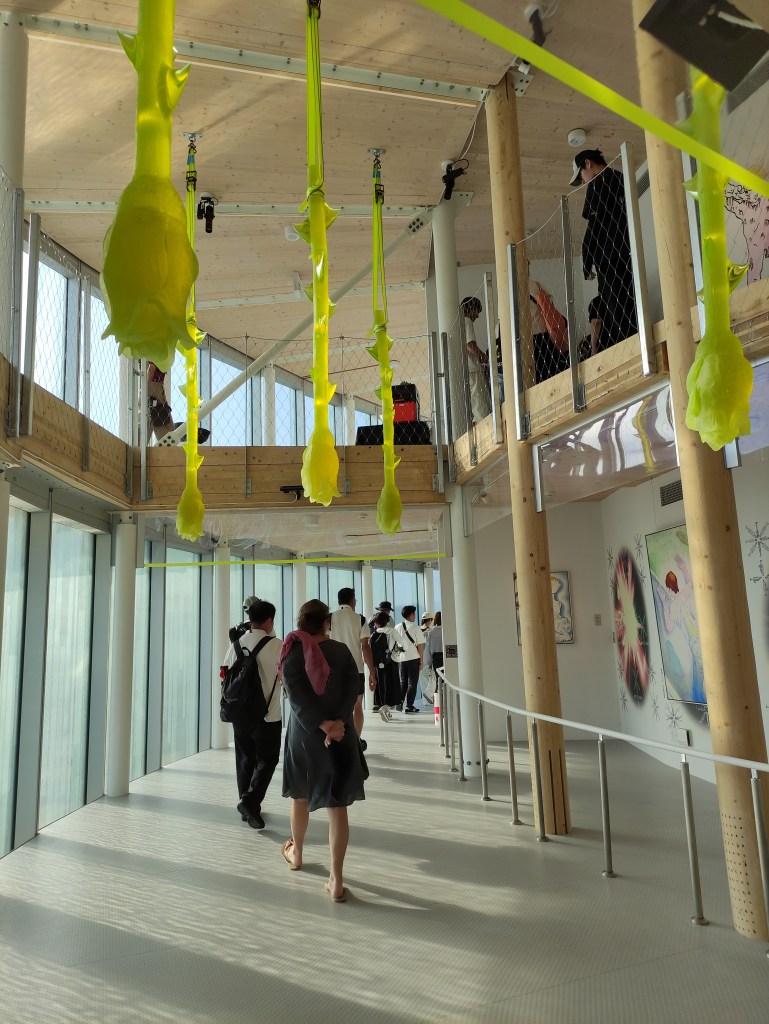
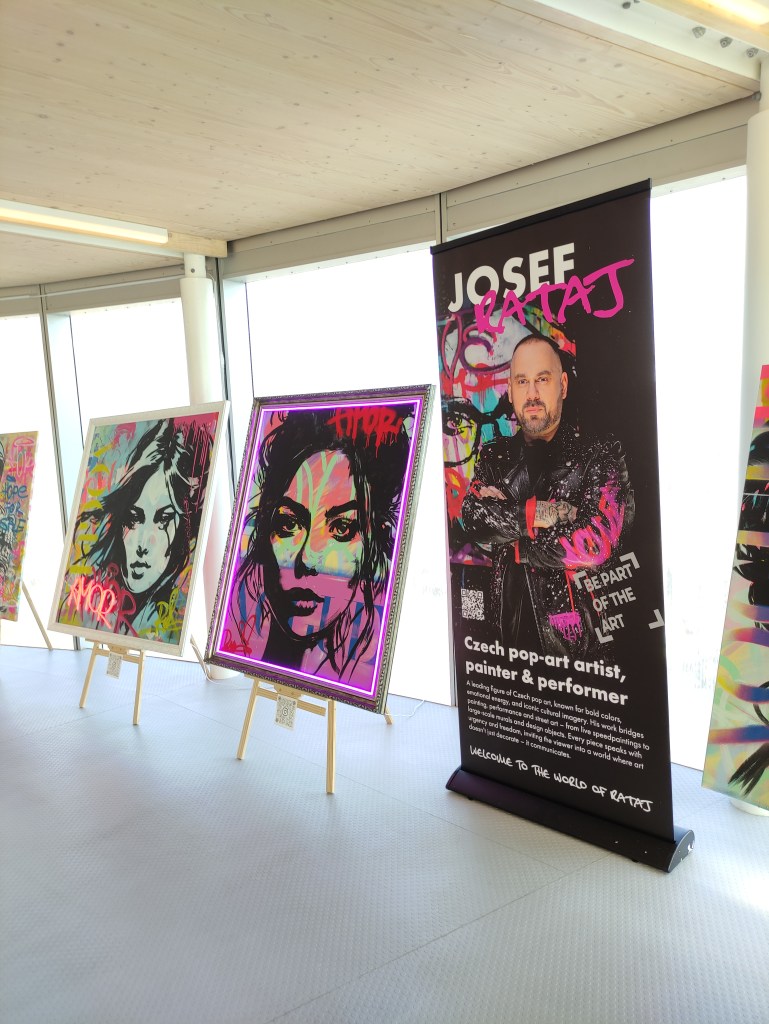
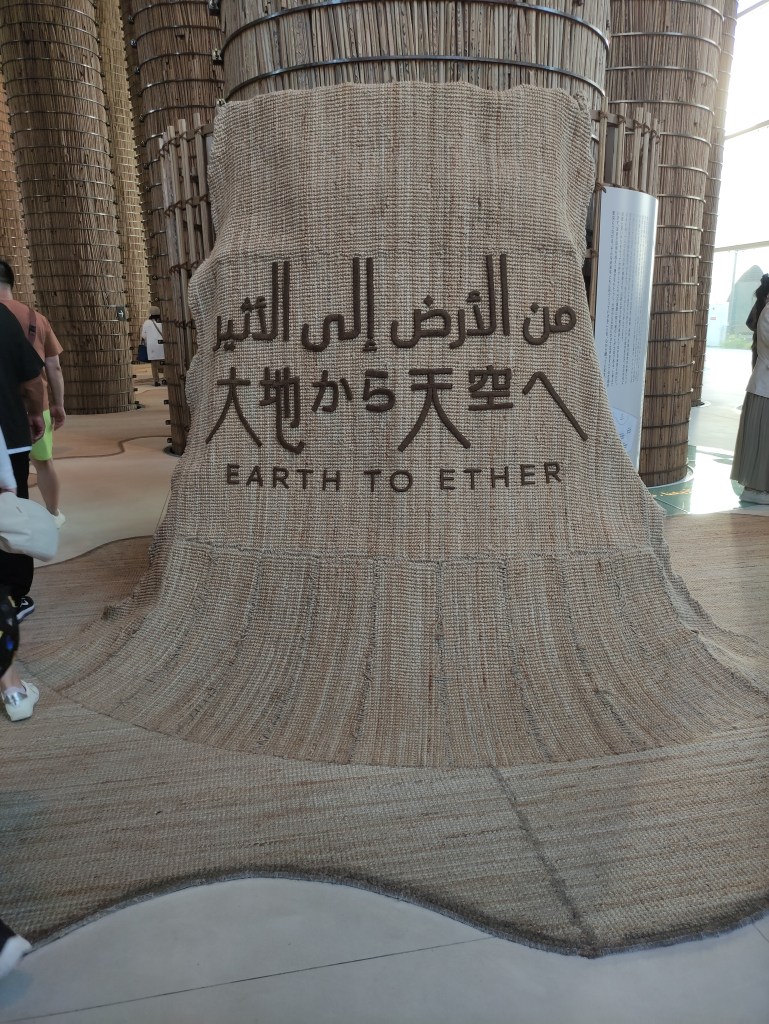









Thursday July 31st
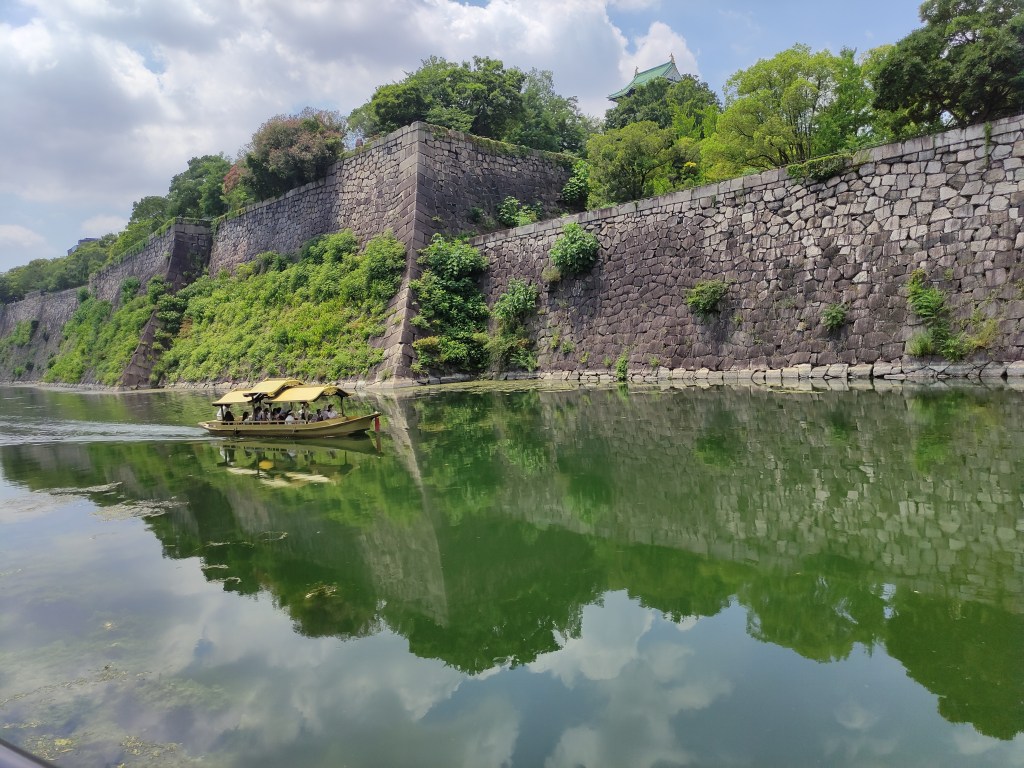
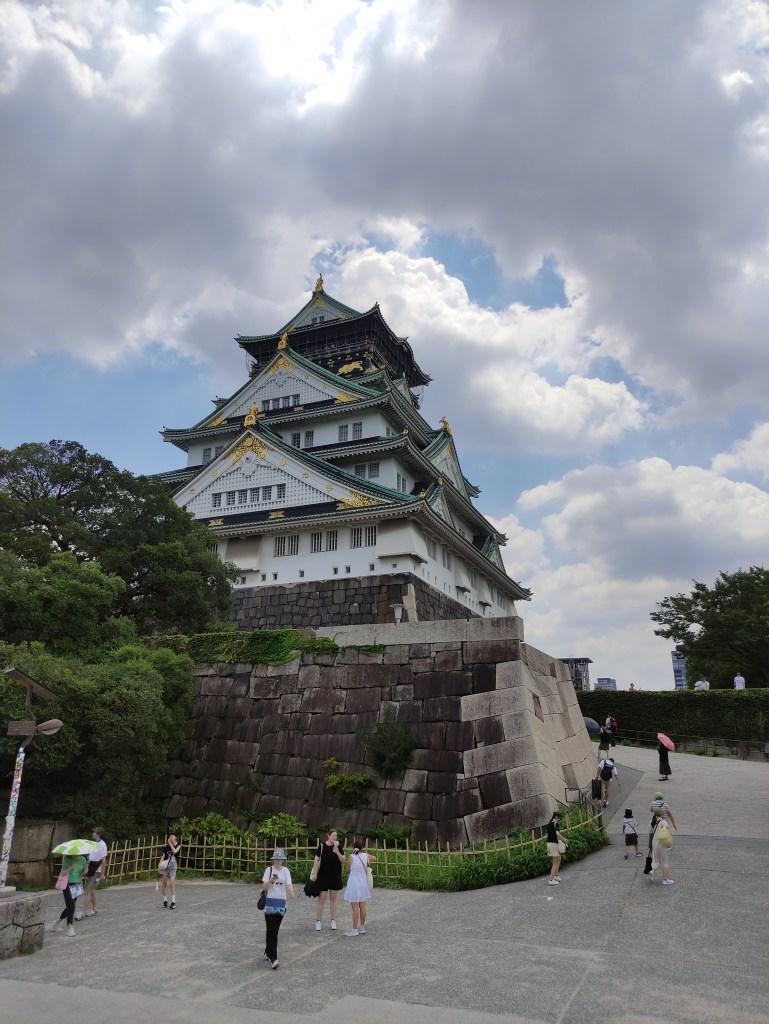
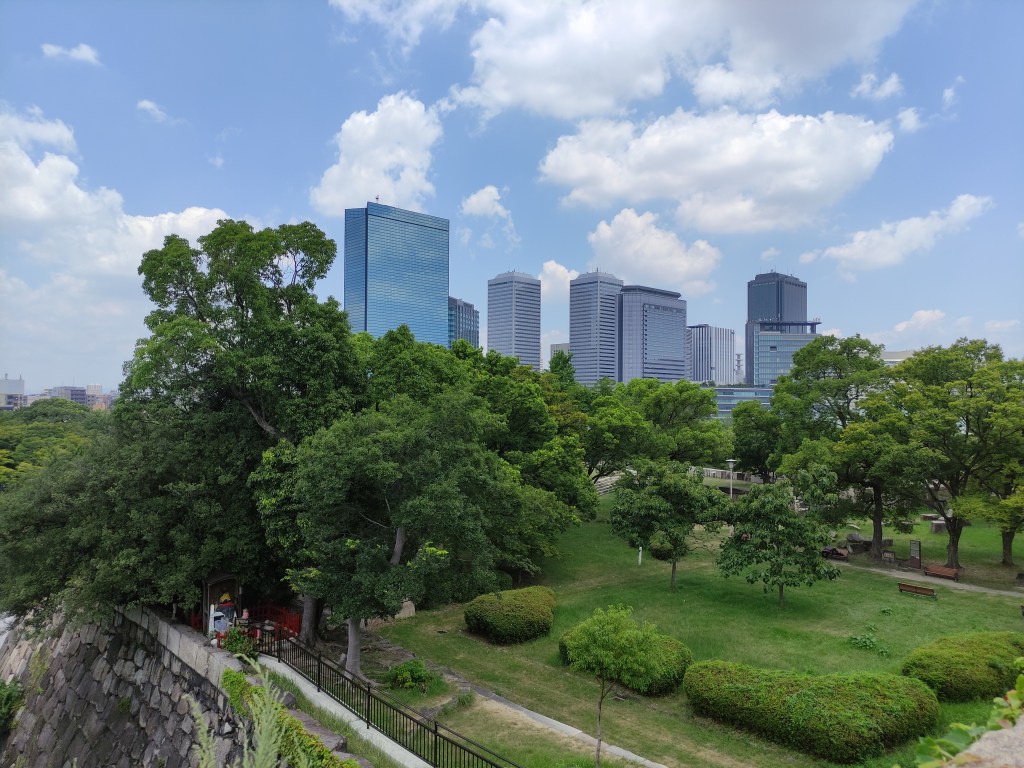
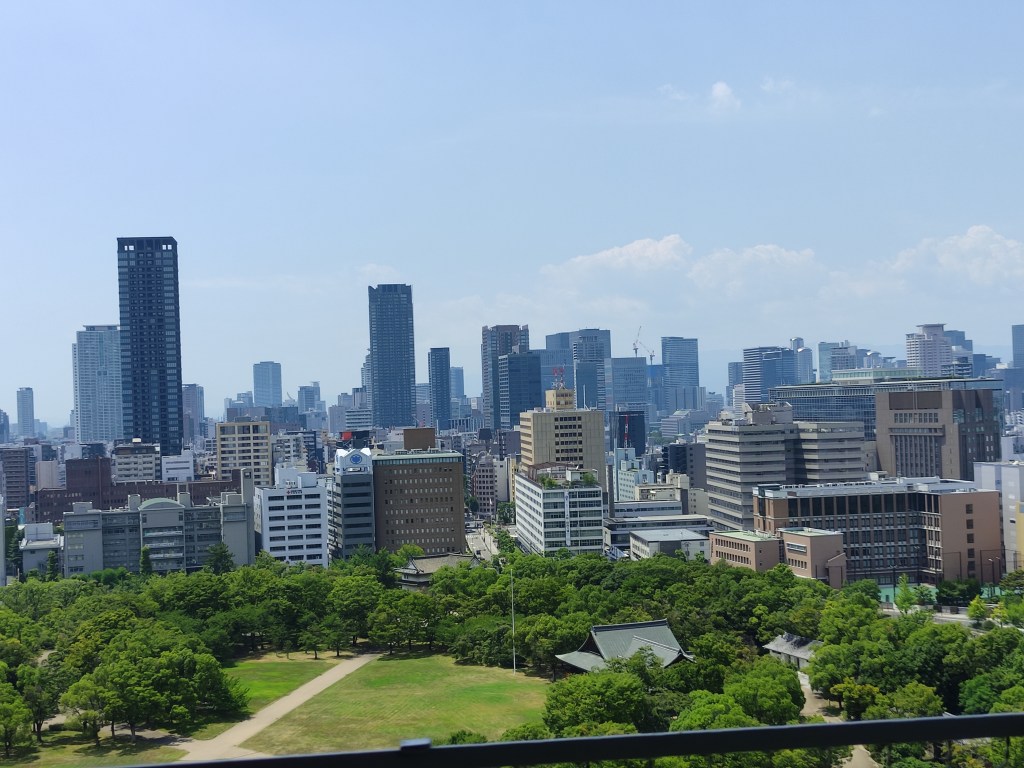
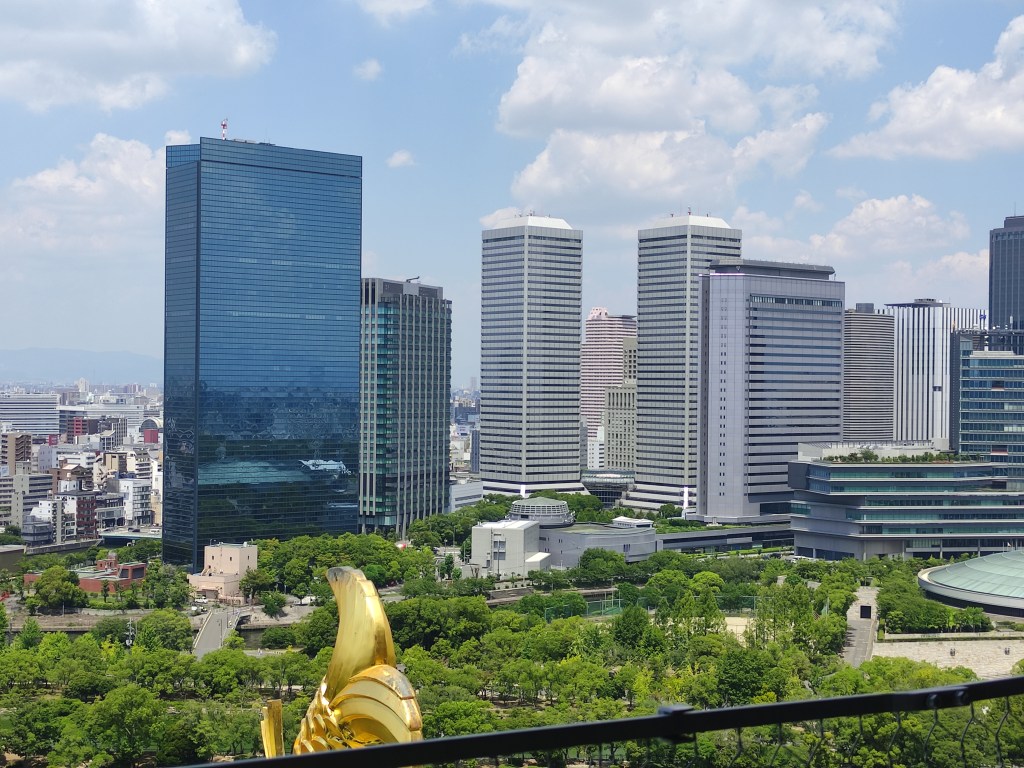
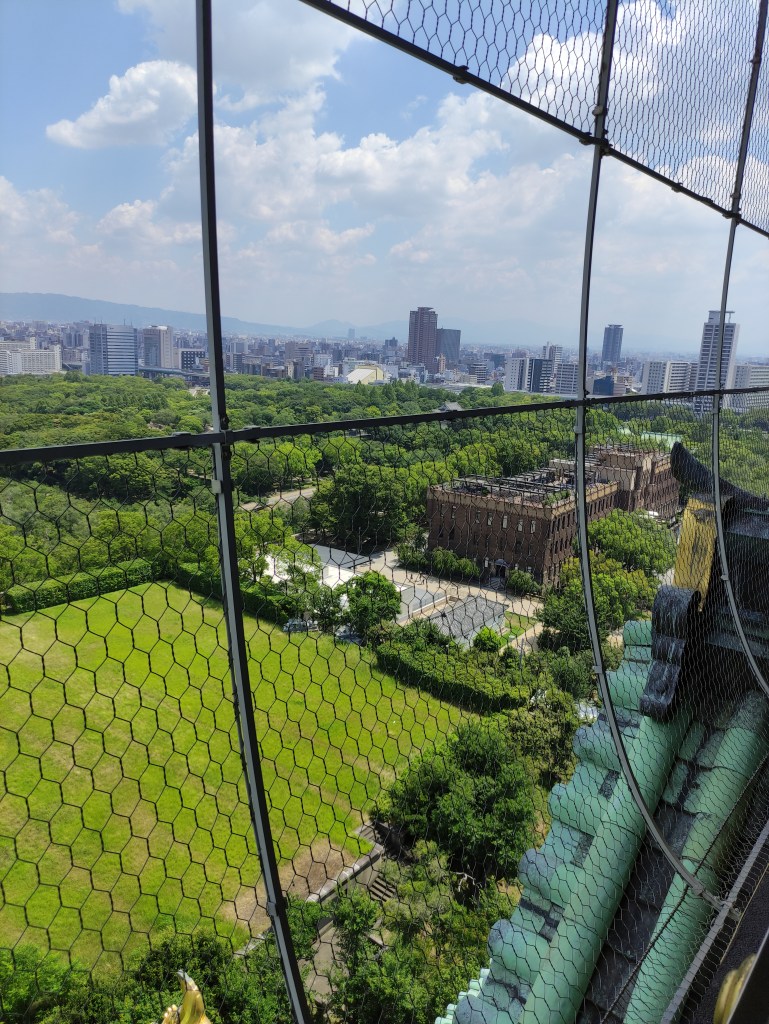
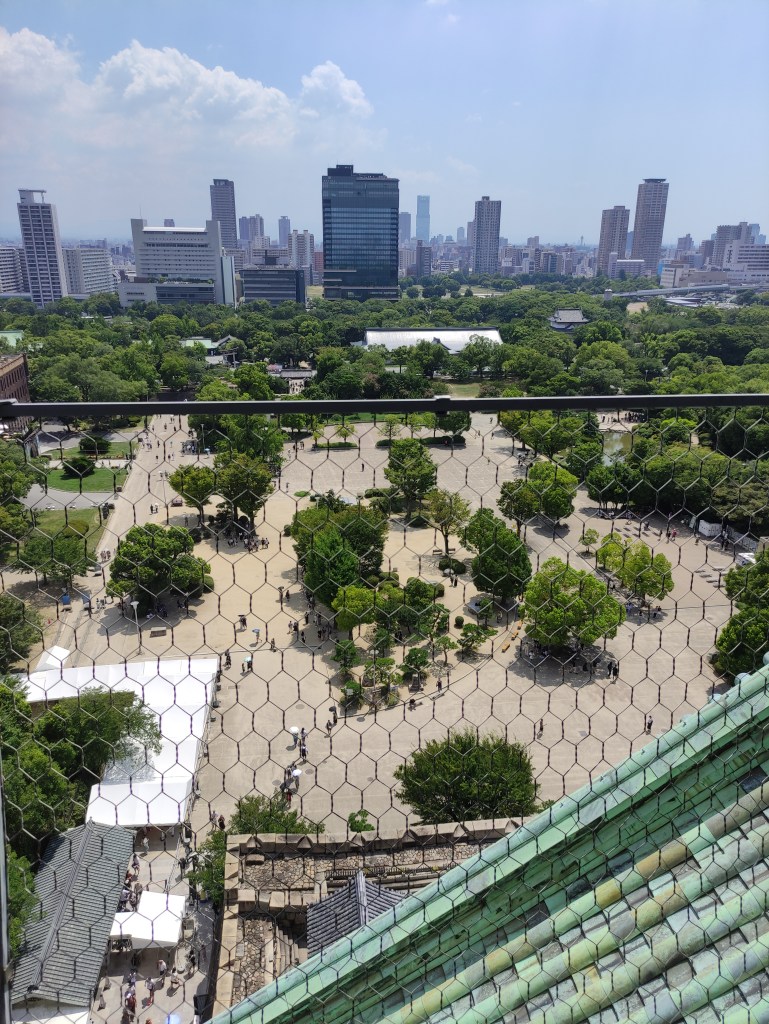
We visited Osaka Castle, always under a scorching sun and requiring liters and liters of fluids. The construction of the castle began in 1583 on the former site of the Ishiyama Honganji Temple. Toyotomi Hideyoshi, a military leader who in the 16th century intended the castle to become the center of a new unified Japan under his rule. It was the largest castle at the time. From one of its highest terraces, there was a beautiful view of the entire city.
Surrounding the castle is a magnificent 2-square-kilometer park. In spring, the sakura season rewards the eyes with a pink sea of cherry blossoms.
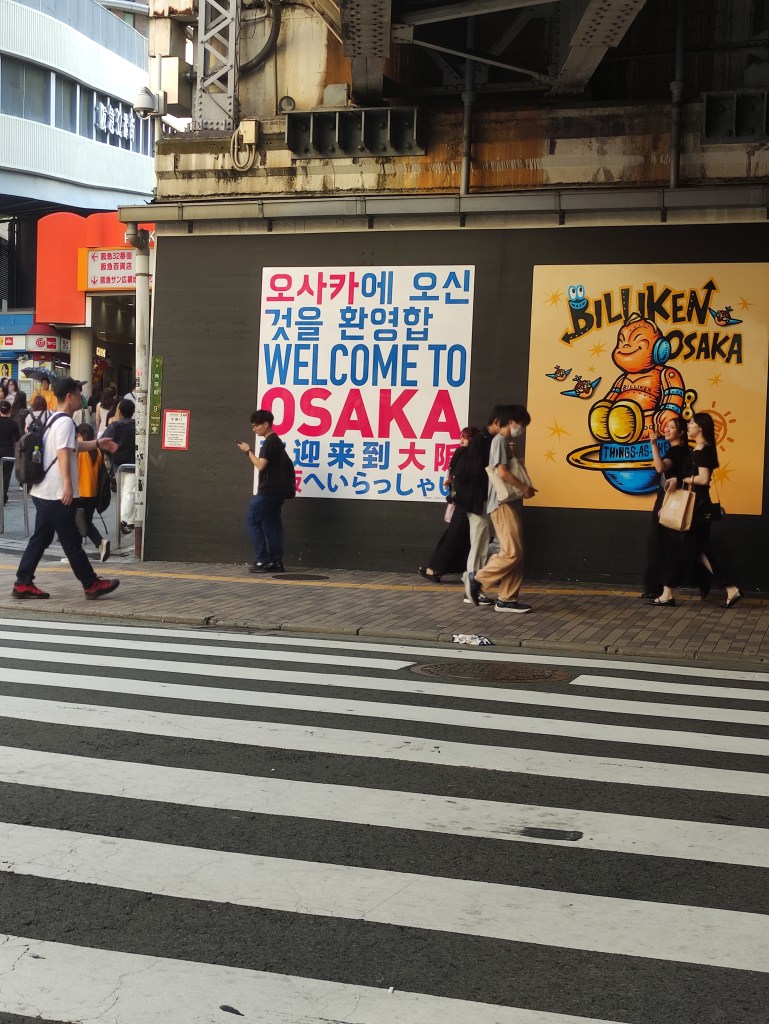
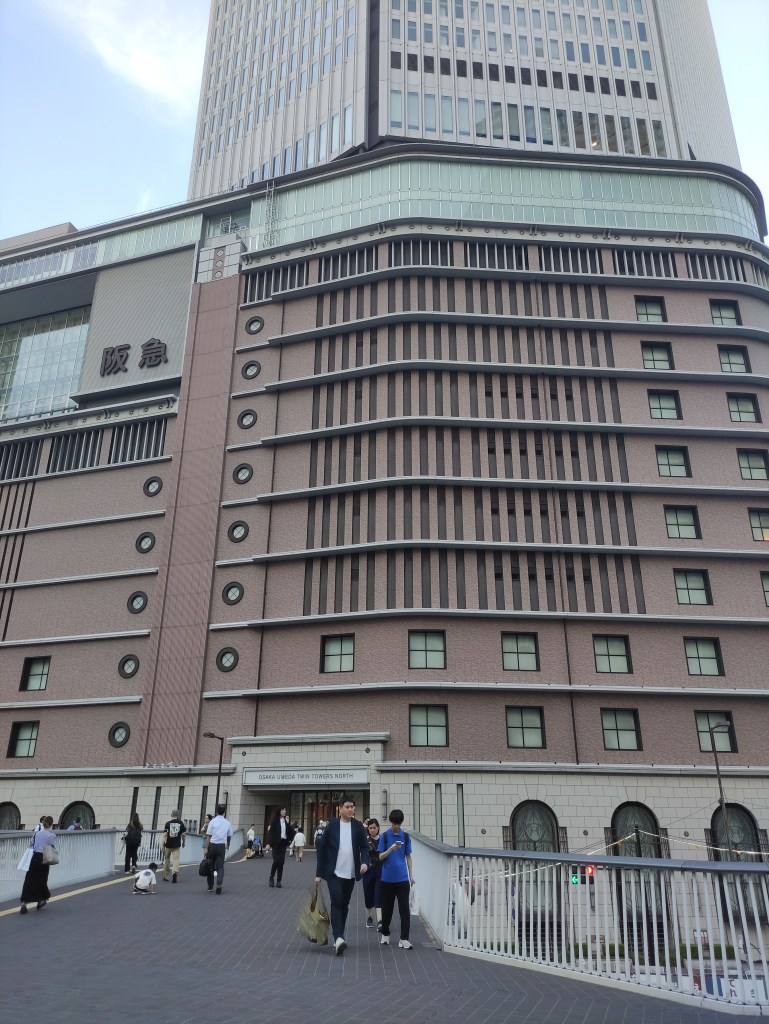
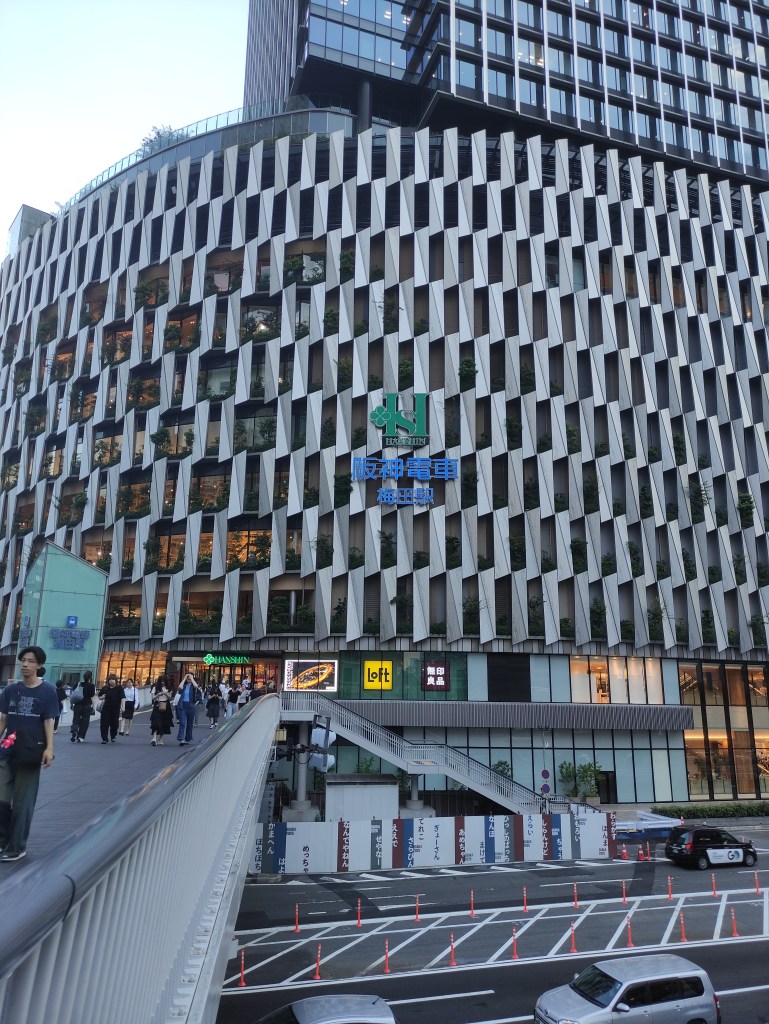
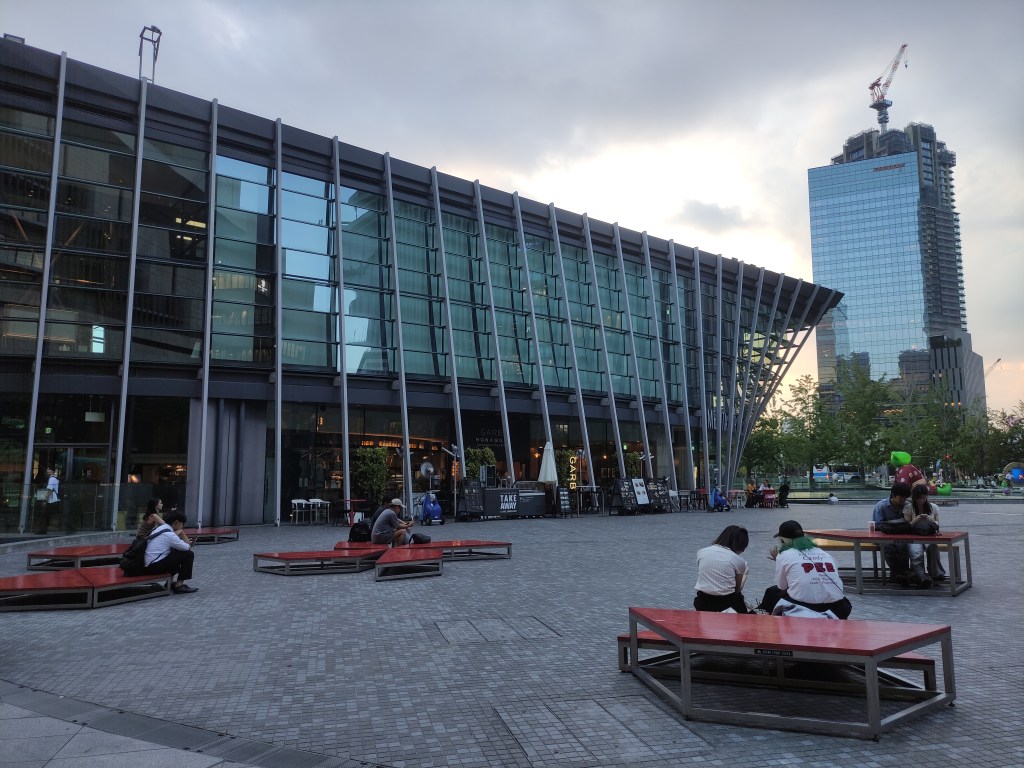
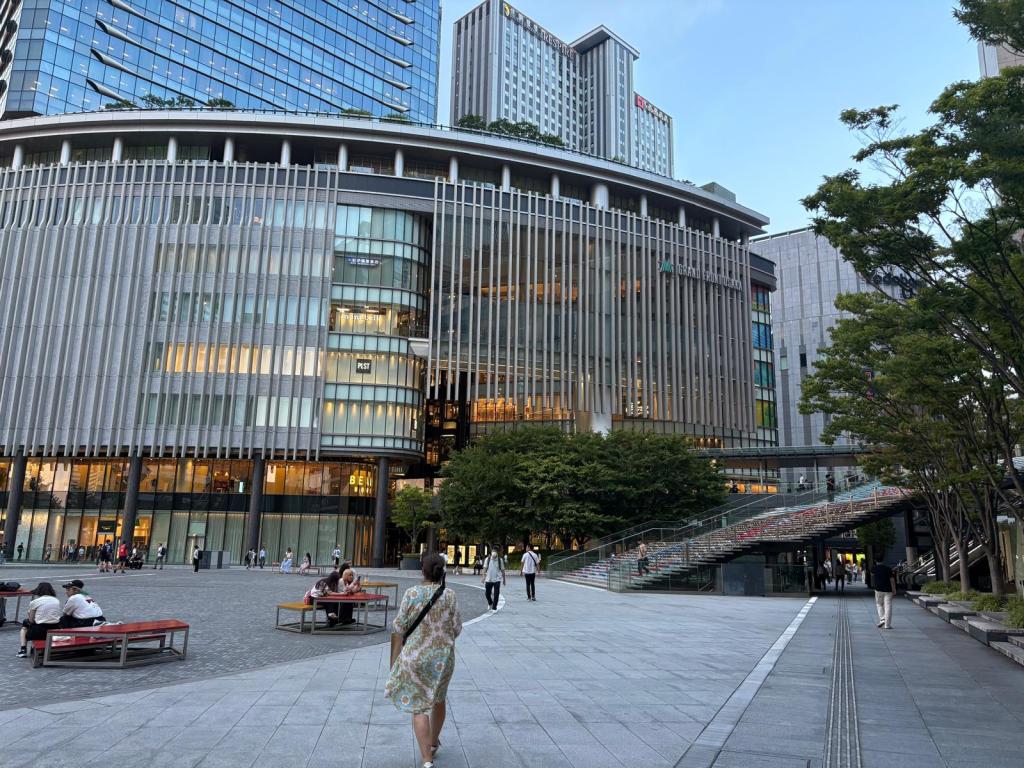
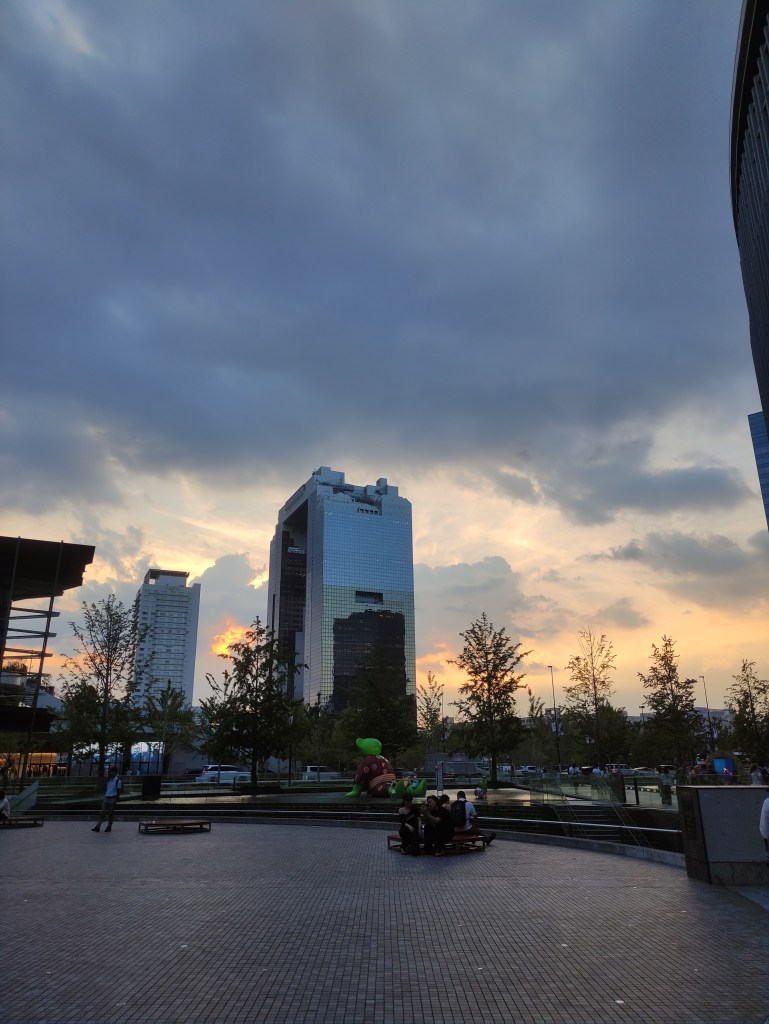
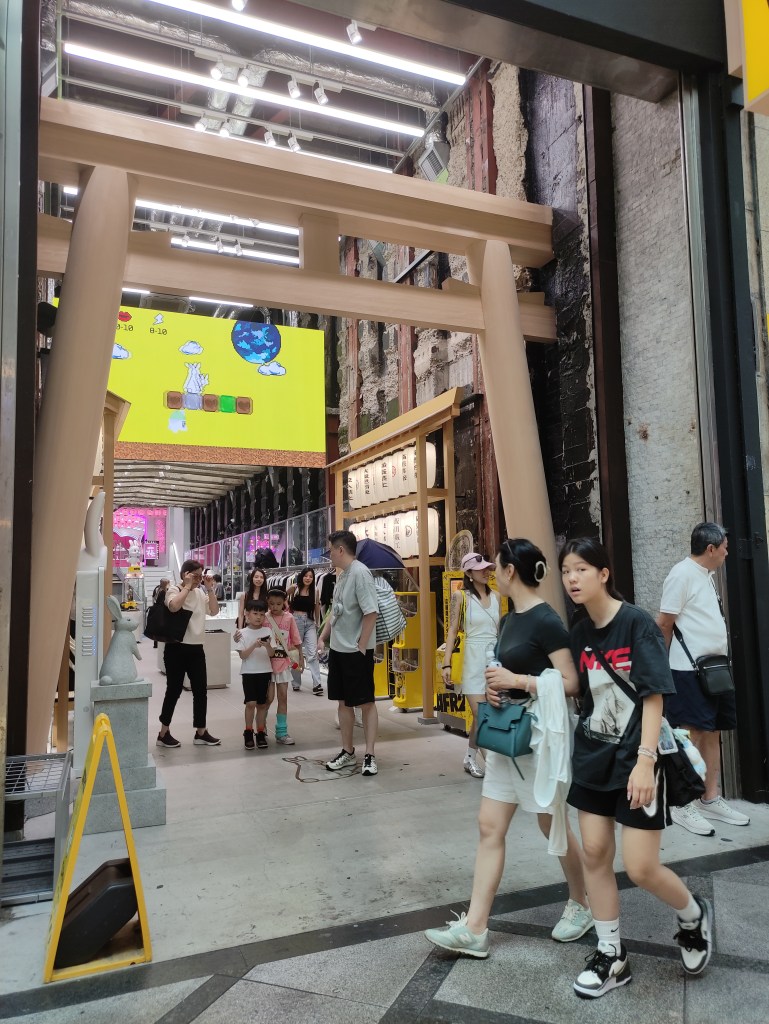
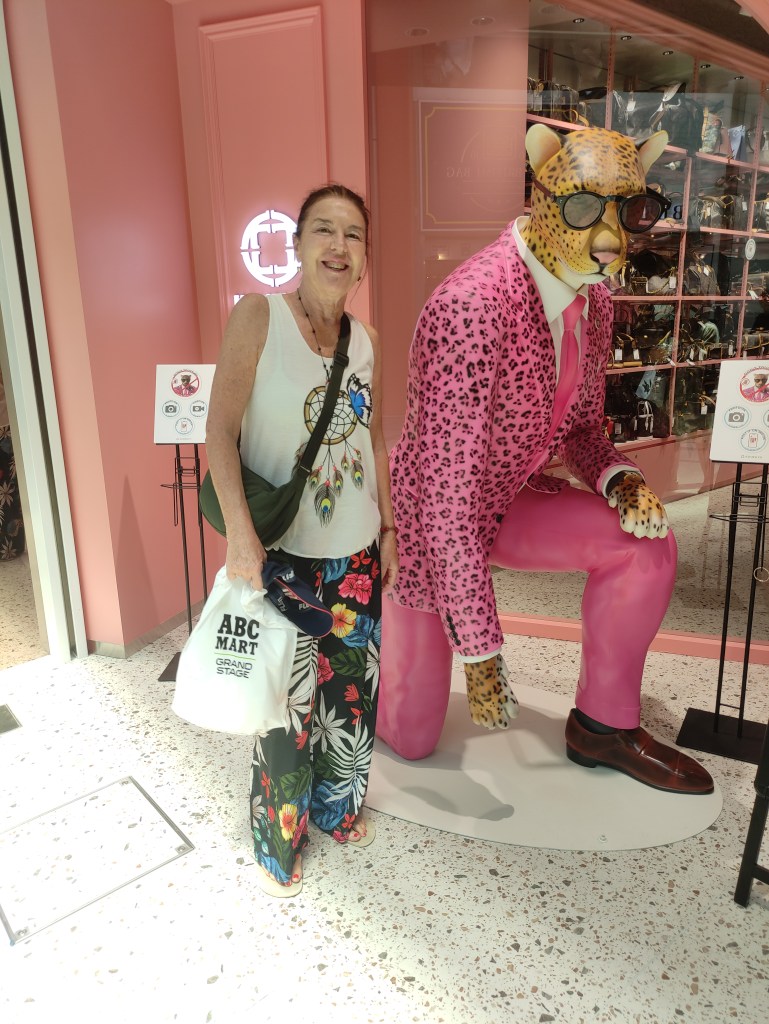
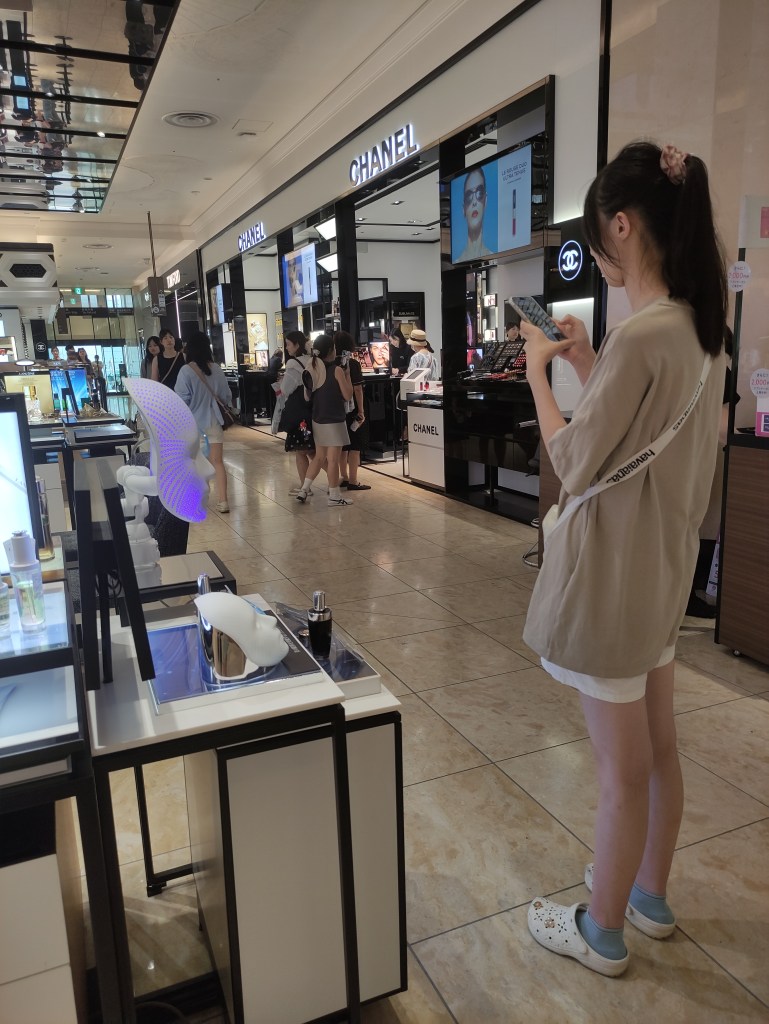
In the afternoon, we did our first round of shopping. The large, trendy shops are every bit as impressive as those on 5th Ave. in NYC, Rodeo Drive in Hollywood, or the Champs-Élysées in Paris. Shinsaibashi and Namba are veritable paradises for those who go crazy for shopping. That wasn’t our case, considering the exorbitant prices in some boutiques.










Friday 1st August
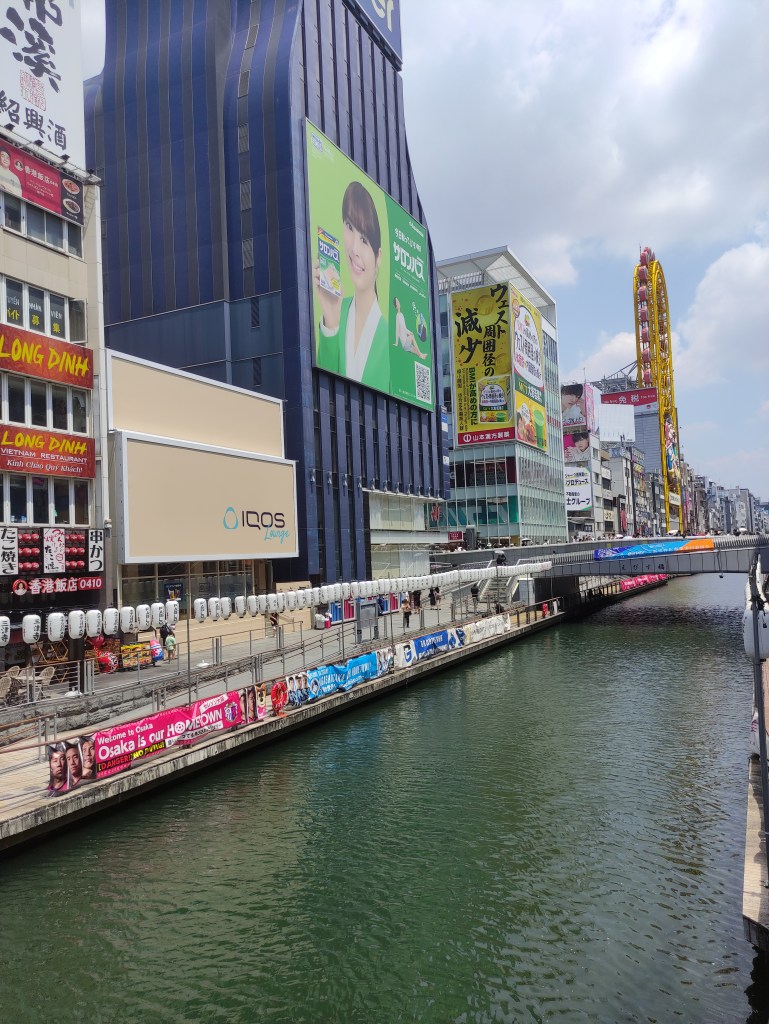
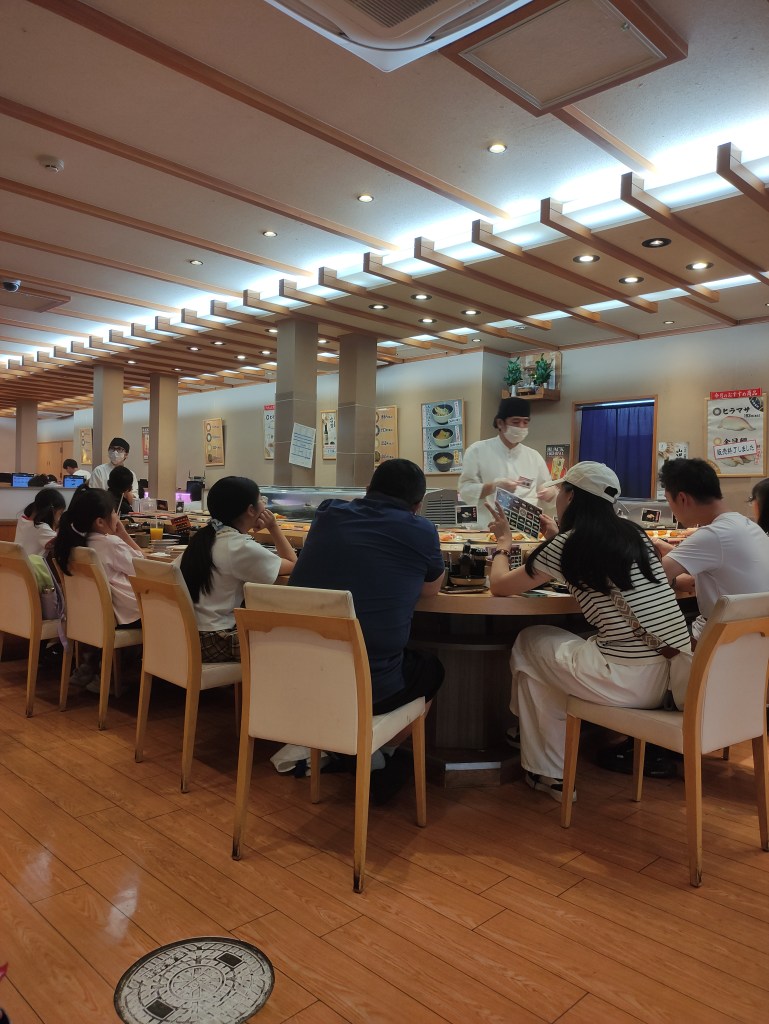
Our last day… we took it easy. After the usual cappuccino at Starbucks and croissant (purchased at a nearby bakery/pastry shop), we were back on track. This time we headed to Dōtonbori Street, a historic canal area known for its theaters, restaurants, and illuminated signboards. But actually we were looking for shops. So we literally got lost in the countless narrow streets that became a veritable labyrinth. Being a duty-free paradise if you have a foreign passport, goods are attractively priced thanks to the very weak yen. Unfortunately, wandering in and out of shops where the air conditioning is turned at the maximum is quite tiring, not to mention the pain in our feet. We returned to the hotel after dinner at a sushi bar that even had vegan options! The next day we had our return flight, and we had to get up at 5:00 a.m.



 Claudine Giovannoni