

Even as a child, every time I looked at the sea, I was fascinated by its immensity. The large waves, restless and sometimes violent, moved the sand on the shore beneath my feet. The footprints I left were ephemeral, nothing remained intact, not even the shapes I drew with a stick. I also loved its intense smell of salt, which left a trace like a whitish caress on my skin. I always wanted to dive in, but I was held back by the fear of its depth, which I imagined was inhabited by mysterious and powerful creatures.
As the years passed, attraction turned into seduction. I wanted to sail that ocean. I dreamed of a sailboat big enough to take on the waves and fly over them. I had to learn everything about the winds and their strength, about marine coordinates and the small islands I would find along the way. In the books I started writing, there was always a sailboat ready to set sail with the protagonists of my novels.
But then I sailed through the ether, above the oceans. For many years, the dream remained vivid: while from the cockpit of huge jets, from over ten thousand meters, I observed those blue expanses below me.
I was content to watch films of the wonderful creatures that lived in the oceans, and while traveling between continents, I discovered dream beaches with crystal clear waters. Through tears of emotion, in Boston and Anchorage, during my rotations, I saw whales and dolphins, while in the tropical seas I observed fish and multicolored corals that took my breath away.
I remember that I started tracking Sea Shepherd back in 1995 and found their efforts to protect marine wildlife wonderful.
After the events that divided the visions of Sea Shepherd and Captain Paul Watson a few years ago, I made the difficult choice to take sides.
It is important to know that volunteers from the Captain Paul Watson Foundation (CPWF) lend their willingness to work in multiple areas on land. They also work directly on the foundation’s vessels. These vessels fight illegal cetacean slaughter in the field: the operations include patrols, monitoring, and direct interventions. These actions aim to protect ocean ecosystems and preserve marine biodiversity. Volunteers come from different parts of the world. They are united by a passion for marine conservation and they share a willingness to take concrete action to protect ocean wildlife.
CPWF ships combat illegal fishing, whaling and other activities that threaten marine life.
In 2024, having reached retirement age, I signed up online as a volunteer with Captain Paul Watson’s Foundation. Now, I dearly hoped, I had time to experience first-hand an initiative aimed at protecting those much-dreamed-of expanses of blue without which humans could not live.
When I had almost lost hope, several months later I was finally contacted by email by Captain MacLean (I admit that I cried when I read the news), who asked me if I was still available and suggested an interview on WhatsApp.
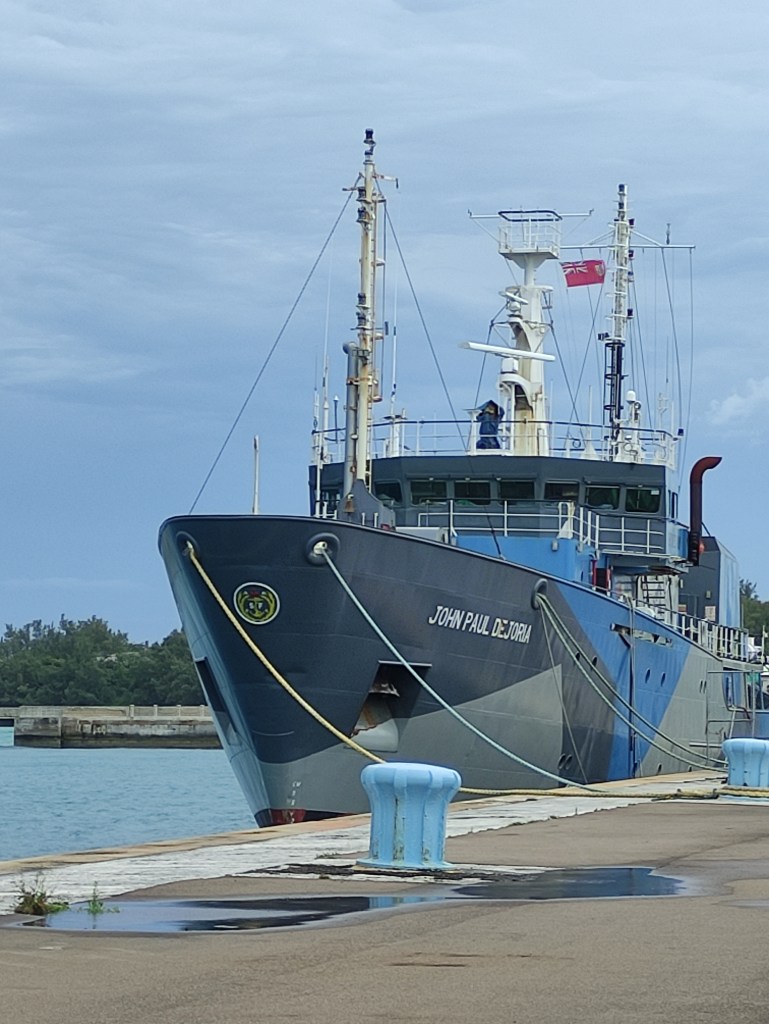
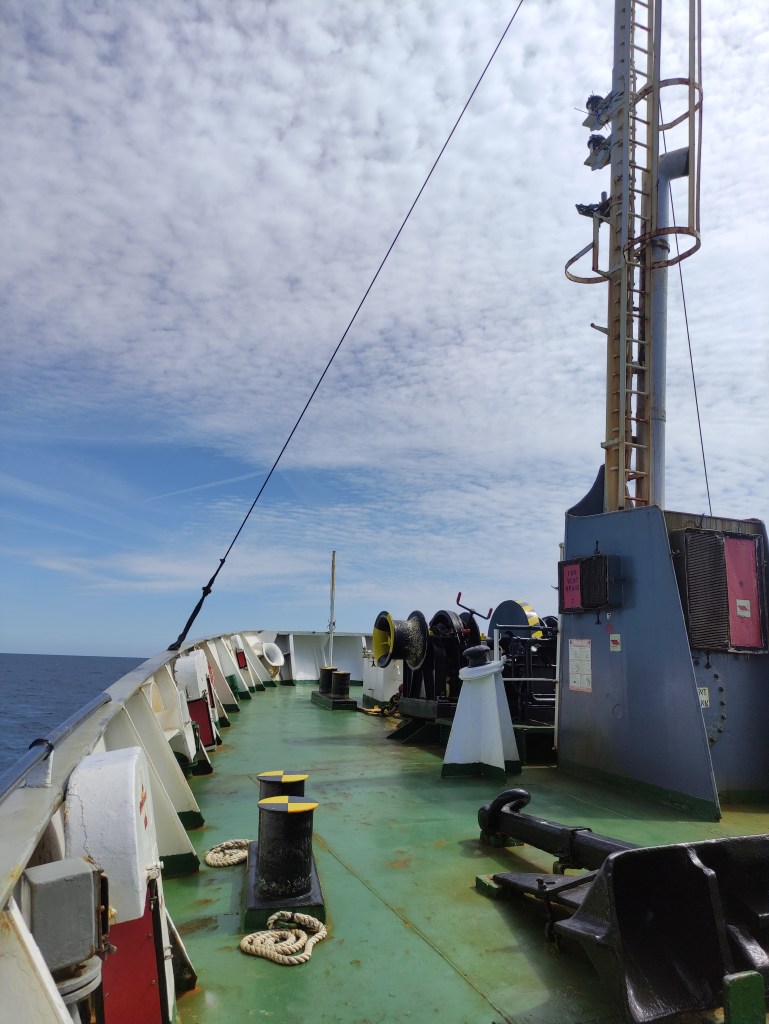
As agreed, at the beginning of December, I contacted him from Kerala, where I was on an Ayurvedic retreat, and he confirmed that they were looking for a sous chef for the Jean Paul DeJoria (a patrol/research vessel built in 1982 that had last been in service with the US Coast Guard and was now owned by Neptune’s Navy/Pirates), but did not give a specific departure date.
On my return to Switzerland, I wrote to him a couple of times and on March 16th, the captain replied, informing me that the ship, anchored in Bermuda, was scheduled to leave the third week of April. In a hurry and with flight prices rising, I booked a flight from London to Bermuda with British Airways for April 10th.
When I arrived on the JPD, I met some of the crew, very friendly young volunteers, with whom I instantly felt at ease. I was excited to walk inside or on the deck of a 71 meters long ship, discovering something new every day, secret compartments or even just the storerooms where the food I would use in the kitchen was stored. I was also privileged in that my cabin was very spacious and the bed comfortable.
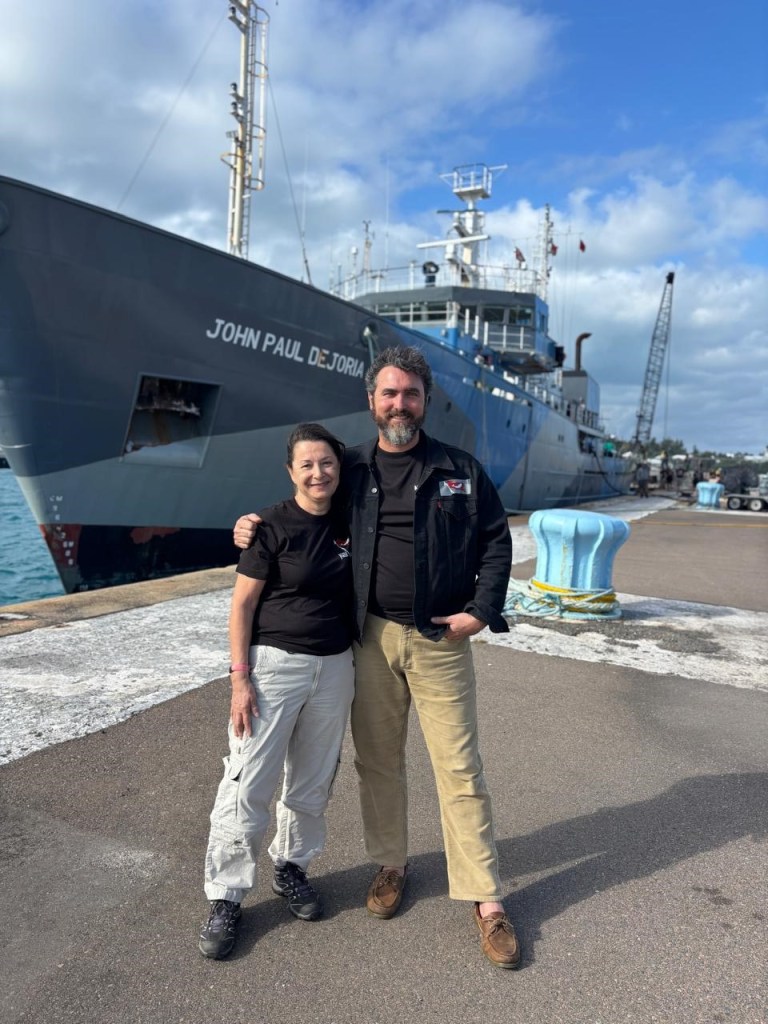
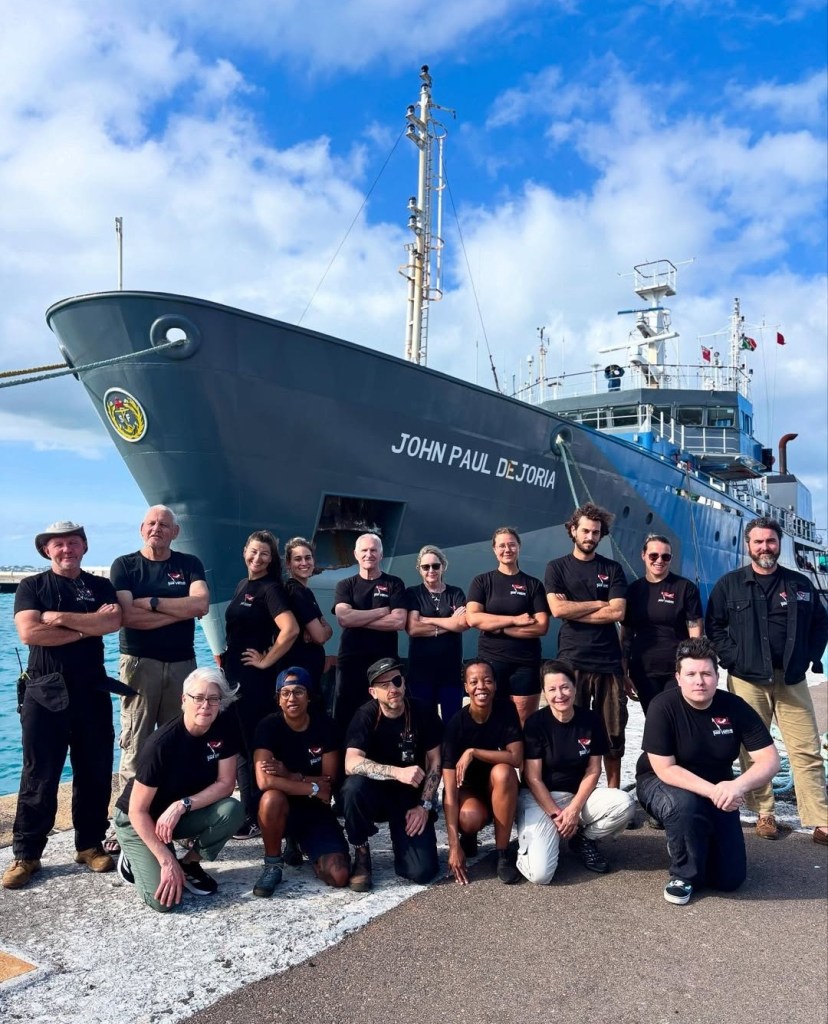

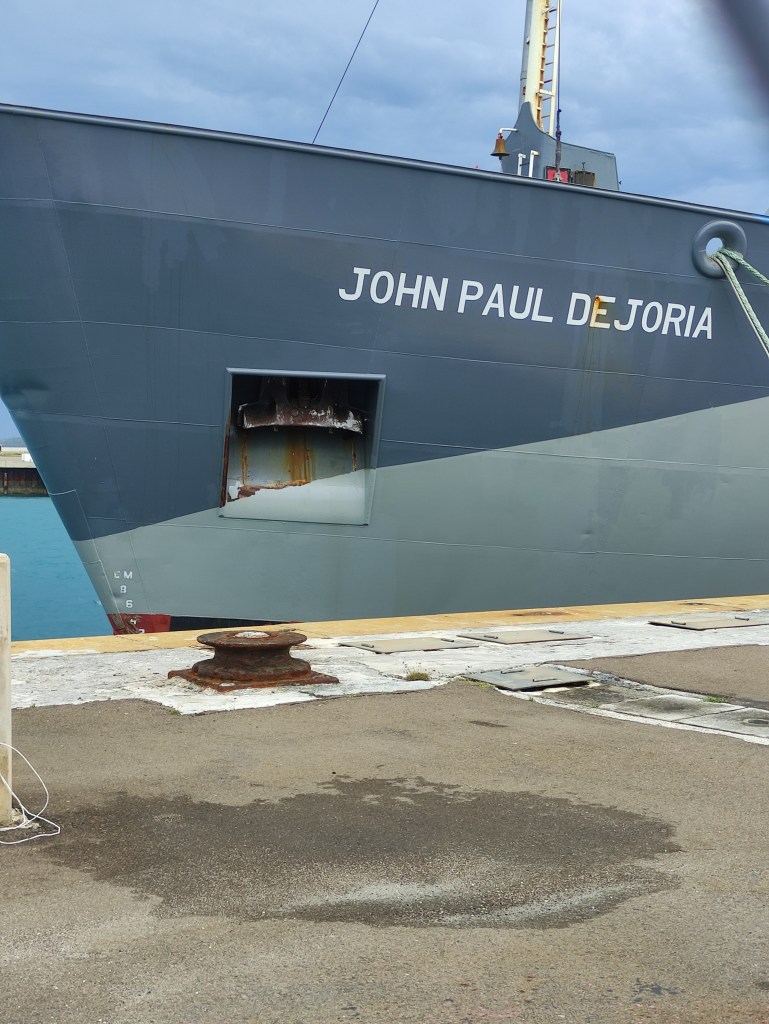


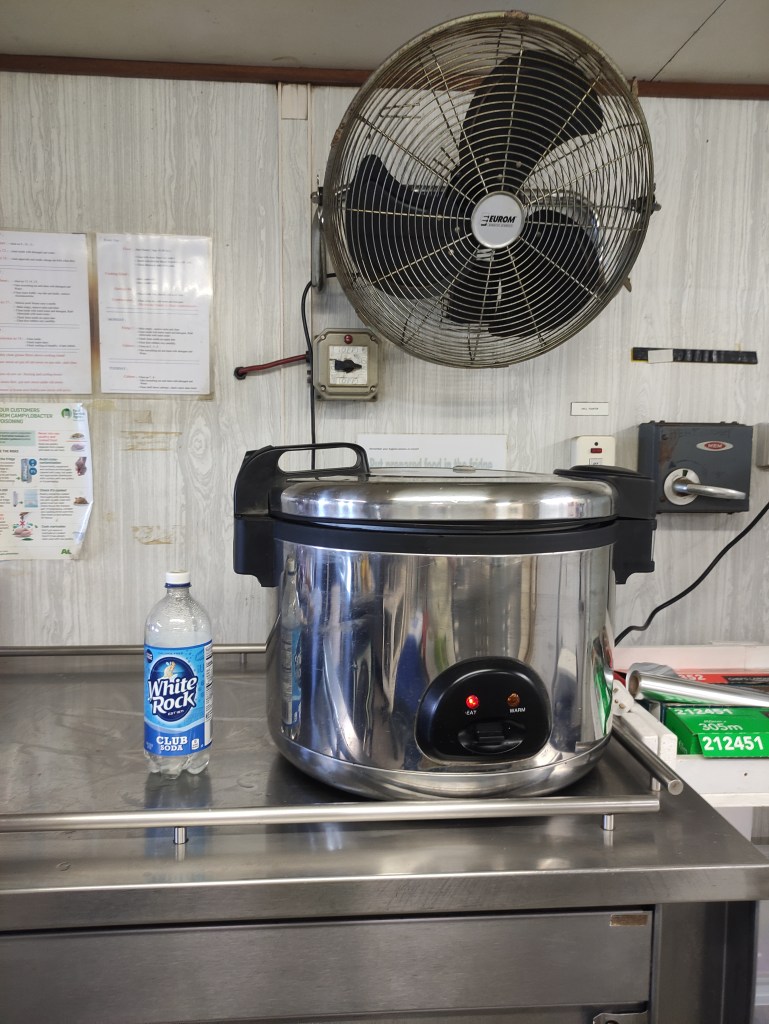
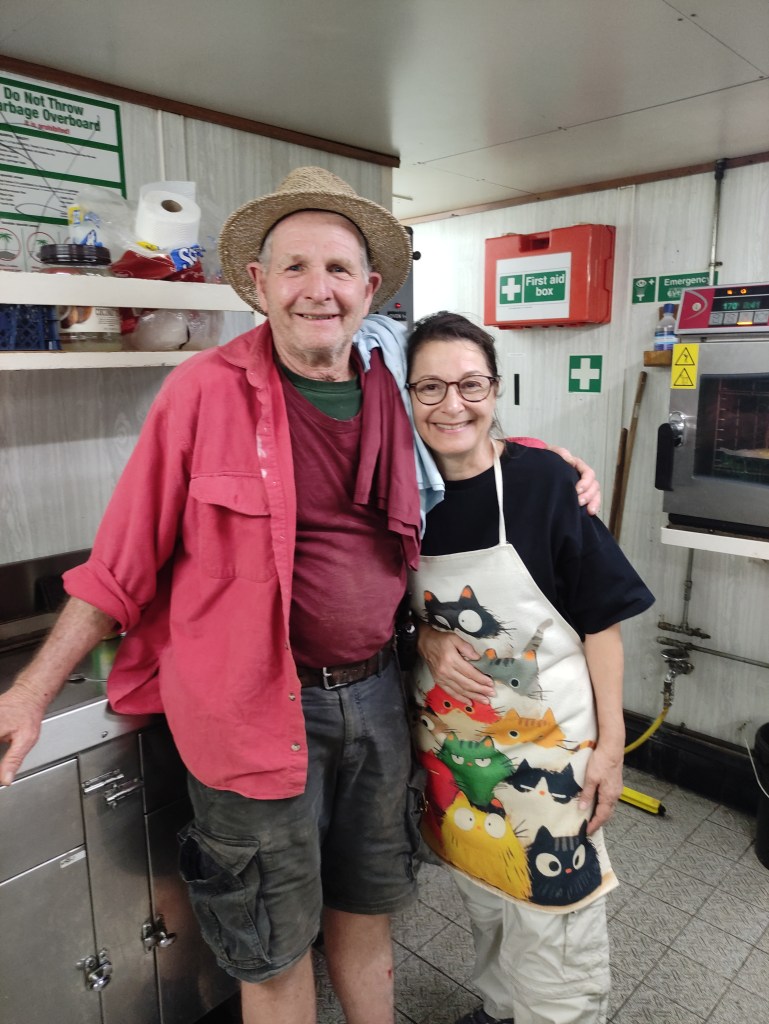
I thought I would be working as an assistant cook, but I found myself managing the organization of the ship’s kitchen entirely on my own, as the earlier cook had left and been replaced by another crew member. Thato kindly helped me for a day, explaining how to use some of the equipment and showing the location of the supplies. Chelle was always there too, ready to help with anything I needed. She and the bosun Larry took care of the shopping, shuttling many times back and forth between the town and the ship on a Vespa, loaded down with goods.
When anchored in the harbor, at night I could feel the ship “breathing”. It was a vibration that you feel inside and that in a certain way, accompanies you on an imperceptible level throughout your sleep.
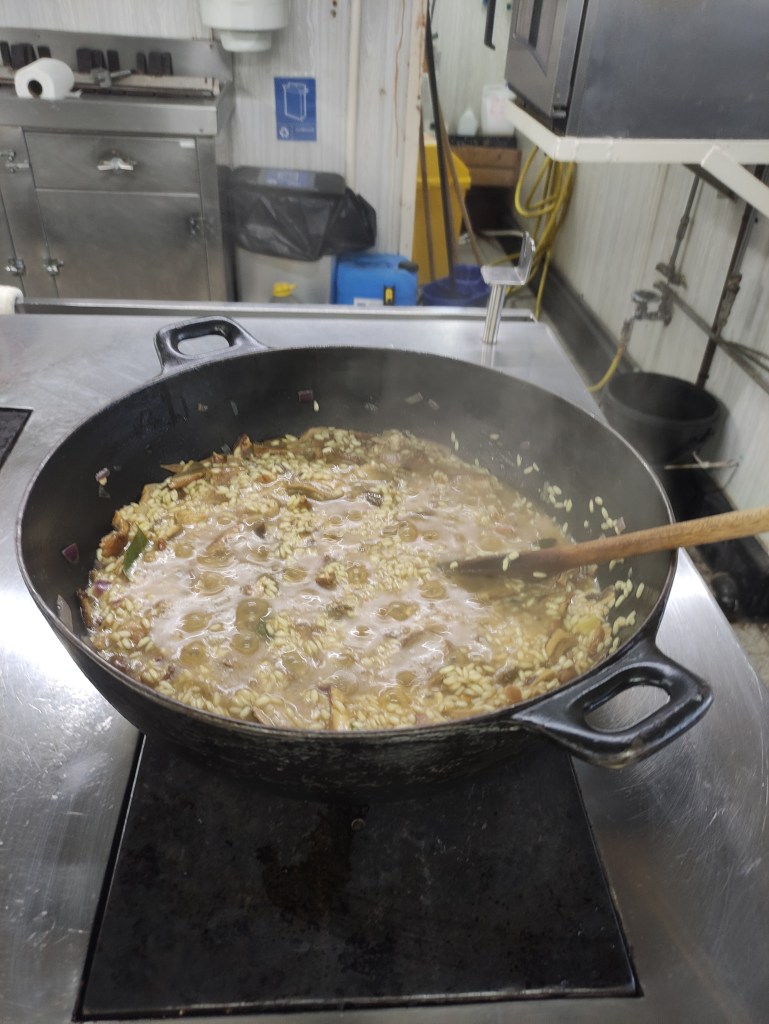
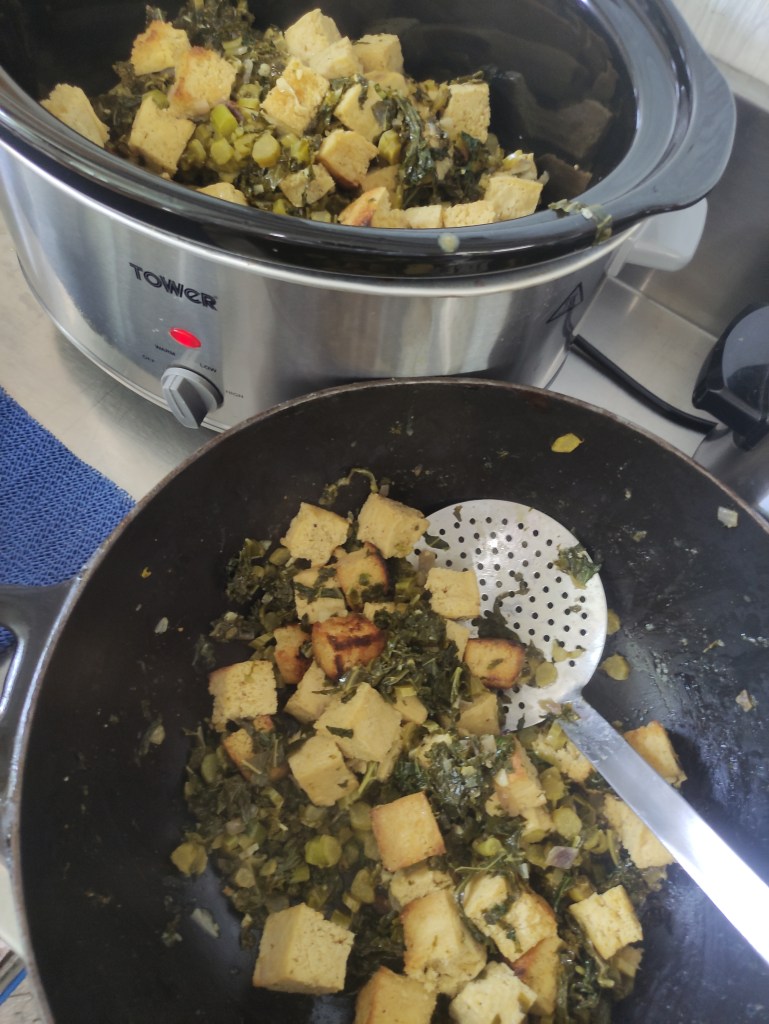
In the morning when I woke up, I smiled to myself for having managed to make my dream come true. I quickly thought about what to cook based on the ingredients I had available. I indulged myself by reinventing flavors, combinations and colors. I always considered balancing carbohydrates, proteins, and fats, taking into account the appropriate combinations. Cooking vegan food for 13 people in the port wasn’t complicated at first. Although I would have preferred to get some help as I couldn’t take breaks and was always exhausted after work.

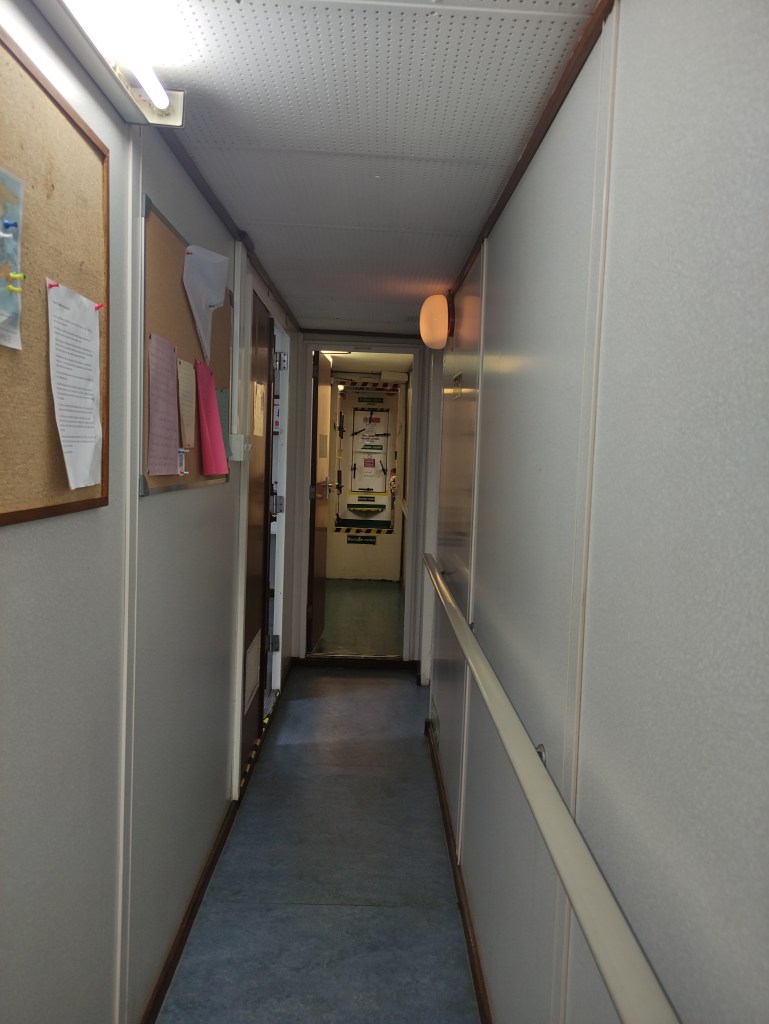
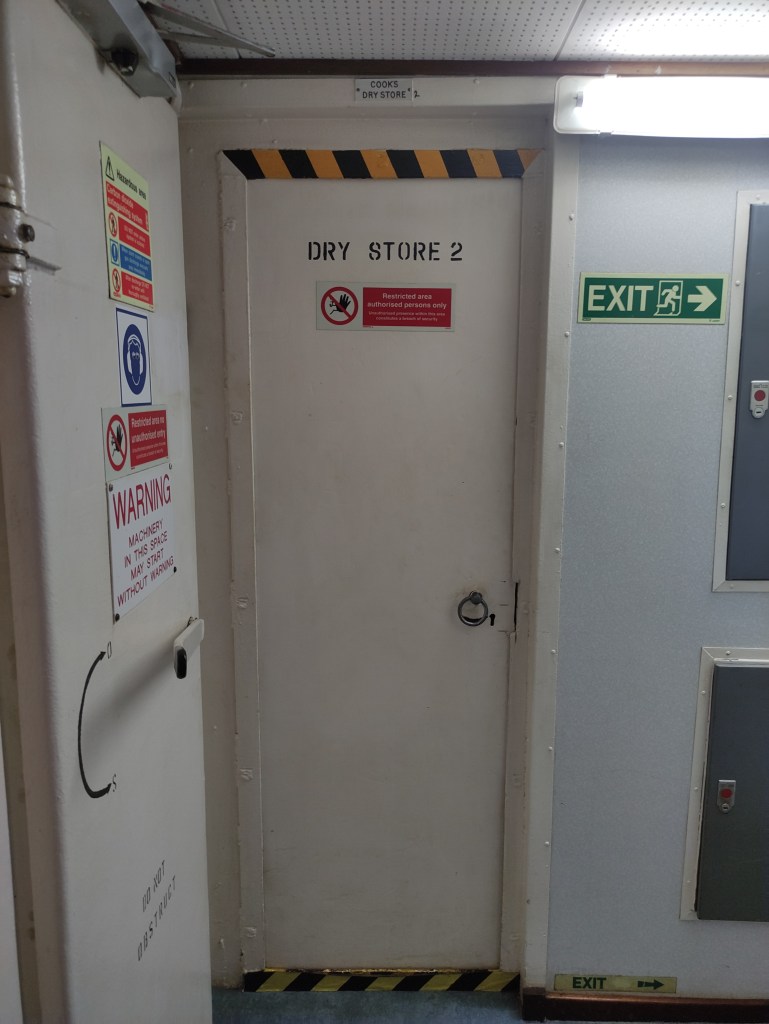

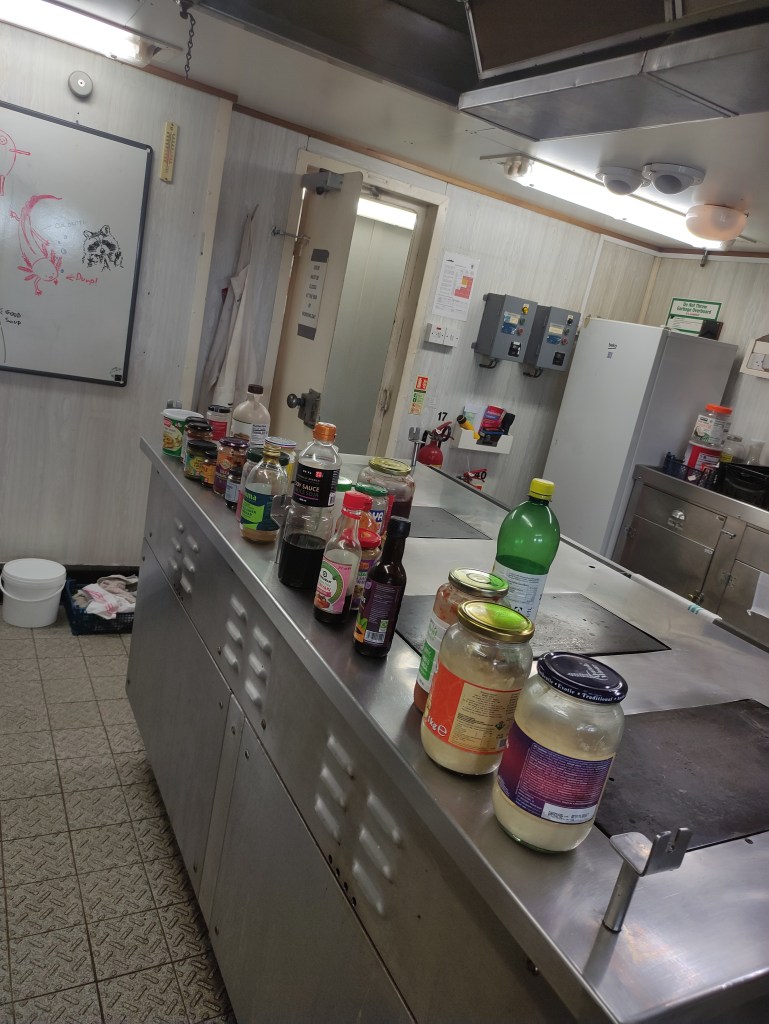
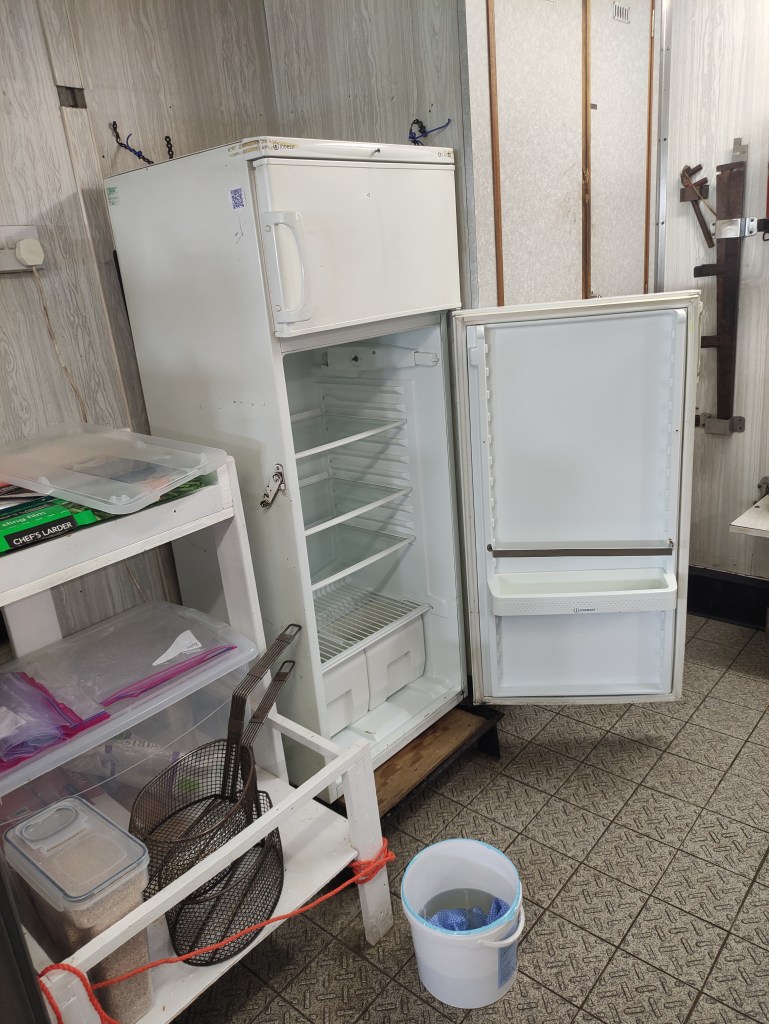
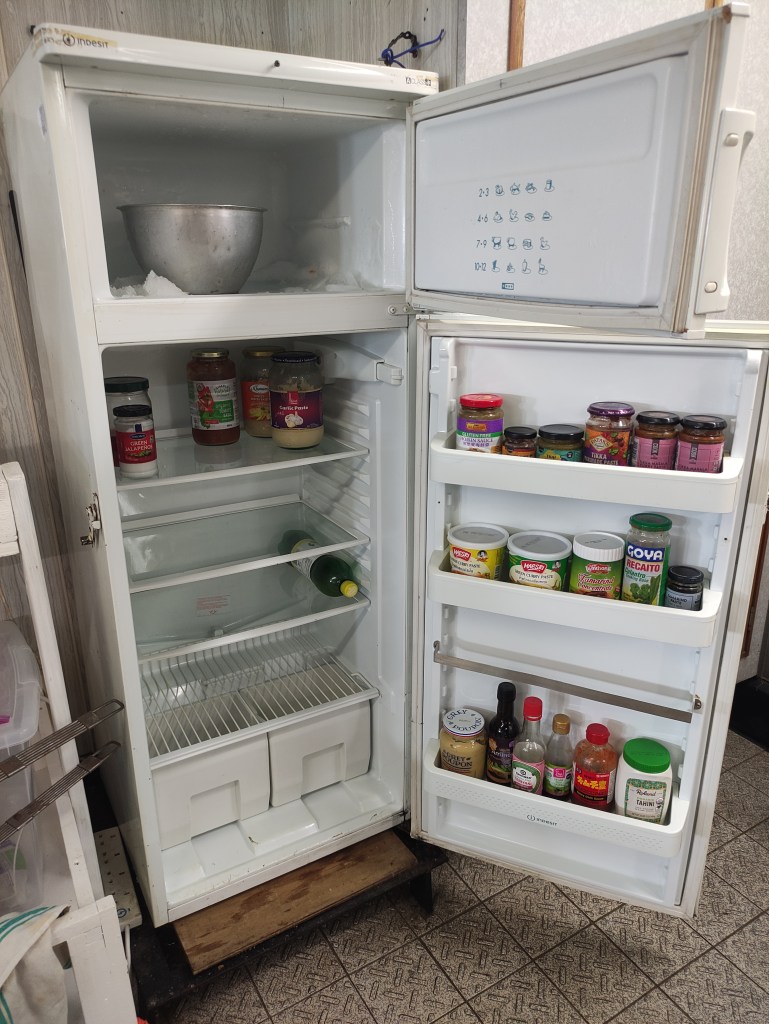
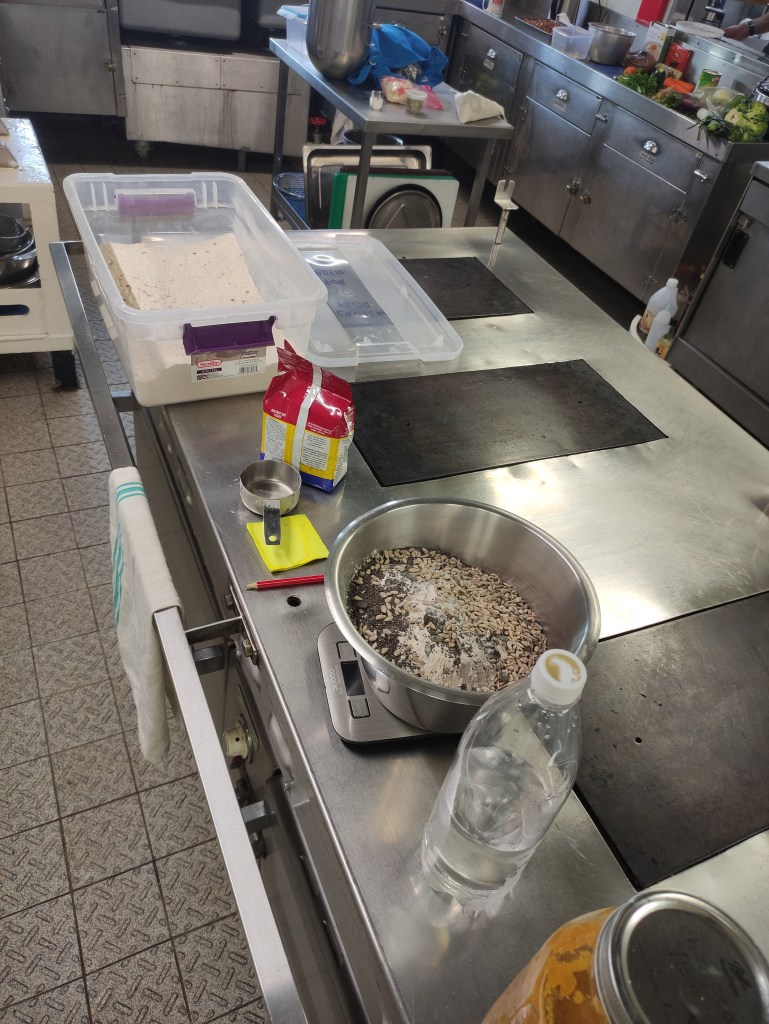


Two days before departure, a couple of other crew members arrived with Captain MacLean. Elaine, the lady who was supposed to be the chef, Charlie and Larry D. and Jools the nurse.
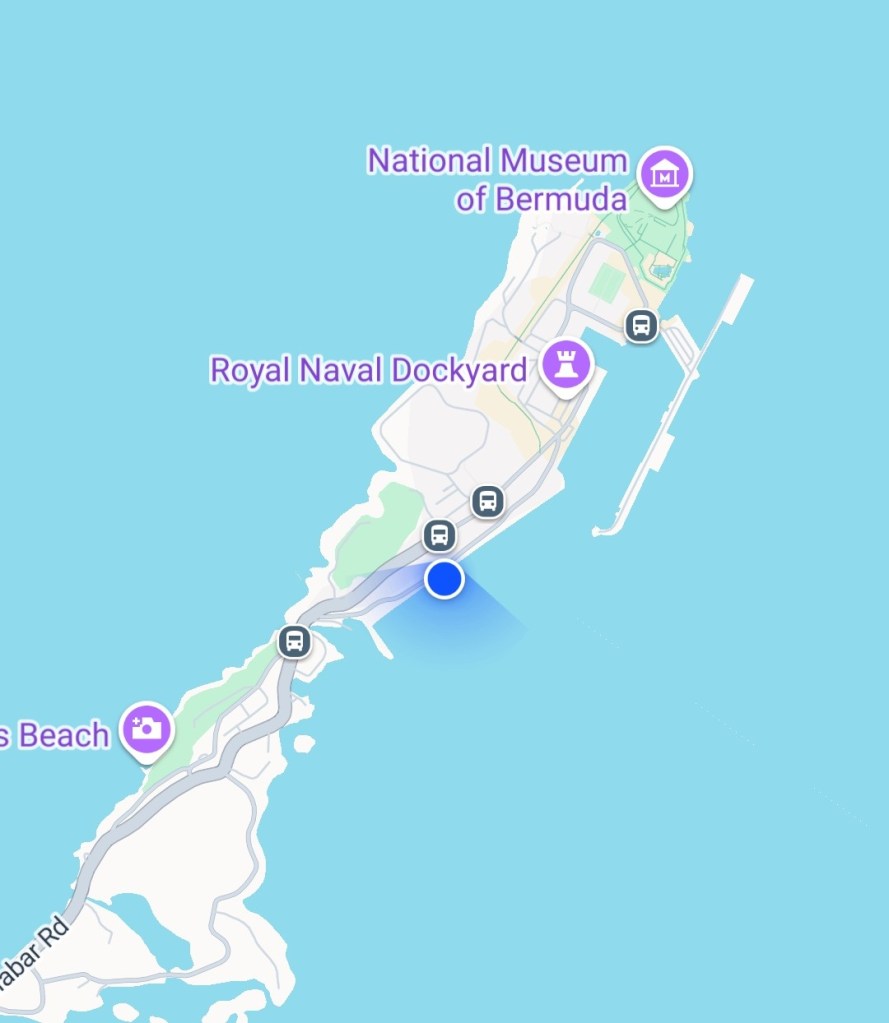
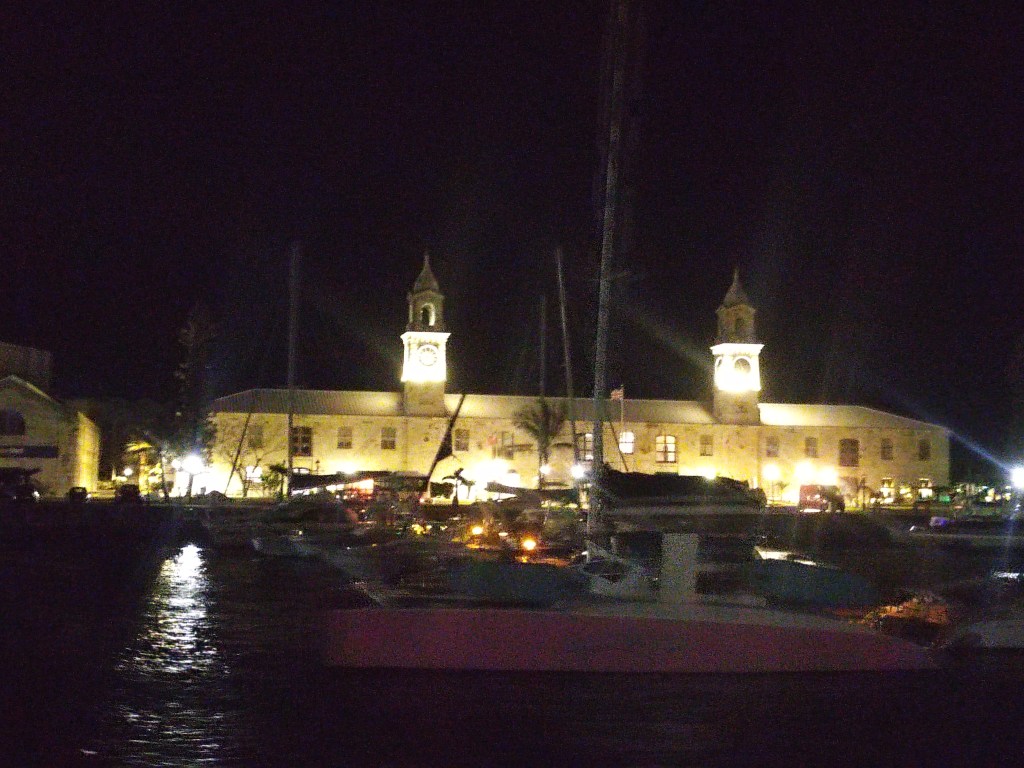
As the ship is 43 years old and required a lot of maintenance work, we finally managed to set sail on April 25th after spending two weeks in the port of the Royal Naval Dockyard Bermuda.
But the best was yet to come. What I couldn’t have imagined, was that during the first five days of the crossing, the Atlantic Ocean showed its worst side. Elaine, who was supposed to work with me in the kitchen, was incapacitated by seasickness. With the ocean extremely rough during the first few days, three-quarters of the crew were very ill and obviously not hungry. Luckily for me, having worked on airplanes for many years, I was spared from motion sickness, which was particularly horrible for those working in the high temperatures of the engine room. Seeing my fellow adventurers with pale faces and teary eyes broke my heart, and I felt a really strong sense of empathy. I tried as best I could to alleviate their discomfort by preparing porridge or water with lemon and ginger. It must be said that besides the jolting and rolling with a full oscillation, the pitching was the longitudinal tilting moment when the bow of the ship came out of the water, and that was what literally made you feel like your stomach was in your mouth. In rough seas, I tried to hold on to every protrusion in the kitchen so as not to fall on the floor (although I did fall several times, causing bruises and injuries), so it was unthinkable to use pots with liquids, and I had to cook everything in the oven for four days. We walked with our legs apart, bending one knee in the opposite direction of the rolling to cushion the effect. The corridors on the JPD are narrow, so it was easy to move around, but in the open compartments, you had to be very careful. When the crew members began to feel better and their appetites returned, I increased the portions, but unfortunately I was still alone in the kitchen. Angelina, Chelle, and Adélie helped me several times, but the boys were also always available if I needed them. On the afternoon of the sixth day of sailing, Elaine finally showed up.


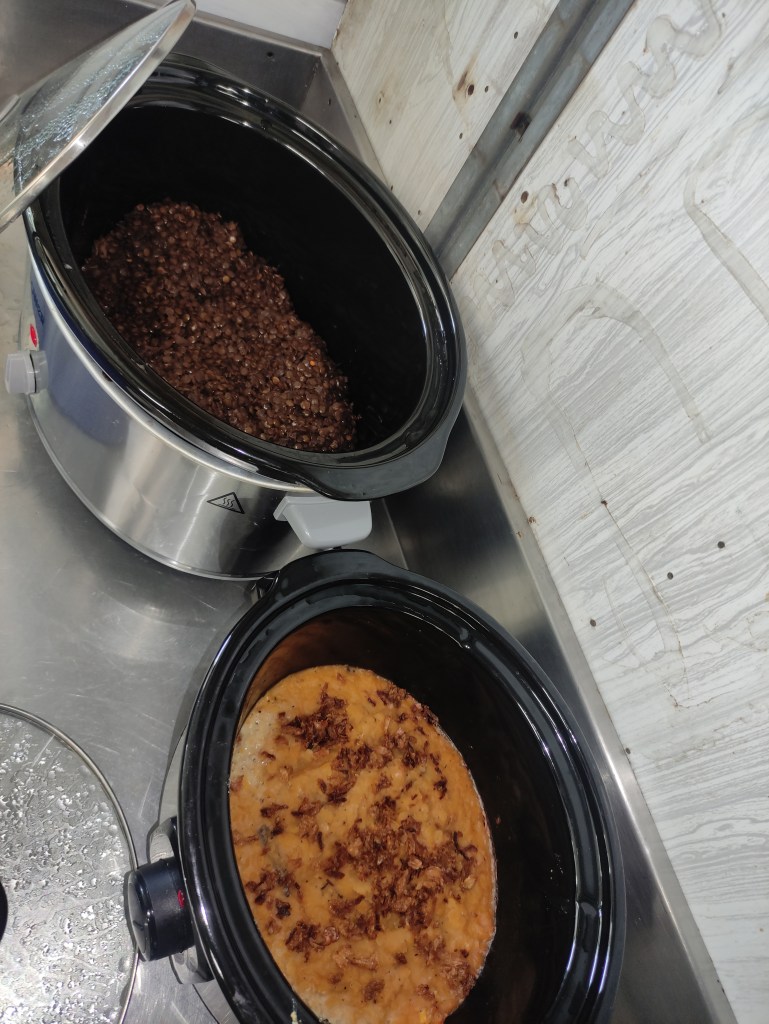

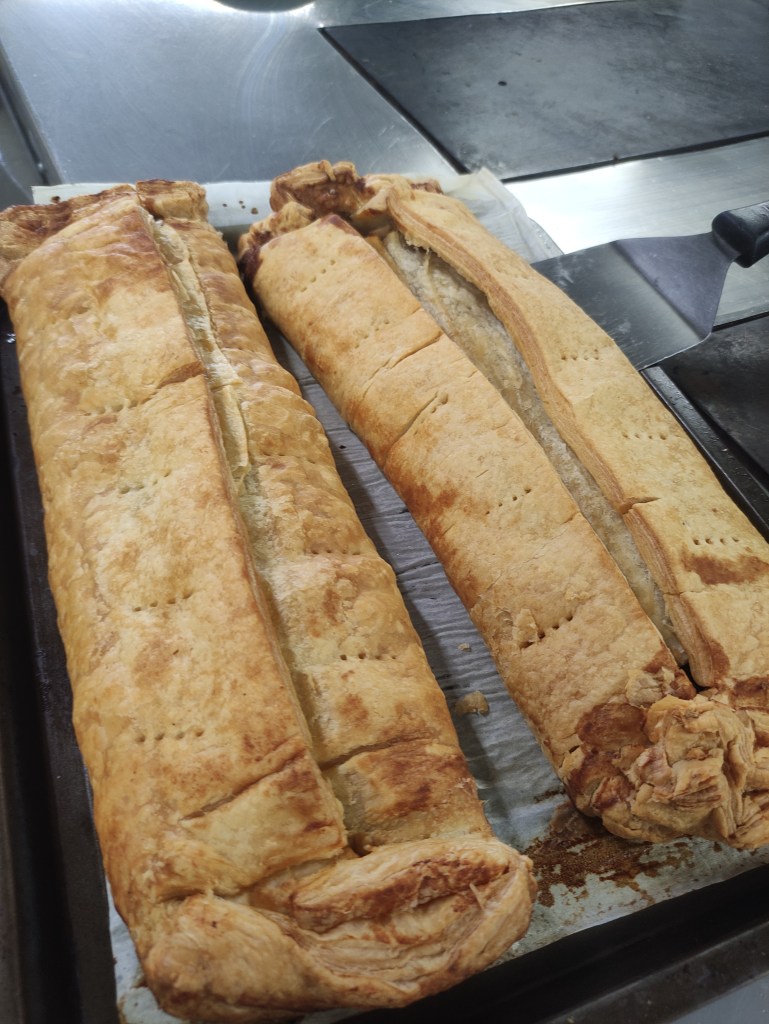

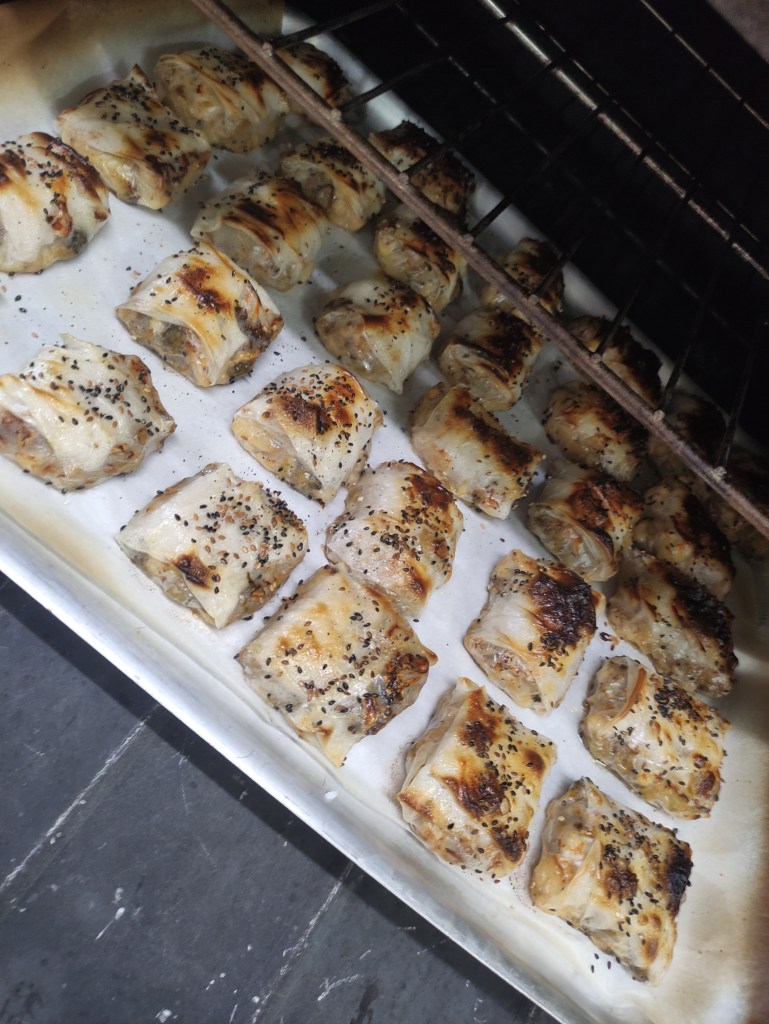




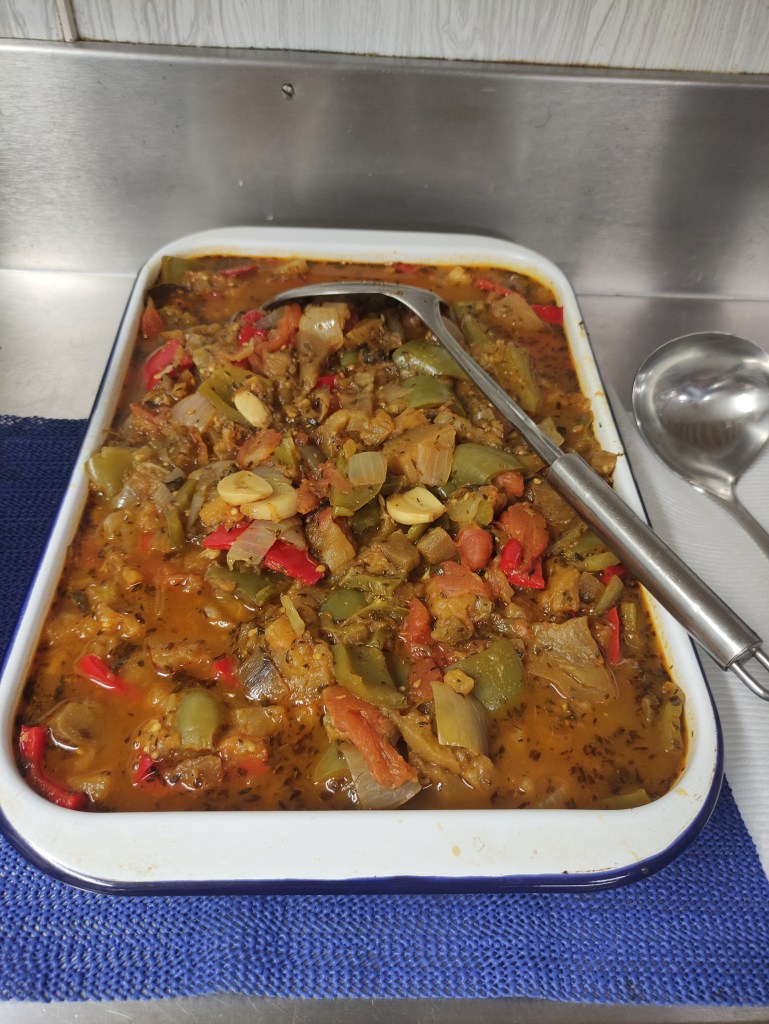
At night, besides the hum of the ship’s engine, the rocking of the ship lulled me to sleep. Sometimes, when the waves were very high and the ship pitched, I woke up afraid of falling from my bunk.
After the first days of bad weather, when help arrived in the kitchen, the journey became more peaceful and I managed to take breaks and spend more time with the crew members.
I admit that it wasn’t always easy, considering “certain personality traits” in the chain of command. I also had some difficulties with Elaine, who got annoyed when someone from the crew asked to help, arguing that if there were three of us in the kitchen, she wouldn’t manage to work. But even some situations in other departments could be handled wisely by using emotional intelligence.
My bad habit is that, having applied NLP and TA in my work as a human resources manager for many years, I analyze (too much) people and individual behaviors. You can always improve, if you really want to. It is important to recognize that your attitude is not correct, and many people fail to do this.
Everyone in the crew worked hard before departure and during the Atlantic crossing. Meals were served at 12:00 and 18:00. Many only arrived when they had finished their activities, often when the food had already been put away in the refrigerator. Not to mention that several people had night shifts and had to make do with whatever was left.
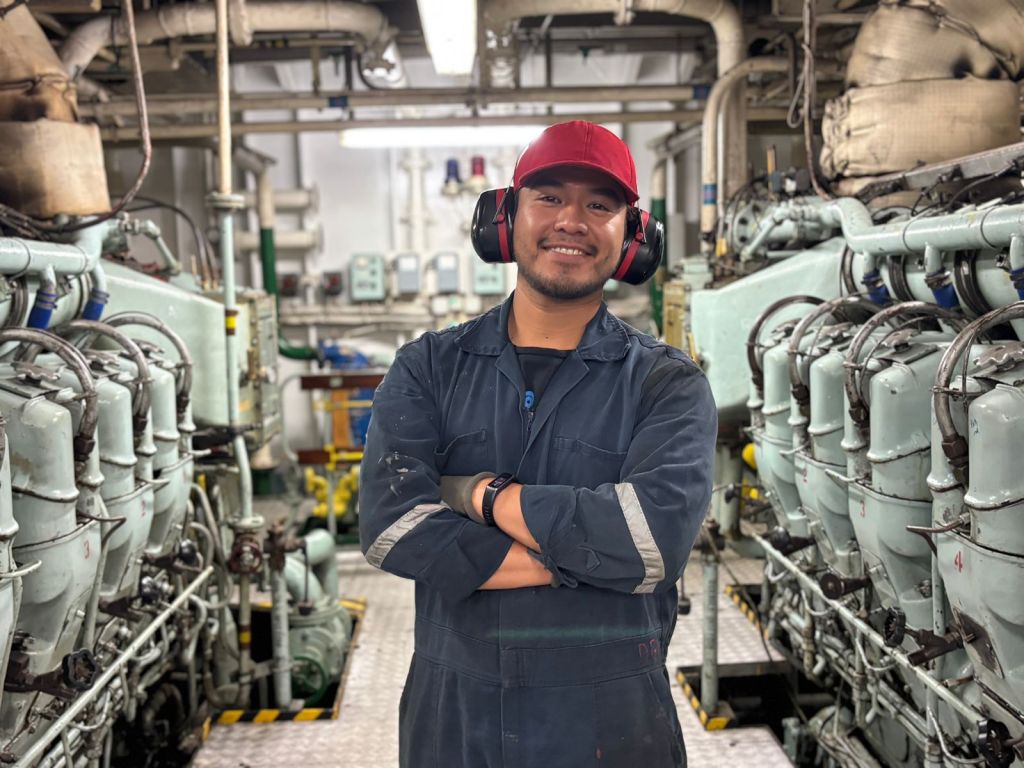
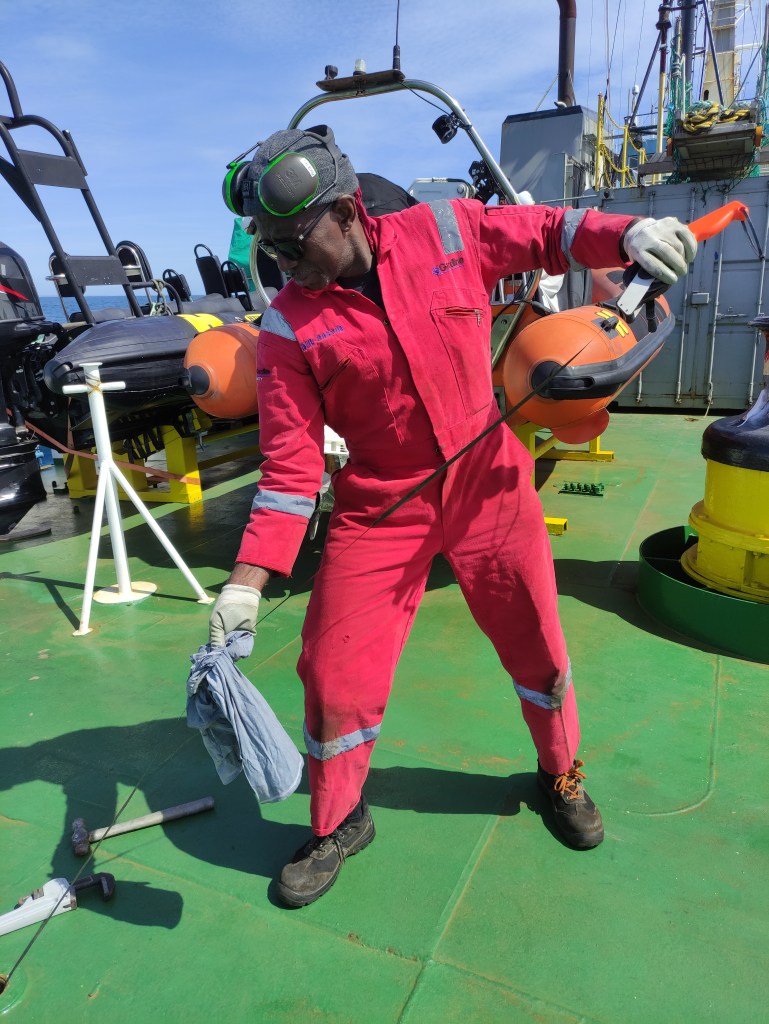
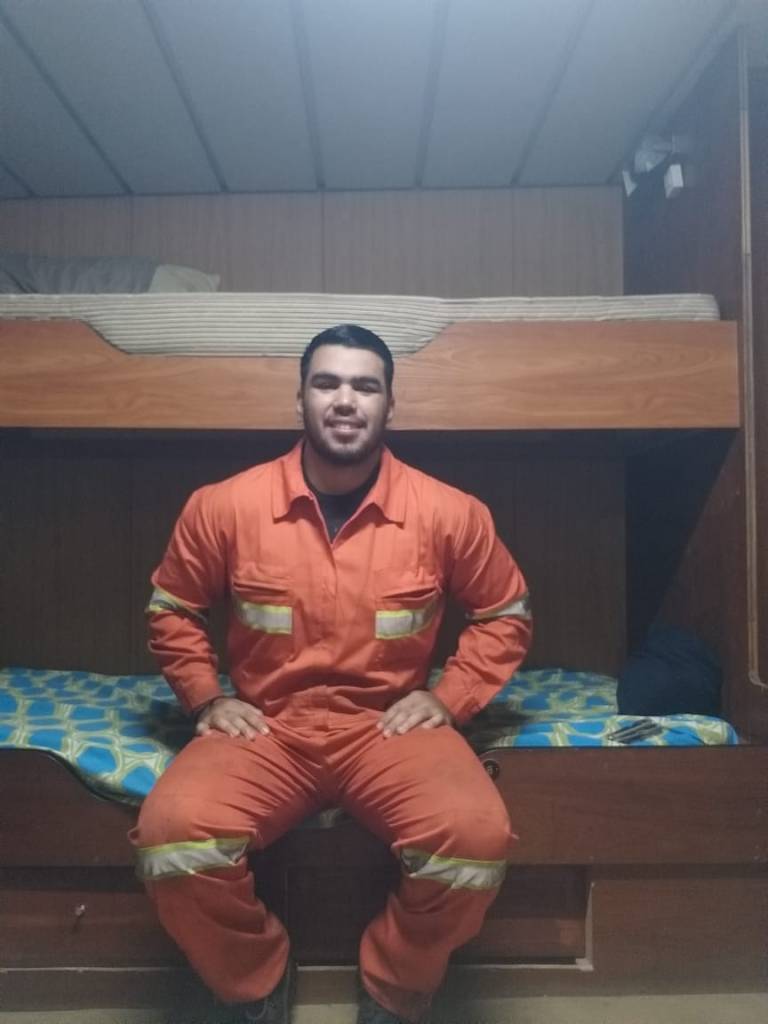


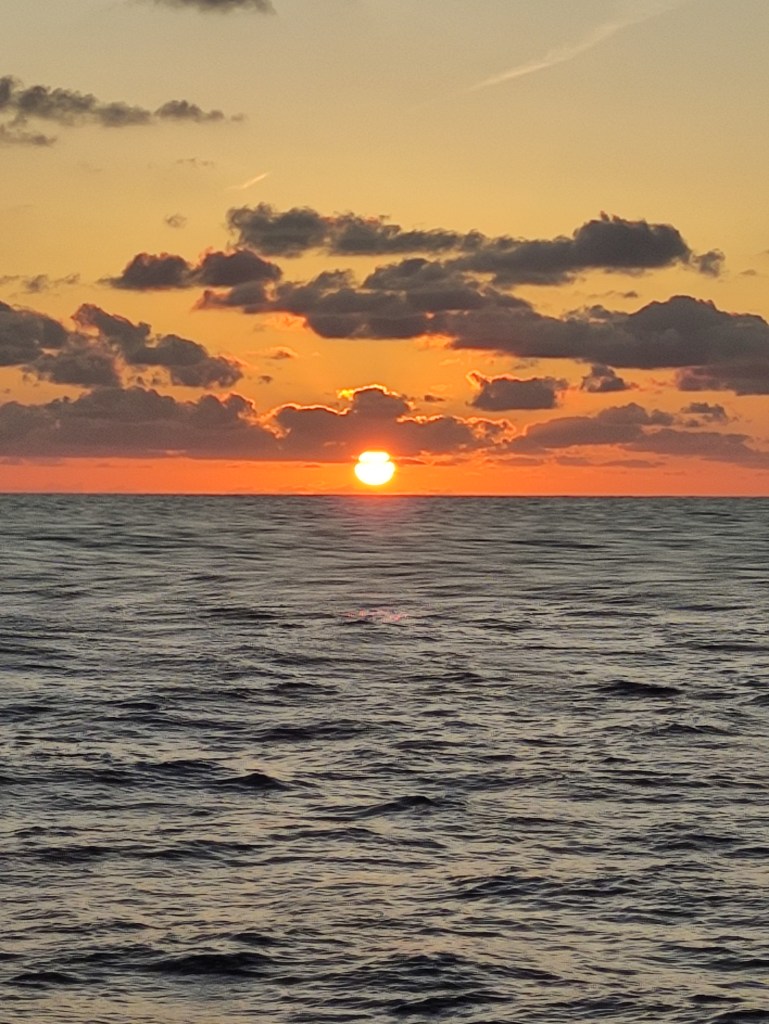
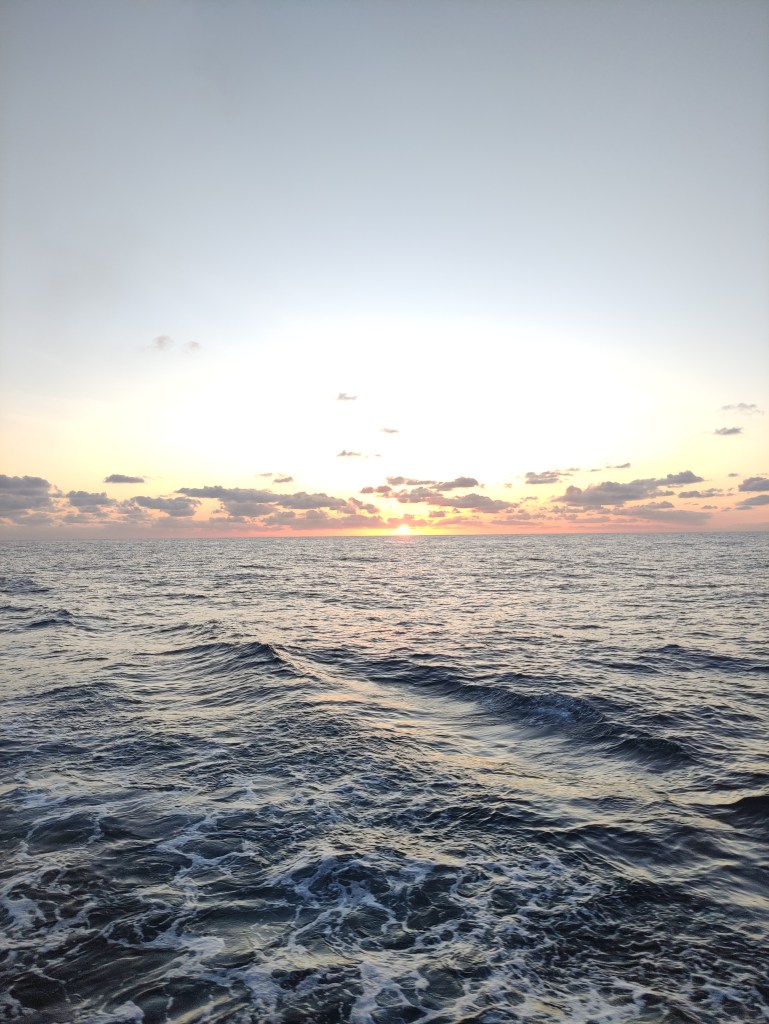
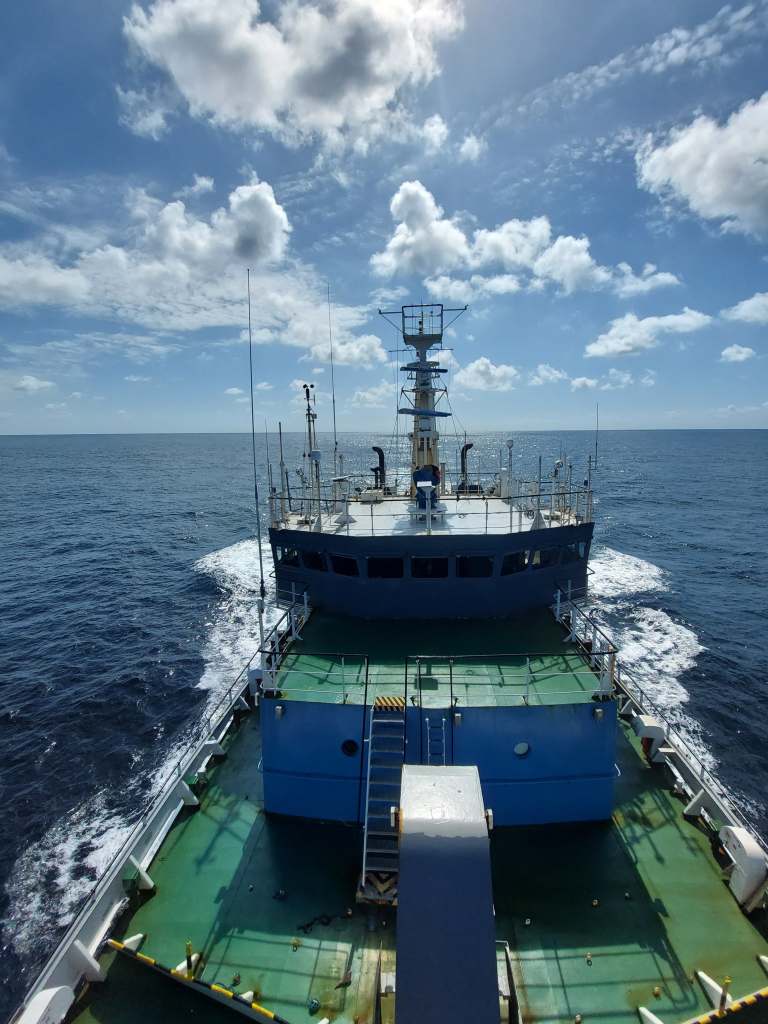
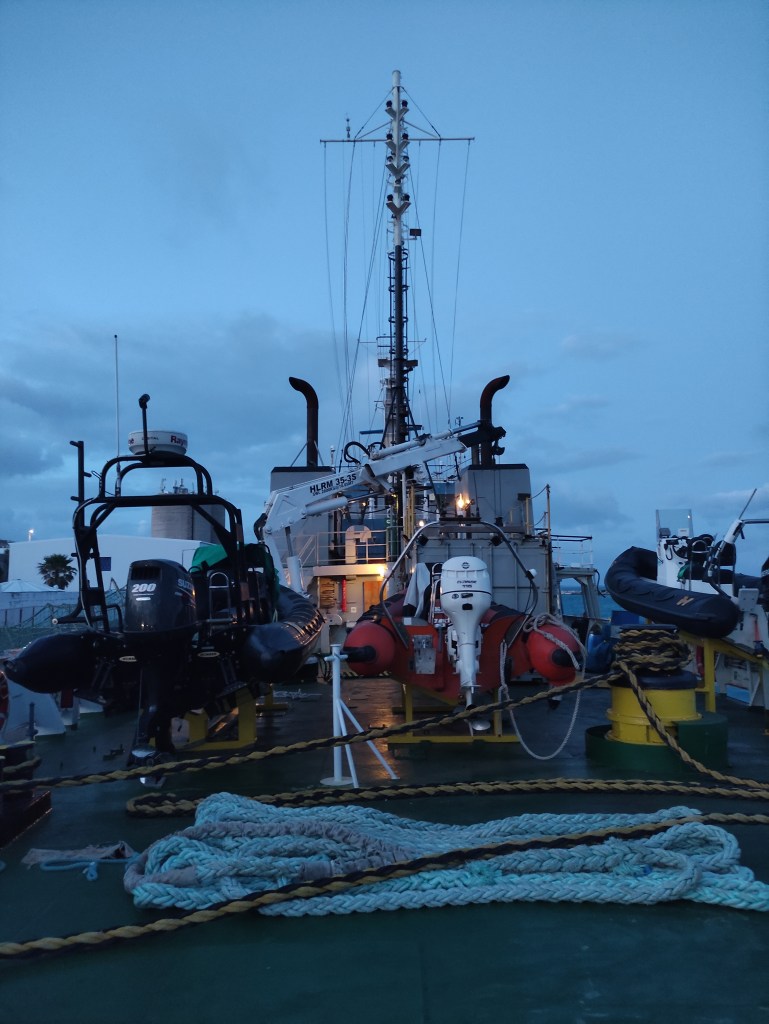
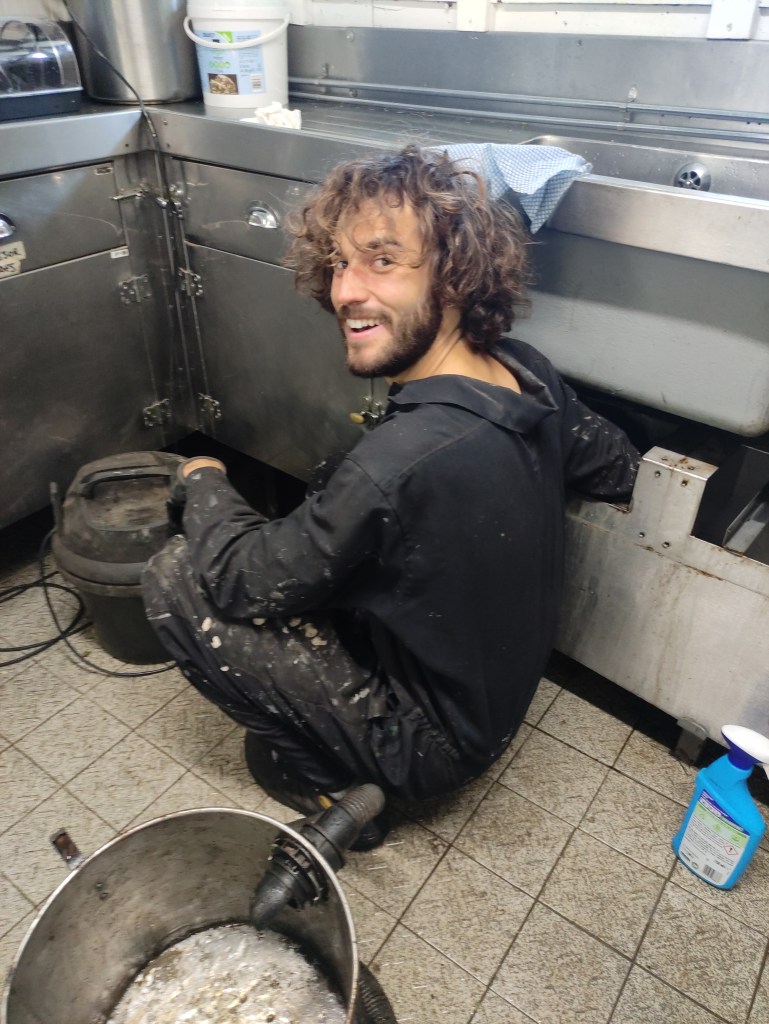
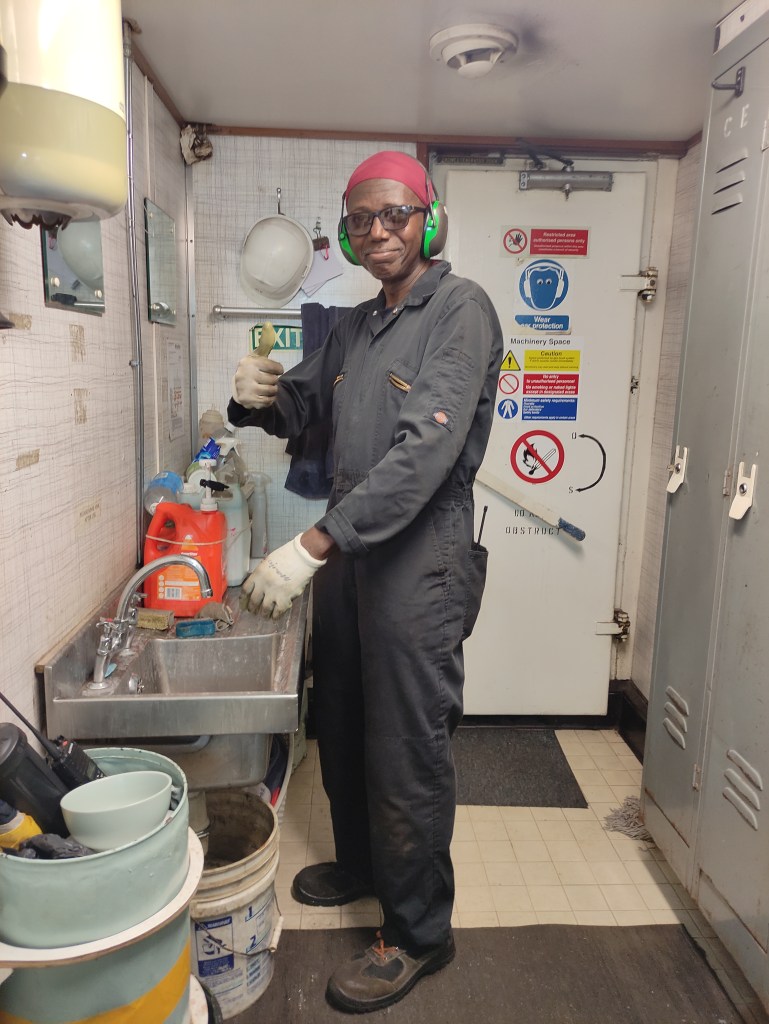


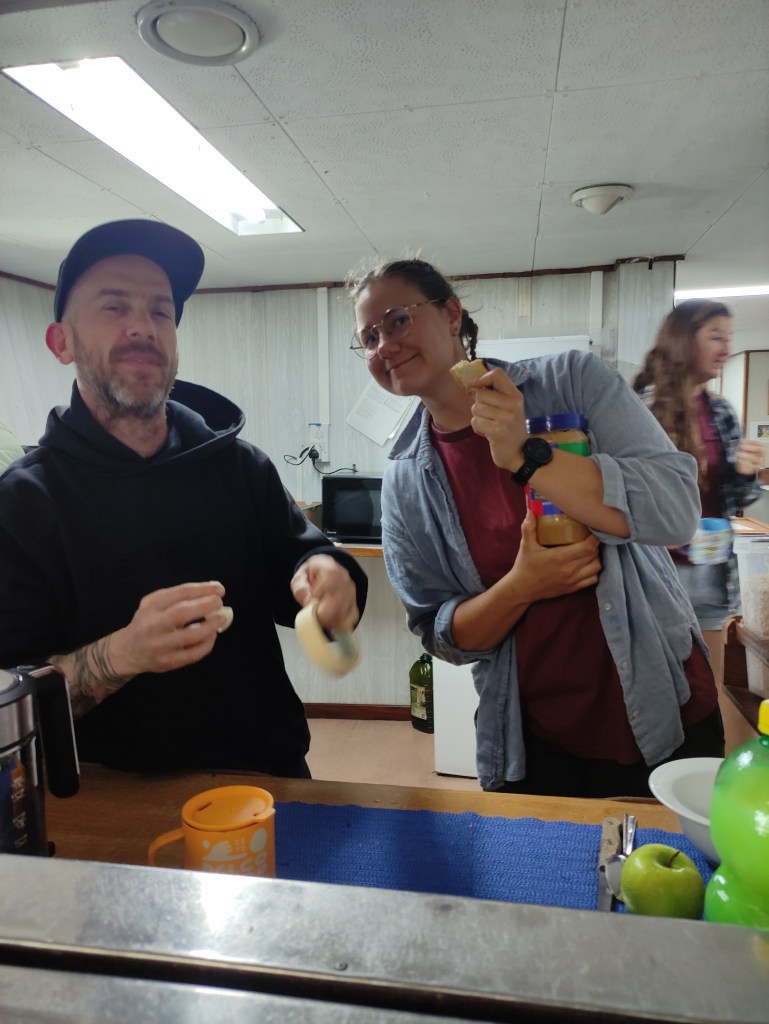

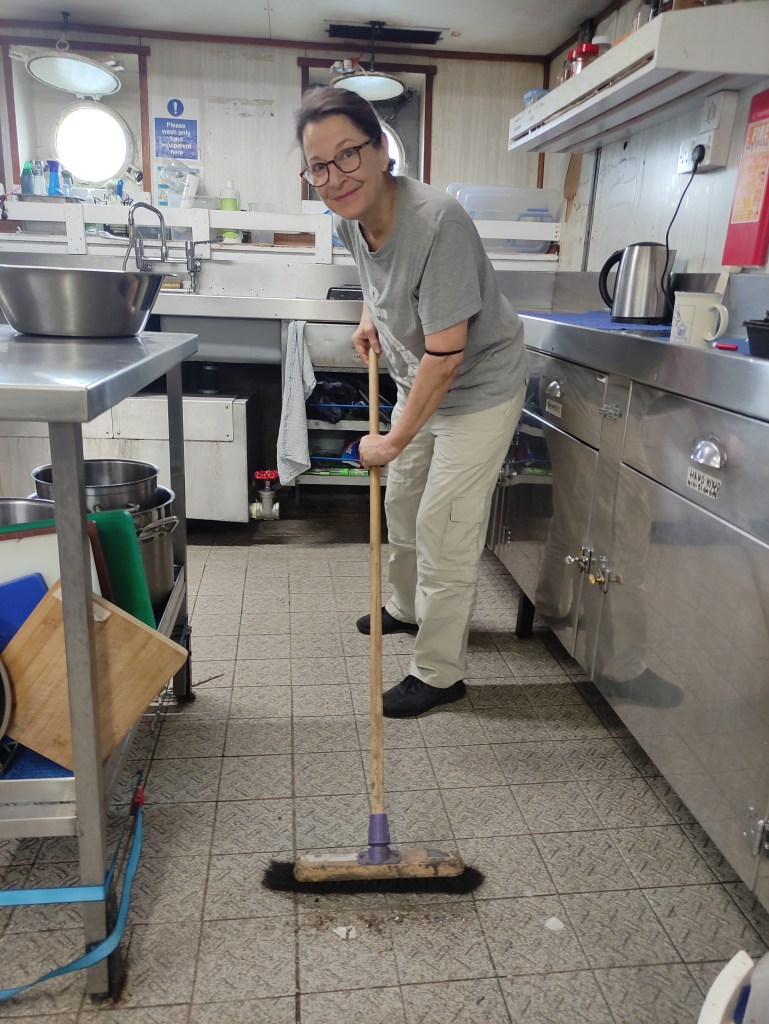


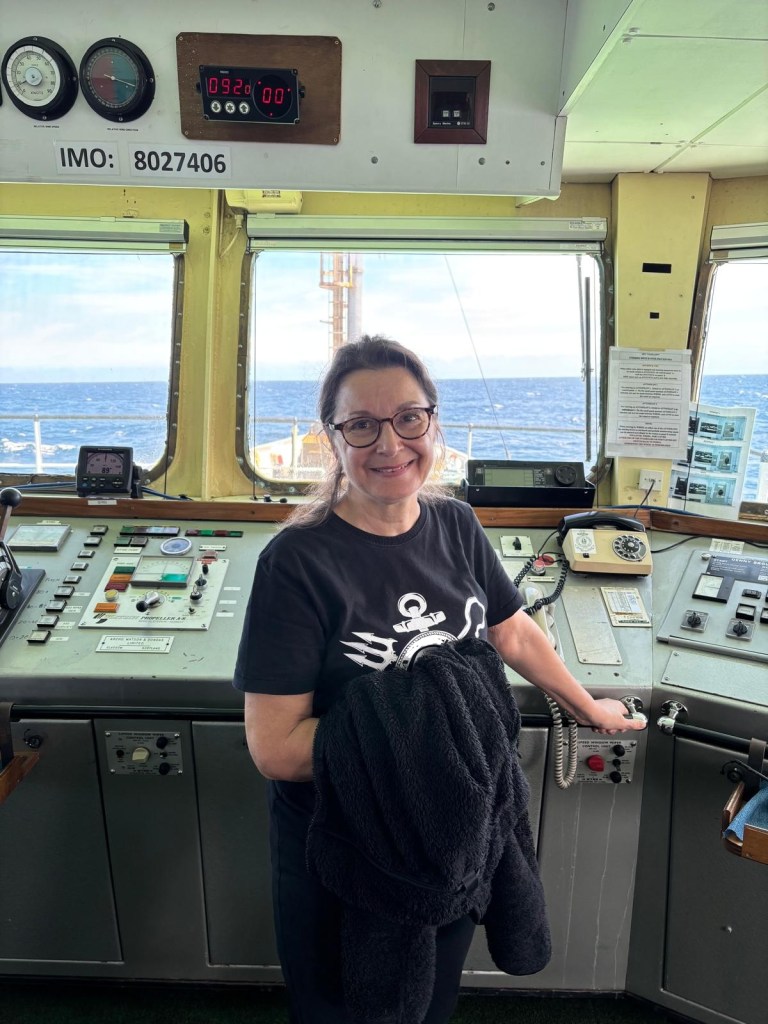

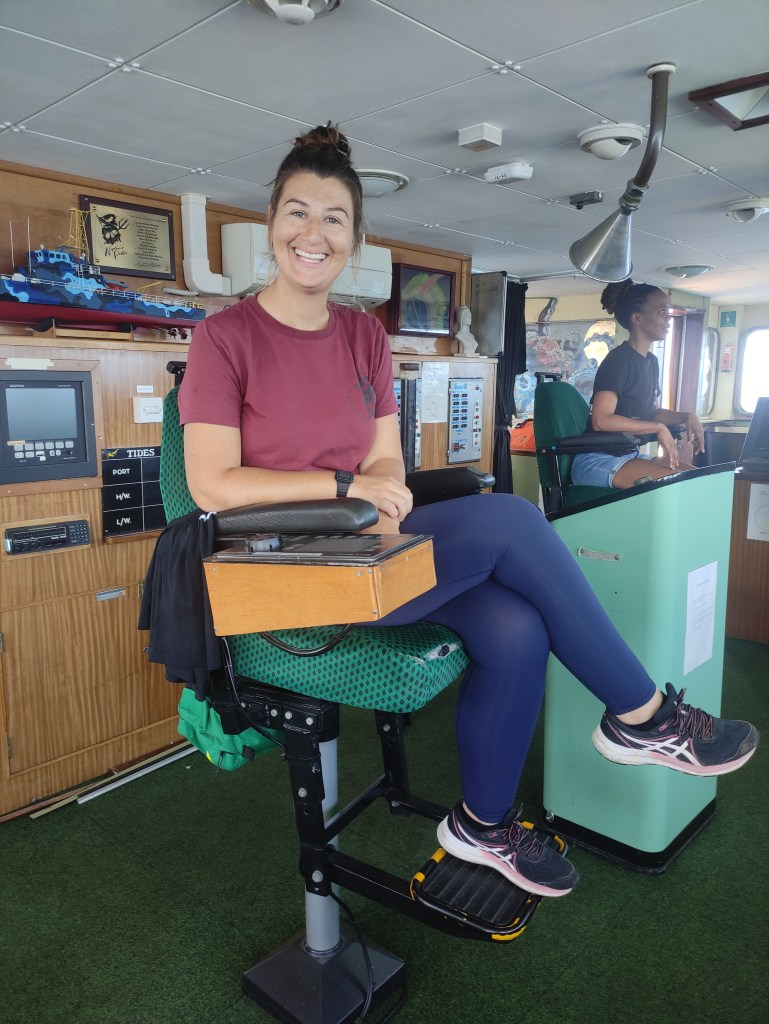
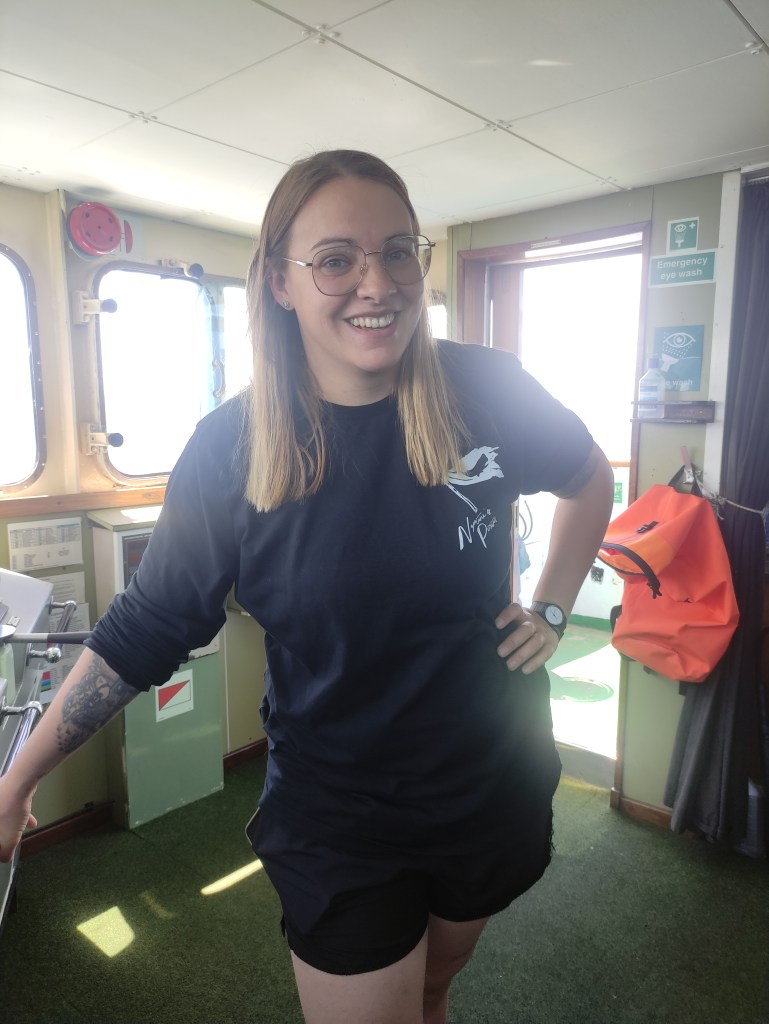
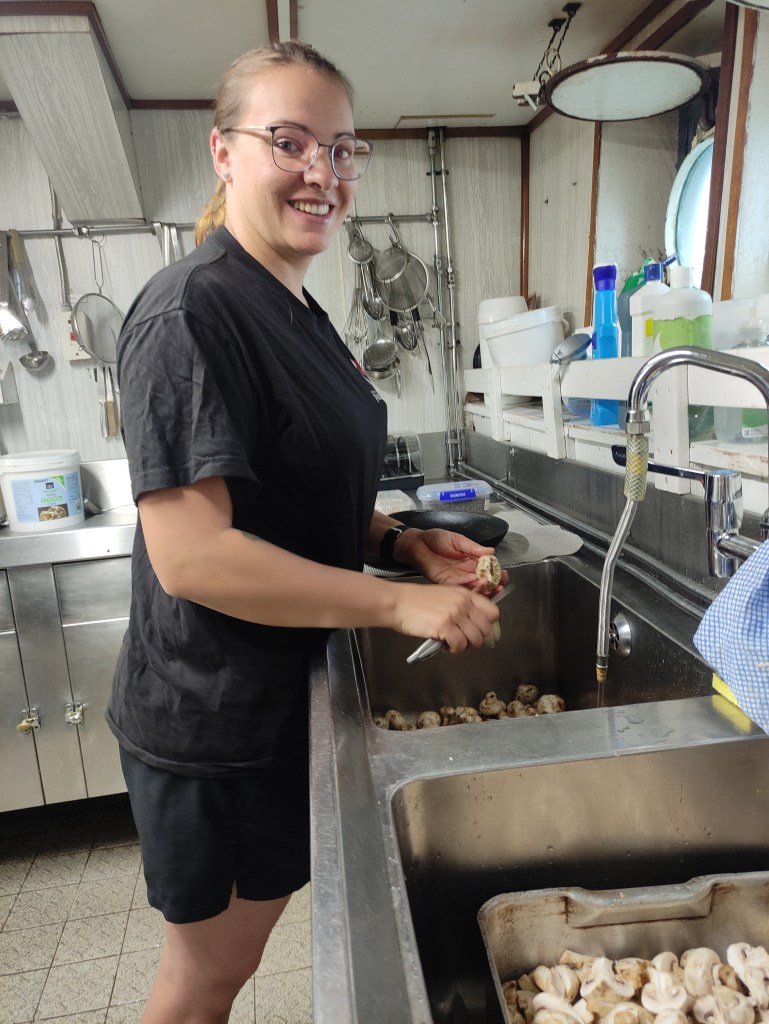


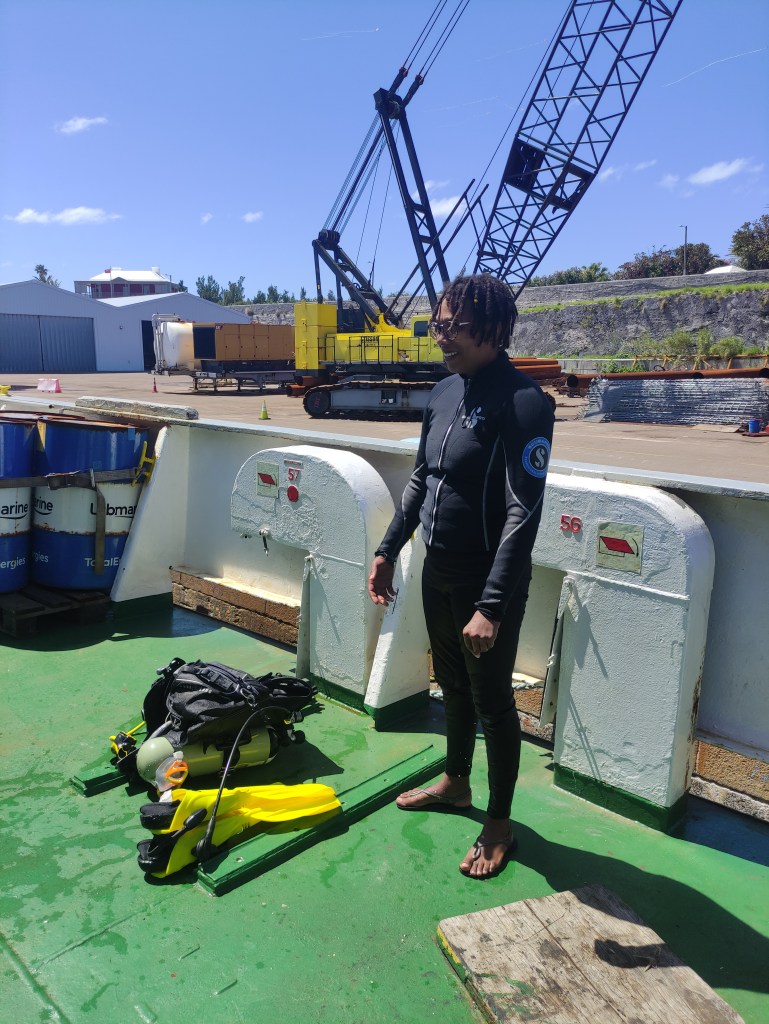
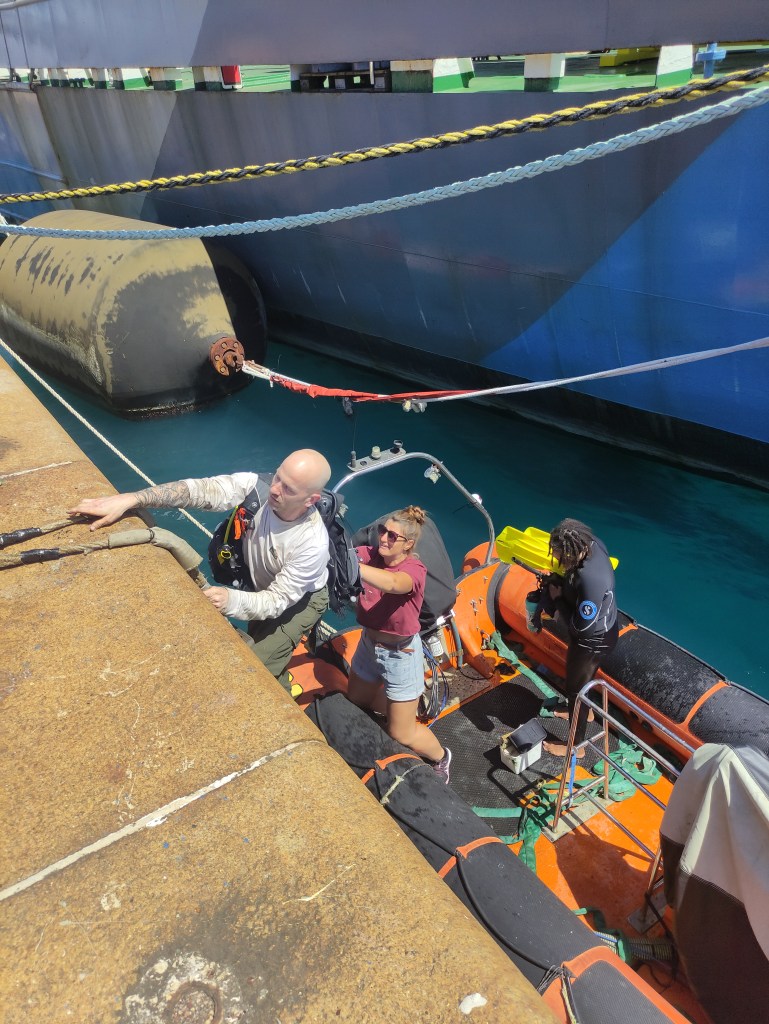
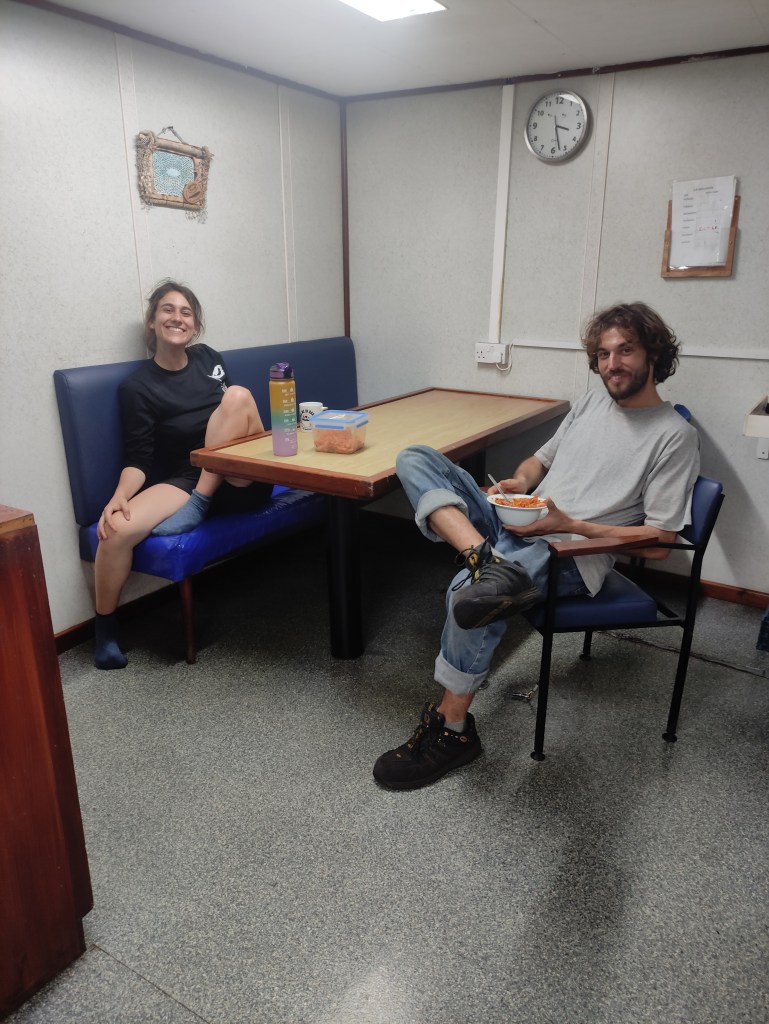
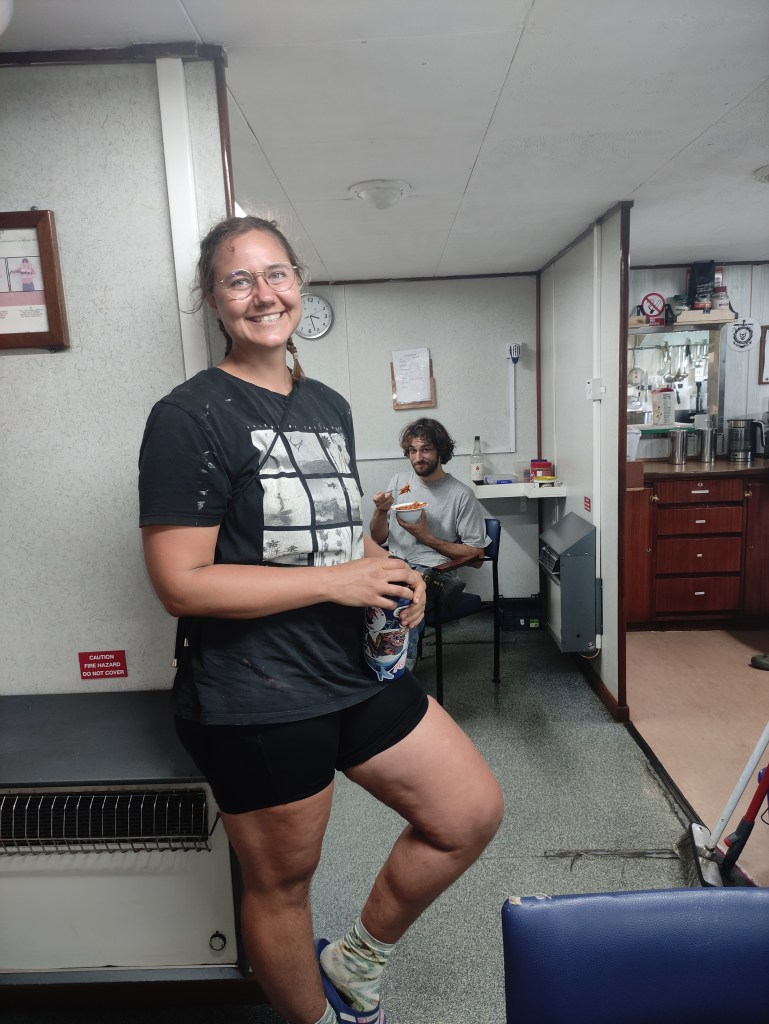
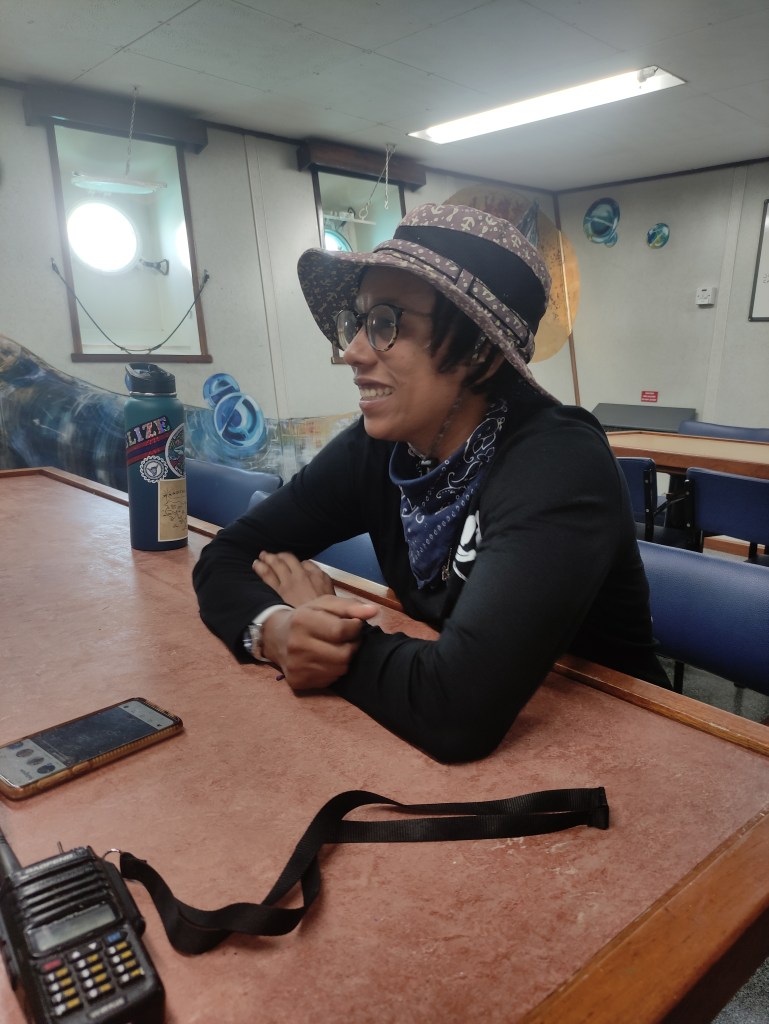
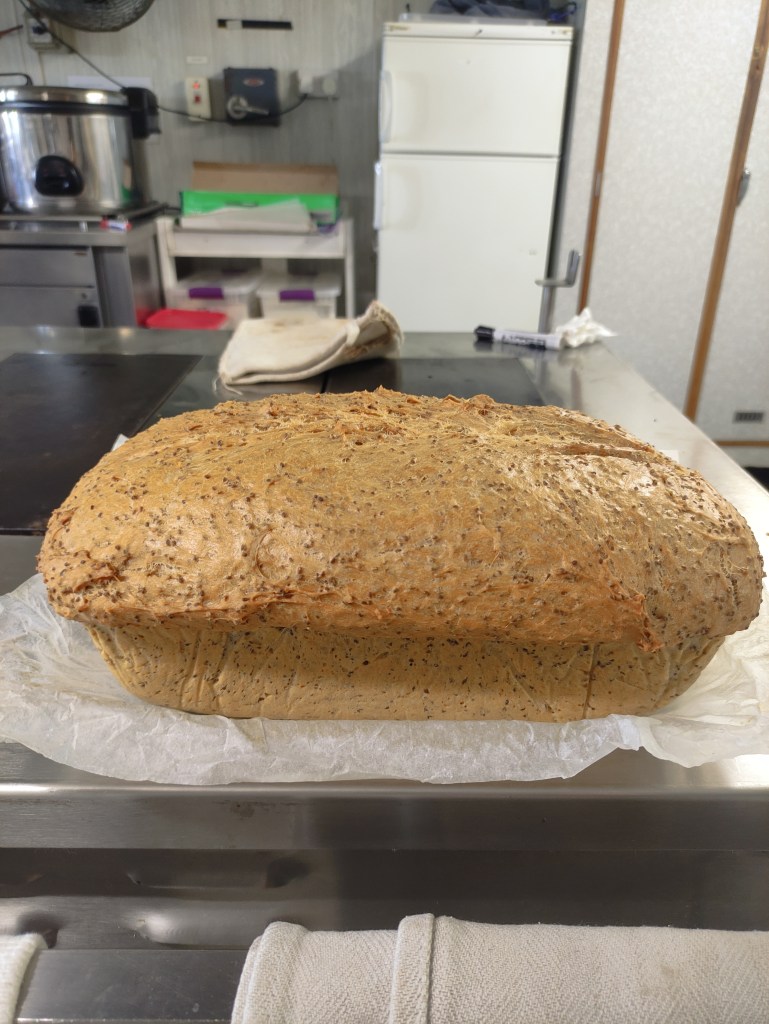
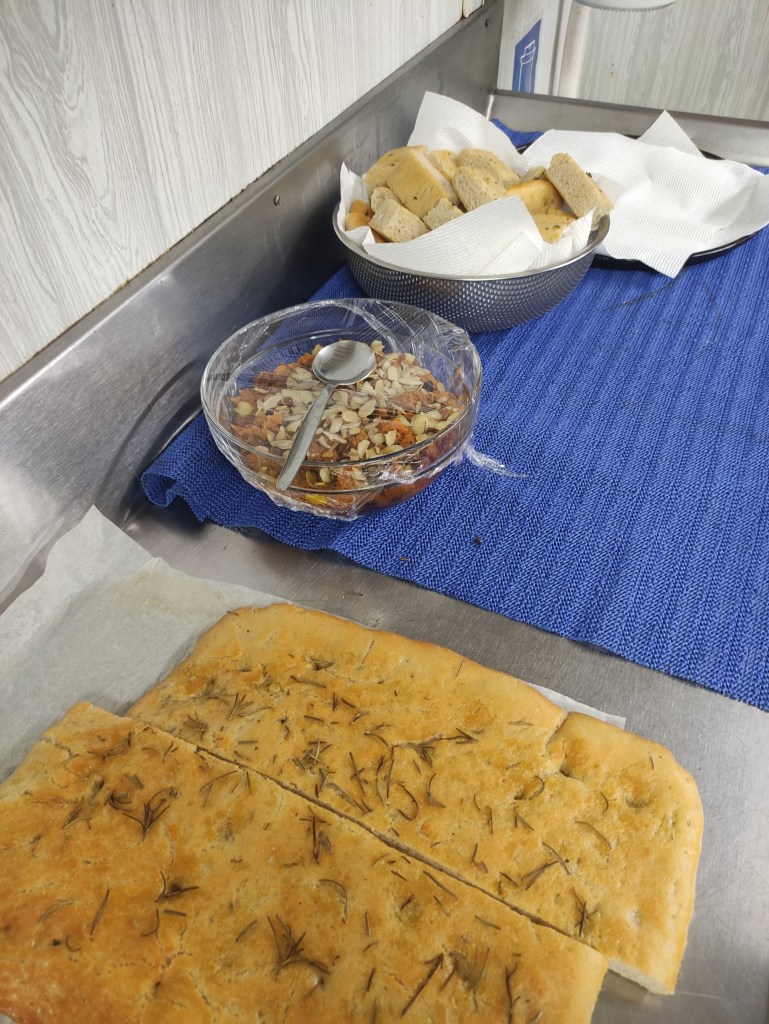
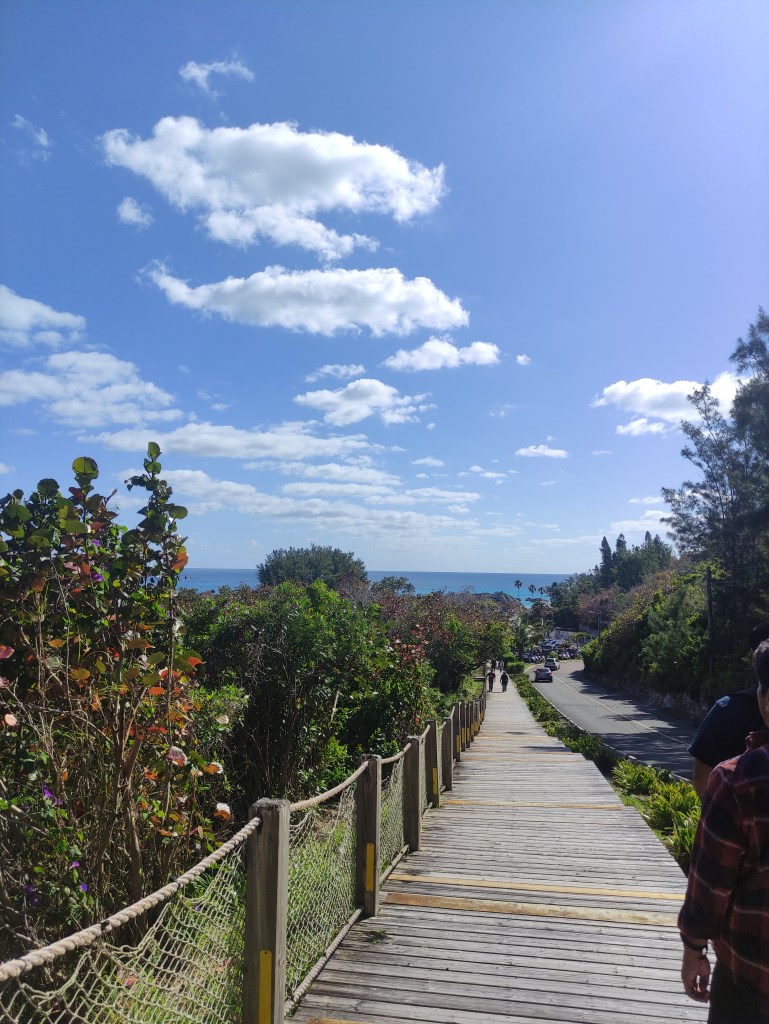
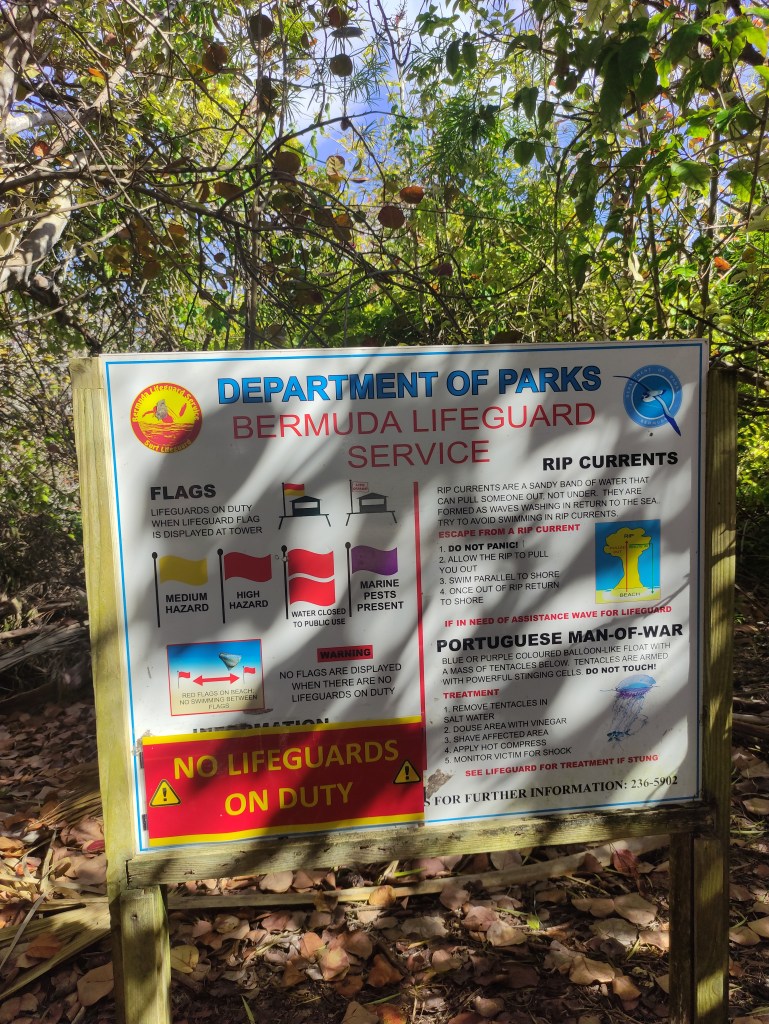
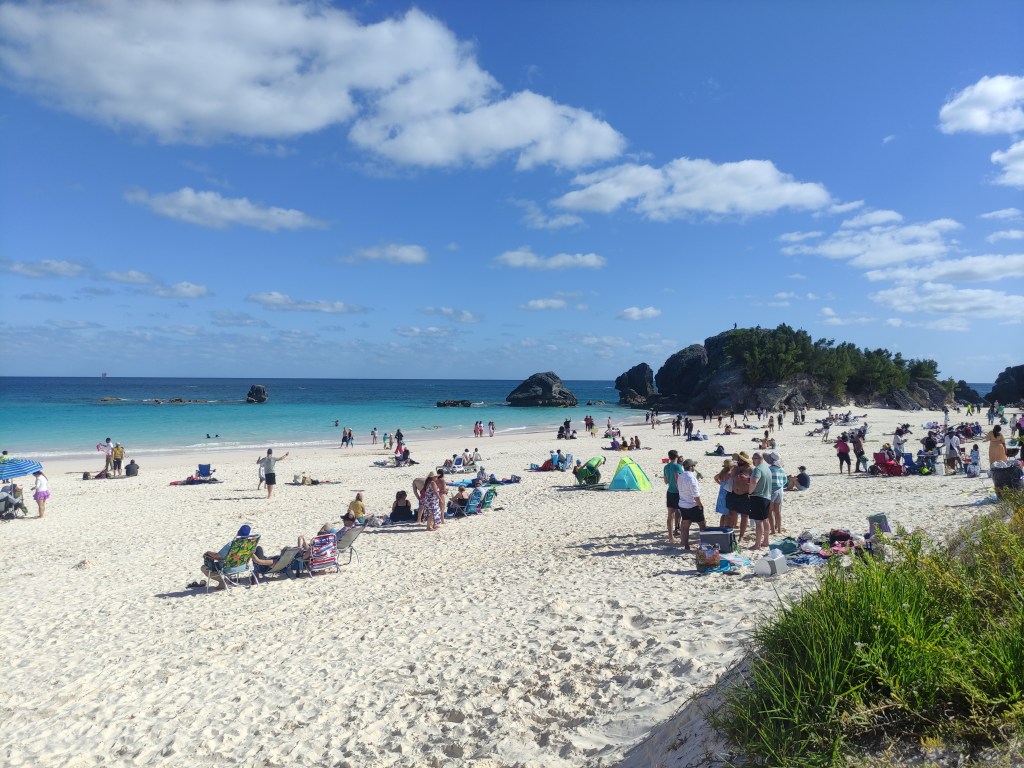
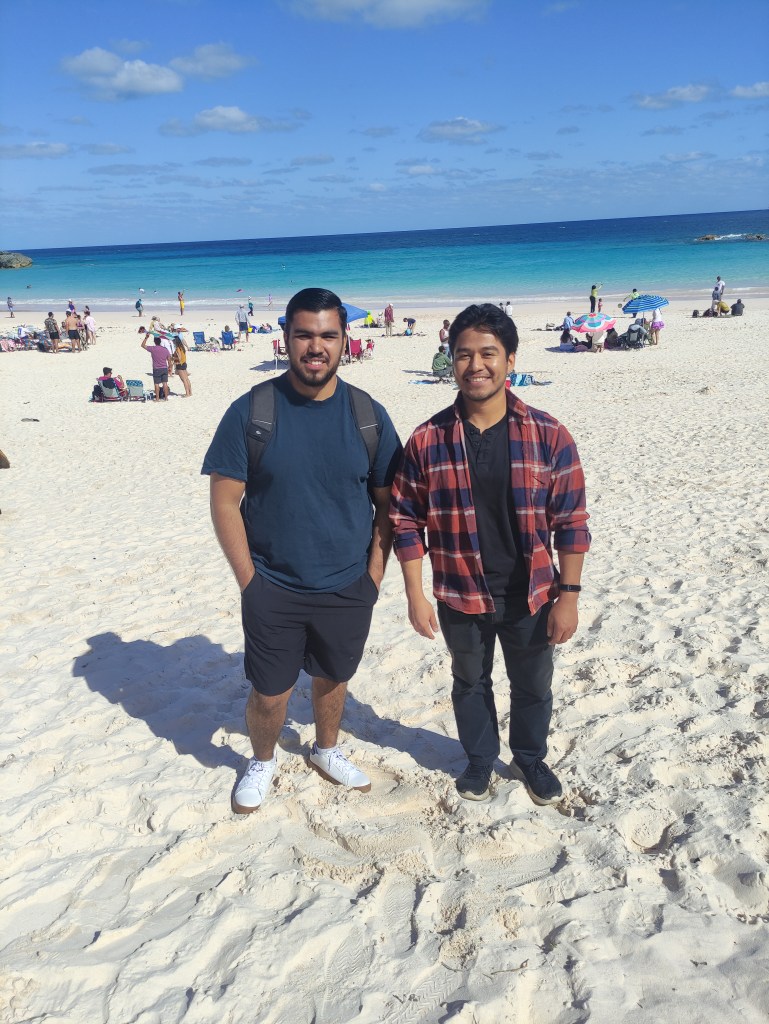
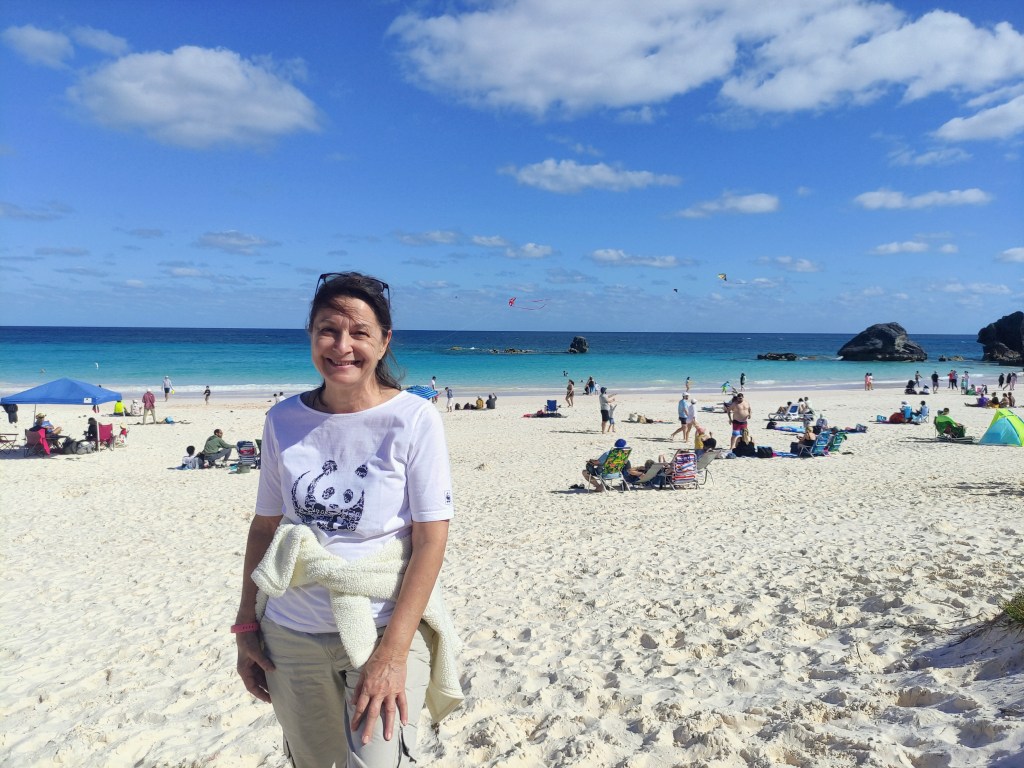
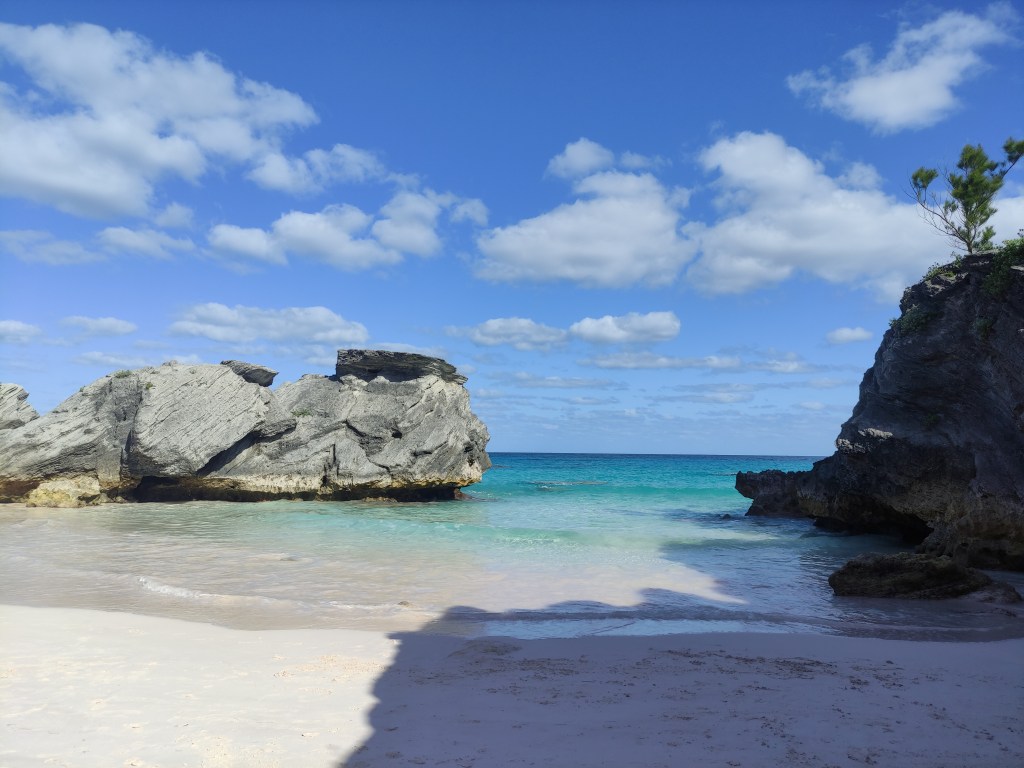
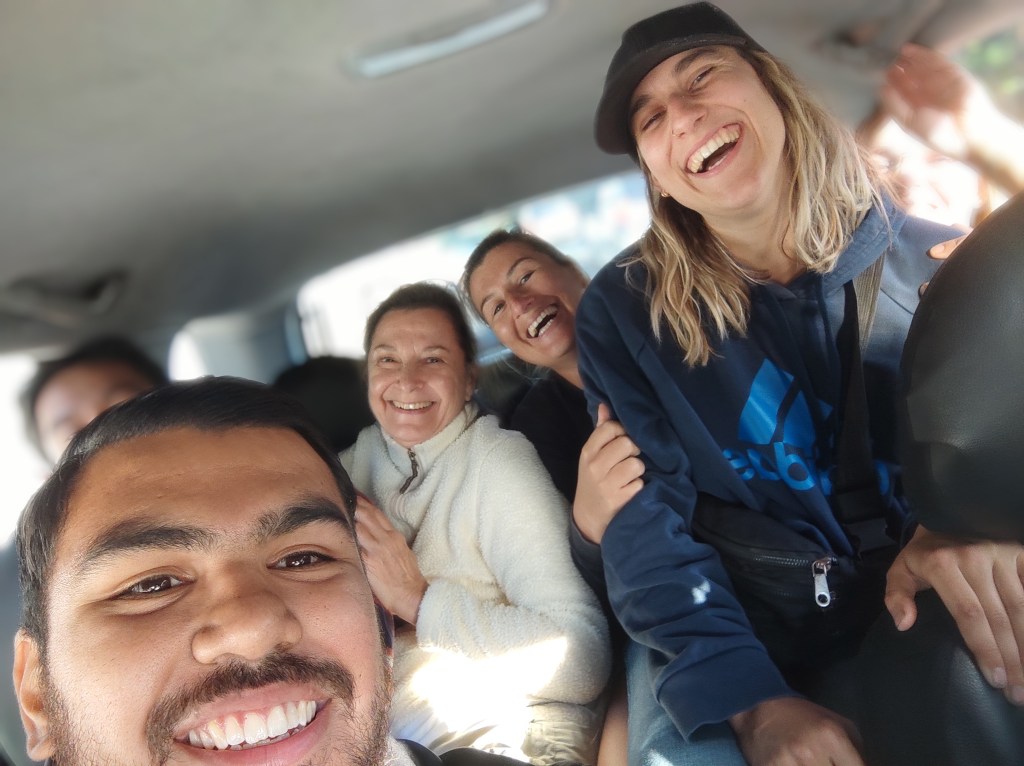
I learned a lot: from using different types of utensils to not taking offense at the haughtiness of a couple of people. It was a priority for me to make sure that there was always enough food for everyone to eat. Which meant cooking a few extra portions and having a good overview of the situation. I had to learn to cook for gluten-free (for celiacs) and with less sugar (for diabetics), something I had never done before. One evening, Captain Locky also took to the stove and surprised everyone with a delicious Brazilian feijoada! The night before departure, bosun Larry also got behind the stove and cooked a delicious vegan pizza for everyone. I always ensured that fresh bread, fruits, milk, and various nuts were available for snacks in the crew room (Mess room). But my role was not just to cook. As the days went by, a special energy developed. I found myself listening to my colleagues’ concerns and thoughts and I tried to offer them moral support: funny since that was the job I had last held for more than 25 years. Being the oldest, they called me “Mama Claudine”, and in fact, they all could have been my children. There were also some special moments, like the late afternoon of Friday, 18 April. Pedro, Juan Carlos and I took the bus to Horseshoe Beach, where we met Ray, Adélie, Chelle and Angelina. There were no more buses to take us back to the port. So, we hitchhiked. A gentleman picked up all six of us in his small car.




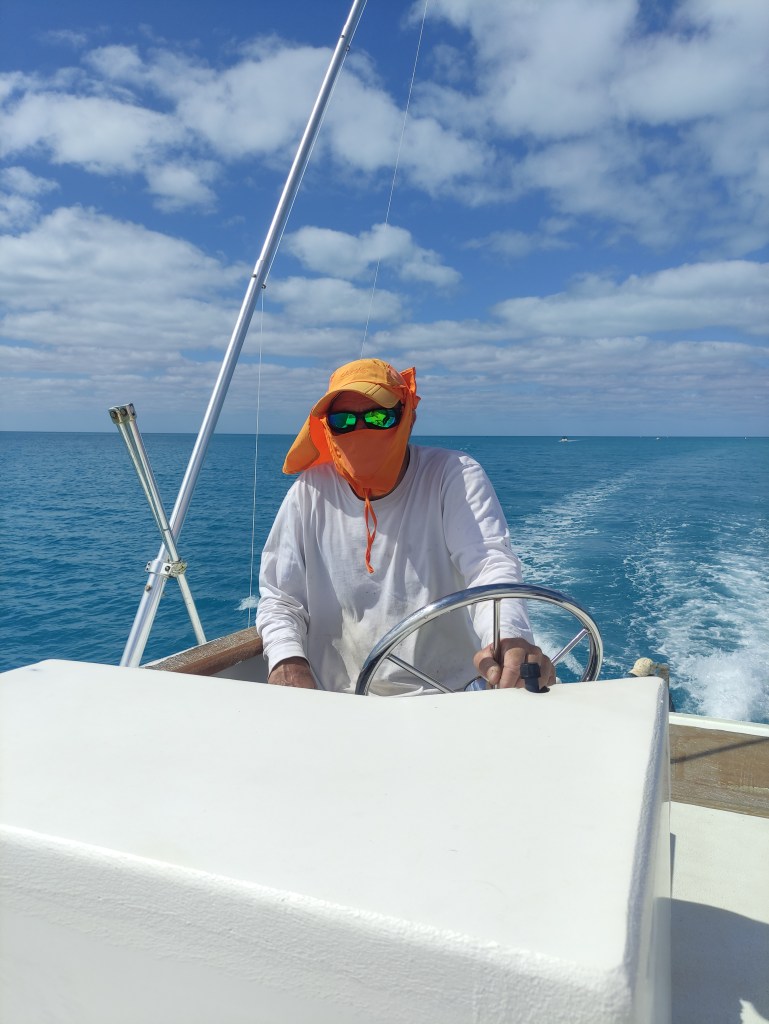
Or on Saturday April 19th, Pedro and I accepted Sonia Pacin’s invitation to go whale watching. On Andy and Johnny’s boat, we went out in the deep sea. The whales were far away, but we spotted a couple.


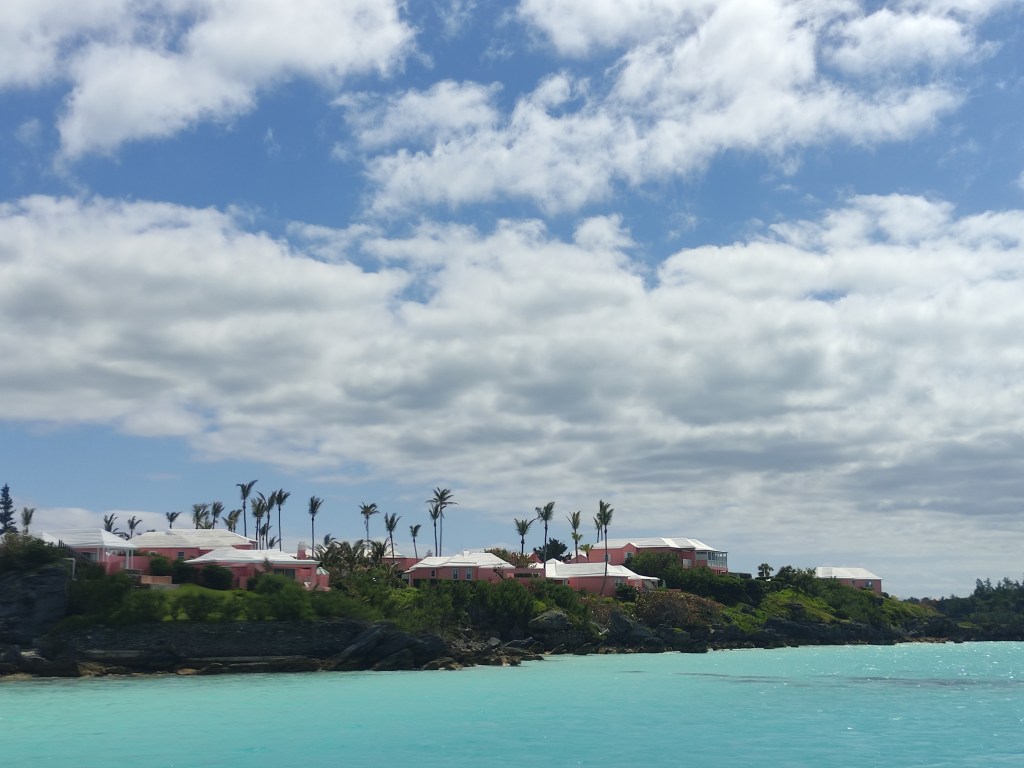


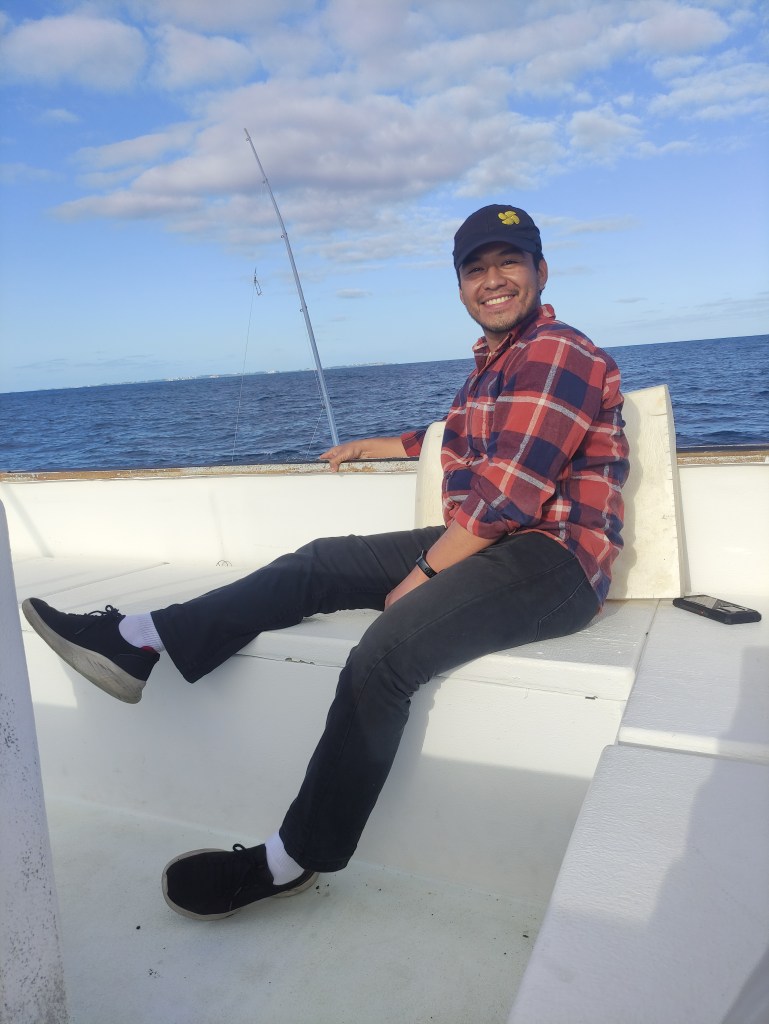
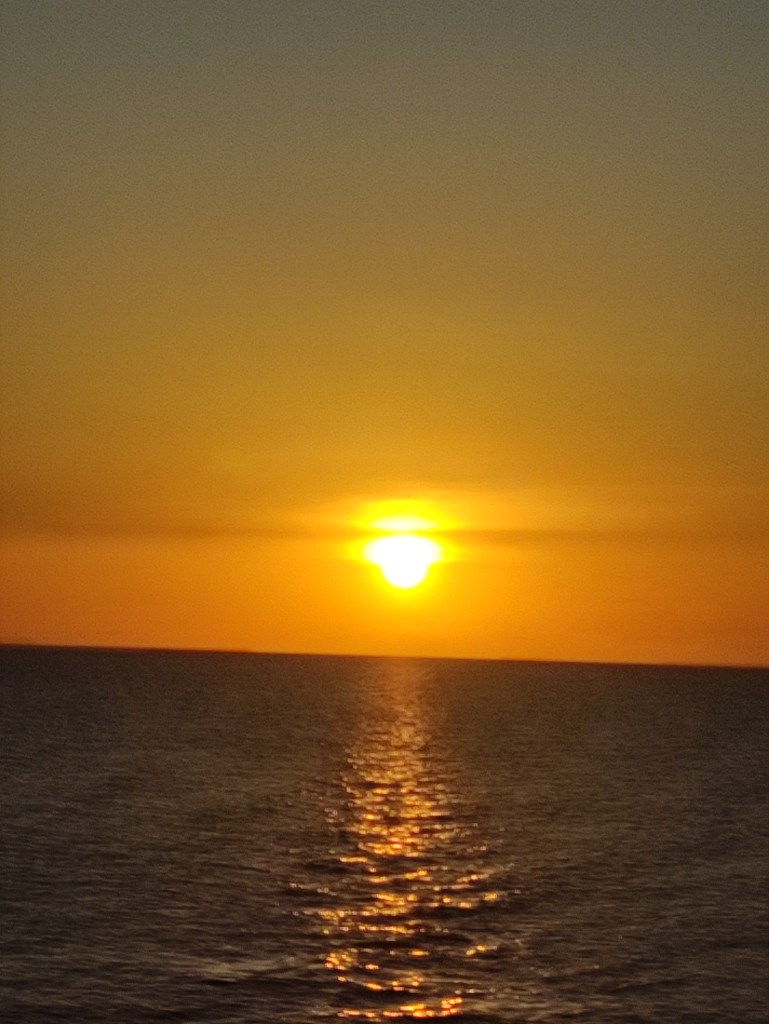

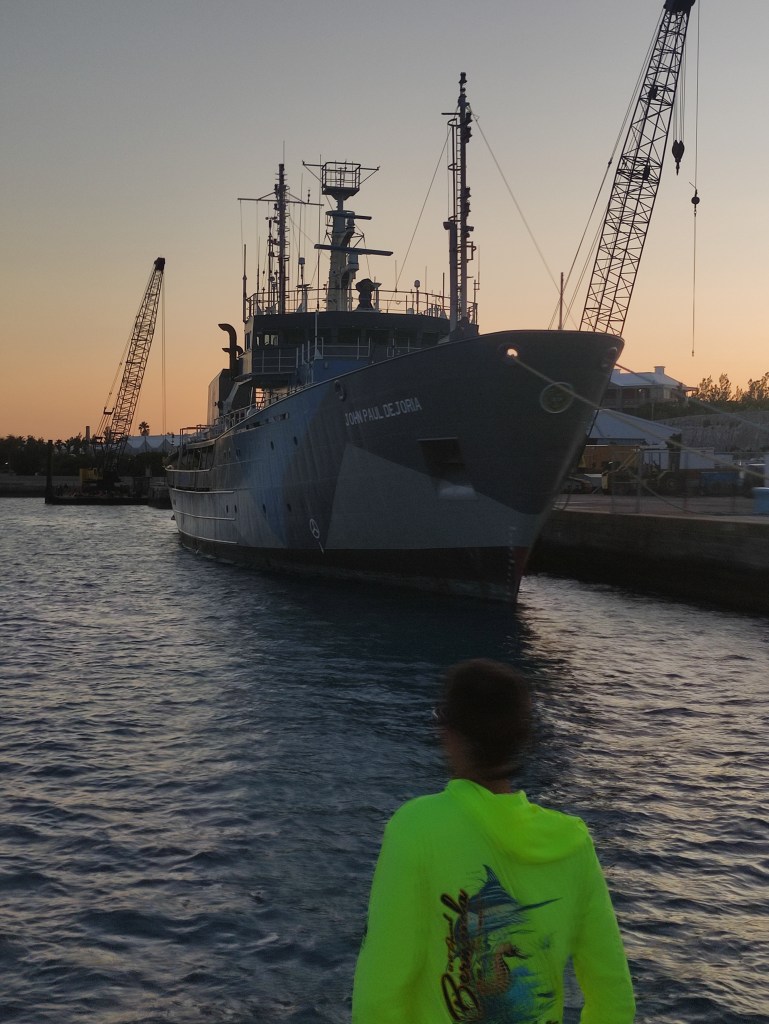
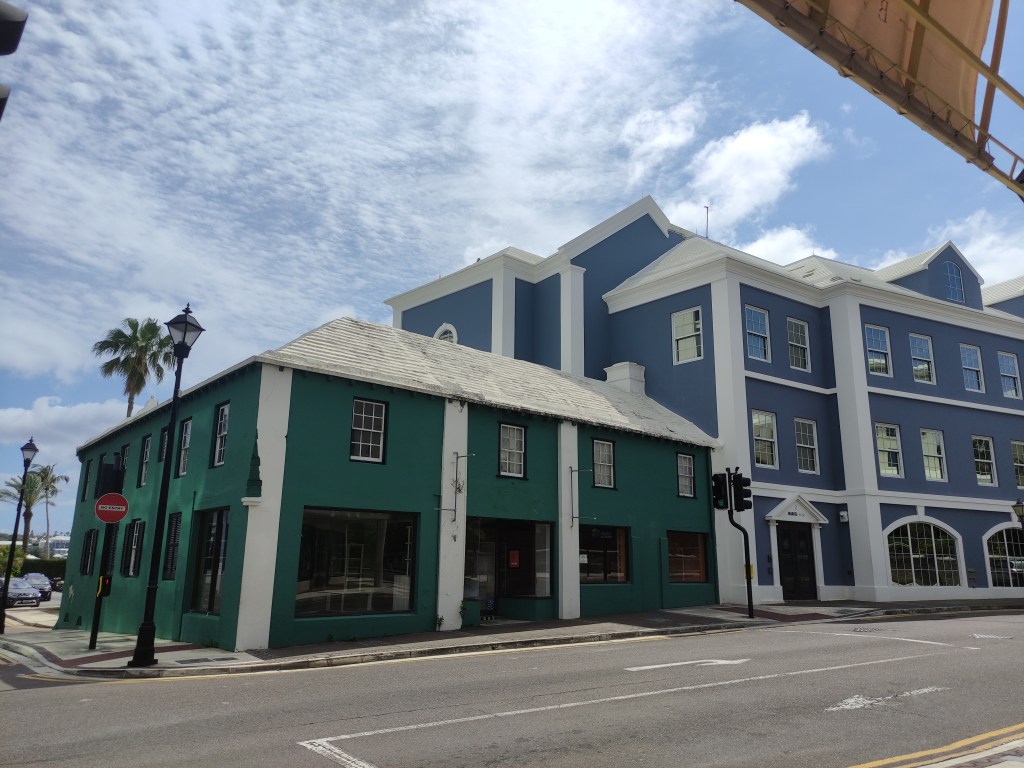
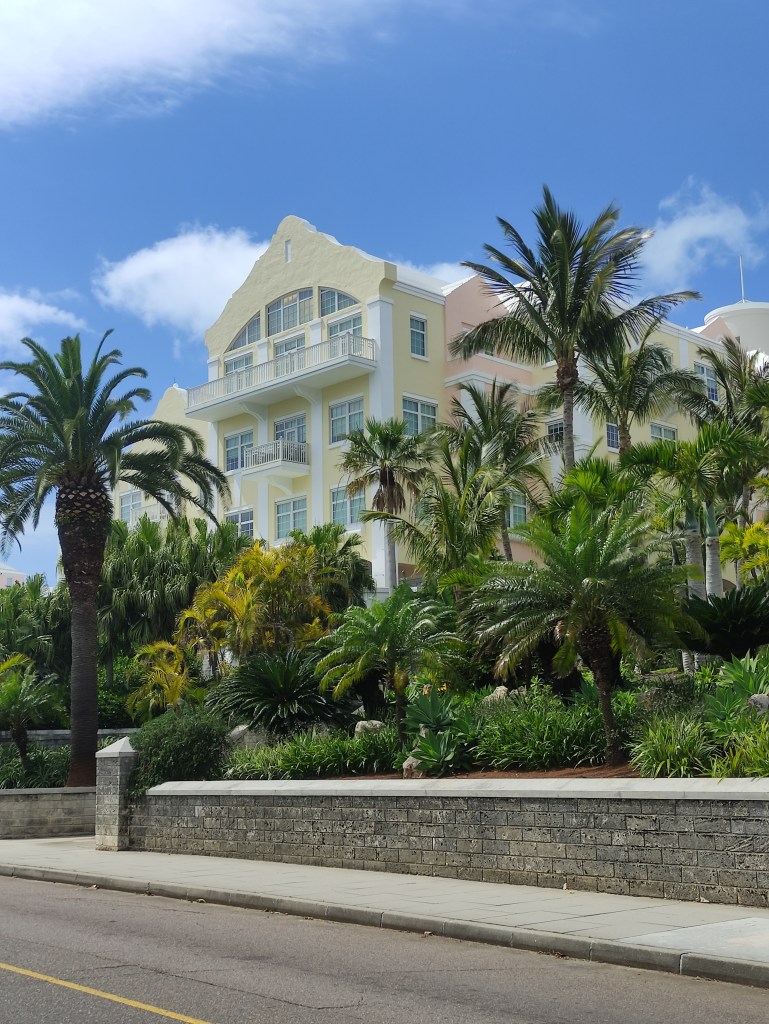
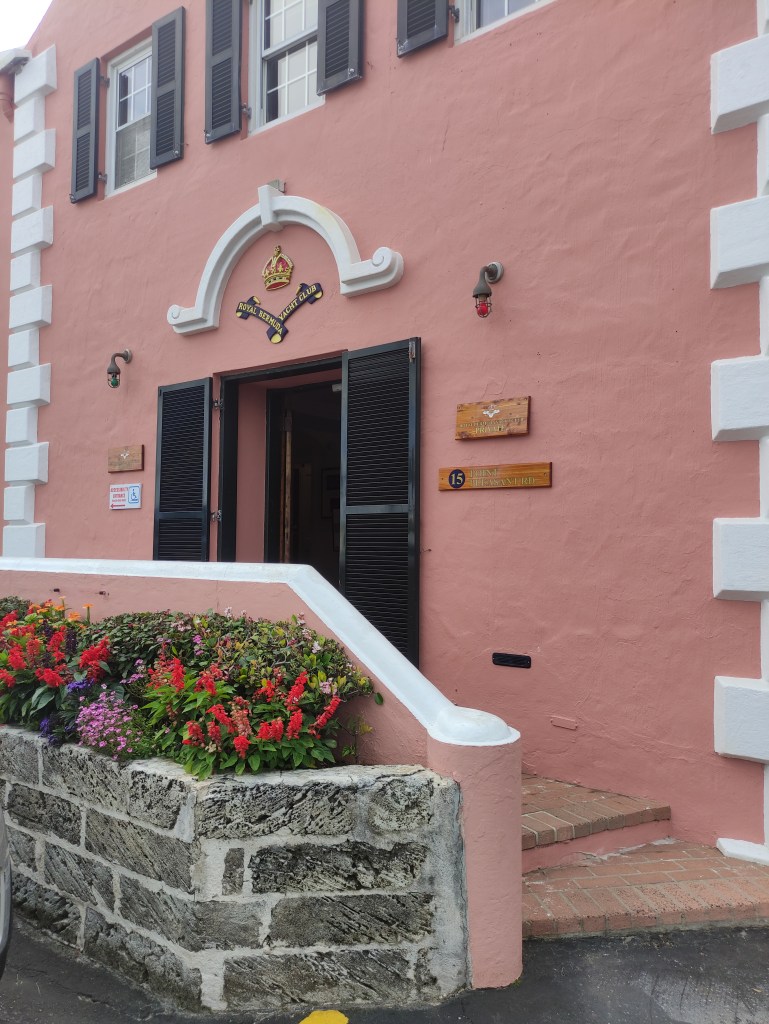
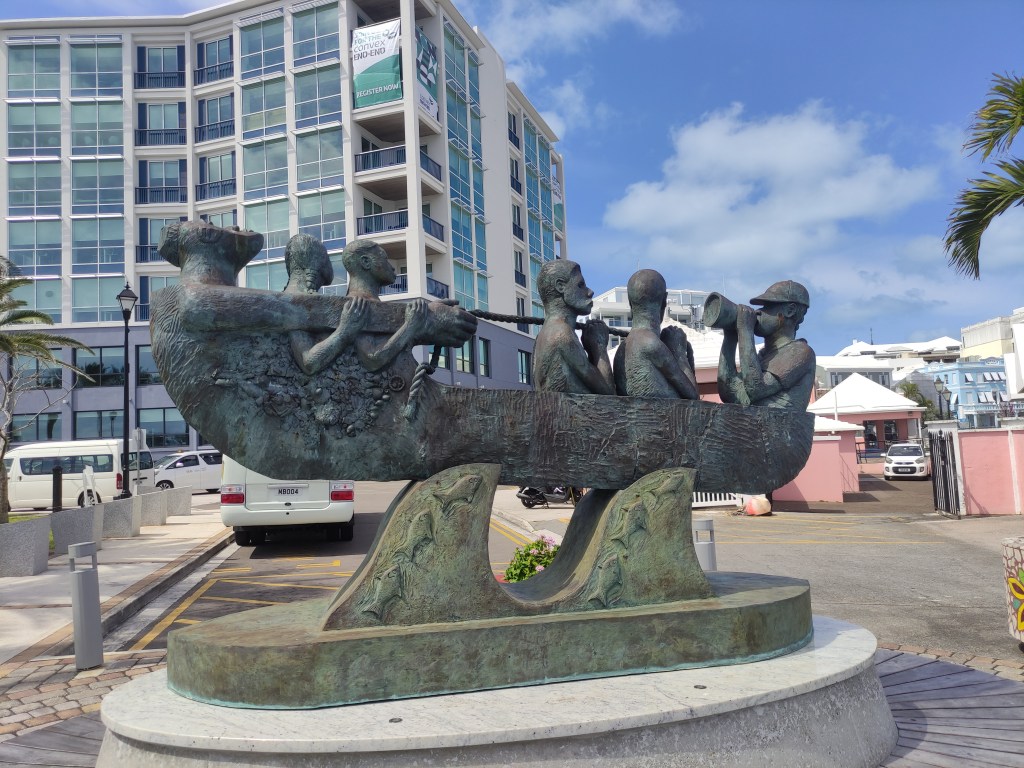
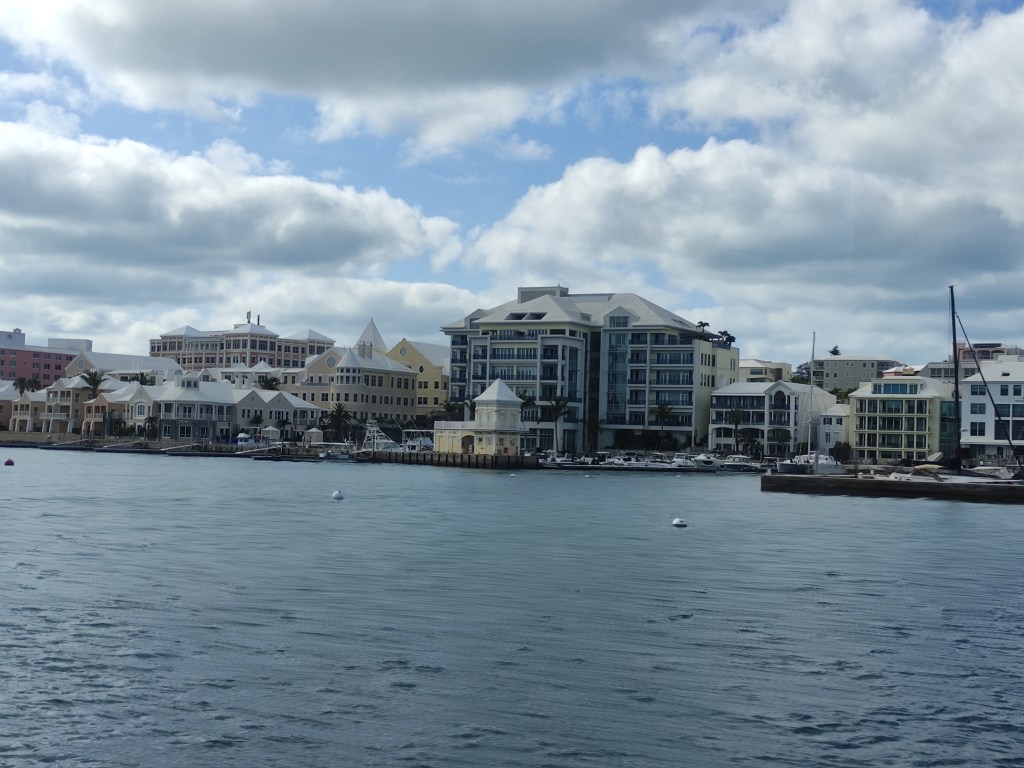
On Sunday April 20th, I prepared dinner in advance and put it in the oven. I took the afternoon off to visit Hamilton on my own, traveling by bus and ferry.
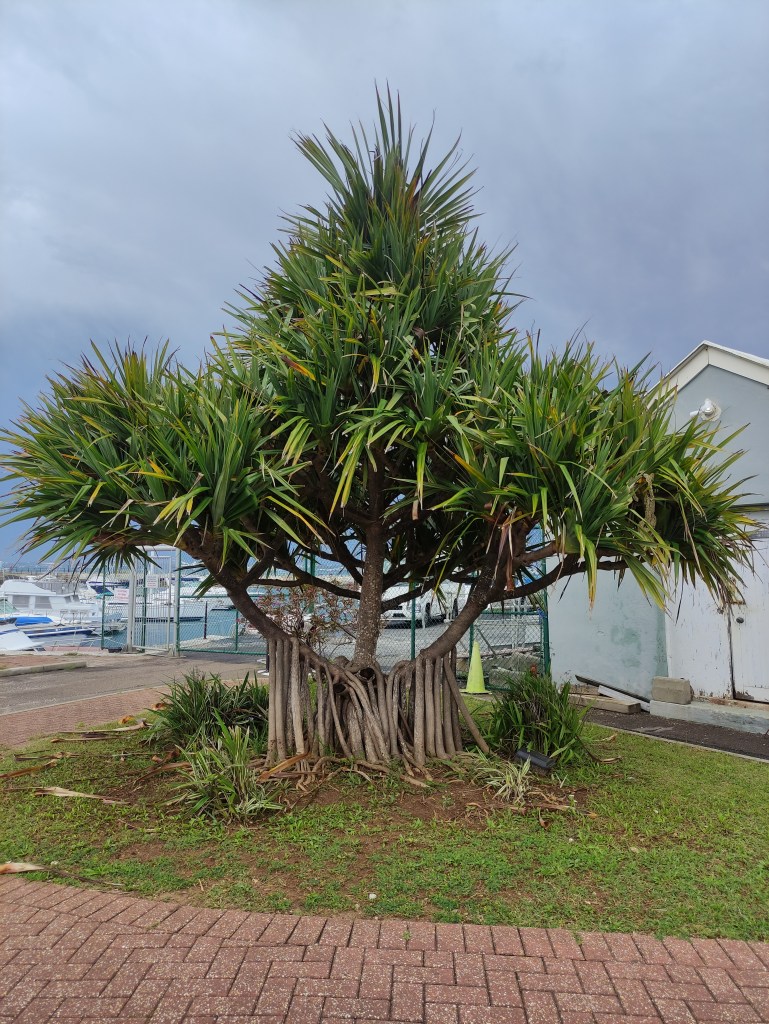

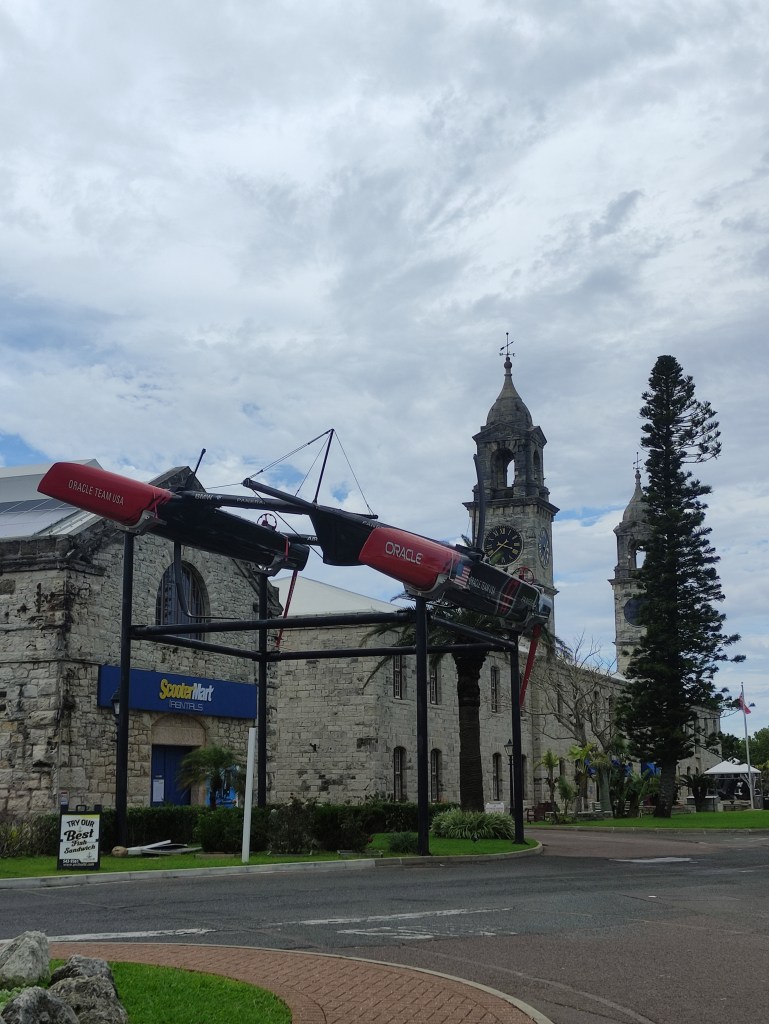
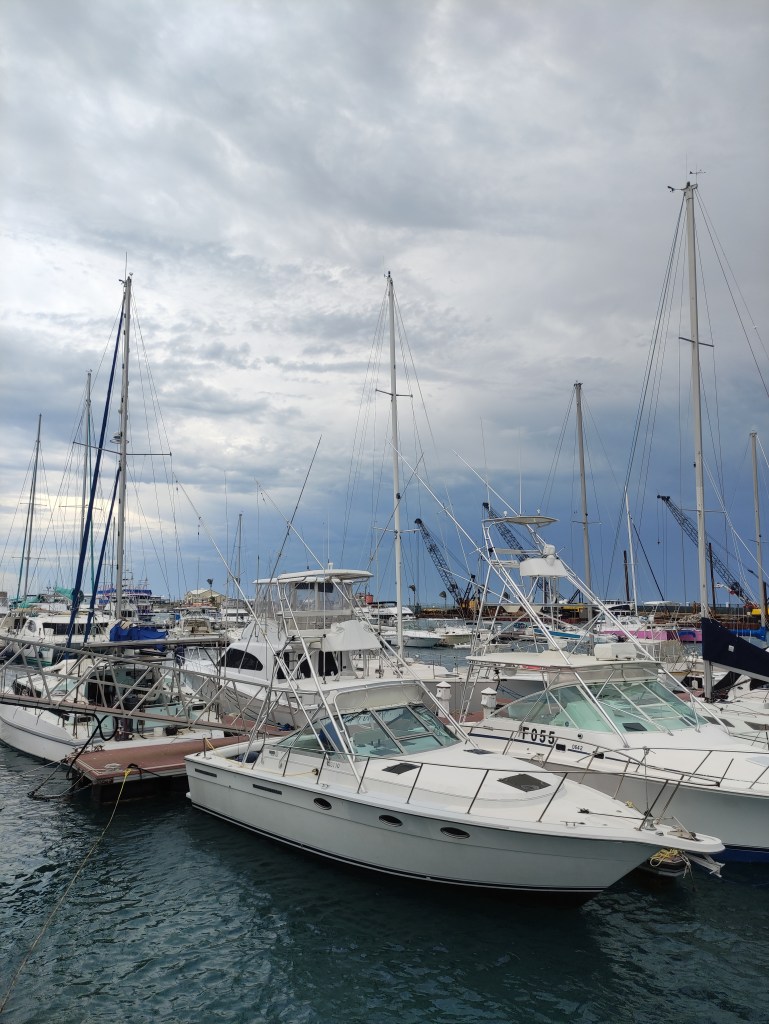
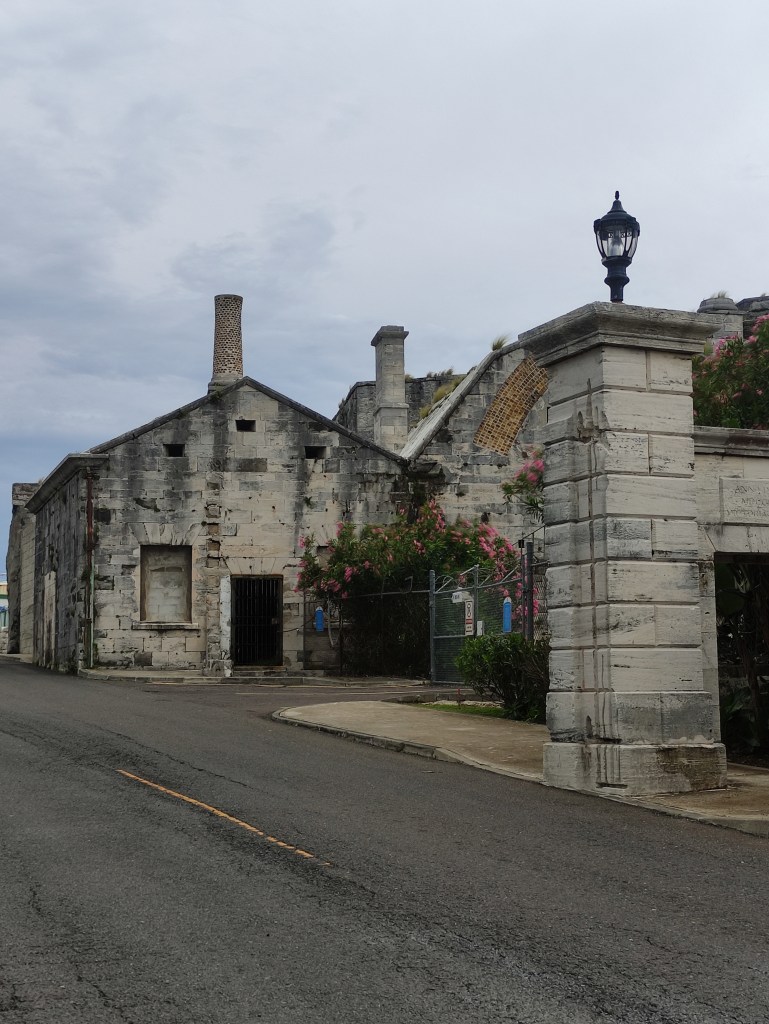
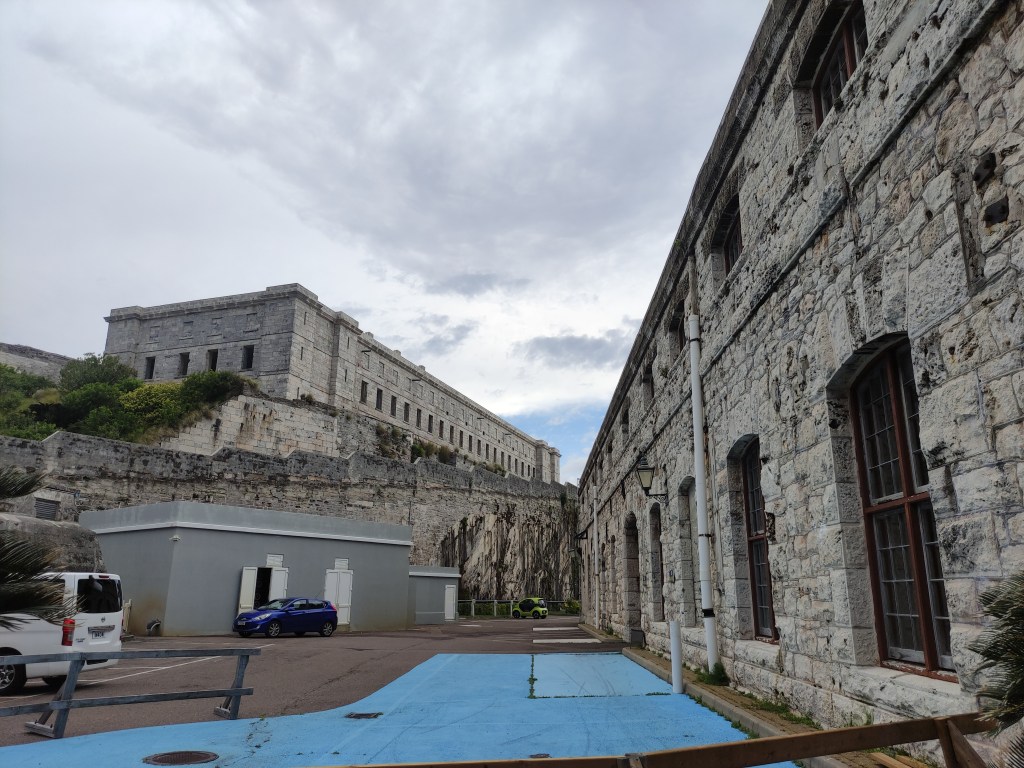

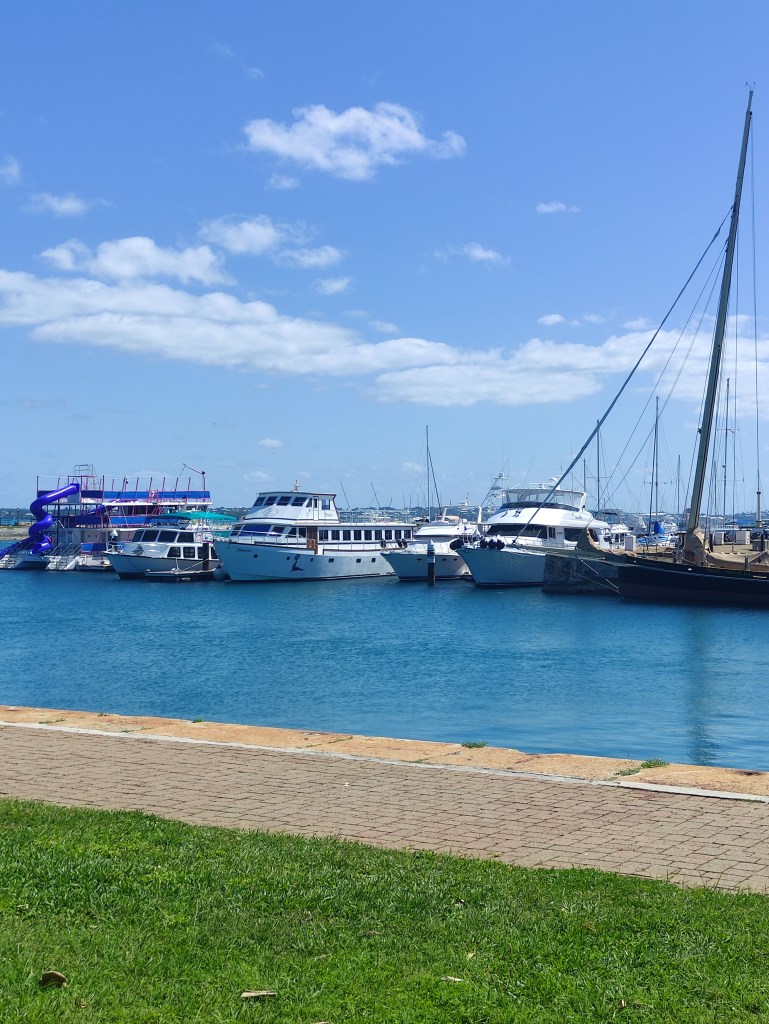

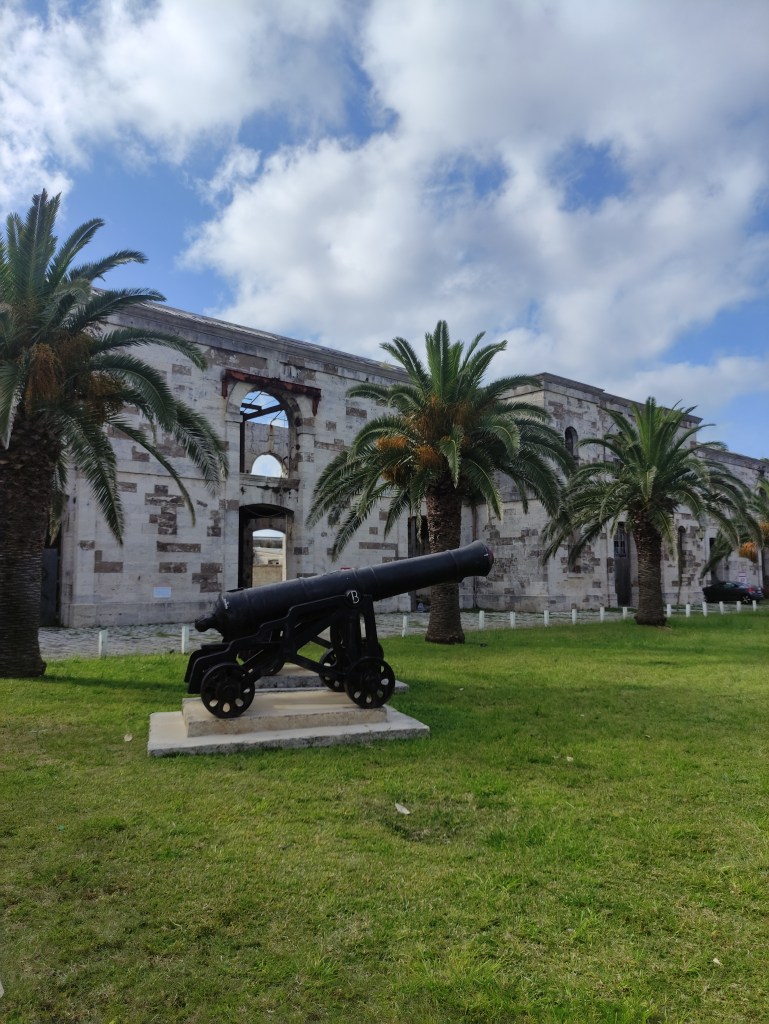


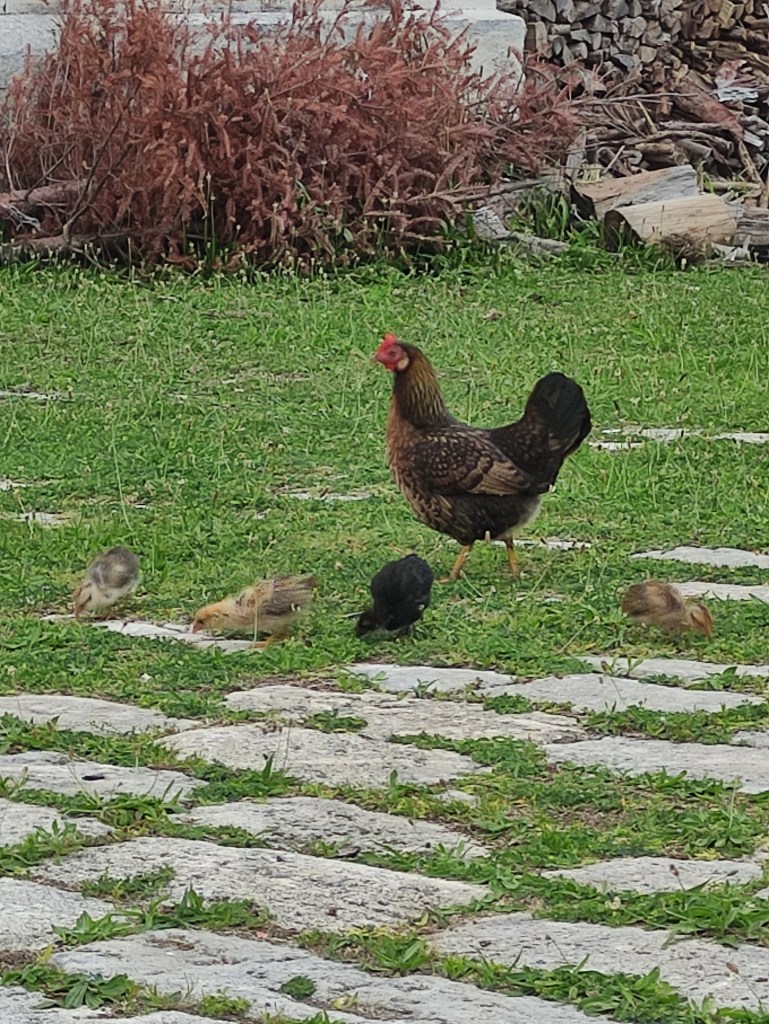
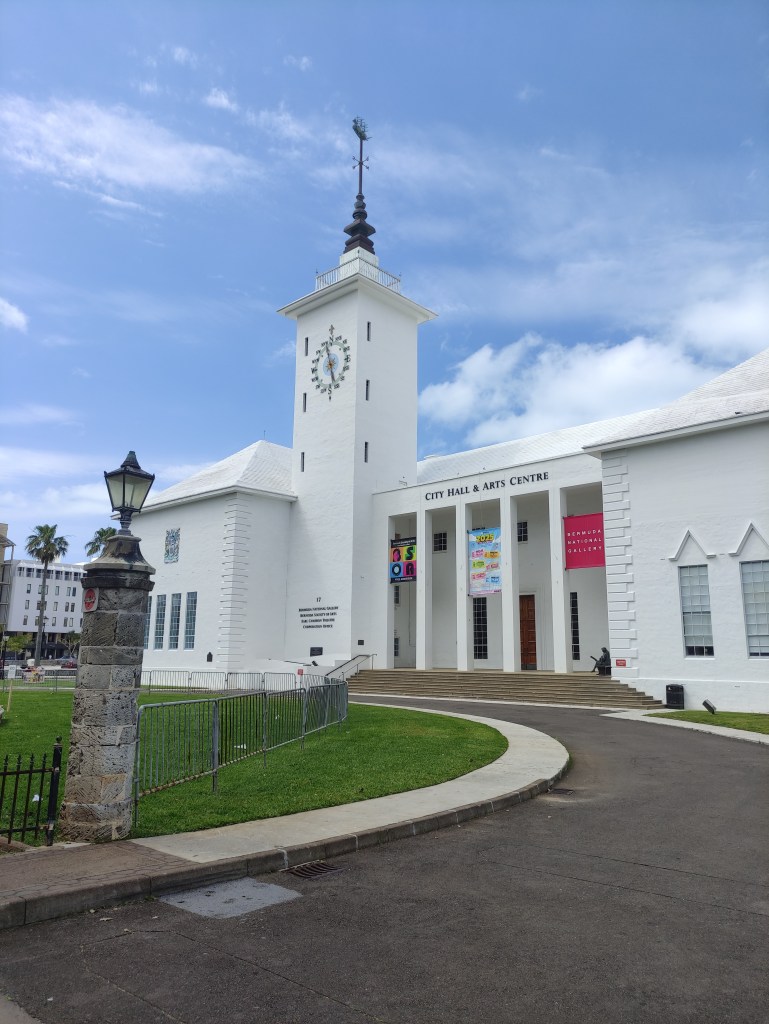




Initially, I was told that I wouldn’t have to cook on Saturday afternoon and Sunday’s. Unfortunately, this wasn’t possible as I had been cooking (my choice) lunch and dinner every day since April 11th.
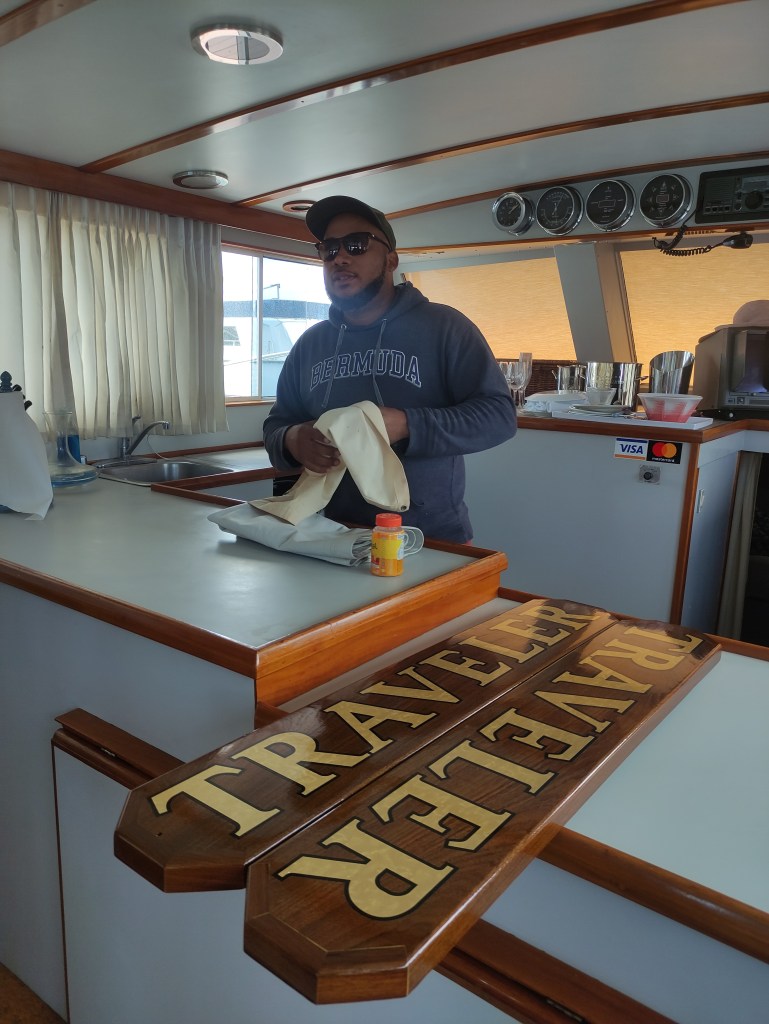
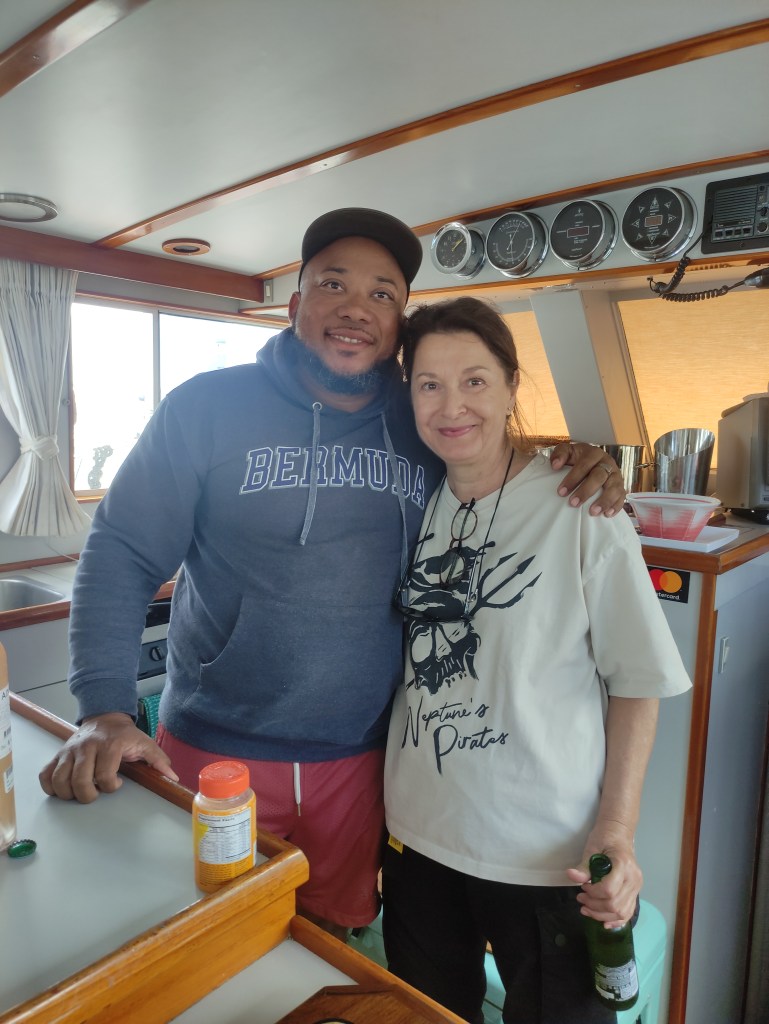
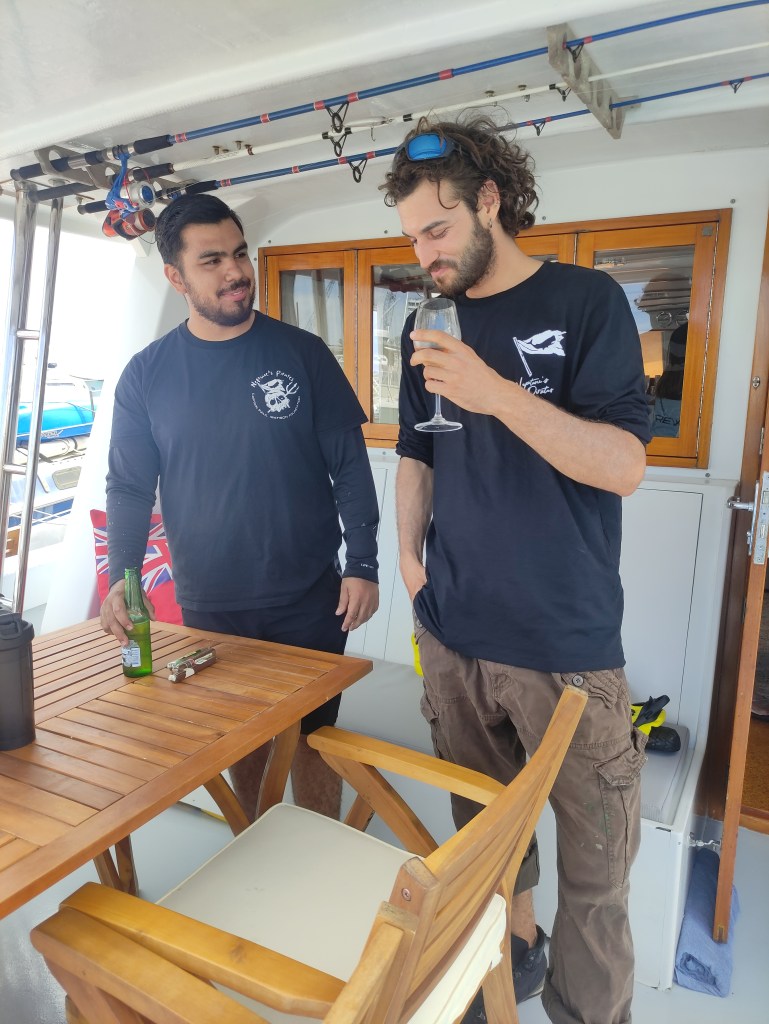
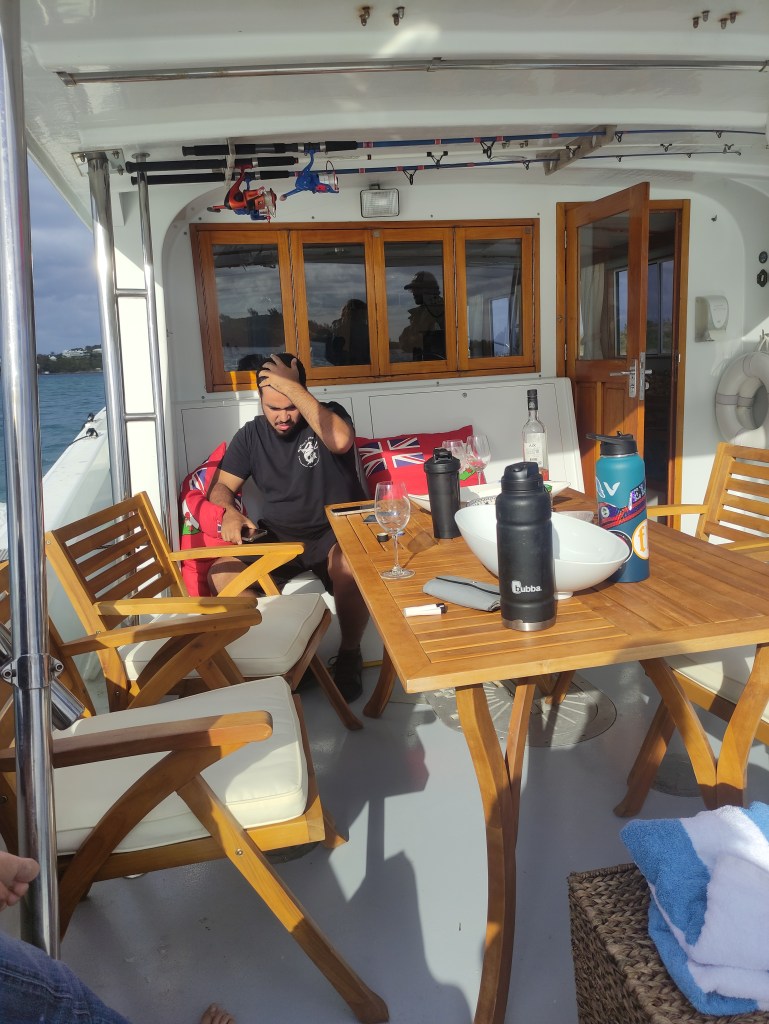
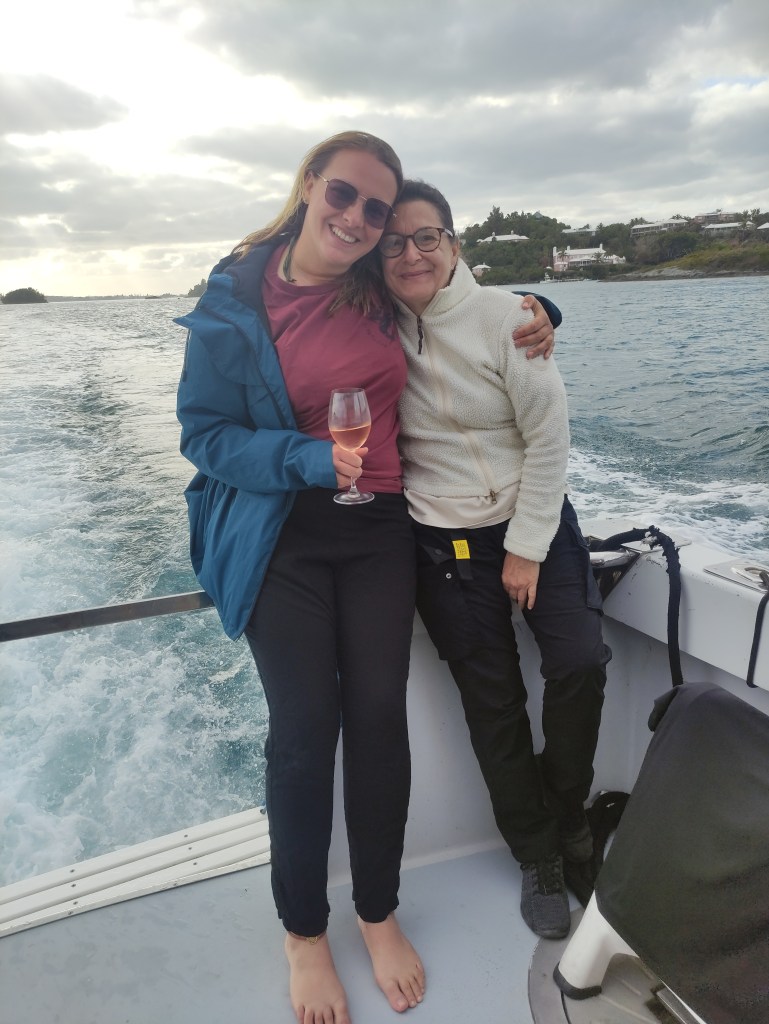
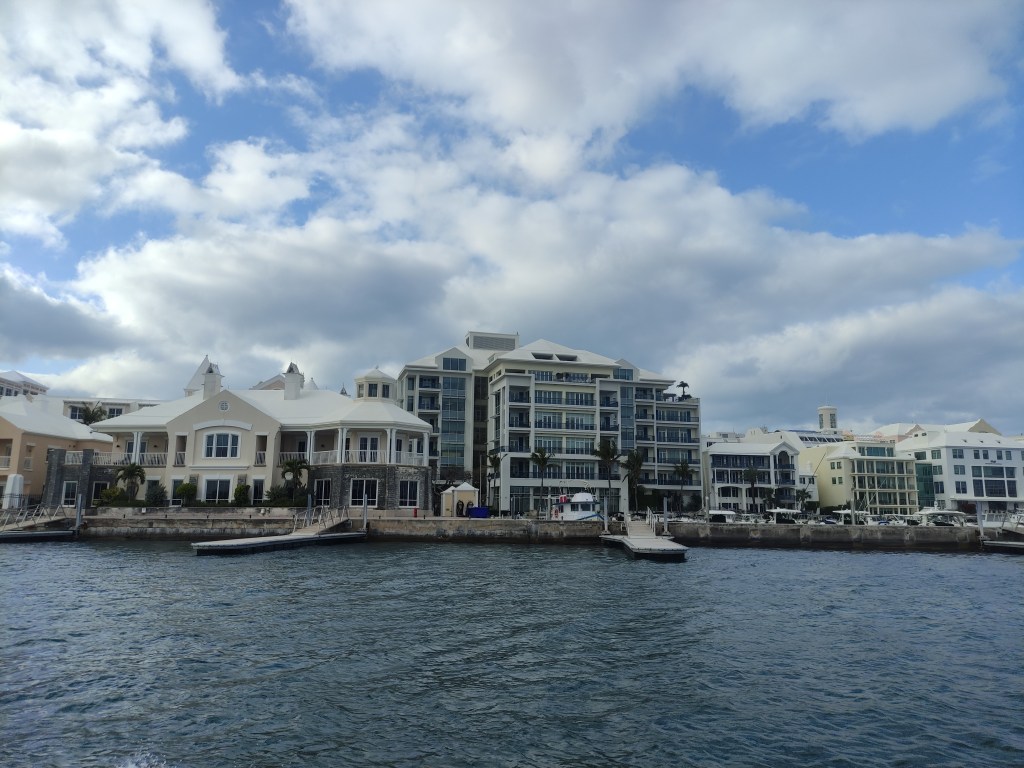
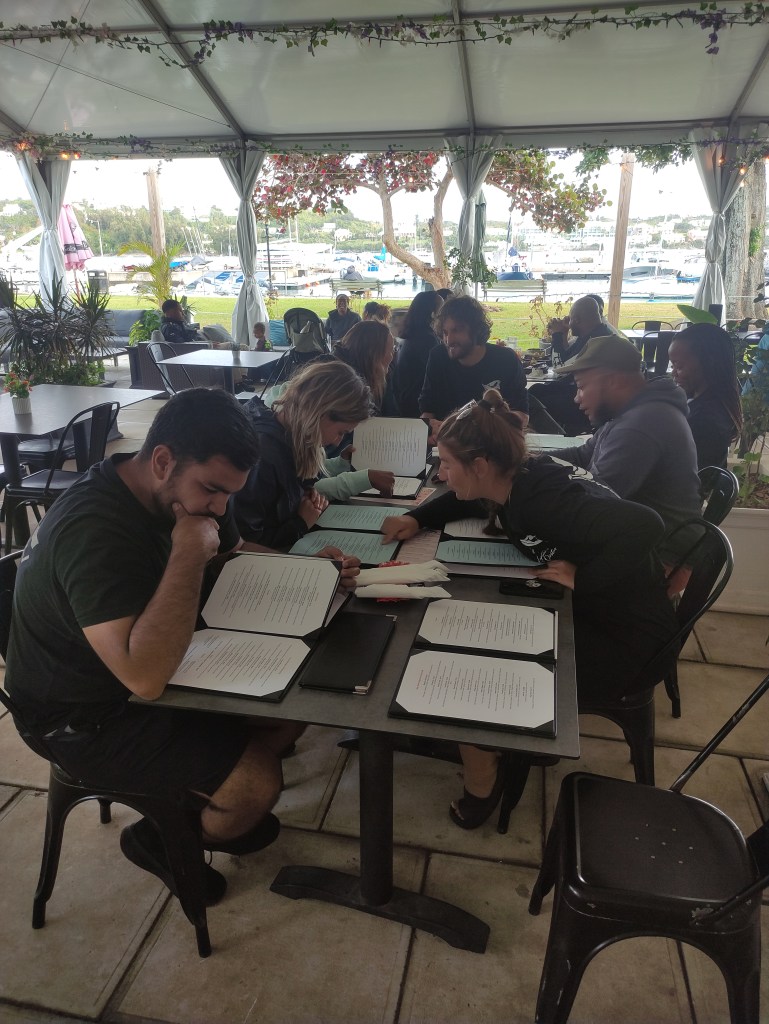
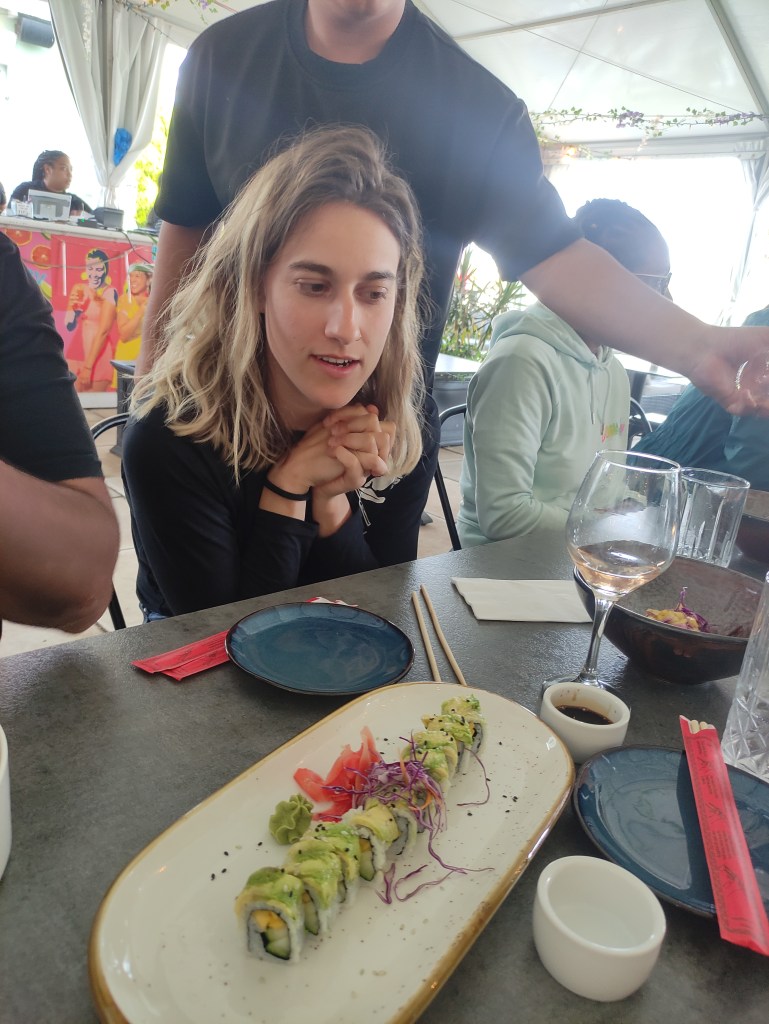
To my surprise, on Tuesday April 22nd in the afternoon, Thato had organised a trip out to sea (known as “Free Claudine”). KJ Keerome, an entrepreneur who runs a charter company, took some of us (Alex, Adélie, Angelina, Chelle, Juan Carlos and Vivien) out on a motorboat. In Hamilton, KJ treated us to a delicious dinner at the Déjà View restaurant. This gesture was greatly appreciated by everyone, and we had a lot of fun.



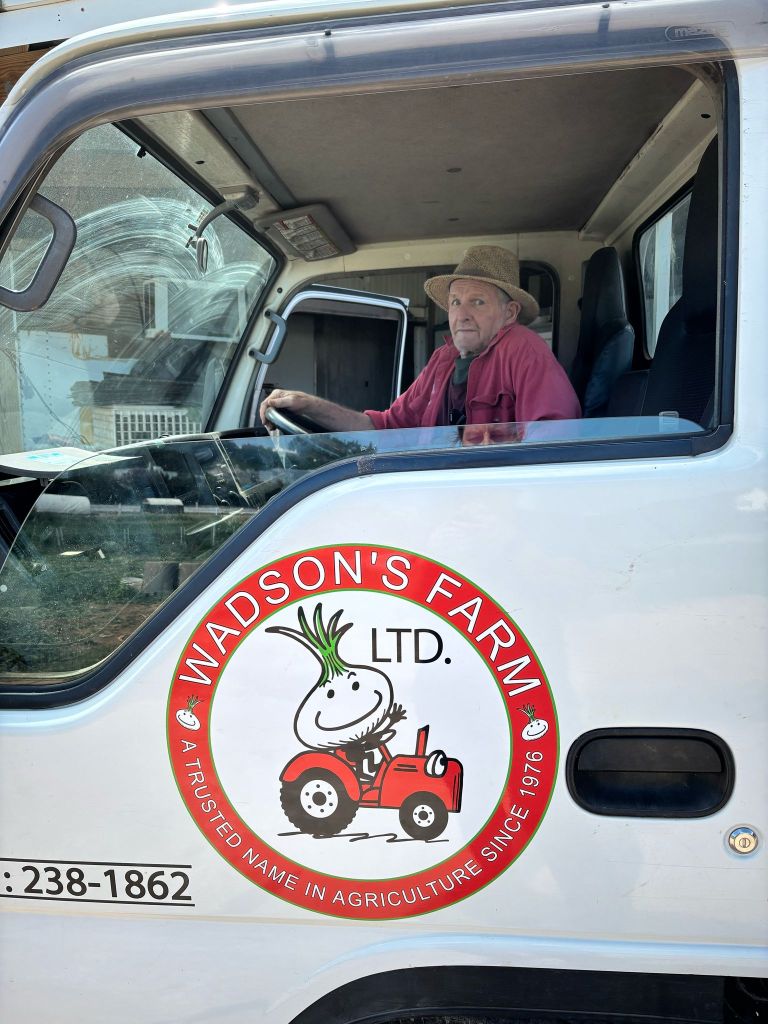
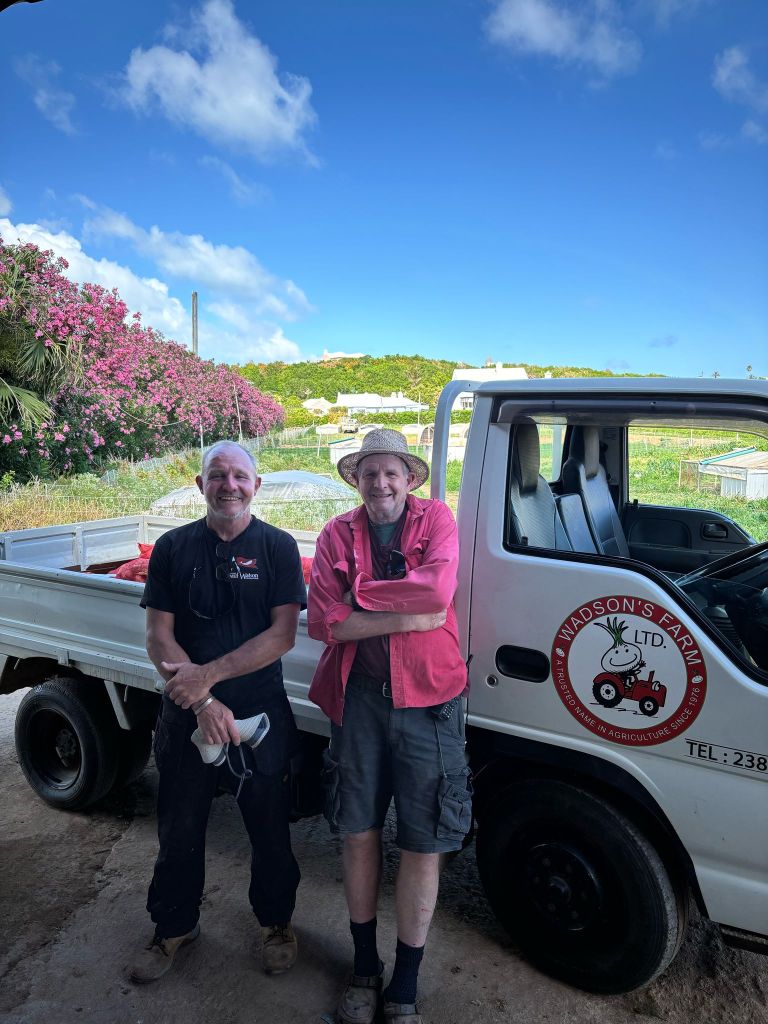
But this was not the only gesture of support received by the JPD crew. A shopkeeper gave us the first $2,000 worth of groceries. Mr Tom Wadson, gave us a van full of all kinds of vegetables. We thus had enough fresh food to face the difficult Atlantic crossing. Since there was so much, we sorted, cleaned and prepared a lot of vegetables in portions to freeze.




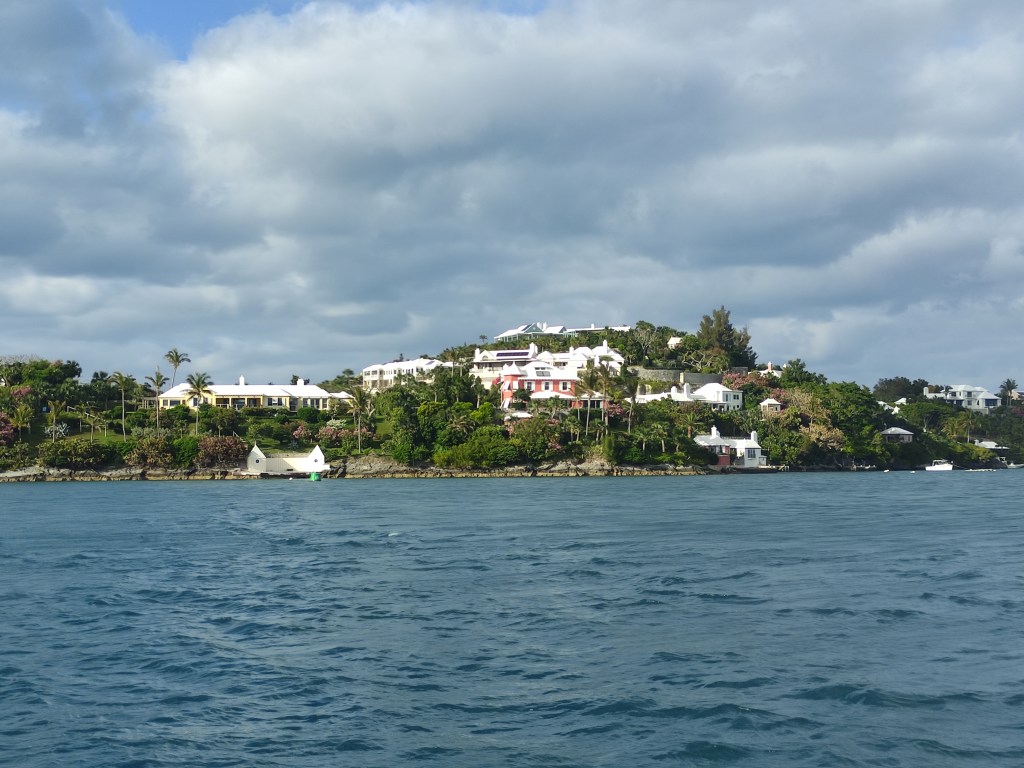
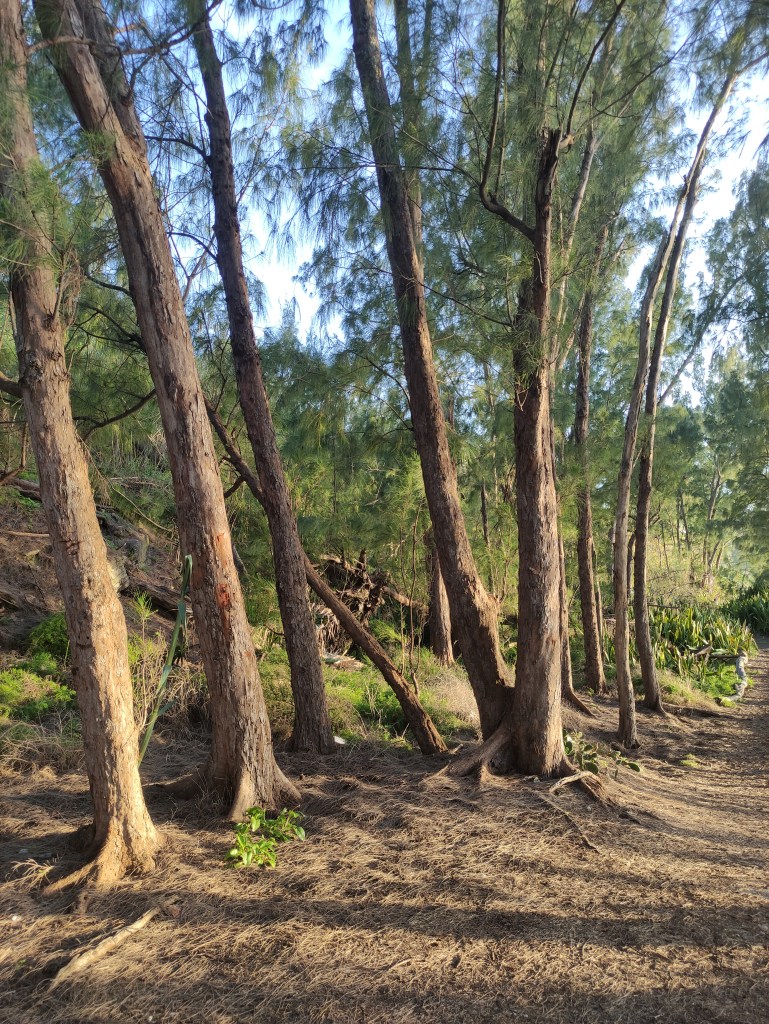
Oh yes, the Bermuda Islands are worth a visit. Although, life there is very expensive and many islanders leave for abroad in search of more affordable solutions.
If you have the opportunity to get a scooter or bike (preferably electric), there are many beautiful beaches to visit. A short walk from the Royal Navy Harbor, is Glass Beach. A place where years ago people used to throw bottles, and now the beach is littered with colorful smoothed pebbles (which, though, are forbidden to collect).




The Paul Watson Foundation can only continue its work thanks to donations from supporters of its cause and volunteers who work unpaid on land and at sea. Only top shipboard hierarchy get a salary and airfare allowances and expenses; volunteers must pay for their own tickets and get only a room and full board on the ship in exchange for their work.
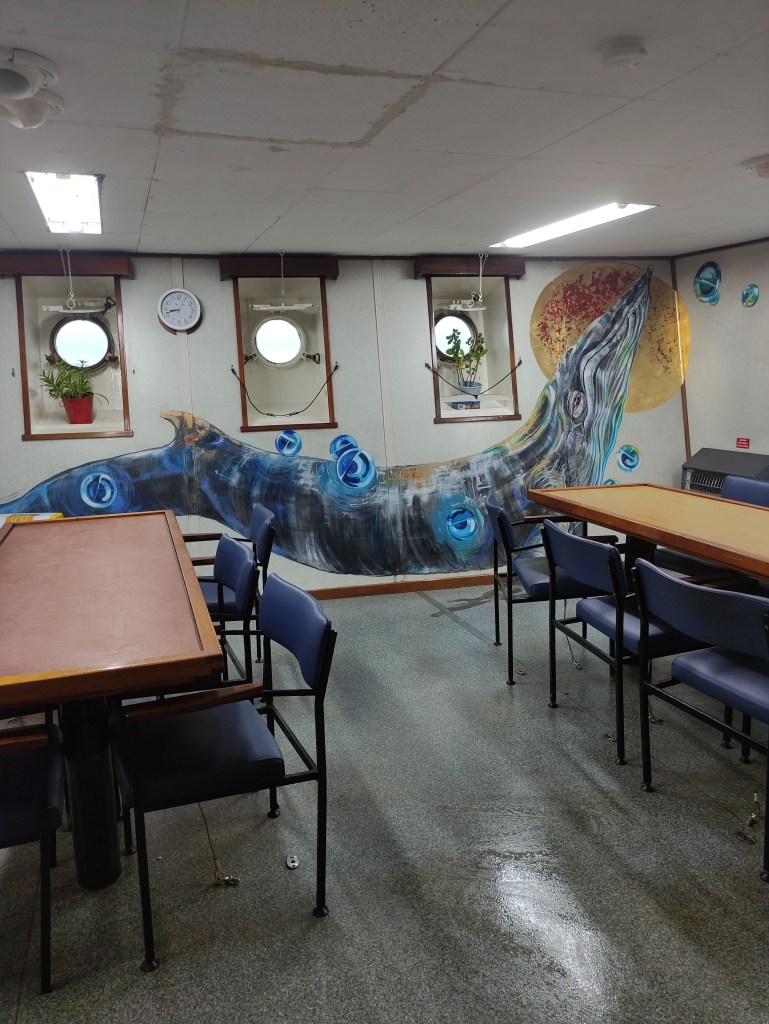
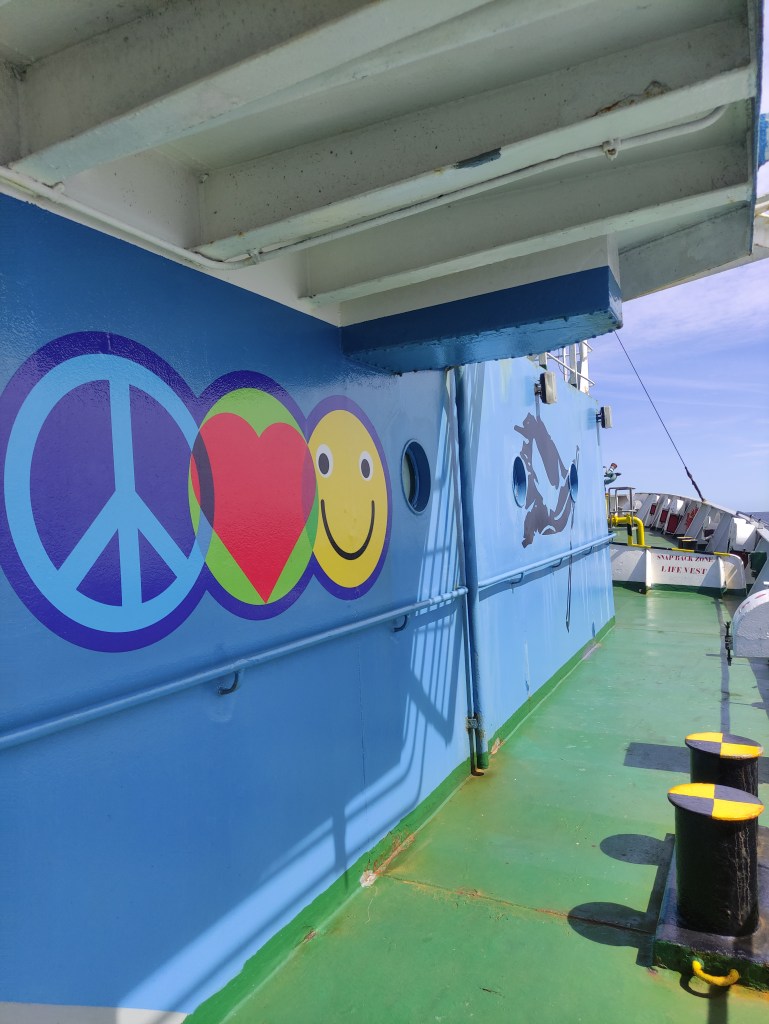
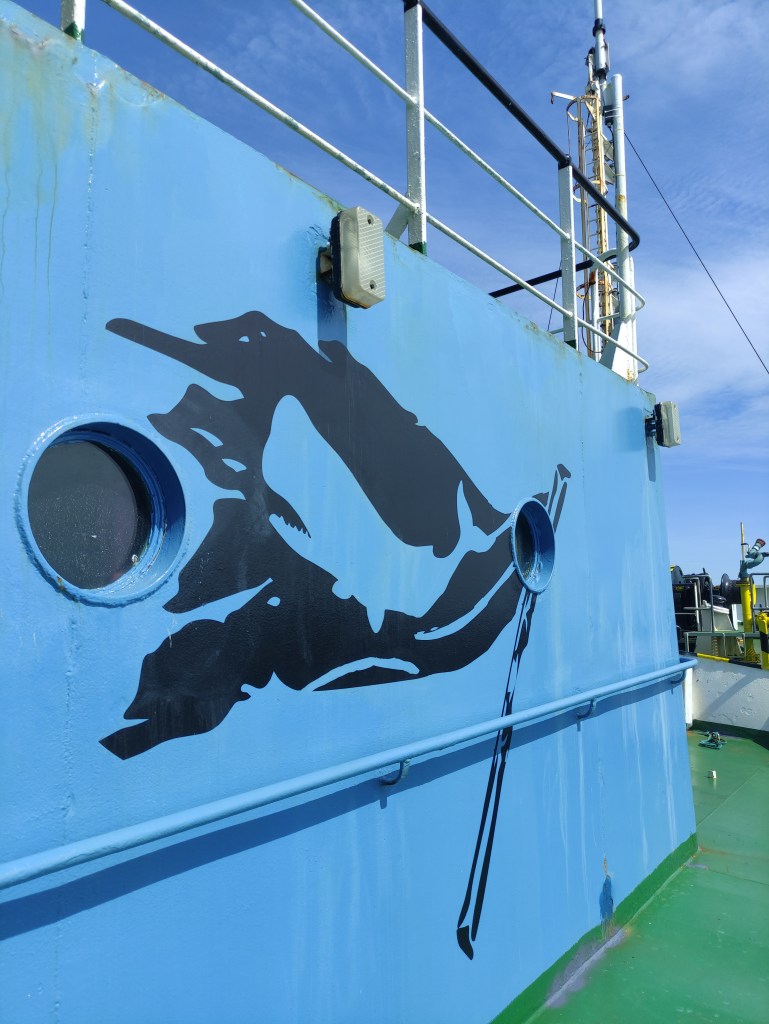
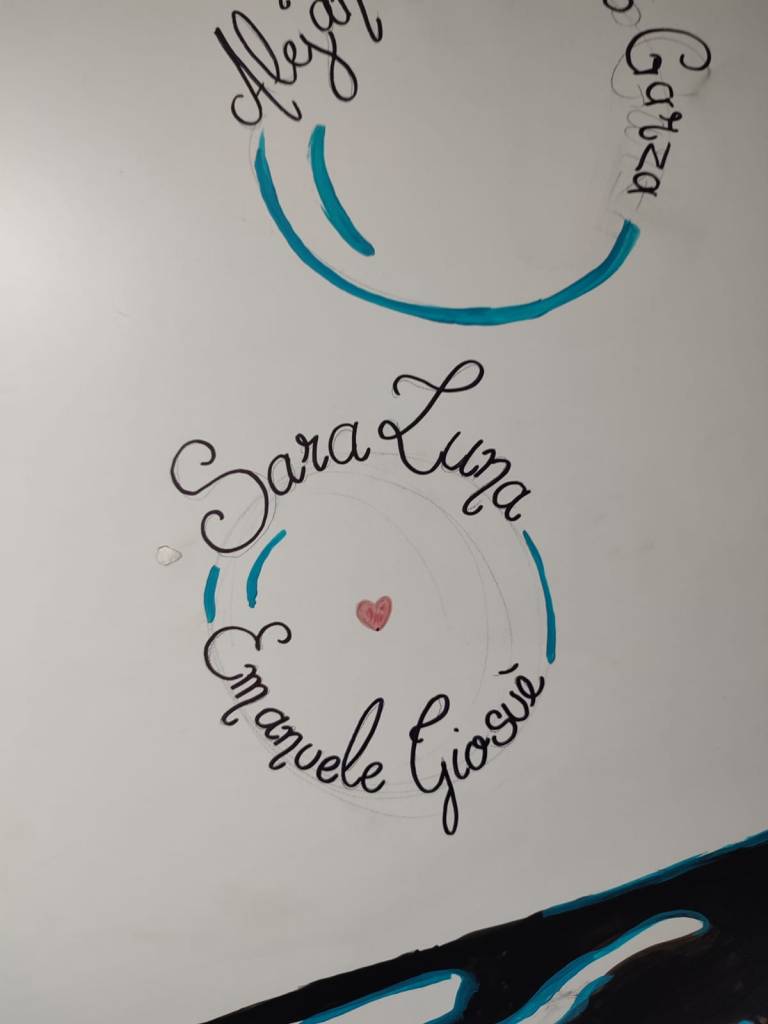
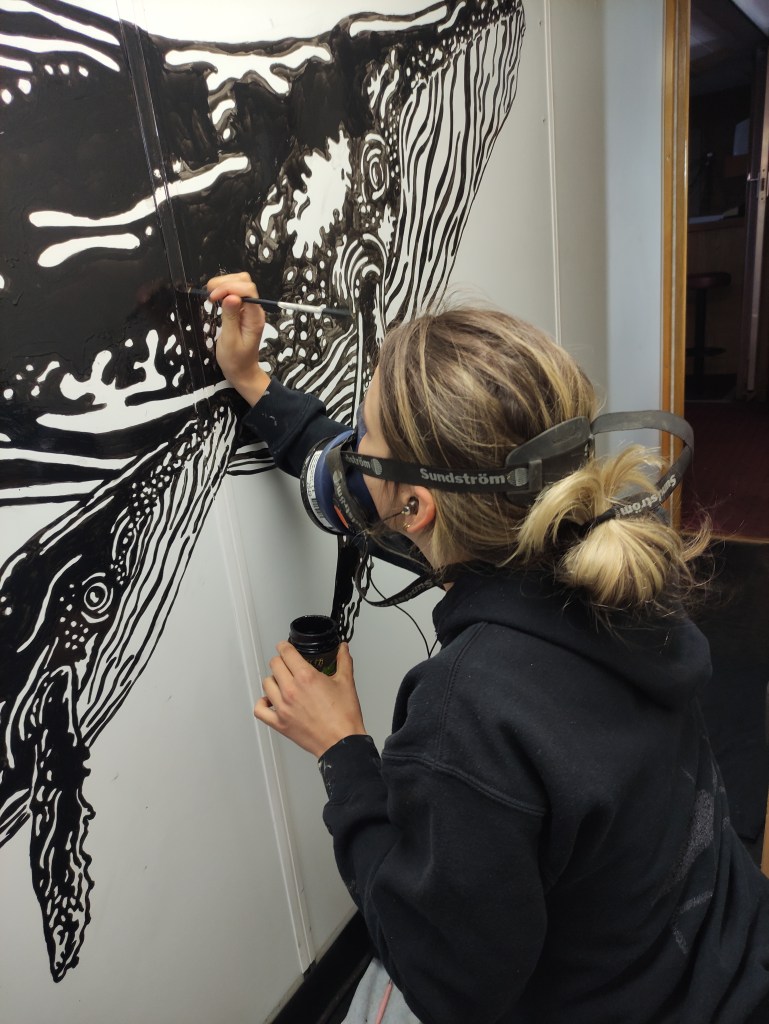
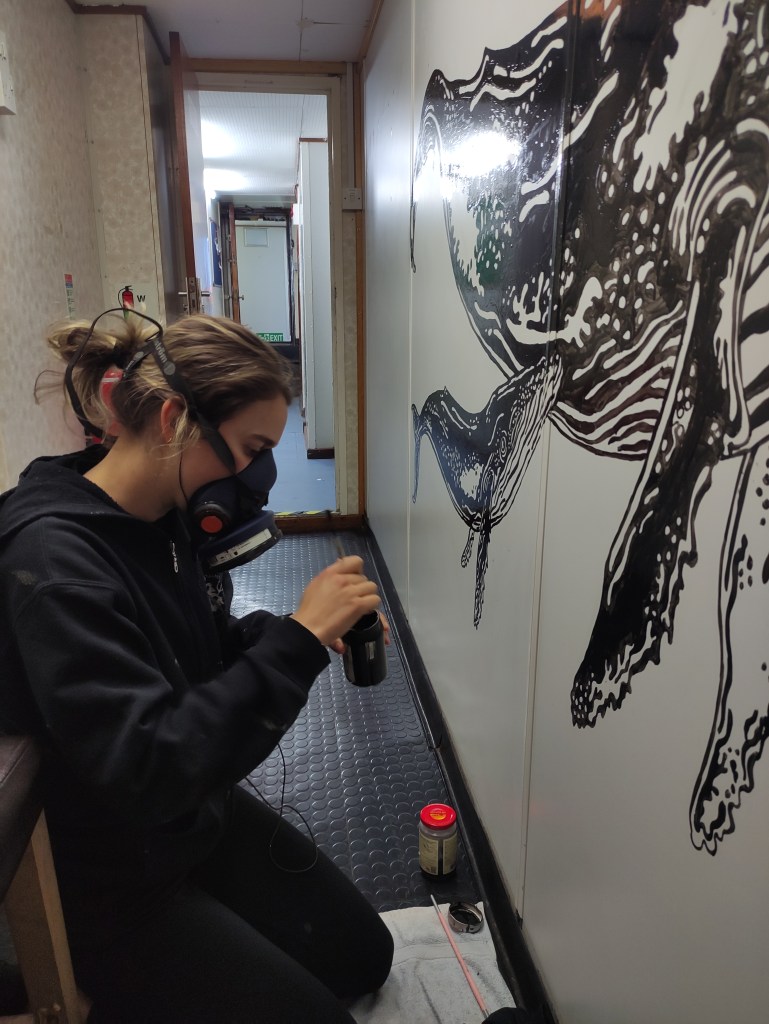
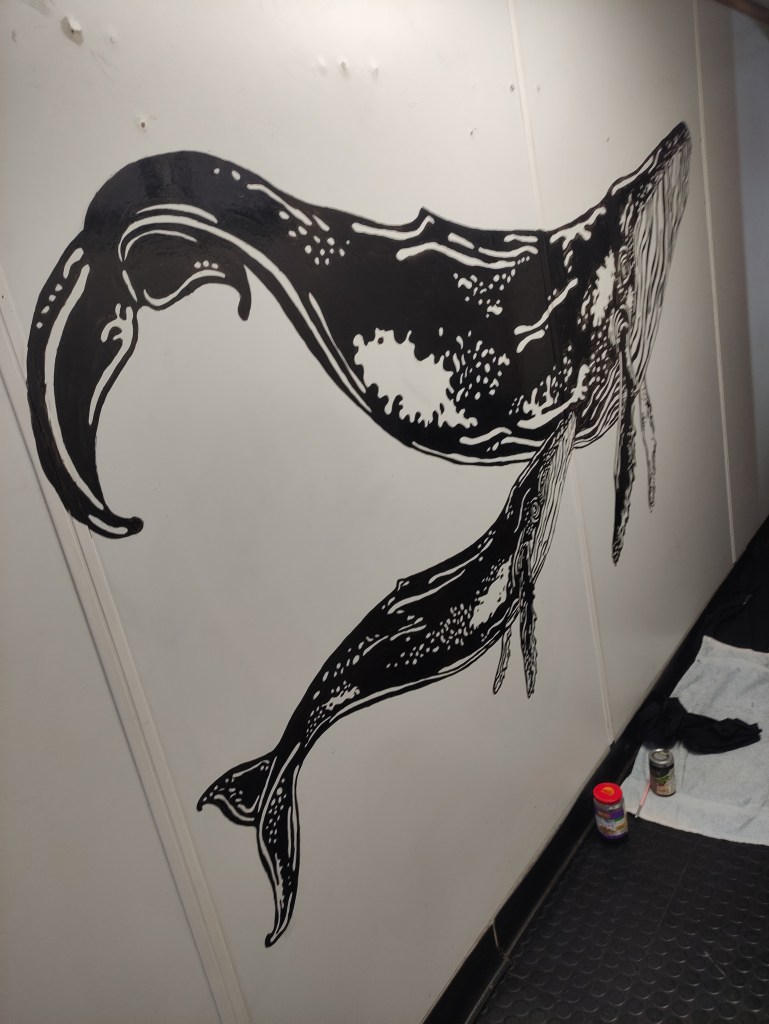
Adélie is a young French artist who, besides her activities on deck, has drawn a beautiful whale with her calf inside the JPD. Anyone who makes a donation of US$250 can have their name drawn in an air bubble inserted into the mural. I also wanted to leave something indelible and asked for the names of both my children Emanuele Giosuè and Sara Luna to be included. Now they too will ‘travel’ on board the ship along with their mother’s indelible memories.

When we arrived in Dublin, our paths diverged. I admit that it was a very intense and emotional moment and several of us were incapable of holding back the tears.
The first idea of the campaign against the Icelandic whaler Loftsson was canceled. After strong international pressure, he had declared that he would refrain from whaling this year 2025. The first CPWF project was thus canceled, and the leaders decided to leave Dublin for the French Riviera. Being at the UN Conference on the Oceans in Nice from 9 to 13 June, is good to raise public awareness. For me, reluctantly, after a month away from home, it was time to reunite with my family, even though I would have liked to continue the journey on the JPD.

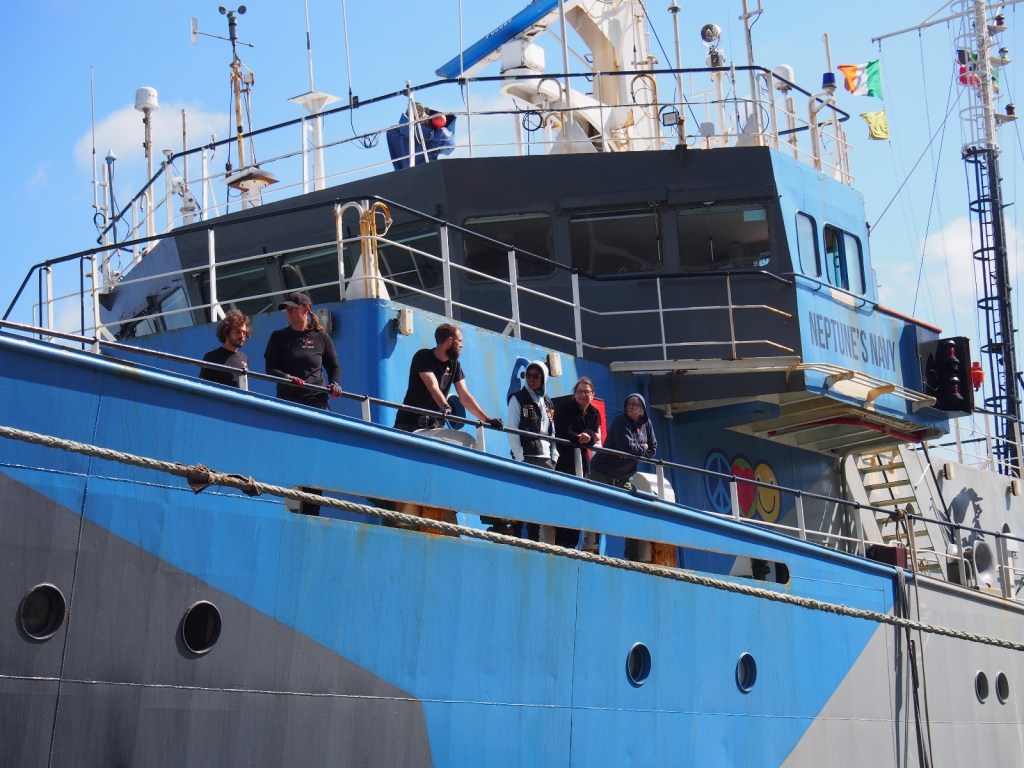
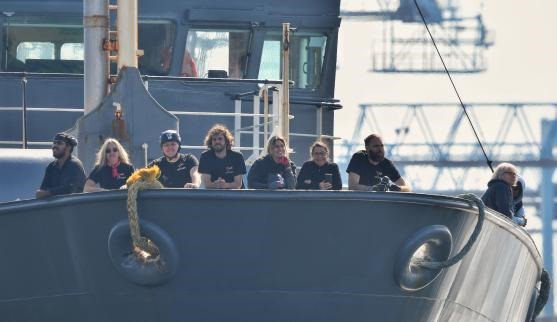

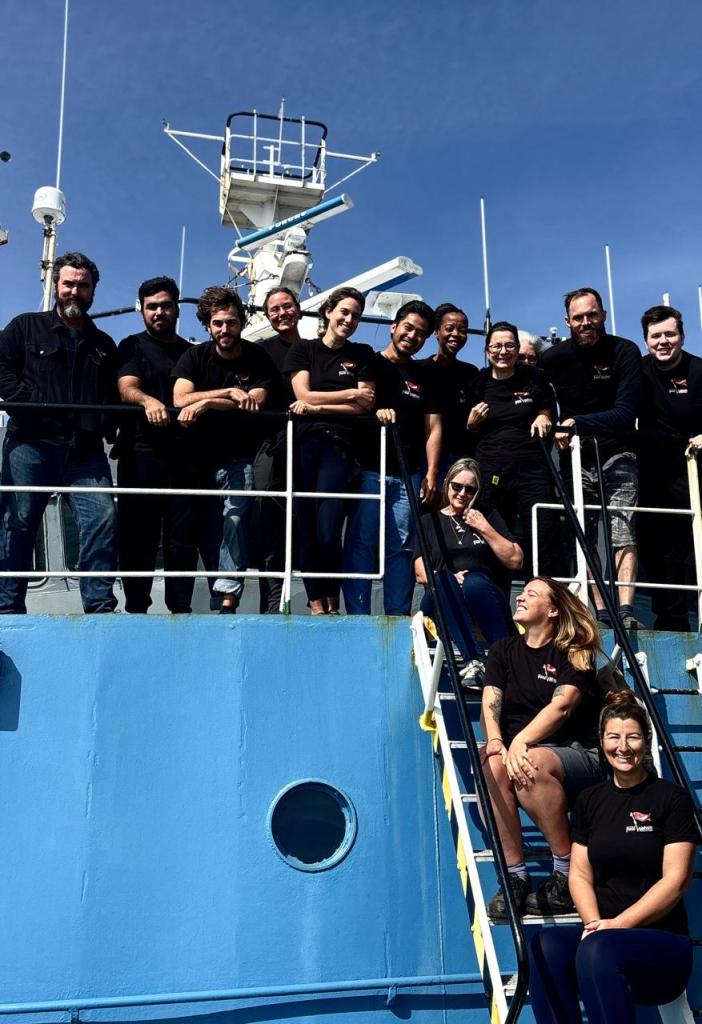
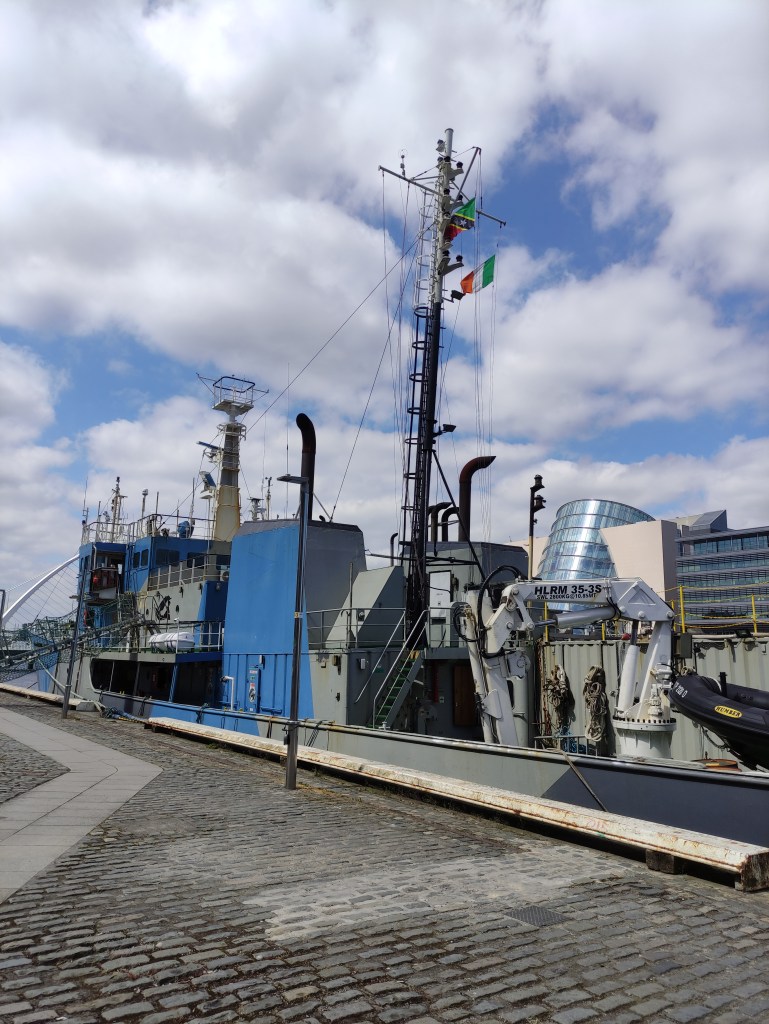

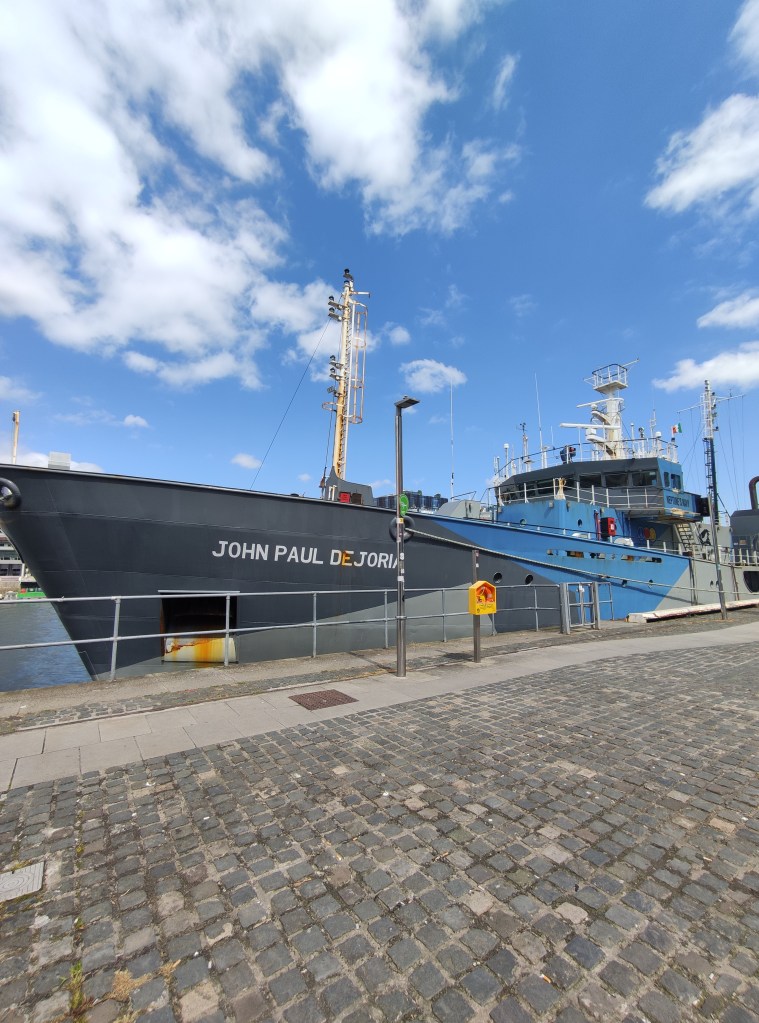
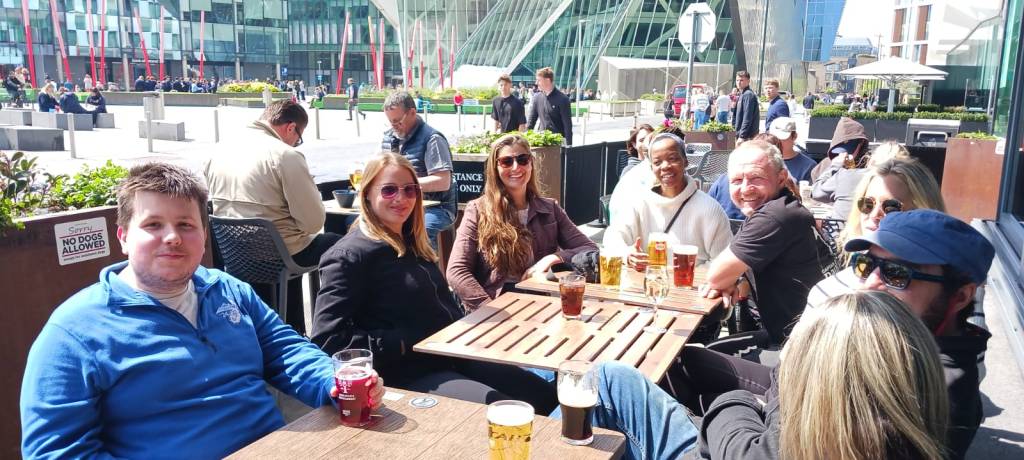


disembark and walk around the city. We received a real warm welcome from CPWF Irland supporters. They also organized visits of the ship to raise public awareness of the importance of the Foundation’s activities. These visits would take place on the weekends during the stay in Dublin of the JPD.

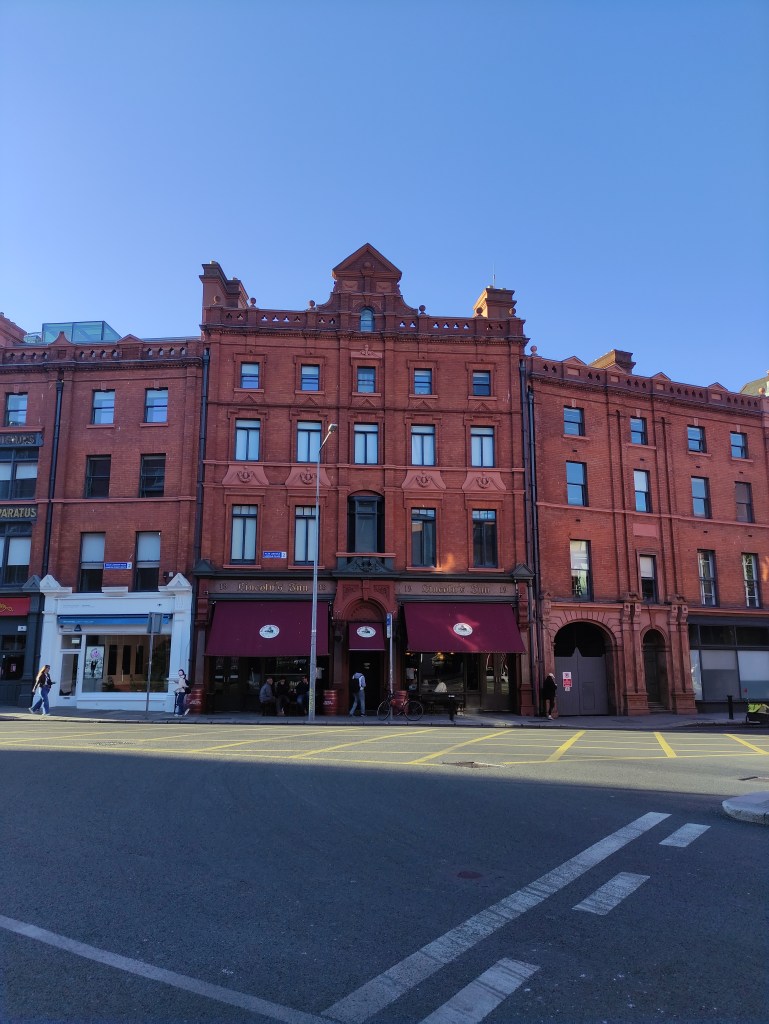
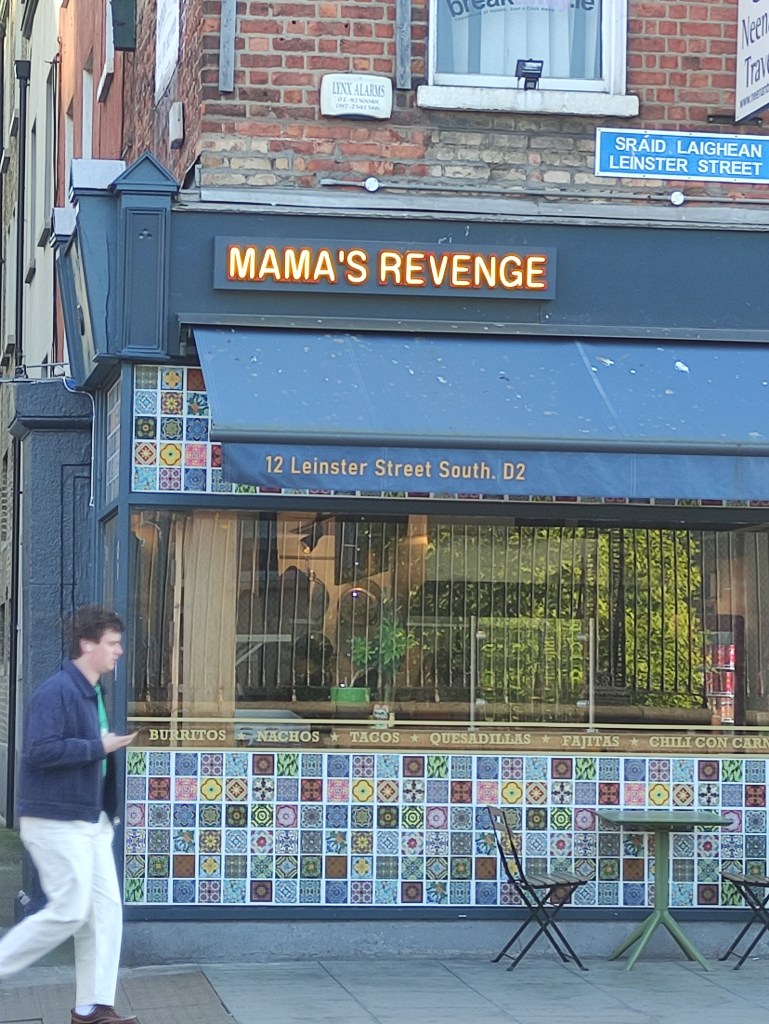
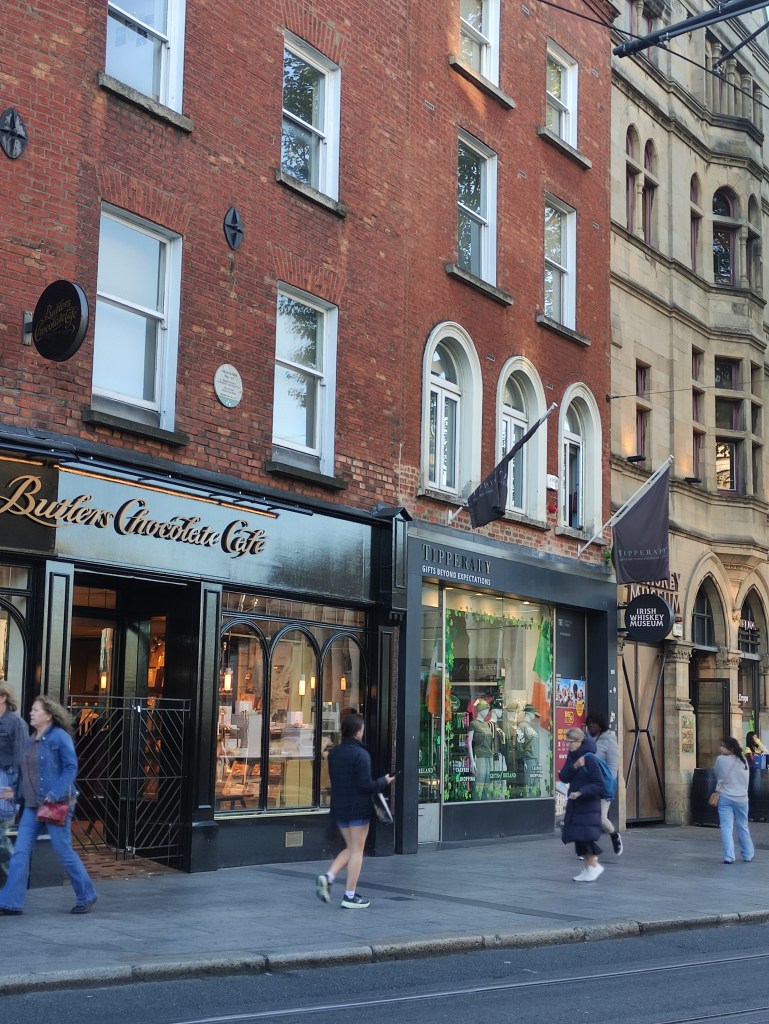
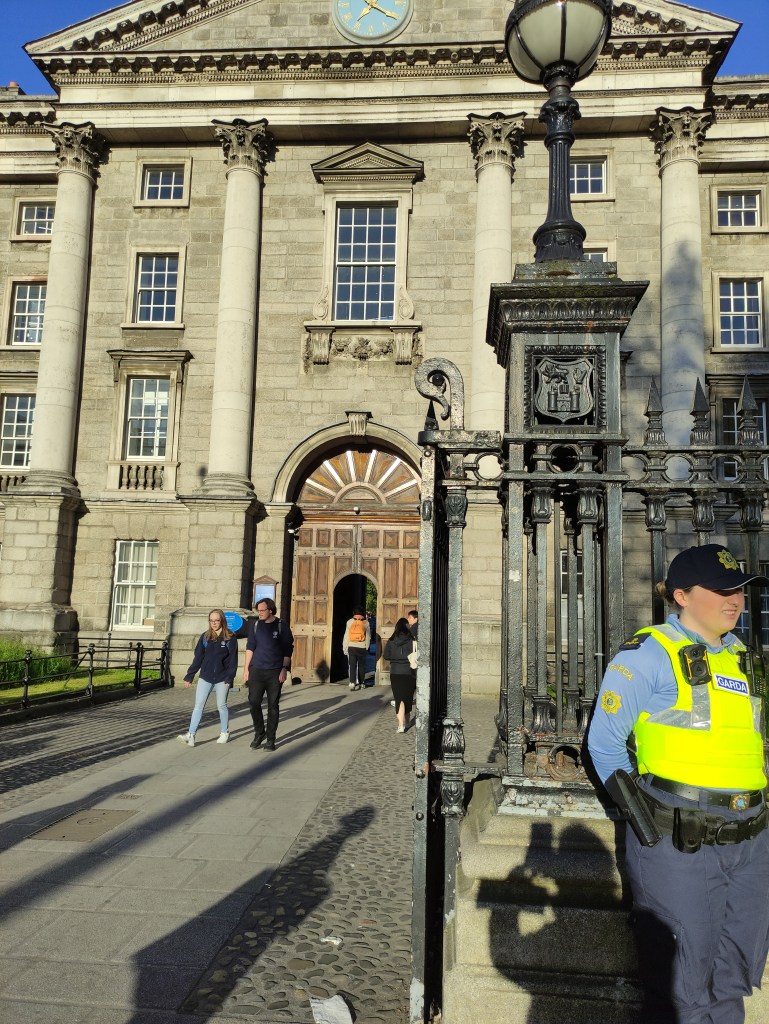
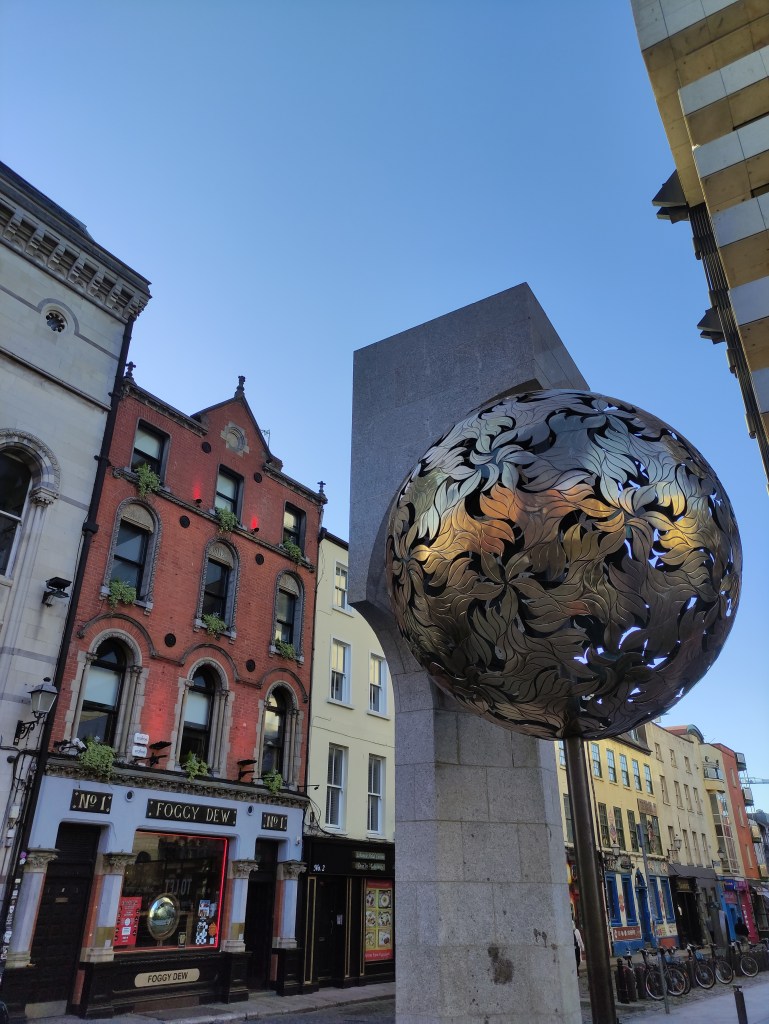
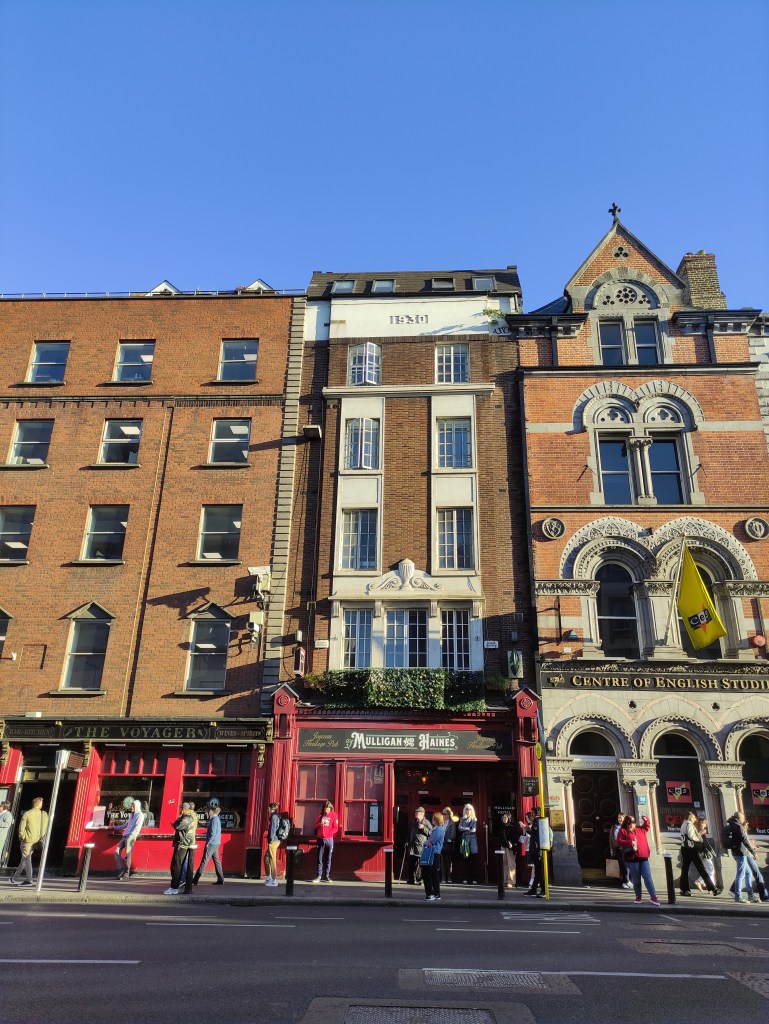
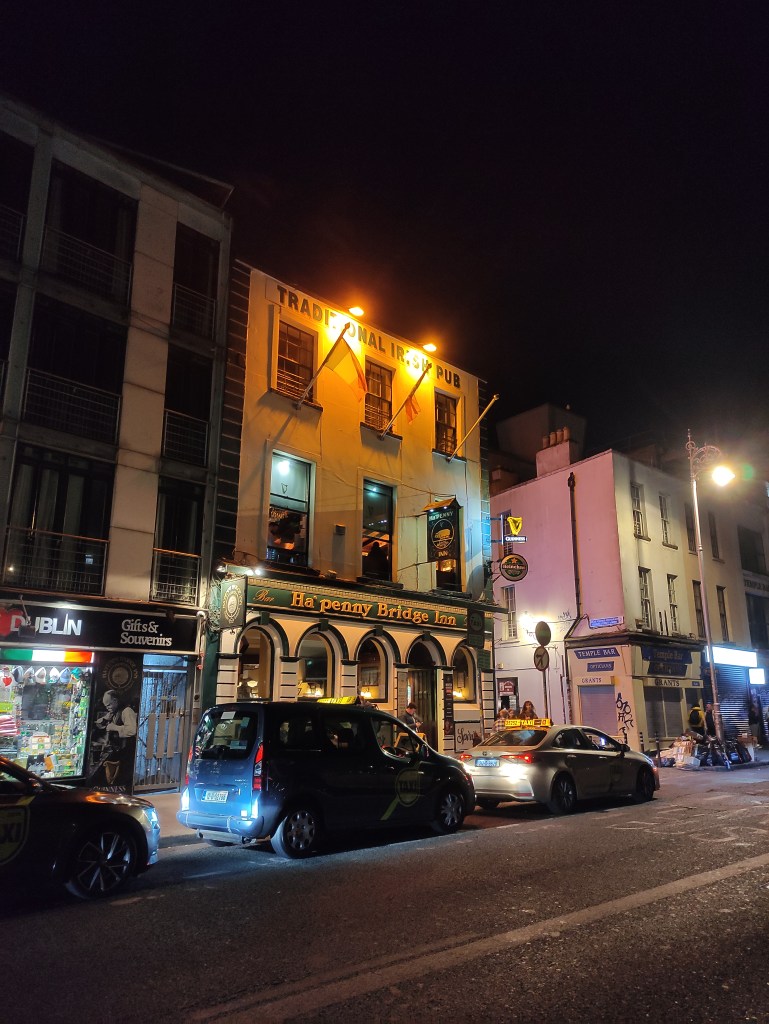

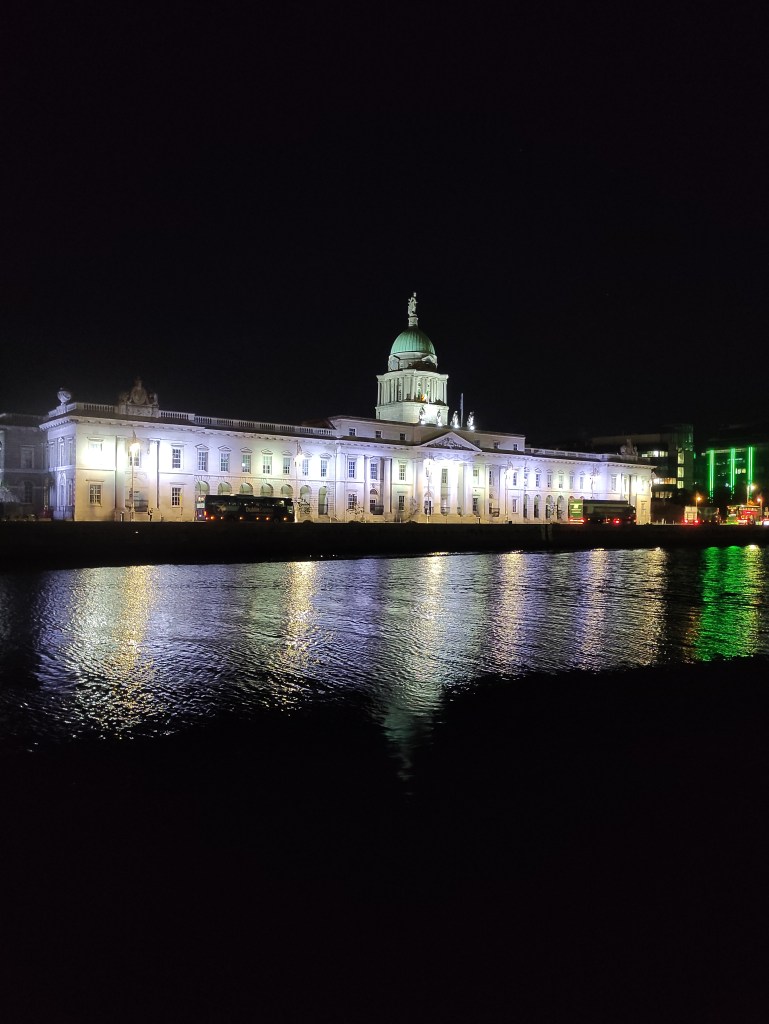


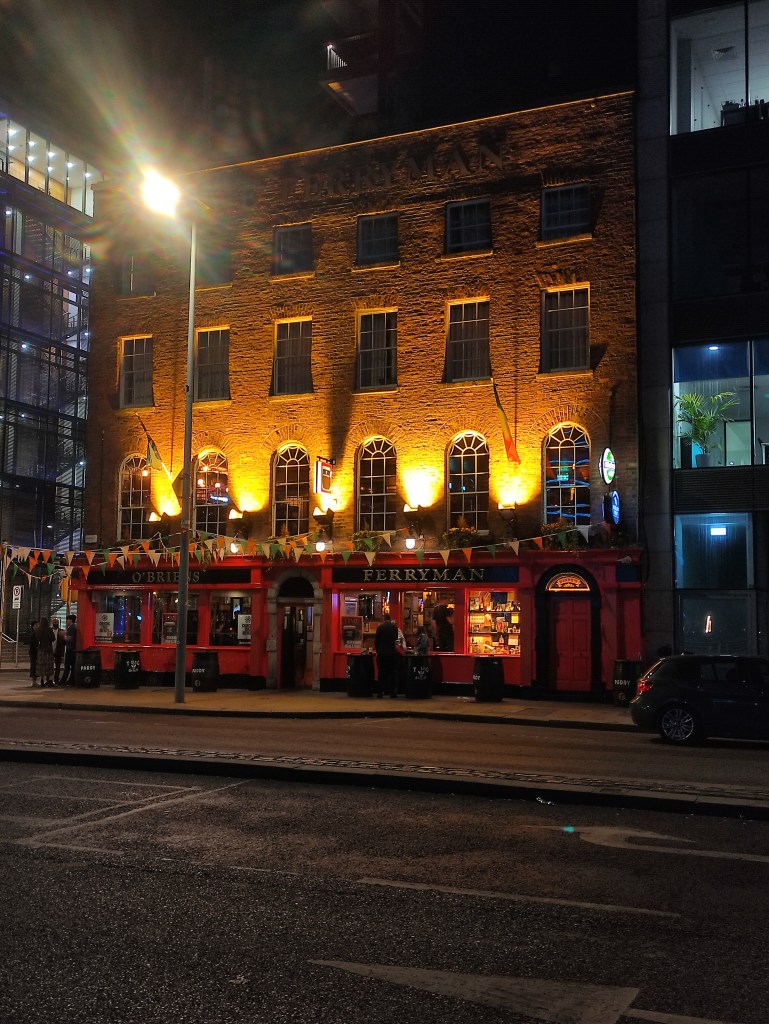
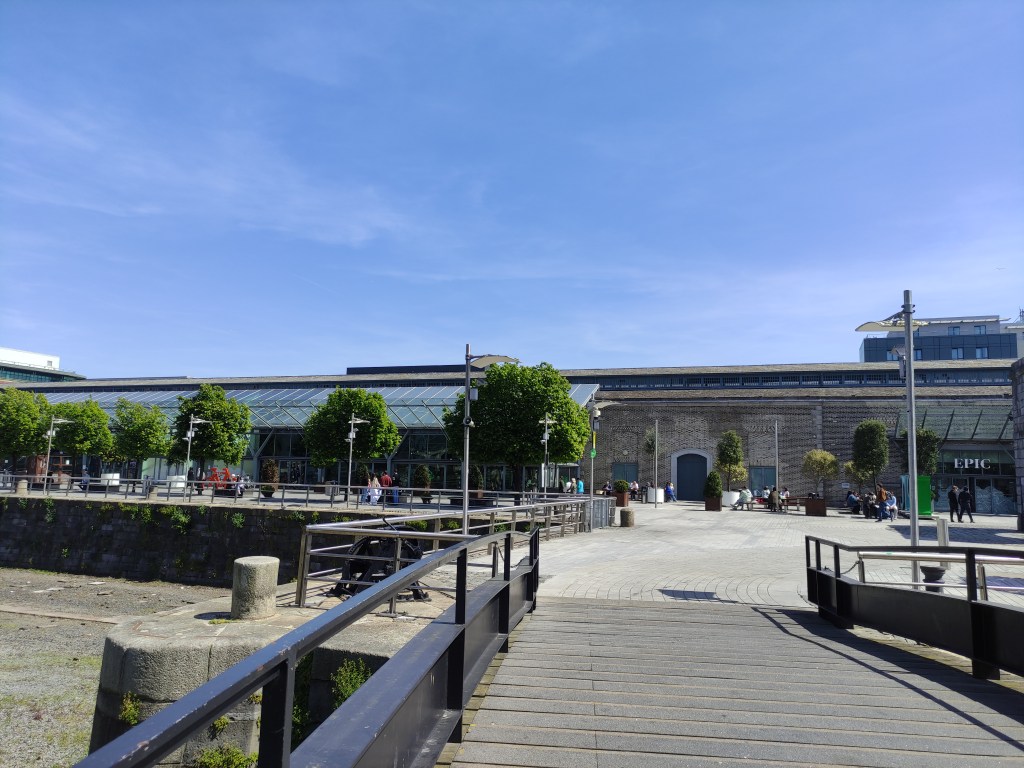


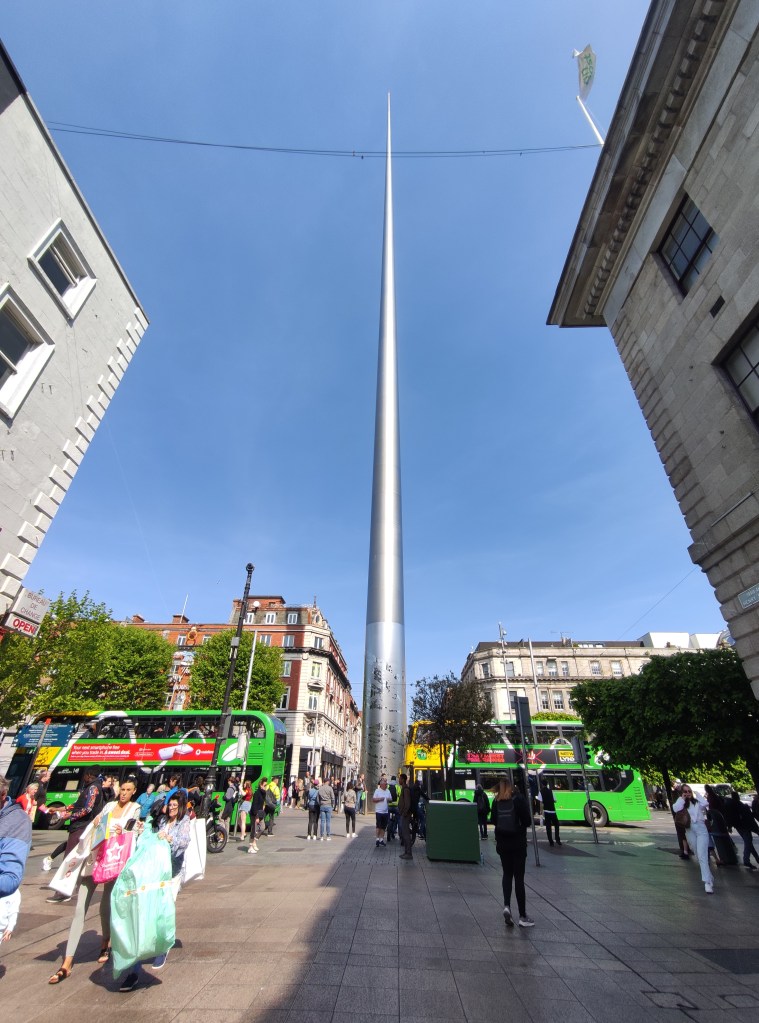


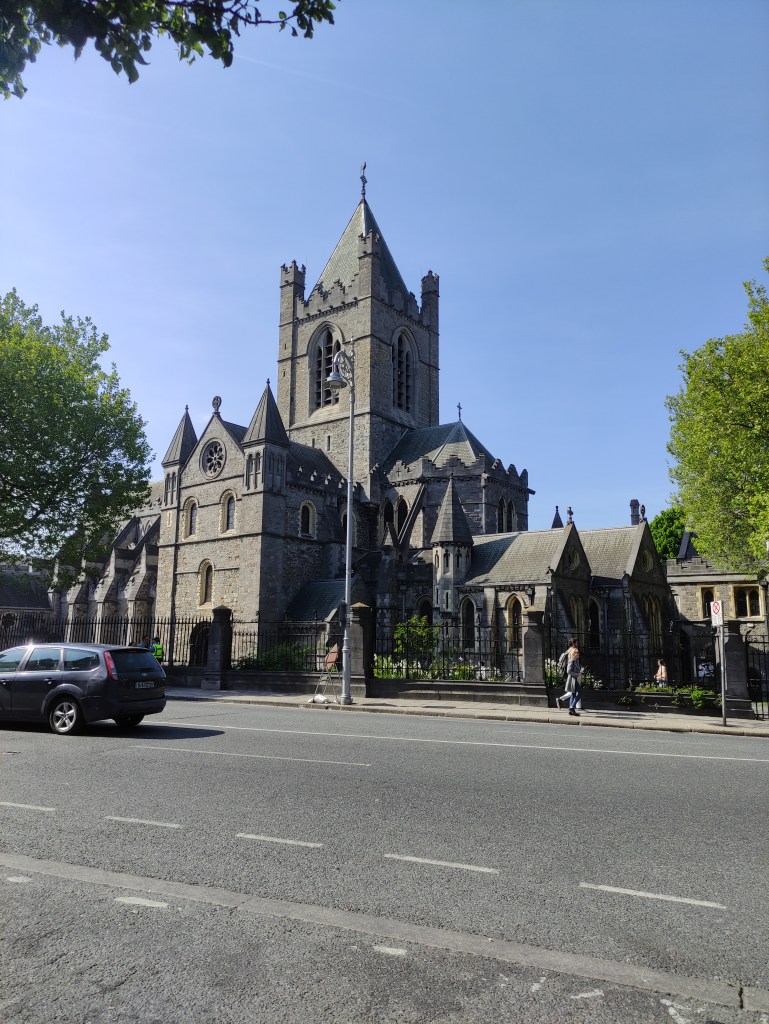


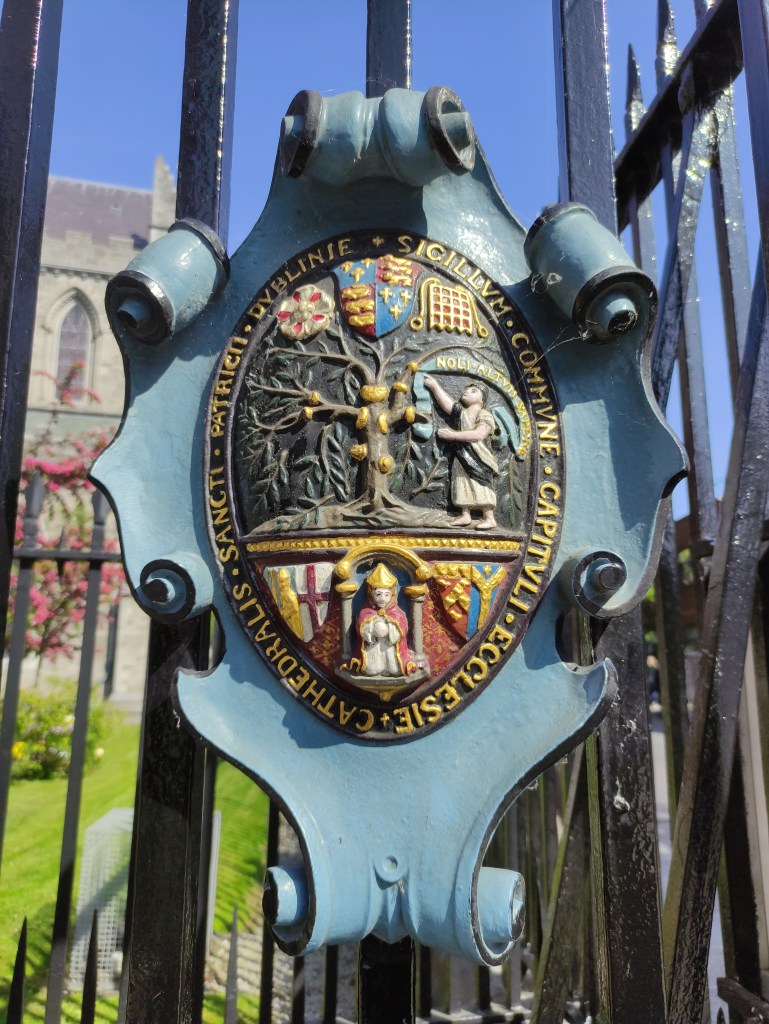
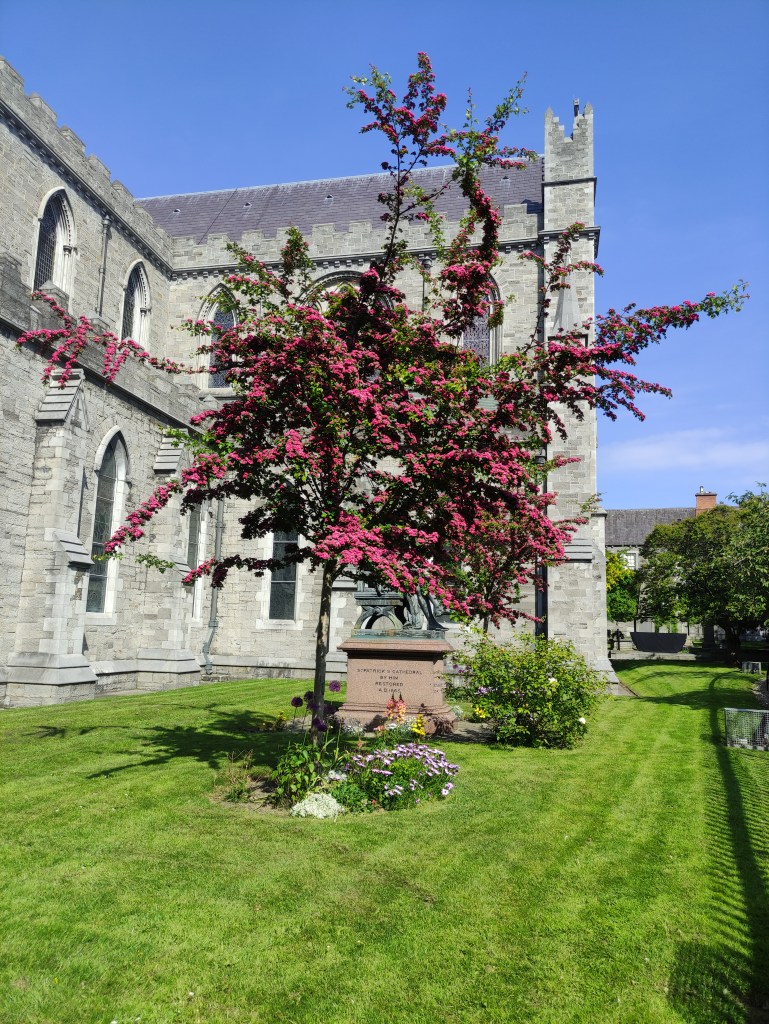
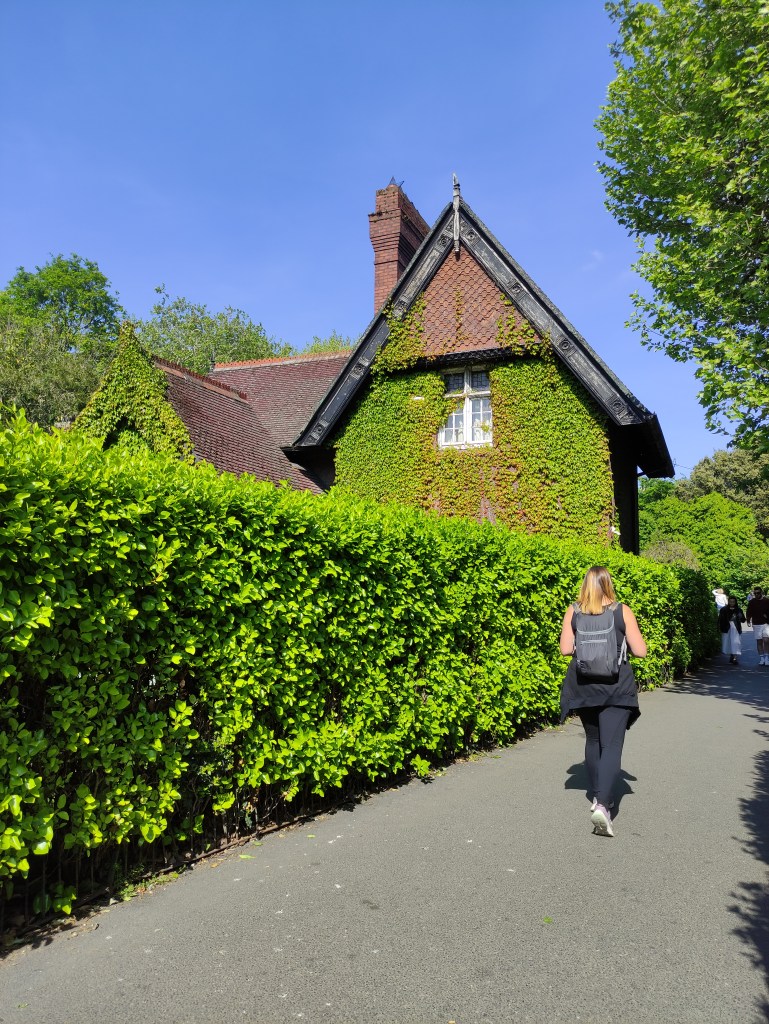
Several of the crew members remained in Ireland during the layover. They took the opportunity to visit that beautiful island and I was happy to follow the photos that some of them regularly posted on social media.
But as well some have taken other paths. All that remains is the fervent hope that one day fate will allow us to embrace each other again.
This situation brought back really painful memories of my years in the aviation. The crew, sometimes after 18 days, would disband at the Operational Centre in Zurich, knowing that we would maybe never see each others again.
For each one of us, only remained in the memory the shared really special moments.
This is the flow of time, which leaves memories that, like waves on the shore, will stay erasable in the hearts of some but indelible in those of others.


Do not forget that life is too short.
Every day is a gift, a gift of immense value that should be lived with extreme intensity.
The gift of life should lead each one of us to respect every living creature. To help those in need and to love this wonderful planet Earth intensely.Yours Claudine
Actual position of the JPD travelling

 Claudine Giovannoni